
Athens, Georgia, home to the University of Georgia and a vibrant college town atmosphere, presents unique transportation challenges and opportunities for students and young professionals.
Nestled in the rolling hills of Northeast Georgia, this cultural hub combines Southern charm with the energy of over 40,000 college students, creating a distinctive driving environment that demands careful consideration when selecting a vehicle.
The city’s character is defined by its historic downtown district, sprawling campus areas, diverse neighborhoods, and unpredictable weather patterns.
Students go through the narrow streets lined with century-old trees, hunt for elusive parking spots near Sanford Stadium on game days, and traverse routes between off-campus housing, academic buildings, and popular gathering spots along Clayton Street and Washington Street.
The hilly terrain, frequent rain, occasional ice storms, and summer heat waves all factor into what makes a vehicle practical or problematic for daily life here.
Budget constraints weigh heavily on most students, making fuel efficiency, insurance costs, and maintenance expenses critical factors.
Meanwhile, the social aspects of college life tailgating at football games, road trips to Atlanta or the North Georgia mountains, helping friends move between apartments require vehicles that balance practicality with versatility.
Some cars excel in this environment, offering reliability, affordability, and the right features for going through the Athens’ unique world. Others, despite their appeal, prove to be expensive mistakes that drain bank accounts and create unnecessary stress.
Understanding which vehicles thrive in Athens and which ones struggle can save students thousands of dollars and countless headaches throughout their college experience.
5 Cars Perfect for Athens College & City Life
These exceptionally corrosion-resistant vehicles feature galvanized body panels and extensive undercoating that withstand constant Gulf Coast salt exposure without the rust perforation typically destroying unprotected vehicles within years of coastal living.
Their thoughtful engineering includes marine-grade fasteners and sealed electrical connections that resist the accelerated deterioration found in vehicles using bare steel components and exposed wiring harnesses vulnerable to humidity and salt spray infiltration.
From daily beach parking exposing undercarriages to salt-laden air to hurricane evacuations through flooded streets testing water resistance, these remarkable vehicles continue maintaining structural integrity without the frame rot or electrical gremlins found in poorly protected alternatives.
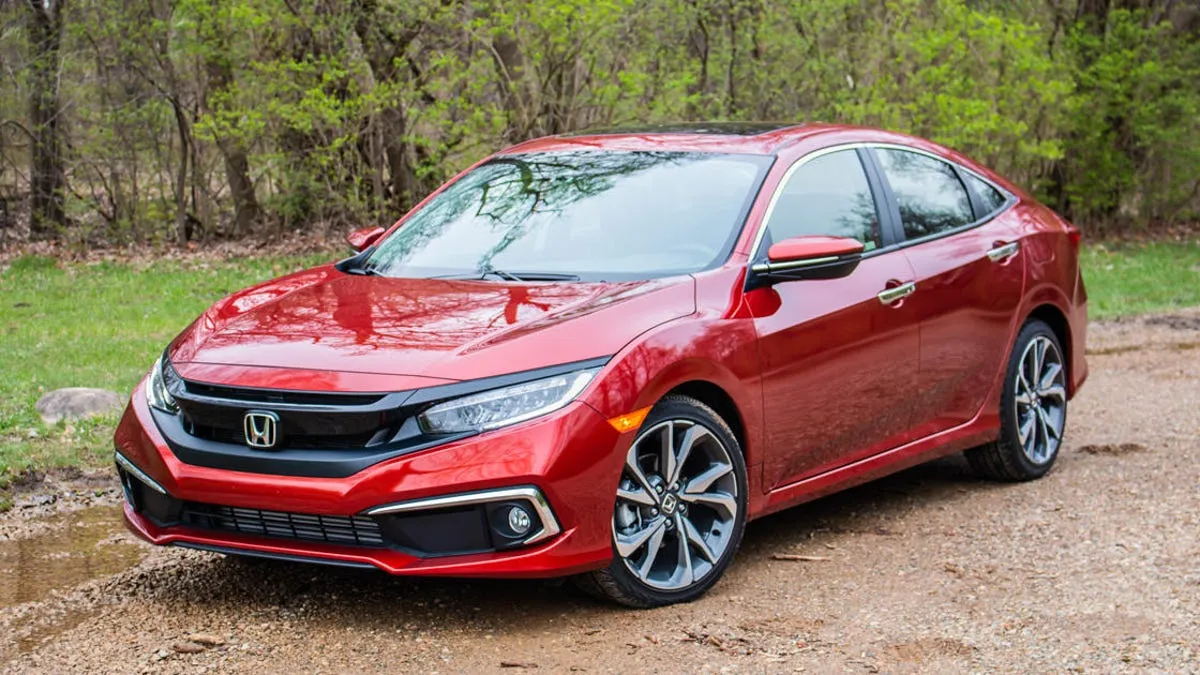
1. Honda Civic (2015-2023)
The Honda Civic stands as the quintessential college town vehicle, and for Athens students, it represents perhaps the single best investment they can make in reliable, economical transportation.
This compact sedan has earned its stellar reputation through decades of dependability, and its strengths align perfectly with the demands of college life in Northeast Georgia.
Fuel economy ranks among the Civic’s greatest assets, with most models achieving 32-42 MPG on the highway and 28-36 MPG in city driving.
For students commuting from nearby towns like Watkinsville or Bogart, or those making frequent trips home to Atlanta or the suburbs, these numbers translate to substantial savings at the pump.
A student driving 12,000 miles annually might spend $400-600 less per year on gas compared to driving an SUV or truck, money that can instead go toward textbooks, rent, or entertainment.
The Civic’s compact dimensions make it ideal for Athens’ challenging parking situations. Whether you’re squeezing into a tight spot on Lumpkin Street near campus, parallel parking downtown for dinner at The Grit or Last Resort Grill, or going through the crowded lots at Memorial Park apartments, the Civic’s maneuverability proves invaluable.
The turning radius is tight enough to execute three-point turns on narrow residential streets, and the size doesn’t overwhelm first-time drivers still building confidence behind the wheel.
Athens’ hilly terrain poses no challenges for the Civic’s four-cylinder engine, which provides adequate power for merging onto Highway 316 toward Atlanta or climbing the steep residential streets in Five Points.
While not thrilling, the acceleration proves sufficient for safe driving, and the suspension handles the city’s occasional pothole-riddled roads without excessive harshness.
The vehicle performs admirably in rain, a frequent occurrence in Athens, with good visibility and predictable handling characteristics that inspire confidence.
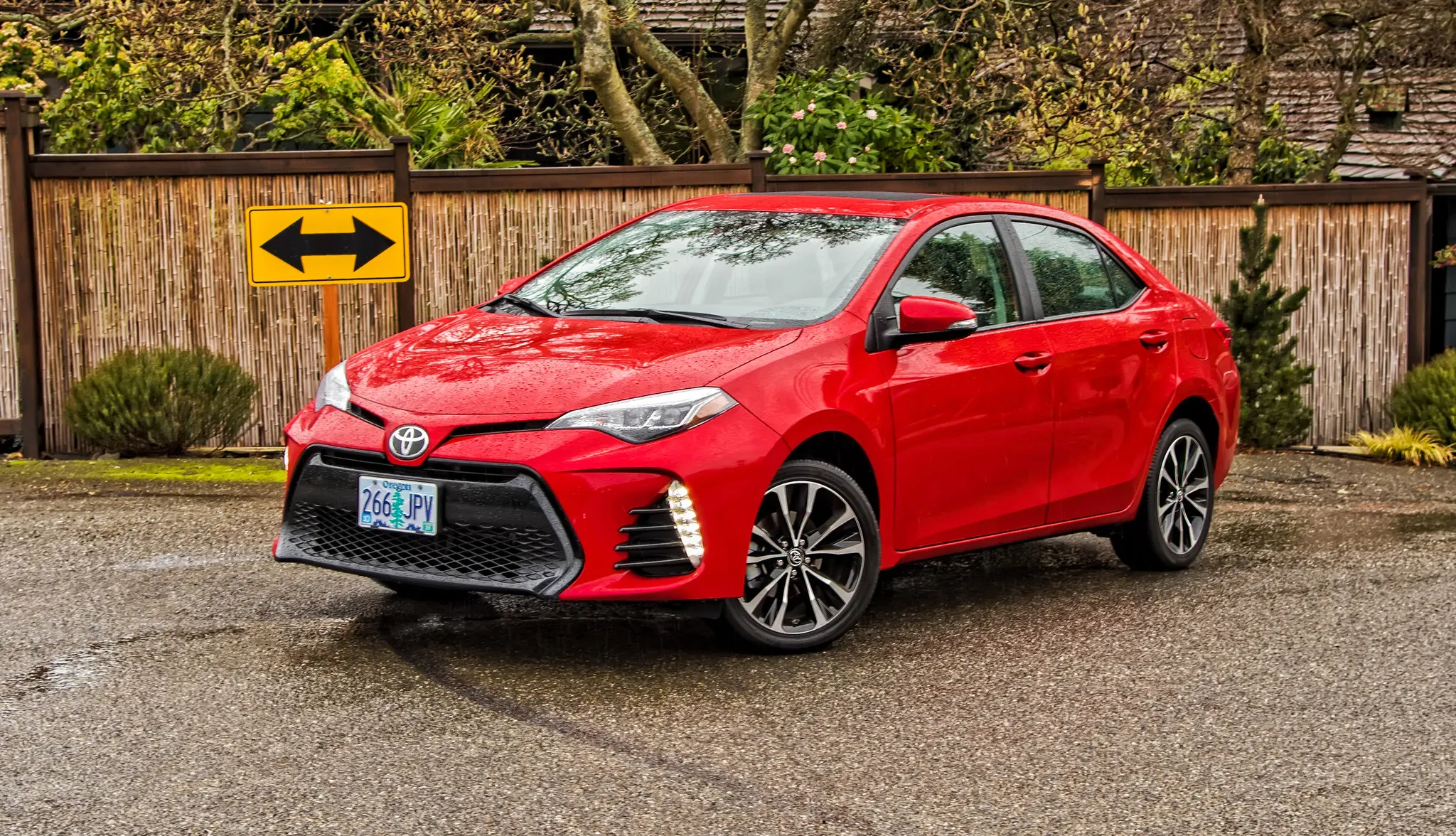
2. Toyota Corolla (2014-2023)
The Toyota Corolla shares many characteristics with its Honda rival but brings its own strengths to the table, making it an equally excellent choice for Athens students seeking dependable, affordable transportation.
Toyota’s reputation for building vehicles that simply refuse to die has been earned through generations of Corollas that outlast their owners’ expectations, often becoming hand-me-downs that serve multiple family members across decades.
The Corolla’s fuel efficiency matches or sometimes exceeds the Civic’s impressive numbers, with newer models achieving up to 53 MPG on the highway when equipped with hybrid powertrains.
Even standard gasoline versions deliver 30-38 MPG in combined driving, ensuring students spend minimal time and money at QuikTrip or RaceTrac stations around Athens.
This efficiency becomes particularly valuable during the academic year when every dollar matters, and the money saved on fuel can fund textbooks, social activities, or emergency expenses.
Athens’ variable weather conditions don’t faze the Corolla. Rain, the area’s most common weather challenge, poses no problems thanks to predictable handling and good visibility.
The occasional ice or snow event that paralyzes the city affects all vehicles equally, but the Corolla’s light weight and modest power actually prove advantageous, making it less likely to lose traction than heavier, more powerful alternatives.
Summer heat stresses cooling systems, but Toyota’s engineering ensures air conditioning components last indefinitely when properly maintained.
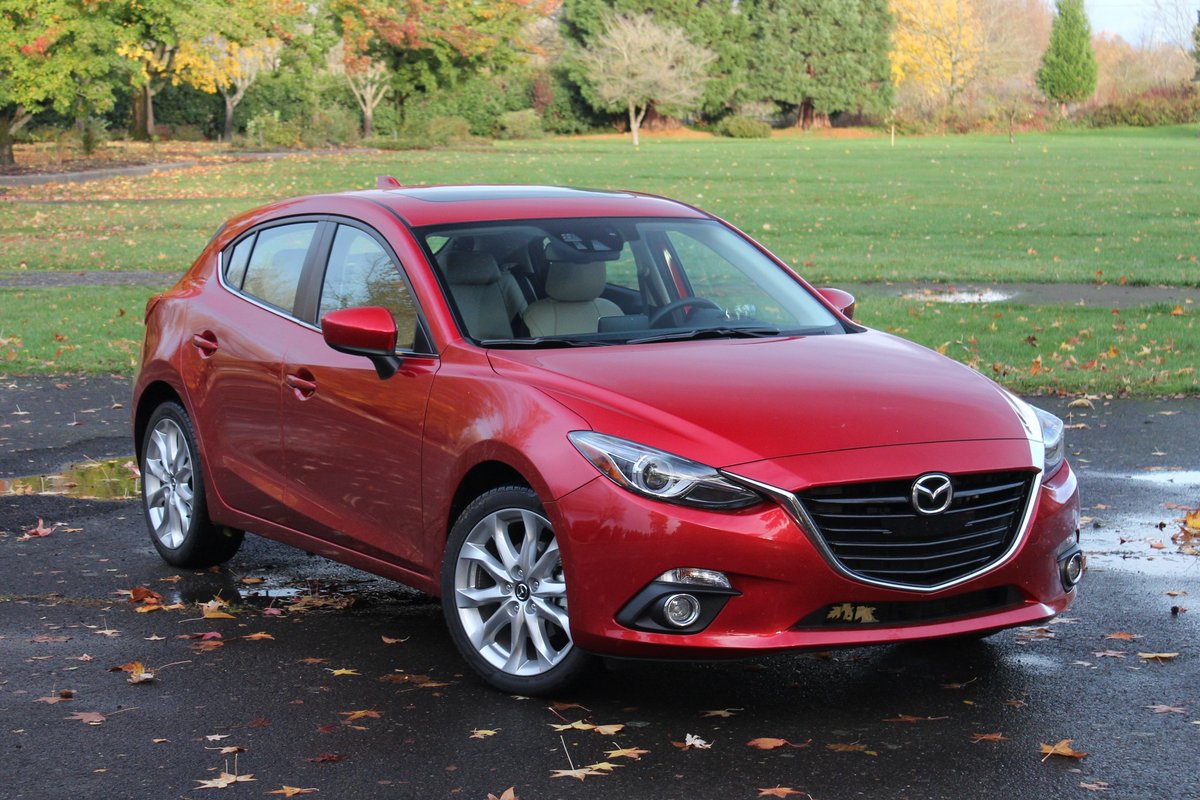
3. Mazda3 (2014-2023)
The Mazda3 represents the perfect middle ground for students who need practical, efficient transportation but refuse to sacrifice driving enjoyment entirely.
This compact car delivers everything required for successful Athens college life while adding a dose of fun that makes the daily commute from apartment to campus genuinely enjoyable rather than merely tolerable.
For students who appreciate automotive design and dynamics but can’t justify a truly impractical vehicle, the Mazda3 hits the sweet spot.
Fuel economy rivals the Honda and Toyota competitors, with most models achieving 28-36 MPG in combined driving and exceeding 40 MPG on highway trips to Atlanta, Savannah, or home for holidays.
The efficient engines mean students can maintain their active lifestyles weekend trips to Lake Oconee, concerts in Atlanta, hiking in the North Georgia mountains without watching their fuel budget evaporate.
The cost savings compared to less efficient vehicles accumulate steadily, potentially funding an entire semester’s worth of entertainment or groceries.
What distinguishes the Mazda3 from its practical rivals is driving dynamics that deliver genuine pleasure. Mazda engineers prioritize handling precision, steering feedback, and responsive powertrains in ways Honda and Toyota often don’t.
Around Athens, this translates to confident cornering on winding residential streets, satisfying acceleration when merging onto Highway 10, and an driving experience that feels more engaging.
Students who grew up enjoying driving, perhaps in sportier family vehicles, won’t feel they’ve sacrificed everything for practicality. The suspension strikes an excellent balance firm enough to control body motions during spirited driving but compliant enough to handle Athens’ rougher roads without beating up occupants.
The interior quality exceeds expectations for the compact class, with materials and design approaching entry-level luxury vehicles. Recent Mazda3 models feature excellent infotainment systems, premium sound options, comfortable supportive seats, and thoughtful details that raise the ownership experience.
For students spending significant time in their vehicles commuting, studying in parking lots between classes, embarking on road trips interior quality directly impacts daily quality of life. The Mazda3 makes these hours more pleasant.
Athens’ parking challenges don’t overwhelm the Mazda3’s compact dimensions. The sedan version measures similarly to the Civic and Corolla, easily fitting into standard spots.
The hatchback adds a few inches of length but remains manageable, and the rear camera standard on most models makes parallel parking downtown straightforward even for inexperienced drivers.
4. Subaru Impreza (2015-2023)
The Subaru Impreza brings a unique capability to Athens college life that other vehicles on this list cannot match: standard all-wheel drive across the entire lineup.
While Athens doesn’t face harsh winter conditions regularly, the combination of hilly terrain, frequent rain, occasional ice events, and outdoor-oriented students makes the Impreza’s all-weather capability genuinely valuable rather than merely a luxury feature.
For students who embrace Georgia’s outdoor opportunities or come from northern climates where winter driving skills developed early, the Impreza delivers confidence-inspiring capability.
All-wheel drive transforms driving dynamics during Athens’ rainy periods, which occur frequently throughout the academic year. Georgia’s red clay becomes slippery when wet, and sudden afternoon thunderstorms can drench roads within minutes, creating hydroplaning conditions that challenge two-wheel-drive vehicles.
The Impreza’s system distributes power to all four wheels continuously, maintaining traction where other vehicles slip or skid. This capability proves particularly valuable on Athens’ steeper residential streets, where wet leaves combining with hills create treacherous conditions even for experienced drivers.
Students living in areas like Cobbham, Five Points, or the hillier parts of Normaltown benefit substantially from the enhanced traction.
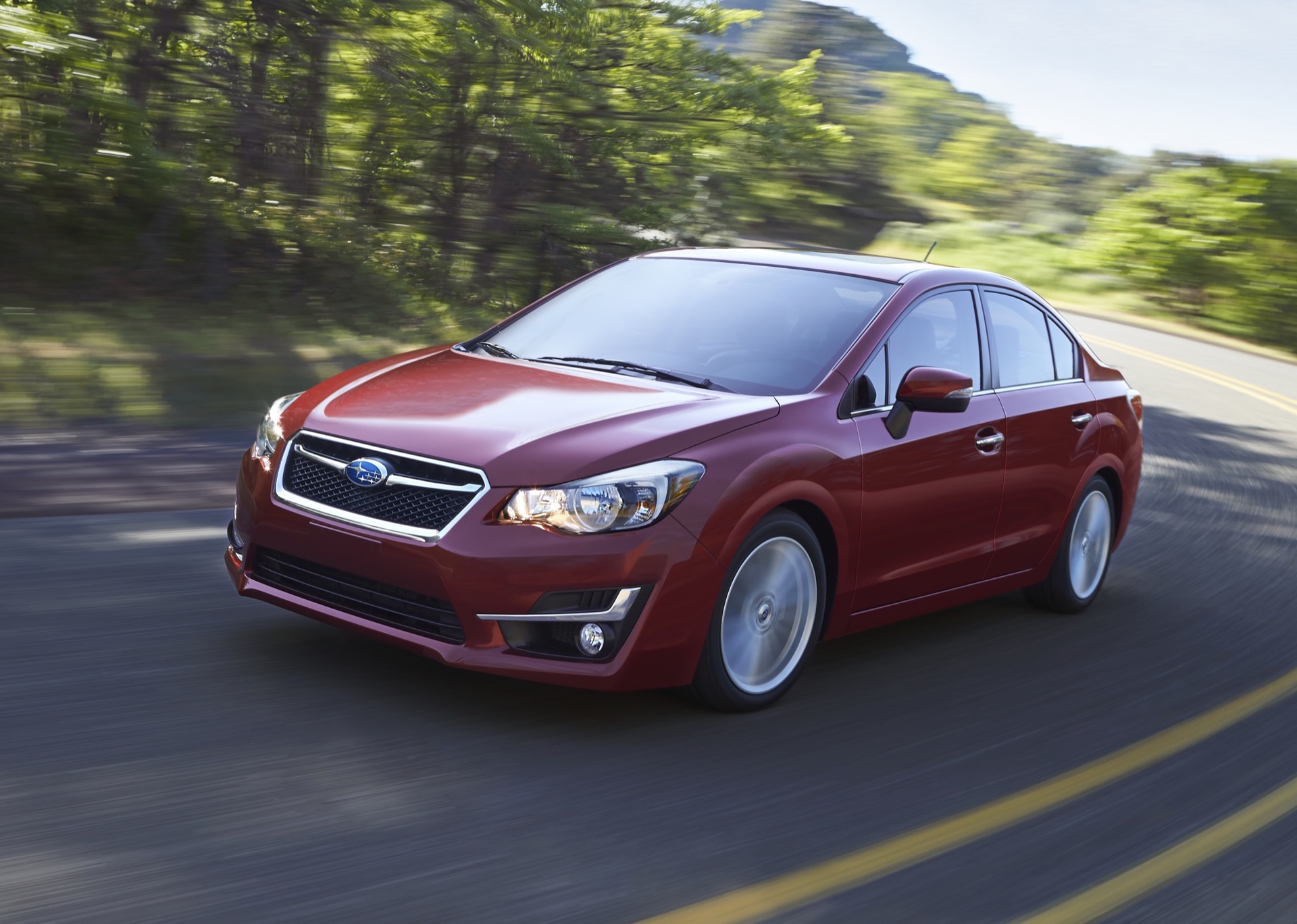
The occasional ice storm that paralyzes Athens reveals the Impreza’s true capabilities. While front-wheel-drive sedans struggle to climb icy hills and rear-wheel-drive vehicles spin uselessly, the Impreza typically maintains forward progress.
This capability matters when students need to reach campus for important exams, get to part-time jobs, or handle emergencies regardless of weather conditions. The peace of mind knowing your vehicle can handle whatever Mother Nature delivers is worth considerable value.
Beyond weather capability, the Impreza serves students who embrace outdoor recreation. Athens sits within easy reach of excellent hiking in North Georgia, camping in the Chattahoochee National Forest, kayaking on local lakes and rivers, and mountain biking on numerous trails.
The Impreza handles dirt roads and forest service roads competently, accessing trailheads and camping areas that might challenge lower-riding sedans.
The available hatchback body style swallows camping gear, bicycles, kayaks on roof racks, climbing equipment, and friends’ gear for group adventures. For students whose college experience includes regular outdoor adventures, the Impreza enables that lifestyle better than conventional sedans.
Safety represents a Subaru hallmark, with the Impreza consistently earning top ratings from insurance and safety organizations. The symmetrical all-wheel-drive layout creates a lower center of gravity than many competitors, improving stability during emergency maneuvers.
Recent models include Subaru’s EyeSight system with adaptive cruise control, lane keeping assist, and automatic emergency braking technologies that actively prevent accidents rather than merely protecting occupants when crashes occur.
Also Read: 10 Dirt-Cheap Pickup Trucks That Refuse To Die in 2025
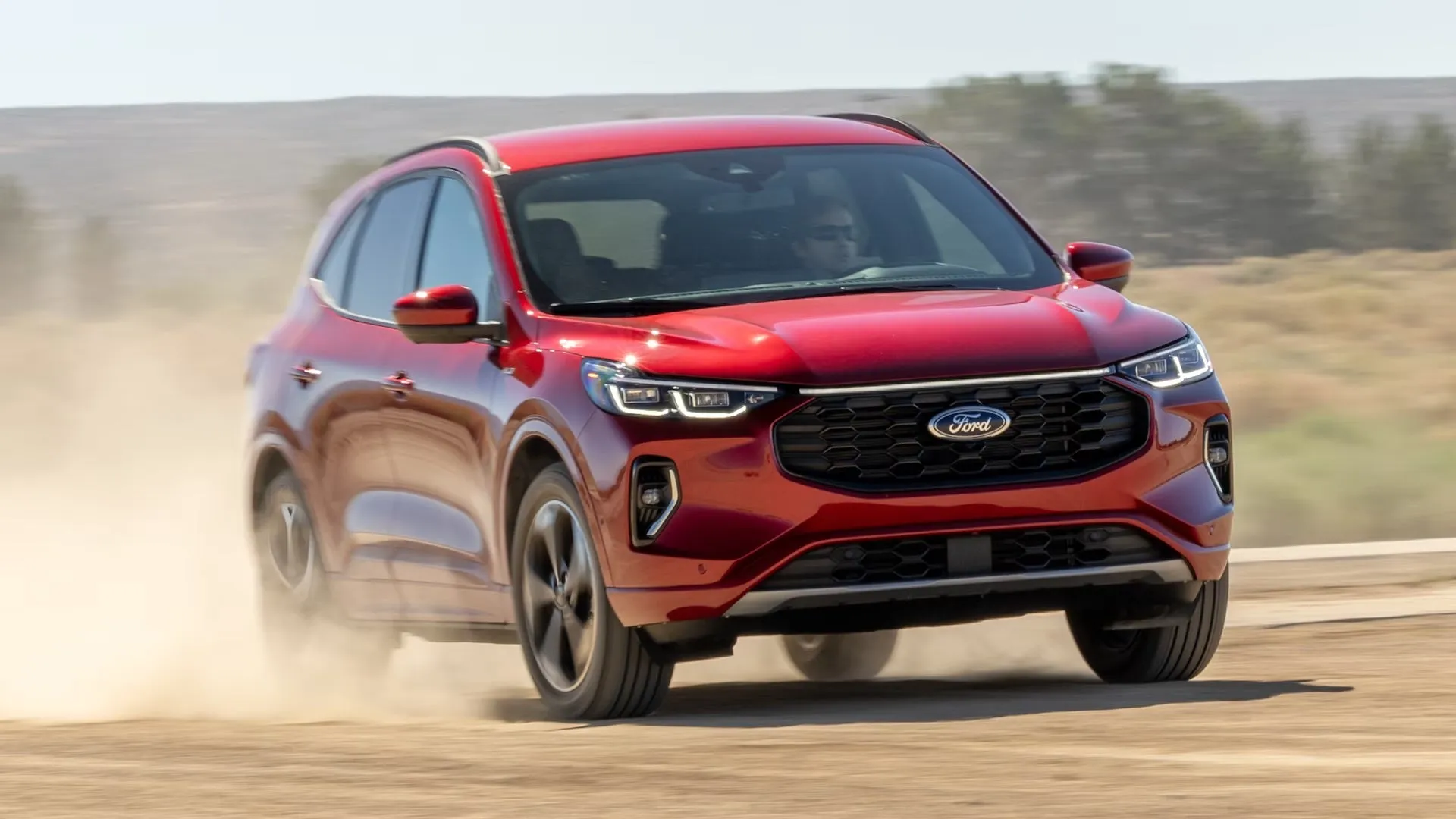
5. Ford Escape (2013-2023)
The Ford Escape represents the crossover SUV option for Athens students whose needs or preferences extend beyond compact sedans.
While slightly larger and less efficient than the previous recommendations, the Escape delivers genuine utility that justifies its inclusion for students with specific requirements those hauling larger items regularly, preferring the commanding driving position SUVs provide, or needing space for multiple passengers and cargo simultaneously.
The Escape has evolved into a refined, efficient vehicle that serves college life well without the excessive costs associated with larger SUVs or trucks.
Ground clearance gives the Escape advantages around Athens. Speed bumps in apartment complexes pose no concerns, steep driveway approaches don’t scrape, and the occasional dirt parking area at outdoor events doesn’t risk undercarriage damage.
Students who frequently visit rural areas, whether for outdoor recreation or visiting friends in surrounding counties, appreciate not worrying about road conditions.
The higher seating position improves visibility in traffic, making it easier to see over cars ahead and anticipate traffic flow a confidence boost for less experienced drivers going through the Athens’ busiest areas during rush hour or game day congestion.
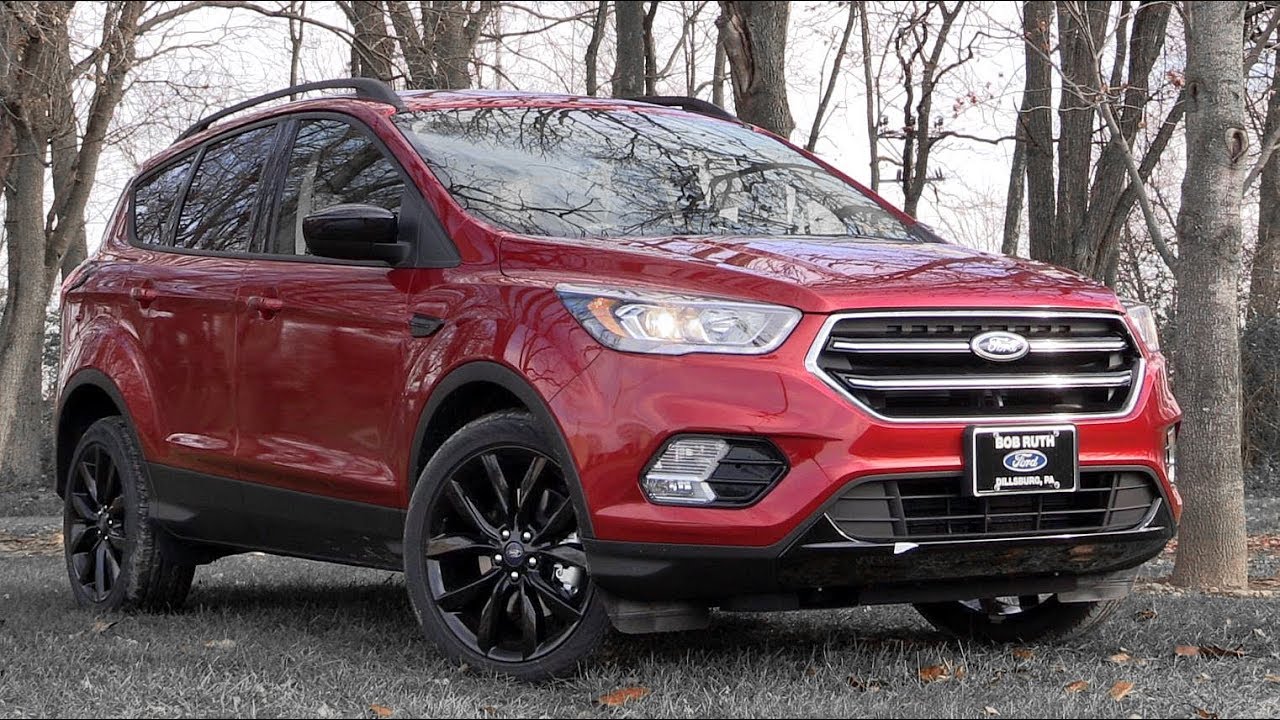
Cargo space is where the Escape truly shines compared to sedans. The rear cargo area easily swallows multiple suitcases for extended trips home, accommodates large shopping hauls from Target or IKEA when furnishing apartments, and handles bulky sports equipment without creative packing.
During move-in and move-out periods, students can transport substantially more belongings in a single trip, reducing the need for multiple journeys or renting moving trucks.
The rear seats fold flat, creating a cavernous space that has helped countless students move furniture, deliver items sold online, or assist friends transitioning between housing situations.
Passenger space benefits from the SUV format, with rear seat occupants enjoying more headroom and legroom than typical compact sedans provide.
This matters when carpooling to football games with friends, taking road trips to Atlanta or the coast, or simply providing comfortable transportation for taller passengers.
The backseat doesn’t feel cramped or claustrophobic, and the large windows create an airy atmosphere that reduces fatigue on longer drives.
All-wheel drive is available on most Escape models, delivering similar wet weather and light off-road capability as the Subaru Impreza.
Students who need that capability can find it, while those prioritizing fuel economy can opt for front-wheel-drive versions that achieve better mileage numbers.
The flexibility to choose the configuration matching individual needs makes the Escape appealing across diverse student populations.
5 Cars Athens Students Should Avoid
These financially devastating vehicles suffer from poor reliability records and expensive maintenance requirements that transform student transportation into budget-destroying nightmares, creating constant repair bills that exceed part-time job earnings and derail academic focus.
Their problematic characteristics include fragile turbocharged engines and European luxury complexity that cannot survive deferred maintenance or student-budget neglect, leading to catastrophic failures requiring repairs often exceeding the vehicle’s depreciated value.
Despite attractive used pricing tempting cash-strapped students, these vehicles devastate limited budgets through their mandatory premium fuel adding significant expense, frequent breakdowns during critical exam periods, and complete incompatibility with Athens’ independent mechanics who refuse working on overly complex systems.
1. BMW 3 Series (2010-2018)
Used German luxury sedans from BMW, Mercedes-Benz, and Audi tempt college students shopping for vehicles with their attractive styling, prestigious badges, powerful engines, and loaded feature lists.
These vehicles seem to offer incredible value when browsing online listings a seven-year-old BMW 3 Series with leather seats, premium sound, navigation, and a turbocharged engine might cost less than a similarly aged Honda Accord.
This apparent value proposition is an illusion that has financially devastated countless students who failed to understand the true cost of ownership for complex European luxury vehicles.
The fundamental problem is that these cars were expensive when new often $45,000-$60,000 and were engineered with the assumption that owners would have them serviced at dealerships by factory-trained technicians using OEM parts.
Every system represents cutting-edge technology from when the vehicle was built, incorporating expensive components and complex designs that maximize performance and luxury rather than durability and serviceability. As these vehicles age, that complexity becomes a liability as sophisticated systems require expensive repairs.
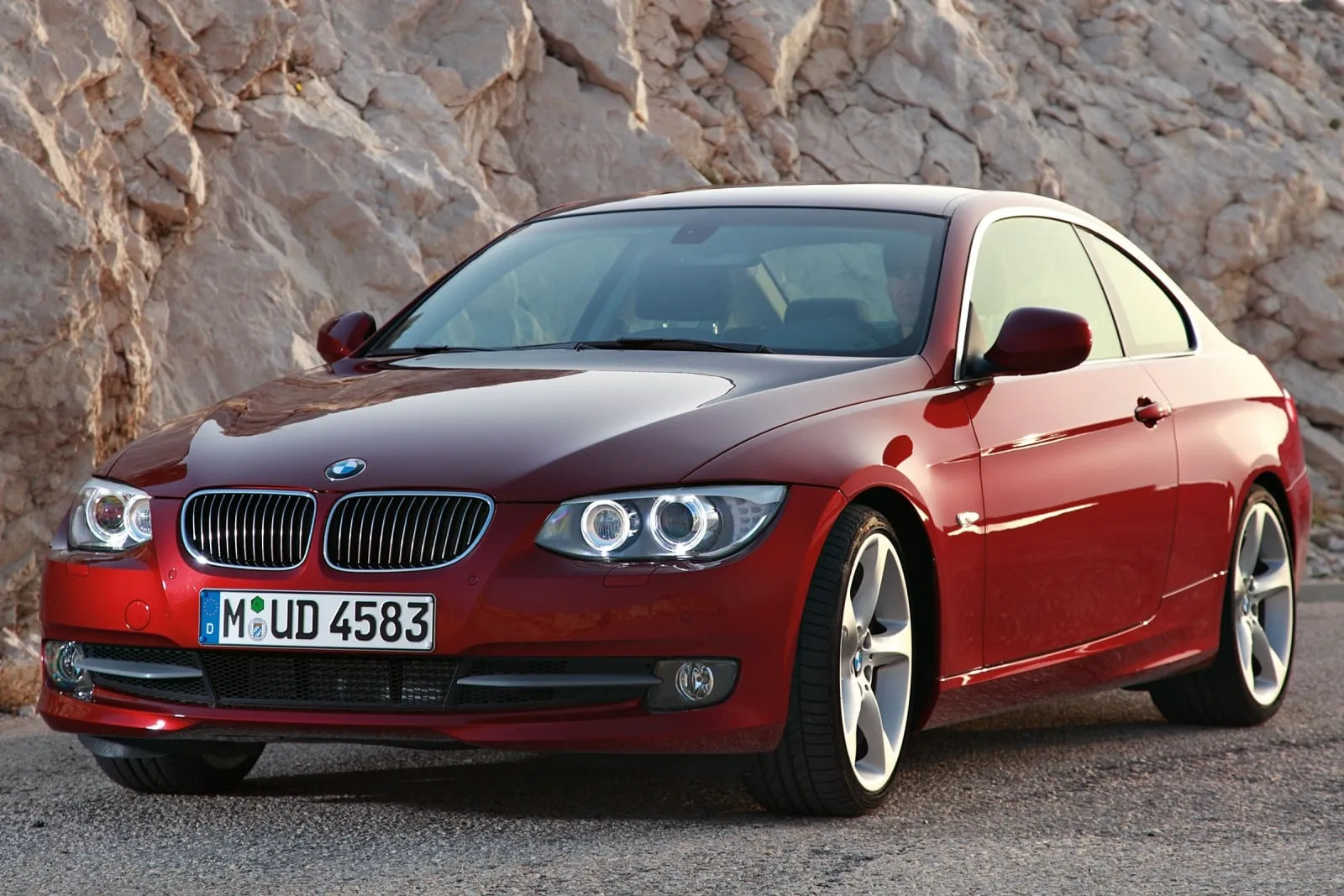
Maintenance costs for German luxury vehicles far exceed Japanese equivalents. A basic oil change might cost $150-200 rather than $40-60 because these engines require expensive synthetic oil in larger quantities and the filter is more costly.
Brake jobs can exceed $800-1000 when comparable work on a Civic costs $300-400, because the components are more expensive and the labor is more complex.
When the check engine light illuminates an unfortunately common occurrence diagnostic charges start at $150-200 before any repairs even begin.
The repairs themselves frequently involve four-figure bills, whether for turbocharger replacement, fuel injection system repairs, or electrical problems.
The emotional toll compounds the financial stress. These vehicles break unexpectedly, often at the worst possible times—during exam week, when rent is due, before a job interview.
Students face anxiety about whether their car will start each morning, whether that new noise indicates an expensive problem, how they’ll afford the next repair.
The prestige of driving a luxury vehicle quickly evaporates when it sits broken in an apartment parking lot awaiting repairs the owner cannot afford.
2. Jeep Wrangler (2007-2018)
The Jeep Wrangler cultivates a passionate following among enthusiasts who embrace its outdoor capabilities, removable doors and roof, and distinctive aesthetic.
For college students in Athens, however, the Wrangler represents one of the worst possible vehicle choices despite its popularity and appeal.
The characteristics that make Wranglers beloved by dedicated owners primitive design, body-on-frame construction, live axles, poor aerodynamics, and prioritization of off-road capability over on-road refinement create significant problems for students who need reliable, efficient, affordable daily transportation.
Fuel economy ranks among the Wrangler’s most glaring deficiencies. These vehicles are spectacularly inefficient, typically achieving only 16-20 MPG in combined driving.
The boxy shape creates massive aerodynamic drag, the heavy construction requires substantial energy to move, and the four-wheel-drive system adds mechanical friction.
Students driving 10,000-12,000 miles annually might spend $2,000-2,500 on fuel versus $1,000-1,200 for a Civic a difference of $1,000-1,300 annually that represents real money for college students managing tight budgets. That money could fund groceries for an entire semester or cover textbooks for multiple classes.
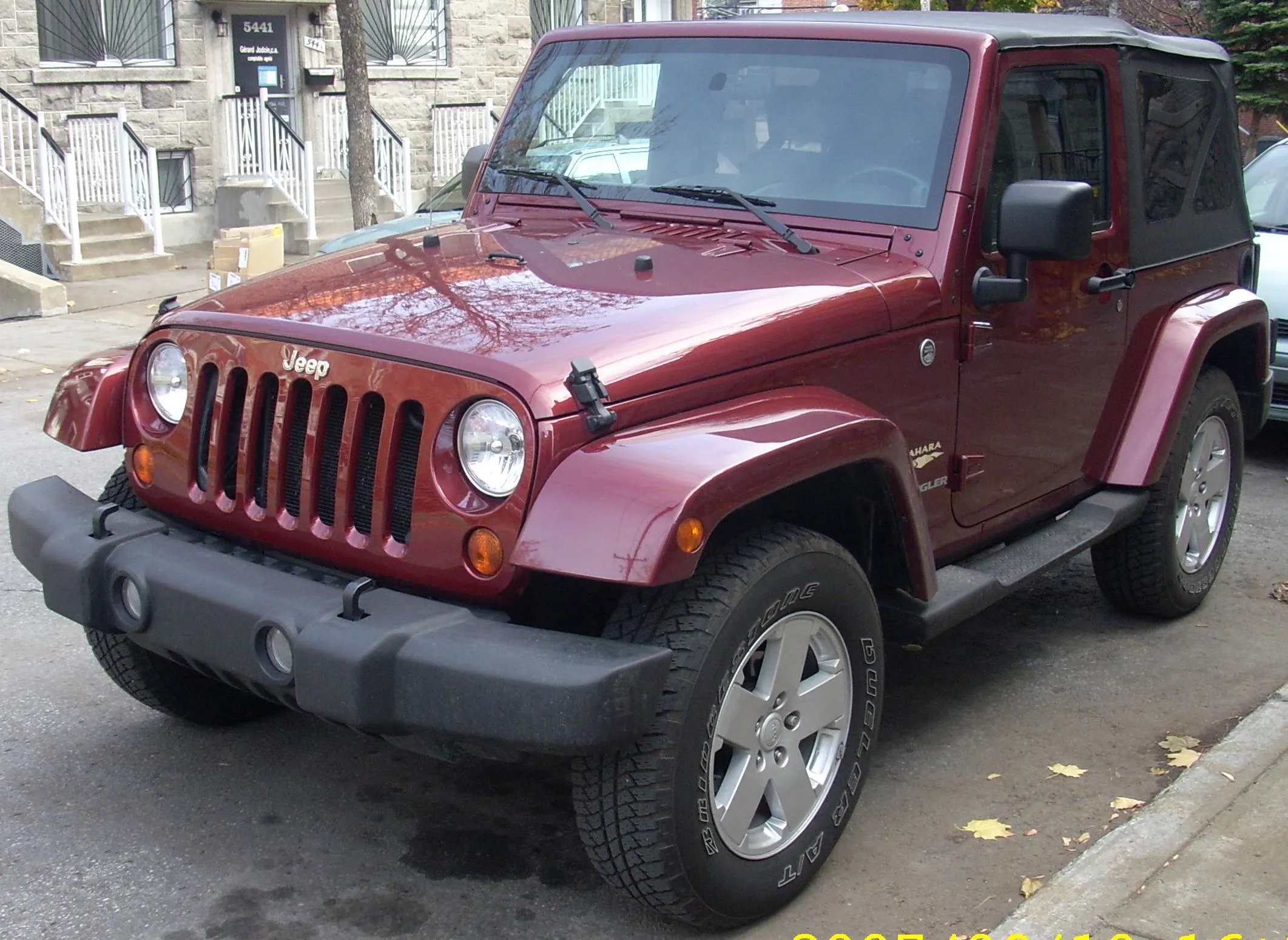
Reliability issues have plagued Wranglers across multiple generations. Consumer Reports consistently ranks Jeep among the least reliable brands, and the Wrangler specifically earns poor reliability ratings.
Common problems include transmission failures, electrical gremlins, engine oil consumption, death wobble (a dangerous oscillation in the front suspension), leaking tops and windows allowing water intrusion, failed components in the four-wheel-drive system, and premature rust despite the vehicle’s outdoor-oriented design.
These issues don’t merely inconvenience owners they generate expensive repair bills and extended downtime when vehicles sit waiting for parts or service.
Maintenance costs exceed more conventional vehicles because the body-on-frame construction and solid axles require different components and more frequent service.
Steering and suspension components wear faster, four-wheel-drive systems require additional maintenance, and the exposed underbody is more vulnerable to damage from road debris.
Labor costs run higher because many repairs are more time-consuming than on unibody vehicles. Students who cannot perform their own maintenance face bills that quickly overwhelm budgets.
Resale value, often cited as a Wrangler strength, benefits primarily owners who maintain their vehicles meticulously and sell in strong markets.
College students who drive heavily, defer maintenance due to budget constraints, and eventually sell in weak markets often discover their Wranglers have depreciated substantially. The total cost of ownership calculation rarely works in the Wrangler’s favor.
3. Dodge Charger, Challenger, and Other American Muscle Cars (2008-2018)
Powerful American muscle cars from Dodge, along with similar vehicles like Mustang GTs and Camaro SSs, appeal to college students drawn to aggressive styling, tire-shredding horsepower, and the visceral thrill of V8 engines.
Used examples from the late 2000s and early 2010s seem affordable, with asking prices comparable to practical sedans. This apparent accessibility to performance proves disastrous for most students, who discover too late that inexpensive purchase prices disguise punishing ownership costs and serious practical limitations.
Fuel economy is catastrophic, with these powerful vehicles typically achieving only 15-19 MPG in real-world mixed driving. During spirited driving exactly the kind of driving that tempts young owners of powerful cars fuel consumption can plummet into single digits.
Students might spend $2,500-3,500 annually on fuel for a Charger R/T versus $1,000-1,200 for a Civic, a difference of $1,500-2,500 that represents substantial money for college budgets. That money could cover an entire semester’s textbooks, fund a summer course, or build an emergency fund that most students desperately need.
Insurance costs for high-performance vehicles dwarf premiums for sensible alternatives. Insurance companies know these cars attract young, inexperienced drivers and frequently end up crashed, stolen, or destroyed through aggressive driving.
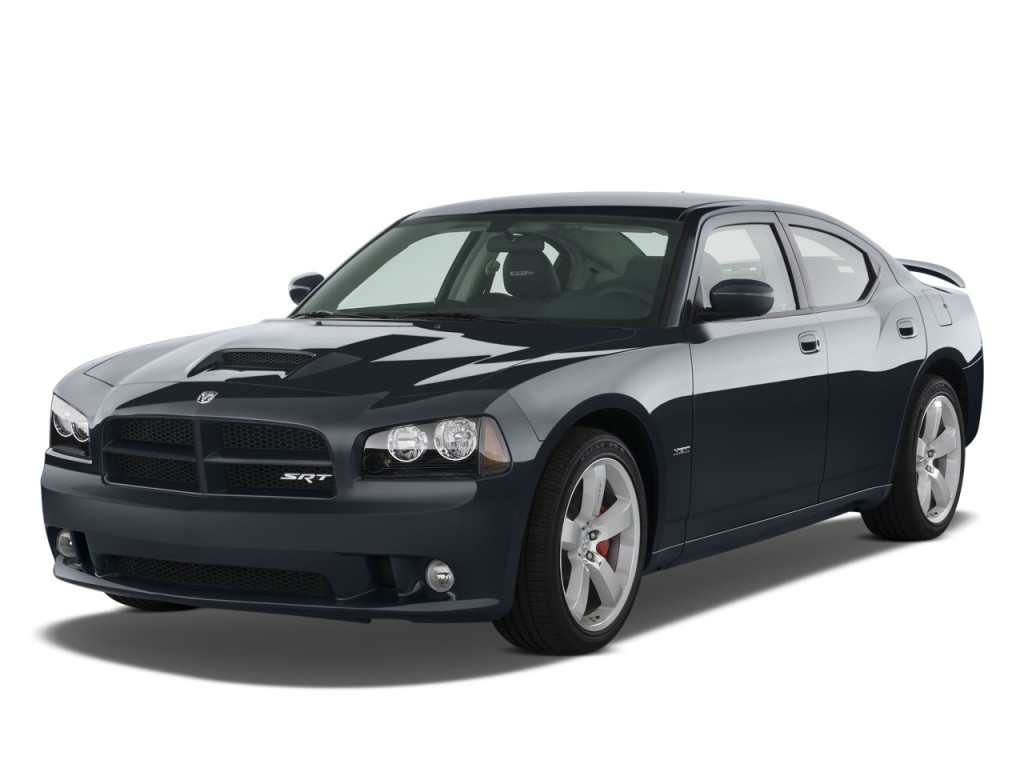
A 20-year-old male insuring a Charger R/T might pay $3,000-5,000 annually versus $1,200-1,800 for a Civic. This difference of $2,000-3,000 per year amounts to massive money that could fund rent for several months, groceries for an entire academic year, or meaningful experiences that enhance college life far more than excessive horsepower.
Tire costs become an ongoing expense because powerful rear-wheel-drive vehicles wearing performance tires consume rubber rapidly. Aggressive acceleration destroys rear tires within 15,000-20,000 miles rather than the 40,000-60,000 miles typical economy tires last.
A full set of replacement performance tires might cost $800-1,200 installed, an expense repeating far more frequently than students anticipate.
This ongoing cost, combined with more frequent brake replacements due to aggressive driving and the additional weight these vehicles carry, creates a maintenance burden that overwhelms student budgets.
The culture surrounding muscle cars creates additional risks. These vehicles attract attention from law enforcement, particularly when driven by young people.
Getting pulled over for minor infractions becomes more likely, and the temptation to demonstrate the vehicle’s performance leads to citations for speeding, reckless driving, or exhibition of speed tickets that carry both immediate fines and long-term insurance consequences.
Some students accumulate multiple violations that result in license suspensions, creating serious problems for those who need vehicles for work or school.
4. Large Pickup Trucks (2005-2015)
Full-size pickup trucks like the Ford F-150, Chevrolet Silverado 1500, and Ram 1500 seem practical to students who grew up in rural areas where trucks dominate, or those who imagine needing truck capabilities for outdoor recreation, part-time work, or helping friends move.
While these vehicles excel at their intended purposes, they prove profoundly ill-suited for typical college student needs in Athens, creating financial burdens and practical headaches that far outweigh their genuine utility.
Fuel economy represents the most obvious problem, with these large trucks typically achieving 14-18 MPG in combined driving. V8-powered models, which comprise the majority of used trucks in student price ranges, often struggle to exceed 15 MPG in real-world driving around Athens.
Students who commute from surrounding areas or drive frequently around town might spend $2,500-3,500 annually on fuel versus $1,000-1,200 for a fuel-efficient sedan a difference of $1,500-2,500 per year.
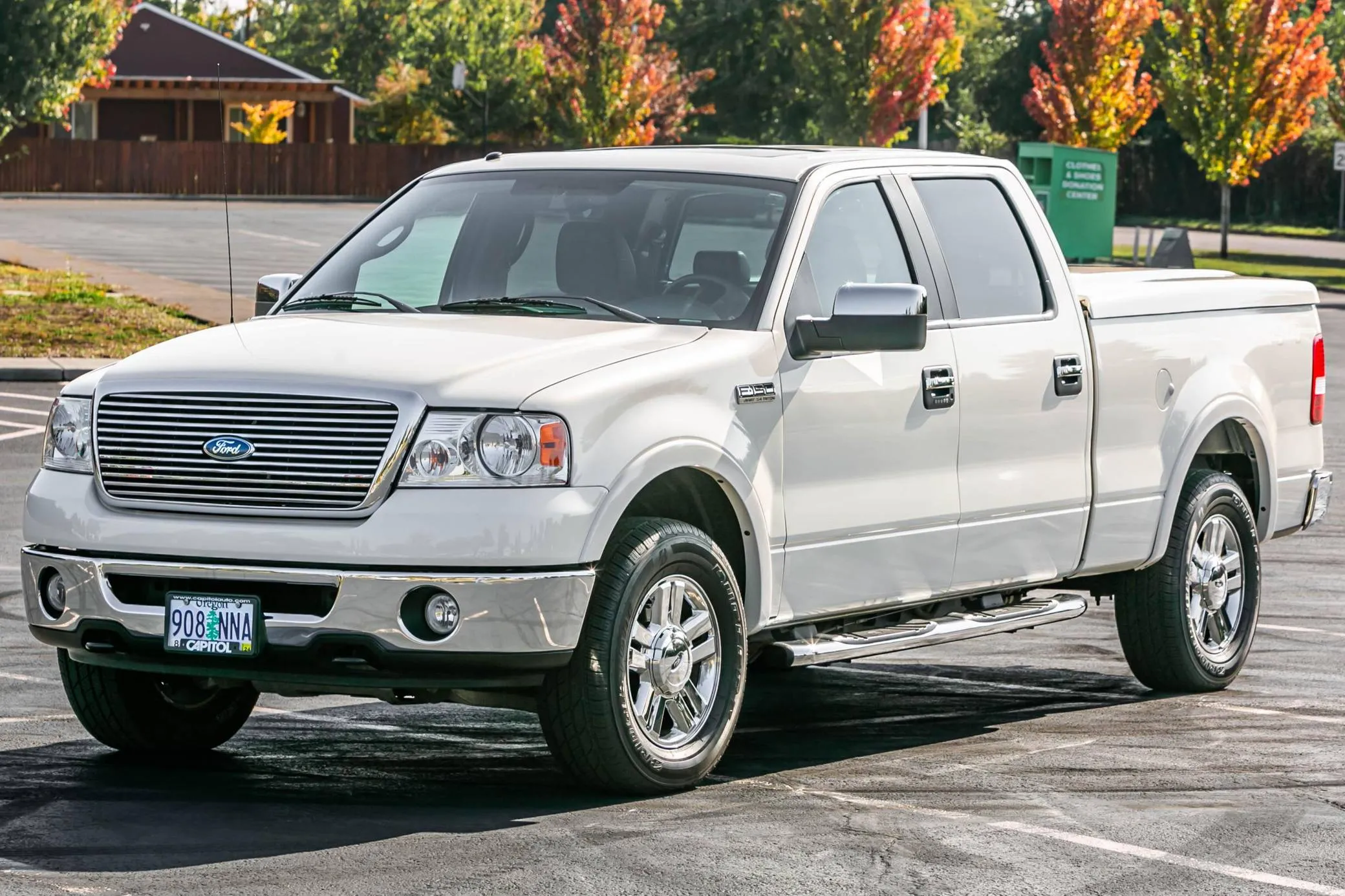
This seemingly abstract number translates to skipping meals, working additional hours, accumulating credit card debt, or sacrificing social experiences to keep the tank filled.
Parking challenges in Athens become nightmarish with full-size trucks. These vehicles often exceed 230 inches in length and 80 inches in width, dimensions that simply don’t fit comfortably in typical parking spaces designed when vehicles were smaller.
Downtown Athens’ parallel parking spots, already challenging in a Civic, become nearly impossible exercises in a massive truck. Campus parking lots built decades ago barely accommodate modern trucks, and squeezing into compact car spaces risks tickets or towing.
Students living in apartment complexes with limited parking find their trucks hanging into driveways or taking multiple spaces, generating conflicts with neighbors and property managers. The daily frustration of parking struggles accumulates into genuine quality-of-life deterioration.
Safety concerns exist particularly with older trucks lacking modern crash avoidance technologies, stability control, and adequate airbag protection.
The high center of gravity increases rollover risks, and the stiff frames that enhance towing capacity prove less effective at absorbing crash energy in collisions with smaller vehicles. Parents should carefully consider whether a truck represents the safest option for their college student.
5. Older Luxury SUVs (2008-2015)
Older luxury SUVs from brands like Cadillac (Escalade), Lincoln (Navigator), Range Rover, BMW (X5), Mercedes-Benz (M-Class, GL-Class), and similar vehicles tempt students with their imposing presence, luxurious interiors, powerful engines, and apparent prestige at seemingly affordable prices.
A ten-year-old Escalade might list for $15,000-20,000, comparable to a newer economy car, leading students to believe they’re getting tremendous value.
This perception represents perhaps the most dangerous financial trap in the used vehicle market, as these complex, heavy, powerful machines generate ownership costs that can financially devastate unprepared students.
The fundamental problem mirrors that of luxury sedans but amplified these vehicles cost $60,000-90,000 new and were engineered assuming wealthy owners would pay dealers for all service using expensive OEM parts.
Every system represents cutting-edge technology from the build era, incorporating complex components that maximize luxury and performance rather than affordability or simplicity. As these vehicles age past warranty coverage, that sophistication becomes a catastrophic liability.
Fuel economy is spectacularly poor, with most of these vehicles achieving 12-16 MPG in combined driving. Some particularly egregious examples struggle to exceed 12 MPG in city driving.
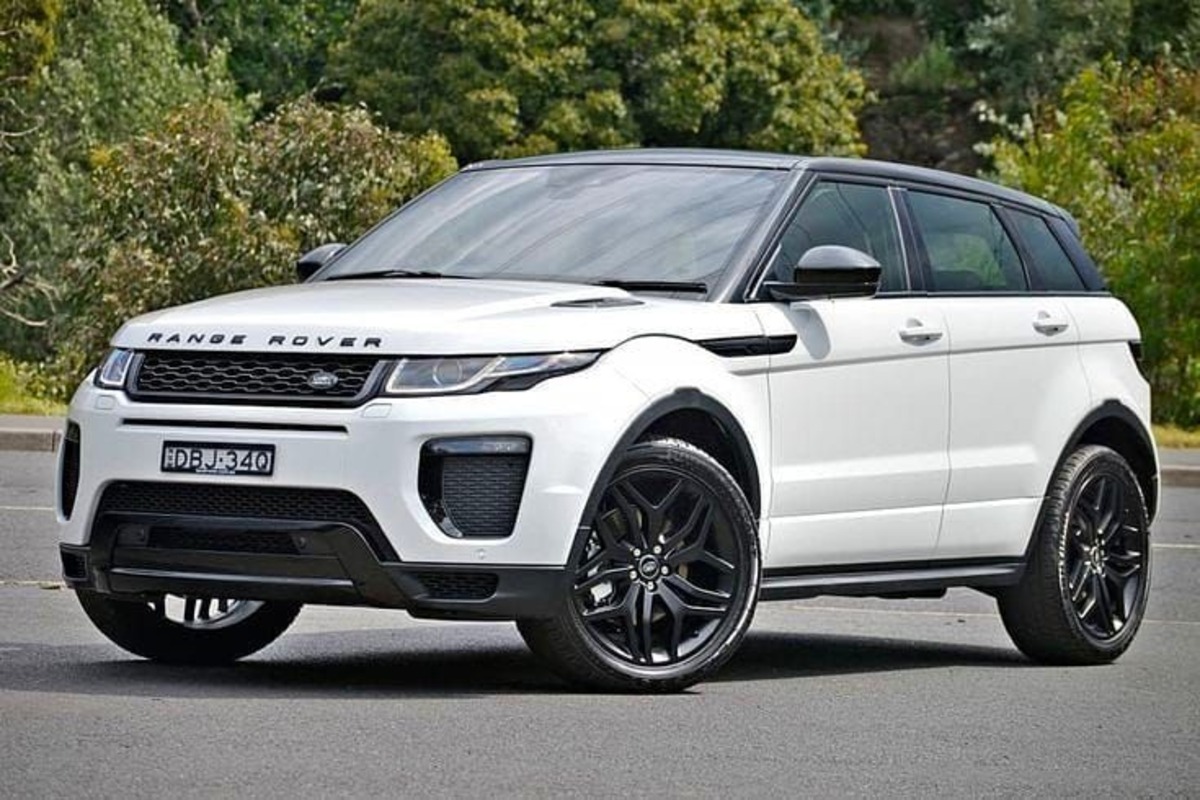
Students might spend $3,000-4,000 annually on fuel versus $1,000-1,200 for an efficient sedan a difference of $2,000-3,000 per year that represents absolutely massive money for college students.
This amount could fund an entire academic year’s groceries, pay for summer housing, or create an emergency fund that provides real financial security.
Maintenance costs dwarf ordinary vehicles, with routine service intervals generating bills that shock unprepared owners. Oil changes might cost $150-250 because these engines require expensive synthetic oil in large quantities some V8s hold 8-10 quarts.
Students with unreliable expensive vehicles experience constant worry about transportation, miss classes when their vehicle breaks down, struggle to maintain part-time jobs when they cannot commute reliably, and spend time and energy managing car problems rather than focusing on academics and personal development.
Also Read: 10 Most Reliable Subaru Models of the Last Decade
