
Parking is one of the most underestimated challenges of daily driving, and in a dense South Florida city like Hialeah, it can shape your entire ownership experience.
With tightly packed residential neighborhoods, older strip malls, crowded shopping plazas, and apartment complexes built long before modern vehicle sizes ballooned, Hialeah’s streets and parking lots were never designed for today’s oversized SUVs and full-size trucks.
While Miami may have valet culture and sprawling garages, Hialeah drivers deal with curbside parking, narrow driveways, tight apartment lots, and crowded commercial areas where every inch matters.
Choosing the right car for Hialeah isn’t about horsepower or luxury features. It’s about footprint, turning radius, door swing clearance, and how stressful or stress-free it is to park after a long workday.
Some vehicles feel like they were built specifically for urban Florida life, while others become daily frustrations that scrape curbs, block traffic, or force drivers to circle endlessly for a usable spot.
Below are five cars that genuinely work for Hialeah city parking, followed by five that simply don’t belong in this environment, no matter how appealing they look on paper.
Cars That Actually Work for Hialeah City Parking
Navigating Hialeah’s tight streets and crowded parking situations takes more than just good driving skills, it takes the right car.
With compact lots, narrow residential roads, and high demand for limited spots near shopping districts and workplaces, having a vehicle that fits easily, maneuvers confidently, and minimizes stress is a major advantage for local commuters.
In this section, we highlight cars that are especially well-suited to Hialeah city parking. These models blend compact dimensions with strong visibility, tight turning radii, and helpful parking technologies that make squeezing into parallel spots or backing into tight garages far less of a chore.
Whether you’re heading to work, running errands, or picking up dinner, these cars help you conquer urban parking with confidence and ease.
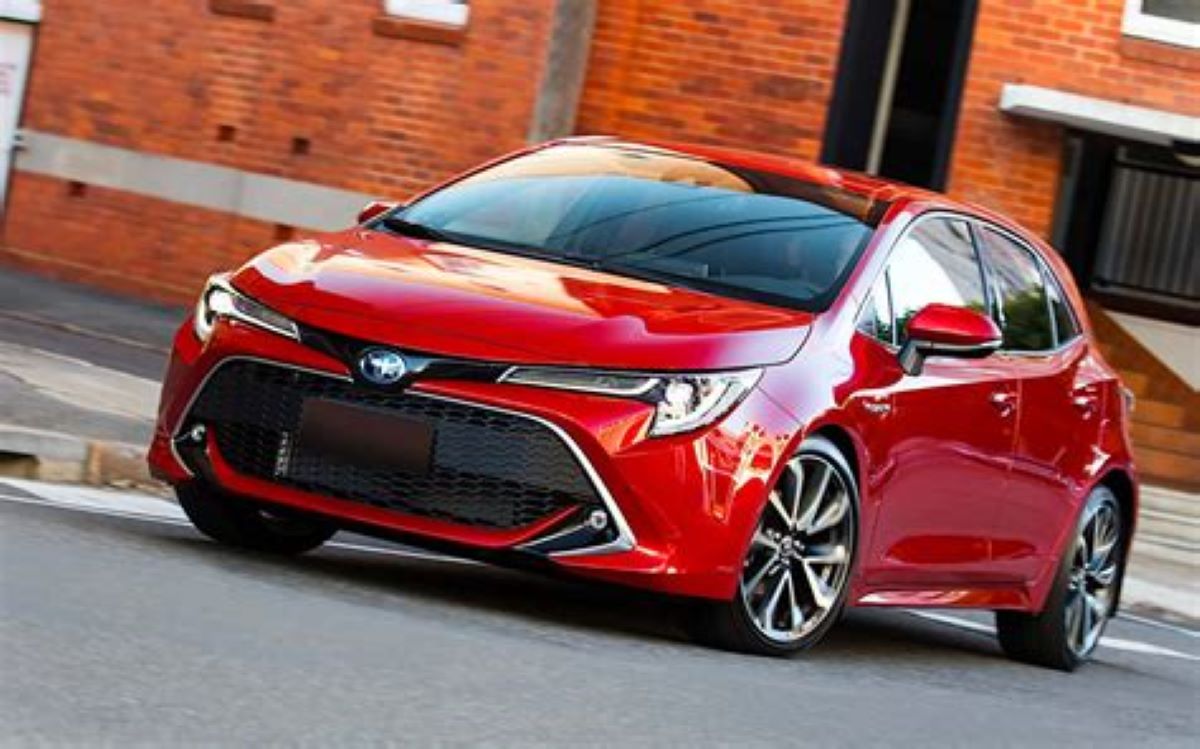
1. Toyota Corolla
The Toyota Corolla remains one of the most sensible urban cars in America, and its strengths show clearly in Hialeah. With a compact footprint, predictable steering, and excellent visibility, the Corolla fits comfortably into narrow parking spots that would challenge larger sedans.
Older apartment complexes in Hialeah often have shallow parking spaces, and the Corolla’s modest length allows drivers to park without sticking out into traffic lanes.
Beyond size, the Corolla’s reliability matters in a stop-and-go city where engines idle in heat and transmissions endure constant low-speed use. Parts are inexpensive, mechanics are everywhere, and fuel economy is excellent for city driving.
For residents who parallel park daily or squeeze into packed shopping centers along West 49th Street, the Corolla offers minimal stress and maximum practicality.
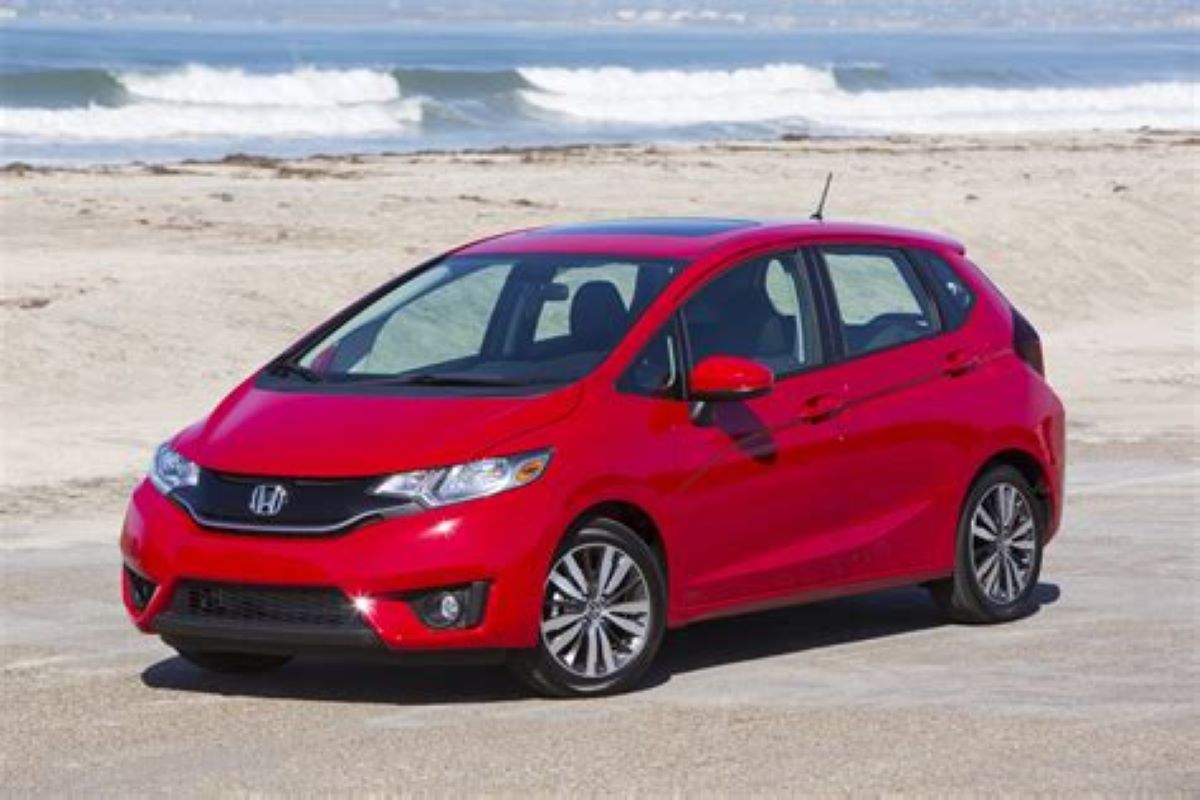
2. Honda Fit
Few cars are as perfectly suited to tight urban environments as the Honda Fit. Despite being discontinued in the US, it remains popular on the used market and for good reason.
The Fit’s short length, upright seating position, and exceptional turning radius make it one of the easiest cars to park in crowded neighborhoods.
In Hialeah, where curbside parking can be unpredictable and driveways are often narrow, the Fit shines. The tall roof allows excellent visibility, and its small footprint means drivers can fit into spaces that most cars pass up.
It’s also surprisingly versatile inside, making it a smart choice for families or small business owners who need cargo space without sacrificing parkability.
The 2020 Honda Fit is a compact and efficient hatchback that delivers practicality and versatility in a small package. With a base MSRP of $16,190, the Fit is an affordable option for budget-conscious buyers looking for reliability and fuel efficiency.
It comes standard with front-wheel drive and is powered by a 1.5-liter inline-four gasoline engine producing 130 horsepower and 114 lb-ft of torque at 4,600 rpm. A six-speed manual transmission is standard, offering an engaging driving experience, though automatic options are typically available in higher trims.
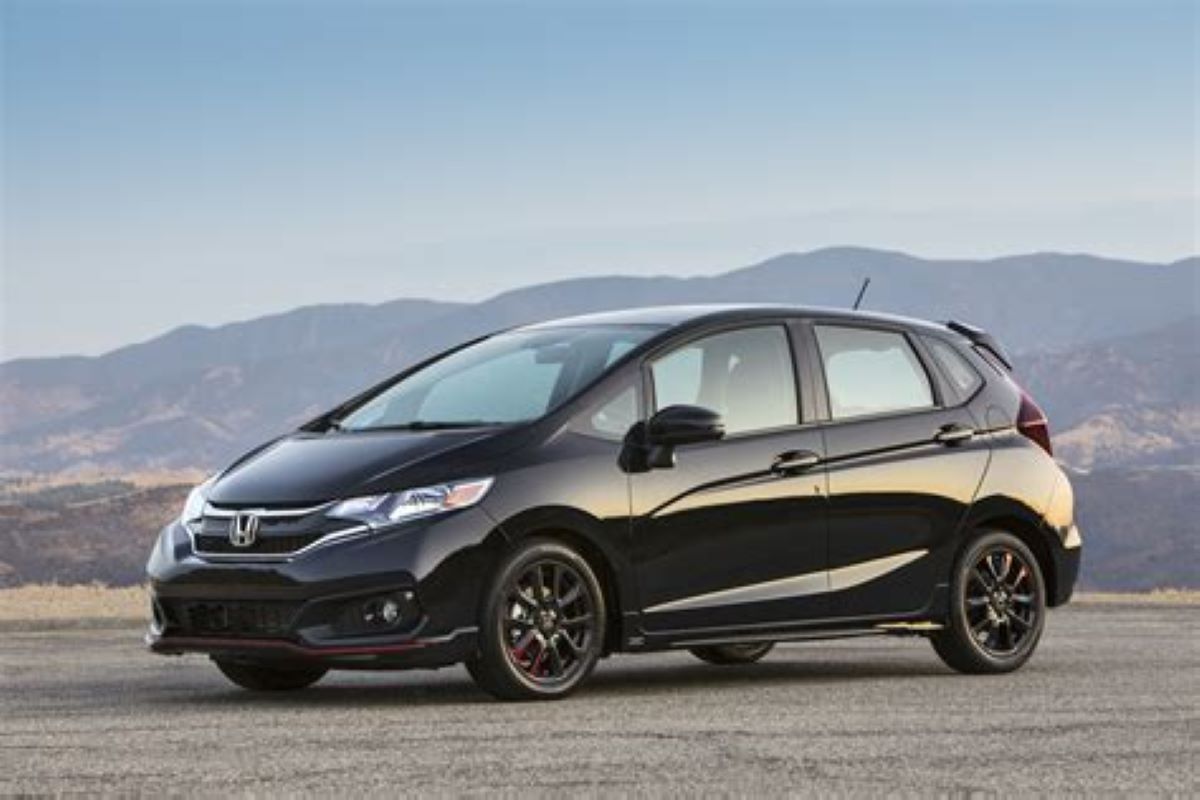
Fuel economy is one of the Fit’s highlights, achieving an EPA-rated 29 mpg in the city, 36 mpg on the highway, and a combined 31 mpg.
With its 10.6-gallon fuel tank, drivers can expect a cruising range of approximately 307 miles in the city and 382 miles on the highway. The Fit’s steering system is a rack-and-pinion setup, providing responsive handling, while the 35.1-foot turning diameter makes city maneuvering and parking effortless.
The suspension setup consists of a front strut and a rear torsion beam, striking a balance between comfort and handling precision.
Exterior dimensions emphasize the Fit’s compact footprint: it has a curb weight of 2,522 pounds, ground clearance of 4.4 inches, a wheelbase of 99.6 inches, front width of 58.3 inches, maximum width of 67 inches, height of 60 inches, and an overall length of 161.4 inches.
The 2020 Honda Fit combines efficient performance, nimble handling, and practical dimensions, making it a solid choice for urban driving and small-family needs.
Also Read: 10 EVs With the Least Real-World Range Loss in Cold Weather
3. Mazda3
The Mazda3 strikes an ideal balance between compact size and a more upscale driving feel. Unlike larger midsize sedans, it doesn’t overwhelm tight parking lots or older garages. Its steering is precise, and the body lines make it easy to judge distance when backing into spaces.
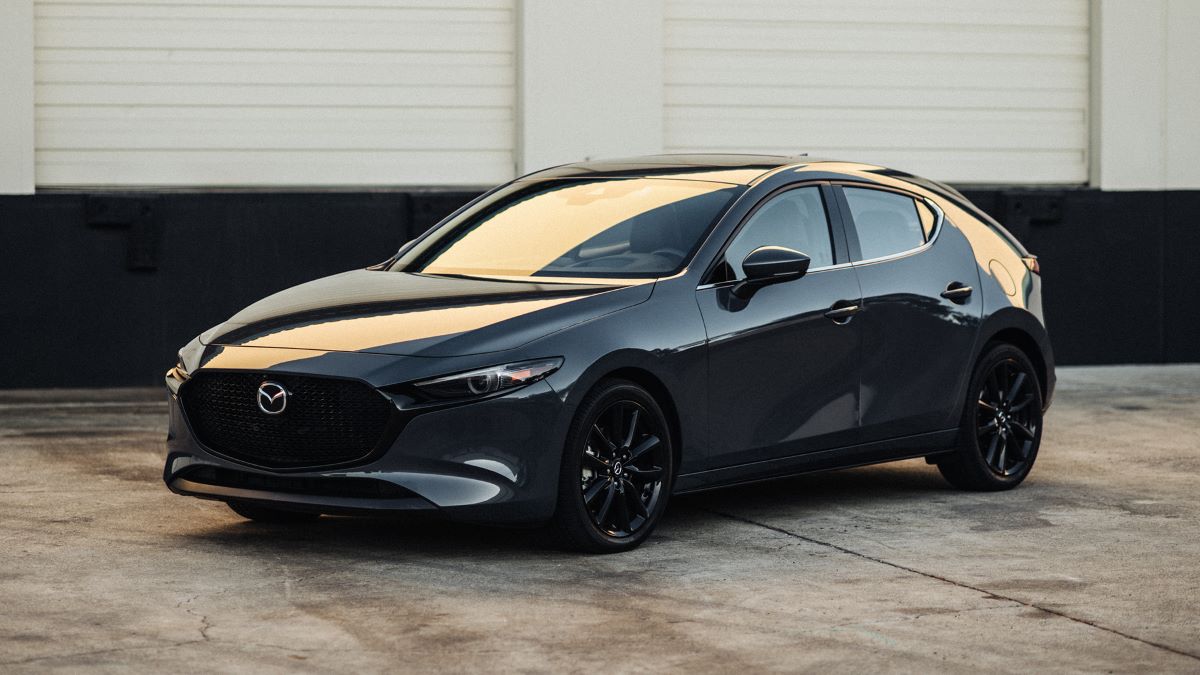
For Hialeah drivers who want something more stylish than an economy car but still manageable in dense areas, the Mazda3 is a strong choice.
It fits well in strip mall parking, doesn’t require excessive maneuvering, and handles Florida’s uneven pavement without feeling fragile. It’s a city car that doesn’t feel cheap or compromised.
4. Hyundai Venue
Not all SUVs are bad for city parking, and the Hyundai Venue proves that smaller crossovers can work well in Hialeah. Its short length and narrow width make it far more manageable than popular compact SUVs like the RAV4 or CR-V.
The Venue’s higher seating position also improves visibility, which is valuable in busy areas with pedestrians and tight traffic flow.
In parking lots where SUVs usually struggle, the Venue feels closer to a hatchback than a traditional crossover. It offers the convenience and ride height people want without the parking penalty that comes with larger vehicles.
For drivers who want an SUV look without SUV parking stress, it’s a practical compromise.
The Hyundai Venue stands out as one of the smallest subcompact SUVs on the market, measuring at least half a foot shorter than most competitors. Despite its compact size and lower starting price, several thousand dollars less than many rivals, the Venue doesn’t feel cramped or cheap.
The interior is thoughtfully designed, featuring smart storage solutions for small items and an intuitive infotainment system with smartphone mirroring capabilities.
The Venue’s compact dimensions and responsive steering make it ideal for navigating city streets and tight traffic. However, these same traits can make highway driving more challenging.
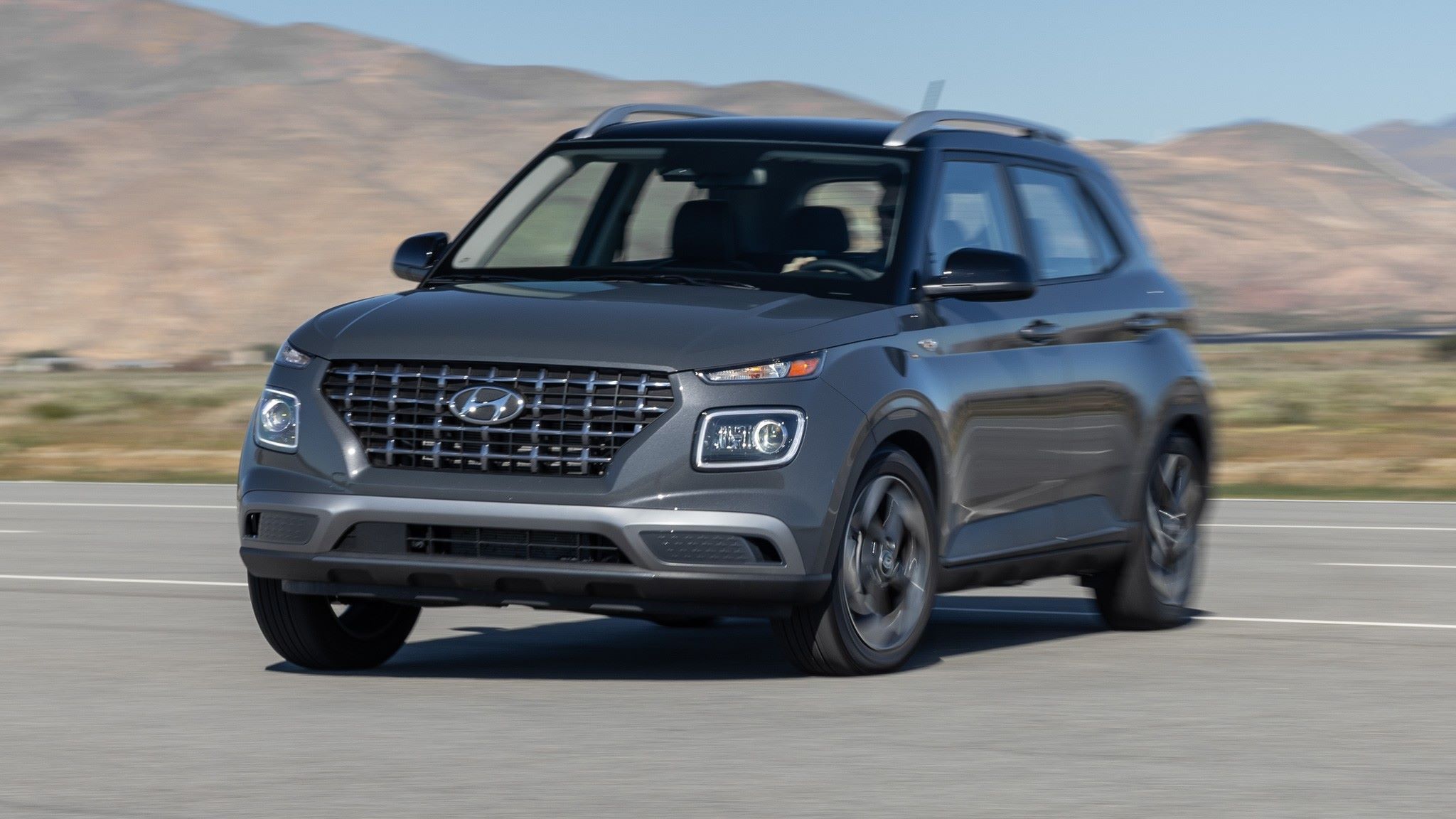
Its lightweight body can be buffeted by wind, requiring constant steering corrections, and the modestly powered 121-hp four-cylinder engine struggles during passing and merging, taking its time to accelerate.
But for the price, compromises like these are expected. Expert Tip: For roughly the same money, a base Kia Soul offers more space, power, and style compared to the Hyundai Venue.
For 2026, the Venue lineup has been simplified, with the Limited trim removed and only the SE and SEL trims remaining. The SEL now serves as the top trim and gains additional features such as wireless device charging, heated front seats and side mirrors, and two-tone paint options.
Pricing ranges from $22,150 for the base SE to $24,200 for the SEL. The SEL is recommended for buyers seeking added comfort and convenience, offering automatic climate control, heated front seats, proximity keyless entry, and blind-spot monitoring.
Under the hood, the Venue is powered by a 121-hp four-cylinder engine paired with a continuously variable automatic transmission (CVT), sending power exclusively to the front wheels, there is no all-wheel-drive option. While the engine provides adequate performance for city driving, it lacks the passing power needed for highway travel.
Thanks to its compact size and responsive steering, the Venue feels nimble in urban environments, but it demands more attention when cruising on the freeway. The Hyundai Venue is best suited for short commutes and city driving rather than extended highway trips.
5. Chevrolet Spark
The Chevrolet Spark is often dismissed as too small or too basic, but in a city like Hialeah, its size is its biggest advantage. Parking the Spark is almost effortless. It slips into tiny spaces, handles narrow streets with ease, and rarely requires multiple attempts to park correctly.
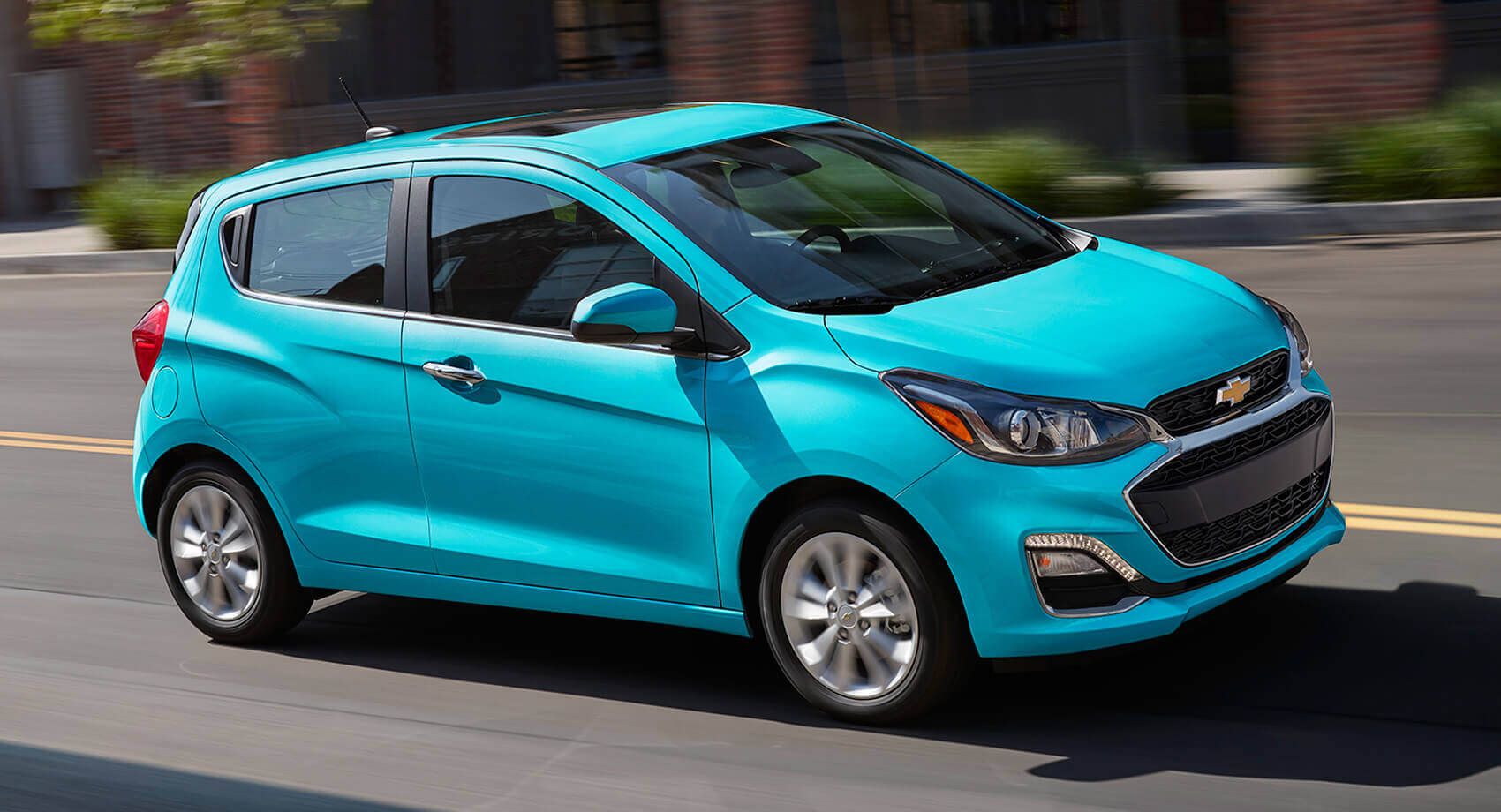
While it lacks power and refinement, it excels at urban usability. For residents living in older neighborhoods or apartment complexes with tight lots, the Spark eliminates daily parking anxiety. It’s not glamorous, but it’s functional in a way that oversized vehicles simply can’t match.
Cars That Don’t Fit Hialeah City Parking
Not every vehicle is built for the tight streets and crowded lots of Hialeah. While oversized trucks, long-bodied SUVs, and wide luxury sedans might shine on open highways, they can quickly become a liability when navigating narrow residential roads or squeezing into limited city parking spaces.
These big, bulky vehicles often struggle with tight turns, limited visibility, and finding a spot that actually fits.
In this section, we spotlight the cars that regularly prove frustrating, or downright impractical, when it comes to Hialeah’s urban parking realities.
From oversized dimensions to poor maneuverability and lack of parking-friendly features, these are the vehicles you’ll want to think twice about before bringing them into tight city environments.
1. Chevrolet Tahoe
The Chevrolet Tahoe is one of the most common vehicles on South Florida roads, but it’s also one of the least suitable for dense urban parking.
Its sheer size makes it difficult to maneuver in older parking lots, and many Hialeah spaces simply aren’t deep enough to accommodate it without protruding into traffic lanes.
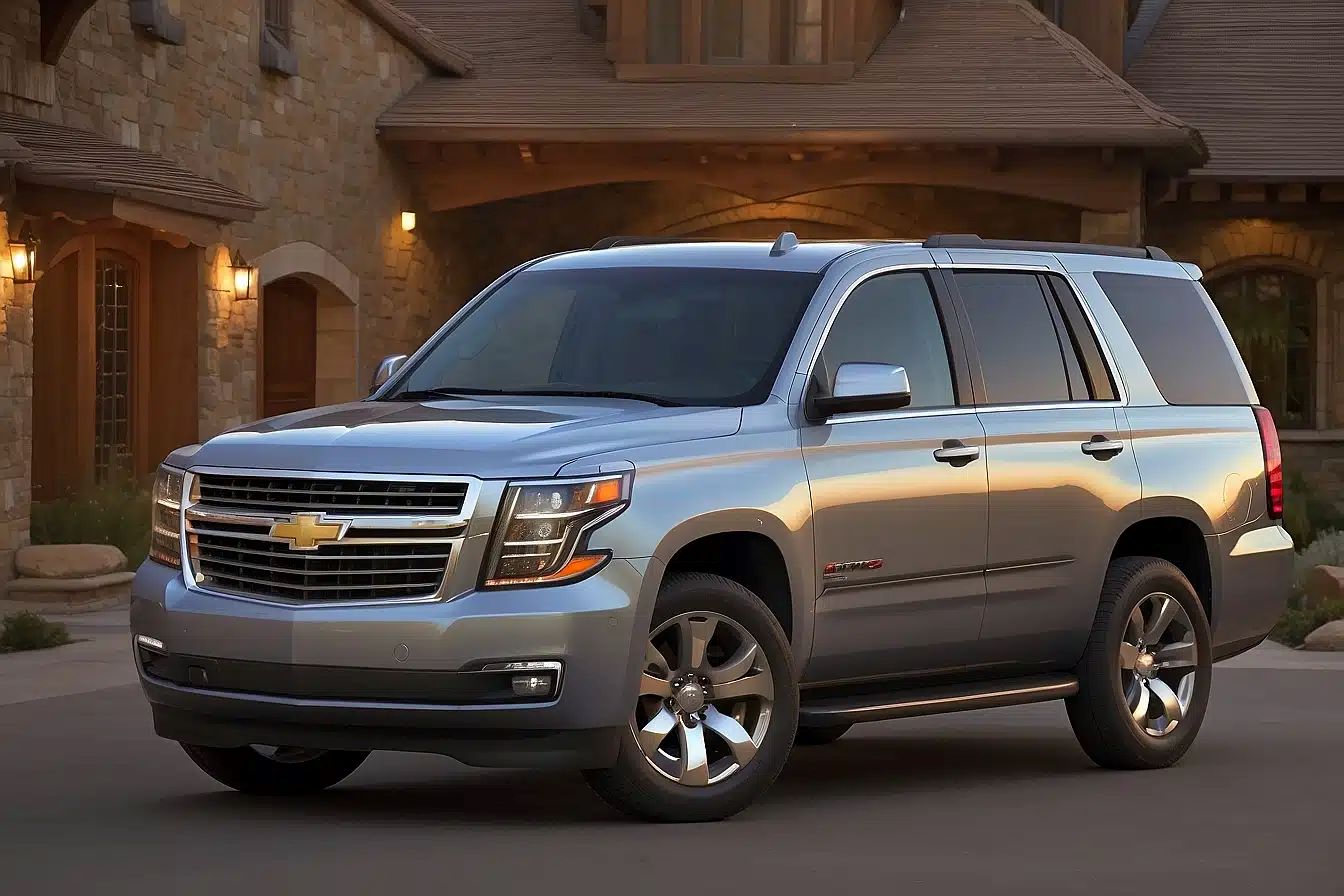
Parallel parking a Tahoe on a narrow residential street is stressful even for experienced drivers. Wide turning arcs, long overhangs, and limited visibility at close range make everyday parking an ordeal. While it excels on highways and for large families, it’s overkill for city living in Hialeah.
The Chevrolet Tahoe has relied on V-8 power throughout its history, and the latest generation continues that tradition. The standard engine is a 355-hp 5.3-liter V-8, while an optional 420-hp 6.2-liter V-8 is available for those seeking extra performance.
Joining these is a 3.0-liter diesel six-cylinder engine, which, despite having the lowest horsepower of the three, delivers a robust 460 pound-feet of torque, matching the output of the larger V-8. All Tahoes come paired with a 10-speed automatic transmission and offer either rear-wheel or all-wheel drive.
We tested the off-road-focused Z71 model equipped with the standard 5.3-liter V-8. This trim includes a two-speed transfer case for traditional four-wheel drive, 20-inch wheels fitted with all-terrain tires, and underbody protection.
On the road, the Z71 provided adequate acceleration, a firm brake pedal, and an impressively quiet cabin at highway speeds. The Z71 package also adds air springs, which allow the Tahoe’s ride height to be adjusted automatically or manually, along with adaptive dampers.
These features are standard on the higher-end Premier and High Country trims, while the Premier and RST models ride on 22-inch wheels for added style and presence.
Also Read: Top 10 Cheapest Lexus Models You Can Buy in 2025
2. Ford F-150
America’s best-selling truck struggles badly in compact urban environments. The Ford F-150’s length and width create constant challenges in parking lots designed decades ago.
Many apartment complexes in Hialeah lack spaces wide enough for full-size trucks, leading to door dings, blocked neighboring cars, or awkward angled parking.
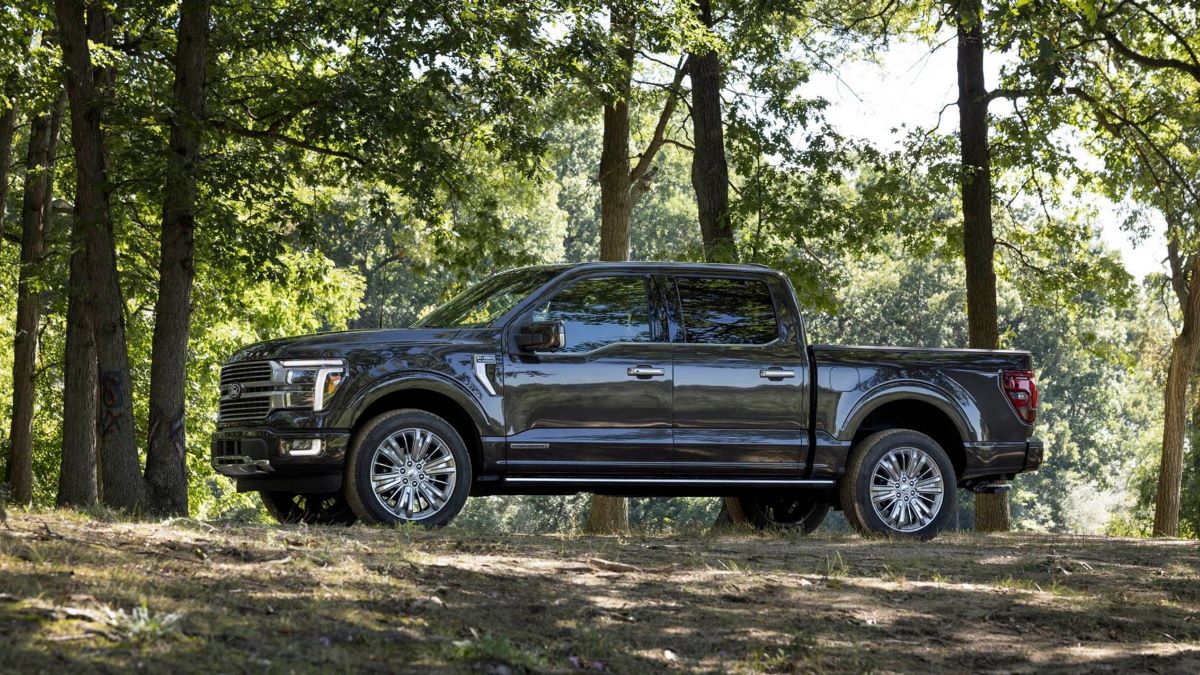
The truck’s height also becomes a problem in older garages with low clearance. While it’s undeniably useful for work or towing, as a daily city vehicle, the F-150 turns every parking attempt into a calculation exercise and not a pleasant one.
3. Cadillac Escalade
Luxury doesn’t solve parking problems, and the Cadillac Escalade proves it. Its massive proportions dominate parking spaces, often spilling beyond lines or forcing drivers to park far away from entrances.
In busy Hialeah shopping centers, finding a space that accommodates an Escalade without causing issues can take far longer than it should.
The Escalade’s size also makes tight turns difficult, increasing the risk of curb rash and minor body damage. While it’s comfortable and impressive, it’s fundamentally mismatched with the city’s infrastructure.
The Cadillac Escalade has long stood as the brand’s flagship SUV, with its massive size and bold, aggressive styling epitomizing an extroverted, all-American take on luxury.
Though it shares its platform with the Chevrolet Tahoe and Suburban and the GMC Yukon, the Escalade competes head-to-head with other large luxury SUVs such as the Lincoln Navigator, Jeep Grand Wagoneer, and Mercedes-Benz GLS-class.
What sets it apart is its advanced technology and opulent features. The cabin is a showcase of luxury, lined with wood, leather, designer fabrics, and satin-finished metals.
A sweeping, curved display serves as both the gauge cluster and infotainment center, while numerous driver-assistance features are available, including Cadillac’s excellent Super Cruise system, which combines adaptive cruise control with hands-free driving.
Powertrain options include a robust 6.2-liter gasoline V-8 or a diesel inline-six, and for 2023, Cadillac introduced the high-performance V-series Escalade with immense horsepower, adding an exciting new dimension to the lineup.
Time will tell whether the hi-po Escalade can match its performance-oriented siblings, but Cadillac’s recent success with its Blackwing-powered sedans provides hope.
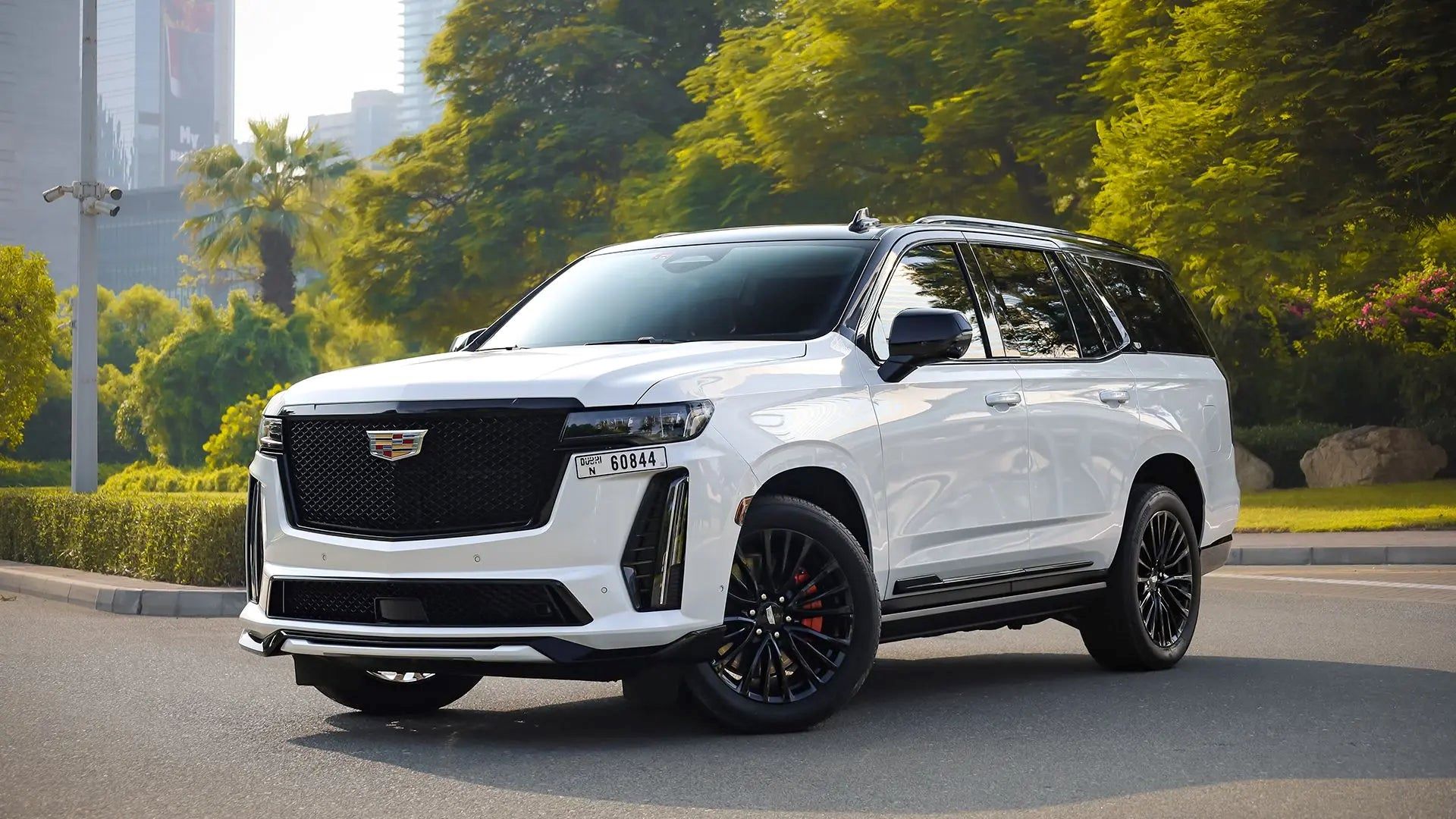
The Escalade V features a striking blacked-out exterior, all-wheel drive as standard, six-piston Brembo performance brakes with red-painted calipers, and a retuned air suspension for improved handling. The V-series sits atop the lineup with a starting price of $149,990 and will go on sale in the summer of 2022.
Pricing for the 2023 Escalade ranges from $82,690 for the base Luxury trim up to $158,090 for the top-tier V-Series AWD.
For buyers seeking the most luxurious features, the Premium Luxury Platinum trim offers semi-aniline leather, 16-way power-adjustable front seats with massage, soft-close doors, a 36-speaker AKG audio system, self-parking, a head-up display, and adaptive cruise control. For performance enthusiasts, the one-letter answer is V.
The Escalade’s standard 6.2-liter V-8 delivers 420 horsepower and features cylinder deactivation for improved fuel economy, while the optional 3.0-liter diesel inline-six provides 460 lb-ft of low-end torque for those prioritizing efficiency.
A 10-speed automatic transmission comes standard with both engines, and buyers can choose between rear- or all-wheel drive.
The independent rear suspension enhances third-row legroom compared with the previous solid-axle setup, and higher trims include an air suspension with adaptive dampers.
At the test track, the long-wheelbase Escalade ESV with the V-8 accelerated to 60 mph in just 5.9 seconds. The diesel engine sacrifices straight-line performance but offers impressive torque and efficiency.
The V-series Escalade is the ultimate performance variant, with its supercharged 6.2-liter V-8 propelling the massive SUV to 60 mph in only 4.3 seconds, delivering a deep, resonant engine note.
While the V-series handles better than the standard model, the Escalade still doesn’t match the nimble dynamics of competitors like the Mercedes-AMG GLS63 or BMW Alpina XB7.
4. Dodge Charger
The Dodge Charger may be a sedan, but it behaves like a much larger vehicle when it comes to parking. Its long hood, wide body, and poor rear visibility make tight spaces tricky, especially in crowded neighborhoods where every inch matters.
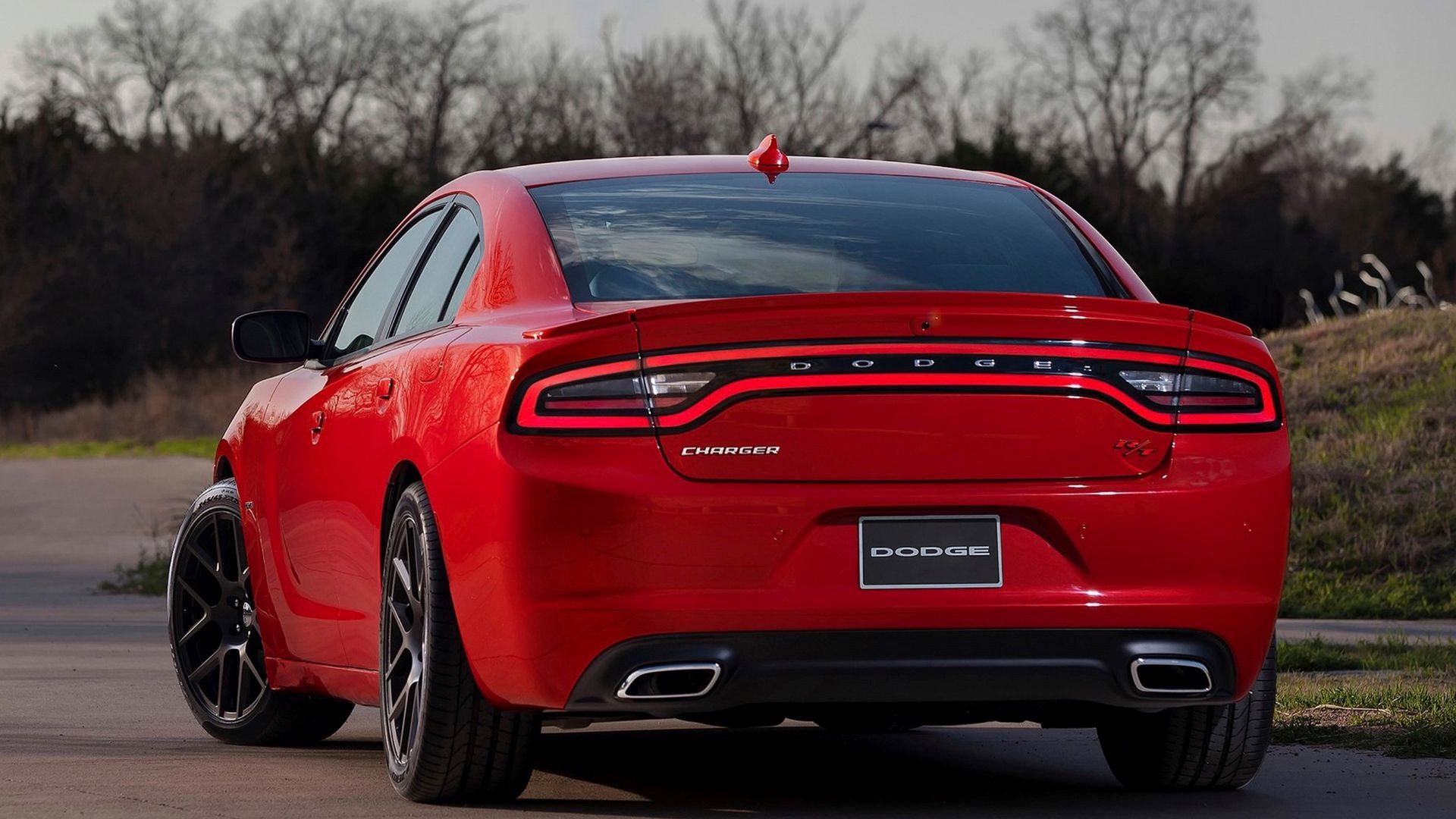
Many Hialeah drivers underestimate how challenging it is to park a Charger in older residential areas. The car’s length often forces drivers to stick out into traffic or abandon otherwise usable spaces. It looks great on open roads but feels out of place in compact urban settings.
5. Toyota Sequoia
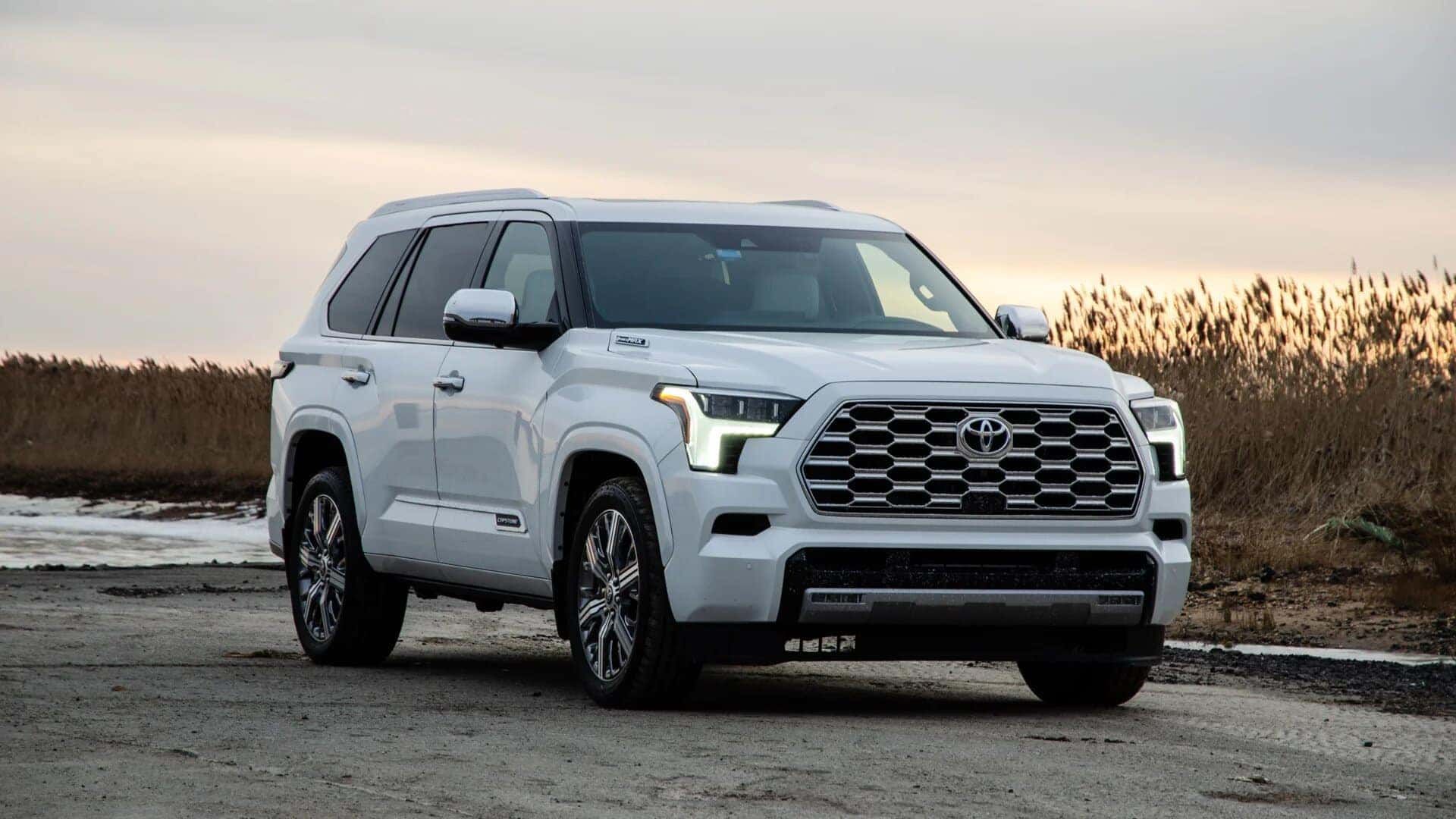
The Toyota Sequoia is built for families who need space and towing capability, not for dense city parking. Its size rivals that of heavy-duty trucks, and it demands wide, deep spaces that simply aren’t common in Hialeah.
In older apartment complexes or strip malls, parking a Sequoia often requires multiple attempts or settling for distant spaces. It’s reliable and powerful, but its footprint makes it impractical for everyday urban use in a city where space is already limited.
In Hialeah, smaller and smarter almost always wins. Compact sedans, hatchbacks, and subcompact crossovers align far better with the city’s parking realities than full-size trucks and massive SUVs.
Equipped with a turbocharged V6 engine paired with hybrid electric power, the Toyota Sequoia ranks among the quickest and most responsive large SUVs on the market.
Our Sequoia TRD Pro reached 0-60 mph in just 6 seconds, a remarkable feat for a vehicle of its size. Braking performance is confident and smooth, even with the TRD Pro’s chunky all-terrain tires, which slightly compromise on-road grip.
The Sequoia’s solid rear-axle suspension excels at towing and off-road adventures, though it does lead to a bumpier ride in urban settings, particularly for rear passengers.
Visibility is decent for a large SUV, but the surround-view cameras are an appreciated aid for judging proximity to nearby objects, and Toyota thoughtfully includes a dedicated button to activate them.
While the Sequoia may lack some of the newest driver-assistance technology, the systems it does have work effectively. Adaptive cruise control responds quickly and smoothly, and lane-keeping assistance keeps the SUV reliably centered within lane boundaries.
As with most large, truck-based SUVs, the Sequoia is inherently less comfortable than smaller, car-based counterparts. Rear-seat cushions sit relatively low, causing knees to ride higher than ideal, though the front seats are more accommodating and offer robust heating and ventilation functions.
Cabin noise is another drawback; road noise is more pronounced than in many competitors, and the powertrain can become quite audible under heavy acceleration. Even the ventilated front-seat fans can produce noticeable sound, meaning those seeking a serene cabin experience may prefer other options.
Despite these issues, the Sequoia impresses with its accessibility. Step rails and large, squared-off door openings make it easy for even small children to enter and exit. The second-row captain’s chairs provide straightforward access to the third row, and grab handles are conveniently placed for added leverage.
The driver’s seat offers a comfortable position with a generous adjustment range, accommodating a wide variety of driver sizes and preferences. The Sequoia blends performance and utility in a large SUV package, with a few compromises in comfort and cabin quietness.
While big vehicles may offer comfort and presence, they clash with tight lots, narrow streets, and aging infrastructure.
For drivers who value convenience, efficiency, and sanity, choosing a car that fits the city not just the driveway is the smarter move. In a place like Hialeah, the right size vehicle doesn’t just make parking easier it makes daily life better.
