The Bay Area’s automotive landscape is a paradox. On one hand, commuters in cities like Fremont, Newark, Union City, and beyond face some of the worst rush-hour congestion in the U.S., stretched highways like I-880 and I-680, frequent stop-and-go traffic, and the perennial challenge of parking scarcity.
On the other hand, this region sits at the intersection of Silicon wealth and entrepreneurial culture, where rare exotics and six-figure performance cars are not only seen but celebrated.
With that in mind, this listicle pits five smart, practical cars ideal for everyday Bay Area commuting against five high-end vehicles that most locals can appreciate but few will actually drive to work.
Here in Northern California, a car isn’t just transportation it’s a utility that must balance efficiency, reliability, parking ease, fuel or energy costs, and sometimes long-distance comfort for those who drive up to Silicon Valley or down to San Jose regularly.
While cities like Fremont have worthwhile public transit options such as BART and ACE, most residents still rely on personal vehicles.
Yet, commuter cars that excel here often go unnoticed because they’re overshadowed by flashier, pricier counterparts at car shows or on Instagram.
Cars Perfect for Fremont & Bay Area Commuting
Fremont and the greater Bay Area present a very specific kind of daily driving challenge, one that blends heavy freeway traffic, stop-and-go surface streets, steep fuel costs, and some of the highest car ownership expenses in the country.
A “good” commuter car here isn’t just about getting from point A to point B. It needs to handle long stretches of congestion on I-880 or U.S. 101 without burning excessive fuel, squeeze into tight parking spaces near BART stations or office campuses, and remain reliable despite clocking high mileage year after year.
Add in California’s strict emissions standards and the region’s growing push toward electrification, and choosing the right commuter vehicle becomes even more critical.
For Fremont residents who commute into Silicon Valley, Oakland, or San Francisco, the ideal car balances efficiency, comfort, and long-term ownership costs.
Features like strong fuel economy or electric range, smooth low-speed drivability, advanced driver-assistance tech for traffic jams, and proven reliability matter far more than raw horsepower or flashy design.
At the same time, not every car marketed as “efficient” is actually suited to Bay Area realities, some rack up maintenance bills, struggle in constant congestion, or lose value quickly in a competitive used market.
1. Toyota Prius Prime
When the goal is cost-efficient daily driving, the Toyota Prius Prime remains a gold standard. In an area where stop-and-go traffic is the norm, the Prius Prime’s plug-in hybrid system shines.
With upwards of 25+ miles of electric-only range for around-town errands and a highly efficient gasoline engine for longer Bay Area traverses, it dramatically lowers fuel costs.
More importantly for Bay Area drivers, the Prius Prime’s predictable handling and quiet cabin make long commuter routes like Hwy 84 and 237 less taxing.
Add in Toyota’s strong reliability reputation and comparatively low cost of ownership, and for many commuters this car feels like it was Designed for Silicon Valley gridlocks.
The all-new Prius adopted a dramatically streamlined design that completely reshaped its image, transforming it from one of the most awkward-looking vehicles on the road into a genuine head-turner. This redesign wasn’t only about appearance, as Toyota also delivered major mechanical upgrades.
The Prius Prime plug-in hybrid (PHEV) received a significantly improved powertrain, with its four-cylinder gasoline engine and two electric motors now producing a combined 220 horsepower.
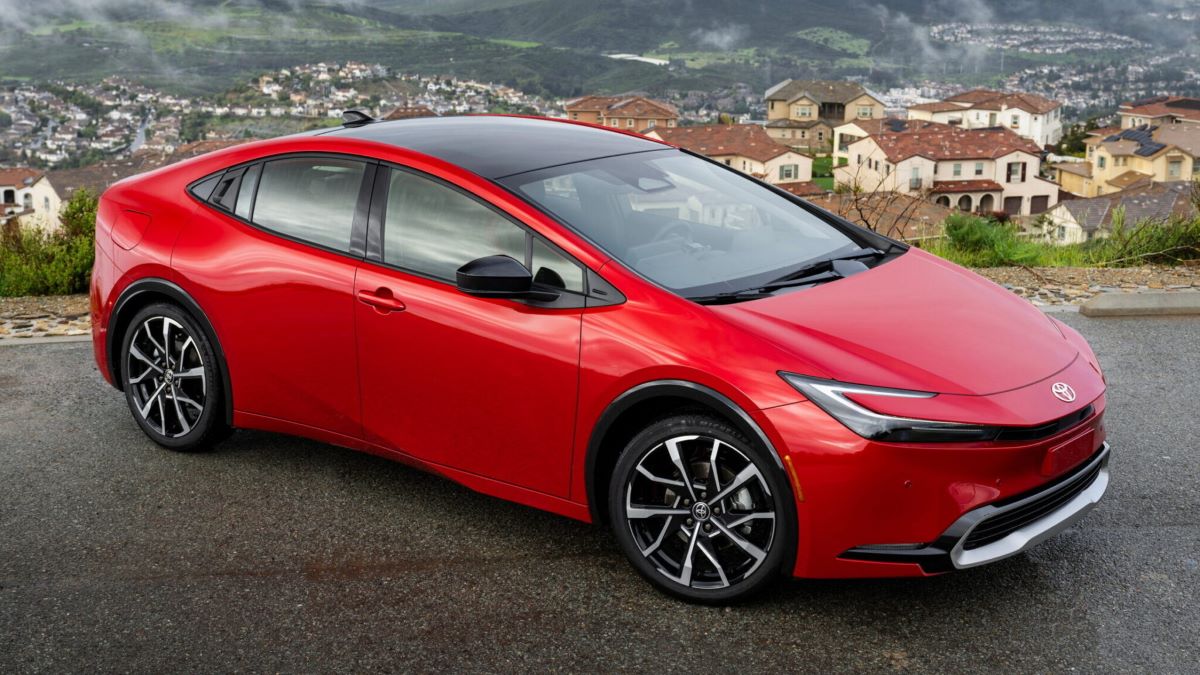
That figure represents a massive 99-horsepower increase over the previous Prius Prime. Despite the noticeable boost in performance, the 2024 Prius Prime also manages to extract 19 additional miles of electric-only driving range from its battery.
With this generation, Toyota allowed the Prius to move beyond being purely an efficiency-focused car, turning the plug-in hybrid into a stylish statement that also offers respectable performance. As a result, the 2024 Prius Prime earns spots on both the 10Best Cars list and the 2024 Editors’ Choice list alongside the standard Prius.
After undergoing a major redesign for the 2023 model year, the Prius Prime carries over into 2024 without any changes. Toyota has chosen to keep the formula intact, relying on the sweeping updates introduced last year to carry the model forward unchanged.
Pricing for the 2024 Toyota Prius PHEV starts at $34,110 and rises to $40,805 depending on trim level and selected options. The lineup now consists of SE, XSE, and XSE Premium trims, all of which reflect the model’s newly athletic personality.
The XSE trim stands out as the most appealing choice, as it adds desirable features such as keyless entry, a power tailgate, an auto-dimming rearview mirror, and heated front seats.
These features build on an already strong list of standard equipment that includes an 8.0-inch touchscreen infotainment system, a heated steering wheel, blind-spot monitoring, adaptive cruise control, lane-centering assistance, and automatic high-beam headlights.
All Prius Prime models are powered by a 2.0-liter gasoline engine producing 160 horsepower, paired with two electric motors. One motor drives the front wheels, while the other manages a planetary gearset that distributes the gas engine’s output in a manner similar to a belt-driven continuously variable automatic transmission.
Together, this setup delivers a combined 220 horsepower, which is more than what you’ll find in a base Mazda 3, a Honda Civic Si, or a Subaru Impreza.
At the test track, the Prius Prime accelerated from zero to 60 mph in 6.7 seconds when using both gasoline and electric power. When operating on electric power alone, the same sprint took 11.2 seconds.
The Prius Prime is currently offered exclusively with front-wheel drive, though Toyota may introduce an all-wheel-drive option as a paid upgrade in the future. If that happens, it would likely include an additional electric motor dedicated to powering the rear axle.
Also Read: The Best Custom Muscle Cars You Could Buy in 2024
2. Honda Accord Hybrid
For those who want a commuter car with a little more driving presence than a typical compact hybrid, the Honda Accord Hybrid hits a strong balance.
Its smooth acceleration, refined interior, and real-world fuel economy often above 45 mpg make it ideal for daily routes between Fremont and Oakland or Walnut Creek.
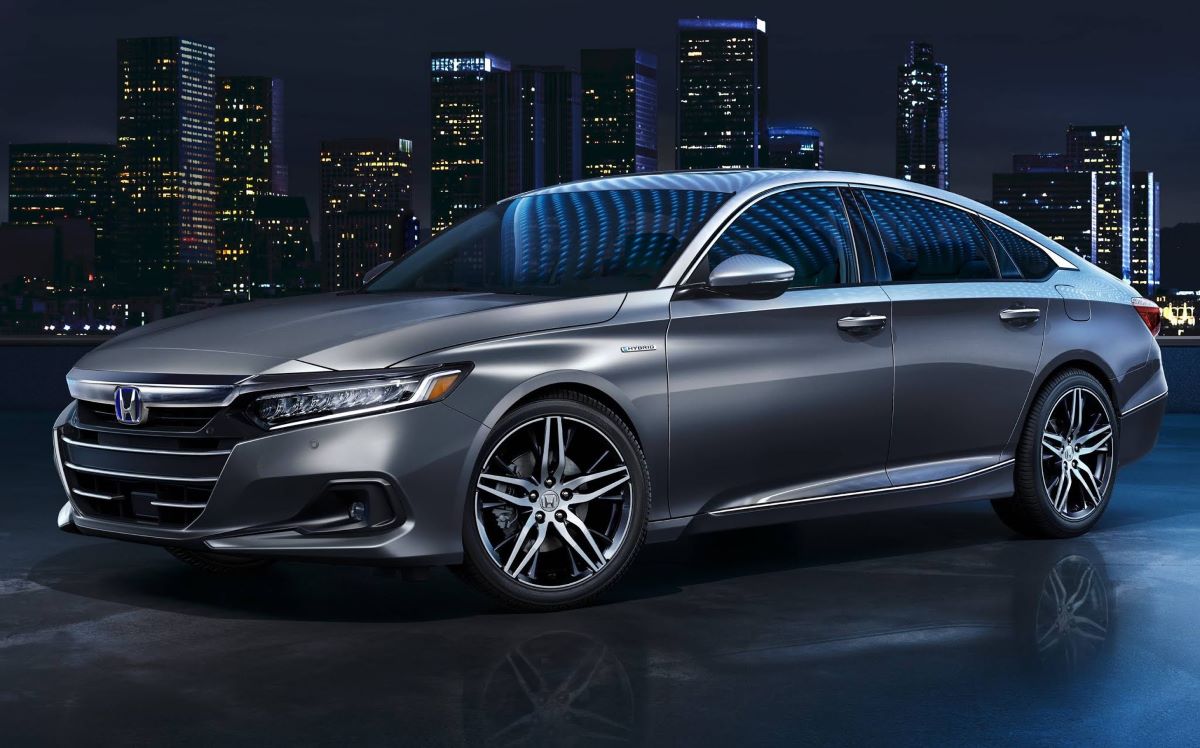
The Accord Hybrid’s comfortable seating and roomy cabin pay dividends during long commute times or weekend road trips to Monterey or Lake Tahoe.
It’s the kind of car that keeps its value and doesn’t ask too much in return perfect for practical, cost-conscious Bay Area car buyers.
The Accord offers two distinct powertrain options, both paired with a continuously variable automatic transmission and front-wheel drive. The LX and SE trims are equipped with a turbocharged 1.5-liter four-cylinder engine producing 192 horsepower, sending power to the front wheels through a CVT.
Higher trim levels switch to one of the strongest hybrid systems currently available, which combines a 2.0-liter four-cylinder engine with two electric motors for a total output of 204 horsepower. Regardless of which powertrain is chosen, every Accord remains exclusively front-wheel drive.
On the road, the Accord delivers a driving experience that is smooth, quiet, and well-balanced, while still retaining the engaging character the model is known for. The car feels confident and composed, thanks to accurate steering, controlled body movements, and a ride that absorbs imperfections without feeling soft.
This blend of comfort and responsiveness makes the Accord enjoyable to drive on a daily basis, a trait that continues to impress both drivers and editors alike.
3. Tesla Model 3 (Standard Range / Rear-Wheel Drive)
In California especially the Bay Area electric vehicles aren’t just popular; they’re practical. The Tesla Model 3, particularly in its more affordable standard or rear-wheel-drive trims, blends efficiency, tech integration, and range in a commuter package many find hard to beat.
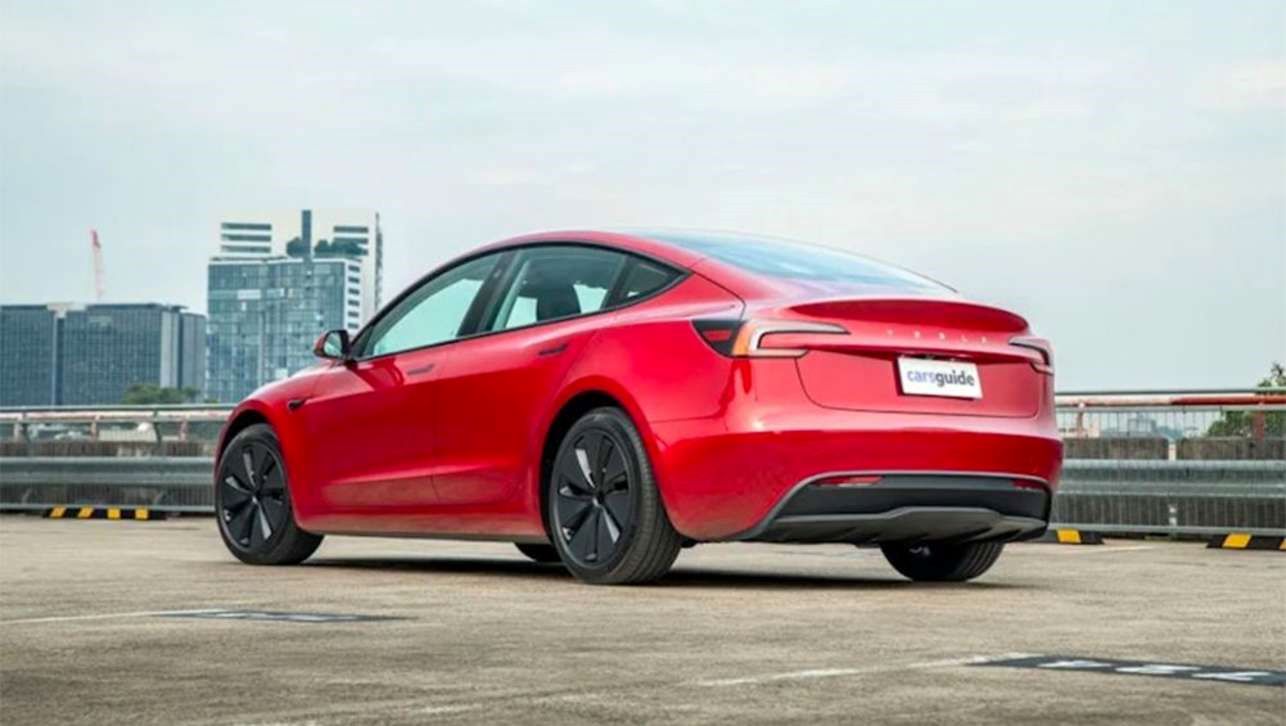
With over 250 miles of real commuting range and access to Tesla’s expansive Supercharger network, a Model 3 handles both daily use and longer drives without range anxiety.
For many Fremont residents, the ability to skip gasoline entirely and use carpool lanes (even with a solo driver in some cases) makes it a commuter-focused EV that’s also future-oriented.
4. Subaru Crosstrek
Not everyone’s Bay Area commute is flat. For those living near the hills of Fremont, Sunol, or traversing parts of Castro Valley and Pleasanton, all-wheel drive isn’t a luxury it’s a necessity during wet season.
The Subaru Crosstrek takes the practical ethos of a commuter and adds capability without vast fuel penalties.
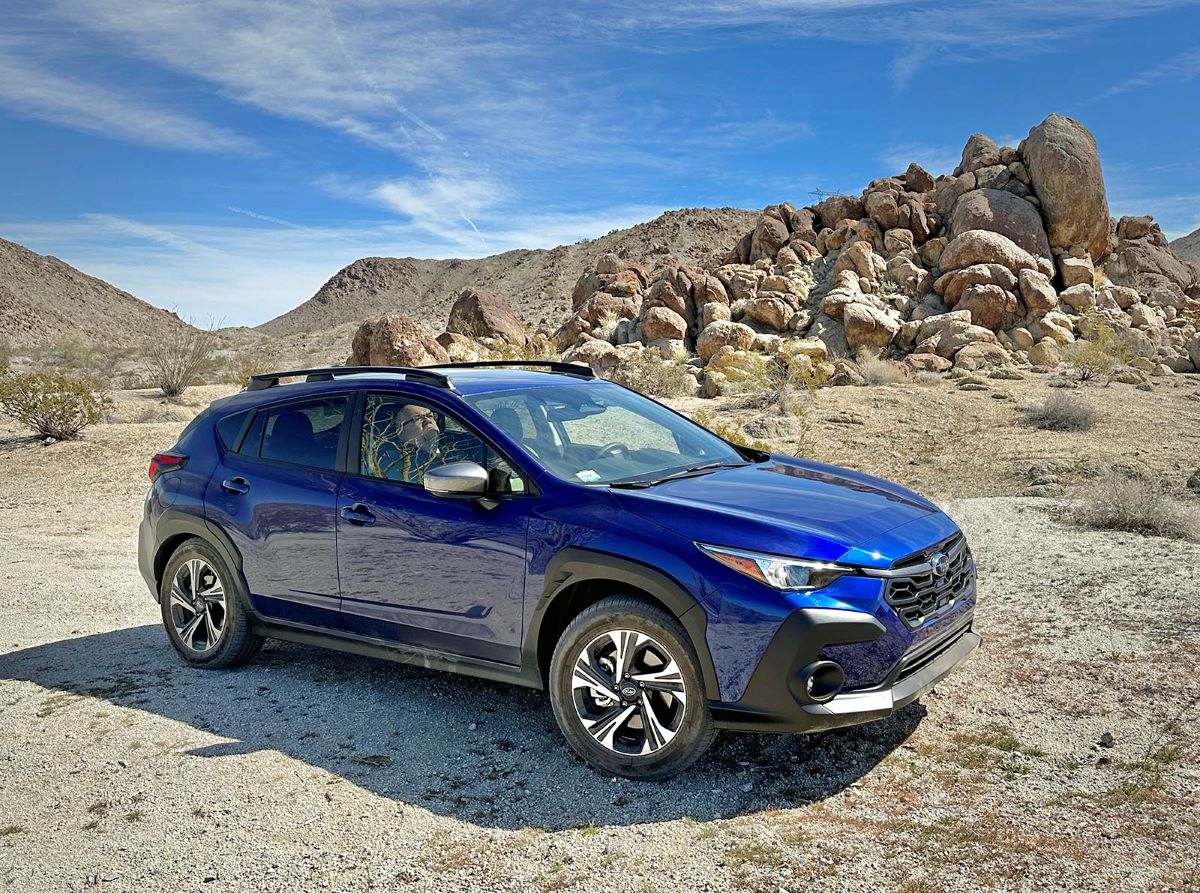
While fuel economy is lower than dedicated hybrids or EVs, the Crosstrek rewards drivers with predictable handling on rainy roads, elevated seating for visibility, and a reputation for reliability. It’s a do-everything commuter, from weekday freeway miles to weekend hikes up Mt. Diablo.
5. Kia Niro EV
The Kia Niro EV is often overlooked in commuter discussions but shouldn’t be. Its combination of practical hatchback utility, excellent electric range (often 240+ miles), and comfortable interior make it well suited for sustained Bay Area traffic
Charging infrastructure density around the region is only improving, meaning Niro EV owners can treat their car like a daily work horse without stressing over plug-in access.
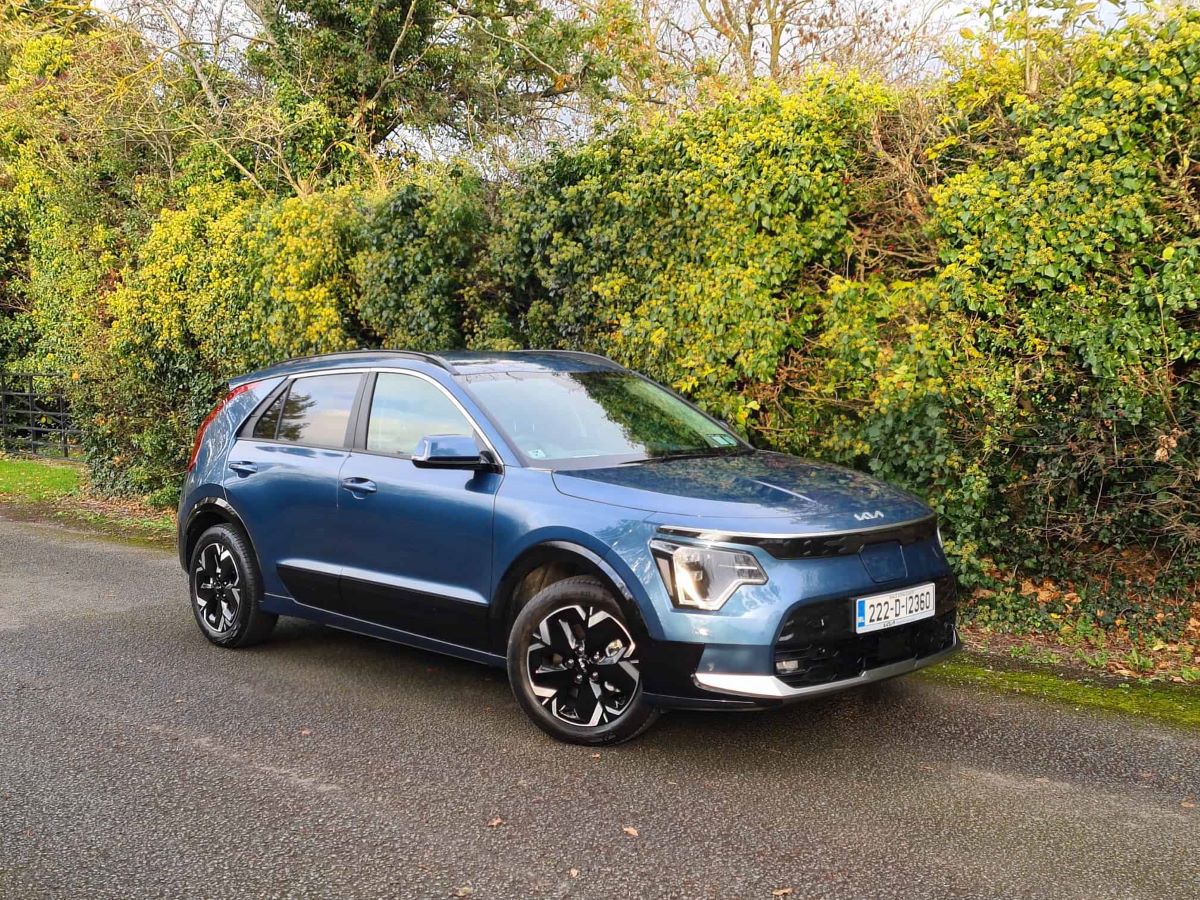
And unlike some EVs that sacrifice cargo space for batteries, the Niro delivers both range and everyday usability an important combination for ride-share drivers or commuters hauling gear.
The Niro EV delivers a lively and responsive driving experience around town. Its electric motor provides smooth, ample power when needed, and the accelerator pedal feels balanced, never overly sensitive or twitchy.
Performance-wise, the Niro EV accelerates from 0 to 60 mph in a class-average 7.1 seconds. Braking is solid, with a firm pedal feel and the added benefit of adjustable one-pedal driving, allowing the regenerative braking system to slow the car effectively so the brake pedal is seldom required.
While the Niro EV is enjoyable for everyday driving, it isn’t designed to be sporty. The suspension is tuned more for comfort than aggressive handling, providing a composed and stable ride, but the relatively low grip levels mean you won’t be attacking corners with much enthusiasm.
Also Read: 10 New SUVs That Balance Affordability and All-Day Comfort Best
Cars That Cost a Fortune
Not all vehicles are created equal when it comes to ownership costs, especially in the Bay Area. Some cars may dazzle with premium features, blistering performance, or luxury badges, but they can also demand a king’s ransom to buy, insure, maintain, and fuel.
In a region where daily commuting often involves heavy traffic and steep parking fees, the cost of running an expensive car can quickly outweigh the thrill of driving one.
In this section, we highlight the commuter cars that look great on paper but end up costing drivers far more than they’re worth over time.
From steep depreciation rates to pricey repairs and high insurance premiums, these models may appeal to enthusiasts, but for everyday Bay Area commuting, they can be a financial burden rather than a smart investment.
1. Ferrari SF90 Stradale
If commuter cars are about practicality, then consider the Ferrari SF90 Stradale its polar opposite. With a price tag north of $800,000, this hybrid supercar blends V8 power with electric torque to generate nearly 1,000 horsepower.
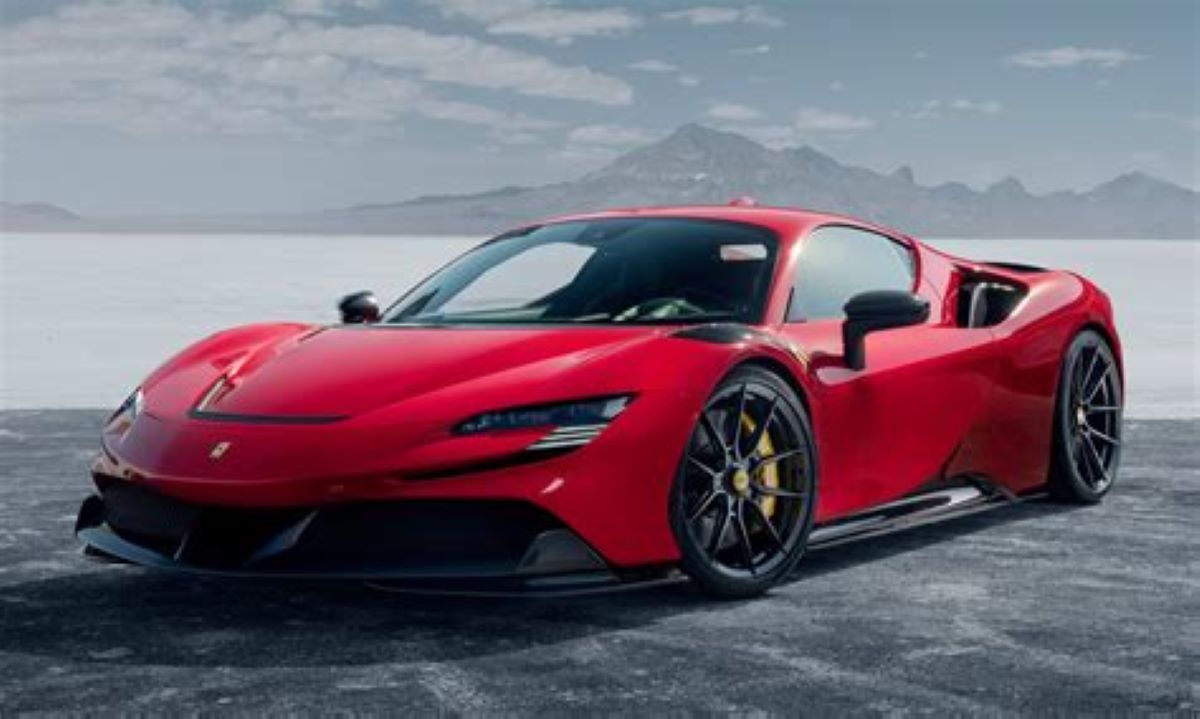
For locals who frequent Monterey Car Week or enjoy spirited drives up Highway 1, the SF90’s performance is the stuff of legend.
But in the daily grind of I-880 traffic? It’s as over-qualified as a rocket in a drag race. Still, among affluent Bay Area gearheads, few cars represent both status and cutting-edge automotive tech quite like this Ferrari.
2. Rolls-Royce Phantom
The Rolls-Royce Phantom isn’t about speed; it’s about ultimate comfort and luxury. Starting well above $550,000, the Phantom’s bespoke appointments, whisper-quiet cabin, and servile ride quality make it feel like a private lounge on wheels.
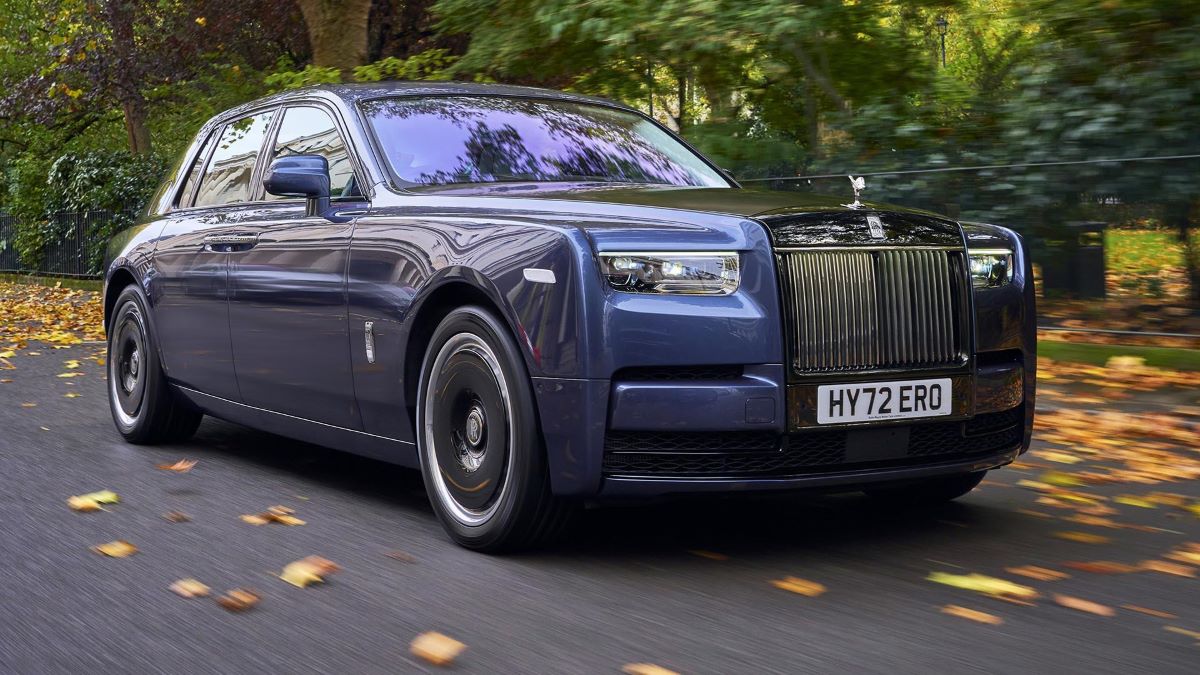
While most owners wouldn’t dream of using it for bumper-to-bumper morning traffic, seeing a Phantom glide through downtown Fremont or the Embarcadero never fails to turn heads. It’s a car that says you don’t commute you arrive.
Every Rolls-Royce caters to the desires and expectations of its ultra-wealthy clientele, but the Phantom stands out as the pinnacle of prestige and luxury.
As the flagship of Rolls-Royce’s already exclusive lineup, the Phantom impresses with a cabin that feels like a vault, an exceptionally smooth ride, and virtually limitless customization options.
Beneath its hood, a silky twin-turbo V-12 engine, one of the last of its kind, quietly powers the rear wheels, delivering immense strength while encouraging a relaxed, effortless driving style. The rear seats, particularly in the Extended model, are the ultimate retreat, offering limousine-like legroom.
Power-adjustable rear seats with massage functions, a built-in beverage chiller, and rear-seat entertainment screens are just the beginning of the lavish amenities that await anyone fortunate enough to experience one of these half-million-dollar masterpieces.
The Phantom’s remarkable power comes from a 563-hp twin-turbo V-12 paired with an eight-speed automatic transmission and rear-wheel drive.
Describing the ride as merely smooth does it a disservice, passengers feel as though they are being transported on a cloud. The car seems to float effortlessly over the road, aided by a pothole-detecting camera that allows the adaptive suspension to respond instantly to imperfections.
Inside, the cabin is astonishingly quiet, creating a sensory-deprivation cocoon that isolates occupants from the outside world, offering an unparalleled level of comfort and serenity.
3. Lamborghini Aventador Ultimae
The Lamborghini Aventador Ultimae symbolizes unfiltered performance. With a naturally aspirated V12 and a scream that defines “performance” for many enthusiasts, this car costs well over $500,000 and represents the last of an era before electrification takes over.
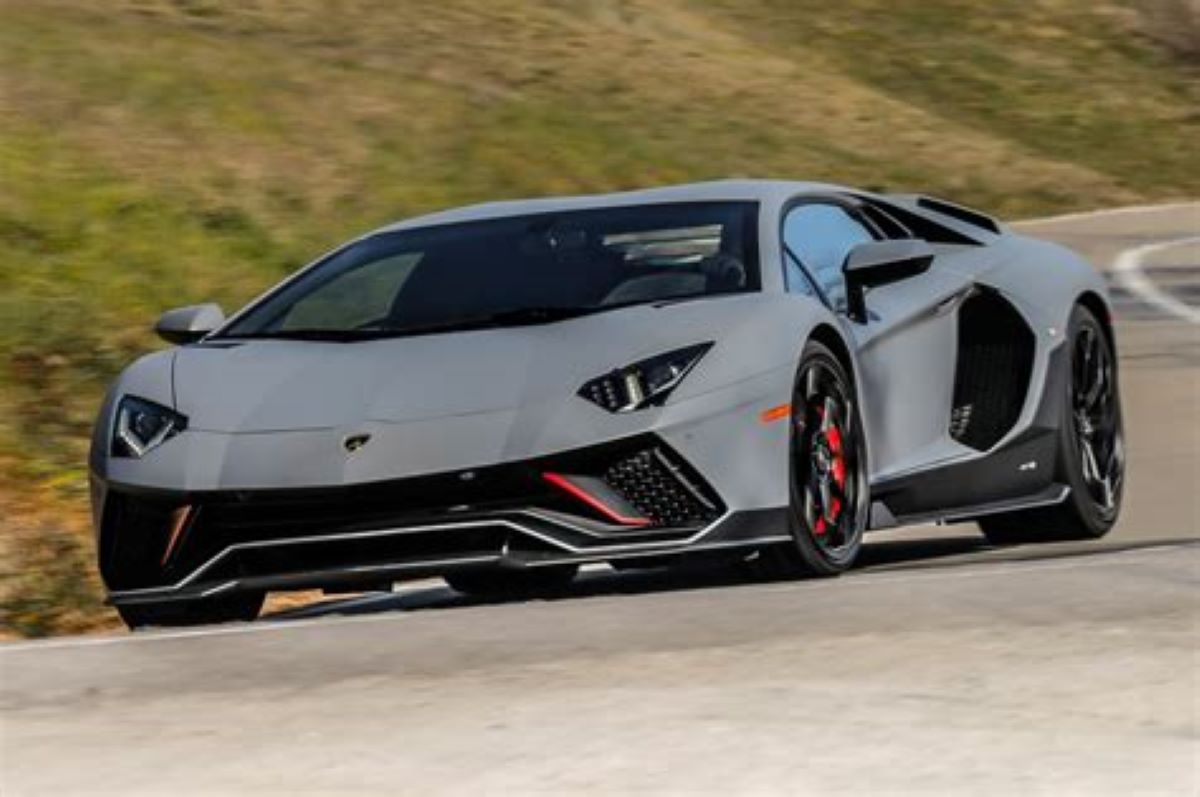
In the Bay Area where tech innovation intersects with bold personalities the Aventador Ultimae is the kind of car that gets posted on socials, featured at Cars and Coffee, and admired from afar because of its jaw-dropping sound and design. Practical? No. Memorable? Absolutely.
4. McLaren P1
Though production has ended, the McLaren P1 remains one of the most coveted hybrid hypercars in existence, with prices at auction regularly breaching seven figures.
Combining Formula 1-inspired aerodynamics with an electric boost, the P1 isn’t a car you’d take down Fremont Boulevard before work.
But among the hypercar scene in Silicon Valley and San Francisco, its combination of rarity, tech heritage, and performance puts it in a league of its own. For collectors, it’s as much an investment as a toy.
The early 2010s marked a golden era for hypercars, as exotic automakers began experimenting with the power potential of hybrid drivetrains.
While traditional elements like large-displacement engines and massive turbochargers were still prevalent, the addition of batteries and electric motors unlocked extraordinary acceleration and speed that had previously been nearly impossible to achieve.
Layered on top of these mechanical innovations were leaps in materials and design. Advances in carbon fiber construction and cutting-edge manufacturing techniques allowed for ultra-aerodynamic shapes that were both lightweight and incredibly slippery.
The result was groundbreaking vehicles such as the McLaren P1. Launched in 2013, the P1 was not only McLaren’s first hybrid but also the first hybrid supercar available on the market.
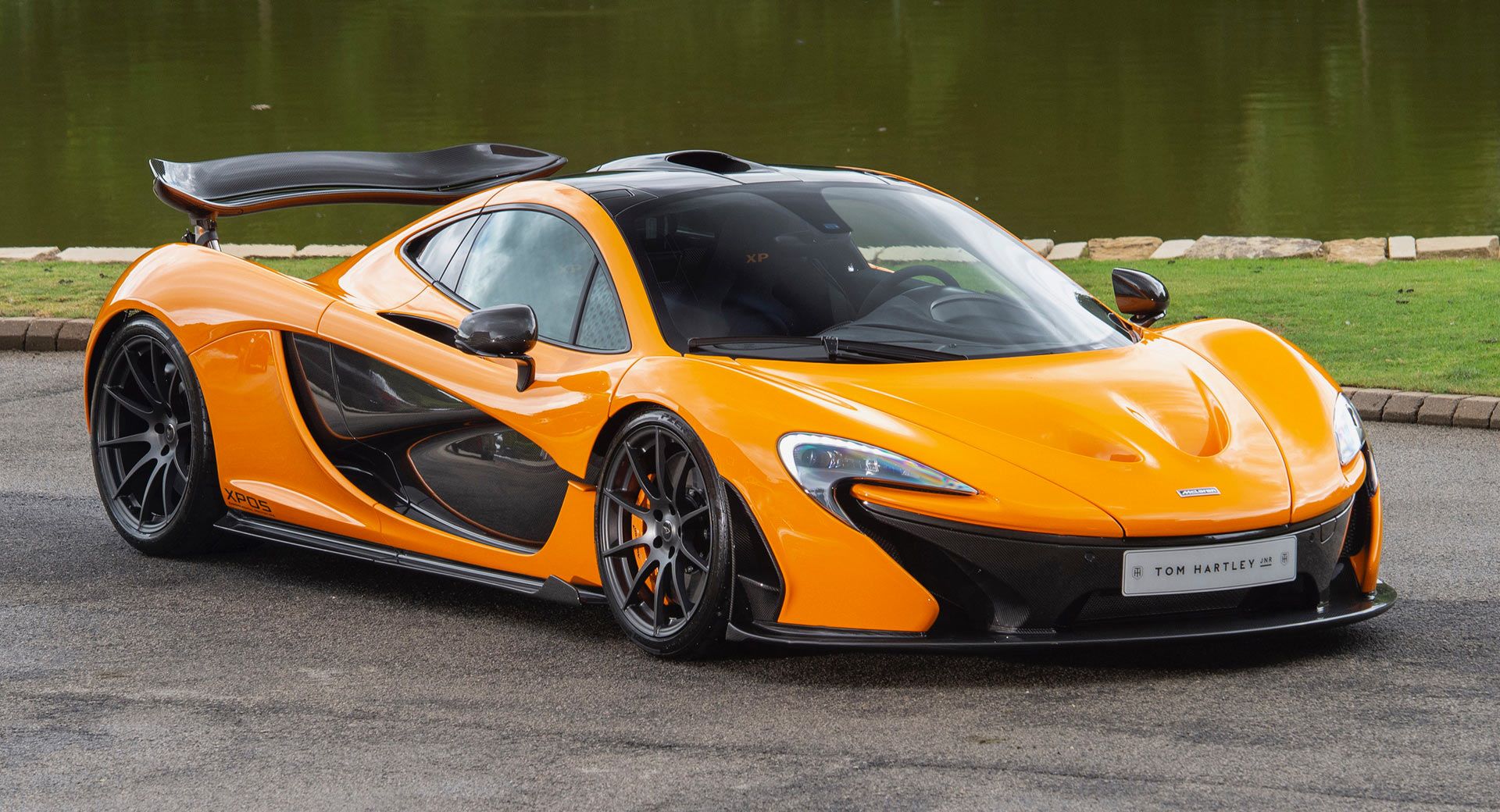
Drawing on McLaren’s Formula One experience and lessons learned from its previous F1 supercar, the P1 represented a transformative step in performance engineering and remains an impressive machine even today.
The McLaren P1 is powered by a 3.8-liter twin-turbo V-8 engine that evolved from the MP4-12C supercar.
Unlike its predecessor, the P1’s engine block was redesigned to integrate an electric motor, part of McLaren’s Integrated Power Assist system (IPAS). While the P1 is not a fully electric car, its battery allows for up to 6.2 miles of EV-only driving.
More exciting, however, is IPAS’s ability to provide an instantaneous boost when the V-8 is ramping up. By pressing the IPAS button on the steering wheel, the full energy of the liquid-cooled battery is deployed, significantly enhancing the drivetrain’s total output.
In terms of raw power, the turbocharged V-8 produces an impressive 727 horsepower and 531 lb-ft of torque, capable of revving up to an 8,500-rpm redline.
The P1’s single electric motor adds another 177 horsepower and 192 lb-ft of torque, more than double the output of contemporary kinetic energy recovery systems (KERS) used in Formula One.
Combined through sophisticated computerized drivetrain management, the P1 delivers a total of 903 horsepower and 664 lb-ft of torque, making it, at the time of its debut, the most powerful car McLaren had ever built.
The battery recharges not only through regenerative braking but can also be plugged into a standard wall outlet for convenience when the car is parked.
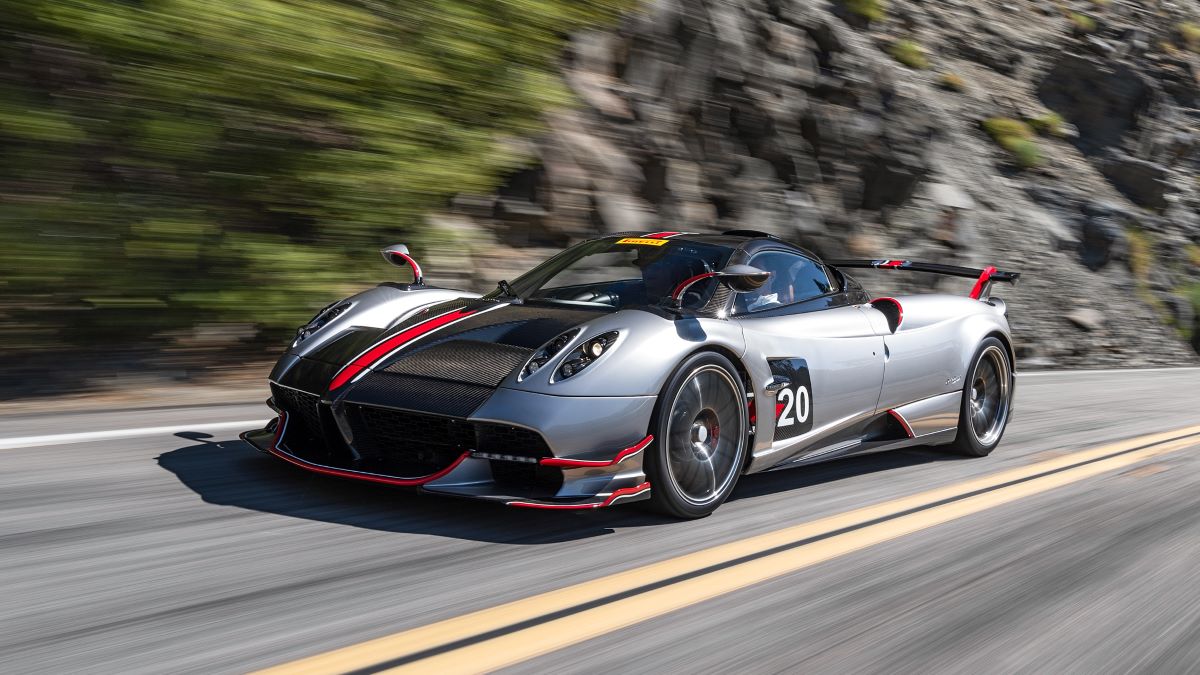
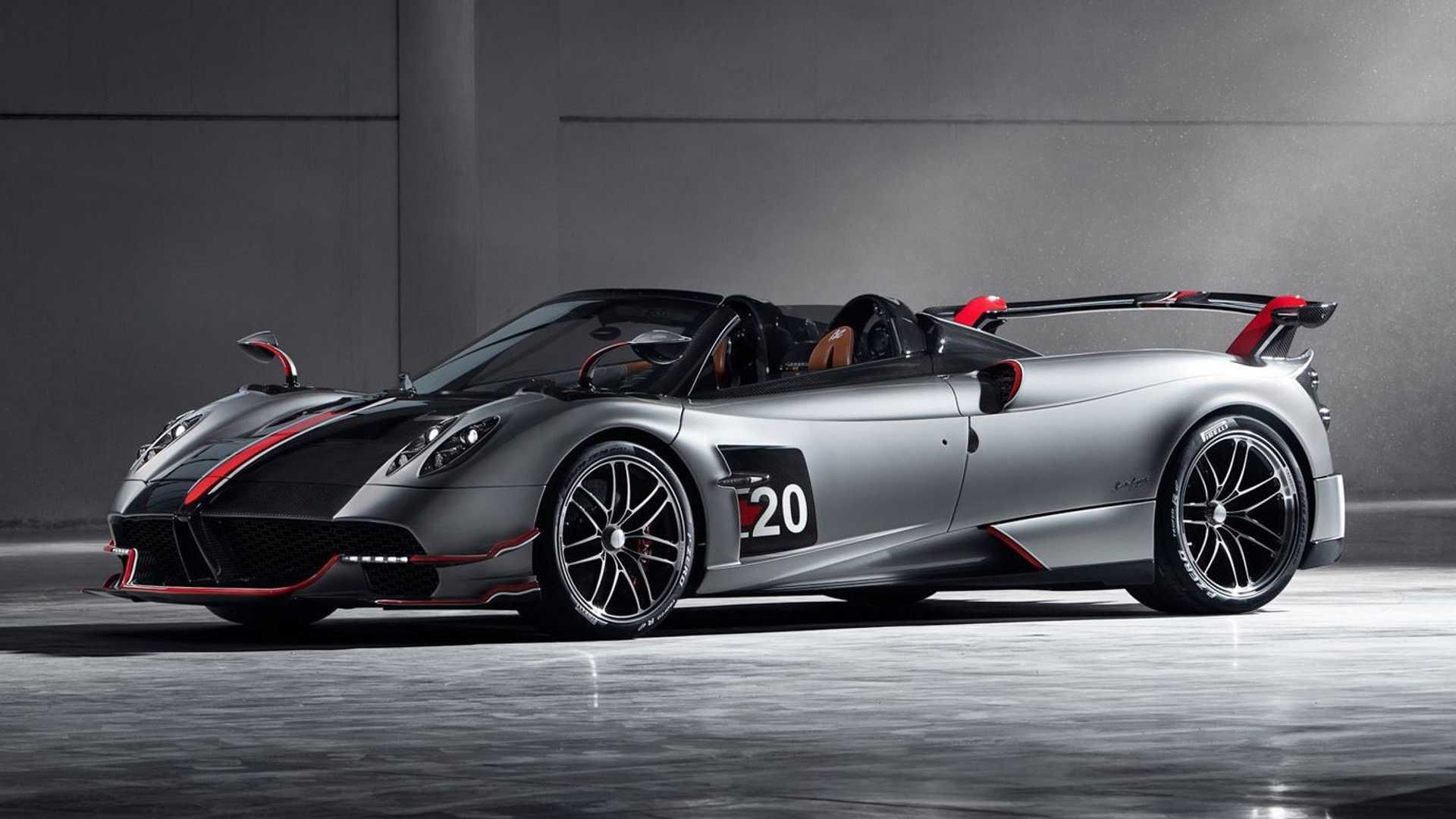
5. Pagani Huayra Roadster BC
A statement piece in every sense, the Pagani Huayra Roadster BC is handcrafted with obsessive detail and priced well into the millions.
Its bespoke carbon fiber, Italian artistry, and thunderous AMG-sourced V12 make it one of the most exclusive cars on Earth.
In a place like the Bay Area where tech founders, celebrities, and collectors mingle the Huayra isn’t just a car: it’s art on wheels. Like the others here, it’s not intended for commuting; its value lies in rarity, showmanship, and mechanical poetry.
At the end of the day, choosing a commuter car in the Bay Area often boils down to practicality: fuel costs, reliability, comfort, and ease of parking.
The five commuter vehicles above capture that equation. Conversely, the five high-end vehicles highlight the desire for performance, luxury, and exclusivity embedded in the region’s culture.
It’s been nearly ten years since the first Pagani Huayra made its debut as the successor to the company’s legendary Zonda.
Over that period, the Huayra has impressed enthusiasts with its breathtaking performance, hypercar-level styling, and exquisitely detailed interior. The Huayra Roadster BC represents the final evolution of the model and will likely mark the conclusion of the Huayra’s production run.
‘BC’ refers to Benny Caiola, a New York real estate magnate who became the first owner of a Zonda in 2000 and was a close friend of Horacio Pagani. Tragically, Caiola passed away unexpectedly ten years later.
In developing the more track-focused Roadster BC, Pagani’s engineers extracted phenomenal performance from the AMG-sourced 6.0-liter twin-turbocharged V12 engine, producing an incredible 791 horsepower and 774 lb-ft of torque, with a projected 0-60 mph time of under three seconds.
Weighing more than 60 pounds less than the standard Huayra Roadster, the BC also generates 1,102 pounds of downforce, delivering remarkable stability at high speeds and exceptional cornering capabilities. The interior remains a work of art, continuing Pagani’s tradition of masterfully crafted cabins.
While the Huayra Roadster BC competes in performance and prestige with the same rivals as the standard Huayra Roadster, namely the Lamborghini Aventador SVJ Roadster and the Koenigsegg Regera, it distinguishes itself through its exclusivity. Only 40 fortunate customers will have the opportunity to experience this truly remarkable machine firsthand.
Neither list is inherently “better” they exist on different ends of the automotive spectrum. One meets the demands of everyday life; the other ignites passion, admiration, and sometimes envy.
For commuters in cities like Fremont, Newark, or Pleasanton, the right car might be a blend of practicality with a touch of personality something that makes the daily drive a little more enjoyable without costing a fortune.