
Durham College students face a unique set of challenges when it comes to getting around. Between juggling classes, part-time jobs, and social activities, having a reliable vehicle can make or break a student’s daily routine.
Living in Durham, Ontario or commuting from nearby areas in the U.S. for cross-border programs means dealing with both urban traffic and suburban roads, making vehicle choice critical.
Beyond reliability, students must consider fuel efficiency, insurance costs, parking availability, and maintenance expenses.
Some cars excel at handling these student-life demands, while others create more headaches than they’re worth. Let’s break down five vehicles that are ideal for Durham College runs and five that students should avoid.
Cars Ideal for Durham College Students
Durham college students need cars that can keep up with busy schedules, tight budgets, and constantly changing priorities.
Between commuting to campus, juggling part-time jobs, weekend trips home, and late-night study sessions, the ideal student car has to be affordable to buy, inexpensive to run, and reliable enough to avoid surprise repair bills.
Add rising fuel costs, parking constraints, and insurance premiums into the mix, and choosing the wrong vehicle can quickly become a financial burden.
The best cars for Durham college students strike a careful balance between practicality and peace of mind.
Strong fuel economy, proven reliability, manageable maintenance costs, and reasonable insurance rates matter far more than flashy performance or luxury features.
At the same time, students still want something comfortable, safe, and modern enough to handle daily driving without feeling outdated or stripped down.
This article highlights cars that make sense for life around Durham campuses, vehicles that fit student budgets, handle daily commutes with ease, and won’t drain savings over time.
Whether you’re buying your first car, upgrading from an older hand-me-down, or searching for dependable transportation that lasts through graduation and beyond, these picks focus on smart ownership rather than short-term appeal.
1. Honda Civic
For decades, the Honda Civic has been the go-to choice for college students, and for good reason. Its fuel efficiency is ideal for daily commutes, often exceeding 30 miles per gallon on highways.
Compact size ensures ease of parking near the campus, which is a major plus given limited student parking. Additionally, Civics are known for their longevity; many models last well beyond 200,000 miles with minimal issues.
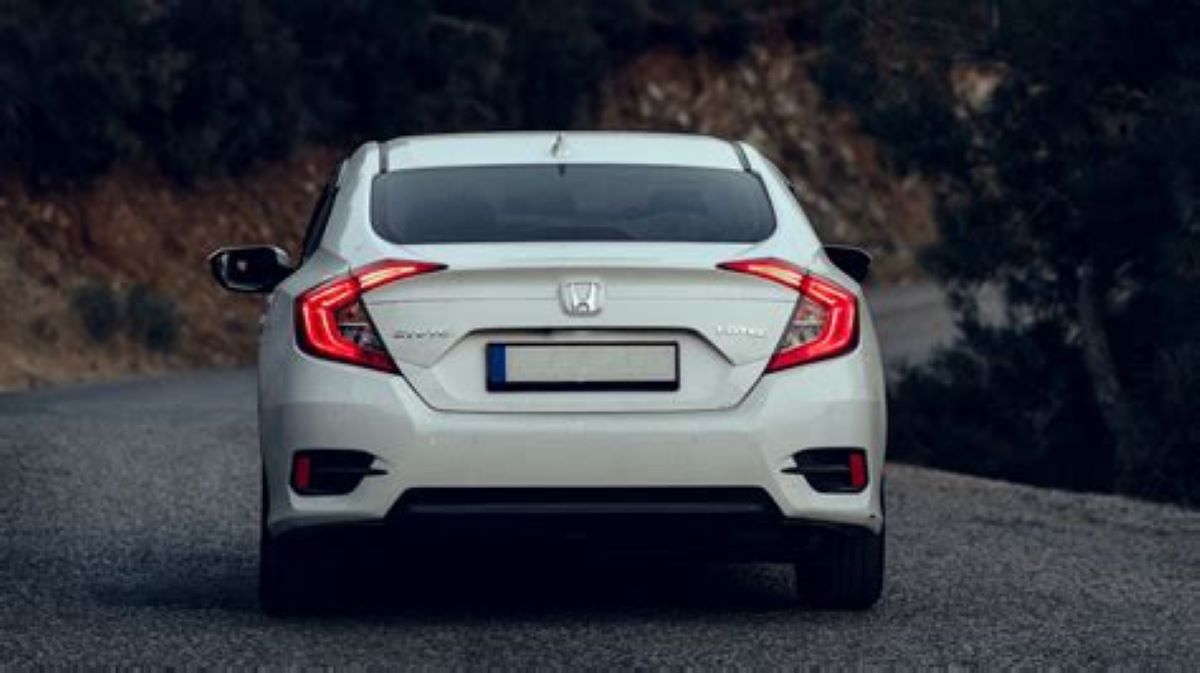
Insurance rates are reasonable for younger drivers, and parts are widely available, making repairs cost-effective. Beyond practicality, modern Civics come with tech features such as Apple CarPlay, which is convenient for navigation and streaming music between classes.
2. Toyota Corolla
The Toyota Corolla is another staple of student-friendly cars. It shares many of the Civic’s strengths: reliability, fuel economy, and low maintenance costs.
What sets the Corolla apart is its smooth ride and slightly larger interior, providing more comfort for passengers or carrying extra textbooks, groceries, or sports gear.
Safety ratings are consistently high, which matters for peace of mind during early morning or late-night drives. Corolla’s resale value is strong too, meaning students can sell it later without losing much of their investment a key consideration when budgets are tight.
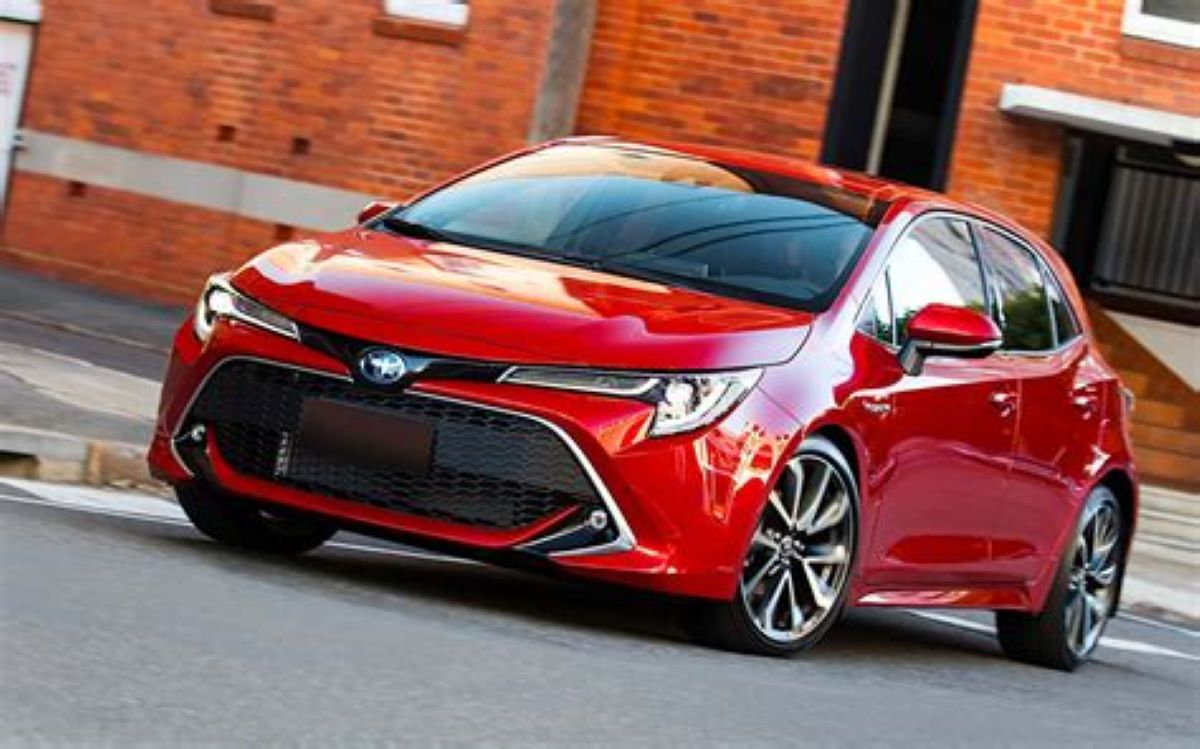
The 2022 Toyota Corolla continues to stand out as an affordable, good-looking compact car that comes generously equipped with standard active safety technology.
Although rivals like the Honda Civic and Mazda3 deliver a more engaging driving experience, the Corolla counters with a smooth, comfortable ride and a lineup that includes sportier variants of its own. Like many competitors in the compact segment, Toyota offers the Corolla in both sedan and hatchback forms.
Each version has its own distinct styling, though somewhat unusually, the hatchback provides less rear-seat space and cargo capacity than the sedan.
Certain trims are available with a manual transmission, appealing to drivers who still enjoy shifting for themselves, while the sedan can also be had with an impressively fuel-efficient hybrid powertrain.
One drawback across the range is that every Corolla model features an engine that sounds coarse under load. Even so, the 2022 Corolla remains a go-to option for many buyers, particularly those who place a high value on safety, reliability, and contemporary styling.
Toyota keeps updates to the Corolla lineup modest for 2022. The LE Hybrid gains a new Premium interior package, which adds a leather-trimmed steering wheel, leatherette seating surfaces, a power-adjustable driver’s seat with lumbar support, and heated front seats.
The Corolla sedan also introduces two new exterior colors, Ruby Flare and Windchill Pearl, while the hatchback can now be ordered in a Finish Line Red paint option.
Our pick would be the mildly sporty SE sedan. Thanks to its sport-tuned suspension, it’s more enjoyable to drive than the standard setup and can be paired with a manual transmission.
We’d gladly opt for the stick shift, even though doing so eliminates certain option packages available with the continuously variable automatic transmission (CVT).
With the exception of the sport-oriented SE and XSE trims, the Corolla sedan is powered by a 139-hp 1.8-liter four-cylinder engine paired with a CVT that drives the front wheels.
The more energetic versions use a 169-hp 2.0-liter four-cylinder engine, which can be matched with either a CVT or an optional six-speed manual transmission. All Corolla hatchbacks come standard with the larger engine, but only the sedan offers a hybrid powertrain.
Testing of both the Corolla SE hatchback and the Corolla XSE sedan revealed that even the most powerful engine in the lineup doesn’t deliver particularly strong acceleration.
Around town, the Corolla feels sensible and composed, and it remains stable on the highway. However, pushing the engine hard results in coarse sounds that detract from overall refinement.
Both the sedan and hatchback provide a comfortable ride that effectively absorbs most road imperfections, and their improved body control lends better agility than earlier versions.
The SE and XSE trims stand out further with firmer sport-tuned suspensions, and the XSE adds larger 18-inch wheels, while other trims ride on 15- or 16-inch wheels.
When compared to more athletic competitors like the Mazda3 and Volkswagen Golf, the Corolla’s steering, while progressive and predictable, falls short of being truly engaging.
Braking performance also isn’t class-leading, with stopping distances from 70 mph ranging between 174 and 183 feet. That said, the brake pedal feels consistent and easy to modulate, reinforcing the Corolla’s reputation as a safe, dependable, and approachable compact car.
3. Mazda3
The Mazda3 combines efficiency with a sporty edge, making it appealing to students who want something more stylish than a standard Civic or Corolla.
Its handling is nimble, perfect for city streets and tight parking spots around Durham College. Fuel economy remains competitive, and the interior is surprisingly upscale for its price range.
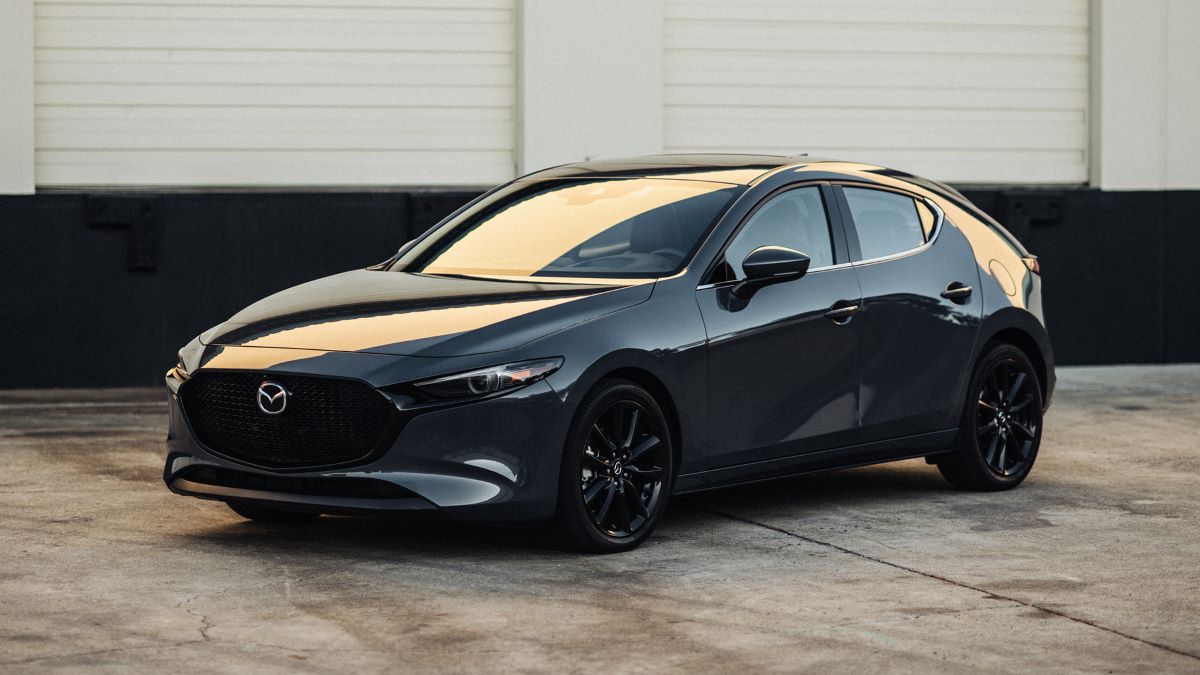
While not as cheap to repair as a Civic or Corolla, Mazda3s still offer a solid balance of reliability and performance, making them a fun yet practical choice for students.
4. Hyundai Elantra
The Hyundai Elantra is a value-packed option, often undercutting competitors in price while offering similar reliability and fuel efficiency.
Recent models feature modern safety tech like lane-keeping assist and adaptive cruise control, which are impressive perks for new drivers.
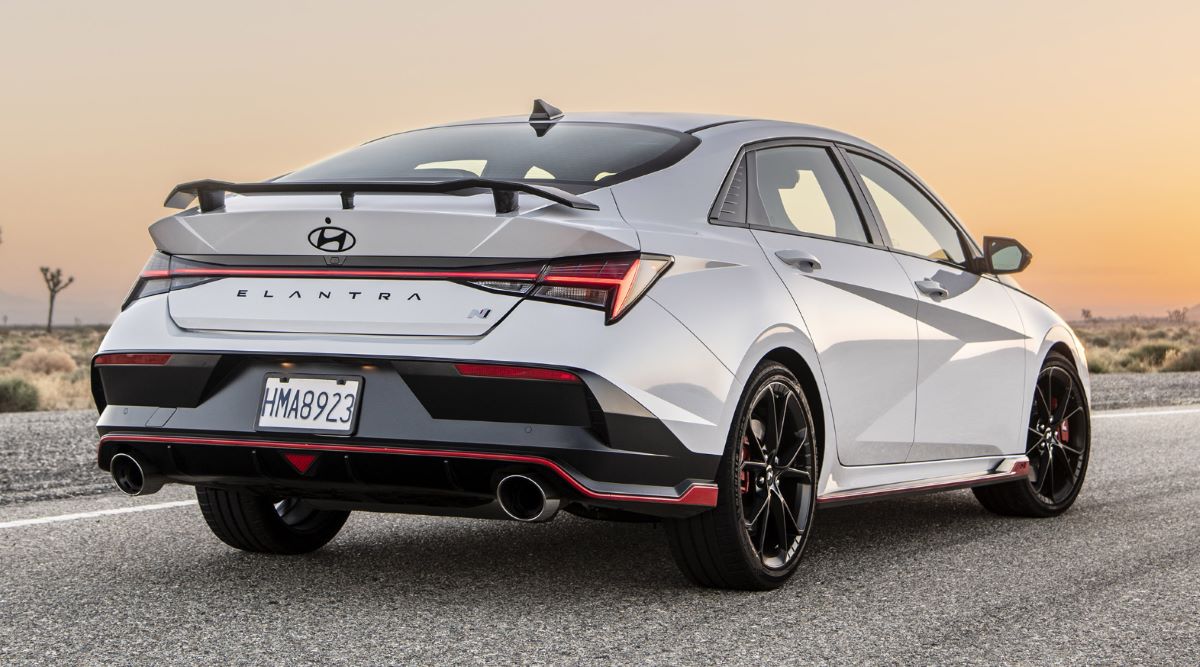
Its warranty coverage is among the best in the industry, protecting students from unexpected repair bills. Additionally, the Elantra has grown more stylish in recent years, providing a fresh look without breaking the bank.
Also Read: Top 300-HP Cars That Cost the Least to Maintain in 2025
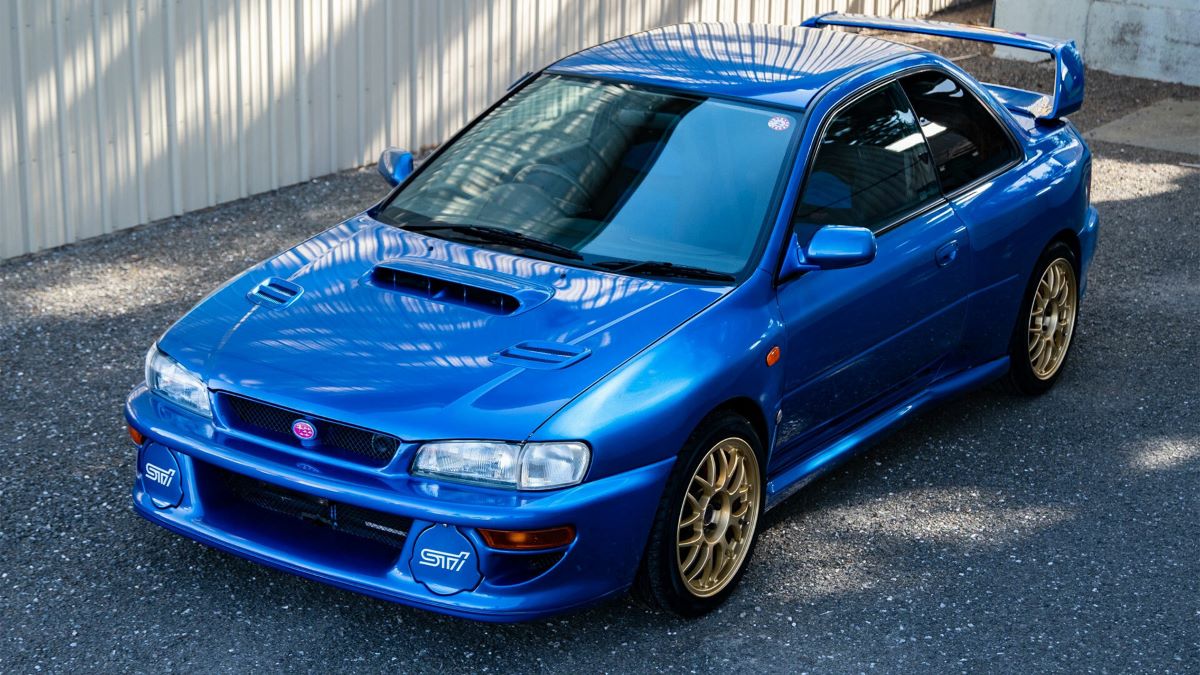
5. Subaru Impreza
For students commuting from suburban areas around Durham or experiencing unpredictable weather, the Subaru Impreza stands out with its all-wheel-drive system.
It handles rain, snow, and rough roads far better than front-wheel-drive sedans. Fuel economy is slightly lower than the Civic or Corolla, but the extra stability in inclement weather is worth the trade-off.
Its hatchback model adds versatility, allowing students to transport bikes, sports equipment, or larger items easily.
The Impreza remains Subaru’s most budget-friendly entry point, and for 2024 the brand introduces a sixth-generation version that is more streamlined and purpose-driven than before.
The compact model now comes exclusively as a hatchback, is offered only with a CVT automatic transmission, and is available in a reduced number of trims.
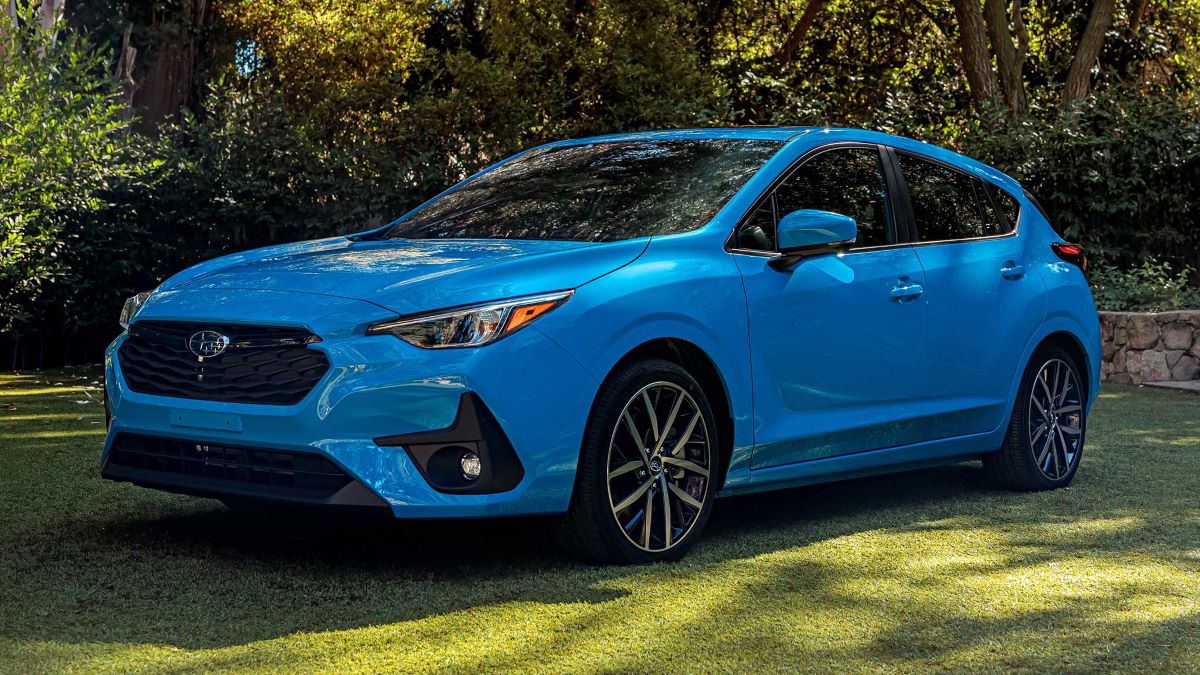
For 2024, the Impreza benefits from a series of meaningful updates and revisions. The car rides on a revised, stiffer platform designed to improve overall refinement and handling.
Subaru has also updated its torque-vectoring all-wheel-drive system, with AWD continuing as standard equipment across the entire lineup. The new RS trim takes the place of the previous Limited model and introduces a more powerful 2.5-liter engine.
The latest generation of Subaru’s EyeSight driver-assistance technology is now included, along with an updated dual-zone climate control system. Inside, buyers can opt for a larger 11.6-inch touchscreen, bringing the Impreza more in line with newer Subaru models.
Starlink connected services have also expanded, now offering available features such as Valet Mode, Trip Log, Driving Journal, and Remote Vehicle Configuration. On the flip side, Subaru has discontinued the sedan body style, eliminated the manual transmission option, and dropped the Premium trim level entirely.
Much of what made the previous Impreza appealing carries over into the new generation. The balance between ride comfort and handling composure remains a strong point, and the standard all-wheel-drive system continues to inspire confidence in a wide range of driving conditions.
As with nearly every Subaru model aside from the BRZ coupe, AWD comes standard, reinforcing the Impreza’s reputation for year-round usability. While competitors like the Honda Civic hatchback offer greater cargo capacity, the Impreza still shines when it comes to passenger space.
For 2024, Subaru has focused on refinement, delivering a quieter driving experience and a more polished feel. New conveniences such as an available wireless phone charger and standard roof crossbar mounting points add everyday practicality.
Although the sedan and manual transmission are gone, Subaru is clearly positioning the Impreza hatchback as a sportier offering. The reintroduction of the RS trim brings a larger 2.5-liter engine that noticeably improves straight-line performance.
Its sport-tuned suspension adds some excitement on winding roads, though ultimate grip is limited, with noticeable understeer. Some drivers also noted that the suspension can feel too stiff and not well-damped on rough or broken pavement.
The CVT automatic transmission, while improved in both smoothness and noise levels, remains a compromise for driving enthusiasts. It lacks the engagement of the discontinued manual gearbox and dulls what could otherwise be a more rewarding athletic experience.
In the end, the Impreza’s standout advantage remains the same: it is still one of the most affordable vehicles on the market to offer standard all-wheel drive.
The 2024 Impreza continues to offer two engine choices. Base and Sport trims are powered by a 2.0-liter naturally aspirated flat-four engine that produces 152 horsepower and 145 lb-ft of torque.
At the top of the range, the RS trim receives a larger 2.5-liter non-turbo flat-four engine delivering 182 horsepower and 178 lb-ft of torque. This is the same engine used in the Crosstrek Sport and Limited, though it produces slightly more torque in the Impreza.
Every 2024 Impreza comes standard with a CVT automatic transmission, as Subaru has officially retired the five-speed manual gearbox.
Sport and RS trims do include an “eight-speed manual mode” with paddle shifters mounted on the steering wheel, offering a small nod to driver involvement.
However, true manual shifting is no longer part of the Impreza experience. Across the board, all-wheel drive remains standard on every trim level for the 2024 model year.
Cars Students Should Avoid
College students have enough on their plates without dealing with a car that drains their wallet, struggles to start, or racks up repair bills. Choosing the wrong vehicle can turn a seemingly practical purchase into a constant source of stress, especially when juggling tuition, rent, part-time jobs, and campus life.
High maintenance costs, poor fuel economy, and unreliable performance can quickly turn what should be convenient transportation into a financial and logistical headache.
In this article, we’ll highlight cars that students should avoid. These are vehicles that may seem appealing at first, whether due to low sticker prices, flashy looks, or performance claims, but ultimately prove impractical for student life.
1. Dodge Charger
While Dodge Chargers are appealing for their muscle car aesthetics and performance, they are not ideal for student life.
Gas mileage is poor, often in the teens, which can quickly drain a student budget. Insurance rates for younger drivers are extremely high due to the car’s power and sporty reputation.
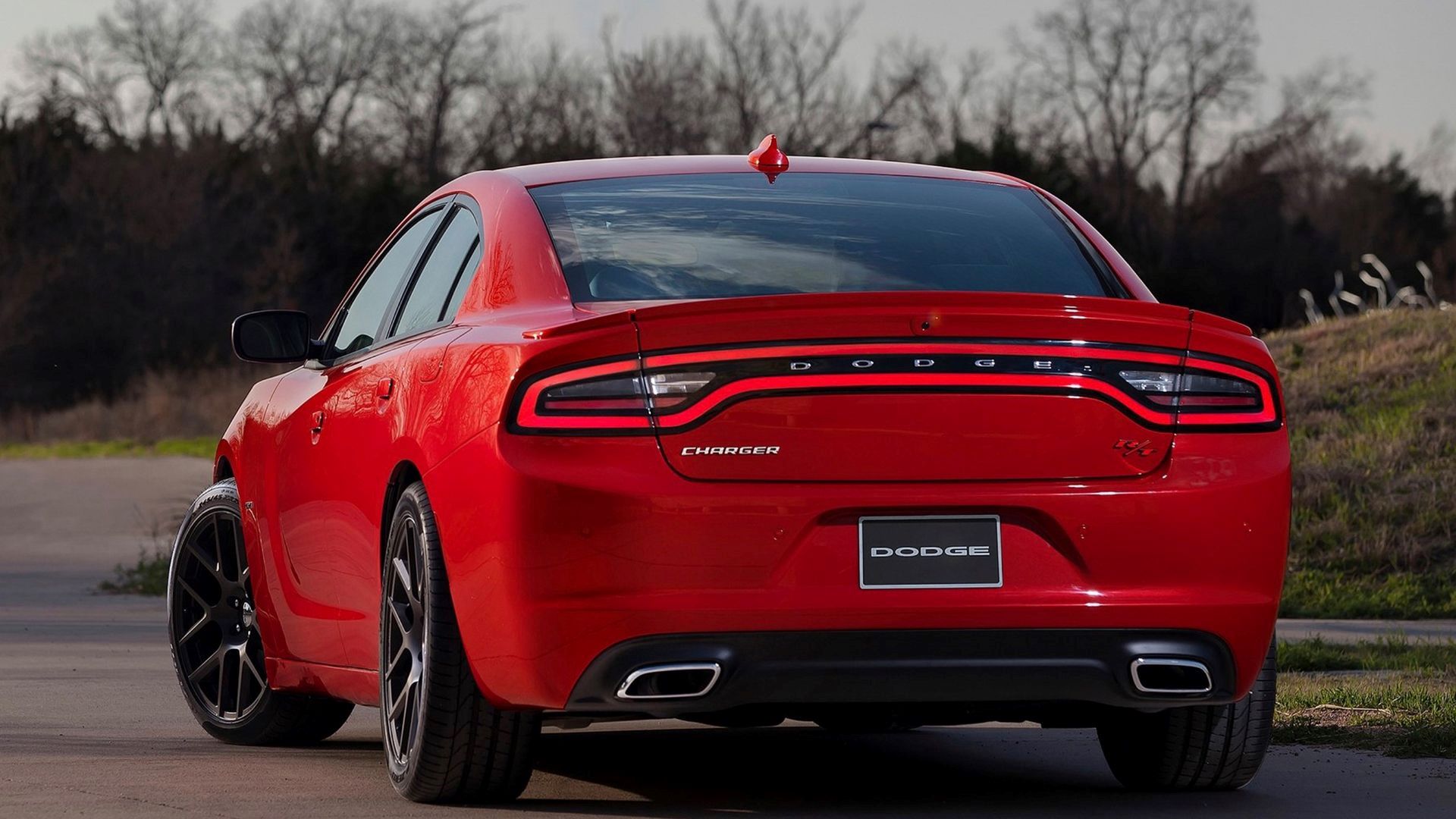
Additionally, Chargers are larger vehicles, making parking on campus difficult, and maintenance costs can be surprisingly high once warranty coverage expires.
The 2021 Dodge Charger combines the classic appeal of a full-size, rear-wheel-drive sedan with modern technology and practicality, making it a standout in the muscle car segment.
With its rumbly V-8 engines, spacious cabin, and large trunk, the Charger manages to deliver performance and utility in one package. It also caters to contemporary tastes with all-wheel-drive options, advanced driver-assistance features, and an intuitive infotainment system.
While some interiors feel cheap and models with the largest wheels ride a bit harshly, the Charger’s blend of style, performance, and affordability keeps it a popular choice among enthusiasts.
Whether you’re drawn to the muscular growl of the Hemi V-8s or the more subdued V-6 with all-wheel drive, the 2021 Charger offers a compelling mix of excitement and everyday usability.
Also Read: Top 10 Rock-Solid 4x4s You Can Still Buy for Under $20K
2. BMW 3 Series (Older Models)
Older BMW 3 Series models may seem like a sophisticated choice, but they are notorious for expensive repairs and high maintenance costs.
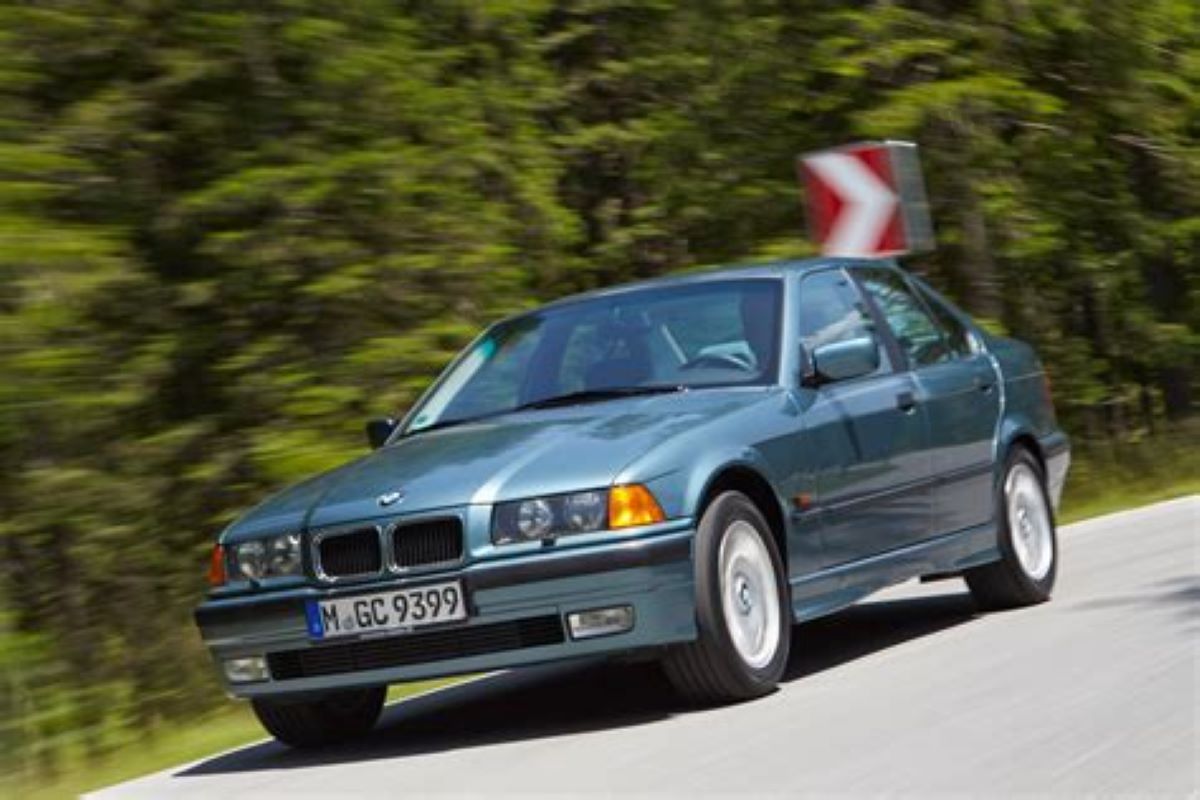
While the driving experience is fun, parts are costly and specialized mechanics are often required. Fuel efficiency is average at best, and minor issues can snowball into significant expenses hardly ideal for a student budget.
3. Jeep Wrangler
The Jeep Wrangler is legendary for off-road adventures but not for commuting to college. Fuel economy is very low, parts can be pricey, and daily driving comfort is limited.
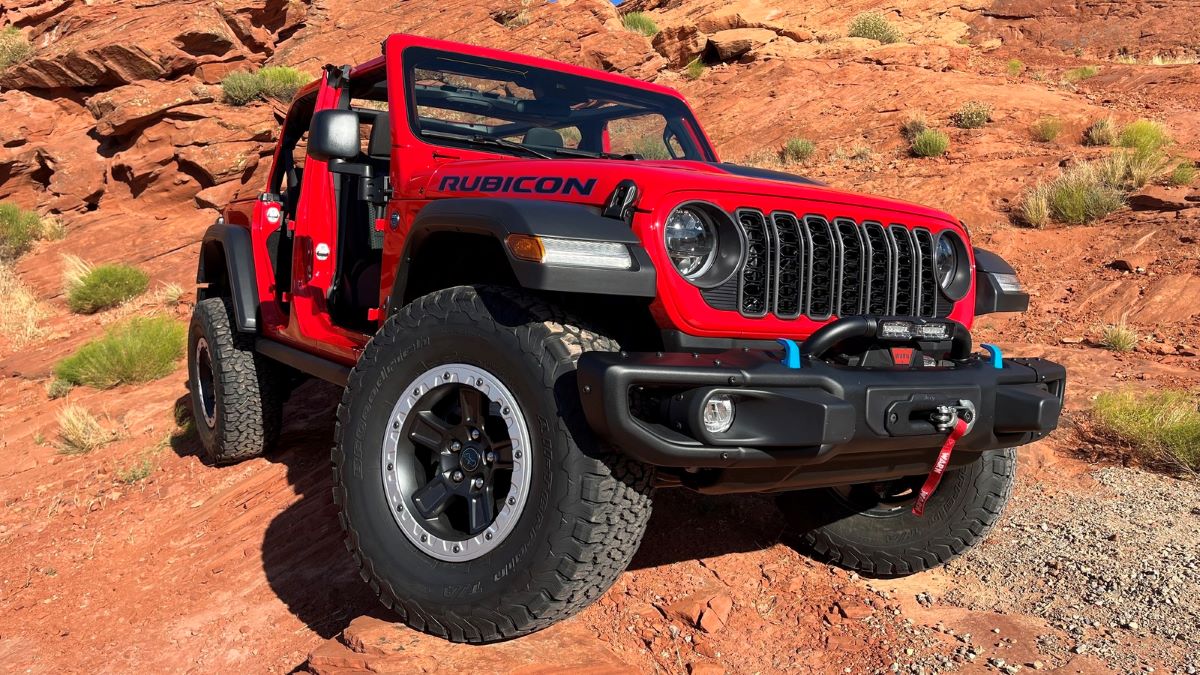
Its size and boxy design make it challenging to park in tight spots around campus. While perfect for weekend excursions, students who need a reliable daily driver would be better served elsewhere.
Few vehicles capture the spirit of adventure quite like the 2022 Jeep Wrangler. With its iconic design inspired by the rugged World War II-era Jeep, this off-roader combines classic style with modern technology and comfort.
Whether it’s the two-door model for nimble trail exploration or the spacious four-door Unlimited for extra passengers and cargo, the Wrangler is built to tackle challenging terrain with confidence.
Standard four-wheel drive comes paired with a range of powertrains, including a plug-in hybrid and a fiery 6.4-liter V-8, while available features like touchscreen infotainment, in-dash navigation, leather upholstery, and ambient lighting ensure that every journey is as comfortable as it is thrilling.
For those seeking freedom, versatility, and off-road capability in one package, the 2022 Wrangler delivers in spades.
4. Chevrolet Camaro
Like the Dodge Charger, the Camaro is a high-performance sports car that comes with high insurance premiums and poor fuel efficiency.
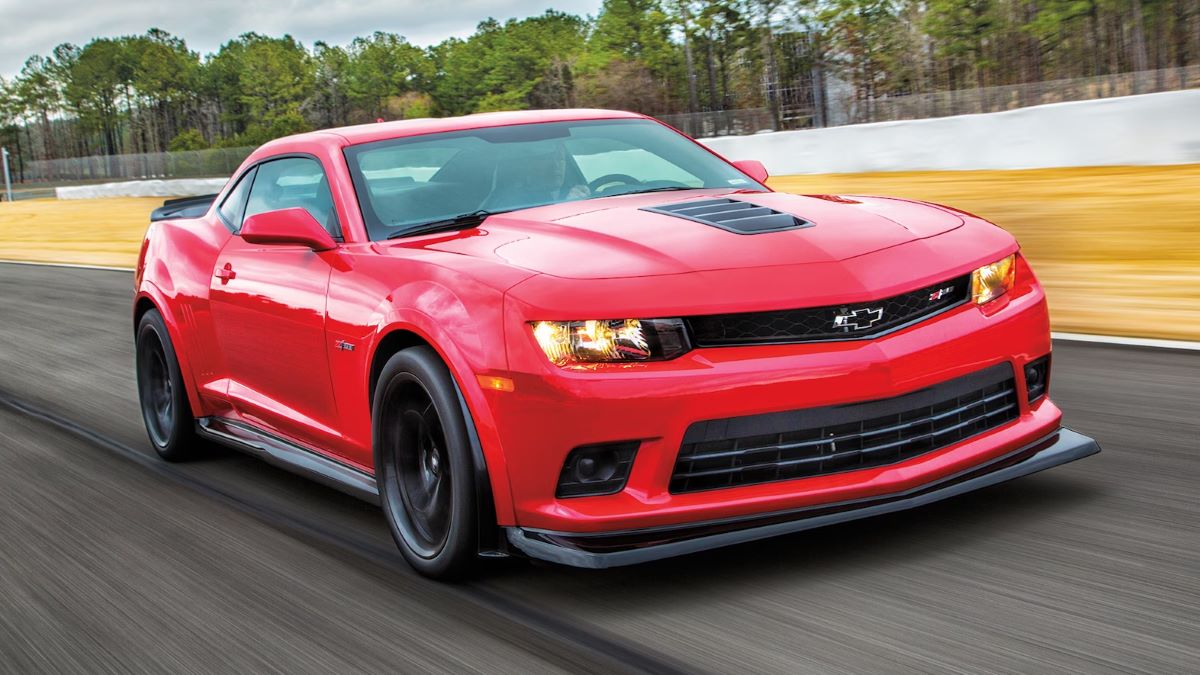
Daily usability is compromised by stiff suspension and limited interior space, which makes carrying books, groceries, or passengers inconvenient. For students with a tight schedule and limited budget, the Camaro is more of a liability than an asset.
The 2022 Chevrolet Camaro, available in both coupe and convertible forms, is all about the pure joy of driving. Don’t let their limited outward visibility and tight rear seating hold you back. Instead, focus on the Camaro’s agile handling, engaging stick-shift transmission, and impressively smooth ride.
The standard engine is a 275-hp turbocharged four-cylinder, but moving up to the 335-hp V-6 or the 455-hp V-8 delivers a richer exhaust note and more spirited acceleration. While the cabin incorporates some less-than-luxurious materials and can feel snug, the front seats are comfortable and supportive, and the infotainment system is intuitive and well-equipped.
The ultimate way to experience the Camaro is with the optional 1LE Track Performance package. This package adds distinctive exterior features like black-painted 20-inch wheels and satin-black accents, along with interior upgrades such as microsuede trim and more supportive Recaro front seats (SS models only).
Yet the most significant enhancements impact performance. Every 1LE comes with a dual-mode exhaust system, upgraded powertrain cooling, stronger brakes, a limited-slip differential, and specialized suspension tuning.
While the 1LE package is available on models with the four-cylinder and V-6 engines, we would opt for the 1SS trim paired with the robust V-8 and the standard manual transmission.
The Camaro LT1 and SS models feature Chevrolet’s legendary small-block V-8, producing 455 horsepower and 455 lb-ft of torque. Its strong low-end torque, linear power delivery, and exhilarating acceleration are amplified by the optional dual-mode exhaust, which delivers a sharp bark at startup and a thunderous roar under full throttle.
The Camaro’s chassis is remarkable, offering an unmatched connection between car and driver among pony cars. Its rigid structure provides precise handling and a quality feel, while the ride is firm enough to handle curvy roads yet compliant over rough surfaces.
Coupled with the 1LE package, the Camaro transcends its class, performing like vehicles that cost much more. The 1LE-equipped models feel taut on the track yet comfortable on normal roads. Their electric power steering offers reasonable effort and accurate responses.
Complementing the performance is a capable braking system; the pedal consistently delivers progressive and reassuring feedback. The 1LE models take braking to the next level with even more potent, track-ready Brembo brakes.
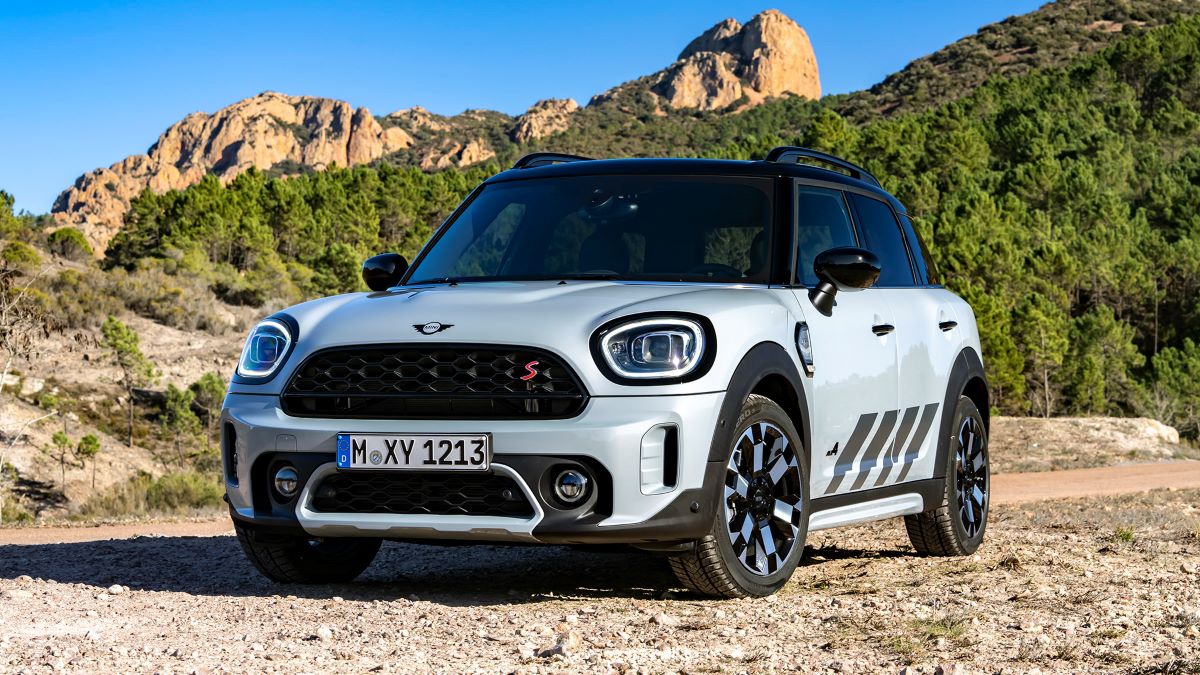
5. Mini Cooper (Older Models)
Older Mini Coopers may be small and stylish, but reliability issues have plagued past generations. Electrical problems and costly repairs are common, and parts are expensive due to the brand’s European origin.
While they excel in city driving, students often find themselves dealing with more downtime than with mainstream sedans, which can interfere with campus obligations.
For Durham College students, selecting a car is about balancing practicality, cost, and reliability. While it’s tempting to pick a stylish or high-performance vehicle, the daily realities of commuting, campus parking, and maintenance can make certain cars a poor fit for student life.
Prioritizing fuel efficiency, affordability, and dependability ensures a smoother experience both on and off campus.
Whether you choose a dependable Honda Civic, a versatile Subaru Impreza, or the budget-friendly Hyundai Elantra, these vehicles support the day-to-day needs of college life without draining your finances.
Conversely, cars like the Dodge Charger, older BMWs, or sporty Camaros may provide thrills but come with hidden costs that students are unlikely to appreciate.
Investing in the right vehicle doesn’t just save money; it reduces stress, increases reliability, and ensures students can focus on what matters most: classes, activities, and making the most of their time at Durham College.
After all, a dependable car is more than just transportation it’s an essential part of student life, helping navigate the journey smoothly from morning lectures to evening study sessions.
