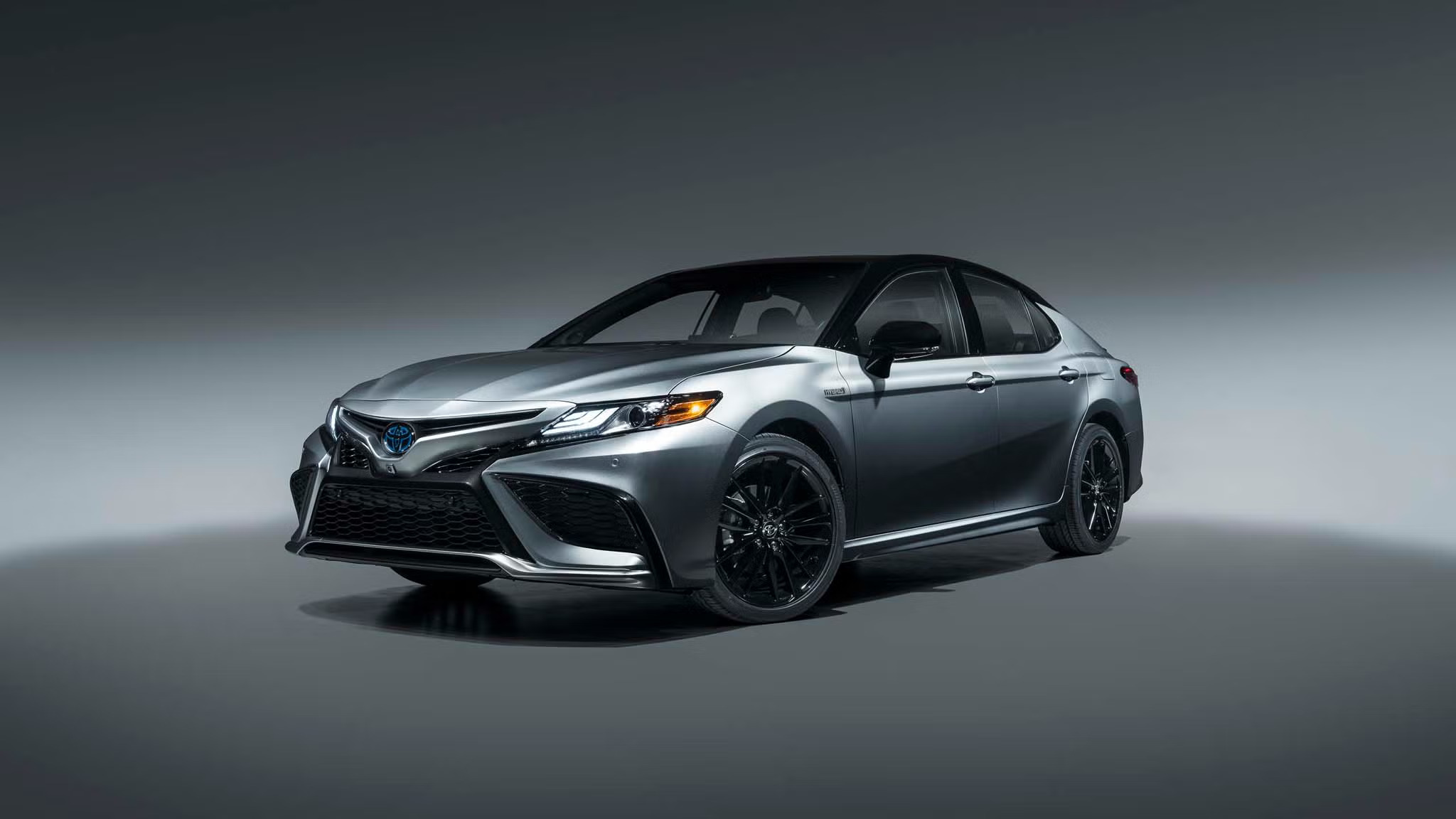
Visalia and the broader Central Valley demand vehicles that can handle long daily commutes, extreme summer heat, and a mix of city, highway, and rural driving. Not every car is suited to this environment, where reliability, fuel efficiency, and comfort are as important as performance.
Some vehicles thrive in these conditions, offering dependable cooling systems, practical interiors, and strong safety features that make daily driving less stressful. Others struggle with overheating engines, transmission issues, and costly maintenance that can turn routine commutes into constant headaches.
This guide compares four cars that excel in Central Valley life with four that tend to overheat or falter under similar conditions. On the positive side, the Toyota Camry, Honda CR-V, Ford F-150, and Subaru Outback deliver efficiency, comfort, and reliability, making them ideal for long highway stretches and high temperatures.
In contrast, the mid-2010 Nissan Altima, Chevrolet Cruze, Chrysler 200, and Mitsubishi Lancer Evolution X MR are prone to mechanical failures, overheating, and high maintenance costs, reducing their suitability as dependable daily drivers. Understanding these differences can help Visalia commuters choose vehicles that match the region’s demands.
4 Cars for Visalia Central Valley Life
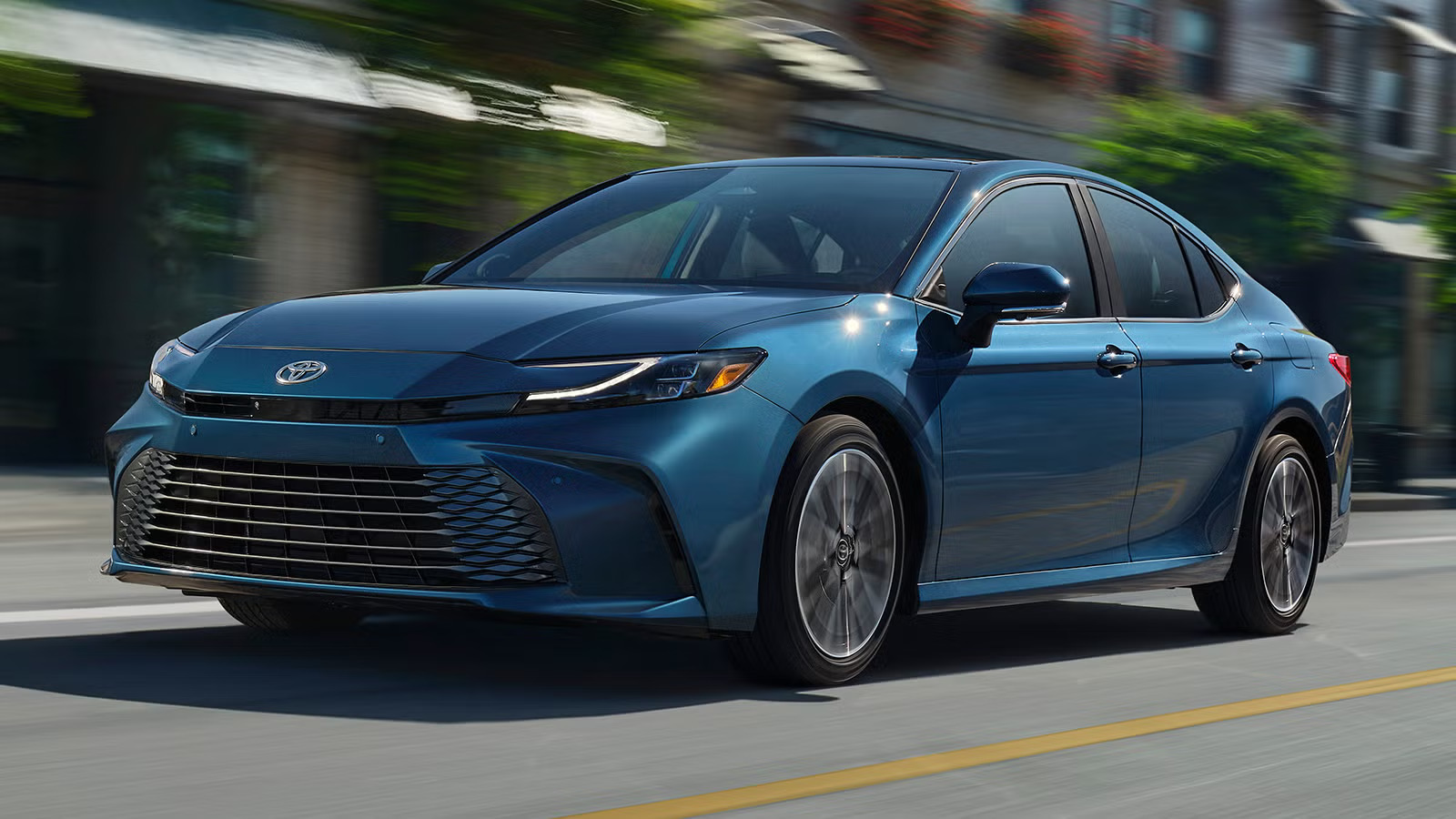
1. Toyota Camry: A Dependable and Efficient Sedan for Central Valley Commuters
The Toyota Camry continues to be one of the most trusted midsize sedans on the market, offering a strong mix of reliability, fuel efficiency, comfort, and modern technology. For drivers in Visalia and throughout the Central Valley, where daily commutes often involve long highway stretches, intense summer heat, and rising fuel costs, the Camry stands out as a practical and economical choice.
One of the Camry’s most celebrated qualities is its long-term reliability. Toyota’s reputation for durability means fewer unexpected repairs and lower maintenance costs over time, which is especially important for commuters who rely on their vehicle every day.
The Camry is also equipped with an effective cooling system that performs well even in triple-digit temperatures, a critical advantage during Central Valley summers. Select trims offer ventilated seats, adding an extra layer of comfort during hot weather.
Fuel efficiency is another major reason the Camry appeals to Visalia drivers. The Camry Hybrid, in particular, delivers outstanding mileage, with front-wheel-drive models achieving around 52 miles per gallon combined.
This level of efficiency can significantly reduce fuel expenses for regular commutes to cities like Fresno or Bakersfield. Even all-wheel-drive hybrid versions maintain competitive fuel economy, making them a solid option for drivers who want added traction without sacrificing savings at the pump.
Performance in the Camry Hybrid is well-balanced. It is available with two hybrid powertrains, one driving the front wheels and another powering all four wheels. Both use a 2.5-liter four-cylinder engine paired with electric motors and a continuously variable automatic transmission.
Total output ranges from 225 to 232 horsepower, providing smooth and responsive acceleration. In testing, the Camry demonstrated quick off-the-line performance, reaching 60 miles per hour in under seven seconds. Sportier trims such as the SE, XSE, and Nightshade feature firmer suspension tuning for improved cornering while still maintaining a comfortable ride.
Inside, the Camry offers a spacious and thoughtfully designed interior. Both front and rear passengers enjoy ample legroom, making long drives more comfortable.
Standard features include dual-zone automatic climate control, rear air vents, and a clean, modern dashboard layout. Higher trims add premium touches like leather upholstery, heated seats, a heated steering wheel, ambient lighting, and acoustic glass to reduce road noise.
Technology and safety are strong points as well. Every Camry comes standard with Apple CarPlay and Android Auto, both available wirelessly. The infotainment system is intuitive and responsive, with larger screen options offered on higher trims.
Safety features are comprehensive, thanks to Toyota Safety Sense, which includes adaptive cruise control, lane-keeping assist, and automated emergency braking with pedestrian and cyclist detection.
With excellent resale value, proven reliability, and efficient hybrid options, the Toyota Camry delivers a smart balance of savings, comfort, and dependability. For Visalia commuters seeking a stress-free daily driver, it remains one of the most sensible choices in its class.
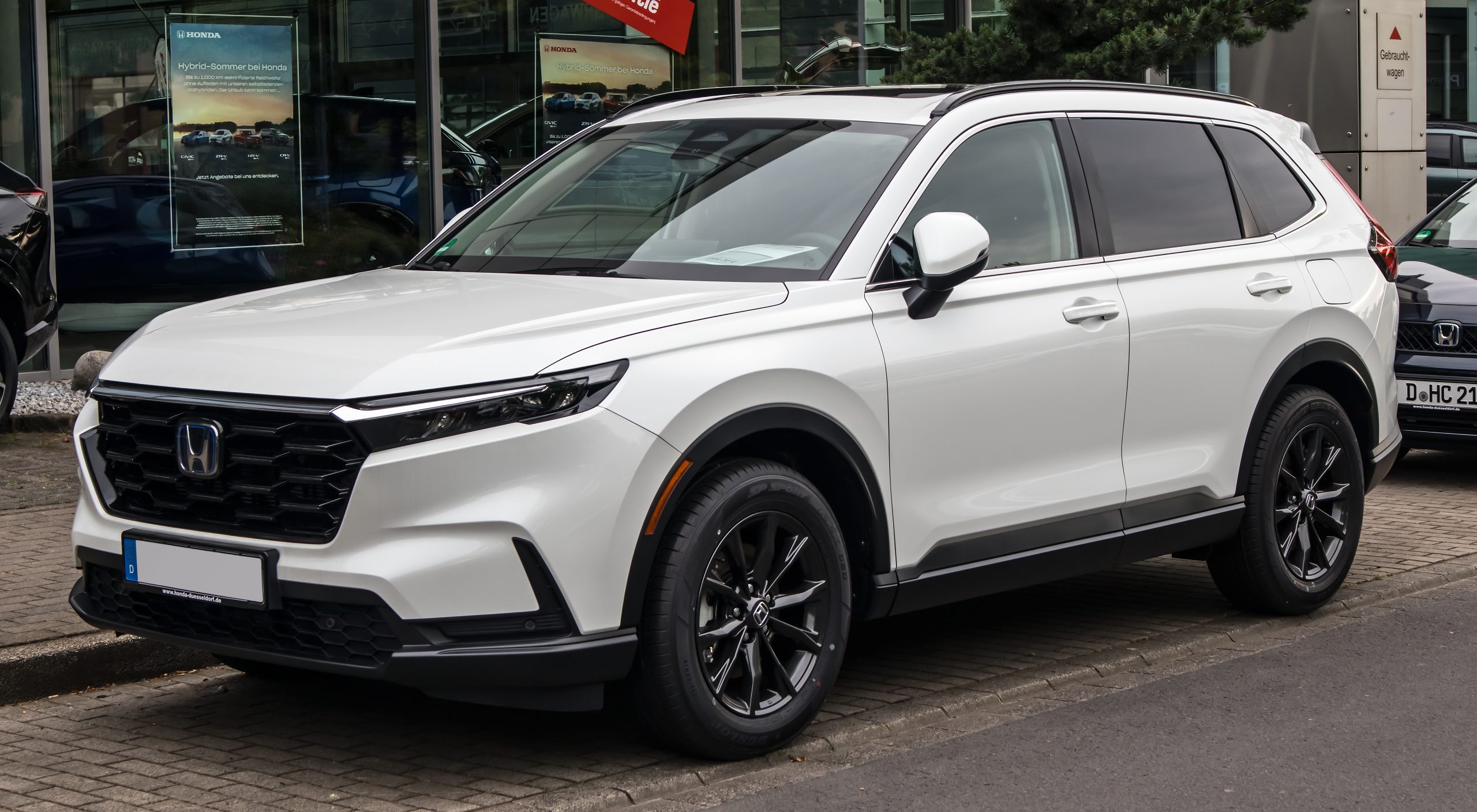
2. Honda CR-V: A Versatile and Efficient SUV for Central Valley Living
The Honda CR-V is a compact SUV that fits naturally into life in Visalia and the surrounding Central Valley, where drivers balance freeway commuting, city errands, and occasional rural or backroad travel.
Known for its reliability, efficiency, and everyday practicality, the CR-V delivers a well-rounded driving experience that appeals to commuters, families, and anyone seeking a comfortable and dependable vehicle.
One standout feature of the Honda CR-V is its efficient and robust climate control system. Even after prolonged exposure to intense sun, the cabin cools quickly and effectively thanks to strong air conditioning performance and good heat insulation.
This capability is especially valuable during Central Valley summers, when temperatures regularly reach triple digits. Combined with a quiet cabin and supportive seating, the CR-V helps reduce fatigue on long daily drives.
Fuel efficiency is another major advantage, particularly for Central Valley drivers who frequently travel between Visalia, Fresno, and Bakersfield.
The standard turbocharged gasoline engine provides solid mileage for everyday use, while the CR-V Hybrid pushes efficiency further with approximately 40 miles per gallon combined. Fewer fuel stops and lower operating costs make the CR-V an appealing option for long commutes and frequent regional travel.
Performance in the CR-V focuses on comfort and confidence rather than sporty handling. Most models are powered by a 190-horsepower turbocharged 1.5-liter four-cylinder engine paired with a continuously variable automatic transmission.
Front-wheel drive comes standard, with all-wheel drive available for added traction. While acceleration is modest compared to some competitors, the CR-V delivers a smooth ride that feels composed on highways and city streets. Hill-descent control and improved traction management enhance stability on slippery roads, dense Tule fog mornings, or unpaved agricultural routes.
Inside, the CR-V stands out for its spacious and intelligently designed interior. Honda designed the front seats to minimize driver fatigue, which is helpful for extended commutes.
Rear passengers benefit from generous legroom, and the large center console offers practical storage for everyday items. The cargo area is also a highlight, providing nearly 39 cubic feet of space behind the second row, enough to handle groceries, sports equipment, or weekend trips to nearby foothills.
Technology and safety play a central role in the CR-V’s appeal. Every model includes the Honda Sensing suite, featuring adaptive cruise control, lane-keeping assist, and automated emergency braking. These features help reduce stress and improve confidence on long highway drives.
The infotainment system includes a 9.0-inch touchscreen with standard Apple CarPlay and Android Auto, along with modern conveniences such as USB-C ports and wireless charging.
The Honda CR-V brings together efficiency, comfort, safety, and versatility in a way that suits Visalia’s mix of freeway travel, city driving, and rural roads, making it a dependable choice for Central Valley drivers.
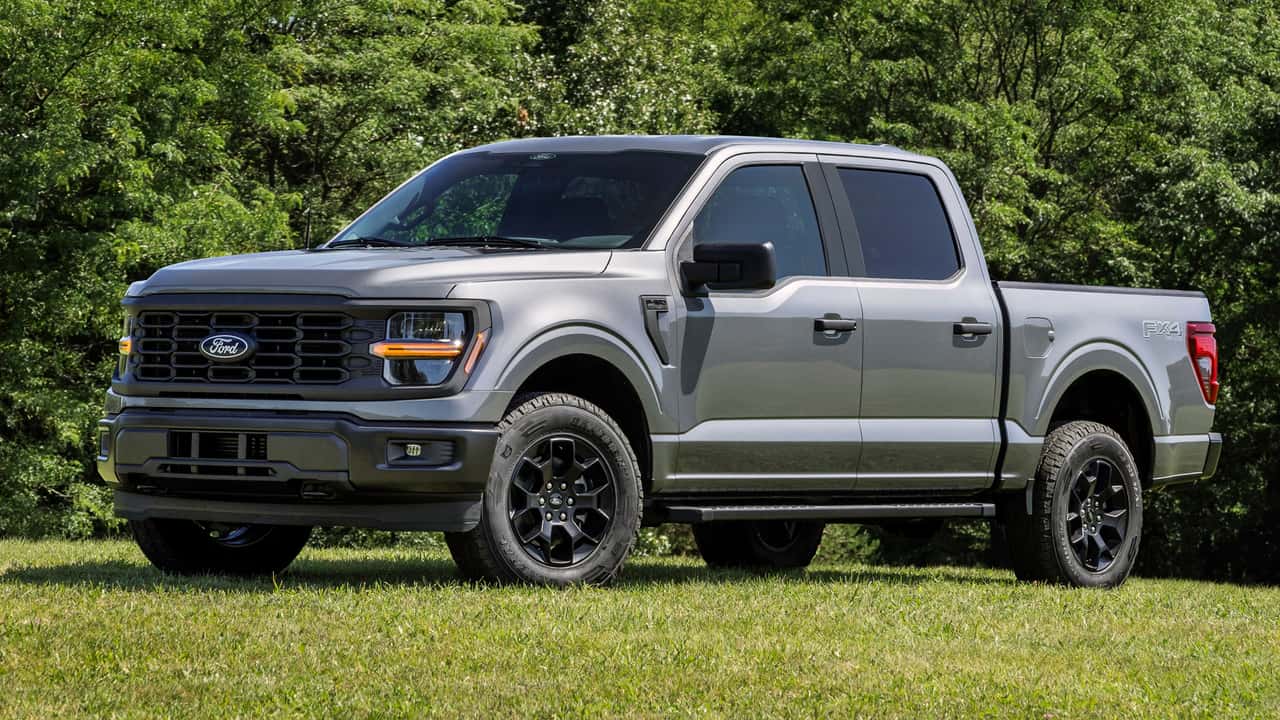
3. Ford F-150: A Capable and Comfortable Truck for Central Valley Life
The Ford F-150 has long been known as a durable workhorse, and its modern versions are well-suited to the demands of life in Visalia and the wider Central Valley.
Built to handle high-heat environments, the F-150 features a cooling system engineered for demanding conditions, along with EcoBoost engines designed to maintain strong performance in hot climates. This makes it a dependable option for drivers who face long commutes, intense summer temperatures, and a mix of work and recreational needs.
One of the biggest advantages of the F-150 for Central Valley commuters is its comfort. Despite being a full-size pickup, newer models deliver a surprisingly smooth ride, especially on highways.
Available features such as heated and ventilated seats, and even massaging front seats on higher trims, help make long drives more relaxing. The spacious SuperCrew cab provides generous legroom for both front and rear passengers, making it suitable for families as well as solo commuters.
Visibility is another strong point. The F-150’s elevated driving position gives drivers a commanding view of the road, which can improve confidence and awareness on busy highways and wide rural roads common throughout the Central Valley. This height advantage can be especially helpful during heavy traffic or low-visibility conditions.
Technology and safety are central to the F-150’s appeal as a daily driver. The truck comes equipped with the Ford Co-Pilot360 suite, which includes features such as blind-spot monitoring, lane-keeping assist, and automated emergency braking.
Adaptive cruise control is available, and Ford’s BlueCruise system allows for hands-free driving on compatible highways, helping reduce fatigue during long commutes. Inside the cabin, a large 12-inch touchscreen with Sync 4 software supports wireless Apple CarPlay and Android Auto, along with optional premium audio and navigation.
Versatility is where the F-150 truly shines. Many Central Valley drivers balance commuting with work, farming, or weekend recreation, and the F-150 adapts easily to all of it.
With towing capacity up to 13,500 pounds and strong payload ratings, the truck can haul equipment, trailers, boats, or campers with ease. Features like the available interior work surface and Pro Power Onboard generator turn the truck into a mobile office or portable power source, adding real-world practicality.
Engine choices range from efficient turbocharged V6 options to a powerful V8 and a hybrid PowerBoost system that delivers strong acceleration while offering better fuel economy than most trucks in its class. While fuel costs and large size can be drawbacks in tight city areas, many drivers find the added space, capability, and comfort worth the tradeoff.
For Visalia drivers who want a vehicle that can handle commuting, work duties, and weekend adventures in demanding heat, the Ford F-150 delivers a balanced mix of strength, technology, and everyday comfort.
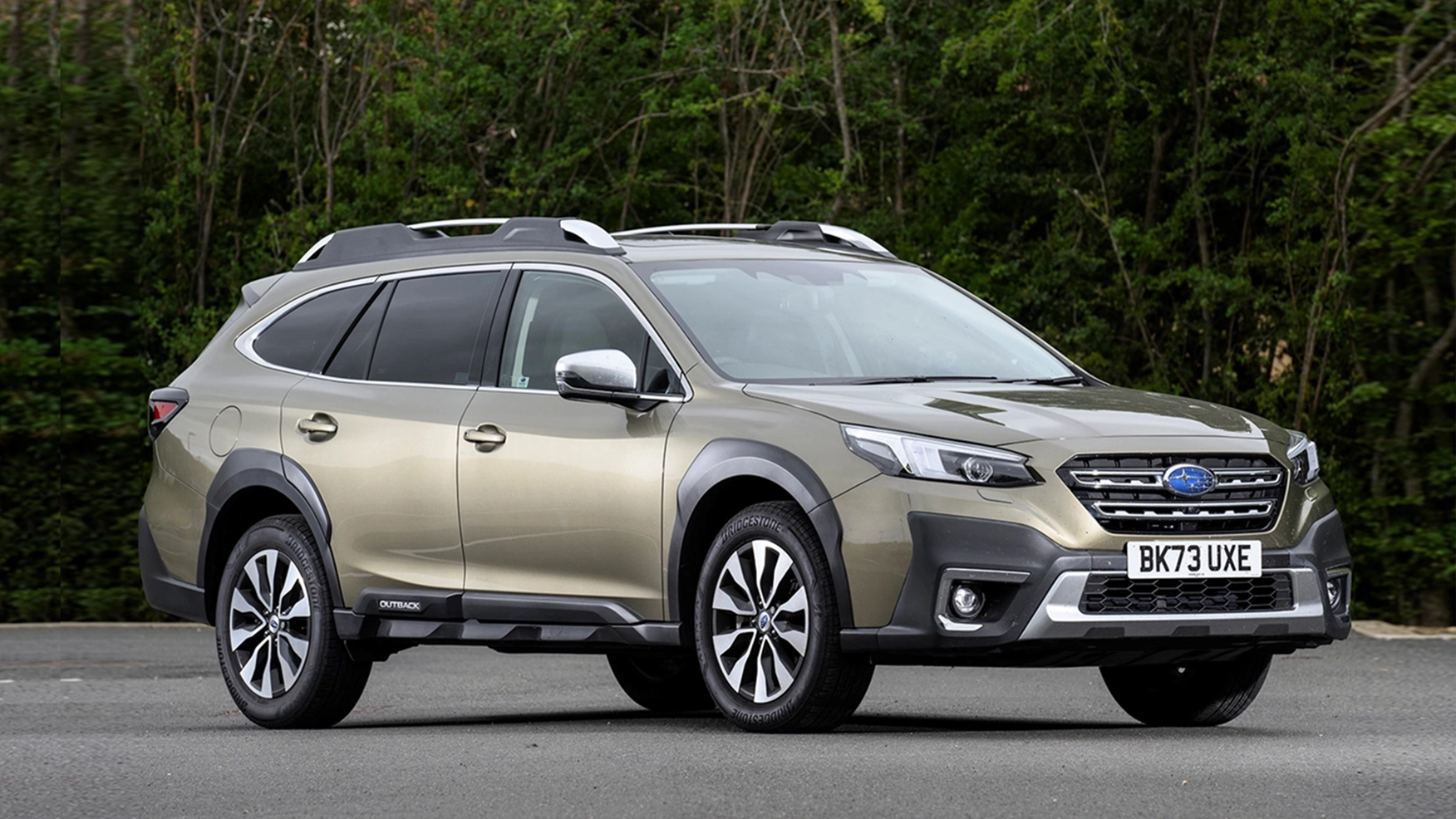
4. Subaru Outback: A Comfortable and Capable Choice for Central Valley Commuters
The Subaru Outback is a strong fit for Visalia commuters who want a vehicle that handles daily driving with comfort while remaining ready for changing Central Valley conditions and weekend adventures.
Known for its balanced blend of car-like ride quality and SUV utility, the Outback delivers safety, versatility, and confidence without sacrificing efficiency. Its advanced thermal management systems, well-insulated cabin, and UV-resistant interior materials help keep the interior cooler and better protected from sun damage during long, hot summers.
Safety and comfort are major strengths of the Outback, especially for frequent highway driving. Every model comes standard with Subaru EyeSight driver-assistance technology, which includes adaptive cruise control, lane-keeping assist, and pre-collision braking.
These features help reduce stress in stop-and-go traffic and on long highway stretches common throughout the Central Valley. The Outback also consistently earns high safety ratings, offering peace of mind for daily commutes. Inside, the quiet cabin, supportive seating, and available heated seats make long-distance driving more relaxing.
Versatility is another reason the Outback works so well for Central Valley life. Subaru’s symmetrical all-wheel drive comes standard on every model, providing reliable traction during foggy mornings, wet roads, or trips toward the Sierra foothills.
With 8.7 inches of ground clearance, the Outback can confidently handle uneven pavement, gravel roads, or dirt paths leading to trailheads. This elevated stance adds capability without making the vehicle feel bulky or difficult to drive in town.
Cargo space further enhances the Outback’s practicality. It offers more storage room than many sedans, making it ideal for grocery runs, sports gear, or family outings. Standard roof rails add even more flexibility, allowing drivers to easily carry bikes, kayaks, or cargo boxes for outdoor recreation.
The Outback’s interior has been updated with a more modern design, improved materials, and increased headroom, particularly for rear passengers. Cargo capacity has also been expanded, adding to its everyday usefulness.
Performance options include a standard 180-horsepower 2.5-liter four-cylinder engine and an available 260-horsepower turbocharged engine in XT and Wilderness trims. Both are paired with a continuously variable transmission and standard all-wheel drive.
The base engine focuses on efficiency and smooth cruising, while the turbocharged option provides quicker acceleration for drivers who want more responsiveness. Fuel economy remains competitive for a vehicle with all-wheel drive, helping keep operating costs reasonable.
The Subaru Outback delivers a thoughtful mix of safety, comfort, and versatility that suits Visalia’s combination of city streets, highways, and nearby outdoor destinations. It offers dependable daily transportation while remaining capable enough to support an active Central Valley lifestyle.
Also read: 5 Cars for Scottsdale Desert Life vs 5 That Would Overheat
4 That Overheat
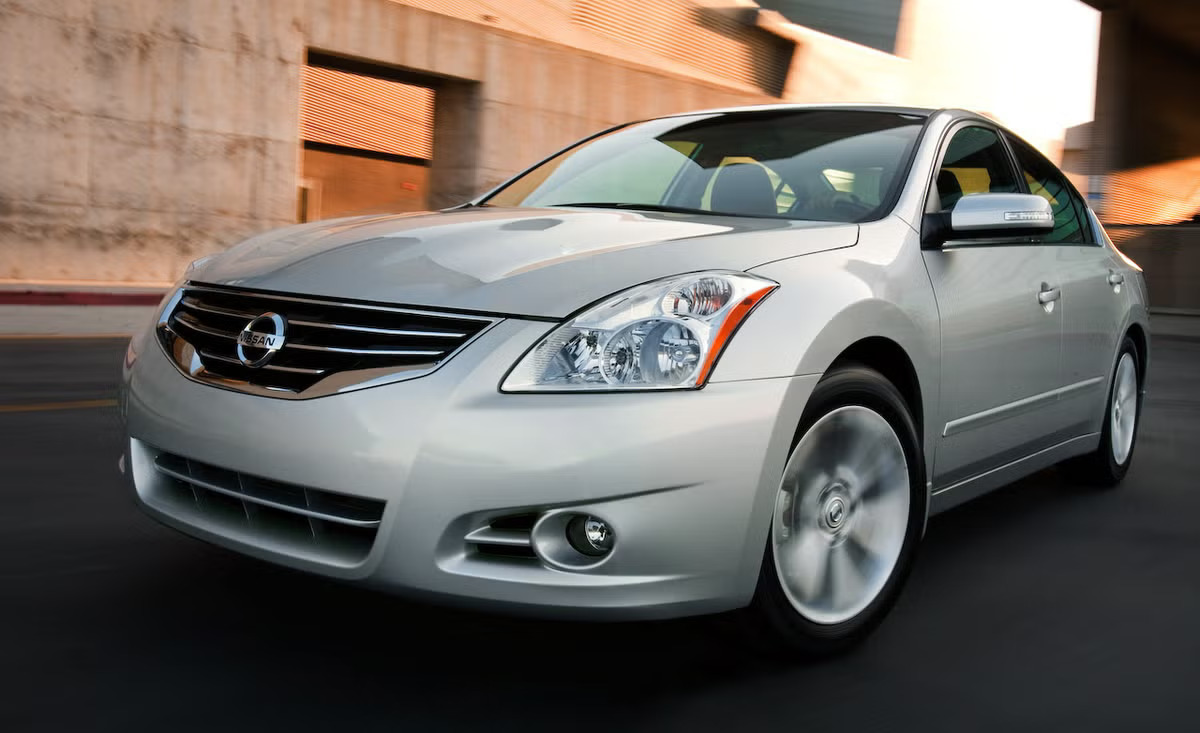
1. Nissan Altima (Mid-2010 Models): Reliability Concerns for Central Valley Commuters
Mid-2010 Nissan Altima models, particularly those built between roughly 2007 and 2012, present several reliability concerns that make them a poor fit for demanding Central Valley commutes.
While these sedans were attractive when new due to good fuel economy, comfortable interiors, and sporty styling, age and well-documented mechanical issues have significantly reduced their dependability for daily use in hot, high-mileage conditions.
The most serious and widely reported problem is the failure of the continuously variable transmission. CVT breakdowns are common in these model years and often require full replacement rather than repair, leading to extremely high costs. For drivers commuting daily on highways such as Route 99, the risk of sudden transmission failure creates stress, downtime, and a major financial burden.
Engine-related issues are another concern. Many mid-2010 Altimas suffer from excessive oil consumption, which can lead to internal engine damage if oil levels are not constantly monitored. Repairs tied to this issue can be costly, especially if damage goes unnoticed. Catalytic converter failures are also common and can result in reduced performance, warning lights, and expensive replacement.
Cooling system weaknesses further reduce suitability for Central Valley driving. Some Altima models from this era are known for radiator fan problems, which can prevent proper engine cooling. In an environment where summer temperatures are extreme, insufficient cooling greatly increases the likelihood of overheating and mechanical failure.
Additional problems often reported include oil leaks, worn wheel bearings, suspension issues, and exhaust system rattles. While these may seem minor individually, together they contribute to frequent maintenance and growing ownership costs.
For Visalia and Central Valley drivers who rely on long, uninterrupted commutes in harsh heat, mid-2010 Nissan Altimas are a risky choice. The combination of known mechanical weaknesses and demanding conditions makes these vehicles unreliable for consistent daily transportation.
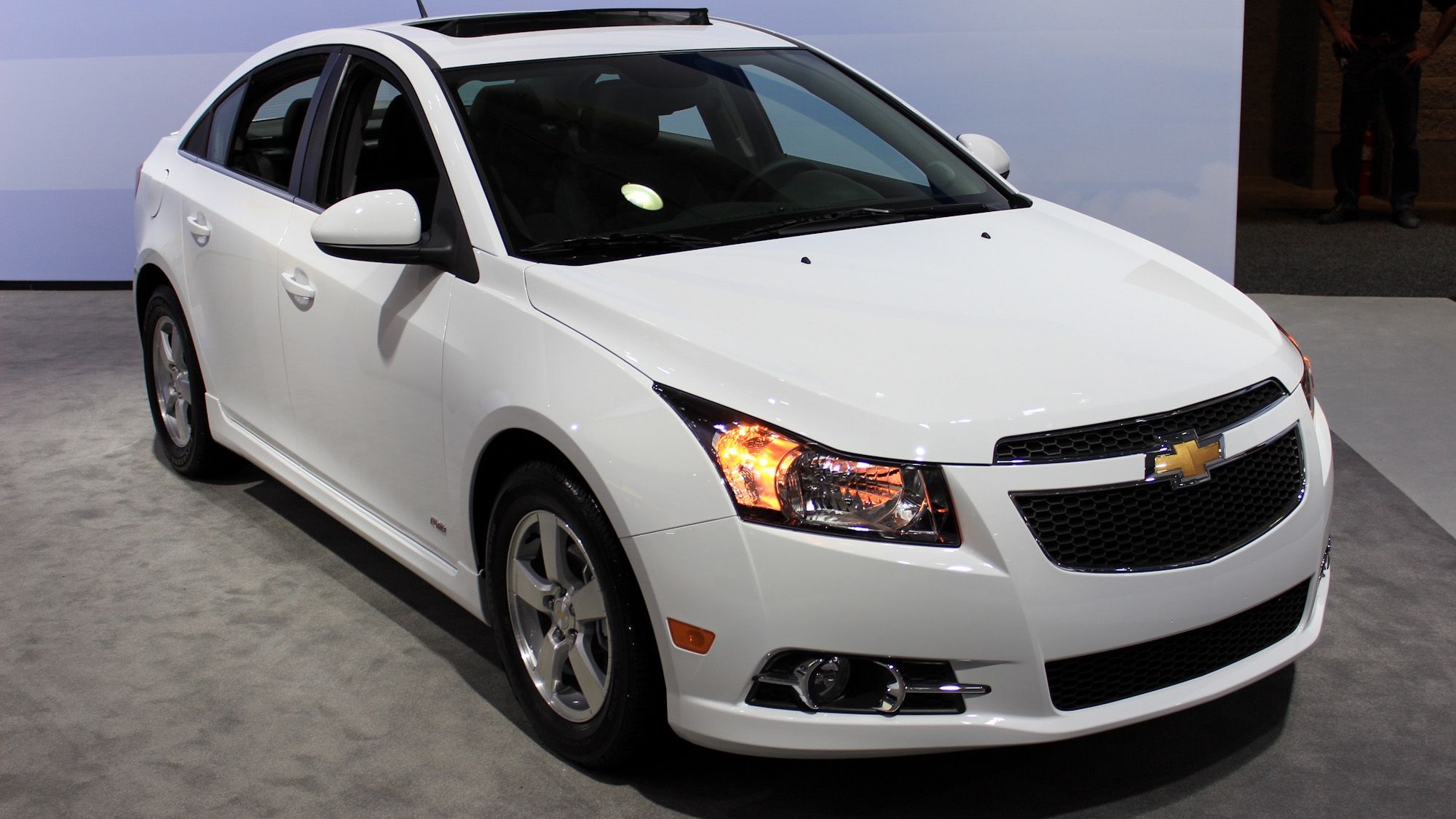
2. Chevrolet Cruze: Cooling and Reliability Challenges for Central Valley Driving
The Chevrolet Cruze is often considered a less suitable option for daily commuting in Visalia and the broader Central Valley, largely due to persistent reliability issues that become more pronounced in hot climates and during long highway drives.
While the Cruze can be fuel efficient and comfortable in moderate conditions, its known mechanical weaknesses raise concerns for drivers who depend on consistent, trouble-free transportation.
One of the most common and serious problems involves the cooling system. Many Cruze models experience coolant leaks around the thermostat housing, water outlet, or water pump. These leaks can lead to low coolant levels and increase the risk of engine overheating.
In the Central Valley, where summer temperatures are extreme, cooling system stress is constant. Overheating not only causes breakdowns but can also result in expensive engine damage, such as warped cylinder heads or blown head gaskets.
Engine-related issues extend beyond cooling concerns. Oil leaks are frequently reported, adding to maintenance needs and long-term reliability risks.
The popular 1.4-liter turbocharged engine also has known vulnerabilities, particularly with the turbocharger bypass valve or wastegate. When these components fail, drivers may experience a noticeable loss of power, often accompanied by diagnostic trouble codes and costly repairs.
Transmission reliability is another drawback. Several Cruze model years have documented problems such as slipping, harsh shifting, or complete transmission failure. These issues can be both frustrating and expensive, making the vehicle a questionable choice for high-mileage commuting.
Electrical problems further complicate ownership, with reports of faulty gauges, malfunctioning climate controls, and occasional system shutdowns, all of which present safety concerns on high-speed highways.
While newer Cruze models offer a quiet ride and decent fuel economy, the combination of cooling system weaknesses, drivetrain issues, and unpredictable repairs makes the Cruze a risky option for Central Valley commuters. Drivers seeking dependable long-distance transportation often find greater peace of mind with more proven competitors in the compact car segment.
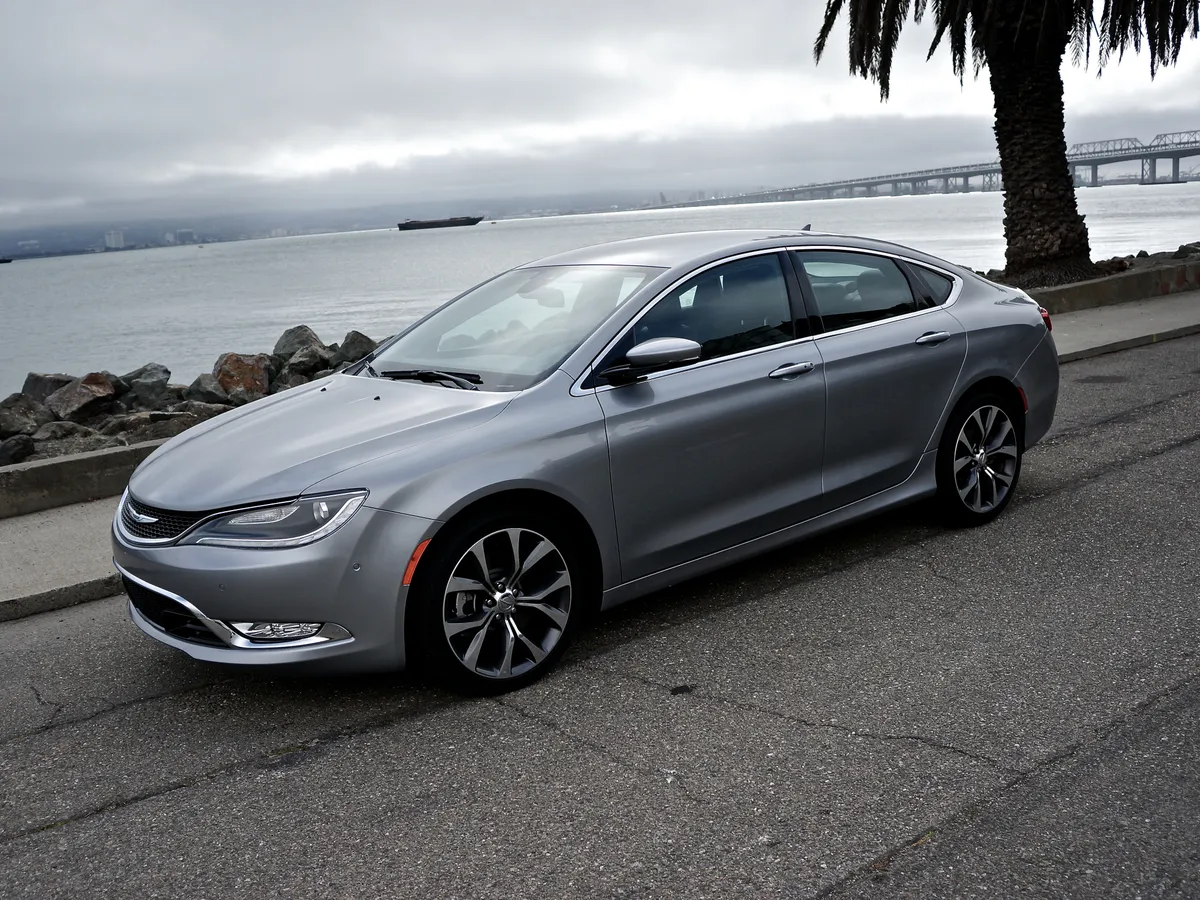
3. Chrysler 200: Reliability Risks for Central Valley Commuters
The Chrysler 200 is generally considered a poor choice for daily commuting in Visalia and across the Central Valley due to widespread reliability concerns.
At the same time, the car offered sleek styling and modern features when new, but long-term ownership has revealed serious mechanical and build-quality issues that make it risky for drivers who depend on consistent performance in hot, high-mileage conditions.
The most significant problem involves the 9-speed automatic transmission. Many owners report rough or delayed shifting, hesitation, sudden jerking, and, in some cases, the transmission shifting into neutral while driving.
These issues are not only frustrating but also potentially dangerous, especially during long highway commutes where smooth and predictable power delivery is essential. Transmission repairs are often expensive and recurring.
Engine-related concerns add to the risk. Some Chrysler 200 models, particularly those with the 2.4-liter four-cylinder engine, are known for excessive oil consumption, requiring constant monitoring to avoid engine damage.
A unique design flaw places the water pump inside the engine block, meaning a failure can allow coolant to mix with engine oil. In high-heat environments like the Central Valley, this increases the risk of severe and costly internal engine damage.
Additional complaints include electrical and sensor failures, inconsistent build quality, and interior components wearing prematurely. The base engine is also described as sluggish, and some drivers report a firm ride and increased road noise, reducing comfort on long drives.
For Central Valley commuters who face extreme heat and extended highway travel, the Chrysler 200’s reliability reputation makes it an unreliable and costly gamble for daily transportation.
4. Mitsubishi Lancer Evolution X MR: Performance Over Practicality for Central Valley Driving
The Mitsubishi Lancer Evolution X MR is an iconic performance sedan, but it is poorly suited for daily commuting in Visalia and the Central Valley. Designed with track capability and aggressive driving in mind, the Evo X MR sacrifices comfort, efficiency, and long-term practicality, all of which are essential for long, hot, and traffic-heavy commutes.
Fuel economy is a major drawback. The Evo X MR is known for high fuel consumption and requires premium fuel, which significantly increases commuting costs over time. For drivers covering long distances on Central Valley highways, fuel expenses add up quickly.
The stiff, performance-tuned suspension further limits daily comfort, transmitting road imperfections directly into the cabin and making extended highway driving tiring rather than relaxing.
Interior ergonomics also work against the Evo X MR as a commuter vehicle. The cabin feels cramped compared to modern sedans, with seating position, pedal layout, and limited steering wheel adjustability contributing to driver fatigue on long, straight drives. These compromises may be acceptable on short, spirited outings but become frustrating in everyday use.
The MR trim’s Getrag SST dual-clutch transmission introduces additional challenges. While excellent during aggressive driving, it can feel clunky, hesitant, or rough in stop-and-go traffic. The SST is also known to be susceptible to overheating under demanding conditions, which is a concern in the Central Valley’s extreme summer heat.
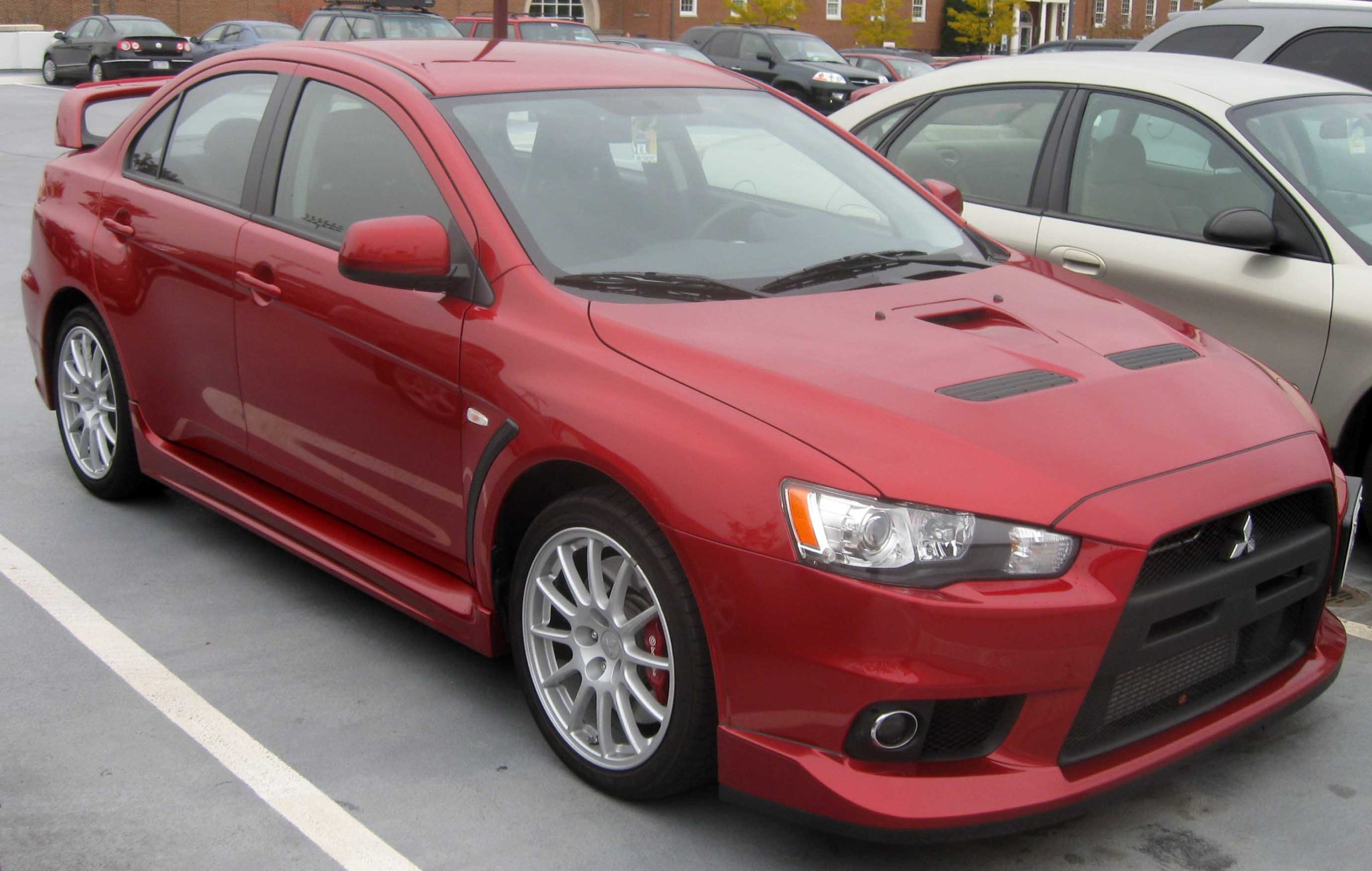
Maintenance and reliability further reduce daily usability. Common issues such as fuel pump relay failures and costly clutch or transmission repairs can lead to expensive downtime. The Evo X MR thrives on twisty roads and track days, but for Visalia commuters prioritizing comfort, efficiency, and reliability, it is an impractical choice for everyday driving.
Choosing the right vehicle for Central Valley life means balancing comfort, efficiency, and dependability against the challenges of long commutes and hot weather. Cars like the Toyota Camry, Honda CR-V, Ford F-150, and Subaru Outback demonstrate how thoughtful engineering, robust cooling systems, and practical features can make daily driving more manageable and stress-free.
These vehicles combine fuel efficiency, spacious interiors, and safety technologies that address both city traffic and rural roads, providing reliability that withstands Visalia’s demanding conditions.
On the other hand, vehicles such as the mid-2010 Nissan Altima, Chevrolet Cruze, Chrysler 200, and Mitsubishi Lancer Evolution X MR highlight the risks of choosing cars with known mechanical weaknesses. Issues with transmissions, cooling systems, or performance-focused components make them more likely to overheat, require costly repairs, or cause breakdowns.
For commuters who rely on consistent transportation in extreme heat, avoiding these models can save both money and frustration. Ultimately, selecting a vehicle suited to the Central Valley ensures safer, more efficient, and more enjoyable daily driving.
Also Read: 10 Unstoppable Off-Roaders That Cost Less Than a Used Corolla