
Living in Brownsville, Texas, comes with a unique set of challenges for car owners. Nestled at the southern tip of Texas along the Gulf of Mexico, the city experiences high humidity, frequent rainfall, and salty coastal air.
While these elements create beautiful beaches and lush greenery, they can also be harsh on vehicles. Salt from the air and coastal waters accelerates corrosion and rust, making vehicle choice crucial for anyone planning to live in or near Brownsville.
Choosing the right car is about more than looks or performance; it’s about durability, longevity, and how well a vehicle can handle the coastal climate.
In this article, we’ll explore five cars that thrive in Brownsville’s coastal conditions and five cars that tend to corrode quickly, providing insights for residents who want to protect their investment.
Cars That Thrive in Brownsville Coastal Conditions
Brownsville’s coastal climate presents a unique set of challenges, salt-laden air, frequent fog, gusty winds, and damp conditions that can accelerate wear on vehicles not built for it.
While some cars succumb to corrosion and lose their luster over time, others are engineered to thrive in this environment with rust-resistant materials, reliable all-weather performance, and durable components that stand up to the elements.
In this section, we’ll highlight the cars that flourish in Brownsville’s coastal conditions, vehicles that deliver dependable performance, long-lasting durability, and peace of mind for drivers who spend their days along the shoreline or navigating misty seaside roads.
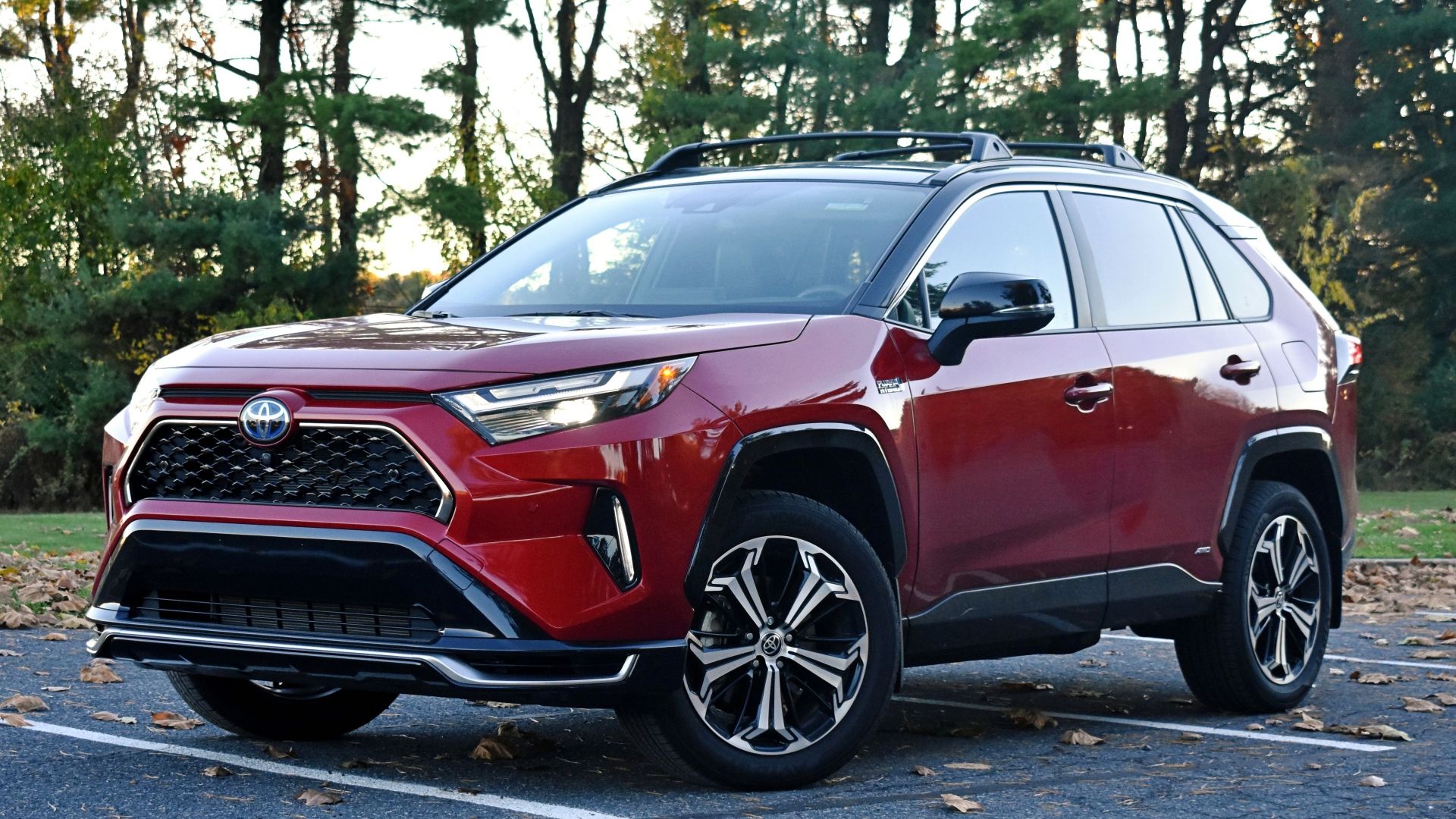
1. Toyota RAV4
The Toyota RAV4 is a compact SUV that has long been celebrated for reliability and resilience. Coastal living can be tough on vehicles, but the RAV4’s high-quality paint and corrosion-resistant underbody make it a strong choice for Brownsville residents.
Its all-wheel-drive system is useful for navigating flooded streets during hurricane season or heavy rainstorms, which are common along the Gulf Coast.
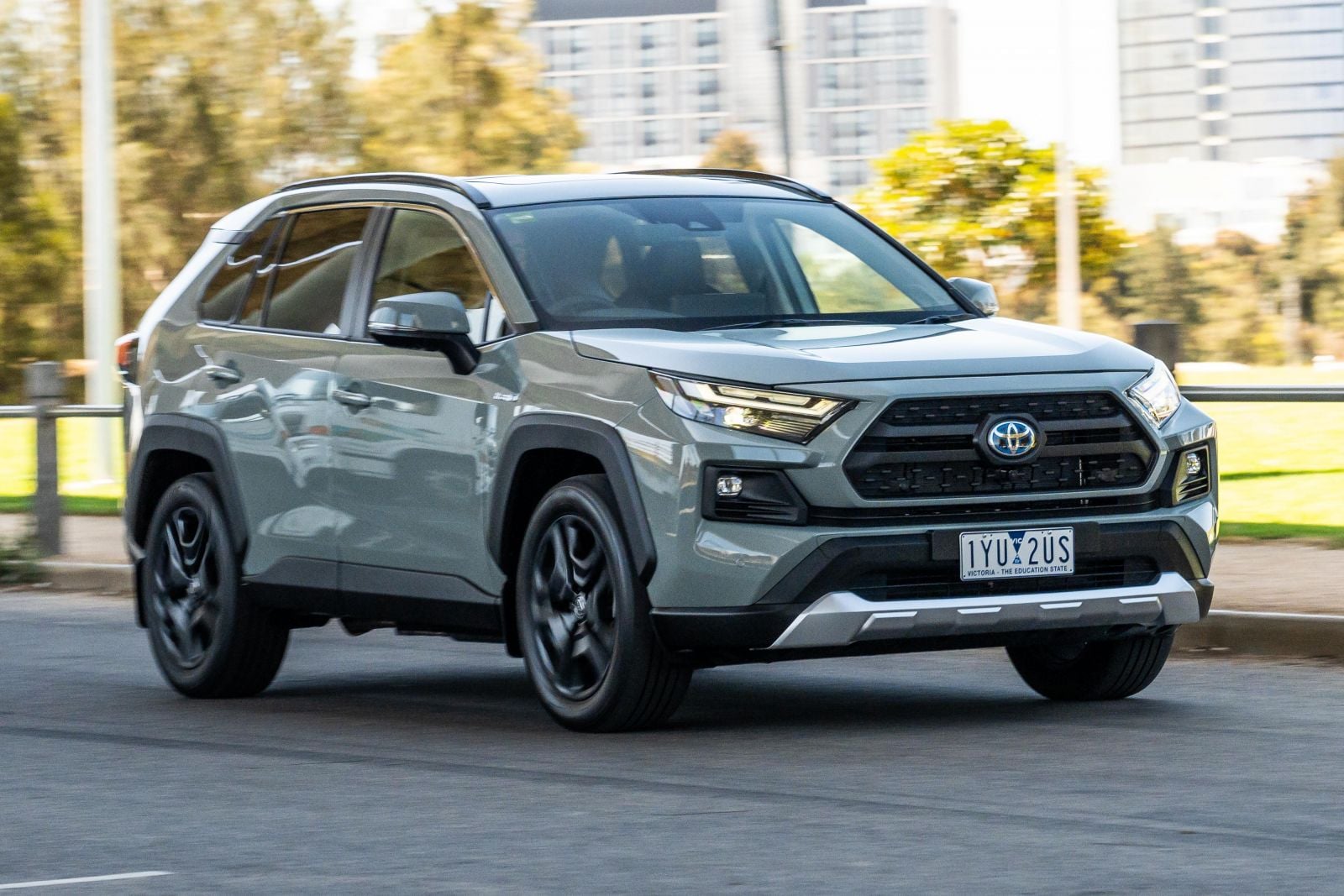
Families appreciate the RAV4 for its roomy interior and cargo space, making weekend trips to South Padre Island or excursions along the Rio Grande Valley much easier.
Regular maintenance, especially washing the undercarriage to remove salt deposits, ensures the RAV4 remains rust-free for years.
The base trim is priced competitively but comes with minimal equipment, while the mid-level versions strike a better balance by delivering features that shoppers in this class are likely to value.
Every RAV4 comes standard with a 2.5-liter four-cylinder engine, an eight-speed automatic transmission, and front-wheel drive.
All-wheel drive can be added, though even the most adventure-oriented variant in the lineup isn’t designed to compete with models like the 4Runner or Tacoma when it comes to serious off-road use.
Toyota also includes a comprehensive set of driver-assistance technologies as standard equipment, such as adaptive cruise control.
Higher-end trims elevate comfort with amenities like faux-leather seating surfaces, heated front seats, and a JBL premium audio system.
Powering the 2022 RAV4 is a 203-horsepower 2.5-liter four-cylinder engine paired with an eight-speed automatic gearbox. Front-wheel drive remains the standard configuration, while Toyota offers different all-wheel-drive systems depending on trim level.
The Adventure version we tested featured an all-wheel-drive setup capable of disconnecting the rear axle to help improve fuel efficiency when additional traction isn’t needed.
During our performance testing, the RAV4 showed improvement over earlier models, reaching 60 mph in 8.0 seconds compared with 8.3 seconds for the 2018 version.
While capable, the four-cylinder engine can become loud under hard acceleration, particularly during highway passing, and the transmission in our test vehicle occasionally hesitated when downshifting.
The RAV4 Hybrid, reviewed separately, proved even quicker by posting a 7.4-second sprint to 60 mph. On the highway, the RAV4 feels composed and stable, delivering a confident and secure driving experience.
Also Read: Top 10 Used Jaguar Models That Won’t Ruin You With Repairs
2. Honda Pilot
The Honda Pilot is a mid-size SUV built with durability and longevity in mind. Honda’s use of galvanized steel in key components and anti-corrosion treatments on the underbody helps the Pilot resist rust in humid, salty environments.
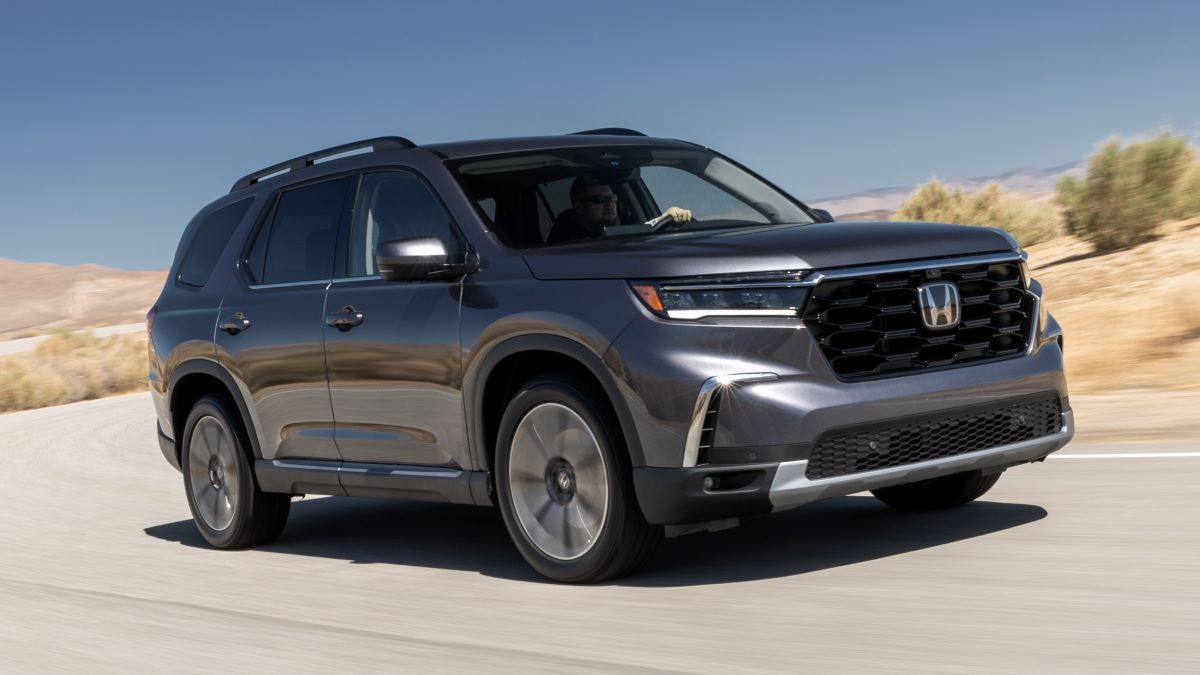
The Pilot’s spacious interior and advanced safety features make it ideal for families navigating coastal roads or commuting through Brownsville’s sometimes unpredictable traffic.
With proper care, including routine cleaning and periodic protective coatings, the Pilot can endure the Gulf Coast climate without the rapid corrosion seen in many other vehicles.
3. Ford Escape
The Ford Escape has evolved into a robust, coastal-friendly SUV. Its elevated ride height allows drivers to handle minor flooding and puddles after heavy rainfall a common occurrence in Brownsville during hurricane season.
Newer Escape models feature corrosion-resistant body panels and underbody treatments that reduce rust risk.
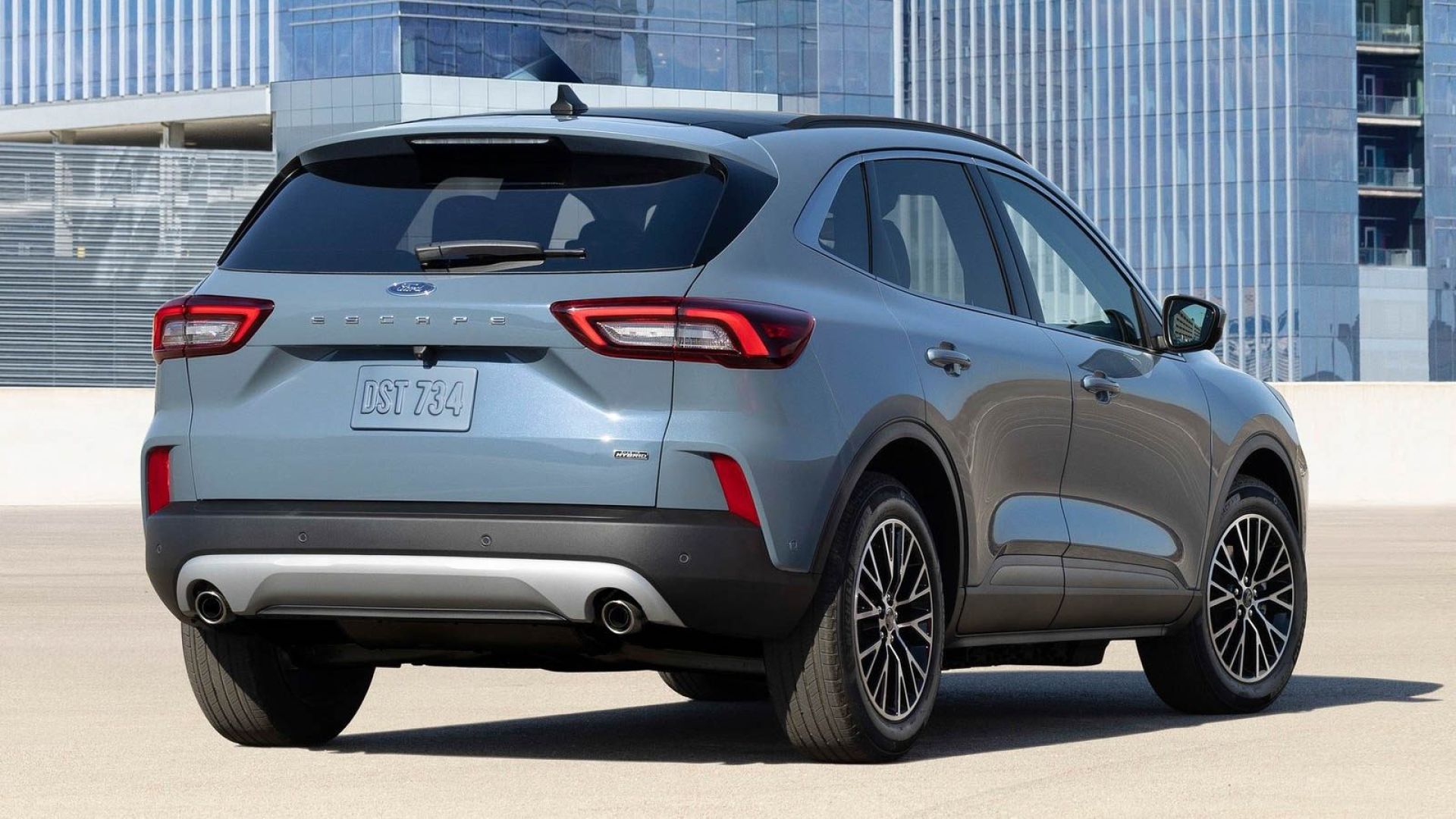
Coastal residents often praise the Escape for its combination of practicality, fuel efficiency, and advanced technology features.
For those who spend weekends traveling along the coast, this vehicle offers peace of mind, knowing that its structure is better protected from the corrosive effects of salt air.
With the introduction of the similarly sized Bronco Sport last year, Ford gave compact SUV shoppers an option focused on off-road capability right in its showrooms.
As a result, the 2022 Escape continues to lean into its strengths as a softer-roading crossover with a more carlike ride and handling, appealing to buyers who spend most of their time on pavement.
In contrast to the Bronco Sport, the Escape is available with hybrid and plug-in-hybrid powertrains, though buyers can still choose between the standard turbocharged three-cylinder engine and the more powerful turbocharged four-cylinder offered here.
Inside, the Escape provides generous room for both passengers and cargo, but its interior design and materials don’t quite match the polish found in competitors like the Hyundai Tucson, Mazda CX-5, or Volkswagen Tiguan.
Even so, the Escape includes a solid roster of driver-assistance features as standard equipment and can be optioned with a wide range of luxury and convenience upgrades, provided you’re willing to step up to the higher trim levels.
The 2022 Escape offers a broad selection of powertrain options, beginning with a turbocharged 1.5-liter three-cylinder engine producing 181 horsepower and available with either front-wheel drive or all-wheel drive.
While the turbo three-cylinder can sound rough and lacks refinement, it delivers acceptable performance, propelling an all-wheel-drive Escape SE to 60 mph in 7.7 seconds at our test track, a figure matched by the plug-in hybrid version.
The more enticing upgrade is the turbocharged 2.0-liter four-cylinder engine, which produces 250 horsepower and proved capable of reaching 60 mph in just 5.7 seconds during the same testing. Both gasoline-powered engines are paired with an eight-speed automatic transmission.
4. Chevrolet Silverado 1500
For truck enthusiasts or those needing heavy-duty capabilities, the Chevrolet Silverado 1500 is an excellent choice. Its robust frame, underbody protections, and rust-resistant coatings allow it to withstand salt exposure better than many other pickups.
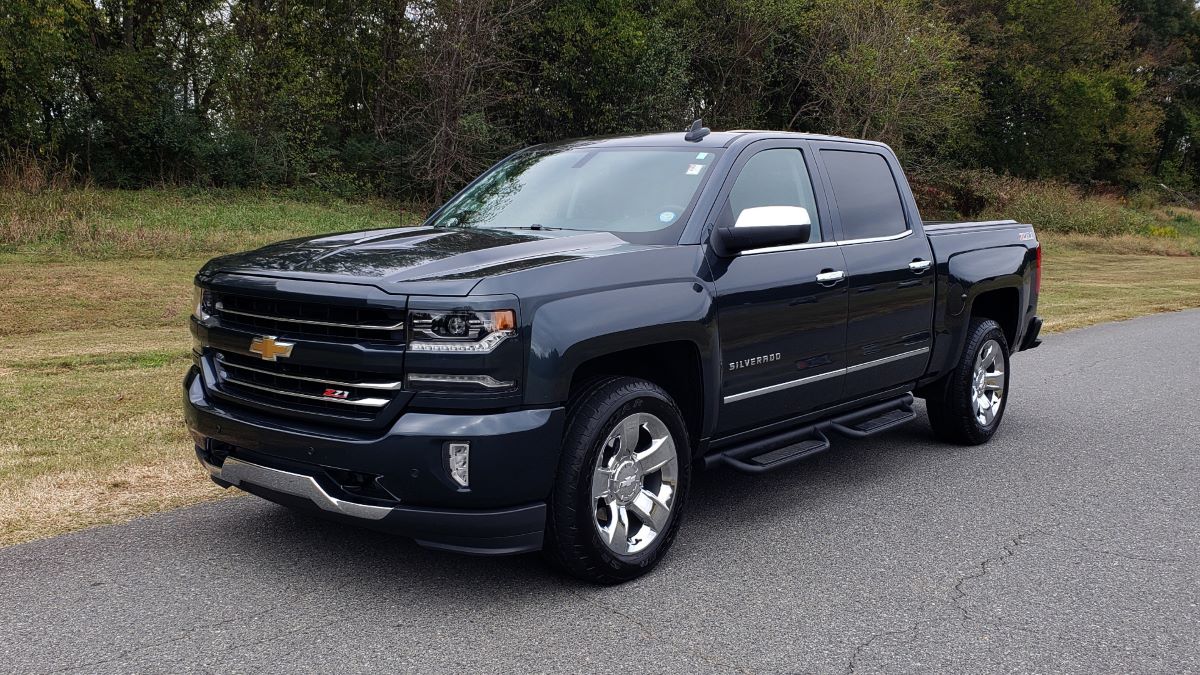
Brownsville’s coastal residents often use trucks for hauling boats, jet skis, or supplies to Gulf Coast destinations.
The Silverado’s towing capacity, reliability, and widespread availability of parts make it a smart long-term investment. With regular washes, especially after exposure to coastal winds or saltwater, this truck can remain in good condition for over a decade.
5. Kia Sorento
The Kia Sorento combines style, comfort, and durability. Its body panels use corrosion-resistant materials, and the all-wheel-drive system helps navigate wet roads or sandy beach areas near Brownsville.
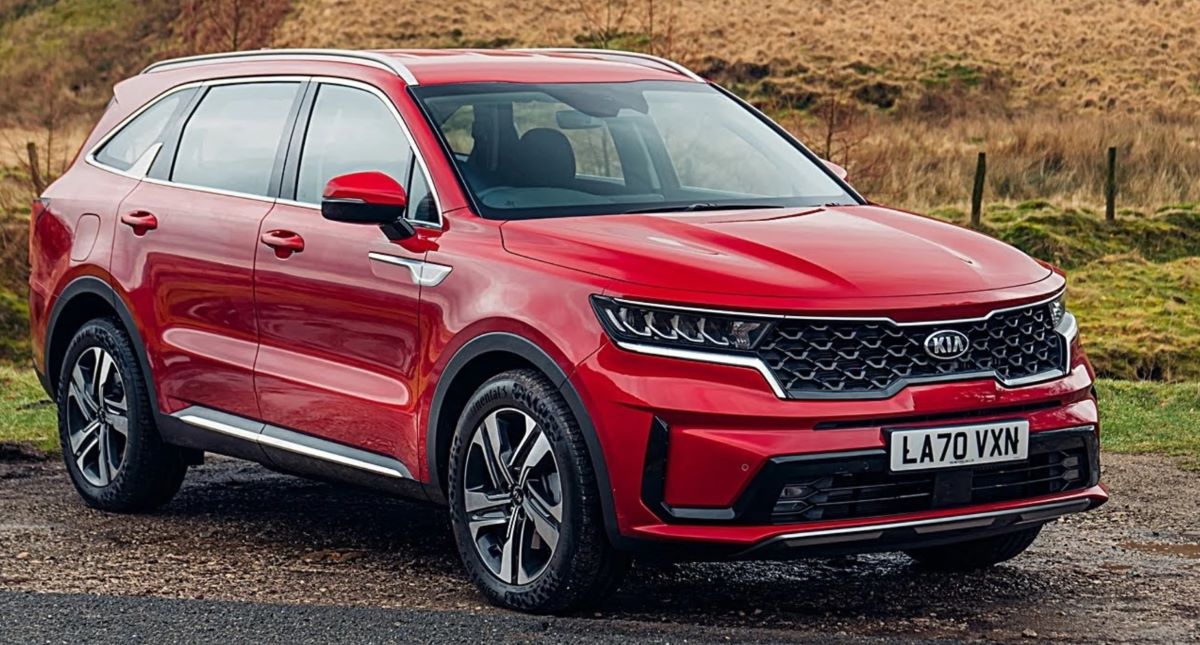
Coastal drivers often appreciate the Sorento for its modern tech features, spacious cabin, and balance of performance and reliability.
With proper maintenance, including protective coatings and routine washes, the Sorento is well-equipped to handle the harsh coastal environment without rapid rust formation.
We evaluated a Sorento equipped with the available turbocharged engine, and its performance left a strong impression.
The SUV accelerated from zero to 60 mph in 6.7 seconds, a result that stands out as nearly three seconds quicker than what we recorded with the similarly sized Mitsubishi Outlander.
This strong acceleration makes highway on-ramps and passing maneuvers effortless. Power delivery is handled by an eight-speed automatic transmission that shifts smoothly and responds appropriately in everyday driving.
During braking tests, the Sorento exhibited minimal nose dive, coming to a stop from 60 mph in 121 feet, an above-average result for this segment. Braking distances increase slightly on the range-topping trim, which comes standard with all-terrain tires.
When it comes to handling, the Sorento feels stable and reassuring, though sharper steering response would further enhance driver confidence.
Ride quality is an area where the Sorento falls short of excellence. At lower speeds, we noticed consistent vibrations and road imperfections filtering into the cabin.
The 20-inch wheels fitted to our test vehicle may have contributed to this behavior. At highway speeds, however, the ride settles down considerably, delivering a controlled feel that inspires confidence and reinforces the vehicle’s overall stability.
Outward visibility is a strong point, aided by generously sized windows and clear sight lines in all directions. The available surround-view camera system is especially useful when navigating tight parking spaces or confined areas.
Kia also stands out for offering one of the most comprehensive sets of driver-assistance features in the segment, including an optional automatic lane-change function. Throughout our testing, the system performed reliably, without generating false warnings or exhibiting any noticeable glitches.
Cars That Struggle with Coastal Corrosion
Coastal living comes with perks, ocean views, fresh sea breeze, and laid-back vibes, but it also brings one relentless challenge for vehicles: corrosion. Salt in the air and on nearby roads accelerates rust and eats away at metal components, electrical systems, and undercarriages.
While some cars resist the elements with protective coatings and corrosion-resistant materials, others simply aren’t built to withstand the constant assault that coastal environments deliver.
In this section, we’ll highlight the cars that struggle most with coastal corrosion, models that have shown vulnerabilities to rust, premature wear, and salt-related damage, so you can make smarter decisions about protecting your vehicle (or choosing one better suited for seaside life).
1. Nissan Altima (Older Models)
Older Nissan Altimas are known to develop rust in humid, salty climates. Areas like the wheel arches, undercarriage, and exhaust components are particularly vulnerable to corrosion from coastal air.
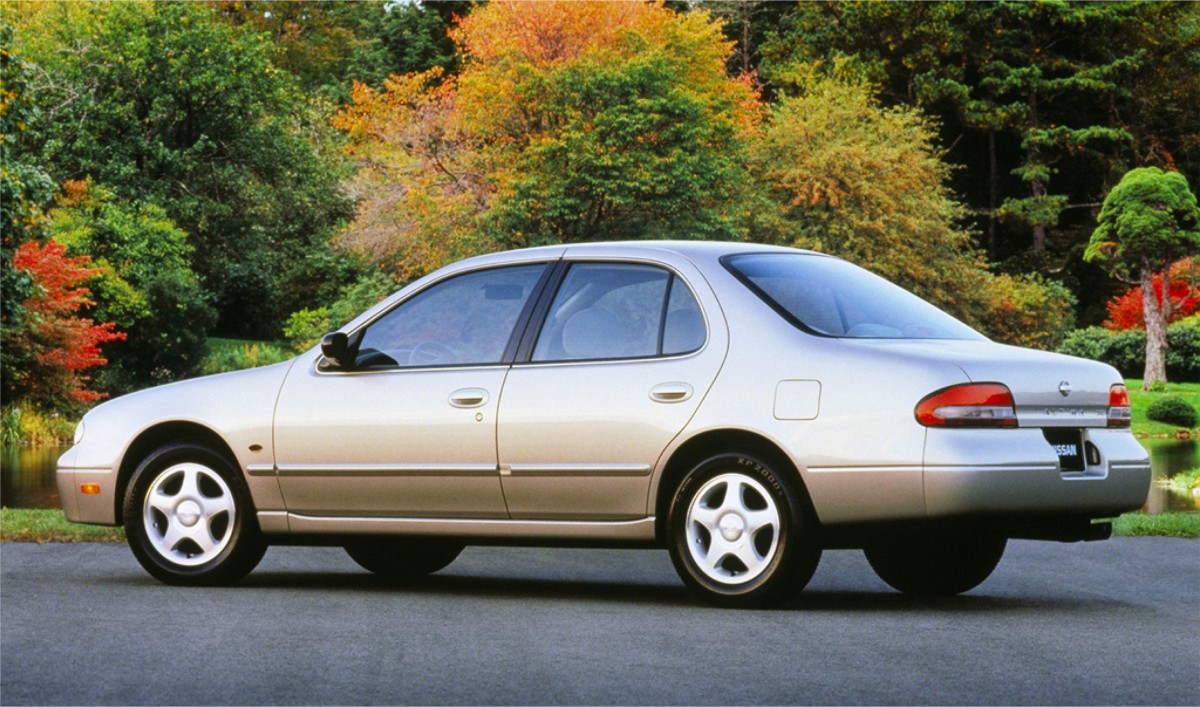
Without frequent undercarriage cleaning and rust-proofing treatments, these vehicles can suffer significant structural damage over time. Residents in Brownsville who choose an older Altima should be prepared for extra maintenance costs to keep the car rust-free.
2. Mini Countryman
The Mini Countryman, though stylish and fun to drive, struggles in coastal environments. Its lower body panels and undercarriage are prone to rust, particularly when exposed to salty Gulf air.
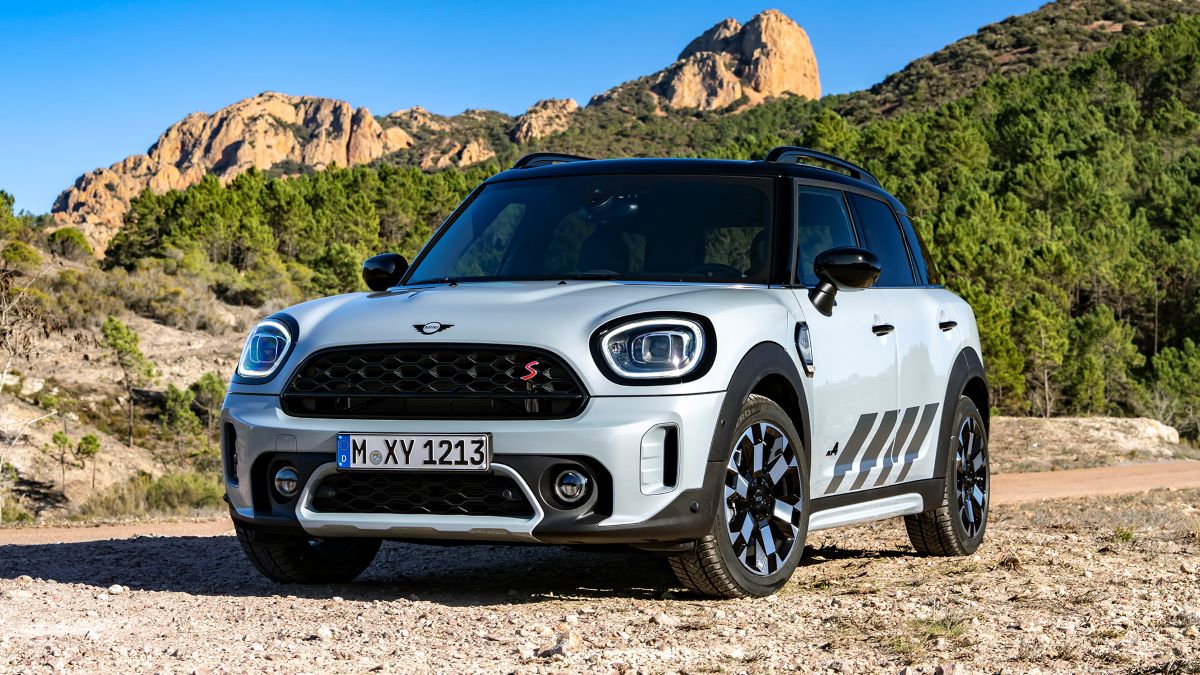
Coastal owners often report corrosion within just a few years, even with standard maintenance. Frequent washing, protective coatings, and garage storage are critical to preserving the integrity of this vehicle in Brownsville.
When parked alongside the British brand’s original pint-sized model, the 2022 Mini Cooper Countryman appears surprisingly large. It has clearly evolved into more of a crossover than a traditional compact car, which aligns with current market trends.
The Countryman also allows buyers to personalize their vehicle extensively, thanks to a wide variety of exterior paint colors and decal options.
Unfortunately, its available powertrains are less inspiring, ranging from an underwhelming 134-horsepower three-cylinder engine to a much quicker, but costlplug-in hybrid setup.
While the Countryman delivers better driving dynamics than some rival subcompact luxury SUVs, it lacks the nimbleness and playful character found in the standard Mini Cooper or the Clubman wagon.
Drivers who can overlook its firm ride may enjoy the roomy and comfortable rear seat, though doing so means sacrificing some of the classic Mini charm.
For the 2022 model year, the Countryman receives a handful of modest updates. LED headlights, lane-departure warning, and a complimentary 12-month SiriusXM satellite radio subscription are now standard across the lineup.
Mini also introduces a new Boardwalk Edition, which is based on the 189-horsepower Cooper S model and can be configured with either front-wheel drive or all-wheel drive.
This limited-edition version stands out with its exclusive Deep Laguna metallic exterior paint, contrasted by black accents and unique 18-inch wheels. Inside, the black leather cabin features special details available only on this model.
Our pick of the lineup is the Cooper S, thanks to its four-cylinder engine that delivers 55 more horsepower than the standard three-cylinder. Every Cooper S comes equipped with 18-inch wheels, a panoramic sunroof, rear parking sensors, and well-bolstered front seats.
Buyers who want the added confidence of all-wheel drive can add it for $2000. We’d also select the mid-tier Signature Trim package, which includes an 8.8-inch touchscreen infotainment system, dual-zone automatic climate control, heated front seats, and passive entry.
The Countryman lineup is offered with three different powertrain choices. The entry-level option is a turbocharged three-cylinder engine producing 134 horsepower, which struggles to move the crossover’s more than 3,300 pounds with any real urgency.
The Cooper S upgrades to a 189-horsepower turbocharged four-cylinder engine, though it still falls short of delivering the energetic performance we’d like. The plug-in hybrid version is the quickest non-John Cooper Works Countryman we’ve tested, but it also carries the highest price tag.
Front-wheel-drive, non-hybrid models use a responsive seven-speed dual-clutch automatic transmission, while all-wheel-drive variants are fitted with an eight-speed automatic.
The Countryman’s composed and reserved demeanor isn’t necessarily a flaw, it simply differs from the exuberant personality typically associated with other Mini models.
None of our test vehicles were equipped with Mini’s optional adaptive dampers, which could potentially help mitigate the firm ride quality we’ve noted. Additionally, the plug-in hybrid’s brake pedal features a noticeable dead zone at the top of its travel, requiring some acclimation from the driver.
3. Volkswagen Passat (Pre-2016)
Older Volkswagen Passats are especially susceptible to rust in humid, coastal areas. The undercarriage, wheel wells, and exhaust system can oxidize quickly when exposed to salt air and frequent rain.
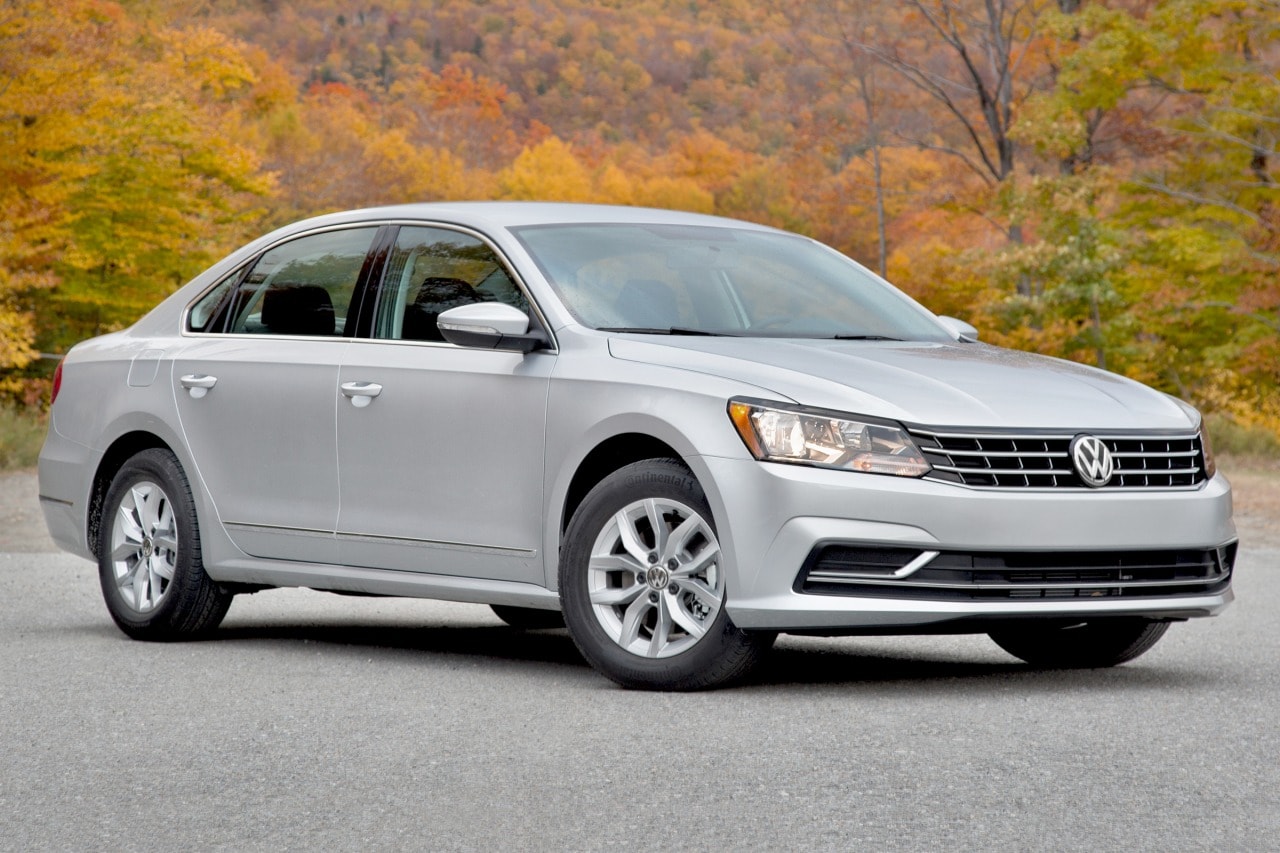
While newer models have improved anti-corrosion features, pre-2016 Passats require consistent care to prevent rust from becoming a serious issue. Brownsville residents considering a Passat should invest in professional rust-proofing treatments to extend the car’s lifespan.
After spending five years on sale, Volkswagen introduced a facelift for the eighth-generation Passat sedan in 2019, updating the model with modern technology, cleaner and more efficient powertrains, and subtle styling revisions aimed at keeping it relevant in a shrinking midsize sedan market.
The Passat sedan occupied a central role in Volkswagen’s lineup, slotting neatly between the Golf and the more premium Arteon. It continued to appeal to business professionals and long-distance drivers who favored conventional sedan proportions over the rising popularity of SUVs and wagon-style vehicles.
Thanks to enhanced connectivity, updated driver-assistance features, and improved engine efficiency, the refreshed Passat offered a thoroughly modern driving experience while maintaining the restrained, elegant personality that had long defined the model.
As part of the facelift, Volkswagen introduced its latest lighting design language, while the optional IQ.LIGHT matrix headlights delivered adaptive illumination technology inspired by the Touareg.
Lower down, the revised bumper featured smoother surfacing, integrated chrome accents, and horizontally oriented fog lights that visually widened the car and lowered its stance. A redesigned hood tied the changes together, reinforcing the sedan’s refined executive appearance.
Viewed from the side, the Volkswagen Passat retained its traditional three-box design, characterized by a long wheelbase and well-proportioned overhangs.
To visually stretch the profile, Volkswagen added a crisp character line that connected the headlights to the taillights. Buyers could choose from wheel designs ranging from 17 to 19 inches, which filled the arches more gracefully and enhanced the car’s road presence.
At the rear, the refreshed eighth-generation Passat featured newly styled LED taillights with updated internal graphics, while higher trim levels added dynamic turn indicators.
The PASSAT lettering was repositioned to the center of the trunk lid, sitting above the recessed license plate area. Below, the rear bumper adopted cleaner lines with understated chrome detailing. The look remained conservative yet sophisticated, reflecting Volkswagen’s trademark approach to understated design.
Inside the cabin, the Passat sedan followed the digital transformation introduced across Volkswagen’s facelifted models.
Beneath the hood, the updated eighth-generation Volkswagen Passat sedan was offered with a broad selection of gasoline and diesel engines compliant with Euro 6d-TEMP emissions standards.
Output levels ranged from 150 PS (148 hp) to 272 PS (269 hp). Buyers could choose between manual and automatic gearboxes, along with either front-wheel drive or Volkswagen’s 4Motion all-wheel-drive system.
4. Fiat 500X
The Fiat 500X is a compact, stylish vehicle, but it struggles in coastal climates. Its smaller frame and exposed underbody components make it vulnerable to rust from humidity and salt exposure.
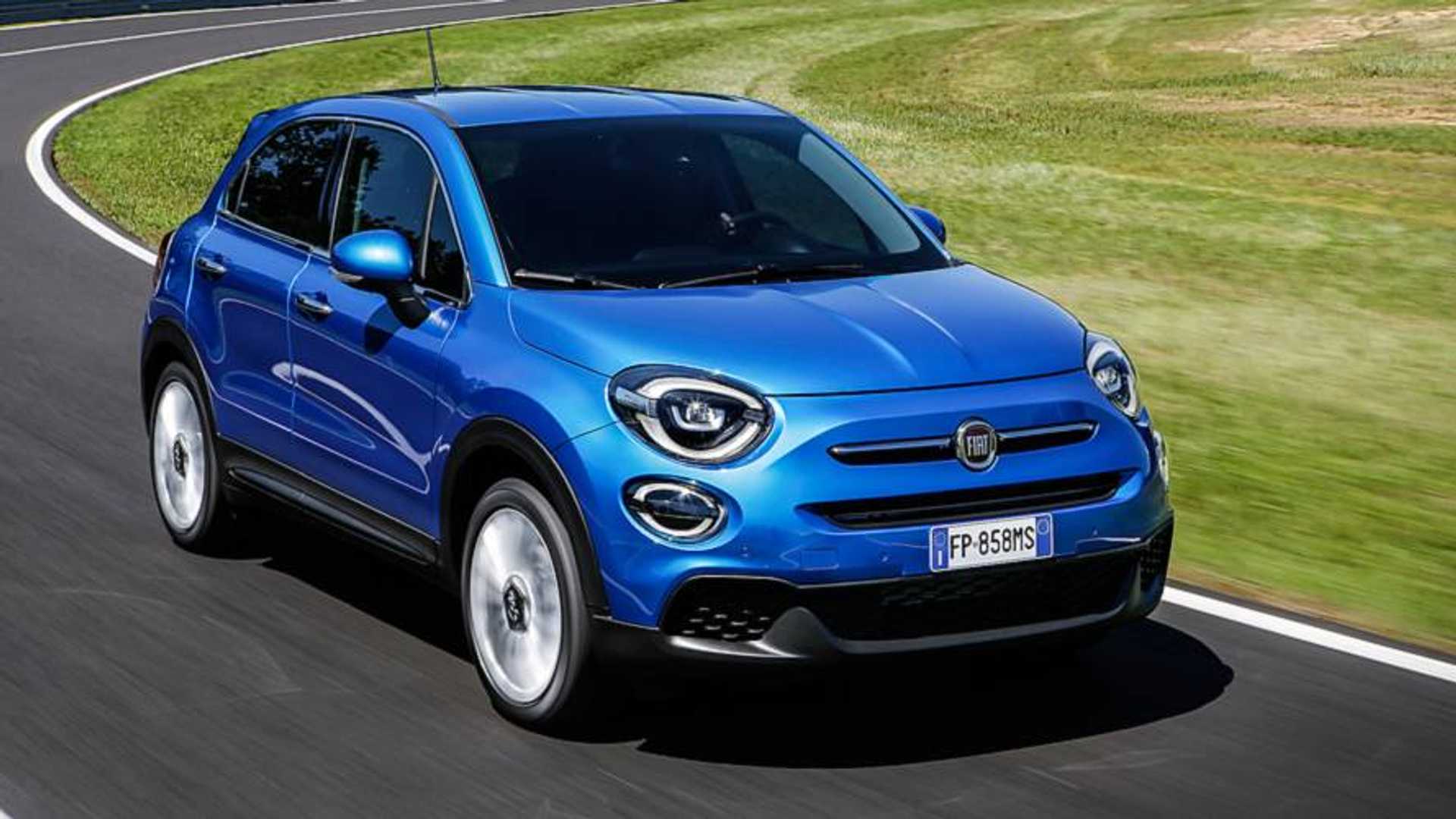
Owners living near the Gulf Coast often notice corrosion forming on wheel wells, doors, and underbody areas. Protective sprays, frequent washing, and garage storage are essential to keeping a 500X in usable condition over several years in Brownsville.
Every Fiat 500X is powered by a turbocharged 1.3-liter four-cylinder engine producing 177 horsepower. Power is sent through a nine-speed automatic transmission, and all-wheel drive comes standard across the lineup.
The all-wheel-drive system features three selectable drive modes designed to improve traction under different driving conditions. Most trims are equipped with 17-inch aluminum wheels, while the Sport model upgrades to standard 18-inch wheels, which are optional on both Trekking trims, along with available 19-inch wheels.
No matter the configuration, the 500X doesn’t rank among the fastest crossovers in its segment, nor does it deliver particularly engaging driving dynamics.
While the suspension provides a comfortable ride during highway travel, it struggles to maintain composure on winding back roads. Drivers seeking a more entertaining small SUV would be better served by alternatives such as the Hyundai Kona or Mazda CX-30.
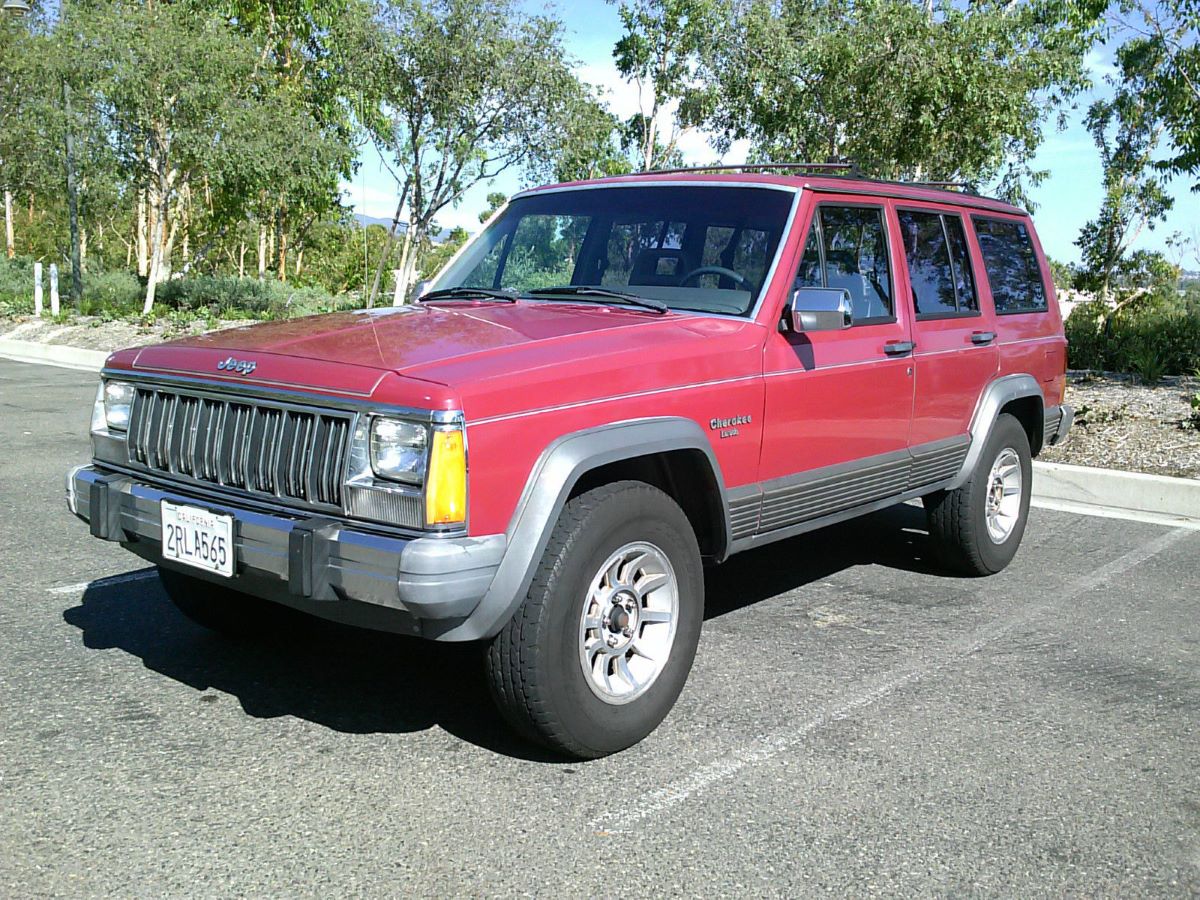
5. Jeep Cherokee (Older Models Without Rust Protection)
Older Jeep Cherokees are prone to corrosion due to minimal factory rust protection. Coastal salt exposure can accelerate rust formation along the frame, axles, and door panels.
While newer Cherokees have improved corrosion resistance, older models require diligent maintenance, including undercarriage washes and protective coatings, to survive in Brownsville’s coastal climate.
Selecting a car for Brownsville coastal life requires attention to corrosion resistance, durability, and long-term maintenance. Vehicles like the Toyota RAV4, Honda Pilot, Ford Escape, Chevrolet Silverado 1500, and Kia Sorento are well-suited to handle humid, salty coastal conditions, offering both practicality and resilience.
Conversely, older Nissan Altimas, Mini Countrymans, pre-2016 Volkswagen Passats, Fiat 500Xs, and older Jeep Cherokees are more prone to corrosion and require careful maintenance to avoid long-term damage.
By choosing the right vehicle and committing to consistent maintenance, residents can enjoy reliable transportation while minimizing the risks of rust and corrosion.
For anyone living near the Gulf Coast, understanding how different cars handle Brownsville’s coastal climate is essential to protecting their investment and ensuring years of dependable driving.
