Frisco, Texas is no longer just a quiet North Texas suburb it’s one of the fastest-growing cities in America. With new housing developments, expanding school districts, corporate offices, and nonstop construction, daily driving here places unique demands on vehicles.
Commutes often involve long stretches of Highway 121, the Dallas North Tollway, and surface roads clogged with development traffic.
Add summer heat that regularly pushes past 100°F, frequent stop-and-go congestion, and families hauling gear, tools, kids, or business equipment, and not every car is built to survive Frisco’s pace of growth.
The best vehicles for Frisco aren’t just comfortable they’re durable, heat-resistant, mechanically simple enough for long-term ownership, and capable of handling consistent load without premature wear.
On the other side, some cars look appealing on paper but struggle when exposed to Texas heat, suburban hauling, and long-term daily stress.
Below are five vehicles that thrive in Frisco’s growth-driven environment and five that tend to break down, wear out, or drain wallets under real-world load.
Cars That Can Handle Frisco’s Rapid Growth
As Frisco continues its explosive growth, booming population, expanding job centers, and new residential developments at every turn, residents need vehicles that can keep up with both daily demands and evolving long-term needs.
Whether it’s navigating increasingly busy roadways, handling longer commutes to the DFW metroplex, or balancing family life with weekend escapes to the countryside, the right car makes all the difference.
In this section, we highlight cars that are well-suited for Frisco’s rapid expansion: vehicles that combine reliability, comfort, versatility, and smart technology.
From fuel-efficient commuters built for stop-and-go traffic to capable crossovers and SUVs ready for growth-driven mileage increases, these models help drivers stay confident and comfortable as the city, and its transportation needs, continue to evolve.
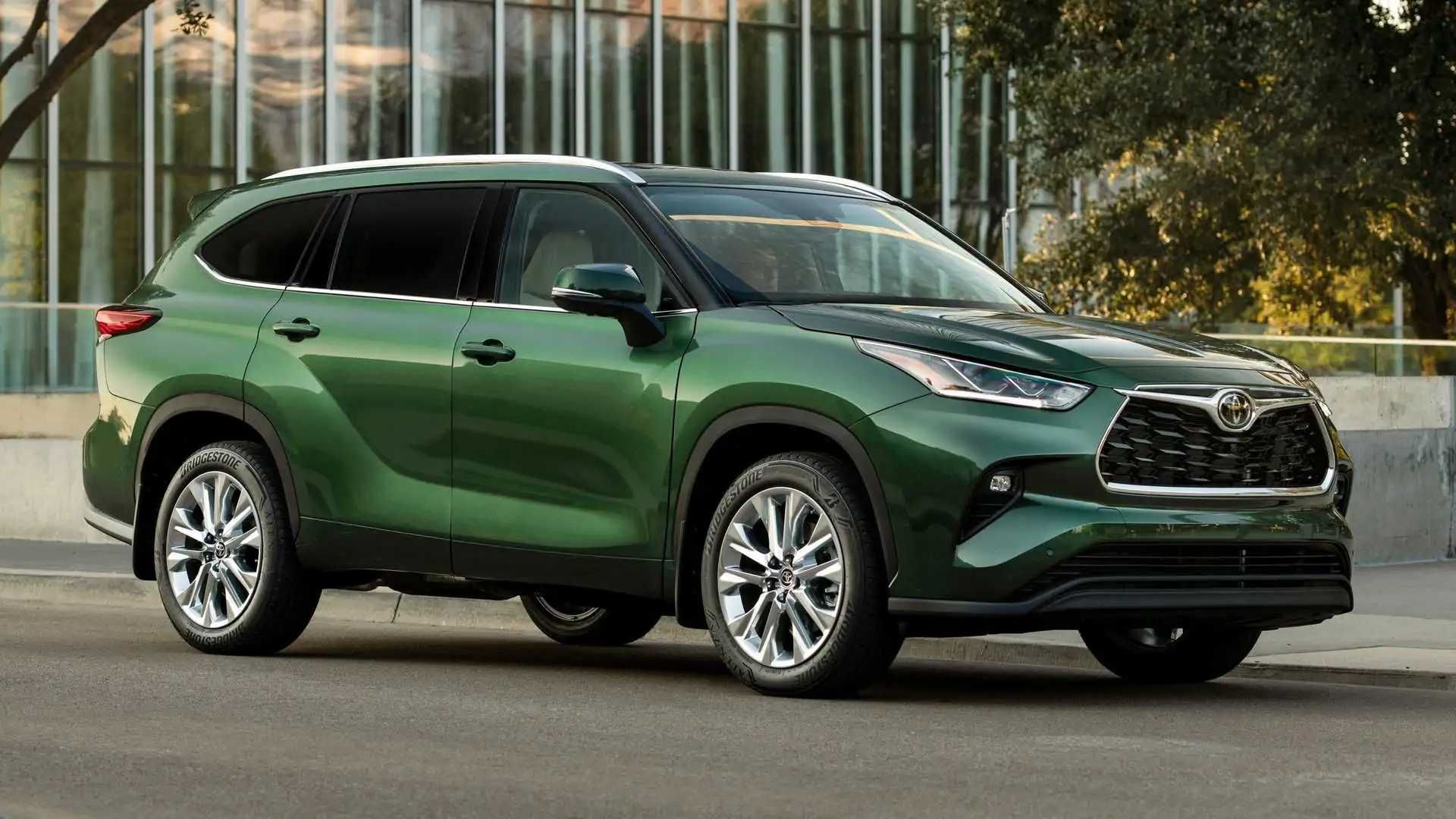
1. Toyota Highlander
The Toyota Highlander is almost tailor-made for Frisco’s family-heavy population. As households grow and schedules become more complex, the Highlander’s strong V6 (or well-proven hybrid) powertrain handles daily hauling without strain.
Whether it’s multiple kids, sports equipment, Costco runs, or weekend trips to Lake Lewisville, the Highlander maintains reliability under consistent weight.
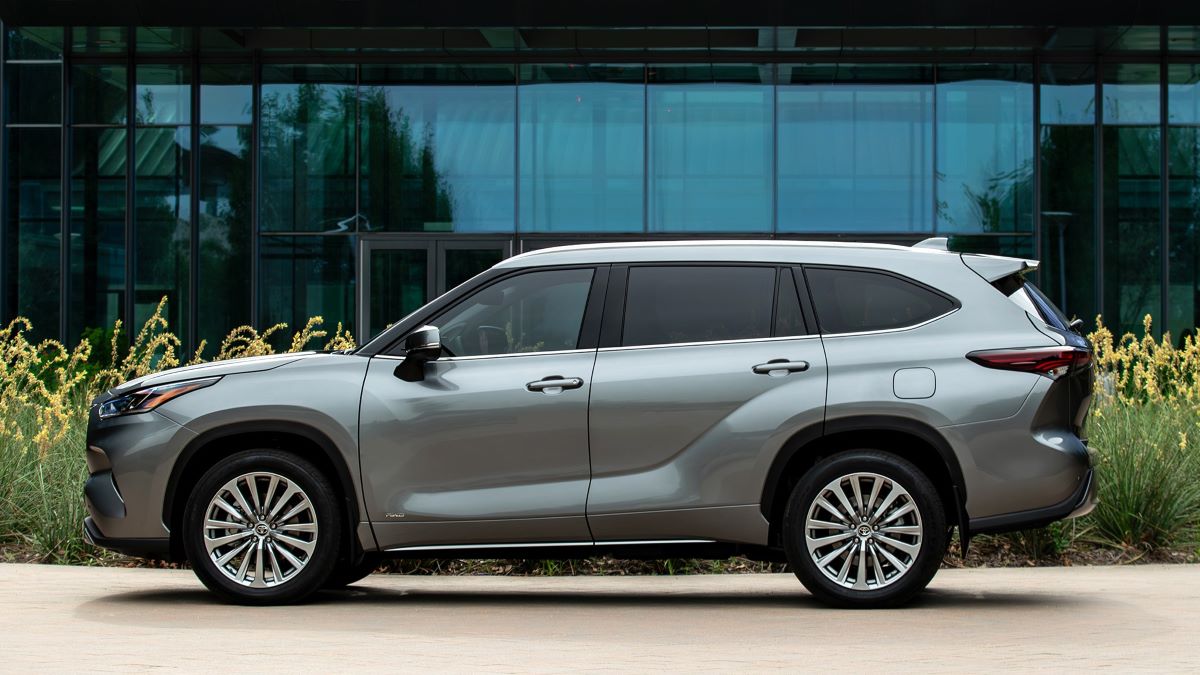
More importantly for North Texas, Toyota’s cooling systems and transmissions have a strong reputation for surviving extreme heat without degradation.
Unlike smaller crossovers that feel overwhelmed when fully loaded, the Highlander remains stable on highways and doesn’t suffer premature suspension or brake wear. It’s a long-term ownership vehicle that fits Frisco’s upward trajectory.
Our test of the four-cylinder all-wheel-drive Toyota Highlander showed a 0-60 mph sprint in 7.4 seconds, making it quicker than many V6-powered three-row midsize SUVs.
Ride quality is notably smooth, with the Highlander’s compliant suspension absorbing both large and small road imperfections while avoiding a floaty or vague feel at highway speeds. Stopping and handling are equally confident; the SUV can brake quickly and navigate twisty roads with controlled body roll.
The available torque-vectoring AWD system subtly enhances handling by directing power to individual rear wheels, while also providing extra traction in slick conditions.
Visibility is another strong suit. Thin front roof pillars improve sightlines around corners, and advanced technology contributes to a nimble driving experience that feels effortless in daily use.
All Highlander models come equipped with a full suite of advanced driver aids. Adaptive cruise control performs well, though we found the lane departure warning a bit too sensitive in standard mode and insufficiently responsive in low mode.
2. Ford F-150 (V8 or EcoBoost)
Frisco’s construction-heavy environment makes pickups a practical necessity rather than a luxury. The Ford F-150 especially in its V8 or well-maintained EcoBoost configurations thrives here.
It’s capable of towing trailers, hauling construction materials, or supporting small business operations without constant mechanical stress.
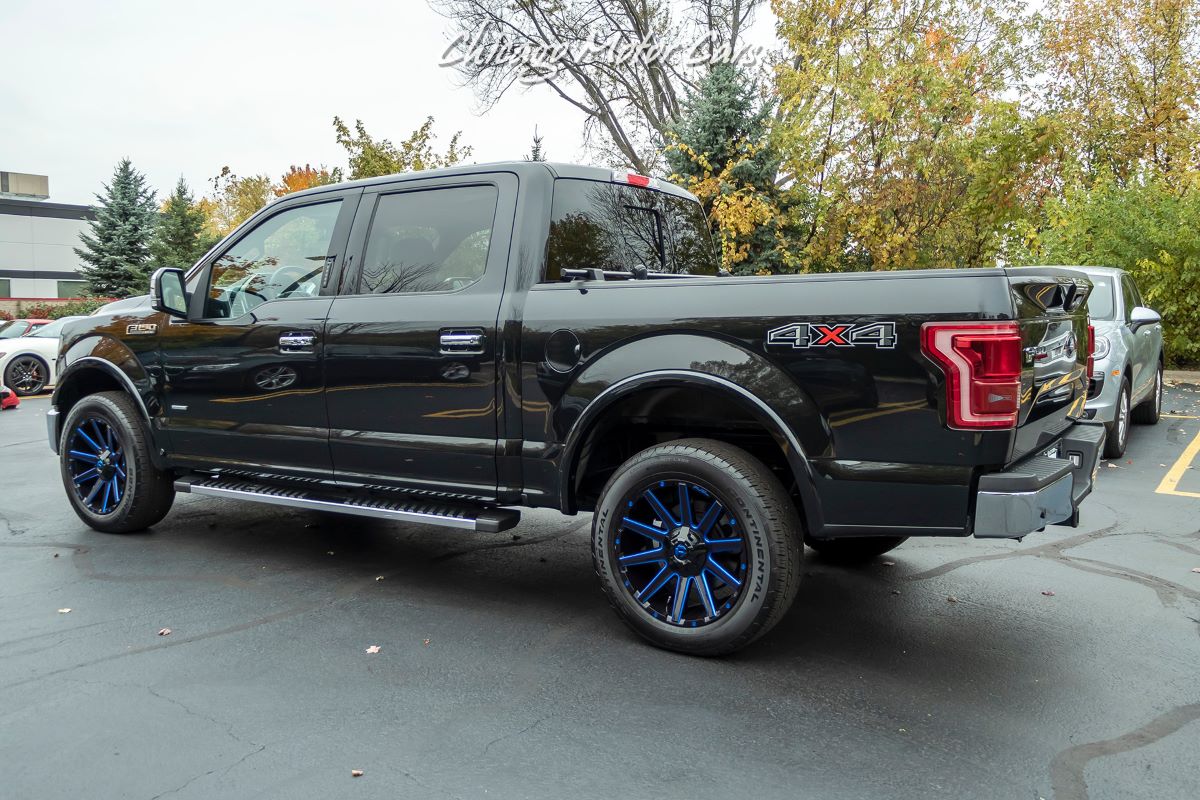
Unlike midsize trucks that feel stretched thin, the F-150’s chassis, brakes, and driveline are engineered for real-world load.
In a city where many residents balance white-collar jobs with home projects or side businesses, the F-150 delivers flexibility. It also handles highway speeds effortlessly, an important factor for Frisco commuters heading toward Plano, Dallas, or McKinney.
3. Honda Pilot
The Honda Pilot appeals to Frisco families who want space without jumping into truck ownership. Its naturally aspirated V6 engine avoids the complexity of small turbo engines, which often struggle under Texas heat.
Fully loaded, the Pilot remains predictable and composed, even during long summer drives.
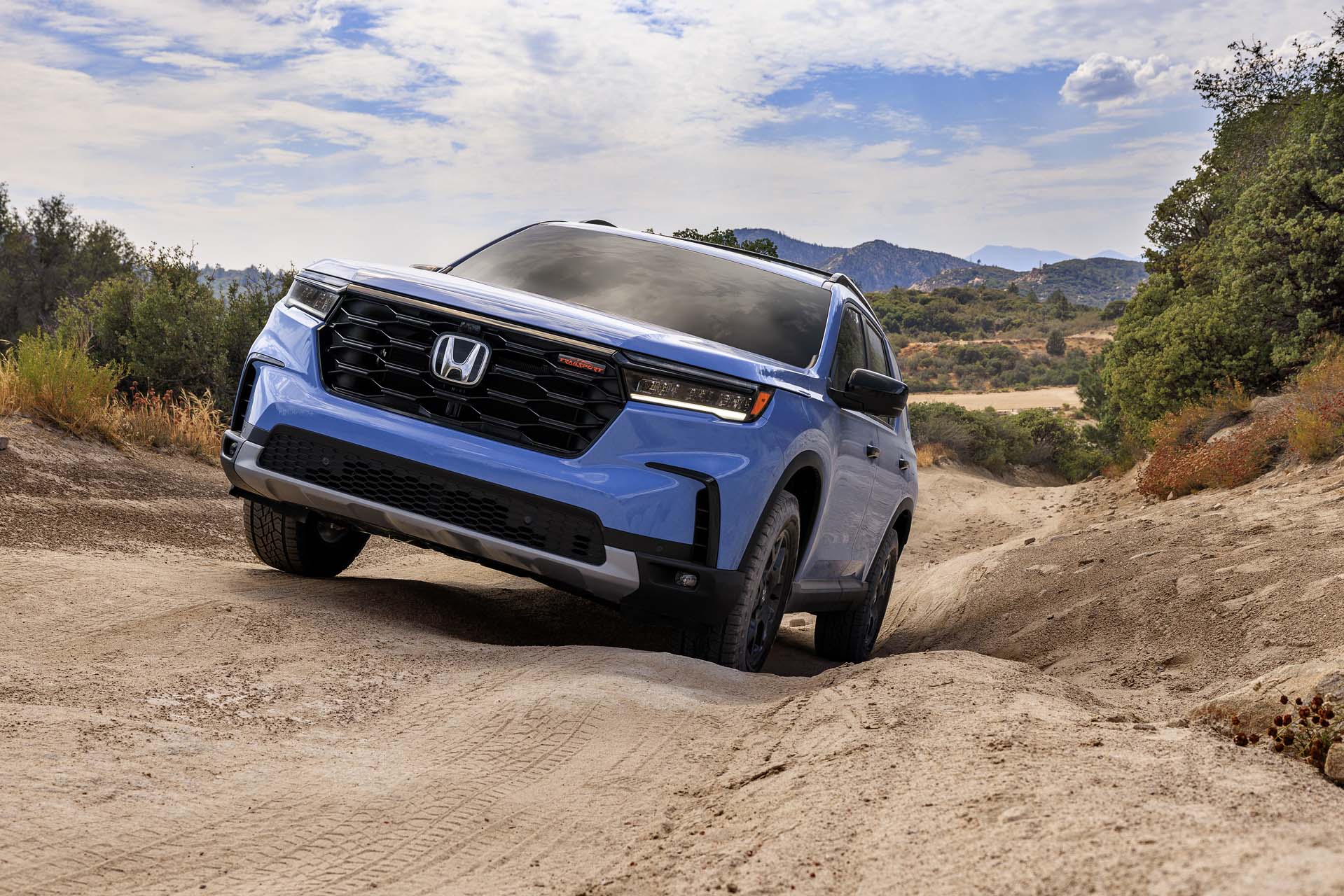
Where the Pilot shines is consistency. It doesn’t excel in flashy performance, but it rarely falters under sustained load.
For growing families who want something that simply works year after year, the Pilot’s durability, smooth transmission behavior, and proven resale value make it a smart Frisco choice.
Driving the Honda Pilot is a mixed experience. The V6 produces a snarly exhaust note under heavy throttle, but actual acceleration is only average. Our Pilot TrailSport reached 60 mph in 7.8 seconds.
The continuously shifting automatic transmission makes frequent gear changes, especially in city driving, which can make the Pilot feel overly sensitive to throttle inputs when starting from a stop.
Braking is generally easy to modulate, allowing for consistently smooth stops. However, the Pilot’s emergency braking distances were longer than many rival three-row SUVs. On the upside, ride quality is comfortable, with the suspension smoothing out bumps and uneven pavement effectively.
Visibility benefits from large windows, though the available surround-view camera system falls short. The small screen and limited resolution make it harder to get a clear picture of the surroundings. Other driver-assistance features perform well: adaptive cruise control and lane-centering work together to reduce fatigue on long highway drives.
4. Toyota Tacoma
While the Tacoma isn’t a full-size truck, its reputation for toughness makes it a solid fit for Frisco residents who need utility without oversized dimensions. It handles tools, furniture, home improvement supplies, and weekend gear without mechanical protest.
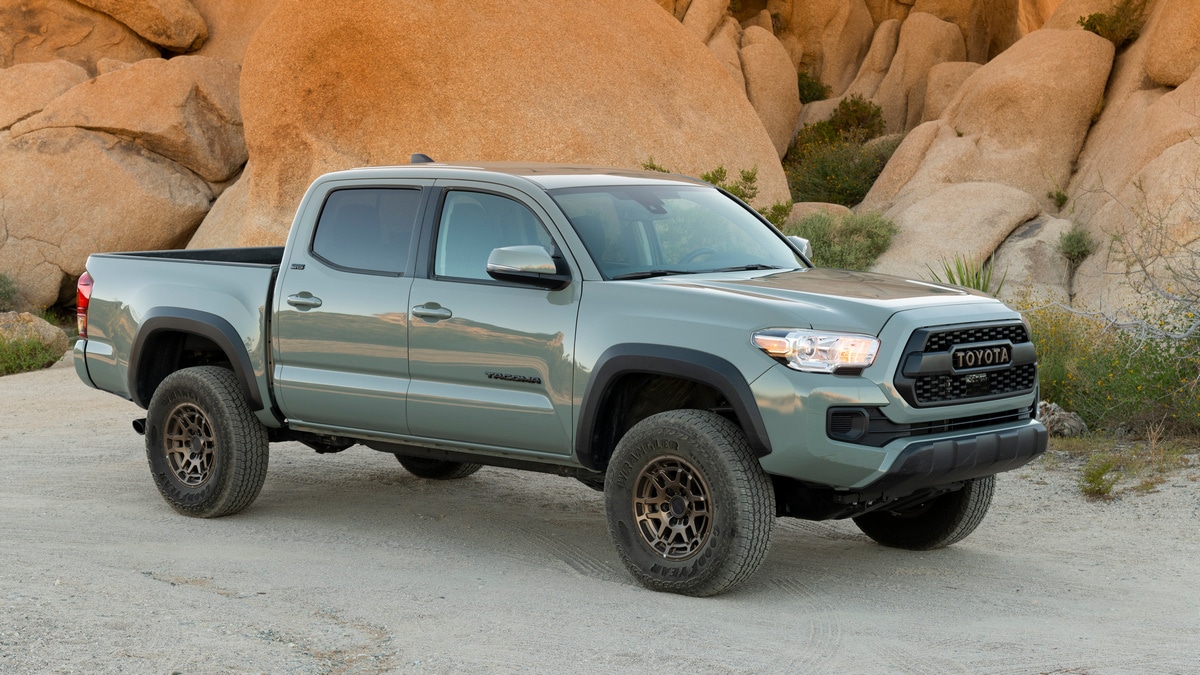
The Tacoma’s old-school engineering works in its favor. Its engine and transmission combination may feel dated, but they’re built to survive heat, dust, and repetitive strain.
For residents who want truck capability but don’t tow massive loads, the Tacoma is a durable solution that ages gracefully in fast-growing suburbs.
5. Lexus RX 350
Frisco is home to many professionals who want refinement without sacrificing reliability. The Lexus RX 350 fits that niche perfectly. Built on Toyota’s proven mechanical foundation, it offers durability disguised as luxury.
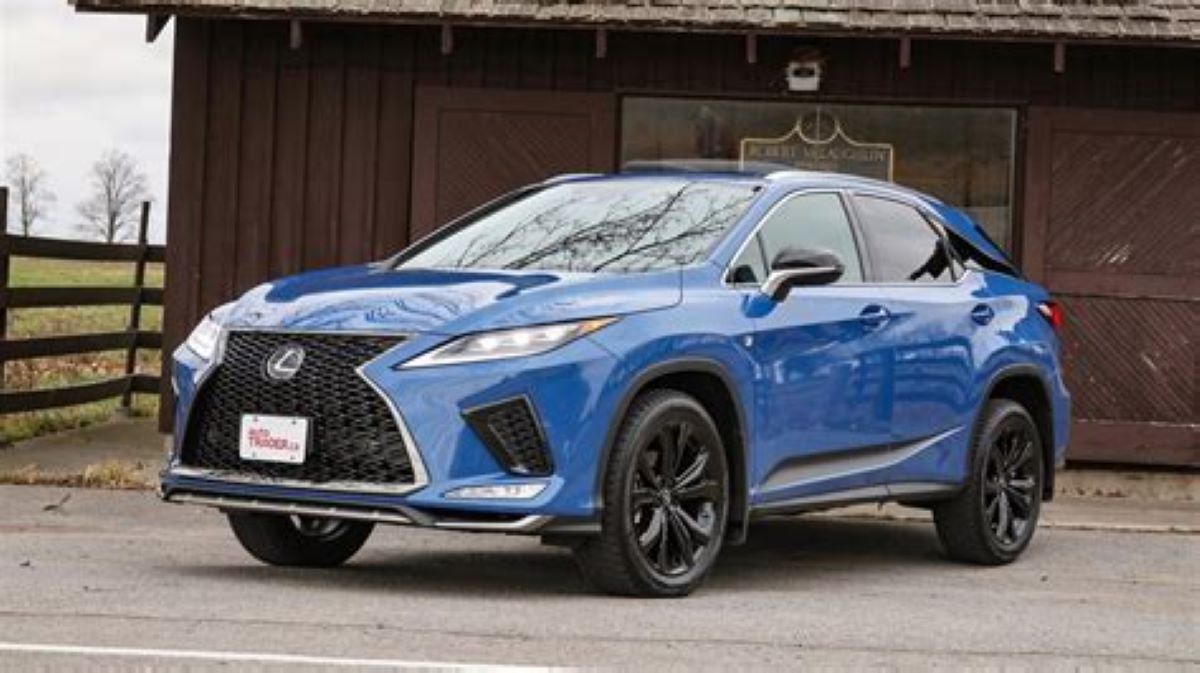
Unlike many luxury crossovers that prioritize tech over toughness, the RX 350 maintains long-term mechanical stability. It handles family weight, daily commutes, and high temperatures without the air suspension failures or turbocharger issues common in European competitors.
The 2024 Lexus RX350 comes equipped with a 275-hp turbocharged 2.5-liter four-cylinder engine, an eight-speed automatic transmission, and front-wheel drive as standard, with all-wheel drive available as an option.
On our initial test drive, the turbo four showed underwhelming performance, with acceleration likely slightly slower than the 2022 model. While Lexus had the opportunity to enhance the RX’s driving dynamics, the chassis remains tuned for comfort rather than sportiness.
The RX350 continues to offer a softly sprung, luxury-focused ride that will satisfy loyal RX buyers, but it is unlikely to appeal to driving enthusiasts seeking cornering confidence or engaging handling.
For Frisco residents who want upscale comfort without breakdown anxiety, it’s one of the safest bets.
Cars That Break Under Frisco’s Real-World Load
Frisco’s rapid growth and sprawling suburban lifestyle demand vehicles that can handle heavy daily use, from long commutes to family errands and weekend adventures.
Unfortunately, not every car is up to the task. Some models struggle under real-world loads, with issues ranging from underpowered engines and premature wear to costly maintenance headaches.
In this article, we take a closer look at cars that tend to break down or falter when faced with Frisco’s everyday demands, helping buyers make smarter choices for reliability and peace of mind.
1. Jeep Renegade
The Jeep Renegade struggles in Frisco’s environment for one simple reason: it’s not built for sustained suburban load.
While marketed as adventurous, its small engine, underwhelming transmission, and limited cooling capacity make it ill-suited for heavy traffic, summer heat, and full-passenger use.
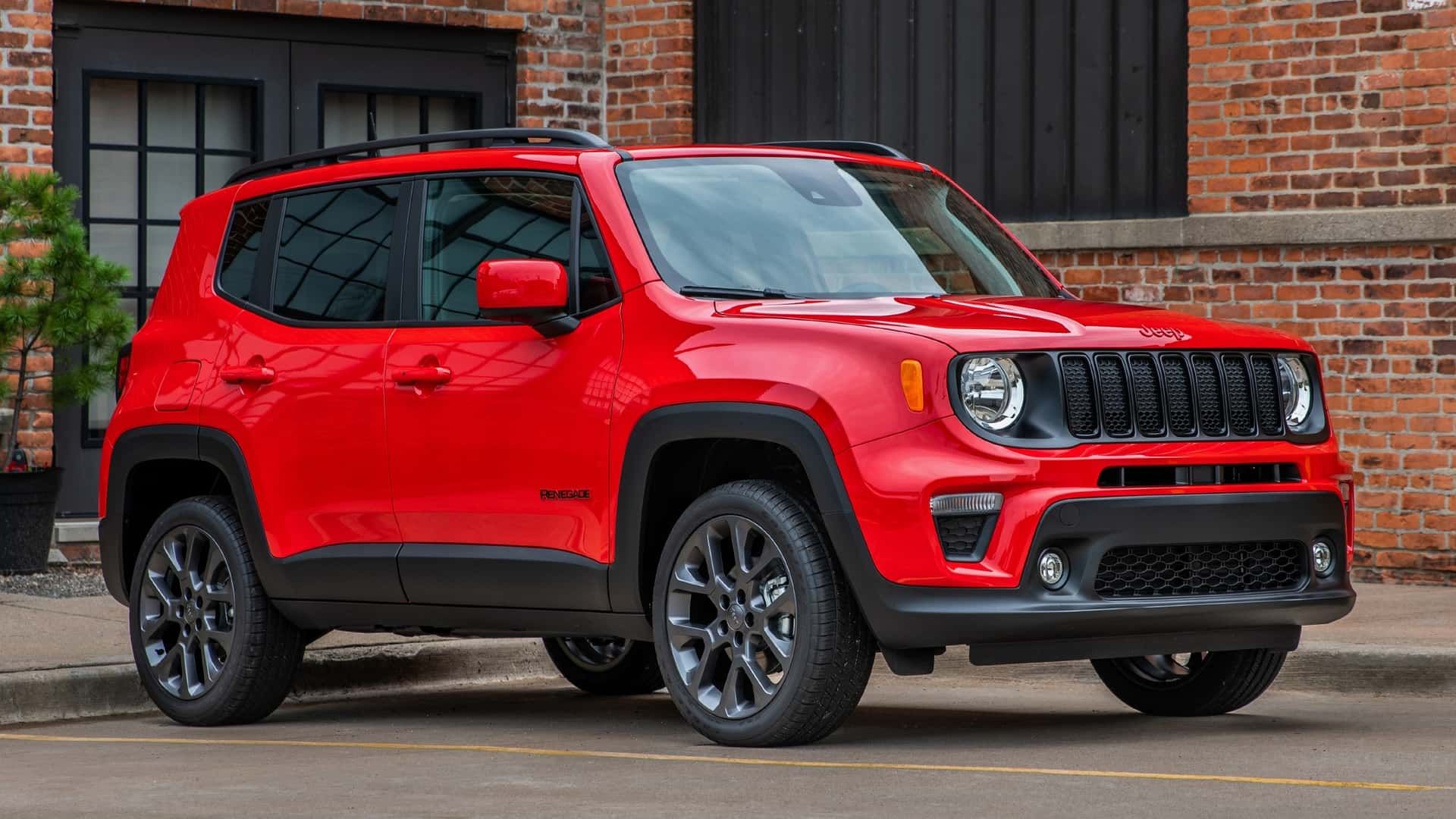
Owners often experience transmission hesitation, overheating warnings, and rapid suspension wear. In a city where daily driving often involves long, hot commutes and family hauling, the Renegade feels perpetually overworked and that stress shows up in repair bills.
The Jeep Renegade has long been the subcompact SUV for buyers seeking genuine off-road capability, and the Trailhawk trim earns its Trail Rated badge with protective skid plates, solid ground clearance, and 19 inches of water-fording ability. Essentially, it delivers what many rivals only promise.
However, that capability comes with trade-offs: the Renegade is pricier than most competitors, starting over $33,000 for the Trailhawk, and its 1.3-liter turbocharged four-cylinder engine is underwhelming in terms of acceleration.
While it can handle daily driving and light towing, up to 2,000 pounds, most buyers who rarely venture off the beaten path might find more affordable and better-performing options in rivals like the Mazda CX-30 or Kia Soul.
With Jeep announcing the Renegade’s phase-out after the 2023 model year, now may be the last chance to grab one, but careful consideration of your actual driving needs is essential.
2. Chevrolet Trax
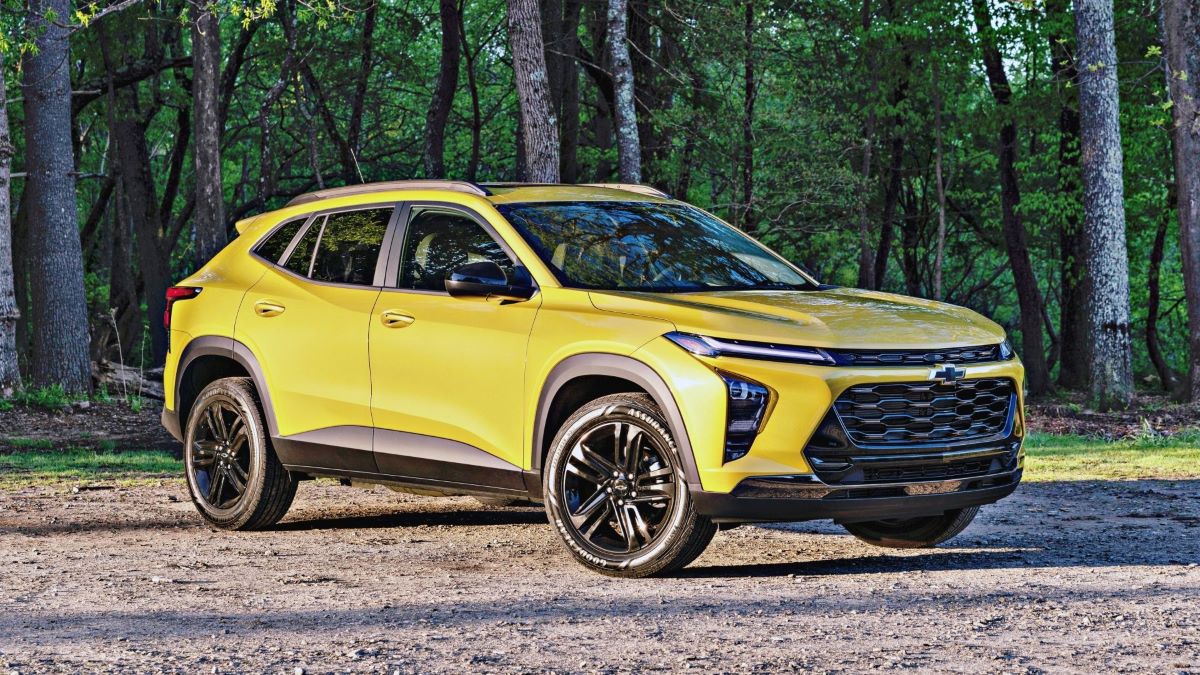
The Chevy Trax appeals to budget-conscious buyers, but Frisco’s growth exposes its weaknesses quickly. Its small turbocharged engine struggles under load, especially with multiple passengers or highway merging.
Heat is its biggest enemy. In Texas summers, the Trax’s powertrain frequently feels strained, leading to early turbo wear, cooling system stress, and inconsistent performance. While fine for short urban trips, it’s not built for the long-term demands of a rapidly expanding suburb.
The Chevrolet Trax stands out as one of the most affordable subcompact SUVs on the market, offering a compelling mix of style, practicality, and value.
Its sharp exterior design and quiet, well-equipped cabin make it a comfortable daily driver, while rear-seat legroom and a generous cargo area provide versatility for passengers and gear alike.
Despite its modest 137-hp turbocharged 1.2-liter three-cylinder engine, the Trax delivers a composed ride, nimble handling, and confident braking, making it feel more capable than its price tag suggests. With its blend of affordability, utility, and ease of use, the 2026 Trax rightfully earns a spot on our 10Best list for subcompact SUVs.
In today’s automotive landscape, crossovers, SUVs, and trucks dominate both consumer interest and manufacturer profits, leaving traditional sedans and sports cars in the dust. Detroit’s Big Three have largely abandoned the domestic passenger-car market, focusing instead on high-margin utility vehicles.
General Motors, for instance, has only the Corvette C8 holding the line for mainstream enthusiasts, a borderline premium sports car that starts around $70,000 for the 2026 Stingray, before options.
Cadillac’s sedans, like the CT4 and CT5, continue on a limited basis, with the CT4 set to be discontinued next year and the CT5 primed for an all-new iteration.
Ford’s roster is similarly narrow, with the seventh-generation Mustang S650 carrying the mantle of the American pony car. While the base model starts around $32,000, high-end variants like the Dark Horse Premium approach Corvette territory, and the mind-boggling $327,000 Mustang GTD rivals some hypercars despite “only” delivering 815 horsepower.
Dodge, meanwhile, has reimagined the Charger for the modern era, blending sedan practicality with fastback coupe flair and phasing out the Challenger. The era of the traditional American car is shifting, and the numbers tell the story.
3. Nissan Altima (CVT Models)
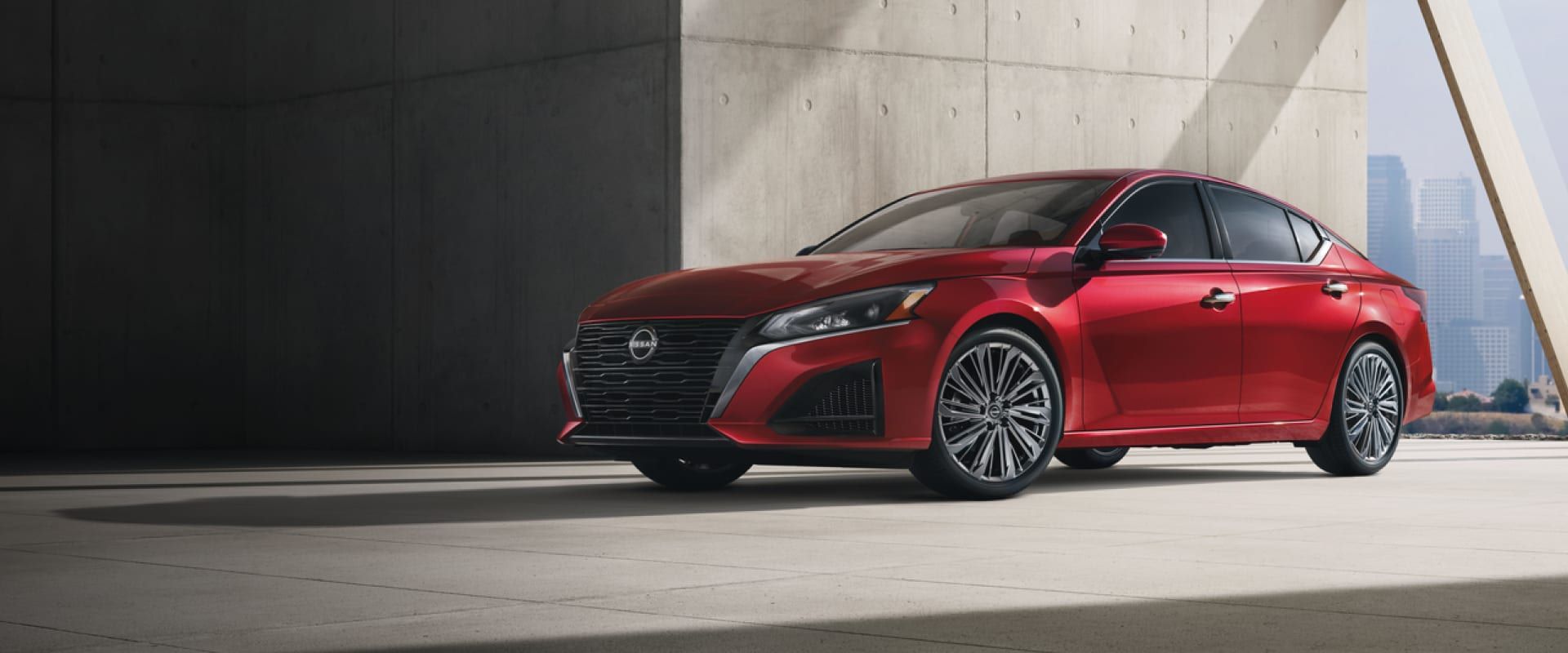
On paper, the Nissan Altima seems like a solid commuter sedan. In reality, CVT-equipped Altimas have a history of transmission issues that worsen under heat and sustained highway driving two unavoidable aspects of Frisco life.
Add passengers, cargo, and stop-and-go traffic, and the CVT becomes even more vulnerable. Many owners report slipping, overheating, or premature failure, making the Altima a risky long-term choice for a city where daily driving rarely stays light or short.
Crossovers, SUVs, and trucks, vehicles that bring higher profit margins to automakers, are dominating the market, both in consumer demand and manufacturer focus. The Big Three Detroit automakers, for example, have all but abandoned the traditional passenger-car segment in the U.S.
General Motors, the largest of the three, now relies on the C8 Chevrolet Corvette as its sole mainstream sports car. Even the Stingray sits in borderline premium territory, starting at $70,000 for the 2026 model year, excluding destination fees.
Meanwhile, Cadillac’s sedans, the CT4 and CT5, remain available but only for a limited time. The CT4 is set to be discontinued next year, leaving the CT5 to soldier on with a planned all-new iteration.
Ford’s lineup is similarly narrow, anchored by the seventh-generation Mustang S650. Prices start around $32,000 but can climb to Corvette-level territory in the Dark Horse Premium trim.
And then there’s the staggering $327,000 Mustang GTD, more expensive than a C8 Corvette ZR1X, even though it “only” produces 815 horsepower. The Corvette ZR1X packs a twin-turbo V8 hybrid delivering a jaw-dropping 1,250 hp.
Lastly, Dodge has reinvented the Charger for the modern era. The eighth-generation model is offered both as a sedan, like before, and as a fastback coupe, reminiscent of the brand’s glory days, effectively retiring the Challenger in the process.
4. Mini Cooper Countryman
The Mini Countryman offers style and personality, but Frisco’s reality doesn’t match its design priorities. Once fully loaded with people or gear, the Countryman’s small engine and complex systems struggle to keep up.
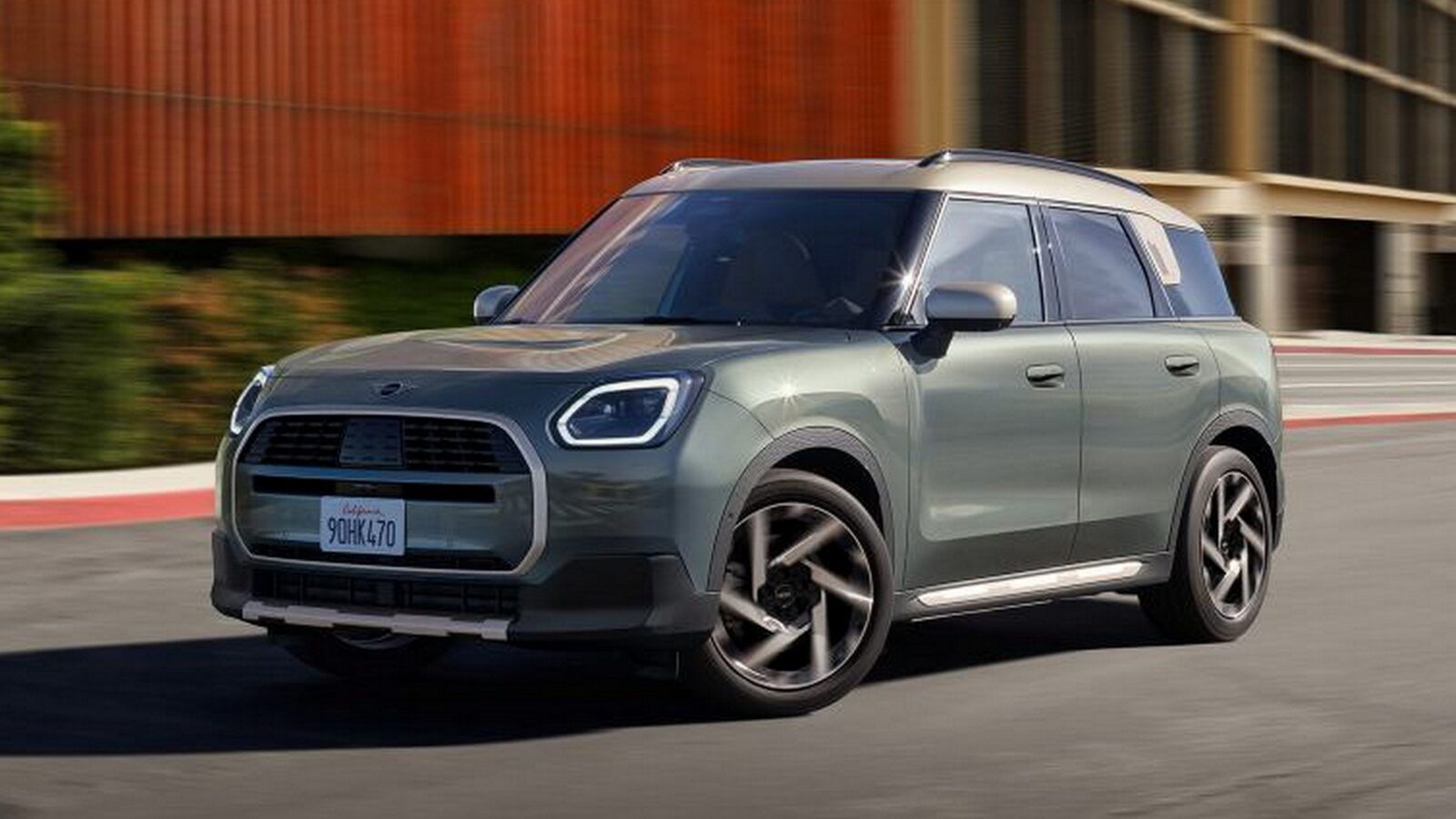
Maintenance costs rise quickly, and heat-related issues become more common as mileage increases. In a city where reliability matters more than novelty, the Countryman often turns into a financial liability rather than a dependable daily driver.
The Cooper S version we tested accelerated from 0 to 60 mph in a respectable 7.1 seconds. Our main complaint is the engine’s sluggish response when starting from a stop.
Once underway, however, the turbocharged engine delivers lively performance around town and provides ample punch for merging onto highways. The brakes offer solid stopping power in emergencies, though they can feel a bit grabby during slow-moving traffic.
Where the Mini Countryman truly shines is on twisty roads. The steering is precise and offers a satisfying sense of connection to the pavement. The Countryman is a fun, engaging ride that can tackle back roads faster than most of its rivals in the class.
5. Dodge Journey
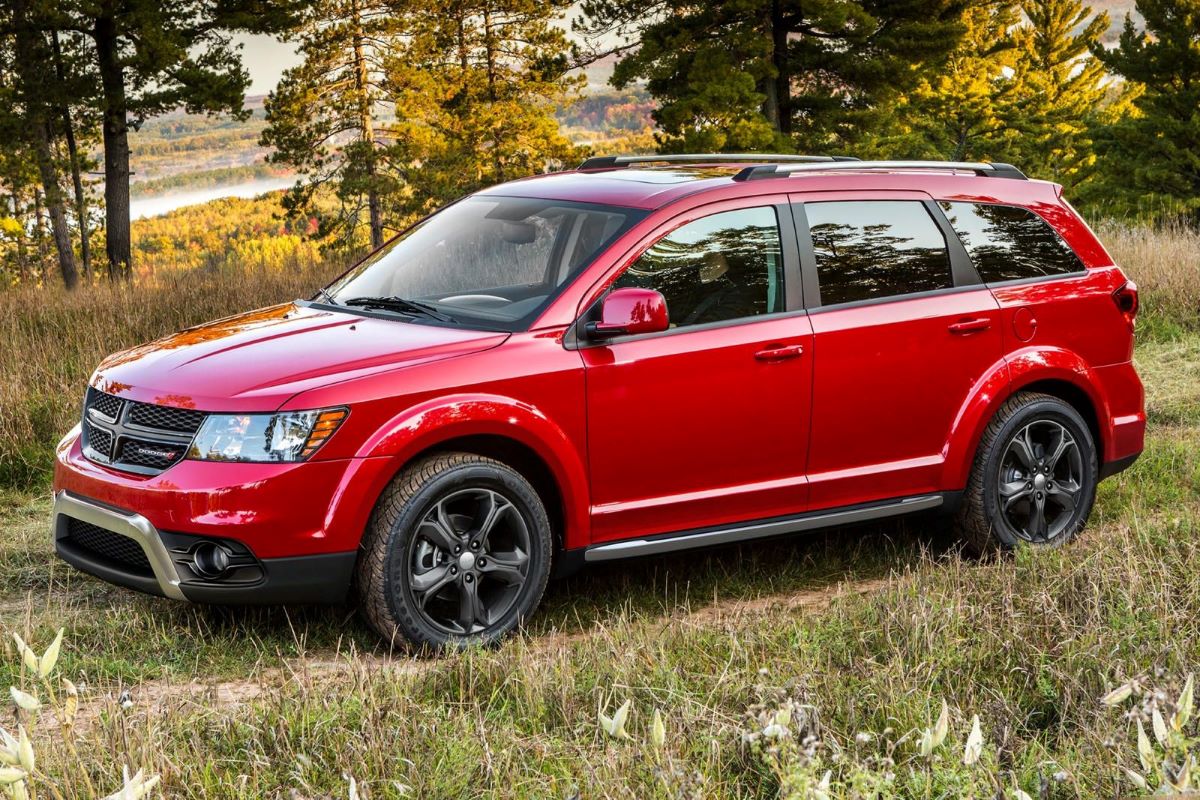
The Dodge Journey may look like an affordable family hauler, but it rarely survives Frisco’s demands gracefully. Weak engine options, outdated transmissions, and subpar cooling systems lead to frequent mechanical issues under load.
In hot weather, fully loaded Journeys tend to overheat, struggle on highways, and experience rapid drivetrain wear. While tempting for budget buyers, it often costs more in repairs than it saves at purchase.
Frisco’s explosive growth is exciting but it’s unforgiving to vehicles that aren’t built for real-world stress. Long commutes, Texas heat, constant development traffic, and family or business hauling expose weaknesses quickly.
Cars that thrive here share common traits: strong engines, proven transmissions, effective cooling systems, and conservative engineering.
Dodge updated the Journey for the 2015 model year, continuing the story of one of North America’s most affordable three-row midsize crossovers.
Despite its age, the 2015 Journey remained appealing thanks to a spacious and comfortable cabin. Depending on the trim, it was available with all-wheel drive, making it capable on unpaved roads, while its higher ground clearance helped it handle snow-covered streets. Safety-wise, it earned a respectable four-star rating in NHTSA crash tests.
The exterior retained Dodge’s signature crosshair grille, giving the Journey a confident front fascia. Swept-back headlights, however, reflected an older design era, predating the global financial crisis that delayed a full redesign.
Below, the wrapped-around plastic bumper featured new fog lamps and, on some trims, a silver accent mimicking a rock-sliding plate.
From the side, the Journey’s short front and rear overhangs encouraged off-road adventures, especially in the Crossroad trim. R/T buyers enjoyed a sportier look with lowered ground clearance and 19-inch aluminum wheels wrapped in low-profile tires. All trims featured wide, front-hinged doors for easy access.
A slightly sloped roofline added a touch of dynamism, and a third-row window nestled between the C- and D-pillars completed the profile. At the rear, the nearly vertical tailgate was flanked by smoked taillights with Dodge’s “ring of fire” LED motif, while single or dual exhausts were fitted depending on the engine.
Inside, the cabin welcomed passengers with a curved dashboard accented by subtle chrome trim around the vents. The driver faced a binocular-style instrument cluster with large speedometer and tachometer dials flanking an LCD readout. The center stack could be equipped with an 8.4-inch Uconnect touchscreen infotainment system.
Seating remained three-row with standard cloth upholstery, though the Crossroad trim offered premium leather. Thanks to “Flip-N-Stow” rear seats, folding the second and third rows created over 67 cubic feet (1,900 liters) of cargo space.
Powertrain options mirrored previous models. The base engine was a 2.4-liter inline-four paired with a four-speed automatic sending power to the front wheels. For more power, the top-tier 3.6-liter Pentastar V6 delivered over 200 horsepower, mated to a six-speed automatic and optional all-wheel drive.
Vehicles that fail often rely on underpowered engines, fragile transmissions, or cost-cutting designs that don’t hold up under sustained suburban load. For Frisco residents planning long-term ownership, choosing a car built for growth isn’t just smart it’s financially responsible.