
McKinney, Texas has quietly transformed from a small Collin County town into one of North Texas’s fastest-growing commuter hubs.
With new housing developments stretching outward, a revitalized historic downtown, and thousands of residents commuting daily to Plano, Frisco, Richardson, and even Dallas, vehicle choice matters more here than in many parts of the country.
McKinney drivers face a mix of long suburban arterials, stop-and-go school traffic, hot summers that punish cooling systems, and highway miles that add up fast.
A good commuter car in McKinney needs to be reliable, fuel-efficient, comfortable in traffic, and affordable to maintain over years of ownership not just impressive on the test drive.
Unfortunately, many cars that look appealing on the lot or promise luxury and performance can quietly bleed owners dry through maintenance costs, premium fuel requirements, insurance premiums, and repair bills that escalate as mileage climbs.
Below, we break down five cars that make genuine sense for McKinney daily commuters and five that often rack up bills faster than most drivers expect.
Cars That Work for McKinney Daily Commuters
For McKinney residents who tackle daily commutes, whether it’s crossing town to work, heading south toward Plano and Dallas, or managing school runs and errands, having the right car can turn a routine drive into a smoother, more enjoyable part of the day.
With growing traffic volumes and a mix of suburban and urban roadways, McKinney commuters need vehicles that deliver comfort, efficiency, and reliability without breaking the bank.
In this section, we’ll spotlight cars that fit the everyday needs of McKinney’s commuters: models with strong fuel economy for highway miles, responsive handling for busy surface streets, roomy interiors for passengers and cargo, and proven durability for consistent performance year after year.
Whether you’re tackling rush-hour traffic or setting out on a weekend getaway, these cars are practical choices for the rhythm of life in McKinney.
1. Toyota Corolla
The Toyota Corolla continues to be one of the most sensible commuter cars in suburban Texas, and McKinney is no exception.
Daily commutes along US-75 or Sam Rayburn Tollway reward predictability, fuel efficiency, and mechanical simplicity three things the Corolla delivers better than almost anything else on the road.
Its four-cylinder engine handles highway cruising effortlessly while returning excellent fuel economy, even in heavy traffic and high heat.
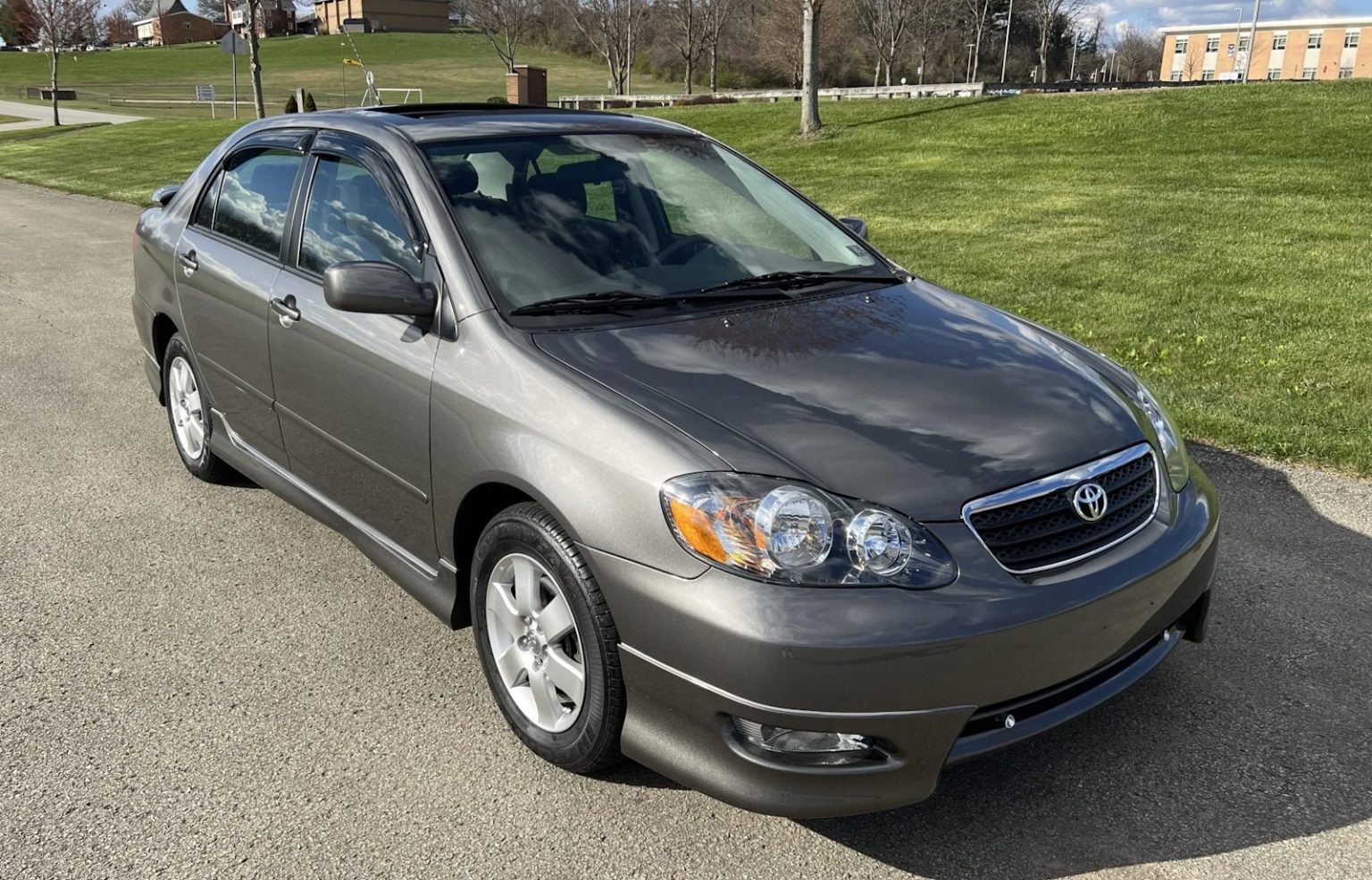
More importantly for McKinney drivers, Corollas have a long-standing reputation for lasting well past 200,000 miles with basic maintenance.
Ownership costs are where the Corolla truly shines. Parts are widely available in North Texas, independent mechanics are familiar with the platform, and insurance premiums remain modest.
For commuters who prioritize reliability over flash and want a car that simply starts every morning regardless of summer heat the Corolla remains a top-tier choice.
The Corolla is powered by a 2.0-liter four-cylinder engine producing 169 horsepower, delivering power to the front wheels through a continuously variable automatic transmission (CVT).
Every hatchback version uses this same setup, while the sedan lineup also includes an available hybrid drivetrain. In our evaluations of the Corolla SE hatchback and the Corolla XSE sedan, we found that even the most powerful engine option fails to provide truly satisfying acceleration.
That said, both versions proved to be efficient in city driving and remained composed and consistent at highway speeds. On the downside, pushing the car hard results in rough engine noises that detract from its overall sense of refinement.
The all-wheel-drive hybrid model we tested reached 60 mph in a relatively slow 9.0 seconds, and the most recent hatchback we tested completed the same run in 8.3 seconds.
Both the Corolla sedan and hatchback deliver a comfortable ride that effectively filters out most road imperfections aside from the harshest bumps. Improved body control also gives them more agility than earlier generations.
The SE and XSE trims stand out further thanks to a firmer, sport-oriented suspension setup, with the XSE additionally benefiting from larger 18-inch wheels, while other trims ride on 15- or 16-inch wheels.
Even so, when compared with more engaging and performance-focused competitors like the Mazda 3 and Honda Civic, the Corolla’s progressive steering feels competent but not outstanding.
Although neither body style posted impressive stopping distances in our 70-mph-to-zero braking test, taking between 174 and 183 feet, the brake pedal feel was consistent and provided confident, predictable response.
2. Honda Civic
The Honda Civic offers a slightly sportier feel than the Corolla while maintaining the same commuter-friendly fundamentals. McKinney drivers who spend time in traffic but still want responsive handling and modern tech often gravitate toward the Civic.
Its cabin is comfortable for longer drives into Dallas, and recent models offer strong driver-assistance features that reduce fatigue during congested commutes.
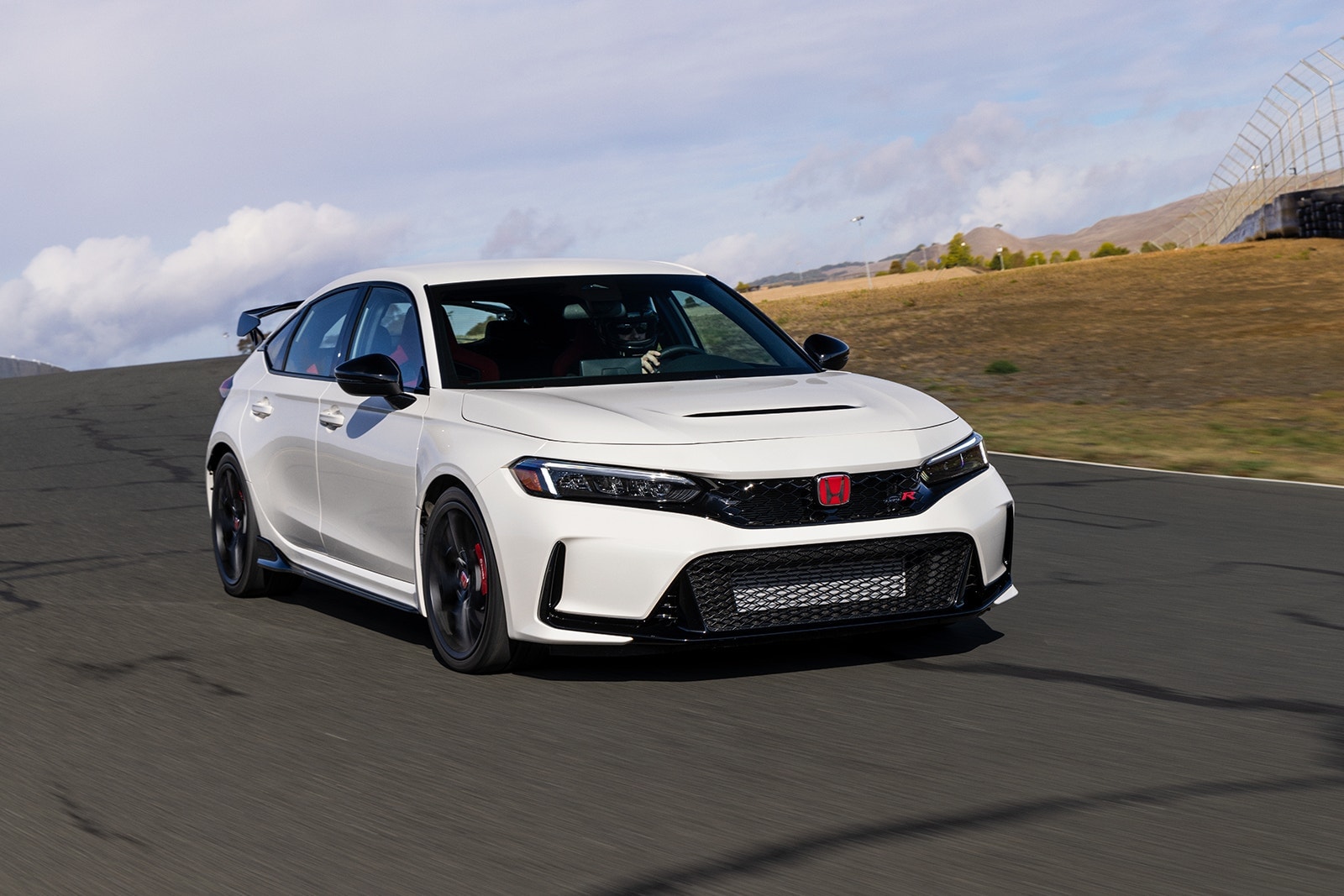
Civics also hold value exceptionally well, which matters in fast-growing suburban markets where vehicle turnover is common.
Maintenance costs stay reasonable, fuel economy is strong, and Honda’s engineering reputation means fewer unexpected repairs. For daily commuters who want efficiency without sacrificing driving enjoyment, the Civic remains a reliable workhorse.
3. Toyota Camry
For commuters who want more space and highway comfort without stepping into SUV territory, the Toyota Camry fits McKinney’s driving profile well.
Many residents commute 30–45 minutes each way, and the Camry’s quiet ride, stable highway manners, and strong climate control make those miles far less draining especially during triple-digit summer days.
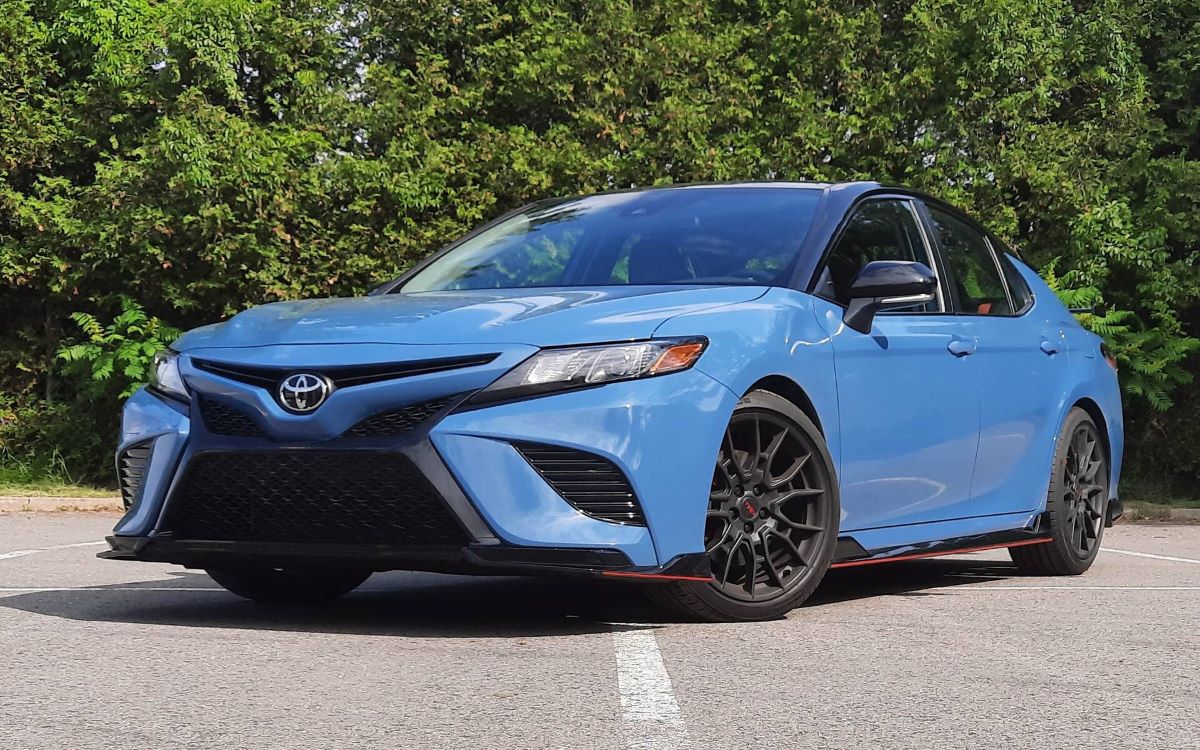
The Camry’s reliability record is one of the strongest in the midsize segment, and ownership costs remain predictable even as mileage increases.
Its ability to handle stop-and-go traffic, long highway stretches, and family duties simultaneously makes it a versatile choice for McKinney households that want one car to do everything well.
The standard four-cylinder engine is matched with a smooth-shifting eight-speed automatic transmission, but its acceleration performance falls short of expectations.
A detuned version of that engine is paired with a battery pack and two electric motors in the Camry hybrid, yet it delivers a driving experience that’s no more engaging than the base setup.
The standout option in the range is the silky 301-horsepower V-6, which is offered on the XLE and XSE trims as well as the TRD model. We can also say with confidence that the Camry is no longer a chore to drive.
It offers a well-controlled ride along with handling that’s more responsive than anticipated. The steering has a nicely balanced weight, feeling solid and reassuring in corners while remaining light and easy during low-speed parking maneuvers.
During our testing, the Camry’s brake pedal proved to be responsive without feeling overly soft, even in the hybrid model, where the system has to seamlessly blend traditional friction braking with regenerative braking that recaptures energy to recharge the hybrid battery.
4. Mazda3
The Mazda3 often flies under the radar, but for McKinney commuters it offers an excellent balance of reliability, fuel economy, and driving engagement.
Its steering and suspension tuning make suburban commutes more enjoyable without sacrificing comfort, and its compact size is well-suited to parking around downtown McKinney or crowded school zones.
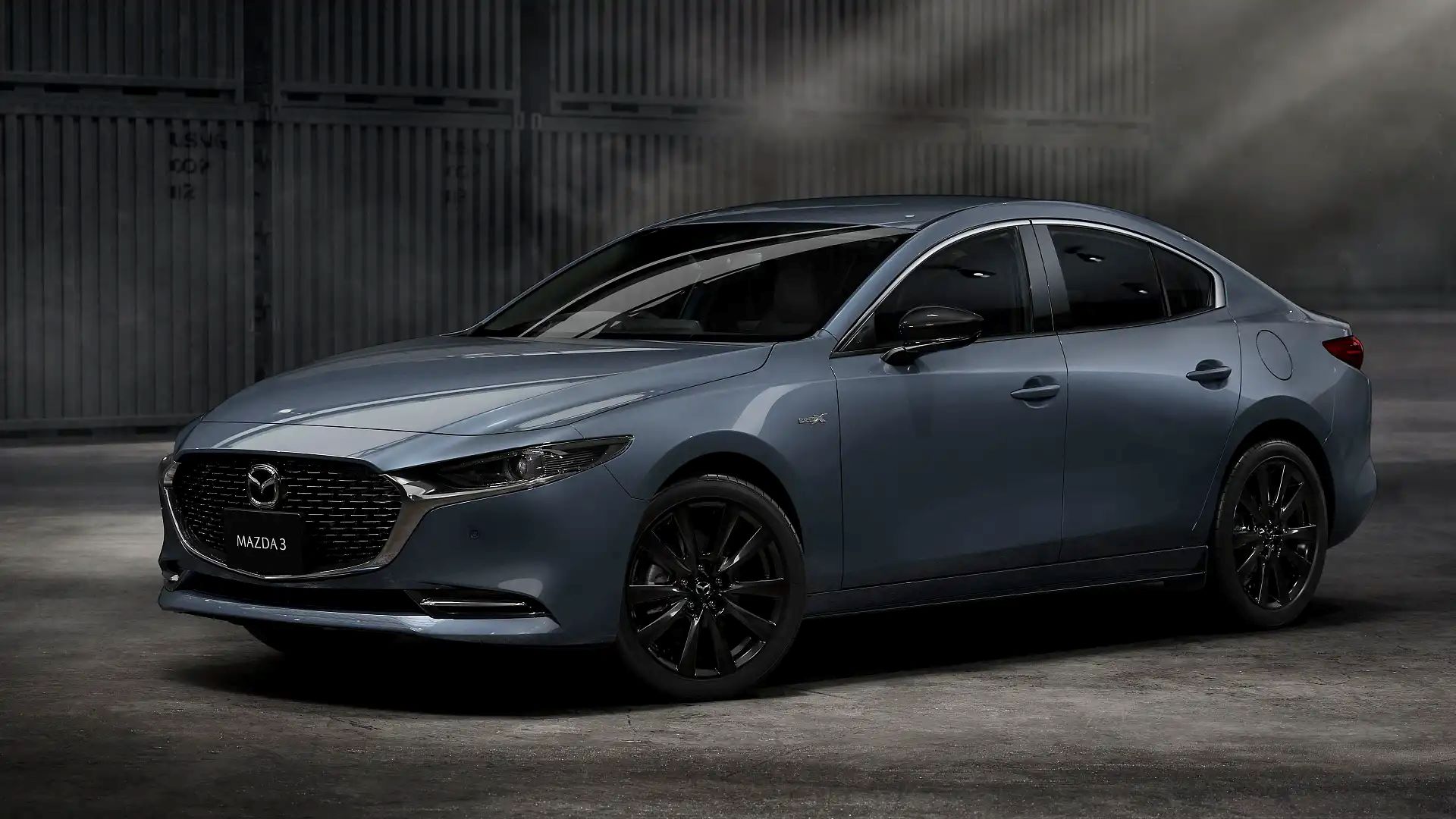
Mazda’s modern engines are naturally aspirated and avoid many of the complexity issues found in turbocharged rivals, keeping long-term maintenance costs manageable.
For drivers who want something practical but not boring, the Mazda3 delivers commuter value without premium-brand pricing.
5. Hyundai Elantra
The Hyundai Elantra has become increasingly popular among North Texas commuters thanks to its generous warranty coverage and improving reliability record.
For McKinney residents who want peace of mind, Hyundai’s long powertrain warranty helps offset concerns about long-term ownership.

Fuel economy is strong, interior technology is competitive, and repair costs remain reasonable.
While it may not have the resale reputation of Toyota or Honda, the Elantra’s low upfront cost and modern features make it a smart option for budget-conscious commuters who still want new-car comfort.
The standard four-cylinder engine doesn’t provide much punch. The Elantra recorded a 0–60 mph time of 9.4 seconds, which is slower than what’s typical for the compact sedan segment.
While that performance isn’t outright poor, it does mean that merging onto highways or passing at speed can feel sluggish and require some patience.
The available power is routed through a continuously variable automatic transmission that Hyundai has clearly optimized for fuel efficiency rather than excitement.
As a result, it isn’t especially rewarding for aggressive driving. In everyday use, however, the transmission operates smoothly, and the commonly criticized CVT drone is kept to a relatively minimal level.
In most other respects, the Elantra delivers an average driving experience. It navigates corners reasonably well for a small sedan, remaining predictable and composed, and it doesn’t get unsettled easily when encountering uneven pavement.
Drivers looking for a more engaging, sporty feel will want to consider the N Line trim, which adds a suspension tuned specifically for more dynamic driving.
Although the Elantra comes with a strong selection of driver-assistance features, many of them are optional and require stepping up to higher trims or packages. The upside is that these systems perform exceptionally well in real-world driving.
The complete suite stands out as one of the better modern setups, offering smooth adaptive cruise control and effective lane-centering assistance. Throughout our testing, the systems operated cleanly without generating unnecessary or false alerts.
Cars That Often Rack Up Bills in McKinney
In McKinney’s mix of suburban roads and growing traffic, some cars may seem attractive at first glance but quickly become costly to own and maintain.
Vehicles with complex systems, pricey parts, or limited local service options can end up racking up bills for routine repairs, unexpected breakdowns, or specialized maintenance. For daily commuters and family drivers alike, these hidden costs can outweigh any initial appeal.
Below, we’ll break down the types of cars that often lead to higher ownership expenses in McKinney, whether due to fuel inefficiency, frequent service needs, expensive replacement parts, or specialist-only repairs.
Understanding which vehicles tend to drive up bills can help you choose smarter, more cost-effective transportation that fits both your lifestyle and your budget.
1. BMW 3 Series
The BMW 3 Series is often marketed as the ultimate daily driver, but in McKinney’s real-world commuting conditions, ownership costs can climb quickly.
While the driving experience is undeniably engaging, repair and maintenance costs escalate sharply once warranty coverage ends.
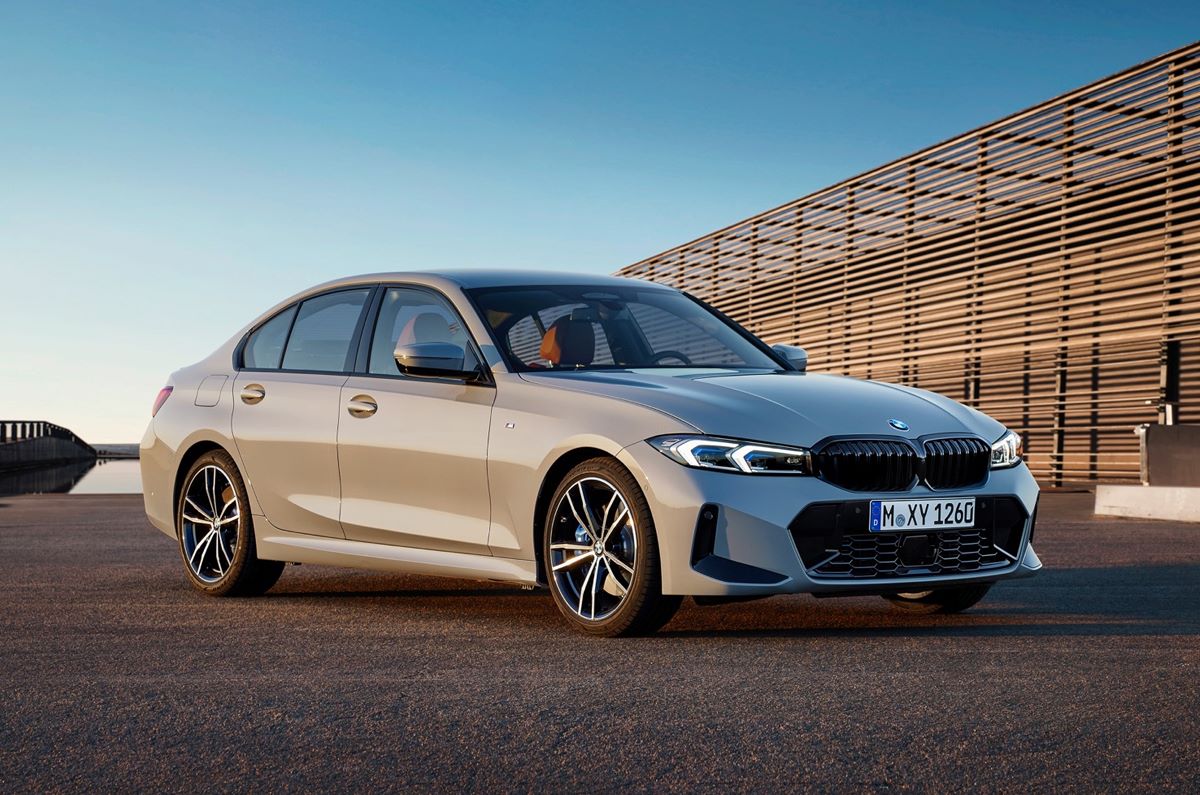
High summer temperatures strain cooling systems, and even routine services come at a premium compared to mainstream brands.
Insurance costs are higher, parts are expensive, and specialized service is often required. For McKinney commuters putting heavy mileage on their vehicles, the 3 Series frequently becomes a financial burden rather than a rewarding daily driver.
2. Audi A4
The Audi A4 offers refined interiors and advanced technology, but daily commuting exposes its weaknesses over time.
Complex electronics, turbocharged engines, and sophisticated transmissions increase the likelihood of costly repairs as mileage accumulates.
In suburban Texas, where long commutes are the norm, these issues surface sooner than many buyers expect.
Audi ownership often requires dealership-level service, and repair bills can be significant even for relatively minor issues. For drivers focused on long-term affordability, the A4’s luxury appeal rarely offsets its ownership costs.
The A4 sits within Audi’s lineup as one of the brand’s smaller sedans. It’s positioned above the A3, shares space with the A5 Sportback, and slots below the larger A6 and A8.
The current B9-generation A4 first arrived for the 2017 model year and received a refresh in 2020, with this latest model year introducing a few additional features and new exterior color choices.
The A4 leaves a strong impression of quality. The interior is spacious for its class, feels solidly constructed, and incorporates attractive materials throughout the cabin.
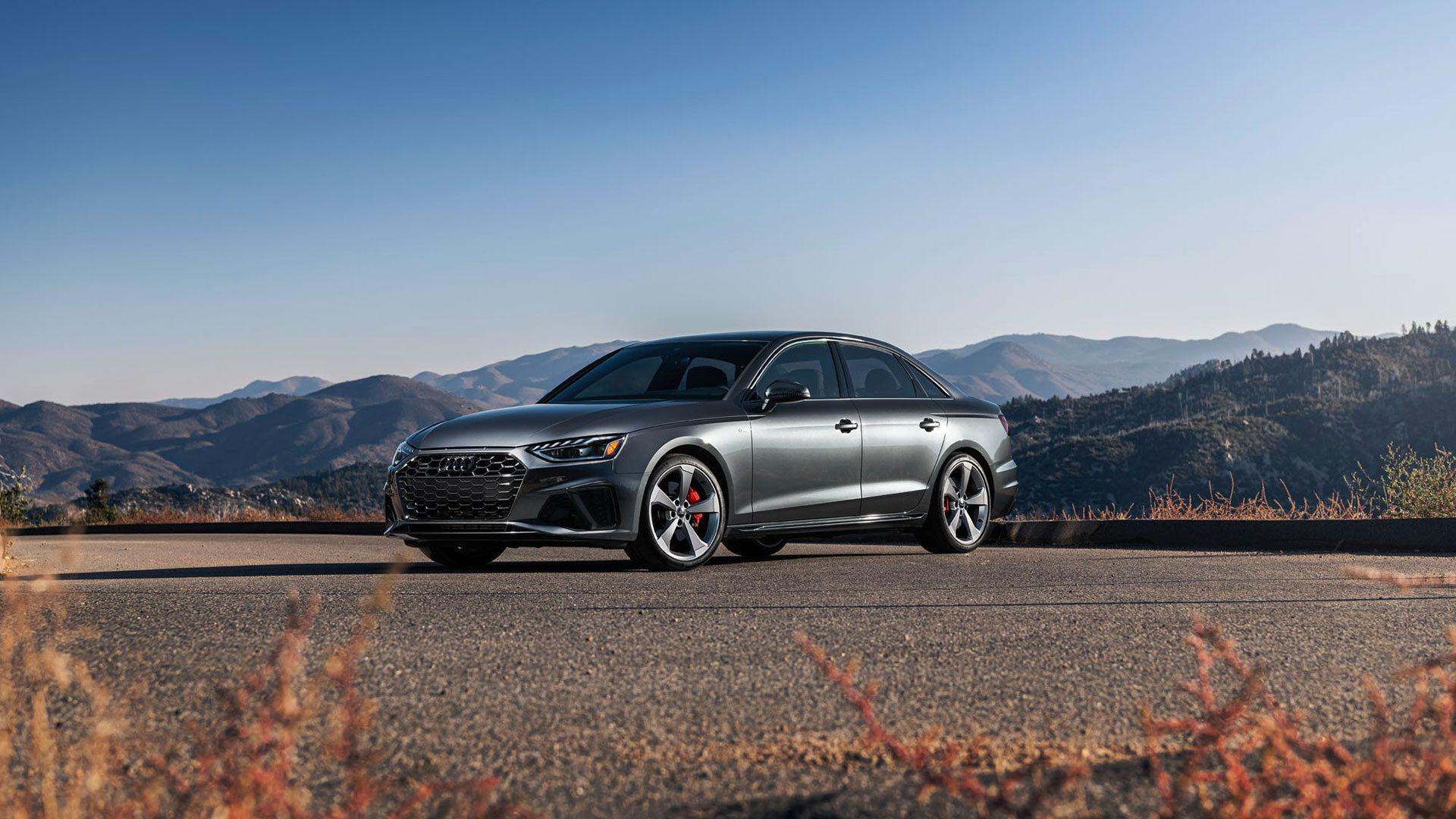
We also appreciate the technology on offer, though we would prefer to see more driver-assistance features included as standard equipment. Even so, when properly optioned, the A4 proves to be a capable long-distance cruiser and a comfortable, refined daily driver.
The A4 Allroad wagon stands out as a stylish alternative to a traditional SUV, though it does come with a few compromises. Its increased ride height negatively affects ride comfort, and the Audi Q5 crossover offers greater cargo capacity while also carrying a lower starting price.
We encourage buyers to choose the wagon. If consumers stop buying wagons altogether, manufacturers will eventually stop making them.
While the Tesla Model 3 currently leads our compact luxury rankings thanks to its versatility, the A4 remains the strongest gasoline-powered option in the segment, particularly for buyers who are hesitant about Tesla’s inconsistent build quality and unconventional control layout.
Every A4 is powered by a version of Volkswagen Group’s widely used 2.0-liter turbocharged four-cylinder engine, an adaptable powerplant found in models ranging from the Volkswagen Arteon to the Audi TT and even the Porsche Macan.
In the A4, this engine is paired with a seven-speed dual-clutch automatic transmission, and all-wheel drive comes standard across the lineup.
The base A4 40 TFSI uses a lower-output version of the engine that produces 201 horsepower and 236 lb-ft of torque.
Audi estimates this configuration can accelerate from 0 to 60 mph in 6.3 seconds, and we expect fuel economy to match last year’s ratings of 26 mpg city and 34 mpg highway.
Stepping up to the A4 45 TFSI or the A4 Allroad increases output to 261 horsepower and 273 lb-ft of torque, reducing the 0–60 mph time to a claimed 5.3 seconds for the sedan and 5.5 seconds for the wagon.
3. Jeep Grand Cherokee
The Jeep Grand Cherokee looks like a perfect fit for Texas roads, but for McKinney commuters it often proves inefficient and expensive.
Fuel consumption is significantly higher than midsize sedans, and reliability concerns especially with electronics and transmissions can lead to unexpected repairs.
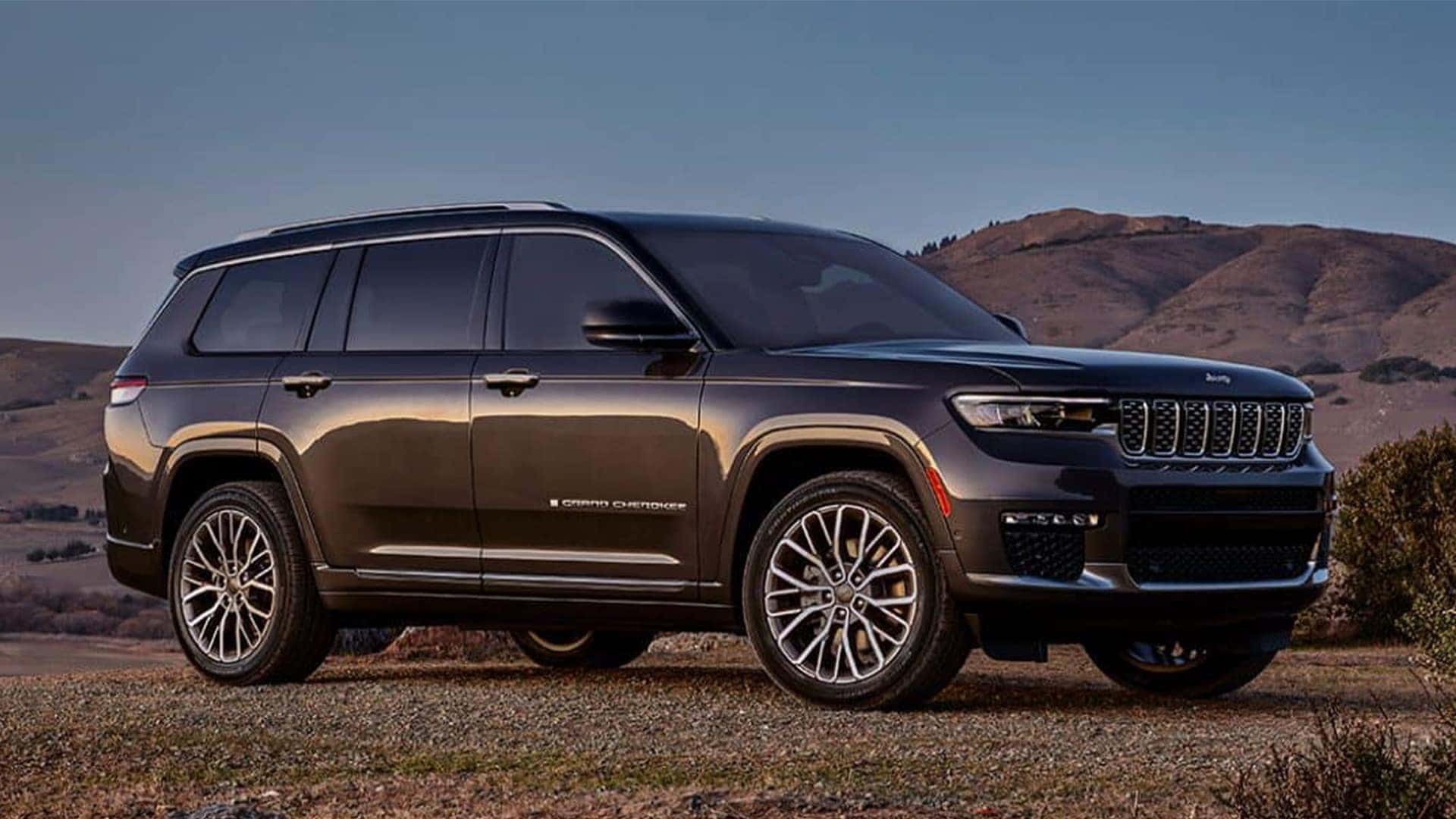
Daily commuting magnifies these problems, turning what should be a comfortable SUV into a costly necessity. For drivers who rarely venture off-road, the Grand Cherokee’s capabilities go largely unused while its maintenance costs remain unavoidable.
4. Mercedes-Benz C-Class
The Mercedes-Benz C-Class appeals to commuters who want luxury status, but ownership costs tend to escalate rapidly with mileage.
Premium fuel requirements, expensive scheduled maintenance, and complex systems make the C-Class a poor match for high-mileage suburban commuting.
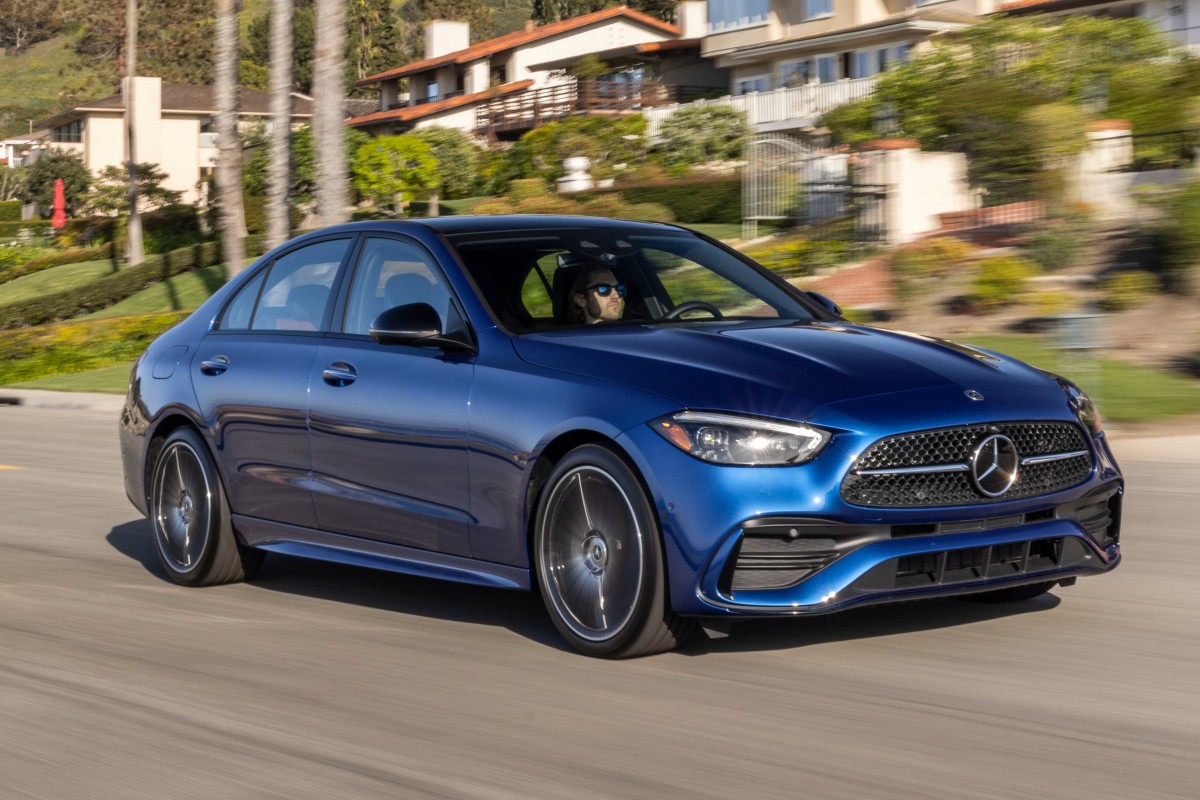
In McKinney’s heat, air suspension components, electronics, and cooling systems face added strain. Once warranty coverage expires, repair costs can exceed what many commuters budget for transportation, making the C-Class a risky long-term choice.
Every 2023 C-Class sedan is powered by the same turbocharged 2.0-liter four-cylinder engine rated at 255 horsepower, and each carries the C300 badge on its sculpted trunk lid.
This turbocharged four-cylinder is paired with a 48-volt mild-hybrid system that can briefly contribute up to an additional 20 horsepower when needed.
Rear-wheel drive comes standard, while all-wheel drive remains available as an option, and a nine-speed automatic transmission is the sole gearbox offered across the lineup.
In our testing, the all-wheel-drive C300 4Matic accelerated from 0 to 60 mph in 5.3 seconds, edging out the previous-generation C-Class by a tenth of a second.
As expected from a compact sport sedan, handling is agile, though we were let down by the limited steering feedback and a ride quality that felt overly firm and brittle.
Braking performance was strong, with the C300 coming to a stop from 70 mph in just 154 feet, but we would prefer a brake pedal with a firmer, more confidence-inspiring feel.
The C300 coupe and convertible models, which continue for 2023 on the prior-generation C-Class platform, are also powered by a turbocharged four-cylinder producing 255 horsepower, though these versions do not utilize the same 48-volt hybrid assistance found in the sedan.
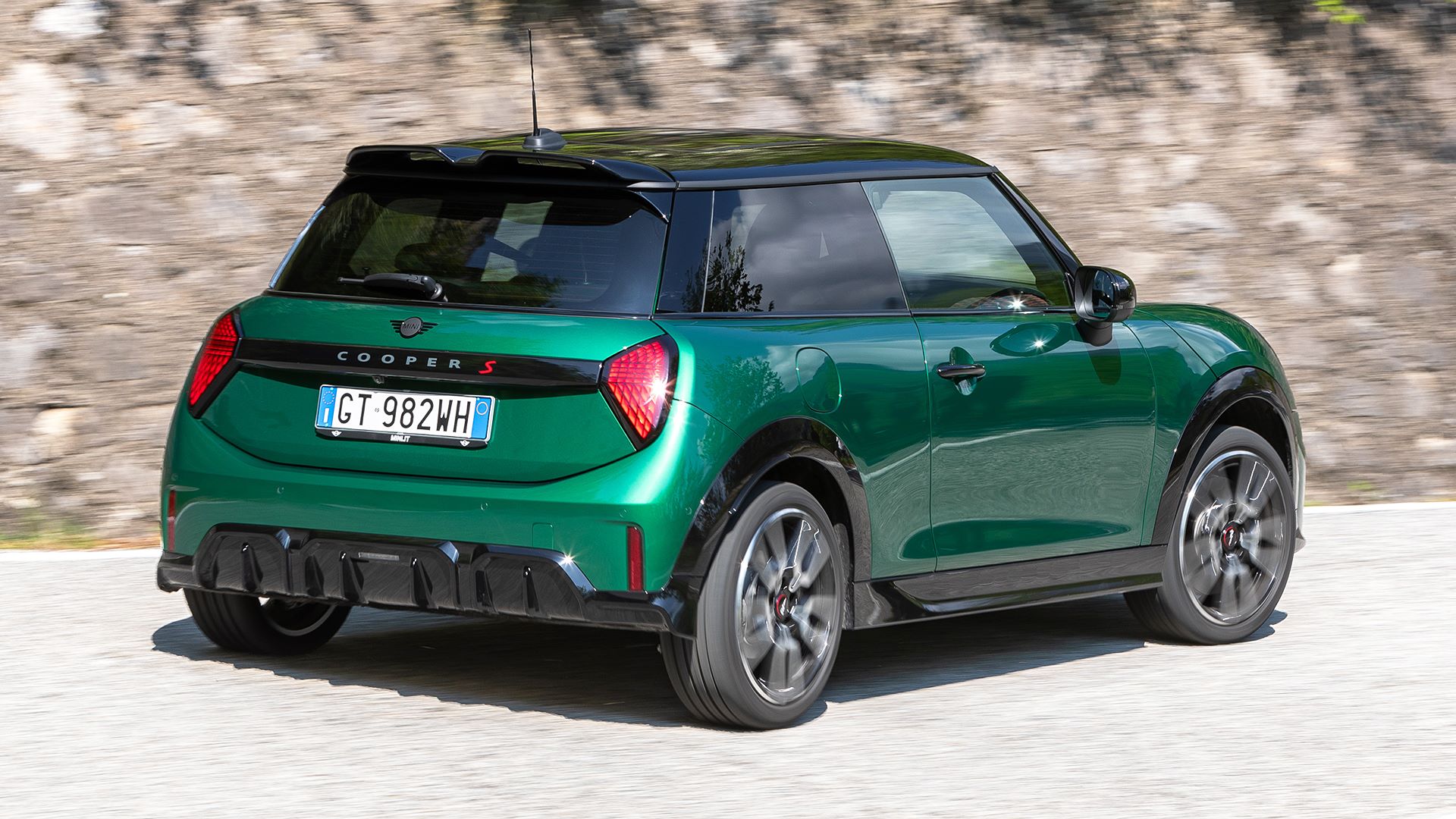
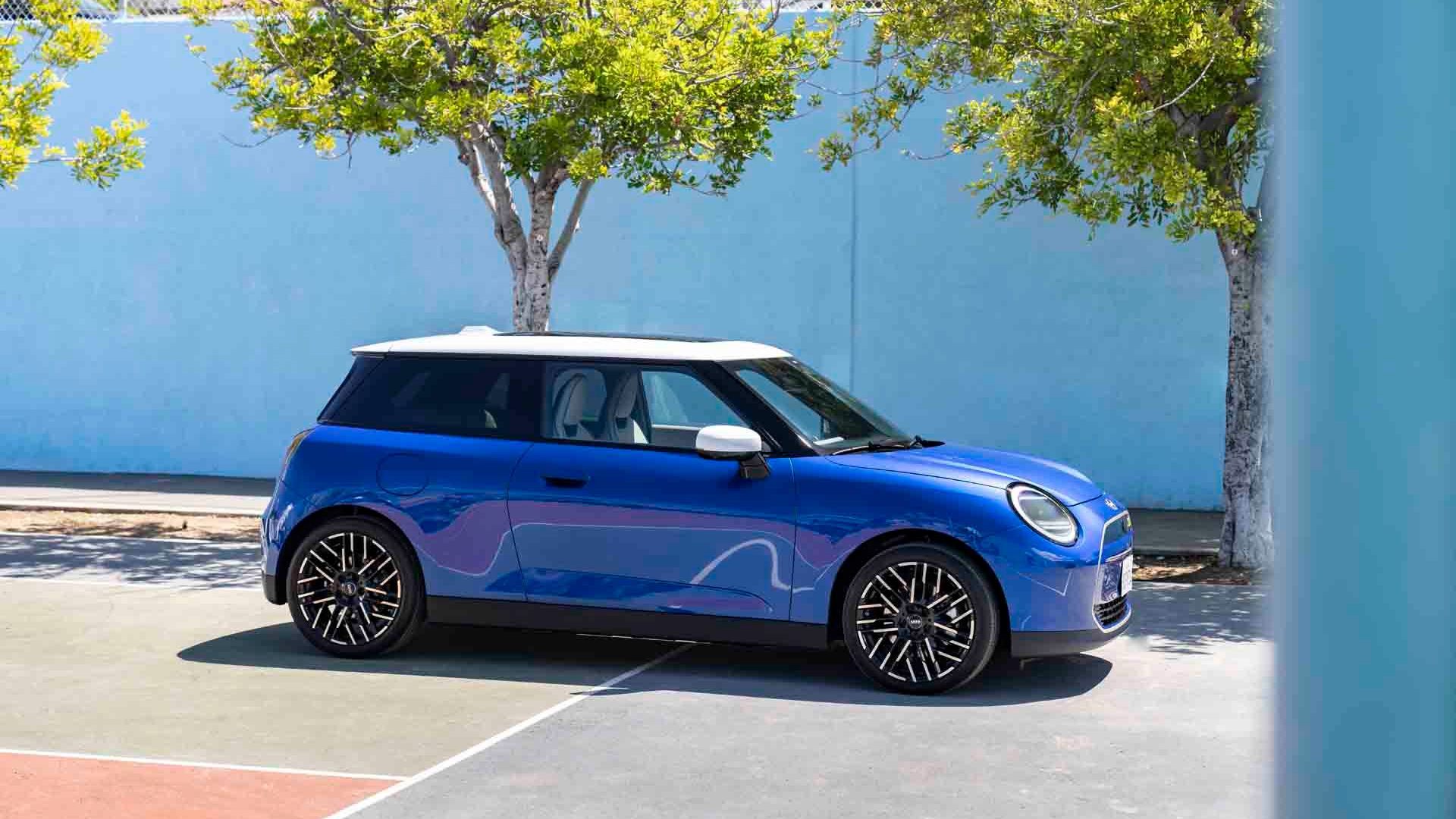
5. Mini Cooper
The Mini Cooper’s compact size might seem ideal for commuting, but its reliability record and maintenance costs tell a different story. Tight engine bays make repairs labor-intensive, and turbocharged engines introduce complexity that doesn’t age well under daily driving conditions.
For McKinney commuters racking up miles year after year, Mini ownership often becomes a cycle of frequent repairs and rising bills. What begins as a fun, stylish choice can quickly turn into a financial headache.
McKinney’s growth has reshaped daily driving patterns, turning once-short trips into extended commutes that demand dependable, efficient transportation.
The best commuter cars in this environment prioritize reliability, fuel economy, and manageable maintenance costs over luxury badges or performance promises.
Vehicles like the Corolla, Civic, Camry, Mazda3, and Elantra consistently deliver lower ownership costs and fewer surprises, key factors for residents balancing work, family, and rising living expenses.
At our test track, the Cooper S accelerated from 0 to 60 mph in 6.4 seconds, matching the performance of a Mazda Miata. While that’s respectable, the Cooper S no longer delivers the playful handling it was once known for.
The latest model feels less balanced and lacks grip when cornering, and the automatic transmission only offers showy shifts, there are no paddle shifters for manual control, which is disappointing for a car designed to be engaging and fun to drive.
Ride quality in the sporty hatchback is firm but not overly harsh. Drivers will notice larger bumps in the road, particularly toward the front of the car, but overall it remains manageable.
Our test Cooper S was equipped with several modern driver-assistance features, including blind-spot monitoring, lane-keeping assistance, adaptive cruise control, and a surround-view camera system. All of these systems performed well in our testing.
Cargo space is limited in the Mini Cooper. To gain a truly usable area, the rear seats must be folded down, essentially turning the car into a two-seater.
Its hatch is smaller than competitors like the Honda Civic Hatchback or Volkswagen Golf GTI, and storage for smaller items is somewhat lacking, there’s no center console bin, though some storage is available in door pockets and beneath the center touchscreen.
Build quality, however, is a strong point. The Mini Cooper boasts an upscale interior with high-quality materials and minimal use of cheap plastics, making it one of the nicest cabins in its class.
Ultimately, whether the Cooper S represents good value depends on perspective. It’s priced lower than a fully loaded Volkswagen Golf GTI but higher than a Honda Civic Hybrid Hatchback, which offers similar horsepower and a comparably well-appointed interior.
On the other hand, cars that rely on complex systems, premium servicing, and luxury branding often struggle under the demands of daily suburban commuting.
While they may impress initially, the long-term financial reality can be frustrating for McKinney drivers who simply need a car that works every day without draining their budget.
In a city built around steady growth and daily mobility, the smartest commuter car is one that quietly does its job year after year leaving more money and energy for everything else McKinney has to offer.
