
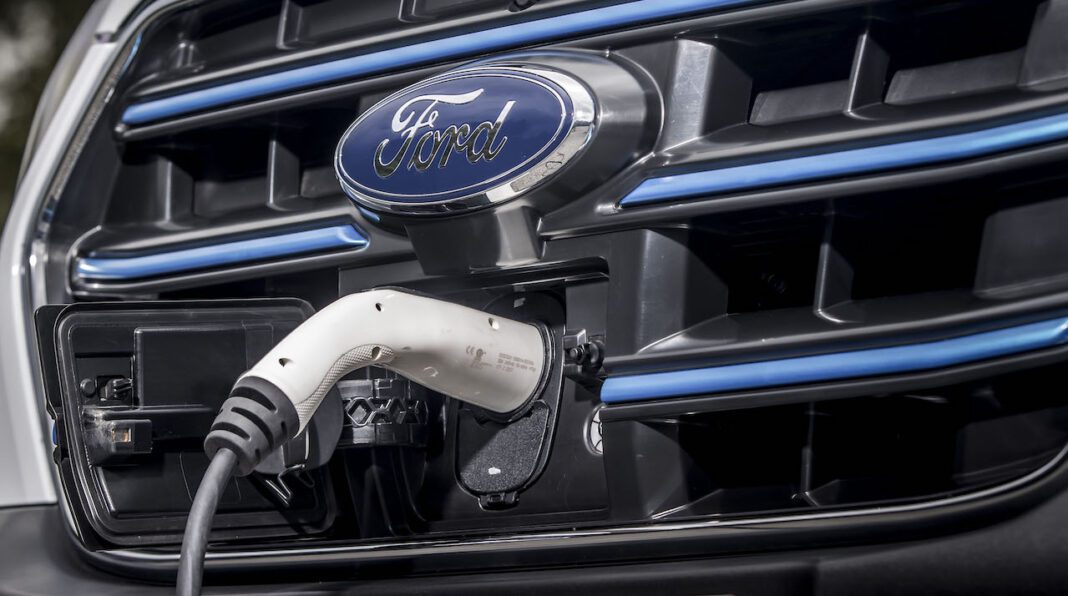
Ford has officially pulled the plug on a $6.5 billion EV battery supply agreement with South Korea’s LG Energy Solution, cancelling a major contract that was intended to support Ford’s European electric vehicles well into the next decade.
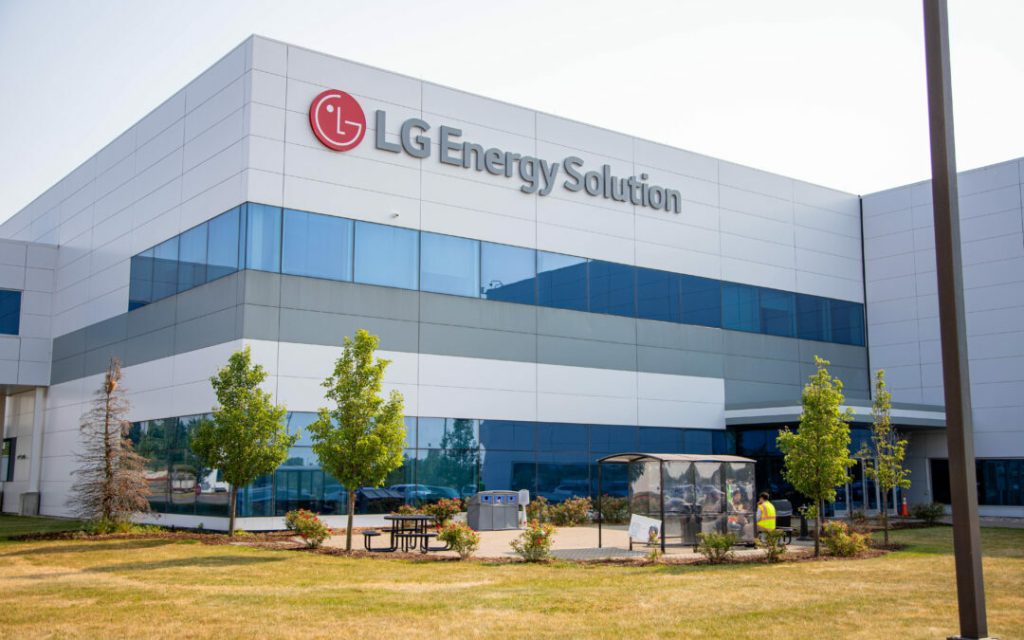
Ford’s decision to exit the agreement was disclosed by LG Energy Solution in a regulatory filing, which confirmed that the order, valued at 9.6 trillion won, was terminated at Ford’s request. The cancelled contracts were meant to supply batteries for European-built Ford EVs through the late 2020s and into the early 2030s.
The move underscores just how aggressively Ford is reshaping its EV roadmap. As the company shifts its focus toward smaller, lower-cost electric vehicles and leans more heavily on hybrids, long-term, high-dollar battery commitments are increasingly being viewed as liabilities rather than strategic advantages.
The now-defunct deal was signed in October 2024 and structured as two long-term supply agreements. Under the plan, LG Energy Solution would have produced battery packs at its facility in Poland, delivering tens of gigawatt-hours of capacity over several years.
For LG, the contract represented a cornerstone of its European operations, helping to boost utilisation at a plant that has reportedly been running well below capacity. Losing that anchor customer creates a significant gap, both operationally and financially.
Ford, however, has informed LG that it is either halting or scaling back several EV programs that were supposed to rely on those battery packs. That shift aligns with a broader strategic reset already in motion.
As Ford adjusts its model mix and timelines, the financial logic behind a multi-billion-dollar, dedicated battery supply agreement has clearly unraveled.
The battery deal cancellation dovetails neatly with Ford’s ongoing effort to stabilize and streamline its European business. The automaker has hinted that familiar nameplates could return in radically different forms, including the possibility of reviving the Ford Fiesta as an electric vehicle.
Crucially, smaller and more affordable EVs demand a very different approach to batteries. That means lower costs, flexible sourcing, and tighter control over capital spending, not massive, locked-in supply agreements tied to specific models and production volumes.
Ford is also increasingly open to collaboration. A recently announced partnership with Renault highlights its willingness to share platforms and powertrains to reduce development costs and accelerate product plans.
Walking away from the LG Energy Solution deal gives Ford far more freedom to rethink what batteries it buys, where they’re sourced, and how they’re allocated, rather than remaining tied to a European EV strategy that no longer reflects market realities.
For LG Energy Solution, losing a customer the size of Ford on a contract of this magnitude is a serious setback. The company now has to find new buyers for capacity it expected to be fully committed through at least the early 2030s, all while Western automakers are slowing EV rollouts and reexamining long-term supply obligations.
Ford, meanwhile, is making a calculated bet. By prioritizing flexibility and focusing on affordable EVs and hybrids, the company believes it can better navigate shifting demand and rising costs. That strategic pivot may ultimately pay off, but for now, the fallout from the decision is being felt most sharply in Seoul.
Also Read: 10 Best Diesel Trucks Still Available to Buy Today
