
Morning commutes and evening returns define how drivers experience their vehicles more than occasional weekend outings. For people who spend time in traffic, comfort, predictability, and efficient cabin cooling become essential.
A reliable air conditioning system can be just as important as fuel economy or smooth handling. Cars that provide fast, consistent cooling without requiring constant adjustment make daily travel more manageable and less stressful.
Some vehicles perform exceptionally well in this environment. They deliver even airflow throughout the cabin, offer intuitive controls, and maintain functionality over years of use without frequent service interruptions.
These systems quietly support daily routines, letting drivers focus on traffic and schedules rather than battling inconsistent cooling. Their dependability transforms commuting into a more pleasant experience.
Other models encounter difficulties as mileage increases. Air conditioning may weaken, airflow can become uneven, and components like compressors or condensers may require repeated attention. Frequent refrigerant recharges, or service visits, can become part of routine ownership, creating frustration and extra costs.
These issues can overshadow otherwise appealing features, turning a reliable vehicle into a source of annoyance during daily drives. This page distinguishes between vehicles that provide dependable comfort and those that demand ongoing attention.
The first section highlights cars that excel in regular commuting, offering reliable cooling, intuitive operation, and manageable ownership costs. The second section focuses on vehicles prone to air conditioning problems that can disrupt comfort, require repeated maintenance, and impact the total satisfaction of everyday use.
Each vehicle is analyzed individually, emphasizing cabin comfort, system durability, and suitability for consistent daily driving. What follows is a detailed and practical guide for drivers who prioritize reliability and comfort in their everyday travel.
This breakdown is designed to help you make informed decisions about which vehicles are best suited for smooth, stress-free daily travel.
4 Cars for Bradenton Commuting
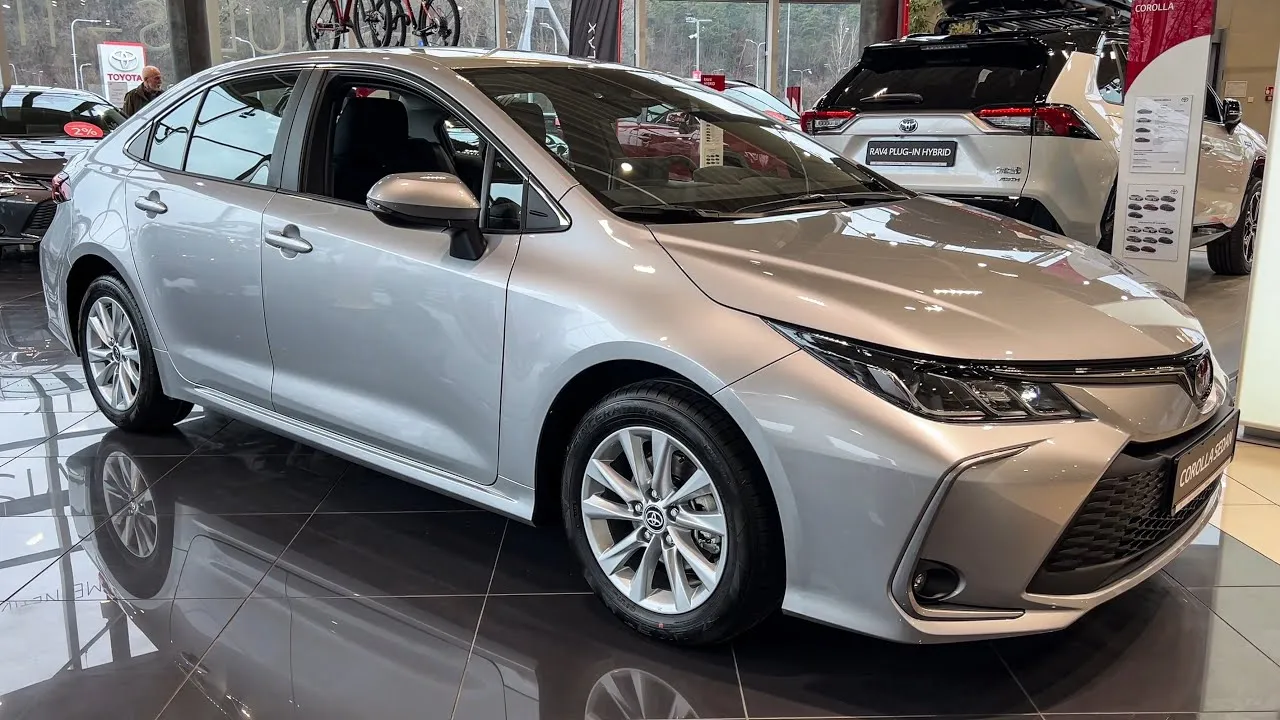
1. Toyota Corolla 2024
Reliability defines the Toyota Corolla 2024 in ways that directly affect everyday commuting. This compact sedan delivers a dependable driving experience, and its climate control system reflects the same philosophy.
Air conditioning provides consistent cooling, performing well during short errands as well as extended trips. Temperature adjustments happen smoothly, and airflow reaches the cabin efficiently, offering comfort without delays or surprises.
The system responds quickly once the car starts, helping the cabin reach a comfortable temperature in minutes, even on hot afternoons when the vehicle has been parked in direct sunlight. Controls are intuitive, allowing drivers to adjust fan speed and temperature with minimal distraction.
Air is distributed evenly, ensuring that passengers in all seats enjoy a balanced environment rather than uneven pockets of cool and warm air. This predictability enhances daily driving comfort, especially in climates where warm weather is common.
Engineering simplicity contributes to long-term reliability. Components such as compressors, condensers, and related parts are designed for durability rather than experimental performance.
This reduces the likelihood of premature failure and keeps maintenance manageable. Routine inspections often suffice to maintain performance, and major repairs are uncommon, which helps owners avoid unexpected expenses.
Interior design supports both comfort and practicality. Climate controls are logically placed for easy reach, while vents are positioned to circulate air efficiently without creating overly strong drafts.
Seating materials resist heat absorption, maintaining a pleasant feel even before the air conditioning fully engages. These details combine to create a cabin environment that feels thoughtfully designed for commuter convenience.
Fuel efficiency complements the climate system by reducing engine strain, indirectly supporting consistent AC performance. Maintenance and insurance costs remain reasonable, contributing to a low-stress ownership experience.
Drivers can rely on the Corolla for both comfort and economy, making it an appealing choice for daily travel without constant monitoring or intervention.
Toyota Corolla 2024 provides a reliable, comfortable, and predictable commuting experience. Its dependable air conditioning, user-friendly interior, and straightforward maintenance make it a practical choice for anyone who values comfort and consistency in a compact sedan.
This combination of traits ensures the vehicle supports daily routines rather than creating extra challenges, letting owners focus on driving instead of troubleshooting climate control issues.
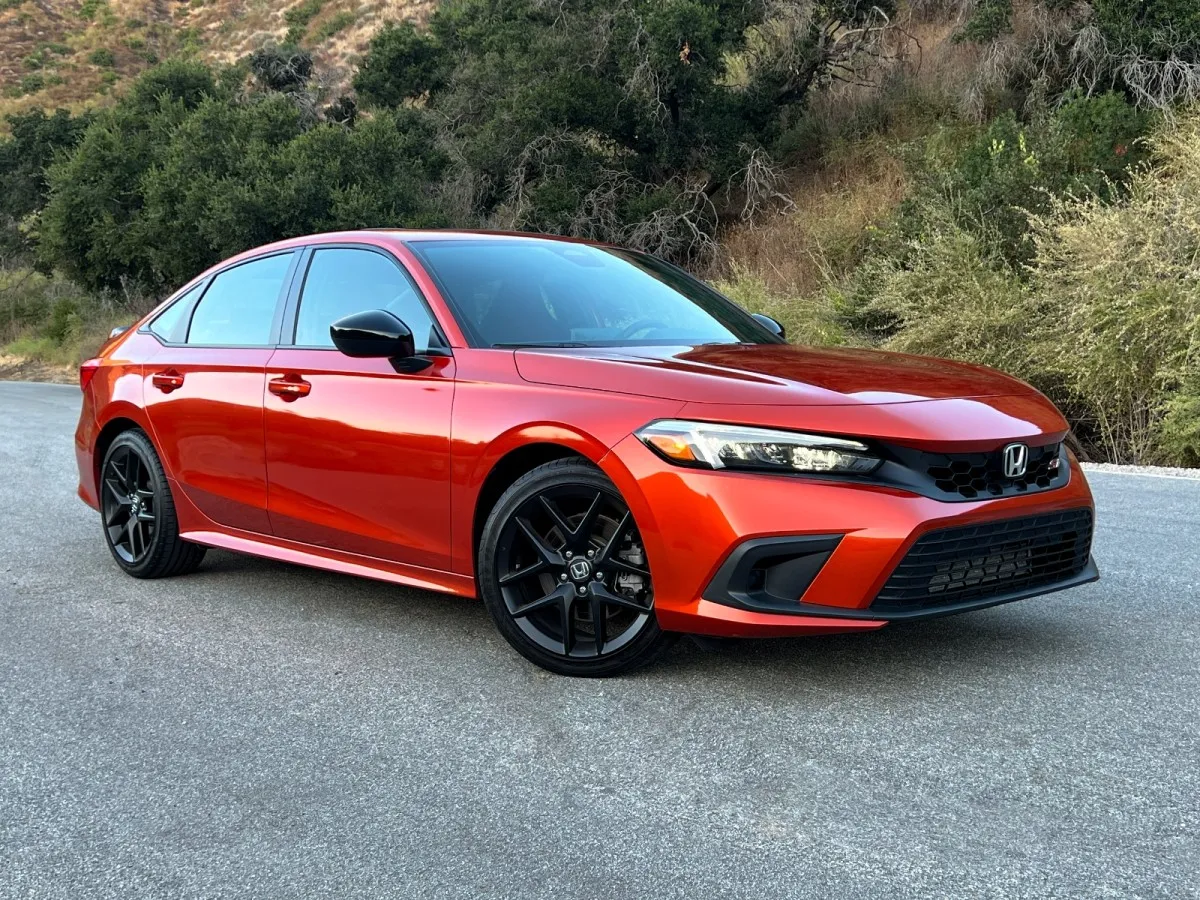
2. Honda Civic 2024
Refined engineering and practical design define the Honda Civic 2024, a compact sedan built to handle the demands of daily commuting with ease. Its air conditioning system consistently delivers rapid, even cooling, allowing drivers to set a comfortable temperature and trust it will remain stable throughout their journey.
The reliability of this system lets commuters focus on traffic and road conditions rather than constantly adjusting cabin settings.
Hot summer mornings test a vehicle’s climate capabilities, and the Civic responds impressively. After being parked under the sun, the system quickly lowers cabin temperatures, reducing the discomfort associated with initial startup.
Air distribution reaches both front and rear seats efficiently, preventing uneven cooling that can leave passengers frustrated. Fan noise remains minimal, even when higher speeds are required to achieve rapid cooling, enhancing the total sense of refinement.
Mechanical design supports long-term performance. Honda refined main components such as compressors and condensers in this generation, addressing issues from earlier models. Refrigerant management has been optimized to maintain consistent pressure and efficiency, resulting in fewer breakdowns and extended service intervals.
Routine maintenance typically involves standard inspections and minor servicing rather than major repairs, keeping ownership convenient and cost-effective. The interior design complements the efficient cooling system.
Seats resist heat buildup, while cabin materials absorb less warmth, creating a comfortable environment even before the air conditioning fully engages. Air vents are strategically placed to ensure steady airflow throughout the cabin, while clear, intuitive controls make temperature adjustments simple without distraction.
Driving dynamics enhance the commuting experience. Smooth acceleration, precise steering, and predictable braking reduce stress during stop-and-go traffic, while competitive fuel efficiency helps keep running costs manageable.
The Civic maintains a balanced ride that blends comfort and responsiveness, further supporting its role as a daily driver.
For commuters who prioritize comfort and reliability, the Honda Civic 2024 delivers an air conditioning system that works quietly in the background, providing consistent cooling without hassle.
Its combination of durable mechanical components, thoughtful interior design, and strong driving performance makes it a dependable choice for those seeking stress-free, enjoyable daily travel.
Also Read: 6 Cars for Roseville Family Runs vs 6 That Hide Issues
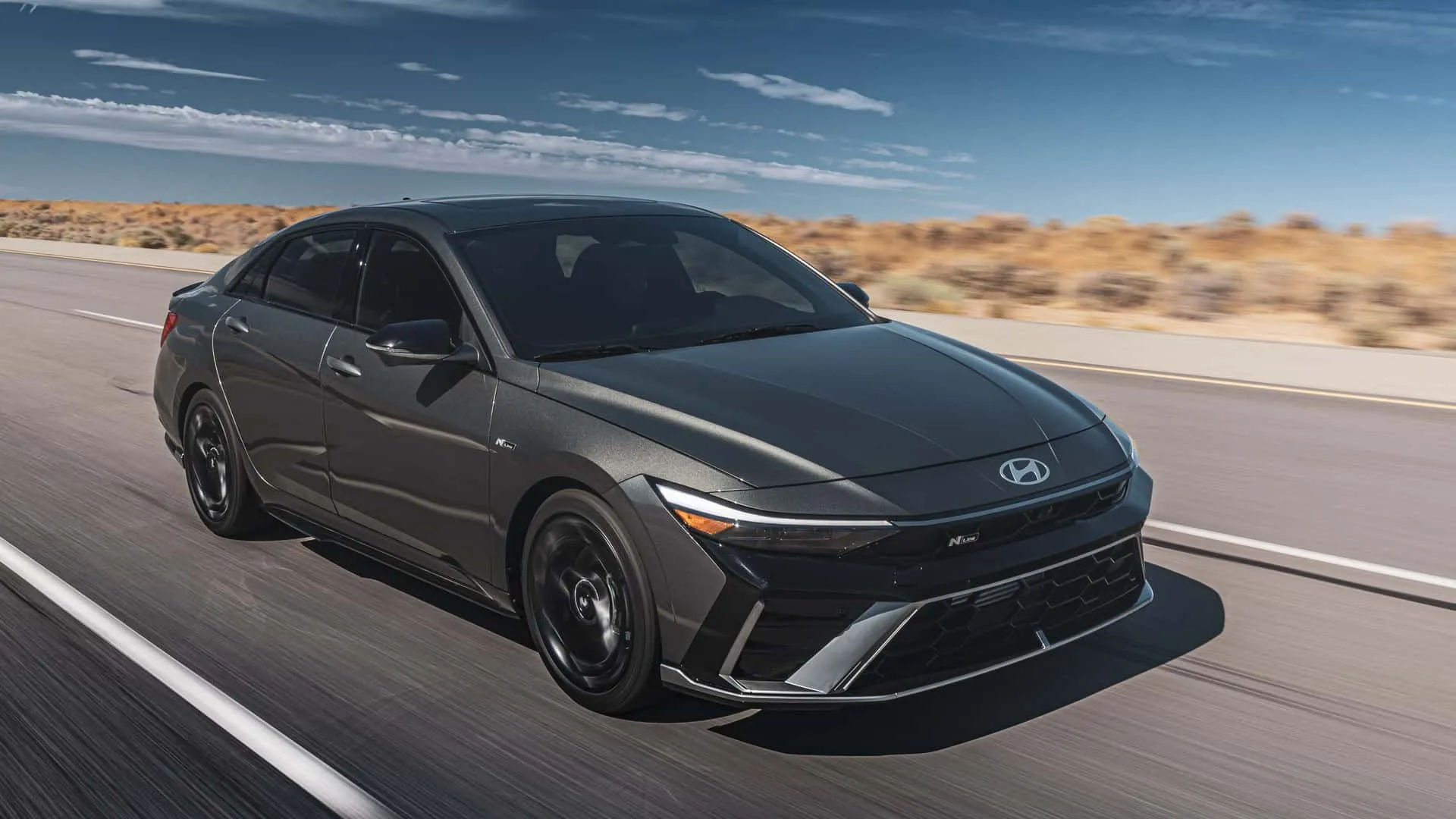
3. Hyundai Elantra 2024
Modern design and thoughtful engineering shape the Hyundai Elantra 2024, making it a strong option for commuters seeking comfort and value. I
ts air conditioning system delivers prompt cooling, even during peak heat. Drivers notice how quickly the cabin temperature drops, reducing discomfort during short trips and extended drives alike.
Control responsiveness plays a major role. Adjustments take effect immediately, allowing drivers to fine-tune airflow without delay.
Vent placement encourages balanced circulation across the cabin, preventing hot zones. Rear seat passengers benefit from consistent cooling, a feature often overlooked in compact sedans.
Durability has improved through careful component selection. Hyundai invested in refining compressors and seals, reducing leakage and premature wear.
Owners experience fewer refrigerant issues compared to older models, lowering the frequency of service visits. Regular maintenance tends to remain affordable, supporting long-term ownership satisfaction.
Interior features enhance daily comfort. Seats feel supportive without trapping heat, and materials maintain their appearance under constant sun exposure. Digital climate interfaces simplify adjustments while remaining intuitive. Noise insulation keeps the cabin calm, even when the system operates at higher fan speeds.
Cost considerations add to its appeal. Competitive pricing, strong warranty coverage, and reasonable service costs make the Elantra approachable for a wide range of drivers. Fuel efficiency supports daily commuting needs without sacrificing performance.
Hyundai Elantra 2024 suits commuters who want dependable cooling paired with a modern design. Its climate control system performs reliably without constant attention, helping drivers maintain comfort through busy schedules and changing conditions.
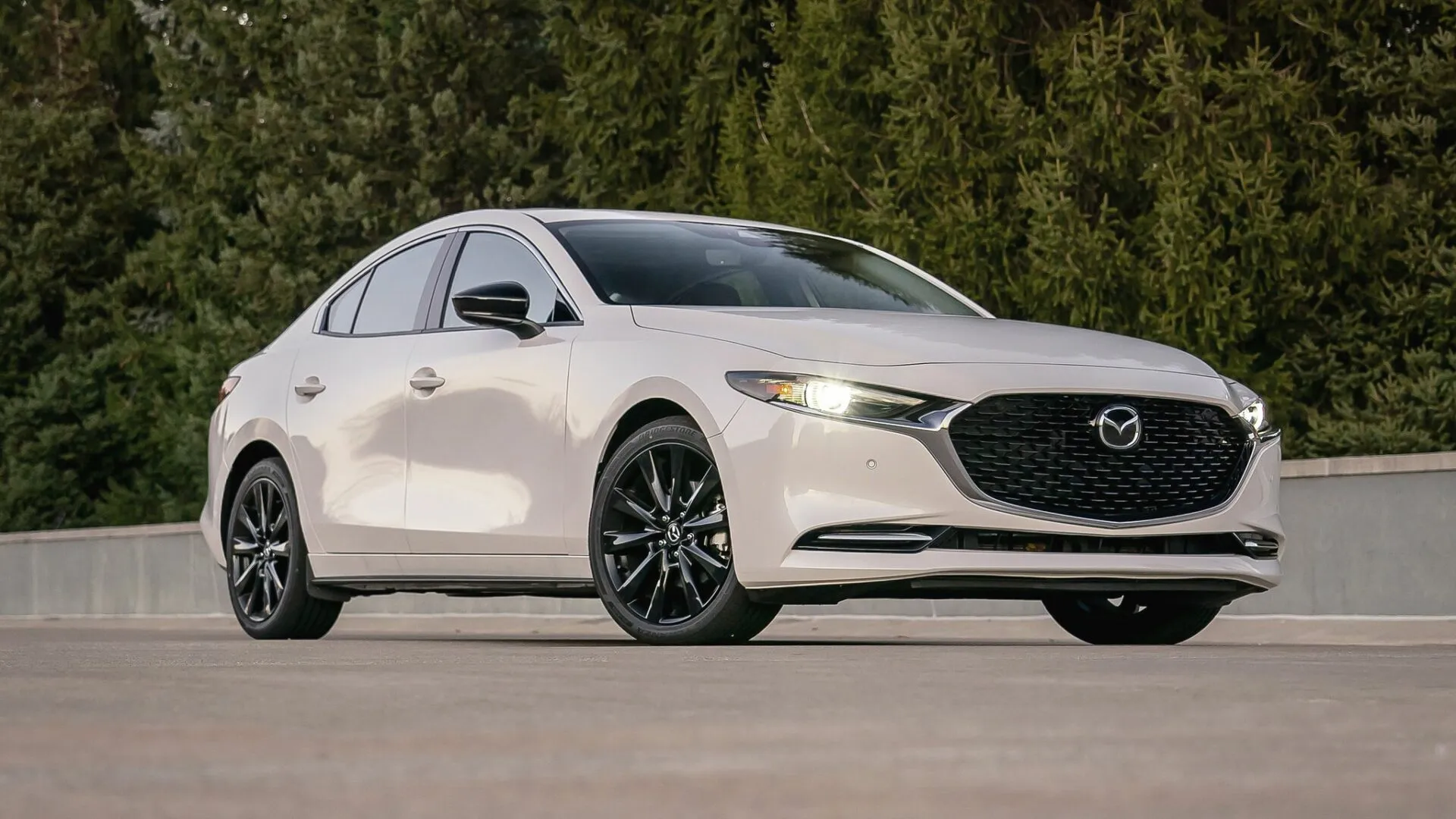
4. Mazda3 Sedan 2024
Understated elegance characterizes the Mazda3 Sedan 2024, a compact car that delivers comfort and reliability for daily commuters.
Its air conditioning system works quietly and efficiently, providing steady, well-balanced cooling that avoids sudden bursts of cold air. Even after the car has been sitting in the sun for hours, the cabin reaches a pleasant temperature quickly, helping occupants start their journey comfortably.
The system maintains consistent performance across a variety of driving conditions. Whether stopping frequently in city traffic or traveling at highway speeds, airflow and temperature remain stable, minimizing distractions and keeping passengers comfortable.
Controls respond intuitively, allowing drivers to adjust settings with precision and confidence. Temperature changes take effect almost immediately, reinforcing a sense of reliability that commuters value during routine travel.
Engineering choices contribute to long-term dependability. Mazda designed the air conditioning components with durability in mind, reducing the risk of refrigerant leaks and excessive strain on the compressor.
Many owners report extended intervals between service visits, building confidence that the system will perform without frequent repairs. When maintenance is required, tasks are generally straightforward and cost-effective, avoiding complicated or expensive interventions.
Interior design enhances the climate system’s effectiveness. Cabin materials resist heat buildup, while seats allow for adequate airflow around occupants, promoting comfort during extended drives.
Strategically placed vents ensure even distribution of cooled air throughout the cabin, while quiet operation maintains a peaceful environment even when maximum cooling is engaged.
Mazda3 Sedan 2024 also delivers engaging driving dynamics that complement its commuter-friendly features.
Steering is precise, ride quality absorbs bumps gracefully, and fuel efficiency remains strong, making it easy to drive without excessive operating costs. Insurance and general upkeep are manageable, further supporting practical daily ownership.
This model suits drivers who want a combination of refinement, reliability, and comfort. Its air conditioning system performs consistently without drawing attention, supporting a smooth, stress-free commute.
By blending thoughtful engineering, effective climate control, and enjoyable driving characteristics, the Mazda3 Sedan 2024 stands out as a dependable and pleasant vehicle for everyday travel.
4 Cars That Need Frequent AC Work
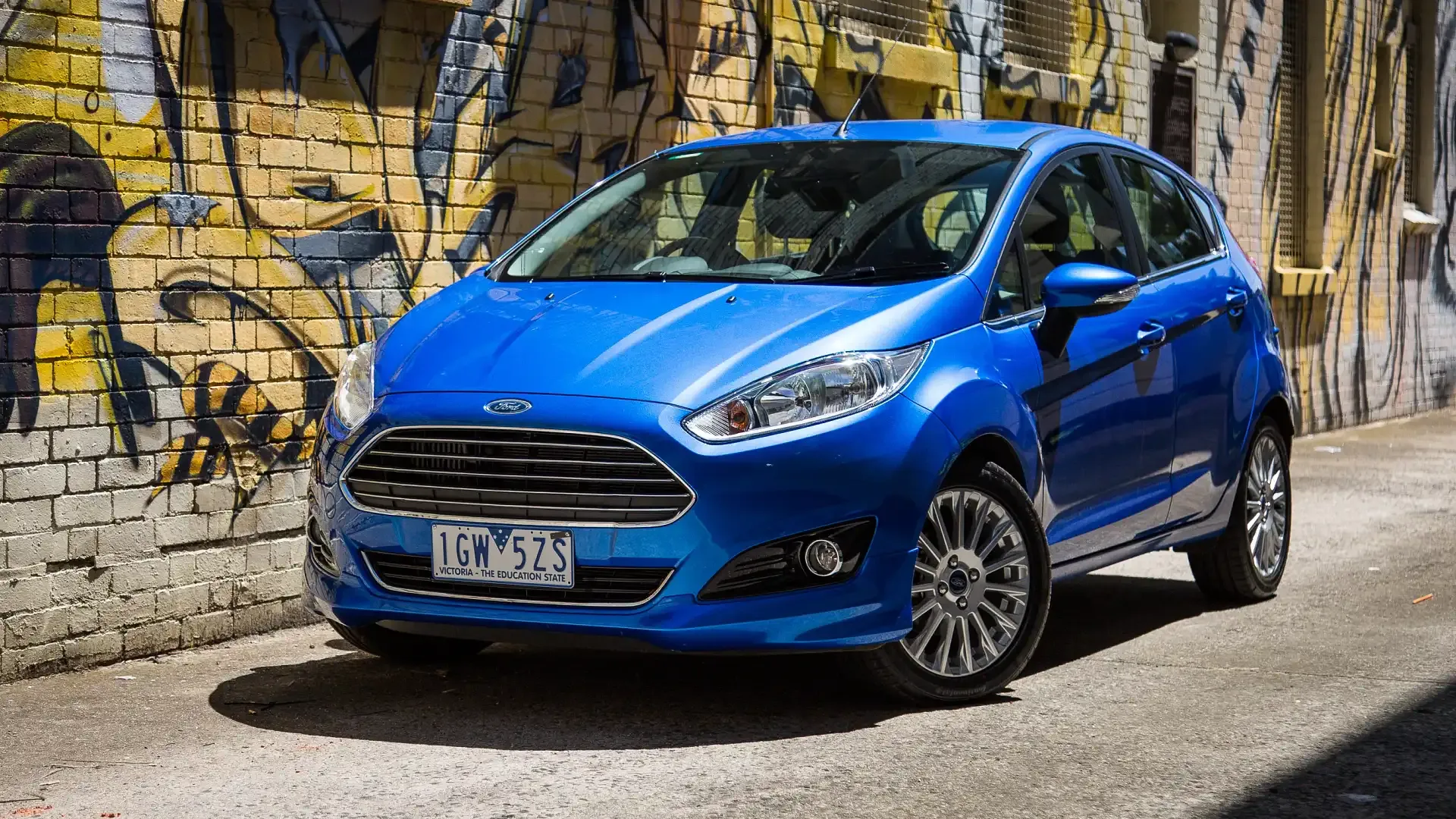
1. Ford Fiesta 2016
Compact dimensions and lively styling once positioned the Ford Fiesta 2016 as an attractive choice for cost-conscious drivers. Despite its engaging handling and urban-friendly footprint, the vehicle’s air conditioning system can create persistent challenges for owners.
Many report inconsistent cooling, particularly during longer drives or in stop-and-go traffic. The system may deliver chilly air at first but then lose effectiveness, prompting repeated adjustments that interfere with comfort. Mechanical factors contribute to these recurring issues.
Compressors in the Fiesta can show early signs of wear, reducing the entire cooling efficiency. Refrigerant leaks are also common, necessitating frequent recharges that only temporarily restore proper performance.
As the vehicle accumulates miles, these problems tend to appear more often, creating an ongoing cycle of maintenance rather than a stable solution.
Passenger comfort is affected by uneven airflow. Front seats may cool adequately, but rear occupants often experience lingering warmth. Attempts to adjust fan speed or temperature may produce additional cabin noise without improving comfort.
These inconsistencies can make longer commutes or summer drives less enjoyable, particularly for those who spend considerable time in traffic or during peak heat.
Repairing the system introduces extra costs and effort. Diagnosing problems with the compressor, condenser, or related components often requires multiple service visits.
Replacement parts may provide short-term relief, but the underlying issues frequently return, requiring attention sooner than expected. This pattern of repeated fixes can test both patience and budget, diminishing total satisfaction with the vehicle.
Interior materials offer limited compensation when cooling performance drops. Seats and cabin surfaces tend to absorb heat during parked periods, causing discomfort until the AC fully engages.
Recovery times can be slow, amplifying irritation during peak temperatures and extended trips. Even drivers who appreciate the Fiesta’s nimble handling may find that air conditioning frustrations reduce the total enjoyment of daily driving.
Ford Fiesta 2016 delivers efficiency, agility, and style, but persistent air conditioning problems limit its practicality for drivers who depend on reliable climate control.
While it remains suitable for shorter trips and mild conditions, daily commuting in hot weather can highlight system weaknesses, requiring more attention than many owners anticipate. Those prioritizing consistent cooling may need to consider alternative options for dependable year-round comfort.
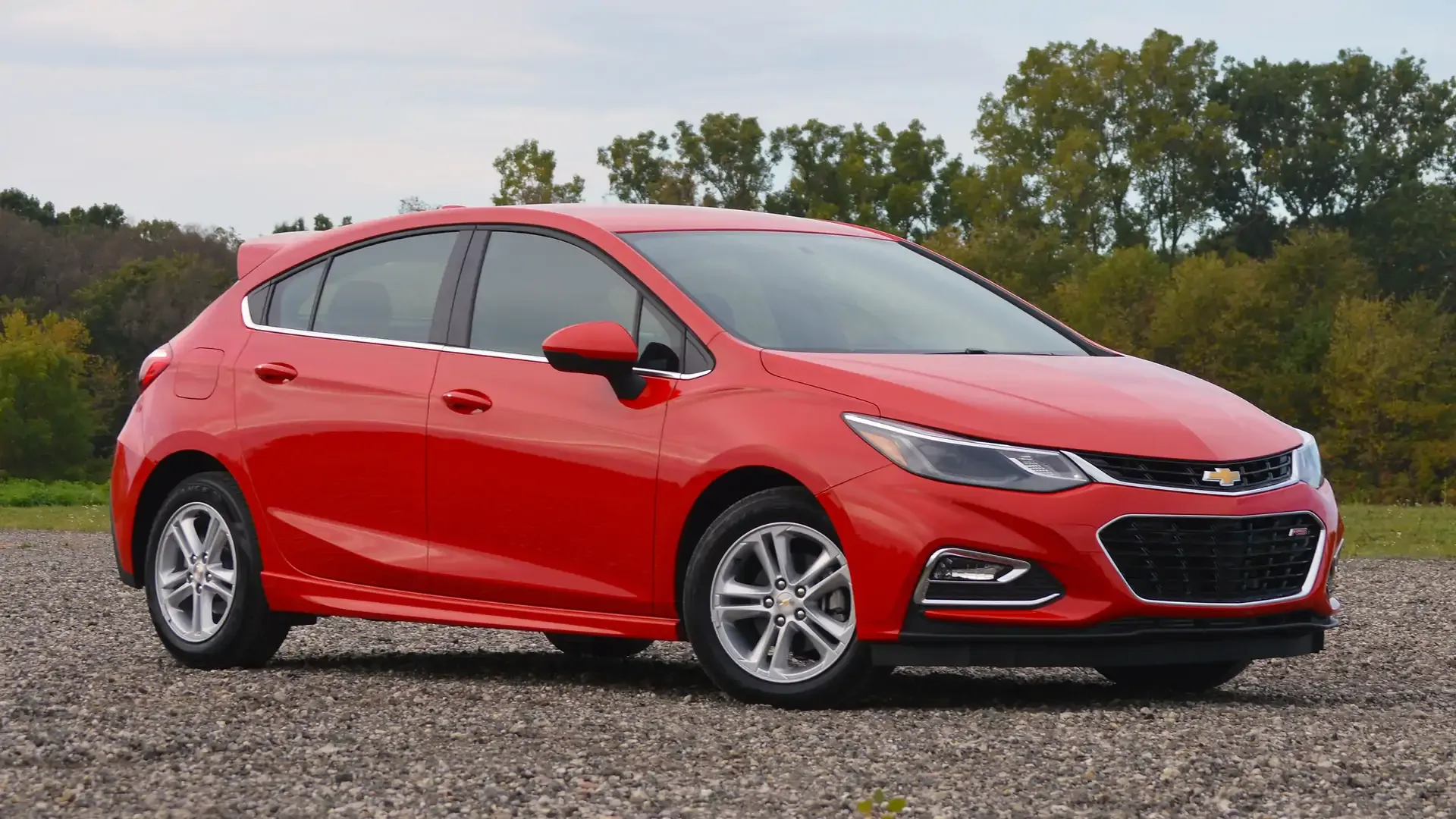
2. Chevrolet Cruze 2017
Compact practicality and efficiency define the Chevrolet Cruze 2017, making it a popular choice for daily commuting and small family use. Despite its appealing handling and fuel economy, the air conditioning system can create persistent frustration for owners.
Many report that cooling weakens as the vehicle ages, especially during hotter months, turning what begins as a minor inconvenience into a recurring problem that affects comfort and satisfaction.
Mechanical components within the AC system often contribute to these issues. Compressors, which drive airflow, may wear prematurely, reducing their effectiveness. Expansion valves can also experience fatigue, producing inconsistent cooling that fluctuates depending on driving conditions.
Refrigerant leaks are commonly reported, leading to repeated recharges that only temporarily restore performance. Repairs may alleviate the symptoms, but underlying weaknesses frequently remain, requiring ongoing attention and service visits.
Driving experience suffers when the cooling system underperforms. Longer trips intensify discomfort as airflow gradually declines, leaving passengers unevenly cooled.
Rear seats often receive less effective airflow than the front, forcing occupants to tolerate rising cabin temperatures. Adjusting fan speeds can increase noise without substantially improving comfort, creating frustration during commutes or extended drives.
Repairing intermittent AC problems presents additional challenges. Diagnosing the source of cooling failures can require multiple inspections, specialized tools, and a huge labor.
Replacement components sometimes restore functionality only temporarily, with issues returning in a matter of weeks or months. Service expenses can accumulate faster than expected, particularly for drivers relying on consistent performance throughout the year.
Interior comfort suffers when temperatures climb. Seats and cabin surfaces can retain heat, worsening the perception of inadequate cooling.
Drivers and passengers may find themselves using maximum fan settings, producing more sound without solving the underlying problem. These conditions make the cabin less inviting during peak summer heat or in stop-and-go traffic.
Chevrolet Cruze 2017 remains efficient and practical, but repeated air conditioning problems limit its appeal for those who expect dependable cabin comfort.
Owners who rely on consistent cooling may spend more time and money maintaining the system than anticipated, which can affect the enjoyment of an otherwise capable compact sedan.
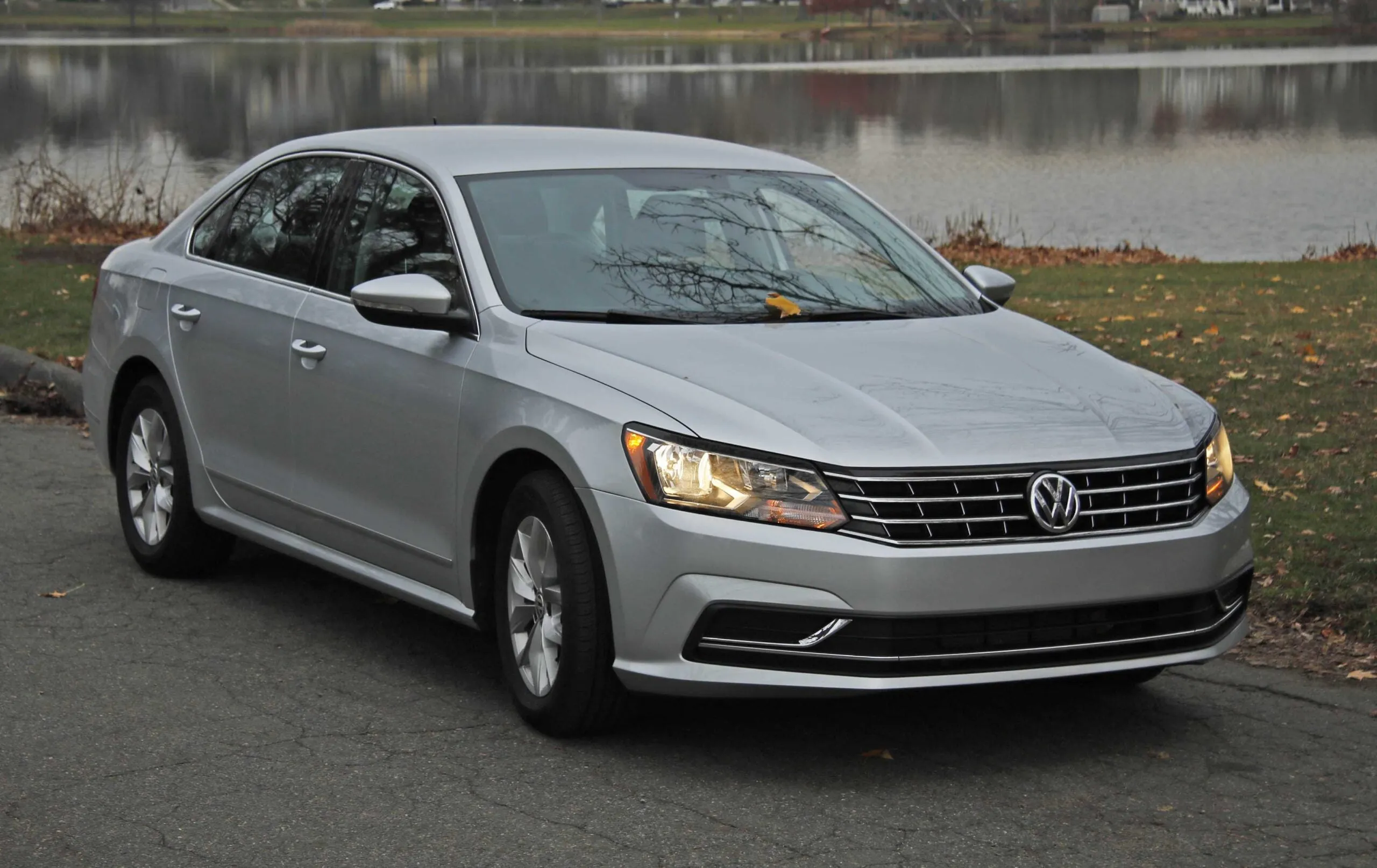
3. Volkswagen Passat 2016
Roomy cabin space and smooth ride define the Volkswagen Passat 2016, yet its air conditioning system can present recurring challenges for owners.
Reports frequently mention cooling that gradually diminishes in effectiveness, especially during prolonged exposure to warm weather. Initial signs often include reduced airflow, slower temperature adjustment, and a less comfortable cabin shortly after startup.
Mechanical and electronic factors contribute to these issues. Compressors may operate inconsistently, delivering uneven airflow that fluctuates throughout drives. Control modules and sensors sometimes misinterpret cabin conditions, resulting in erratic temperature regulation.
Refrigerant handling can also present difficulties, requiring repeated recharges or component servicing to maintain performance. These combined factors lead to a system that works unpredictably rather than consistently.
Passenger comfort can be uneven. While front seat occupants may experience adequate cooling, rear passengers frequently encounter warmer areas, making longer trips less pleasant. Adjusting fan speed or temperature often produces limited improvement, leaving occupants to contend with inconsistent conditions.
The uneven cabin environment undermines the Passat’s otherwise refined ride, creating noticeable dissatisfaction for those who expect reliable cooling. Servicing the air conditioning system can be labor-intensive. Diagnosing electronic or sensor-related issues often requires specialized equipment and extended diagnostic time.
Component replacement can temporarily resolve certain problems, yet the underlying unpredictability sometimes persists. Repair costs may escalate as repeated service visits become necessary, adding stress and additional expense to ownership.
Interior materials, while designed for comfort, can trap heat when cooling performance drops. This intensifies discomfort during long drives, particularly in slow traffic or during peak summer heat. Drivers who prioritize a calm, consistent environment for commuting may find the cabin experience frustrating when the air conditioning fails to perform reliably.
Volkswagen Passat 2016 combines spaciousness, refinement, and a smooth driving experience, but recurring air conditioning problems reduce its appeal for owners who require dependable climate control.
Regular service visits and unpredictable cooling make it a less convenient choice for those expecting consistent cabin comfort.
While the vehicle delivers on many fronts, its climate system can become a source of ongoing maintenance and occasional frustration, affecting the total enjoyment of this mid-size sedan.
Also Read: 6 Cars for Longview Work Drives vs 6 That Break Often

4. Jeep Compass 2018
Compact sport utility appeal defines the Jeep Compass 2018, providing versatile driving options for urban streets and light off-road adventures alike. Its styling and features make it an attractive option for buyers seeking SUV practicality in a smaller footprint.
Yet, for many owners, air conditioning performance emerges as a frustrating weak point, affecting the vehicle’s day-to-day comfort. Early complaints often focus on weak airflow and slow temperature reduction, issues that appear even in well-maintained examples.
Drivers quickly notice that achieving a comfortable cabin environment can take longer than expected, particularly during the intense heat of summer or after long periods of sun exposure while parked. Mechanical limitations contribute to recurring AC challenges.
Compressors and condensers in the Compass 2018 can show accelerated wear, reducing efficiency and sometimes causing intermittent cooling. Refrigerant leaks are reported frequently, requiring repeat top-offs that provide only temporary relief.
While temporary fixes may restore function for a short period, many owners find that these interventions do not address the underlying vulnerabilities, leading to frustration and recurring service visits. As time passes, repeated attention to the cooling system results in both increased labor costs and a diminished sense of ownership satisfaction.
Cabin comfort suffers in multiple ways. Cooling tends to favor the front seats, leaving rear passengers in warmer conditions. Drivers attempting to compensate by increasing fan speeds often encounter louder airflow, which adds to cabin noise without improving total comfort.
Prolonged exposure to heat during stop-and-go traffic or extended commutes magnifies these issues, creating an environment that can feel uncomfortable despite efforts to adjust settings. Repair requirements are another practical concern.
Diagnosing inconsistent cooling often demands multiple inspections and specialized service, increasing time and expense for owners.
Replacement of compressors, condensers, or associated components may temporarily restore function, yet recurrence remains a persistent possibility. Interior materials, while designed for utility, can trap heat, exacerbating discomfort and slowing cabin recovery after parked periods.
Jeep Compass 2018 provides versatility, style, and SUV practicality, but frequent air conditioning issues complicate its reliability for consistent commuting comfort.
Owners who prioritize dependable climate control may find that this vehicle requires more maintenance attention than anticipated, affecting long-term satisfaction and daily usability.
