
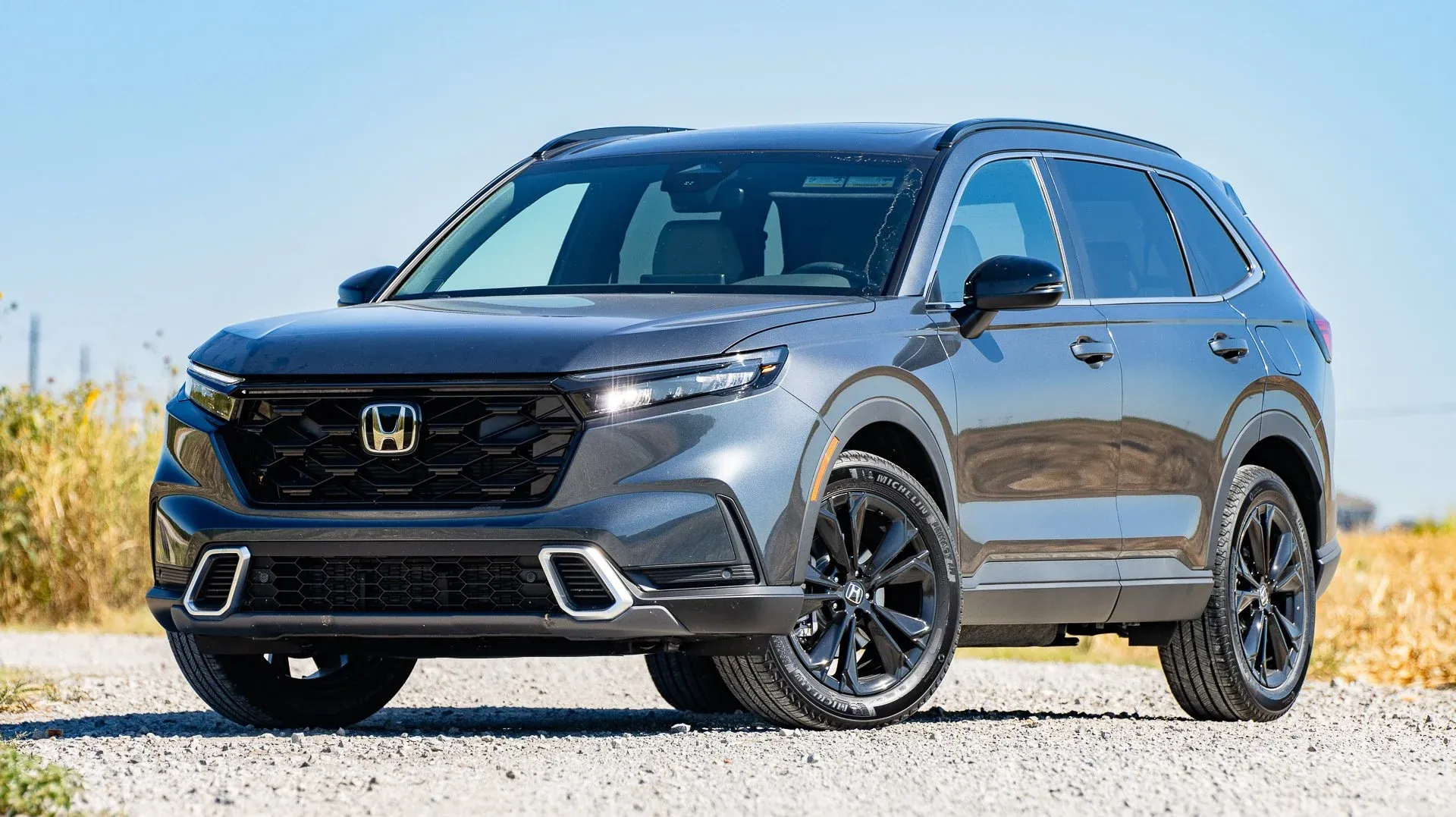
Driving along the coast offers an experience unlike any other. The rhythmic sound of waves crashing against the shore, the tang of salty air, and the warmth of the sun reflecting off the water create a sensory backdrop that turns an ordinary commute into something memorable.
Coastal roads invite drivers to relax, unwind, and enjoy the scenery, yet the environment comes with unique challenges. Salt, sand, and high humidity can be harsh on vehicles, accelerating corrosion, compromising paint, and putting stress on metal components.
For anyone who spends a huge time near the shore, selecting the right car becomes a matter of more than just comfort or style; it is about durability, reliability, and peace of mind over the long term.
In 2025, automotive engineering has reached a point where certain vehicles can handle coastal conditions with remarkable resilience. Manufacturers are using advanced corrosion-resistant materials, protective coatings, and thoughtful construction techniques to keep vehicles in peak condition despite constant exposure to salty air.
Cars with these design considerations allow owners to enjoy sunny drives and spontaneous trips to the beach without constantly worrying about rust or premature wear. Some vehicles, even those with appealing designs or impressive performance, are more vulnerable.
Exposure to the ocean’s salty environment can accelerate deterioration, affecting both the appearance and functionality of these cars as time goes on. Understanding which models can handle the unique demands of coastal living is critical for avoiding costly repairs and maintaining a vehicle’s long-term value.
This guide highlights ten vehicles divided into two categories: five cars that excel in coastal conditions and five that are prone to corrosion when regularly exposed to salt air and humidity. Each entry examines construction, materials, and features that influence resilience against rust, sand, and moisture.
The selection spans compact crossovers, hybrid SUVs, rugged trucks, and luxury sedans, offering options that balance aesthetics, practicality, and durability.
For anyone living near Clearwater Beach or similar coastal environments, these insights provide a roadmap for choosing a car that can withstand the elements, maintain its looks, and deliver reliable performance for years, allowing drivers to focus on enjoying the sun, surf, and scenic drives without unnecessary worry.
5 Cars for Clearwater Beach-Friendly Driving
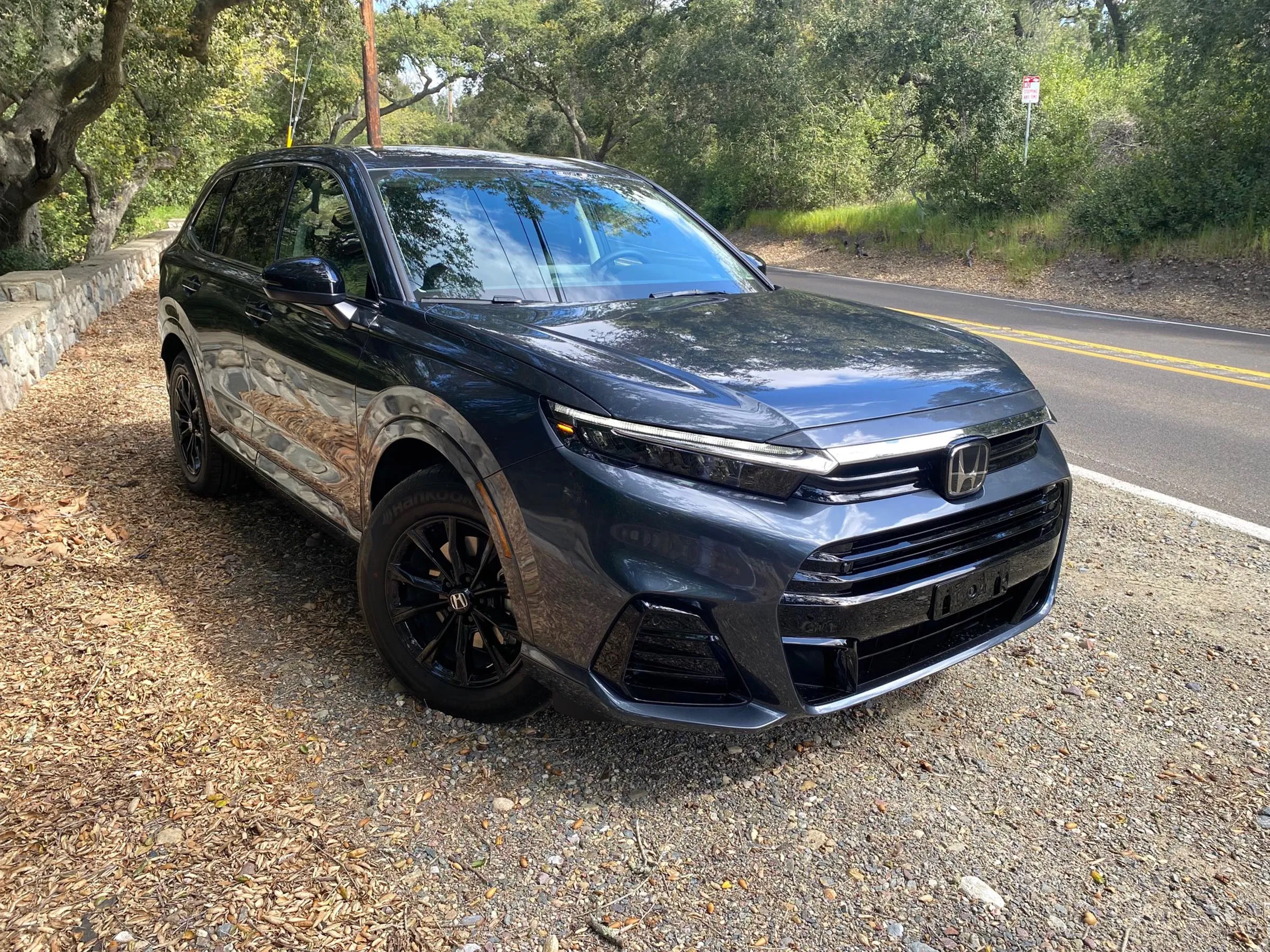
1. Subaru Outback 2025
The Subaru Outback 2025 proves itself as a versatile and reliable option for drivers who frequently go through coastal roads. Built with resilience in mind, its body incorporates corrosion-resistant coatings, and select models feature aluminum panels in critical areas, reducing the risk of rust as time goes on.
The Outback’s elevated ride height, combined with Subaru’s legendary all-wheel-drive system, allows it to traverse sandy streets, wet beach access points, and occasional coastal parking areas without compromising stability or performance, making it a trusted companion for sun-and-surf enthusiasts.
Powering the Outback is a 2.5-liter flat-four engine producing 182 horsepower, paired with a continuously variable transmission (CVT) that delivers smooth and efficient acceleration. Engine tuning prioritizes both durability and fuel efficiency, giving drivers confidence for longer coastal excursions without frequent maintenance concerns.
Suspension components are treated to resist moisture, which further mitigates the risk of corrosion in high-humidity beach environments. Steering remains precise and responsive, even when driving over loose sand or uneven coastal pathways, allowing drivers to feel secure while going near the shore.
The interior emphasizes practicality without sacrificing comfort. Water-resistant seat materials, durable floor mats, and easy-to-clean surfaces make the cabin ideal for handling sand, saltwater, or wet gear from beach activities.
Infotainment features include a responsive touchscreen, integrated navigation, smartphone compatibility, and premium audio, ensuring entertainment and convenience on longer drives. Cargo capacity is generous, accommodating everything from surfboards to picnic supplies, while roof rails offer additional carrying options for recreational equipment or travel gear.
Safety is another strong suit of the Outback 2025. Advanced driver-assistance systems, such as adaptive cruise control, lane-keeping assistance, and forward-collision warning, provide additional peace of mind for coastal driving, helping to prevent accidents in both city and beachside conditions.
Subaru’s reputation for longevity, paired with thoughtful corrosion-resistant engineering, makes the 2025 Outback an excellent choice for coastal residents or frequent visitors to areas like Clearwater Beach.
Its combination of durability, utility, comfort, and protective features ensures that it can handle the challenges of salty air, humidity, and sandy roads while remaining a dependable, practical, and enjoyable vehicle for years to come.
Whether used for daily commuting or weekend adventures along the shoreline, the Outback demonstrates a rare balance of performance, safety, and resilience against the elements.
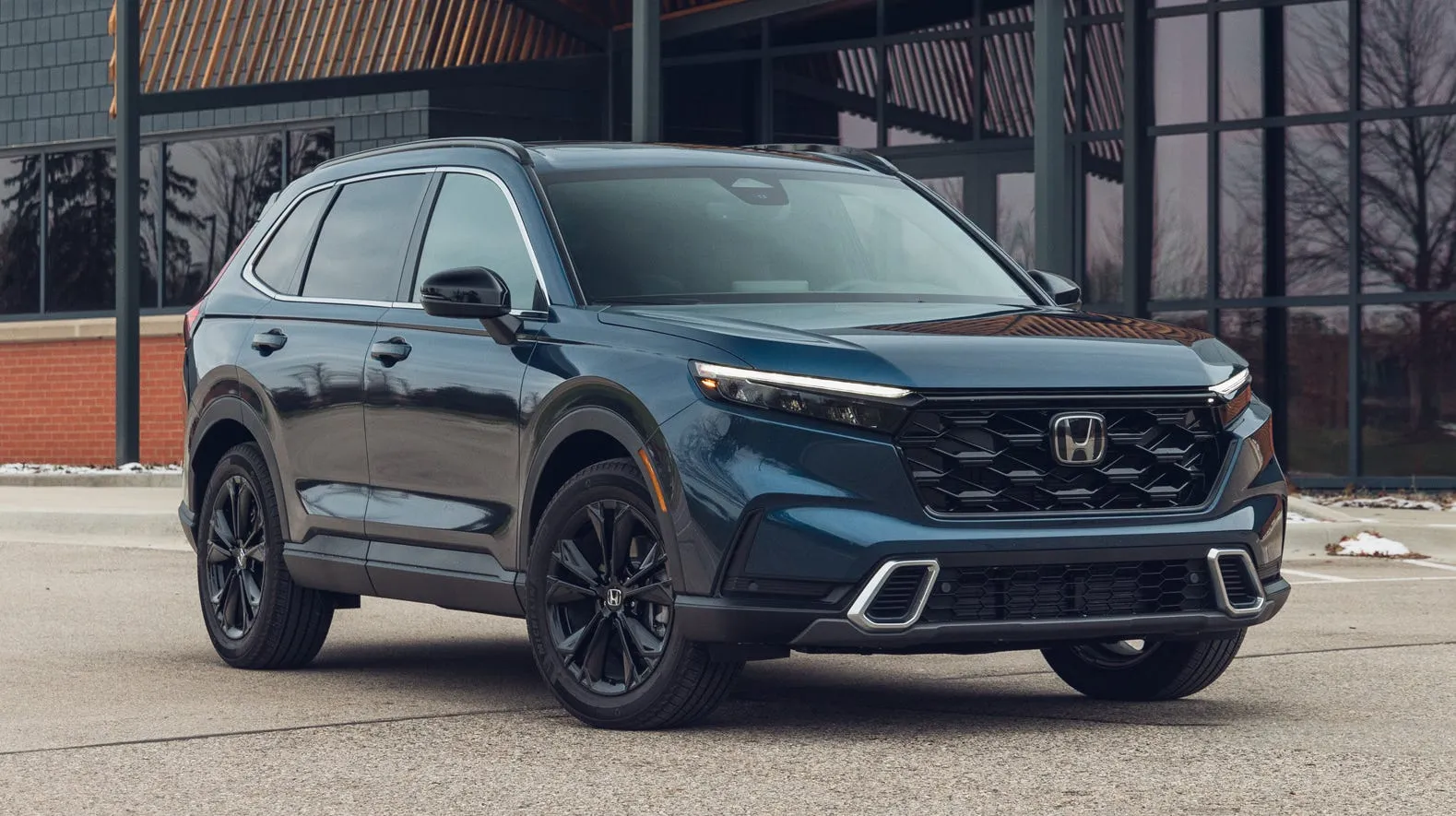
2. Honda CR-V 2025
The Honda CR-V 2025 offers a reliable combination of efficiency, comfort, and resistance to coastal conditions. Its unibody construction incorporates high-strength steel treated with anti-corrosion coatings, while exposed metal elements are strategically protected to withstand humidity and salt exposure.
Owners near the beach can trust this vehicle to maintain structural integrity and aesthetics even after prolonged coastal driving.
A 1.5-liter turbocharged inline-four engine generates 190 horsepower, paired with a CVT for seamless power delivery. Fuel efficiency remains strong, making it ideal for both short coastal runs and extended trips along scenic routes.
Suspension and brake components receive anti-rust treatments, which help prevent premature wear from salty air or occasional beach debris. Steering remains responsive on uneven or sandy surfaces, providing a sense of stability and control even during more adventurous excursions.
The interior blends convenience and durability. Seats are covered in premium, water-resistant fabric, and surfaces are easy to wipe clean, minimizing maintenance challenges. Honda’s infotainment system includes a touchscreen, Apple CarPlay, Android Auto, and navigation, all easily accessible during long drives.
Ample cargo space and rear seat flexibility accommodate beach gear, groceries, or luggage, making the CR-V highly versatile for family trips or solo adventures. Safety systems include forward-collision mitigation, lane-keeping assistance, and blind-spot monitoring, all contributing to confident driving in both urban and coastal environments.
The 2025 Honda CR-V demonstrates that a compact SUV can balance comfort, technology, and corrosion resistance, providing an excellent choice for drivers who want a dependable vehicle that thrives near salty shorelines. Its reputation for longevity makes it a top contender for anyone looking to avoid costly rust issues while enjoying the sun and surf.
Also Read: Top 10 Sports Cars That Offer Serious Speed for $40K or Less
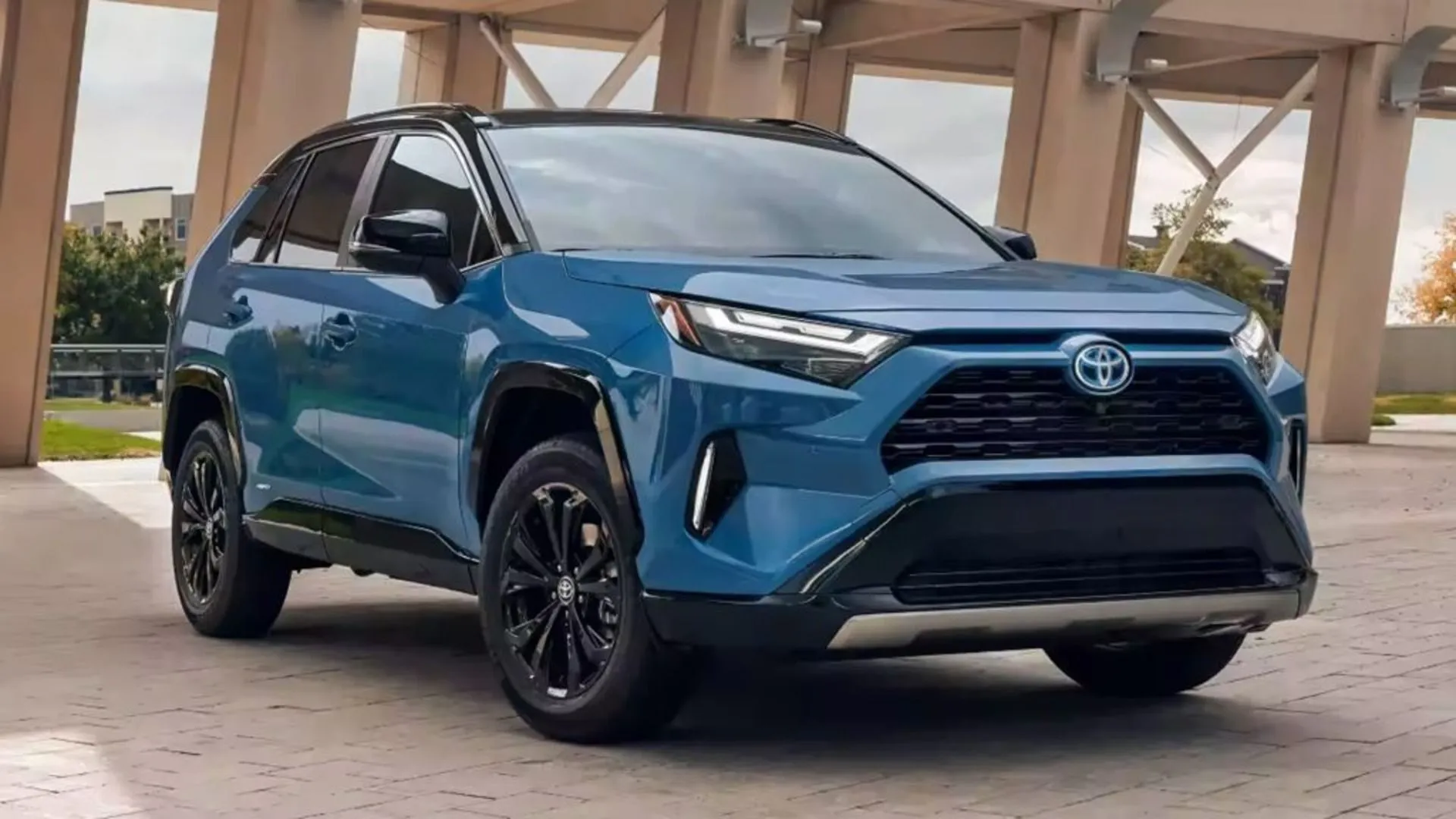
3. Toyota RAV4 Prime 2025
Hybrid efficiency and rugged reliability define the Toyota RAV4 Prime 2025, a plug-in hybrid SUV well-suited to coastal conditions. Its high-strength steel frame is treated with advanced anti-corrosion coatings, while exterior panels undergo additional protective measures to combat salt exposure.
The elevated ride height and AWD system make it adept at tackling sandy streets or occasional water-splashed surfaces near beach entrances. Power comes from a 2.5-liter four-cylinder engine paired with an electric motor, delivering a combined 302 horsepower.
Acceleration is brisk for its class, and the hybrid system allows for extended coastal trips without frequent refueling. Suspension components are built to resist moisture and salt exposure, ensuring long-term performance even in humid beach climates. Steering remains precise, giving drivers confidence on uneven or partially sandy roads.
Inside, the cabin combines comfort, tech, and practicality. Water-resistant seating surfaces and durable flooring materials handle wet or sandy clothing with minimal effort. Infotainment integrates navigation, smartphone connectivity, and a premium audio system, allowing for relaxed drives along oceanfront routes.
Cargo capacity is generous, with flexible rear seating for gear, groceries, or recreational equipment. Roof rails enhance carrying options for bikes, surfboards, or luggage. Safety includes Toyota Safety Sense, adaptive cruise control, lane departure warning, and pre-collision braking, providing peace of mind while maneuvering near beach areas.
The 2025 RAV4 Prime demonstrates that a hybrid vehicle can deliver both eco-conscious efficiency and durability against corrosive coastal elements. Its combination of technology, versatility, and corrosion-resistant engineering makes it an appealing option for beachside living and daily commuting.
4. Jeep Wrangler 4xe 2025
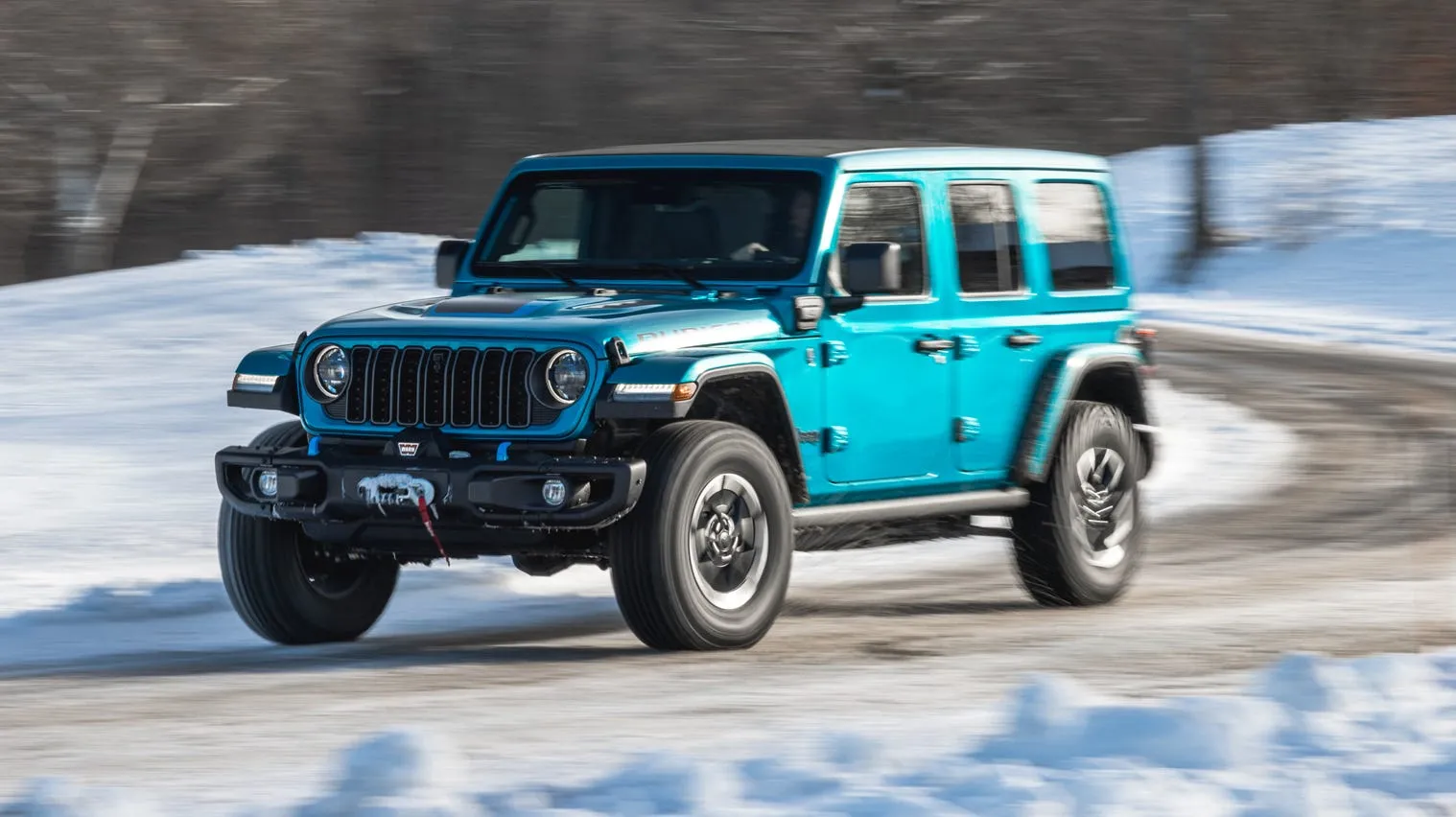
Off-road capability meets coastal resilience with the Jeep Wrangler 4xe 2025. This plug-in hybrid version retains the rugged build the Wrangler is known for while incorporating corrosion-resistant treatments on body panels, frame, and undercarriage.
Salt spray from ocean winds and wet sand pose fewer threats thanks to Jeep’s attention to protective finishes and durable materials.
The 4xe combines a 2.0-liter turbocharged four-cylinder engine with electric motors, producing 375 horsepower. Electric torque assists in slow-speed maneuvering and reduces stress on mechanical components in sandy conditions.
Suspension and braking systems are engineered with durability in mind, and steering remains firm, even when tackling loose sand or uneven coastal paths. The Wrangler’s high ground clearance and 4×4 system ensure that beach access is rarely limited.
Inside, the cabin balances ruggedness with comfort. Water-resistant seat surfaces, removable mats, and washable flooring simplify cleanup after trips involving sand and salt.
Infotainment provides navigation, connectivity, and smartphone integration, while audio quality remains clear even with open-air driving. Cargo space is configurable, accommodating kayaks, paddleboards, or other recreational gear.
Safety features include stability control, multiple airbags, traction management, and hill-descent assistance, providing confidence during adventurous coastal drives.
The Jeep Wrangler 4xe 2025 proves that hybrid technology, off-road capability, and corrosion resistance can coexist, making it an excellent choice for drivers who demand durability and versatility for beachside adventures.
5. Ford F-150 Lightning 2025
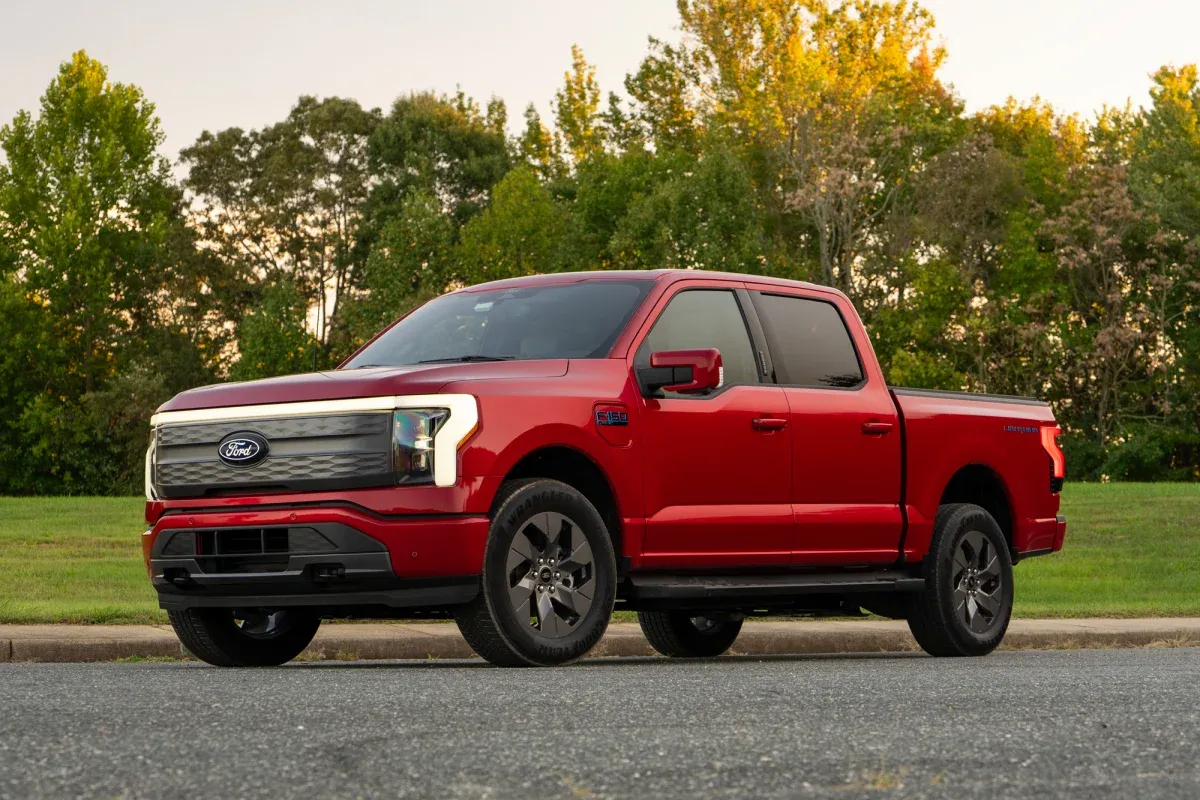
Electric power and rugged reliability make the Ford F-150 Lightning 2025 a strong contender for coastal driving.
Its aluminum-alloy body panels, rust-resistant frame components, and weather-sealed electric powertrain are engineered to withstand salty, humid environments. This pickup provides the utility of a full-size truck without the rapid corrosion risk common in traditional steel-heavy designs.
The F-150 Lightning’s dual electric motors produce 563 horsepower, delivering instant torque and impressive acceleration for its size.
Electric power reduces mechanical wear, and the underbody is sealed against moisture and salt intrusion. Suspension and steering systems are designed to handle sandy lots and beach-access roads, providing stability and control even under heavy loads.
The cabin combines modern technology with durability. Water-resistant seating materials, all-weather floor mats, and a spacious interior make daily use and beach trips effortless.
Infotainment includes navigation, connectivity, and an integrated control panel for vehicle monitoring. Bed space is generous and weather-sealed, allowing transport of beach gear, tools, or recreational equipment.
Safety includes adaptive cruise control, blind-spot monitoring, and a suite of collision mitigation technologies, supporting confident driving on coastal roads.
The 2025 Ford F-150 Lightning illustrates that electric power, corrosion resistance, and utility can converge in a vehicle capable of handling the challenges of beachside living. Its combination of durability, performance, and technology ensures a reliable and enjoyable experience near the coast.
5 Cars That Corrode Fast
1. Mini Cooper S 2025
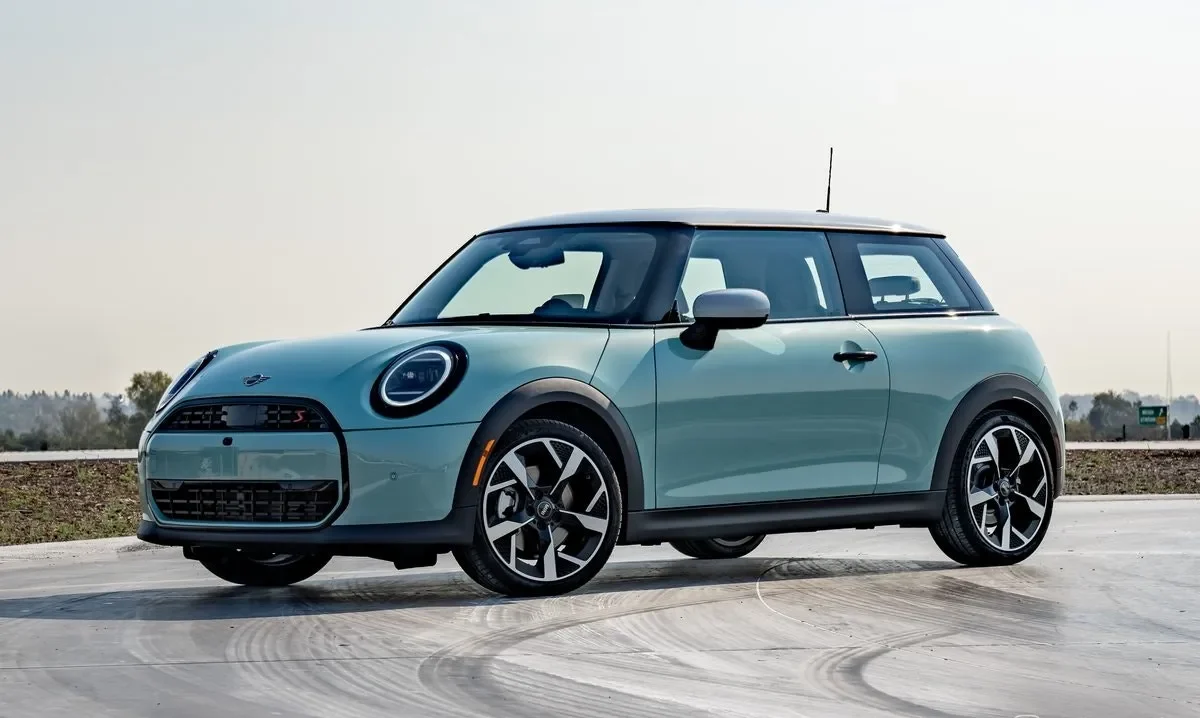
The Mini Cooper S 2025 is an iconic compact car known for its fun-to-drive nature, quirky styling, and urban agility. However, its charm comes with a drawback in coastal environments.
The compact body features multiple steel panels and exposed underbody components that are particularly vulnerable to corrosion from salt air and sandy coastal roads.
Areas around wheel arches, door sills, and suspension mounts can begin showing signs of rust faster than anticipated, especially if the vehicle is frequently exposed to salty breezes or wet sand.
Under the hood, the Cooper S comes with a 2.0-liter turbocharged four-cylinder engine generating 189 horsepower, paired with a seven-speed dual-clutch automatic or six-speed manual transmission.
The engine itself is robust, but the surrounding components, such as brake lines, fuel lines, and exhaust systems, are susceptible to accelerated wear in high-salinity environments. Even the all-weather coatings applied in the factory may not be sufficient to protect the Mini in areas like Clearwater Beach, where ocean spray is constant.
Inside, the cabin offers style and comfort, but it does little to mitigate the corrosive effects on the exterior. Leather and synthetic materials are resistant to minor humidity, but salt-laden debris brought in from shoes or gear can create long-term wear issues.
Infotainment is well-equipped with a touchscreen, navigation, and smartphone integration, but these features cannot protect the car’s steel frame from corrosion.
Routine maintenance can slow the progression of rust, but owners often find that additional aftermarket rust-proofing is necessary to preserve the Cooper S in coastal areas. Despite its exceptional handling, sporty character, and iconic design, the Mini Cooper S 2025 is not ideal for drivers looking for long-term reliability in salty, humid environments.
For beachside dwellers, it may charm in the short term, but it often struggles to maintain structural integrity and visual appeal over the years.
2. Chevrolet Camaro SS 2025
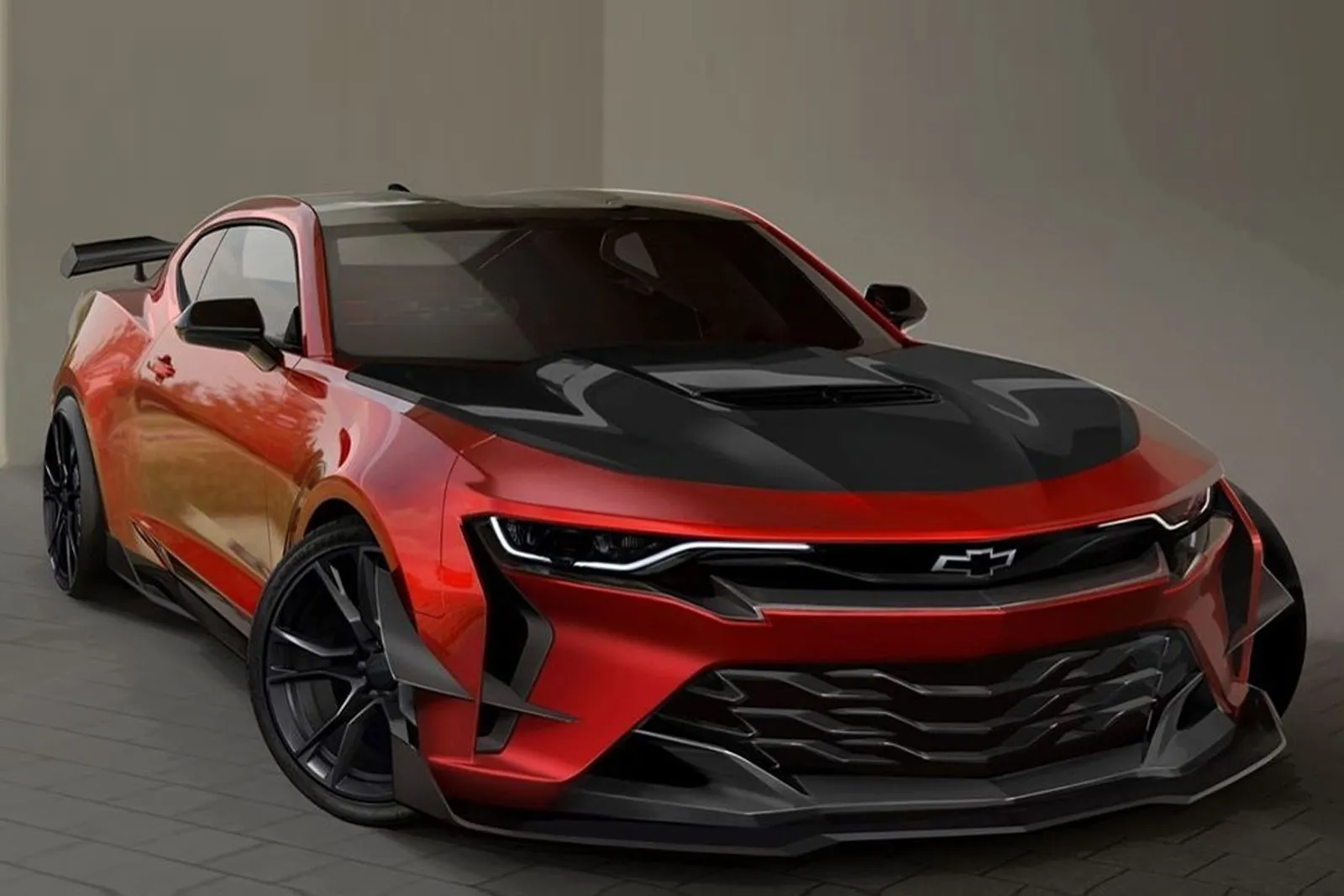
The Chevrolet Camaro SS 2025 delivers American muscle with aggressive styling and high performance, yet it struggles with corrosion in coastal climates.
Its steel-heavy body panels and exposed undercarriage are prone to rust when repeatedly exposed to saltwater or humid ocean air.
Wheel wells, rocker panels, and lower doors often show early signs of oxidation, making it less suitable for prolonged beachside use without rigorous protection.
Powering the Camaro SS is a 6.2-liter V8 engine producing 455 horsepower, paired with a six-speed manual or 10-speed automatic transmission.
While performance is exhilarating and the handling impresses on dry tarmac, the high-performance components, including brake lines and suspension mounts, can be compromised after some time by the harsh coastal environment.
Owners frequently notice corrosion on metallic trim and exhaust components, and even factory coatings may not fully prevent rust in regions with constant salt exposure.
Inside, the Camaro offers a sporty cabin with bolstered seats, premium materials, and modern infotainment features, including navigation and smartphone integration. While comfortable for drivers and passengers, the interior cannot prevent corrosion from affecting the vehicle’s external structure.
Routine washing, underbody treatments, and rust-proofing can slow deterioration, but these measures require consistent effort and expense. Despite these concerns, the Camaro SS 2025 remains a favorite for enthusiasts seeking muscle car thrills, quick acceleration, and responsive handling.
Yet for beachside dwellers, the risk of accelerated corrosion is high, making this car less practical for environments like Clearwater Beach. Without proactive maintenance, rust can compromise both the aesthetic appeal and the structural longevity of this American performance icon.
3. Dodge Charger R/T 2025
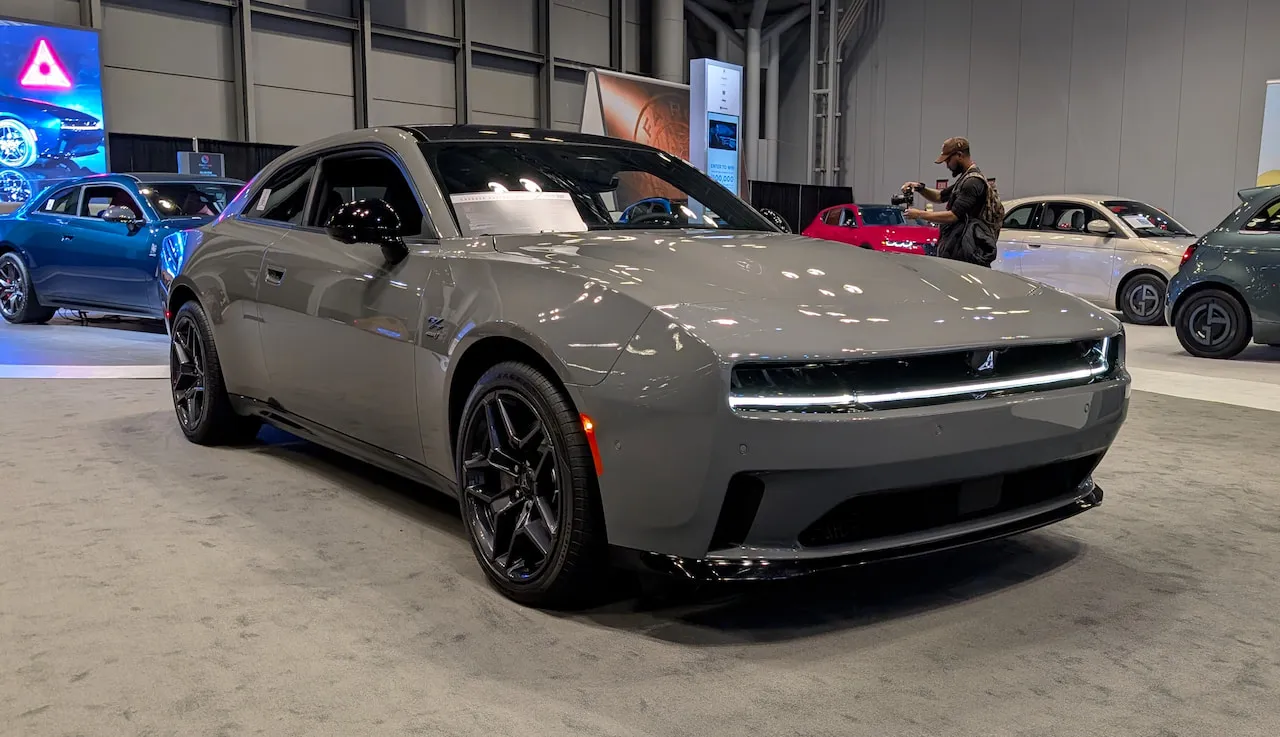
The Dodge Charger R/T 2025 combines bold design, a spacious interior, and a powerful V8 engine, but it exhibits weaknesses in coastal settings. Its steel-intensive construction, particularly in the chassis, lower body panels, and undercarriage, leaves it susceptible to rust when regularly exposed to salty air and moisture.
Wheel wells and rocker panels are especially vulnerable, and without extra care, early corrosion can appear within just a few years of beachside use. Under the hood, the Charger R/T packs a 5.7-liter HEMI V8 engine generating 370 horsepower, paired with an eight-speed automatic transmission.
Performance on dry roads is impressive, offering strong acceleration and confident handling, but frequent exposure to ocean spray can deteriorate suspension components, brake lines, and exhaust systems more quickly than inland driving would cause. Steel trims, badges, and metallic paint edges are also areas prone to oxidation.
The interior of the Charger is roomy, comfortable, and equipped with a full suite of technology, including navigation, infotainment, and driver-assistance features. However, interior amenities cannot prevent the corrosive effects of the environment on the car’s exterior and undercarriage.
Owners near coastal areas often find that additional rust-proofing treatments, regular washing, and protective coatings are required to extend the vehicle’s lifespan. Despite these challenges, the Dodge Charger R/T 2025 remains popular for its aggressive styling, powerful engine, and total presence on the road.
Yet in terms of durability under coastal conditions, it ranks poorly. Drivers who prioritize longevity near saltwater regions may need to consider alternative vehicles or be prepared to invest in frequent preventative maintenance.
4. Ford Mustang GT 2025
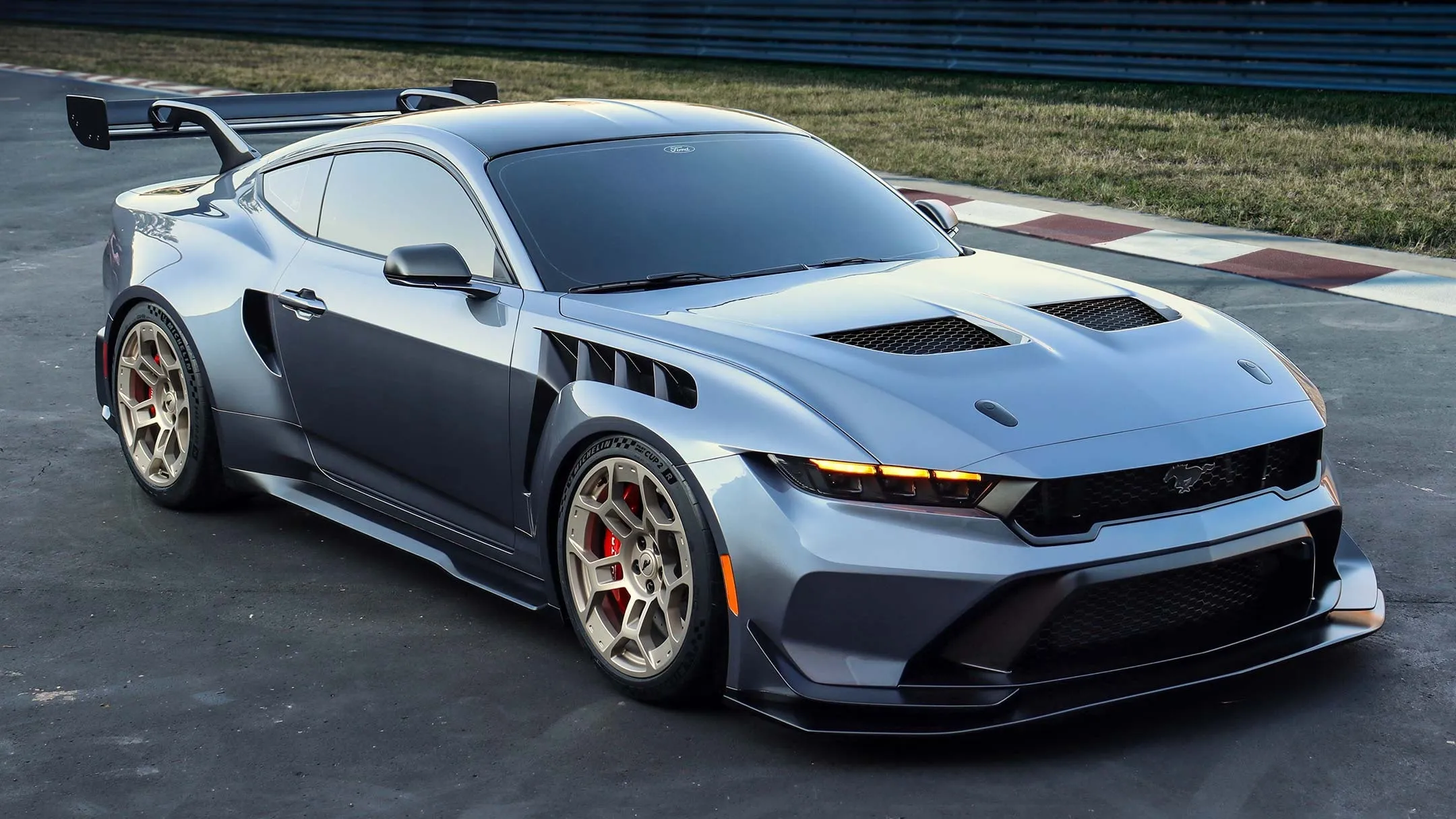
The Ford Mustang GT 2025 delivers thrilling performance, iconic design, and a driving experience many aspire to, but it struggles in beachside environments due to its susceptibility to corrosion.
Steel panels, exposed undercarriage elements, and unprotected wheel arches can develop rust quickly when exposed to salt-laden air or sandy, humid conditions. Even vehicles maintained meticulously inland may encounter early oxidation when regularly driven near the coast.
A 5.0-liter V8 engine produces 450 horsepower, mated to either a six-speed manual or a ten-speed automatic transmission.
While acceleration, handling, and engine responsiveness are exceptional, the metal components surrounding the drivetrain, suspension, and exhaust can deteriorate rapidly if preventative care is neglected. Even minor scratches or chips in the paint can allow moisture and salt to reach vulnerable steel surfaces, accelerating corrosion.
Inside, the cabin offers a blend of comfort and technology, with leather seating, touchscreen infotainment, navigation, and smartphone integration.
The interior remains relatively unaffected by coastal exposure, but the exterior and underbody require consistent protection. Owners must consider aftermarket rust-proofing, frequent washing, and undercarriage inspections to prevent deterioration.
The Mustang GT 2025 remains an appealing choice for those seeking performance, heritage, and the thrill of a rear-wheel-drive V8. However, for beachside residents who want long-term durability in a salty environment, it is less practical.
Without vigilance and ongoing care, corrosion can undermine the vehicle’s structure and visual appeal, making it a challenging option for Clearwater Beach or similar coastal areas.
Also Read: Top 10 Sub-$100K Sports Cars That Deliver Supercar Speed in 2025
5. Volkswagen Golf GTI 2025
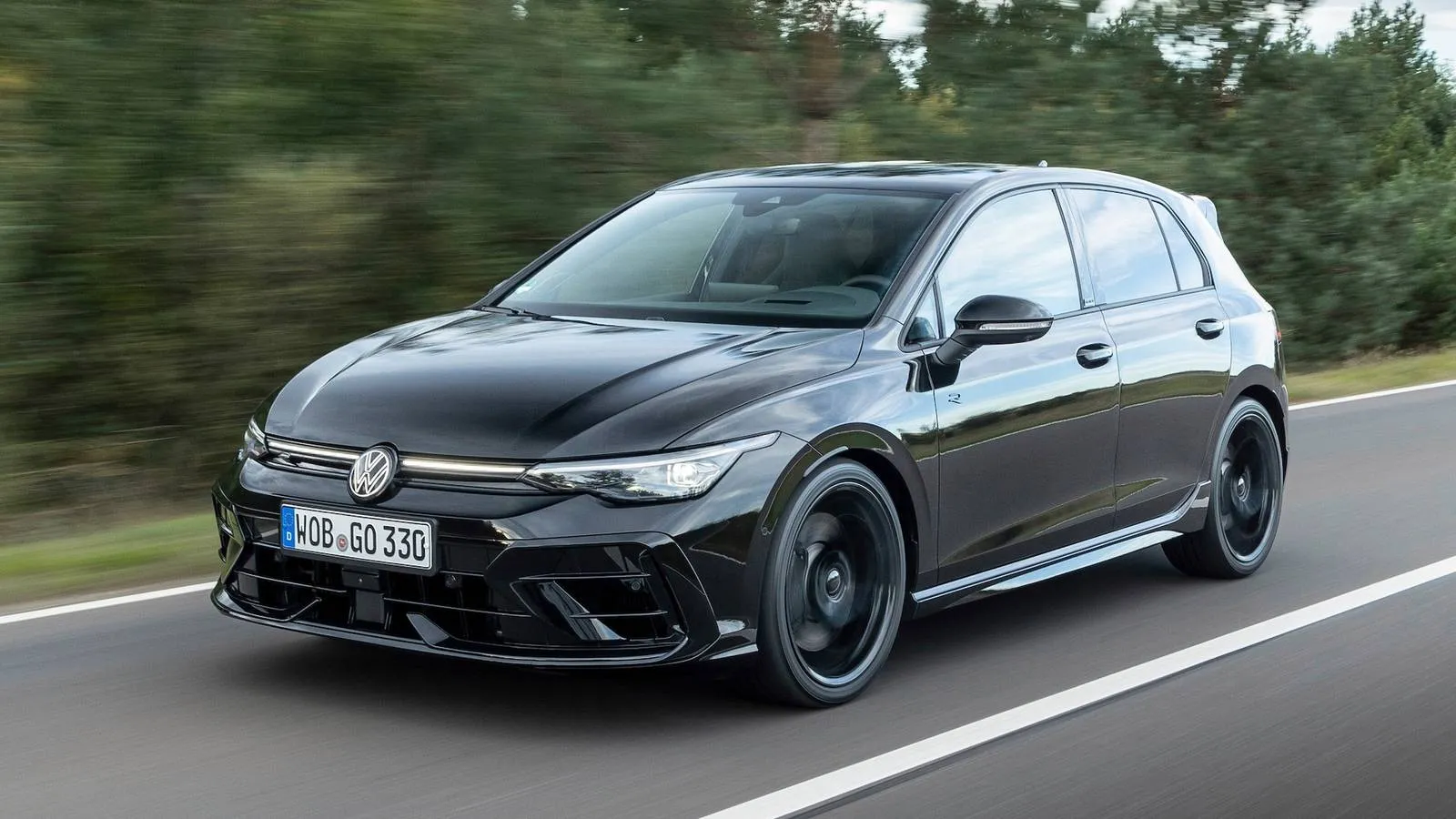
The Volkswagen Golf GTI 2025 is a sporty hatchback celebrated for its sharp performance, nimble handling, and refined interior, yet it faces challenges in coastal environments. Its steel-intensive construction, combined with some exposed underbody components, leaves it susceptible to corrosion when regularly exposed to saltwater, humidity, and sandy roads.
Coastal residents who fall for its European styling and driving dynamics may find that maintaining this hatchback near the beach requires more attention than typical inland vehicles. Areas like wheel arches, door sills, and suspension mounts are particularly vulnerable, often showing early signs of rust within just a few years of exposure to salty air.
Even minor scratches or chips in the paint can accelerate oxidation, allowing moisture to reach underlying steel. Underneath the hood, the Golf GTI is powered by a 2.0-liter turbocharged four-cylinder engine producing 241 horsepower.
Drivers can choose between a six-speed manual or a seven-speed dual-clutch automatic transmission, providing a balance of sporty engagement and smooth power delivery.
While the engine itself is robust and reliable, supporting components such as brake lines, exhaust elements, and lower suspension parts can deteriorate faster in coastal climates if not properly protected.
The hatchback’s interior offers comfort and convenience, with supportive seats, a modern infotainment touchscreen, integrated navigation, and smartphone connectivity. While these materials can handle minor moisture and wear, they do not protect the exterior’s metal surfaces.
Owners living near the ocean often need to commit to a strict maintenance routine, including frequent washing, undercarriage rinses, and application of protective coatings or aftermarket rust-proofing solutions. Such care helps preserve both the vehicle’s aesthetic appeal and structural integrity as time goes on.
Despite these challenges, the Golf GTI 2025 remains fun to drive, with responsive steering, agile cornering, and a compact size that makes city commuting enjoyable. However, for residents or frequent visitors of coastal areas like Clearwater Beach, the hatchback’s susceptibility to corrosion can limit its practicality.
Without consistent upkeep, rust may compromise not only the car’s looks but also its long-term performance. Prospective owners must weigh the joy of driving this sporty European hatchback against the additional responsibility of protecting it from the corrosive effects of a salty, humid environment.
