
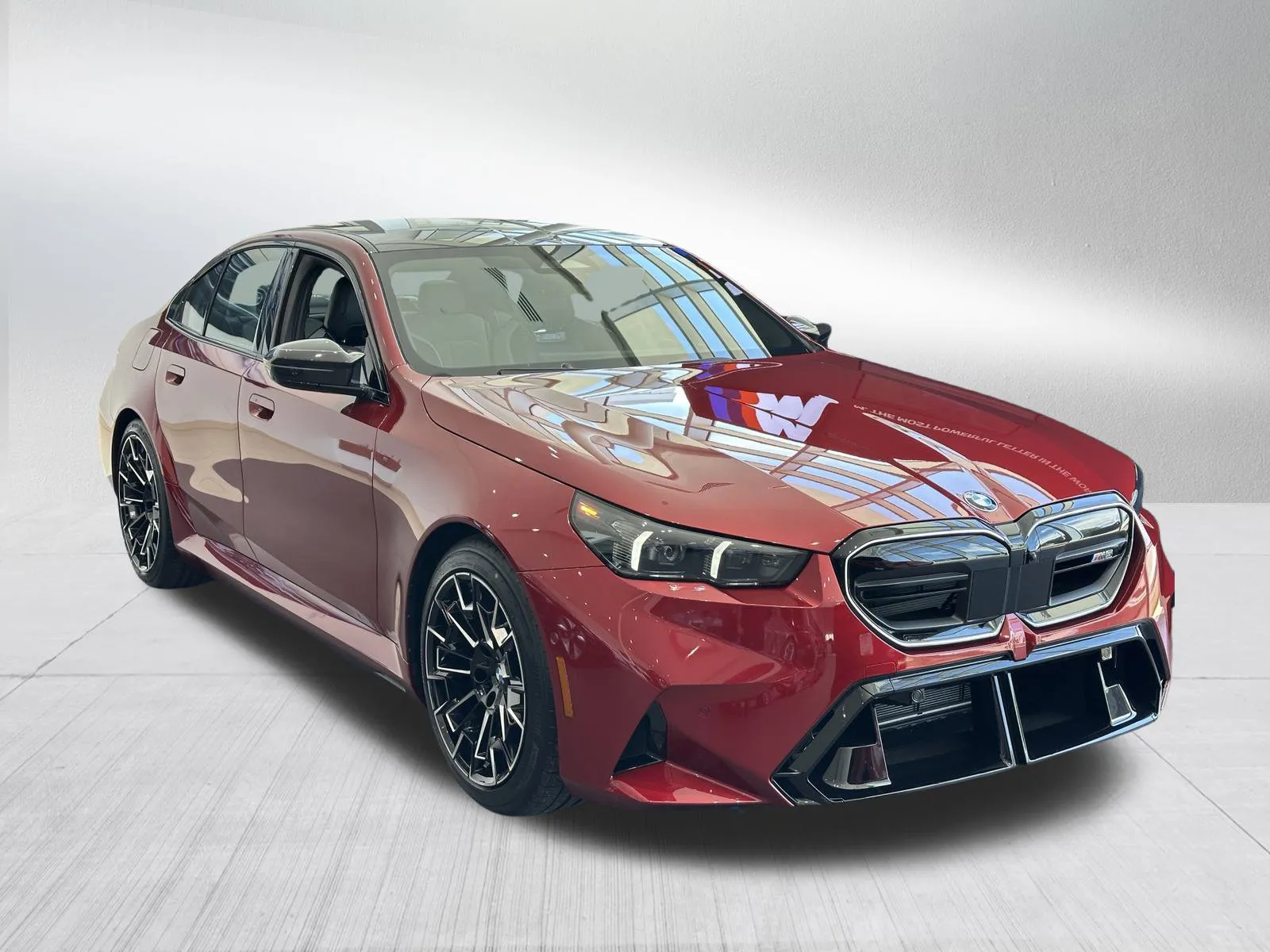
Starting college brings excitement, new responsibilities, and the need for dependable transportation. For students, a car isn’t just about getting to class; it’s essential for weekend trips, grocery runs, and outings with friends. Having a reliable vehicle can make campus life smoother and reduce everyday stress.
Finding a car that balances affordability, practicality, and reliability is especially important in College Station, where students drive through both urban streets and suburban roads.
This guide highlights six cars ideal for student drivers, chosen for low maintenance costs, solid fuel efficiency, and a reputation for lasting dependability. Each model delivers practicality while keeping ownership manageable for young drivers.
On the flip side, some cars look appealing but come with hidden repair expenses that can quickly become a financial burden. This guide also identifies six vehicles that may create long-term maintenance challenges, helping students avoid costly surprises.
By understanding which cars thrive in a student lifestyle and which could strain a budget, buyers can make smarter choices.
Whether the priority is compact size for parking, low insurance, or durability for daily commuting, this guide offers insights to balance the excitement of owning a car with practical considerations.
Students and parents can use it to select vehicles that maximize convenience and minimize unexpected costs, ensuring college transportation is both enjoyable and reliable.
6 Cars for College Station Student Drivers
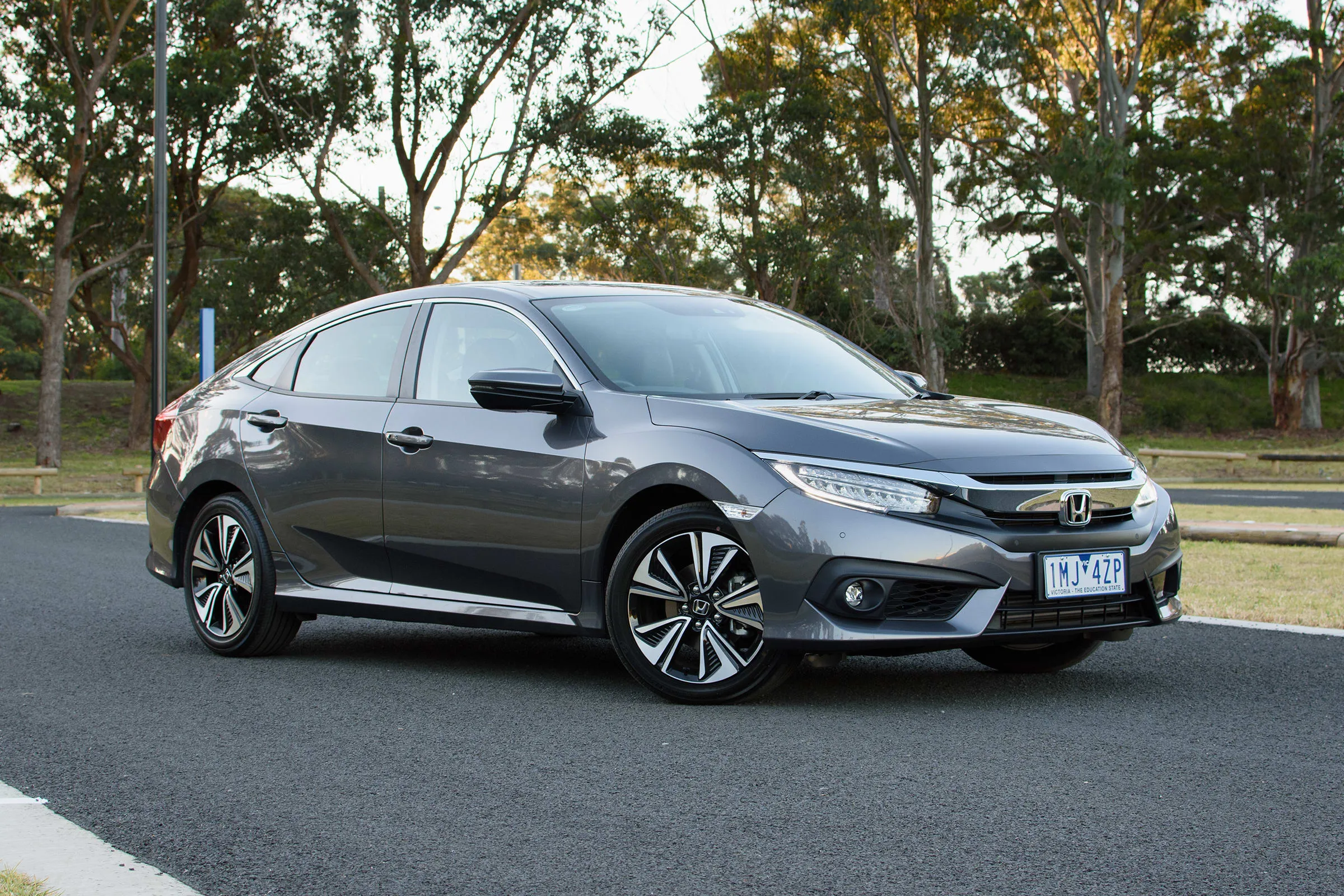
1. Honda Civic LX 2018
Honda Civic LX 2018 offers a combination of efficiency, affordability, and reliability, making it a prime choice for student drivers. Its 2.0-liter four-cylinder engine provides smooth, predictable power suitable for city streets and longer highway drives.
Fuel efficiency remains impressive, typically achieving over 30 miles per gallon in mixed driving, which reduces total running costs and allows for longer trips without frequent stops at the pump.
Safety and handling contribute to its suitability for inexperienced drivers. With responsive steering and a stable chassis, the Civic feels confident in tight parking spots and during sudden maneuvers.
Advanced safety features, including a rearview camera, multiple airbags, and stability control, provide extra reassurance for young drivers who are still building experience.
The cabin is designed for practicality, with easy-to-clean materials and logically arranged controls. Seats remain comfortable even on long drives, while the infotainment system is simple to use, avoiding technology overload that can distract new drivers. Cargo space is adequate for dorm move-ins or weekend trips, and the rear seats fold flat to accommodate larger items.
Ownership costs remain manageable due to Honda’s reputation for durable engineering and widely available parts. Routine maintenance like oil changes, brake pads, and tire rotations is straightforward, often completed at local service centers without high expenses. Insurance costs tend to be reasonable as well, reflecting the car’s safety profile and modest performance.
For college students seeking a practical, dependable vehicle, the Honda Civic LX 2018 delivers value, reliability, and ease of use, making it a model that supports both campus commuting and weekend adventures with minimal stress.
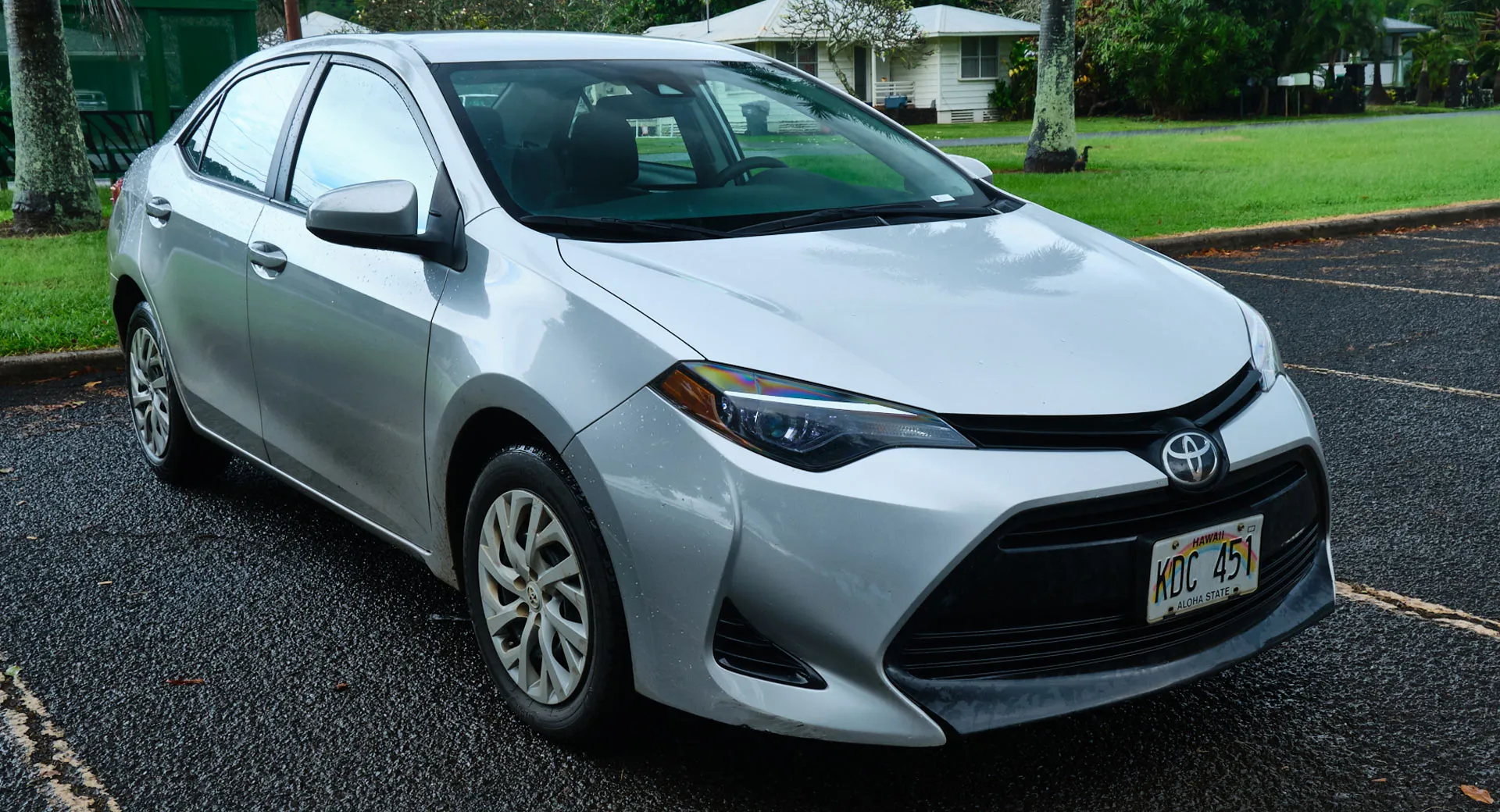
2. Toyota Corolla LE 2019
Toyota Corolla LE 2019 blends efficiency, comfort, and affordability into a package ideal for campus life. Its 1.8-liter four-cylinder engine provides steady acceleration suitable for city streets and occasional highway trips.
With fuel economy around 32 miles per gallon combined, students can budget for gas without worrying about frequent refueling, leaving more room in their finances for tuition and social activities.
The interior design prioritizes simplicity and durability. Materials are resistant to wear, and seats remain supportive for long commutes or weekend drives.
The infotainment system offers basic navigation and smartphone integration, minimizing distractions for new drivers. Controls are intuitive, reducing learning curves for students new to managing a vehicle independently.
Safety features are strong, making the Corolla LE an attractive choice for young drivers. Toyota’s suite includes automatic emergency braking, lane departure alerts, and multiple airbags, giving parents peace of mind and students confidence behind the wheel. Visibility from the driver’s seat is excellent, which aids in parking and maneuvering around campus streets.
Ride quality is smooth, absorbing minor bumps without compromising handling. Suspension tuning strikes a balance between comfort and stability, ensuring predictable behavior during daily commuting or sudden stops.
Maintenance is straightforward, thanks to Toyota’s widespread service network and durable components. Brake pads, tires, and fluid changes remain affordable, helping students avoid unexpected repair bills.
Its compact size allows easy parking in crowded campus lots, and the trunk accommodates backpacks, sports equipment, or groceries without issues. Combined with low insurance rates and consistent reliability, the Toyota Corolla LE 2019 positions itself as a practical, low-stress option for students needing dependable daily transportation.
Also Read: 5 Cars for Pensacola Family Trips vs 5 cars That Break on Road Trips
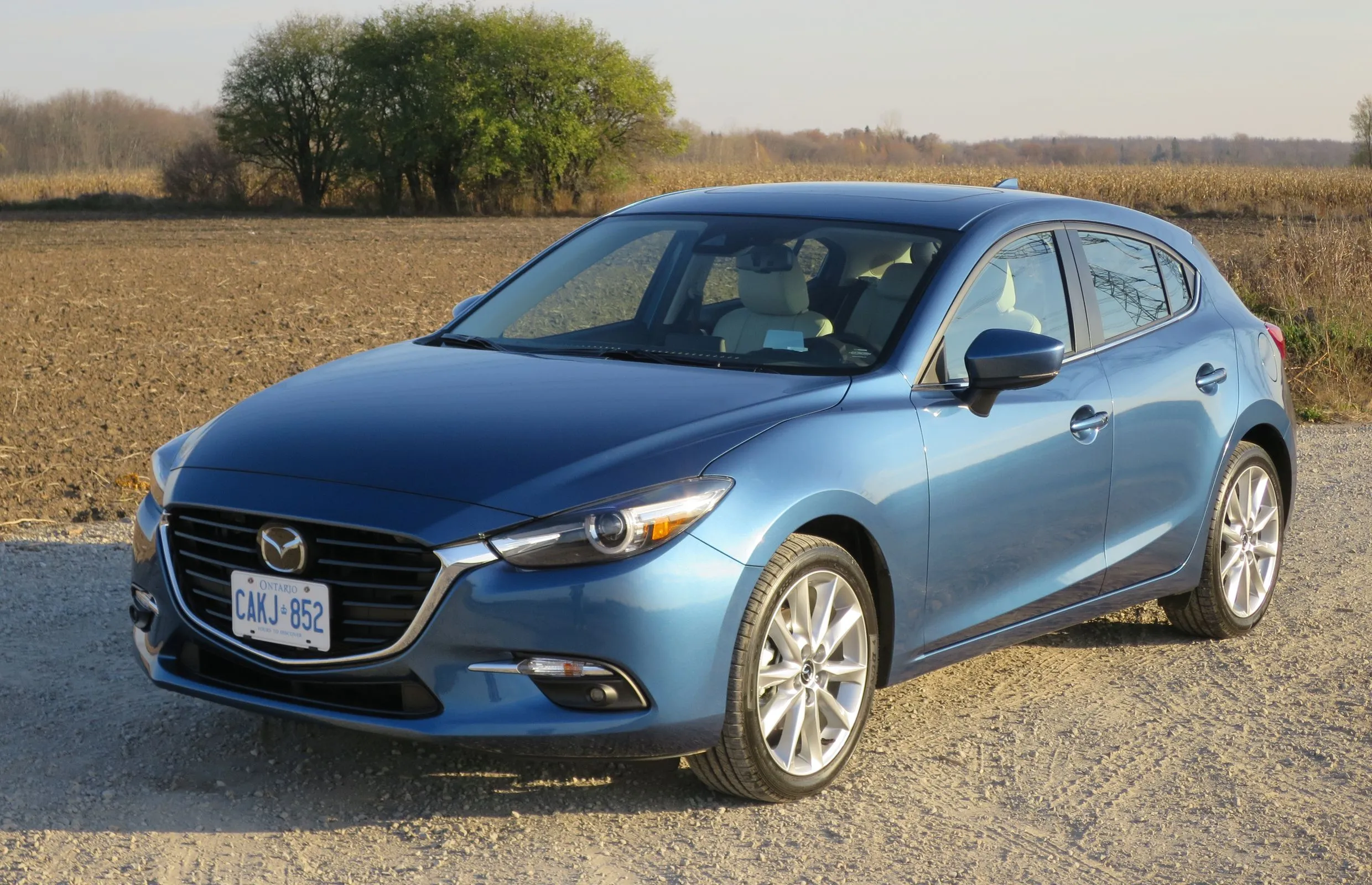
3. Mazda3 Sport 2017
Mazda3 Sport 2017 is a compact hatchback that emphasizes fun-to-drive dynamics while maintaining reliability. Its 2.0-liter four-cylinder engine delivers peppy performance without sacrificing fuel efficiency, often achieving nearly 30 miles per gallon combined.
Responsive handling and precise steering make it enjoyable to drive through crowded streets or suburban roads, a valuable feature for students learning confidence behind the wheel.
The interior is driver-focused yet practical. Controls are logically arranged, and infotainment systems integrate smoothly without overwhelming users.
Rear seats fold down easily, increasing cargo flexibility for weekend trips, dorm moves, or hauling sports gear. Materials are durable and resist daily wear, ensuring the cabin remains appealing even with frequent use.
Safety features include stability control, traction management, multiple airbags, and a rearview camera. These elements help mitigate the risks of inexperience, providing a supportive environment for students still developing road skills. Braking response is consistent, allowing for predictable stops in high-traffic areas.
Maintenance remains affordable due to Mazda’s engineering and shared components with other models in the lineup. Tires, brakes, and routine fluid services are accessible and reasonably priced, which is ideal for students managing tight budgets.
The hatchback’s compact footprint simplifies parking in urban and campus settings, while its sporty appearance makes it a fun, engaging vehicle to drive.
For students looking for a combination of style, handling, and dependability, the Mazda3 Sport 2017 delivers. It offers low ownership costs, practical cargo space, and a safe, responsive driving experience, making it an excellent option for going through the demands of college life.
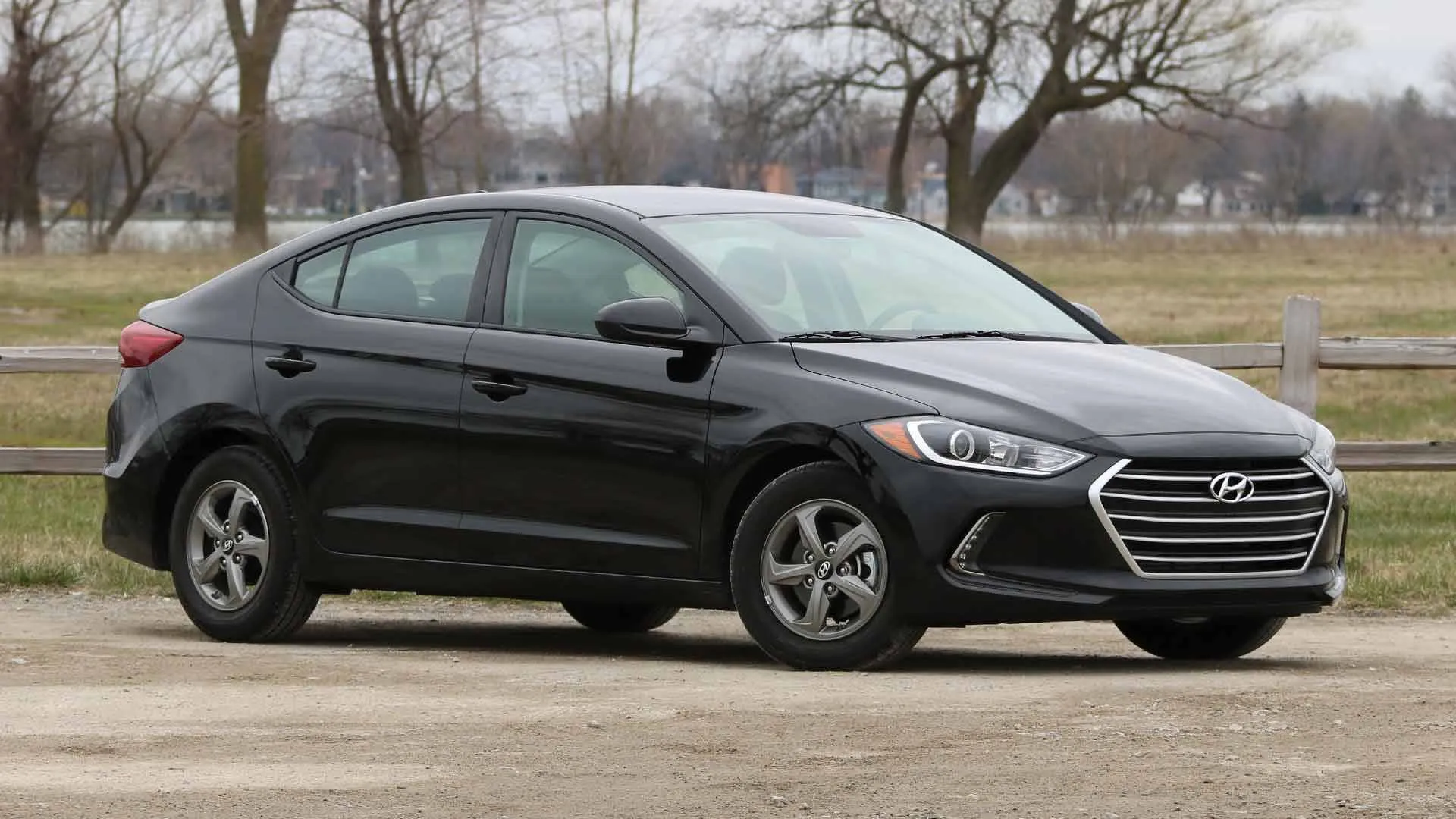
4. Hyundai Elantra SE 2018
Hyundai Elantra SE 2018 brings together affordability, fuel efficiency, and practicality in a package that suits student life. Powered by a 2.0-liter four-cylinder engine, it delivers reliable acceleration for urban and suburban roads. Fuel efficiency averages around 32 miles per gallon, which supports a student’s limited budget while minimizing trips to the gas station.
The cabin is spacious for a compact sedan, with seats that provide comfort during long commutes to campus or weekend excursions.
Materials are hard-wearing, resisting wear and tear from backpacks and sports equipment. Infotainment options include basic navigation, Bluetooth connectivity, and a user-friendly touchscreen that avoids unnecessary complication.
Handling is predictable, with a suspension setup tuned to absorb bumps while maintaining stability. Braking is consistent, giving inexperienced drivers confidence in stop-and-go traffic. Visibility is generous, helping students park in tight campus lots or suburban streets.
Hyundai’s reputation for reliability, coupled with straightforward maintenance requirements, makes the Elantra SE 2018 a budget-conscious choice.
Oil changes, brake service, and tire rotations are accessible and affordable, reducing stress for students balancing school and work responsibilities. Insurance costs are generally moderate, reflecting the car’s safety features and modest performance.
Cargo space in the trunk accommodates groceries, textbooks, and weekend luggage, making the vehicle versatile for daily student life. For young drivers seeking a dependable, economical, and easy-to-drive car, the Hyundai Elantra SE 2018 combines practicality and value, helping students manage transportation with minimal stress.
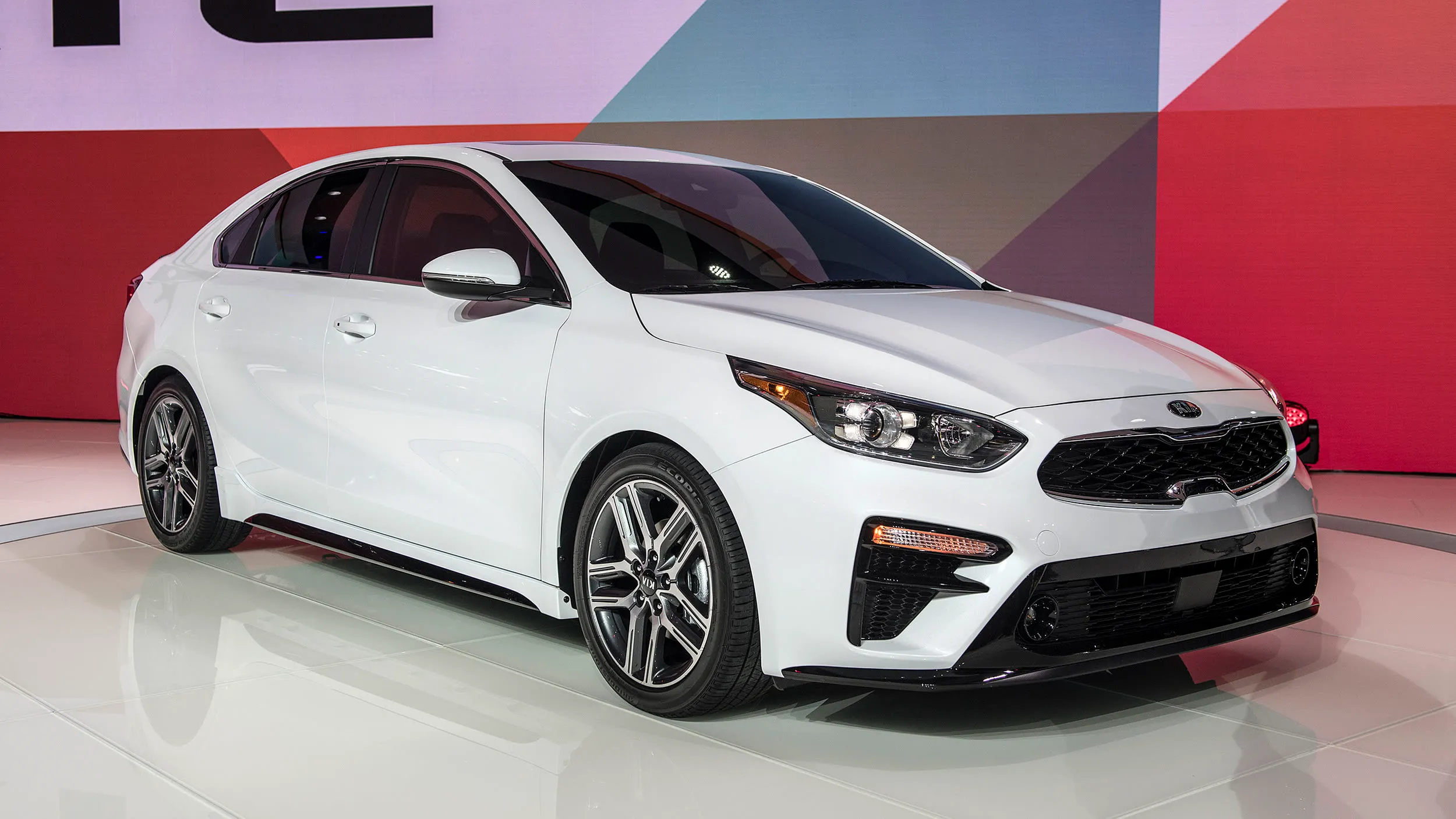
5. Kia Forte LX 2019
Kia Forte LX 2019 presents a balance of affordability, efficiency, and student-friendly features. Its 2.0-liter four-cylinder engine provides steady performance for commuting and weekend trips, paired with smooth handling that encourages confidence behind the wheel. Fuel economy hovers around 31 miles per gallon, which helps minimize operating costs for students on tight budgets.
Interior space is well-utilized, with durable seating and straightforward controls. Infotainment includes a touchscreen with smartphone integration, supporting modern connectivity without overwhelming inexperienced drivers. Rear seats fold flat, creating flexibility for carrying larger items or sports gear.
Safety remains a priority, with stability control, multiple airbags, and a rearview camera helping mitigate risks for new drivers. Predictable braking and responsive steering enhance driver confidence on both city streets and suburban roads.
Maintenance costs remain manageable. Tires, brake pads, and fluid services are affordable, while Kia’s warranty coverage adds an extra layer of security for students concerned about unexpected repairs. Insurance premiums are generally reasonable due to the vehicle’s safety profile and modest performance.
Compact dimensions aid in parking on campus and driving through crowded streets. The Forte LX 2019 delivers a practical, reliable, and low-stress driving experience, making it an appealing choice for students who need dependable transportation without breaking the bank.
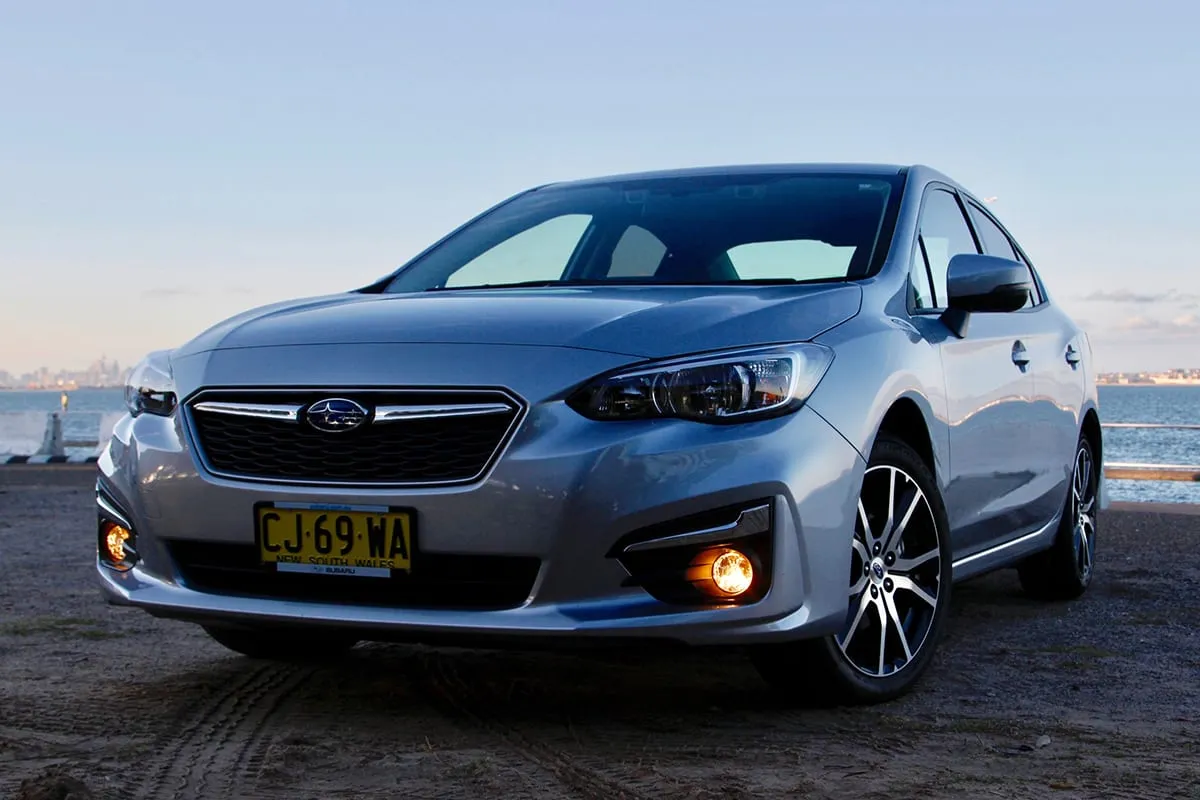
6. Subaru Impreza 2017
Subaru Impreza 2017 stands out with standard all-wheel drive, fuel efficiency, and solid reliability. Its 2.0-liter four-cylinder engine delivers smooth power for city commuting and weekend trips, while the symmetrical all-wheel-drive system provides additional traction for rainy or unpredictable weather, a valuable asset for students driving on variable road.
The interior is practical, with durable materials that withstand daily student use. Seats are comfortable for long drives, while cargo space accommodates textbooks, groceries, or sports equipment. Controls are intuitive, minimizing learning curves for young drivers.
Safety features include multiple airbags, stability control, traction management, and a rearview camera. These systems provide support for less experienced drivers and add confidence during campus commuting. Ride quality is smooth, absorbing bumps while maintaining handling stability.
Maintenance is straightforward due to Subaru’s reputation for durable engineering and widely available parts. Routine services, such as oil changes and brake maintenance, are cost-effective, supporting long-term affordability. Fuel economy averages around 28 miles per gallon, which helps students manage limited budgets.
For students seeking versatility, reliability, and safety, the Subaru Impreza 2017 delivers a practical, long-lasting vehicle that balances daily needs with weekend adventure potential. Its combination of all-wheel drive, comfortable interior, and affordable ownership makes it an excellent choice for College Station student life.
6 Cars That Cost More to Fix
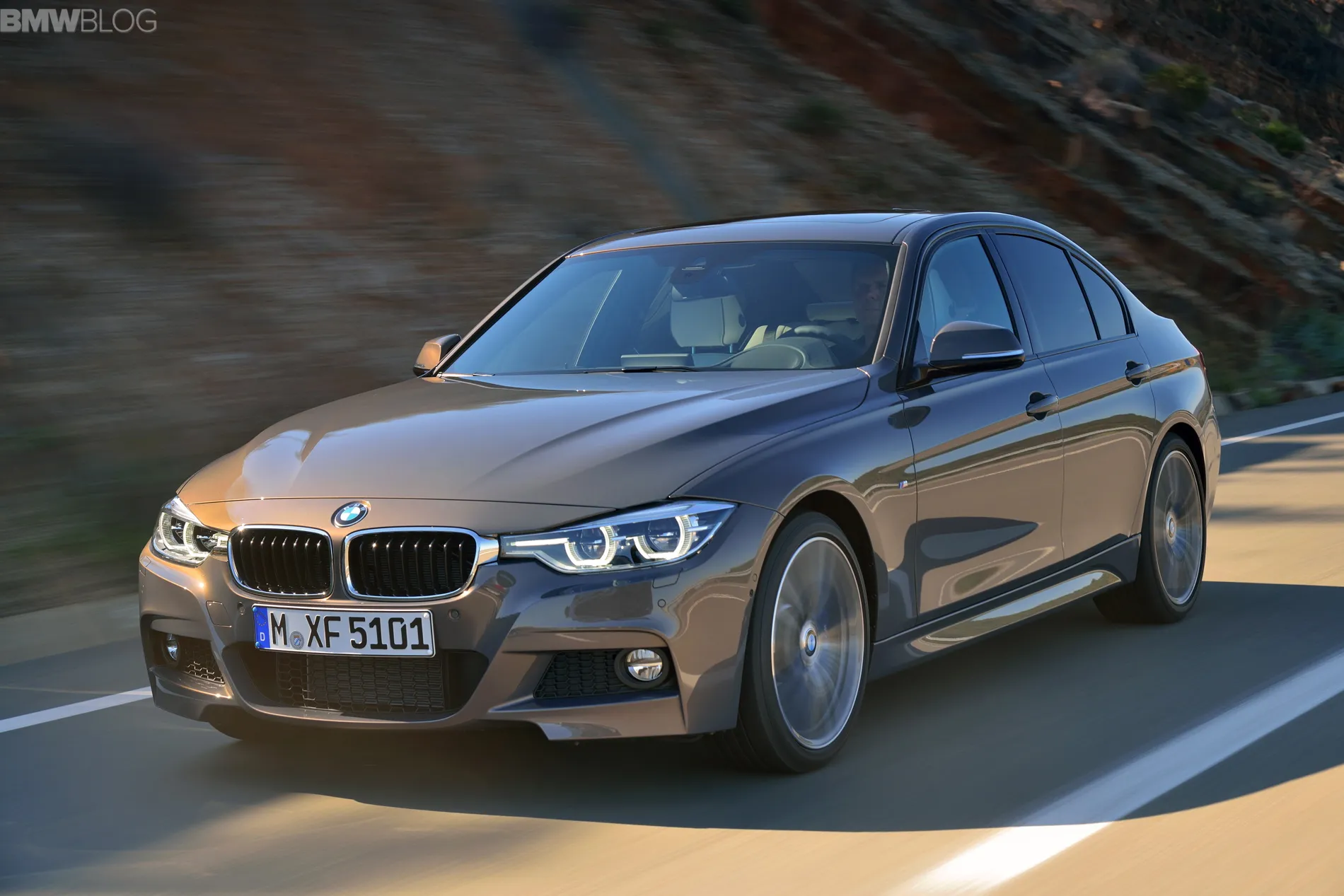
1. BMW 3 Series 328i 2015
BMW 3 Series 328i 2015 delivers performance and driving excitement, but can be expensive to maintain, making it a less ideal choice for student budgets.
Its 2.0-liter turbocharged four-cylinder engine produces lively acceleration and a responsive driving experience, giving drivers a sporty feel on city streets or highways. However, luxury components and specialized engineering often translate into higher service costs.
The interior is stylish and packed with features, including leather seating, a premium sound system, and an advanced infotainment interface.
While this adds comfort and appeal, it also means repairs can be costly when electronics or luxury trims fail. Climate control units, navigation screens, and interior sensors are prone to wear as time goes on, which can result in expensive replacement parts.
Suspension and drivetrain maintenance are another concern. BMW’s precise handling relies on components like multi-link rear suspensions and complicated steering mechanisms.
Replacing worn bushings, control arms, or shock absorbers can be expensive compared to non-luxury compact sedans. Routine brake and tire services are also pricier due to premium parts specifications.
Even minor issues, like a failing water pump or electronic sensor malfunction, can quickly escalate in cost due to BMW’s specialized service requirements.
Finding affordable independent repair shops helps, but parts and labor remain higher than average. Fuel efficiency is reasonable, but ownership costs often surpass expectations for students on a tight budget.
For those drawn to the 328i 2015’s sporty character and luxury appeal, the car offers a refined driving experience. Yet, prospective owners must be prepared for higher maintenance and repair expenses, which can add stress to student finances.
While it excels in performance and comfort, its repair costs and potential for unexpected mechanical issues make it less practical for young drivers seeking economical ownership.
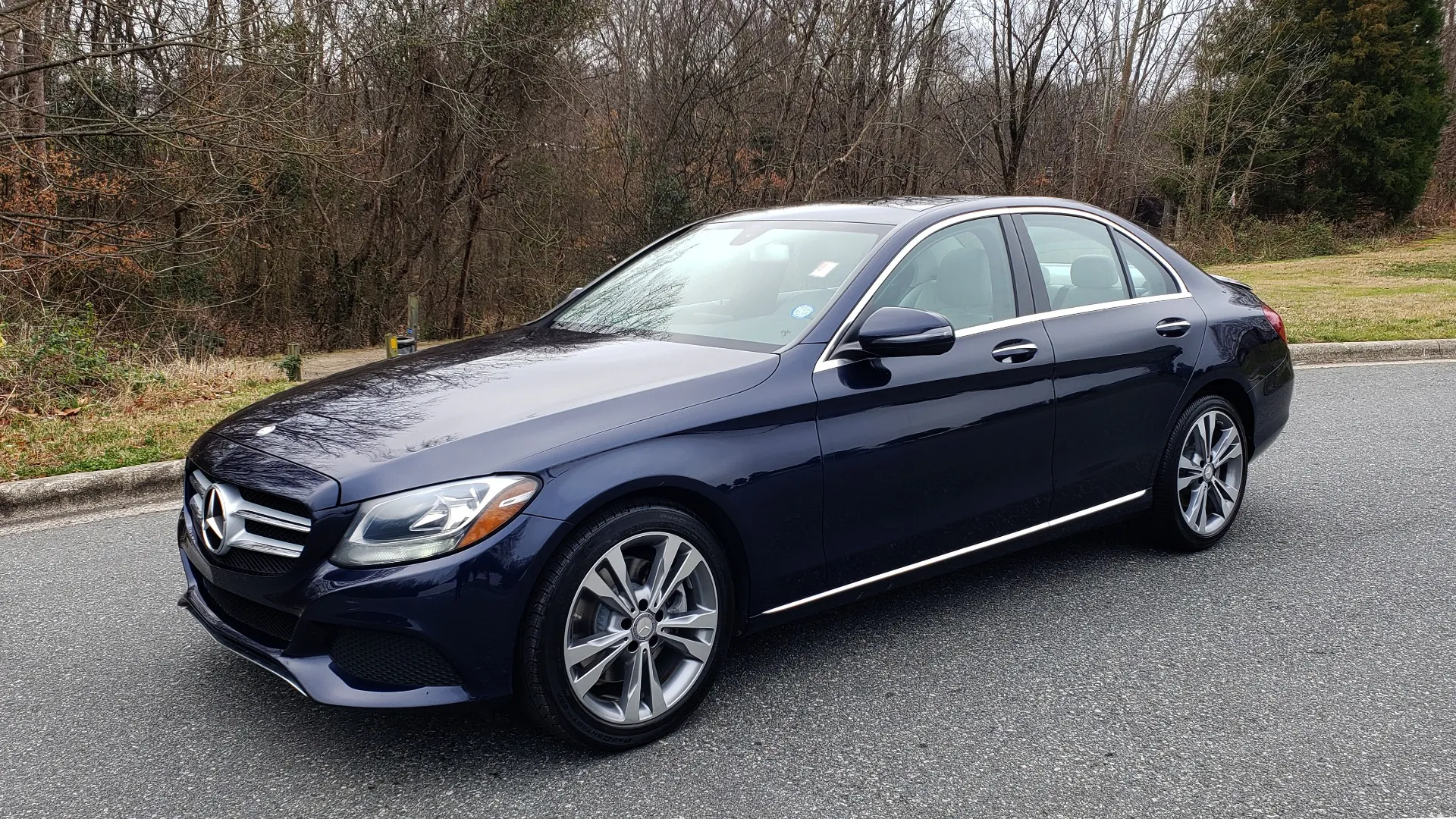
2. Mercedes-Benz C300 2016
Mercedes-Benz C300 2016 combines refined styling with smooth performance, but its ownership costs can be substantial.
A 2.0-liter turbocharged four-cylinder engine delivers power and a refined driving experience, while the interior features premium materials, including leather upholstery, advanced infotainment, and driver-assist technologies. These luxury elements enhance comfort but can increase repair expenses.
Suspension components, such as adaptive dampers and air-assisted shocks, can be costly to service when worn or malfunctioning.
Brake systems use high-quality parts that are more expensive to replace compared to standard compact sedans, and the sophisticated electronics require specialized diagnostics. Even small malfunctions in sensors, infotainment modules, or climate control units often demand dealer-level service.
The car’s turbocharged engine is efficient and responsive, but repairs to the turbo system or associated cooling components can be expensive if maintenance is neglected.
Routine items like spark plugs or fuel injectors also carry higher costs due to Mercedes-Benz specifications. Timing chain and water pump repairs, though infrequent, can increase long-term ownership expenses.
Despite its high-quality interior, electronics can fail as mileage rises. Navigation screens, adaptive cruise control, and safety sensors may malfunction and are costly to repair, impacting a student’s budget. Insurance premiums tend to be higher for luxury sedans, adding to total financial strain.
The C300 2016 provides comfort, performance, and prestige, but prospective student owners must anticipate ongoing expenses.
Regular maintenance is essential to prevent major failures, yet even diligent care cannot eliminate the higher cost of luxury parts and labor. For students seeking low-cost, worry-free transportation, alternatives like compact sedans may better fit limited budgets.
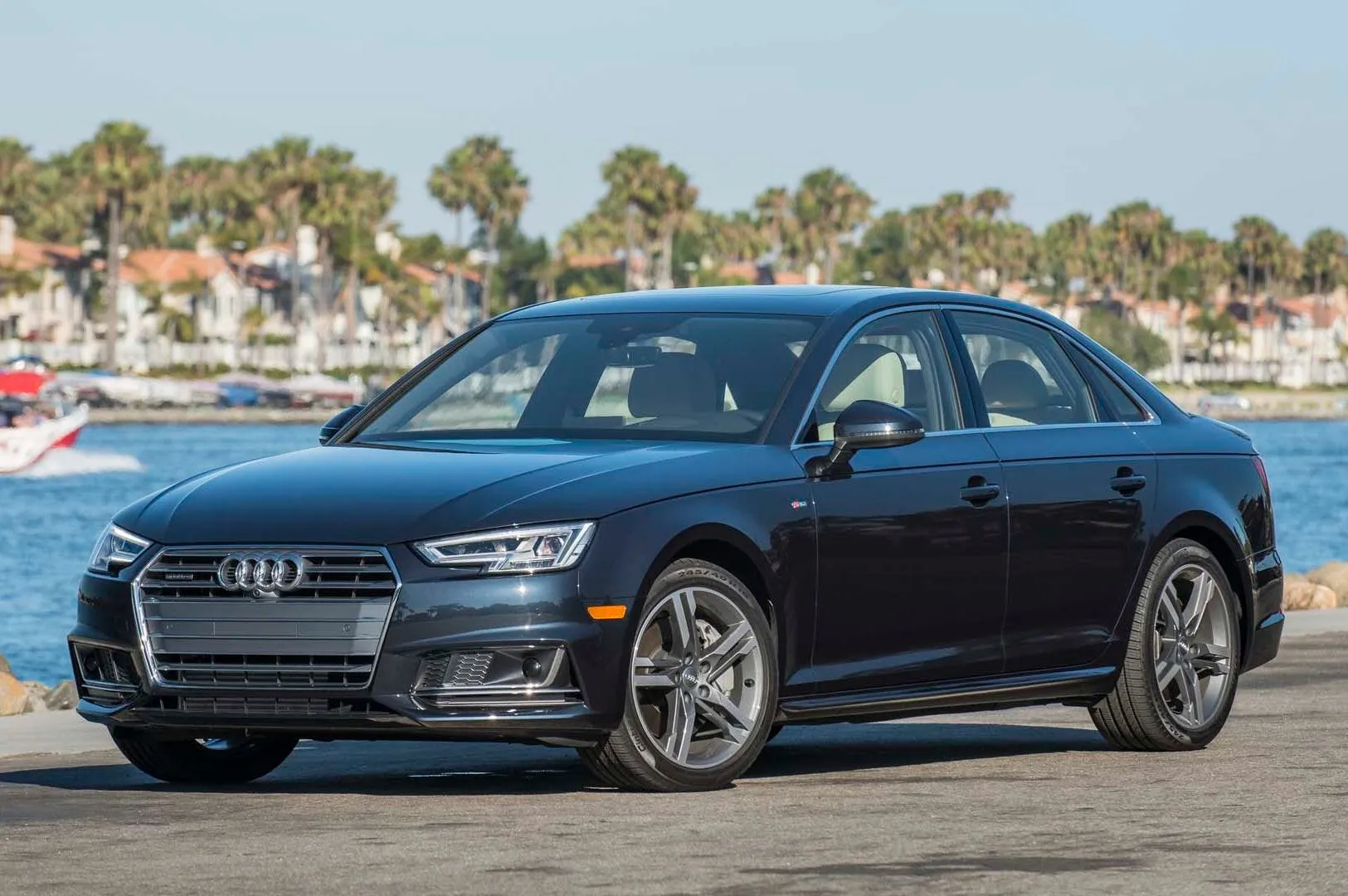
3. Audi A4 2.0T Premium 2017
Audi A4 2.0T Premium 2017 delivers a refined and enjoyable driving experience, but its cost of ownership is higher than typical student-friendly vehicles.
Powered by a turbocharged 2.0-liter four-cylinder engine, it offers smooth acceleration and confident handling. Quattro all-wheel drive provides added stability in various weather conditions, a valuable feature for suburban and urban driving.
The interior reflects Audi’s commitment to quality, with leather seating, a clean dashboard layout, and a sophisticated infotainment system.
However, electronics and advanced features can increase repair costs if sensors, displays, or multimedia systems fail. Common issues such as turbocharger maintenance, oil consumption, and minor electrical glitches contribute to higher long-term costs.
Suspension and drivetrain components are engineered for precision and comfort, yet repairs or replacements often require dealer service or specialized parts, which adds expense.
Brake systems and tires also carry premium pricing due to the vehicle’s performance-oriented design. Even routine servicing can surpass expectations compared with more economical sedans.
Maintenance challenges extend to engine components. Turbocharged engines demand consistent oil changes with high-quality synthetic fluids, and neglect can lead to costly repairs.
Transmission issues, though uncommon, are also more expensive to address than conventional automatics. Students managing tight budgets may find these expenses challenging to accommodate.
The Audi A4 2.0T Premium provides style, safety, and driving confidence. Yet for student drivers, it comes with hidden costs that can accumulate in due course.
While appealing for its design and features, the combination of luxury engineering, advanced electronics, and specialized components makes it one of the pricier options for maintenance and unexpected repairs.
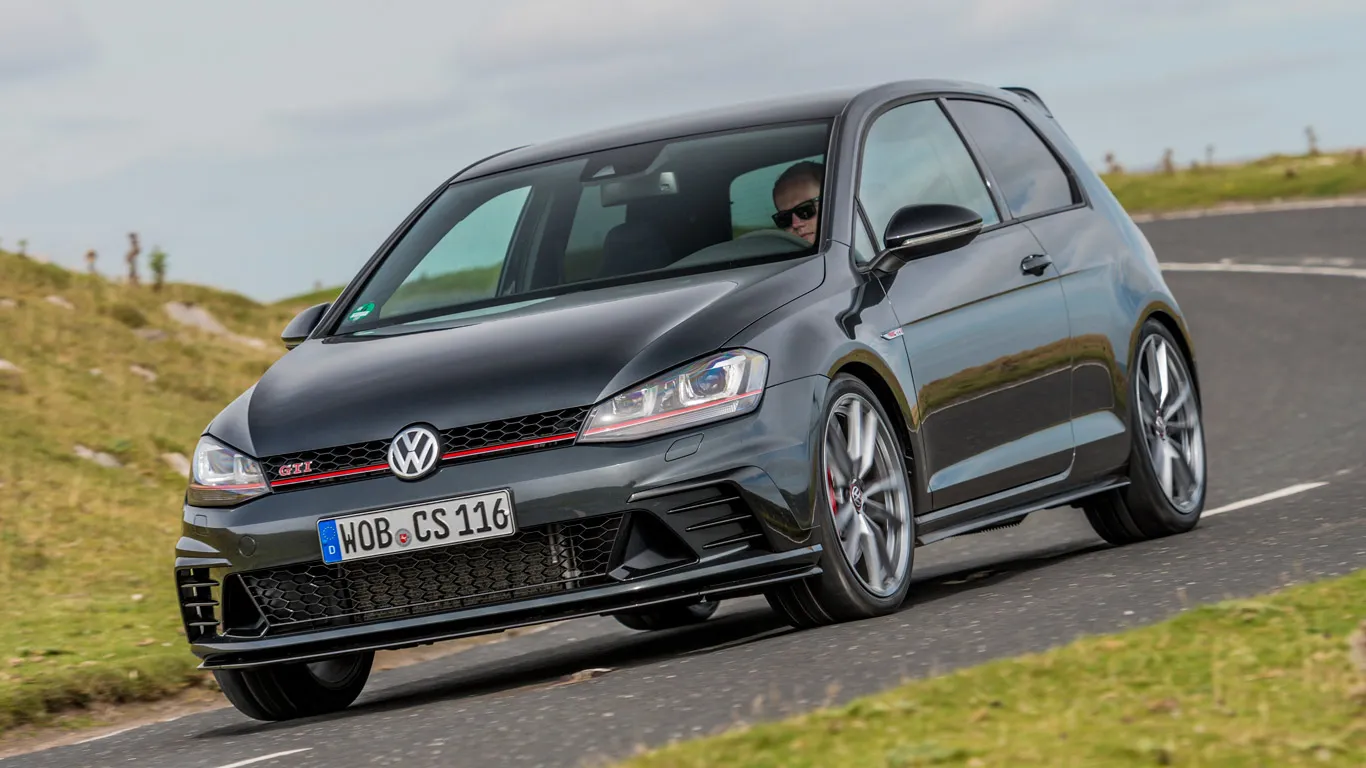
4. Volkswagen Golf GTI 2016
Volkswagen Golf GTI 2016 is an iconic hot hatch with impressive performance, but it can be costly to maintain for student drivers.
Its 2.0-liter turbocharged engine delivers spirited acceleration and sharp handling, making it fun to drive. However, performance-oriented components require careful attention to avoid expensive repairs, particularly for young owners.
The interior offers a sporty design with supportive seats and modern technology, including touchscreen infotainment and digital gauges.
Electronics, though convenient, can be costly to repair if failures occur. High-output engines place additional stress on cooling, turbocharger, and transmission components, which may result in unanticipated maintenance bills.
Suspension and braking systems are tuned for agility, but replacement of premium components, such as Sachs dampers or performance brakes, can be expensive. Routine maintenance like oil changes must use high-quality synthetic fluids, and neglecting scheduled services increases the risk of costly engine repairs.
Insurance premiums for a GTI are typically higher than standard sedans due to its performance orientation. Tires and wheels designed for sporty handling are more prone to wear, adding another layer of expense. Even minor accidents or cosmetic damage can be costly due to the specialized exterior and interior parts.
While the Golf GTI 2016 provides fun, agility, and prestige for a student driver, these benefits come with higher repair and maintenance costs. Prospective buyers must be prepared to invest in both preventive care and occasional major repairs, which may stretch a student budget beyond comfort levels.
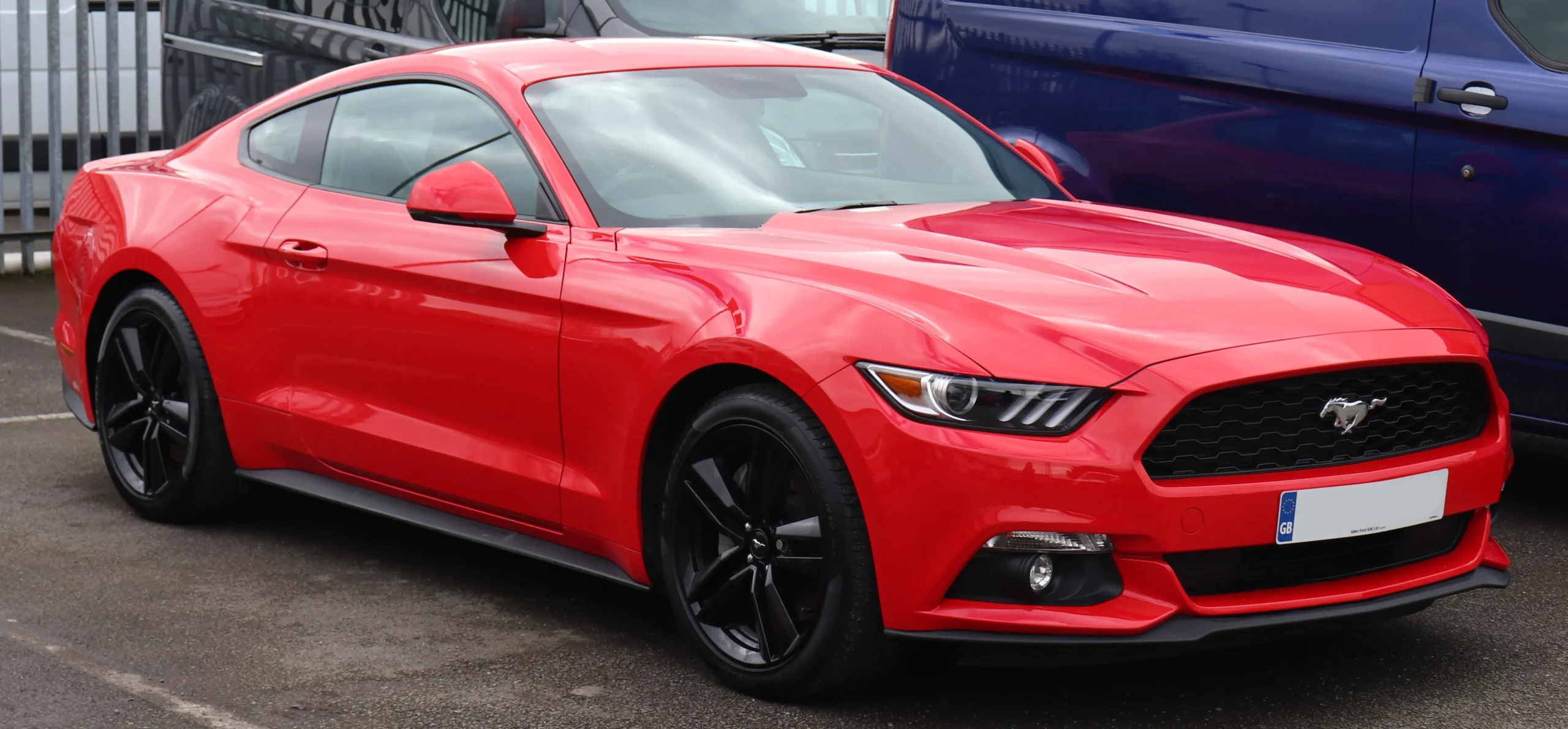
5. Ford Mustang EcoBoost 2017
Ford Mustang EcoBoost 2017 delivers a mix of sporty styling and turbocharged performance, but it carries higher ownership costs than practical student vehicles.
The 2.3-liter turbocharged four-cylinder engine produces lively acceleration, complemented by responsive steering and aggressive handling. While enjoyable, the performance focus results in faster wear on tires, brakes, and suspension components.
The interior is modern and feature-rich, with infotainment options, leather-trimmed seats, and driver-assist technologies. Electronics and power accessories can require costly repairs, particularly in older models with high mileage. Climate controls, audio systems, and sensors can fail, demanding specialized service.
Maintenance and repairs are more expensive than compact sedans due to premium or performance-specific parts.
Turbocharger maintenance, transmission service, and engine components require attention and higher-grade materials, increasing long-term costs. Even routine brake and tire replacement can surpass expectations for students managing tight budgets.
Fuel economy is lower than smaller sedans, with average combined ratings around 25 miles per gallon. Insurance premiums are higher due to performance classification, adding ongoing costs to student ownership. While weekend drives are thrilling, everyday commuting in heavy traffic may feel less practical and more expensive than alternatives.
For students drawn to sporty aesthetics and performance, the Mustang EcoBoost 2017 provides excitement and style. However, owners must anticipate elevated repair, maintenance, and insurance costs, which make it a less economical option for college life compared with reliable, fuel-efficient compact sedans.
Also Read: 5 Cars for Hayward Bay Area Driving vs 5 Cars That Are Costly to Own
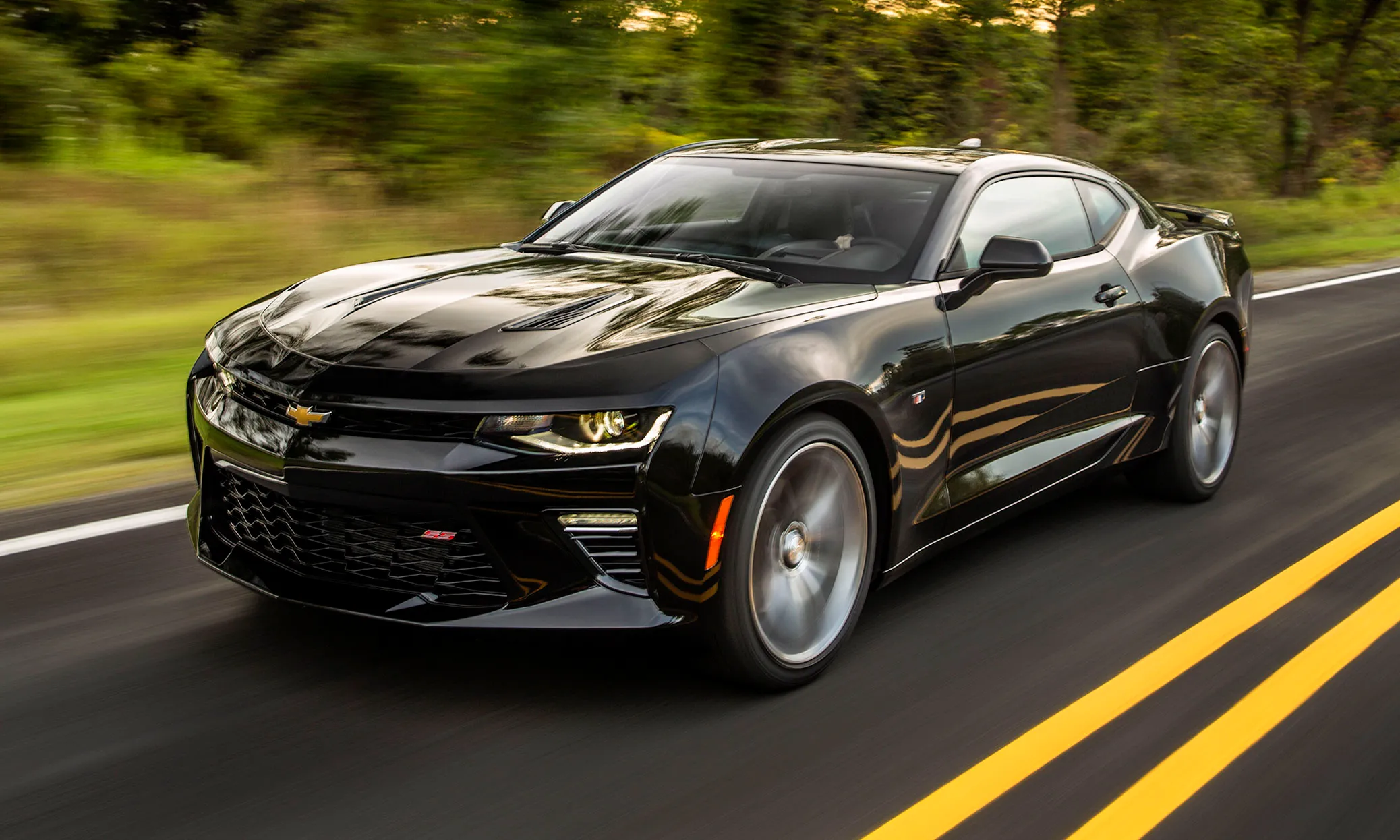
6. Chevrolet Camaro 2LT 2016
Chevrolet Camaro 2LT 2016 is a bold sports coupe that delivers strong acceleration and confident handling, yet it comes with high ownership costs that may not suit student budgets.
Its 3.6-liter V6 engine produces robust power, creating an engaging driving experience for enthusiasts. The performance-oriented drivetrain, however, increases wear on suspension, brakes, and tires, translating to higher maintenance expenses.
The interior is comfortable and stylish, with premium materials and technology features including touchscreen infotainment and driver-assist options. These elements enhance usability and appeal, but repair or replacement can be costly when components fail, particularly in older or high-mileage examples.
Suspension tuning is focused on sporty performance, which may accelerate wear compared with standard compact sedans.
Brake replacement costs are elevated due to larger rotors and performance pads, and tires designed for grip and handling tend to wear quickly. Engine and transmission service also comes with higher labor and parts costs, reflecting the car’s performance orientation.
Insurance premiums are generally higher for a Camaro, adding to the total expense of ownership. Even minor cosmetic damage or sensor failures can create huge repair bills, reducing the car’s practicality for student drivers. Fuel economy averages under 25 miles per gallon, increasing ongoing operating costs.
For those seeking a visually striking, performance-oriented vehicle, the Camaro 2LT 2016 delivers power and style.
Yet, for student drivers, the combination of higher maintenance costs, insurance premiums, and fuel consumption makes it less practical than reliable, budget-friendly sedans. Careful consideration of ongoing expenses is essential before choosing this car for college transportation.
