
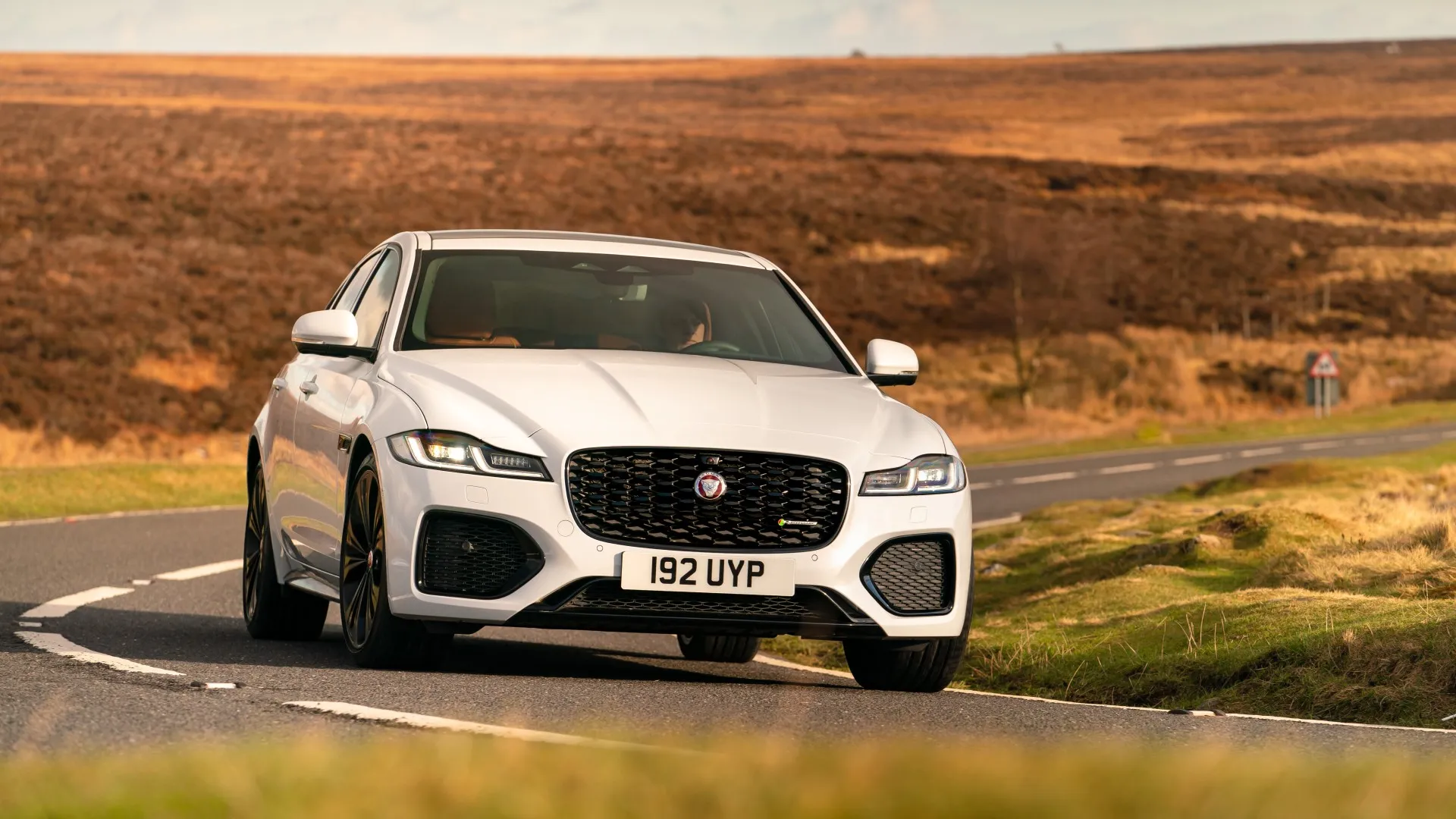
Jaguar ownership carries a certain mystique that few automotive brands can match. That leaping cat badge represents British luxury, stunning design, and driving dynamics that turn ordinary commutes into memorable experiences. You’ve probably heard the horror stories about catastrophic repair bills, electrical gremlins that baffle mechanics, and depreciation curves that drop faster than a stone in water.
Those warnings have scared away countless potential buyers who dream of owning a Jaguar but fear the financial consequences. Here’s the truth that dealerships and skeptics won’t tell you: not all Jaguars will drain your bank account through endless repairs.
Specific models and year ranges exist within Jaguar’s lineup that deliver reliable luxury transportation without the nightmare repair bills plaguing other British vehicles. These sweet spots represent periods when Jaguar engineering got things right, when Ford or Tata ownership brought quality control improvements, and when specific platforms proved their durability through years of real-world testing.
Smart buyers who research thoroughly can find Jaguars that provide thousands of miles of enjoyable driving without constant trips to repair shops or panic attacks when check engine lights illuminate. Understanding which models to buy and which to avoid requires looking beyond surface-level aesthetics and marketing promises.
Some Jaguars share reliable components with Ford, Mazda, or Land Rover platforms that proved durable through extensive testing. Others benefited from Tata’s quality improvements that transformed Jaguar from a punchline about British reliability into a legitimate luxury contender. Certain engines, transmissions, and electrical architectures simply work better than alternatives used in other model years.
This guide examines ten used Jaguar models that won’t destroy your finances through constant repairs. These vehicles deliver authentic British luxury and driving excitement without the financial terror that accompanies problematic Jaguars.
Whether you’re shopping for your first luxury vehicle or replacing something boring with genuine automotive character, these models prove you can own a Jaguar without requiring a mechanic on retainer or a trust fund for repairs.
Used Jaguars That Deliver Reliable Luxury
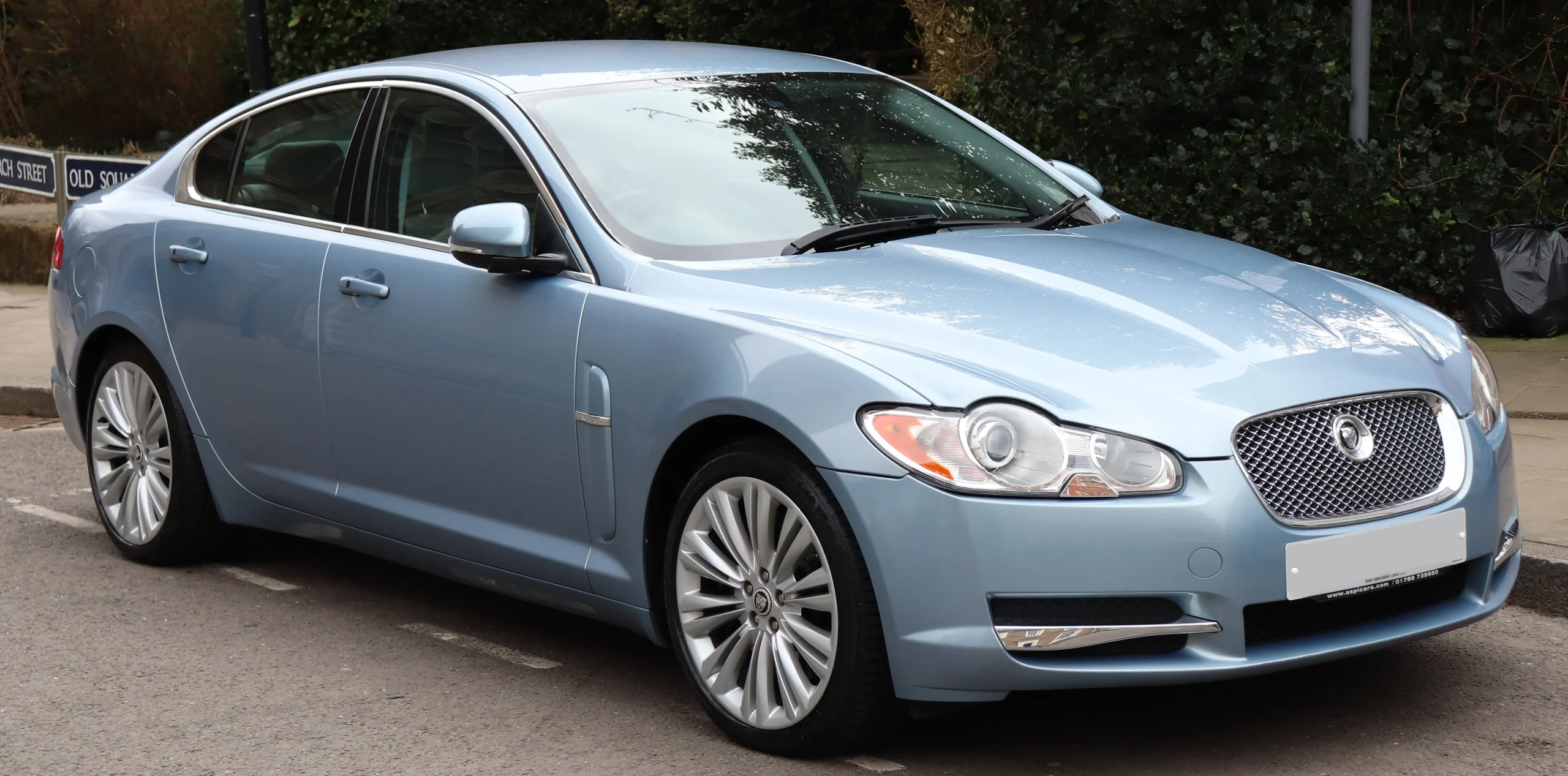
1. Jaguar XF 3.0 V6 (2013-2015)
British elegance meets Ford-era reliability in the second-generation Jaguar XF 3.0 V6 from 2013-2015. That naturally aspirated 3.0-liter V6 produces 340 horsepower, delivering smooth power that propels this sedan effortlessly.
You’ll enjoy refined acceleration that feels muscular without being brutal, perfect for highway cruising and spirited driving when opportunities arise. Rear-wheel drive creates engaging handling dynamics that separate this Jaguar from numb German competitors.
You’ll feel connected to the road through steering that provides actual feedback rather than video game-style artificial weighting. Suspension tuning balances comfort and control beautifully, absorbing road imperfections while maintaining composed handling during spirited driving. This XF rewards skilled drivers while remaining civilized during daily commutes.
Interior quality impresses with genuine leather, real wood trim, and attention to detail that justifies premium pricing. You’ll sit in supportive seats that remain comfortable during extended drives. Dashboard design emphasizes elegance rather than technological overload.
The rotary gear selector rises dramatically from the center console at startup, creating a theater that never gets old. Climate control maintains comfortable temperatures efficiently. These details create a luxury experience that German competitors match but rarely exceed.
Common problems remain minimal during this production run. Water pumps occasionally fail around 80,000-100,000 miles, requiring $600-$900 for replacement at independent shops. Suspension bushings wear normally. Brake components require replacement based on driving style.
Timing chain tensioners should be inspected during routine maintenance to catch potential problems before catastrophic failures occur. Budget $1,200-$1,800 annually for maintenance and minor repairs. Finding independent Jaguar specialists who service these vehicles at reasonable rates proves easier than you might expect. You’re not trapped into expensive dealership visits for routine maintenance.
Specialists understand these systems well and charge 30-40% less than dealers for identical work. Parts availability improved substantially, with aftermarket suppliers offering quality components at reasonable prices. This XF delivers authentic British luxury and engaging driving dynamics without the repair bills that scare away potential buyers.
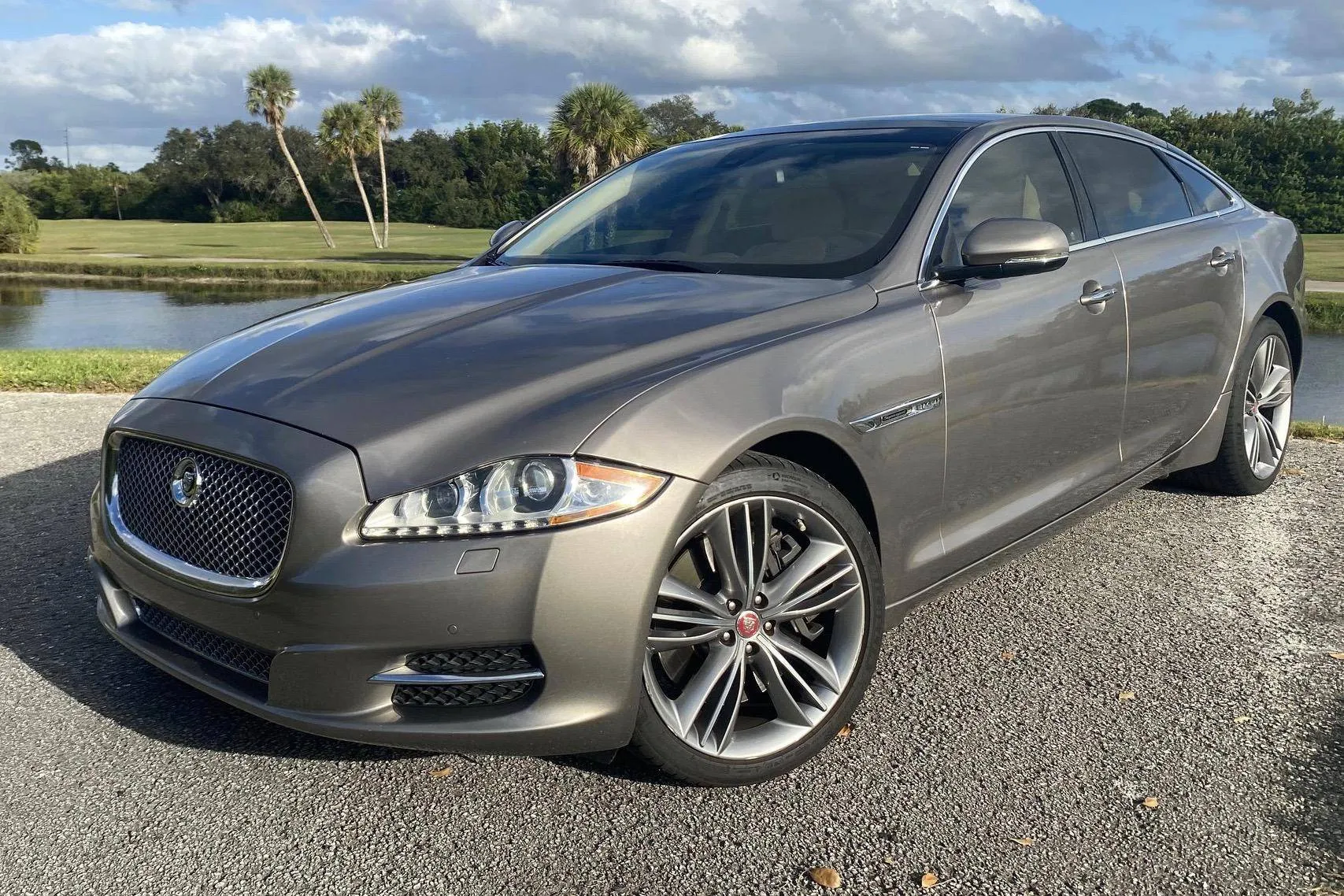
2. Jaguar XJ L Portfolio (2011-2014)
Aluminum construction creates surprising reliability in the Jaguar XJ L Portfolio from 2011-2014. That 5.0-liter naturally aspirated V8 produces 385 horsepower, delivering effortless power that makes this full-size sedan feel lighter than its dimensions suggest.
You’ll accelerate smoothly with reserves of power available whenever needed. ZF six-speed automatic transmission operates reliably, shifting smoothly during normal driving and responding quickly when you demand full throttle. Design remains strikingly modern despite the years passing since production. Low roofline and sleek proportions create a dramatic presence that stops traffic.
You’ll park this XJ and turn around for another look, appreciating design that refuses to blend into boring luxury sedan anonymity. Interior space exceeds what exterior dimensions suggest, thanks to efficient packaging. Rear passengers enjoy genuine limousine-like legroom in a long-wheelbase configuration.
Reliability proves better than reputation suggests for these aluminum XJs. That naturally aspirated V8 avoids supercharger complications affecting XJR models. The engine demonstrates durability when maintained properly with regular oil changes. Timing chain guides should be inspected to prevent expensive failures.
Cooling system components require periodic replacement, but repairs cost less than German competitors. Electrical systems remain relatively stable, though problems occasionally emerge. Touchscreen infotainment sometimes develops glitches requiring resets or software updates.
Parking sensors fail more frequently than they should. Climate control occasionally acts temperamental. These annoyances rarely leave you stranded, but can frustrate owners expecting perfection. Budget for occasional electrical quirks rather than catastrophic failures.
Also Read: 5 Cars for Beaumont Gulf Jobs and 5 That Corrode Quickly

3. Jaguar F-PACE 25t Prestige (2017-2019)
Crossover practicality meets Jaguar character in the F-PACE 25t Prestige from 2017-2019. That 2.0-liter turbocharged four-cylinder produces 247 horsepower, providing adequate acceleration for daily driving. All-wheel drive provides confident traction during inclement weather. You’ll average 22-25 mpg during mixed driving, excellent efficiency for a luxury crossover this capable.
Driving dynamics impress with handling that feels more sports sedan than typical crossover. Jaguar tuned suspension to minimize body roll while maintaining a comfortable ride quality. You’ll corner confidently without excessive lean. Steering provides good feedback, connecting the driver to the road in ways competitors don’t match. That engagement makes daily driving more enjoyable rather than merely functional transportation.
Interior quality meets luxury expectations with leather upholstery, an attractive dashboard design, and quality materials throughout. Seats provide good support during longer drives. Rear passengers enjoy adequate legroom. Cargo space proves generous, with the rear hatch providing substantial capacity. Fold the rear seats, and the capacity expands further for larger items. You’ll haul family and cargo without compromise.
Reliability proves better than earlier Jaguar models thanks to lessons learned during the Land Rover collaboration. Shared components with Range Rover Evoque mean parts availability improved, and mechanics gained familiarity with systems. You’ll find independent specialists capable of servicing this F-PACE at rates below dealership pricing. That accessibility reduces long-term ownership costs substantially.
Common problems remain minimal during this production run. Some examples experience minor oil consumption requiring monitoring between changes. Infotainment occasionally develops glitches requiring software updates. Suspension components wear normally.
Budget $1,200-$1,700 annually for maintenance and repairs. This F-PACE delivers crossover practicality and engaging driving dynamics without the repair bills that plagued earlier Jaguar products, making it a smart choice for buyers wanting British luxury in a practical package.
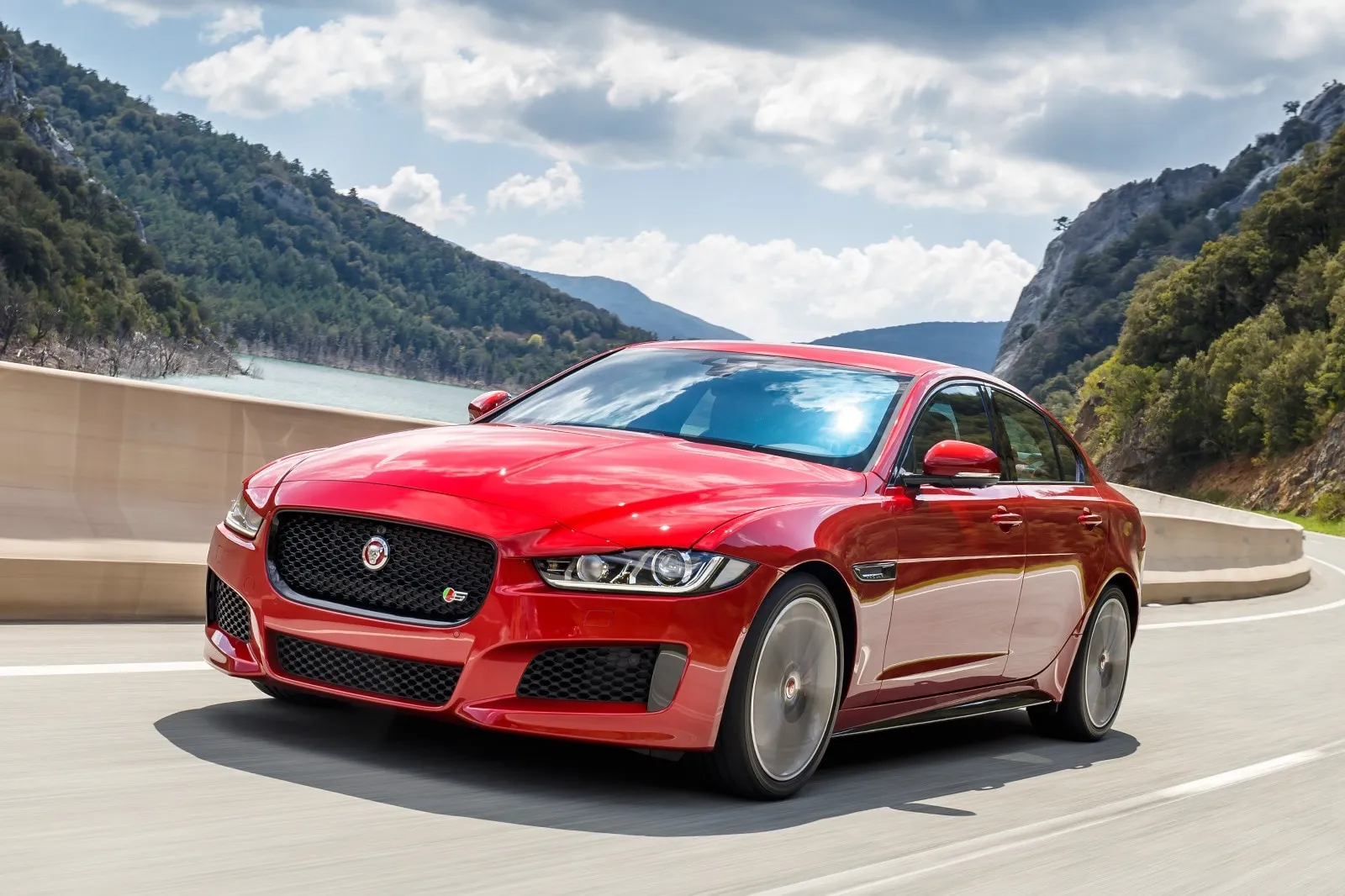
4. Jaguar XE 25t Prestige (2017-2019)
Compact luxury meets improved reliability in the Jaguar XE 25t Prestige from 2017-2019. That 2.0-liter turbocharged four-cylinder produces 247 horsepower, delivering brisk acceleration that makes this sedan feel quick.
Handling characteristics impress with suspension tuned for driver engagement. You’ll corner with confidence thanks to minimal body roll and steering that provides actual road feel. Chassis balance allows skilled drivers to adjust lines mid-corner using throttle inputs.
This XE rewards driving skill while remaining civilized during commutes. That duality makes ownership more satisfying than numb competitors delivering transportation without emotion. Fuel economy averages 24-27 mpg during mixed driving, excellent efficiency for a rear-wheel-drive luxury sedan.
A turbocharged engine requires premium fuel, adding ongoing expense. You’ll spend more at pumps than in economy cars, but efficiency remains respectable for the performance delivered. That balance between efficiency and engagement creates a satisfying ownership experience.
Rear seat space proves adequate for adults during shorter trips, though taller passengers might feel cramped during extended drives. Trunk capacity handles luggage for weekend trips or daily commuting needs. You’ll fit four adults comfortably for dinner outings without everyone complaining about tight quarters.
This XE works best as a driver-focused sedan rather than a limousine for rear passengers. Reliability improved compared to earlier Jaguar sedans that suffered numerous problems. Shared platform with Range Rover Evoque means mechanics gained familiarity with systems, and parts availability improved.
Independent specialists service these XEs at rates 30-40% below dealership pricing. You’re not trapped into expensive dealer visits for routine maintenance that any competent specialist handles properly.
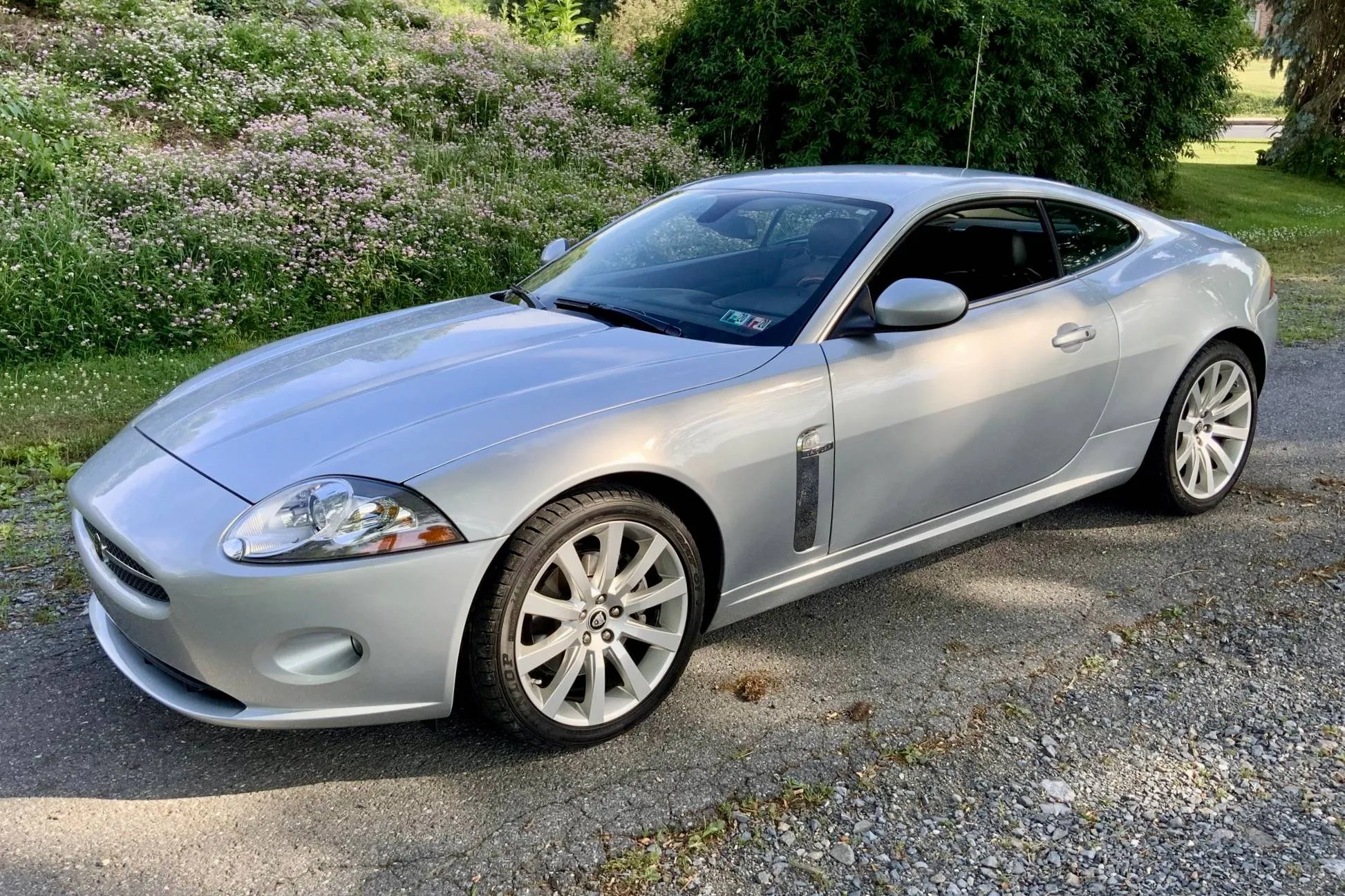
5. Jaguar XK Coupe (2007-2011)
Sports car elegance arrives in the Jaguar XK Coupe from 2007-2011. That 4.2-liter naturally aspirated V8 produces 300 horsepower in early models, delivering smooth power that makes this GT coupe feel effortless. You’ll cruise comfortably at highway speeds with reserves of power available for spirited driving.
Aluminum construction keeps weight reasonable while improving handling dynamics. You’ll benefit from better performance, improved fuel economy, and reduced wear on components compared to heavier competitors.
That engineering creates a sports car that feels nimble rather than ponderous. Suspension tuning balances comfort and control beautifully, absorbing road imperfections while maintaining composed handling during spirited driving.
Design remains timelessly beautiful with proportions that emphasize elegance rather than aggressive styling. Long hood, short rear deck, and flowing lines create a classic GT coupe appearance that ages gracefully. You’ll park this XK and admire the design that refuses to look dated despite years passing. Interior quality impresses with leather, wood trim, and attention to detail throughout the cabin.
Grand touring character defines this XK rather than a hardcore sports car focus. You’ll cover long distances comfortably with supportive seats, low noise levels, and smooth ride quality. Climate control maintains comfortable temperatures efficiently. Storage space proves adequate for weekend trips. This XK excels at covering ground quickly while keeping occupants comfortable and relaxed.
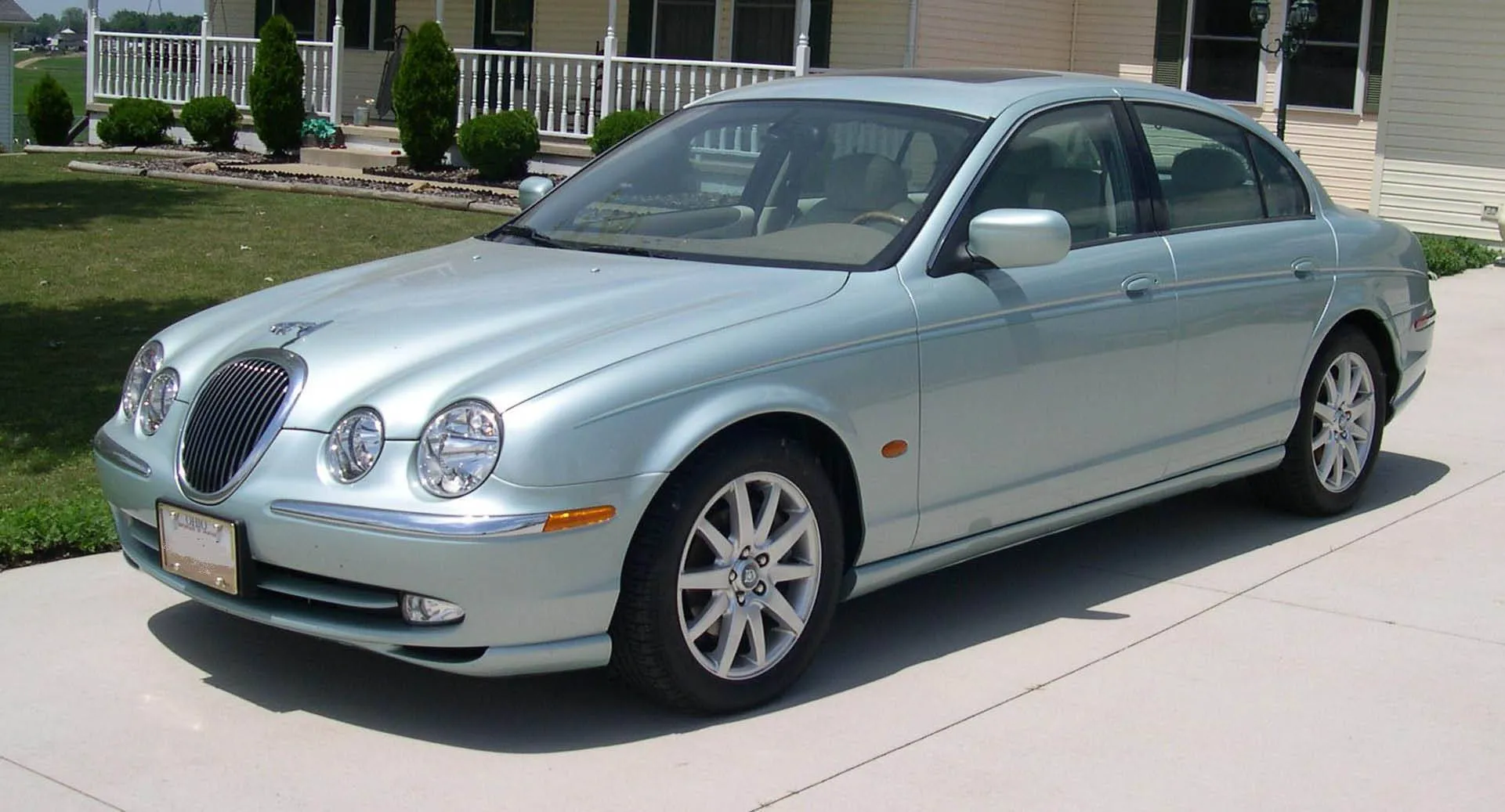
6. Jaguar S-Type 3.0 V6 (2003-2007)
Ford-era engineering brings unexpected reliability to the Jaguar S-Type 3.0 V6 from 2003-2007. That 3.0-liter Duratec V6 produces 235 horsepower, providing smooth acceleration that feels refined rather than aggressive. You’ll merge confidently onto highways and pass slower traffic without drama.
Shared components with Ford’s DEW platform mean parts availability improved dramatically compared to pure Jaguar designs. Lincoln LS uses a similar architecture, expanding the pool of available components. You’ll find suspension parts, drivetrain components, and various other pieces at reasonable prices from multiple suppliers. That parts sharing reduces ownership costs substantially while maintaining Jaguar’s distinct character and styling.
Interior design emphasizes traditional British luxury with wood trim, leather upholstery, and classic instrument layouts. You’ll sit in supportive seats that remain comfortable during extended drives. Dashboard features analog gauges with beautiful detailing. Climate control maintains comfortable temperatures efficiently. These cabins feel genuinely luxurious rather than cheap imitations of premium materials.
Styling divides opinion with a retro-inspired design that deliberately echoes classic Jaguar sedans. Oval grille, curved fenders, and traditional proportions create an appearance that some love and others find dated. You’ll either appreciate the classic design language or wish for more modern styling. That polarizing appearance keeps used prices reasonable, benefiting buyers who value substance over trendy aesthetics.
Fuel economy averages 18-22 mpg during mixed driving, acceptable efficiency for a rear-wheel-drive luxury sedan from this era. V6 requires regular gasoline rather than premium, saving money at pumps compared to competitors demanding higher-octane fuel. You’ll spend reasonably at gas stations while enjoying a refined powertrain that delivers adequate performance for daily driving needs.
Independent mechanics service these S-Types without specialized equipment requirements. You’re not trapped into expensive dealership visits for routine work. Parts availability remains good with multiple suppliers offering components at competitive prices. This S-Type delivers traditional Jaguar luxury and Ford reliability at used prices that make ownership accessible for buyers wanting British character without catastrophic repair bills.

7. Jaguar X-Type 3.0 AWD (2002-2008)
All-wheel-drive practicality meets Jaguar refinement in the X-Type 3.0 AWD from 2002-2008. That 3.0-liter Duratec V6 produces 227 horsepower, providing adequate acceleration for daily driving. Five-speed automatic transmission operates smoothly during normal operation.
All-wheel drive provides confident traction during inclement weather, making this Jaguar practical for regions experiencing snow, ice, and heavy rain. Shared platform with Ford Mondeo means parts availability has improved dramatically compared to pure Jaguar designs.
You’ll find suspension components, drivetrain parts, and various other pieces at reasonable prices. That Ford connection scared away badge snobs but benefits practical buyers prioritizing reliability and affordable maintenance. Independent mechanics familiar with Ford products can service these X-Types competently.
Interior quality delivers genuine luxury despite compact dimensions. Leather upholstery covers seats. Wood trim adds warmth to the cabin. Dashboard design emphasizes traditional British styling rather than modern minimalism. Climate control maintains comfortable temperatures efficiently. Heated seats warm quickly during cold weather. You’ll enjoy premium materials and build quality that justify Jaguar pricing.
Reliability proves adequate when these vehicles receive proper maintenance. Regular oil changes using quality synthetic oil extend engine life. Cooling system components require periodic replacement, but repairs cost less than German competitors. Electrical systems remain relatively stable, though problems occasionally emerge. You’ll experience fewer issues than earlier Jaguars that suffered constant electrical gremlins.
Common problems include transfer case fluid leaks requiring attention to prevent expensive damage. Inspect regularly and address leaks promptly. Front differential mounts wear requiring replacement around 80,000-100,000 miles, costing $400-$700.
Cooling system components, including water pumps and thermostats, fail, requiring periodic replacement. Timing chain guides should be inspected during routine maintenance. Budget $1,000-$1,500 annually for maintenance and repairs.
Used prices remain remarkably affordable due to badge snobbery dismissing X-Types as “Fords with Jaguar badges.” That prejudice benefits practical buyers, recognizing these vehicles deliver genuine Jaguar character, all-wheel-drive capability, and Ford reliability at prices that make luxury ownership accessible. This X-Type provides practical daily transportation without the repair nightmares scaring buyers away from other British luxury vehicles.

8. Jaguar XF 2.0T Prestige (2016-2018)
Modern efficiency meets British refinement in the second-generation Jaguar XF 2.0T Prestige from 2016-2018. That 2.0-liter turbocharged four-cylinder produces 240 horsepower, delivering adequate acceleration for daily driving.
Aluminum-intensive construction reduces weight while improving structural rigidity. You’ll benefit from better handling dynamics, improved fuel economy, and reduced wear on components compared to heavier steel-bodied competitors. That weight savings translates directly into better performance and efficiency without sacrificing refinement or luxury character that defines the Jaguar ownership experience.
Interior quality impresses with materials and build quality that rival German competitors. Leather upholstery covers seats. Dashboard design emphasizes modern elegance rather than retro styling. Touchscreen infotainment responds reasonably quickly. Apple CarPlay and Android Auto integration work properly. Climate control maintains comfortable temperatures efficiently. You’ll enjoy a premium cabin that justifies luxury positioning.
Reliability improved substantially compared to earlier Jaguars thanks to lessons learned during Tata ownership. Quality control increased, and component selection improved. You’ll experience fewer problems than older models that suffered from constant issues. Independent specialists service these XFs at rates below dealership pricing. That accessibility reduces long-term ownership costs substantially.
The turbocharged four-cylinder requires premium fuel, adding ongoing expense. You’ll pay extra at pumps compared to vehicles running regular gasoline. The engine provides adequate power, though it feels strained during hard acceleration compared to six-cylinder alternatives. Turbo lag remains noticeable during initial acceleration. You’ll adapt quickly but these characteristics warrant consideration.
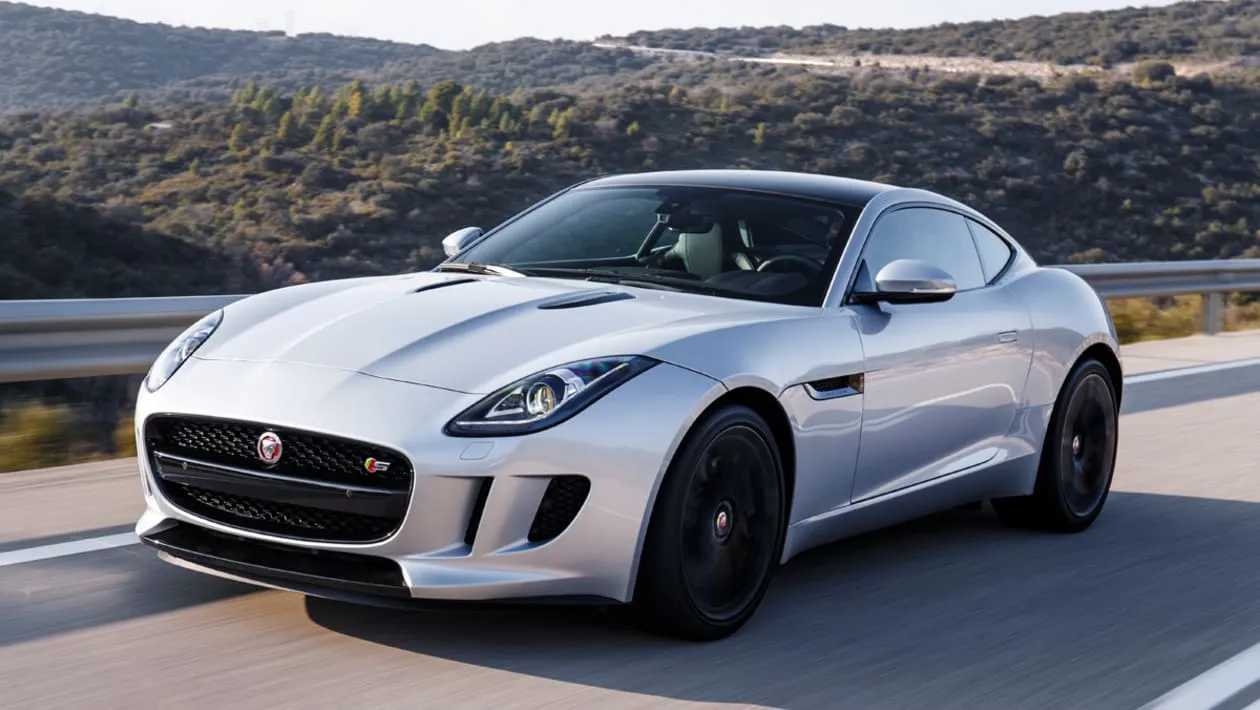
9. Jaguar F-TYPE V6 S Coupe (2014-2016)
Sports car passion arrives in the Jaguar F-TYPE V6 S Coupe from 2014-2016. That supercharged 3.0-liter V6 produces 380 horsepower, delivering exhilarating acceleration that pins you to your seat. You’ll rocket from 0-60 mph in under five seconds with a soundtrack that rivals exotic supercars.
Design turns heads everywhere with aggressive proportions and dramatic styling. Long hood, short rear deck, and muscular fenders create an appearance that photographs beautifully. You’ll park this F-TYPE and constantly glance back, admiring the design that refuses to blend into traffic. Interior quality impresses with premium materials throughout the cabin. Seats hold you firmly during spirited driving while remaining comfortable during longer trips.
Exhaust note deserves special mention with supercharged V6 producing a symphony that rivals eight-cylinder competitors. Active exhaust valves open during hard acceleration, releasing glorious mechanical sounds that make every drive special. You’ll enjoy acoustic drama that adds emotional dimension to the driving experience. That soundtrack alone justifies ownership for enthusiasts appreciating automotive character.
Handling dynamics impress with suspension tuned for driver engagement. You’ll corner with confidence thanks to minimal body roll and steering that provides excellent road feel. Chassis balance allows adjusting lines mid-corner using throttle inputs. This F-TYPE rewards driving skill while remaining civilized during daily use. That duality creates a sports car you can drive regularly rather than just for special occasions.
Practicality proves limited with a small trunk capacity and minimal storage space. You’ll fit weekend luggage but won’t haul much cargo. Two seats mean you’re carrying only one passenger. These compromises come with sports car territory but warrant consideration. This F-TYPE works best as a weekend toy or second vehicle rather than sole transportation for families.
Used prices dropped substantially from the original MSRP, making F-TYPE ownership surprisingly accessible. You’ll find low-mileage examples at prices that seemed impossible just years ago. This F-TYPE delivers supercar experience and exotic soundtrack without the catastrophic repair bills that accompany Italian or German alternatives, making it a smart choice for enthusiasts wanting a genuine sports car at reasonable ownership costs.
Also Read: 5 Cars for Naples Snowbird Buyers and 5 That Don’t Store Well Long-Term
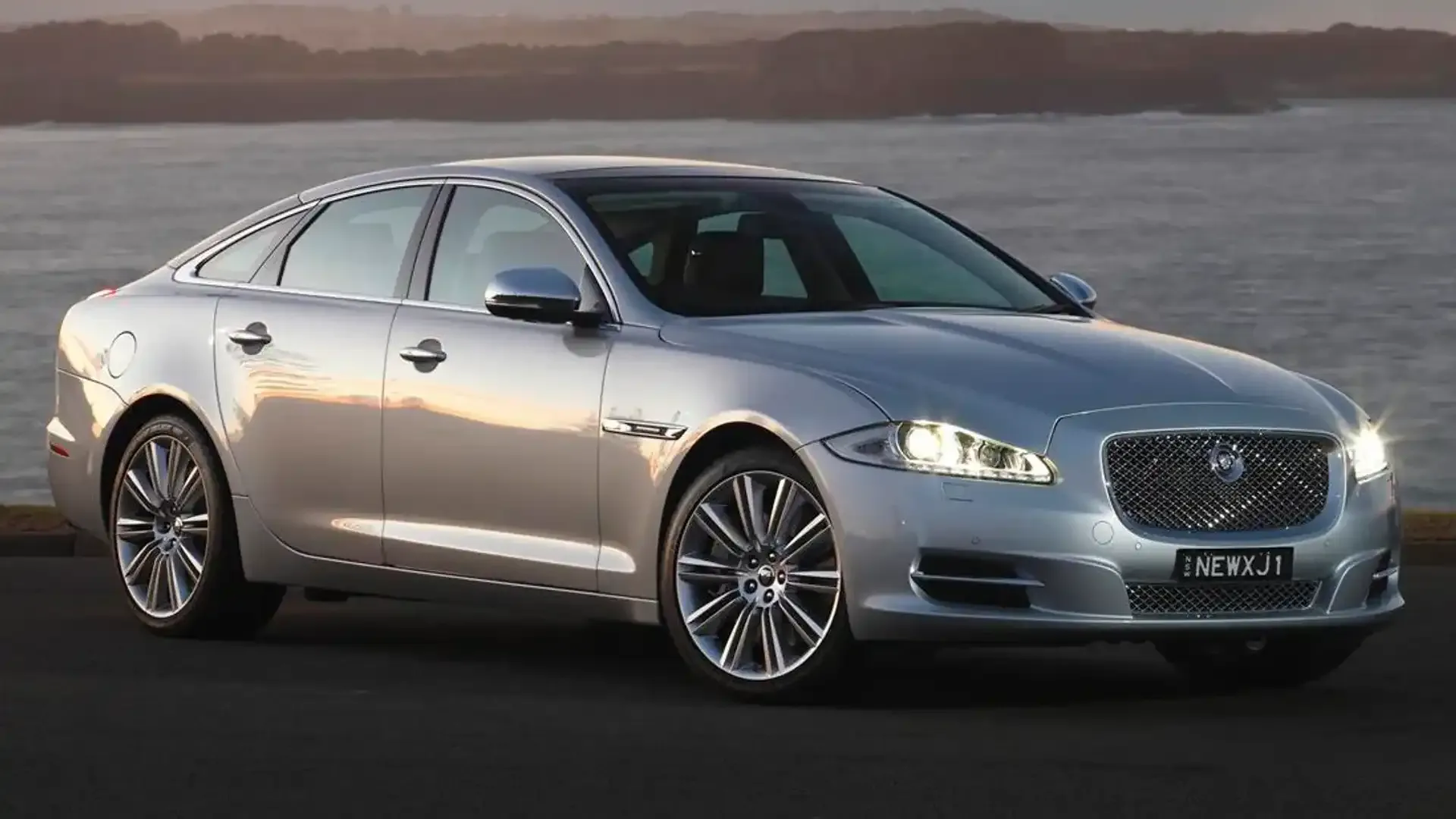
10. Jaguar XJ 3.0 Supercharged (2010-2015)
Supercharged refinement defines the Jaguar XJ 3.0 Supercharged from 2010-2015. That supercharged 3.0-liter V6 produces 340 horsepower, delivering smooth power that makes this full-size sedan feel effortless. You’ll accelerate confidently with reserves of power available whenever needed.
Aluminum construction keeps weight reasonable while improving handling dynamics and fuel economy. You’ll benefit from better performance and efficiency compared to heavier steel-bodied competitors. That engineering creates a full-size sedan that feels nimble rather than ponderous. Fuel economy averages 17-20 mpg during mixed driving, respectable for a supercharged V6 powering a vehicle this size.
Technology features include touchscreen infotainment that operates adequately, though it feels dated compared to modern systems. Navigation works properly. Bluetooth connectivity functions reliably. The sound system delivers quality audio. These systems prove functional rather than cutting-edge, but adequacy beats problematic sophistication that leaves you stranded or frustrated.
Reliability proves adequate when these XJs receive proper maintenance. Supercharged V6 demonstrates durability with regular oil changes using quality synthetic oil. The cooling system requires proper maintenance to prevent expensive failures. Electrical systems remain relatively stable, though problems occasionally emerge. You’ll experience fewer issues than earlier Jaguars that suffered constant electrical gremlins.
Common problems include supercharger oil changes required every 30,000 miles, costing $300-$500. Neglecting this maintenance causes expensive supercharger failures. Air suspension develops leaks requiring $1,500-$2,500 per corner for replacement.
Converting to conventional suspension eliminates future air suspension headaches. Water pumps fail, requiring $900-$1,300 for replacement. Timing chain guides should be inspected during routine maintenance.
