
The luxury sports sedan market has long been synonymous with prestige, performance, and cutting-edge technology, yet the high cost of flagship models has often put these vehicles out of reach for many buyers.
Fortunately, 2025 brings a strong lineup of affordable full-size luxury sports sedans that combine opulent interiors, advanced driver-assistance features, and thrilling performance without demanding a six-figure budget.
From the efficient Lucid Air Pure and Tesla Model S AWD to traditional powerhouses like the Lexus LS 500 and Genesis G90, these sedans showcase a blend of electric innovation, hybrid efficiency, and refined gasoline engines.
European stalwarts, including the Audi A8, BMW 7-Series, Porsche Taycan and Panamera, as well as Mercedes-Benz’s S-Class and EQS, continue to deliver world-class craftsmanship, technology, and dynamic driving experiences.
Whether you prioritize range, acceleration, or rear-seat luxury, these twelve models provide compelling choices for buyers seeking a balance of affordability, performance, and sophistication in 2025.
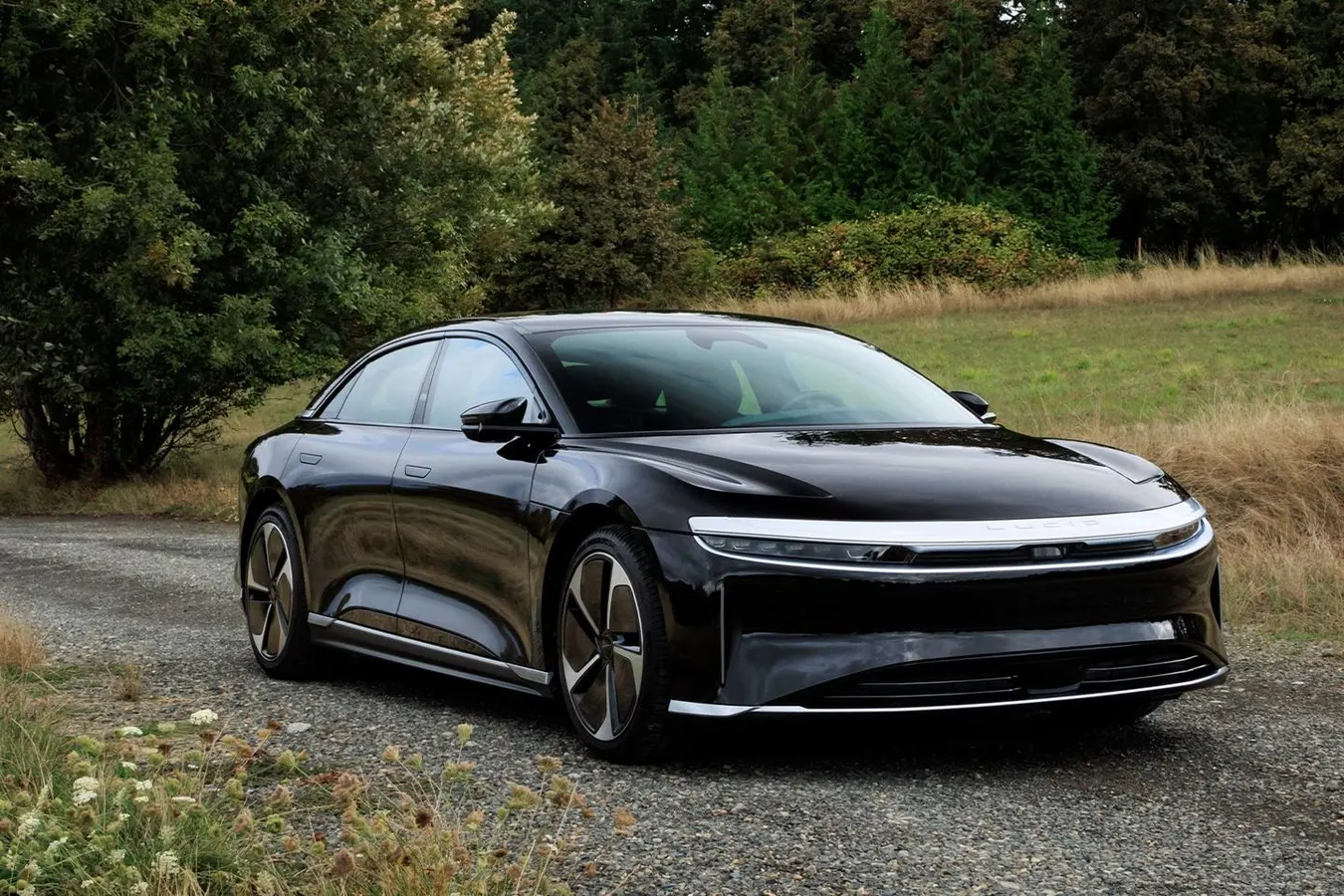
1. 2025 Lucid Air Pure: Affordable Luxury with Class-Leading Range
The 2025 Lucid Air Pure is a strong contender in the full-size luxury electric sedan segment, largely due to its competitive starting price of $68,975. Even as the entry-level trim, it delivers an impressive combination of performance, efficiency, advanced technology, and upscale comfort, making it a compelling alternative to more established premium EV rivals.
The Air Pure is powered by a single rear-mounted electric motor producing 430 horsepower and 443 lb-ft of torque, paired with a one-speed direct-drive transmission. This rear-wheel-drive setup enables a 0–60 mph time of approximately 4.3 to 4.5 seconds, which is quick for a luxury sedan.
Higher trims such as the Touring, Grand Touring, and Sapphire significantly raise the performance bar, with the tri-motor Air Sapphire delivering a staggering 1,234 horsepower and acceleration figures that rival the Tesla Model S Plaid.
Range remains one of the Air Pure’s most impressive attributes. Its 88-kWh lithium-ion battery provides an EPA-estimated driving range of up to 420 miles, placing it among the longest-range electric vehicles available.
Real-world testing shows somewhat lower figures, but the Air still outpaces many competitors. When connected to a DC fast charger, Lucid claims the sedan can regain up to 300 miles of range in about 21 minutes. Efficiency is also a highlight, with the Pure rated at up to 146 MPGe combined, making it the most energy-efficient version of the Air lineup.
Inside, the Lucid Air Pure emphasizes luxury and space. The cabin features premium materials, a spacious rear seat suitable for adults, and a full glass roof that enhances the open, airy feel. Storage is generous, including a front trunk offering approximately 10 cubic feet of cargo space.
The infotainment system centers on a sweeping upper touchscreen integrated with a digital instrument cluster, complemented by a retractable lower display. Apple CarPlay, Android Auto, and advanced voice recognition are standard features.
Safety and driver-assistance technology are extensive, with features such as automated emergency braking, blind-spot monitoring, rear cross-traffic alert, and adaptive cruise control with lane-centering functionality. Lucid also plans future enhancements through over-the-air updates.
Warranty coverage includes four years or 50,000 miles of basic protection, an eight-year or 100,000-mile powertrain warranty, and two years or 24,000 miles of complimentary maintenance, reinforcing the Air Pure’s appeal in the luxury EV space.
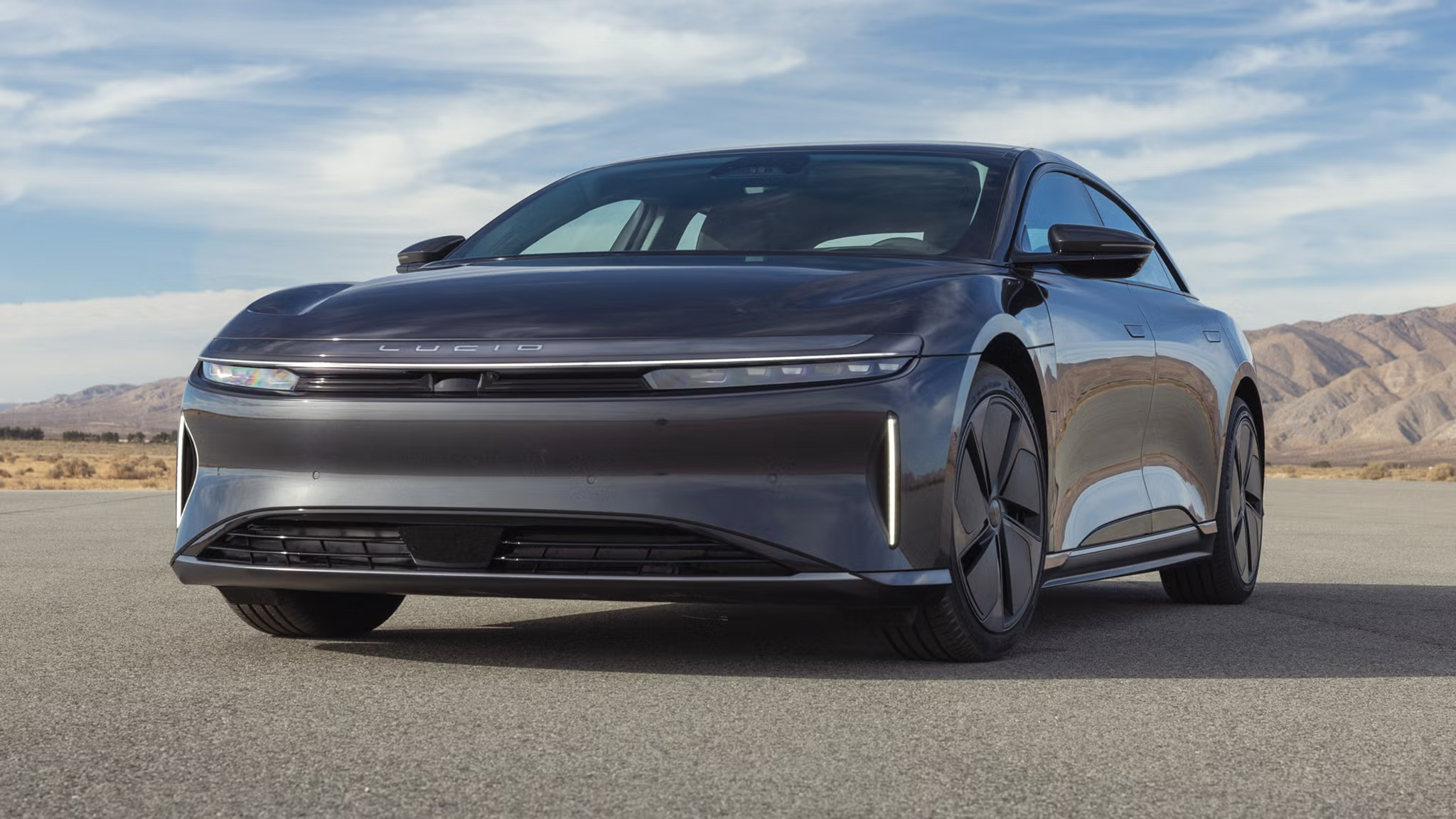
2. 2024 Tesla Model S AWD: High-Performance Electric Luxury with Long-Range Capability
The 2024 Tesla Model S AWD remains a significant player in the full-size luxury electric sedan market, even as its sales momentum has slowed in recent years. Priced at $74,990 before incentives, the dual-motor all-wheel-drive Model S continues to offer strong value by combining impressive performance, long driving range, and advanced technology in a sleek four-door package.
Power comes from dual electric motors, one at each axle, delivering full-time all-wheel drive and a combined output of up to 670 horsepower. While Tesla does not disclose torque figures, acceleration numbers speak for themselves. In testing, the standard Model S reached 60 mph in just 2.4 seconds, placing it firmly among the quickest luxury sedans available.
The tri-motor Plaid variant pushes performance even further, achieving a 0–60 mph time of 2.1 seconds. Despite this speed, the standard Model S remains composed and refined, with confident handling, controlled body motions, and a smooth, quiet ride on the highway.
Steering effort can be adjusted, though feedback remains limited, and the optional yoke-style steering wheel detracts from the driving experience for some buyers.
The Model S is equipped with a 100-kWh lithium-ion battery mounted beneath the floor, contributing to a low center of gravity and balanced weight distribution.
Tesla estimates a driving range of up to 402–405 miles per charge for the AWD model, making it well-suited for long-distance travel. While real-world testing often falls short of these figures, the Model S still compares favorably with most electric rivals, trailing only Lucid Air variants in maximum range.
Efficiency is another strength, with EPA ratings reaching 124 MPGe city and 115 MPGe highway for the Long Range version. In highway testing at 75 mph, the higher-performance Plaid achieved about 280 miles of range, highlighting the trade-off between speed and efficiency.
Inside, the Model S embraces a minimalist design dominated by a large central touchscreen that controls most vehicle functions. A secondary digital gauge cluster and a rear-seat touchpad add convenience, though the interface may require drivers to stretch to reach certain controls.
Interior materials are pleasant but fall short of the richness found in some German luxury rivals. Cargo space is generous, thanks to a liftback design offering 26 cubic feet of rear storage.
Safety technology includes standard automated emergency braking and lane-departure warning, with Tesla’s Autopilot system providing adaptive cruise control and lane centering.
Enhanced driver-assistance features are available, though they still demand active driver supervision. Warranty coverage includes four years or 50,000 miles of basic protection and an eight-year, unlimited-mile powertrain warranty, though Tesla does not include complimentary maintenance.
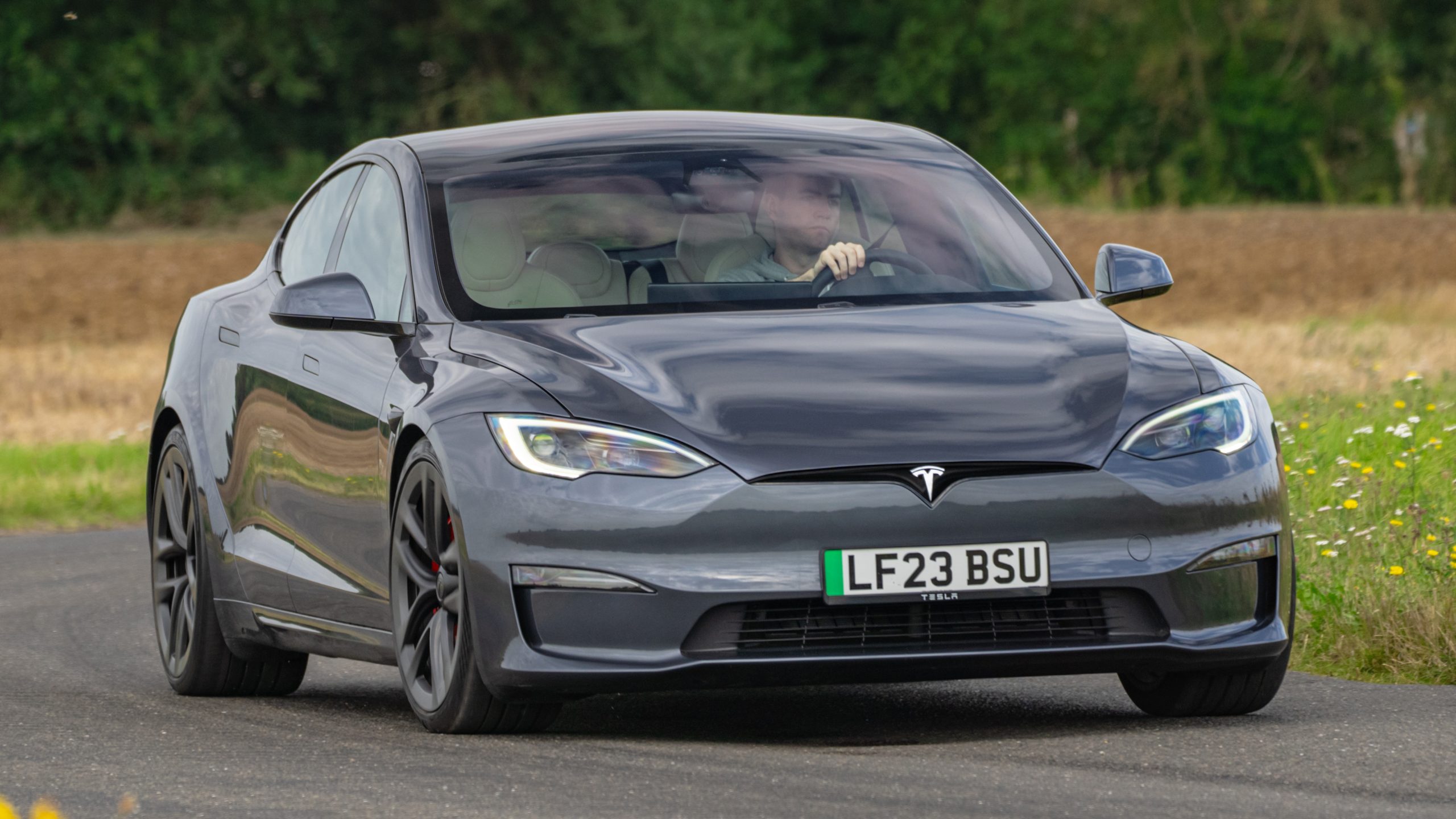
3. 2025 Lexus LS 500: Bold Luxury with a Traditional Powertrain
The 2025 Lexus LS 500 holds a distinctive position in the full-size luxury sedan segment by combining striking design, refined comfort, and meticulous craftsmanship at a starting price of $80,685. As the entry point to Lexus’s flagship lineup, the LS 500 delivers strong value while offering a clear alternative to European competitors such as the Mercedes-Benz S-Class and Audi A8.
Under the hood, the LS 500 is powered by a 3.5-liter twin-turbocharged V6 engine paired with a 10-speed automatic transmission. This setup produces 416 horsepower and 442 lb-ft of torque, emphasizing smooth, effortless performance rather than aggressive sportiness.
The powertrain suits the LS’s luxury-focused mission, providing confident acceleration and relaxed highway cruising, even if it does not match the outright performance of some turbocharged or hybrid rivals.
Design is one of the most defining characteristics of the 2025 LS 500. Lexus has moved away from conservative styling in favor of a bold and expressive look.
The large spindle grille, slim LED headlights, and sharply sculpted body panels give the sedan an imposing presence on the road. While the styling may be polarizing, it gives buyers a genuine visual alternative in a segment often dominated by restrained and predictable designs.
Inside, the LS 500 showcases Lexus craftsmanship at a high level. The cabin features a sweeping leather-wrapped dashboard, elegant metal accents, and a prominent 12.3-inch infotainment display. Subtle design cues inspired by the Lexus LFA add character, while high-quality materials contribute to a sense of quiet luxury.
The seats are exceptionally comfortable, and the cabin remains impressively hushed at speed. Rear-seat headroom and footroom, however, are slightly limited for a sedan of this size. The mousepad-style infotainment controller also feels dated and less intuitive than modern touchscreen-based systems.
The appeal of the 2025 Lexus LS 500 lies in its design confidence, ride comfort, and attention to detail. It may not match its German rivals in technology execution or rear-seat space, but it remains a compelling choice for buyers seeking a refined, distinctive luxury sedan with a strong sense of identity and a traditional yet polished driving experience.
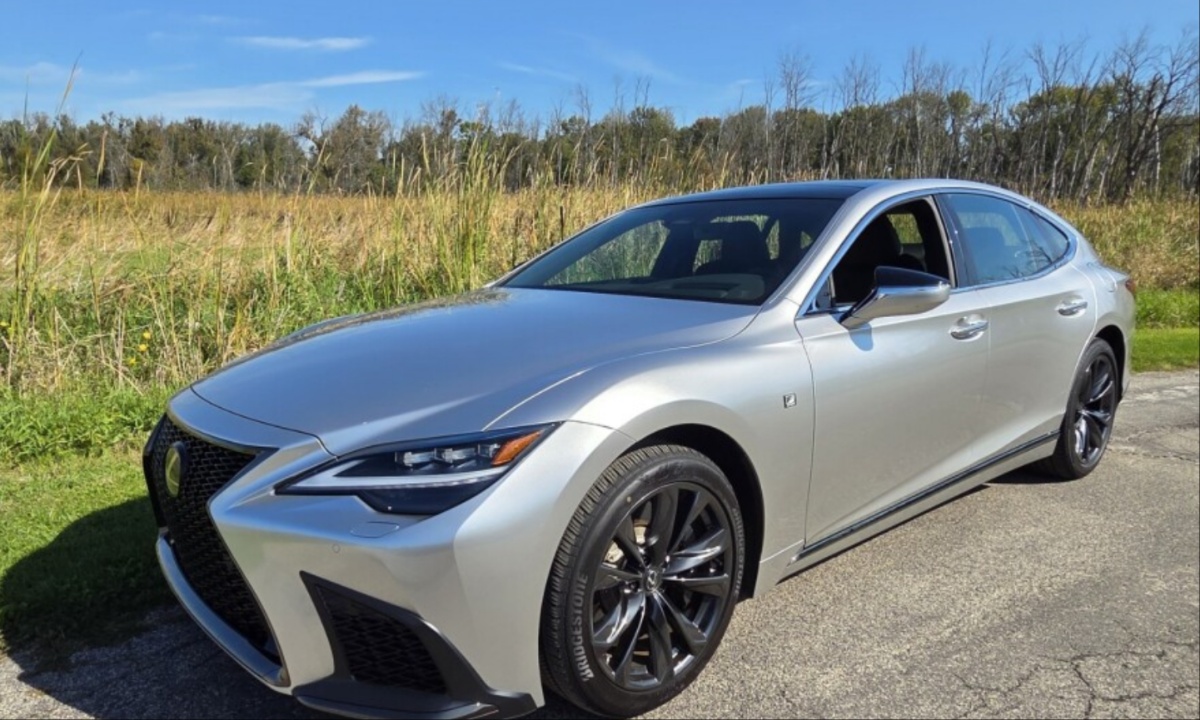
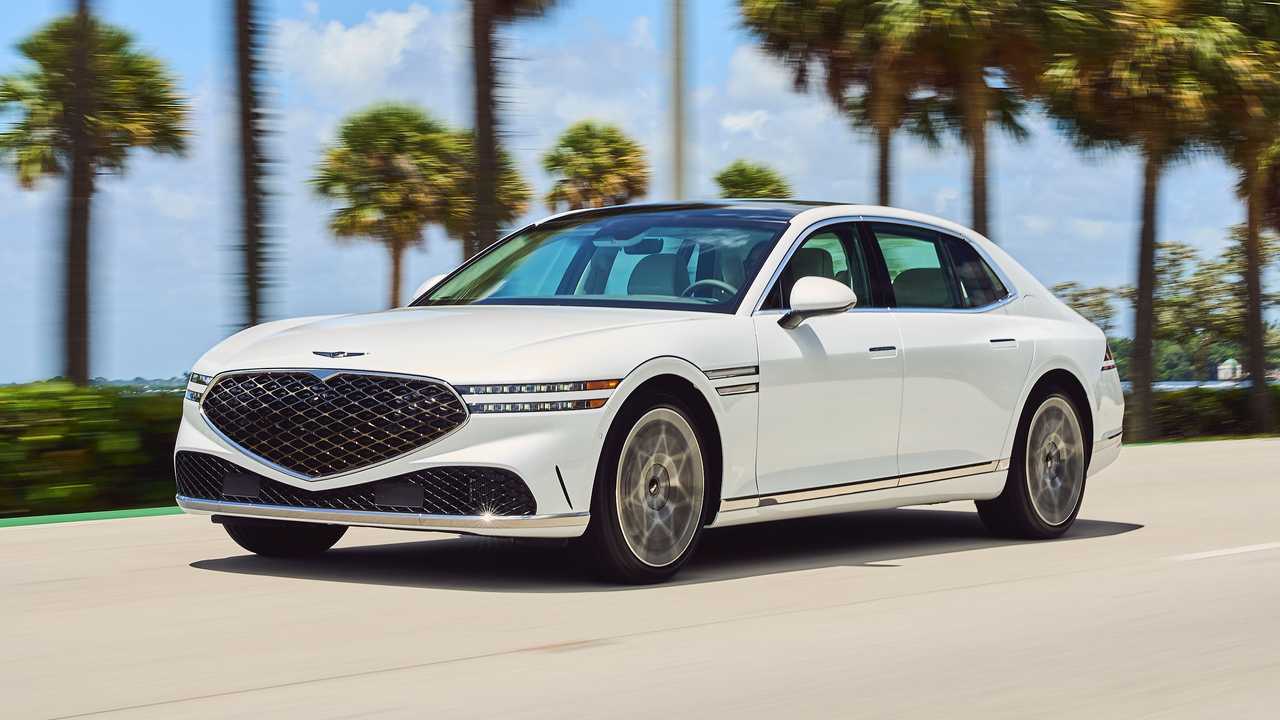
4. 2025 Genesis G90: Comfort-First Luxury That Challenges the Establishment
The 2025 Genesis G90 positions itself as a compelling alternative in the full-size luxury sedan segment, a space traditionally dominated by German brands. Starting at $90,950, the G90 delivers a strong blend of comfort, performance, safety, and value, often undercutting rivals while matching or exceeding them in key areas.
Rather than chasing sportiness or brand prestige, Genesis focuses on delivering a serene, high-end driving experience.
Power comes from a 3.5-liter turbocharged V6 paired with an eight-speed automatic transmission and standard all-wheel drive. In base form, the engine produces 375 horsepower and 391 lb-ft of torque, figures that surpass those of the more expensive Audi A8.
Power delivery is smooth and relaxed, reinforcing the G90’s calm personality rather than encouraging aggressive driving. An optional hybrid-enhanced version boosts output to 409 horsepower and 405 lb-ft of torque, cutting the 0 to 60 mph time to about 5.4 seconds, though fuel economy slightly decreases compared to the standard engine.
Ride quality is one of the G90’s defining strengths. The suspension prioritizes plushness and isolation, making the sedan exceptionally comfortable for daily use and long-distance travel.
During extended long-term testing, the G90 proved to be a refined and versatile companion with very few compromises, aside from cosmetic concerns such as matte paint finishes. While rivals may offer sharper handling and stronger brand recognition, few can match the G90’s level of comfort at this price point.
Interior space is generous, particularly in the rear seats, which can comfortably accommodate passengers even with child seats installed.
Trunk space is adequate but not class-leading, with a narrower opening than expected for a sedan of this size. Inside, the cabin emphasizes luxury with high-quality materials and thoughtful design, though its technology feels conservative.
Dual 12.3-inch digital displays, a head-up display, wired Apple CarPlay and Android Auto, and premium audio are standard, but newer systems found in other Genesis models feel more advanced.
Safety is a major highlight. The G90 earned a Top Safety Pick+ rating from the IIHS and comes standard with an extensive suite of driver-assistance features, including adaptive cruise control, automated emergency braking, blind-spot monitoring, and lane-keeping assistance.
For buyers seeking maximum luxury, the fully loaded hybrid trim just over $100,000, offers features such as adaptive air suspension, rear-wheel steering, and massaging, reclining rear seats. The 2025 Genesis G90 succeeds by delivering exceptional comfort, strong value, and a refined ownership experience without relying on tradition or badge prestige.
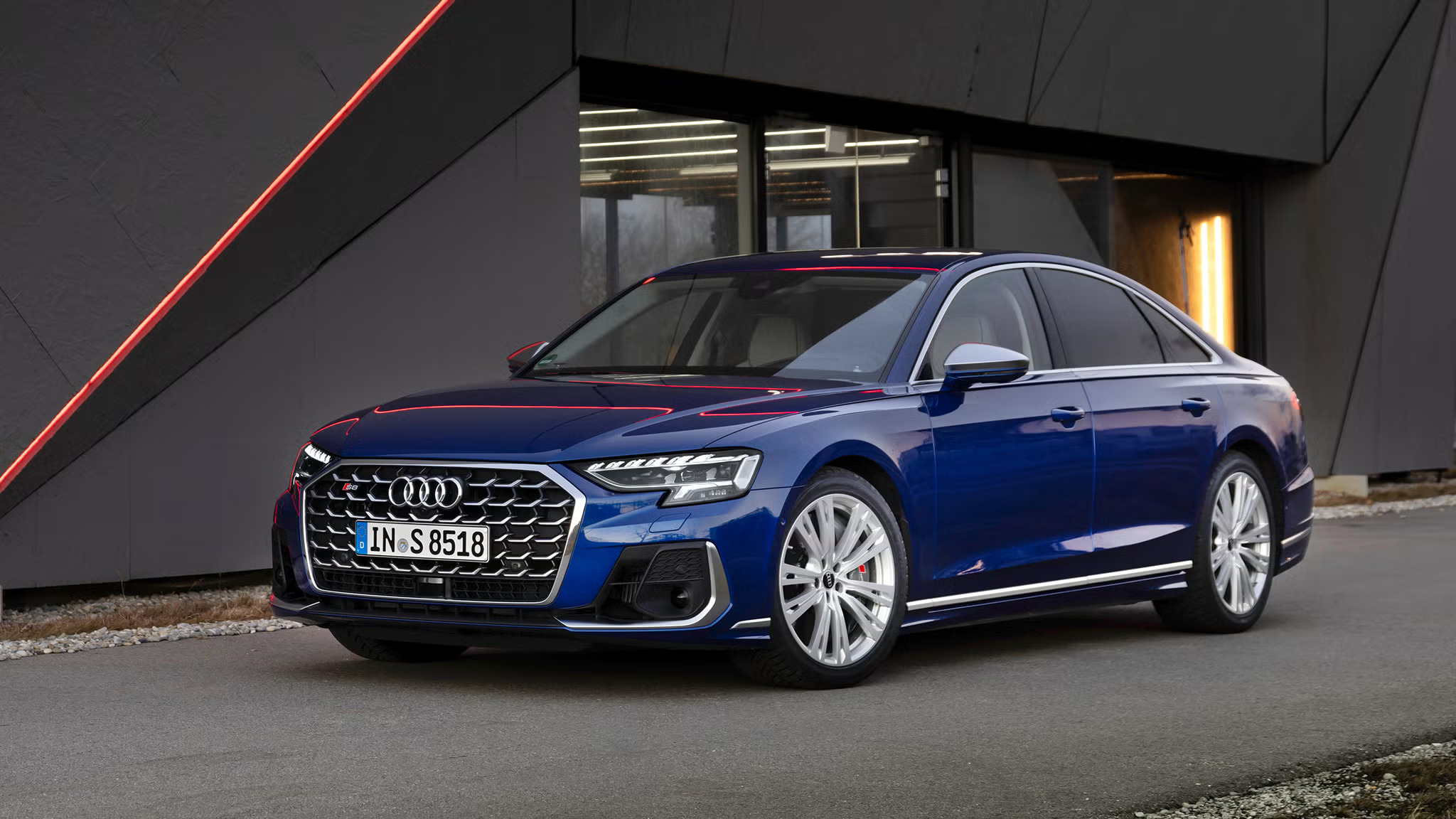
5. 2025 Audi A8: Traditional German Luxury with Refined Performance
The 2025 Audi A8 continues to represent Audi’s vision of understated, technology-focused luxury in the full-size sedan segment. Priced at $93,295, it is the most affordable option among the German flagship sedans, appealing to buyers who prefer established European refinement over newer luxury alternatives from the United States or Asia.
For 2025, the A8 is offered exclusively in 55 TFSI Quattro Tiptronic S-Line form, simplifying the lineup while maintaining a high standard of equipment.
Powering the A8 is a 3.0-liter turbocharged V6 paired with an eight-speed automatic transmission and Audi’s standard all-wheel-drive system. The engine produces 335 horsepower and approximately 369 lb-ft of torque, supported by a 48-volt mild-hybrid system that improves responsiveness and efficiency.
Audi claims a 0 to 60 mph time of 5.6 seconds, though independent testing has recorded runs as quick as 5.3 seconds. While it is not the quickest sedan in its class, the A8 delivers smooth, confident acceleration and feels composed at both city and highway speeds.
Driving the A8 is a calm and polished experience. Extensive sound insulation keeps the cabin impressively quiet, and the adjustable air suspension absorbs road imperfections with ease.
Despite its size, the A8 feels relatively agile, maintaining strong body control through corners while prioritizing comfort over outright sportiness. This balance makes it well-suited for long-distance travel and daily commuting alike.
Fuel economy remains competitive for a gasoline-powered luxury sedan of this size. EPA estimates stand at 20 mpg city and 26 mpg highway, placing the A8 ahead of some rivals like the Genesis G90, though behind more efficient competitors such as the BMW 740i xDrive.
Inside, the A8 emphasizes space and craftsmanship. Both front and rear passengers enjoy generous legroom, high-quality materials, and a restrained design aesthetic. Optional rear-seat packages add features such as ventilation, massage, and heated armrests, enhancing comfort for chauffeur-driven use. Cargo space measures 13 cubic feet, which is typical for the segment.
Technology is a strong point, with a 12.3-inch Virtual Cockpit, a 10.1-inch infotainment touchscreen, and an 8.6-inch climate control display. Wireless Apple CarPlay and Android Auto come standard, along with a Bang and Olufsen sound system. Safety features include automated emergency braking and parking sensors, while advanced driver-assistance systems are available as options.
Warranty coverage is average for the class, though three years of complimentary maintenance adds value. The 2025 Audi A8 remains a refined, comfortable luxury sedan that prioritizes elegance, composure, and traditional German engineering.
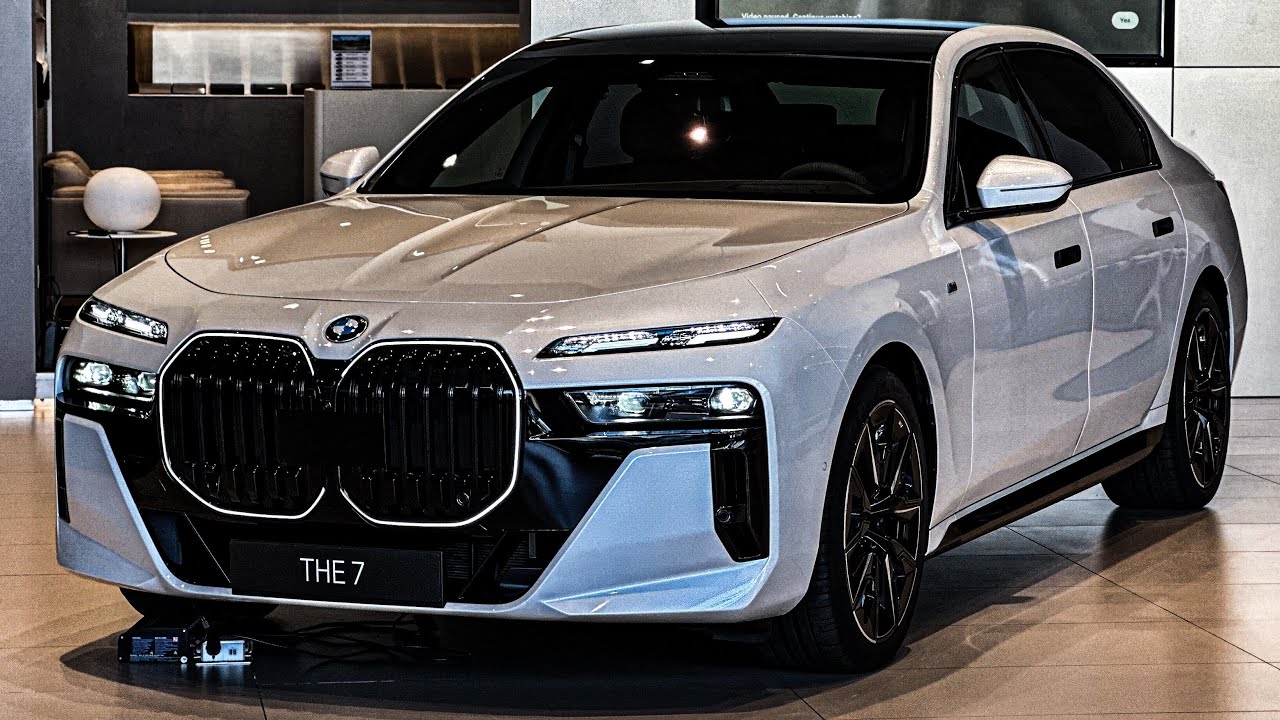
6. 2025 BMW 7-Series (740i): High-Tech Luxury with Classic BMW Refinement
The 2025 BMW 7-Series continues BMW’s flagship sedan tradition by blending advanced technology, refined comfort, and confident performance. The lineup offers several powertrain options, including hybrid and V8 variants, but the 740i serves as the entry point with a starting price of $97,575.
Positioned below the all-wheel-drive 740i xDrive, the plug-in hybrid 750e xDrive, and the range-topping 760i xDrive, the 740i delivers a balanced mix of luxury and efficiency while remaining true to BMW’s driving-focused philosophy.
The 740i is powered by a 3.0-liter twin-turbocharged inline-six engine paired with an eight-speed automatic transmission and assisted by a 48-volt mild-hybrid system. This setup produces 375 horsepower and 398 lb-ft of torque, with rear-wheel drive standard and xDrive all-wheel drive available.
BMW estimates a 0 to 60 mph time of 4.9 seconds, which is brisk for a full-size luxury sedan. While higher trims offer significantly more power, the 740i prioritizes smooth, refined acceleration and everyday usability.
Ride quality is enhanced by a standard air suspension, adaptive dampers, and rear-wheel steering. These systems help the large sedan feel more maneuverable than its size suggests while maintaining a comfort-first driving character. The result is a composed and controlled ride that remains calm on highways and surprisingly agile on winding roads.
Fuel efficiency is another strong point. The EPA rates the 740i at 25 mpg city and 31 mpg highway, making it one of the more efficient gasoline-powered sedans in its class. Choosing all-wheel drive results in only a minor reduction in city fuel economy.
Inside, the 7-Series delivers an upscale and modern cabin experience. High-quality leather, metal accents, wood trim, and optional cashmere upholstery create a sophisticated atmosphere.
Passenger space is generous in both rows, with rear-seat comfort reaching another level when equipped with the Luxury Rear Seating package, which adds reclining, massaging rear seats and additional amenities. Trunk space is appropriate for the segment and includes a pass-through for longer items.
Technology plays a major role in the 7-Series experience. The dashboard features a curved digital display running iDrive 8.5, offering sharp graphics and quick responses.
Optional features include the 31.3-inch rear-seat Theater Screen, which allows passengers to stream content using an integrated 5G connection. Advanced driver-assistance systems are widely available, including hands-free highway driving and smartphone-controlled parking.
Warranty coverage is competitive, and BMW includes three years or 36,000 miles of complimentary maintenance, adding meaningful value. The 2025 BMW 740i stands out as a sophisticated luxury sedan that emphasizes innovation, comfort, and refined performance in a highly competitive segment.
Also Read: 10 Cars That Look Stunning But Disappoint True Enthusiasts
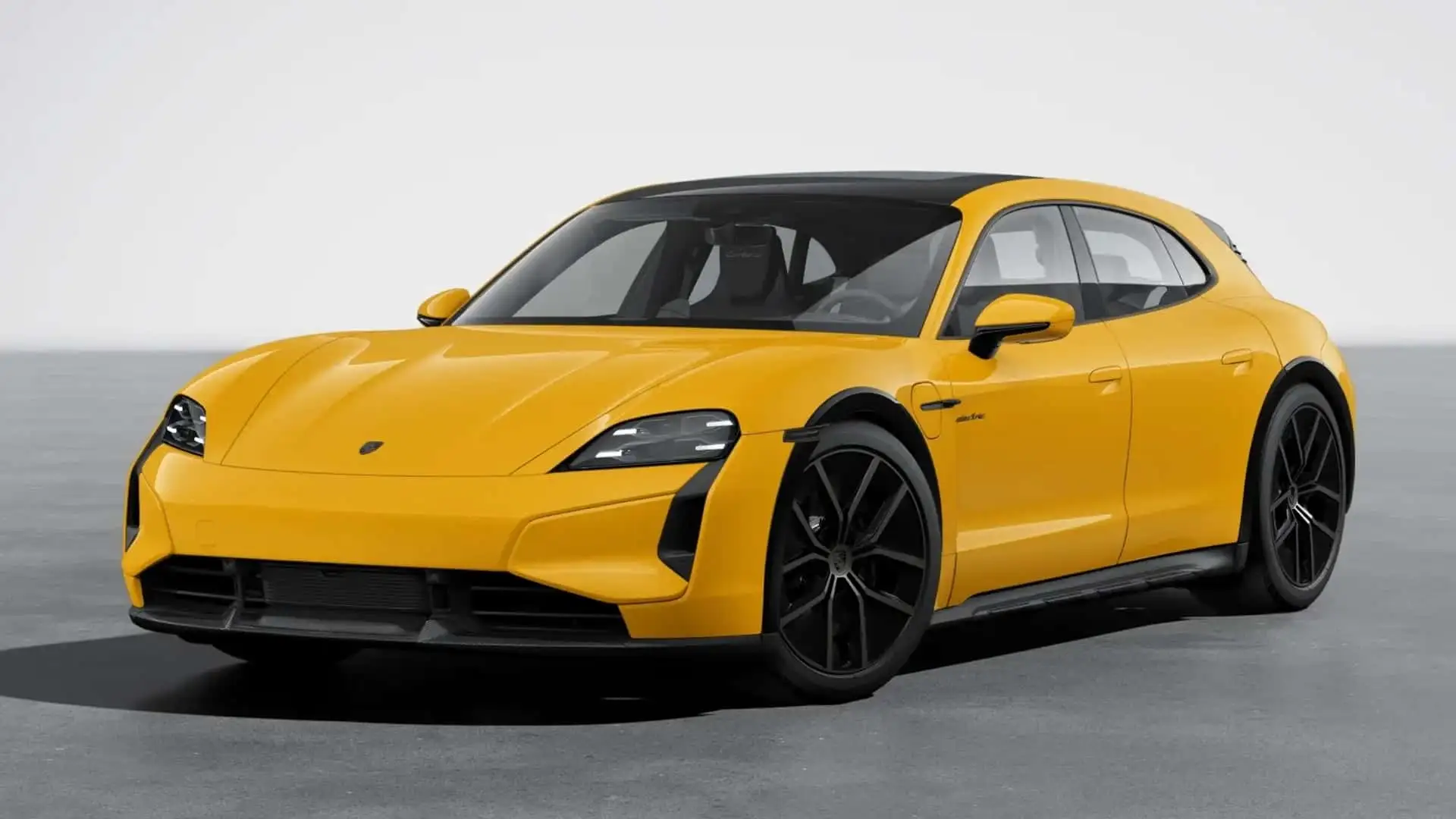
7. 2025 Porsche Taycan: Electric Performance with True Porsche Character
The 2025 Porsche Taycan receives meaningful updates that reinforce its position as one of the most engaging electric luxury sedans on the market. With a starting price of $99,400, the Taycan sits just below the six-figure mark while delivering a blend of sharp handling, cutting-edge technology, and a driving experience that feels unmistakably Porsche.
The base Taycan is equipped with a dual-motor all-wheel-drive system and a 79.2 kWh lithium-ion battery. Power output for entry-level versions starts at 402 horsepower and 302 lb-ft of torque, while higher trims dramatically raise the ceiling.
Performance-focused variants such as the GTS, Turbo S, and the extreme Turbo GT push output as high as 1,097 horsepower, with the Turbo GT accelerating from 0 to 60 mph in an astonishing 1.9 seconds. A unique two-speed transmission on the rear axle plays a key role in both rapid acceleration and improved highway efficiency, setting the Taycan apart from most electric rivals.
Handling is a standout trait. A low seating position, precise steering, and excellent chassis balance make the Taycan feel more connected than most electric sedans.
Standard air suspension and available adaptive dampers further enhance ride quality, while the optional Porsche Active Ride suspension delivers impressive body control and comfort over rough surfaces. The result is a sedan that feels equally at home on winding roads and long highway drives.
Driving range is competitive but not class-leading. EPA estimates for the 2025 Taycan range between 252 and 318 miles, depending on configuration. This trails rivals such as the Lucid Air and Tesla Model S, though real-world testing shows promising results.
A Taycan 4S exceeded expectations with 330 miles on a 75 mph highway test. Charging performance is excellent, with DC fast-charging capability of up to 320 kW, allowing a 10 to 80 percent charge in as little as 18 minutes under ideal conditions.
Inside, the Taycan features a modern, screen-heavy cabin with premium materials and a wide range of customization options. Multiple touchscreens manage infotainment, climate, and vehicle functions, supported by wireless Apple CarPlay and Android Auto. Comfort is strong up front, though rear-seat space and cargo capacity are more limited than some competitors.
Safety features such as automated emergency braking and lane-keeping assist come standard, while advanced driver aids are optional. Warranty coverage includes four years or 50,000 miles of basic protection and eight years or 100,000 miles for the electric powertrain.
The 2025 Porsche Taycan stands out for buyers who prioritize driving involvement and performance in an electric luxury sedan, delivering a distinctly sporty alternative in a rapidly evolving EV segment.
8. 2025 Porsche Panamera: Luxury Meets Sports Car Precision
The 2025 Porsche Panamera continues to blend sports-car dynamics with full-size luxury sedan practicality. Priced from $102,800 for the base V6 model, the Panamera offers a compelling mix of performance, technology, and refinement across seven trims in the U.S., with top-tier variants reaching $226,500.
The entry-level Panamera features a 3.0-liter turbocharged V6 producing 348 hp and 386 lb-ft of torque, paired with Porsche’s 8-speed PDK dual-clutch transmission, enabling a 0–60 mph sprint in about five seconds. The all-wheel-drive Panamera 4 offers enhanced traction and slightly improved handling over the rear-wheel-drive base model.
The Panamera lineup also includes V8-powered GTS and hybrid variants. The Turbo S E-Hybrid delivers 771 hp, reaching 0–62 mph in just 2.9 seconds with the optional Sport Chrono Pack. Other hybrid options, such as the 4 E-Hybrid and 4S E-Hybrid, combine electric boosts with the V6 engine for 464–537 hp.
Porsche’s Active Ride Suspension (PARS) is standard on the top hybrid models and optional on others. This advanced system uses hydraulic actuators at each wheel to stabilize the body, reduce roll, pitch, and dive, and even adjust ride height when entering or exiting the vehicle. It provides a balance between comfort and sporty handling that feels transformative compared to conventional air suspensions.
The Panamera cabin is modern and luxurious, featuring updated dash layouts with multiple touchscreens and touchpad controls. Front seats offer excellent support, while rear seating accommodates two adults comfortably, with an optional 4+1 configuration for an extra child.
The hatchback-style boot provides adequate cargo space, though it is smaller than that of larger sedans or estates. Interior materials are premium, and the infotainment system integrates well with modern connectivity options.
The Panamera remains a unique proposition among four-door luxury cars. It delivers the front-engine excitement of a Porsche sports car while functioning as a refined grand tourer for daily use.
Even the base models balance comfort and sportiness, while the Turbo S E-Hybrid offers thrilling straight-line performance combined with advanced suspension technology. Its distinct character and driving precision make it stand out, despite being overlooked in a crowded luxury sedan market.
The 2025 Porsche Panamera successfully merges everyday usability with exceptional driving dynamics, offering an experience that few competitors can match in the high-end four-door segment.
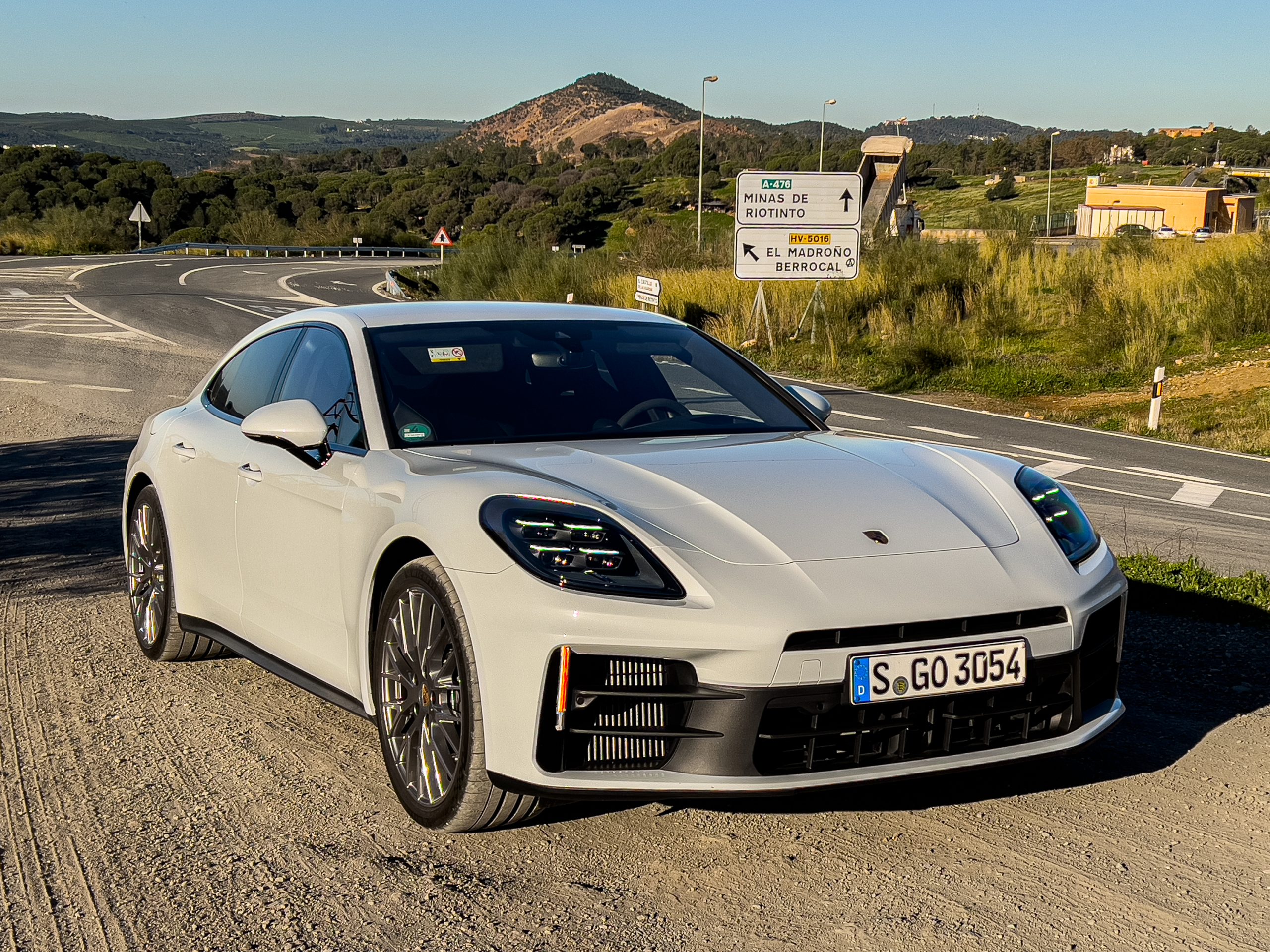
9. 2025 Mercedes-Benz EQS 450+: Electric Luxury Redefined
The 2025 Mercedes-Benz EQS 450+ is a flagship electric luxury sedan starting at $104,400, offering a combination of cutting-edge technology, comfort, and impressive performance. It is part of the EQS lineup, which also includes the 450 4MATIC and 580 4MATIC trims.
All models use a 108.4 kWh lithium-ion battery that provides a range of up to 352 miles on a single charge. The EQS 450+ features a single rear-mounted electric motor with 355 hp and 419 lb-ft of torque, paired with a one-speed direct-drive transmission, allowing it to accelerate to 60 mph in 5.8 seconds.
The EQS 450+ offers a rear-wheel-drive layout, while the 450 4MATIC adds a front motor for all-wheel drive, increasing torque to 590 lb-ft. The top-tier EQS 580 4MATIC delivers 516 hp and 611 lb-ft. All models feature adaptive air suspension and rear-axle steering to improve maneuverability and high-speed stability.
The 207-inch-long sedan handles like a smaller car, with a quiet and refined ride. Mercedes claims 200-kW DC fast charging can replenish the battery from 10 to 80 percent in 31 minutes, while a Level 2 charger achieves a full charge in 11.5 hours.
The EQS cabin embodies Mercedes’ luxury, featuring the Hyperscreen, a 56-inch-wide glass panel that integrates three displays for the driver, central controls, and passenger. Interiors are spacious with a flat floor and a 126.4-inch wheelbase, providing generous legroom and cargo capacity thanks to the hatchback design.
Standard tech includes augmented-reality navigation, Burmester 3D audio, wireless Apple CarPlay and Android Auto, six USB-C ports, cabin climate preconditioning, and ambient lighting. Fingerprint recognition enables personalized driver settings, while over-the-air updates add features like YouTube and Dolby Atmos.
The EQS comes with advanced driver-assistance features, including automated emergency braking, lane-keeping assist, adaptive cruise control, and self-parking assist. Warranty coverage includes four years or 50,000 miles for the vehicle and powertrain, with electrical components covered for 10 years or 155,000 miles. Mercedes does not include complimentary maintenance.
The 2025 EQS 450+ successfully merges the comfort and luxury of a flagship Mercedes with efficient and powerful electric performance, making it a compelling choice in the premium EV market.
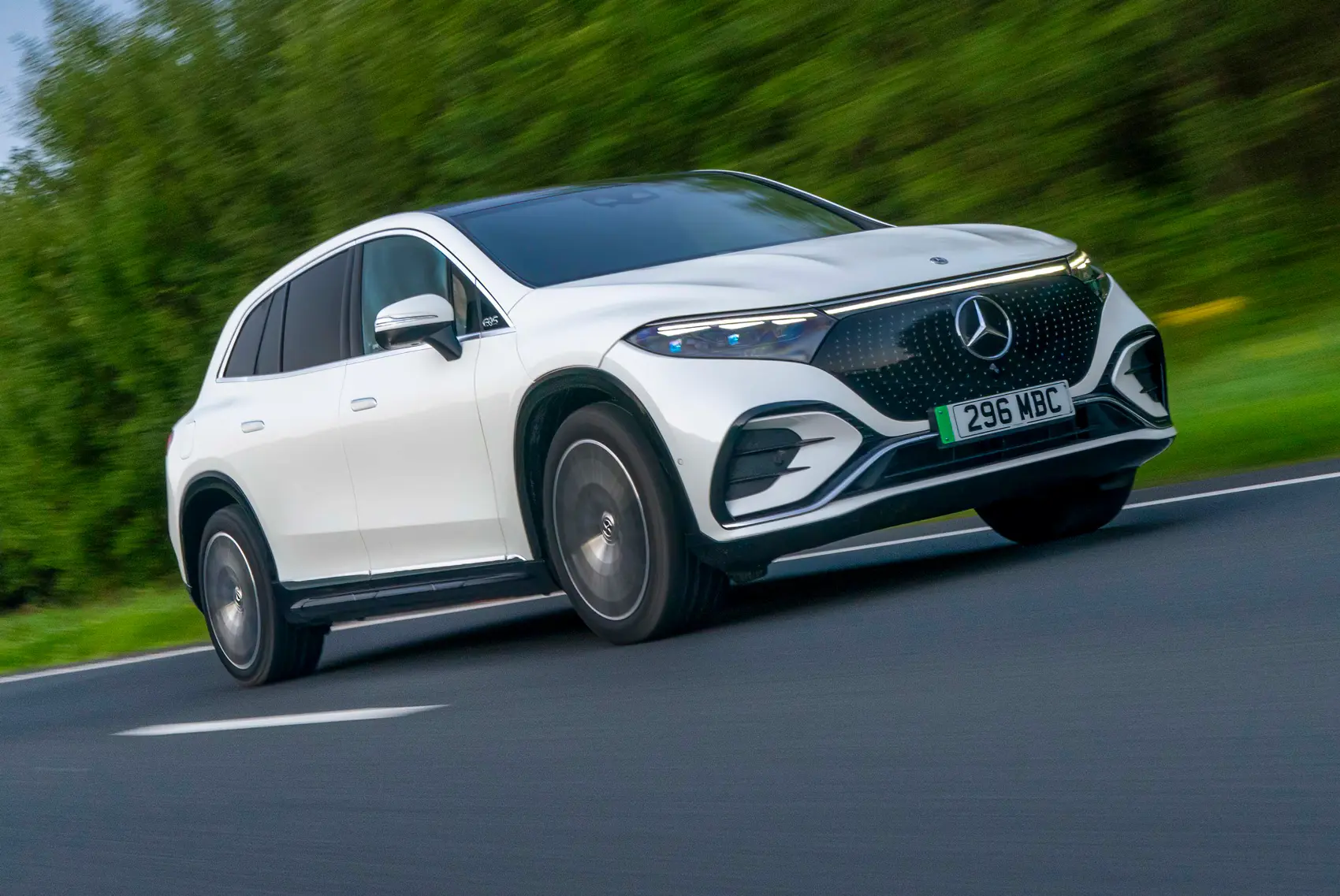
10. 2025 BMW i7 eDrive50: Luxury Electric Flagship
The 2025 BMW i7 eDrive50 is the fully electric version of BMW’s flagship 7-Series, starting at $105,700. It features a single rear-mounted electric motor producing 449 hp and 479 lb-ft of torque, paired with a 105.7-kWh lithium-ion battery and one-speed direct-drive transmission.
BMW estimates a range of 301 to 314 miles for the eDrive50, with higher trims, including the xDrive60 and high-performance M70, offering dual-motor all-wheel-drive layouts and output up to 650 hp, achieving 0–60 mph in 3.5 seconds for the M70.
The i7 eDrive50 provides a smooth, quiet, and refined ride, typical of BMW’s flagship sedans. On standard 19-inch wheels, the EPA-rated range is 314 miles, dropping slightly with larger 20- and 21-inch wheels. Real-world testing of the xDrive60 achieved 310 miles on a highway route, surpassing its EPA estimate.
DC fast charging replenishes the battery from 10 to 90 percent in 47 minutes, while adding 100 miles of range takes just 10 minutes. BMW includes up to 2,000 kWh of complimentary charging at Electrify America stations. MPGe ratings range from 72 to 85 city and 78 to 93 highway, placing the i7 in line with competitors like the Porsche Taycan.
The i7’s interior blends luxury and technology, with leather seating offering heating, ventilation, and 18-way power adjustments. The digital dashboard, borrowed from the iX SUV, integrates large floating digital-gauge and infotainment displays, while an optional 31.3-inch rear entertainment screen enhances rear-seat comfort with streaming capabilities.
Rear passengers enjoy heating, ventilation, massage, and individual climate control, while the trunk provides 18 cubic feet of cargo space, slightly less than the gas-powered 7-Series.
Standard features include a 14.9-inch touchscreen, wireless Apple CarPlay and Android Auto, Bluetooth, and an 18-speaker stereo. Optional upgrades include a 39-speaker Bowers & Wilkins audio system and rear-seat streaming via the 5G cellular connection. Most functions are controlled through touchscreens, emphasizing BMW’s modern interface.
The i7 comes with standard automated emergency braking, lane-departure warning, and lane-keeping assist, with optional adaptive cruise control and semi-autonomous highway driving. Warranty coverage includes four years or 50,000 miles, EV components for eight years or 100,000 miles, and three years of complimentary maintenance.
The i7 eDrive50 combines flagship-level luxury, advanced technology, and electric performance, making it a compelling choice in the premium EV sedan market.
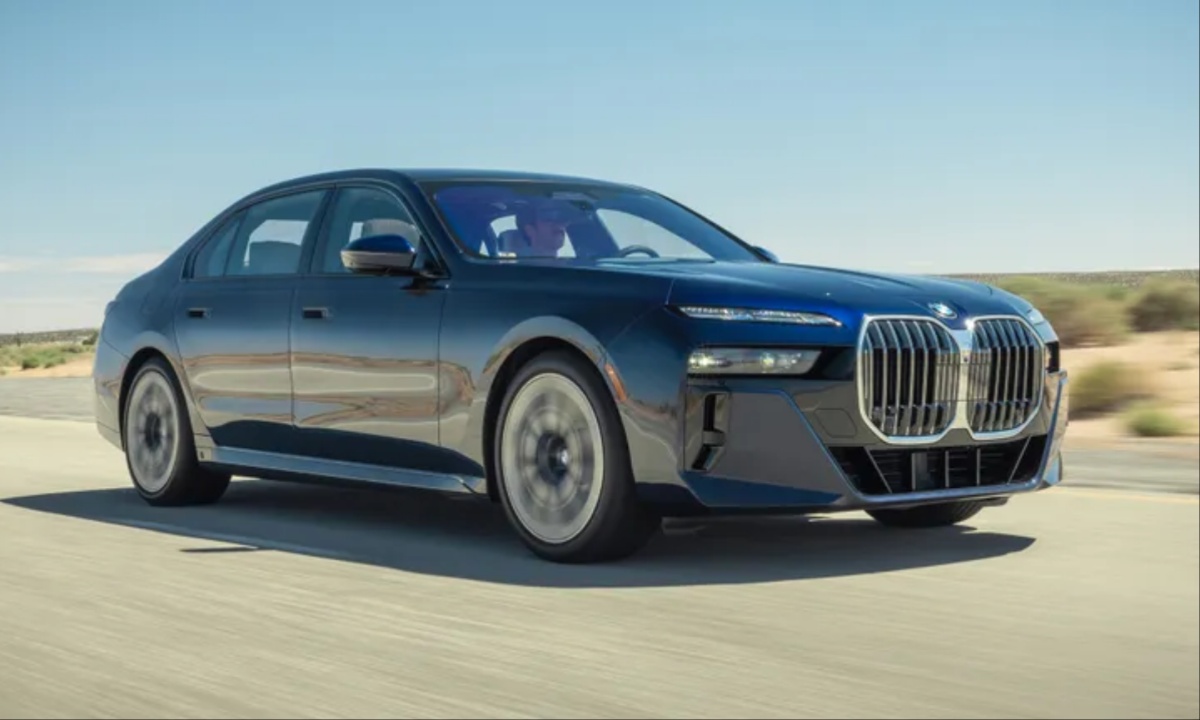
11. 2024 Audi e-tron GT: Performance-Oriented Electric Sedan
The 2024 Audi e-tron GT, starting at $106,500, is a luxury electric sedan that rivals the Porsche Taycan. It features a dual-motor, all-wheel-drive system paired with a 93-kWh lithium-ion battery.
The rear motor utilizes a two-speed transmission, providing both strong launch performance and efficiency at higher speeds. The standard e-tron GT delivers 523 hp, allowing a 0–60 mph sprint in 3.6–3.9 seconds, while the high-performance RS e-tron GT peaks at 637 hp, achieving 60 mph in 2.9 seconds.
The e-tron GT’s dual motors create an electric Quattro all-wheel-drive system, providing responsive acceleration and stable handling. Overboost mode temporarily increases output to 532 hp, enhancing straight-line performance.
Optional all-wheel steering, adaptive air suspension, and wheel sizes from 19 to 21 inches contribute to precise handling. The car eschews one-pedal driving for a more natural braking feel, and the cooling system ensures sustained high-performance runs without battery degradation.
The e-tron GT is equipped with an 83.7-kWh battery, offering an EPA-estimated range of 238 miles, with the RS variant slightly lower at 232 miles. Real-world testing showed both models achieving 240 miles.
DC fast charging allows replenishment from 5 to 80 percent in 23 minutes using a 270-kW charger. MPGe ratings are 82 combined for the standard e-tron GT and 81 for the RS, reflecting competitive efficiency for a high-performance EV.
The cabin combines luxury and sportiness, featuring digital displays, leather or leather-free recycled material options, and premium trim. Front seats are low and sporty, while rear outboard seats offer adequate legroom but limited headroom. The middle rear seat is more symbolic than practical.
Cargo is accommodated in the rear hatch and a front trunk (frunk). Optional features include ambient lighting, head-up display, and heated/cooled massaging front seats.
A 10.1-inch central touchscreen integrates with steering-wheel controls and voice recognition. The e-tron GT offers wireless charging, a subscription-based Wi-Fi hotspot, and a 16-speaker Bang & Olufsen audio system.
Standard safety features include forward-collision warning, automated emergency braking, and available blind-spot monitoring, lane-keeping assist, and rear cross-traffic alert. Warranty coverage includes four years/50,000 miles for the vehicle, and eight years/100,000 miles for electric components. No complimentary maintenance is provided.
The Audi e-tron GT blends performance, luxury, and EV technology, making it a compelling electric sports sedan for enthusiasts seeking both speed and comfort.
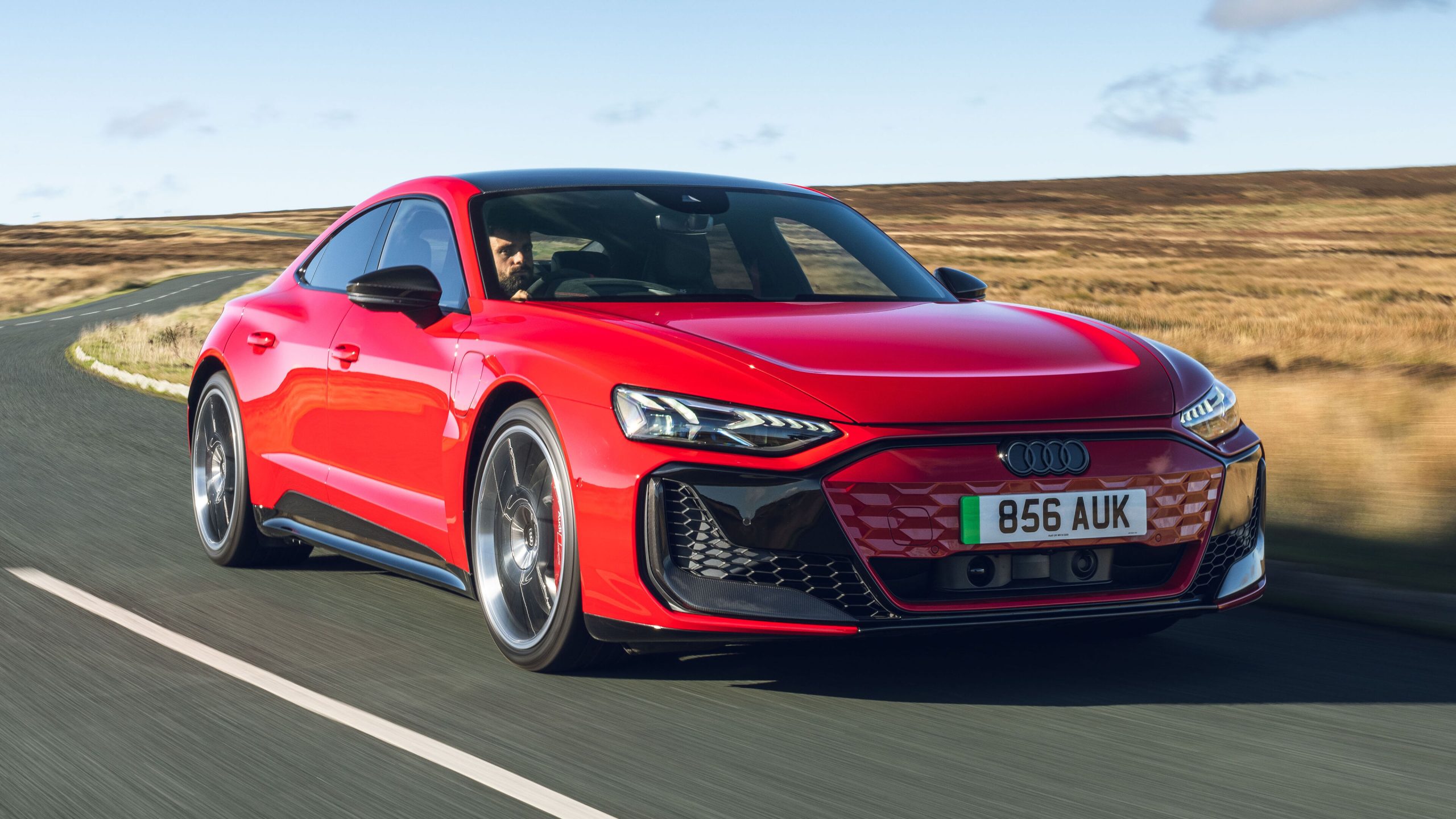
12. 2025 Mercedes-Benz S-Class (S 500 4MATIC): Flagship Luxury and Technology
The 2025 Mercedes-Benz S-Class S 500 4MATIC, starting at $118,900, represents the pinnacle of Mercedes’ luxury sedan lineup. Powered by a 3.0-liter inline-six turbocharged mild-hybrid engine, it produces 442 hp and 413 lb-ft of torque, paired with a 9-speed automatic transmission and 4MATIC all-wheel drive.
Higher trims include the S580 with a twin-turbo V8 producing 496 hp and the S580e plug-in hybrid delivering 510 hp. Acceleration is brisk, with the S500 reaching 60 mph in 4.5 seconds, the S580 in 3.9 seconds, and the S580e in 4.2 seconds. Air suspension is standard, while E-Active Body Control and all-wheel steering improve handling and comfort, making the large sedan surprisingly agile.
The S500 achieves 21 mpg city and 31 mpg highway, while the V8 S580 drops to 18/27 mpg. The S580e plug-in hybrid delivers 36 mpg in gasoline operation after battery depletion, with an EPA-rated electric range of 46 miles. Our tests recorded 58 miles. Charging is supported via a standard 9.6-kW onboard charger or an optional 60-kW DC fast charger.
The S-Class interior emphasizes luxury, space, and advanced technology. The cabin offers limousine-like accommodations, particularly in the rear, with power-adjustable reclining seats, massage functions, heating, and increased legroom and headroom. Up to five screens are available, including a 12.3-inch digital gauge cluster and a 12.8-inch OLED center touchscreen.
Augmented reality navigation overlays directions in real-time, enhancing the driver experience. Entertainment includes rear-seat screens, Burmester 3D or 4D sound systems, and extensive ambient lighting. Standard connectivity features include wireless Apple CarPlay, Android Auto, and charging options.
The S-Class is equipped with comprehensive driver-assistance features, including automated emergency braking, forward-collision warning, lane-keeping assist, adaptive cruise control with stop-and-go, and advanced parking assistance. Optional innovations include rear-seat airbags and active suspension that can lift the car in the event of a collision.
Mercedes offers four years/50,000 miles limited and powertrain warranties, but there is no complimentary scheduled maintenance, lagging behind some competitors in coverage.
The 2025 S-Class S 500 4MATIC combines high-performance powertrains, state-of-the-art technology, and unparalleled rear-seat comfort, making it a benchmark for flagship luxury sedans.
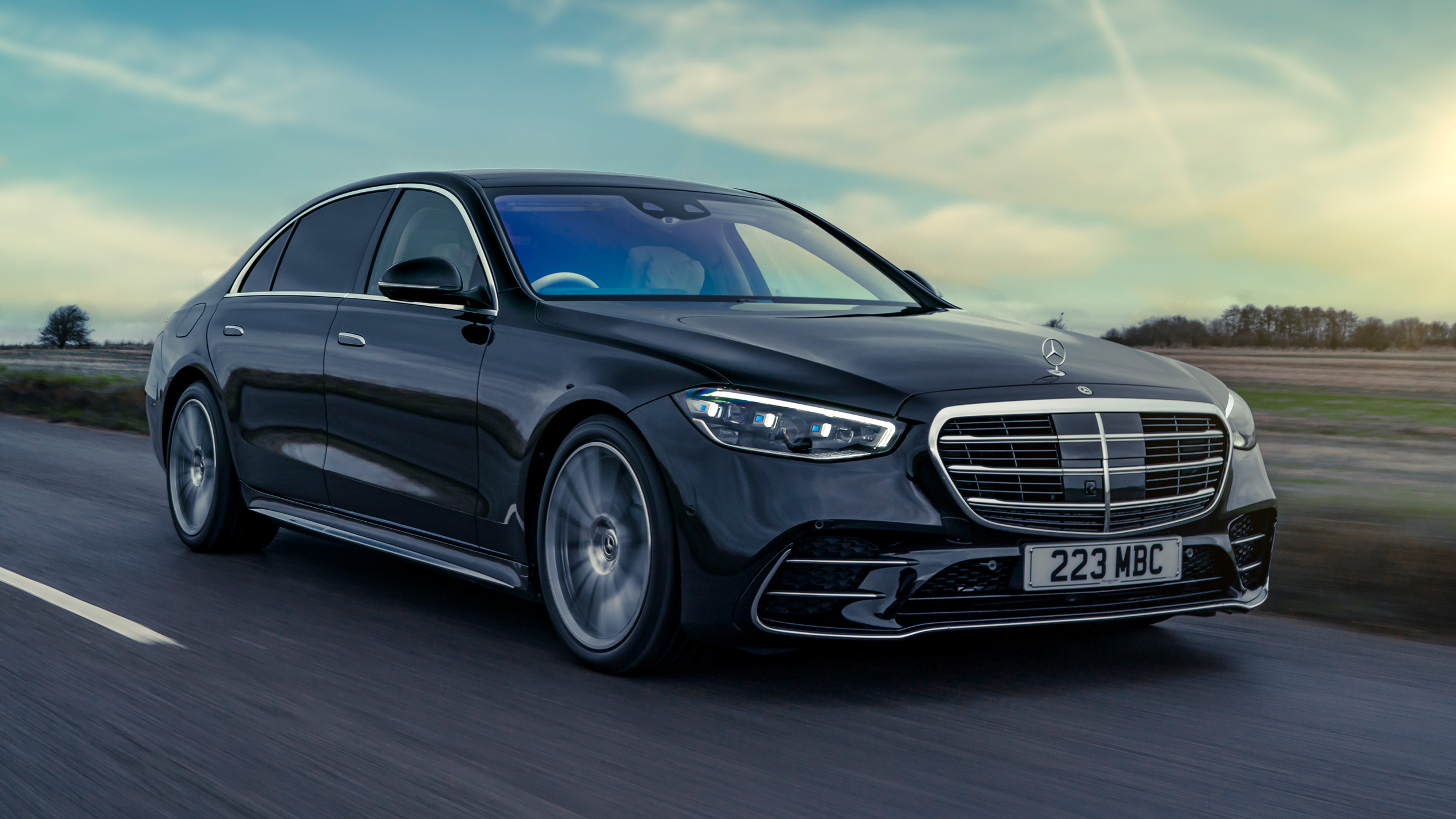
The 12 affordable full-size luxury sports sedans of 2025 demonstrate that high-end comfort, performance, and technology are no longer confined to stratospheric price tags.
From all-electric powerhouses like the Lucid Air Pure, BMW i7, and Audi e-tron GT to hybrid and gasoline options such as the Lexus LS 500, Genesis G90, and Mercedes S-Class, buyers can enjoy exhilarating acceleration, advanced infotainment systems, and meticulous craftsmanship without overspending.
Each sedan offers a distinct personality, whether it is the quiet refinement of the Mercedes EQS, the sport-focused Porsche Panamera, or the driver-centric BMW 7-Series, ensuring that enthusiasts and luxury seekers alike can find a vehicle that suits their style and priorities.
In 2025, the luxury sedan segment proves more accessible than ever, blending performance, innovation, and elegance into packages that deliver true value for discerning drivers.
Also Read: 5 Cars for Fremont Bay Area Commuting vs 5 That Cost a Fortune
