
Wichita is a city where practicality shapes nearly every car-buying decision. Daily driving often means longer distances, steady highway speeds, strong winds, hot summers, and cold winters.
Traffic is manageable, parking is rarely an issue, and most drivers expect their vehicles to serve reliably for many years rather than a few flashy seasons. In this environment, cars are judged less by style and more by durability, cost of ownership, and mechanical trustworthiness.
This article looks at two sides of that reality. First, it highlights cars that make sense for Wichita practical buyers vehicles that are affordable to own, easy to service locally, stable at highway speeds, and dependable over long mileage.
These cars are chosen because they align with how people in Wichita actually use their vehicles: commuting, errands, family transport, and long stretches of driving without drama.
Second, it examines cars known for costly transmission issues. Transmission failure is one of the most expensive problems a vehicle owner can face, often exceeding the car’s remaining value. In a market like Wichita, where people keep vehicles well beyond warranty periods, a reputation for transmission trouble can turn ownership into a financial mistake.
The goal isn’t to condemn entire brands, but to separate sensible long-term choices from high-risk ones. Some cars look appealing on paper yet carry hidden costs that emerge years later. Others quietly deliver dependable service without demanding attention or expensive repairs.
By comparing practical daily drivers with vehicles burdened by transmission risk, this guide helps Wichita buyers make decisions that protect both reliability and finances because in Kansas, a good car keeps working long after it’s paid off.
Also Read: 5 Cars For Parkersburg Daily Drivers and 5 That Don’t Hold Value
5 Cars for Wichita Practical Buyers
Practical car ownership in Wichita revolves around longevity, serviceability, and predictability. The best vehicles here aren’t overly complex, don’t rely on fragile components, and can be maintained easily by local independent shops.
Flat terrain and open roads reward cars that track straight at highway speeds and remain stable in strong crosswinds. Long commutes and steady mileage also favor engines and transmissions designed for durability rather than maximum efficiency at the edge of reliability.
Cost control is another major factor. Wichita buyers tend to plan long-term, keeping vehicles for many years. Cars with affordable parts, reasonable insurance rates, and strong resale demand help protect household budgets over time.
Each car in this section is written about because it fits Wichita’s ownership mindset. These vehicles don’t promise excitement or cutting-edge tech. Instead, they deliver consistency starting every morning, handling long drives comfortably, and avoiding expensive surprises.
We begin with one of the most trusted practical cars in America.
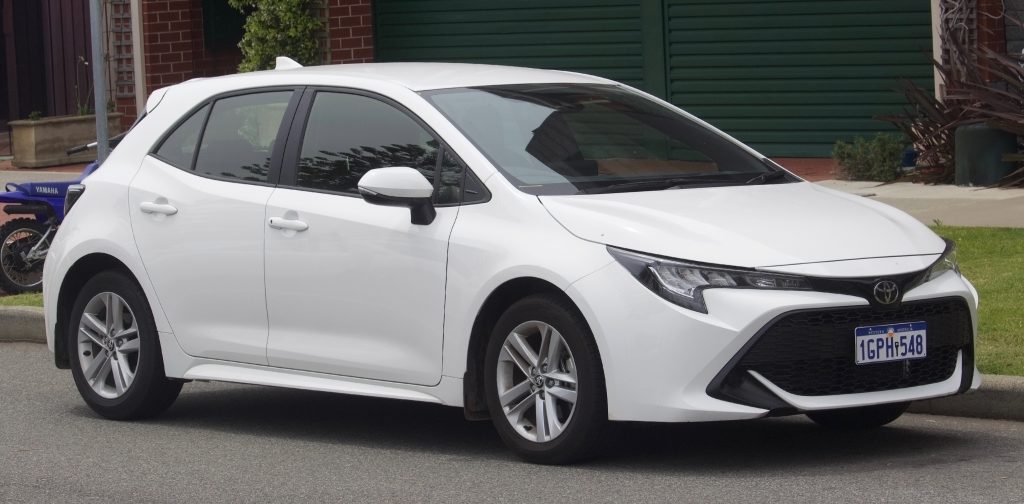
1. Toyota Corolla
The Toyota Corolla is exceptionally well-suited for practical Wichita buyers, and it’s written about here because it represents low-risk ownership better than almost any other vehicle.
Highway stability is one of the Corolla’s underrated strengths. Wichita’s open roads and frequent winds can unsettle lighter or poorly tuned cars, but the Corolla remains composed at speed. Steering is predictable, which reduces fatigue during longer daily drives.
Fuel efficiency supports long-term affordability. Many Wichita drivers rack up steady mileage, and the Corolla keeps operating costs low without sacrificing reliability. It handles both short city trips and extended highway driving efficiently.
Reliability is the Corolla’s defining advantage. Its naturally aspirated engines and conventional transmissions are proven over decades of use. These components tolerate long ownership cycles and high mileage far better than more complex designs.
Service access further strengthens its appeal. Parts are widely available, repairs are affordable, and nearly every independent shop in Wichita can service a Corolla. That accessibility keeps maintenance costs predictable and avoids dealer dependence.
Resale value is another reason this car matters. Used Corollas remain in demand nationwide, protecting owners from steep depreciation. Even after many years, they retain value relative to purchase price.
This car is written about because it minimizes risk. For Wichita buyers who prioritize dependable transportation and financial predictability, the Toyota Corolla remains one of the safest practical choices available.
2. Honda Civic
The Honda Civic is a strong match for Wichita practical buyers, and it’s written about here because it balances efficiency, durability, and long-term value in a way that fits Kansas driving habits.
Wichita’s roads encourage steady cruising and predictable driving, and the Civic thrives in that environment. Its power delivery is smooth and responsive without being strained, making highway merges and long commutes feel effortless. Even in strong crosswinds, the Civic remains stable and easy to control, which matters on open Kansas highways.
Ride quality suits everyday use. The Civic’s suspension absorbs uneven pavement and road seams without feeling soft or fragile. For buyers who commute daily or travel between towns, that comfort adds up over years of ownership.
Reliability is a major reason this car is written about. The Civic’s engines and transmissions have long track records for durability when maintained properly. Unlike more complex drivetrains, it avoids unnecessary components that can become failure points over time.
Ownership costs stay manageable. Insurance rates are reasonable, fuel economy is excellent, and parts are widely available. Independent shops throughout Wichita are familiar with the Civic, keeping maintenance simple and affordable.

Resale value further reinforces its practicality. Civics consistently remain in demand in used markets, helping owners recover a meaningful portion of their investment when it’s time to sell or trade.
This car is written about because it rewards long-term ownership. For Wichita buyers who value consistency over novelty, the Honda Civic remains a dependable, low-risk daily driver.
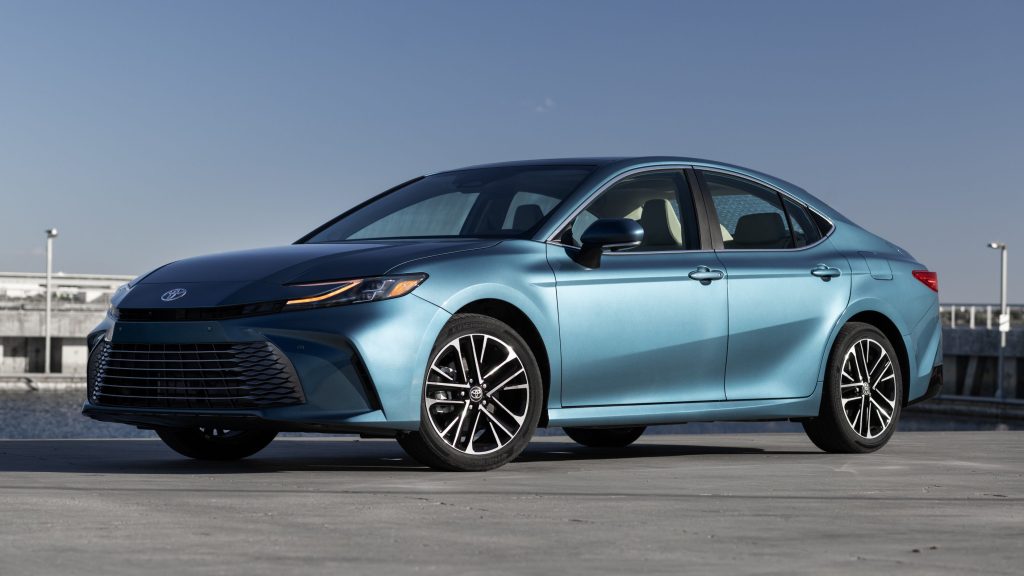
3. Toyota Camry
The Toyota Camry earns its place among Wichita practical cars because it offers durability, comfort, and mechanical restraint in a midsize package. It’s written about here for buyers who want extra space without sacrificing reliability.
Highway comfort is one of the Camry’s standout traits. Wichita drivers often spend extended time on the road, and the Camry’s smooth ride and calm steering reduce fatigue on long trips. The car feels planted and composed even at sustained speeds.
Powertrain durability is central to its appeal. The Camry’s naturally aspirated engines and conventional automatic transmissions are engineered for longevity, not edge-case efficiency. These systems handle high mileage and long ownership cycles well exactly what practical buyers want.
Interior comfort also supports daily use. Seats are supportive, visibility is good, and controls are intuitive. Nothing about the Camry demands special attention, which aligns with Wichita’s no-nonsense driving culture.
Maintenance and repair costs remain predictable. Parts availability is excellent, and nearly all independent shops in Wichita can service a Camry without specialized equipment. That flexibility keeps ownership affordable over time.
Resale value further strengthens the case. Used Camrys are always in demand, protecting owners from steep depreciation. In practical markets like Wichita, that retained value matters.
This car is written about because it balances comfort with durability. The Toyota Camry gives Wichita buyers reliable transportation that stays sensible to own long after the purchase decision.
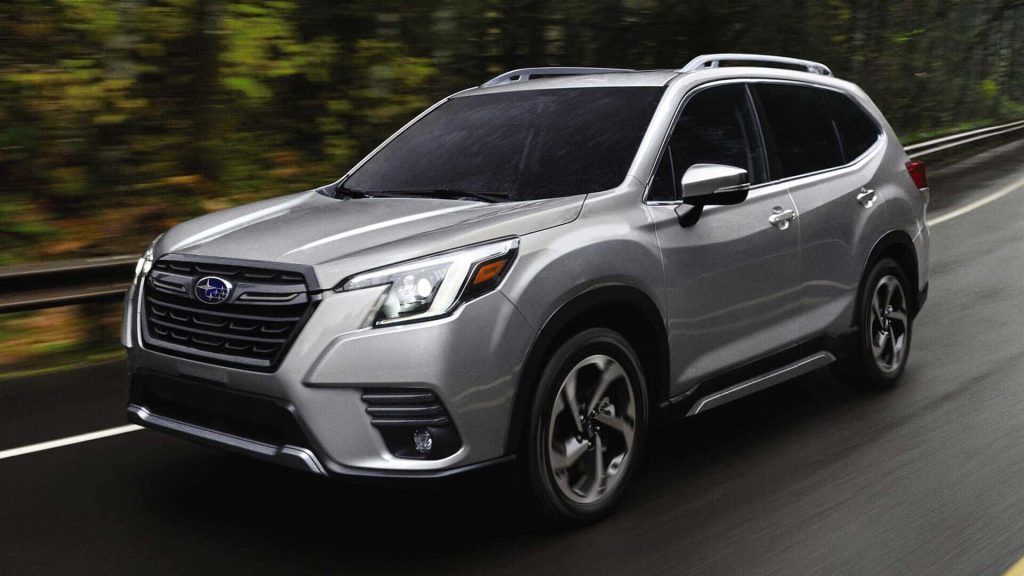
4. Subaru Forester
The Subaru Forester is a smart choice for Wichita practical buyers because it prioritizes stability, visibility, and all-weather confidence without adding unnecessary complexity. It’s written about here because Kansas weather and long ownership cycles reward vehicles that feel predictable year-round.
One of the Forester’s biggest advantages is all-wheel drive as standard equipment. While Wichita doesn’t see constant snow, winter storms, ice, and heavy rain do happen. The Forester’s AWD system provides consistent traction on slick roads without requiring driver input, making daily driving safer and less stressful.
Visibility is another underrated strength. The Forester’s upright design and large windows provide excellent outward sightlines, which helps on highways, rural roads, and in poor weather. For practical buyers, that visibility translates directly into confidence and comfort.
Ride quality suits Wichita roads well. The suspension absorbs rough patches and expansion joints without feeling soft or unstable. At highway speeds, the Forester tracks straight and remains composed in crosswinds important on open Kansas stretches.
Reliability and service access also support long-term ownership. Subaru’s engines and drivetrains are well known to independent shops across the region, and parts availability is solid. With routine maintenance, Foresters routinely handle high mileage without drama.
Resale value is strong in markets where AWD is appreciated. Used Foresters retain demand, helping owners protect their investment when it’s time to sell.
This car is written about because it adds security without risk. For Wichita buyers who want year-round confidence and predictable ownership costs, the Subaru Forester fits the practical brief perfectly.
5. Ford F-150
The Ford F-150 rounds out the list as a practical choice for Wichita buyers who want durability and versatility in a single vehicle. It’s written about here because trucks remain deeply practical in Kansas, not just culturally but functionally.
Highway stability is a major strength. The F-150’s long wheelbase and weight help it stay composed at speed and resist strong winds better than many lighter vehicles. Long daily drives feel calm rather than tiring.
Powertrain durability supports long-term ownership. When properly maintained, F-150 engines and conventional automatic transmissions are designed for heavy use and long mileage. These systems are built with margin something practical buyers value.
Versatility also matters. Many Wichita drivers use one vehicle for commuting, hauling, home projects, or outdoor activities. The F-150 handles all of these roles without compromise, eliminating the need for a second vehicle.
Service access is excellent. Ford’s widespread dealer and independent-shop support means repairs and maintenance are easy to manage locally. Parts availability is strong, keeping downtime and costs reasonable.
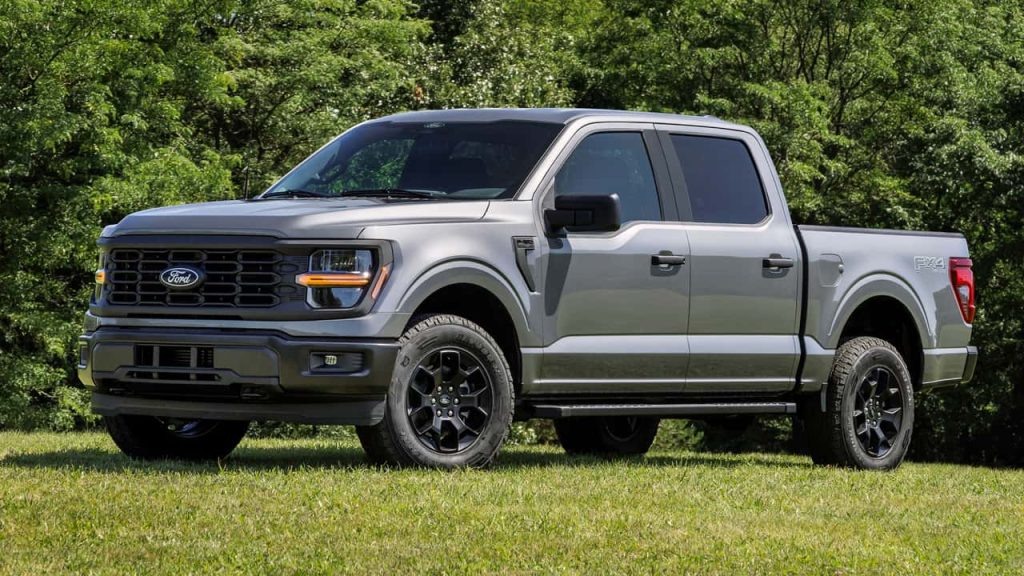
Resale value seals the deal. Used F-150s remain in constant demand, especially in regions like Kansas. Owners often recover a significant portion of their investment even after years of use.
This truck is written about because it earns its keep. For Wichita practical buyers who want durability, flexibility, and strong resale value, the Ford F-150 remains one of the safest long-term choices available.
5 That Have Costly Transmissions
For Wichita buyers, transmission reliability isn’t a theoretical concern it’s a financial one. Many local owners keep vehicles well past the warranty period, rack up steady highway mileage, and expect major components to last. When a transmission fails, repair costs often exceed $4,000–$8,000, instantly turning an otherwise decent car into a money pit.
This section focuses on cars known for costly transmission issues, not because every unit fails, but because failure rates, repair complexity, and replacement costs are high enough to create serious ownership risk. In Wichita, where buyers value durability and predictability, these risks matter more than initial pricing or features.
Modern transmissions are increasingly complex. Continuously Variable Transmissions (CVTs), dual-clutch automatics, and sealed “lifetime fluid” designs often lack serviceability. When problems emerge, repairs are limited, and full replacement becomes the only option.
Flat terrain and highway driving in Wichita might sound easy on cars, but long, steady mileage actually exposes weak transmission designs over time. Heat buildup, belt wear, clutch degradation, and software issues become unavoidable once warranties expire.
This section is written to help buyers avoid vehicles where one mechanical failure can erase years of savings. In practical markets, transmission risk is ownership risk.
We begin with one of the most frequently cited examples.
1. Nissan Altima
The Nissan Altima is one of the most well-known examples of a car with potentially costly transmission problems, and it’s written about here because its CVT design has created widespread ownership issues over time.
The primary concern is Nissan’s continuously variable transmission (CVT). While smooth when new, this transmission relies on belts and pulleys that are highly sensitive to heat, fluid condition, and long-term wear. Over extended mileage common in Wichita commuting the CVT can develop slipping, shuddering, delayed engagement, or complete failure.
Repair options are limited. Unlike traditional automatics, CVTs are rarely rebuilt successfully. Most failures result in full replacement, with costs often ranging from $4,000 to $7,000 or more. For older Altimas, that expense can exceed the car’s remaining value.
Highway driving doesn’t eliminate the risk. In fact, sustained speeds generate heat that accelerates internal wear. Once symptoms appear, failure often progresses quickly.
Resale value suffers accordingly. Wichita buyers are aware of these issues, and often face heavy price resistance. Sellers are forced to discount aggressively to offset buyer risk perception.
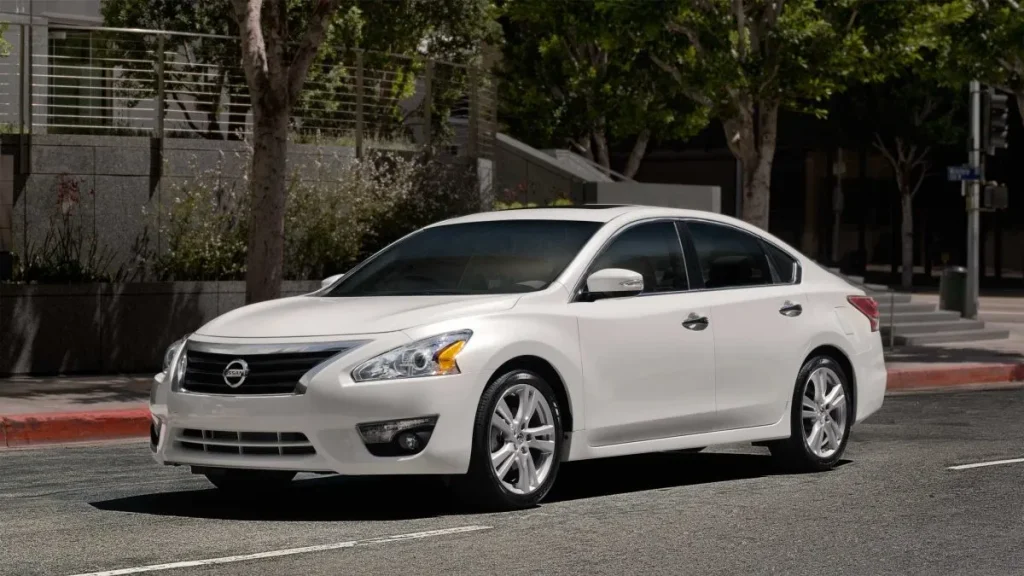
This car is written about because it turns transmission failure into a financial dead end. While many Altimas run fine for years, the cost and frequency of CVT failure make it a high-risk choice for long-term ownership in Wichita.
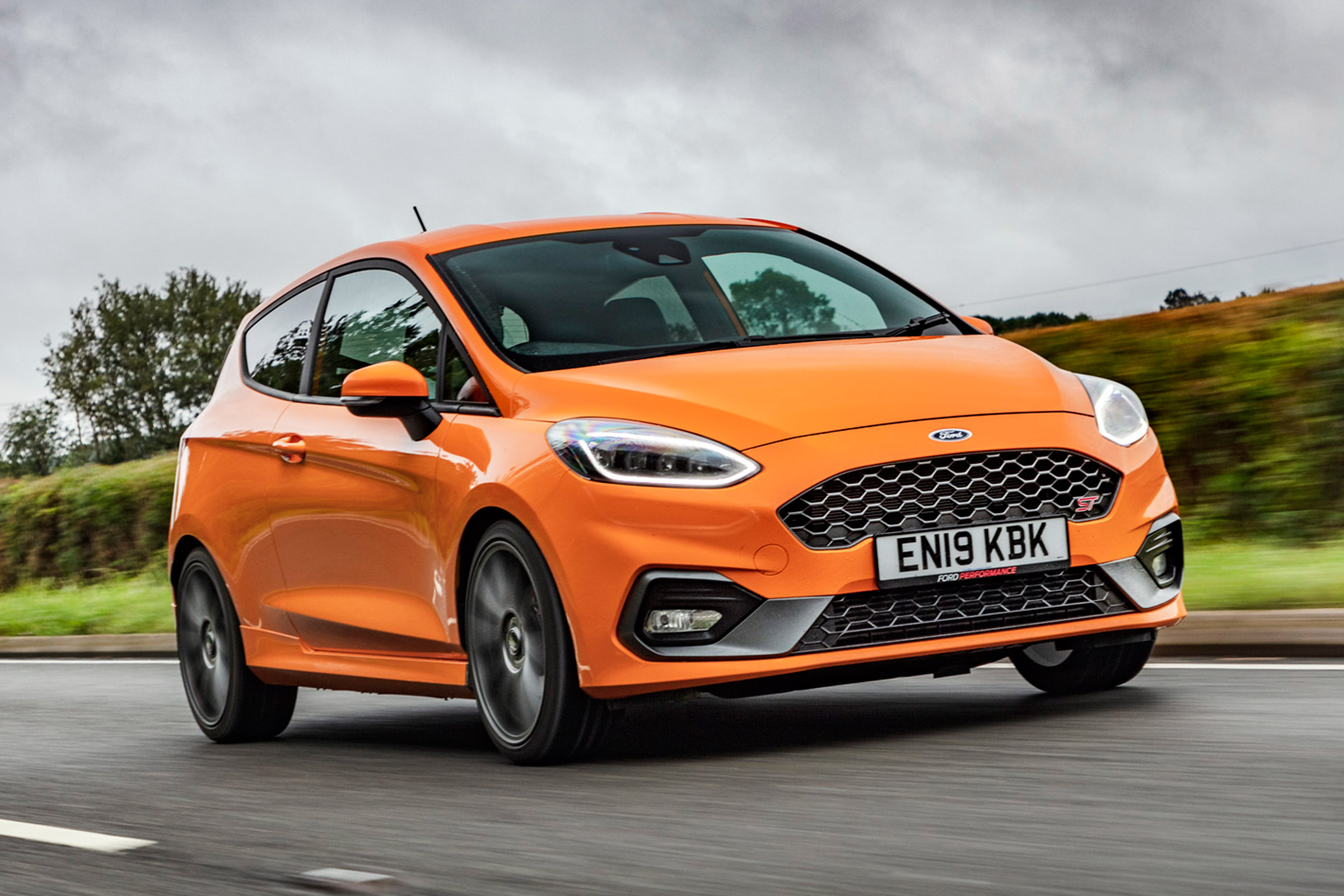
2. Ford Fiesta
The Ford Fiesta is frequently cited for costly transmission problems, and it’s written about here because its design creates long-term risk that practical Wichita buyers should understand clearly.
The main issue is the dual-clutch automatic transmission used in many Fiesta models. While intended to improve fuel efficiency, this transmission struggles in real-world driving. Clutch shudder, hesitation, and harsh engagement are common complaints as mileage increases. These problems don’t just affect comfort they indicate accelerated internal wear.
Unlike conventional automatics, the Fiesta’s dual-clutch system is complex and sensitive to heat and software calibration. In Wichita, where drivers often log steady mileage year after year, wear accumulates quickly. Once symptoms appear, repairs are rarely simple or cheap.
Replacement or major repair costs can easily reach $3,500–$5,000, and repeated failures are not uncommon. For many owners, this turns the Fiesta into a poor financial bet once the warranty ends.
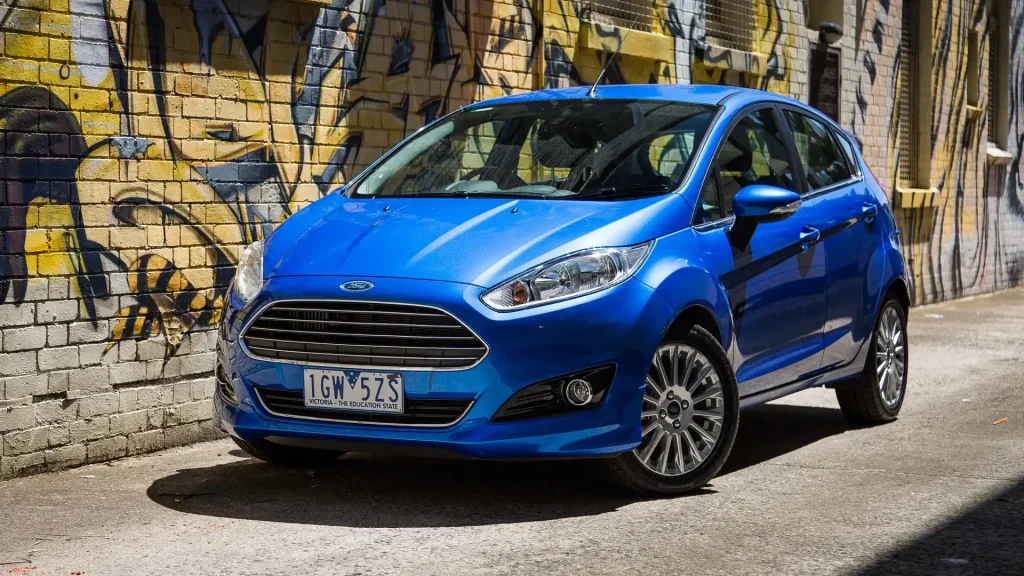
Resale value suffers heavily because buyers are aware of the transmission reputation. Even well-maintained examples are often discounted sharply, as buyers factor in the risk of future failure.
This car is written about because it hides big risk behind a small price. The Ford Fiesta may be affordable up front, but its transmission design makes long-term ownership expensive and unpredictable especially for Wichita drivers who expect vehicles to last.
3. Jeep Compass
The Jeep Compass also earns a spot on this list due to its history of costly transmission-related issues, and it’s written about here because buyers often underestimate how expensive repairs can become.
Many Compass models use either a CVT or a complex automatic transmission paired with a small-displacement engine. Under long-term use, these transmissions can suffer from overheating, hesitation, and internal wear issues that are magnified as mileage accumulates.
Once problems begin, repair options are limited. CVT-equipped Compass models often require full replacement rather than rebuild, with costs commonly exceeding $4,000–$6,000. For owners who planned to keep the vehicle long-term, this can be financially devastating.
Wichita’s steady highway driving may seem gentle, but long-distance use still generates heat and sustained stress inside the transmission. Over time, this exposes weak internal components and software limitations.
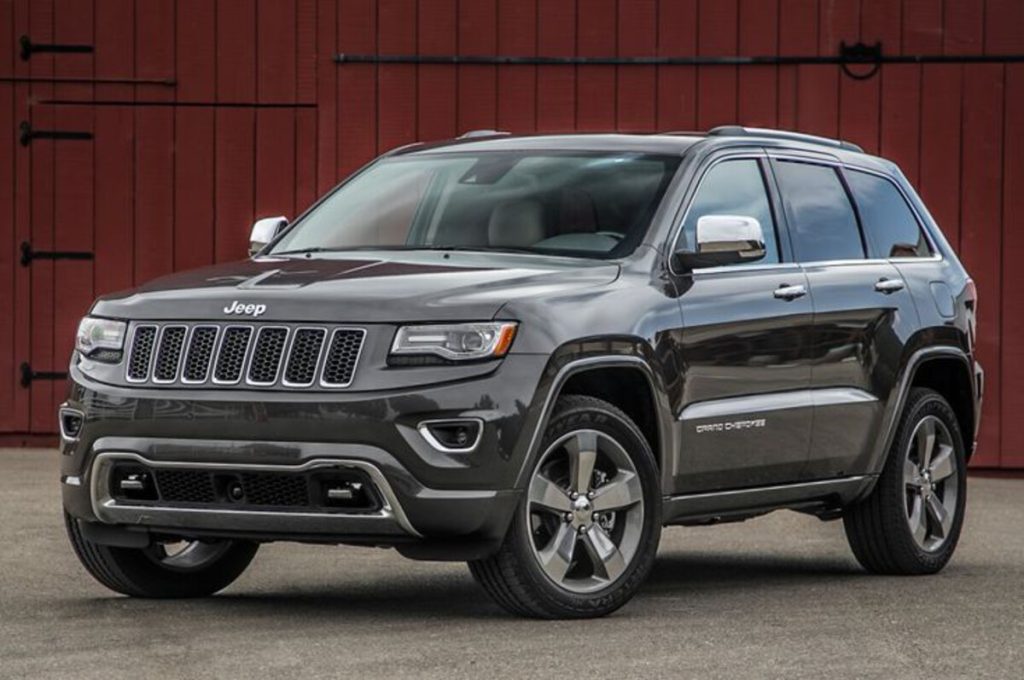
Resale demand reflects this risk. Used Compass models frequently sit longer on the market and sell only after significant price reductions. Buyers factor potential transmission replacement directly into their offers.
This car is written about because it combines average durability with above-average repair cost. In a practical market like Wichita, that imbalance makes the Jeep Compass a risky ownership choice once warranties expire.
4. Chevrolet Cruze
The Chevrolet Cruze is included here because transmission repairs can become disproportionately expensive relative to the car’s value an especially bad equation for Wichita buyers who keep vehicles long-term.
The Cruze has been offered with multiple automatic transmissions across its production run, and several variants have developed reputations for premature wear, harsh shifting, or outright failure as mileage accumulates. In many cases, owners report delayed engagement, slipping under load, or warning lights that appear with little notice.
Once problems begin, repair paths are limited. Rebuilding options are often unreliable or unavailable, pushing owners toward full replacement. Costs frequently land in the $3,500–$5,500 range depending on year and configuration. For older Cruzes, that bill can exceed half or more of the car’s market value.
Heat management plays a role as well. Wichita’s long highway drives and summer temperatures place sustained thermal stress on transmissions. Over time, heat accelerates fluid breakdown and internal wear, exposing weaknesses in marginal designs.
Resale value reflects this risk. Used Cruze listings often require aggressive pricing to attract buyers who are aware of transmission concerns. Even well-maintained examples face skepticism once warranties expire.
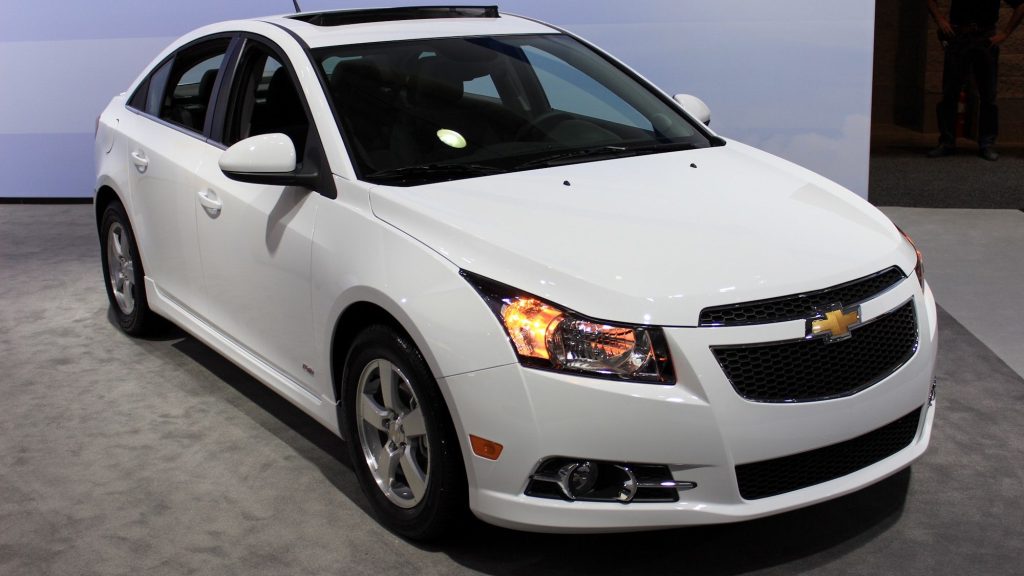
This car is written about because it offers little margin for error. When transmission trouble strikes, the Chevrolet Cruze leaves owners facing an expensive decision with limited upside something practical Wichita buyers work hard to avoid.
5. Volkswagen Jetta
The Volkswagen Jetta rounds out the list due to its history with costly transmission systems, particularly models equipped with dual-clutch (DSG) or complex automatic gearboxes.
The core issue is repair complexity. While DSG transmissions can deliver smooth shifting when new, they rely on intricate electronics, clutches, and mechatronic units that are sensitive to heat, fluid condition, and software calibration. As mileage builds, failures become expensive rather than incremental.
When problems occur hard shifts, hesitation, or loss of drive repairs often require specialized diagnostics and dealer-level expertise. Costs can escalate quickly, with major transmission work commonly exceeding $4,000–$6,000.
In Wichita, service access magnifies the issue. Fewer independent shops are equipped to service Volkswagen’s advanced transmissions, reducing repair options and increasing downtime. That inconvenience alone is enough to deter many long-term buyers.
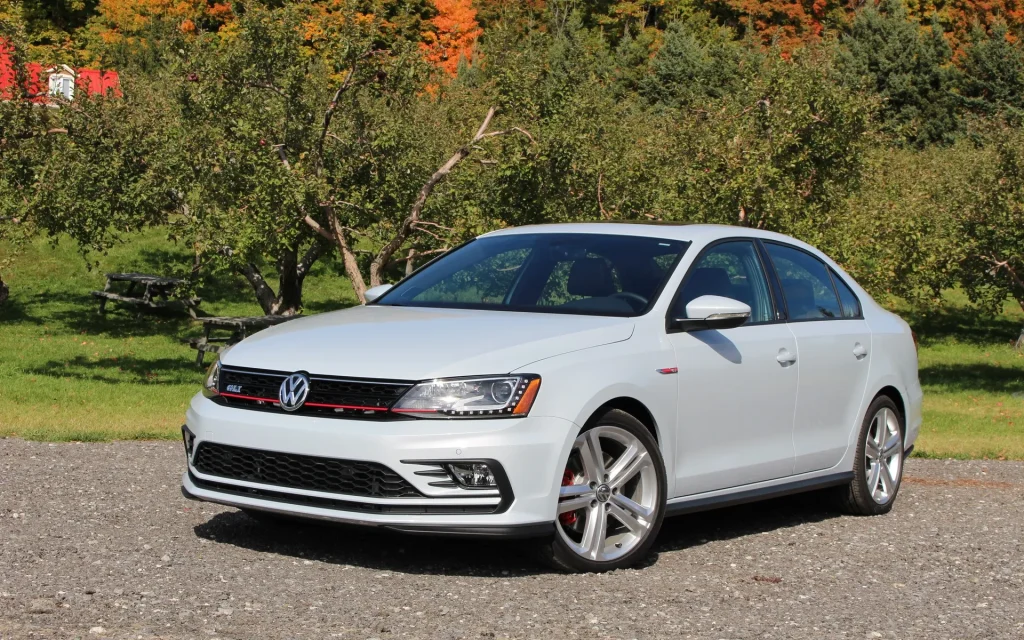
Resale value reflects this reality. Used Jettas with automatic transmissions often face buyer resistance once warranties expire, forcing sellers to lower prices to offset perceived risk.
This car is written about because it pairs modest value with high repair exposure. While enjoyable to drive, the Volkswagen Jetta’s transmission costs make it a risky long-term ownership choice for Wichita buyers focused on predictability.
Practical car ownership in Wichita is shaped by long commutes, steady highway speeds, strong seasonal weather swings, and a culture of keeping vehicles well beyond their warranty period.
Buyers here tend to value reliability, predictable costs, and mechanical simplicity over novelty or flashy technology. This article contrasts cars that fit that practical mindset with vehicles whose transmission designs introduce serious long-term financial risk.
The first half focuses on cars that make sense for Wichita practical buyers. Vehicles such as the Toyota Corolla, Honda Civic, Toyota Camry, Subaru Forester, and Ford F-150 succeed because they are engineered for durability rather than edge-case efficiency.
These models track straight at highway speeds, handle Kansas wind confidently, and remain comfortable over long daily drives. Their power delivery is smooth and predictable, reducing stress on major components over time.
Reliability is the defining theme among these choices. Each of the recommended cars uses proven engine and transmission designs with long service histories.
Conventional automatic transmissions, naturally aspirated engines, and well-understood AWD systems tolerate high mileage far better than more experimental designs. For Wichita drivers who expect vehicles to last a decade or more, that mechanical restraint is critical.
Service access reinforces their practicality. All five vehicles can be maintained by local independent shops without specialized equipment or dealer-only diagnostics.
Parts availability is strong, repair costs are predictable, and downtime is minimal important factors in a city where cars are essential to daily life rather than optional conveniences.
Resale value also matters. Even practical buyers eventually sell or trade vehicles, and models with strong reputations retain demand in used markets. The recommended cars protect owners from steep depreciation, preserving household finances over the long term.
The second half of the article examines cars known for costly transmission problems, which pose a disproportionate risk to long-term owners.
Vehicles such as the Nissan Altima, Ford Fiesta, Jeep Compass, Chevrolet Cruze, and Volkswagen Jetta have all developed reputations for transmission systems that are expensive to repair and difficult to service once warranties expire.
A common theme among these vehicles is design complexity. CVTs, dual-clutch automatics, and sealed “lifetime fluid” transmissions offer smooth operation when new but lack rebuildability and tolerance for heat and wear.
Wichita’s long highway miles and summer temperatures accelerate fluid breakdown and internal wear, exposing weak points in these systems.
When failures occur, owners often face repair bills ranging from $3,500 to over $7,000 sometimes exceeding the vehicle’s remaining value. Because many of these transmissions cannot be economically rebuilt, replacement becomes the only viable option, forcing owners into hard financial decisions.
Resale value reflects this risk. Buyers in Wichita are increasingly aware of transmission reputations, and used vehicles with known issues face heavy price resistance. Even well-maintained examples sell only after significant discounts, eroding ownership value regardless of care.
The broader takeaway is that transmission reliability is ownership reliability in a practical market. A dependable car isn’t just one that drives well today it avoids catastrophic repair costs years down the road.
Wichita buyers who prioritize proven drivetrains, serviceability, and long-term value protect themselves from expensive surprises.
In Kansas, the smartest vehicles aren’t the most advanced or complex. They’re the ones that quietly keep working, year after year, without turning routine ownership into a financial gamble.
Also Read: 5 Cars for College Station Aggie Commutes and 5 That Don’t Hold Up to Rideshare
