
Urban driving in Birmingham is a daily exercise in balance. Between narrow streets, dense traffic, limited parking, and frequent stop-and-go conditions, the city demands vehicles that are practical rather than flashy.
While Birmingham offers strong public transport options, many residents still rely on personal cars for commuting, errands, and weekend travel. The challenge lies in choosing a car that fits the city’s layout instead of fighting against it.
This article explores two sharply contrasting sides of city car ownership. First, we focus on vehicles that genuinely work for Birmingham’s urban environment cars that are easy to maneuver, economical to run, simple to park, and comfortable in traffic-heavy conditions.
These cars reduce stress rather than adding to it, making them ideal companions for everyday city life. They are not chosen for status or raw performance but for how seamlessly they fit into real-world urban driving.
On the other side are cars that simply don’t belong on city streets. These vehicles may look impressive or perform well on highways, but in Birmingham’s tight urban spaces they become liabilities.
Excessive size, poor fuel efficiency, wide turning circles, and difficult parking all turn ownership into a daily inconvenience. These cars highlight how mismatched design priorities can make city driving unnecessarily frustrating.
By comparing both categories, this article aims to help buyers make smarter, context-aware decisions.
Whether you are a first-time buyer, a daily commuter, or someone downsizing from a larger vehicle, understanding which cars suit Birmingham and which don’t can save money, time, and constant irritation. Urban driving rewards practicality, and this guide keeps that reality front and center.
Also Read: 5 Cars For Parkersburg Daily Drivers and 5 That Don’t Hold Value
5 Cars for Birmingham Urban Drivers
Birmingham’s urban landscape rewards cars that are compact, efficient, and easy to live with. Tight parking spaces, busy intersections, and short daily trips mean that outright power matters far less than usability. For city drivers, the ideal car is one that feels light on its feet, doesn’t strain your budget, and handles congestion without complaint.
This section focuses on five cars that make sense specifically for Birmingham’s city-focused lifestyle. These vehicles are chosen not because they are trendy or luxurious, but because they excel in everyday urban conditions.
They are easy to maneuver through narrow streets, simple to park in crowded residential areas, and economical enough to keep running costs predictable. Reliability and low maintenance are key factors as well, since frequent short trips tend to punish poorly designed powertrains.
Another important reason for highlighting these cars is realism. Many buyers are influenced by marketing that emphasizes size, power, or aggressive styling features that often become disadvantages in city use.
The cars in this list prove that urban driving favors thoughtful engineering over excess. Good visibility, responsive steering, efficient engines, and compact dimensions matter far more than high horsepower figures.
Each vehicle discussed here represents a smart response to Birmingham’s driving conditions. These cars help drivers move through traffic with less stress, spend less time searching for parking, and reduce fuel and maintenance expenses over time.
This section is written to guide practical buyers people who want their car to work for them, not the other way around.
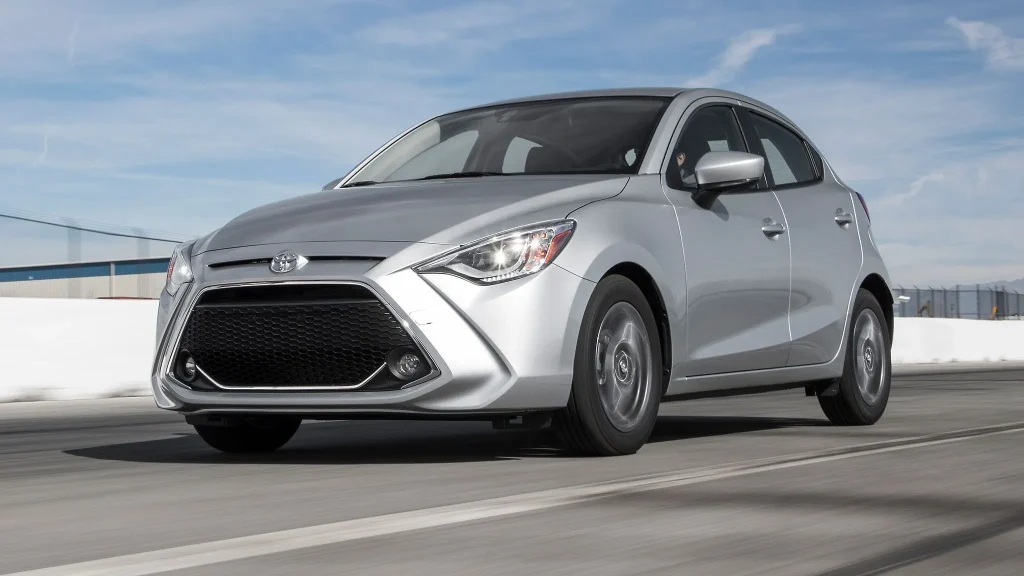
1. Toyota Yaris
The Toyota Yaris is an ideal match for Birmingham’s urban environment, and its strengths become more obvious the longer you live with it.
Compact exterior dimensions make it easy to squeeze through narrow streets and slot into tight parking spaces, a major advantage in older residential areas and busy commercial zones.
The light steering and tight turning circle further enhance its city-friendly nature, allowing drivers to make quick maneuvers without stress.
Fuel efficiency is another major reason for highlighting the Yaris. Birmingham driving often involves short trips, frequent stops, and heavy traffic conditions where fuel-hungry cars struggle.
The Yaris handles this effortlessly, delivering strong mileage even when traffic is slow. This makes it particularly appealing for daily commuters and city residents who want predictable running costs.
Reliability plays a central role in why this car is featured. Urban driving accelerates wear and tear, but the Yaris has a long-standing reputation for durability and low maintenance needs. For buyers who want a dependable car that doesn’t demand constant attention or expensive repairs, this reliability is a major advantage.
The interior, while not luxurious, is well thought out for city use. Controls are intuitive, visibility is excellent, and the cabin feels airy despite the car’s compact footprint. This helps reduce fatigue during stop-and-go traffic.
The Yaris isn’t about excitement or prestige it’s about practicality, efficiency, and ease. That’s precisely why it deserves its place as one of the best cars for Birmingham urban drivers.
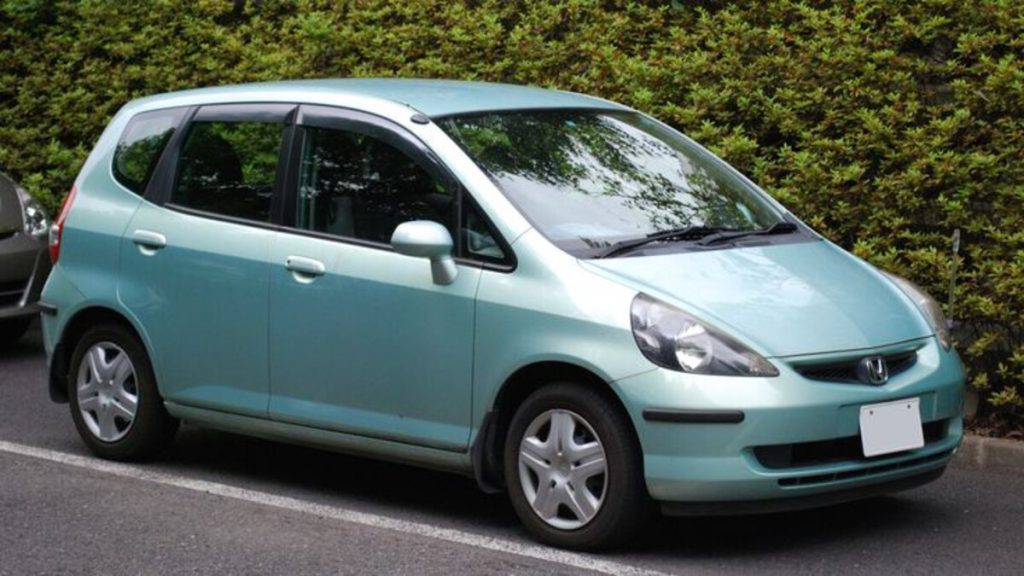
2. Honda Jazz
The Honda Jazz stands out in the urban landscape because it delivers space and flexibility without sacrificing compactness. From the outside, it appears small enough for city streets, but inside it offers an unexpectedly roomy cabin.
This balance makes it especially suitable for Birmingham drivers who want practicality without stepping into a larger, harder-to-park vehicle.
One of the key reasons the Jazz works so well in the city is visibility. Large windows and an upright seating position give drivers a clear view of traffic, pedestrians, and cyclists an essential advantage in busy urban areas. Navigating tight junctions and crowded roads feels more controlled, reducing the mental load of city driving.
Fuel efficiency is another strong point. Like the Yaris, the Jazz handles frequent stops and short trips with ease. Its engine is tuned for smooth, low-speed operation, which suits Birmingham’s traffic conditions perfectly. Running costs remain manageable, making it attractive to budget-conscious urban drivers.
The Jazz is also highlighted because of its versatility. The clever rear-seat layout allows for multiple cargo configurations, which is useful for city dwellers who rely on one car for commuting, shopping, and occasional longer trips. Reliability further strengthens its case, as the Jazz is known for holding up well under the demands of daily urban use.
This car is written about because it proves that city-friendly doesn’t have to mean cramped or limiting. The Honda Jazz adapts to Birmingham life effortlessly, making it a smart and stress-free choice.
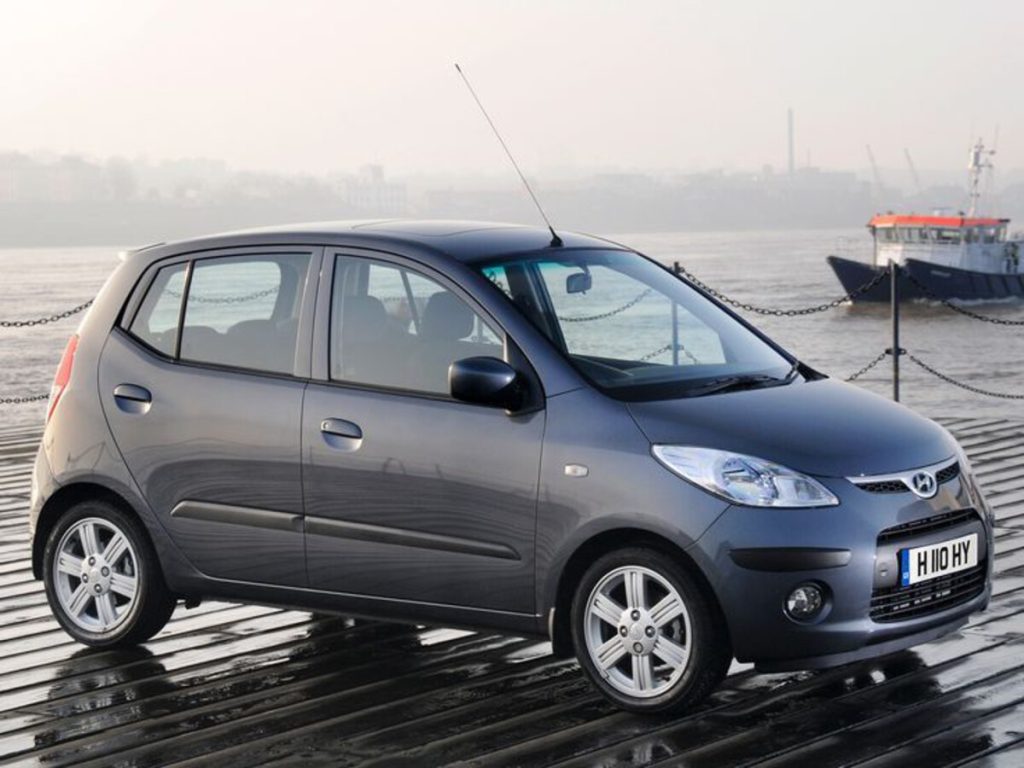
3. Hyundai i10
The Hyundai i10 is written about here because it represents one of the most honest and effective solutions for Birmingham’s urban driving conditions. It does not attempt to impress with aggressive styling or oversized proportions.
Instead, it focuses on what matters most in a city: ease of use, compact size, and low ownership stress. In Birmingham’s narrow streets and crowded residential areas, the i10 feels instantly at home.
Its small footprint is one of its biggest strengths. Parking spaces that would challenge larger hatchbacks are easily manageable in the i10, making it ideal for apartment dwellers and street parking situations.
The light steering and short wheelbase make tight U-turns and narrow junctions far less intimidating, which is particularly helpful in older parts of the city.
Fuel efficiency is another key reason this car is highlighted. Urban driving often punishes inefficient engines, but the i10 thrives in stop-and-go traffic.
Its engine is tuned for city speeds, delivering consistent mileage without requiring aggressive driving habits. For daily commuters and errand-focused drivers, this translates into predictable fuel costs.
Inside, the cabin is simple but practical. Controls are straightforward, visibility is good, and the seating position offers confidence in traffic.
While it won’t win luxury awards, it offers everything a Birmingham urban driver realistically needs. The Hyundai i10 is featured because it proves that city driving doesn’t require compromise just the right priorities.
4. Volkswagen Polo
The Volkswagen Polo earns its place on this list by offering a slightly more refined urban experience without crossing into impractical territory.
It is larger than ultra-compact city cars, yet still compact enough to handle Birmingham’s tight streets and parking challenges with confidence. This balance makes it appealing to drivers who want a more premium feel without stepping into a bulky vehicle.
One reason for including the Polo is its composed driving nature. Birmingham traffic can be unpredictable, but the Polo remains stable and calm even in congested conditions. Steering is precise, visibility is strong, and the car feels planted at low speeds qualities that reduce fatigue during daily commuting.
Fuel efficiency remains respectable despite the Polo’s added weight and refinement. It handles frequent stops well and does not feel strained in slow-moving traffic. This makes it suitable for drivers who spend most of their time within the city but still want the option of comfortable longer drives.
The interior quality also sets the Polo apart. Materials feel solid, controls are logically placed, and noise insulation is better than many smaller hatchbacks. For Birmingham drivers who value comfort during traffic-heavy routines, this refinement makes a noticeable difference.
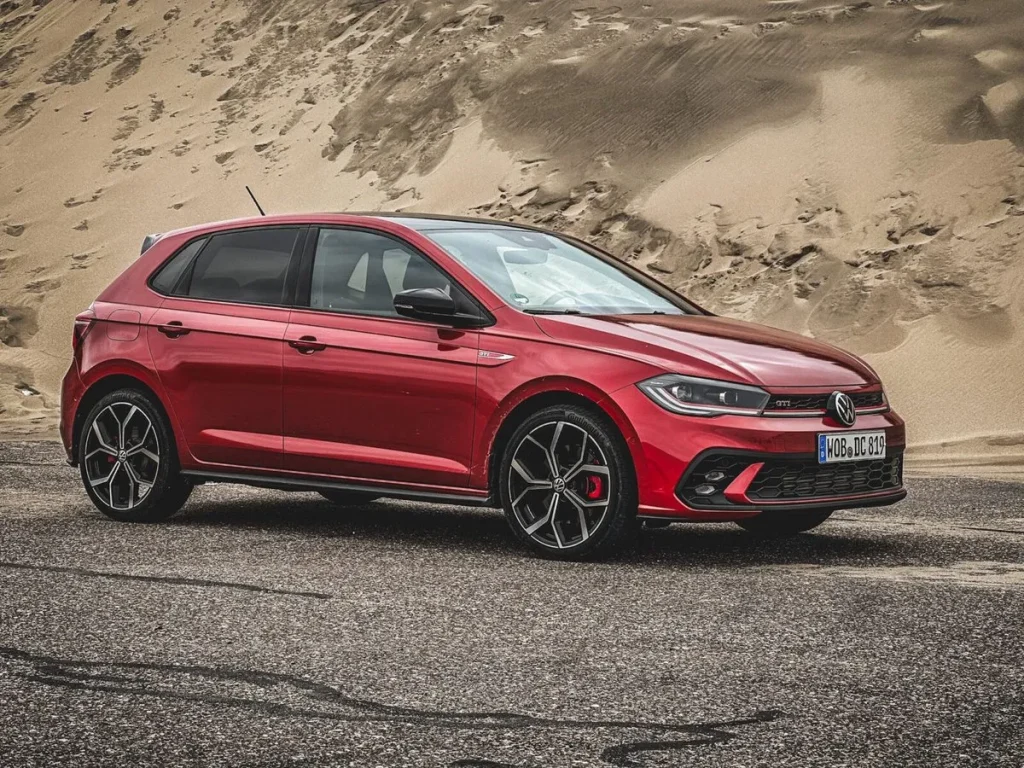
The Polo is written about because it bridges the gap between basic city cars and larger family vehicles. It shows that urban practicality and a premium driving feel can coexist without sacrificing usability.
5. Mini Cooper (3-Door)
The three-door Mini Cooper is included because it offers urban suitability wrapped in character and personality. While many city-friendly cars focus purely on function, the Mini proves that style and practicality don’t have to be mutually exclusive especially in a city like Birmingham where compact dimensions are a necessity.
Its short length and tight turning circle make it exceptionally easy to maneuver through congested streets. Parking is effortless compared to larger hatchbacks, and the low-slung design allows it to slip through traffic with confidence. These qualities make it particularly appealing for drivers navigating dense city centers.
The Mini’s steering is one of its strongest assets in urban driving. It feels sharp and responsive, which makes lane changes, roundabouts, and narrow streets easier to manage. This responsiveness turns daily city driving into a more engaging experience rather than a chore.
Fuel efficiency remains competitive for a car with this level of performance-oriented tuning. While it may not be the cheapest to run in this list, it strikes a good balance between enjoyment and practicality. The interior, though compact, feels well-built and driver-focused, reinforcing its city-first design philosophy.

The Mini Cooper is written about because it shows that Birmingham urban drivers don’t have to settle for bland choices. It delivers real city usability while still offering personality, making it a standout option for those who want more than just transportation.
5 That Don’t Fit City Streets
Not every car is built with city life in mind, and Birmingham makes that reality impossible to ignore. While some vehicles thrive in tight urban environments, others feel permanently out of place the moment they leave a wide suburban road or motorway.
Oversized dimensions, poor maneuverability, inefficient engines, and difficult parking turn certain cars into daily liabilities rather than conveniences.
This section focuses on five vehicles that struggle specifically in Birmingham’s city streets. These are not “bad” cars in a general sense many perform well on highways, rural roads, or open suburbs.
The problem arises when their design priorities clash with urban realities. Birmingham’s narrow lanes, older road layouts, limited parking spaces, and heavy traffic amplify every weakness these vehicles have.
Large vehicles often suffer the most. Wide bodies make lane positioning stressful, long wheelbases limit turning ability, and sheer size makes parking a recurring headache.
Fuel consumption also becomes a serious concern, as stop-start city driving is the least forgiving environment for heavy, powerful vehicles. Add in higher maintenance costs and urban ownership quickly becomes impractical.
These cars are written about to highlight a common mistake buyers make: choosing vehicles based on image, capability, or occasional use rather than daily conditions. In a city like Birmingham, practicality always outweighs presence. This section is not about criticizing these vehicles, but about showing why they are poorly matched to dense urban driving.
Understanding what doesn’t work is just as important as knowing what does. These five vehicles serve as clear examples of how the wrong car choice can turn everyday city driving into a constant struggle.
1. Ford F-150
The Ford F-150 is one of the clearest examples of a vehicle that simply does not belong on Birmingham’s city streets.
Designed primarily for wide American roads, towing duties, and open spaces, the F-150’s sheer size becomes an immediate disadvantage in a dense urban environment. From the moment it enters narrow city lanes, its proportions work against the driver.
Width is the first major issue. Birmingham streets especially in older neighbourhoods are not built to accommodate full-size pickup trucks.
Lane positioning becomes stressful, and passing parked cars often feels uncomfortably tight. Turning radius is another problem, making U-turns, tight junctions, and compact roundabouts unnecessarily complicated.
Parking is where the F-150 struggles most. Standard city parking bays are rarely long or wide enough, forcing drivers to either occupy multiple spaces or search endlessly for suitable spots. This turns simple errands into time-consuming tasks and increases the risk of damage in tight parking areas.
Fuel efficiency is another major drawback. Stop-and-go traffic exposes the inefficiency of large engines, leading to high fuel consumption that quickly becomes costly for daily city use. Maintenance and repair costs are also higher than average, further compounding the ownership burden.
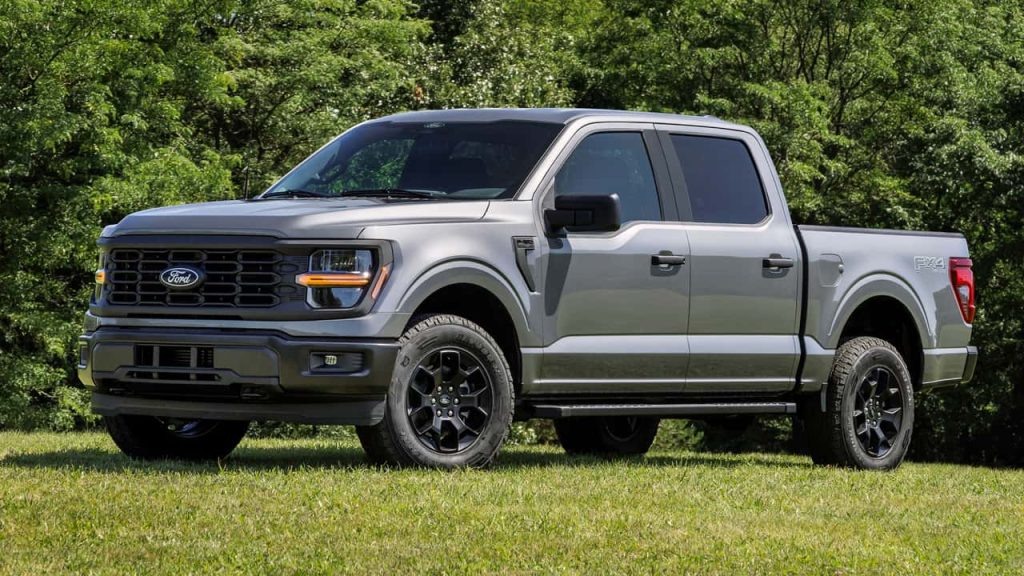
The F-150 is written about because it highlights a mismatch between capability and environment. While it excels in hauling and long-distance travel, Birmingham’s urban streets neutralise its strengths and magnify its weaknesses. In a city setting, it becomes more obstacle than an asset.
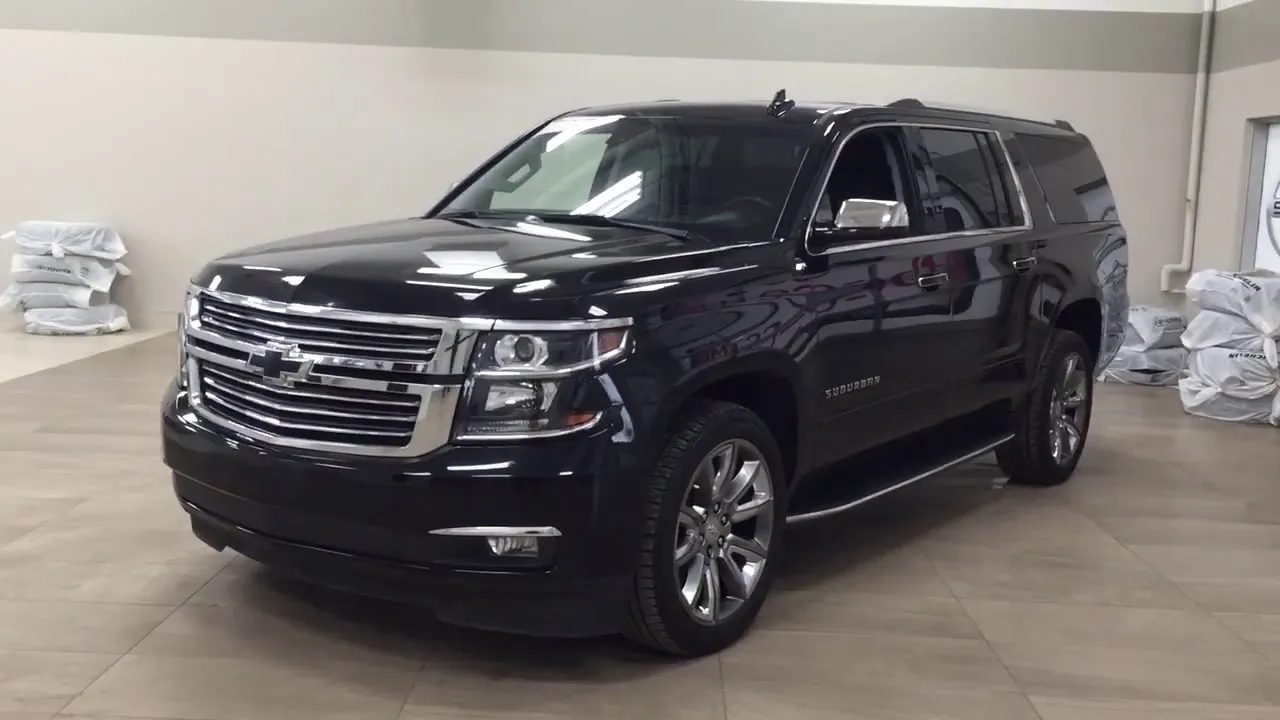
2. Chevrolet Suburban
The Chevrolet Suburban is included in this section because it represents the extreme end of what does not work in Birmingham’s city environment.
While it is highly capable as a long-distance family hauler, its design priorities clash directly with the realities of dense urban streets. In a city setting, the Suburban’s size becomes a constant burden rather than a benefit.
Length is the Suburban’s biggest problem. Navigating narrow roads requires constant awareness of the vehicle’s rear overhang, especially when turning corners or reversing.
Tight junctions and compact roundabouts common in Birmingham demand precision that this vehicle simply isn’t designed to offer. Drivers often feel like they are steering a vehicle meant for highways through spaces built for compact cars.
Parking is another major issue. Standard parking bays whether roadside or in public lots, rarely accommodate the Suburban comfortably.
This forces drivers to either avoid parking altogether or occupy multiple spaces, which is both inconvenient and impractical for daily city use. Parking garages with height or turning restrictions can also be problematic.
Fuel consumption further undermines the Suburban’s suitability for city life. Stop-and-go traffic amplifies its inefficiency, leading to high fuel costs that make everyday errands expensive. Add higher servicing and maintenance expenses, and urban ownership becomes financially draining.
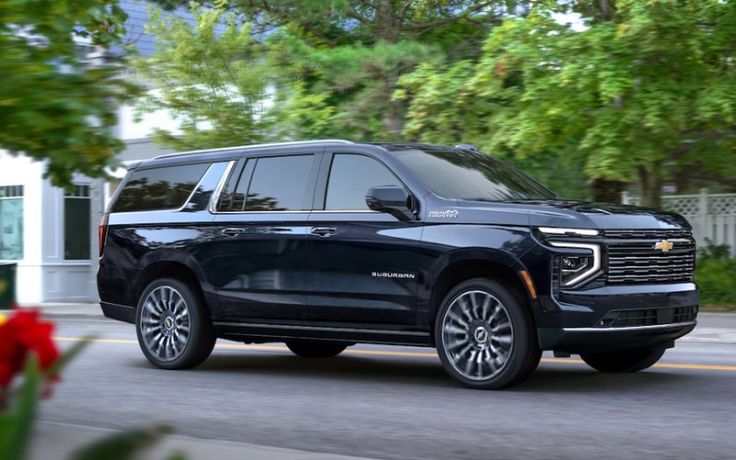
The Suburban is written about to illustrate how excess capability can become wasted in the wrong environment. Its strengths only shine on open roads, not in Birmingham’s crowded city streets.
3. Land Rover Defender (110)
The Land Rover Defender 110 is an iconic vehicle, but iconography does not translate well to Birmingham’s urban realities. Built for rugged terrain and off-road durability, the Defender’s design philosophy conflicts with city driving at nearly every level. Its size, weight, and utilitarian layout make everyday urban use unnecessarily challenging.
One of the main problems is its width and boxy shape. Birmingham’s narrow streets and tight parking spots amplify these dimensions, making even short trips feel cumbersome. The Defender’s turning circle is large, and navigating sharp corners or compact roundabouts requires careful planning rather than instinctive driving.
Ride comfort is another issue in an urban context. The Defender’s stiff suspension, designed for uneven terrain, feels harsh on city roads filled with speed bumps, potholes, and constant stops. Instead of absorbing the city’s imperfections, it reminds the driver of them.
Fuel efficiency is also a concern. Urban stop-start traffic highlights the Defender’s appetite for fuel, turning daily commuting into a costly routine. Maintenance and repair costs further compound the issue, as rugged engineering often comes with higher service expenses.
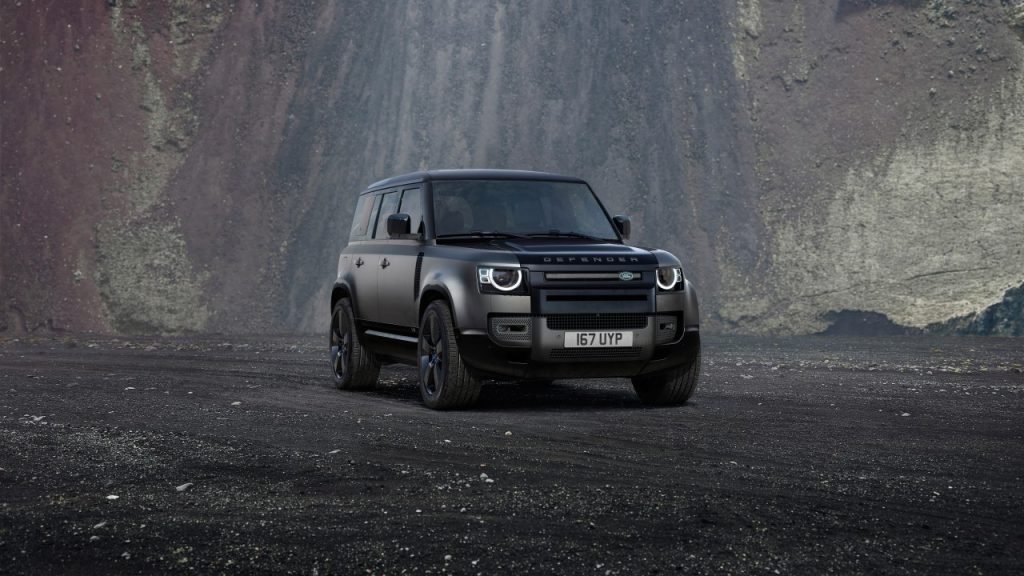
The Defender 110 is written about because it exemplifies how purpose-built vehicles lose relevance outside their intended environment. While it excels off-road, Birmingham’s streets strip away its strengths and leave behind inconvenience.
4. Dodge Charger
The Dodge Charger is included in this list because it represents a performance-first mindset that clashes badly with Birmingham’s urban driving conditions.
Designed around power, width, and road presence, the Charger feels far more at home on open highways than on crowded city streets. In a dense urban environment, its strengths quickly turn into disadvantages.
One of the biggest issues is size. The Charger is wide and long, making narrow lanes and tight turns unnecessarily stressful.
Birmingham’s older road layouts were never intended for large American sedans, and this becomes obvious when navigating congested areas or squeezing past parked cars. Simple lane changes often require more planning than they should.
Parking is another daily frustration. The Charger’s length makes parallel parking difficult, and its wide body leaves little margin for error in standard parking bays. Finding suitable spots can take significantly longer than with more compact vehicles, turning quick errands into drawn-out tasks.
Fuel consumption further undermines its city suitability. Stop-and-go traffic highlights the inefficiency of its large engines, leading to high fuel costs for everyday use. This is especially problematic for drivers whose usage consists mainly of short urban trips.
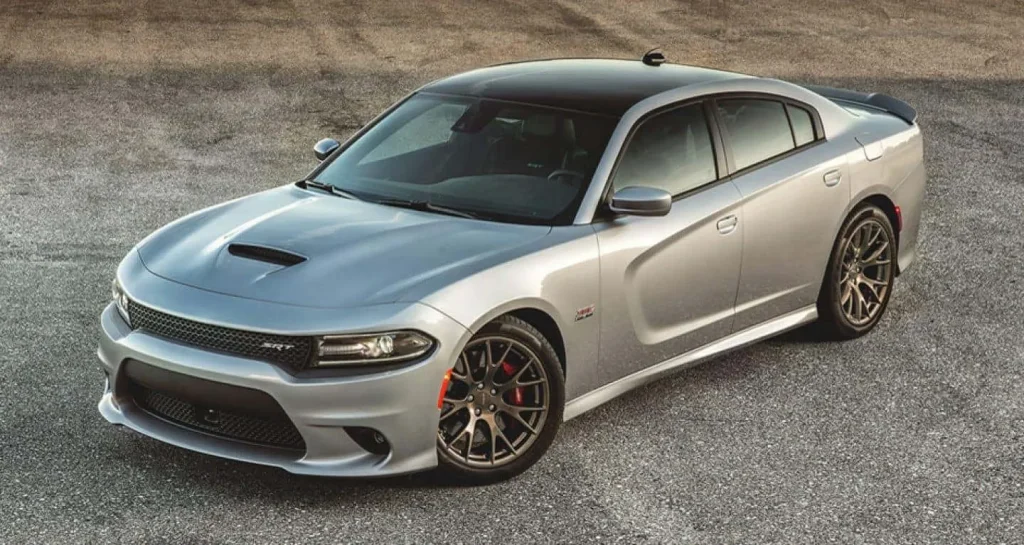
The Charger is written about because it demonstrates how performance-oriented cars often struggle in cities. While it delivers excitement on open roads, Birmingham’s traffic, tight streets, and parking constraints strip away its appeal and expose its impracticality.
5. Toyota Land Cruiser
The Toyota Land Cruiser is a legendary vehicle, but its legendary capabilities are largely wasted and often problematic on Birmingham’s city streets. Built for durability, off-road travel, and long-distance endurance, the Land Cruiser’s size and weight make it ill-suited for dense urban environments.
Its height and width immediately create challenges. Narrow streets, low-clearance parking garages, and tight residential areas amplify the vehicle’s bulk. Maneuvering through city traffic requires constant caution, and sharp turns or compact roundabouts feel awkward rather than natural.
Parking is one of the Land Cruiser’s biggest urban drawbacks. Its length and turning radius make standard parking spaces difficult to use, while its height can restrict access to multi-story parking facilities. These limitations force drivers to plan routes and destinations around the vehicle rather than convenience.
Fuel efficiency is another major concern. Birmingham’s frequent stop-start driving is the least forgiving environment for a heavy SUV, resulting in significant fuel consumption. Maintenance and servicing costs also tend to be higher, adding to the long-term burden of city ownership.

The Land Cruiser is written about because it highlights how durability and capability do not equal suitability. In a city like Birmingham, its strengths are unnecessary, while its weaknesses are constantly exposed.
This article explored how vehicle choice can either simplify or complicate daily life for drivers navigating Birmingham’s urban environment.
The city’s narrow streets, heavy traffic, limited parking, and frequent stop-and-go conditions place very specific demands on cars, making practicality far more important than size, power, or road presence.
By examining both well-suited vehicles and poorly matched ones, the article highlights how aligning a car’s design with real driving conditions leads to a better ownership experience.
The first section focused on cars that work well for Birmingham urban drivers. Vehicles like compact hatchbacks and small city-focused models were emphasised because they align naturally with the city’s infrastructure.
Their smaller dimensions make parking easier and manoeuvring less stressful, especially in older neighbourhoods with tight road layouts. Efficient engines reduce fuel costs in traffic-heavy conditions, while light steering and good visibility lower driver fatigue during daily commutes.
These cars were chosen to demonstrate how thoughtful engineering, reliability, and ease of use matter far more than excess features in a city setting. They show that urban-friendly vehicles can still offer comfort, flexibility, and even personality without becoming burdensome.
The second section examined cars that do not fit Birmingham’s city streets, highlighting a common mistake many buyers make choosing vehicles based on image, power, or rare use cases rather than daily needs.
Large pickups, oversized SUVs, and wide performance sedans struggle in dense urban environments. Their size makes narrow streets intimidating, their turning circles complicate basic maneuvers, and parking becomes a constant challenge.
Fuel consumption and higher maintenance costs further magnify the inconvenience of owning such vehicles in a city. These cars are not inherently bad, but they are poorly matched to Birmingham’s realities, turning strengths like size and capability into daily disadvantages.
Together, both sections reinforce a clear takeaway: urban driving rewards restraint and practicality. Birmingham drivers benefit most from cars designed to coexist with city infrastructure rather than overpower it.
Choosing the right vehicle can reduce stress, save money, and make everyday travel smoother, while the wrong choice can turn even short trips into ongoing frustrations.
By understanding what works and what doesn’t drivers can make smarter, context-aware decisions that improve both their driving experience and long-term ownership satisfaction.
Also Read: 5 Cars for Naples Snowbird Buyers and 5 That Don’t Store Well Long-Term
