
Driving in the Bay Area is a balancing act. For Concord residents, daily life often means suburban errands mixed with Bay Area realities crowded freeways, stop-and-go traffic, expensive fuel, toll roads, tight parking near transit hubs, and long commutes that can swing from smooth to miserable without warning.
In this environment, the right car doesn’t just make life easier it saves money, time, and stress.
This article looks at both sides of Bay Area ownership. First, it highlights cars that are genuinely well suited for Concord Bay Area runs. These are vehicles that handle congestion calmly, keep fuel costs in check, fit easily into crowded parking areas, and remain comfortable during long commutes or short BART drop-offs.
They don’t punish drivers for traffic delays or frequent short trips, and they keep ownership costs predictable in one of the most expensive regions in the country.
Second, it examines cars that cost too much to own in the Bay Area. These vehicles may look appealing or perform well, but real-world ownership exposes their downsides high insurance premiums, premium fuel requirements, expensive repairs, parking difficulties, and accelerated depreciation. In a region where nearly everything already costs more, these cars quietly amplify financial strain.
The goal isn’t to judge vehicles in isolation, but to match them to Bay Area conditions. What works in cheaper, less congested regions can become impractical here. Fuel efficiency, reliability, service access, and ease of use matter far more than raw power or prestige.
By comparing Bay Area-friendly all-rounders with high-cost liabilities, this guide helps Concord drivers choose vehicles that support everyday mobility instead of draining resources. In the Bay Area, the smartest car is the one that works hardest without demanding the most.
Also Read: 5 Cars for Laredo Long Hauls vs 5 That Wear Out Fast
5 Cars for Concord Bay Area Runs
Concord drivers live at the intersection of suburban space and urban congestion. Cars must be efficient enough for heavy traffic, comfortable enough for long freeway stretches, and compact enough for tight parking around shopping centers, offices, and transit stations. The vehicles in this section are chosen because they minimize Bay Area pain points.
Fuel economy is a major factor. Stop-and-go traffic on I-680, Highway 24, and surface streets quickly turns inefficient cars into money pits. The best Bay Area cars reduce fuel spend without sacrificing usability.
Reliability and service flexibility also matter. Cars that tolerate frequent short trips, long idling periods, and irregular schedules keep owners out of repair bays critical in a region where labor rates are among the highest in the country.
Parking reality plays a role too. Compact dimensions, good visibility, and light steering reduce stress when squeezing into crowded lots or street parking near BART stations and busy retail areas.
Each car in this list is written about because it fits the Bay Area rhythm. They’re not flashy they’re smart. They move efficiently, age predictably, and cost less to live with in a region where ownership mistakes are expensive.
We begin with one of the most Bay Area-appropriate cars ever built.
1. Toyota Prius
The Toyota Prius is almost purpose-built for Concord Bay Area runs, and it earns its place here through unmatched efficiency and low ownership friction. It’s written about because few cars handle Bay Area traffic as intelligently.
Fuel economy is the Prius’s defining advantage. In stop-and-go congestion where most cars waste fuel, the Prius thrives. Hybrid efficiency turns traffic delays into manageable costs, making long commutes and daily errands far less painful at the pump. Over a year of Bay Area driving, those savings add up dramatically.
Low-speed drivability further enhances its appeal. The Prius moves smoothly in traffic, with gentle throttle response that suits creeping freeway lanes and crowded surface streets. This calm behavior reduces fatigue during long, slow commutes.
Parking practicality also works in its favor. The Prius’s compact footprint and good outward visibility make it easy to park near shopping centers, offices, and transit hubs. Tight spaces that frustrate larger vehicles feel manageable rather than stressful.
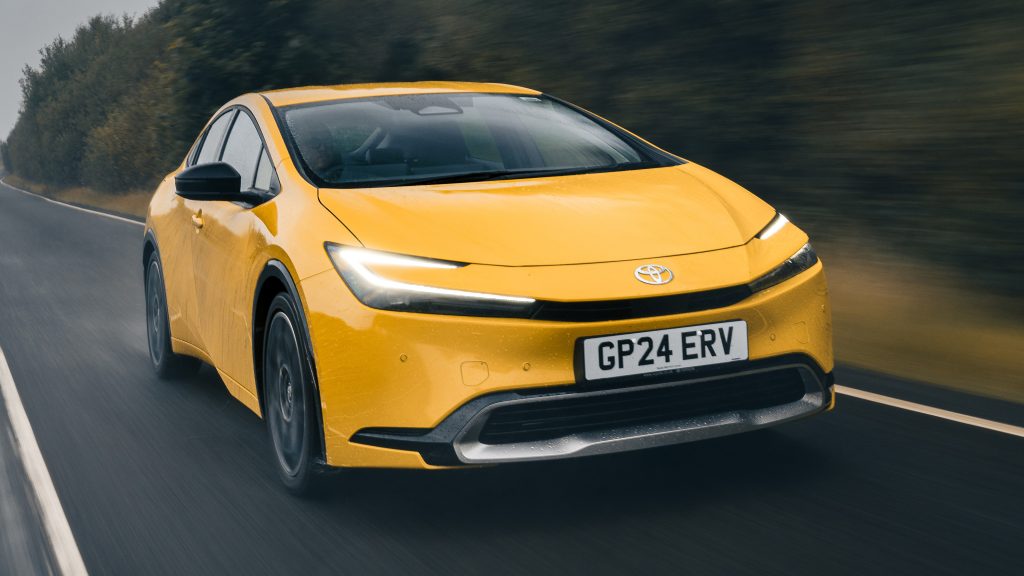
Reliability and ownership cost seal the deal. The Prius has a strong reputation for long-term durability, even under heavy commuter use. Maintenance is straightforward, parts are widely available, and hybrid components have proven reliable over high mileage. In a region with expensive labor, fewer repairs matter.
This car is written about because it solves Bay Area problems instead of fighting them. The Toyota Prius doesn’t make traffic disappear but it makes it affordable, predictable, and far less frustrating for Concord drivers.
2. Honda Civic
The Honda Civic is one of the most practical cars you can own for Concord Bay Area runs, and it earns its place here because it balances efficiency, reliability, and everyday usability in a region where all three matter. It’s written about because it consistently performs well under the exact conditions Bay Area drivers face.
Fuel efficiency is a major reason the Civic fits Bay Area life. Heavy traffic on I-680, Highway 24, and local arterials punishes inefficient cars, but the Civic keeps fuel costs under control even during long periods of stop-and-go driving. Over time, this makes a noticeable difference in monthly expenses.
Low-speed behavior further supports its appeal. The Civic’s smooth throttle response and light steering make it easy to drive in congestion, parking lots, and crowded shopping centers. It doesn’t lurch in traffic or feel oversized when squeezing into tight spaces near BART stations or offices.
Parking practicality is another advantage. The Civic’s compact dimensions and good visibility reduce stress when parallel parking or navigating crowded garages. For Concord residents who regularly park in busy areas, this ease of use saves time and frustration.
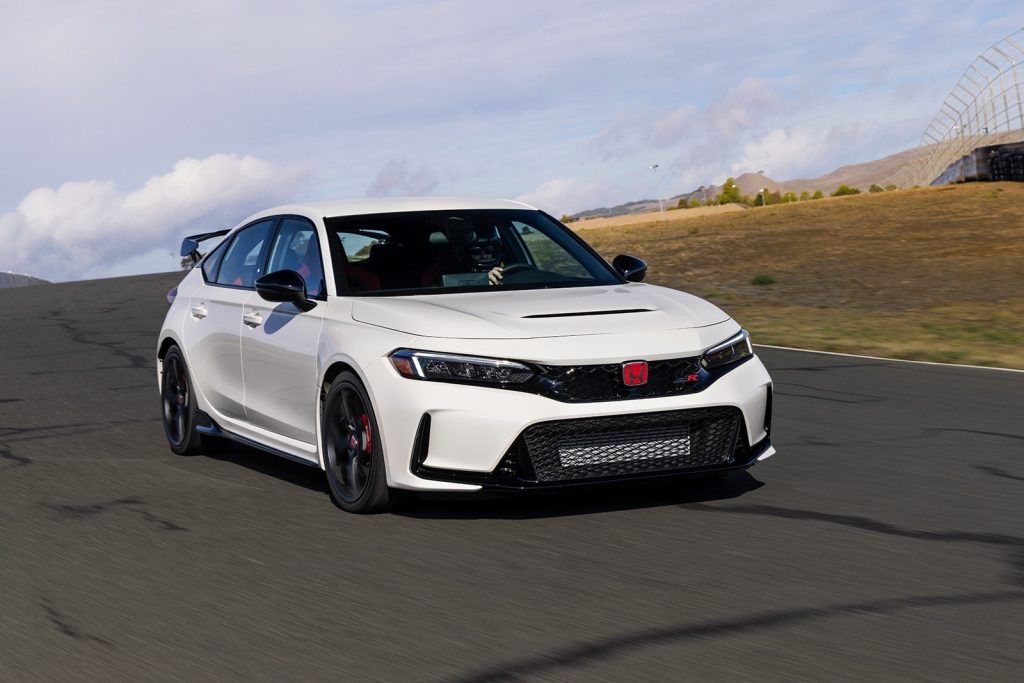
Reliability and service flexibility matter greatly in the Bay Area, where labor rates are high. The Civic has a long track record of durability and doesn’t require specialized service for routine maintenance. Independent shops handle most repairs easily, keeping ownership costs predictable.
This car is written about because it doesn’t punish Bay Area living. The Honda Civic adapts to congestion, parking scarcity, and high operating costs without demanding attention or extra money exactly what Concord drivers need.
3. Toyota RAV4 Hybrid
The Toyota RAV4 Hybrid is a standout choice for Concord drivers who want space and versatility without sacrificing Bay Area efficiency. It’s written about here because it blends hybrid fuel savings with suburban practicality an ideal combination for the region.
Fuel efficiency is the RAV4 Hybrid’s biggest strength. Unlike traditional SUVs that struggle in traffic, the hybrid system shines in stop-and-go conditions. Long commutes and errand-heavy days cost far less in fuel than they would in a conventional crossover, which matters in a region with high gas prices.
Driving comfort suits mixed-use Bay Area travel well. The RAV4 Hybrid feels calm in congestion and stable at highway speeds, making it equally comfortable for BART station runs, shopping trips, and longer freeway drives. Throttle response is smooth, reducing fatigue during traffic-heavy commutes.
Parking and maneuverability also work in its favor. While larger than a sedan, the RAV4 Hybrid remains easy to place in parking lots thanks to good visibility and predictable steering. It doesn’t feel unwieldy in urban environments.
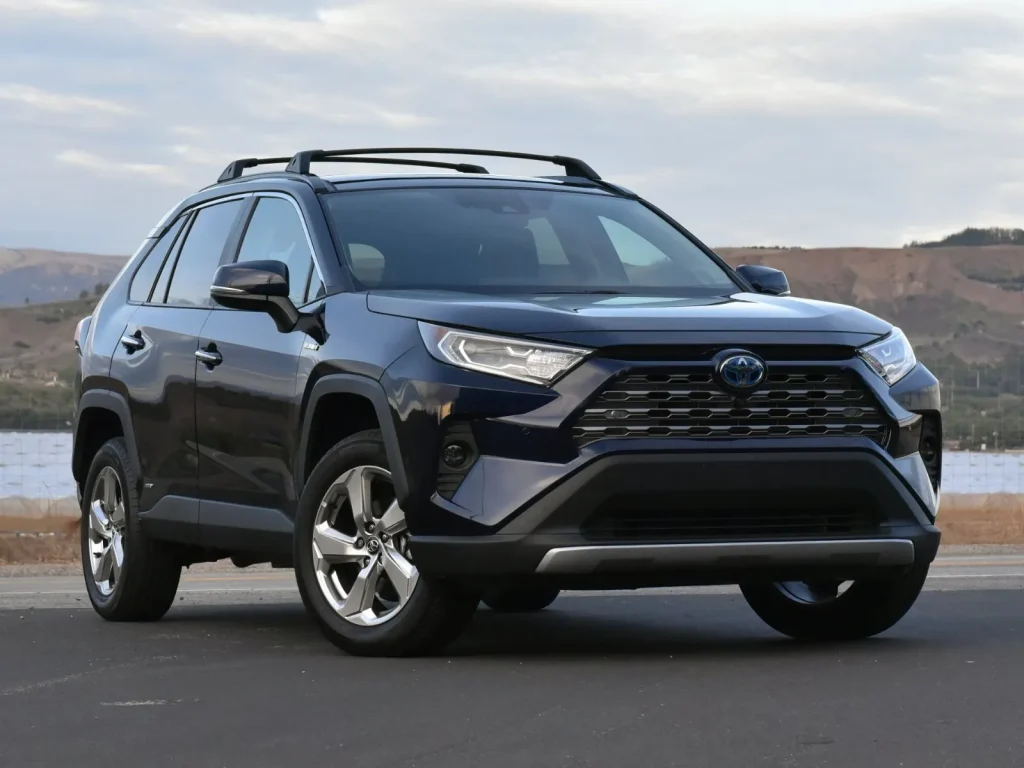
Reliability and long-term cost control seal its inclusion. Toyota’s hybrid systems have proven durable over high mileage, and maintenance needs remain modest. In a region where repairs are expensive, fewer problems translate directly into savings.
This car is written about because it offers Bay Area versatility without Bay Area penalties. The Toyota RAV4 Hybrid gives Concord drivers space, efficiency, and reliability three things that are hard to balance in this region.
4. Hyundai Ioniq Hybrid
The Hyundai Ioniq Hybrid is a highly underrated choice for Concord Bay Area runs, and it’s written about here because it delivers Prius-level efficiency with a more conventional driving feel. For Bay Area commuters who want savings without sacrificing familiarity, the Ioniq Hybrid fits seamlessly into daily life.
Fuel economy is the Ioniq’s strongest asset. In heavy Bay Area congestion where speeds fluctuate and idling is common, the hybrid system consistently returns excellent mileage. This directly offsets the region’s high fuel prices and makes long commutes on I-680 or Highway 24 far less costly over time.
Low-speed drivability further supports its case. The Ioniq moves smoothly in stop-and-go traffic, with gentle throttle response and predictable braking. This reduces fatigue during long congestion stretches and makes urban errands calmer and more controlled.
Parking and maneuverability also work in its favor. The Ioniq’s compact footprint allows easy parking near BART stations, shopping centers, and dense residential areas. Visibility is good, and the car doesn’t feel wide or awkward in tight spaces an underrated benefit in the Bay Area.
Ownership costs remain manageable. Hyundai’s hybrid systems have proven reliable, and maintenance needs are modest. Independent shops can handle most routine service, which matters in a region where dealer labor rates are high.
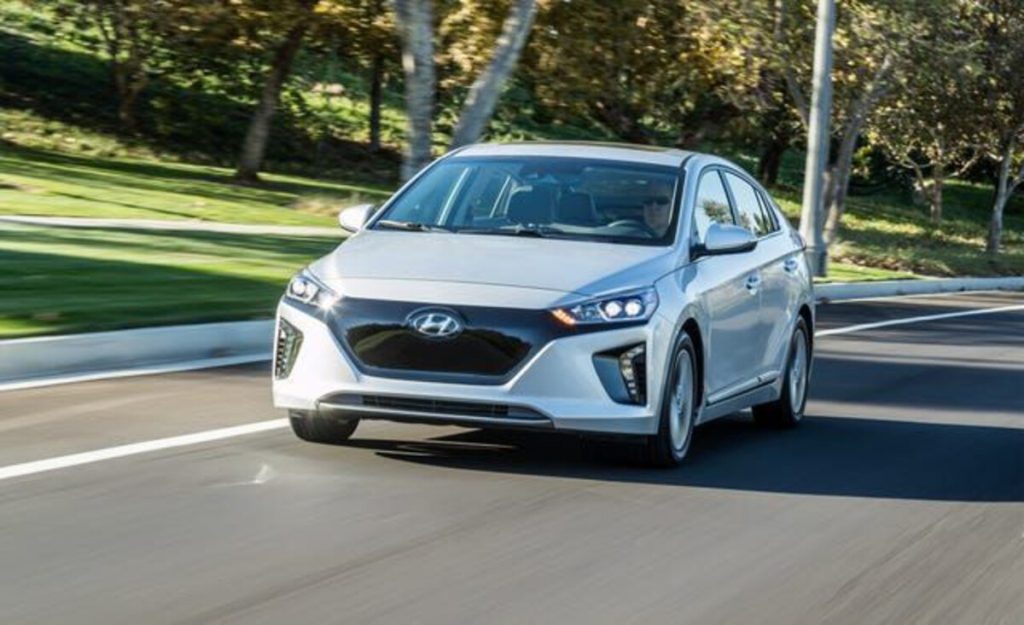
This car is written about because it quietly solves Bay Area problems. The Hyundai Ioniq Hybrid doesn’t chase attention it reduces fuel spend, lowers stress in traffic, and keeps ownership predictable for Concord drivers navigating one of the most expensive driving environments in the country.
5. Subaru Outback
The Subaru Outback rounds out the list as a versatile, Bay Area-friendly vehicle that balances comfort, practicality, and reliability. It’s written about here because it suits Concord drivers who split time between suburban errands, freeway commutes, and weekend escapes beyond the Bay.
Ride comfort is one of the Outback’s biggest strengths. Its suspension smooths out uneven pavement and freeway expansion joints, keeping drives relaxed during long traffic-heavy commutes. In stop-and-go congestion, the car remains composed rather than tiring.
Visibility and driving position further enhance daily usability. The slightly elevated seating makes lane changes and merges on crowded freeways less stressful, while also improving awareness in parking lots and busy shopping areas.
Cargo flexibility is another reason it belongs here. The Outback’s wide, flat cargo area easily handles groceries, sports gear, or weekend luggage without stepping into full-SUV territory. That versatility fits Bay Area lifestyles that blend workdays with quick getaways.
Reliability and service access matter greatly in the Bay Area, and the Outback performs well here. It doesn’t rely heavily on dealer-only systems, and routine maintenance can be handled by independent shops, keeping costs predictable in a high-labour-rate region.
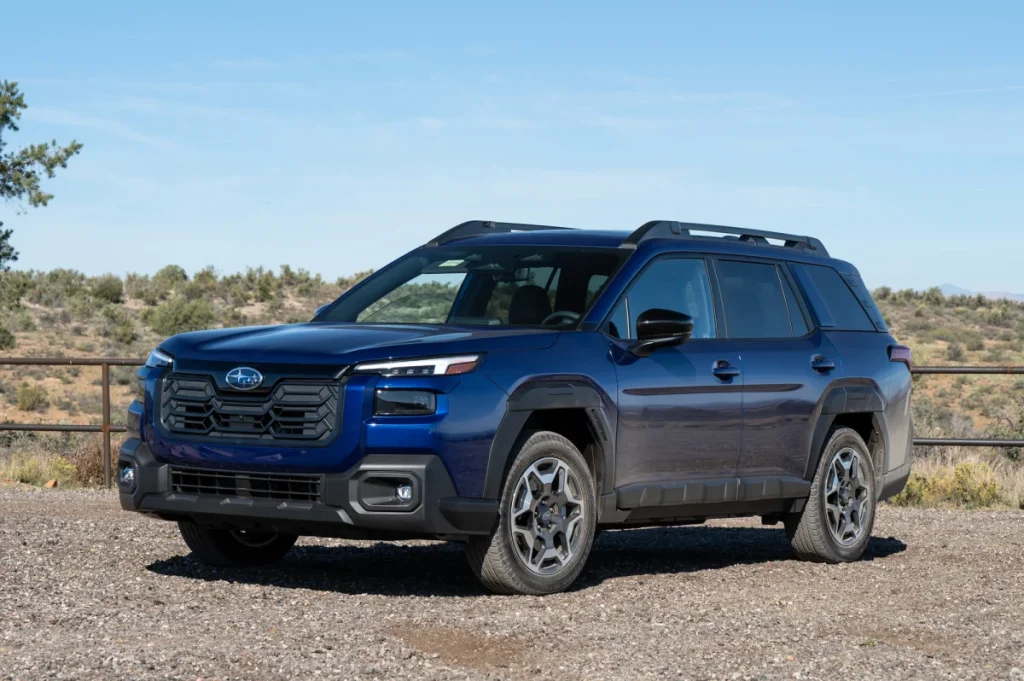
This car is written about because it offers Bay Area adaptability without excess cost. The Subaru Outback gives Concord drivers comfort, space, and confidence without turning ownership into a financial burden.
5 That Cost Too Much in the Bay
The Bay Area is already one of the most expensive places in the country to own a car. Fuel prices are high, insurance premiums reflect dense traffic and theft risk, labor rates at repair shops are among the highest nationwide, and parking costs add up quickly. In this environment, certain vehicles don’t just cost more they magnify every Bay Area expense.
This section focuses on cars that cost too much to own in the Bay Area, not because they are poorly built, but because their design, brand positioning, or operating requirements clash with regional realities. Some demand premium fuel in stop-and-go traffic.
Others come with high insurance premiums, expensive parts, or repair procedures that default to dealer-only service. In a region where time is money, long service waits and high labor rates hurt more than they would elsewhere.
Another key factor is use pattern mismatch. Bay Area driving involves frequent short trips, heavy congestion, and limited opportunities to enjoy performance capabilities. Cars engineered for speed, luxury, or prestige rarely get used as intended here, yet owners still pay the full cost of maintaining them.
Parking and security also matter. Larger or more desirable vehicles face higher parking fees and theft risk, further increasing ownership costs. Even routine wear brakes, tires, suspension becomes expensive faster when labor and parts are premium-priced.
This section is written to help Concord drivers avoid vehicles that quietly turn Bay Area life into a financial drain. These cars may be impressive, but in this region, they often deliver more bills than benefits.
We begin with a popular performance sedan that exemplifies this problem.
1. BMW 3 Series
The BMW 3 Series is a classic example of a car that costs too much to own in the Bay Area, especially for daily Concord runs. It’s written about here because its ownership expenses scale dramatically in high-cost regions.
Fuel costs are the first issue. Many 3 Series trims require premium fuel, and Bay Area congestion means engines rarely operate at optimal efficiency. Stop-and-go traffic on I-680 or Highway 24 turns every commute into an expensive refueling cycle with little payoff in performance enjoyment.
Maintenance and repairs amplify the problem. BMW parts pricing is high, and Bay Area labor rates push even routine service into premium territory.
Brake jobs, suspension components, and electronic repairs often cost double what they would on mainstream vehicles. Independent shops help, but many repairs still require BMW-specific tools or software.
Insurance is another major factor. Dense traffic, high repair costs, and theft risk drive premiums up especially for performance-branded vehicles. For many owners, insurance becomes one of the largest monthly ownership expenses.

Parking and wear add hidden costs. Low-profile tires wear quickly on urban roads, and curb damage or pothole impacts are expensive to fix. Yet Bay Area driving rarely allows owners to enjoy the handling advantages they’re paying for.
This car is written about because it represents prestige without payoff. The BMW 3 Series can be rewarding elsewhere, but in the Bay Area, it often delivers high bills with limited real-world benefit.
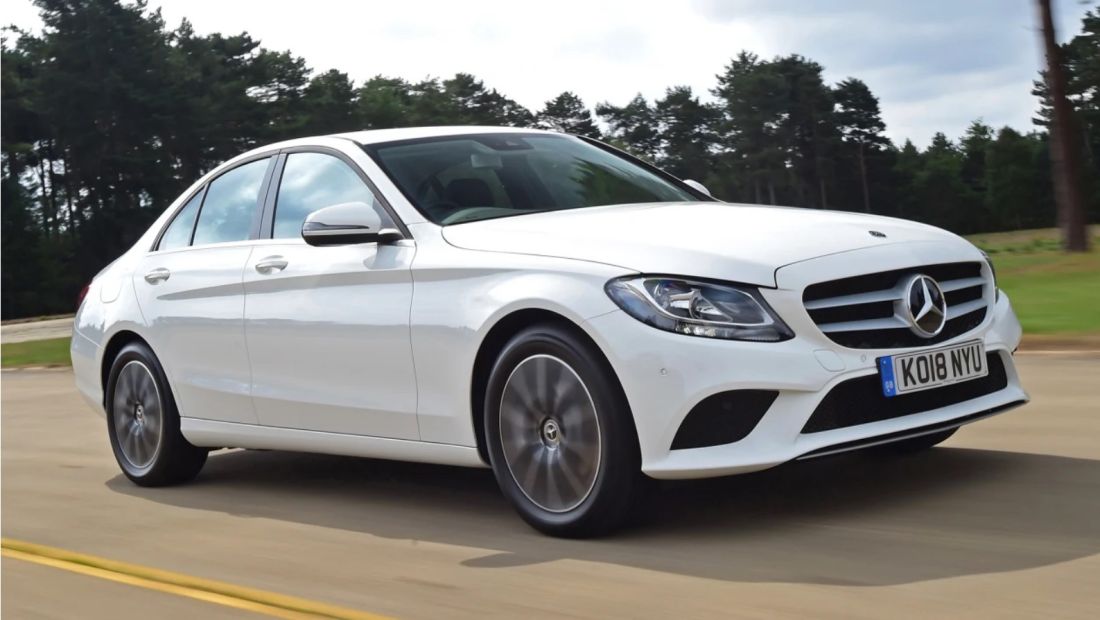
2. Mercedes-Benz C-Class
The Mercedes-Benz C-Class is a refined compact luxury sedan, but in the Bay Area it often becomes an expensive proposition that outpaces its practical value. It’s written about here because Concord drivers frequently encounter ownership costs that escalate faster than expected.
Fuel and traffic inefficiency are immediate concerns. Many C-Class trims require premium fuel, and Bay Area congestion means engines spend long stretches idling or crawling. That combination drives up monthly fuel spend without delivering the smooth, open-road experience the car is designed for.
Service and repairs compound the expense. The C-Class relies on sophisticated electronics and tightly integrated systems that often require dealer-level diagnostics.
In a region with high labor rates, even routine maintenance brakes, sensors, and software resets can become costly. Independent shops help, but many procedures still default to Mercedes-specific tools and parts.
Insurance adds another layer. Repair costs for luxury materials and advanced safety systems push premiums higher in dense urban regions like the Bay Area. Minor incidents can translate into major claims, keeping rates elevated year over year.
Parking realities also matter. Tight spaces and curb exposure increase the risk of wheel and body damage, which is particularly expensive to fix on luxury vehicles with low-profile tires and painted trim.
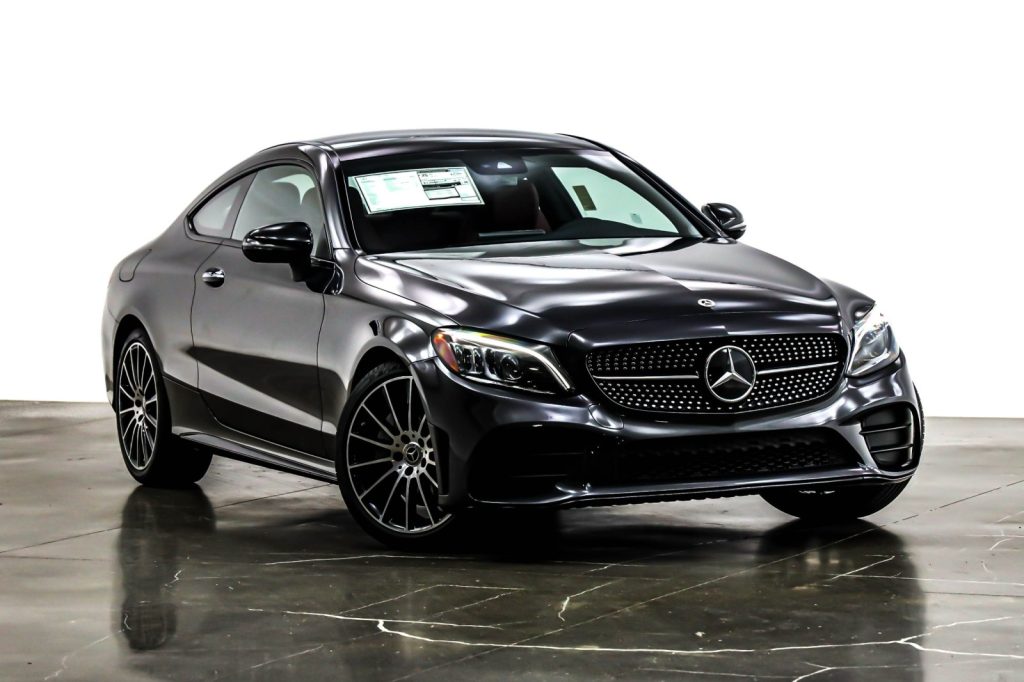
This car is written about because it exemplifies comfort paired with compounding costs. The Mercedes-Benz C-Class delivers refinement, but in the Bay Area that refinement often comes with bills that outstrip its everyday utility.
3. Tesla Model S
The Tesla Model S can look like a smart Bay Area choice on the surface, but long-term ownership often proves costly in ways that surprise Concord drivers. It’s written about here because regional factors amplify its expenses.
Insurance is a major pain point. The Model S’s high repair costs due to aluminum bodywork, advanced sensors, and proprietary parts translate into elevated premiums. In a region with frequent traffic incidents and theft risk, those premiums can rival luxury ICE vehicles.
Repair and service logistics add friction. While Tesla avoids traditional dealerships, its closed service ecosystem limits competition. When in-person service is required, wait times and parts availability can increase downtime. Repairs often involve replacing large assemblies rather than fixing components, driving up costs.
Charging realities also affect cost. While electricity is cheaper than gasoline, Bay Area rates can be high, especially during peak hours. Public fast charging adds expense, and range loss in heavy traffic or during short trips can complicate planning.
Depreciation and wear further factor in. Frequent stop-and-go driving accelerates tire wear, and large wheels are expensive to replace. Cosmetic damage from tight parking is also costly to repair.
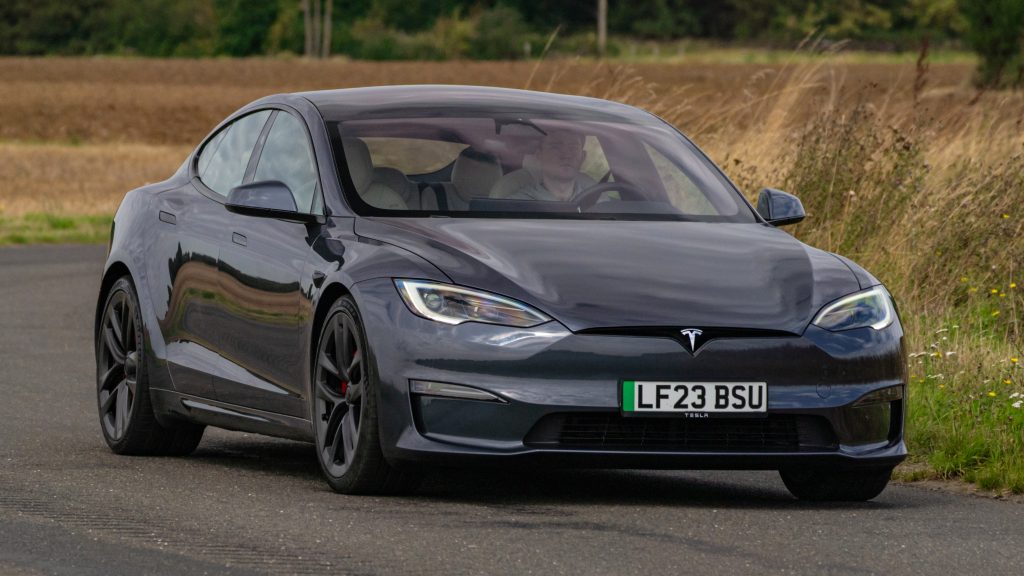
This car is written about because it represents innovation with regional penalties. The Tesla Model S is impressive, but in the Bay Area its insurance, service constraints, and wear costs often outweigh the savings many expect.
4. Porsche Macan
The Porsche Macan is widely praised for its performance and handling, but in the Bay Area it often becomes far more expensive to own than its daily usefulness justifies. It’s written about here because Concord drivers rarely get the conditions needed to enjoy what they’re paying for while absorbing all the costs.
Fuel expense is an immediate downside. Most Macan trims require premium fuel, and Bay Area traffic means constant stop-and-go driving where efficiency suffers. Owners pay sports-car fuel prices without sports-car driving opportunities.
Maintenance and repair costs escalate quickly. Porsche parts pricing is among the highest in the segment, and Bay Area labor rates magnify the expense.
Routine items like brakes, tires, and suspension components cost significantly more than mainstream alternatives. Many repairs also require Porsche-specific diagnostics, limiting independent shop options.
Insurance adds further strain. The Macan’s performance classification and high repair costs drive premiums upward, especially in a region with dense traffic and elevated accident risk.
Parking realities contribute hidden costs. Large wheels and low-profile tires are vulnerable to curb damage in tight urban spaces, and cosmetic repairs on Porsche materials are rarely cheap.
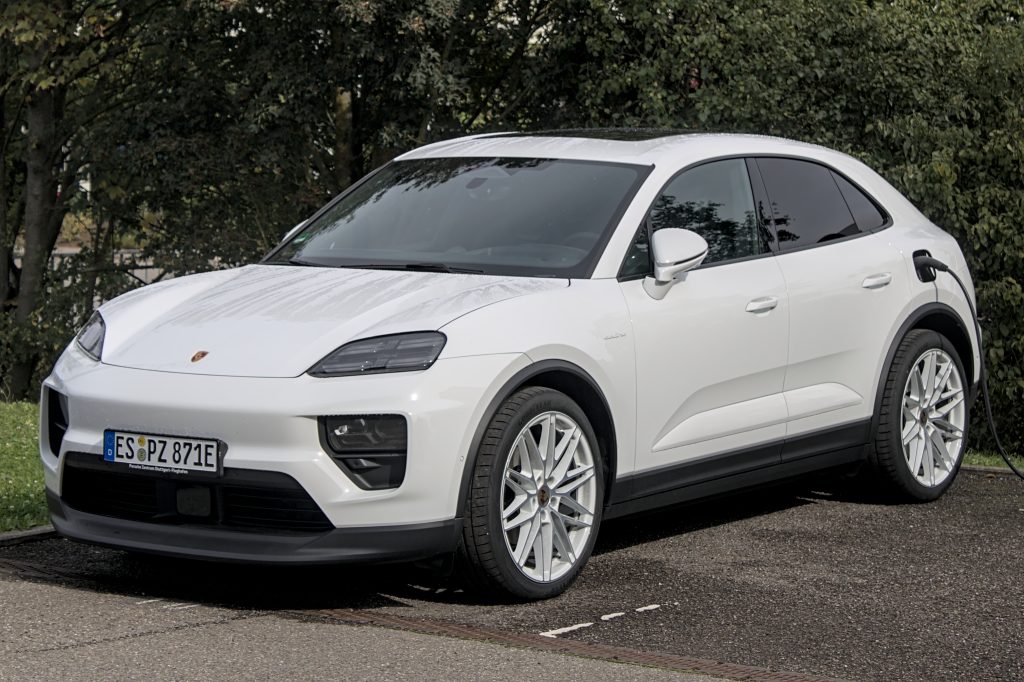
This car is written about because it represents performance misaligned with the environment. The Porsche Macan excels on open roads, but in Bay Area congestion, it delivers prestige while quietly draining finances.
5. Range Rover Evoque
The Land Rover Range Rover Evoque rounds out this list as one of the most expensive-to-own vehicles in the Bay Area relative to its practical value. It’s written about here because regional costs amplify its known ownership challenges.
Reliability concerns are a major factor. The Evoque has a history of electronic and mechanical issues that often require dealer-level service. In the Bay Area, dealership labor rates and parts pricing push even minor fixes into major expenses.
Fuel and insurance further add to the burden. Premium fuel requirements combined with poor efficiency in traffic drive up monthly costs. Insurance premiums are high due to repair complexity and theft risk.
Service logistics worsen the experience. Repairs frequently involve specialized diagnostics and limited parts availability, increasing downtime. Independent repair options are fewer than for mainstream brands.
Urban use also accelerates wear. Tight parking, frequent short trips, and constant congestion stress systems that are already sensitive, increasing failure frequency.
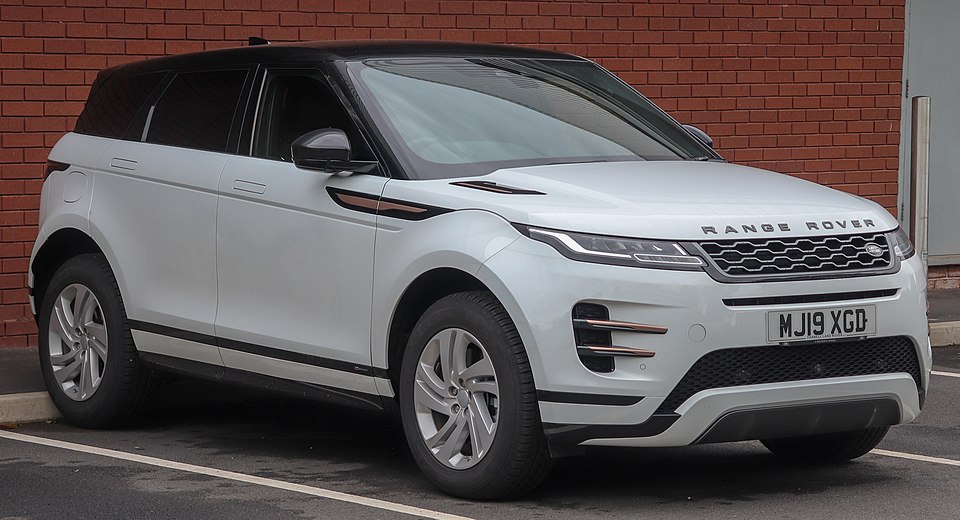
This car is written about because it embodies luxury with compounding Bay Area penalties. While stylish and capable, the Range Rover Evoque often delivers more service appointments and expenses than convenience for Concord drivers.
Driving in and around Concord means balancing suburban convenience with Bay Area realities dense traffic, high fuel prices, expensive labor, tight parking, and long commutes that rarely move at the pace drivers expect.
This article contrasts vehicles that handle those conditions intelligently with ones that become disproportionately expensive to own in the region, helping Bay Area drivers make choices that protect both time and money.
The first half focuses on cars well suited for Concord Bay Area runs. Models like the Toyota Prius, Honda Civic, Toyota RAV4 Hybrid, Hyundai Ioniq Hybrid, and Subaru Outback succeed because they are engineered for efficiency, predictability, and everyday usability.
Hybrids stand out in particular, as stop-and-go congestion actually works in their favor, dramatically reducing fuel spend in a region with some of the highest gas prices in the country.
Smooth low-speed drivability, light steering, and manageable size make these cars easier to live with in traffic and far less stressful to park near BART stations, offices, and busy shopping centers.
Reliability and service flexibility are just as important as fuel economy. The recommended vehicles have strong durability records and can be serviced by independent shops without specialized tools or dealer-only software.
In the Bay Area where labor rates are among the highest nationwide, avoiding frequent or complex repairs translates directly into long-term savings. These cars also tolerate the Bay Area’s driving patterns well, including frequent short trips, long idling periods, and inconsistent schedules.
The second half examines cars that cost too much to own in the Bay Area, even if they are appealing on paper.
Vehicles such as the BMW 3 Series, Mercedes-Benz C-Class, Tesla Model S, Porsche Macan, and Range Rover Evoque suffer from a combination of premium fuel requirements, high insurance premiums, expensive parts, and costly labor.
In dense traffic, their performance advantages go largely unused, while owners still pay full price for maintenance, wear, and depreciation.
Parking and security further magnify costs for these vehicles. Tight spaces increase the risk of cosmetic damage, low-profile tires wear quickly, and desirable luxury models carry higher theft and insurance risks. Repairs often involve replacing entire assemblies rather than fixing components, pushing bills higher and increasing downtime.
The broader takeaway is that Bay Area ownership rewards practicality over prestige. Cars that minimize fuel use, resist wear, and remain affordable to service deliver the best value in Concord. In a region where nearly everything costs more, the smartest vehicles are the ones that quietly reduce expenses while handling daily life with ease.
Also Read: 5 Cars for Springdale Family Life and 5 That Need Specialist Care
