
Antioch’s driving reality sits squarely in the suburban middle ground. Daily life revolves around short-to-medium trips school drop-offs, grocery runs, errands, and commutes that mix surface streets with highway stretches.
Parking lots are busy but not cramped, traffic ebbs and flows predictably, and most driving happens at moderate speeds. In this environment, the best cars are the ones that feel effortless, dependable, and inexpensive to keep running.
This article looks at both sides of that ownership equation. First, it highlights cars that work exceptionally well for Antioch suburban runs vehicles that are comfortable at low speeds, stable on highways, easy to park, and forgiving when maintenance schedules aren’t perfect.
These are cars that don’t demand attention, special fuel, or constant service visits. They start every morning, handle errands calmly, and age gracefully under routine suburban use.
Second, it examines cars that tend to need dealer work. These vehicles often rely heavily on proprietary software, specialized parts, or complex systems that push owners back to dealerships for even minor issues.
While many of these cars drive well when new, long-term ownership reveals higher service costs, longer repair times, and less flexibility in where work can be done factors that matter greatly in a practical suburb like Antioch.
The goal isn’t to criticize technology or modern engineering, but to match vehicles to real usage patterns. Antioch drivers don’t need cars that are impressive on paper; they need cars that reduce friction in daily life.
Time spent waiting for service appointments or paying premium labor rates adds stress that suburban ownership is supposed to avoid.
By comparing easygoing suburban all-rounders with vehicles that quietly demand dealership dependence, this guide helps buyers choose cars that support routine life instead of complicating it.
Also Read: 5 Cars for Huntsville Tech Commuters and 5 That Cost a Fortune to Fix
5 Cars for Antioch Suburban Runs
Suburban driving rewards balance. Cars must be comfortable at neighborhood speeds, confident on highways, and tolerant of frequent stops, short trips, and errand-heavy schedules. The vehicles in this section are chosen because they meet those demands without adding ownership stress.
One key factor is predictability. These cars behave consistently whether driving five minutes to the store or thirty minutes on the freeway. Steering is relaxed, ride quality is forgiving, and power delivery is smooth qualities that reduce fatigue during everyday use.
Another important element is low ownership friction. Suburban drivers don’t want to plan their lives around service appointments. The cars highlighted here are known for strong reliability records, affordable parts, and broad service support outside of dealerships. That flexibility keeps maintenance costs reasonable and downtime minimal.
Practicality also matters. Easy entry and exit, usable cargo space, and intuitive controls all contribute to a calmer daily routine. These cars accommodate groceries, kids, backpacks, and weekend errands without drama.
Each vehicle in this list is written about because it fits Antioch’s rhythm. They don’t feel oversized or underbuilt. They don’t punish owners for normal wear. And they remain comfortable, dependable companions long after the novelty of ownership fades.
We begin with one of the most dependable suburban vehicles on the road.
1. Toyota Camry
The Toyota Camry is nearly ideal for Antioch suburban runs, and it earns that status through calm competence rather than flash. It’s written about here because it aligns perfectly with the demands of daily suburban life.
Ride comfort is one of the Camry’s strongest attributes. The suspension absorbs uneven pavement, speed bumps, and highway expansion joints without feeling floaty or harsh. For school runs, errands, and commutes, this smoothness reduces fatigue and keeps passengers comfortable.
Power delivery suits mixed driving well. The Camry accelerates confidently when merging onto highways but remains relaxed at neighborhood speeds. Throttle response is predictable, making stop-and-go traffic feel controlled rather than jerky.
Reliability is central to why this car matters. The Camry has a long-standing reputation for durability under routine use. It tolerates short trips, irregular schedules, and suburban driving patterns without frequent mechanical complaints. When service is needed, parts are widely available and repairs are affordable often handled easily outside of dealerships.
Interior usability further reinforces its appeal. Controls are straightforward, visibility is good, and the cabin resists rattles as miles accumulate. Trunk space comfortably handles groceries, sports gear, or weekend shopping without crowding passengers.

This car is written about because it stays out of the way. The Toyota Camry doesn’t demand attention or special care. In Antioch’s suburban environment, that quiet dependability makes it one of the smartest, least stressful ownership choices available.
2. Honda Accord
The Honda Accord is a natural fit for Antioch’s suburban routines, and it’s written about here because it balances comfort, efficiency, and reliability in a way that suits everyday life. For drivers splitting time between local errands and highway commuting, the Accord delivers calm consistency.
Ride quality is one of the Accord’s strongest assets. Its suspension is tuned to smooth out rough patches on surface streets while remaining composed at freeway speeds. This makes it comfortable for school drop-offs, grocery runs, and longer commutes alike without the stiffness that can wear on passengers over time.
Power delivery also works well for suburban use. The Accord accelerates smoothly when merging or passing, but never feels jumpy in parking lots or residential areas. That predictability reduces stress during stop-and-go traffic common around shopping centers and peak hours.
Ownership ease is another reason it belongs here. The Accord has a long-standing reputation for durability under routine driving.
It tolerates short trips and irregular schedules without developing constant warning lights or drivability issues. Maintenance is straightforward, and parts availability keeps service costs reasonable often without needing dealership-only work.
Interior practicality further supports its role. The cabin is spacious, entry and exit are easy, and controls are intuitive. The trunk is large enough to handle weekly shopping, sports equipment, or weekend errands without forcing compromises.
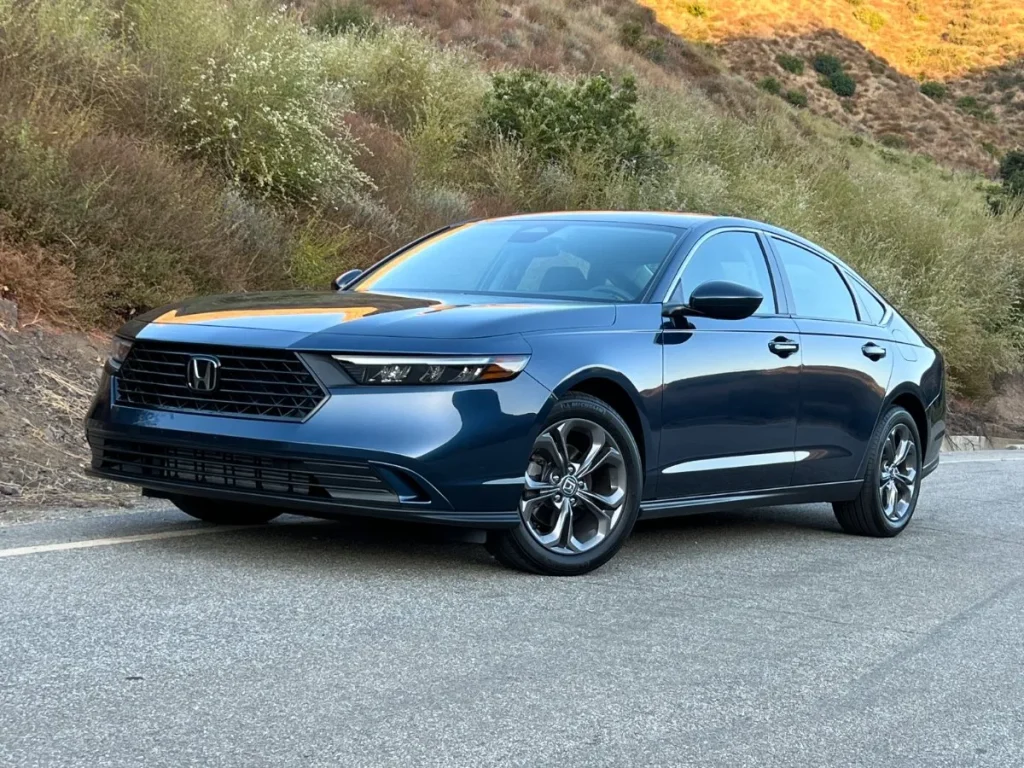
This car is written about because it supports suburban life without demanding attention. The Honda Accord feels refined but not fragile, capable without being complicated exactly the balance Antioch drivers benefit from every day.
3. Toyota RAV4
The Toyota RAV4 earns its place as a strong suburban all-rounder for Antioch because it adds versatility while remaining easy to live with. It’s written about here for households that want a little extra space and visibility without stepping into oversized or high-maintenance territory.
Driving position is a major advantage. The slightly elevated seating makes traffic and parking-lot navigation easier, especially around busy retail areas. Visibility helps drivers feel confident when merging, backing out, or navigating crowded lots common suburban scenarios.
Ride comfort suits daily use well. The RAV4 absorbs bumps and uneven pavement without feeling truck-like, keeping passengers comfortable during short trips and longer drives. Highway stability is solid, making it a dependable choice for mixed-use commuting.
Practicality is where this vehicle shines. The cargo area handles groceries, strollers, sports gear, and home-improvement runs without effort. Wide-opening doors and a flat load floor make loading and unloading quick, important for busy schedules.
Reliability and ownership flexibility are key reasons it’s included. The RAV4 is known for aging well under suburban use and doesn’t require specialized service for routine maintenance. That keeps downtime and costs predictable an important consideration for families and commuters alike.
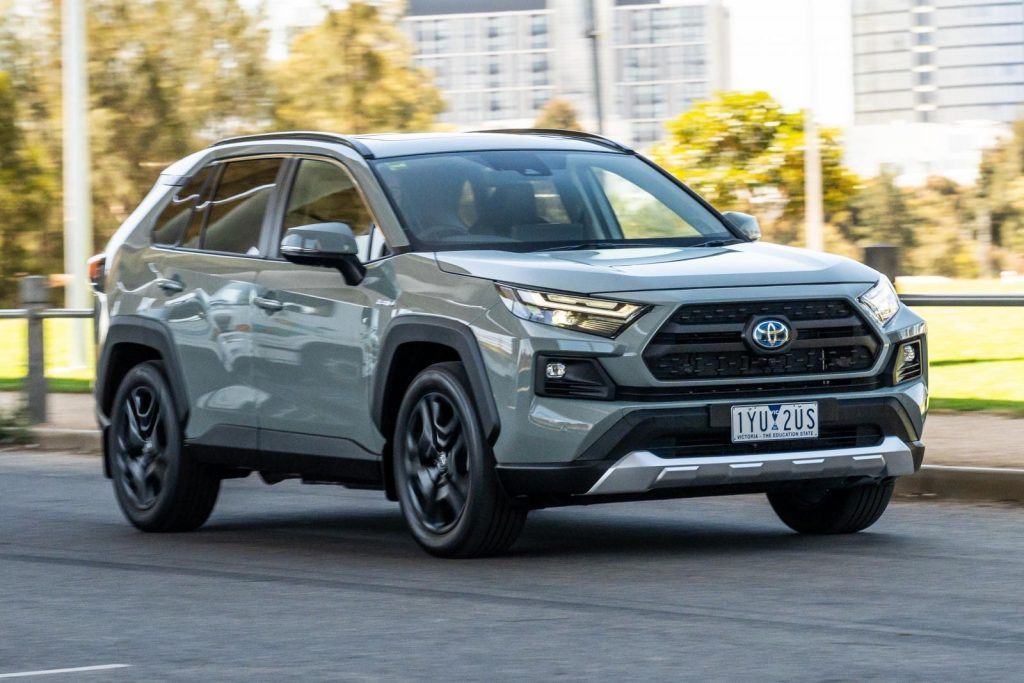
This car is written about because it offers suburban adaptability without complexity. The Toyota RAV4 fits Antioch’s day-to-day rhythm, handling errands, commutes, and weekend tasks with minimal friction.
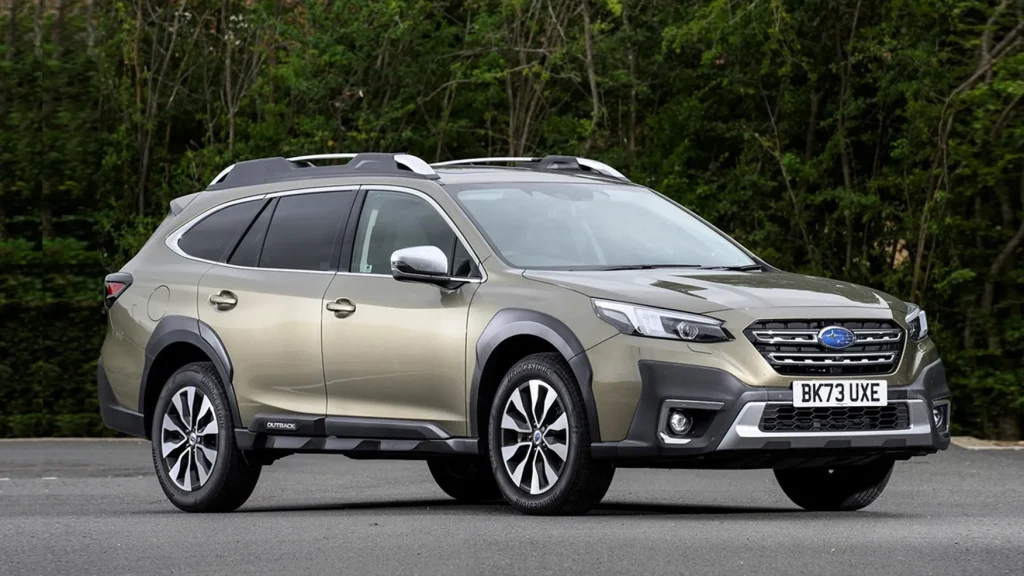
4. Subaru Outback
The Subaru Outback is an excellent match for Antioch suburban runs because it blends car-like comfort with SUV practicality, without tipping into complexity. It’s written about here for drivers who want versatility for errands, commuting, and occasional weekend trips without sacrificing daily ease.
One of the Outback’s strongest qualities is ride comfort. Its suspension absorbs uneven pavement, speed bumps, and expansion joints smoothly, keeping the cabin calm during short neighborhood trips and longer freeway drives. This balance reduces fatigue and makes it well suited for mixed-use suburban schedules.
The driving position also contributes to its appeal. Slightly higher seating improves visibility in traffic and parking lots, helping drivers feel more confident during merges, lane changes, and tight maneuvers around shopping centers.
Practicality is another key reason for inclusion. The Outback’s wide, flat cargo area easily accommodates groceries, sports equipment, pets, and weekend gear. Fold-down rear seats add flexibility without making the vehicle feel oversized for everyday use.
Ownership friendliness matters just as much. The Outback has a strong reputation for durability under routine driving, and most maintenance can be handled by independent shops. It doesn’t rely heavily on proprietary systems that force dealer visits for basic service.
This car is written about because it handles suburban variety without drama. The Subaru Outback fits Antioch’s rhythm school runs, errands, commutes, and the occasional longer drive while remaining predictable, comfortable, and low-stress to own.
5. Hyundai Tucson
The Hyundai Tucson rounds out the list as a modern, comfortable, and approachable choice for Antioch suburban driving. It’s written about here because it offers strong everyday usability without pushing owners into complicated ownership territory.
Ride quality is tuned for comfort, which suits suburban life well. The Tucson smooths out rough pavement and parking-lot imperfections, keeping passengers comfortable during frequent short trips. At highway speeds, it remains stable and quiet ideal for commuting.
Maneuverability is another advantage. Despite its SUV styling, the Tucson feels easy to place in traffic and parking spaces. Steering is light at low speeds, making errands and school pickups less stressful.
Interior practicality supports daily routines. The cabin is spacious enough for families, while the cargo area handles groceries, backpacks, and home-improvement purchases with ease. Controls are intuitive, reducing distraction during busy schedules.
Ownership cost and service flexibility are key reasons it’s included. The Tucson is generally affordable to maintain, with good warranty coverage and widespread service support beyond dealerships. That keeps ownership predictable and manageable over time.
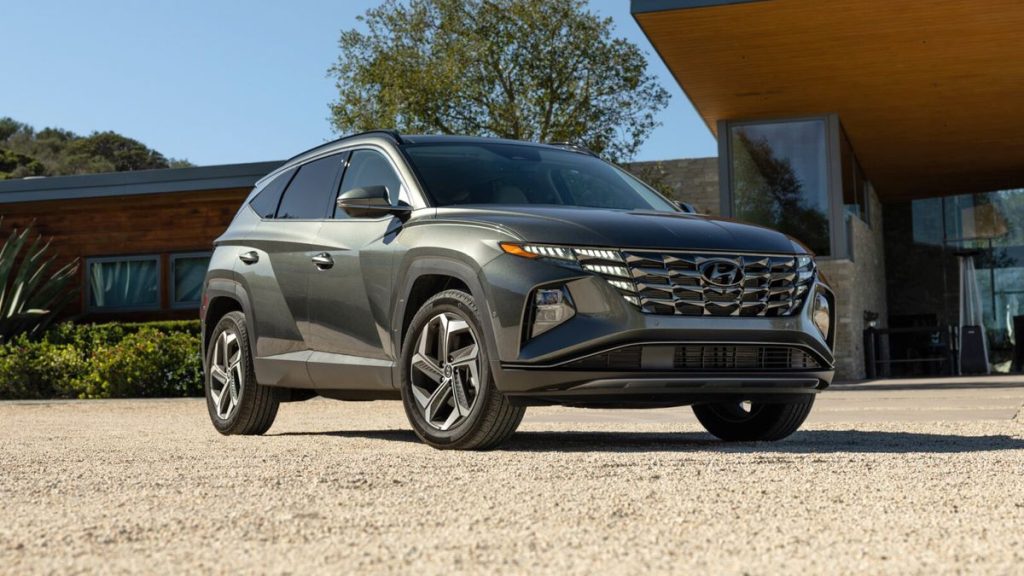
This car is written about because it delivers modern comfort without forcing dealer dependence. The Hyundai Tucson fits Antioch’s suburban lifestyle by making daily driving easy, comfortable, and reliable.
5 That Need Dealer Work
Not all cars age gracefully outside the dealership network. Some vehicles are engineered with proprietary software, tightly integrated electronics, or specialized components that limit where and how they can be serviced. For suburban drivers in Antioch, this often translates into higher costs, longer wait times, and less flexibility when issues arise.
This section focuses on cars that frequently require dealer involvement, not because they are unreliable by definition, but because their design choices restrict independent repair options.
Even minor issues software updates, sensor recalibration, electronic faults, can trigger warning lights that only dealerships are equipped to resolve. For drivers accustomed to quick oil changes or local shop visits, this dependence becomes frustrating over time.
Another factor is technology density. Modern vehicles pack advanced driver assistance systems, digital dashboards, and electronic modules that communicate constantly.
When one component misbehaves, the system often locks itself into a protective mode until a dealer reset or update is performed. While these features improve safety and convenience when new, they can complicate long-term suburban ownership.
Dealer reliance also affects cost predictability. Labor rates are higher, appointment availability can be limited, and repairs often involve replacement rather than simple fixes. For Antioch drivers managing busy schedules, repeated dealer visits disrupt routine life far more than occasional independent shop service.
This section is written to help buyers understand which vehicles trade everyday service flexibility for integrated control. In suburban ownership, the best cars are the ones you can fix easily. These are the ones that often can’t.
We begin with a popular crossover that illustrates this issue clearly.
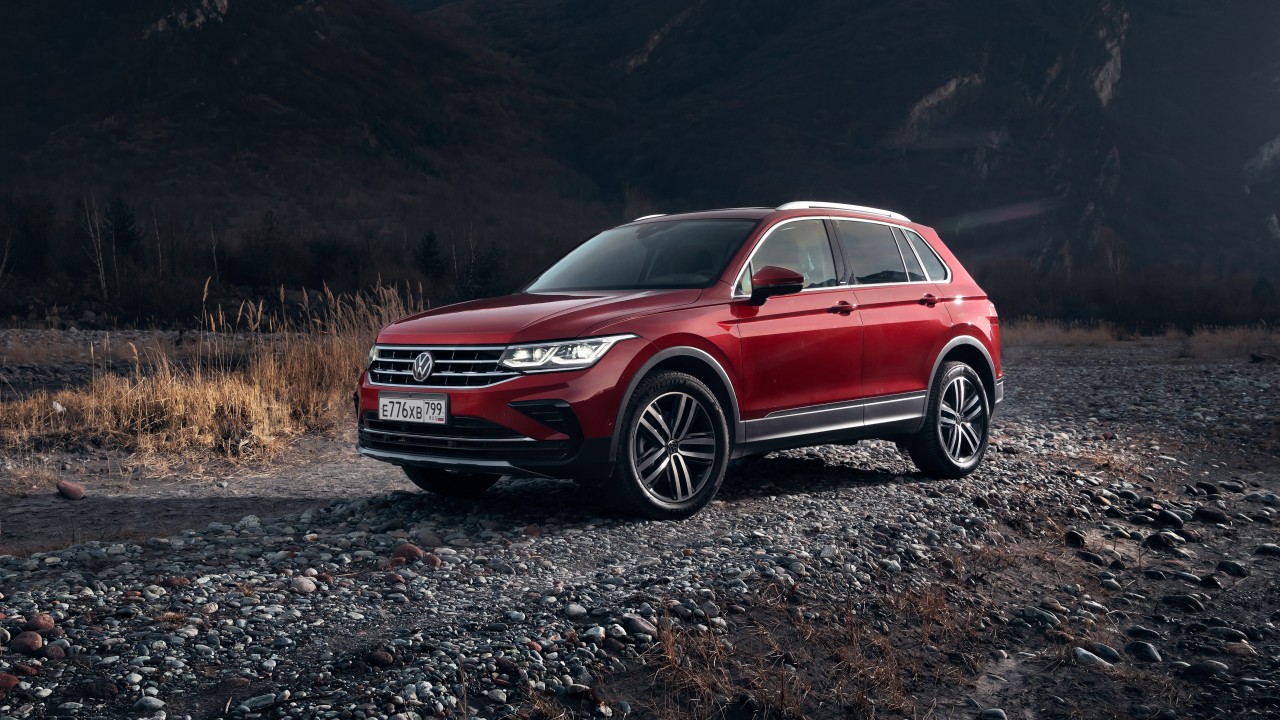
1. Volkswagen Tiguan
The Volkswagen Tiguan is a vehicle that frequently funnels owners back to the dealership, making it less ideal for low-friction suburban ownership. It’s written about here because its engineering choices often limit independent service options.
One of the Tiguan’s biggest challenges is software dependence. Many systems engine management, transmission behaviour, safety features are tightly controlled by proprietary software. When warning lights appear, independent shops may lack the tools to diagnose or reset them fully, pushing owners toward dealership service even for minor issues.
Electronic complexity compounds the problem. Sensors, modules, and driver-assistance systems communicate constantly, meaning a fault in one area can disable or affect others. These cascading issues often require dealer-level diagnostics and recalibration to resolve.
Transmission behavior is another factor. The Tiguan’s drivetrain is smooth when functioning properly, but software updates are commonly used to address drivability concerns. These updates are dealer-exclusive, reinforcing service dependence.
Ownership costs reflect this reliance. Dealer labor rates and parts pricing are higher than average, and repairs often involve replacement rather than adjustment. Over time, this increases total cost of ownership for suburban drivers who value simplicity.
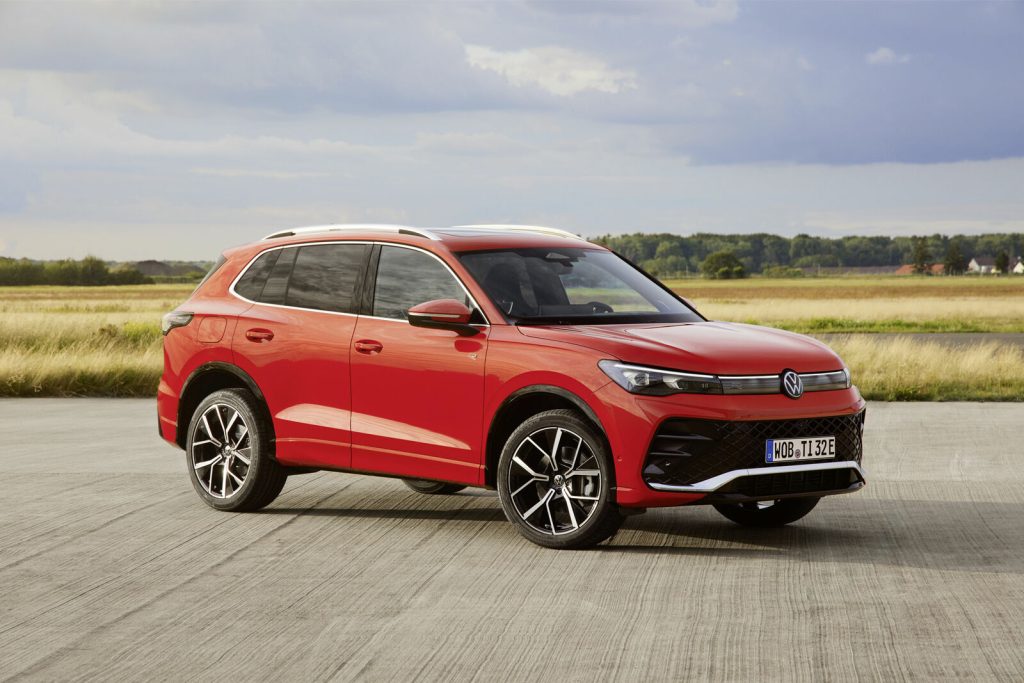
This car is written about because it shows how modern integration reduces service flexibility. The Volkswagen Tiguan may drive well, but for Antioch owners seeking easy, affordable maintenance outside dealership walls, it often proves inconvenient.
2. BMW X3
The BMW X3 is a premium compact SUV that often requires dealership involvement far more frequently than suburban owners expect. It’s written about here because its ownership experience is shaped as much by service requirements as by how it drives.
The primary issue is system integration. The X3 relies heavily on interconnected electronic modules controlling everything from engine behavior to driver-assistance features.
When one component throws an error, it often triggers multiple warnings that can’t be fully diagnosed or cleared by independent shops. This funnels owners back to BMW dealerships for even routine troubleshooting.
Software updates further reinforce this dependence. BMW regularly releases updates to address drivability, infotainment glitches, and transmission behavior. These updates are typically dealer-exclusive, meaning owners must schedule appointments rather than resolving issues locally.
Maintenance costs compound the inconvenience. BMW parts pricing and dealer labor rates are significantly higher than mainstream alternatives. Even standard services brake work, sensors, or suspension components tend to cost more and offer fewer aftermarket options.
Suburban driving patterns don’t help. Short trips and frequent stops can accelerate electronic faults and sensor warnings, increasing the frequency of dealer visits. What should be simple ownership becomes appointment-driven.
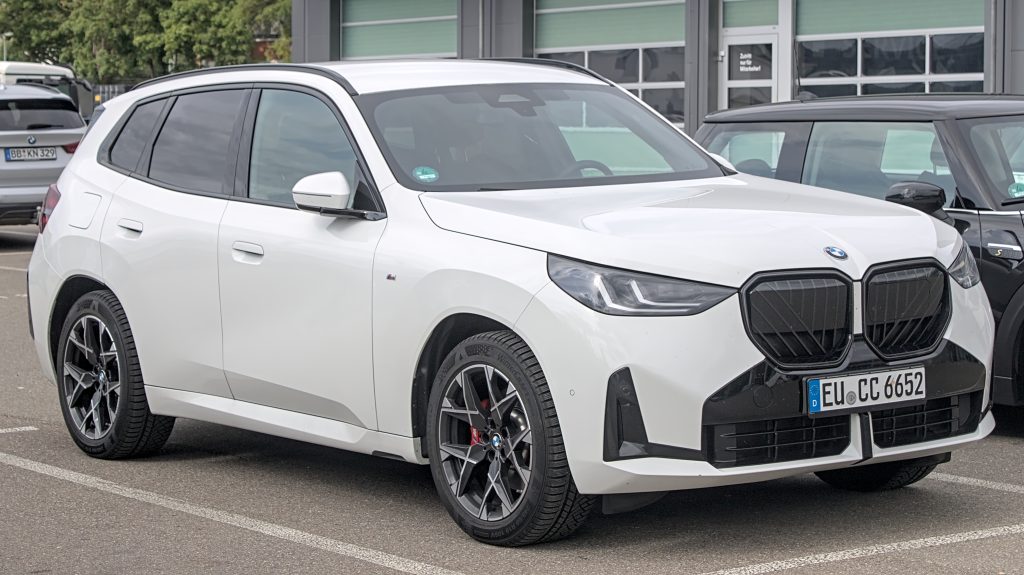
This car is written about because it represents luxury tied to lock-in. The BMW X3 offers refinement and performance, but for Antioch drivers who value service flexibility and predictable costs, it often proves burdensome over time.
3. Audi A4
The Audi A4 is another vehicle that frequently pushes owners toward dealership service due to its tightly controlled electronics and proprietary systems. It’s written about here because its long-term ownership experience contrasts sharply with its polished driving feel.
The A4’s biggest challenge is electronic complexity. Many functions engine management, transmission behavior, infotainment, and safety systems are governed by Audi-specific software. When issues arise, independent shops may diagnose the problem but lack authorization to recalibrate or update systems fully.
Transmission and engine management updates are common examples. Audi often resolves drivability quirks through software revisions, which are only available at dealerships. This turns what could be a minor annoyance into a scheduled service visit.
Parts availability further reinforces dealer reliance. Many components are model-specific and expensive, with limited aftermarket alternatives. Repairs frequently default to replacement rather than adjustment, increasing both cost and downtime.
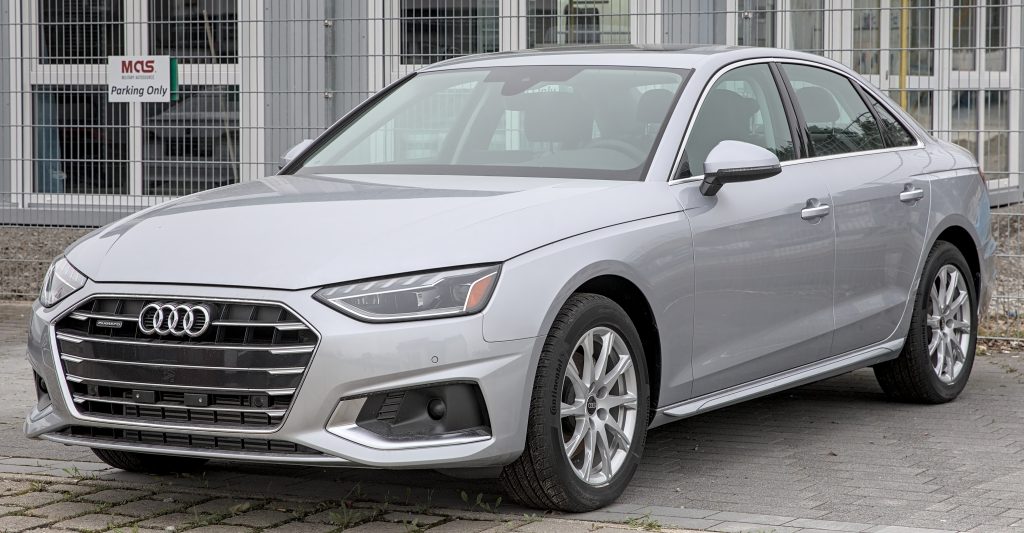
Suburban ownership exposes these issues more frequently than highway-heavy use. Short trips and frequent restarts can trigger sensor faults and warning lights, each requiring dealer-level diagnostics.
This car is written about because it illustrates how refinement can come at the cost of independence. The Audi A4 is enjoyable to drive, but for Antioch suburban owners seeking low-hassle maintenance, it often becomes more demanding than expected.
4. Tesla Model Y
The Tesla Model Y frequently requires dealer or manufacturer-controlled service pathways that reduce flexibility for suburban owners. It’s written about here because, while convenient when everything works, even minor issues often funnel owners into Tesla’s tightly managed service ecosystem.
A key issue is software lock-in. Many functions from power management to driver-assistance features are governed by proprietary software. When faults occur, independent shops generally cannot diagnose or resolve them fully. Even routine resets or calibrations may require Tesla-approved tools or remote authorization.
Service access is another challenge. Tesla’s service model relies heavily on scheduled appointments and mobile service availability.
While mobile service can be convenient, it isn’t universal for all repairs. When in-person visits are required, wait times and location availability can disrupt daily routines especially for suburban drivers who prefer quick local fixes.
Parts sourcing reinforces dependence. Components are often Tesla-specific, with limited aftermarket options. Repairs frequently default to replacement rather than repair, increasing cost and turnaround time.
Suburban driving patterns can surface these issues. Short trips and frequent starts can trigger alerts related to battery conditioning, sensors, or cameras each potentially requiring a software check or update.
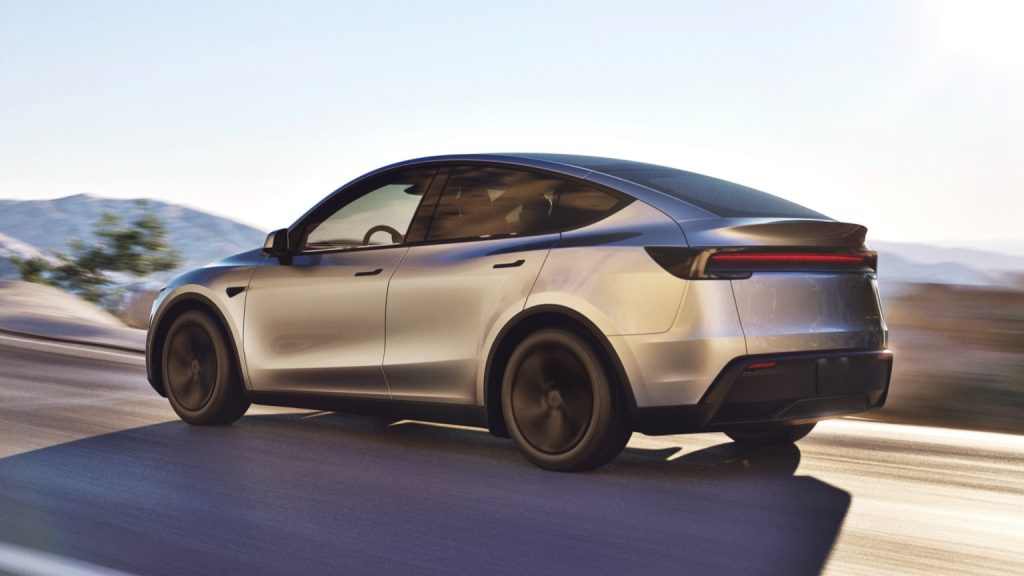
This car is written about because it represents convenience with constraints. The Tesla Model Y offers a modern driving experience, but for Antioch owners who value service flexibility and fast, local maintenance, its closed service ecosystem can be limiting.
5. Mercedes-Benz GLC
The Mercedes-Benz GLC rounds out this list as a premium compact SUV that often necessitates dealership involvement for routine and unexpected service alike. It’s written about here because its sophistication ties owners closely to the dealer network.
The GLC’s electronics density is a primary factor. Advanced driver-assistance systems, digital controls, and tightly integrated modules require dealer-level diagnostics and calibration. Independent shops may identify issues, but resolution often requires proprietary software access.
Maintenance practices also encourage dealer visits. Service intervals, system resets, and updates are commonly locked behind dealership tools. Even standard services can escalate in cost due to required checks and calibrations.
Parts availability further reinforces dependence. Many components are model-specific and priced at a premium, with limited aftermarket alternatives. Repairs often involve replacement assemblies rather than targeted fixes, increasing both cost and downtime.
Suburban use can exacerbate these needs. Frequent short trips may trigger sensor warnings or software flags, each demanding dealer verification to clear. Over time, this turns routine ownership into an appointment-driven experience.
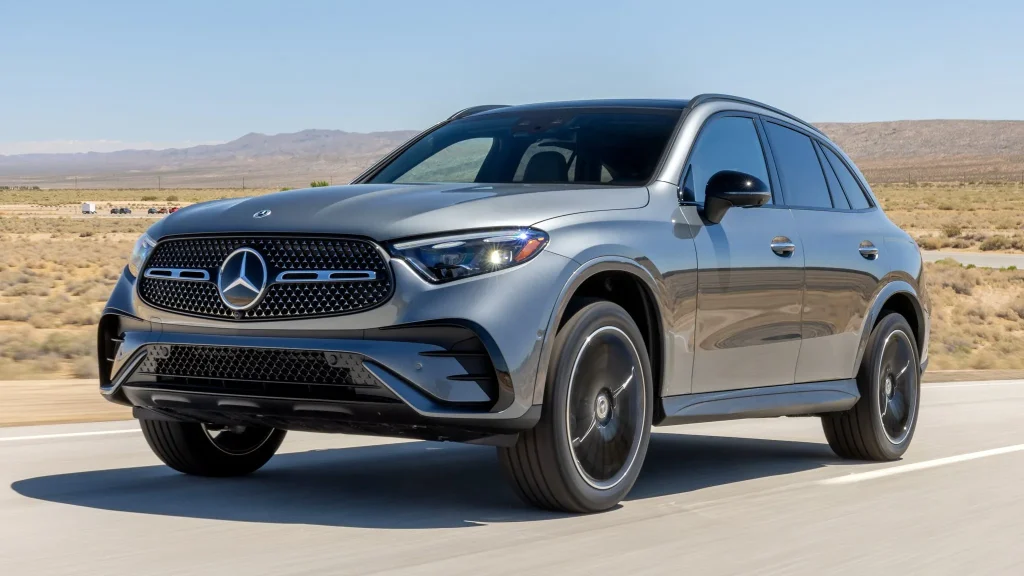
This car is written about because it exemplifies luxury tied to obligation. The Mercedes-Benz GLC delivers refinement and comfort, but for Antioch drivers seeking predictable, low-friction maintenance outside the dealership, it often proves demanding.
Daily driving in Antioch reflects a classic suburban rhythm: school drop-offs, grocery runs, commuting stretches on local highways, and busy parking lots around shopping centers.
This article contrasts vehicles that quietly support that routine with those that complicate it through heavy dealer dependence. The difference isn’t just about reliability it’s about how easily a car fits into everyday life when time, cost, and convenience matter.
The first half of the article focuses on cars well suited for Antioch suburban runs. Vehicles such as the Toyota Camry, Honda Accord, Toyota RAV4, Subaru Outback, and Hyundai Tucson succeed because they balance comfort, predictability, and ownership simplicity.
These cars handle short trips and longer highway drives equally well, offering smooth ride quality, relaxed steering, and calm power delivery. In suburban use, that consistency reduces fatigue and stress, especially during repetitive daily errands.
A key reason these vehicles stand out is low ownership friction. They have strong reliability records and don’t rely heavily on proprietary software or dealer-exclusive tools for routine service.
Maintenance can usually be handled by independent shops at reasonable cost, keeping downtime and surprise expenses to a minimum. Parts are widely available, repairs are straightforward, and owners aren’t forced into dealership appointments for minor issues.
This flexibility is especially valuable in a suburb like Antioch, where people expect their cars to simply work without constant attention.
Practicality also defines the recommended vehicles. Easy entry and exit, usable cargo space, intuitive controls, and good visibility make daily routines smoother.
Whether hauling groceries, sports gear, or family passengers, these cars adapt easily without feeling oversized or cumbersome. Over time, they fade into the background of daily life which is exactly what most suburban drivers want.
The second half of the article highlights cars that tend to need dealer work, not because they are inherently bad vehicles, but because their design choices restrict service flexibility.
Models such as the Volkswagen Tiguan, BMW X3, Audi A4, Tesla Model Y, and Mercedes-Benz GLC rely heavily on integrated electronics, proprietary software, and brand-specific components.
When warning lights appear or systems misbehave, independent shops often lack the tools or authorization to fully resolve the issue.
This creates a pattern of dealership dependence. Software updates, sensor recalibrations, transmission behavior adjustments, and even routine maintenance frequently require dealer visits.
Labor rates are higher, appointment availability can be limited, and repairs often involve replacing entire modules rather than fixing individual components. For Antioch drivers with busy schedules, this turns car ownership into an appointment-driven experience rather than a flexible one.
Suburban driving patterns can amplify these issues. Frequent short trips and stop-and-go use are more likely to trigger electronic warnings or system checks in complex vehicles, increasing the frequency of dealer visits. Over time, ownership costs become less predictable, and the convenience promised by modern technology starts to feel like a trade-off.
The broader takeaway is that suburban life rewards simplicity and service flexibility. Cars that are easy to maintain, tolerant of routine use, and repairable outside dealership networks tend to deliver the lowest stress and most predictable costs.
In Antioch, the best vehicle isn’t the most advanced or prestigious it’s the one that supports daily life quietly, reliably, and without pulling its owner back into the service bay more often than necessary.
Also Read: 5 Cars for Springdale Family Life and 5 That Need Specialist Care
