
Atlantic City is a destination built on movement. Visitors arrive by car from Philadelphia, New York, and surrounding states, then spend their time hopping between casinos, beaches, boardwalk attractions, restaurants, and hotels.
Unlike long-haul road trips, Atlantic City driving is defined by short distances, frequent stops, tight parking garages, heavy seasonal traffic, and constant passenger turnover. For tourists, the right car can quietly enhance the experience or become an unnecessary source of frustration.
This article looks at both sides of that equation. First, it highlights cars that work exceptionally well for Atlantic City tourist runs. These are vehicles that are easy to drive, easy to park, comfortable for short trips, and forgiving in stop-and-go traffic.
They handle crowded streets, valet situations, and unfamiliar drivers with minimal stress. Visibility, maneuverability, ride comfort, and simple controls matter more here than performance figures or off-road capability.
Second, it examines cars that don’t suit visitors. Some are too large for garages, others are too stiff, confusing, or inconvenient for short urban trips. A few demand more driver attention than tourists want to give, while others simply don’t align with the realities of Atlantic City driving tight spaces, frequent stops, and casual use.
The goal isn’t to judge vehicles in isolation, but to match them to context. A great road-trip car can be a terrible tourist car. Likewise, a modest, easygoing vehicle can feel perfect when driving unfamiliar streets with passengers focused on fun rather than navigation.
By covering both suitable and unsuitable options, this guide helps visitors, rental customers, and occasional drivers understand what makes a car feel effortless or exhausting in Atlantic City. When the destination is entertainment, the car should fade into the background, not compete for attention.
Also Read: 5 Cars for Huntsville Tech Commuters and 5 That Cost a Fortune to Fix
5 Cars for Atlantic City Tourist Runs
Tourist driving places unique demands on vehicles. Atlantic City visitors are often navigating unfamiliar roads, juggling directions, passengers, luggage, and tight schedules. The best cars for this environment are not the most powerful or luxurious they are the ones that reduce mental load.
The vehicles in this section are chosen because they are easy to live with for short, frequent trips. They offer good outward visibility, light steering, compact or manageable dimensions, and interiors that feel intuitive within minutes.
These cars don’t punish drivers for imperfect parking or slow-speed maneuvering, and they perform well in crowded traffic near casinos and boardwalk access points.
Another reason these cars matter is parking reality. Atlantic City garages and hotel lots can be narrow, busy, and stressful for visitors. Cars that fit easily, turn tightly, and provide helpful visibility features reduce anxiety and wasted time both of which matter when visitors want to enjoy their stay, not manage logistics.
Comfort also plays a role. Tourist runs involve repeated entry and exit, quick hops between locations, and mixed passenger groups. Cars that ride smoothly at low speeds, have easy access, and offer calm cabins improve the experience for everyone inside.
Each vehicle in this list is written about because it supports effortless tourism. These are cars that don’t demand attention or adaptation. They simply work allowing visitors to focus on casinos, dining, shows, and the beach rather than the mechanics of getting around.
We begin with one of the most visitor-friendly cars on the road.
1. Toyota Corolla
The Toyota Corolla is one of the most suitable vehicles for Atlantic City tourist runs, and it earns that status through simplicity and predictability. It’s written about here because it excels at exactly what visitors need: stress-free urban driving.
The Corolla’s compact size makes it ideal for navigating crowded streets and tight parking garages. It fits easily into standard spaces, turns without drama, and doesn’t feel bulky when maneuvering around hotel entrances or casino drop-off zones. For drivers unfamiliar with the area, that ease of control is invaluable.
Visibility is another strength. The Corolla offers clear sightlines and manageable blind spots, making lane changes and parking less intimidating. Steering is light and responsive at low speeds, reducing effort during stop-and-go traffic common near tourist hotspots.
Ride comfort also suits short trips well. The suspension absorbs rough pavement and speed bumps smoothly, keeping passengers comfortable during quick hops between destinations. Road and engine noise are well controlled, helping maintain a relaxed atmosphere inside the cabin.
Interior usability reinforces its appeal. Controls are straightforward, infotainment systems are intuitive, and there’s little learning curve for first-time drivers. For rental customers or occasional users, that familiarity reduces distraction and frustration.
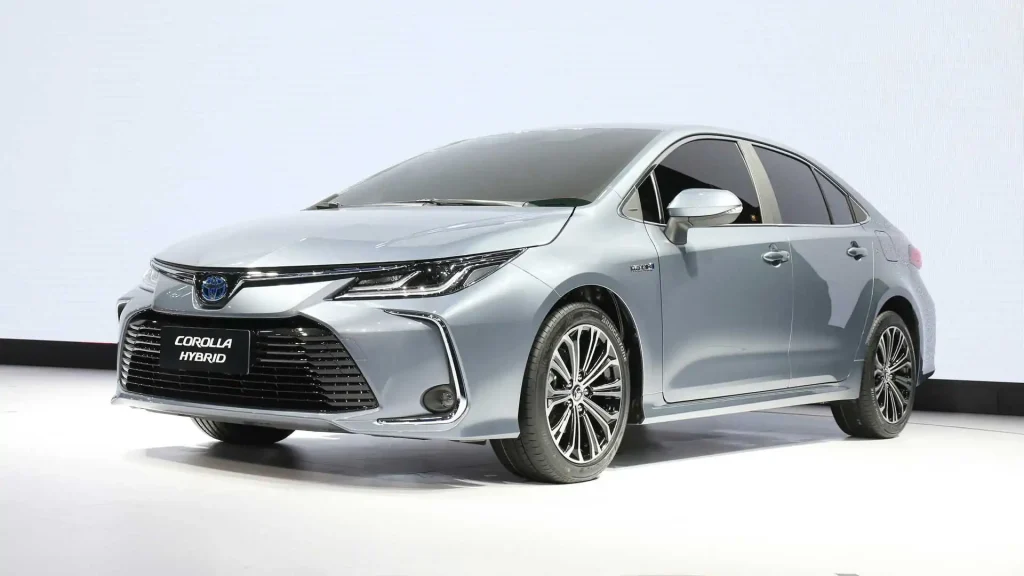
This car is written about because it disappears into the experience. The Toyota Corolla doesn’t try to impress it tries to cooperate. For Atlantic City visitors who want reliable, easy transportation without complication, it remains one of the best possible choices.
2. Honda Civic
The Honda Civic is an excellent choice for Atlantic City tourist runs because it blends ease of use with a slightly more refined feel than many basic sedans. It’s written about here because it works especially well for visitors who want stress-free driving but still appreciate a confident, comfortable ride.
One of the Civic’s biggest advantages is maneuverability. Its compact footprint and tight turning radius make it easy to navigate crowded streets near the boardwalk, casinos, and hotel zones.
Whether pulling into valet lanes or squeezing into parking garages, the Civic feels manageable rather than intimidating an important quality for visitors unfamiliar with local layouts.
Low-speed drivability is another strong point. The Civic’s steering is light and precise in city conditions, reducing fatigue during stop-and-go traffic. Throttle response is smooth, which helps avoid jerky starts when inching through busy intersections or pedestrian-heavy areas.
Ride quality suits short tourist trips well. The suspension is tuned to absorb uneven pavement and speed bumps without feeling floaty or harsh. Passengers remain comfortable during quick hops between destinations, and road noise is kept at a pleasant, low level important when conversations or directions are ongoing.
Interior usability further reinforces its tourist appeal. Controls are clearly labeled, infotainment systems are intuitive, and visibility from the driver’s seat is strong. Rental customers or occasional drivers can feel at ease within minutes of getting behind the wheel.
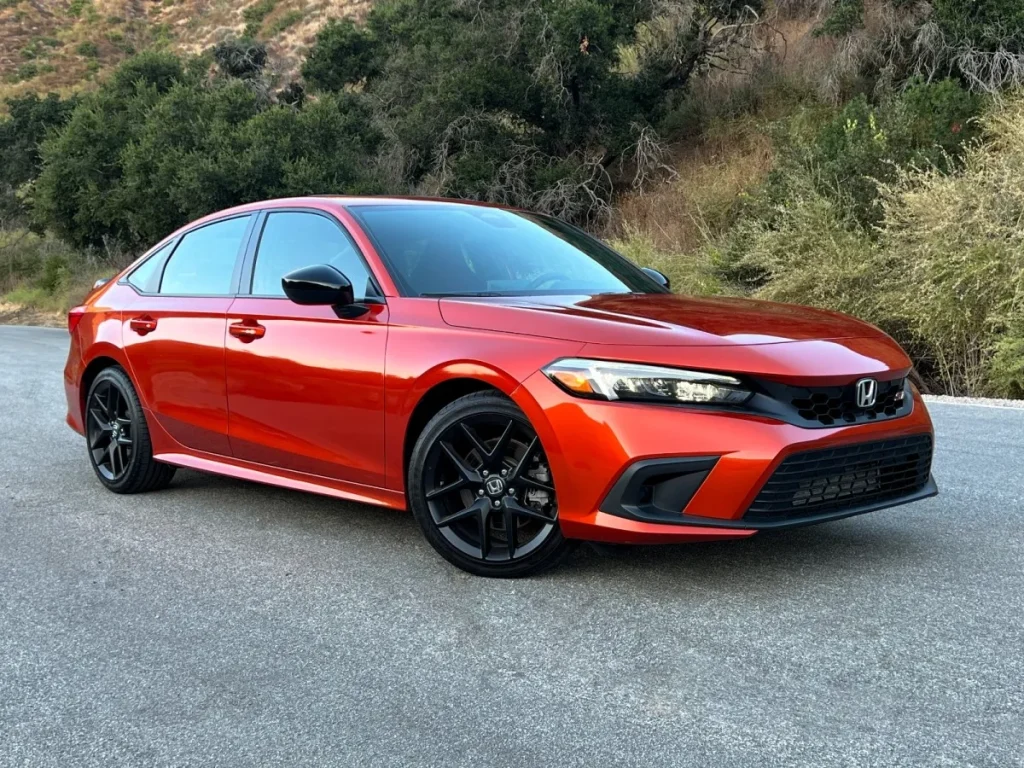
This car is written about because it adds confidence without adding complexity. The Honda Civic feels friendly, predictable, and forgiving exactly what Atlantic City visitors want when their focus is on entertainment, not driving mechanics.
3. Hyundai Elantra
The Hyundai Elantra stands out as a strong tourist-friendly vehicle due to its comfort-forward design and user-friendly technology. It’s written about here because it reduces friction for visitors navigating Atlantic City’s busy streets.
The Elantra’s smooth ride makes it especially suitable for frequent short trips. Its suspension prioritizes comfort over sportiness, absorbing rough pavement and uneven road surfaces near parking areas and older streets. This creates a relaxed experience for passengers hopping between hotels, restaurants, and attractions.
Maneuverability also works in its favor. While slightly wider than some rivals, the Elantra remains easy to handle thanks to predictable steering and good outward visibility. Parking in garages or curbside spots doesn’t feel stressful, even for drivers new to the area.
Interior space adds another layer of appeal. The Elantra offers generous legroom and an airy cabin feel, which is appreciated when carrying multiple passengers or luggage from hotel to hotel. Entry and exit are easy, reducing inconvenience during frequent stops.
Technology usability is a key reason this car matters. Hyundai’s infotainment systems are intuitive and responsive, allowing drivers to quickly input navigation or connect smartphones without distraction. For tourists relying on maps and ride coordination, that simplicity matters.
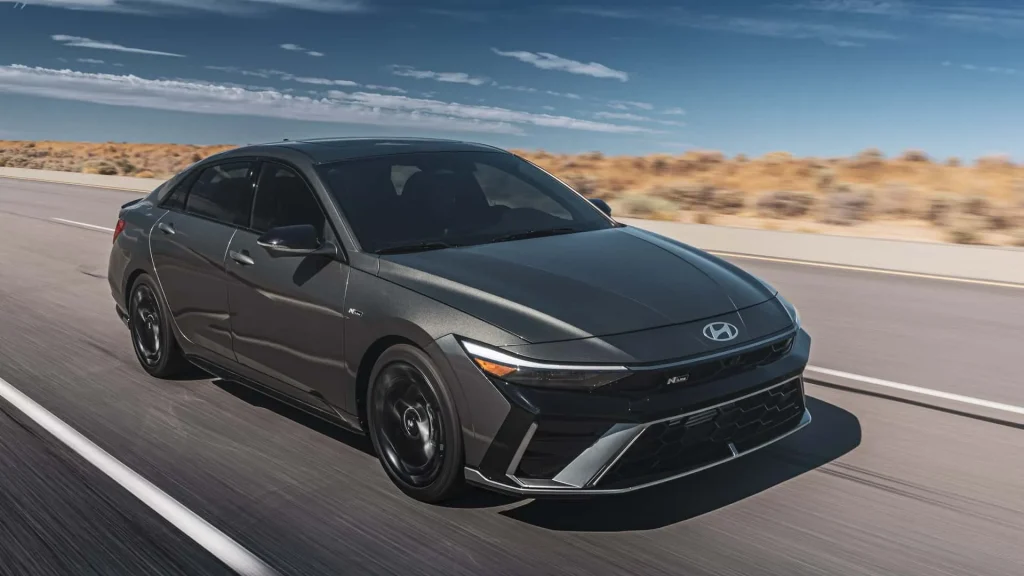
This car is written about because it prioritizes comfort and clarity. The Hyundai Elantra doesn’t overwhelm visitors with complexity or stiffness. Instead, it creates a calm, accommodating environment that complements the easygoing nature of Atlantic City tourism.
4. Toyota RAV4
The Toyota RAV4 is a strong fit for Atlantic City tourist runs because it adds flexibility without introducing complexity. It’s written about here for visitors who want a bit more space and visibility than a sedan while still keeping city driving stress low.
One of the RAV4’s biggest advantages for tourists is driving position. The elevated seating provides excellent visibility in traffic-heavy areas near casinos and the boardwalk. This helps visitors spot turns, pedestrians, and signage more easily especially useful when navigating unfamiliar streets.
Despite being an SUV, the RAV4 remains manageable in size. It fits comfortably in most Atlantic City parking garages and hotel lots, and its steering is light at low speeds. Tight turns, valet queues, and curbside drop-offs don’t feel cumbersome, which is critical for visitors moving frequently between destinations.
Ride comfort suits short urban trips well. The suspension absorbs bumps and uneven pavement without feeling stiff, keeping passengers comfortable during quick hops. Road noise is subdued, creating a relaxed cabin atmosphere that complements sightseeing and casual travel.
Interior practicality is another reason it belongs here. The cargo area easily handles luggage, shopping bags, or beach gear without crowding passengers. Doors open wide, making entry and exit easy for groups and families an underrated benefit during frequent stops.
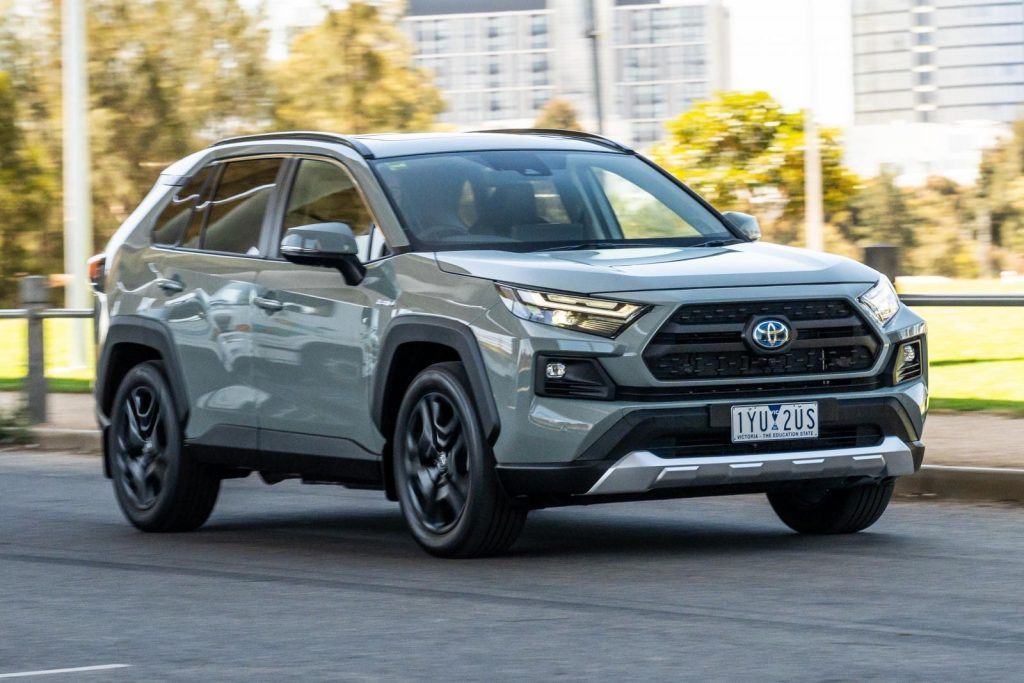
This car is written about because it offers tourist-friendly versatility. The Toyota RAV4 gives visitors space, visibility, and confidence while remaining easy to drive and park qualities that align perfectly with Atlantic City’s mix of urban congestion and leisure travel.
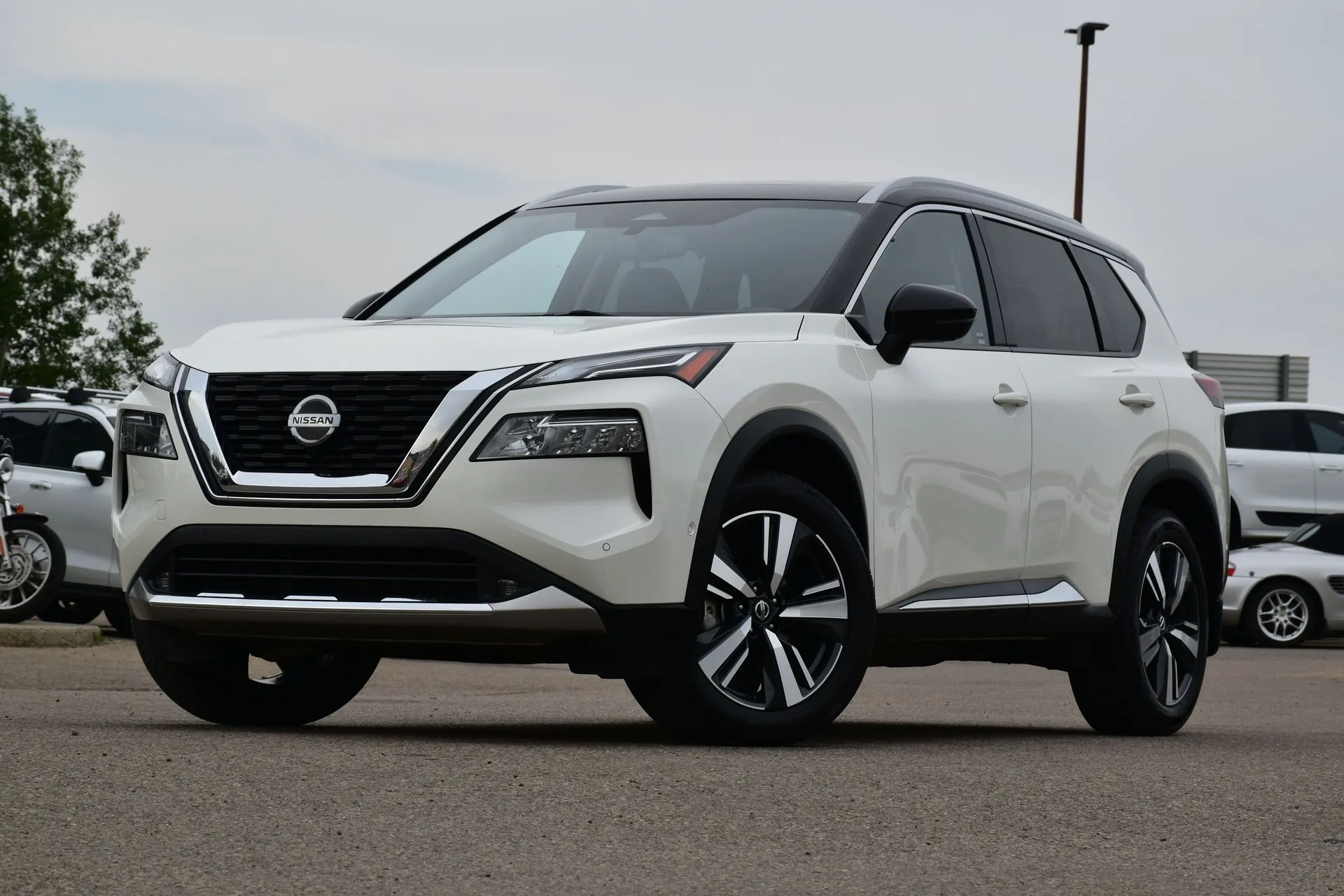
5. Nissan Rogue
The Nissan Rogue rounds out the list as a calm, comfortable option for Atlantic City tourist driving. It’s written about here because it emphasizes ease and comfort over performance or complexity exactly what most visitors want.
The Rogue’s ride quality is one of its strongest attributes. It smooths out rough pavement and speed bumps common near older streets and parking structures. For passengers bouncing between hotels, restaurants, and attractions, this softness keeps the experience pleasant and fatigue-free.
Maneuverability remains solid despite its crossover size. Steering is light and predictable at low speeds, making it easy to park and navigate crowded areas. Visibility is good, and the vehicle doesn’t feel intimidating for drivers unfamiliar with the area.
Interior comfort further enhances its appeal. Seats are supportive and easy to get in and out of, and the cabin layout feels intuitive almost immediately. Controls are straightforward, reducing distraction when drivers are also managing navigation and passengers.
Another reason the Rogue is included is its relaxed driving character. Throttle response is gentle, which suits stop-and-go traffic and reduces jerky movements in crowded pedestrian zones.
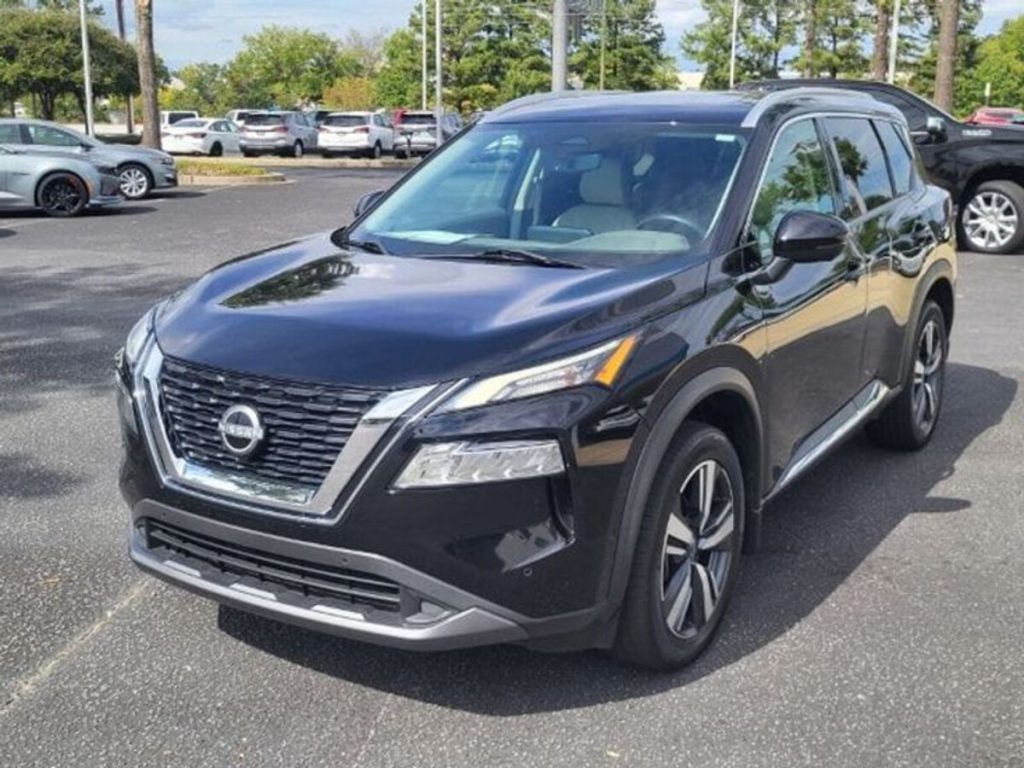
This car is written about because it keeps tourist driving effortless. The Nissan Rogue doesn’t ask visitors to adapt it adapts to them, making it a dependable companion for Atlantic City trips centered on enjoyment rather than logistics.
5 That Don’t Suit Visitors
Not every vehicle works well for visitors, even if it’s excellent in other contexts. Atlantic City driving is defined by tight parking garages, crowded casino entrances, constant pedestrian traffic, and short, repetitive trips. Visitors are often unfamiliar with local streets and signage, making ease of use far more important than capability, power, or prestige.
This section focuses on cars that don’t suit Atlantic City visitors, not because they’re bad vehicles overall, but because their design clashes with tourist realities. Some are simply too large for urban parking.
Others are stiff, demanding, or mentally taxing to drive in busy areas. A few introduce unnecessary complexity for drivers who just want to get from hotel to boardwalk without stress.
Tourist driving rewards simplicity. Vehicles that require extra spatial awareness, careful maneuvering, or constant attention turn small inconveniences into ongoing frustrations. Parking delays, tight turns, and awkward drop-offs quickly eat into vacation time and enjoyment.
Another factor is usage pattern. Visitors make many short trips, frequently getting in and out of the car. Vehicles that are hard to park, uncomfortable at low speeds, or poorly suited to stop-and-go traffic feel out of place in this environment.
This section is written to help renters and visitors avoid cars that demand adaptation instead of offering convenience. In Atlantic City, the best tourist car fades into the background. The worst ones constantly remind you that you chose the wrong tool for the job.
We begin with a vehicle that excels in many roles but not this one.
1. Ford F-250 Super Duty
The Ford F-250 Super Duty is one of the least suitable vehicles for Atlantic City visitors, despite being extremely capable in its intended role. It’s written about here because its size and purpose are fundamentally misaligned with tourist driving needs.
The biggest issue is sheer scale. The F-250 is long, wide, and tall dimensions that make Atlantic City parking garages, casino lots, and curbside drop-offs unnecessarily stressful. Many garages have tight turning ramps and low clearance margins that make maneuvering a heavy-duty truck uncomfortable or impossible for visitors.
Low-speed maneuverability is another challenge. Steering effort and turning radius are not optimized for urban environments, especially for drivers unfamiliar with the vehicle. Simple actions like U-turns, lane changes, or tight valet queues require constant attention and careful judgment.
Ride quality also works against short tourist trips. The F-250’s suspension is designed for hauling and towing, not smoothing out city pavement. On short hops between attractions, the ride can feel stiff and busy, reducing passenger comfort.
Visibility in crowded pedestrian areas adds to the problem. While the truck offers a high driving position, its size makes it harder to judge distances around people, bikes, and smaller vehicles something visitors are already cautious about.
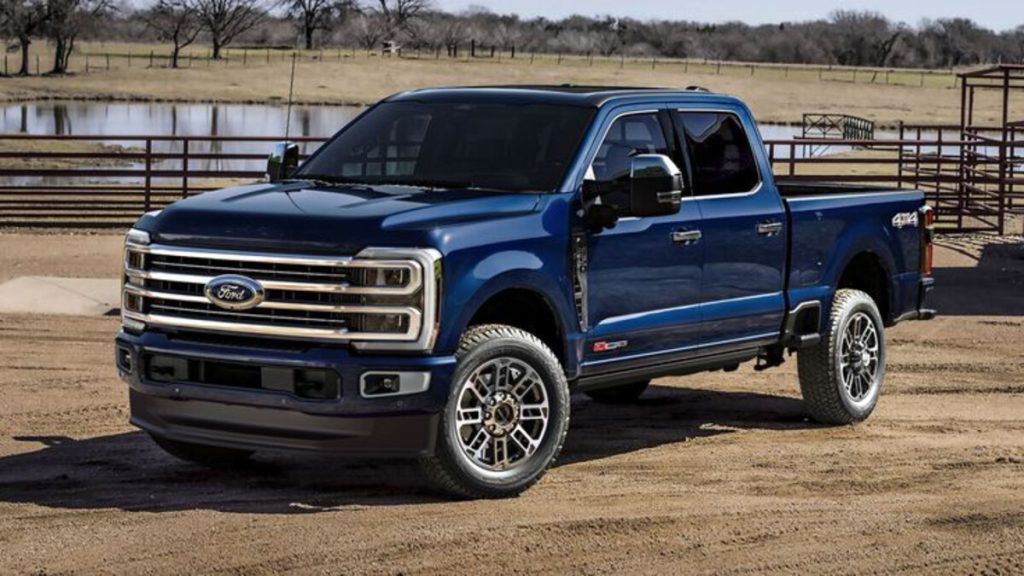
This vehicle is written about because it represents capability without context. The Ford F-250 is excellent for work and long-distance utility, but for Atlantic City tourism, it adds stress, limits parking options, and detracts from the ease visitors want during a leisure trip.
2. Chevrolet Camaro
The Chevrolet Camaro is a poor fit for Atlantic City visitors because its design prioritizes performance and style over ease of use. While exciting on open roads, it becomes inconvenient in crowded, unfamiliar urban environments where tourists spend most of their time.
Visibility is the Camaro’s biggest drawback. Thick pillars, a low roofline, and a high beltline create blind spots that make lane changes, parking garages, and pedestrian-heavy streets more stressful than they need to be. For visitors already juggling navigation and traffic, limited sightlines add unnecessary mental load.
Maneuverability at low speeds also works against it. The Camaro’s long doors, wide stance, and low seating position make tight turns and parking maneuvers awkward especially in Atlantic City garages that weren’t designed for modern performance cars. Simple tasks like backing into a space or lining up at valet drop-offs require extra care.
Ride comfort on short trips is another issue. Sport-oriented suspension tuning transmits bumps and uneven pavement directly into the cabin. On frequent short hops between casinos and restaurants, this stiffness quickly feels tiresome for passengers.
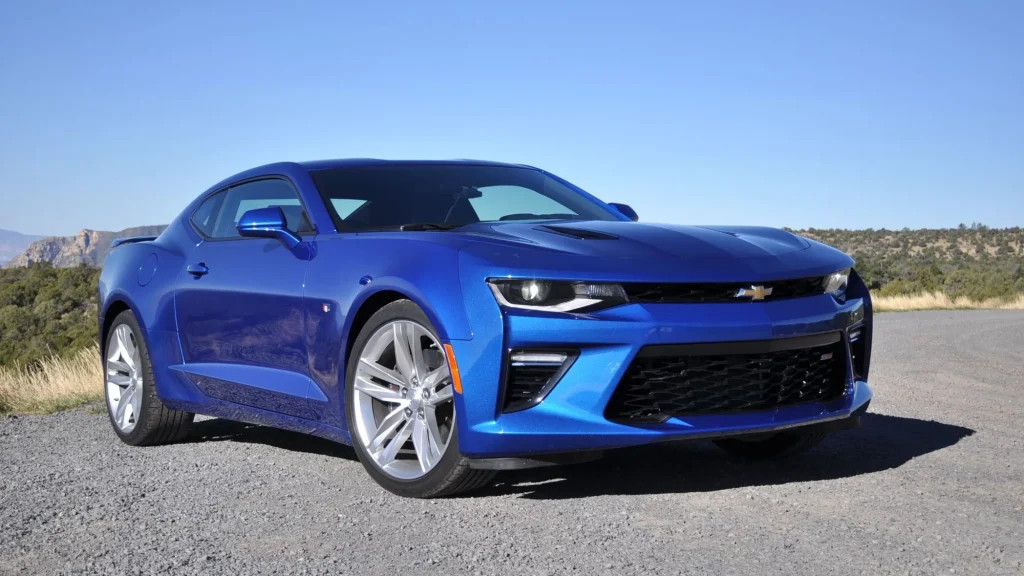
Entry and exit further reduce tourist friendliness. Low seats and long doors make getting in and out less convenient during frequent stops, particularly for older passengers or groups.
This car is written about because it demands attention instead of offering convenience. The Chevrolet Camaro can be fun, but for Atlantic City visitors seeking effortless transportation, it turns routine driving into work.
3. Jeep Wrangler (2-Door)
The Jeep Wrangler (2-Door) doesn’t suit Atlantic City visitors despite its adventurous image. It’s written about here because its off-road focus clashes sharply with the needs of short, urban tourist trips.
The most immediate issue is ride quality. The Wrangler’s solid axles and upright design create a bouncy, unsettled feel on city streets. On short drives between attractions, this translates into unnecessary discomfort for passengers.
Parking and maneuverability are also problematic. The 2-door Wrangler has a short wheelbase but a wide turning circle, making tight garage ramps and valet queues more awkward than expected. Visibility is further compromised by the upright windshield and bulky body structure.
Interior practicality is limited for visitors. Rear-seat access is awkward, cargo space is minimal, and frequent entry and exit become tedious when moving between multiple destinations in a day.

Noise and refinement matter too. Road and wind noise are noticeably higher than in typical tourist-friendly vehicles, detracting from the relaxed atmosphere visitors expect while traveling between entertainment venues.
This car is written about because it represents the wrong tool for the environment. The Jeep Wrangler shines off-road, but in Atlantic City’s dense, stop-and-go tourist zones, it adds inconvenience without offering meaningful benefits.
4. Tesla Model X
The Tesla Model X doesn’t suit Atlantic City visitors despite its luxury appeal and advanced technology. It’s written about here because its size, complexity, and operational quirks clash with short, crowded tourist driving.
The most immediate challenge is physical scale. The Model X is wide and tall, making tight parking garages and older casino structures stressful. Maneuvering through narrow ramps or squeezing into valet lanes requires constant attention something visitors already juggling navigation don’t want.
The signature falcon-wing doors add another layer of friction. While impressive, they can be impractical in low-ceiling garages or tight curbside areas, where door operation may be limited or awkward. For frequent in-and-out stops, this novelty quickly becomes an inconvenience.
Low-speed drivability is also less tourist-friendly than expected. The vehicle’s weight and sensitivity to throttle input can make creeping through congested streets feel less natural, especially for drivers unfamiliar with electric power delivery.
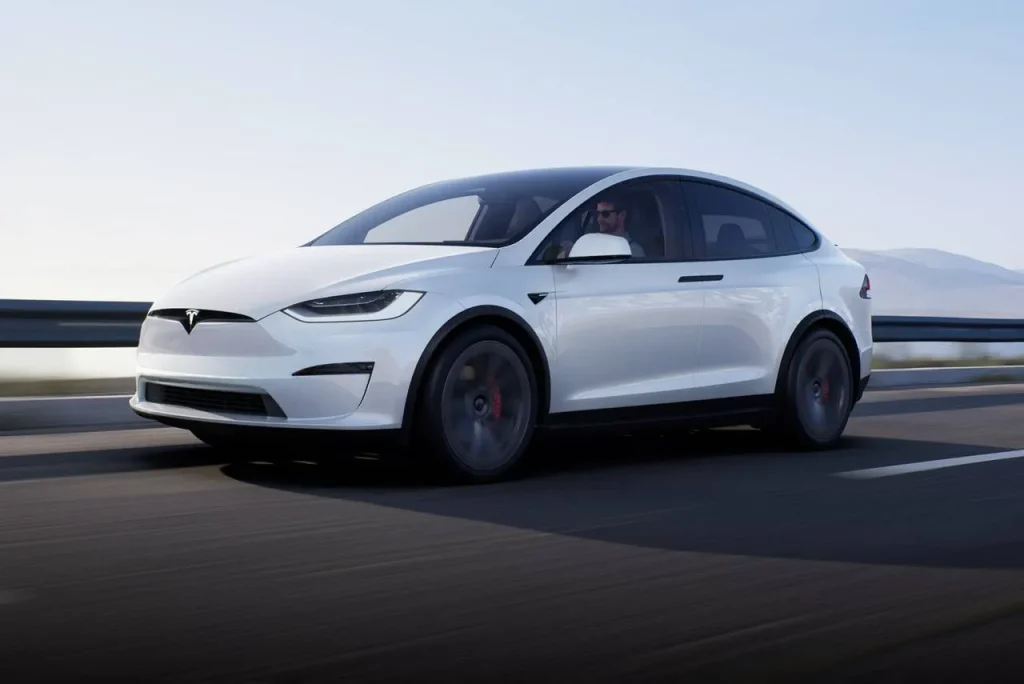
Charging logistics further complicate short stays. Visitors without guaranteed access to convenient charging may find range planning and charging downtime disruptive particularly when trips are short and spontaneous.
This car is written about because it demands planning in an environment that rewards spontaneity. The Tesla Model X excels as a tech-forward family vehicle, but for Atlantic City visitors focused on ease and flexibility, it introduces avoidable friction.
5. Dodge Challenger
The Dodge Challenger rounds out this list as a vehicle that looks appealing but proves impractical for Atlantic City tourism. It’s written about here because its size and driving dynamics are mismatched to dense, visitor-heavy streets.
The Challenger’s large footprint is the primary issue. It’s long and wide, making parking garages, tight lots, and curbside stops more stressful than necessary. For tourists unfamiliar with local layouts, that bulk adds constant spatial anxiety.
Visibility is another drawback. The low roofline, thick pillars, and long hood reduce outward sightlines, complicating lane changes and parking maneuvers in pedestrian-heavy areas near the boardwalk and casinos.
Ride characteristics further detract from short-trip comfort. The Challenger is tuned for straight-line cruising, not frequent stop-and-go movement. On quick hops, it can feel heavy and less responsive, which doesn’t suit casual tourist driving.
Entry and exit are also less convenient. Long doors and low seating make frequent stops cumbersome especially for passengers dressed for shows or nightlife.
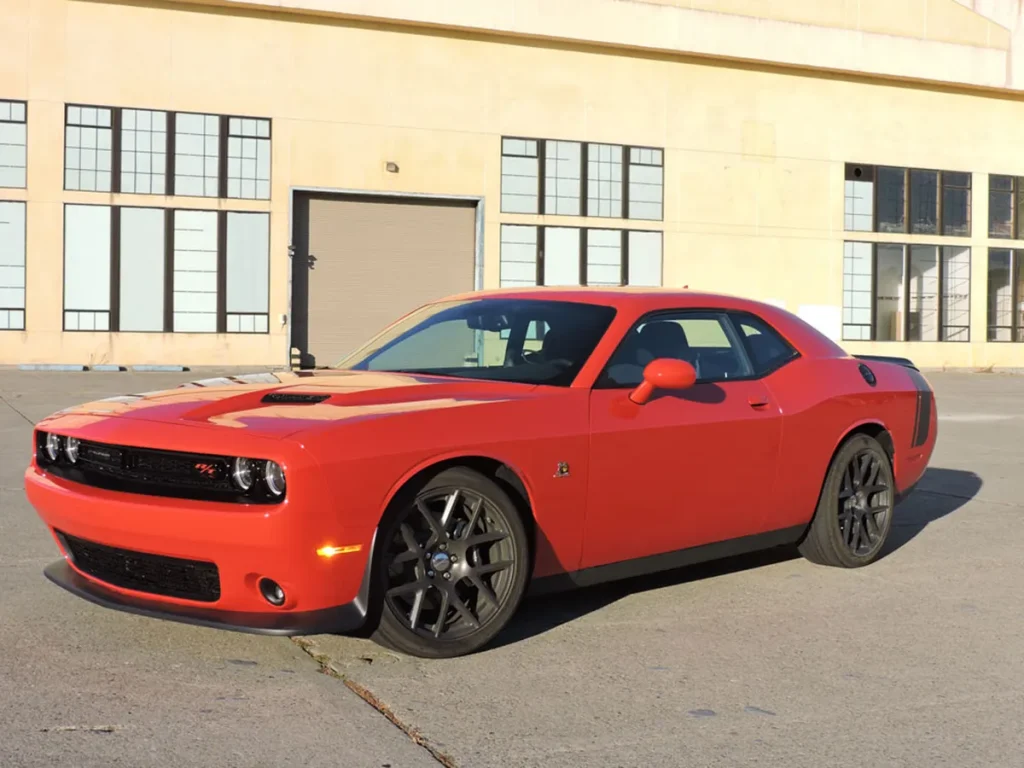
This car is written about because it prioritizes presence over practicality. The Dodge Challenger makes a statement, but for Atlantic City visitors, that statement comes at the cost of convenience and ease.
Atlantic City driving is less about distance and more about ease. Visitors typically make short, frequent trips between casinos, hotels, restaurants, beaches, and parking garages, often while navigating unfamiliar streets and heavy pedestrian traffic.
This article contrasts vehicles that quietly enhance that experience with those that complicate it, showing how the right car choice can shape a visitor’s entire stay.
Cars that work well for Atlantic City tourist runs share a few key traits: compact or manageable size, good visibility, light steering, smooth low-speed ride quality, and intuitive controls.
Vehicles like the Toyota Corolla, Honda Civic, and Hyundai Elantra excel because they are easy to drive almost immediately, even for renters or first-time users. They fit comfortably in tight garages, handle stop-and-go traffic calmly, and don’t overwhelm drivers with complexity.
Crossovers such as the Toyota RAV4 and Nissan Rogue add flexibility for luggage, shopping, or beach gear while remaining approachable in crowded urban conditions. These vehicles are written about because they reduce mental effort, allowing visitors to focus on entertainment rather than navigation or parking stress.
In contrast, the cars that don’t suit visitors highlight how mismatched design can create friction. Large, work-focused vehicles like the Ford F-250 are simply too big for Atlantic City’s garages and tight streets, turning routine parking into a challenge.
Performance-oriented cars such as the Chevrolet Camaro and Dodge Challenger suffer from poor visibility, long doors, stiff suspensions, and bulky proportions that make short urban trips feel unnecessarily demanding.
Adventure-focused vehicles like the two-door Jeep Wrangler bring noise, ride harshness, and limited practicality that don’t align with casual tourist use.
Highly complex or oversized luxury vehicles introduce their own problems. The Tesla Model X, despite its premium appeal, adds stress through its width, unusual door design, and charging considerations factors that clash with the spontaneous, short-hop nature of Atlantic City travel. These vehicles aren’t inherently bad; they’re simply optimized for different environments and priorities.
The broader takeaway is that Atlantic City rewards simplicity, maneuverability, and comfort over power, size, or spectacle. For visitors, the best car is one that fades into the background easy to park, easy to drive, and easy to forget about once the engine is off.
Choosing a vehicle aligned with tourist realities preserves time, energy, and enjoyment, ensuring the trip is remembered for the destination rather than the drive.
Also Read: 5 Cars for Anaheim Theme-Park Runs and 5 That Don’t Fit Family Needs
