
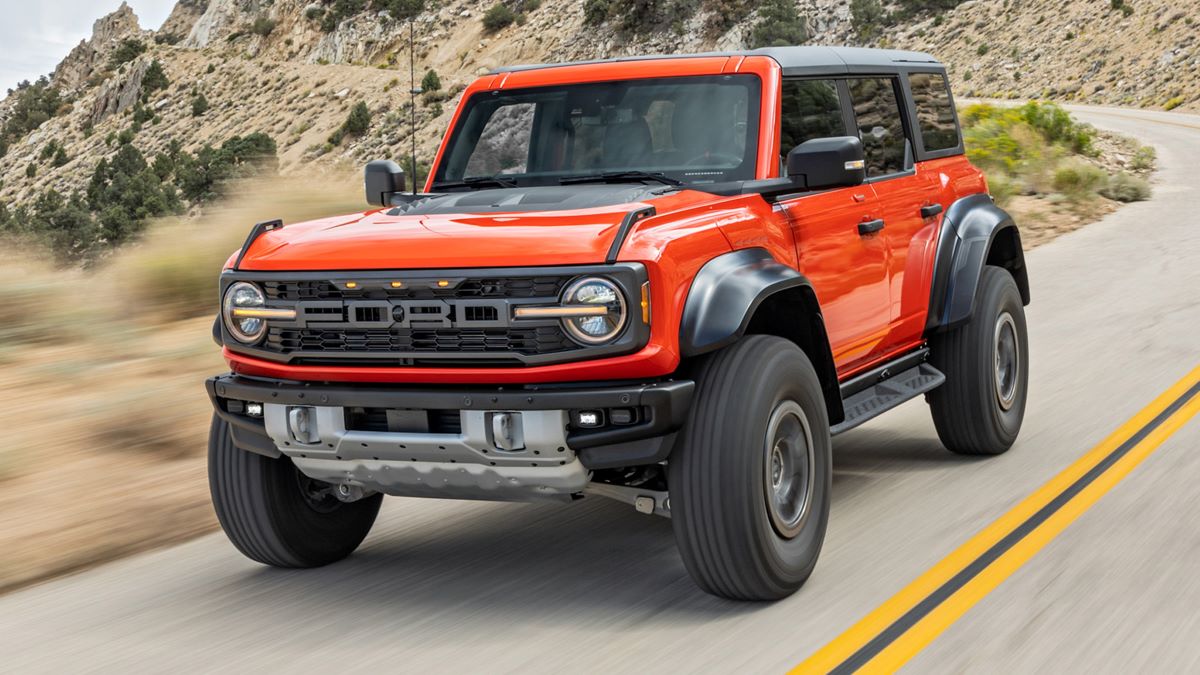
Cheyenne, Wyoming presents a driving environment that quietly but significantly reshapes how vehicles perform. Sitting over 6,000 feet above sea level, the city’s high altitude affects engine output, transmission behavior, fuel efficiency, and even cooling systems.
Thin air means less oxygen, and less oxygen means engines especially naturally aspirated ones, produce less power than they do at lower elevations. For drivers, this translates into sluggish acceleration, strained engines, and reduced confidence on highways and inclines.
This article explores two contrasting sides of high-altitude vehicle ownership in Cheyenne. The first focuses on cars that handle elevation well vehicles engineered to maintain performance, efficiency, and drivability despite thinner air.
These cars use turbocharging, efficient gearing, or powertrain designs that compensate for altitude-related power loss. They feel responsive, stable, and predictable even when climbing grades or merging onto highways.
The second half examines cars that lose noticeable power at altitude. These vehicles may perform adequately at sea level, but in Cheyenne’s environment they feel underpowered, overworked, and less refined. Thin air exposes weaknesses in engine design, making everyday driving more frustrating and sometimes less safe.
By covering both categories, this article aims to help buyers understand how altitude changes the rules. Cheyenne drivers don’t just need reliable vehicles they need ones that can breathe.
Choosing the right car can mean smoother drives, better fuel efficiency, and less mechanical strain. Choosing the wrong one often results in constant compensation, harder throttle inputs, and long-term wear.
High-altitude driving rewards smart engineering, and this guide keeps that reality front and center.
Also Read: 5 Cars for Charleston WV Hills & Drives and 5 That Struggle Uphill
5 Cars for Cheyenne High-Altitude Drives
Driving at elevation places unique demands on vehicles, and Cheyenne makes those demands part of everyday life.
Engines must work harder to generate the same power they would at lower altitudes, transmissions must manage reduced torque more carefully, and cooling systems face added stress during climbs and highway speeds. Cars that aren’t designed with these factors in mind often feel lethargic and strained.
This section focuses on five cars that perform well in Cheyenne’s high-altitude conditions. These vehicles are selected because their powertrains are better suited to thin air whether through turbocharging, efficient power delivery, or gearing that minimizes performance loss.
Instead of forcing drivers to constantly push harder on the throttle, these cars maintain confidence and composure.
Another reason for highlighting these models is drivability. Cheyenne drivers frequently encounter open highways, elevation changes, and strong winds.
Cars that hold power at altitude offer smoother acceleration, safer passing ability, and less stress on long drives. They also tend to age better mechanically because they aren’t constantly operating at the edge of their performance limits.
Each vehicle in this list demonstrates how thoughtful engineering can overcome environmental challenges. These are not chosen for hype or raw horsepower figures, but for how they behave where oxygen is scarce.
This section is written to guide practical buyers people who want a car that works with Cheyenne’s elevation rather than fighting it.
1. Subaru Outback
The Subaru Outback is an excellent fit for Cheyenne’s high-altitude driving conditions, and it earns its place here through balance rather than brute force. While not a performance vehicle, the Outback’s turbocharged engine options and intelligent all-wheel-drive system allow it to retain usable power and traction even as elevation increases.
One of the key reasons the Outback works well at altitude is turbocharging. Turbocharged engines compress incoming air, helping compensate for the thinner oxygen levels found in Cheyenne. This allows the Outback to maintain stronger acceleration and passing confidence compared to naturally aspirated vehicles that lose noticeable power at elevation.
The Outback’s gearing also plays a role. Its transmission is tuned to keep the engine in an efficient power band, reducing the feeling of strain during climbs or highway merges. This results in smoother performance and less aggressive throttle input, which helps with long-term engine health.
Another reason this car is highlighted is stability. Cheyenne’s open roads and frequent wind exposure demand composure, and the Outback’s low center of gravity and AWD system provide reassuring control. Even when loaded with passengers or cargo, it feels predictable rather than overworked.
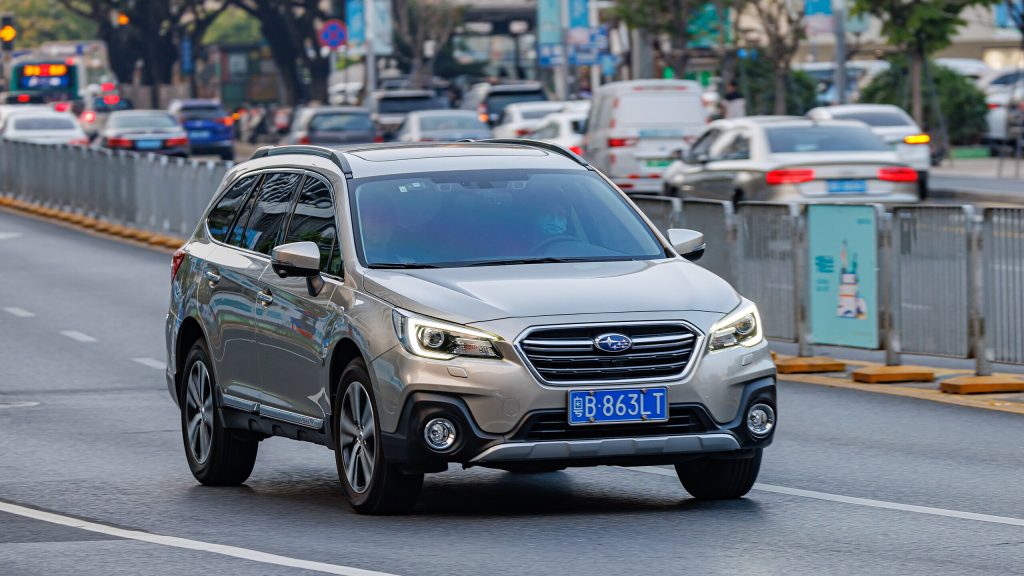
The Outback is written about because it demonstrates how smart engineering not excessive horsepower makes the difference at altitude. It delivers reliable, confident performance in thin air while remaining practical for everyday use.
2. Toyota RAV4 Hybrid
The Toyota RAV4 Hybrid stands out in Cheyenne because it mitigates altitude-related power loss through its hybrid system. Unlike traditional gas-only vehicles, the electric motor supplements engine output, helping offset the reduced combustion efficiency caused by thin air.
At high altitude, naturally aspirated engines struggle to generate torque. The RAV4 Hybrid addresses this by using electric assistance at low and moderate speeds, where altitude effects are most noticeable. This results in stronger initial acceleration, smoother hill climbs, and less engine strain during everyday driving.
Another advantage is efficiency. High-altitude driving often leads to heavier throttle use, but the hybrid system reduces fuel consumption by sharing the workload between electric and gas power. This keeps fuel economy stable even when elevation would normally cause efficiency drops.
The RAV4 Hybrid also benefits from Toyota’s reliability-focused engineering. Its powertrain is designed to operate under varied conditions, and the reduced reliance on constant high engine output helps extend component life in demanding environments like Cheyenne.
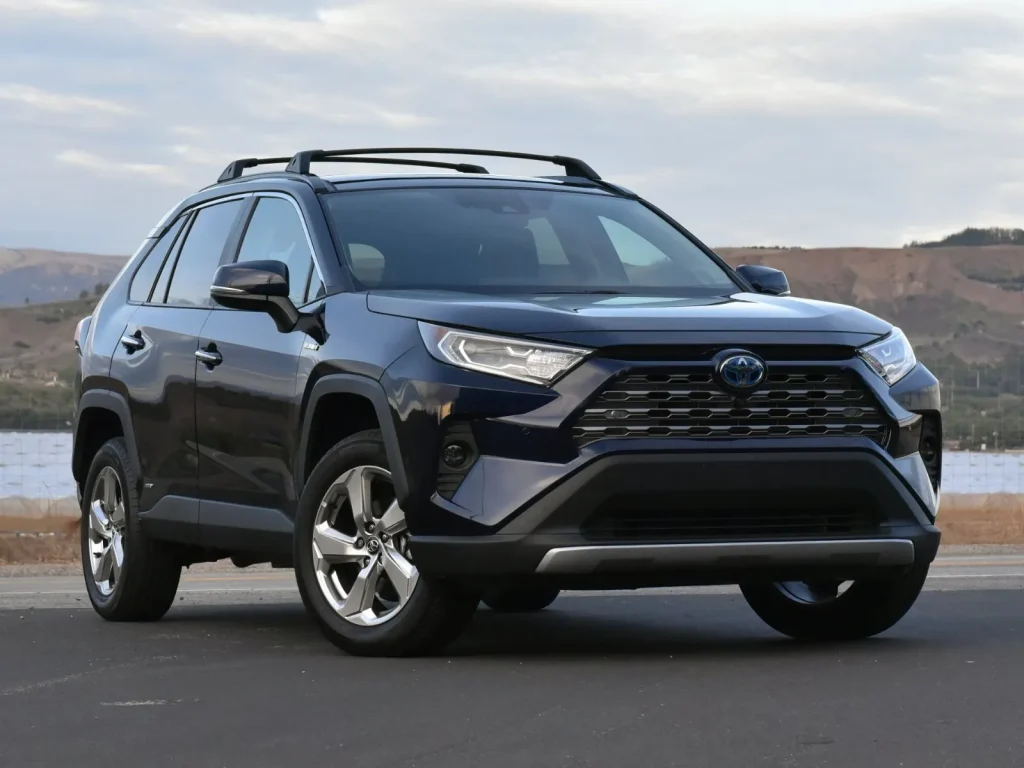
This car is written about because it shows how electrification can quietly solve altitude challenges. The RAV4 Hybrid doesn’t just cope with thin air it compensates for it, making it a smart and confidence-inspiring choice for high-altitude drivers.
3. Ford Bronco (Turbo Models)
The Ford Bronco equipped with turbocharged engines is particularly well-suited for Cheyenne’s high-altitude driving conditions because it is designed to deliver usable power where naturally aspirated engines struggle.
At elevation, turbocharging becomes more than a performance feature it becomes a necessity, and the Bronco benefits directly from this engineering approach.
Turbochargers force additional air into the engine, helping offset the oxygen loss that occurs at high altitude.
In Cheyenne, this translates into noticeably stronger throttle response, better hill-climbing ability, and less hesitation during highway merges. Where non-turbo SUVs begin to feel heavy and sluggish, the Bronco maintains confidence and responsiveness.
Another reason the Bronco works well is its torque delivery. Turbocharged engines provide torque earlier in the rev range, which is especially helpful when climbing grades or driving into strong Wyoming winds. Drivers don’t need to constantly push the engine hard, reducing mechanical stress over time.
The Bronco’s transmission tuning further enhances high-altitude performance. Gear ratios are designed to keep the engine within its effective power band, minimizing power loss during elevation changes. This results in smoother acceleration and less frequent downshifting compared to underpowered vehicles.
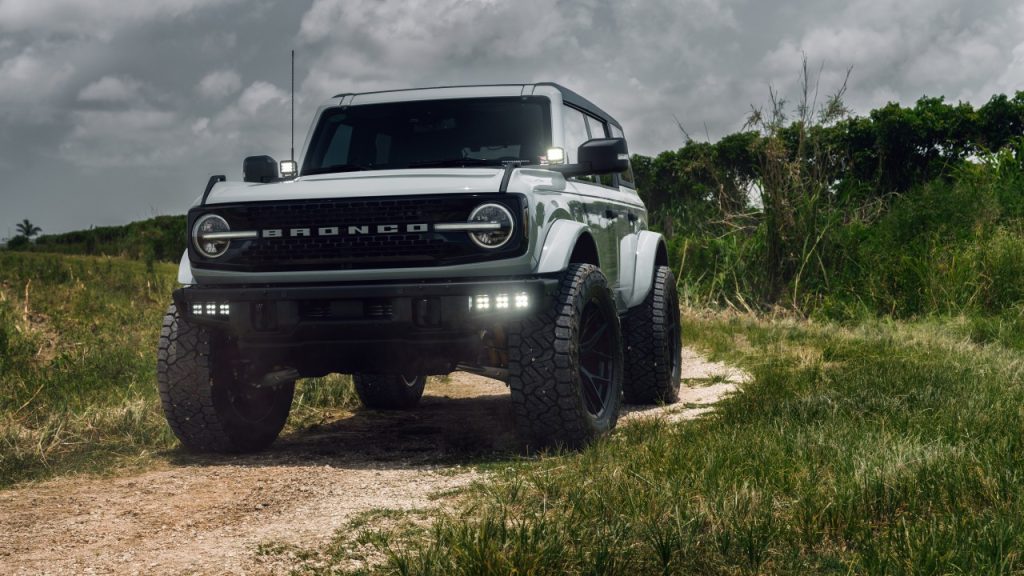
The Bronco is written about because it demonstrates how modern forced-induction design can overcome environmental challenges. In Cheyenne’s thin air, it feels capable rather than compromised, making it a strong option for drivers who want both performance and versatility at elevation.
4. Volkswagen Golf GTI
The Volkswagen Golf GTI earns its place on this list by proving that high-altitude performance isn’t limited to SUVs or crossovers. Its turbocharged engine is exceptionally well-matched to Cheyenne’s elevation, maintaining lively acceleration even where many compact cars lose their edge.
At high altitude, naturally aspirated four-cylinder engines often feel weak, but the GTI’s turbocharger compensates by pressurizing intake air.
This allows the engine to retain much of its sea-level performance, keeping throttle response sharp and predictable. For Cheyenne drivers who value agility and responsiveness, this makes a noticeable difference.
The GTI’s relatively light weight further improves its altitude performance. Less mass means the engine doesn’t have to work as hard to move the vehicle, which helps preserve acceleration and efficiency in thin air. Hill climbs feel controlled rather than strained, even at highway speeds.
Transmission options also matter here. Whether equipped with a manual or automatic, the GTI’s gearing keeps the engine in an effective power range, reducing the sensation of power loss during climbs or passing maneuvers. This improves driver confidence in situations where hesitation could be risky.
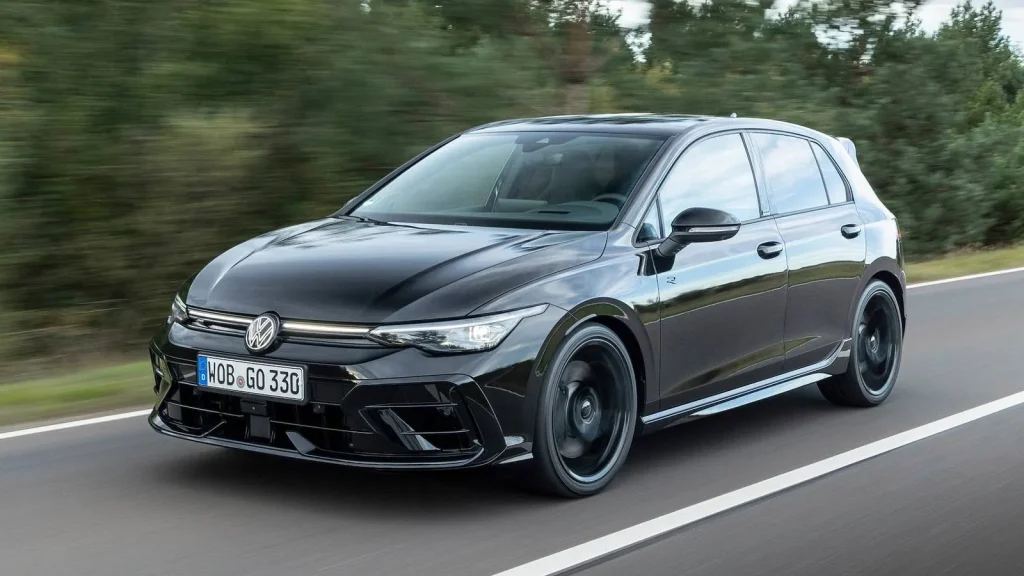
The GTI is written about because it shows how intelligent turbocharging and lightweight design can thrive at altitude. In Cheyenne, it feels energetic rather than compromised, making it an excellent choice for drivers who want strong performance without stepping into a larger vehicle.
5. Audi Q5
The Audi Q5 completes this list because it combines turbocharged performance with refinement that holds up well in high-altitude conditions. Luxury vehicles often struggle when engines lose power, but the Q5’s forced-induction design allows it to maintain smooth and confident driving characteristics in Cheyenne.
Turbocharging is the key factor here. By compressing intake air, the Q5’s engine reduces the power loss typically associated with elevation. This results in more consistent acceleration, especially during highway merging and uphill driving areas where underpowered vehicles feel exposed.
Another advantage is drivetrain balance. The Q5’s all-wheel-drive system distributes power efficiently, helping maintain traction and composure in windy or variable conditions common around Cheyenne. This stability complements its power delivery, making the vehicle feel controlled rather than stressed.
The transmission tuning also contributes to its altitude friendliness. Gear changes are smooth and well-timed, keeping the engine in its effective range without constant high revs. This not only improves drivability but also reduces long-term wear.
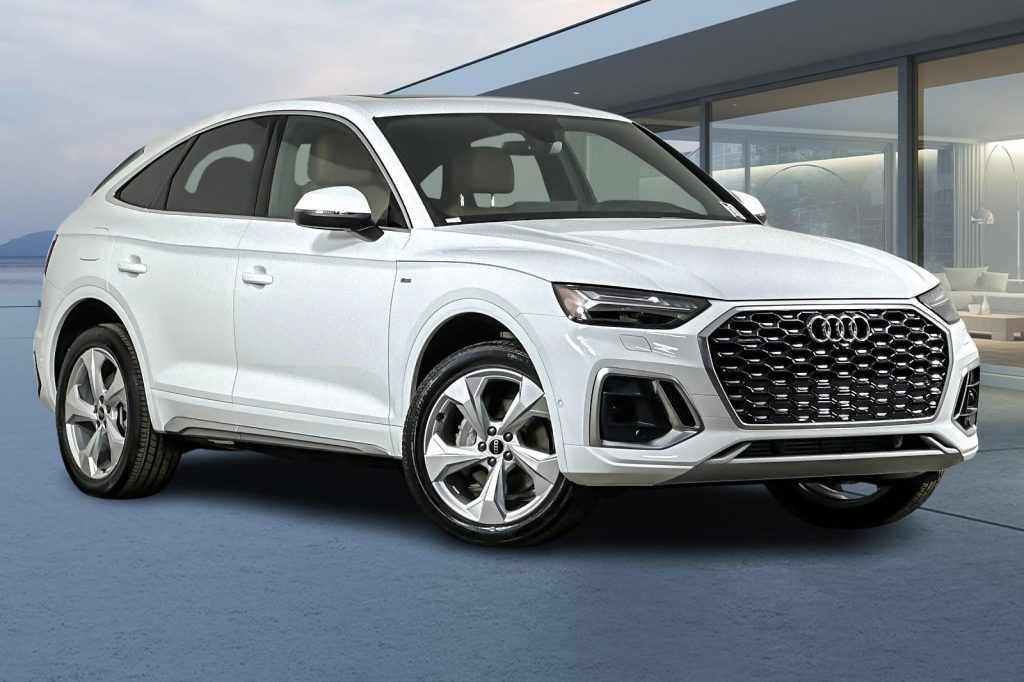
The Q5 is written about because it shows that comfort and altitude performance can coexist. It doesn’t force drivers to sacrifice refinement to gain power retention, making it a compelling high-altitude option.
5 That Lose Power
High-altitude driving exposes a reality many car buyers never consider until they experience it firsthand: not all engines are created to perform well when oxygen becomes scarce. In Cheyenne, where elevation exceeds 6,000 feet, thin air reduces the amount of oxygen available for combustion.
This directly impacts engine output, especially in naturally aspirated vehicles that rely entirely on ambient air pressure. The result is noticeable power loss, slower acceleration, and engines that feel strained during everyday driving.
This section focuses on vehicles that lose significant power at altitude, making them less suitable for Cheyenne’s environment. These cars are not necessarily unreliable or poorly built. In fact, many perform perfectly well at sea level. The issue is a mismatch.
Engine designs that prioritize simplicity, fuel economy, or low-end cost often sacrifice adaptability to elevation. When driven at altitude, these vehicles require heavier throttle input, more frequent downshifts, and longer distances to achieve the same acceleration.
Another critical issue is mechanical stress. Engines that are constantly pushed harder to compensate for lost power tend to experience increased wear over time. Cooling systems work harder, transmissions downshift more frequently, and fuel efficiency drops.
For drivers, this means noisier operation, reduced confidence during passing maneuvers, and a driving experience that feels permanently compromised.
These cars are written about to help buyers understand what not to choose for high-altitude living. Cheyenne drivers frequently encounter open highways, elevation changes, and strong headwinds conditions that amplify power loss even further. Vehicles that struggle in these scenarios turn routine driving into a chore.
Understanding which cars lose power at altitude is just as important as knowing which ones thrive. This section highlights how thin air reshapes performance and why ignoring elevation can lead to long-term dissatisfaction.
1. Toyota Corolla
The Toyota Corolla is included here because it clearly demonstrates how naturally aspirated engines struggle at high altitude. While known for reliability and efficiency at lower elevations, the Corolla’s modest power output becomes noticeably compromised in Cheyenne’s thin air.
At sea level, the Corolla’s engine delivers adequate acceleration for everyday use. At 6,000 feet and above, however, oxygen scarcity reduces combustion efficiency, cutting available horsepower.
This manifests as sluggish throttle response, delayed acceleration, and a general sense that the engine is working harder than it should. Highway merging and passing require more planning and longer distances.
Another issue is gearing. The Corolla’s transmission is tuned for efficiency rather than performance. At altitude, this results in frequent downshifting to maintain speed on inclines or into strong winds. While not dangerous, it creates a noisier, less refined driving experience and increases mechanical workload.
Fuel efficiency also suffers. Drivers often compensate for power loss by pressing harder on the throttle, negating the Corolla’s efficiency advantage. Over time, this leads to higher fuel consumption than expected and increased engine strain.
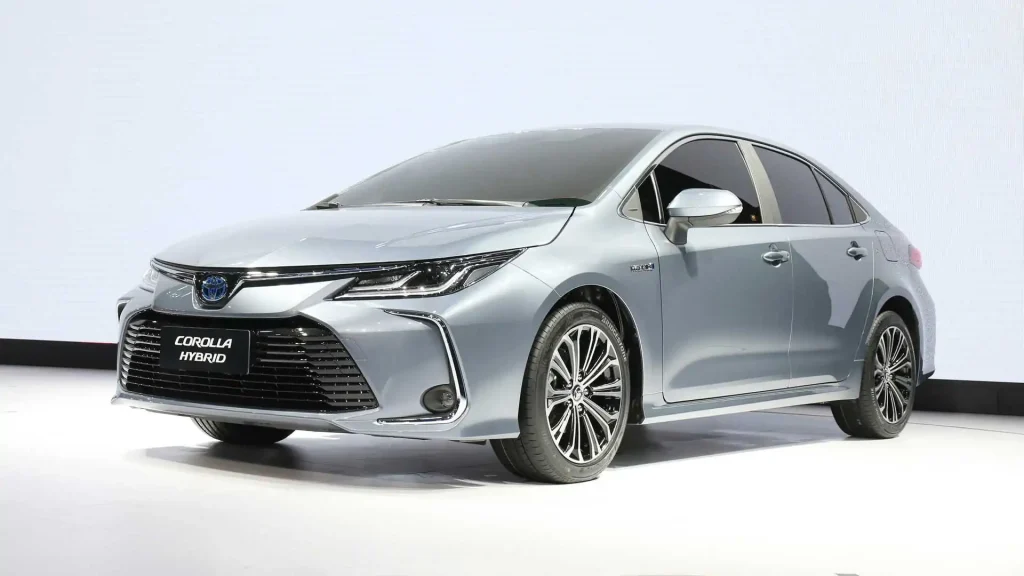
The Corolla is written about because it highlights a common misconception: reliability does not equal altitude suitability.
While dependable and economical elsewhere, in Cheyenne it feels underpowered and strained, making it a less satisfying daily driver for high-altitude conditions.
2. Honda Civic
The Honda Civic earns its place on this list for similar reasons, though its reputation for responsiveness can make the power loss more surprising. Naturally aspirated Civic models perform well at lower elevations, but Cheyenne’s altitude exposes the limits of their engine design.
As elevation increases, the Civic’s engine loses a noticeable percentage of its output. Acceleration becomes softer, especially from a standstill or during uphill driving. This is particularly evident when the vehicle is loaded with passengers or cargo, where power loss becomes more pronounced.
Transmission behavior further emphasises the issue. The Civic’s gearing favors fuel economy, which at altitude results in frequent downshifts and higher engine revs just to maintain speed. While the car remains mechanically sound, the driving experience feels less confident and more reactive.
Another factor is driver compensation. Civic owners often push the engine harder to achieve expected performance, which increases fuel consumption and long-term wear. Cooling systems and drivetrain components operate under greater stress in thin air, even during routine driving.
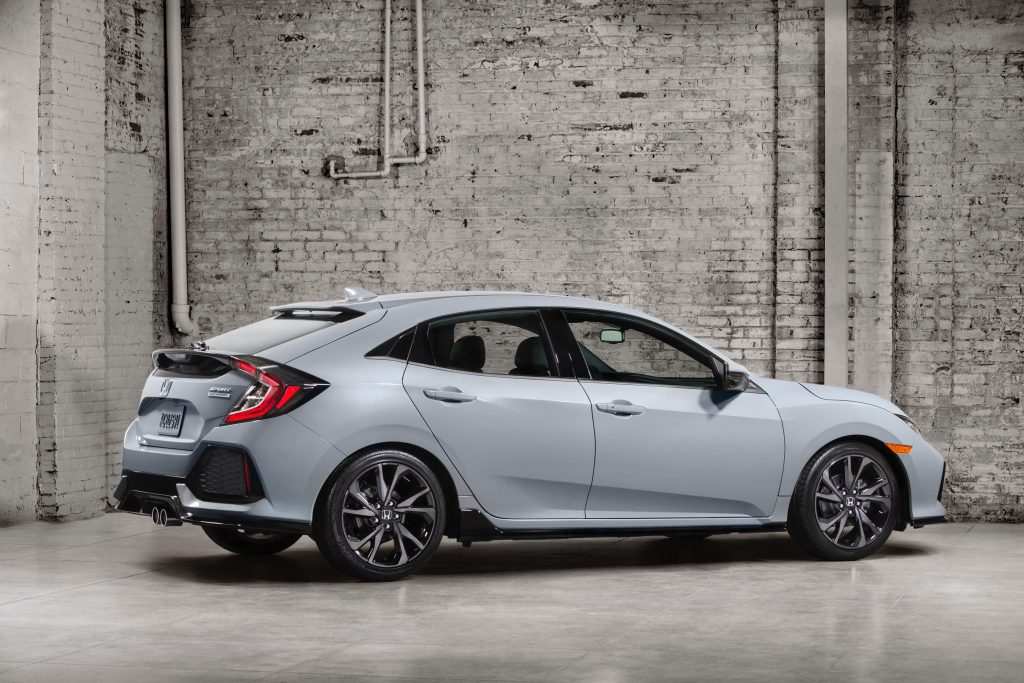
The Civic is written about because it represents a popular, well-liked car that simply isn’t optimized for high-altitude living. In Cheyenne, it feels like it’s constantly catching up capable, but never quite comfortable.
3. Hyundai Elantra
The Hyundai Elantra is included in this section because it illustrates how economy-focused engineering can struggle in high-altitude environments like Cheyenne. At lower elevations, the Elantra delivers smooth, efficient performance that suits daily commuting. At over 6,000 feet, however, its naturally aspirated engine begins to reveal clear limitations.
The most noticeable issue is reduced acceleration. Thin air limits oxygen intake, which directly lowers combustion efficiency.
In the Elantra, this translates to slower throttle response and diminished low-end torque. Starting from a stop or merging onto highways requires more patience, and the car feels noticeably less eager than it does at sea level.
Inclines and headwinds amplify the problem. Cheyenne’s open highways and frequent winds force the Elantra’s engine to work harder just to maintain speed.
The transmission responds with frequent downshifts, raising engine noise and reducing overall refinement. While the car remains mechanically capable, the experience feels strained rather than effortless.
Fuel economy also suffers. Drivers instinctively apply more throttle to compensate for power loss, which offsets the Elantra’s efficiency advantage. Over time, this heavier workload increases stress on the engine and transmission, particularly during long highway drives at elevation.
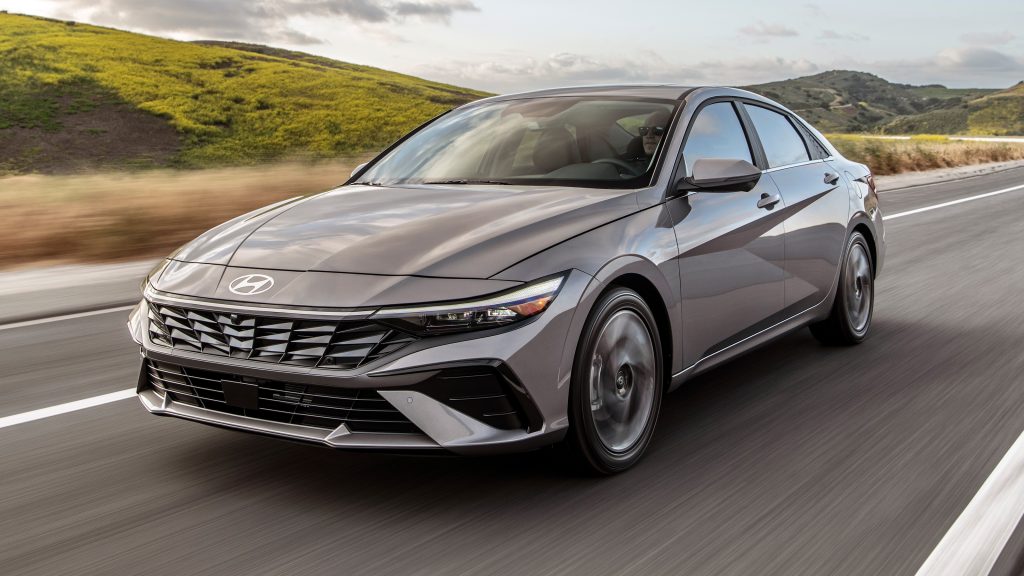
The Elantra is written about because it highlights a key altitude lesson: efficiency-focused engines often sacrifice power reserves. While reliable and affordable, the Elantra feels underprepared for Cheyenne’s thin air, making it less satisfying for drivers who regularly face elevation changes and open-road conditions.
4. Mazda3
The Mazda3 earns its place on this list because it prioritizes driving feel and efficiency over raw power an approach that struggles at high altitude. At sea level, the Mazda3 feels responsive and engaging. In Cheyenne’s thin air, that responsiveness fades, exposing the limits of its naturally aspirated engine.
Power loss is immediately noticeable during acceleration. Reduced oxygen density limits combustion, causing the engine to deliver less torque. The Mazda3 still feels composed, but it lacks urgency when pulling away from stops or attempting quick passing maneuvers on highways.
Transmission behavior further emphasizes the issue. The Mazda3’s gearing is tuned for smoothness and fuel efficiency, which at altitude results in frequent downshifts during climbs. The engine revs higher to compensate, increasing noise and reducing the refined feel the car is known for at lower elevations.
Another factor is load sensitivity. With passengers or cargo onboard, power loss becomes more apparent. The engine must work harder under conditions where it already operates at a disadvantage, leading to reduced fuel economy and increased mechanical effort.
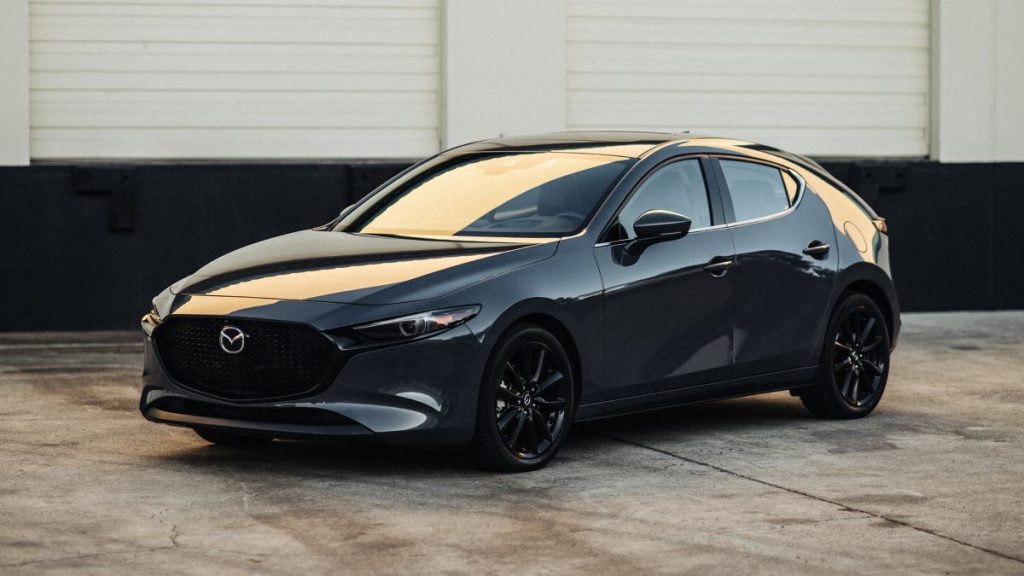
The Mazda3 is written about because it demonstrates how a well-balanced car can still be mismatched to altitude. Its strengths efficiency, refinement, and driving engagement, are dulled in Cheyenne’s environment, making it feel less capable and more demanding than intended.
5. Nissan Sentra
The Nissan Sentra is included in this list because it clearly shows how low-displacement, naturally aspirated engines struggle to adapt to high-altitude environments like Cheyenne.
While the Sentra is designed to be economical, comfortable, and affordable at lower elevations, its powertrain becomes noticeably compromised once thin air becomes a daily reality.
At over 6,000 feet above sea level, the Sentra’s engine loses a significant portion of its available power due to reduced oxygen intake. This loss is most apparent during acceleration from a stop and when merging onto highways.
What feels acceptable at sea level turns into hesitation and sluggish response at altitude, forcing drivers to plan maneuvers more carefully than expected.
The transmission behavior further highlights the problem. The Sentra’s tuning prioritizes fuel efficiency, which works against it in thin air.
To maintain speed on inclines or when facing strong Wyoming headwinds, the transmission frequently downshifts and holds higher engine revs. This creates additional noise and a sense that the car is constantly working harder than it should.
Load sensitivity is another issue. With passengers, cargo, or even minor elevation changes, the Sentra’s limited power reserves are quickly exhausted. Acceleration becomes more labored, and maintaining highway speeds requires consistent throttle input. Over time, this increased workload contributes to reduced fuel efficiency and greater mechanical stress.
The Sentra is written about because it represents a common ownership frustration at altitude: a car that is dependable but never comfortable in its environment. While reliable and cost-effective elsewhere, in Cheyenne it feels permanently underpowered. The engine is not failing it is simply outmatched by the conditions.
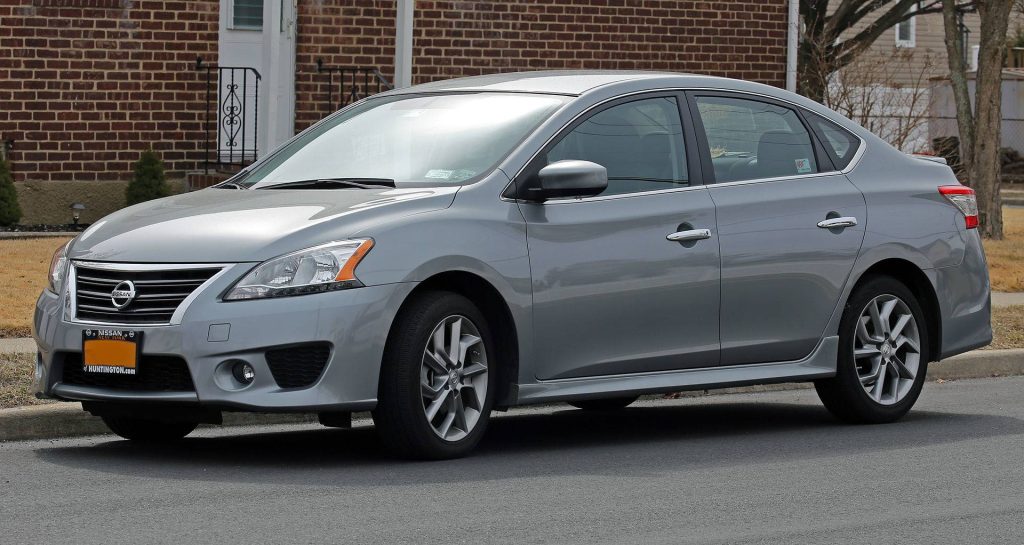
For high-altitude drivers, the Nissan Sentra serves as a reminder that affordability and reliability alone are not enough. Without sufficient power compensation, thin air turns everyday driving into a constant exercise in compromise.
This article explored how Cheyenne’s high-altitude environment fundamentally reshapes vehicle performance, ownership satisfaction, and long-term reliability.
At over 6,000 feet above sea level, Cheyenne presents challenges that many drivers underestimate until they experience them daily. Thin air reduces oxygen availability, which directly affects engine combustion, power output, transmission behavior, fuel efficiency, and overall drivability.
Vehicles that feel perfectly adequate at lower elevations can feel sluggish, strained, or unresponsive once altitude becomes a constant factor.
The first half of the article focused on cars that perform well at high altitude. These vehicles succeed because they are engineered to compensate for power loss rather than suffer from it.
Turbocharging and hybrid assistance emerged as the most effective solutions. Turbocharged engines compress incoming air, offsetting reduced oxygen density and preserving usable horsepower.
Hybrid systems supplement gas engines with electric torque, reducing strain during acceleration and hill climbs. In Cheyenne’s environment where open highways, elevation changes, and strong winds are common, these designs maintain confidence, smoother acceleration, and safer passing ability.
Another key theme among high-altitude-friendly vehicles was mechanical balance. Cars that retain power at elevation don’t require constant throttle input or aggressive downshifting.
This not only improves the driving experience but also reduces long-term wear on engines and transmissions. These vehicles feel composed rather than overworked, which is critical for drivers who live and commute at altitude year-round.
The second half examined cars that lose noticeable power at high altitude, highlighting how naturally aspirated, low-displacement engines struggle in thin air. These vehicles are not inherently unreliable or poorly built in many cases, they are excellent at sea level.
However, altitude exposes their limitations. Reduced horsepower leads to slower acceleration, diminished passing confidence, frequent downshifts, increased engine noise, and heavier throttle use. Over time, this constant compensation increases mechanical stress and erodes fuel efficiency.
A recurring issue among these vehicles was driver adaptation. Owners often push engines harder to achieve expected performance, which makes daily driving feel reactive instead of relaxed.
Highway merging, climbing grades, and driving into strong headwinds require more planning and patience. While these cars remain functional, they rarely feel comfortable in Cheyenne’s conditions.
The core takeaway from the article is simple but critical: altitude changes the rules of car ownership. Reliability, efficiency, and brand reputation are not enough on their own.
Vehicles must be able to breathe. Buyers who ignore elevation often end up with cars that feel permanently underpowered, even if they are dependable elsewhere.
Ultimately, the article emphasizes that Cheyenne drivers benefit most from power compensation, not power chasing. Smart engineering turbocharging, hybrid systems, and effective gearing matters far more than headline horsepower numbers.
Choosing the right vehicle leads to smoother drives, safer performance, lower long-term stress, and greater satisfaction. Choosing the wrong one doesn’t usually cause failure but it does turn every drive into a reminder that the car was built for a different environment.
Also Read: 5 Cars for Carson City Short Trips and 5 That Overheat in Summer
