
St. Paul winters are not just cold they’re complex. Streets cycle between packed snow, polished ice, slush, refreeze, and bare pavement sometimes all in the same day.
Add hills, older road layouts, uneven plowing, and weeks of subfreezing temperatures, and winter driving becomes a daily test of traction, stability, and driver confidence. In this environment, the difference between a capable winter car and a poor one is immediately obvious.
This article looks at both sides of that divide. First, it highlights cars that handle St. Paul winter streets well vehicles that deliver predictable traction, controlled power delivery, stable braking, and confidence on ice and snow.
These cars don’t just move forward; they stop, turn, and recover safely when roads are slick. Ground clearance, drivetrain layout, stability systems, and winter-tuned engineering all matter here.
Second, it examines cars that slip on ice. Some struggle because of drivetrain layout, others because of excessive power sent to the wrong wheels, stiff suspensions, or traction systems that intervene too late.
These vehicles may perform fine in light snow, but St. Paul’s real winter conditions polished intersections, icy hills, and refrozen slush expose their weaknesses quickly.
The goal isn’t to shame specific models but to match vehicle design to environment. St. Paul drivers don’t need speed or sharp handling in winter they need consistency, forgiveness, and control. A car that feels “fun” in summer can become stressful or unsafe when ice dominates the pavement.
By separating winter-capable performers from ice-prone liabilities, this guide helps drivers choose vehicles that work with St. Paul winters rather than fighting them. When the streets are slick, the right car turns winter from a hazard into a manageable routine.
Also Read: 5 Cars for Mankato Practical Drivers and 5 That Rack Up Bills
5 Cars for St. Paul Winter Streets
Winter success in St. Paul isn’t about brute force it’s about balance. The cars in this section are chosen because they maintain traction, composure, and predictability when roads are icy, uneven, or partially plowed. These vehicles inspire confidence not just when accelerating, but when braking and turning where winter accidents actually happen.
One critical factor is power delivery. Cars that distribute símbar torque smoothly especially to all four wheels handle ice far better than those that overload a single axle. Another is chassis behavior. Softer, compliant suspensions maintain tire contact on uneven frozen pavement, while overly stiff setups lose grip.
Stability control calibration also matters. In true winter cars, these systems intervene early and smoothly, preventing slides before they become dramatic. Ground clearance helps navigate snow buildup, but it’s only effective when paired with proper traction control.
Each car in this list is written about because it has a track record of winter competence, not just marketing claims. These are vehicles that feel calm on icy intersections, climb snowy residential hills without drama, and stop without unsettling surprises.
We begin with a model that has become almost synonymous with Midwest winter driving.
1. Subaru Outback
The Subaru Outback is one of the most trusted vehicles on St. Paul winter streets, and it earns that reputation through consistent, predictable traction rather than brute force. It’s written about here because it excels in exactly the conditions that define Minnesota winters.
The Outback’s symmetrical all-wheel-drive system delivers constant power to all four wheels, rather than waiting for slip to occur. On icy intersections and snowy hills, this means smoother takeoffs and far less wheelspin. Power delivery is gradual and controlled, which is critical when pavement is polished with ice.
Suspension tuning further enhances winter confidence. The Outback’s compliant setup keeps tires in contact with uneven, frozen pavement, reducing sudden loss of grip. When one wheel encounters ice or ruts, the chassis remains composed instead of skittering sideways.
Ground clearance plays an important role in St. Paul, where plowing can leave ridges and packed snow along residential streets. The Outback clears these obstacles without scraping, allowing drivers to focus on steering rather than road avoidance.

Stability and traction systems are tuned conservatively. Instead of aggressive intervention that cuts power abruptly, the Outback’s systems work smoothly in the background, helping maintain momentum while keeping the vehicle pointed straight.
This car is written about because it removes drama from winter driving. In St. Paul’s icy, unpredictable conditions, the Subaru Outback doesn’t just move it reassures. For drivers facing months of winter streets, that confidence is invaluable.
2. Toyota RAV4 AWD
The Toyota RAV4 AWD is a strong performer on St. Paul winter streets because it emphasizes predictability and control rather than aggressive power. It’s written about here because many winter incidents happen not from lack of traction, but from inconsistent traction and the RAV4 avoids that problem.
The AWD system in the RAV4 is tuned for stability rather than sportiness. It automatically distributes torque to the rear wheels when front slip is detected, helping the vehicle maintain forward momentum on icy intersections and snow-packed residential roads. This smooth engagement prevents sudden wheelspin that can destabilize the vehicle on glare ice.
Suspension tuning also supports winter driving. The RAV4’s compliant setup absorbs uneven pavement created by freeze–thaw cycles, keeping tires planted instead of hopping over ice ridges. This is particularly useful on older St. Paul streets where surfaces can be unpredictable.
Ground clearance plays a practical role. Snow buildup along curbs, alleys, and side streets often catches low vehicles off guard. The RAV4 clears moderate snowpack without scraping, allowing drivers to focus on steering and braking rather than road avoidance.
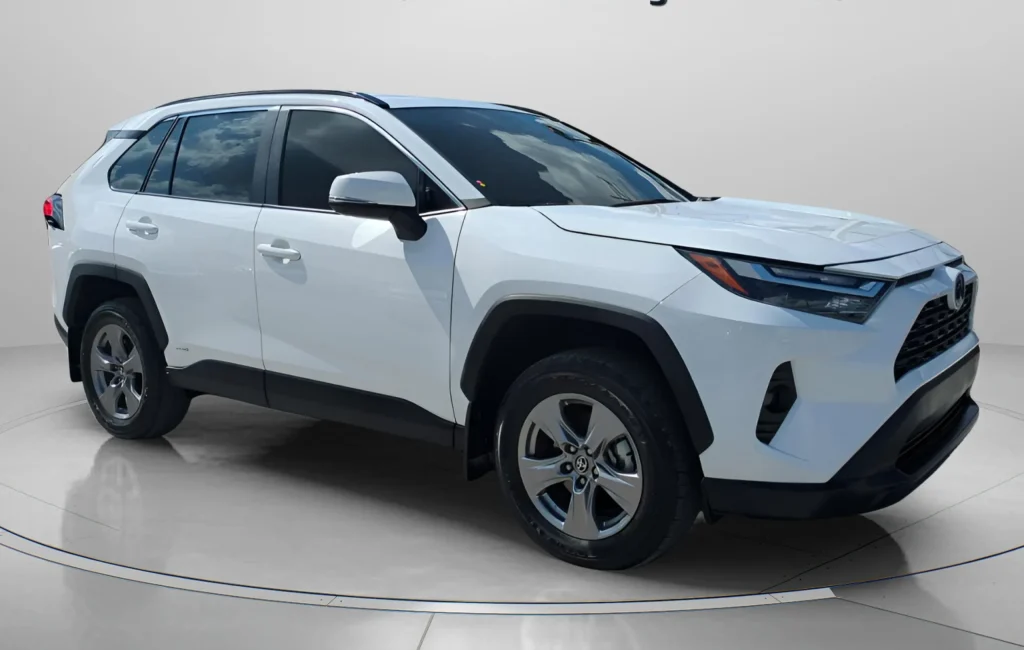
Stability control calibration is conservative and effective. The system intervenes early and smoothly, reducing slide onset without abruptly cutting power. On icy corners and downhill approaches, this behavior keeps the vehicle composed and confidence-inspiring.
This car is written about because it delivers winter competence without demanding winter expertise. The Toyota RAV4 AWD helps average drivers stay in control on St. Paul’s icy streets, turning challenging winter conditions into manageable daily driving.
3. Volvo XC60 AWD
The Volvo XC60 AWD earns its place among winter-ready vehicles because it’s engineered with Nordic road conditions in mind conditions very similar to St. Paul’s icy, snow-packed streets. It’s written about here because winter safety is built into its core design.
The XC60’s AWD system provides smooth, continuous torque distribution, helping maintain traction on polished ice and packed snow. Instead of waiting for dramatic slip, the system works proactively, keeping the vehicle balanced when accelerating from stops or climbing snowy hills.
Chassis stability is a standout strength. The XC60 feels planted even when roads are uneven or partially cleared. Its suspension remains compliant in cold temperatures, maintaining tire contact where stiffer setups would lose grip.
Braking stability further distinguishes the XC60 in winter. Volvo’s brake and stability systems are calibrated to maintain straight-line control on icy surfaces, reducing the likelihood of fishtailing during sudden stops a common issue on St. Paul’s refrozen streets.
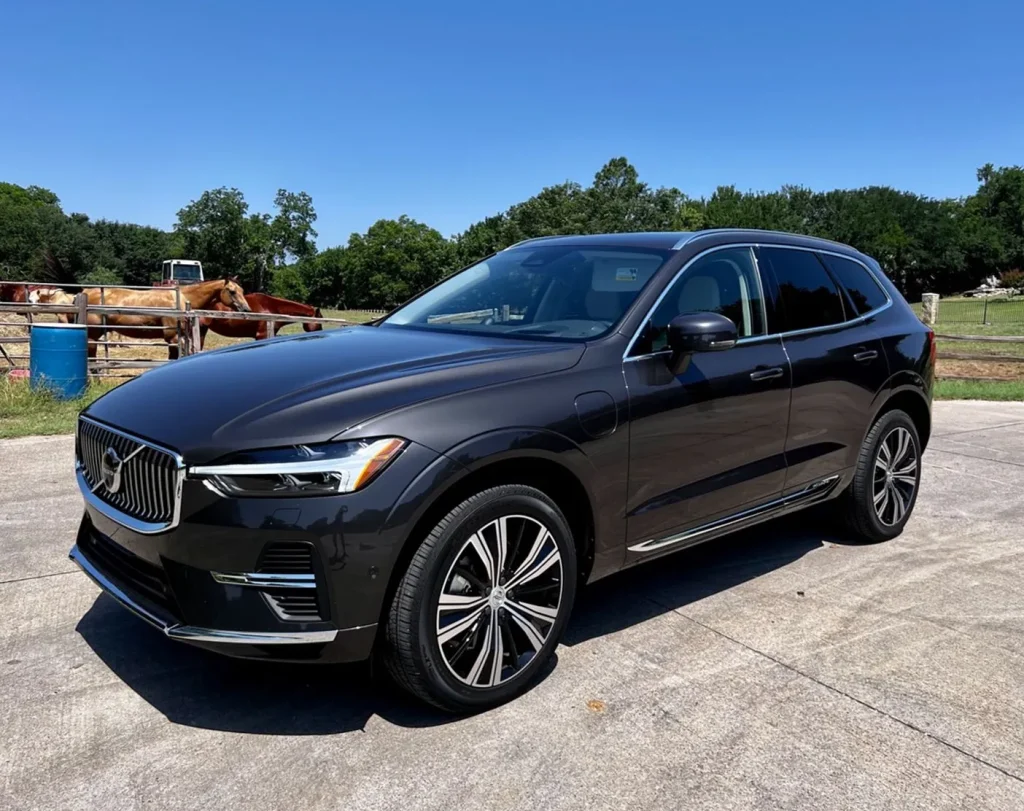
Visibility and driver confidence also matter in winter. The XC60’s upright driving position and clear sightlines help drivers anticipate hazards such as ice patches, plow ridges, and pedestrians navigating snowy sidewalks.
This car is written about because it prioritizes winter safety without sacrificing usability. The Volvo XC60 AWD doesn’t make winter driving exciting it makes it controlled, calm, and predictable, which is exactly what St. Paul drivers need for months of icy streets.
4. Honda CR-V AWD
The Honda CR-V AWD earns its place on St. Paul winter streets because it delivers calm, predictable behavior when conditions are slick. It’s written about here because winter safety isn’t about heroics it’s about avoiding surprises and the CR-V does exactly that.
The CR-V’s AWD system engages smoothly when front-wheel slip is detected, sending power rearward without abrupt transitions.
On icy intersections and snow-packed residential roads, this controlled engagement prevents sudden wheelspin that can lead to fishtailing. Drivers experience steady forward progress rather than a scramble for grip.
Suspension tuning is another winter advantage. The CR-V’s compliant setup absorbs frozen ruts, potholes, and uneven plow lines common on older St. Paul streets. By keeping all four tires in consistent contact with the road, the vehicle maintains grip where stiffer suspensions would lose it.
Braking stability matters greatly in winter, and the CR-V performs well here. Its stability and traction systems intervene early and gently, helping maintain straight-line control during stops on icy surfaces. This reduces panic situations at downhill intersections or sudden traffic slowdowns.
Ground clearance adds practical benefit without excess height. The CR-V clears moderate snow accumulation and slush buildup without feeling top-heavy, striking a balance that suits urban winter driving.
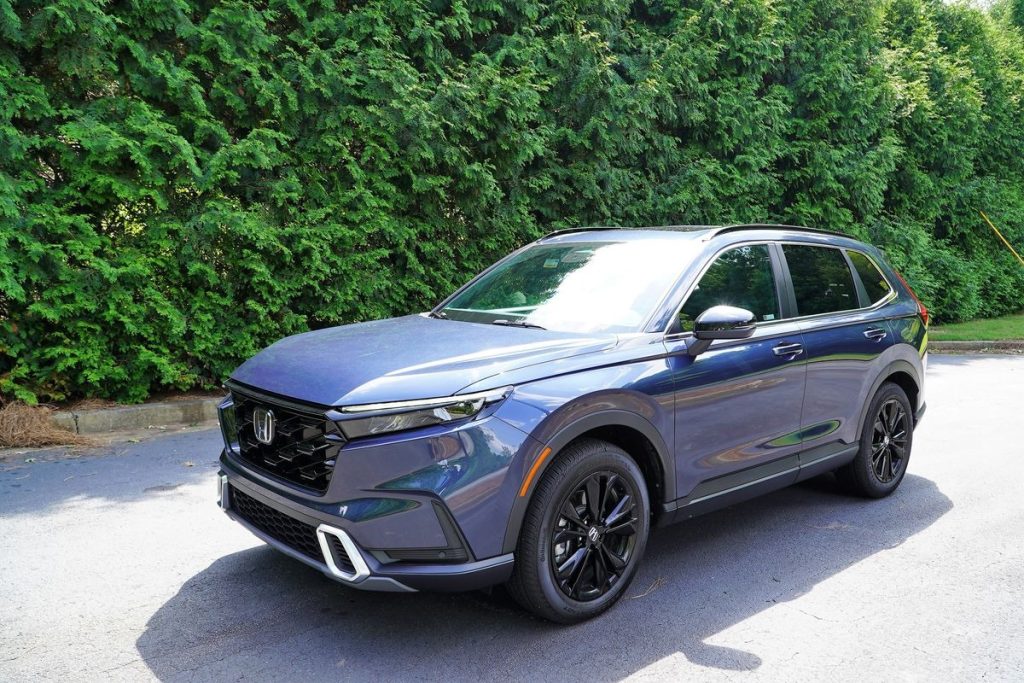
This car is written about because it makes winter feel routine rather than risky. For St. Paul drivers who want dependable traction, stable braking, and a forgiving nature on icy streets, the Honda CR-V AWD is a trustworthy daily companion.
5. Subaru Forester
The Subaru Forester rounds out the list as one of the most winter-confident vehicles available for St. Paul streets. It’s written about here because its design philosophy aligns closely with Minnesota winter realities.
Like other Subarus, the Forester uses a full-time symmetrical all-wheel-drive system. Power is always distributed to all four wheels, which provides immediate traction when pulling away from icy stops or climbing snow-covered hills. There’s no waiting for slip traction is present from the start.
Suspension compliance further strengthens winter control. The Forester maintains tire contact over uneven, frozen pavement and snowpack, reducing sudden grip loss. Combined with generous ground clearance, this allows it to navigate poorly plowed streets and alleyways with confidence.
Visibility is another underrated winter advantage. The Forester’s tall windows and upright seating position help drivers spot ice patches, snowbanks, and pedestrians early critical during shorter winter daylight hours.
Stability control tuning is conservative and effective. Instead of aggressively cutting power, the system works smoothly to correct slides before they develop, keeping the vehicle composed on slick corners and downhill stretches.
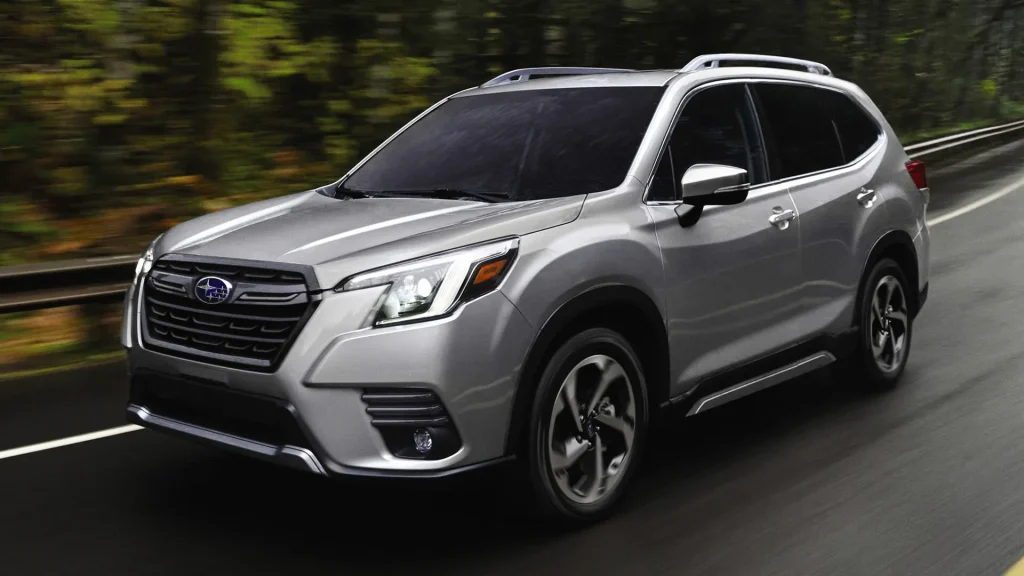
This car is written about because it turns winter into a known quantity. In St. Paul’s icy conditions, the Subaru Forester offers consistency, control, and confidence exactly what drivers need for months of snow and ice.
5 That Slip on Ice
St. Paul’s winter streets punish inconsistency. Polished ice at intersections, refrozen slush on curves, and uneven plowing create conditions where traction disappears without warning. In this environment, some vehicles struggle not because they lack power, but because they deliver power poorly or rely on layouts and systems that react too late.
This section focuses on cars that tend to slip on ice, especially in real St. Paul conditions. Many of these vehicles perform acceptably in light snow or cold rain, but ice exposes their design weaknesses.
Rear-wheel-drive layouts, excessive horsepower, stiff suspensions, and traction systems calibrated for dry pavement all contribute to loss of control on slick streets.
Another issue is driver confidence mismatch. Cars that feel stable in summer can become deceptive in winter, encouraging drivers to trust grip that simply isn’t there. When traction finally breaks, recovery can be abrupt and difficult particularly on downhill streets or icy corners common throughout St. Paul neighborhoods.
Winter accidents often happen during low-speed maneuvers: pulling away from a stop, turning across traffic, or braking on a slight slope. Vehicles that can’t manage these moments smoothly become liabilities, regardless of tires or driver skill.
This section is written to highlight how engineering choices matter on ice. Power sent to the wrong wheels, delayed traction intervention, or rigid chassis tuning can turn everyday winter driving into a series of tense corrections. We begin with a car that exemplifies these problems clearly.
1. Dodge Challenger (RWD)
The Dodge Challenger, particularly in rear-wheel-drive form, is one of the most ice-prone cars on St. Paul winter streets. It’s written about here because its design prioritizes power and straight-line performance traits that work directly against traction on ice.
The primary issue is drivetrain layout. Rear-wheel drive sends all engine torque to the back wheels, which are lightly loaded during winter acceleration.
On icy intersections, even gentle throttle inputs can overwhelm available grip, causing the rear to step out unexpectedly. This makes simple tasks like pulling away from a stop or climbing mild grades stressful and unpredictable.
Weight distribution compounds the problem. The Challenger’s long hood and heavy front end reduce rear traction further, especially when roads are slick. Once traction breaks, the car’s mass makes recovery slower and more difficult, increasing the risk of spins at low speeds.
Suspension tuning also works against winter control. Designed for stability at speed rather than compliance, the Challenger’s setup struggles to maintain tire contact over uneven frozen pavement. On rutted or refrozen streets, this leads to sudden grip loss rather than gradual feedback.
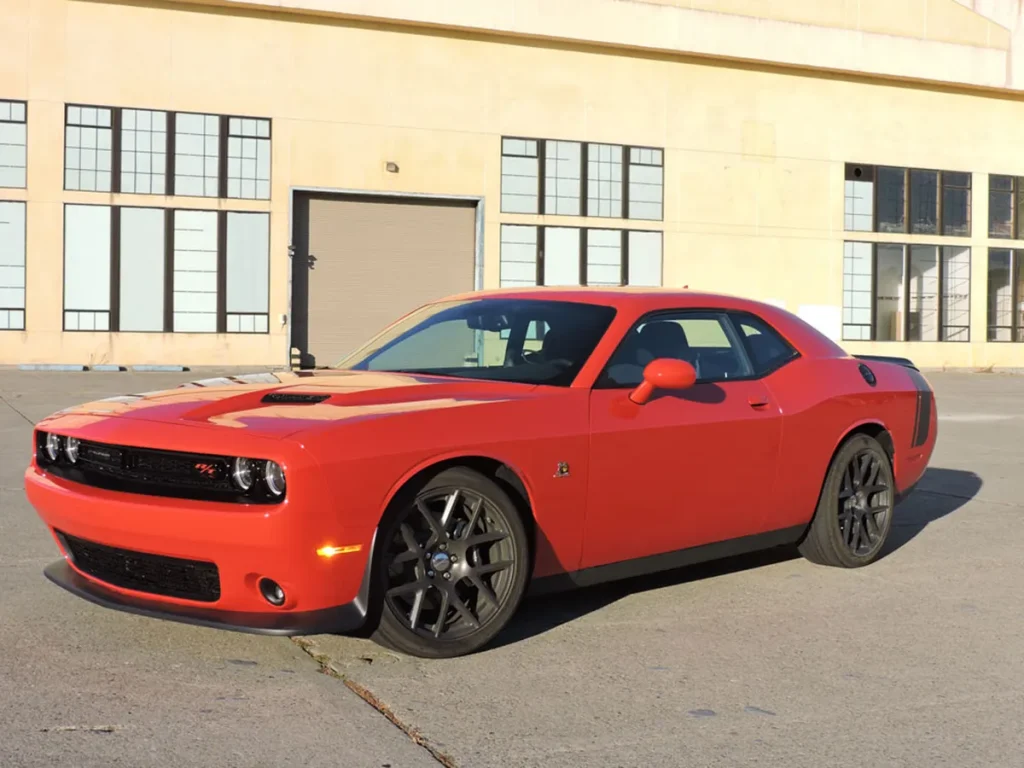
Traction and stability systems help, but they’re calibrated to manage high power rather than polished ice. Intervention often comes after slip has already begun, which is too late on glare ice.
This car is written about because it magnifies winter risk through layout and tuning. In St. Paul’s icy conditions, the Dodge Challenger demands constant restraint and vigilance making it one of the least forgiving choices for winter streets.
2. Chevrolet Camaro (RWD)
The Chevrolet Camaro struggles on St. Paul winter streets for many of the same reasons as other rear-wheel-drive performance cars, but its design makes ice conditions especially unforgiving. It’s written about here because winter driving exposes how quickly performance-oriented tuning can become a liability.
Rear-wheel drive is the Camaro’s biggest disadvantage on ice. Power delivery to the rear wheels alone means traction is limited precisely where winter grip is weakest. Even modest throttle inputs can cause wheelspin on polished intersections, forcing drivers to feather the accelerator constantly just to move forward.
Visibility issues compound winter risk. Thick pillars and a low seating position reduce the driver’s ability to spot ice patches, snowbanks, or pedestrians early. In winter, anticipation matters, and limited sightlines make reactive driving more likely.
Suspension stiffness further undermines traction. The Camaro’s sport-tuned setup prioritizes cornering stability on dry pavement, but on uneven frozen streets it struggles to keep tires planted. Small bumps or ice ridges can cause momentary loss of contact, leading to sudden slides.
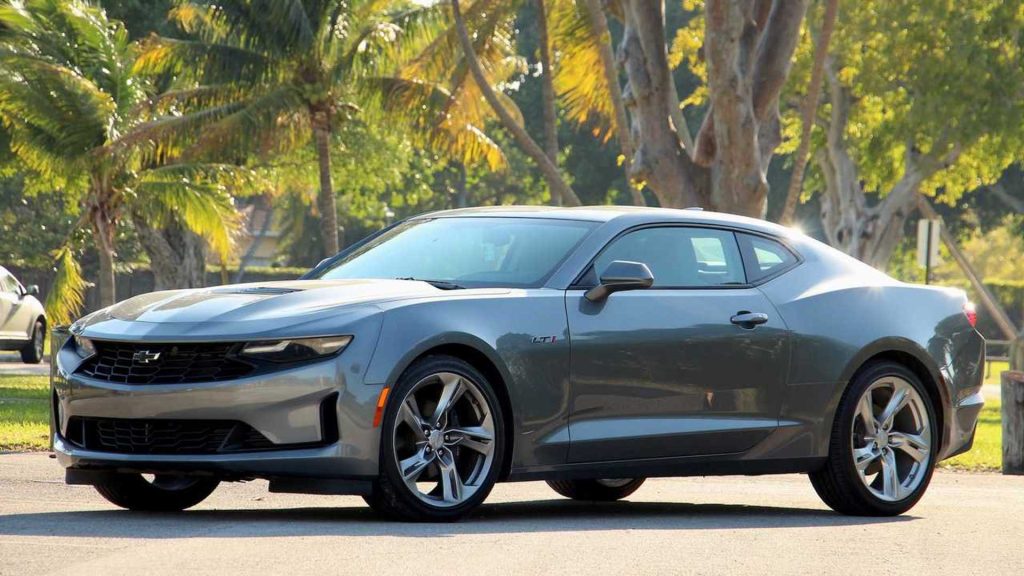
Stability control systems help, but like many performance cars, they intervene aggressively and late. On glare ice, once traction breaks, recovery is abrupt and unsettling especially for drivers not accustomed to winter slides.
This car is written about because it demands constant restraint in winter. The Chevrolet Camaro can function in St. Paul winters only with extreme caution, making it ill-suited for everyday icy street driving.
3. Mazda MX-5 Miata
The Mazda MX-5 Miata is a beloved driver’s car, but it’s one of the least capable vehicles on icy St. Paul streets. It’s written about here because its lightweight, rear-wheel-drive layout works directly against winter traction.
The Miata’s low weight normally an asset, becomes a major disadvantage on ice. With minimal mass over the drive wheels, available grip is extremely limited. Even with winter tires, the car struggles to pull away from stops on slick surfaces.
Ground clearance also poses problems. Snow buildup, slush ridges, and uneven plowing common on St. Paul streets can cause the Miata to scrape or become stuck, further reducing traction and control.
Short wheelbase dynamics add to instability. While great for responsiveness in summer, the Miata reacts quickly to traction loss in winter. Slides happen faster and with less warning, leaving little margin for correction on icy pavement.
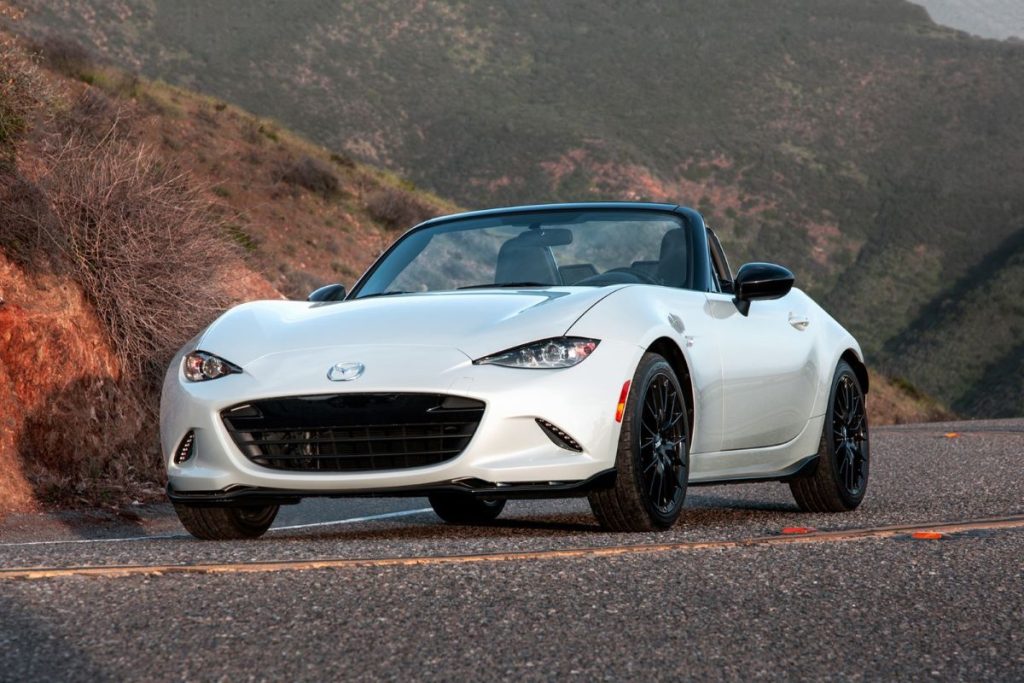
Stability systems offer limited help due to the car’s lightweight nature. Once grip is lost, electronic intervention has very little traction to work with.
This car is written about because it amplifies winter challenges rather than mitigating them. In St. Paul’s icy conditions, the Mazda MX-5 Miata is simply mismatched to the environment.
4. Ford Mustang (RWD)
The Ford Mustang, in rear-wheel-drive form, is a well-known winter liability on St. Paul streets. It’s written about here because its design traits while thrilling in warm weather, work against traction and control when ice dominates the pavement.
Rear-wheel drive places propulsion responsibility on the wheels with the least winter grip. On icy intersections or uphill starts, even light throttle inputs can overwhelm traction, causing the rear to slide sideways. This makes routine winter maneuvers feel tense and unpredictable.
Power delivery compounds the issue. The Mustang’s engines deliver torque quickly, which is enjoyable on dry roads but difficult to modulate on ice. Drivers often find themselves feathering the accelerator constantly, reducing confidence and increasing fatigue during winter commutes.
Weight distribution also works against stability. With more mass over the front axle than the rear, the Mustang struggles to maintain rear traction during acceleration and cornering on slick surfaces. Once a slide begins, the car’s length and mass make recovery slower than in lighter vehicles.
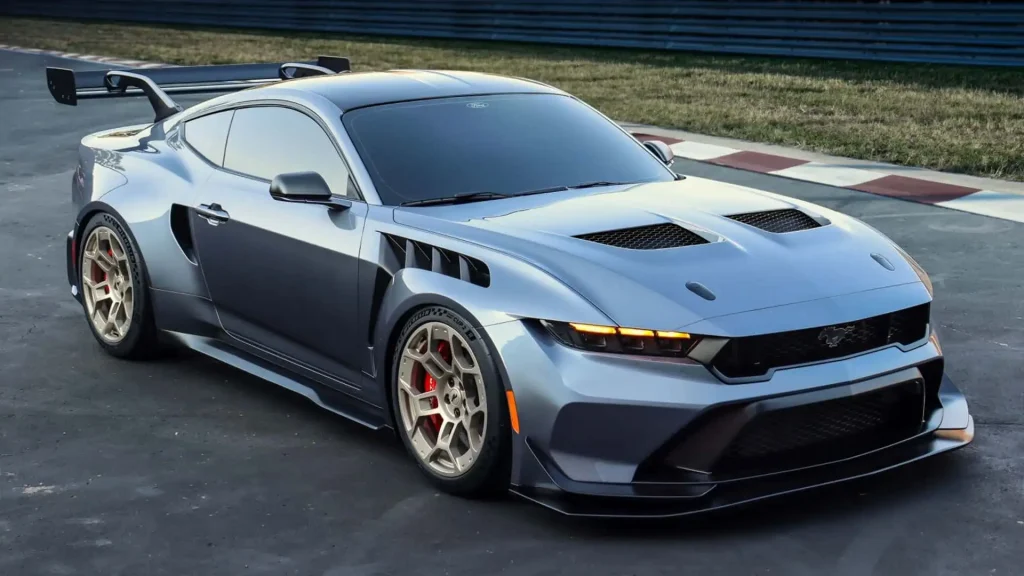
Electronic aids help but can’t overcome physics. Traction and stability control systems often intervene after slip has already begun too late on glare ice where available grip is minimal.
This car is written about because it turns winter driving into damage control. In St. Paul’s icy conditions, the Ford Mustang demands constant vigilance and restraint, making it a poor choice for daily winter streets.
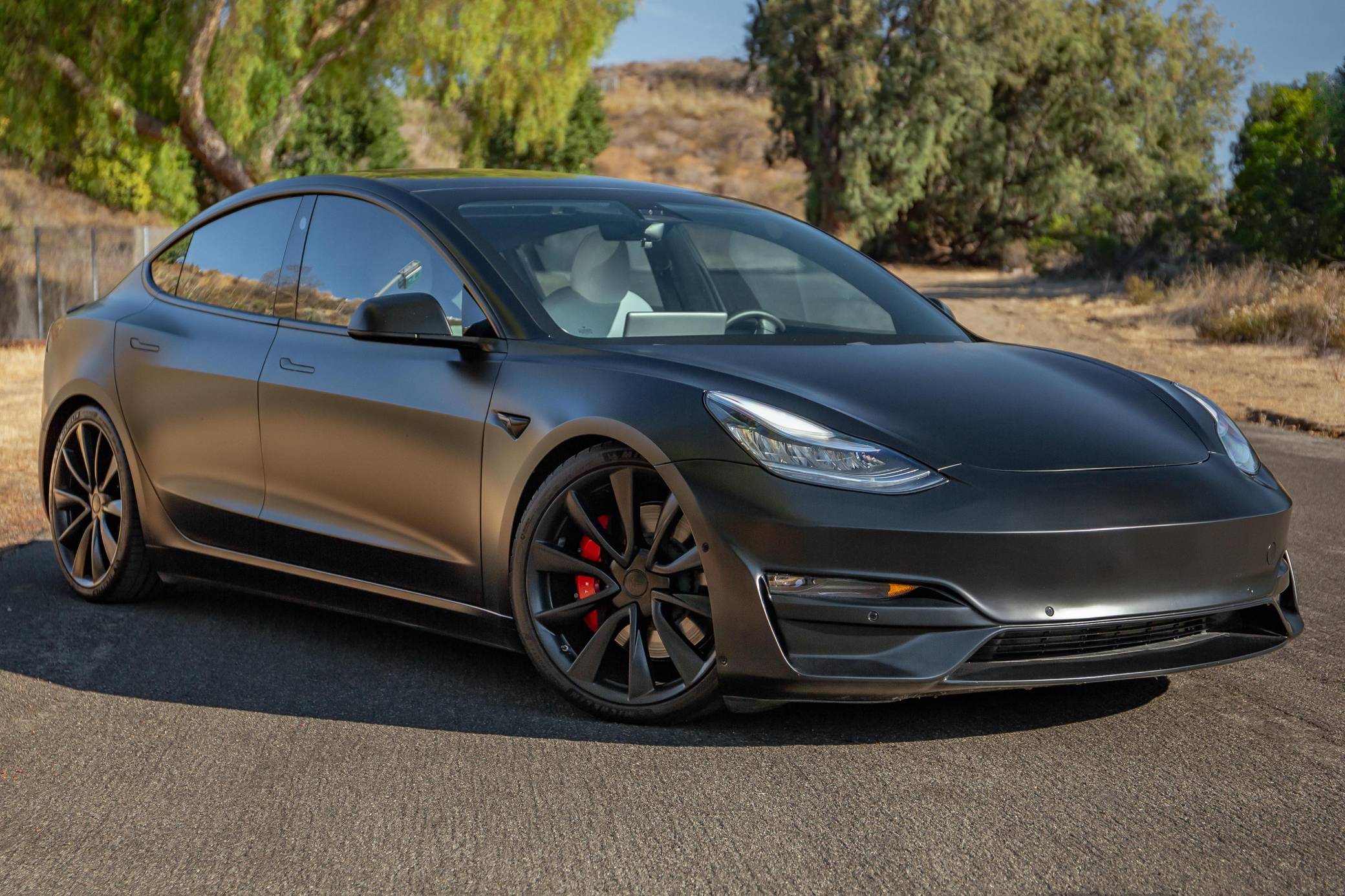
5. Tesla Model 3 Performance
The Tesla Model 3 Performance struggles on icy St. Paul streets not because it lacks technology, but because its power delivery and tuning overwhelm available winter grip. It’s written about here because ice exposes the downsides of extreme instant torque.
Electric motors deliver maximum torque immediately, and in the Performance trim, that response is especially aggressive. On polished ice, even small throttle inputs can break traction instantly, leading to wheelspin before traction control can intervene.
Weight is another factor. The heavy battery pack lowers the center of gravity, which helps handling on dry pavement, but overall mass works against braking and recovery on ice. Once momentum builds, stopping distances increase significantly on slick streets.
Low-profile performance tires further reduce winter usability. Even with winter tires installed, the Performance model’s suspension tuning remains stiff, limiting tire compliance over uneven frozen pavement and reducing grip consistency.
Regenerative braking can also complicate winter driving. When regen engages on slick surfaces, it can unsettle the rear axle if grip is marginal, requiring careful modulation and driver adaptation.
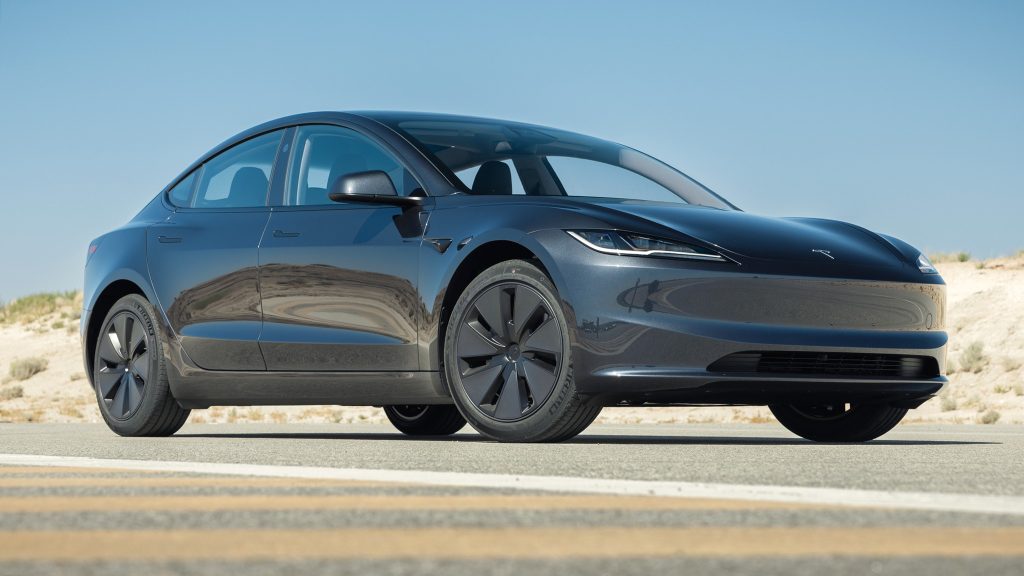
This car is written about because it pairs extreme capability with minimal forgiveness. In St. Paul winters, the Tesla Model 3 Performance demands constant awareness and restraint traits that make it far less suitable than more softly tuned, traction-focused vehicles.
St. Paul winter driving demands more than basic cold-weather preparedness it requires vehicles engineered to manage ice, snowpack, refreeze cycles, and unevenly plowed streets day after day.
This article contrasts cars that handle those conditions confidently with those that struggle when traction is scarce, showing how drivetrain layout, suspension tuning, and power delivery can dramatically affect safety and stress during Minnesota winters.
The first half focuses on cars well suited for St. Paul winter streets. Vehicles such as the Subaru Outback, Toyota RAV4 AWD, Volvo XC60 AWD, Honda CR-V AWD, and Subaru Forester stand out because they prioritize predictable traction and stability over performance.
Full-time or well-calibrated all-wheel-drive systems distribute power smoothly, preventing sudden wheelspin on icy intersections and hills.
Compliant suspensions keep tires in contact with uneven, frozen pavement, while conservative stability control systems intervene early to prevent slides before they escalate.
Ground clearance also plays a practical role, helping these vehicles navigate snow buildup and plow ridges without scraping or losing momentum. Together, these traits reduce driver workload and transform winter driving from a tense experience into a manageable routine.
The second half examines cars that tend to slip on ice, especially in real-world St. Paul conditions. Models like the Dodge Challenger, Chevrolet Camaro, Mazda MX-5 Miata, Ford Mustang, and Tesla Model 3 Performance struggle not because they lack power or technology, but because their design works against winter grip.
Rear-wheel-drive layouts place propulsion on lightly loaded wheels, making traction unreliable on ice. High torque especially when delivered abruptly, overwhelms available grip, causing wheelspin or sudden slides during low-speed maneuvers.
Stiff suspensions and low-profile tires further reduce tire contact on uneven frozen surfaces, while long braking distances and delayed electronic intervention increase risk.
A key lesson throughout the article is that winter incidents often happen at low speeds. Pulling away from a stop, turning across traffic, or braking on a slight downhill can be more dangerous than highway driving when roads are polished with ice.
Vehicles that manage these moments smoothly are far safer than those that feel stable until grip suddenly disappears.
The broader takeaway is that winter capability is about forgiveness and consistency, not excitement. Cars that work with limited traction through balanced drivetrains, compliant chassis tuning, and early stability intervention provide confidence and safety through months of winter driving.
In contrast, vehicles designed for performance or thrill in dry conditions demand constant restraint and attention in winter, turning everyday commutes into exercises in damage control.
For St. Paul drivers, choosing a car that expects ice rather than fights it can mean fewer close calls, lower stress, and safer travel throughout the long Minnesota winter.
Also Read: 5 Cars for Springdale Family Life and 5 That Need Specialist Care
