
College Station has a unique driving rhythm shaped almost entirely by Texas A&M University. Daily life revolves around short but frequent commutes from apartments to campus, from campus to work, errands squeezed between classes, and heavy congestion during football weekends and major events.
Add Texas heat, stop-and-go traffic, and tight parking near campus, and the demands on a car become very specific. This article looks at both sides of that reality. First, it highlights cars that work exceptionally well for Aggie commutes.
These vehicles are easy to maneuver, inexpensive to maintain, fuel-efficient in traffic, and tolerant of short trips. They handle daily student schedules without draining wallets or patience, and they age gracefully under light-to-moderate use.
Second, it examines cars that don’t hold up well to rideshare use. Rideshare driving in College Station whether full-time or part-time, puts very different stress on a vehicle.
Long hours, constant stop-and-go driving, frequent passenger turnover, interior wear, and higher mileage quickly expose weaknesses in cars that weren’t designed for that workload. Some vehicles rack up maintenance costs rapidly, while others suffer premature interior and mechanical wear.
The purpose isn’t to criticize certain models but to match cars to how they’re actually used. A great student commuter can be a terrible rideshare vehicle, and a car that looks attractive for gig work may quietly become a money pit.
In a college town like College Station, the smartest vehicle choices are practical, forgiving, and economical. By separating Aggie-friendly commuters from rideshare-unfriendly options, this guide helps drivers choose cars that support their lifestyle instead of undermining it.
Also Read: 5 Cars for Athens Campus Runs and 5 Students Should Skip
5 Cars for College Station Aggie Commutes
Aggie commutes are defined by repetition and convenience. Most drives are short, predictable, and frequent: class to apartment, apartment to job, job to campus. The best cars for this lifestyle minimise stress and cost while maximising reliability.
The vehicles in this section are chosen because they are student-proof. They tolerate frequent starts, short trips, and irregular maintenance schedules better than most.
Fuel efficiency matters, but so does ease of parking, low insurance costs, and affordable repairs especially for students balancing tuition, rent, and daily expenses.
Texas heat also plays a role. Cars that cool quickly, don’t overwork their engines in traffic, and maintain interior comfort make daily commutes far more tolerable in College Station’s long summers.
Another key factor is the learning curve. Many Aggies are first- or second-time car owners. Vehicles that are forgiving of beginner mistakes, curb bumps, late oil changes, heavy city driving save money and frustration over time.
Each car in this list is written about because it fits campus reality. These are not flashy or aspirational vehicles. They are dependable tools that quietly support student life, helping Aggies get where they need to go without demanding attention, money, or mechanical expertise.
We begin with one of the most reliable student cars ever made.
1. Toyota Corolla
The Toyota Corolla is almost perfectly suited for College Station Aggie commutes, and it earns that reputation through simplicity and reliability. It’s written about here because it consistently delivers what students need: low-cost, low stress, and dependable daily transportation.
Size is one of the Corolla’s biggest advantages. It fits easily into crowded campus parking lots and apartment complexes near Texas A&M. Manoeuvring through traffic during class-change rushes or game-day congestion feels manageable rather than overwhelming.
Fuel efficiency matters in a town where drives are short but frequent. The Corolla keeps fuel costs low even in stop-and-go traffic, making it easier for students to budget weekly expenses without constant trips to the pump.
Reliability is the Corolla’s defining strength. It handles frequent cold starts, short drives, and irregular schedules better than many competitors. For students who may delay maintenance due to busy schedules, that forgiveness is invaluable.
Interior usability also supports its role as a student commuter. Controls are intuitive, visibility is good, and there’s minimal learning curve. Anyone can get in and drive confidently within minutes, ideal for shared vehicles or new drivers.

This car is written about because it fades into student life. The Toyota Corolla doesn’t demand attention or money. In College Station, where convenience and affordability matter most, that quiet dependability makes it a top Aggie commuter choice.
2. Honda Civic
The Honda Civic is one of the most well-rounded cars an Aggie can own in College Station, and it’s written about here because it balances reliability, efficiency, and everyday usability without pushing ownership costs out of reach.
For campus commuting, the Civic’s size is ideal. It’s compact enough to slip into crowded parking areas near Texas A&M buildings and student apartments, yet large enough to feel stable on busier roads like Texas Avenue. Tight turns and short hops between classes don’t feel stressful, even for newer drivers.
Fuel efficiency is another major reason the Civic works so well for Aggies. College Station driving involves constant short trips and frequent stop-and-go traffic, and the Civic handles this pattern efficiently. Students aren’t punished at the pump for daily errands, which helps keep transportation budgets predictable.
Reliability plays a central role in why this car is written about. The Civic has a long history of tolerating heavy city use and imperfect maintenance schedules better than many rivals. Parts are widely available, repairs are affordable, and most issues can be handled by independent shops important for students without dealership budgets.
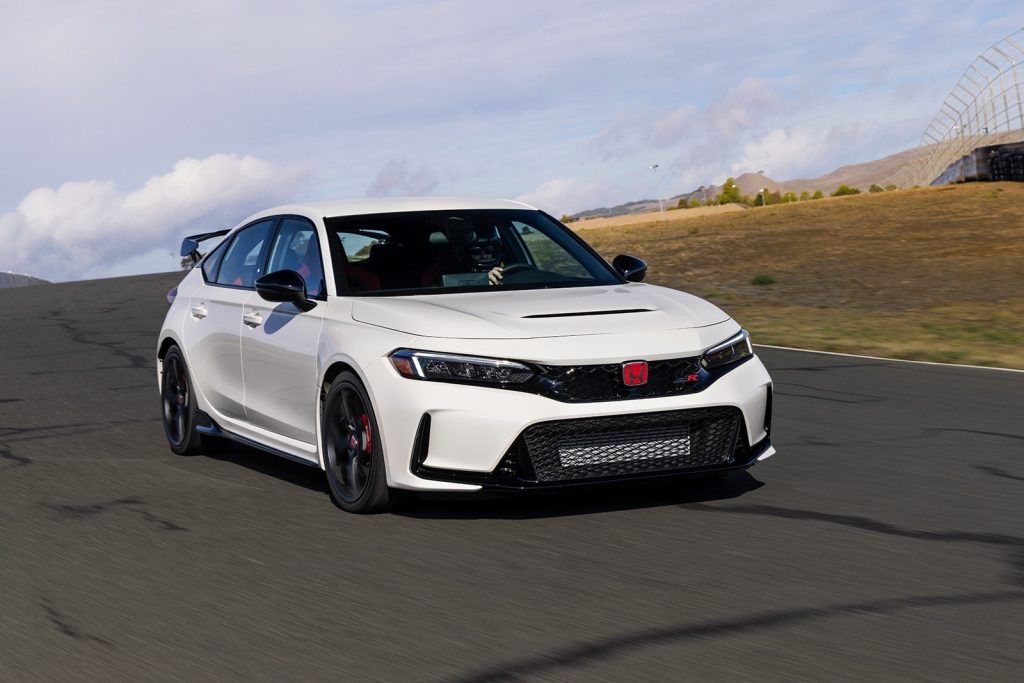
Interior usability further supports its appeal. Controls are straightforward, infotainment systems are intuitive, and visibility is strong. That ease of use reduces distraction during busy campus traffic and makes the car friendly for shared use among roommates.
This car is written about because it offers dependable flexibility. The Honda Civic doesn’t just survive Aggie commuting; it supports it, making daily movement around College Station easier, cheaper, and less stressful.
3. Hyundai Elantra
The Hyundai Elantra stands out as a strong Aggie commuter because it delivers comfort and modern features at a student-friendly cost. It’s written about here because it aligns well with College Station’s daily driving demands without creating financial pressure.
Ride comfort is one of the Elantra’s biggest strengths. Campus roads, apartment entrances, and older pavement can be uneven, especially during busy periods. The Elantra’s suspension prioritizes comfort, absorbing bumps smoothly and keeping daily commutes relaxed.
Parking and maneuverability also work in its favor. Although slightly wider than some rivals, the Elantra remains easy to place in tight campus lots thanks to predictable steering and good outward visibility. Backing into spaces or parallel parking near off-campus housing doesn’t feel intimidating.
Cost of ownership is a key reason this car matters. The Elantra is typically affordable to buy, insurance rates are reasonable, and maintenance costs remain manageable. For Aggies funding their own transportation, that financial predictability is critical.
Interior space adds practical value. The Elantra offers generous legroom and an airy cabin, making it comfortable for carpools, rides with friends, or hauling backpacks and groceries between stops. Entry and exit are easy important for frequent in-and-out campus use.
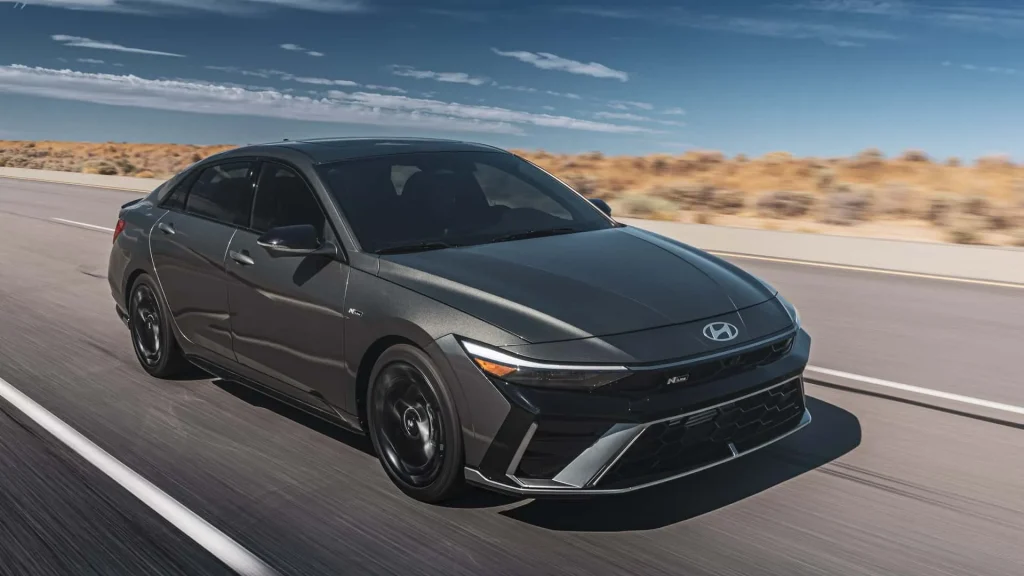
This car is written about because it prioritizes student comfort and value. The Hyundai Elantra doesn’t demand attention or premium upkeep, making it a smart, stress-free choice for Aggie commuting life.
4. Mazda3
The Mazda Mazda3 is a smart Aggie commuter for students who want a compact car that feels composed and enjoyable without adding cost or complexity. It’s written about here because it handles College Station’s daily rhythm short hops, heat, traffic bursts exceptionally well.
Maneuverability is a standout strength. The Mazda3’s compact footprint makes it easy to navigate crowded campus roads and tight apartment parking. Steering is precise at low speeds, which helps newer drivers feel confident during class-change congestion and game-day traffic.
Ride quality suits Aggie life nicely. While the Mazda3 feels connected to the road, it avoids harshness over speed bumps, driveway lips, and uneven pavement near older housing. That balance keeps daily commutes comfortable without sacrificing control.
Fuel efficiency matters in a town built on frequent short trips. The Mazda3 keeps fuel costs reasonable in stop-and-go driving, helping students manage weekly expenses without surprise spikes. It also warms up quickly, an underrated benefit for short drives.
Ownership costs remain student-friendly. The Mazda3 has a solid reliability record, affordable parts, and broad independent-shop support. Routine maintenance doesn’t require dealer visits, which helps keep service costs predictable for students on tight budgets.
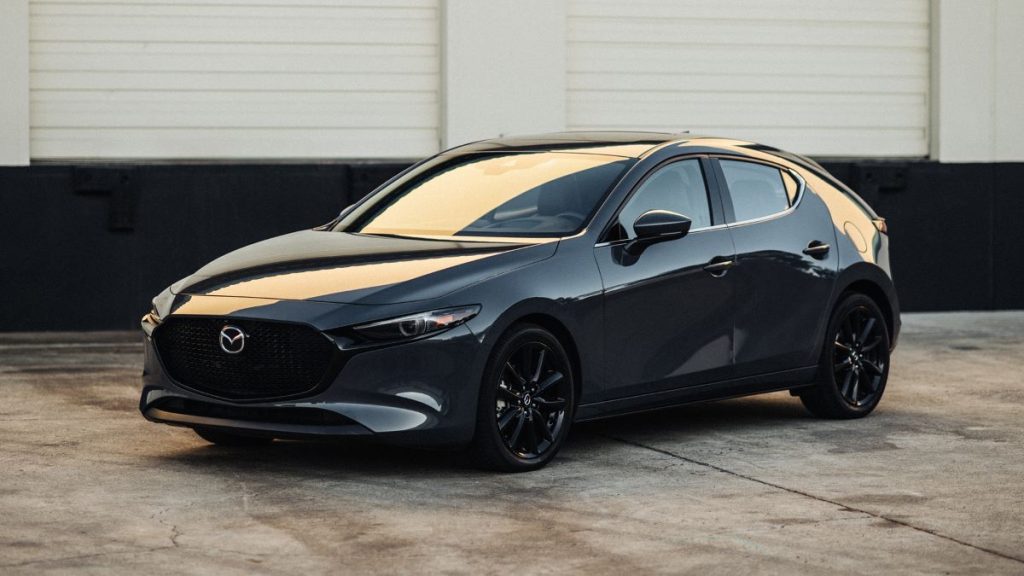
Interior quality adds unexpected value. Controls are intuitive, the cabin resists rattles, and visibility is good for urban driving. The car feels thoughtfully designed rather than stripped down, which makes everyday use more pleasant.
This car is written about because it offers practical reliability with a bit of pride. The Mazda3 fits Aggie commuting needs while making daily driving feel calm and competent without asking for extra money or attention.
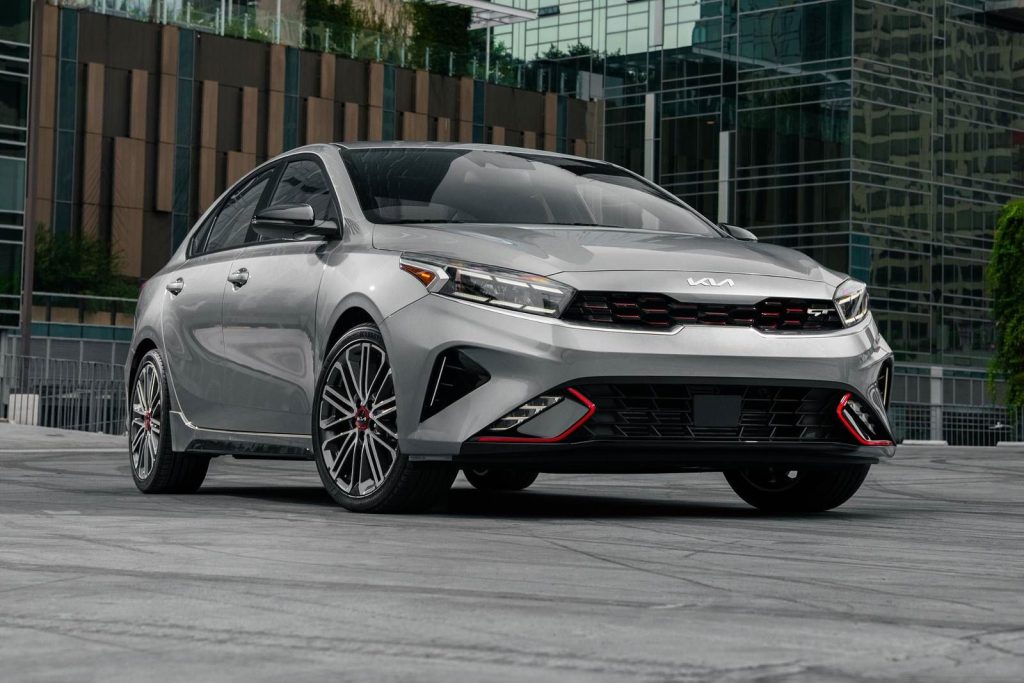
5. Kia Forte
The Kia Forte rounds out the list as one of the most budget-friendly yet dependable choices for College Station Aggie commutes. It’s written about here because it delivers essential transportation without financial strain.
Compact dimensions make the Forte easy to park near campus buildings and student apartments. Tight spaces and crowded lots are less stressful thanks to predictable handling and light steering key advantages for daily in-and-out driving.
Fuel economy supports student budgets. The Forte handles frequent short trips efficiently, keeping gas expenses low even during busy weeks packed with errands and classes. That consistency matters when transportation costs compete with textbooks and rent.
Ownership affordability is its strongest appeal. Purchase prices are typically lower than many competitors, insurance rates are reasonable, and maintenance costs stay manageable. For first-time buyers or students replacing older cars, that accessibility is critical.
Interior usability fits campus life well. The cabin layout is simple and intuitive, with enough space for backpacks, groceries, and friends. Entry and exit are easy, which reduces annoyance during frequent stops throughout the day.
This car is written about because it represents practical independence. The Kia Forte gives Aggies reliable mobility without financial pressure, making it an excellent tool for daily campus commuting.
5 That Don’t Hold Up to Rideshare
Rideshare driving in College Station looks deceptively easy. Trips are short, speeds are low, and most rides happen around campus, nightlife districts, and apartment clusters. But over time, that pattern is brutal on the wrong vehicles.
Constant stop-and-go traffic, frequent idling in Texas heat, repeated passenger entry and exit, and rapid mileage accumulation expose weaknesses quickly.
This section focuses on cars that don’t hold up well to rideshare use, especially in a college town like College Station. These vehicles may feel comfortable or impressive at first, but real rideshare work reveals costly flaws accelerated mechanical wear, fragile interiors, high maintenance costs, or systems that simply weren’t designed for commercial-style use.
Another factor is thermal stress. Texas summers push engines, transmissions, and air-conditioning systems hard during rideshare shifts. Cars with marginal cooling, turbo-heavy drivetrains, or complex electronics often degrade faster under this load. When failures occur, downtime directly cuts into earnings.
Interior durability also matters more than many expect. Rideshare passengers are not gentle. Seat materials, door handles, infotainment systems, and suspension components experience wear far beyond normal commuter use. Cars not built for this abuse begin to look and feel worn surprisingly fast.
This section is written to help drivers avoid vehicles that quietly turn rideshare into a losing proposition. In gig driving, the best car is one that tolerates abuse cheaply and predictably. The worst ones demand constant repairs, dealer visits, and capital reinvestment.
We begin with a popular compact that struggles once rideshare mileage adds up.
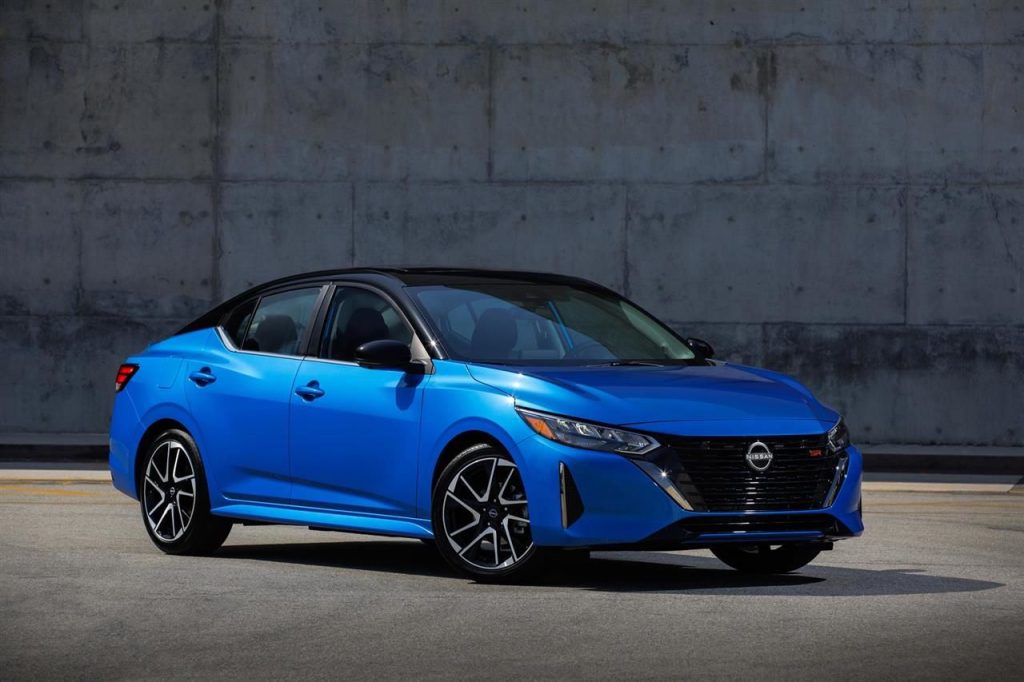
1. Nissan Sentra
The Nissan Sentra often fails to hold up under rideshare use in College Station, and it’s written about here because its weaknesses tend to surface quickly once mileage and heat accumulate.
The biggest issue is drivetrain durability specifically the CVT transmission used in many Sentra models. Rideshare driving involves constant low-speed acceleration, deceleration, and heat buildup, which places sustained stress on CVT systems.
In Texas summers, this combination accelerates wear, leading to slipping, overheating warnings, or outright failure far earlier than expected.
Cooling capacity compounds the problem. Extended idling while waiting for passengers strains both the transmission and engine cooling systems. Over time, this increases the likelihood of thermal-related issues that sideline the car and the driver’s income.
Interior wear is another concern. Seat materials, door trims, and switchgear in the Sentra tend to show fatigue quickly under repeated passenger use. Rideshare drivers often report loosening panels, worn upholstery, and interior rattles well before 100,000 miles.
Repair economics make matters worse. Transmission issues are rarely cheap or quick to fix, and downtime can erase weeks of rideshare earnings. Independent shops may handle minor issues, but major failures often force expensive decisions.
This car is written about because it turns high-mileage gig work into a gamble. While the Nissan Sentra may serve light commuter duty, rideshare use in College Station exposes durability limits that most drivers can’t afford to ignore.
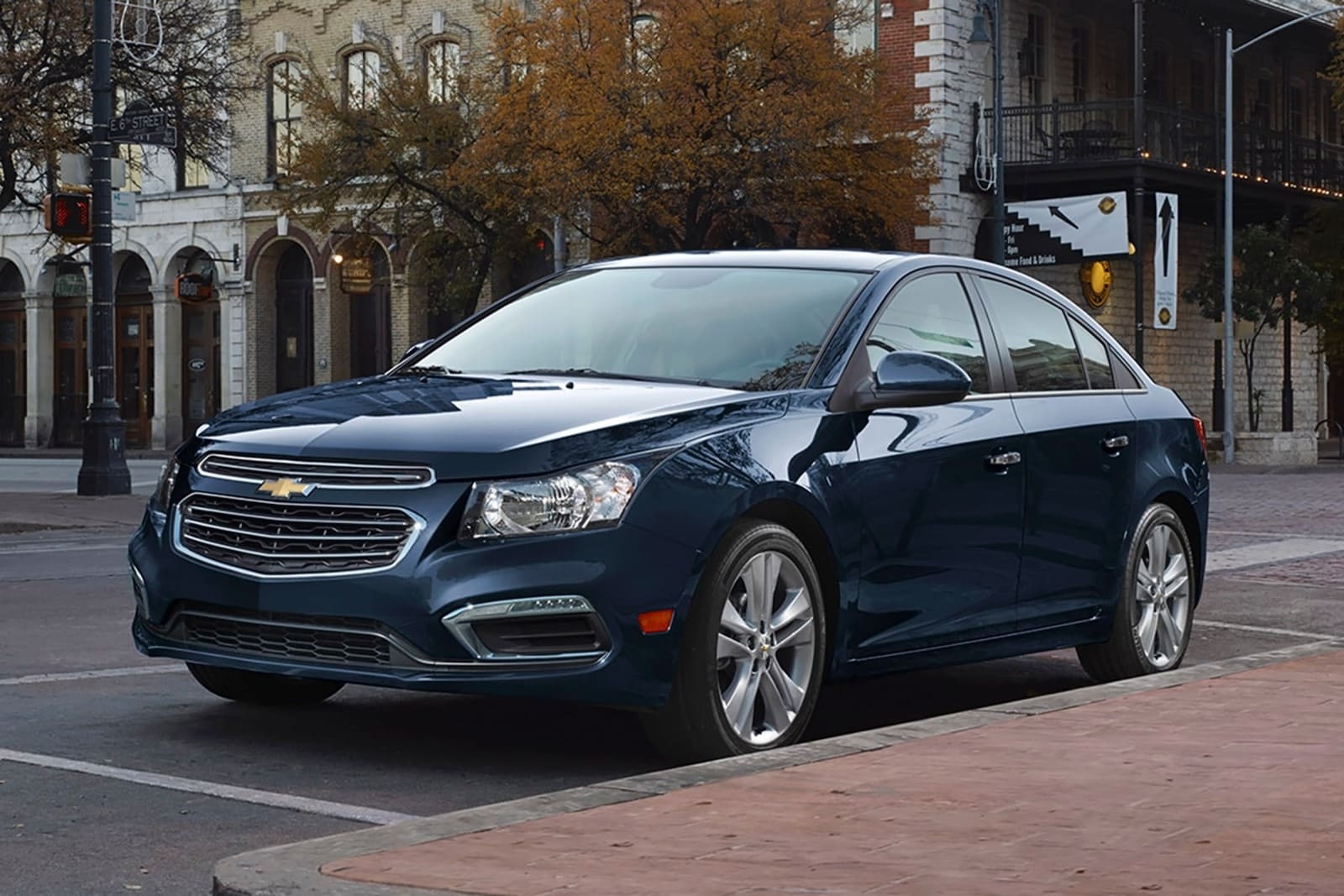
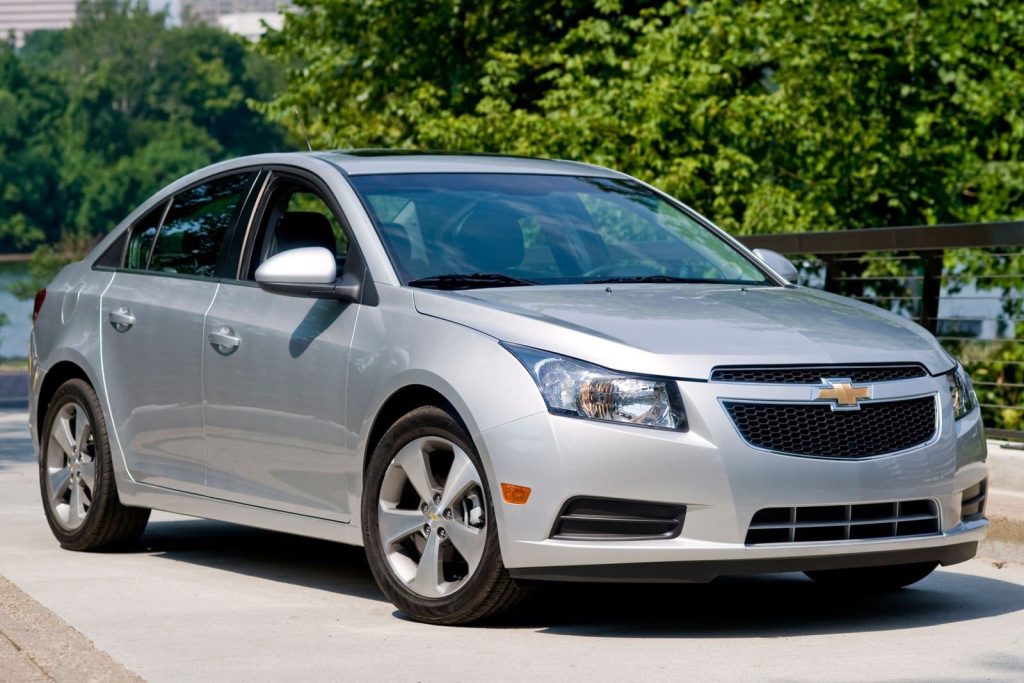
2. Chevrolet Cruze
The Chevrolet Cruze often struggles under rideshare conditions, and it’s written about here because its weaknesses become clear once mileage and daily passenger use stack up. What works fine for light commuting doesn’t translate well to gig driving.
One of the biggest problems is powertrain stress, especially in turbocharged Cruze variants. Rideshare driving involves constant stop-and-go motion, short trips, and frequent idling conditions that generate heat and strain turbo systems. Over time, this accelerates wear on cooling components, sensors, and seals, leading to warning lights and reduced performance.
Cooling reliability is another concern. Texas heat combined with extended idle time common while waiting near campus or nightlife areas, pushes the Cruze’s cooling system hard. Drivers report overheating issues and inconsistent air-conditioning performance, both of which directly affect passenger comfort and driver earnings.
Interior durability also lags behind what rideshare demands. Seat fabrics wear quickly, door handles loosen, and infotainment responsiveness can degrade with heavy use. In a rideshare context, these issues appear far sooner than most owners expect.
Repair economics compound the problem. While individual fixes may seem affordable, repeated small failures add up quickly. Downtime for diagnostics or parts availability can erase profits from multiple shifts.
This car is written about because it bleeds value under commercial use. The Chevrolet Cruze can handle light personal driving, but rideshare work in College Station exposes durability limits that make it a poor long-term gig vehicle.
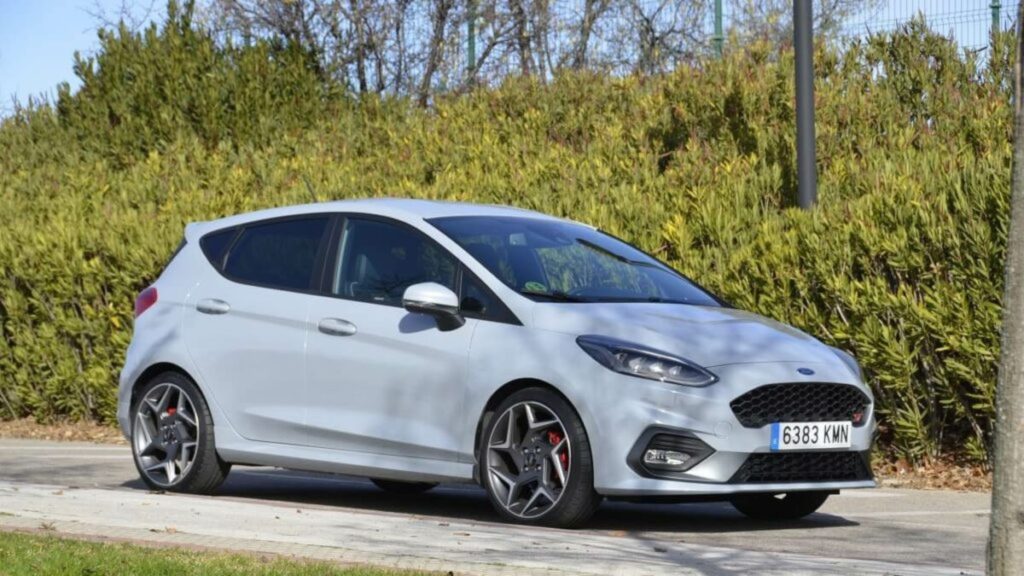
3. Ford Fiesta
The Ford Fiesta is another car that struggles to survive rideshare duty, particularly in hot, stop-and-go environments like College Station. It’s written about here because its compact design and drivetrain choices don’t tolerate sustained commercial use well.
Transmission reliability is the Fiesta’s most significant weakness. Many models are equipped with dual-clutch automatic transmissions that perform poorly under frequent low-speed operation. Rideshare driving constant creeping, stopping, and restarting, accelerates clutch wear and leads to shuddering, hesitation, and premature failure.
Interior practicality also works against it. The Fiesta’s tight rear-seat space and limited cargo room frustrate passengers, especially during airport runs or group rides. Frequent entry and exit amplify wear on already light-duty interior components.
Ride comfort matters in rideshare, and the Fiesta falls short. Stiff suspension tuning transmits bumps and road imperfections directly into the cabin, reducing passenger comfort during short trips around campus.
Repair and resale value further undermine its case. As problems accumulate, repair costs can quickly exceed the car’s market value, leaving drivers with few profitable options.
This car is written about because it turns rideshare into diminishing returns. The Ford Fiesta may be inexpensive to buy, but under College Station rideshare conditions, it often proves too fragile to justify the workload.
4. Mini Cooper
The Mini Cooper often looks like a fun, stylish choice for rideshare, but it struggles to survive the realities of gig driving in College Station. It’s written about here because heavy passenger use exposes weaknesses that don’t show up in casual ownership.
Mechanical complexity is the biggest issue. Despite its small size, the Mini uses tightly packaged components and specialized parts that make repairs more expensive and time-consuming than drivers expect.
Under rideshare mileage, small problems sensors, cooling components, suspension bushings begin appearing frequently.
Heat and idle time further accelerate wear. Texas summers combined with constant stop-and-go operation strain the Mini’s cooling system, especially in turbocharged variants. Air-conditioning performance can degrade under prolonged use, directly affecting passenger comfort and ratings.
Interior durability also works against rideshare viability. Rear-seat space is tight, entry and exit are awkward, and interior trim shows wear quickly under repeated passenger turnover. What feels premium at first can feel worn and rattly far sooner than expected.
Repair economics seal the problem. Many fixes require specialized tools or dealer involvement, increasing downtime and cutting into earnings. Independent shops may be limited in what they can address.
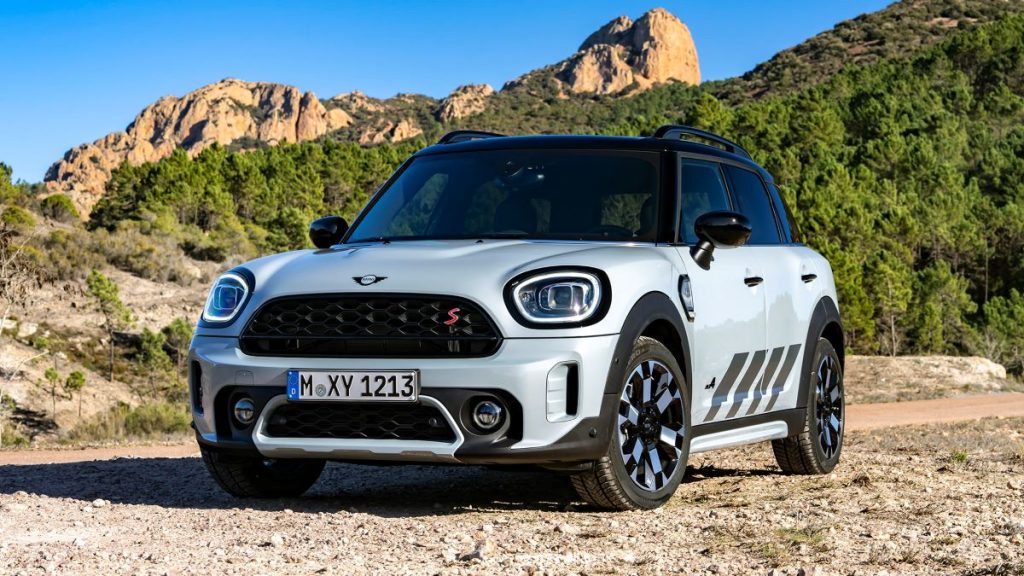
This car is written about because it turns novelty into liability. The Mini Cooper can be fun for personal use, but under College Station rideshare conditions, it demands too much maintenance and attention to remain profitable.
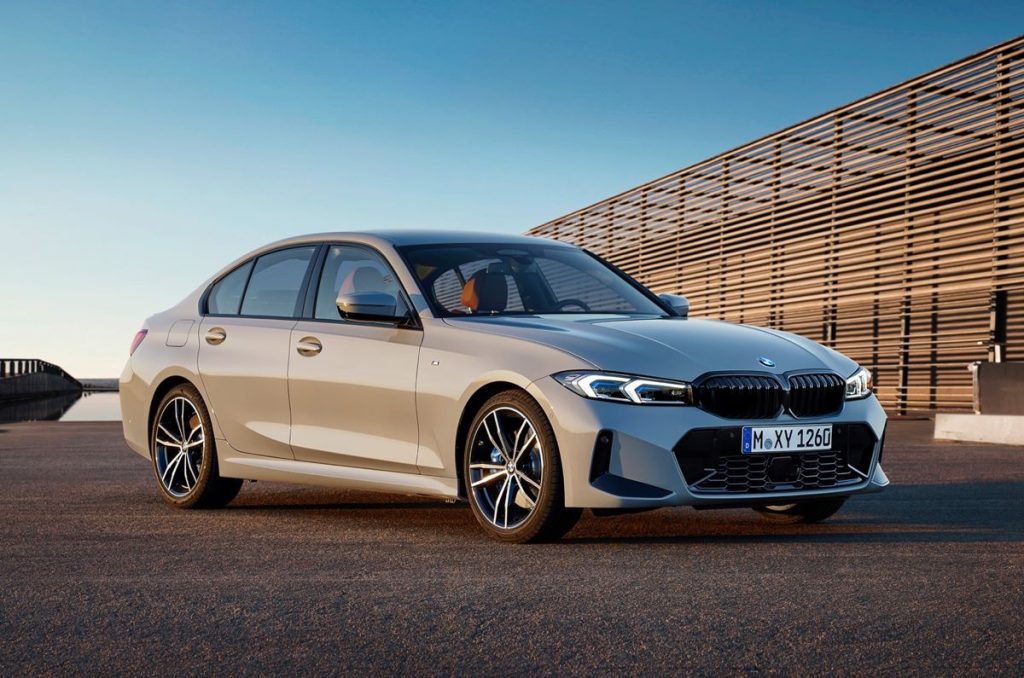
5. BMW 3 Series
The BMW 3 Series rounds out the list as a car that performs well initially in rideshare but becomes financially unsustainable over time. It’s written about here because luxury and commercial use rarely mix well.
Maintenance and repair costs are the primary concern. High-mileage rideshare driving accelerates wear on suspension components, brakes, and electronics areas where BMW parts and labor are expensive. Even routine fixes cost significantly more than on mainstream vehicles.
Cooling and engine stress also increase under rideshare use. Frequent short trips, idling, and heat cycles strain turbocharged engines and supporting systems. Warning lights and drivability issues become common as mileage accumulates.
Interior wear is another issue. Leather seating, trim pieces, and infotainment controls degrade quickly with constant passenger turnover. What once impressed riders soon looks tired, reducing perceived ride quality.
Insurance costs compound the problem. Performance branding and high repair costs keep premiums elevated especially painful when margins are already thin.
This car is written about because it converts earnings into expenses. The BMW 3 Series may attract riders initially, but over time, it absorbs too much money and downtime to make sense as a College Station rideshare vehicle.
College Station’s driving environment is shaped by Texas A&M University, where daily life revolves around short but frequent trips, intense rush periods between classes, game-day congestion, tight parking, and long stretches of Texas heat.
This article contrasts vehicles that fit Aggie commuting life with those that struggle under rideshare workloads, showing how the same town can demand very different things from a car depending on how it’s used.
The first half focuses on cars ideal for College Station Aggie commutes. Vehicles such as the Toyota Corolla, Honda Civic, Hyundai Elantra, Mazda3, and Kia Forte succeed because they are simple, efficient, and forgiving.
These cars handle frequent short trips well, warm up quickly, and don’t punish drivers for stop-and-go traffic. Their compact size makes parking near campus and student housing manageable, reducing daily stress during peak hours.
Fuel efficiency keeps costs predictable for students balancing tuition, rent, and daily expenses, while reasonable insurance rates and widespread parts availability help keep ownership affordable.
Reliability and ease of maintenance are just as important. Aggie commuters often juggle classes, jobs, and social commitments, leaving little time for unexpected repairs.
The recommended commuter cars have strong durability records and can be serviced by independent shops without requiring dealer-only tools or expensive parts.
Their interiors are practical rather than fragile, holding up well to backpacks, grocery runs, and shared use among roommates. In a college town, this quiet durability matters more than luxury or performance.
The second half examines cars that don’t hold up to rideshare use in College Station. Vehicles such as the Nissan Sentra, Chevrolet Cruze, Ford Fiesta, Mini Cooper, and BMW 3 Series often struggle once mileage and passenger turnover increase.
Rideshare driving involves constant idling, repeated acceleration and braking, heavy air-conditioning use, and far more interior wear than personal commuting. Cars with fragile transmissions, turbo-heavy drivetrains, or complex electronics tend to develop problems quickly under this stress.
Texas heat amplifies these weaknesses. Cooling systems and transmissions are pushed hard during long shifts, and when failures occur, downtime directly cuts into earnings.
Interior durability becomes another critical factor, as frequent passenger entry and exit accelerate wear on seats, door handles, and infotainment controls. In several of the highlighted vehicles, repair costs rise faster than income, turning rideshare driving into a losing financial proposition.
The broader takeaway is that how a car is used matters as much as what car it is. A vehicle that excels as a student commuter can fail badly as a rideshare workhorse, and vice versa.
In College Station, the smartest choices align vehicle design with real-world demands, simple, reliable cars for Aggie commutes, and rugged, low-cost platforms for anyone considering gig driving. Choosing the right match protects both time and money in a town where mobility is central to everyday life.
Also Read: 5 Cars for Atlantic City Tourist Runs and 5 That Don’t Suit Visitors
