
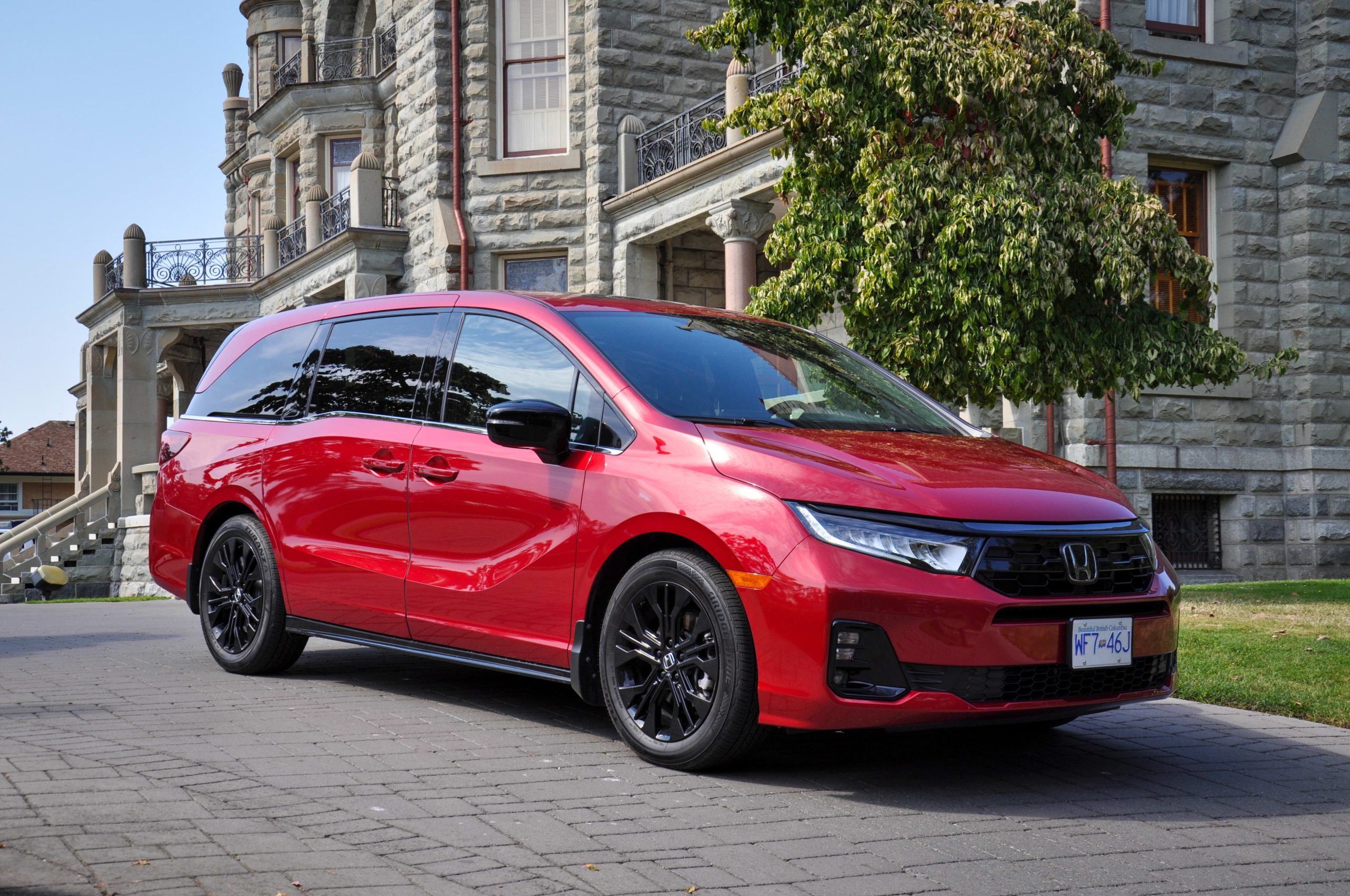
Anaheim is a unique driving environment, especially for families visiting its world-famous theme parks. A typical day involves early morning departures, stop-and-go traffic, crowded parking structures, tired kids, strollers, backpacks, souvenirs, and long waits under the sun.
In this setting, the right car can make the difference between a smooth, enjoyable trip and a stressful one that starts before you even reach the park gates.
Theme-park trips demand more than just basic transportation. Families need easy entry and exit, flexible cargo space, good visibility in crowded lots, comfortable seating for long days, and air conditioning that works efficiently in warm Southern California weather.
Safety features, ride comfort, and ease of maneuvering around hotels and parking garages also matter far more than performance or styling.
However, not all cars are designed with these realities in mind. Some vehicles prioritize speed, luxury, or compact dimensions that may work well for solo drivers or couples but fall short when children, gear, and fatigue enter the equation.
Tight rear seats, limited cargo space, stiff suspensions, and awkward access points can turn what should be a fun family outing into a logistical headache.
This article compares five cars that are well-suited for Anaheim theme-park runs with five cars that simply don’t fit family needs, especially in a high-traffic, high-activity environment like Disneyland and surrounding attractions.
The focus is not on brand loyalty or performance bragging rights, but on practicality, comfort, and stress reduction qualities families value most during travel-heavy days.
By examining what works and what doesn’t, this comparison helps families make smarter choices that enhance the experience rather than complicate it.
Also Read: 5 Toyota Trucks That Are More Reliable Than 5 GMC Trucks
5 Cars That Work Well for Anaheim Theme-Park Runs
Family trips to Anaheim theme parks place very specific demands on a vehicle. Unlike long highway road trips or short city commutes, these outings combine congestion, frequent stops, parking challenges, and physically tiring days. A car that excels in this environment must prioritize convenience, comfort, and adaptability above all else.
Easy access is critical. Wide-opening doors, a comfortable ride height, and seats that allow children and adults to get in and out without strain reduce fatigue over multiple days. Interior space matters just as much.
Families often carry backpacks, water bottles, snacks, strollers, jackets, and souvenirs. Cars with flexible cargo areas and fold-flat seating make this much easier to manage.
Comfort cannot be overstated. After hours of walking, standing, and waiting in lines, families need a vehicle that feels relaxing rather than cramped or harsh. Soft suspension tuning, quiet cabins, supportive seating, and effective climate control all contribute to a better end-of-day experience.
Visibility and maneuverability are also essential. Anaheim’s parking structures and hotel areas are crowded and busy. Cars that are easy to park, have good sightlines, and offer helpful driver-assistance features reduce stress and improve safety.
The following five vehicles succeed because they are designed around real-world family needs. They don’t just transport families to the park they make the entire experience smoother, calmer, and more enjoyable.
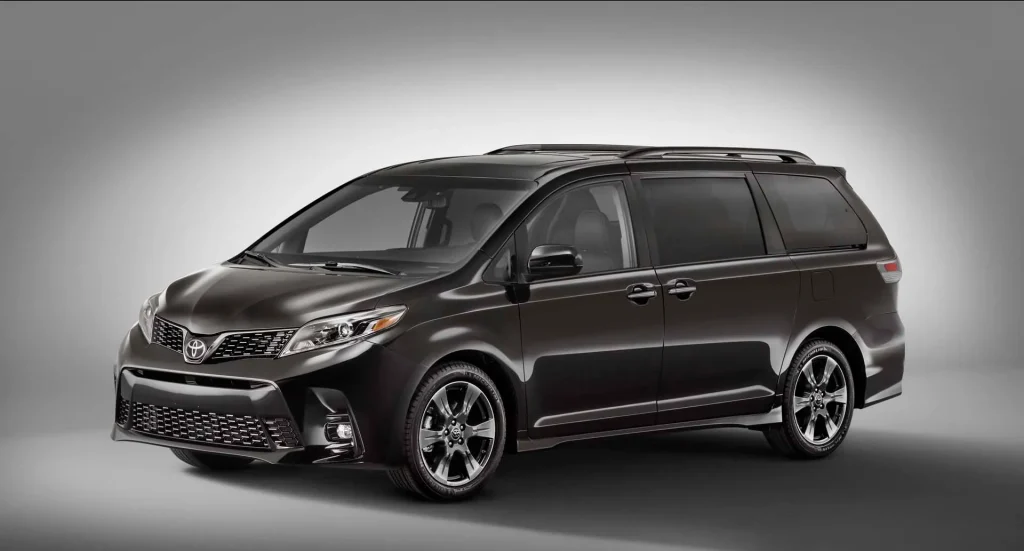
1. Toyota Sienna
The Toyota Sienna is almost purpose-built for theme-park family trips, making it one of the best choices for Anaheim runs. Its minivan layout prioritizes accessibility, space, and comfort three factors that matter more than anything during long, activity-filled days.
Sliding doors are a major advantage. In tight parking structures and hotel lots, they allow children to exit safely without worrying about door swings or nearby cars. This small detail dramatically reduces stress, especially when unloading tired kids at the end of the day.
Interior space is where the Sienna truly shines. Multiple rows of seating, generous legroom, and a large cargo area easily accommodate strollers, bags, and souvenirs. Even with all seats occupied, there’s still room for gear something many SUVs struggle to match.
Ride comfort is another strength. The suspension absorbs bumps and uneven pavement smoothly, helping everyone relax during traffic-heavy drives. Combined with a quiet cabin and strong air conditioning, the Sienna becomes a comfortable refuge after hours spent walking outdoors.
Fuel efficiency is also well-suited for repeated short trips around Anaheim. This reduces refueling stops and keeps operating costs reasonable during multi-day visits.
Most importantly, the Sienna removes friction from family travel. It doesn’t demand compromises or careful planning it simply works. For theme-park trips where convenience matters most, it sets the standard.
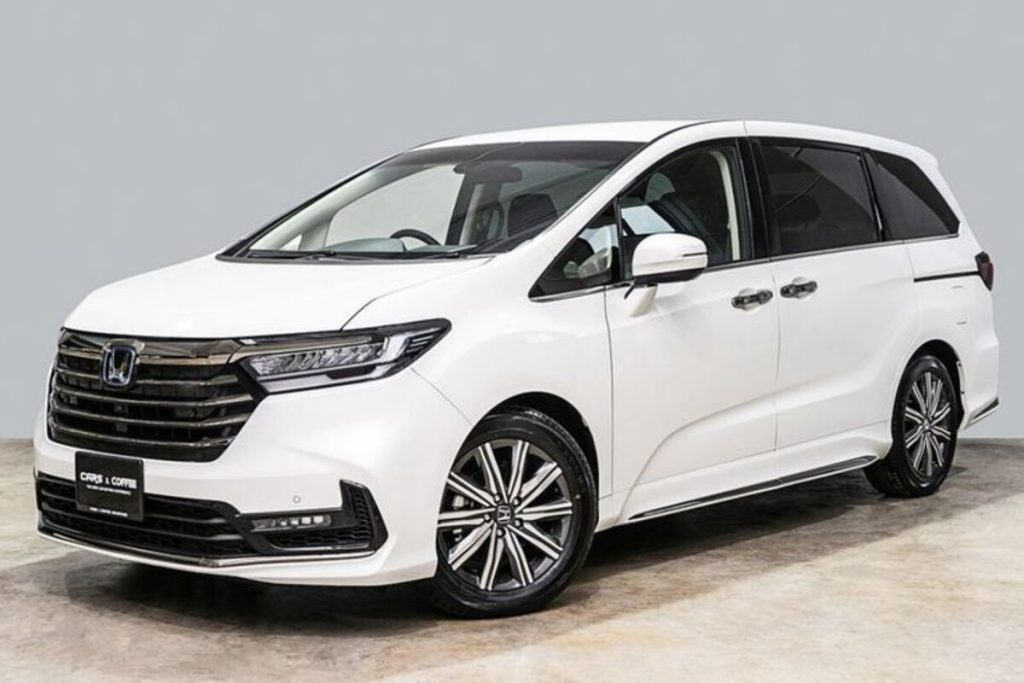
2. Honda Odyssey
The Honda Odyssey is one of the most family-focused vehicles ever built, and it performs exceptionally well for Anaheim theme-park runs. Its strengths lie not in flash or performance, but in how thoughtfully it supports real family routines especially long, tiring days that begin early and end late.
One of the Odyssey’s biggest advantages is interior accessibility. Low step-in height and wide door openings make it easy for children, grandparents, and exhausted adults to get in and out without strain. Sliding doors are especially valuable in crowded parking garages, where space is tight and patience is limited.
Inside, the Odyssey offers a flexible and intelligently designed cabin. Multiple seating configurations allow families to balance passengers and cargo with ease. Strollers, backpacks, jackets, and souvenirs can be arranged without blocking visibility or comfort. Even third-row passengers have usable space, which is critical for larger families or groups.
Ride comfort is another major strength. The Odyssey is tuned for smoothness rather than sportiness, which pays off in stop-and-go traffic and long waits near park entrances. The quiet cabin and effective climate control help everyone cool down and decompress after hours spent outdoors.
Family-friendly features such as multiple cupholders, charging ports, and easy-to-clean materials add practical value. These details reduce small frustrations that can accumulate over multi-day trips.
For families visiting Anaheim theme parks, the Odyssey succeeds because it removes obstacles instead of creating them. It supports the trip rather than competing for attention, which is exactly what families need.
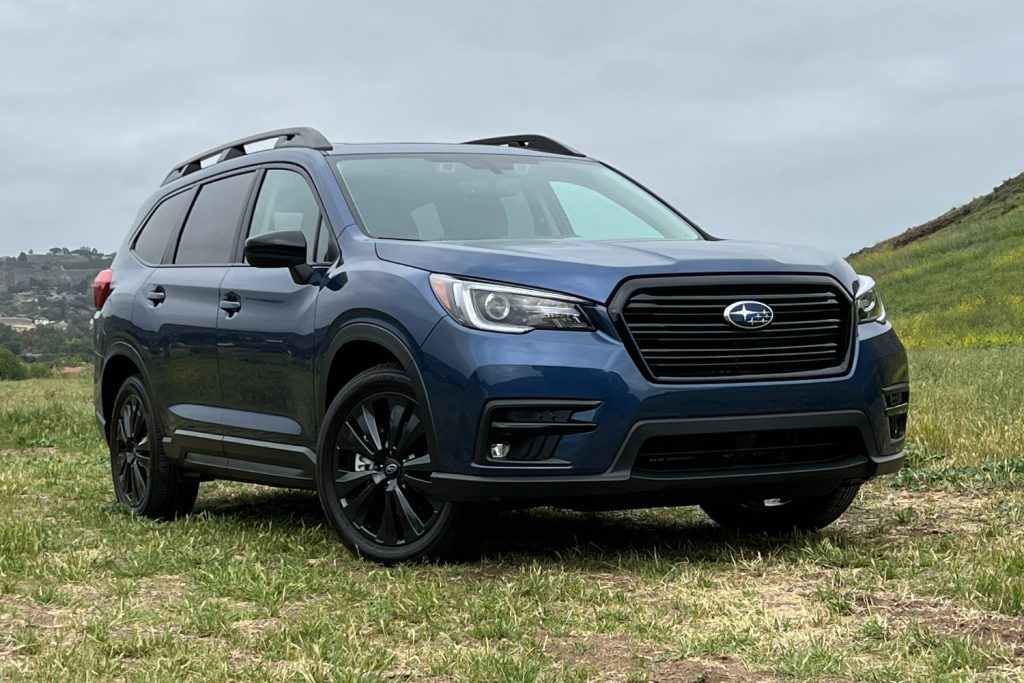
3. Subaru Ascent
The Subaru Ascent is a strong choice for families who want SUV styling and capability without sacrificing practicality for theme-park trips. While not as spacious as a minivan, it offers a well-balanced combination of comfort, safety, and versatility that works well in the Anaheim environment.
One of the Ascent’s key strengths is visibility and maneuverability. Large windows and an upright driving position make navigating crowded hotel zones and parking structures easier and less stressful. This is especially helpful when dealing with pedestrians, buses, and constant vehicle movement around theme parks.
Interior space is thoughtfully arranged. Three rows of seating allow families to bring extra passengers, while fold-flat rear seats create flexibility for cargo. Strollers and bags fit comfortably without forcing awkward compromises. Entry and exit are also relatively easy compared to lower-slung vehicles.
Ride comfort is well-suited for family travel. The suspension absorbs road imperfections effectively, making traffic delays more tolerable. Combined with a stable, confidence-inspiring feel, the Ascent helps reduce driver fatigue over repeated short trips.
Another important advantage is safety. Subaru’s emphasis on standard driver-assistance features provides reassurance in busy, unpredictable driving environments. This peace of mind is especially valuable when children are involved.
The Ascent works because it balances capability with family-first design. It may not be the largest option, but it handles theme-park logistics with calm efficiency and minimal stress.
4. Toyota Highlander
The Toyota Highlander is a strong all-around family vehicle that adapts well to the demands of Anaheim theme-park travel. While it does not offer the sheer space of a minivan, it balances comfort, reliability, and ease of use in a way that works well for medium-size families.
One of the Highlander’s key strengths is its smooth, predictable driving behavior. In heavy traffic around theme parks, hotels, and parking structures, the Highlander feels calm and easy to control. Steering is light, visibility is good, and the vehicle never feels cumbersome in tight spaces.
Interior comfort is another advantage. Seats are supportive without being firm, which is important after long days of walking and standing. Climate control is effective throughout the cabin, helping passengers cool down quickly in warm Southern California weather. Noise insulation is also well done, creating a quieter environment for tired kids to relax.
Cargo flexibility makes the Highlander practical for theme-park runs. The third row can be folded down to create a spacious cargo area for strollers, bags, and souvenirs. While the third row itself is best suited for children, it provides useful flexibility when extra seating is needed.
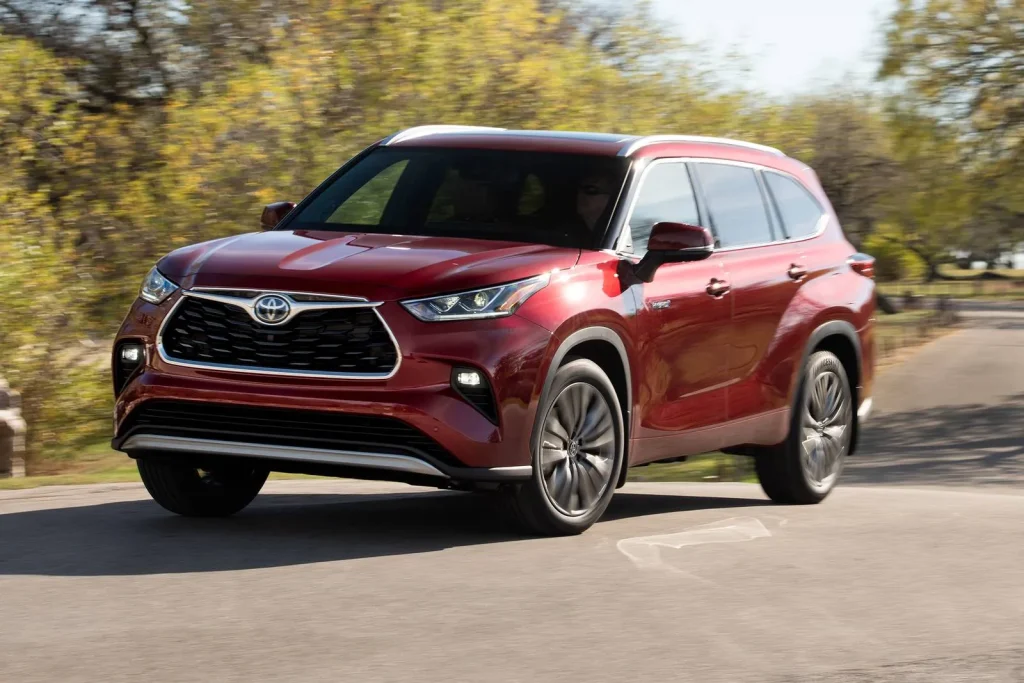
Reliability plays a major role as well. Families visiting theme parks don’t want to worry about mechanical issues far from home. The Highlander’s reputation for long-term dependability adds peace of mind, especially during multi-day trips.
The Toyota Highlander works because it blends everyday drivability with family-friendly practicality, making it a dependable companion for Anaheim adventures.
5. Kia Carnival
The Kia Carnival redefines what a family vehicle can be, making it an excellent choice for Anaheim theme-park runs. While often mistaken for an SUV due to its styling, the Carnival delivers the space and convenience of a minivan without the traditional minivan stigma.
One of the Carnival’s biggest strengths is interior space. With three rows of seating and a generous cargo area, it easily handles large families and all the gear that comes with theme-park trips. Strollers, backpacks, and shopping bags fit without careful rearranging, reducing frustration during loading and unloading.
Passenger comfort is exceptional. Seats are wide and supportive, ride quality is smooth, and the cabin remains quiet even in heavy traffic. After a long day at the parks, this comfort becomes invaluable, allowing families to unwind on the drive back to their hotel.
Sliding doors provide practical benefits in crowded parking structures, making entry and exit easy and safe. Low step-in height further improves accessibility for children and older passengers.
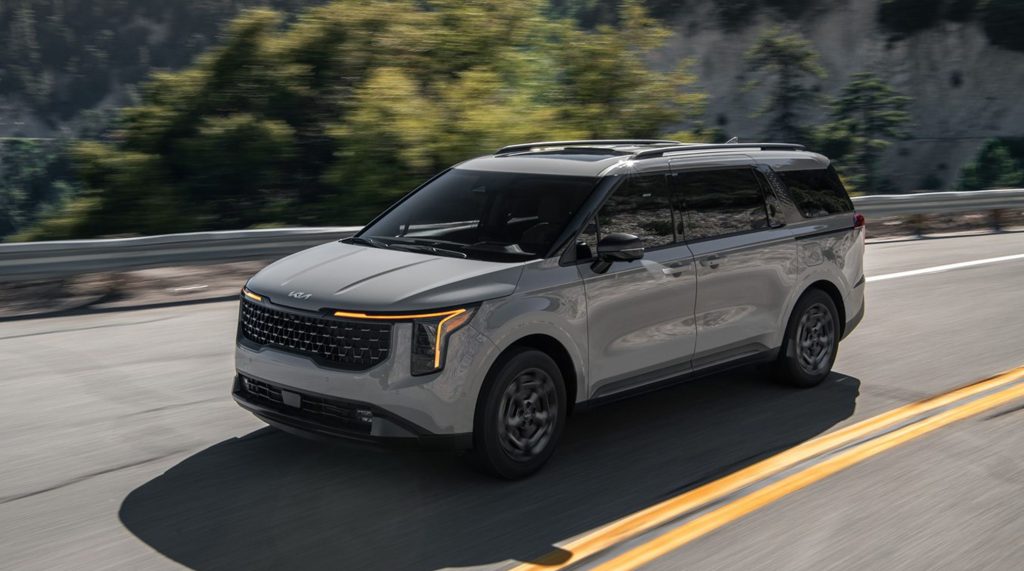
The Carnival also includes thoughtful family features such as ample storage compartments, multiple charging ports, and durable interior materials that handle spills and wear with ease.
For families who want maximum convenience without sacrificing style, the Kia Carnival excels. It transforms theme-park transportation into a smooth, stress-free experience rather than an afterthought.
5 Cars That Don’t Fit Family Needs for Anaheim Trips
Not every vehicle is suited for family travel especially in a destination like Anaheim, where theme-park trips create unique demands. While some cars excel in performance, design, or driving excitement, those strengths often come at the expense of practicality. For families, these compromises quickly become obvious once real-world logistics enter the picture.
Theme-park outings involve much more than driving from point A to point B. Families must manage children, strollers, bags, food, souvenirs, and fatigue often all at once.
Vehicles with limited space, low ride height, stiff suspensions, or difficult access points can make these tasks unnecessarily challenging. What feels fun or stylish on a solo commute may feel exhausting after a long day at the parks.
Another common issue is interior inflexibility. Cars designed primarily for drivers or couples often lack usable rear seats or cargo areas. This forces families to make compromises, such as leaving items behind, stacking bags unsafely, or enduring cramped seating. Over multiple days, these inconveniences add up.
Ride comfort also matters more than many buyers expect. After hours of walking, standing, and waiting in lines, families need a car that feels relaxing not harsh or noisy. Vehicles with sport-tuned suspensions or minimal sound insulation can amplify fatigue rather than relieve it.
The following five cars are not bad vehicles by any means. However, when evaluated specifically for Anaheim theme-park family use, they fall short in key areas like comfort, space, accessibility, and overall ease of use making them poor fits for family-focused trips.
1. Ford Mustang
The Ford Mustang is an iconic and enjoyable car, but it is fundamentally mismatched with the needs of families traveling to Anaheim theme parks. Designed primarily for performance and style, the Mustang struggles in nearly every area that matters for family-oriented trips.
Rear-seat space is one of the most obvious limitations. Accessing the back seats requires folding the front seats forward, which is inconvenient and tiring especially with children. Once inside, rear passengers face limited legroom and headroom, making longer drives uncomfortable.
Cargo capacity is another major issue. The Mustang’s trunk is shallow and narrow, making it difficult to fit strollers, backpacks, or souvenirs without careful planning. Families often find themselves leaving items behind or stacking bags awkwardly.
Ride comfort also works against it. The Mustang’s suspension prioritizes handling over softness, which can feel harsh in stop-and-go traffic and uneven parking structures. After a long day at the parks, this firmness adds to fatigue rather than reducing it.
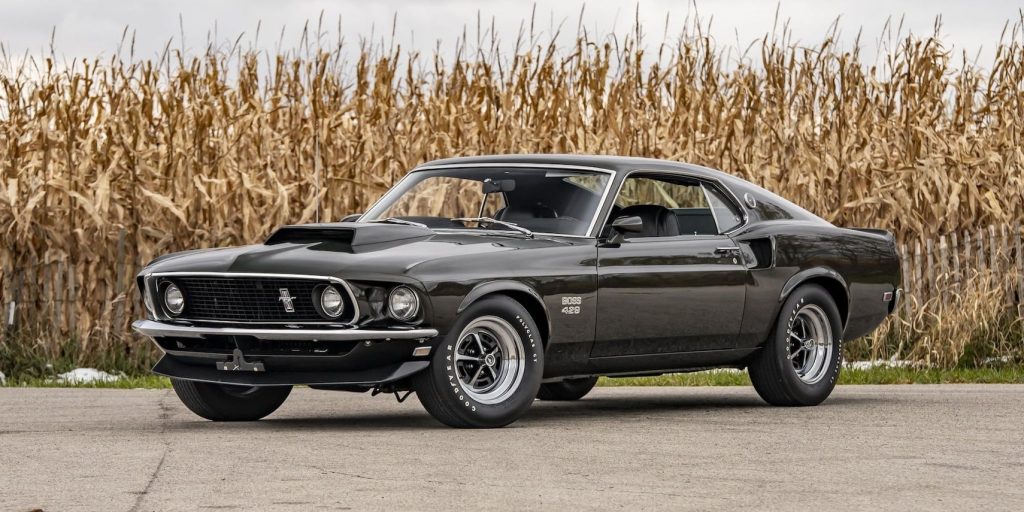
Visibility and maneuverability in crowded areas are additional drawbacks. Low seating position and limited rear visibility make parking and navigating busy hotel zones more stressful than necessary.
While the Mustang is an excellent personal or enthusiast car, it demands too many compromises for family theme-park travel, making it an impractical choice for Anaheim trips.
2. Mazda MX-5 Miata
The Mazda MX-5 Miata is beloved for its driving purity and lightweight design, but as a family vehicle for Anaheim theme-park runs, it is fundamentally unsuitable.
The most obvious limitation is seating capacity. With only two seats, the Miata immediately excludes families with children. Even for couples, the lack of flexibility becomes problematic once bags, souvenirs, or strollers enter the equation.
Cargo space is extremely limited. The small trunk can barely accommodate a couple of backpacks, leaving no room for purchases or additional gear. Families would need to rely on external storage or make frequent trips back to accommodations.
Ride comfort is another concern. While enjoyable on winding roads, the Miata’s low ride height and firm suspension make it less comfortable in traffic-heavy, stop-and-go environments. Getting in and out repeatedly throughout the day can also be physically taxing.
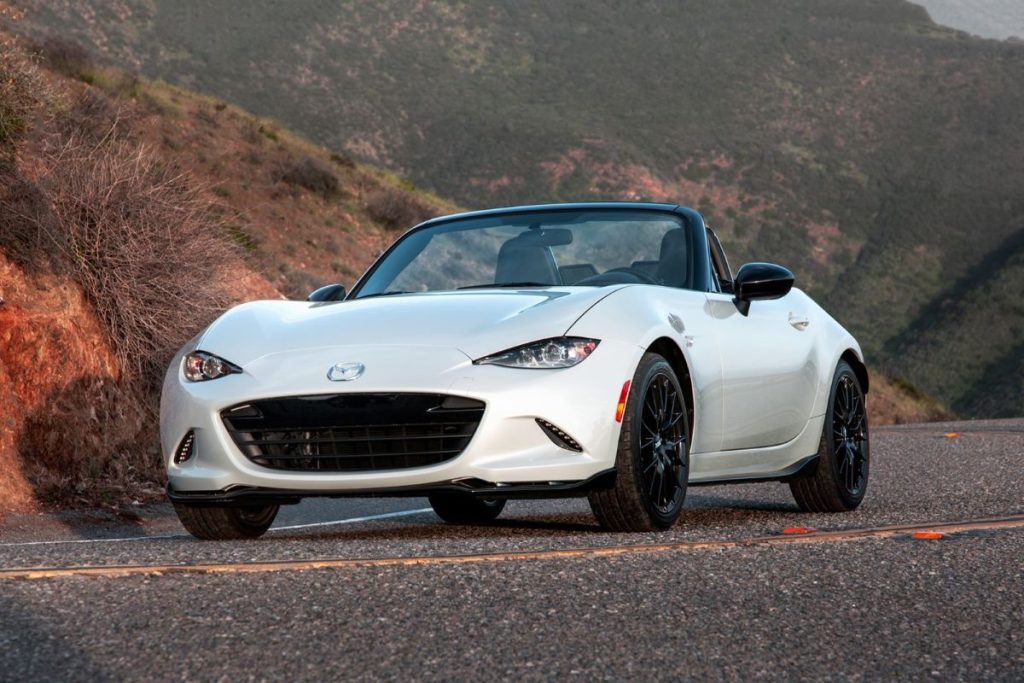
Climate control effectiveness and cabin insulation are limited compared to family-oriented vehicles. In warm weather, this can make cooling down after park visits less effective.
The Miata excels as a fun, focused driver’s car but for Anaheim theme-park family trips, it lacks the space, comfort, and versatility required to make travel easy or enjoyable.
3. Chevrolet Camaro
The Chevrolet Camaro is a striking performance coupe, but it presents multiple challenges for families planning Anaheim theme-park trips. Like many sports-oriented vehicles, it prioritizes driving excitement over practicality an imbalance that becomes obvious in crowded, family-heavy environments.
Rear-seat access is a major obstacle. Entry requires folding the front seats forward and navigating a tight opening, which is inconvenient for children and nearly impractical for adults. Once inside, rear passengers face limited legroom, low headroom, and a confined feeling that quickly becomes uncomfortable.
Visibility is another significant drawback. The Camaro’s high beltline and small windows restrict outward sightlines, making parking garages and busy hotel areas more stressful to navigate. Maneuvering in tight spaces requires extra caution, adding to driver fatigue after long park days.
Cargo space is also limited. While the trunk is technically usable, its narrow opening and shallow depth make it difficult to load bulky items like strollers or souvenir bags. Families often find themselves compromising on what they can bring along.
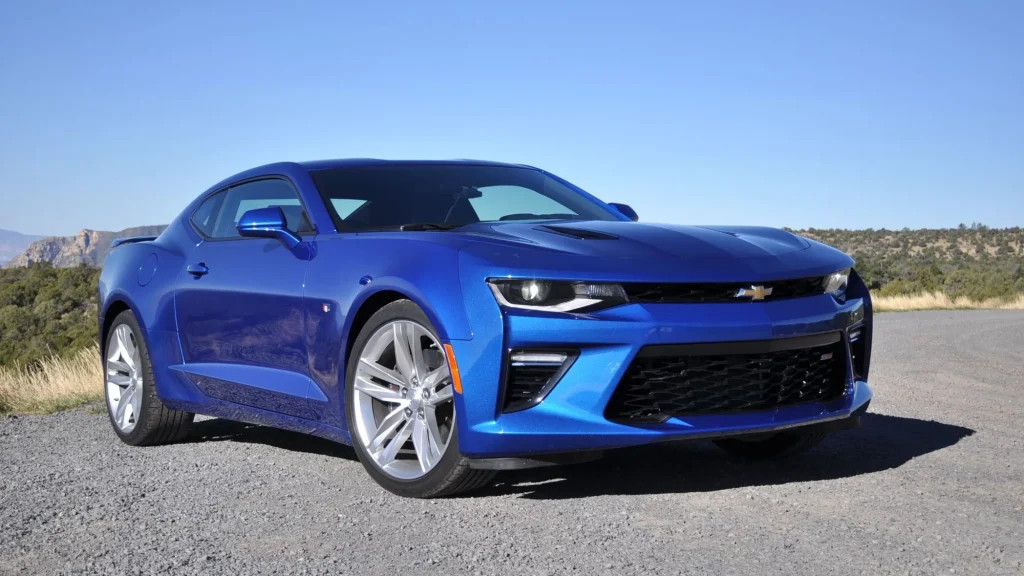
Ride comfort leans toward firmness. The suspension is tuned for handling rather than softness, which can amplify bumps and uneven pavement hardly ideal when passengers are already tired.
The Camaro excels as a weekend or enthusiast vehicle, but for family-focused Anaheim travel, it demands too many compromises in comfort, space, and convenience.
4. BMW 2 Series Coupe
The BMW 2 Series Coupe offers premium materials and sharp handling, yet it falls short as a family vehicle for Anaheim theme-park runs. Its compact dimensions and coupe-focused design limit its usefulness in real-world family scenarios.
Rear seating is restricted both in access and comfort. Folding front seats forward is required for entry, and once seated, rear passengers have limited legroom and headroom. For children, this may be tolerable briefly, but it becomes uncomfortable over repeated trips.
Cargo capacity is another concern. While the trunk can handle a few bags, it struggles with larger items such as strollers or multiple backpacks. Families are forced to pack lightly or rearrange items frequently an inconvenience during busy theme-park days.
Ride quality, while composed, is on the firmer side. Combined with low-profile tires, this can translate to a less forgiving ride in stop-and-go traffic and over uneven surfaces common around parking structures.
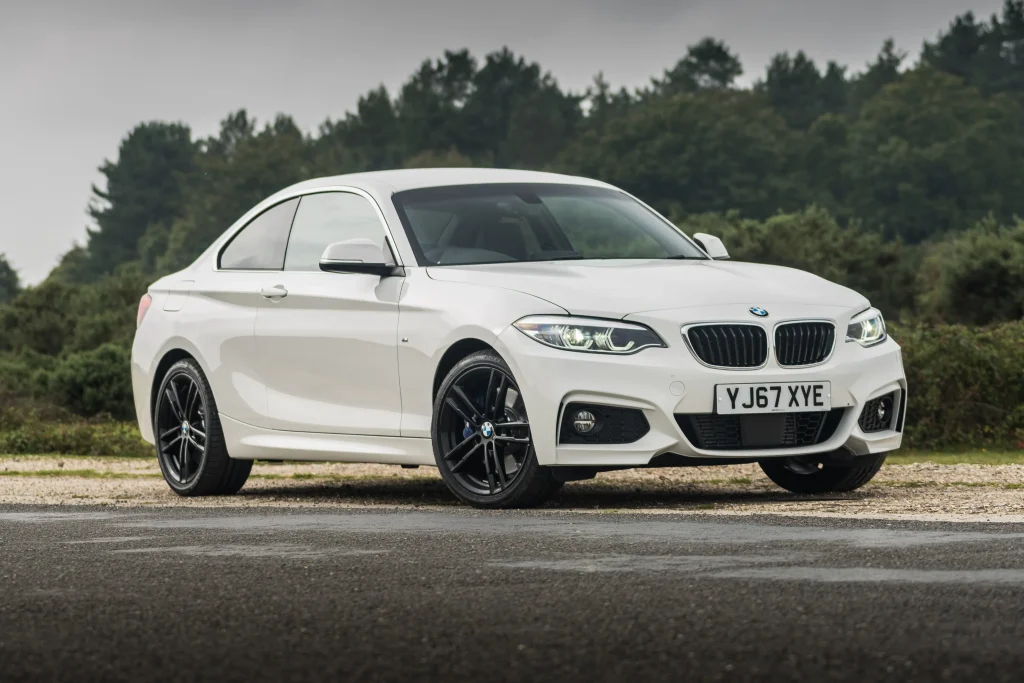
Technology and luxury features add appeal, but they don’t compensate for limited space and accessibility. For families, these shortcomings outweigh the benefits, especially when comfort and ease of use are priorities.
The BMW 2 Series Coupe is an engaging driver’s car, but for Anaheim theme-park family travel, it lacks the flexibility and comfort required.
5. Porsche 911
The Porsche 911 is one of the most respected sports cars in the world, admired for its engineering, performance, and driving precision.
However, despite its excellence as a driver-focused machine, it is fundamentally ill-suited for family travel to Anaheim theme parks. Its design priorities simply do not align with the realities of family-oriented, high-logistics trips.
Rear seating is often cited as a redeeming feature of the 911, but in practice, these seats are extremely limited. Accessing them requires folding the front seats forward, which is inconvenient and time-consuming especially with children.
Once inside, legroom and headroom are minimal, making them unsuitable for anything beyond very short drives. For older children or adults, comfort is essentially nonexistent.
Cargo space presents another challenge. While the front trunk can hold a few small bags, it lacks the depth and flexibility required for strollers, backpacks, or bulky souvenirs.
Families visiting theme parks often accumulate items throughout the day, and the 911 provides no practical way to manage this without constant compromises or additional storage planning.
Ride comfort is also not ideal for this use case. Even in its softer settings, the 911’s suspension is tuned for road feel and performance rather than relaxation. In stop-and-go traffic, parking structures, and uneven pavement around hotels and park entrances, the car can feel unnecessarily firm adding to fatigue rather than easing it after long days on foot.
Visibility and maneuverability further complicate matters. Low seating position, limited rear visibility, and wide rear haunches make tight parking garages more stressful than they need to be. For family trips where ease and calm are priorities, this constant need for caution detracts from the experience.
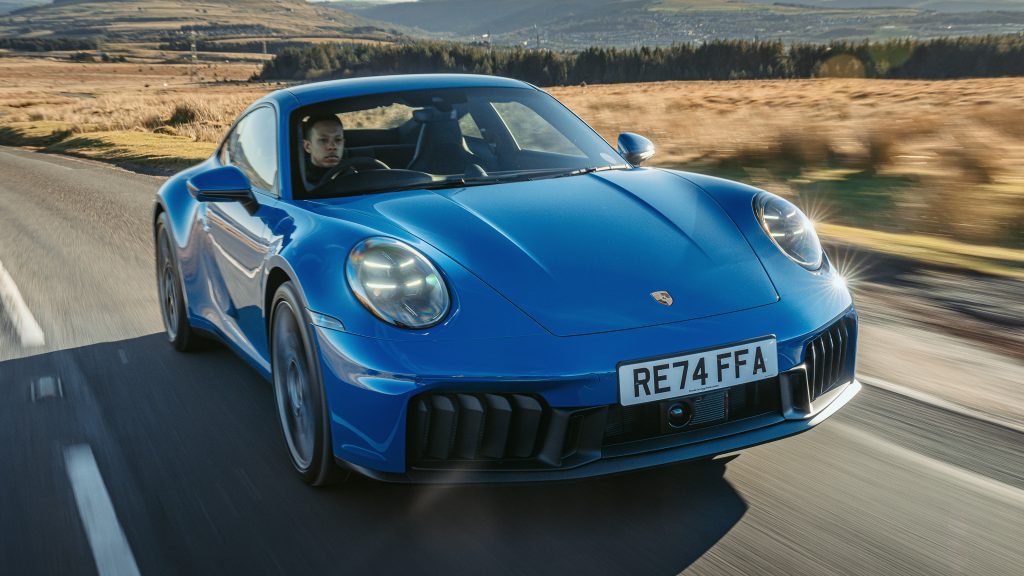
Finally, there’s the issue of mindset. The Porsche 911 demands attention and care. For families juggling kids, schedules, and exhaustion, a vehicle that requires constant focus works against the goal of stress-free travel.
The Porsche 911 is an extraordinary sports car but for Anaheim theme-park family runs, its focus on performance, compact packaging, and driver engagement make it a poor fit for real-world family needs.
