The Fastest and Rarest American Muscle Cars From 1969–1970 represent the absolute high point of Detroit’s horsepower wars. In just two short model years, American manufacturers pushed engineering, performance, and factory racing support to extremes that would never be repeated.
Emissions regulations, rising insurance costs, and changing consumer priorities were already looming, but before the curtain fell, the industry unleashed some of the most outrageous performance cars ever offered to the public. These machines were not built to be subtle or practical. They were built to dominate drag strips, intimidate rivals, and cement brand loyalty through sheer speed.
From homologation specials designed to legalize race engines, to stripped-down factory drag cars that blurred the line between street and competition vehicles, this era produced legends that remain unmatched in both character and capability.
Limited production numbers, exotic engines, and single-purpose engineering made many of these cars rare from the moment they left the showroom. Today, their survival tells a story of a time when manufacturers were willing to bend rules, absorb losses, and risk reputations in pursuit of performance supremacy.
The cars featured here showcase that brief but unforgettable moment when American muscle reached its peak. Each one reflects a different philosophy, yet all share the same goal: maximum speed, maximum impact, and a permanent place in automotive history.
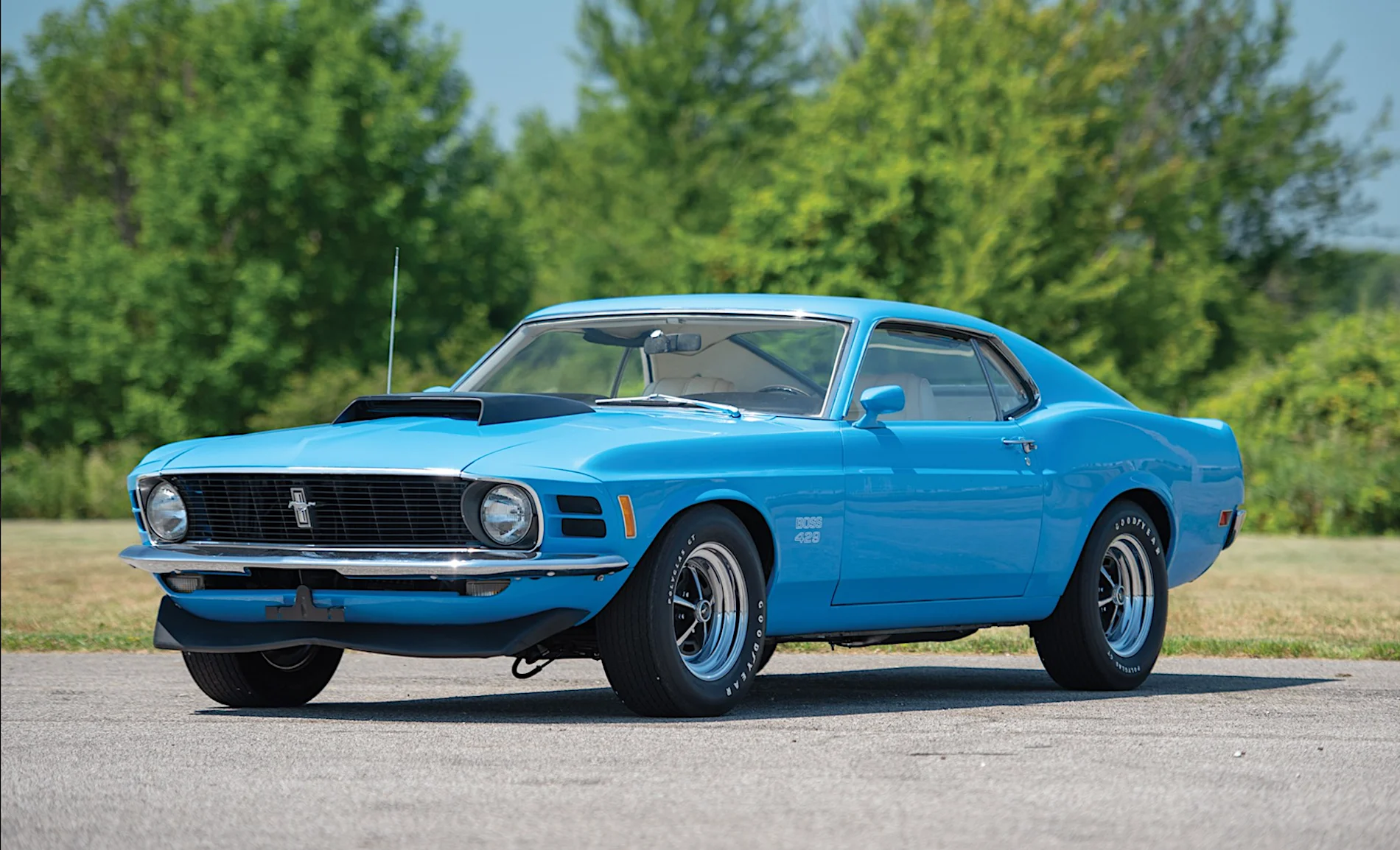
1969/1970 Ford Mustang Boss 429
Driving a 1970 Boss 429 Mustang through Tulsa on a warm summer evening feels like stepping back into the early 1970s. With the windows down, no air-conditioning, and the sound of solid lifters clattering beneath the hood, the experience is pure muscle-car nostalgia.
My longtime friend Mark Storm rides along as we cruise Peoria Avenue, imagining what it must have been like to drive such a machine when it was new. Red lights become excuses to accelerate, while the old Philco AM radio provides only static and talk shows.
The chance to drive a Boss 429 came from a conversation with Jim Wicks, organizer of the Mid America Ford and Shelby Team Nationals. Only 1,358 Boss 429s were built between 1969 and 1970, and surviving examples are extremely valuable, so most owners rarely drive them.
Wicks offered his Grabber Orange 1970 Boss 429, a 21,000-mile survivor that still wears its original paint, period headers, 1970s-era BFGoodrich tires, and even an under-dash oil pressure gauge.
The car was originally purchased new in November 1969 by A.C. DeLoach in Alabama and passed through only a few careful owners before Wicks assumed preservation duties in 1984.
At the Tulsa event, climbing behind the wheel reveals a familiar Mustang layout with a twin-pod dash, Hurst four-speed shifter, and column-mounted ignition. The big 429 fires instantly and idles smoothly despite the intense heat.
During the massive Thursday night cruise, the Boss proves surprisingly well mannered. It delivers strong low-rpm torque comparable to a 428 Cobra Jet, rather than behaving like a temperamental race engine.
Temperature concerns eventually arise, leading to an overheating episode downtown that draws attention from spectators and Boss 429 expert Ed Meyer, who confirms the car’s exceptional originality.
Later, under cooler evening conditions, the Boss finally stretches its legs. Traction remains elusive on the aged tires, but once hooked up in higher gears, the engine delivers the expected surge of big-block power. Despite period criticism, this Boss 429 demonstrates torque, refinement, and impressive high-rpm strength, offering an unforgettable reminder of Ford’s most exotic Mustang.
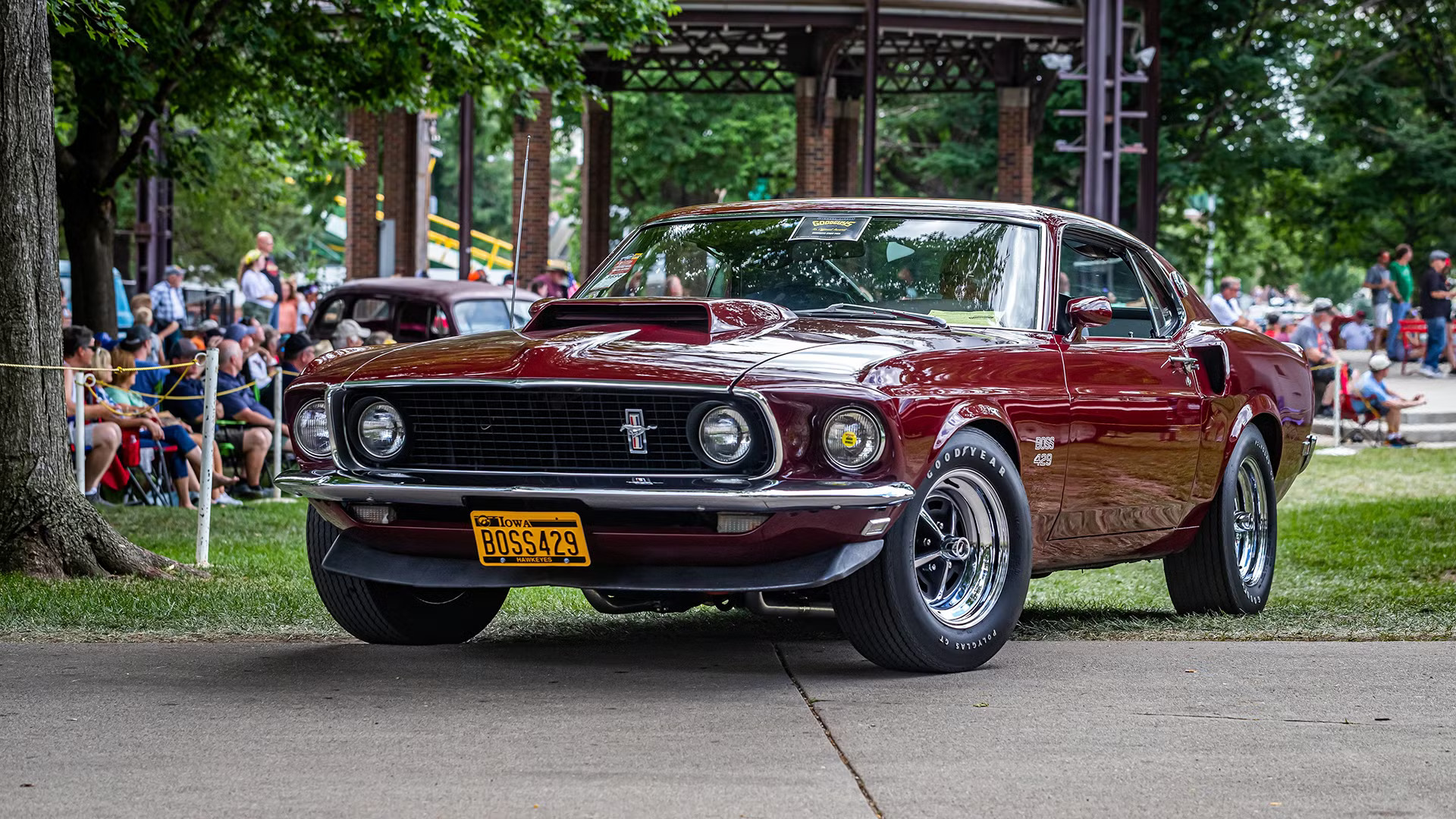
Studebaker Super Lark
In its final years as an automaker, Studebaker produced an unexpected performance standout in the form of the Super Lark. Introduced as a high-performance package rather than a standalone model, the Super Lark combined compact dimensions with serious V8 power, earning recognition today as a proto-muscle car.
Equipped with the Avanti-derived 289-cubic-inch R2 engine, the Super Lark could reach 60 mph in about seven seconds and exceed 130 mph. A supercharged version produced roughly 335 horsepower, though production numbers remain unknown.
Studebaker’s long history began in 1852, evolving from wagon and carriage manufacturing into automobile production. By the 1950s, the company had earned a strong reputation for quality and durability.
That reputation faltered after a troubled merger with Packard in 1954, and financial struggles worsened through the 1960s. Despite this decline, Studebaker continued to innovate, particularly with the Lark.
Introduced in 1959, the Studebaker Lark was designed to help the company survive by shifting from full-size cars to the compact segment. Using a shortened version of earlier Studebaker body shells, the Lark offered clean styling that aligned well with contemporary competitors from Ford, General Motors, and Chrysler.
It was produced across three generations from 1959 to 1966 in multiple body styles, including sedans, coupes, and wagons. Notably, it was the only compact car of its era to offer a V8 engine as standard equipment.
Sales declined by 1961, prompting Studebaker president Sherwood Egbert to authorize a cost-effective redesign. The second-generation Lark featured updated styling, improved interiors, and the introduction of the sporty Lark Daytona.
In 1963, Studebaker added the Super Performance Package, allowing buyers to equip their Lark with either the naturally aspirated R1 or supercharged R2 V8 engines sourced from the Avanti. These packages also included upgraded suspension, front disc brakes, anti-roll bars, and a tachometer-equipped gauge cluster.
Despite its impressive performance and engineering, the Super Lark could not reverse Studebaker’s financial decline. Production of the Lark ended in 1966, followed by the company’s complete closure in 1967, leaving the Super Lark as a compelling but overlooked chapter in American performance car history.
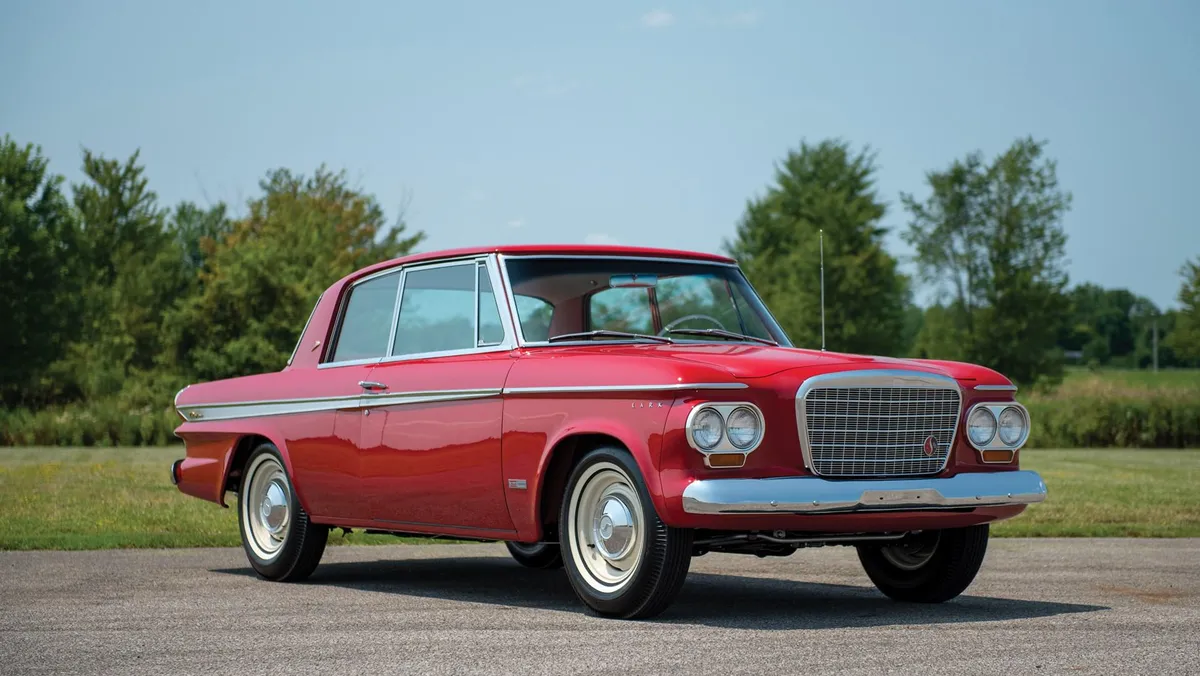
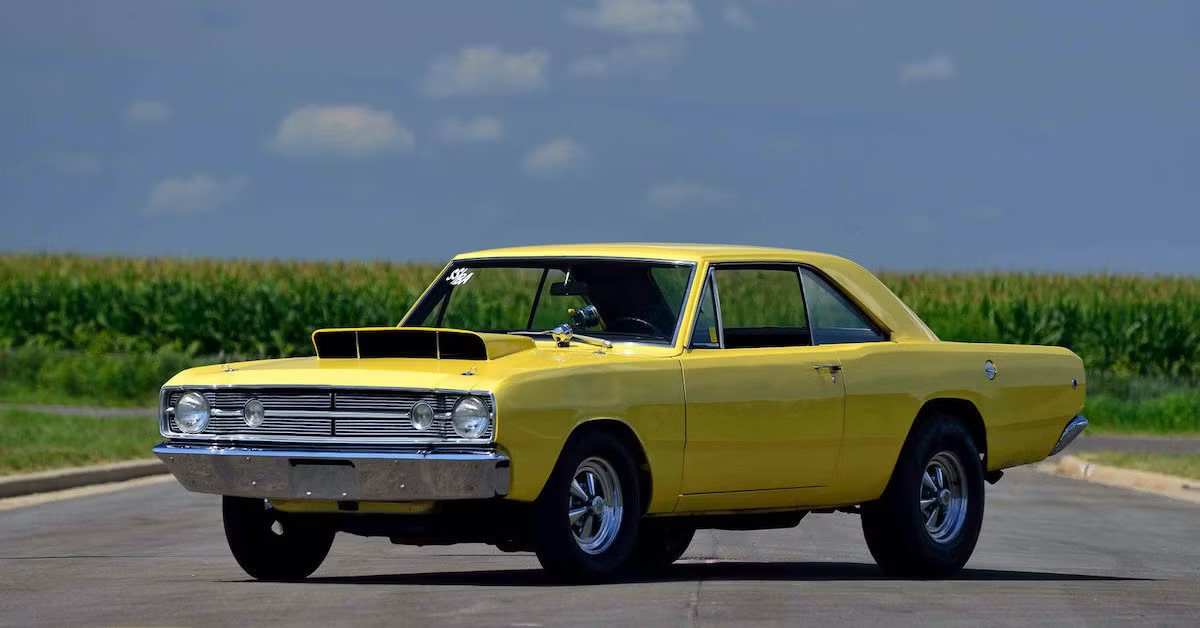
1968 Hurst Hemi Dart L023
During the height of the muscle car era, American automakers competed fiercely for quarter-mile supremacy, often building limited-run machines specifically for racing. The 1968 Hurst Hemi Dart L023 stands as one of the most extreme examples of that mindset.
Created through a collaboration between Dodge and Hurst, the Hemi Dart was essentially a factory-built drag car sold to the public, designed with one purpose in mind: maximum straight-line performance.
The formula was simple but radical. Dodge took its smallest and lightest car, the Dart, and installed Chrysler’s most fearsome engine, the 426-cubic-inch Hemi V8. To save weight, the cars were shipped from Dodge nearly stripped, lacking items such as rear seats, radios, sound deadening, and carpeting.
Hurst completed the transformation by installing fiberglass body panels, acid-dipping steel components, and fitting race-ready hardware. The result was a brutally efficient Super Stock drag racer that could run quarter-mile times in the 9- to 11-second range, depending on setup and conditions.
Although the Dodge Dart name dates back to 1960, the Hurst Hemi Dart represented the absolute peak of the model’s performance legacy.
By 1968, Dodge had the engineering expertise to build powerful engines, but relied on Hurst’s deep racing experience to turn the Dart into a competitive drag car. The L023 package elevated the Dart into a league of its own and made it the fastest production Dodge Dart ever built.
Power was the centerpiece of the Hurst Hemi Dart. Officially rated at 425 horsepower and 490 lb-ft of torque, the naturally aspirated 7.0-liter Hemi was widely believed to produce far more, with estimates closer to 540 horsepower.
Paired with rear-wheel drive and purpose-built racing components, the car could accelerate from 0 to 60 mph in roughly 3.5 seconds, an astonishing figure for the era and still impressive by modern standards.
Rarity has only enhanced the car’s mystique. Only about 80 Hurst Hemi Darts were produced, making them some of the most sought-after muscle cars in existence.
Originally priced at around $4,200 in 1968, equivalent to roughly $31,000 today, surviving examples now command prices between $225,000 and $275,000 at auction. By comparison, a standard 1968 Dodge Dart typically sells for a fraction of that amount.
While later attempts to revive the Dart name diluted its reputation, the 1968 Hurst Hemi Dart remains untarnished. It endures as the ultimate Dart and one of Dodge’s most uncompromising performance cars, a machine built not for comfort or mass appeal, but for dominance at the drag strip.
Also Read: 10 Cars That Look Stunning But Disappoint True Enthusiasts
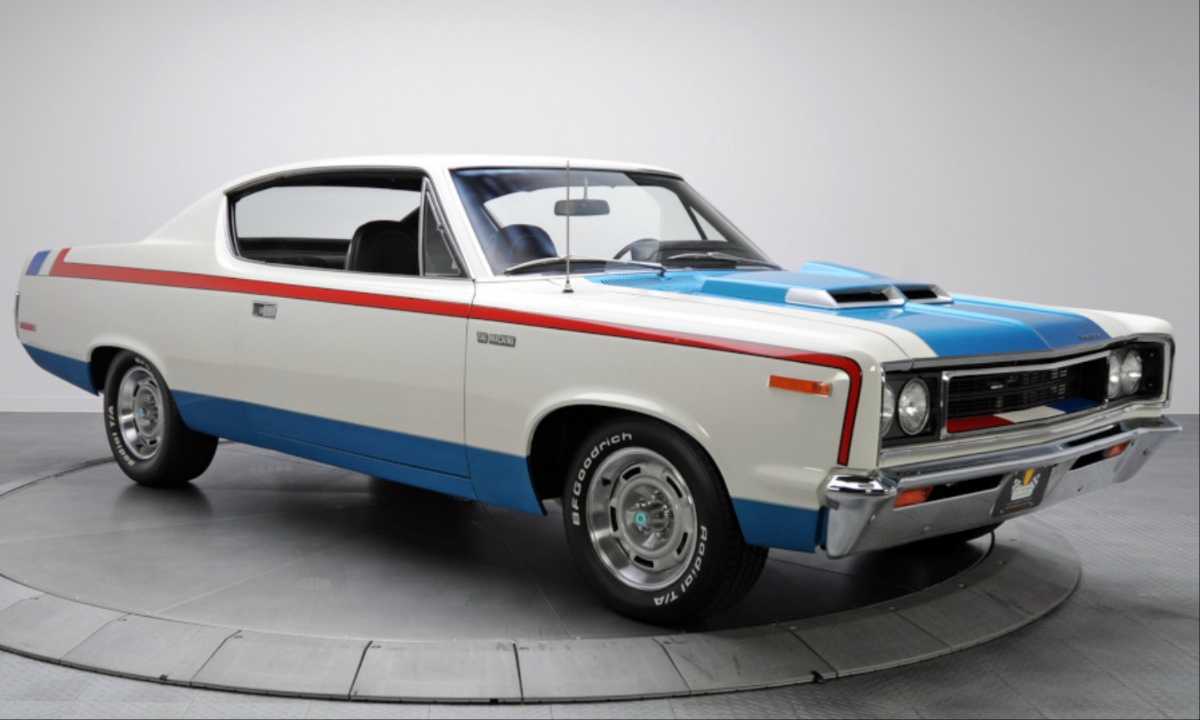
1970 American Motors Rebel Machine
By 1970, the American muscle car era was at its peak. Chevrolet, Ford, Dodge, and Pontiac were locked in a horsepower war, each offering increasingly powerful and flamboyant performance cars.
Standing apart from the Big Three was American Motors Corporation, a smaller manufacturer with fewer resources but no shortage of ambition. AMC’s answer to the muscle car craze was the 1970 Rebel Machine, a limited-production performance car that proved AMC could compete with the best of them.
Like most muscle cars, the Rebel Machine was not designed from scratch. It was based on AMC’s midsize Rebel, itself a descendant of the Rambler line that dated back to the mid-1950s.
The Rambler had originally earned a reputation as a practical, economical car, but AMC had experimented with performance as early as 1957, when it introduced the Rambler Rebel with a 327-cubic-inch V8. That early effort demonstrated AMC’s willingness to challenge convention by placing big engines in relatively lightweight cars.
By 1970, AMC was determined to shed its conservative image. The Rebel name replaced Rambler branding, and for the Rebel’s final model year, AMC went all in. The Rebel Machine was introduced as a one-year-only sendoff, aimed squarely at the muscle car market.
Visually, it was impossible to ignore. Early cars wore a white paint scheme accented by bold red, white, and blue stripes supplied by 3M, reflecting the patriotic mood leading up to the Bicentennial. Later examples were offered in solid colors, some with vinyl roofs.
Under the hood, the Rebel Machine carried AMC’s 390-cubic-inch V8, producing 340 horsepower and 410 lb-ft of torque. This powerplant allowed the car to sprint from 0 to 60 mph in under seven seconds and run the quarter mile in the mid-14-second range.
Period testers noted that with simple modifications, times could drop into the 12s. Rumors of a dealer-installed package boosting output to 400 horsepower only added to the car’s mystique.
To support the added performance, AMC upgraded nearly every aspect of the chassis. The Rebel Machine received stiffer suspension components, thicker anti-roll bars, power front disc brakes, a Hurst shifter, and distinctive Kelsey-Hayes wheels finished in metal-flake paint.
Despite its impressive hardware, the Rebel Machine was priced nearly 10 percent higher than competitors like the Pontiac GTO, which limited its appeal.
Production lasted only one year, with approximately 2,000 units built. When AMC shifted focus toward smaller cars such as the Gremlin and Hornet, the Rebel name was retired. Today, the Rebel Machine is recognized as one of the most distinctive and underrated muscle cars of its era, combining bold styling, serious performance, and genuine rarity.
1969 Chevrolet Camaro COPO ZL1
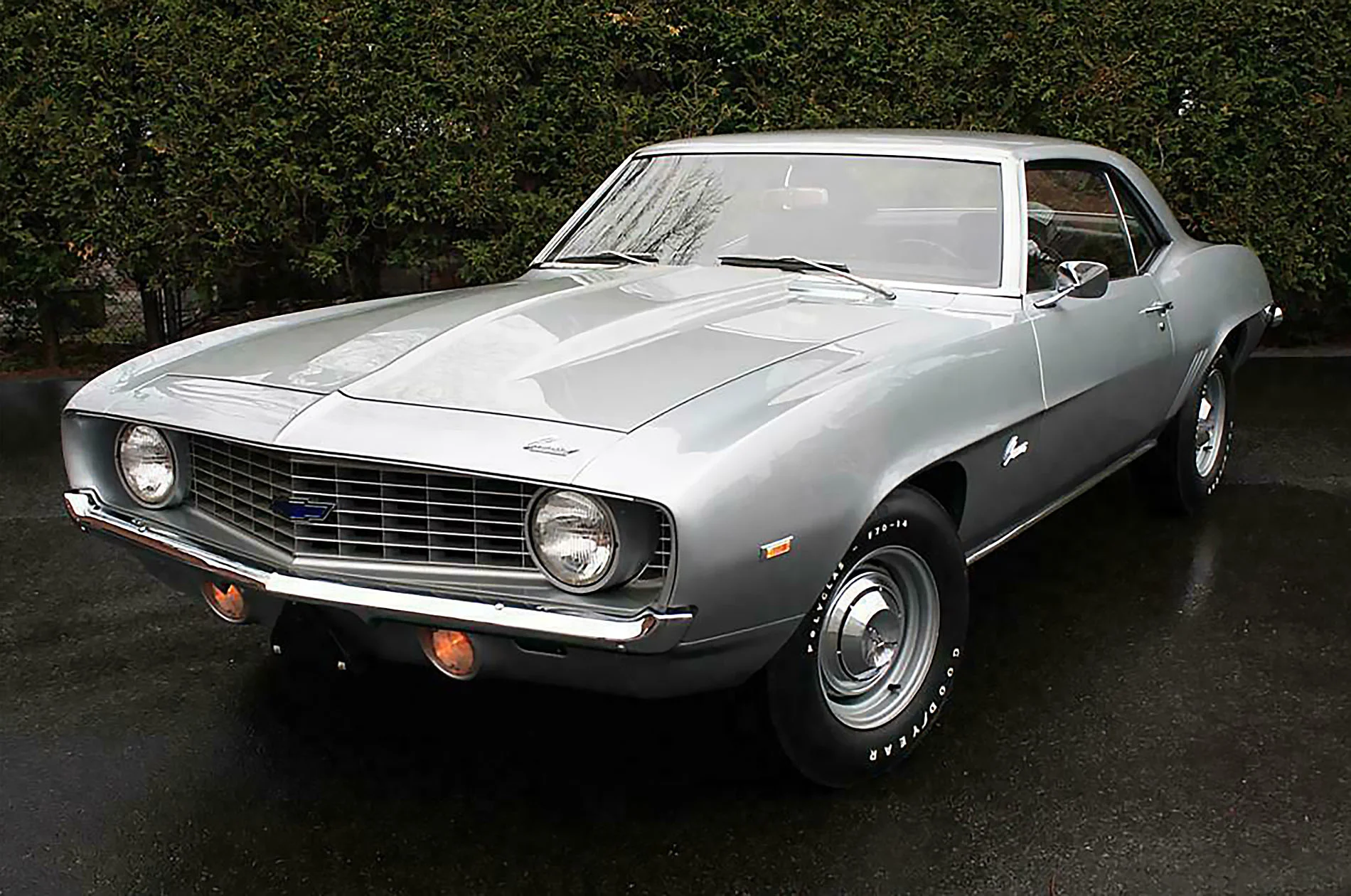
The 1969 Chevrolet Camaro COPO ZL1 stands as one of the most extreme and legendary muscle cars ever produced, a machine born from corporate loopholes, dealer ambition, and the relentless pursuit of dragstrip dominance. At a time when General Motors restricted engine sizes in smaller cars, this ultra-rare Camaro proved that rules could be bent when the right people were involved.
The Camaro itself was Chevrolet’s response to the runaway success of the Ford Mustang. Introduced for 1967, it quickly became a strong competitor in the emerging pony car market, offering attractive styling, a wide range of engines, and multiple performance packages such as the RS, SS, and Z/28.
While the Camaro was successful, it lacked one thing its rivals had begun to offer: a truly massive big-block engine capable of dominating drag racing.
GM policy limited engines larger than 400 cubic inches to full-size cars, frustrating Chevrolet dealers and racers as Ford and Chrysler unleashed fearsome big-block pony cars. Enter Fred Gibb, owner of Gibb Chevrolet in Illinois, and famed drag racer Dick Harrell.
Using the Central Office Production Order system, originally intended for fleet and commercial vehicles, Gibb proposed a radical idea to Chevrolet executive Vince Piggins: install the all-aluminum ZL1 427 V8 into the lightweight Camaro.
Approval required a minimum order of 50 street-legal cars, which Gibb agreed to purchase. Thus, COPO package 9560 was born. These Camaros began life as SS models before their iron big-block engines were removed and replaced with the ZL1, a racing-derived aluminum 427 based on the L88.
Officially rated at 430 horsepower, the ZL1 actually produced well over 500 horsepower while weighing just 500 pounds, making it the most powerful and lightest engine Chevrolet had ever offered to the public.
The COPO ZL1 came with heavy-duty suspension, power front disc brakes, a 4.10 Positraction rear end, and either a Muncie four-speed manual or Turbo-Hydramatic automatic transmission. The cars were intentionally spartan, featuring radio-delete interiors and minimal exterior trim. Only five colors were offered, emphasizing function over flash.
Performance was staggering. Stock examples ran the quarter mile in the low 13-second range, while lightly modified versions dipped into the 11s at around 120 mph.
However, the cost was equally shocking. With the ZL1 engine alone adding over $4,000, the final sticker price exceeded $7,200, making the cars difficult to sell. Only 69 ZL1 Camaros were ultimately built, many of which were raced and destroyed.
Today, surviving COPO ZL1 Camaros are among the most valuable muscle cars in existence, often commanding prices well above $1 million. Their rarity, outrageous performance, and outlaw origins secure the COPO ZL1’s reputation as one of Chevrolet’s greatest muscle car achievements.
1970 Plymouth ’Cuda Hemi Super Track Pack
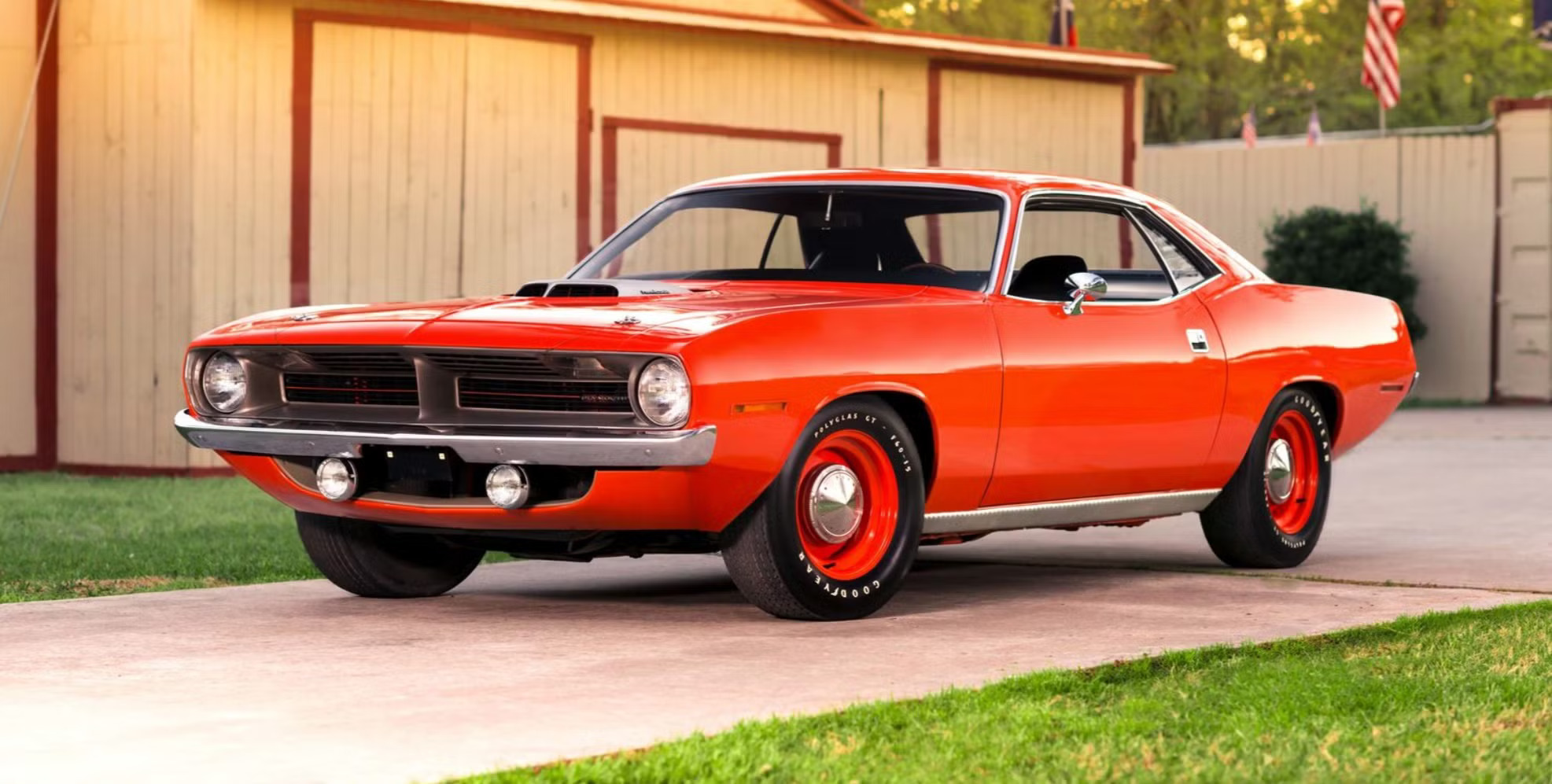
By 1970, the legendary 426-cubic-inch Hemi was nearing the end of its factory life, pressured by tightening emissions regulations and rising insurance costs. For buyers determined to experience Chrysler’s most fearsome engine before it disappeared, the Plymouth ’Cuda Hemi Super Track Pack represented one of the most focused and aggressive ways to do so.
This option package stripped away unnecessary weight and added serious drag-ready hardware, creating a car that was as at home on the strip as it was on the street.
The Super Track Pack paired the Hemi with a Dana rear axle fitted with steep 4.10 gears, designed to deliver explosive launches. To save weight, certain comfort and convenience features were omitted, including items such as the passenger-side mirror.
While many muscle car purists favored manual transmissions, this package could be ordered with the rugged Hemi Torqueflite automatic. That choice made the car brutally simple to drive at the dragstrip: point it straight, floor the throttle, and let the drivetrain do the rest.
One well-preserved example tells the story of how these cars were used and cared for. Its current owner, Richard, purchased his 1970 Hemi ’Cuda in 1973 and has maintained it ever since. Stored in a barn outside of town, the car remained largely unseen, its presence revealed only occasionally by the unmistakable rumble of a Hemi echoing through quiet streets.
Tracing its history back to the original selling dealer, Richard confirmed the car was ordered new with the Super Track Pack, complete with Shaker hood, automatic transmission, and Dana rear end.
Although largely original, the car has received thoughtful performance upgrades over the years. Richard installed a steeper 4.56 rear gear to improve launch characteristics and modified the Torqueflite so that it now requires manual shifting through the gears.
Despite running on street tires most of the time, he owns a set of drag slicks and has recorded a 12.05-second quarter-mile elapsed time, demonstrating the enduring capability of the Hemi-powered combination.
Driving the car delivers a visceral experience that few modern machines can replicate. The sight of the Shaker hood vibrating under hard acceleration and the relentless surge of torque define why the Hemi remains legendary. With fewer than 50,000 miles on the odometer, this ’Cuda stands as a true survivor, capturing the raw, unfiltered spirit of early 1970s muscle cars.
The Super Track Pack was not about luxury or refinement. It was about maximizing performance at a time when the golden era of muscle was drawing to a close, and few cars embodied that philosophy better than the 1970 Plymouth ’Cuda Hemi.
1970 Buick Skylark GSX Stage 1
During the peak of the American muscle car era, manufacturers competed relentlessly to deliver the fastest and most powerful production cars. Acceleration and quarter-mile performance were the defining measures of success, and by 1970, nearly every major brand had entered the fray.
In a surprising twist, Buick emerged as a dominant force with the 1970 Skylark GSX Stage 1, a car that combined striking design with unmatched torque and straight-line performance.
The Skylark was already a handsome midsize car, but Buick elevated it to muscle car royalty with the GSX package. The “GS” designation had been used previously for performance models, while the added “X” signaled something more extreme. When paired with the Stage 1 performance upgrade, the GSX became one of the most formidable street machines of its time.
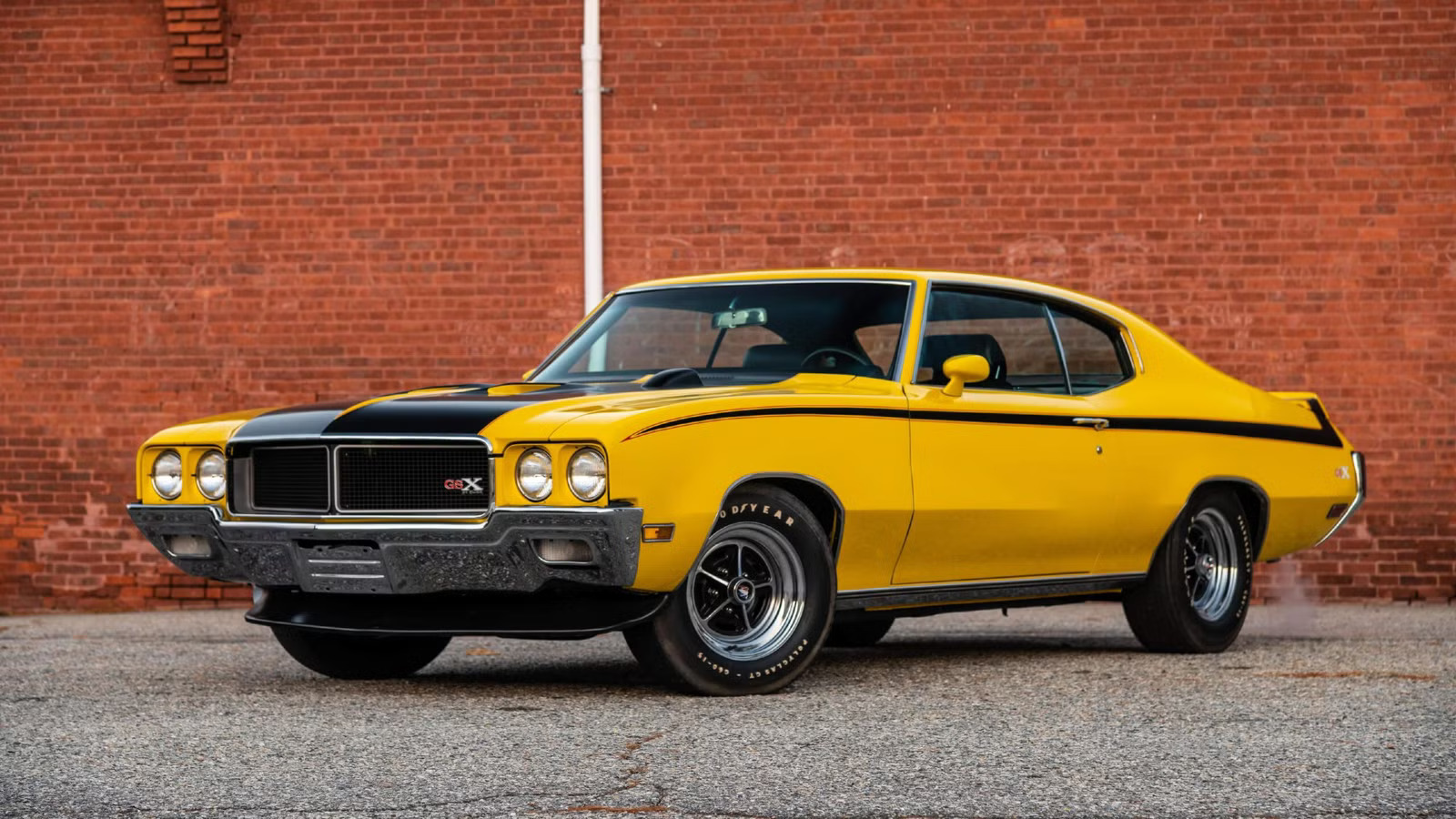
Visually, the GSX Stage 1 stood out immediately. Its aggressive front end featured dual headlights, a split grille, and functional hood scoops designed to help cool the massive engine.
At the rear, a distinctive decklid spoiler with tall end plates flowed into the quarter panels, creating a cohesive and purposeful look. Bold black side stripes ran the length of the car and wrapped around the rear wing, giving the GSX an unmistakable presence.
Under the hood sat Buick’s legendary 455-cubic-inch V8, enhanced in Stage 1 form with a more aggressive camshaft, higher compression, and a carefully tuned Quadrajet four-barrel carburetor. Officially rated at 360 horsepower, only slightly higher than the standard GS 455, the engine’s true strength was widely believed to be significantly underrated.
What could not be disputed was its torque output. With a staggering 510 lb-ft of torque, the GSX Stage 1 held the title of Detroit’s torque champion for more than three decades, a record that stood until the arrival of the V10-powered Dodge Viper in 2003.
That immense torque translated directly into exceptional performance. Equipped with a four-speed manual transmission, the GSX Stage 1 could sprint from 0 to 60 mph in just over five seconds and complete the quarter mile in the low 13-second range at over 105 mph.
Contemporary road tests were astonished by these results, and Motor Trend famously declared the GSX Stage 1 the quickest American production car they had ever tested.
At a time when muscle car icons like the Mustang, GTO, Chevelle SS, and Challenger dominated headlines, the Buick Skylark GSX Stage 1 arrived unexpectedly and rewrote the rulebook.
It proved that refinement and brute force could coexist, delivering jaw-dropping acceleration without sacrificing Buick’s trademark sense of style. Today, the GSX Stage 1 remains one of the most impressive and underrated muscle cars ever built, a testament to Buick’s boldest performance statement.
Looking back, The Fastest and Rarest American Muscle Cars From 1969–1970 stand as monuments to an era defined by fearless experimentation and unrestrained ambition. These vehicles were born in a narrow window when engineering creativity outpaced regulation, allowing manufacturers to offer engines and performance levels that would soon become impossible.
What makes these cars truly special is not just their raw numbers, but the intent behind them. Each was created with a clear purpose, whether to dominate the drag strip, satisfy racing homologation rules, or prove that a smaller manufacturer could stand toe to toe with industry giants.
Time has transformed these machines from performance weapons into cultural icons. Their scarcity, combined with their historical significance, has elevated them into some of the most desirable collector cars in the world. Values continue to rise, but their true worth lies in what they represent. They capture the final, unapologetic surge of American muscle before compromise became unavoidable.
More than half a century later, these cars still command respect. They remind us that performance once came first, that engineering risks were rewarded, and that speed was a selling point worth chasing at any cost. In that sense, these muscle cars are not just fast or rare. They are irreplaceable chapters in American automotive history.
Also Read: 5 Cars for Cheyenne High-Altitude Driving vs 5 That Lose Power