
Charleston’s historic streets are a blend of narrow lanes, cobblestone roads, and charming alleys that demand vehicles with compact size, agility, and thoughtful design.
Choosing the right car for this environment means balancing practicality, comfort, and efficiency while respecting the city’s unique architecture and pedestrian-heavy areas.
Some vehicles, like small sedans, subcompact SUVs, and nimble electric cars, thrive in this setting, offering easy parking, smooth rides over uneven surfaces, and quiet operation that preserves Charleston’s peaceful ambiance.
Other vehicles, such as oversized pickups, high-powered hypercars, or performance-tuned sports cars, are fundamentally mismatched to these streets. Their low ground clearance, wide bodies, and stiff suspensions make tight turns, uneven cobblestones, and dense traffic challenging or even damaging.
In this guide, we compare five vehicles that are well-suited for Charleston’s historic streets with five that struggle in this environment, highlighting how design, size, and performance affect suitability for the city’s iconic downtown.
5 Cars for Charleston (SC) Historic Streets
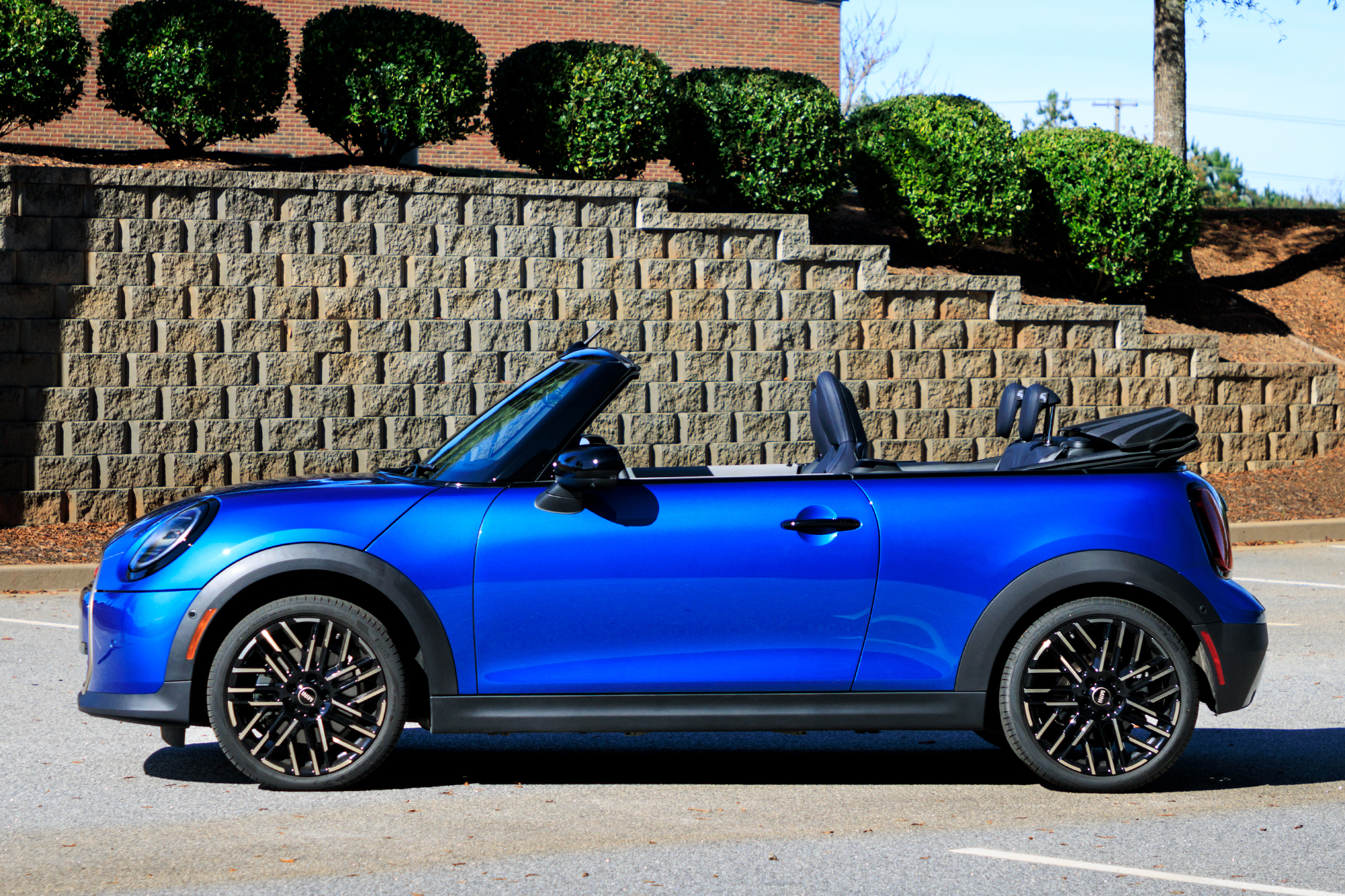
1. 2025 MINI Cooper S Convertible: Compact Charm Meets Coastal Fun
The 2025 MINI Cooper S Convertible remains the perfect vehicle for Charleston’s historic streets. Its compact size and tight turning radius make it ideal for narrow lanes, crowded parking, and the city’s iconic alleys.
The car’s nimble “go-kart” handling, responsive turbocharged engine, and sporty suspension provide an enjoyable, agile drive through both city streets and coastal routes, while the convertible soft top enhances the open-air experience, letting drivers and passengers fully enjoy Charleston’s scenery and breezes.
With a footprint smaller than most sedans, the MINI excels at tight maneuvers and parking in limited spaces. Advanced features such as parking assist and front/rear sensors simplify parallel parking in popular areas like King Street and near the Market. Its go-kart mode sharpens throttle response and steering, making short, twisty trips fun and responsive.
The Cooper S shares a turbocharged four-cylinder engine delivering 201 hp and 221 lb-ft of torque, paired with a seven-speed dual-clutch transmission. The John Cooper Works (JCW) variant takes performance further with 228 hp, stiffer damping, shorter gearing, and predictive shifts for sharper acceleration and cornering.
Driving modes, including Boost, Green, and Go-Kart, allow customization of throttle and steering feel, while the suspension ensures minimal body shake over uneven streets.
The soft top operates quickly at speeds up to 19 mph and offers a “sunroof mode” for partial retraction. Rear seats accommodate short trips, and a clever trunk mechanism improves cargo access.
Interiors combine premium materials, sustainable options, and modern tech, including heated seats, a steering wheel, and a high-contrast OLED display. Personalized MINI Experience modes enhance cabin ambiance, while the “Always Open” meter tracks open-top driving time.
The 2025 model retains MINI’s signature charm with new exterior and interior colors, oval-themed interior details, and iconic LED taillights. It balances playful design, premium features, and practical agility, making it a compelling choice for those seeking a stylish, fun, and versatile convertible.
At entry prices starting around $35,125, the MINI Cooper S Convertible offers a spirited, premium driving experience perfectly suited for Charleston’s historic and coastal streets.
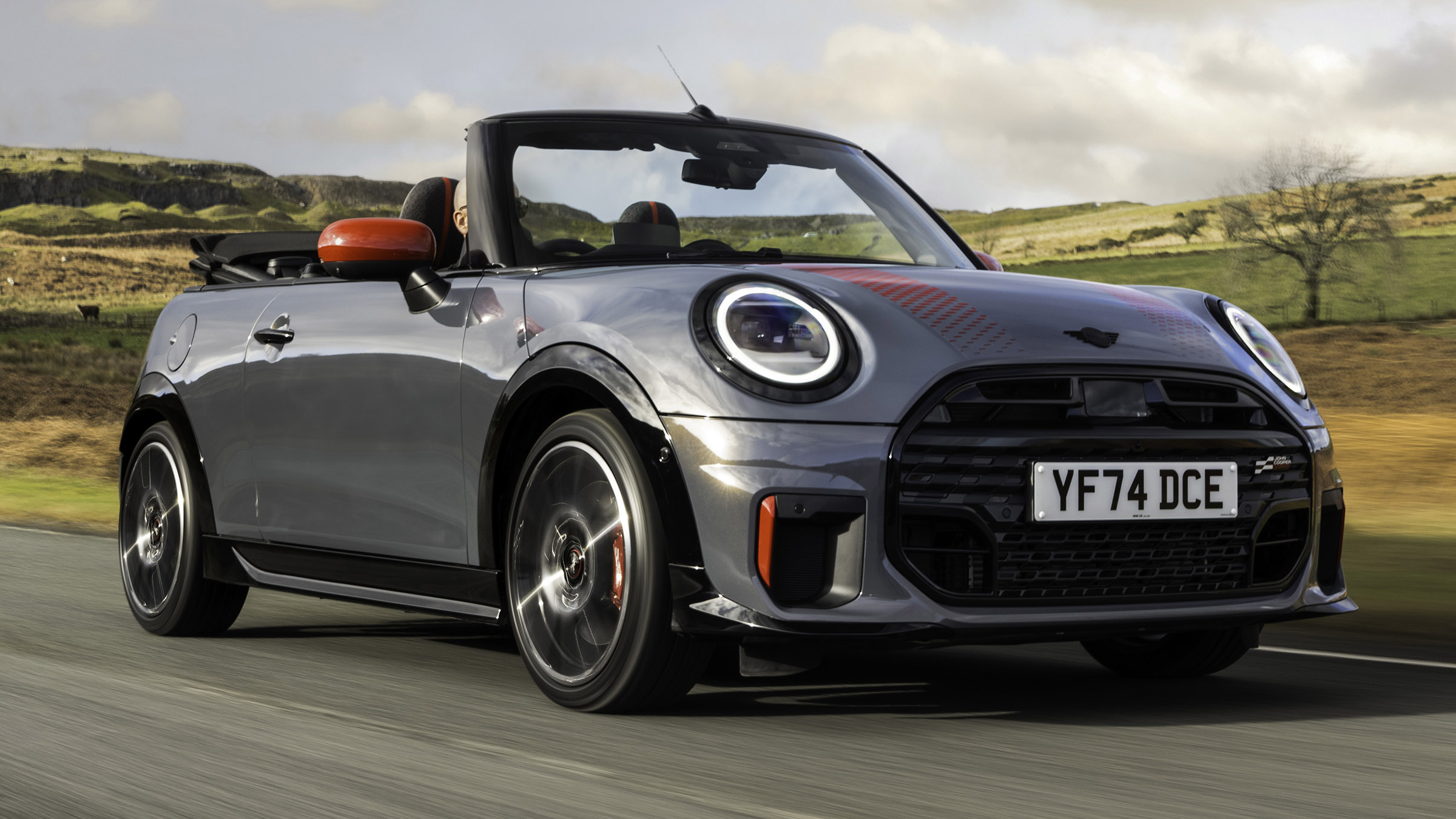
2. 2025 Hyundai Kona Electric: Quiet, Compact, and Eco-Friendly for City Streets
The 2025 Hyundai Kona Electric is a subcompact SUV designed for city life, offering a blend of maneuverability, comfort, and eco-conscious driving. Its compact footprint makes it well-suited for Charleston’s historic streets and narrow parking spaces, while slightly higher ground clearance protects the undercarriage from cobblestones and uneven surfaces.
The quiet, smooth electric powertrain preserves the peaceful ambiance of residential areas like South of Broad, allowing drivers to enjoy the city without contributing noise or emissions.
With a single 133-hp front-wheel-drive electric motor, the Kona Electric delivers instant torque for responsive city driving. Its zero-emissions operation keeps the air cleaner in dense, historic districts, supporting Charleston’s commitment to sustainability.
Hands-free convenience features such as the power liftgate make loading and unloading items in tight spots easier, while the subcompact size allows effortless movement through narrow streets.
The Kona Electric SE offers an estimated 200 miles of range, with the SEL trim extending up to 261 miles, making it practical for daily city and suburban trips. Charging via DC fast chargers can replenish the 48.6-kWh battery from 10 to 80 percent in roughly 45 minutes.
EPA efficiency ratings stand at 131 MPGe city and 105 MPGe highway, providing one of the most fuel-efficient options in the subcompact EV segment. Acceleration is calm but competent, with 0–60 mph times estimated around 7–8.6 seconds depending on the trim.
The Kona Electric features a modern, stylish interior with dual 12.3-inch displays, ambient lighting, and wireless Apple CarPlay and Android Auto. Rear passengers benefit from generous legroom at 36.4 inches, and cargo capacity ranges from 26 cubic feet with seats up to 64 cubic feet with seats folded. Comfort-focused design ensures a quiet and relaxed driving experience for city errands or scenic drives.
Standard safety features include automated emergency braking and lane-keeping assist, with optional adaptive cruise control and a surround-view monitor. Hyundai backs the Kona Electric with a five-year/60,000-mile limited warranty, ten-year/100,000-mile battery and powertrain warranty, and three years/36,000 miles of complimentary maintenance.
The 2025 Hyundai Kona Electric combines compact practicality, smooth electric performance, and modern technology, offering a quiet, clean, and versatile solution for city driving and Charleston’s historic charm.
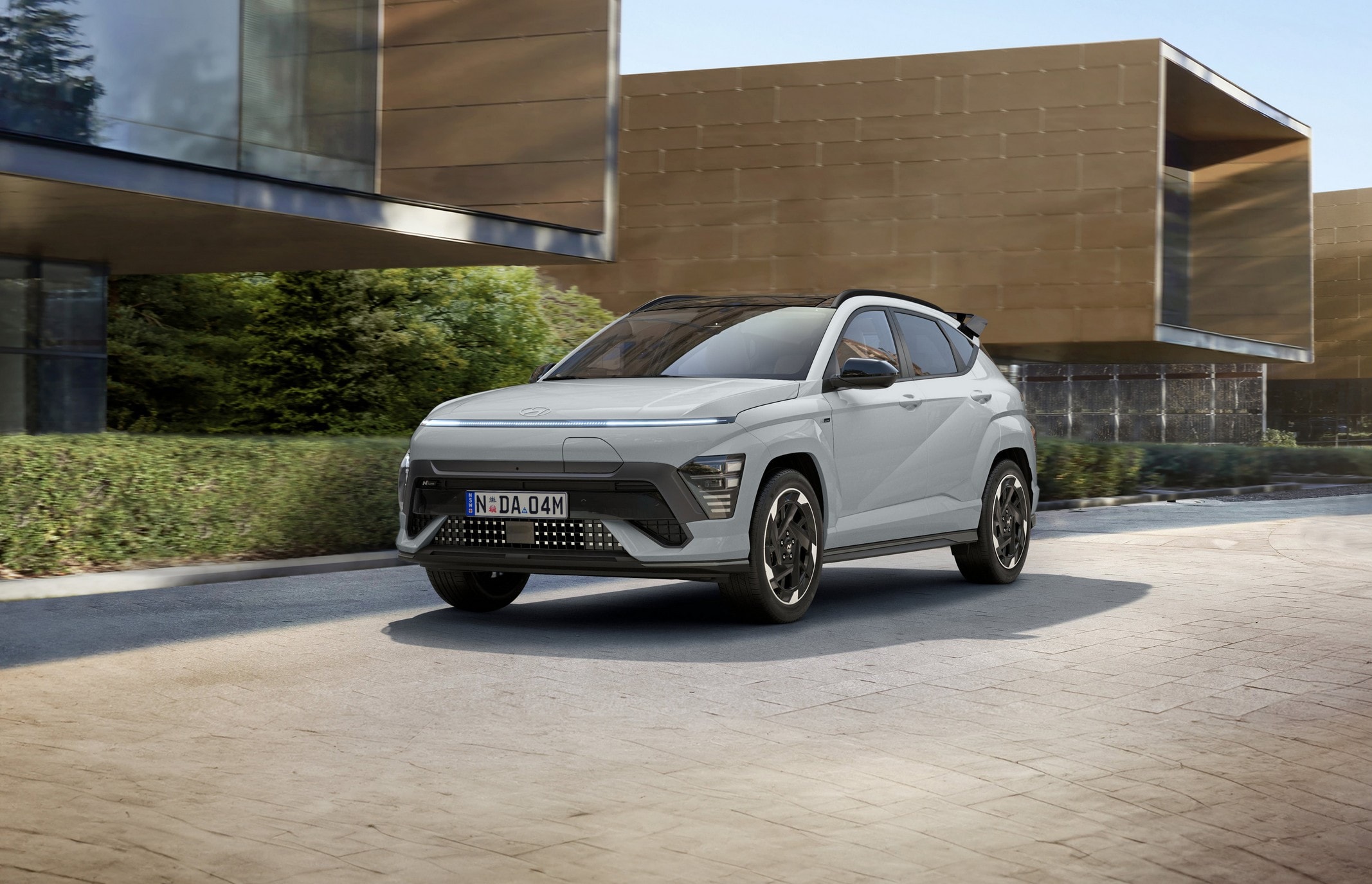
3. 2025 Audi A3: Compact Luxury for Historic City Streets
The 2025 Audi A3 delivers a refined luxury experience in a small package, making it ideal for Charleston’s historic streets. Its short wheelbase and nimble handling allow confident movement through tight areas like the French Quarter or South of Broad, while standard quattro all-wheel drive provides stability on wet cobblestones and uneven pavement.
The A3 combines performance, comfort, and upscale design, offering a sophisticated option for urban drivers without the bulk of larger sedans or SUVs.
Powered by a 201-hp turbocharged 2.0-liter four-cylinder engine paired with a seven-speed dual-clutch automatic transmission, the A3 produces 236 lb-ft of torque and reaches 0–60 mph in about 6 seconds.
The standard all-wheel-drive system provides excellent traction in rainy conditions, and the chassis strikes a balance between lively handling and a smooth ride. Drivers seeking higher performance can opt for the 328-hp S3, which delivers faster acceleration and sportier reflexes.
EPA ratings for the A3 are 24 mpg city and 34 mpg highway, with a combined rating of 28 mpg. In real-world highway testing, the A3 has achieved up to 40 mpg, making it efficient for frequent urban driving. Its compact dimensions also simplify parking and tight turns, enhancing convenience for city commutes.
The cabin blends modern technology with classic European design. Standard features include a 10.3-inch digital display, while the Technology package upgrades to a 12.3-inch screen with navigation, traffic-sign recognition, and a Sonos audio system.
Sport seats with quilted surfaces and dash stitching add a premium feel, though some hard plastics and limited storage may be drawbacks. Trunk space totals 10.9 cubic feet, suitable for groceries or weekend trips.
Standard safety features include automated emergency braking, lane-departure warning, and automatic high beams, with optional blind-spot monitoring, adaptive cruise control, and park assist. Warranty coverage includes a four-year/50,000-mile limited and powertrain warranty, though no complimentary scheduled maintenance is offered.
The 2025 Audi A3 provides compact luxury, responsive performance, and stylish design, making it a strong choice for drivers who want a capable, refined vehicle for Charleston’s historic streets.
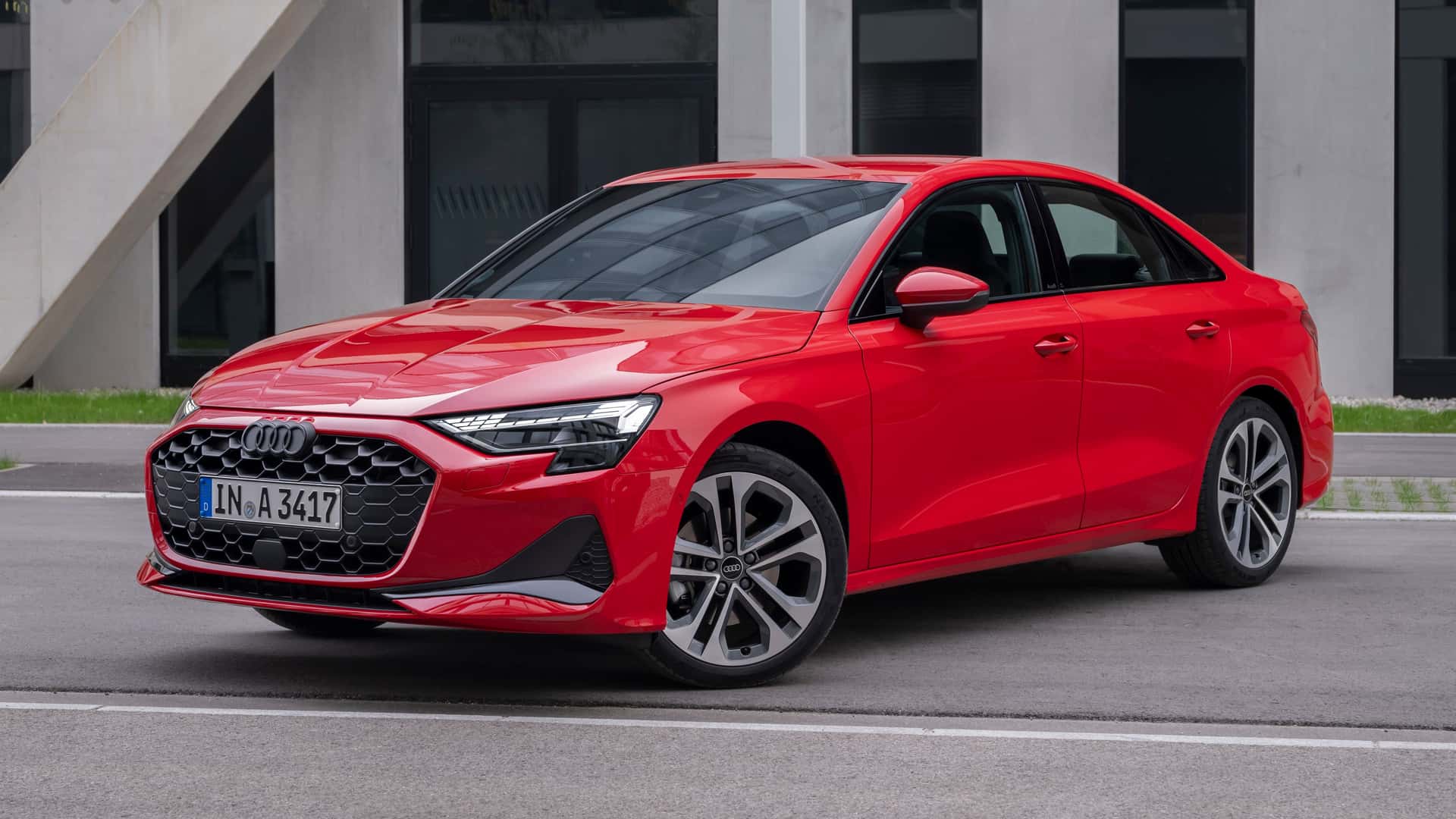
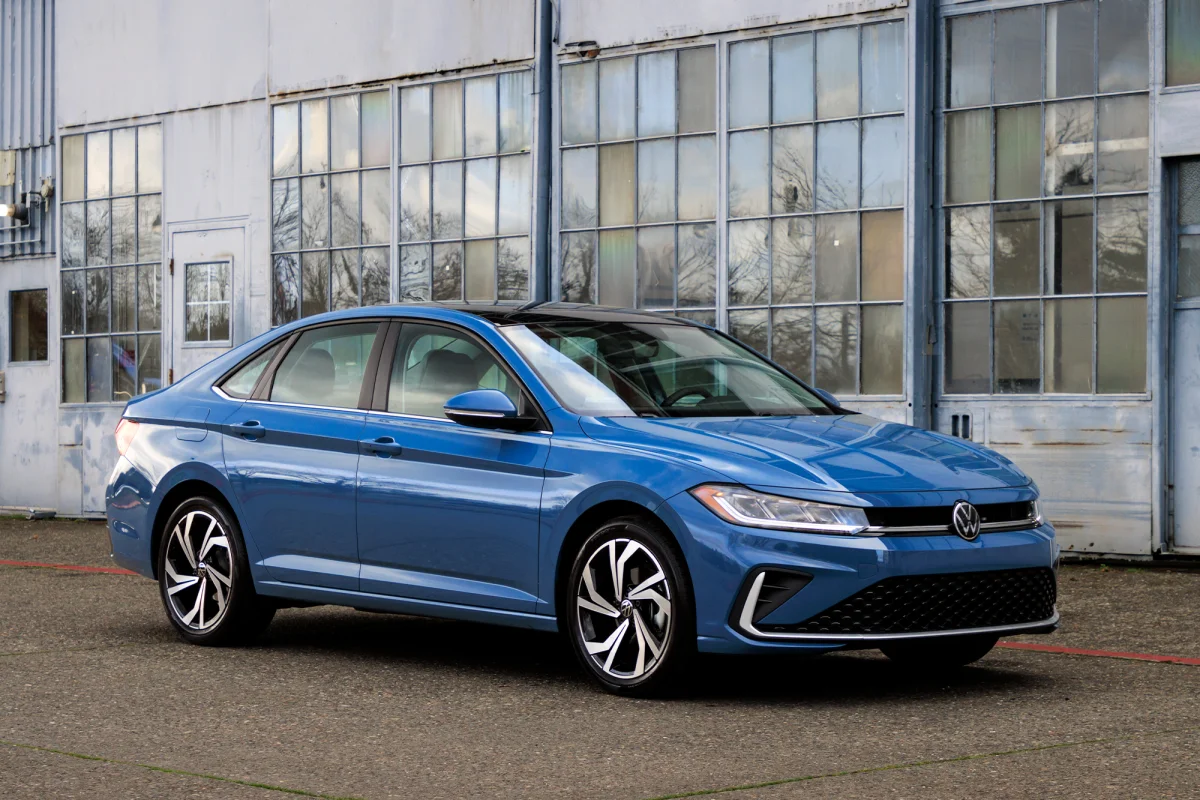
4. 2025 Volkswagen Jetta: Practical Comfort for City Streets
The 2025 Volkswagen Jetta is a practical, stylish sedan that blends compact dimensions with modern comfort and efficiency, making it well-suited for Charleston’s historic streets.
Its narrow width allows it to comfortably pass horse-drawn carriages and maneuver through tight lanes, while a compliant suspension smooths out cobblestones and uneven pavement. The Jetta provides a quiet, comfortable ride for city driving, paired with contemporary features that enhance convenience and connectivity.
The Jetta’s 1.5-liter turbocharged four-cylinder engine produces 158 hp and 184 lb-ft of torque, paired with an eight-speed automatic transmission across most trims. The chassis is tuned for comfort rather than sharp handling, offering light steering and a composed ride over rougher historic roads.
Acceleration to 60 mph is around 7.1 seconds, making city driving responsive without being aggressive. Fuel efficiency is strong, with EPA ratings up to 31 mpg city and 41 mpg highway, and real-world testing sometimes exceeding 42 mpg.
The Jetta’s cabin provides a spacious environment for passengers, with ample headroom and legroom in both front and rear seats. Trunk space is generous, holding 26 cubic feet with seats upright and 64 cubic feet with seats folded.
The 2025 model features an 8-inch touchscreen on most trims and a 10.3-inch digital gauge cluster on the SEL, offering wireless Apple CarPlay, Android Auto, and optional wireless charging. Ambient lighting, ventilated seats, and premium audio are available on higher trims, providing a comfortable and connected driving experience.
Standard driver-assistance technology includes forward-collision warning, automated emergency braking, blind-spot monitoring, and rear cross-traffic alert. Optional features such as adaptive cruise control with stop-and-go functionality, lane-keeping assist, and parking sensors enhance safety in busy urban environments.
Volkswagen provides a four-year/50,000-mile limited and powertrain warranty, along with two years or 20,000 miles of complimentary scheduled maintenance, adding value to the Jetta’s practical ownership experience.
The 2025 Volkswagen Jetta combines compact practicality, efficient performance, and modern technology, making it a smart, comfortable, and stylish choice for exploring Charleston’s narrow streets and historic charm.
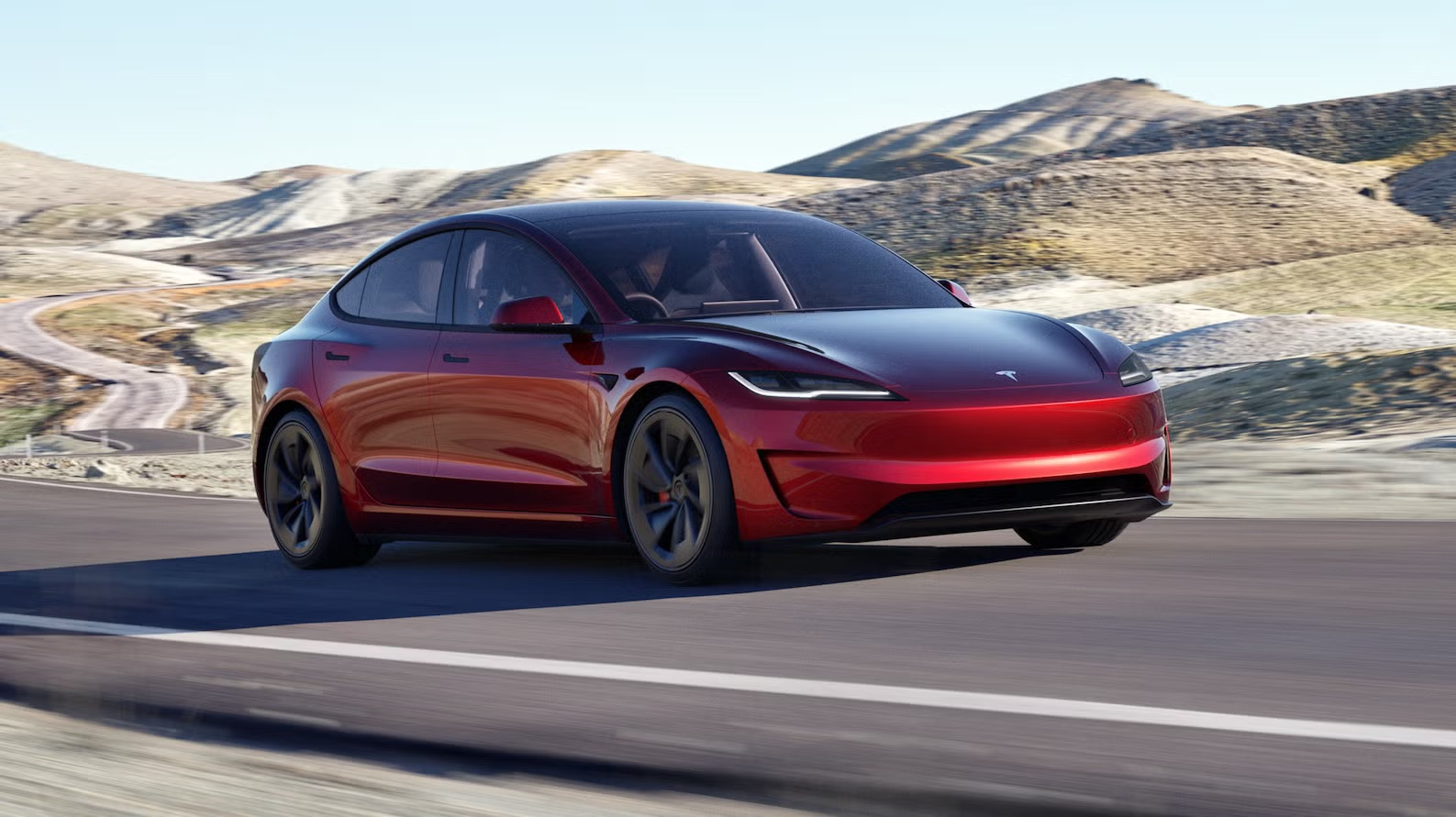
5. 2025 Tesla Model 3: Quiet, Efficient, and Tech-Forward for City Streets
The 2025 Tesla Model 3 has become a popular choice in Charleston as public charging infrastructure expands. Its compact sedan size, silent electric operation, and advanced technology make it ideal for the city’s narrow streets and historic districts.
The Model 3’s regenerative braking, zero tailpipe emissions, and high efficiency provide a comfortable and eco-friendly driving experience, while features like Autopilot and Enhanced Autopilot assist with parking and complex intersections, reducing driver fatigue.
The Model 3 offers multiple powertrain options, including a 286-hp single motor, 425-hp dual motor, and 510-hp dual motor Performance version, with front- or all-wheel drive. Its low center of gravity and precise steering contribute to stable, agile handling, while the firm yet comfortable ride absorbs most road imperfections.
Acceleration is brisk, with the Performance model reaching 0–60 mph in just 2.8 seconds and the Premium RWD version in 4.6 seconds. Regenerative braking enhances efficiency in stop-and-go traffic while reducing brake wear.
EPA-rated ranges vary from 298 to 363 miles, depending on the configuration. Real-world tests show strong highway performance, supported by Tesla’s extensive Supercharger network, adapters for public stations, and home-charging options.
Fast charging allows a dual-motor Performance battery to reach 10–90 percent in just 39 minutes, making city and suburban trips convenient despite limited Level 2 charging near Charleston’s historic areas.
The Model 3 features a minimalistic interior dominated by a 15.4-inch touchscreen, complemented by an 8-inch rear console display in Premium and Performance trims. Front seats are supportive and spacious, though rear seating is tighter.
Cargo space is practical, with a front trunk for small items and a rear trunk that expands when the 60/40 rear seats are folded. Infotainment includes streaming services, video apps, and games, though Apple CarPlay, Android Auto, and traditional radio are not available.
Standard safety features include adaptive cruise control, automated emergency braking, and lane-departure warning. Autopilot provides lane keeping, traffic-aware cruise control, and automatic lane changes, helping ease driving through busy streets.
Tesla offers a four-year/50,000-mile limited warranty and an eight-year/100,000-mile powertrain and battery warranty, though no complimentary maintenance is included.
The 2025 Tesla Model 3 delivers compact agility, quiet electric operation, and advanced technology, making it a practical and stylish choice for exploring Charleston’s historic streets while maintaining the city’s peaceful, pedestrian-friendly atmosphere.
5 That Don’t Fit
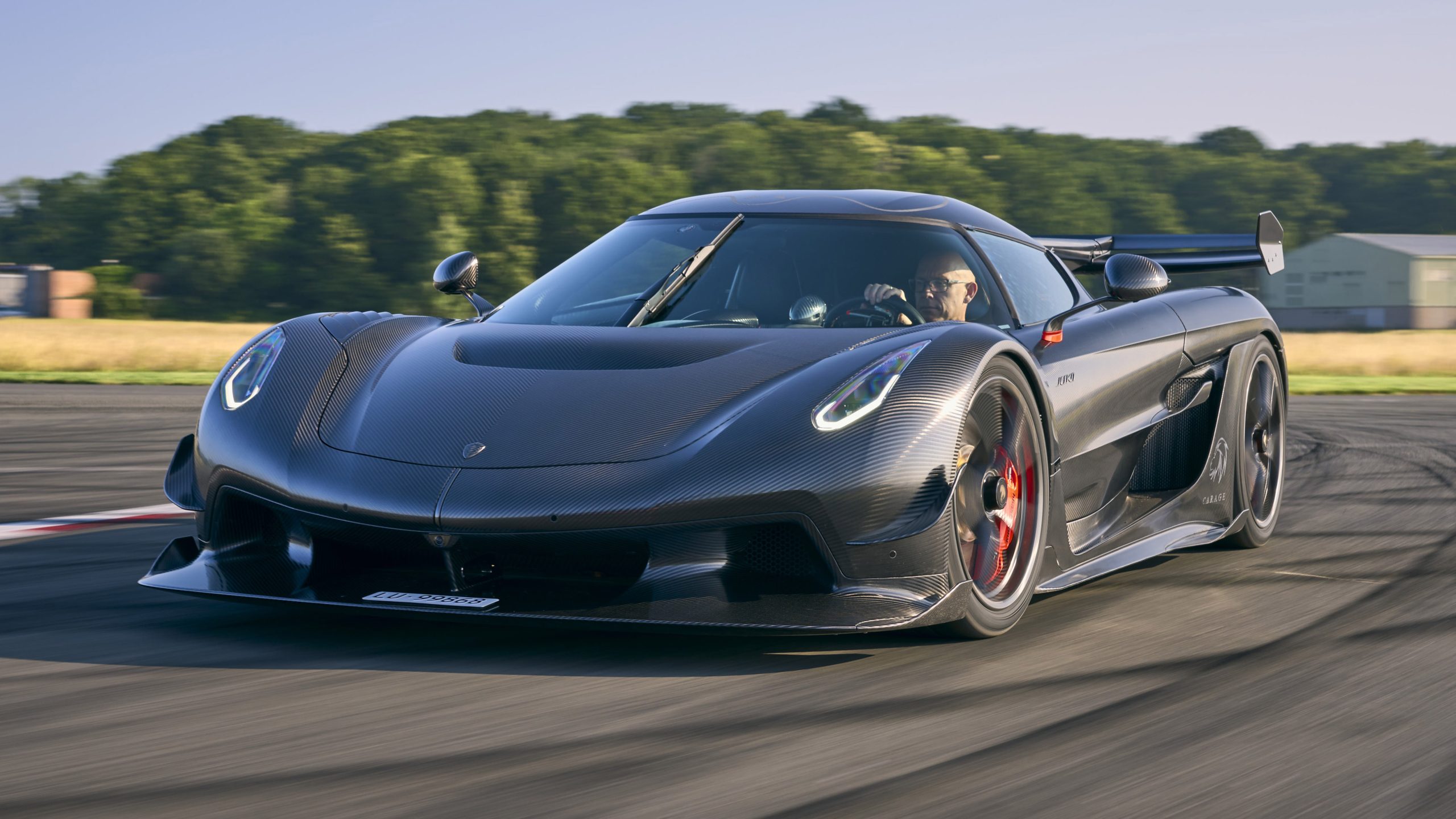
1. 2025 Koenigsegg Jesko: Hypercar Excess Meets Historic Street Challenges
The 2025 Koenigsegg Jesko is an extreme hypercar that is highly impractical for Charleston’s historic district. With a ground clearance of only 2.8 inches, even minor pavement changes risk serious undercarriage damage.
The front-lift system does not provide enough clearance for the high-crowned cobblestones and deep gutters common in areas like the French Quarter. Its wide body and low seating position make it difficult to drive on narrow and crowded streets.
Charleston’s urban environment presents numerous obstacles for a car designed for racetracks. Heavy traffic, frequent pedestrian crowds, and tourist congestion make rapid acceleration impossible and increase the risk of accidents. Potholes, bumps, and uneven surfaces threaten the Jesko’s delicate components, while sharp turns and tight corners create handling challenges for such a high-powered vehicle.
The Jesko’s 1,500+ horsepower and 330+ mph top speed offer no advantage in a city defined by slow-moving, congested streets. Its design prioritizes performance over practicality, safety, and comfort in urban settings.
In short, while the Koenigsegg Jesko excels on perfect racetracks, Charleston’s historic streets with narrow lanes, uneven surfaces, and heavy congestion make it a completely unsuitable, risky, and uncomfortable choice for city driving.
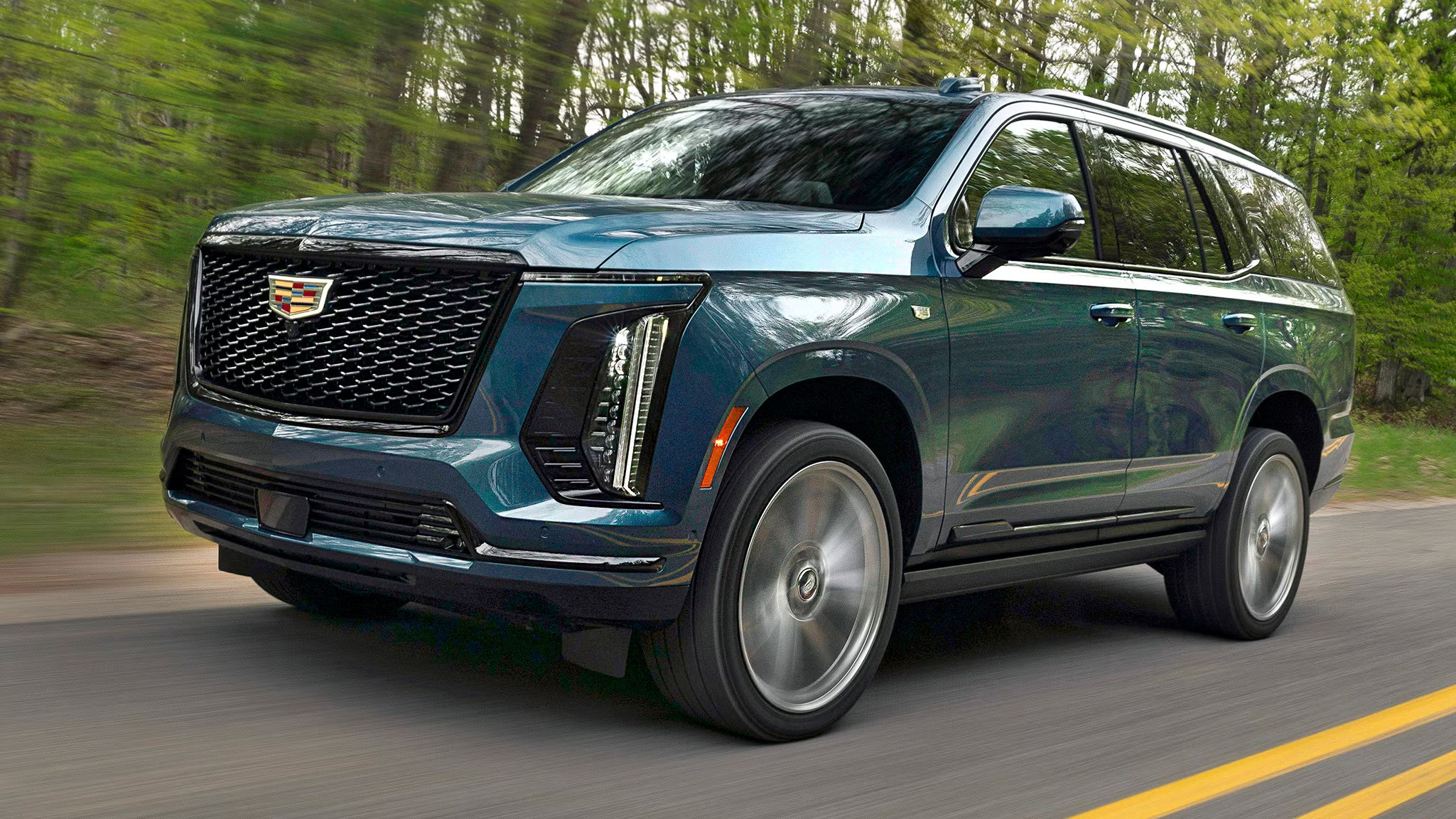
2. 2025 Cadillac Escalade ESV: Luxury Overwhelms Charleston’s Historic Streets
The 2025 Cadillac Escalade ESV is a full-size, extended-wheelbase SUV that struggles in Charleston’s narrow, historic streets. Measuring over 18 feet long and nearly 7 feet wide, it is difficult to maneuver through tight lanes or park in compact garages. Multi-point turns are often necessary, which can block traffic or risk curb damage on its expensive wheels.
Charleston’s uneven cobblestones and older roads amplify the Escalade’s stiff ride, especially when equipped with optional 24-inch wheels and low-profile tires.
While its Magnetic Ride Control suspension performs well on highways, stop-and-go traffic on bumpy historic streets exposes body lean and transmits road imperfections directly to passengers. Some drivers also report occasional transmission hesitations or rough shifts, which become more noticeable in city traffic.
Parking is particularly challenging. Its large size makes finding space in downtown Charleston difficult, and narrow alleys and side streets require extreme caution to avoid accidents or scrapes.
While the Escalade ESV excels in space, power, and highway comfort, these strengths become liabilities in Charleston’s historic district. Its luxury features clash with the tight streets, uneven surfaces, and congested traffic, making it an impractical and cumbersome choice for city driving.
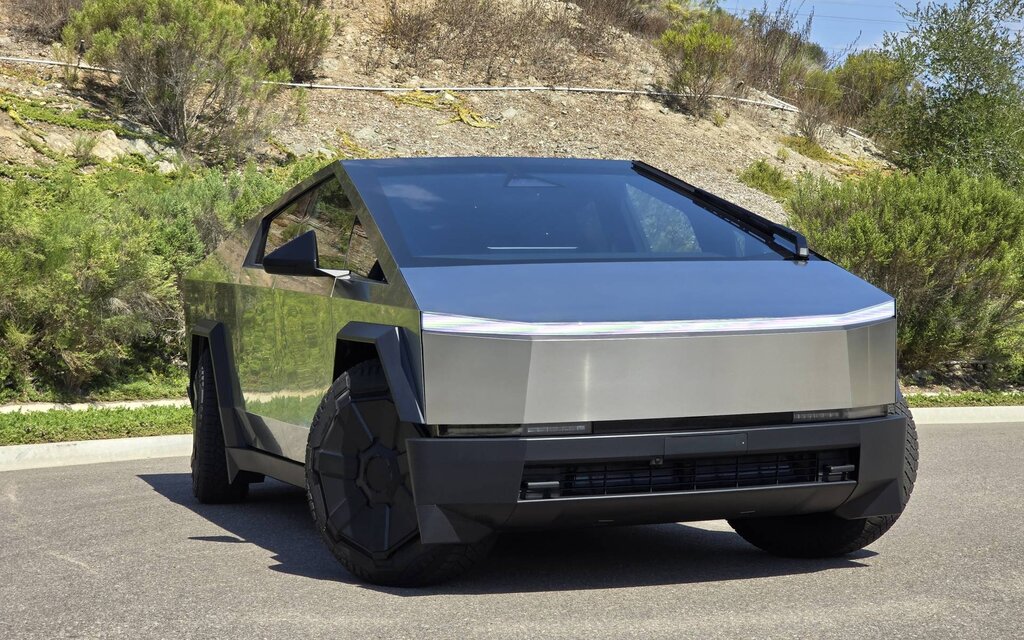
3. 2025 Tesla Cybertruck: Oversized and Awkward for Historic Streets
The 2025 Tesla Cybertruck is a futuristic, stainless-steel pickup that is poorly suited for Charleston’s narrow, historic streets. Its massive width and long wheelbase make tight turns on streets like those in the French Quarter or South of Broad extremely difficult. Standard street-side parking is nearly impossible without blocking travel lanes, and its sharp angles and heavy weight add to the challenge.
Visibility is a major concern. The design lacks a traditional rear window and features large pillars, creating significant blind spots that are dangerous in pedestrian-heavy areas.
Charleston’s cobblestones, uneven bricks, and potholes threaten the Cybertruck’s stainless-steel body and undercarriage, potentially resulting in costly repairs. Its heavy weight, combined with traction control that may be cumbersome to adjust, makes precise, slow driving on varied surfaces more challenging.
The Cybertruck’s suspension, while comfortable on highways, is not optimized for constant bumps and uneven streets, which could lead to vibrations or alignment issues. Additionally, its sharp, futuristic design stands out against historic architecture and could attract unwanted attention.
In short, the Tesla Cybertruck’s rugged, oversized, and unconventional design conflicts with Charleston’s delicate, crowded, and historic streets, making it an impractical and risky choice for city driving.
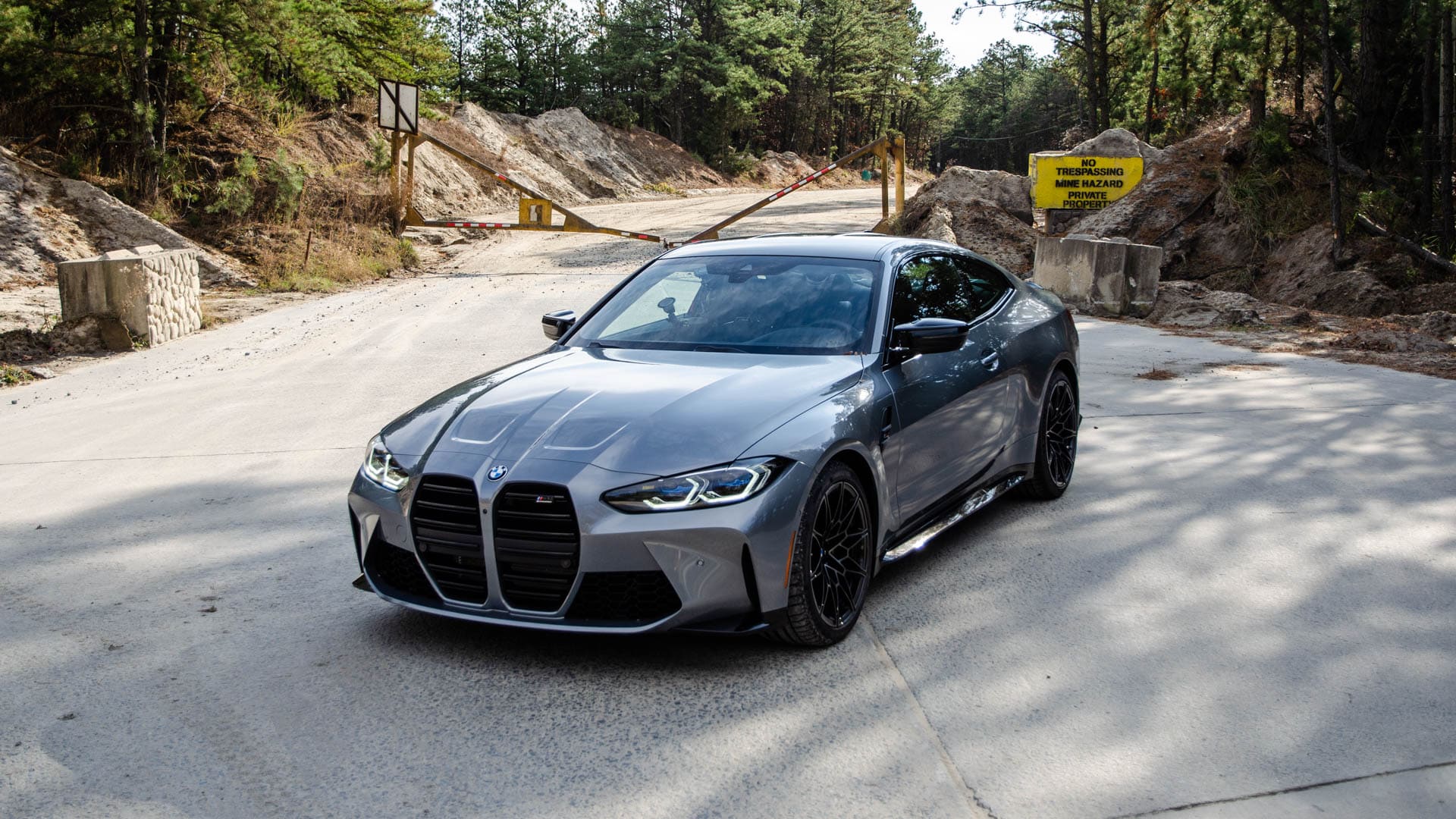
4. 2025 BMW M4: High-Performance Sports Car Unsuitable for Historic Streets
The 2025 BMW M4 with Competition suspension is engineered for track performance, featuring a stiff, low-clearance suspension and ultra-low-profile tires. While ideal on smooth roads, these features make the car poorly suited for Charleston’s historic streets.
Uneven cobblestones, potholes, and high-crowned brick surfaces create a harsh, jarring ride and increase the risk of rim damage, tire failure, or scraping the undercarriage.
Low ground clearance is a major concern. Speed bumps, steep driveways, and misaligned cobblestones can easily contact the front bumper or exhaust system. The performance-tuned adaptive M suspension, while excellent for handling, struggles to absorb impacts on bumpy streets, transmitting every road imperfection to passengers.
Charleston’s narrow and congested streets further limit the M4’s practicality. Its wide stance and high power are wasted in slow-moving traffic, tight corners, and parallel parking scenarios. Attempting to drive aggressively is unsafe, given the city’s traffic density and pedestrian activity.
Continuous exposure to poor road conditions accelerates wear on suspension, steering components, and tires, raising maintenance costs. Despite its impressive speed and handling capabilities, the BMW M4 is ill-suited for Charleston’s historic district, where comfort, clearance, and practicality are far more important than high-performance performance.
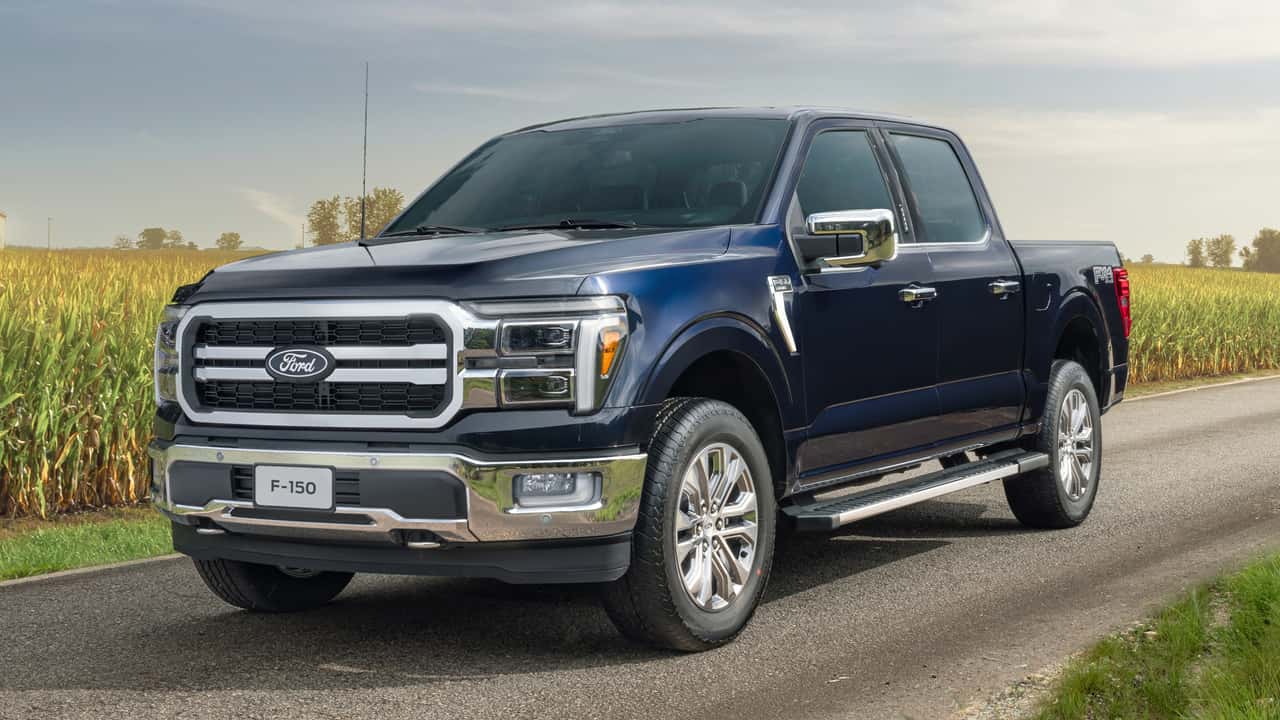
5. 2025 Ford F-150 SuperCrew: Too Large for Historic Charleston Streets
The 2025 Ford F-150 SuperCrew is a rugged, full-size pickup that struggles on Charleston’s historic streets. Its considerable length, width, and height make tight turns, narrow alleys, and one-way residential streets south of Broad Street extremely difficult. Drivers often find themselves boxed in by parked cars or delivery trucks, with limited room to maneuver.
Charleston’s downtown streets are narrow, cobblestone-lined, and frequently congested with tourists, events, and traffic bottlenecks. These conditions place stress on the F-150’s suspension and tires and make parking a major challenge.
Tight garages and limited spots make finding a safe place to park nearly impossible for such a large vehicle. Low-hanging branches and building overhangs also pose hazards due to the truck’s height.
The combination of size, road imperfections, and traffic density increases the risk of damage to both the vehicle and surrounding historic structures. Sharp corners, uneven cobblestones, and tight intersections exacerbate the difficulty of controlling the truck, making driving stressful and slow.
While the F-150 SuperCrew excels on highways or construction sites, its large dimensions, heavy footprint, and poor suitability for narrow, uneven, and congested streets make it impractical for Charleston’s historic district. The truck’s strengths conflict with the city’s compact and delicate infrastructure.
Charleston’s historic streets demand careful consideration when selecting a vehicle. Cars that combine compact dimensions, responsive handling, and comfort, like the MINI Cooper S Convertible or Tesla Model 3, offer practicality, safety, and enjoyment on narrow, cobblestone-lined roads.
These vehicles provide smooth rides, efficient performance, and features that enhance convenience in urban driving while maintaining the city’s quiet, pedestrian-friendly atmosphere. In contrast, oversized SUVs, high-powered hypercars, and track-focused sports cars, such as the Koenigsegg Jesko or BMW M4, struggle with Charleston’s tight corners, uneven surfaces, and dense traffic.
Their size, low clearance, or stiff suspensions create maneuvering difficulties, increase the risk of damage, and limit usability.
Understanding how vehicle design interacts with the unique challenges of Charleston’s historic district allows drivers to make informed choices, ensuring safety and a pleasurable driving experience while preserving the city’s charm.
Also Read: 5 Cars for Fayetteville (NC) College & Commuting vs 5 Students Should Avoid
