
Roanoke’s rolling hills and the nearby Blue Ridge Mountains demand vehicles that combine power, traction, and suspension capable of handling steep inclines, uneven roads, and occasional off-road trails.
Some SUVs and electric models rise to the challenge with high torque, all-wheel-drive systems, adaptive air suspension, and specialized hill-friendly modes, making climbs, descents, and tight curves feel controlled and effortless.
Vehicles like the 2025 Toyota 4Runner, Ford Bronco, Land Rover Defender Octa, Jeep Grand Cherokee Trailhawk, and Rivian R1S excel in these conditions, offering confident hill performance, rugged durability, and advanced technology for both adventure and daily driving.
Conversely, smaller sedans and economy-focused cars such as the Toyota Vios, Subaru Forester, Nissan Sentra, Mitsubishi Mirage, and Suzuki Dzire reveal their limitations when faced with steep grades.
Limited power, CVT characteristics, and lightweight engines can result in sluggish acceleration, engine strain, and traction challenges. Drivers need careful throttle management and patience to maintain safe and steady uphill driving.
For drivers in Roanoke seeking vehicles suited for hilly areas, choosing one with strong torque, advanced AWD or 4×4 systems, adaptive suspension, and hill-focused drive modes ensures confidence and safety on challenging roads.
SUVs like the 4Runner, Bronco, Defender Octa, Grand Cherokee Trailhawk, and Rivian R1S show that steep inclines and off-road conditions can be handled with control, speed, and comfort.
On the other hand, subcompact and economy cars such as the Toyota Vios, Subaru Forester Standard, Nissan Sentra, Mitsubishi Mirage, and Suzuki Dzire prioritize fuel efficiency and city commuting rather than hill-climbing power.
While these vehicles can reach the top of hills, they require careful acceleration, load management, and patience. Understanding a vehicle’s strengths and limitations is key to safe, confident driving in Roanoke’s hilly roads.
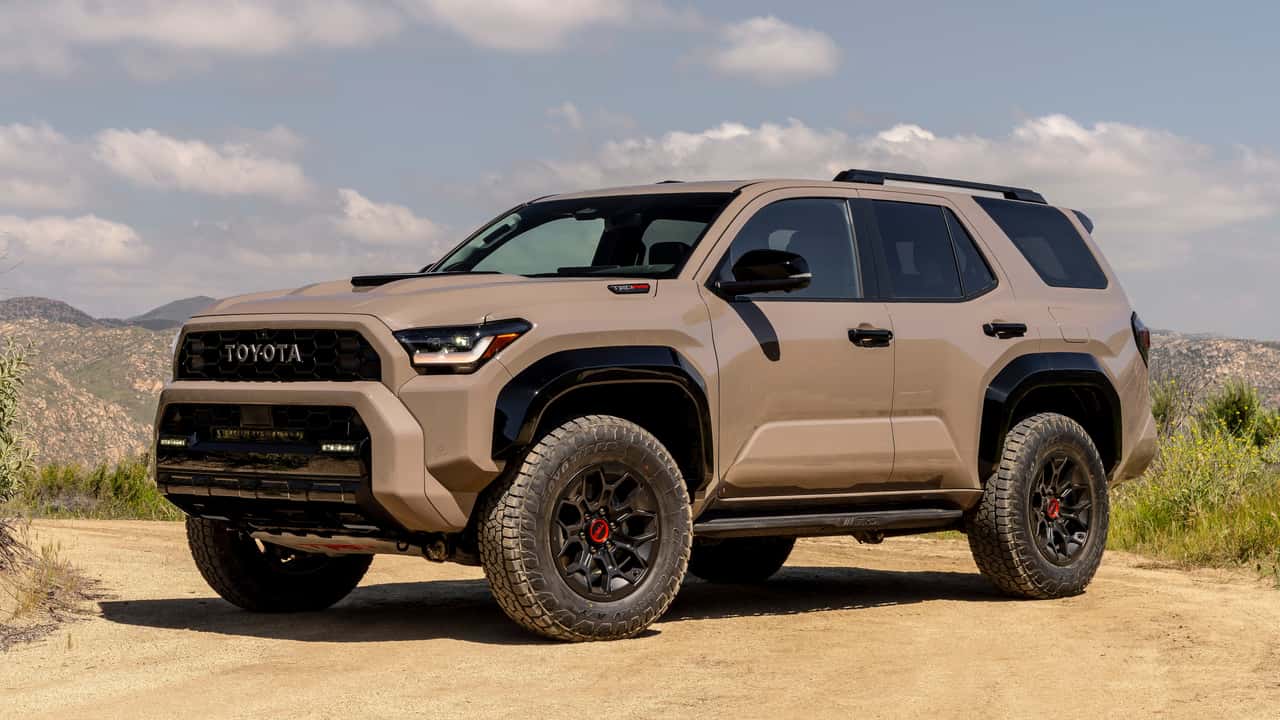
1. 2025 Toyota 4Runner: Rugged Capability Meets Modern Tech
The 2025 Toyota 4Runner continues its legacy as a rugged, off-road-ready SUV, now enhanced with hybrid power and updated technology. Built on a durable body-on-frame platform, it remains ideal for challenging terrains, from paved mountain passes to rough backroads, making it particularly suited for hilly regions like Roanoke and the Blue Ridge Mountains.
The available i-FORCE MAX hybrid delivers 326 hp and 465 lb-ft of torque, with torque available low in the rev range for confident hill climbs. Even the standard turbo-four engine offers strong, truck-like performance. Advanced 4×4 systems, such as Multi-Terrain Select and Crawl Control, optimize traction and stability across mud, sand, rocks, and steep inclines.
The Multi-Terrain Monitor provides a 3D view of obstacles, improving navigation in tight or rugged areas. Trail-focused trims like the Trailhunter feature Fox shocks for enhanced damping, while generous ground clearance and improved approach/departure angles help avoid underbody scrapes on uneven terrain.
On-road performance is competent but not exceptional. The gas engine accelerates adequately (0-60 mph in 8.2 seconds), slightly slower than the hybrid (7.7 seconds). Ride quality and handling are compromised by body roll and a busy rear suspension, making it less refined than some competitors like the Honda Passport.
Steering is light but requires more turns than expected for maneuvering. Adaptive driver-assistance features, including Toyota Safety Sense 3.0, help improve highway comfort and safety.
The 4Runner’s interior is functional but modest. Front seats are comfortable, though rear space is tight, and rear doors are small, complicating child seat installation. Cabin noise increases under power, and the four-cylinder engine is notably unrefined.
Tech offerings include 8-inch or 14-inch touchscreens with wireless Android Auto/Apple CarPlay, numerous USB ports, and an optional wireless charger. Toyota’s navigation is serviceable, but more convenient via smartphone mirroring.
Cargo space is adequate at 48.4 cubic feet behind the second row, but minimal with the third row up. Maximum towing reaches 6,000 pounds.
Pricing ranges widely, with high-end TRD Pro and Trailhunter trims exceeding $60,000, reflecting strong build quality and off-road capability. Fuel economy reaches 22 mpg combined for gas models and 23 mpg combined for the hybrid 4WD variant, competitive for its class.
While average on paved roads, the 4Runner shines off-road. Rugged styling, advanced traction aids, and proven durability make it a “mountain no-brainer” for enthusiasts seeking capability, reliability, and confidence on varied terrain.
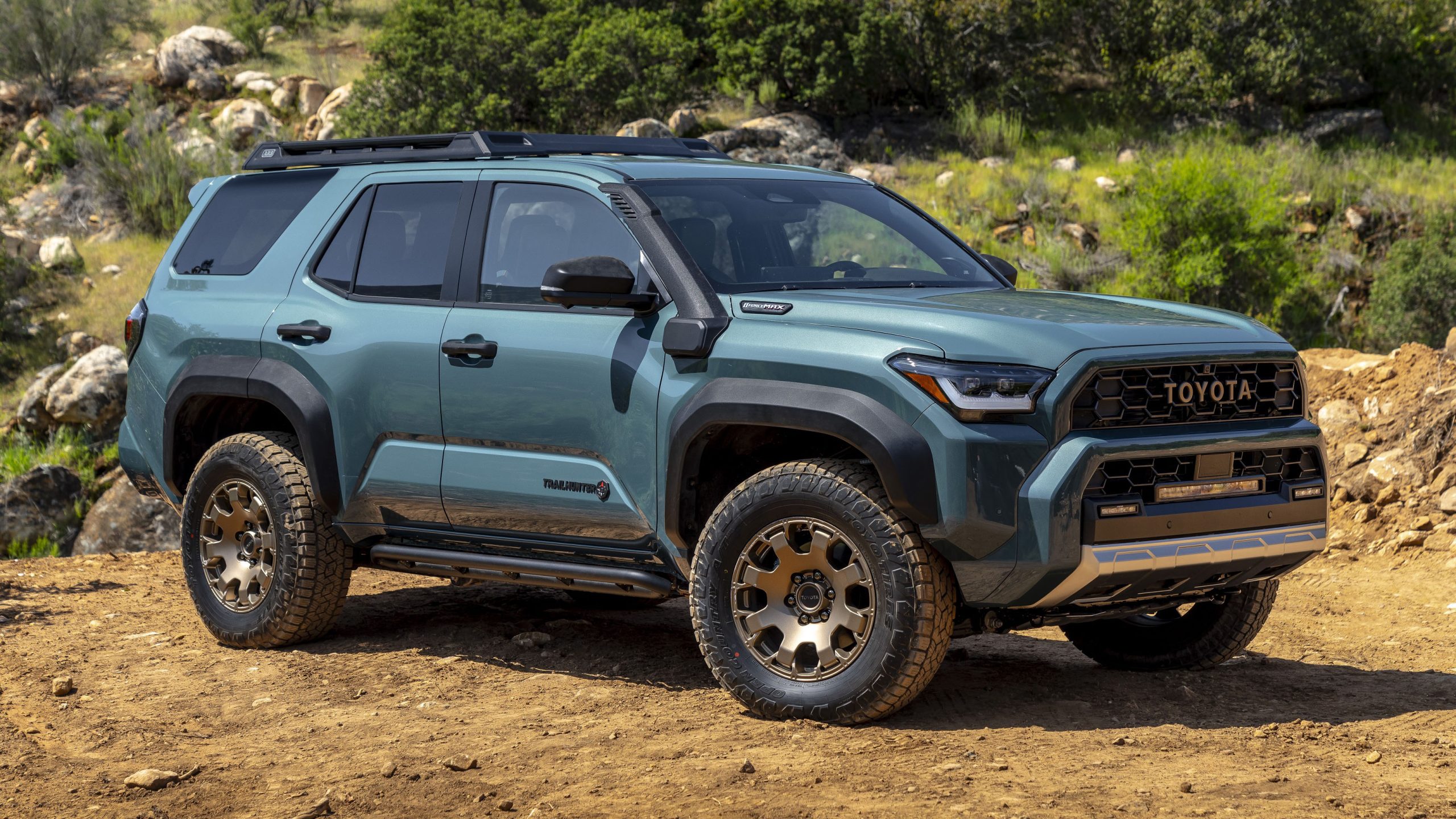
2. 2025 Ford Bronco: Rugged Capability Meets Modern Technology
The 2025 Ford Bronco is engineered for off-road enthusiasts who want power, versatility, and advanced tech. Its body-on-frame construction, high ground clearance, and rugged suspension excel on Virginia’s Blue Ridge mountain roads and dirt trails, providing stability and confidence.
The independent front suspension strikes a balance between off-road performance and on-road comfort, making climbs and descents more manageable.
Key to the Bronco’s capability are G.O.A.T. (Goes Over Any Terrain) Modes, which adjust power, traction, and steering for conditions such as rocks, mud, and sand.
Features like Trail Turn Assist, front and rear locking differentials, and the optional Sasquatch Package (35-inch tires, lifted suspension) improve handling on tight or steep trails. High approach and departure angles, combined with strong suspension, allow drivers to clear obstacles without scraping the undercarriage.
The Bronco comes standard with a 300-hp turbocharged 2.3-liter four-cylinder, while an optional 330-hp twin-turbo 2.7-liter V6 provides extra power. Both engines use a 10-speed automatic transmission; a seven-speed manual is available with the smaller engine.
Low-end torque ensures confident hill climbs and smooth highway merging. The V6 Wildtrak accelerates from 0–60 mph in 6.2 seconds, while the four-cylinder Everglades reaches 60 mph in 7.1 seconds. Steering is precise, and handling is more controlled than some competitors, including the Jeep Wrangler.
The Bronco offers open-air driving with removable doors and roof panels. Practical interior features include a dashboard-mounted rack for smartphones and action cameras. Cabin space allows the four-door model to seat five adults, with cargo space more than 50% larger than the two-door version.
Available marine-grade vinyl or leather upholstery enhances durability, and the interior layout supports rugged use, though long glass panels can introduce some wind noise.
A 12-inch Sync 4 touchscreen powers infotainment with wireless Apple CarPlay, Android Auto, and over-the-air updates. Options include navigation and a premium B&O stereo.
Driver-assistance features include forward-collision warning, automated emergency braking, blind-spot monitoring, rear cross-traffic alert, and lane-keeping assist. Off-road driving is made easier with low-speed aids for rock crawling and trail navigation.
Fuel economy ranges from 20–22 mpg for the four-cylinder and drops to 17–18 mpg with the V6 and aggressive tires. Maximum towing capacity is 3,500 pounds. The Bronco combines off-road strength, modern technology, and daily drivability, making it a strong choice for both trails and mountain roads.
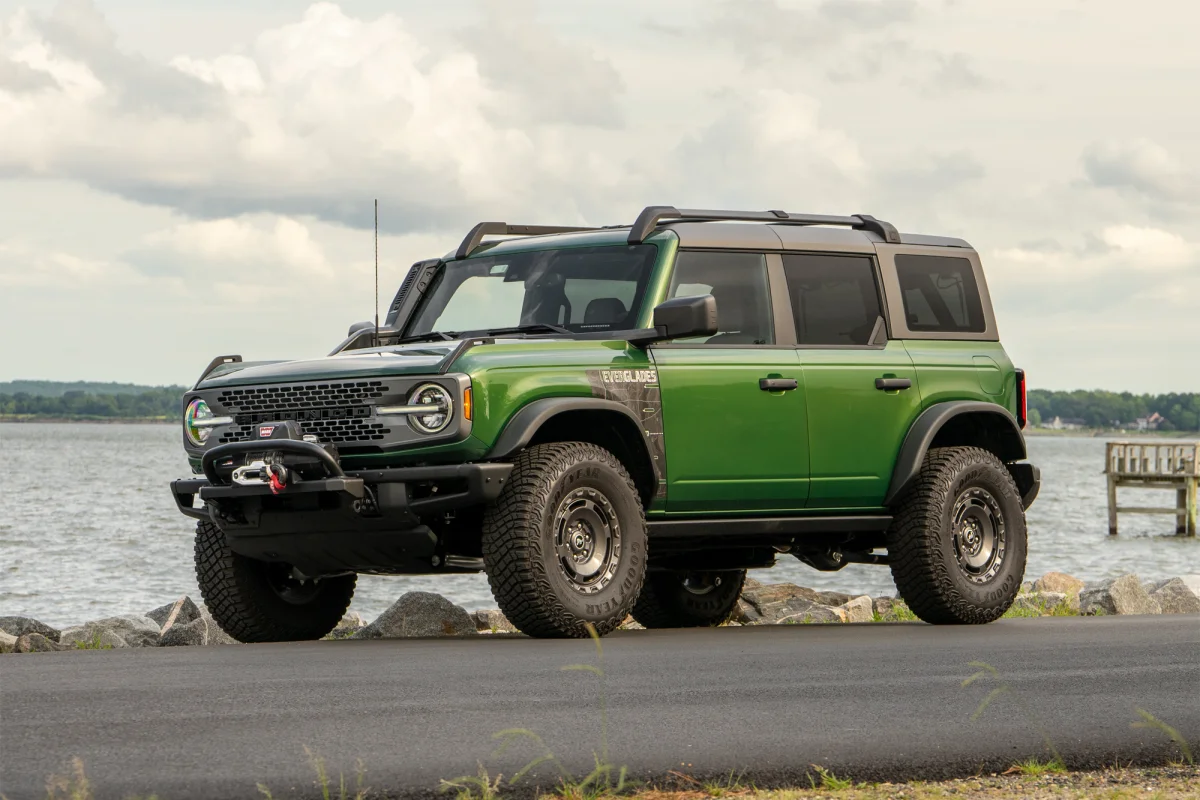
3. 2025 Land Rover Defender Octa: Extreme Off-Road Power Meets High-Tech Luxury
The 2025 Land Rover Defender 110 Octa is a high-performance SUV designed for both rugged off-road terrain and high-speed on-road driving. With 12.7 inches of ground clearance, flared fenders, and wide tracks, the Octa can tackle steep inclines, rocky trails, sand dunes, and even wade through 39.4 inches of water.
Its body-on-frame construction, advanced suspension, and reinforced drivetrain ensure durability across extreme conditions.
The Octa features 6D Dynamics, a hydraulic suspension system with height-adjustable air springs and cross-linked adaptive dampers that replace traditional anti-roll bars.
This setup increases suspension travel and articulation, allowing the SUV to traverse boulders and uneven surfaces while maintaining stability at high speeds. Steering is quicker than a standard Defender, and the wider front and rear tracks, paired with longer control arms, lower the roll center and improve handling.
Special Goodyear Wrangler DuraTrac all-terrain tires and 20- or 22-inch wheels enhance grip without sacrificing lateral stiffness.
Under the hood, the Octa boasts a 626-hp twin-turbo 4.4-liter V8 with 553 lb-ft of torque, augmented by a 48-volt hybrid system for improved throttle response. Paired with an eight-speed automatic transmission and standard four-wheel drive, the SUV accelerates from 0–60 mph in under four seconds on all-season tires.
Optional all-terrain tires reduce top speed to 100 mph but enhance off-road capability. Brembo six-piston front brakes and 14.4–15.7-inch rotors provide confident stopping power on both loose and paved surfaces.
The Defender Octa excels off-road with multiple drive modes, front and rear locking differentials, and linear throttle control for precise handling. A 360-degree camera system aids navigation over obstacles, while a full-size spare mounted on the tailgate adds utility and rugged style.
The combination of ground clearance, approach (40.2°) and departure (42.8°) angles, and reinforced suspension enables confident climbing and descending across varied terrain.
Inside, the Octa blends luxury with functionality. The 11.4-inch Pivi Pro touchscreen supports wireless Apple CarPlay and Android Auto, while special Body and Soul front seats feature adjustable bolsters and built-in transducers for bass-driven vibrations. Digital gauges and a practical dashboard shelf provide convenience without clutter.
The Defender Octa starts at $153,625, placing it below competitors like the AMG G63 while offering superior off-road capability and advanced tech. Limited Edition One models, priced at $169,425, sold out quickly. With its mix of extreme off-road hardware, powerful V8 performance, and refined interior, the Octa stands as one of the most capable adventure vehicles available today.
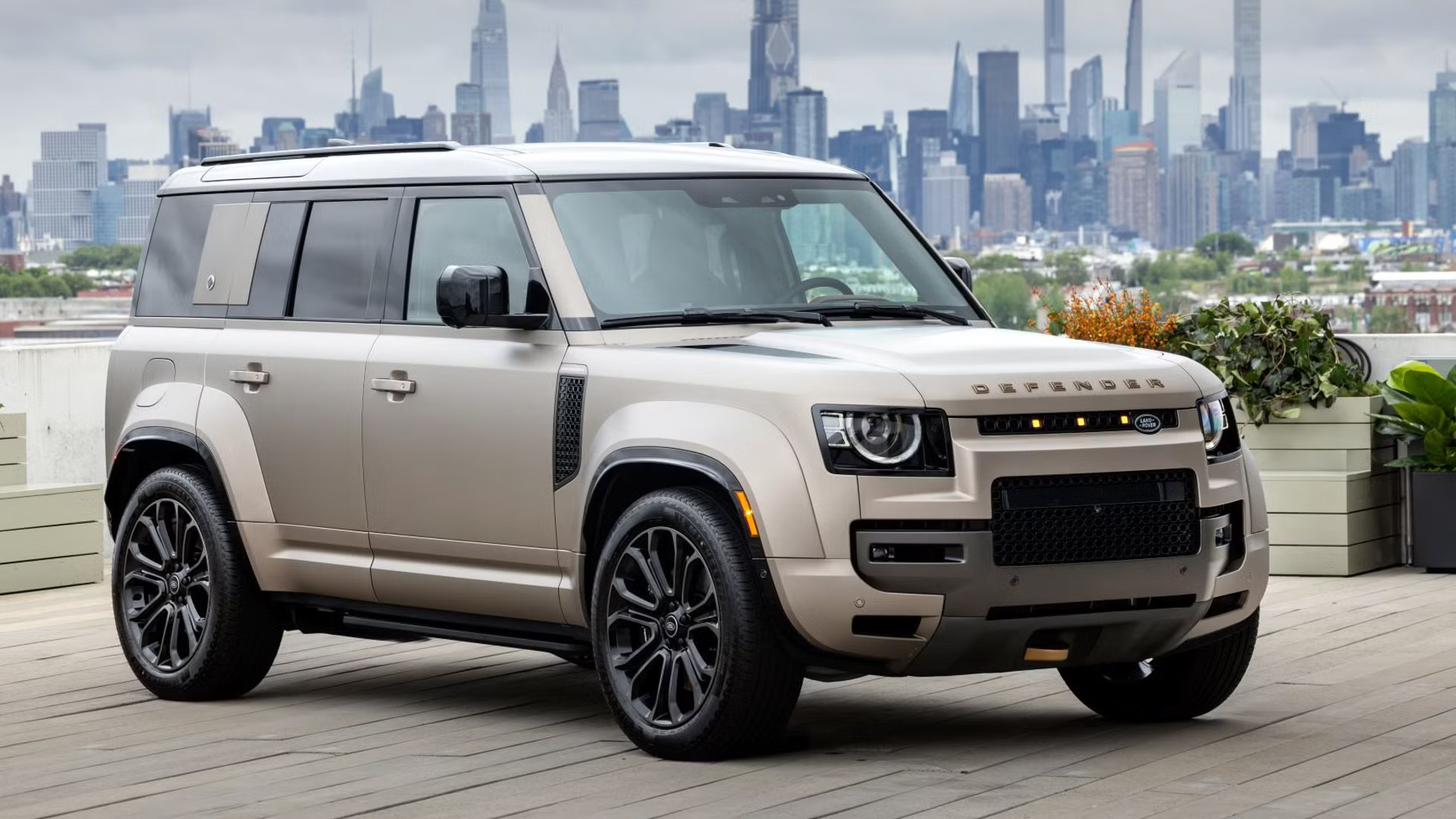
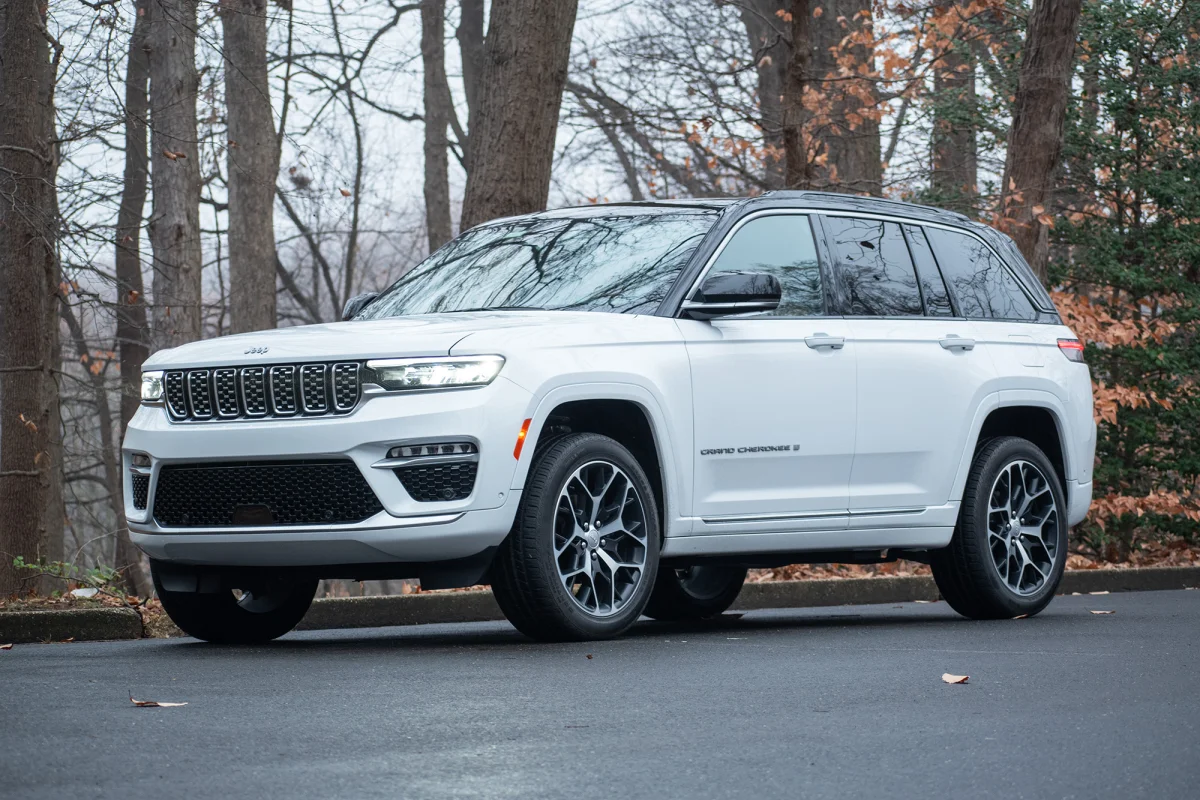
4. 2025 Jeep Grand Cherokee Trailhawk: Off-Road Mastery Meets Hill-Ready Capability
The 2025 Jeep Grand Cherokee Trailhawk is engineered for steep hills, variable road conditions, and off-road challenges. Its advanced 4×4 systems, adaptive air suspension, and specialized traction controls make it well-suited for regions like Roanoke, where inclines, icy patches, and muddy trails are common.
The Trailhawk combines rugged off-road hardware with refined on-road handling, offering drivers confidence on both trails and daily commutes.
The Quadra-Lift Air Suspension automatically raises the SUV for clearance over obstacles or lowers it for highway stability. Selec-Terrain® modes optimize power, braking, and traction for rock, snow, mud, or standard driving conditions. The front sway bar disconnect maximizes wheel articulation on uneven surfaces.
Trailhawk models hold Trail Rated® certification, verifying capability in traction, ground clearance, maneuverability, articulation, and water fording. High ground clearance up to 10.9 inches, reinforced skid plates, and all-terrain tires protect the undercarriage and enhance grip on steep or rocky surfaces.
The Trailhawk comes with a 293-hp 3.6-liter V6. Rear-wheel drive is standard, with several all-wheel-drive systems available, including Quadra-Trac® and Quadra-Drive® II, which direct power to the wheels with the most traction.
On-road behavior is smooth and composed, aided by air springs and adaptive dampers. The V6 accelerates to 60 mph in 7.4 seconds, while the plug-in hybrid 4xe variant achieves 60 mph in 5.3 seconds. Maximum towing capacity reaches 6,200 pounds, allowing for trailers or outdoor equipment.
The Trailhawk balances functionality with refinement. Base Laredo trims cover essentials, while Summit and Overland trims feature quilted leather, wood accents, and advanced digital displays.
Infotainment includes 8.4- or 10.1-inch touchscreens, Apple CarPlay, Android Auto, optional navigation, and premium audio systems up to a 19-speaker McIntosh setup. The two-row SUV comfortably seats passengers while providing practical cargo space for daily use or weekend adventures.
Standard and optional safety systems include automatic emergency braking with pedestrian detection, lane-keeping assist, adaptive cruise control, and Hands-Free Active Driving Assist on higher trims. These features help maintain control on steep inclines, slippery roads, or rough terrain.
Fuel economy is rated at 19 mpg city and 26 mpg highway, with the 4xe hybrid slightly improving efficiency. The limited warranty covers three years/36,000 miles, the powertrain warranty covers five years/60,000 miles, and complimentary maintenance is included for three years with unlimited mileage.
The 2025 Jeep Grand Cherokee Trailhawk combines high torque, adaptive suspension, and specialized 4WD systems, making it a strong choice for drivers tackling hills, off-road trails, or challenging weather conditions.
5. 2025 Rivian R1S: Electric Power and Adaptive Suspension for Hills and Trails
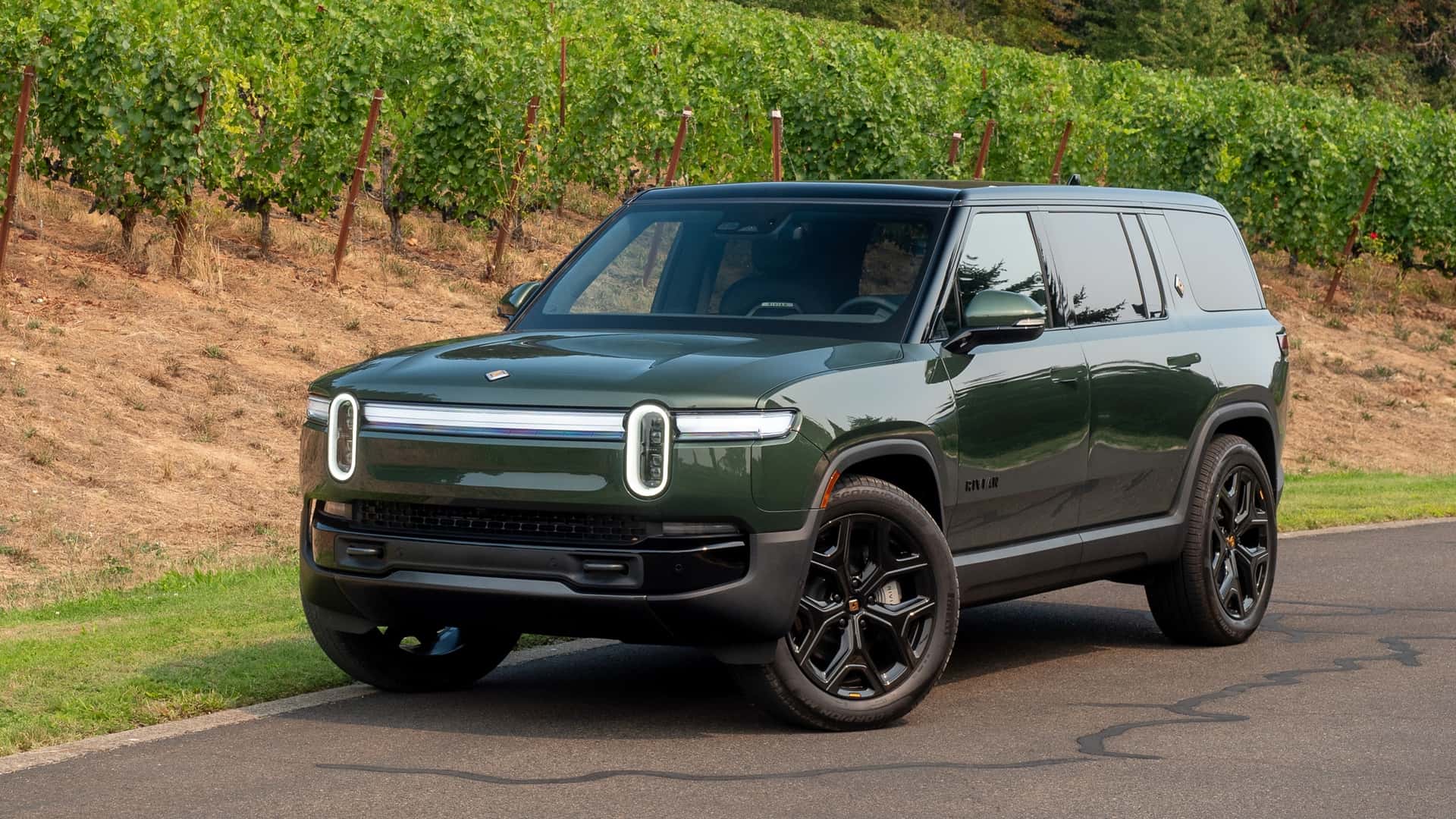
The 2025 Rivian R1S is an electric SUV built for both hilly terrain and off-road adventures. Its instant torque from electric motors, adjustable air suspension, and standard all-wheel drive make climbing steep inclines, descending slopes, and handling uneven or unpaved roads effortless.
With a maximum ride height of 14.9 inches, specialized off-road modes, and regenerative braking for one-pedal control, the R1S combines performance, versatility, and stability across diverse driving conditions.
The standard Dual-Motor R1S produces 553 horsepower and 610 lb-ft of torque, while the Performance Dual-Motor increases output to 665 hp and 829 lb-ft. The Tri-Motor setup delivers 850 hp and 1,103 lb-ft, and the Quad-Motor rises to 1,050 hp and 1,198 lb-ft, providing tremendous acceleration and hill-climbing capability.
Each motor independently powers a single wheel, functioning similarly to locking differentials for superior off-road traction. The R1S can reach 60 mph in just 2.8 seconds with the Tri-Motor setup, and top speeds have been increased from 110 to 130 mph. Updated air springs, adaptive dampers, and hydraulic roll-mitigation improve ride quality and reduce body motion during aggressive driving.
The R1S offers dedicated off-road modes, including Rock Crawl, adjustable suspension settings, and regenerative braking to control descents. Standard AWD maximizes grip on loose or wet surfaces, while underbody protection and a strong platform handle rough terrain with confidence.
The air suspension allows drivers to adjust ground clearance for obstacles or lower the vehicle for improved stability on highways.
Inside, the R1S combines modern luxury with utility. Two large digital displays handle driver information and infotainment. Storage includes a 12-cubic-foot front trunk, 48.6 cubic feet behind the second row, and flat-folding second and third rows for expanded cargo space.
A third row accommodates occasional passengers, and the cabin features premium materials, wood trim, and a heat pump for faster warming in cold conditions.
The R1S includes the Rivian Autonomy Platform with cameras, radars, and AI for advanced driver-assistance functions. Standard safety features include automated emergency braking, lane-departure warning, and adaptive cruise control. The infotainment system supports Connect+ for streaming, music, and Wi-Fi access, though Apple CarPlay and Android Auto are not included.
Battery and drivetrain coverage lasts eight years or 175,000 miles, with a five-year/60,000-mile bumper-to-bumper warranty. Range varies by battery size and motor setup, with the Max pack rated for up to 410 miles in the Dual-Motor model. DC fast charging replenishes the battery from 10–80% in 30–41 minutes.
The 2025 Rivian R1S combines instant electric power, adaptive suspension, and advanced AWD, making steep hills, uneven roads, and off-road trails manageable while maintaining refined ride comfort and futuristic technology.
Also Read: 10 Cars With Simple Volume Knobs and Real Buttons
5 That Struggle Uphill
1. 2025 Toyota Vios (CVT): Hill-Climbing Limits in Hilly Terrain
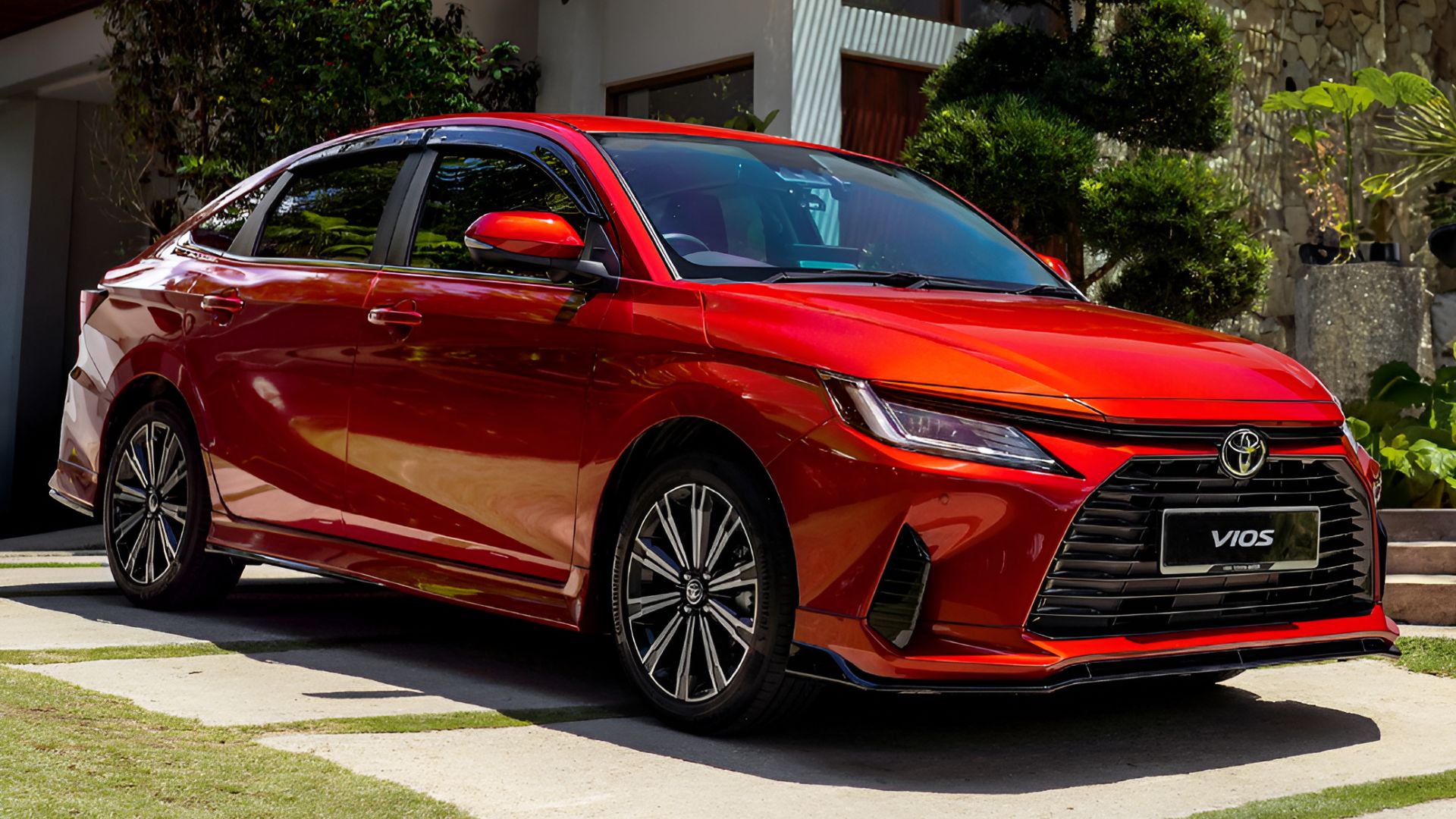
The 2025 Toyota Vios with a Continuously Variable Transmission (CVT) prioritizes fuel efficiency over raw power, making it less ideal for steep, hilly areas like Roanoke.
Drivers may notice the CVT feeling sluggish or “braking” under heavy load, as engine revs rise, but speed doesn’t respond as quickly as in a conventional automatic. Its compact engine can struggle with steep inclines, especially when carrying passengers or cargo, revealing the Vios’ design focus on city and highway cruising rather than aggressive hill climbing.
To optimize uphill performance, drivers should accelerate smoothly before reaching steep grades to maintain momentum, avoid sudden stomps on the accelerator, and use the CVT’s ‘B’ or low mode if available, which can hold lower ratios for additional engine braking or power.
Checking maintenance items like air filters, fuel system components, and sensors can prevent exacerbated performance issues. Limiting vehicle load also helps maintain responsiveness on inclines.
In essence, the Toyota Vios (CVT) is capable but not engineered for demanding backcountry climbs. Smart, steady driving and proper maintenance are key to preventing strain on the CVT and ensuring safer, more confident uphill performance.
2. 2025 Subaru Forester (Standard Trim): Steady, Efficient, but Modest on Hills
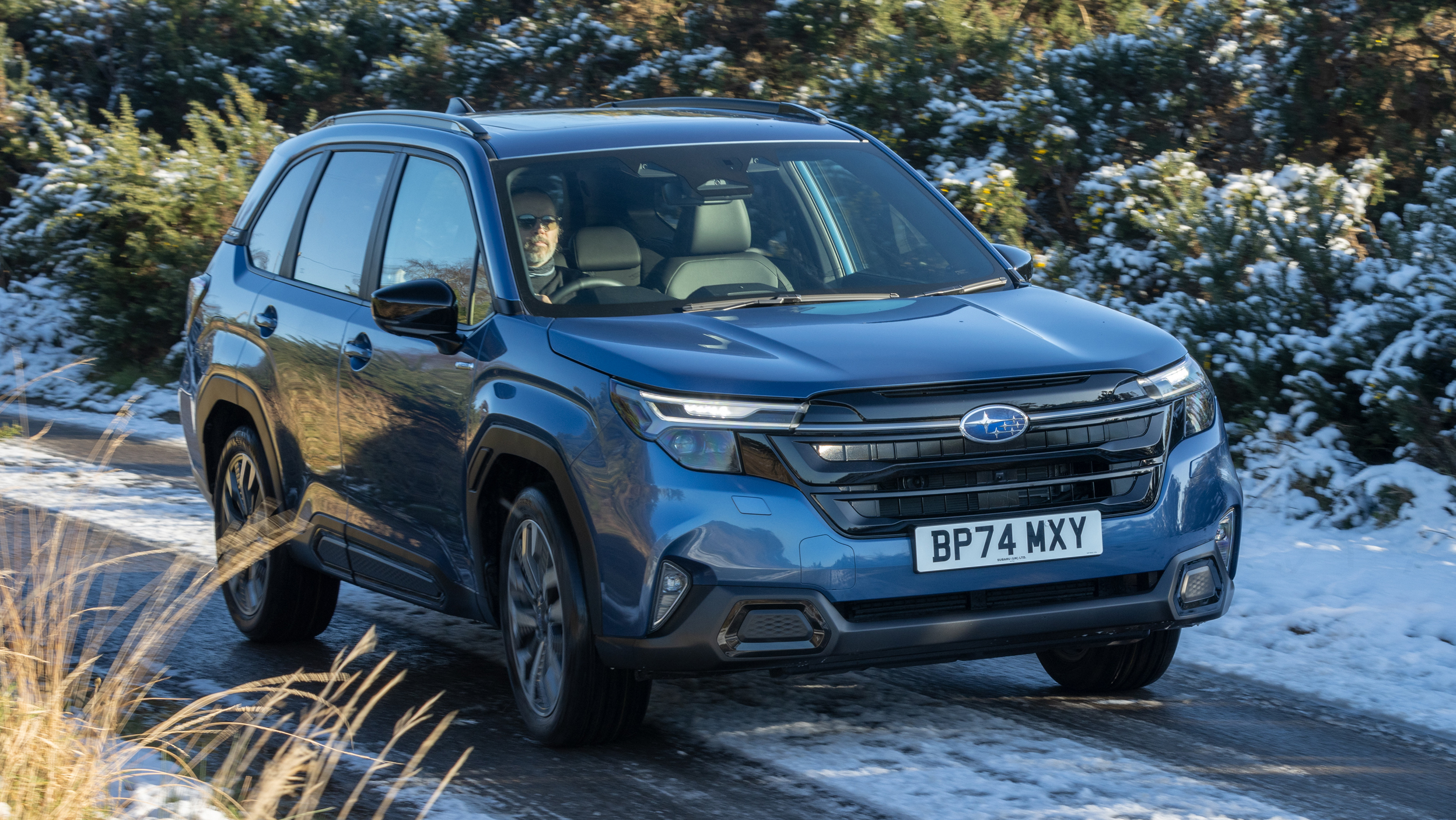
The 2025 Subaru Forester (Standard Trim) is designed for efficiency, comfort, and all-weather capability, but its naturally aspirated 2.5-liter engine can feel underwhelming on steep inclines. Producing 180 horsepower and 178 lb-ft of torque, the engine delivers modest low-RPM pull, while peak torque arrives at 3,700 RPM, requiring higher revs for faster uphill acceleration.
Coupled with a Continuously Variable Transmission (CVT), the Forester maintains smooth operation but can drone under load, giving a sensation of sluggishness during steep climbs or highway merging.
Standard all-wheel drive provides reliable traction, helping the Forester maintain grip on loose or uneven surfaces. Efficiency and refinement take priority over aggressive performance, so drivers should anticipate pressing the accelerator firmly when tackling steep grades.
Utilizing features like X-MODE on higher trims can help optimize traction and control on hilly terrain, while the upcoming hybrid powertrain promises improved responsiveness for climbs.
In essence, the 2025 Forester Standard Trim handles hills capably but without urgency. Its focus on comfort, AWD traction, and efficiency ensures drivers reach their destination safely, though uphill acceleration may require patience and steady throttle management.
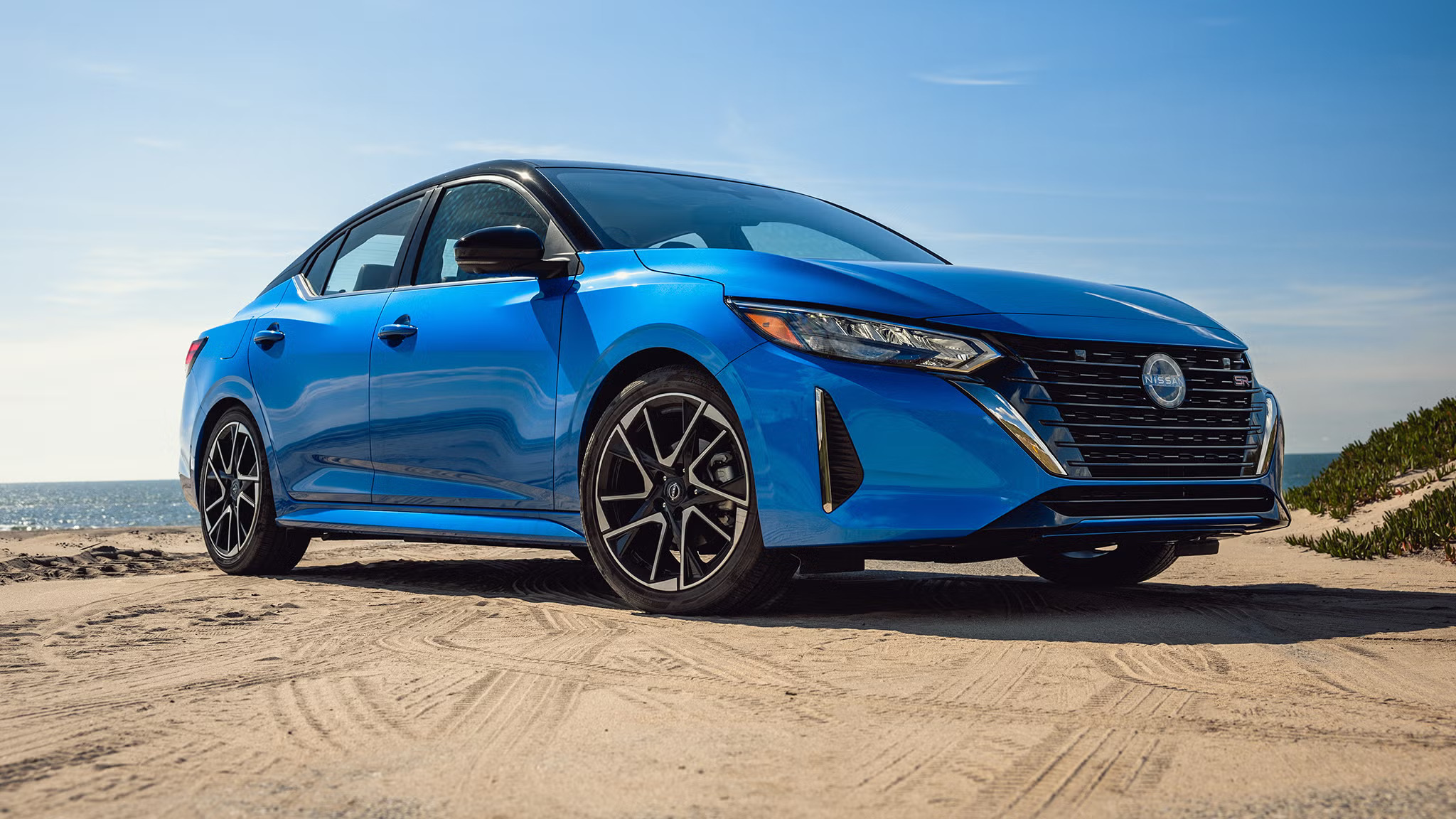
3. 2025 Nissan Sentra: Compact Efficiency, Limited Hill Power
The 2025 Nissan Sentra is a compact, economy-focused sedan whose naturally aspirated 2.0L engine (149 hp) and Continuously Variable Transmission (CVT) can struggle on steep inclines, such as those found around Roanoke. Designed for fuel efficiency rather than torque-heavy performance, the Sentra may feel underpowered when climbing long grades, with the CVT occasionally hesitating under load.
Front-wheel drive provides basic traction but offers little advantage on steep or slippery hills. Power delivery can be further affected by minor mechanical or maintenance issues, including dirty sensors (MAF or oxygen), clogged fuel filters, weak fuel pumps, or transmission wear, all of which can reduce engine responsiveness. Brake drag or worn wheel bearings may also increase resistance, making uphill driving more strenuous.
To maximize performance, drivers should maintain the vehicle with regular oil changes, clean air filters, and inspection of spark plugs and sensors. Smooth, anticipatory acceleration is recommended rather than aggressive throttle input, which can overstrain the CVT and engine. Professional inspection of the fuel system and transmission can prevent or correct issues that worsen uphill performance.
The 2025 Sentra is suitable for city and highway driving but reveals its limitations on steep, sustained climbs, requiring careful driving and maintenance to manage its modest power output effectively.
4. 2025 Mitsubishi Mirage: Economy-Focused but Underpowered for Hills
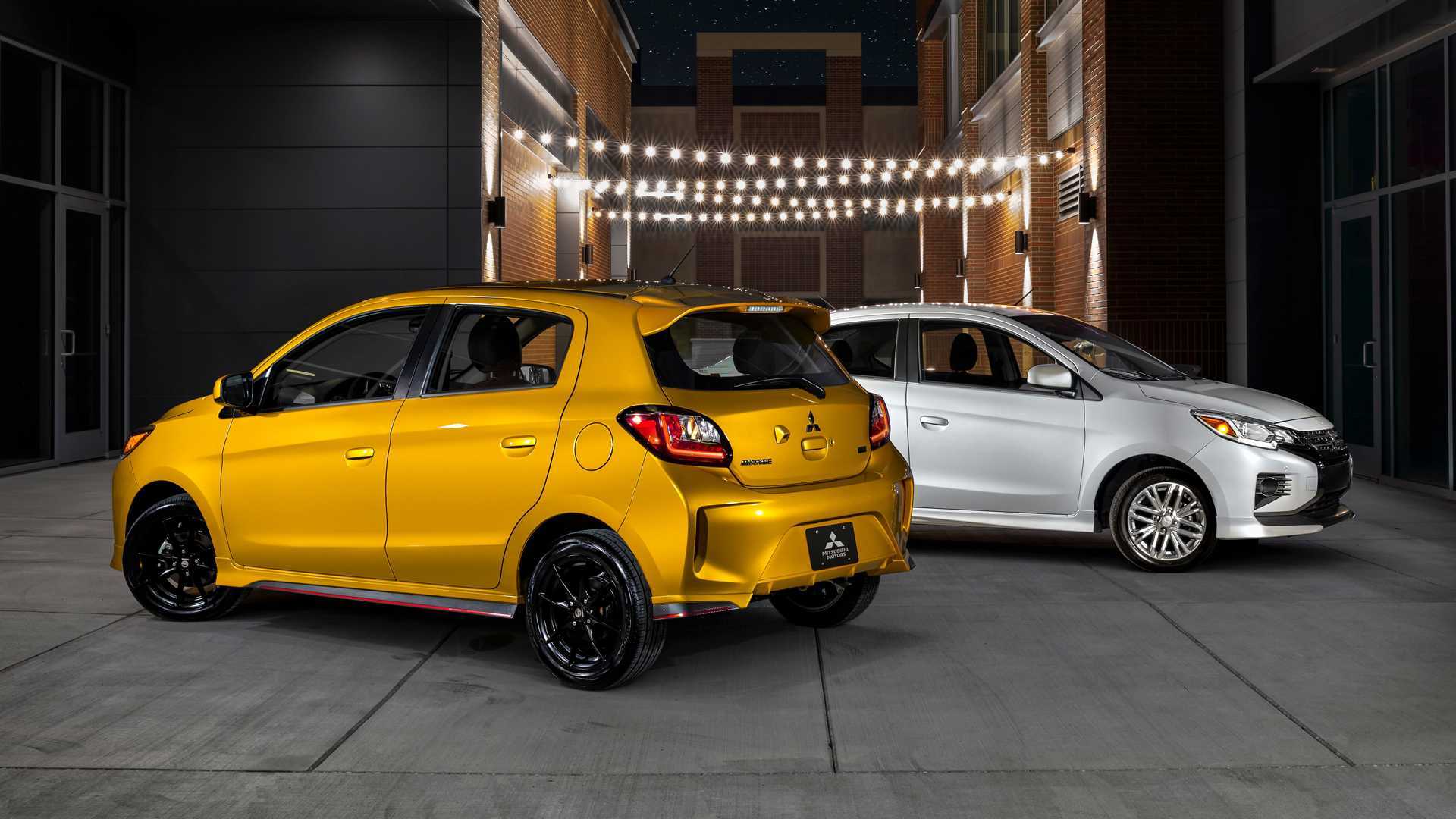
The 2025 Mitsubishi Mirage is a lightweight, city-oriented economy car whose 1.2L 3-cylinder engine produces just 78 horsepower, making it poorly suited for steep, hilly terrain like Roanoke.
Its small engine and low torque force the motor to work at high RPMs to maintain speed on inclines, often causing noticeable strain, vibration, and noise. While the Mirage is efficient and affordable, it lacks the power necessary for sustained uphill driving or heavy loads.
Hill Start Assist (HSA) helps prevent rollback when starting on slopes, but does not provide additional engine power. The Continuously Variable Transmission (CVT) or manual gearbox aids in managing the engine’s output efficiently, but cannot compensate for the Mirage’s limited horsepower.
Drivers should anticipate slow acceleration and the need for steady, gentle throttle input when tackling grades to avoid overtaxing the engine.
In essence, the 2025 Mitsubishi Mirage is optimized for urban commuting and fuel economy rather than mountain driving. Its underpowered engine and economy-focused design mean that uphill climbs require patience and smooth driving. While it will reach the top of hills, the vehicle’s performance highlights the limitations of small, city-focused cars on challenging terrain.
5. 2025 Suzuki Dzire: Compact Efficiency, Limited Hill Performance
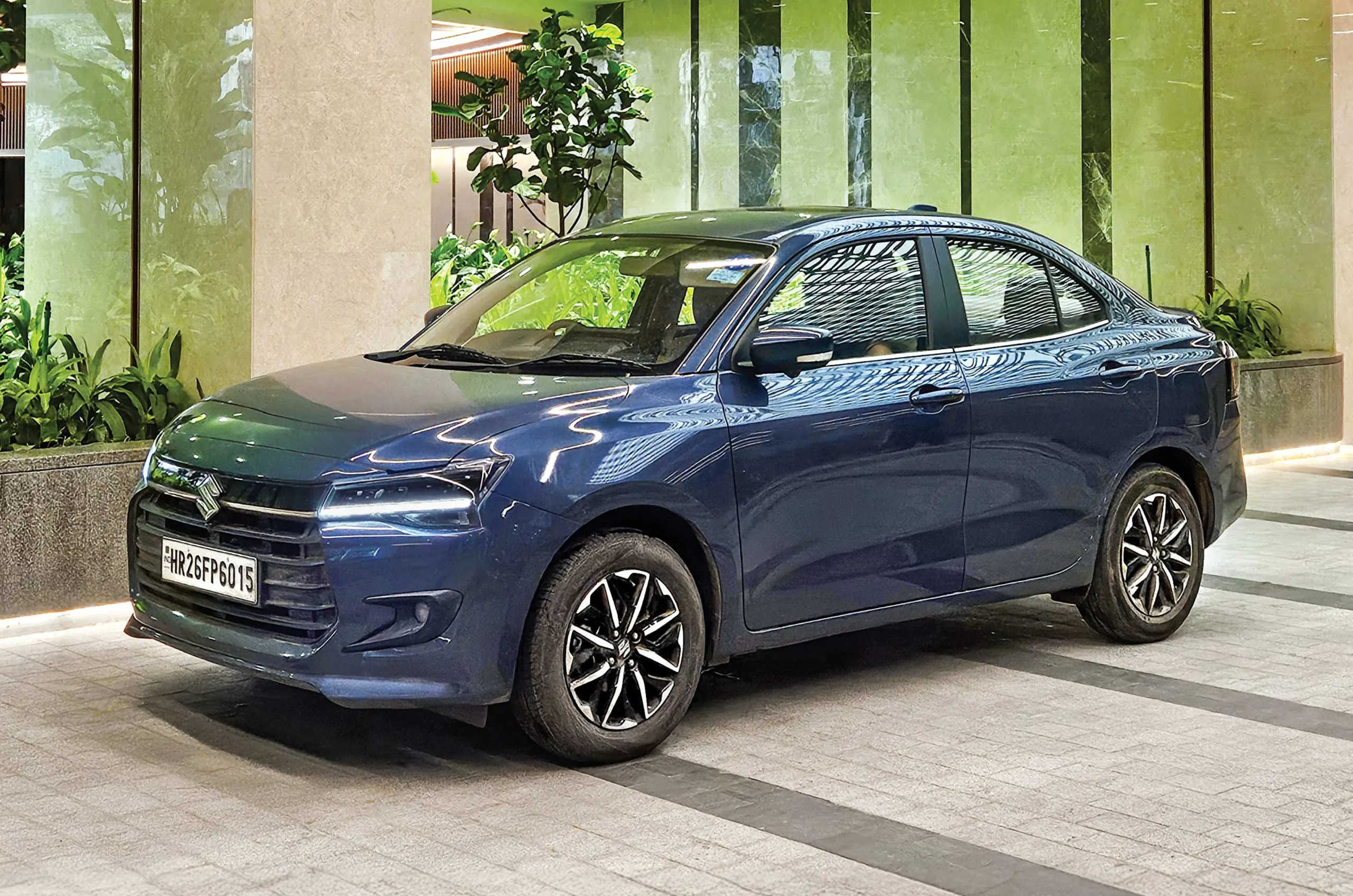
The 2025 Suzuki Dzire is a subcompact sedan optimized for city driving, but its 1.2L 3-cylinder engine (around 80–89 hp) struggles on steep inclines common in hilly areas like Roanoke. With modest torque (112 Nm) and a lightweight design, the Dzire can experience wheelspin and traction loss when starting on sharp slopes, particularly under added load from passengers, luggage, or air conditioning.
Its economy-focused powertrain prioritizes fuel efficiency over raw strength, so uphill acceleration feels sluggish and requires careful throttle management.
CVT-equipped models help smooth power delivery, but manual variants can feel even less responsive when climbing. Drivers should anticipate slow acceleration and increased engine noise, as the small motor works harder to maintain speed on inclines.
While the Dzire handles flat roads and urban traffic effectively, its performance diminishes on challenging terrain. Overtaking on steep grades requires planning, and sudden acceleration demands can overstress the engine.
In essence, the 2025 Suzuki Dzire is a budget-friendly, fuel-efficient city car that performs reliably on level surfaces but lacks the torque and power for sustained climbs in hilly regions. Patience and smooth driving are necessary to manage its limited uphill capabilities safely.
For drivers in Roanoke seeking vehicles suited for hilly areas, choosing one with strong torque, advanced AWD or 4×4 systems, adaptive suspension, and hill-focused drive modes ensures confidence and safety on challenging roads. SUVs like the 4Runner, Bronco, Defender Octa, Grand Cherokee Trailhawk, and Rivian R1S show that steep inclines and off-road conditions can be handled with control, speed, and comfort.
On the other hand, subcompact and economy cars such as the Toyota Vios, Subaru Forester Standard, Nissan Sentra, Mitsubishi Mirage, and Suzuki Dzire prioritize fuel efficiency and city commuting rather than hill-climbing power. While these vehicles can reach the top of hills, they require careful acceleration, load management, and patience. Understanding a vehicle’s strengths and limitations is key to safe, confident driving in Roanoke’s hilly roads.
Also Read: 10 Cars With Best Factory Sound Systems Under $25,000
