
For commuters in Allentown, Pennsylvania, choosing the right vehicle is more than just a matter of preference it’s a critical decision that impacts daily life and financial wellbeing.
Whether you’re going through the busy Route 22 corridor, making the trek down I-78 to the Lehigh Valley, or heading to Philadelphia for work, your vehicle needs to be reliable, efficient, and cost-effective.
The region’s climate brings hot, humid summers and cold, snowy winters, which means your car must handle diverse weather conditions while keeping maintenance costs manageable.
This comprehensive guide presents two distinct perspectives on vehicle ownership. First, we’ll explore five excellent vehicles perfectly suited for Allentown’s commuting needs cars that balance fuel efficiency, reliability, safety features, and value retention.
These vehicles are chosen specifically with the local commuter in mind, considering everything from highway cruising capabilities to winter weather performance.
However, not all vehicles are created equal. In the second half, we’ll examine five vehicles notorious for their high repair costs cars that may look appealing on the lot but can become financial nightmares once you drive them off.
Understanding these pitfalls is just as important as knowing which vehicles to choose. Whether you’re a first-time buyer or looking to upgrade, this guide will help you make an informed decision that saves money and reduces stress, ensuring your daily commute remains smooth and your wallet stays intact for years to come.
5 Best Cars for Allentown Commuters
These exceptionally dependable vehicles feature fuel-efficient engines and all-season capability perfectly suited for Lehigh Valley commuting through Pennsylvania winters and Route 22 traffic, providing reliable transportation without the maintenance surprises typically disrupting working-class budgets.
Their practical engineering includes straightforward mechanical designs and widely available parts that resist the expensive repair patterns found in complex vehicles while handling snowy commutes, frequent Allentown-to-Philly runs, and daily stops through varied weather conditions.
From going through the icy Hamilton Street mornings to handling pothole-riddled roads testing suspension durability, these remarkable vehicles continue operating dependably without the specialist-only repairs or imported parts that strain household finances.
1. Honda Civic (2022-2025 Models)
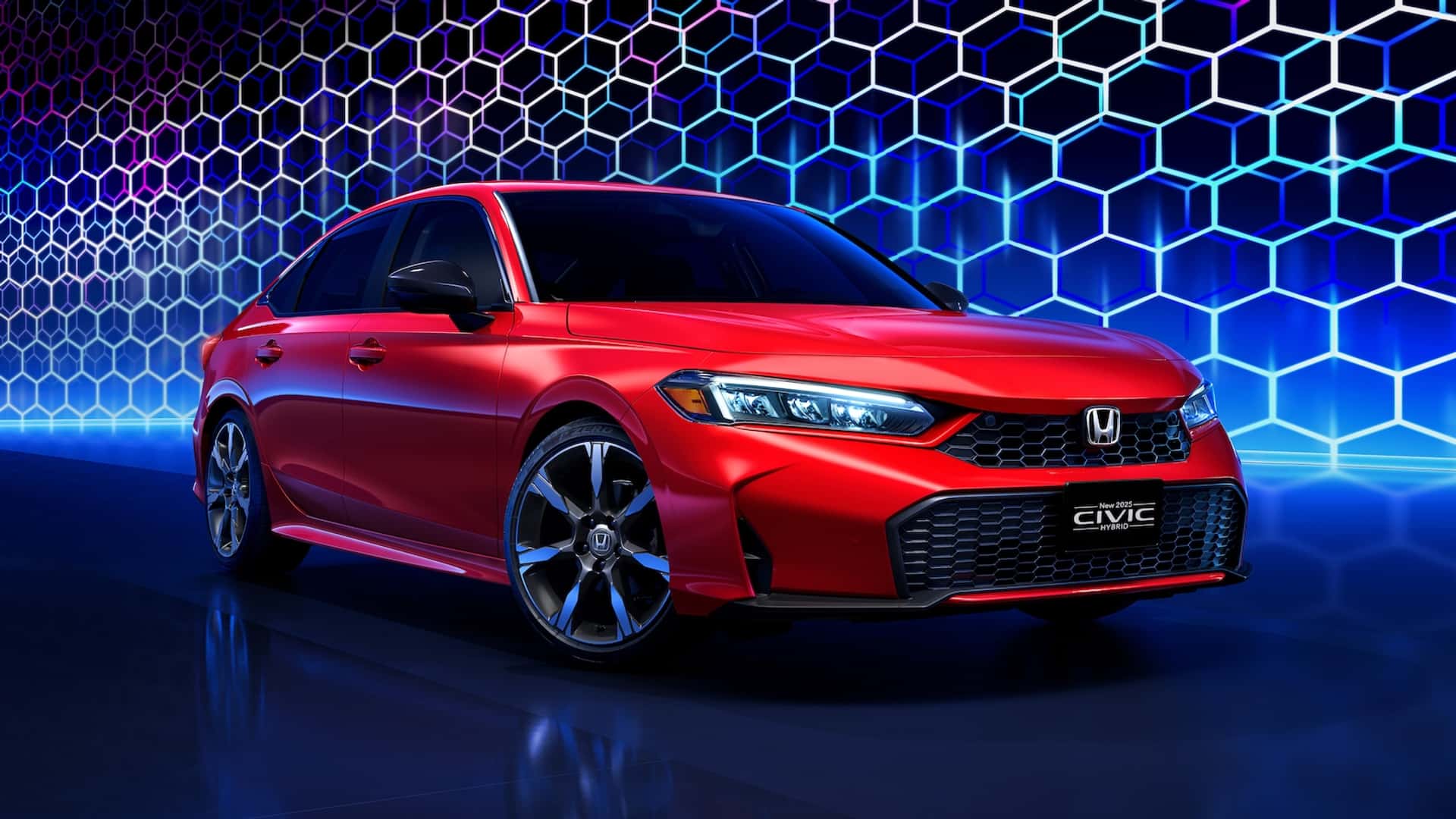
The Honda Civic has long been the gold standard for commuters, and the latest generation continues this tradition with remarkable aplomb.
For Allentown residents facing daily drives on Route 22, I-78, or the Pennsylvania Turnpike, the Civic offers an exceptional blend of fuel efficiency, reliability, and modern technology that makes every commute more bearable.
The eleventh-generation Civic delivers impressive fuel economy, with the base model achieving up to 33 mpg in combined city and highway driving, while highway-focused commuters can see figures approaching 40 mpg.
This translates to significant savings at the pump, especially for those making longer commutes to Philadelphia or New York. The turbocharged 1.5-liter engine provides ample power for highway merging and passing, delivering 180 horsepower that feels energetic without sacrificing efficiency.
Inside, the Civic’s cabin represents a significant upgrade from previous generations. The interior features high-quality materials that rival premium competitors, with a clean, uncluttered dashboard design centered around a standard 7-inch touchscreen or available 9-inch display with wireless Apple CarPlay and Android Auto.
The seats are supportive for long drives, and the Civic offers more rear legroom than many compact sedans, making it practical for occasional carpooling or family duties.
For Allentown’s winter weather, the Civic performs admirably with available all-season tires, though investing in dedicated winter tires transforms it into a confident cold-weather commuter.
The car’s relatively lightweight construction and well-tuned stability control help maintain composure on slippery roads, while heated seats and remote start (on higher trims) make those freezing February mornings more tolerable.
2. Toyota Camry Hybrid (2021-2025 Models)
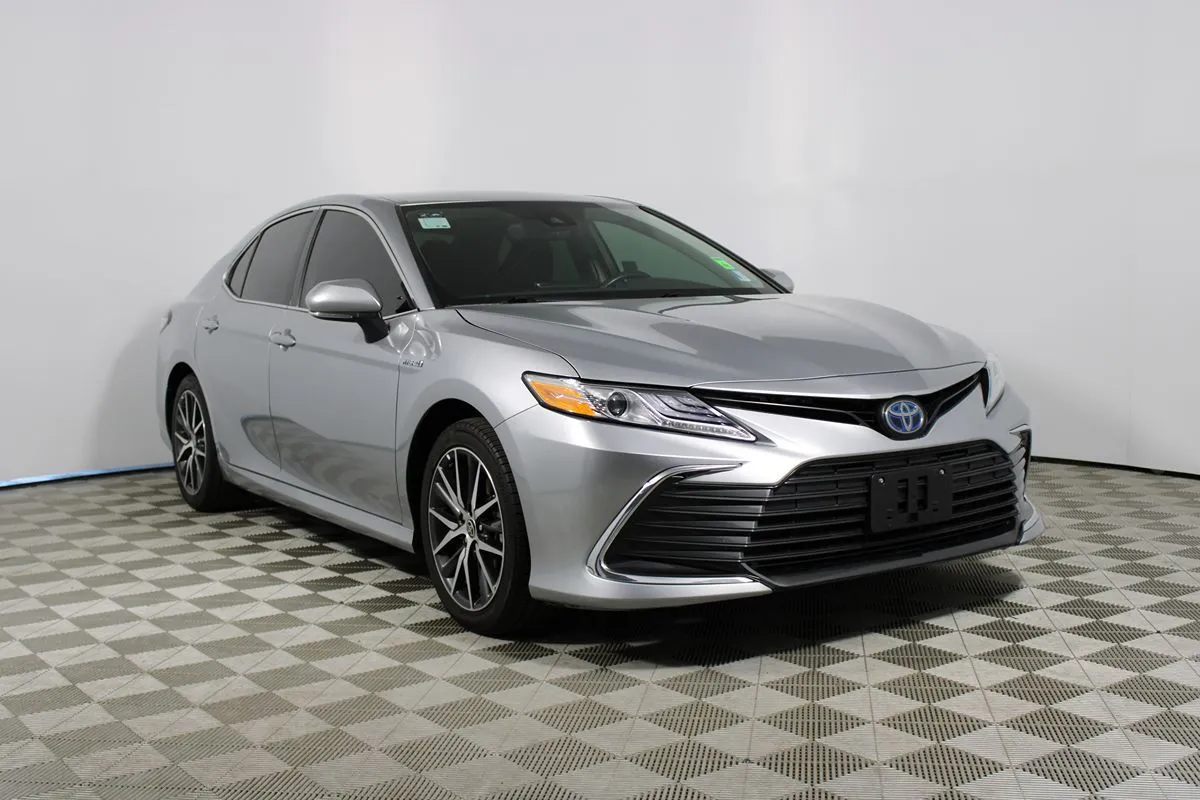
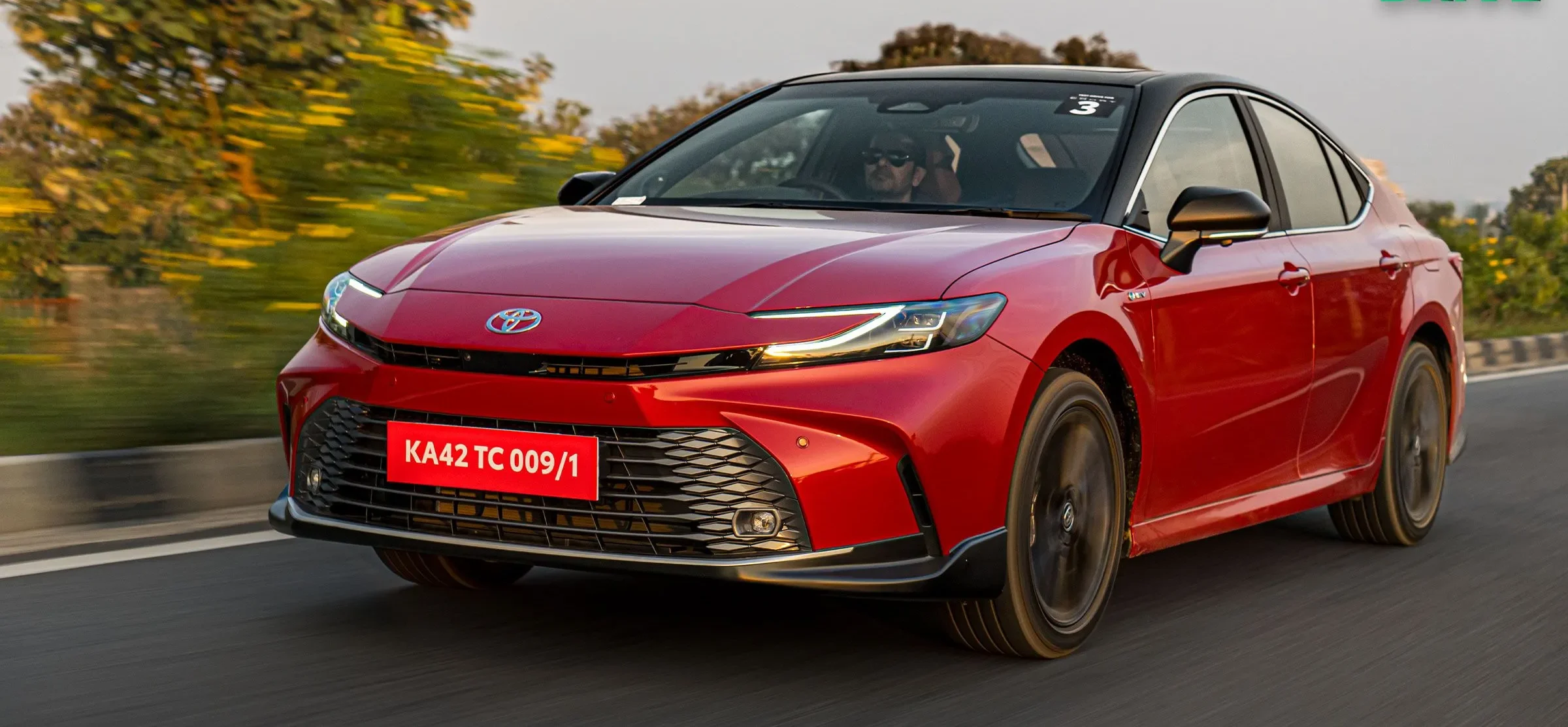
When it comes to long-distance commuting from Allentown, few vehicles match the Toyota Camry Hybrid’s combination of comfort, efficiency, and legendary reliability.
This midsize sedan has evolved into a sophisticated commuting machine that transforms the daily grind into something approaching pleasant, all while sipping fuel with remarkable frugality.
The Camry Hybrid’s powertrain pairs a 2.5-liter four-cylinder engine with electric motors to produce a combined 208 horsepower, delivering smooth, refined acceleration that makes highway cruising effortless.
More importantly for commuters, this system achieves up to 52 mpg in the city and 46 mpg on the highway exceptional figures for a midsize sedan. For someone commuting 50 miles each way, the savings compared to conventional vehicles can amount to hundreds of dollars monthly.
Toyota’s reputation for reliability becomes particularly valuable over the long term. The Camry Hybrid consistently earns top reliability ratings, and Toyota’s hybrid technology has been refined over decades, meaning fewer concerns about expensive battery replacements or complex powertrain issues.
The hybrid battery warranty extends to 10 years or 150,000 miles in many states, providing peace of mind for high-mileage commuters. The Camry Hybrid’s practicality extends beyond daily commuting.
The trunk offers ample space despite the hybrid battery placement, and the rear seats provide generous room for passengers. All-wheel drive became available on Camry Hybrid models starting in 2020, making it an even more compelling choice for Allentown’s winter conditions, providing extra confidence when snow blankets the Lehigh Valley.
3. Mazda CX-30 (2020-2025 Models)
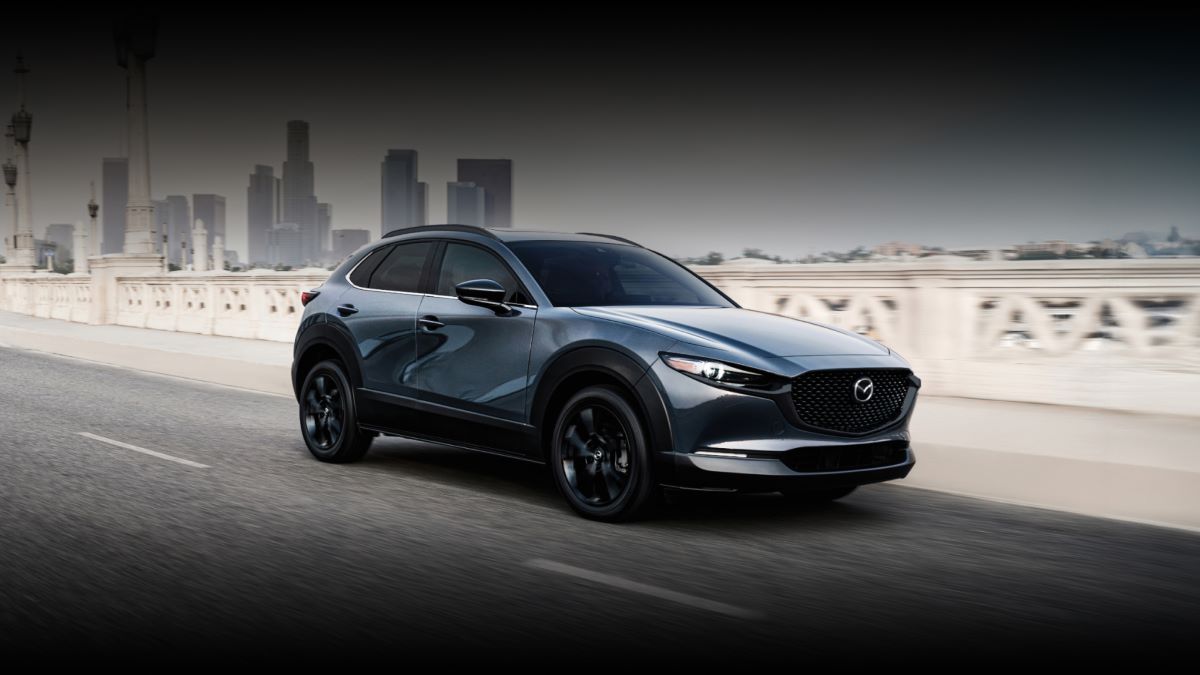
For Allentown commuters who need a bit more versatility than a sedan provides but don’t want to sacrifice driving dynamics or fuel efficiency, the Mazda CX-30 represents an ideal middle ground.
This compact crossover delivers premium-feeling refinement at a mainstream price point while maintaining engaging driving characteristics that make commuting genuinely enjoyable.
The CX-30’s raised seating position provides better visibility in traffic compared to sedans, which many commuters find reduces stress and fatigue.
Despite being classified as a crossover, the CX-30 remains relatively aerodynamic and efficient, with the base 2.5-liter engine achieving up to 28 mpg combined, while the turbocharged option delivers spirited performance without drastic fuel economy penalties.
Mazda’s commitment to premium interior quality shines in the CX-30. The cabin features upscale materials throughout, with available leather upholstery, genuine wood trim, and soft-touch surfaces that rival luxury competitors.
The driving position is excellent, with supportive seats and an intuitive control layout. The 8.8-inch infotainment screen is easy to read at a glance, and the rotary controller minimizes distraction compared to touchscreen-only systems.
What truly sets the CX-30 apart is how it drives. Mazda’s engineering philosophy prioritizes driving engagement, and the CX-30 handles with precision unusual in the crossover segment.
The steering is well-weighted and communicative, the suspension controls body roll without harshness, and the experience feels more like driving a sporty hatchback than a utilitarian crossover. For those who find driving enjoyable, this makes the daily commute something to look forward to rather than endure.
4. Subaru Outback (2020-2025 Models)
The Subaru Outback has earned its reputation as the perfect vehicle for Pennsylvania’s diverse conditions, and Allentown commuters who face variable weather and occasionally rough roads will find it an exceptional choice.
This wagon-meets-SUV combines car-like efficiency with SUV capability, all wrapped in a package that excels at the daily commuting grind.
Subaru’s symmetrical all-wheel drive comes standard and represents one of the most capable systems in the segment. Unlike many competitors that default to front-wheel drive until slippage is detected, Subaru’s system continuously powers all four wheels, providing superior traction in rain, snow, and ice.
For commuters going through the winter weather along I-78 or dealing with poorly maintained back roads, this capability translates directly to safety and peace of mind.
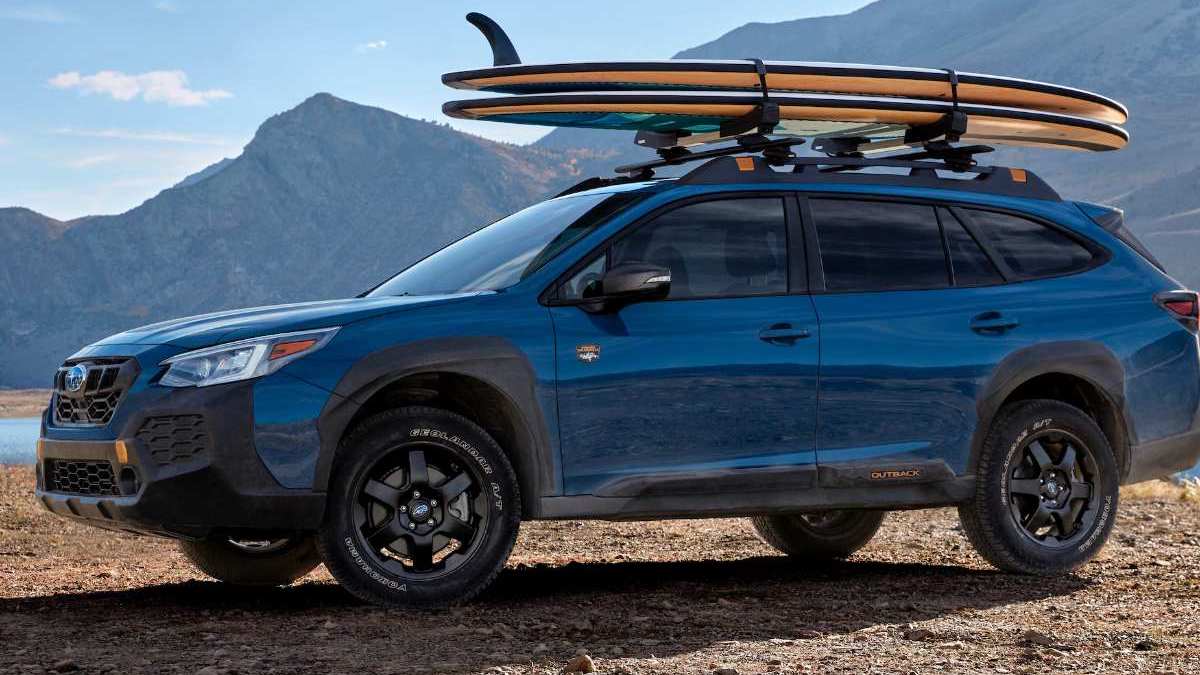
The Outback’s ground clearance of 8.7 inches exceeds most crossovers, allowing confident navigation through deep snow, flooded roads, or rough construction zones.
Despite this SUV-like capability, the Outback achieves respectable fuel economy, with the base 2.5-liter engine delivering up to 29 mpg combined, while the turbocharged option provides strong acceleration for highway passing with minimal economy penalty.
The Outback’s practicality extends beyond commuting. Weekend adventures become effortless with roof rails for cargo boxes or bikes, and the standard all-wheel drive enables light off-road exploration.
The vehicle’s proven reliability and strong resale value make it an excellent long-term investment, while Subaru’s extensive dealer network throughout Pennsylvania ensures convenient service access whenever maintenance is needed.
Also Read: 10 Most Reliable Automotive Brands Ranked for 2025
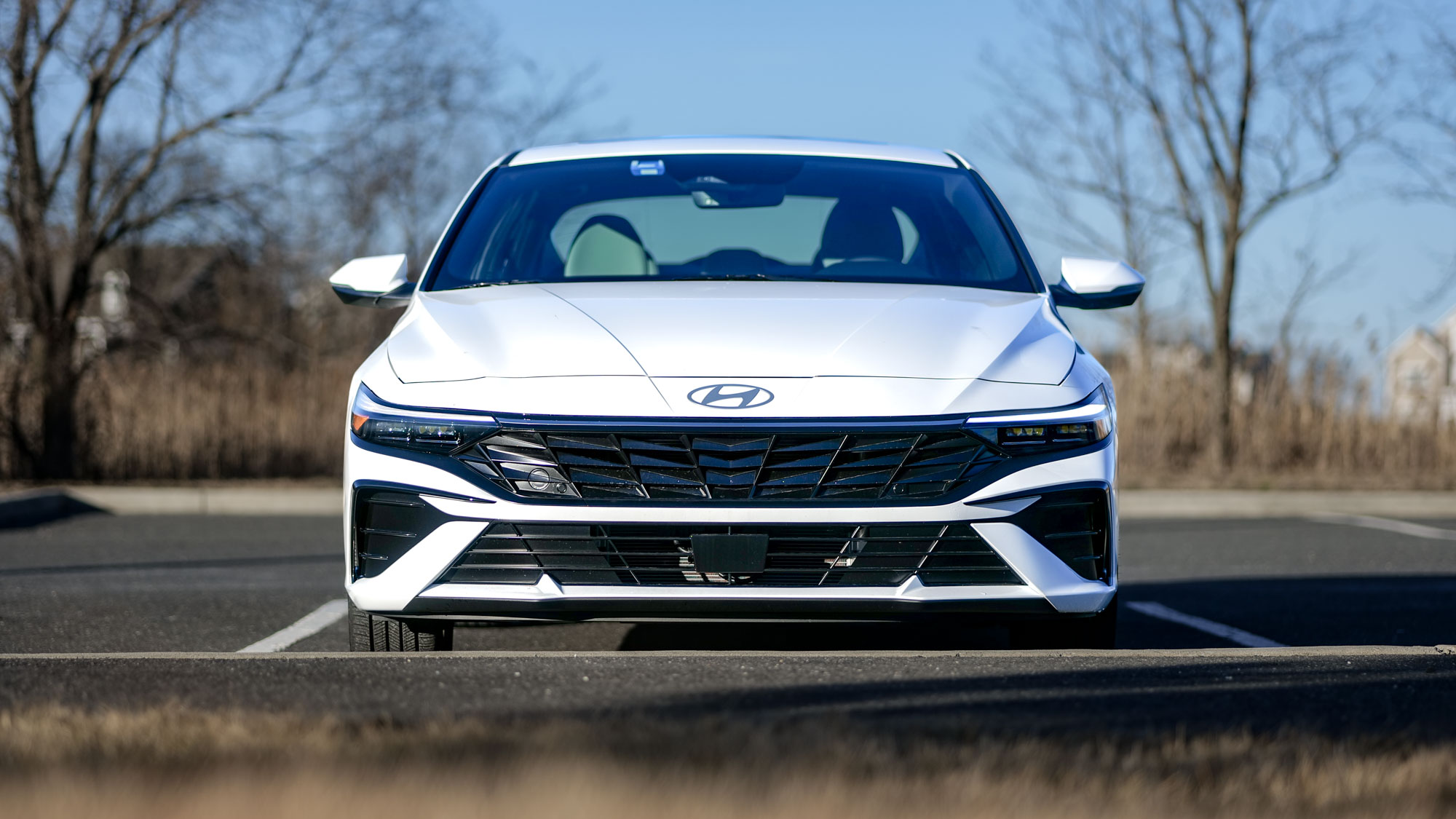
5. Hyundai Elantra Hybrid (2021-2025 Models)
For budget-conscious Allentown commuters seeking maximum efficiency without sacrificing modern features or comfort, the Hyundai Elantra Hybrid represents exceptional value.
This sedan combines Toyota-rivaling fuel economy with Hyundai’s industry-leading warranty coverage and a surprisingly upscale interior, all at a price point that leaves room in the budget for other priorities.
The Elantra Hybrid achieves up to 53 mpg combined figures that match or exceed the Toyota Camry Hybrid while costing significantly less.
The 1.6-liter engine paired with an electric motor delivers adequate power for daily driving, and the smooth-shifting dual-clutch transmission provides a more engaging driving experience than the CVTs found in most hybrids.
The fuel savings are substantial; a commuter driving 25,000 miles annually could save over $1,000 yearly compared to conventional sedans.
Hyundai’s warranty coverage is the most comprehensive in the industry: 10 years or 100,000 miles on the powertrain, including the hybrid components, and 5 years or 60,000 miles of bumper-to-bumper coverage.
This protection is invaluable for commuters racking up high mileage, effectively eliminating concerns about unexpected repair costs during the ownership period when they’re most likely to occur.
The Elantra’s interior design punches well above its price class. The dashboard features clean lines, quality materials, and a standard 8-inch touchscreen that integrates seamlessly with smartphone connectivity.
Higher trims add a digital instrument cluster, wireless charging, and a premium sound system. The cabin is quiet at highway speeds, and the seats provide good support for long commutes, though they’re not quite as plush as more expensive competitors.
The Elantra Hybrid’s practicality makes it ideal for Allentown commuters. The trunk offers ample space despite the hybrid battery, and the rear seats fold for larger items.
While it’s front-wheel drive only, good all-season tires provide adequate winter traction for most conditions, though dedicated snow tires are recommended for harsh weather.
The combination of efficiency, warranty coverage, features, and value makes the Elantra Hybrid a smart choice for anyone seeking to minimize commuting costs while maximizing peace of mind.
5 Cars with High Repair Costs to Avoid
These budget-destroying vehicles suffer from complex European engineering and expensive proprietary components that create catastrophic ownership costs for Allentown-area families, transforming modest transportation into luxury-car expense levels through constant dealership-only repairs and astronomical parts pricing.
Their problematic characteristics include fragile turbocharged systems and specialized maintenance requirements that cannot survive Pennsylvania’s harsh conditions without frequent expensive failures, leading to repair estimates routinely exceeding several thousand dollars for issues other vehicles fix affordably.
1. BMW 7 Series (2016-2020 Models)
The BMW 7 Series represents the pinnacle of German luxury engineering, but for used car buyers and long-term owners, it’s become notorious as one of the most expensive vehicles to maintain.
This flagship sedan is packed with complex technology that, while impressive when new, becomes a financial burden as the vehicle ages and warranty coverage expires.
The 7 Series utilizes cutting-edge systems that sound impressive on paper but prove troublesome in practice. The air suspension system, which provides a magic-carpet ride, typically costs $2,000-$3,000 per corner to replace when the air springs eventually fail and they will fail.
Many owners report suspension issues arising between 60,000-80,000 miles, resulting in repair bills exceeding $8,000 to restore the system fully. Some opt to convert to conventional springs, but this compromises the driving experience and can affect resale value.
The turbocharged engines, while powerful and efficient, require meticulous maintenance. Oil changes using BMW’s specified synthetic oil and filters cost $200-$300 at dealerships.

The turbochargers themselves, subjected to extreme heat and stress, can fail prematurely, with replacement costs ranging from $3,000 to $6,000 per turbo and some models have two.
Carbon buildup on intake valves, common with direct-injection engines, requires walnut-blasting cleaning every 40,000-50,000 miles at a cost of $500-$800.
Perhaps most concerning is the depreciation curve combined with repair costs. A 7 Series that sold for $90,000 new might be worth $25,000-$30,000 after five years.
Buyers attracted to the low purchase price often discover that repair costs remain at “luxury flagship” levels despite the vehicle’s diminished value.
A single major repair can exceed 20-30% of the vehicle’s market value, creating situations where owners face difficult decisions about whether repairs are economically justified.
Independent repair shops can reduce costs somewhat, but the specialized tools, software, and expertise required for 7 Series maintenance limit options.
Many complex systems require BMW’s proprietary diagnostic equipment and software licenses that only dealers possess, forcing owners back to the dealer network for anything beyond basic maintenance.
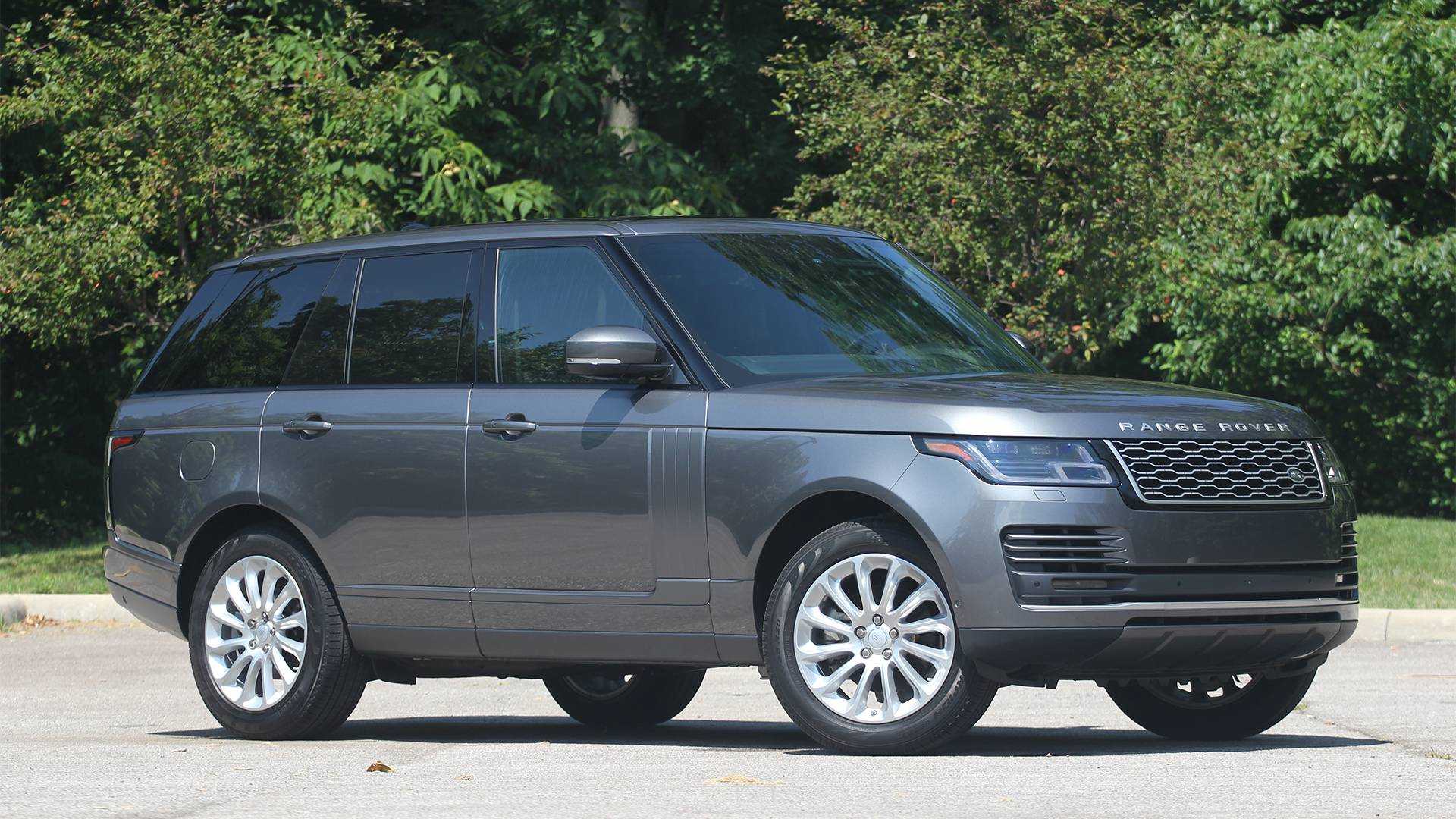
2. Land Rover Range Rover (2013-2019 Models)
The Range Rover embodies British luxury and off-road capability, but it’s earned a well-deserved reputation as one of the least reliable and most expensive vehicles to maintain.
Consumer Reports consistently ranks Land Rover at or near the bottom of reliability ratings, and ownership experiences documented across automotive forums paint a picture of chronic issues and eye-watering repair bills.
The Range Rover’s air suspension system is notoriously problematic, with compressor failures and air spring leaks occurring with frustrating regularity.
Owners report suspension issues beginning as early as 40,000 miles, with complete system repairs costing $4,000-$6,000 or more. The compressor alone can cost $1,500-$2,000 to replace, and many owners face this repair multiple times during ownership.
Some opt to convert to conventional coil springs, spending $3,000-$4,000 to escape the air suspension nightmare, though this eliminates one of the Range Rover’s signature features.
Engine and transmission problems are alarmingly common. The supercharged V6 and V8 engines, while powerful, suffer from timing chain issues, supercharger failures, and cooling system problems.
Timing chain replacement, often necessary between 80,000-100,000 miles, costs $3,000-$5,000. Supercharger rebuilds or replacements can exceed $4,000. The water pump, a common failure point, costs $1,000-$1,500 to replace due to labor-intensive access.
Differential and transfer case problems add to the woes, particularly in models with Terrain Response systems. Transfer case failures, which can occur with little warning, cost $3,000-$5,000 to repair or replace.
Rear differential issues, sometimes caused by inadequate lubrication from the factory, lead to whining noises and eventual failure requiring $2,000-$3,000 in repairs.
The financial mathematics of Range Rover ownership are sobering. Owners report annual maintenance and repair costs averaging $2,000-$3,000 for relatively low-mileage examples, with some years seeing $5,000-$8,000 in unexpected repairs.
Combined with aggressive depreciation a $90,000 Range Rover might be worth $30,000-$35,000 after five years the total cost of ownership becomes staggering.
The vehicle’s prestige and capability come at a price that extends far beyond the purchase price, making it a financial trap for anyone without deep pockets or comprehensive warranty coverage.
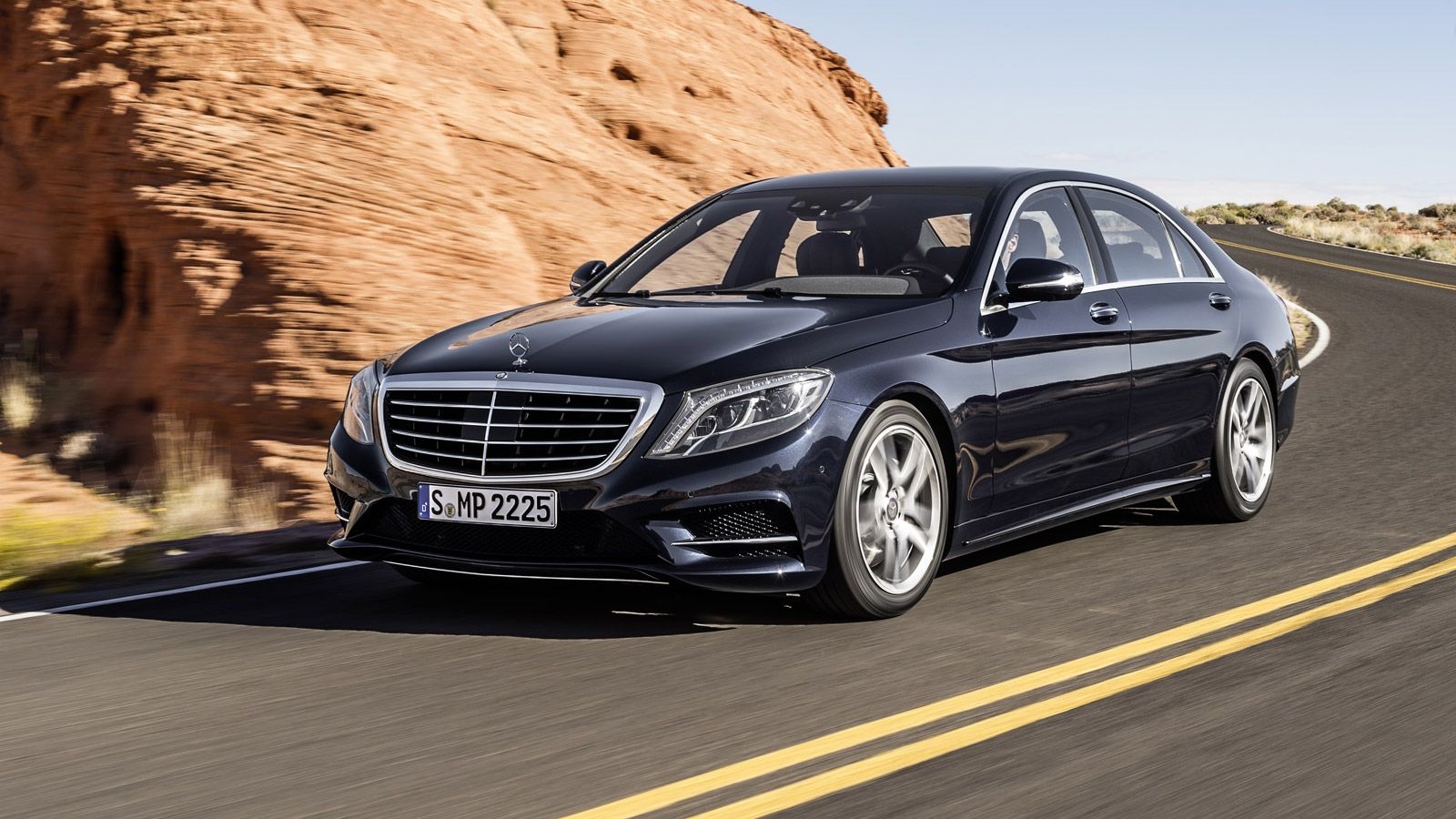
3. Mercedes-Benz S-Class (2014-2020 Models)
Mercedes-Benz’s flagship S-Class represents automotive excellence, showcasing technology and luxury that often debut here before trickling down to lesser models.
However, this technological tour de force becomes a maintenance nightmare as it ages, with repair costs that can shock even experienced luxury car owners.
The S-Class introduced Magic Body Control on many models a camera-based suspension system that scans the road ahead and adjusts damping in real-time.
This engineering marvel costs a fortune when it fails. The specialized suspension components, including hydraulic actuators and the stereo camera system, can require $5,000-$8,000 in repairs when problems arise.
Even conventional air suspension models face similar issues, with compressor and spring failures costing $3,000-$5,000 to address comprehensively.
The S-Class’s twin-turbocharged engines deliver impressive performance but demand meticulous maintenance. The M276 and M278 engines suffer from timing chain issues, with replacement costs ranging from $4,000 to $6,000 depending on the configuration. Turbocharger failures, while less common, cost $3,000-$5,000 per turbo to replace.
Oil consumption issues affect some models, requiring frequent monitoring and potentially expensive engine work if not addressed promptly.
Electronics represent perhaps the most frustrating category of S-Class ownership. The vehicle employs multiple control modules governing everything from seat adjustment to semi-autonomous driving features.
The Comand infotainment system, while sophisticated, proves problematic, with screen failures and system freezes requiring replacements costing $2,000-$3,500.
The full-LED headlights, adjustable for cornering and automatically dimming for oncoming traffic, cost $2,500-$4,000 each when they fail and many owners report premature failures.
The Airmatic suspension system, combined with Active Body Control on higher models, requires specialized diagnostic equipment and skilled technicians.
Independent shops often lack the capability to properly diagnose and repair these systems, forcing owners to dealerships where labor rates exceed $150-$200 per hour. Routine suspension maintenance can easily cost $1,000-$2,000, while major repairs push into five-figure territory.
Annual maintenance costs for S-Class models average $1,500-$2,500, assuming no major failures. However, a single significant issue can easily cost $4,000-$8,000, and many owners report facing multiple expensive repairs as the vehicle crosses 80,000-100,000 miles.
The combination of sophisticated technology, expensive parts, and high dealer labor rates creates a perfect storm of maintenance expenses that makes the S-Class one of the most expensive sedans to own long-term, despite its undeniable luxury and capability.
4. Audi A8 (2011-2017 Models)
Audi’s flagship A8 offers cutting-edge technology and understated luxury wrapped in elegant German engineering. However, beneath the refined exterior lies a vehicle with complexity that translates directly to expensive maintenance and repairs, particularly for the technologically advanced quattro all-wheel-drive and engine management systems.
The supercharged V6 and V8 engines in A8 models deliver impressive performance but come with significant maintenance requirements.
The supercharger system, while providing instant torque, is prone to bearing failures and seal leaks. Supercharger replacement costs $3,000-$5,000, including labor.
The timing chain system, critical for engine operation, experiences premature stretch and guide failures, particularly on V8 models. Timing chain service costs $3,500-$5,500 and is often necessary between 80,000-120,000 miles earlier than owners might expect.
The A8’s air suspension provides an excellent ride but proves troublesome over time. Air spring failures typically begin around 60,000-80,000 miles, with each corner costing $800-$1,200 to repair.
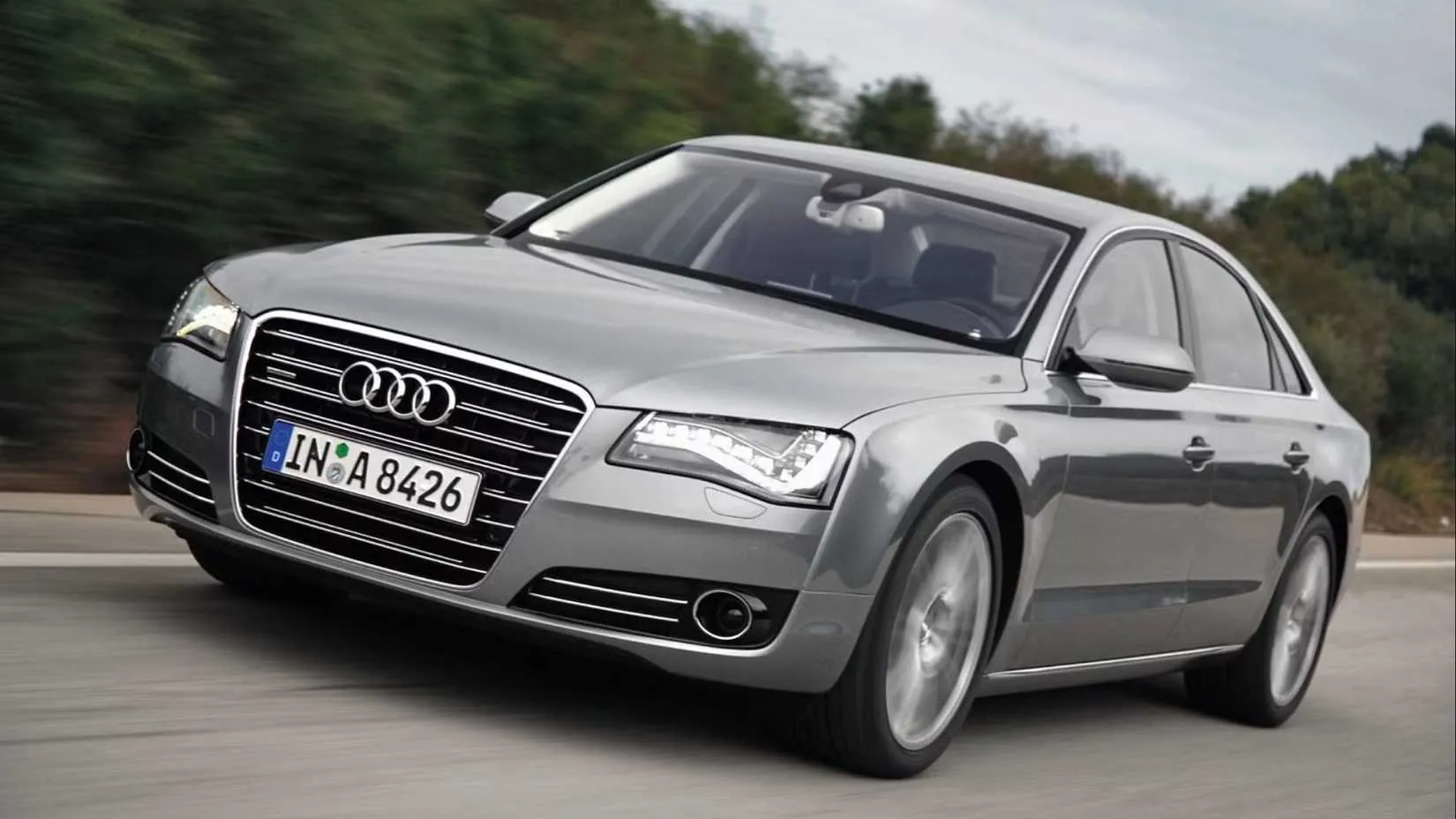
The compressor, which works overtime to maintain suspension pressure, often fails around the same mileage, adding $1,500-$2,000 to repair bills. Complete suspension overhauls can easily exceed $5,000, a harsh reality for owners of vehicles that may be worth only $15,000-$25,000 on the used market.
Electronics represent another major concern. The MMI infotainment system, while advanced, suffers from hard drive failures, touchpad issues, and system crashes.
Repairs often require complete unit replacement at costs of $2,000-$3,000. The digital instrument cluster, if it fails, requires similarly expensive replacement and programming.
Many owners report recurring electrical issues that dealers struggle to diagnose definitively, leading to multiple visits and mounting diagnostic charges.
The sophisticated LED headlight systems, while impressive, prove expensive to repair or replace. A single headlight assembly can cost $1,500-$2,500, and electronic control module failures add hundreds more. Many owners discover that minor accidents result in shocking repair estimates due to expensive lighting technology.
Maintenance costs remain high even without major failures. Oil changes using Audi-specified synthetic oil and filters cost $150-$250.
Brake service with OEM parts easily exceeds $1,000 for front or rear. The complexity of various systems means that independent shops, while cheaper than dealers, often lack the specialized tools and expertise for comprehensive repairs, limiting cost-saving options.
5. Jaguar XJ (2010-2019 Models)
The Jaguar XJ represents British automotive luxury at its finest, with stunning design and impressive performance. However, Jaguar’s historically poor reliability ratings manifest fully in the XJ, creating a vehicle that may cost less to purchase used than many mid-range sedans but demands luxury flagship maintenance expenses throughout ownership.
Engine problems afflict XJ models with concerning frequency. The supercharged V6 and V8 engines, while powerful, suffer from timing chain issues, water pump failures, and cooling system problems.
Timing chain tensioner failures, which can lead to catastrophic engine damage if not addressed, require $3,000-$4,500 to repair properly.
The water pump, driven by the timing chain on some engines, adds complexity and expense to what should be routine maintenance. Coolant crossover pipe leaks are common, requiring $800-$1,500 to repair due to difficult access.
The air suspension system represents one of the XJ’s most problematic areas. Compressor failures occur frequently, often before 70,000 miles, costing $1,500-$2,000 to replace.
Air springs fail regularly at all four corners, with individual replacements costing $600-$1,000 each plus labor. Height sensors and valve blocks add additional failure points, each costing several hundred dollars to replace.
Complete suspension rehabilitation often exceeds $4,000-$6,000, a devastating expense for owners of vehicles worth $12,000-$20,000 in the used market.
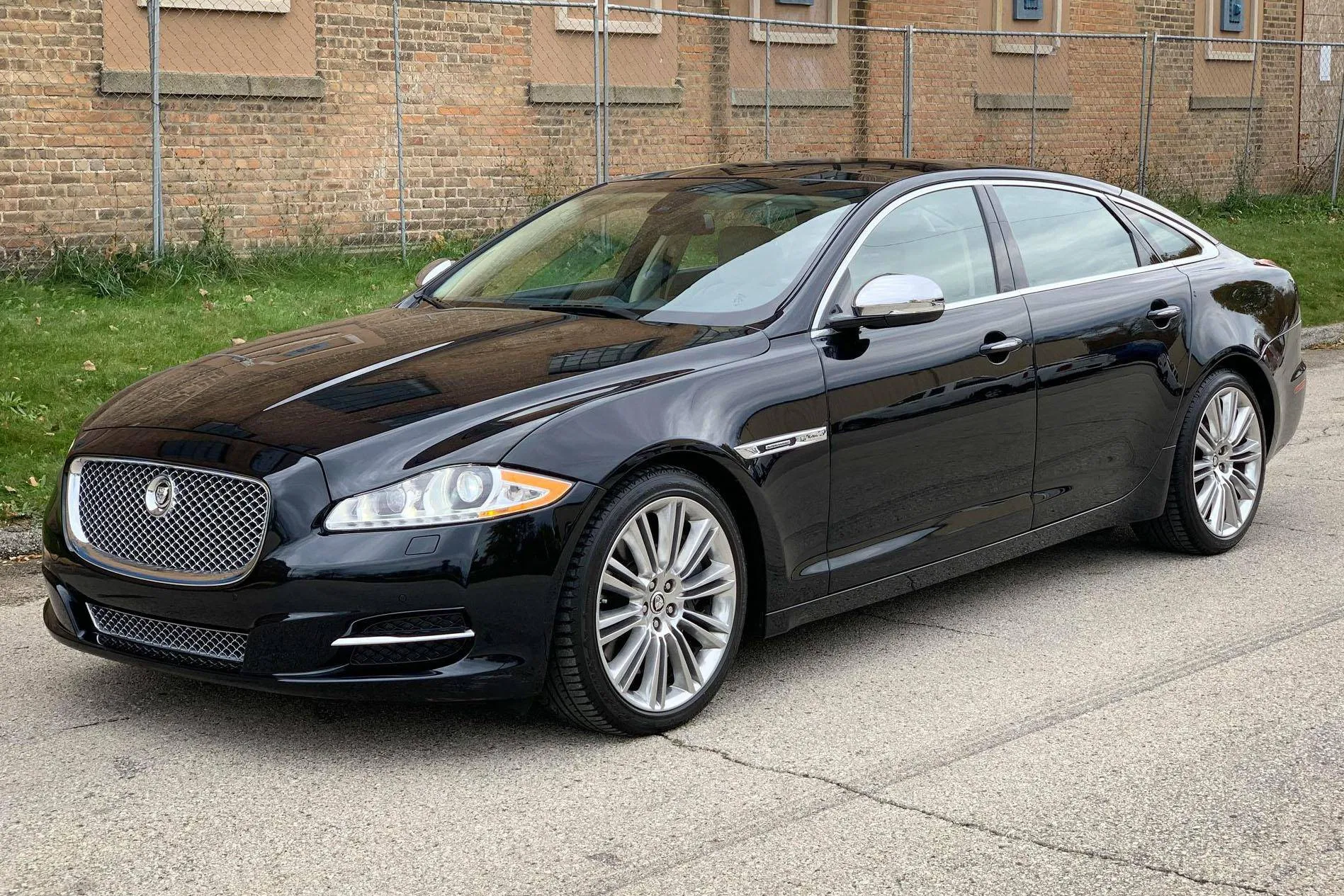
Electronic gremlins haunt the XJ persistently. The infotainment system freezes, crashes, and experiences touchscreen failures requiring expensive module replacement at $1,500-$2,500.
Parking sensors fail frequently, each costing $200-$400 to replace. The digital instrument cluster, when it malfunctions, requires dealer programming and parts costing $1,000-$2,000. Many owners report mysterious electrical drains that lead to dead batteries and difficult-to-diagnose parasitic draws.
Parts availability and pricing represent ongoing challenges. Jaguar’s smaller market presence compared to German rivals means that parts sometimes require special ordering, and prices remain stubbornly high due to limited aftermarket competition.
Specialized tools required for many repairs force owners toward Jaguar dealerships, where labor rates of $150-$200 per hour quickly inflate repair bills.
The financial reality of XJ ownership is sobering: annual maintenance averaging $1,800-$3,000 even without major failures, with individual repair events easily reaching $3,000-$5,000.
The combination of poor reliability, expensive repairs, and dramatic depreciation creates a perfect storm where repair costs can approach or exceed the vehicle’s market value, trapping owners in difficult decisions about whether to repair or replace.
The XJ’s undeniable style and performance come at a price that extends far beyond the purchase price, making it suitable only for enthusiasts prepared for substantial ongoing expenses.
Also Read: 10 Ways Japanese Automakers Revolutionized Performance Cars Forever
