
Living by the ocean offers an unparalleled lifestyle filled with breathtaking sunrises, the soothing sound of waves, and endless opportunities for beach adventures.
However, coastal living presents unique challenges for vehicle owners that extend far beyond the occasional sandy interior. The constant exposure to salt-laden air, high humidity, ocean spray, and coastal moisture creates a corrosive environment that can dramatically accelerate vehicle deterioration.
Salt is particularly aggressive toward metal components, causing rust, corrosion, and premature aging of critical automotive systems.
For coastal residents, choosing the right vehicle isn’t merely about style, performance, or fuel efficiency it’s about long-term durability and protection against the relentless assault of marine environments.
The difference between a vehicle that thrives in coastal conditions and one that deteriorates rapidly often comes down to specific engineering choices, protective coatings, and material selection.
Manufacturers who prioritize corrosion resistance typically employ galvanized steel, aluminum components, extensive rust-proofing treatments, and sealed undercarriages designed to repel salt and moisture.
This comprehensive guide examines ten vehicles across the spectrum five that are engineered to withstand the harshest coastal conditions and five that, despite their merits in other environments, prove particularly vulnerable to the corrosive effects of salt air.
Making an informed decision based on these insights can save you thousands in premature repairs and ensure your vehicle matches your coastal lifestyle perfectly.
5 Cars Built for Coastal Life
These exceptionally durable vehicles feature comprehensive rust protection and marine-grade components perfectly suited for Mobile Bay’s relentless humidity and salt exposure, maintaining structural integrity through years of coastal living without the corrosion typically destroying unprotected vehicles.
Their thoughtful engineering includes factory undercoating and galvanized body panels that resist the accelerated deterioration found in vehicles using bare steel construction while handling frequent beach trips, hurricane season preparations, and constant moisture exposure from Gulf Coast air.
From daily Dauphin Island causeway crossings exposing undercarriages to salt spray to parking near Mobile River docks in humid conditions, these remarkable vehicles continue operating reliably without the frame rust or electrical failures that plague poorly protected alternatives.
1. Toyota 4Runner
The Toyota 4Runner stands as one of the most legendary vehicles for coastal living, combining exceptional corrosion resistance with the rugged capability that beach life demands.
Toyota’s commitment to rust prevention is evident throughout the 4Runner’s construction, starting with extensive factory undercoating and the use of high-quality galvanized steel in critical structural areas.
The body-on-frame construction provides inherent durability advantages, while Toyota’s proprietary rust-proofing process involves multiple layers of protective coating applied during manufacturing, creating a formidable barrier against salt intrusion.
What makes the 4Runner particularly suitable for coastal environments is its raised ground clearance, which naturally reduces exposure to salt spray kicked up from roads and beaches.
The vehicle’s sealed undercarriage features careful attention to drainage, preventing salt water from pooling in vulnerable areas where corrosion typically begins.
Toyota engineers specifically designed drain holes and ventilation points to allow moisture to escape rather than accumulate, a crucial detail that many manufacturers overlook.
The 4Runner’s frame receives a specialized wax-based coating that penetrates into seams and crevices, providing protection in areas that standard paint cannot reach.
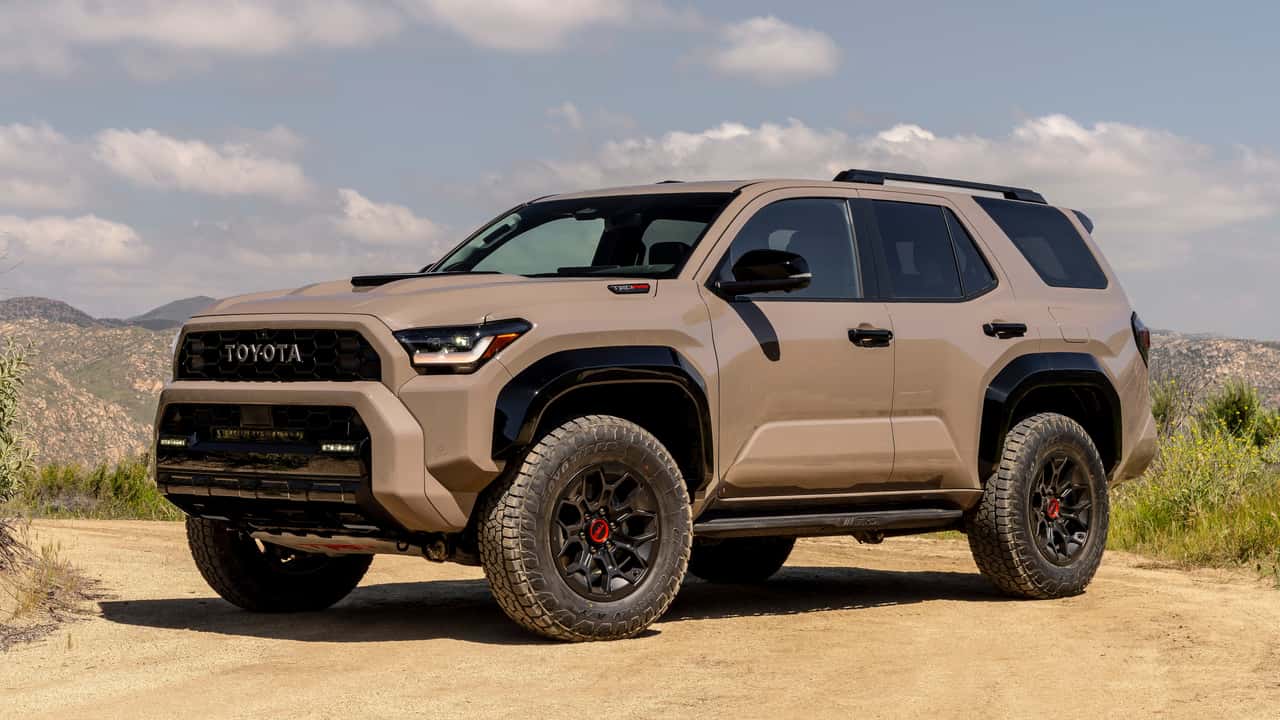
Beyond corrosion resistance, the 4Runner delivers the practical versatility coastal living demands. Its spacious interior easily accommodates surfboards, kayaks, fishing gear, and sandy beach equipment, while the available third-row seating makes it family-friendly.
The standard four-wheel-drive system handles sandy beach access roads with confidence, and the powerful V6 engine provides ample towing capacity for boats and watercraft trailers.
The vehicle’s strong resale value in coastal markets reflects buyer confidence in its durability, and many examples from coastal areas retain surprising value even with high mileage because buyers understand that the fundamental structure remains sound.
For anyone seeking a vehicle that combines off-road capability, family practicality, and genuine coastal durability, the Toyota 4Runner represents an outstanding choice that will provide reliable service for decades of beachside adventures.
2. Honda CR-V
The Honda CR-V has earned widespread respect among coastal residents for its outstanding corrosion resistance combined with practical efficiency and reliability.
Honda’s approach to rust prevention emphasizes comprehensive protection from the factory, utilizing extensive galvanization processes across the body structure and applying multiple protective coatings to the undercarriage.
The CR-V benefits from Honda’s decades of experience building vehicles for diverse global markets, including regions with heavy salt exposure from winter road treatments, allowing the company to refine corrosion-protection techniques that translate perfectly to coastal environments.
Honda employs a sophisticated multi-layer paint process on the CR-V that begins with cathodic electrodeposition coating, which uses electrical current to deposit protective layers into every crevice and corner of the body panels.
This process ensures coverage in areas traditional spray painting cannot reach, including inside door frames, trunk areas, and structural cavities. Following this, Honda applies additional primer layers and high-quality topcoats that form a durable barrier against salt intrusion.
The company’s attention to detail extends to using corrosion-resistant fasteners throughout the vehicle, preventing the rust staining that commonly appears around bolts and screws on vehicles lacking this protection.
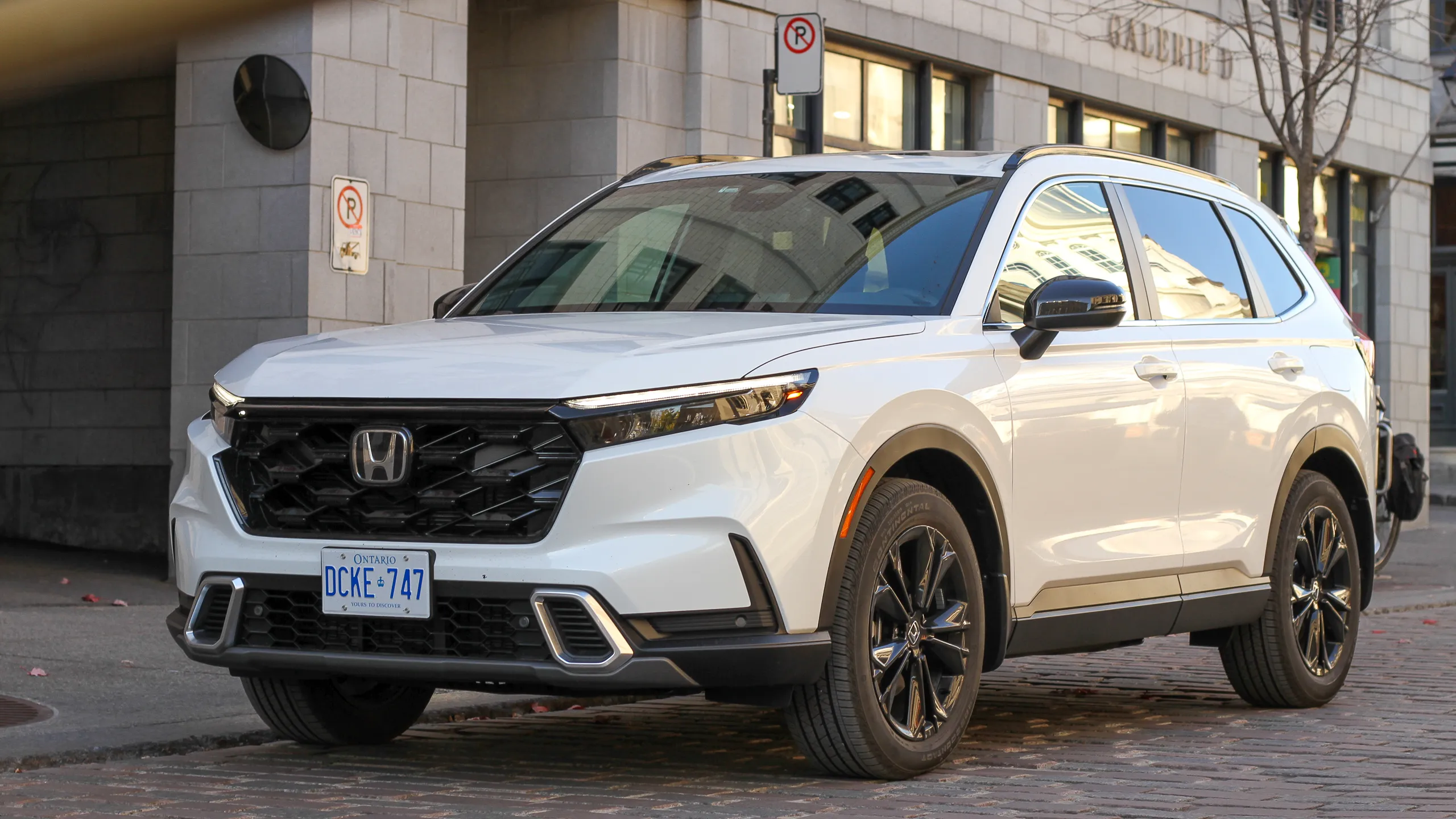
Practical coastal features abound in the CR-V, including available all-wheel drive that handles sandy access roads and wet boat ramps confidently.
The vehicle sits high enough to avoid most splash from puddles and waves, yet remains easy to access without requiring climbing.
Honda’s build quality means door seals, weatherstripping, and body panel gaps remain tight even after years of coastal exposure, preventing moisture intrusion into the cabin and preserving interior components.
Owners frequently praise the CR-V’s electrical systems for their reliability in humid environments, noting that window mechanisms, power locks, and electronic features continue functioning flawlessly when similar components in other vehicles suffer from corrosion-related failures.
The combination of factory corrosion protection, practical design, and Honda’s reputation for longevity makes the CR-V an intelligent choice for coastal residents prioritizing reliability and value over the years.
3. Subaru Outback
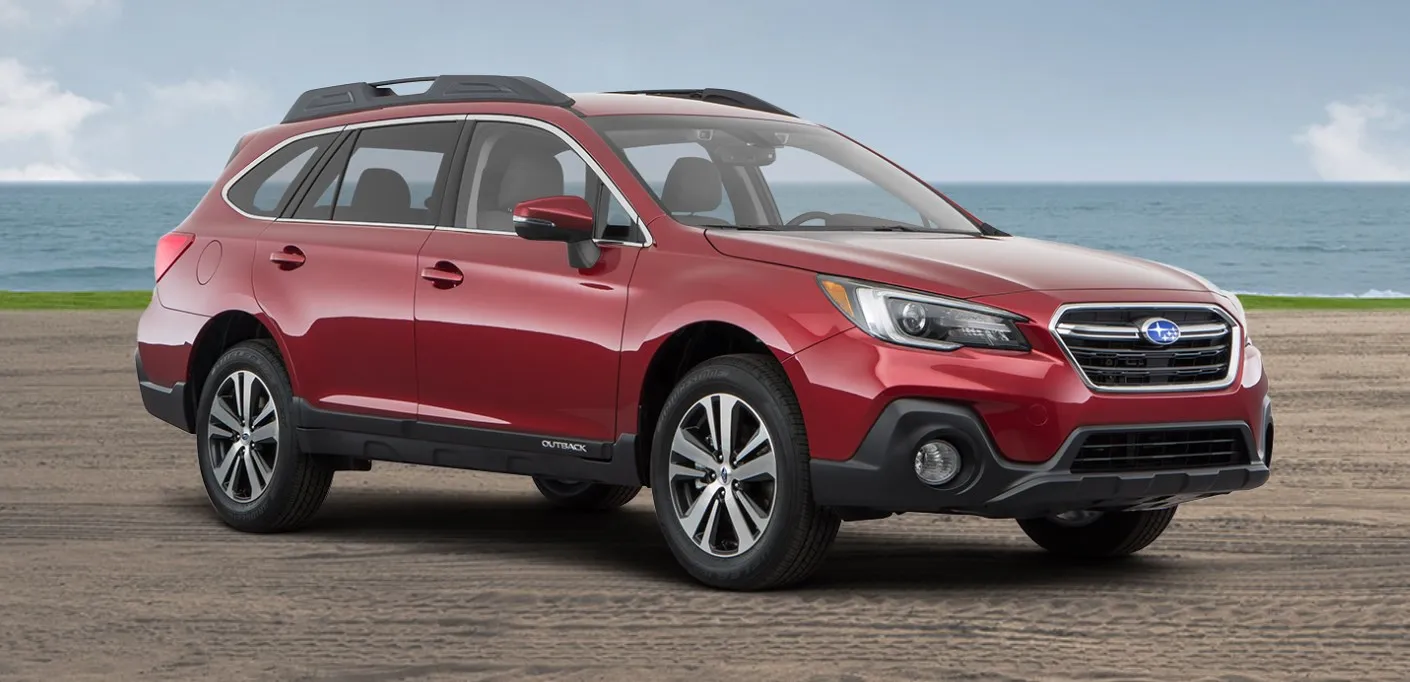
The Subaru Outback has become synonymous with adventurous coastal lifestyles, offering exceptional corrosion resistance engineered specifically for harsh environments.
Subaru’s roots in regions with severe winter weather and heavy road salt usage drove the company to develop industry-leading rust prevention technologies that prove equally effective against ocean salt exposure.
Every Outback receives extensive corrosion protection during manufacturing, including a zinc-phosphate pretreatment process that chemically bonds protective layers to bare metal before any paint application.
This creates a foundation that prevents corrosion from beginning even if the outer paint becomes chipped or scratched. Subaru takes corrosion protection further by applying a specialized wax-based sealant to the Outback’s underbody, wheel wells, and rocker panels areas most vulnerable to salt accumulation.
This sealant penetrates into seams and overlapping metal joints where moisture might otherwise become trapped, while remaining flexible enough to withstand the flexing and vibration that vehicles experience during normal driving.
The Outback’s design includes numerous drainage provisions that prevent water pooling, and Subaru engineers strategically placed protective shields to deflect road spray away from particularly vulnerable components like brake lines and fuel system elements.
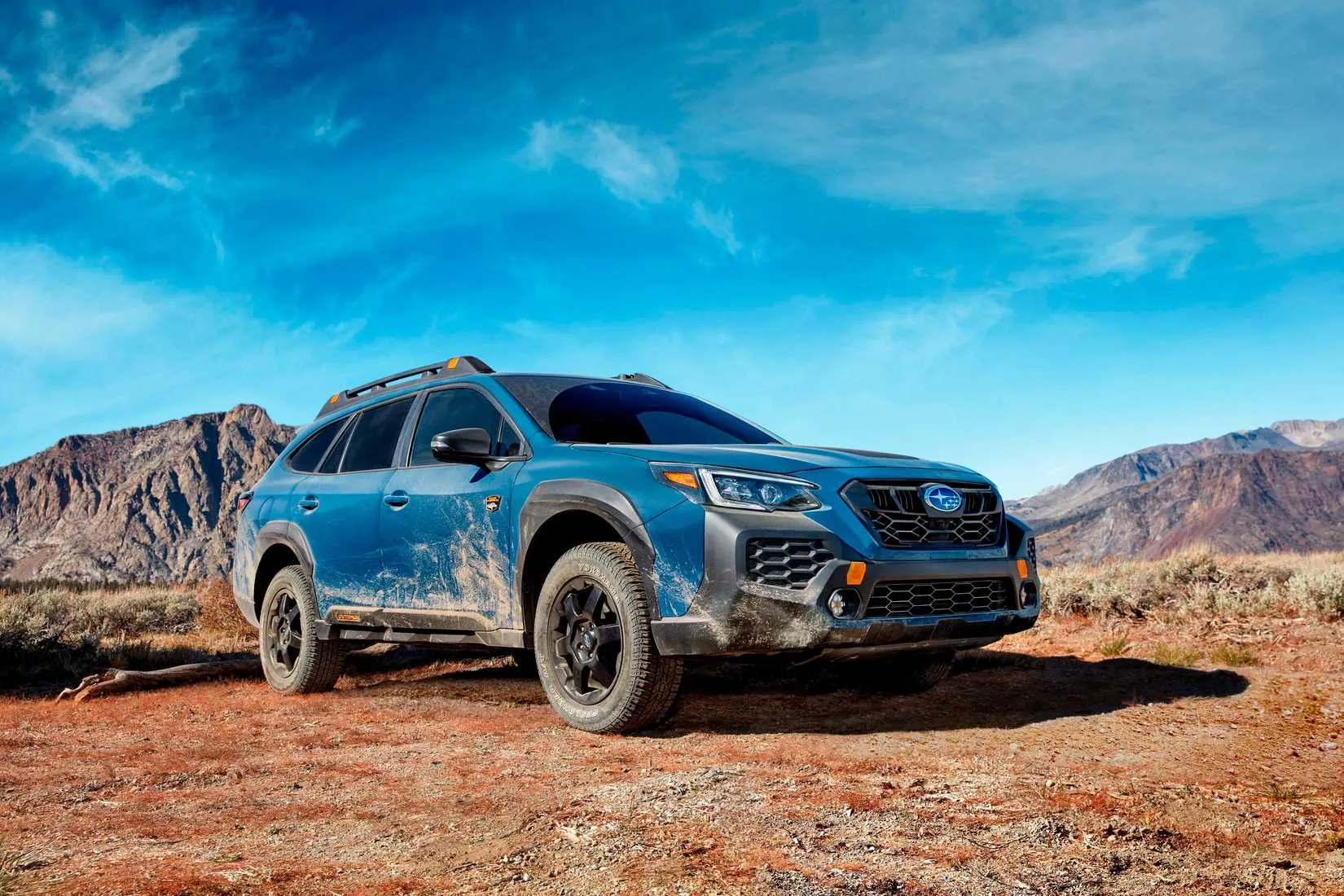
What distinguishes the Outback in coastal markets is how corrosion protection integrates seamlessly with adventurous capability. The standard all-wheel-drive system delivers confidence on sandy beach approaches and slippery boat ramps, while the increased ground clearance compared to traditional sedans prevents the underbody from scraping on uneven coastal roads.
The Outback’s wagon configuration provides tremendous versatility, easily swallowing surfboards laid flat through the rear hatch, accommodating fishing equipment without interior damage, and transporting families plus all their beach gear in a single trip.
The roof rails come standard and support additional cargo capacity for kayaks, paddleboards, or rooftop storage boxes, expanding the vehicle’s already impressive utility.
Interior materials resist fading from intense sunlight and tolerate the moisture and grit that inevitably accompany coastal living, with seat fabrics and trim pieces maintaining their appearance far longer than materials in vehicles lacking these considerations.
Coastal Subaru owners frequently comment on how well their Outbacks age, noting that ten-year-old examples often appear and function remarkably well when compared to similar-aged vehicles from other manufacturers, testament to Subaru’s comprehensive approach to durability and corrosion resistance.
4. Toyota Tacoma
The Toyota Tacoma pickup truck represents perhaps the ultimate vehicle for serious coastal living, combining Toyota’s legendary corrosion resistance with the open-bed utility that beach lifestyles demand.
Toyota subjects the Tacoma to some of the most rigorous corrosion testing in the automotive industry, simulating decades of salt exposure through accelerated environmental chamber testing during development.
The result is a truck built from materials and coatings specifically selected to withstand the most aggressive marine environments, making it a favorite among commercial fishermen, coastal contractors, and surfing enthusiasts who demand absolute reliability.
The Tacoma’s frame construction exemplifies Toyota’s corrosion-fighting commitment, featuring fully boxed sections coated inside and out with protective materials that seal against moisture penetration.
Toyota learned valuable lessons from earlier rust issues that affected some trucks in extremely corrosive environments, leading to enhanced protective measures in recent Tacoma generations including improved frame coatings, better drainage design, and more extensive use of corrosion-resistant fasteners and components.
The bed construction utilizes composite materials in newer models, eliminating rust concerns entirely in this high-exposure area, while the tailgate and exterior panels receive multiple protective coating layers during manufacturing.

Practical advantages make the Tacoma ideal for coastal activities and work. The open bed easily accommodates dirty, wet gear without concern for interior damage fishing equipment, sandy beach chairs, kayaks dripping with salt water, and muddy wetsuits simply get tossed in back and hosed out later.
The Tacoma’s payload capacity handles substantial loads including multiple coolers, diving equipment, or building materials for coastal property projects.
The available towing capacity reaches up to 6,800 pounds properly equipped, sufficient for substantial boats, jet ski trailers, or travel trailers for extended coastal adventures. The four-wheel-drive system tackles deep sand, rocky beach accesses, and muddy boat ramps that would strand lesser vehicles.
Interior materials emphasize durability over luxury, with easily cleaned surfaces and straightforward controls that continue functioning reliably despite exposure to sand, moisture, and the challenging coastal environment.
The Tacoma’s reputation for retaining value in coastal markets remains exceptional, with well-maintained examples commanding premium prices because buyers recognize that the fundamental truck remains structurally sound and mechanically reliable even with substantial mileage and years of coastal service.
Also Read: 8 Fastest Cars Saleen Has Ever Produced
5. Jeep Wrangler
The Jeep Wrangler stands apart as a vehicle purpose-built for harsh environments, with corrosion resistance that matches its legendary off-road capability.
Modern Wranglers incorporate extensive rust prevention technologies refined over decades, including comprehensive undercoating applied during manufacturing and the strategic use of galvanized steel in body panels and structural components.
Jeep engineers designed the Wrangler specifically for exposure to challenging elements, anticipating that owners would drive through rivers, along beaches, and in conditions where salt water contact becomes inevitable rather than merely possible.
What makes the Wrangler exceptional for coastal living extends beyond corrosion resistance to include design elements that embrace rather than merely tolerate harsh environments. The removable doors and top allow complete opening of the vehicle to ocean breezes, creating an unmatched open-air driving experience along coastal roads.
When components do get wet or sandy, the Wrangler’s interior features drain plugs in the floor, allowing owners to literally hose out the entire cabin after particularly dirty adventures.
The seats utilize materials specifically designed to dry quickly and resist mildew, while the simplified dashboard and controls feature sealed electrical connections that continue functioning despite moisture exposure that would devastate conventional vehicles.
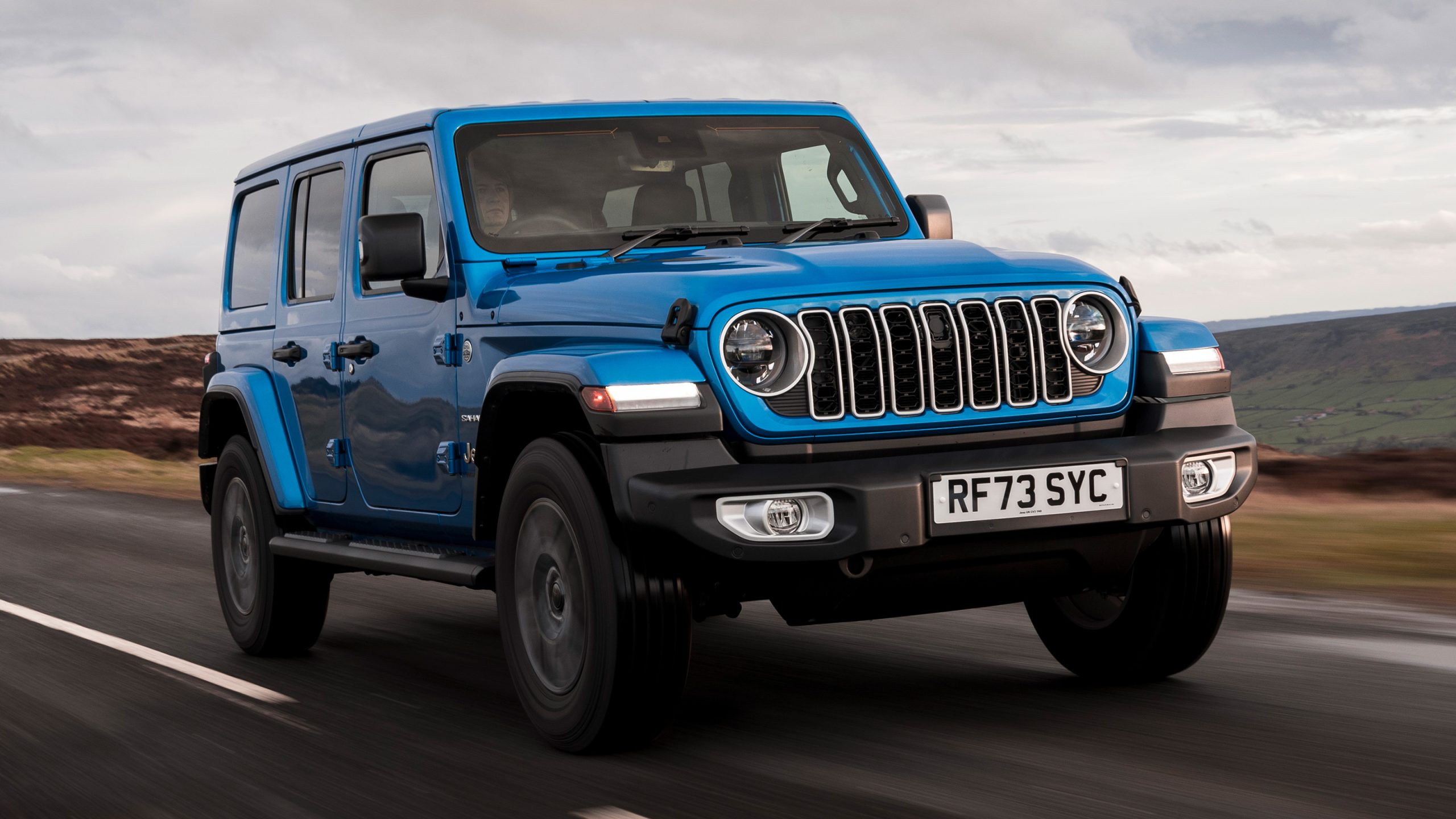
The Wrangler’s mechanical design prioritizes ruggedness and serviceability, characteristics that coastal owners greatly appreciate. Body-on-frame construction separates the body from the chassis, meaning that even if body panels eventually show wear, the fundamental structure remains intact and functional.
The solid axles front and rear provide exceptional ground clearance and articulation for going through the soft sand, rocky beaches, and uneven coastal trails.
The four-wheel-drive system includes low-range gearing for crawling through deep sand or up steep boat ramps, while the available locking differentials ensure traction in the most challenging conditions.
The Wrangler’s approach and departure angles allow driving through standing water and over obstacles that would scrape conventional SUVs.
For coastal residents who want maximum versatility, open-air enjoyment, and a vehicle that treats beach access as its natural habitat, the Jeep Wrangler delivers an ownership experience unlike any conventional vehicle while providing the corrosion resistance necessary for decades of coastal service.
5 Cars That Struggle in Salt Air
These rapidly deteriorating vehicles suffer from inadequate rust protection and exposed metal components that create devastating corrosion damage within just years of Mobile Bay exposure, transforming solid transportation into structurally compromised rust buckets requiring premature replacement or dangerous continued operation.
Their problematic construction includes unprotected steel frames and poorly sealed electrical connections that cannot withstand Mobile’s relentless salt air and humidity, leading to catastrophic frame perforation, brake system corrosion, and complete wiring harness failures from moisture infiltration.
1. Ford F-150 (Certain Model Years)
Despite being America’s best-selling vehicle and offering impressive capability, certain Ford F-150 model years have developed troubling reputations for corrosion issues, particularly in coastal and salt-belt regions.
The problems stem primarily from frame and body rust that develops prematurely compared to competitive trucks, affecting resale values and long-term durability.
While Ford has made significant improvements in recent generations, trucks from the mid-2000s through mid-2010s period show particular vulnerability, with owners reporting frame rust, bed corrosion, and body panel deterioration occurring within just five to seven years of coastal exposure.
The F-150’s corrosion challenges trace to several factors including frame coating quality, drainage design deficiencies, and the use of materials that proved insufficiently resistant to salt exposure.
The boxed frame design, while structurally beneficial for strength and crash protection, created enclosed spaces where salt-laden water could enter through openings but struggled to drain properly.
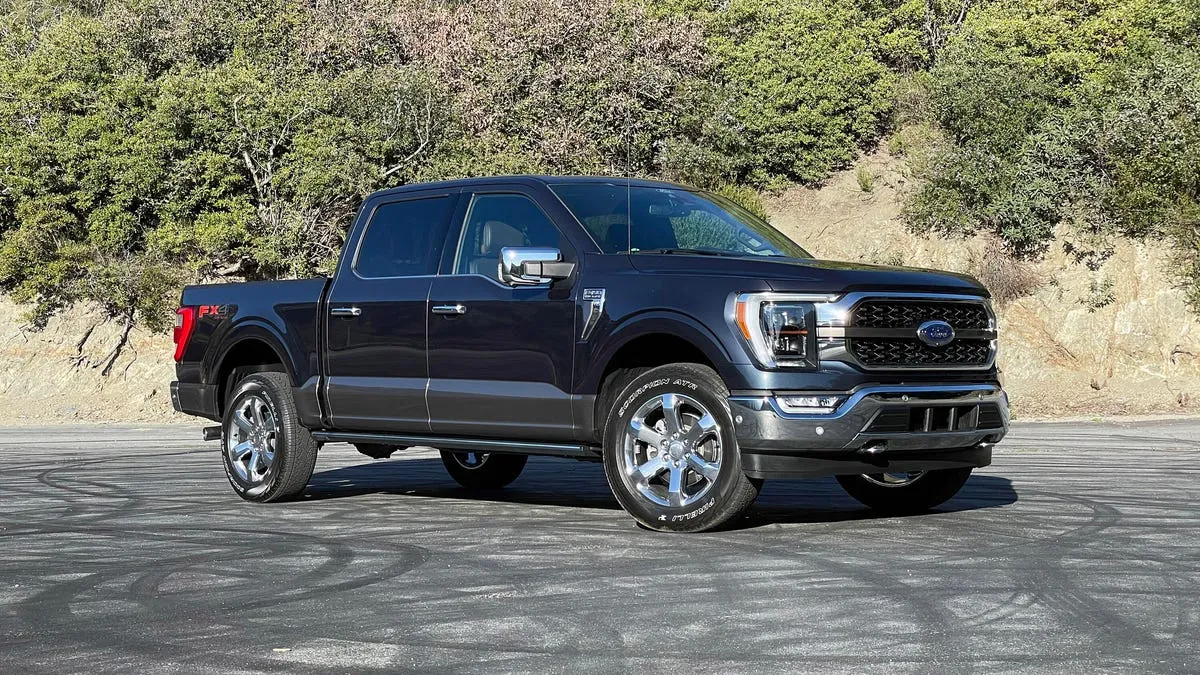
Once salt water becomes trapped inside frame sections, it remains in contact with bare metal continuously, causing corrosion from the inside out—often invisible until structural damage becomes severe.
Some F-150 models featured inadequate protective coatings on the frame that degraded relatively quickly, exposing bare metal to direct salt contact.
The rear suspension and leaf spring assemblies accumulated salt and debris, promoting corrosion that affected ride quality and safety.
While newer F-150 generations have incorporated better protective coatings and improved drainage designs addressing many historical problems, the legacy of corrosion issues from earlier model years continues affecting Ford’s reputation in coastal markets.
Prospective buyers in coastal regions should carefully inspect any used F-150 for rust, particularly pre-2018 models, and consider that while the truck offers excellent capability and features, long-term coastal durability may not match competitors like the Toyota Tacoma or Toyota Tundra that demonstrate superior corrosion resistance.
2. Mazda CX-5 (Early Generations)
The Mazda CX-5 offers stylish design, engaging driving dynamics, and excellent value, yet early generation models from 2013-2016 developed concerning corrosion issues that particularly affected vehicles in coastal and salt-exposed regions.
Despite Mazda’s engineering expertise, the first-generation CX-5 demonstrated insufficient rust protection compared to competitors, with owners reporting premature corrosion appearing in multiple body areas and undercarriage components.
These issues surfaced relatively quickly, sometimes within just three to four years of coastal ownership, surprising buyers who expected better durability from a modern vehicle.
The corrosion problems manifested most visibly around wheel wells, where road spray and salt accumulation proved particularly aggressive. Paint bubbling and surface rust appeared on the rear quarter panels and wheel arch lips, areas where the factory coating apparently lacked adequate thickness or adhesion.
Door bottoms and rocker panels also showed vulnerability, with rust developing along seams and edges where moisture could penetrate through inadequate sealing.
The rear hatch area proved particularly problematic, with reports of rust forming around the license plate mounting area and lower hatch panel, locations where water and salt naturally collect and where drainage appeared insufficient.
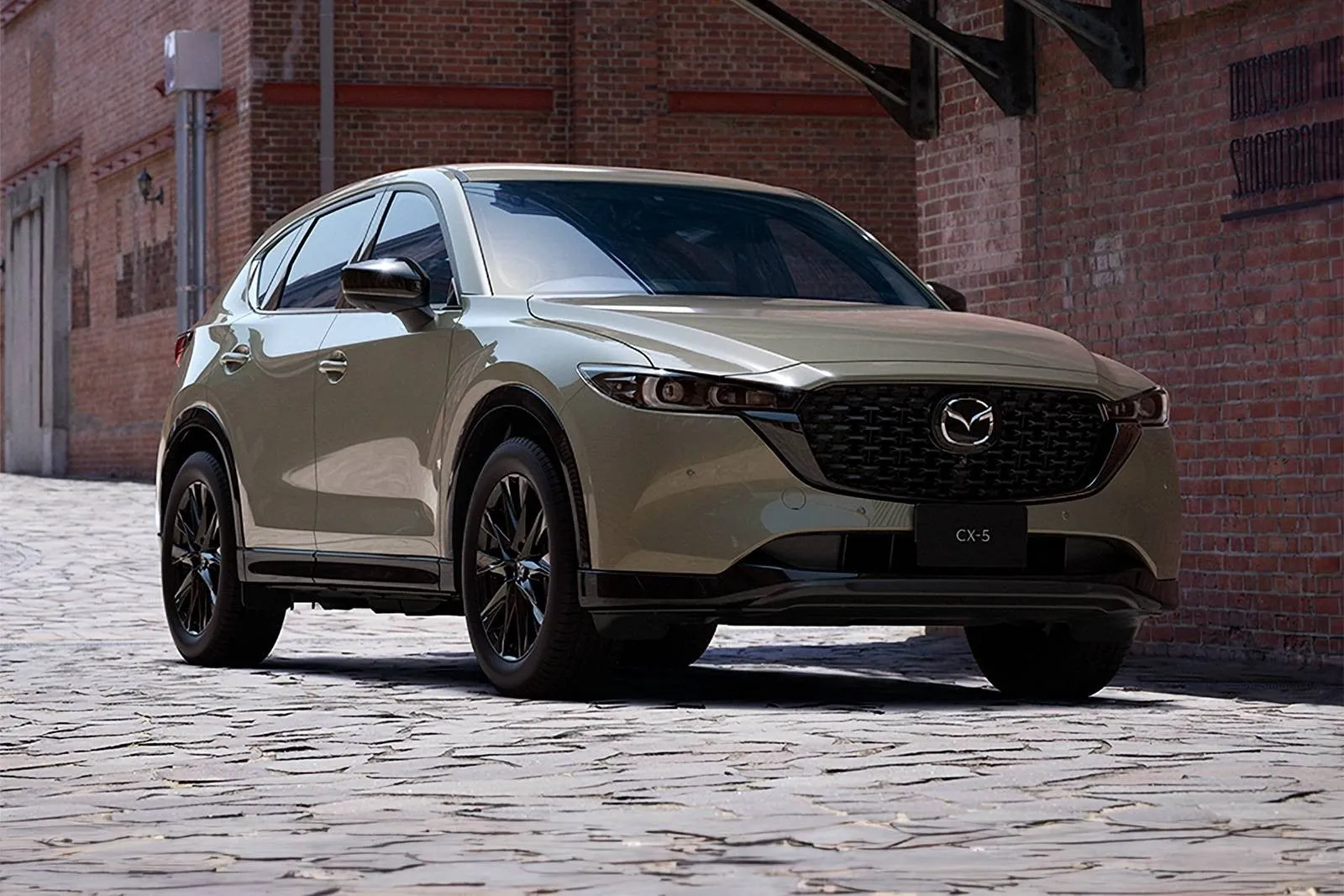
Undercarriage corrosion presented more serious concerns affecting mechanical reliability and safety. The exhaust system components including heat shields, mounting brackets, and the catalytic converter housing showed accelerated deterioration from salt exposure.
Suspension components including control arms, subframe mounting points, and brake components developed surface rust that in some cases progressed to structural concerns.
The factory undercoating applied during manufacturing proved insufficient for harsh coastal environments, offering minimal protection once minor chips or abrasions exposed bare metal beneath.
Unlike competitors who applied thick, flexible undercoatings, the CX-5’s protection seemed minimal and degraded quickly under salt assault.
Mazda has acknowledged these concerns and significantly improved corrosion protection in later CX-5 generations beginning around 2017, implementing better undercoating processes, improved drainage designs, and enhanced protective treatments.
However, the early models’ reputation for corrosion issues continues affecting resale values in coastal markets where buyers remain justifiably cautious.
Prospective purchasers considering an early CX-5 for coastal use should conduct extremely thorough rust inspections, recognizing that even low-mileage examples may harbor significant corrosion if they’ve lived near the ocean.
While the driving experience and features make the CX-5 appealing, the corrosion vulnerability of early models makes them a risky choice for coastal residents seeking long-term durability.
3. Nissan Frontier/Titan (Pre-2020)
Nissan’s midsize Frontier and full-size Titan pickup trucks offered competitive capability and value but developed troubling reputations for frame rust and corrosion issues that particularly affected vehicles in coastal regions.
The problems reached such severity that Nissan faced class-action lawsuits and issued warranty extensions addressing frame corrosion, acknowledging that trucks from the mid-2000s through late 2010s suffered from inadequate rust protection.
The corrosion issues severely impacted resale values and raised legitimate safety concerns as frame integrity deteriorated prematurely.
The core problem centered on frame design and coating quality that proved insufficient for salt exposure.
Similar to some Toyota trucks of the same era, the Nissan frames featured boxed sections with inadequate drainage provisions, allowing salt water to enter but not escape, creating perfect conditions for internal corrosion.
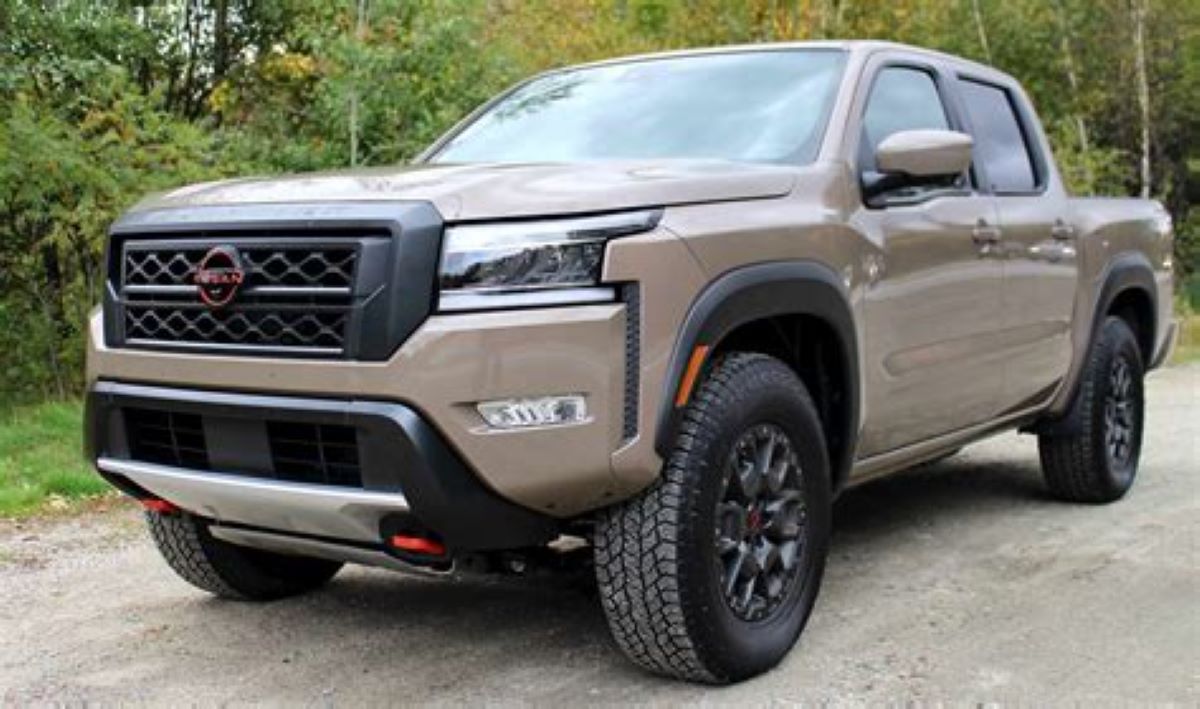
The protective coating applied during manufacturing degraded relatively quickly, particularly on the frame’s upper surfaces where road spray made constant contact. Once the coating failed, bare steel corroded rapidly, with some trucks developing perforated frames within seven to ten years, far shorter than the expected service life.
The completely redesigned Frontier introduced for 2022 and updated Titan models incorporated substantially improved corrosion protection including better frame coatings, improved drainage designs, and enhanced rust prevention treatments.
However, the legacy of corrosion issues continues haunting Nissan’s truck reputation in coastal markets. Used Frontier and Titan trucks from affected model years trade at significant discounts compared to Toyota and even Ford competitors because buyers recognize the corrosion liability.
Prospective purchasers in coastal regions should thoroughly inspect any pre-2020 Nissan truck’s frame condition, preferably by a qualified mechanic familiar with these vehicles’ specific vulnerabilities.
While the trucks offered solid capability when new, the corrosion issues make them questionable choices for coastal service where salt exposure accelerates already problematic rust tendencies, potentially leading to expensive repairs or premature vehicle retirement.
4. Dodge Challenger/Charger
The Dodge Challenger and Charger offer thrilling performance, distinctive styling, and V8 power that attracts enthusiasts, but these muscle cars demonstrate disappointing corrosion resistance that makes them problematic choices for coastal environments.
Despite their modern design and manufacture, both vehicles show vulnerability to rust and deterioration that appears premature compared to competitors. The issues affect multiple model years and manifest across body panels, undercarriage components, and mechanical systems, creating concerns for long-term coastal ownership.
Body corrosion appears most commonly around wheel wells, particularly the rear quarters where road spray and salt accumulation prove relentless. Paint bubbling and surface rust develop along the lower body panels, rocker panels, and door bottoms where moisture sits against metal and protective coatings fail.
The Challenger’s long, low profile means the undercarriage rides relatively close to the ground, increasing exposure to salt spray from roads and reducing natural ventilation that might help components dry between exposures.
Both vehicles feature extensive underbody panels and shields that, while beneficial for aerodynamics and noise reduction, can trap salt water against the frame and body, promoting hidden corrosion.
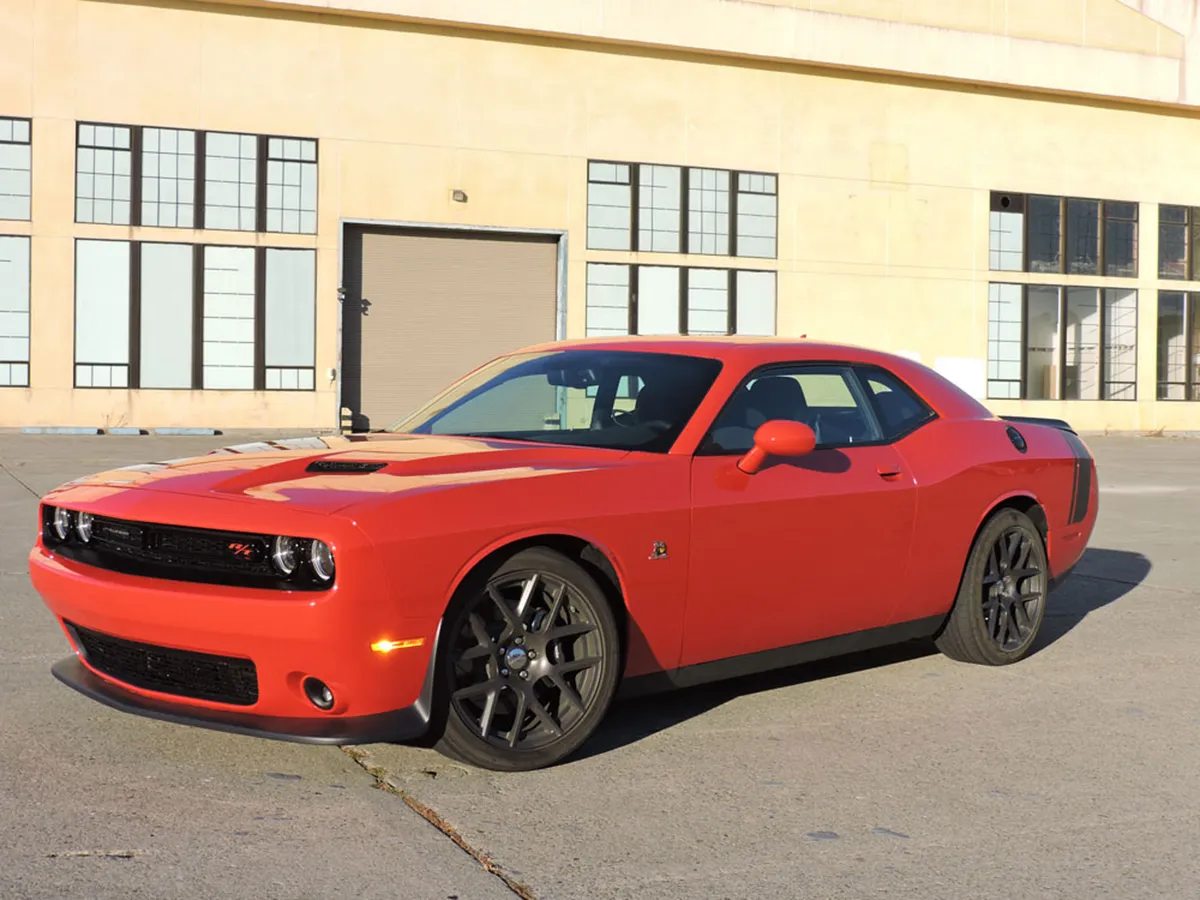
The undercarriage reveals concerning corrosion patterns affecting suspension components, exhaust systems, and frame sections. Control arms, shock absorber mounting points, and suspension linkages develop surface rust that can progress to structural concerns.
The exhaust system components including manifolds, catalytic converters, and mufflers show accelerated deterioration from salt exposure.
Even with preventive measures, these vehicles likely won’t match the corrosion resistance of manufacturers like Toyota, Honda, or Subaru whose engineering explicitly addresses salt exposure.
The Challenger and Charger excel at delivering muscle car excitement but represent risky choices for coastal environments where long-term durability matters, requiring either acceptance of accelerated deterioration or significant investment in preventive protection measures to slow inevitable rust development.
5. Hyundai Santa Fe (2007-2012)
The Hyundai Santa Fe from the 2007-2012 generation, while offering competitive features and attractive pricing when new, developed troubling corrosion problems that particularly affected vehicles in coastal and salt-exposed regions.
Despite Hyundai’s dramatic quality improvements during this era, these Santa Fe models demonstrated insufficient rust protection that led to premature body corrosion, undercarriage deterioration, and mechanical component failures.
The problems appeared relatively quickly, sometimes within just five years of coastal ownership, disappointing buyers who expected better longevity from a modern SUV.
Body rust manifested most visibly in several predictable areas including wheel wells, tailgate, and lower body panels. The rear quarter panels developed paint bubbling and rust perforation around the wheel arches where salt spray and road debris accumulated.
The tailgate’s lower edge and hatch opening proved particularly vulnerable, with rust forming along seams and eventually perforating the panel itself in severe cases.
Door bottoms and rocker panels showed similar patterns with corrosion beginning at panel edges and progressing inward as moisture penetrated inadequate protective coatings. The hood’s leading edge sometimes developed rust where stone chips exposed bare metal to salt exposure.
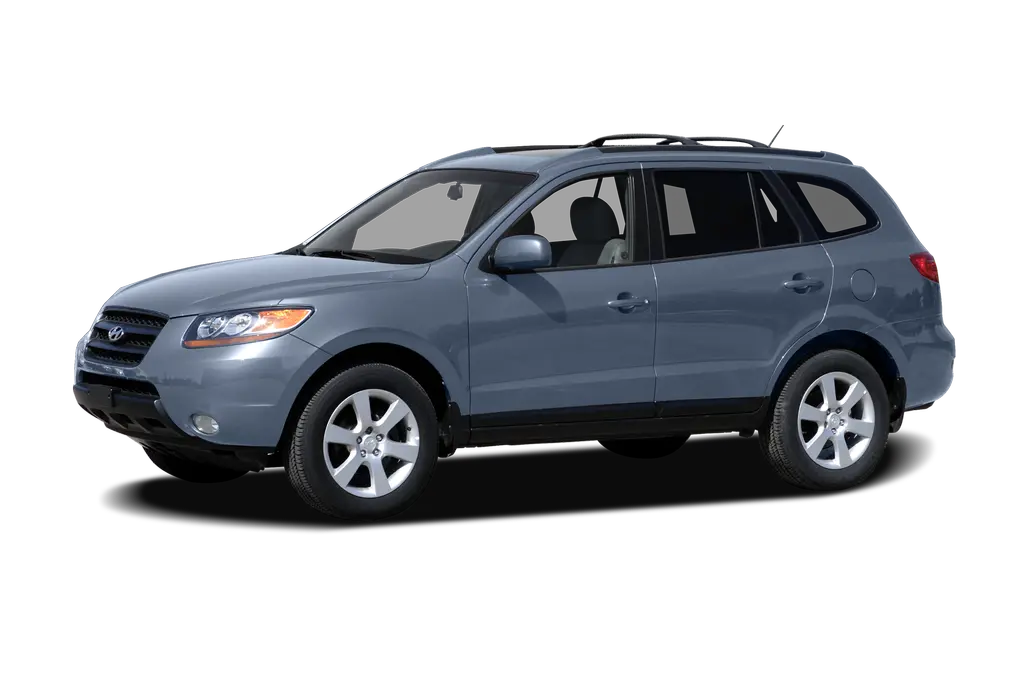
Undercarriage corrosion presented more concerning issues affecting structural integrity and mechanical reliability. The subframe, which carries front suspension components and engine/transmission, showed accelerated rust development that raised safety concerns.
Some Santa Fe models experienced severe subframe corrosion that could affect suspension mounting integrity and steering response.
The exhaust system including catalytic converters, resonators, and mufflers corroded prematurely, requiring replacement well before typical service intervals. Heat shields, exhaust hangers, and associated mounting brackets often rusted through, causing rattles and potentially dangerous hot component detachment.
Prospective purchasers considering these earlier Santa Fe models for coastal use should conduct extremely thorough inspections, particularly of undercarriage and structural components.
Given the corrosion vulnerability, these vehicles represent poor choices for coastal environments where superior alternatives from Toyota, Honda, and Subaru offer dramatically better long-term durability and lower likelihood of expensive corrosion-related repairs or premature vehicle retirement.
Also Read: 5 Cars for Stamford Commuters vs 5 That Aren’t City-Friendly
