Beckley, West Virginia, is surrounded by steep, winding mountain roads that demand vehicles with strong engines, reliable traction, and durable suspensions. Driving in this environment separates cars designed for challenging terrain from those that struggle to maintain power on long inclines.
While some vehicles offer advanced systems, turbocharged or electrified powertrains, and off-road-ready features, others with small naturally aspirated engines or older designs may falter under the extra load and thinner mountain air.
This guide highlights five vehicles that excel on Beckley’s mountain roads, offering the capability, stability, and confidence drivers need for steep climbs, loose surfaces, and unpredictable conditions.
Additionally, we explore five cars prone to power loss uphill, where limited engine output, transmission issues, or maintenance shortcomings can turn an otherwise routine drive into a frustrating uphill struggle. Understanding the strengths and weaknesses of these vehicles helps drivers make informed choices for safety, performance, and enjoyment in mountainous driving environments.
5 Cars for Beckley Mountain Roads
1. Subaru Outback Wilderness: Built for Confident Mountain Adventures
The Subaru Outback Wilderness is a standout choice for drivers who regularly navigate steep, winding mountain roads and uneven terrain, particularly in areas like Beckley, West Virginia.
Known locally for its durability and capability, the Wilderness trim takes the Outback’s already solid foundation and enhances it with off-road-focused upgrades that improve traction, clearance, and performance without sacrificing everyday comfort.
A major strength of the Outback Wilderness is its standard 2.4-liter turbocharged four-cylinder engine, which produces 260 horsepower. This turbo engine delivers consistent torque on steep climbs, an important advantage in mountainous regions where non-turbo engines often feel strained due to thinner air.
Paired with a continuously variable transmission and Subaru’s Symmetrical All Wheel Drive, the powertrain provides confident acceleration and steady grip on both paved roads and loose surfaces. The turbocharged model is estimated to reach 60 miles per hour in about 6.6 seconds, making it noticeably more responsive than the base engine, which is better suited for lighter-duty driving.
Off-road capability is where the Wilderness truly shines. With 9.5 inches of ground clearance, it can easily clear rocks, logs, and uneven dips on unpaved trails without damaging the undercarriage.
Dual function X Mode fine-tunes engine output, transmission behavior, and stability control to handle deep snow, mud, or steep grades.
All-terrain tires improve grip on dirt and gravel, while revised approach and departure angles allow the vehicle to tackle sharper inclines and descents with confidence. The suspension and gearing are also specially tuned to provide better wheel articulation and control when crawling over obstacles.
Inside, the Outback Wilderness balances toughness with comfort. The interior has been updated with a modern layout, digital displays, and physical climate controls that are easy to use on the move.
Water-resistant StarTex upholstery and durable seatbacks are well-suited for outdoor lifestyles, handling mud, moisture, and gear with ease. Passenger comfort has improved thanks to increased headroom, and cargo space has grown slightly to accommodate longer trips and larger loads.
The Subaru Outback Wilderness turns demanding mountain driving into a manageable and enjoyable experience. Its combination of turbocharged power, advanced All Wheel Drive technology, increased ground clearance, and practical interior makes it an excellent choice for drivers who want one vehicle that can handle scenic highways, rugged trails, and daily life in mountainous regions.

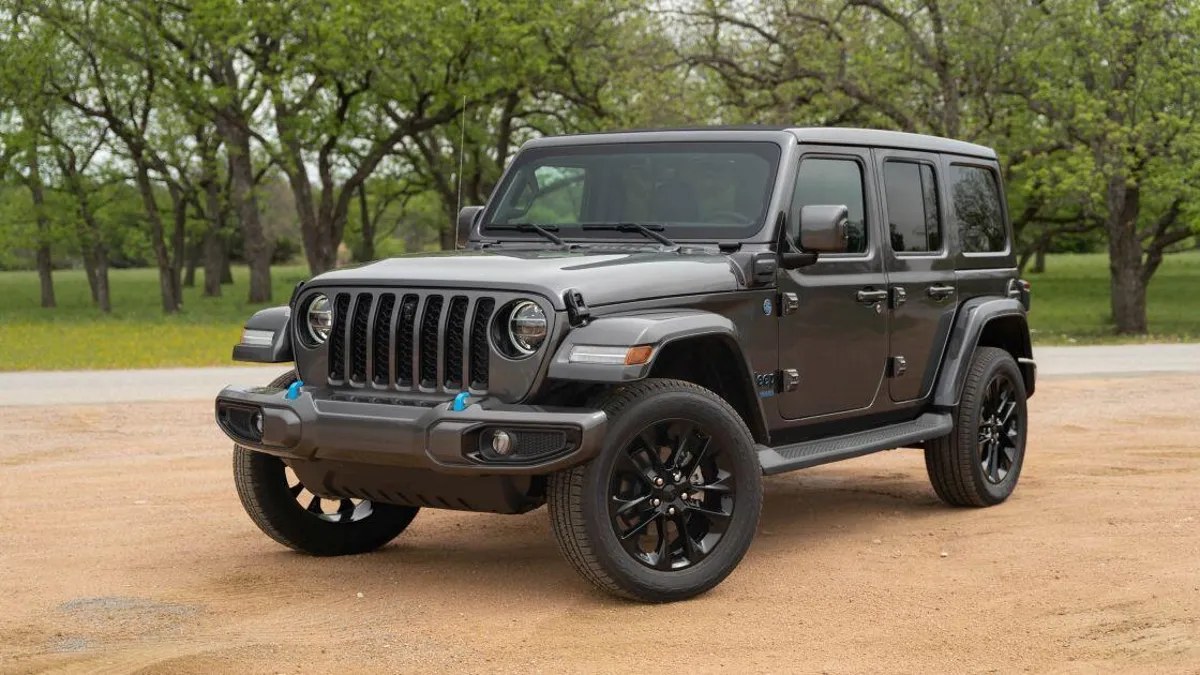
2. Jeep Wrangler 4xe: Electrified Strength for Beckley’s Mountain Roads
The Jeep Wrangler 4xe plug-in hybrid combines advanced hybrid technology with the legendary toughness that has defined the Wrangler for generations. Built for steep grades, rocky trails, and unpredictable mountain conditions, the 4xe is especially well-suited to the demanding terrain around Beckley, West Virginia.
Its blend of electric power and proven off-road hardware delivers exceptional control, strength, and versatility for both daily driving and serious trail use.
At the heart of the Wrangler 4xe is a turbocharged 2.0-liter four-cylinder engine paired with electric motors, producing a combined 375 horsepower and an impressive 470 pound-feet of torque. One of its biggest advantages is instant electric torque, which delivers smooth and immediate power from a standstill.
This is particularly valuable on steep inclines, loose rock, and uneven surfaces where precise throttle control is critical. Drivers can choose between Electric, Hybrid, and e Save drive modes, allowing quiet electric-only operation on milder stretches or full hybrid output when climbing, towing, or tackling tougher terrain.
The eight-speed automatic transmission and standard Four Wheel Drive help ensure consistent power delivery in changing conditions.
The Wrangler 4xe remains true to its Trail Rated reputation with hardware designed for serious off-road use. Solid front and rear axles provide durability and excellent wheel articulation on uneven ground, offering a level of strength that many crossover-style vehicles cannot match.
Available features such as front and rear locking differentials and an electronic sway bar disconnect allow the suspension to flex more freely, improving traction on large rocks and deep ruts.
When equipped with Wilderness-focused enhancements like increased ground clearance, skid plates, rock rails, and aggressive all-terrain tires, the Wrangler 4xe gains added stability, protection, and confidence on steep and rugged trails.
Efficiency and everyday practicality further strengthen the appeal of the Wrangler 4xe. Its plug-in hybrid system allows up to 21 miles of electric-only driving, helping reduce fuel use during commutes and short trips.
Electric operation also enables quieter trail experiences, allowing occupants to enjoy the surrounding environment without constant engine noise. Inside, the Wrangler offers a familiar upright driving position, durable materials, and modern technology. Features such as a large touchscreen, Off Road Pages that display vehicle data, and available trail maps enhance both convenience and capability.
The Jeep Wrangler 4xe brings together electrified performance and classic Jeep engineering. Its powerful hybrid system, instant torque delivery, and robust off-road components make it an excellent choice for tackling the steep, rocky, and varied mountain terrain near Beckley, while its electric range and updated technology add meaningful benefits for everyday use.
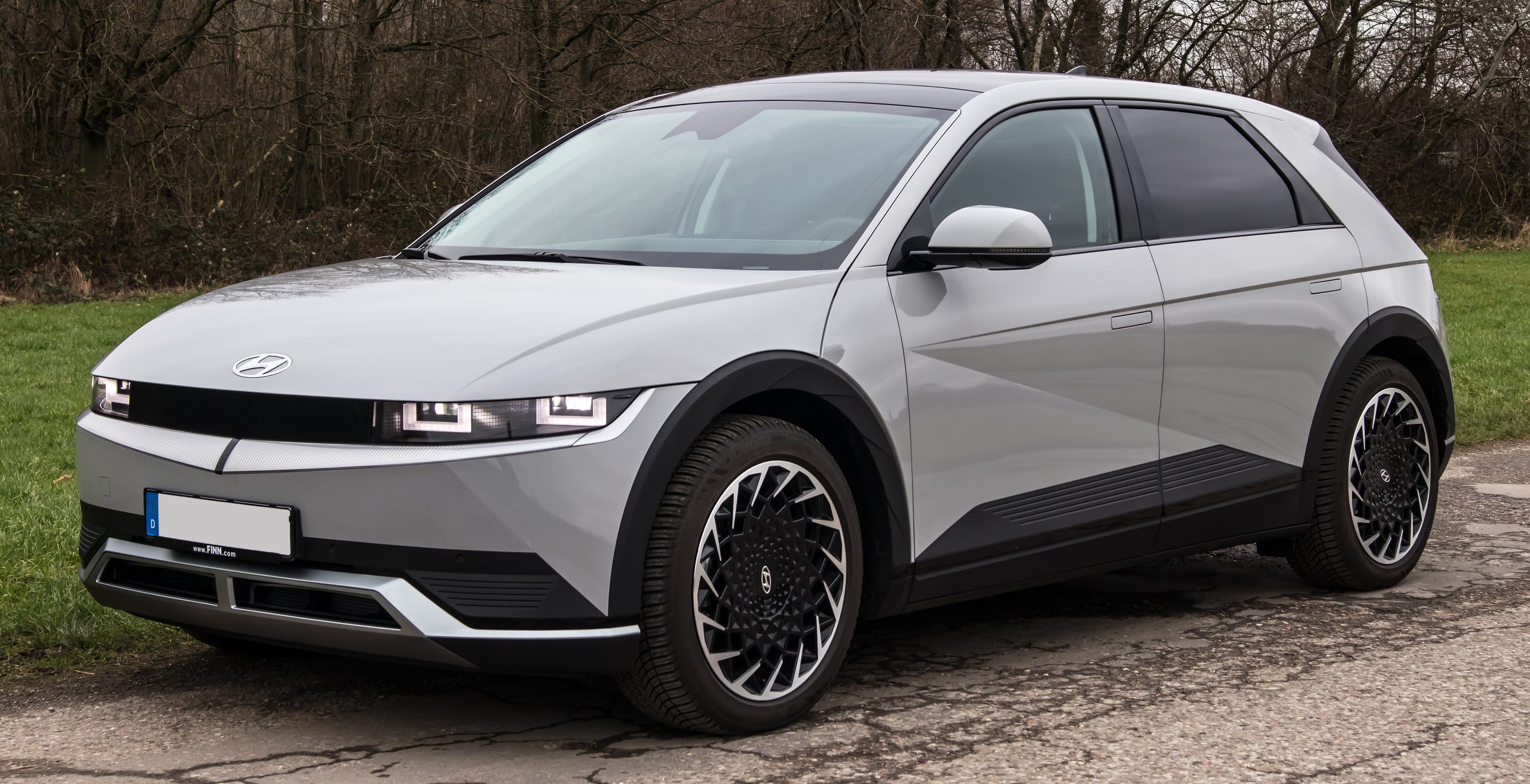
3. Hyundai IONIQ 5 AWD: Electric Confidence for Beckley’s Mountain Roads
The Hyundai IONIQ 5 AWD showcases how electric vehicle technology can excel in mountainous environments, making it a compelling option for the winding roads and seasonal conditions near Beckley, West Virginia.
Because electric motors experience no power loss at higher elevations, the IONIQ 5 maintains consistent output on long climbs where traditional gas engines often struggle. Combined with a dual motor All Wheel Drive system and a low center of gravity, it delivers stable and predictable performance on hills, curves, and changing road surfaces.
Instant electric torque is one of the IONIQ 5 AWD’s most valuable strengths. With up to 320 horsepower available from its dual motor setup, power is delivered immediately and smoothly, which is especially helpful when accelerating uphill or pulling out of tight corners.
The battery pack is mounted low in the chassis, improving balance and reducing body roll on twisting mountain roads. This design helps the vehicle feel planted and controlled, even during quick direction changes or sudden elevation shifts.
Traction and drivability are further enhanced by selectable terrain modes tailored for Snow, Mud, and Sand. Snow mode reduces throttle sensitivity and maintains an even torque split between the front and rear wheels, improving grip on icy or snow-covered roads common during West Virginia winters.
The suspension is tuned to absorb broken pavement and mild rough patches, striking a balance between comfort and road feel. Although steering feedback is somewhat muted, the vehicle remains composed and confidence-inspiring across varied surfaces.
Drivers seeking added durability can look to the IONIQ 5 XRT, which includes features aimed at light off-pavement use. More aggressive all-terrain tires improve traction on gravel and dirt, while revised bumpers, protective cladding, and slightly improved approach and departure angles help handle rougher sections of road.
Functional tow hooks add a layer of preparedness when venturing onto less-maintained routes. Even with these upgrades, the IONIQ 5 is not designed for extreme trail use, and ground clearance limits its capability in heavily rutted or rocky areas.
Beyond its mountain-friendly driving traits, the IONIQ 5 offers strong everyday usability. EPA estimated driving range varies from approximately 245 to 318 miles depending on battery and drivetrain choice, and DC fast charging can restore the battery from 10 to 80 percent in about 20 minutes.
Inside, the cabin is spacious and modern, with a flat floor, generous rear seat legroom, and flexible cargo space that supports both daily errands and longer trips.
The Hyundai IONIQ 5 AWD blends electric efficiency with strong hill-climbing performance, stable handling, and useful winter-focused features, making it well-suited for the diverse mountain road conditions found around Beckley.
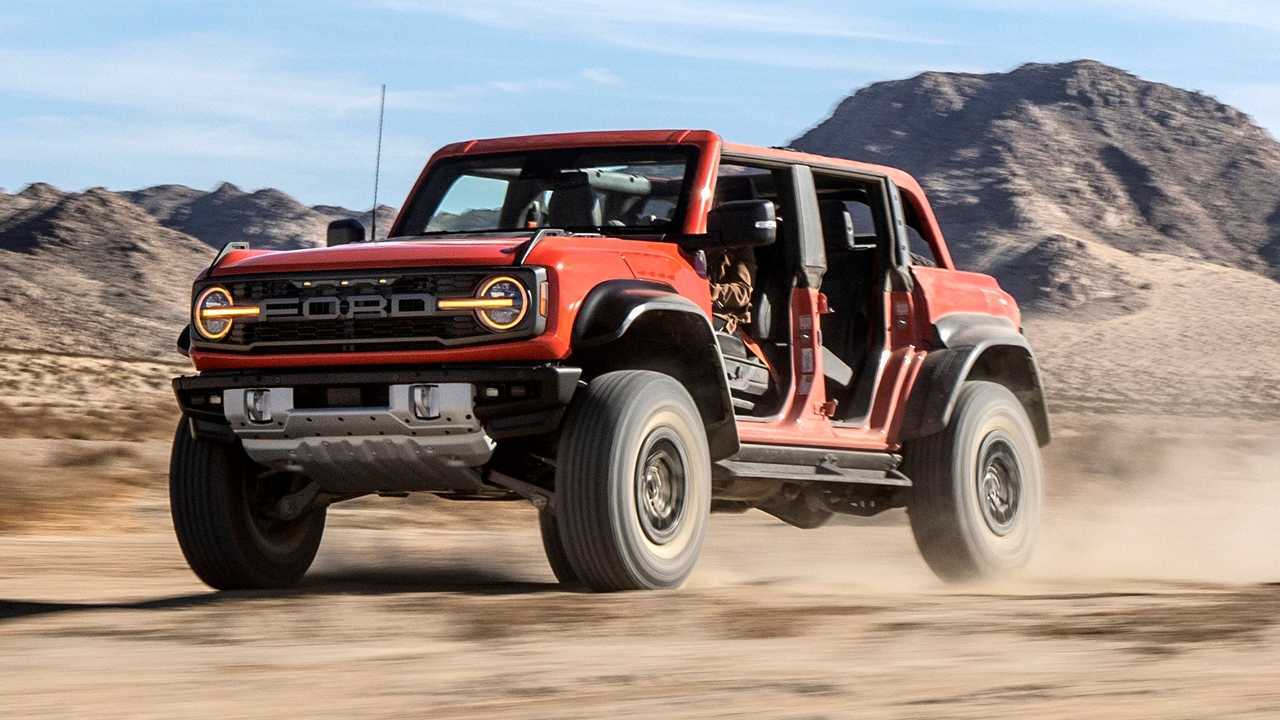
4. Ford Bronco Raptor: Extreme Capability for Beckley’s Mountain Terrain
The Ford Bronco Raptor is engineered for drivers who demand maximum performance on rugged terrain, making it exceptionally well-suited to the steep grades, rocky trails, and uneven pavement found around Beckley, West Virginia.
Designed as the most aggressive version of the Bronco lineup, the Raptor blends desert racing technology with serious rock crawling capability, while still offering enough refinement to function as a daily driver.
Power comes from a twin-turbocharged 3.0-liter EcoBoost V6 producing 418 horsepower. The forced induction design helps the engine maintain strong output at higher elevations, which is especially valuable in mountainous regions.
Paired with a 10-speed automatic transmission and an advanced Four Wheel Drive system, the Bronco Raptor delivers confident acceleration and consistent torque on long climbs. Its 0 to 60 mile per hour time of 5.6 seconds is quick for a vehicle of its size and purpose, reinforcing its performance-focused nature.
One of the Bronco Raptor’s defining features is its advanced suspension system. Long travel Fox Live Valve shocks provide more than a foot of suspension movement, allowing the wheels to stay planted over large rocks, deep ruts, and broken pavement.
This setup improves traction and stability while reducing the harsh impacts often encountered on rural ridge roads and off-highway trails. With more than 13 inches of ground clearance and extremely steep approach and departure angles, the Raptor can clear obstacles and handle sharp elevation changes with ease.
Ford’s G.O.A.T. Terrain Management system further enhances adaptability across changing conditions. Modes such as Mud and Ruts, Rock Crawl, and Baja automatically adjust throttle response, transmission behavior, traction control, and suspension settings to match the surface.
Trail Control functions like off-road cruise control, maintaining a steady low speed so the driver can focus on steering through technical sections. Locking front and rear differentials adds another layer of traction when surfaces become especially challenging.
Durability is a core part of the Bronco Raptor’s design. Its body-on-frame construction, steel skid plates, heavy-duty axles, and 37-inch all-terrain tires provide protection and confidence on punishing terrain. Despite this extreme focus, the Raptor remains surprisingly livable on pavement.
Independent front suspension helps smooth highway driving, while features like adaptive cruise control, a large touchscreen, and available comfort upgrades make longer drives manageable.
The Ford Bronco Raptor is purpose-built for the rugged mountains surrounding Beckley. Its powerful engine, advanced suspension, and intelligent terrain systems allow it to tackle extreme trails while still offering enough comfort and technology for everyday use, making it a standout choice for drivers who want uncompromising capability.
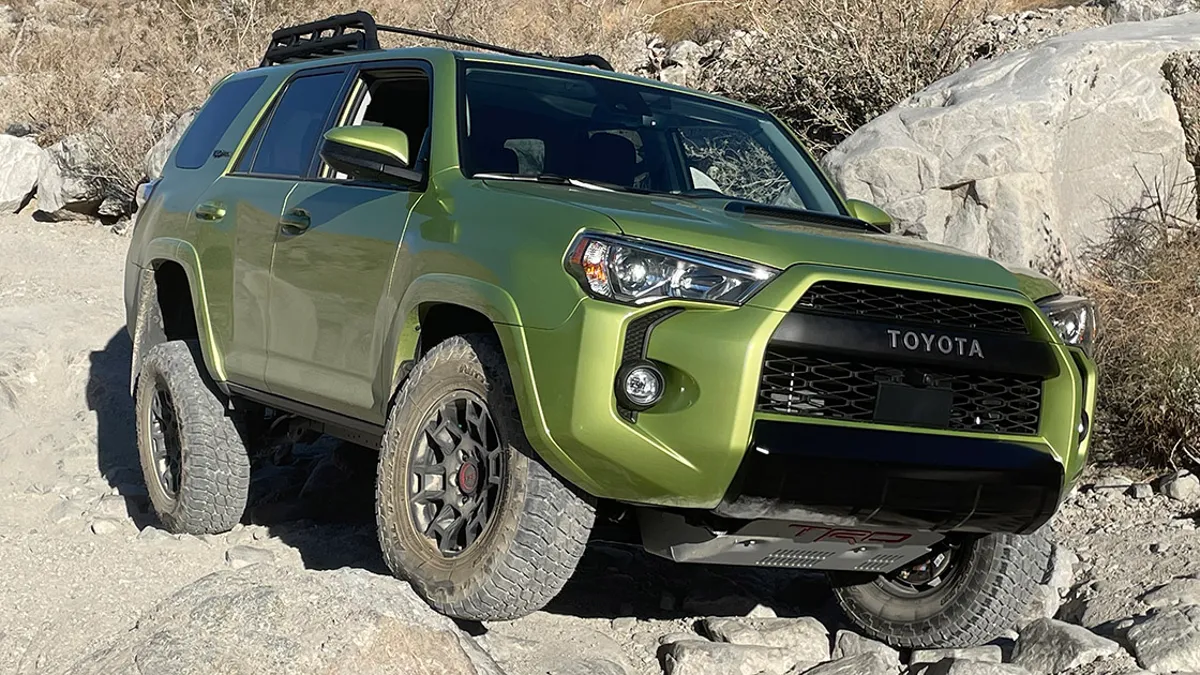
5. Toyota 4Runner TRD Pro: Proven Toughness for Beckley’s Mountain Roads
The Toyota 4Runner TRD Pro has long been valued for its durability and off-road focus, and it remains a strong choice for the steep, rocky, and unpredictable mountain roads found near Beckley, West Virginia.
Built on a rugged body-on-frame platform, the TRD Pro emphasizes low-speed control, traction, and protection rather than outright speed or refinement. This design allows it to handle loose surfaces and sharp elevation changes that can overwhelm lighter, crossover-style vehicles.
A key strength of the 4Runner TRD Pro is its suspension and chassis setup. TRD-tuned FOX shocks are designed to absorb impacts from rocks, ruts, and uneven trails, helping keep the vehicle composed on rough ground.
The stabilizer disconnect mechanism increases wheel articulation, allowing the tires to stay in contact with the surface when crossing uneven terrain. Combined with strong ground clearance and favorable approach and departure angles, the 4Runner can climb over obstacles and descend steep sections without scraping vulnerable components.
Traction and control systems further enhance its mountain capability. Multi Terrain Select adjusts throttle response, braking, and traction control for surfaces such as mud, dirt, sand, and snow, making it easier to adapt to rapidly changing conditions.
Crawl Control acts as a low-speed off-road cruise system, automatically managing throttle and brakes so the driver can concentrate on steering around rocks or through tight sections. A rear locking differential ensures power is sent evenly to both rear wheels, providing extra grip on steep or slippery climbs.
Protection and durability are central to the TRD Pro’s appeal. A thick front skid plate shields the engine and key mechanical parts from rocks and debris, while the robust body structure is designed to withstand years of hard use. These features are especially valuable on remote mountain roads where damage can quickly turn into a major problem.
The latest generation 4Runner TRD Pro introduces a turbocharged 2.4-liter hybrid powertrain producing 326 horsepower and 456 pound-feet of torque, a significant increase over previous models.
While the added power improves climbing ability, it also brings extra weight and a more complex driving experience at low speeds. Ride quality on pavement is firm, and cargo space is reduced due to the hybrid battery, which may be noticeable for daily use.
The Toyota 4Runner TRD Pro is engineered for challenging terrain and demanding conditions. Its suspension, traction systems, and durable construction make it highly capable on Beckley’s mountain roads, giving drivers confidence where many standard SUVs would struggle, even if comfort and refinement take a back seat to toughness.
Also Read: 5 Cars for Naples Snowbird Buyers and 5 That Don’t Store Well Long-Term
5 That Lose Power Uphill
1. Toyota Corolla: Why It Struggles on Beckley’s Mountain Roads
The Toyota Corolla with a naturally aspirated, non-hybrid, non-turbo engine is designed primarily for efficiency and everyday commuting, not sustained mountain driving. On long uphill grades common around Beckley, West Virginia, this powertrain can feel underpowered and strained, especially when compared to turbocharged or electrified alternatives.
The primary reason for this performance drop is reduced air density at higher elevations. As altitude increases, the air contains less oxygen, which is essential for combustion.
Naturally aspirated engines rely solely on atmospheric pressure to draw air into the cylinders, so thinner air directly reduces the amount of oxygen available for burning fuel. A common guideline is that these engines lose about three percent of their horsepower for every 1,000 feet of elevation gain, which quickly becomes noticeable on extended climbs.
Steep grades further amplify the issue. Climbing uphill places a heavy load on the engine as it works against gravity, demanding more power at the same time that the engine is already producing less due to altitude.
To compensate, the Corolla’s engine and transmission work harder to maintain speed. The transmission often downshifts to raise engine speed and access what torque is available, resulting in high RPMs, increased noise, and a feeling of sluggish acceleration.
Engine management systems also play a role. To maintain proper combustion with less available air, the vehicle reduces fuel delivery, which further limits power output. While this protects efficiency and emissions, it does little to help uphill performance.
In some cases, maintenance issues can worsen the situation. A clogged air filter, worn spark plugs, or fuel delivery problems can restrict power even more. If performance feels unusually poor, a mechanical inspection is recommended.
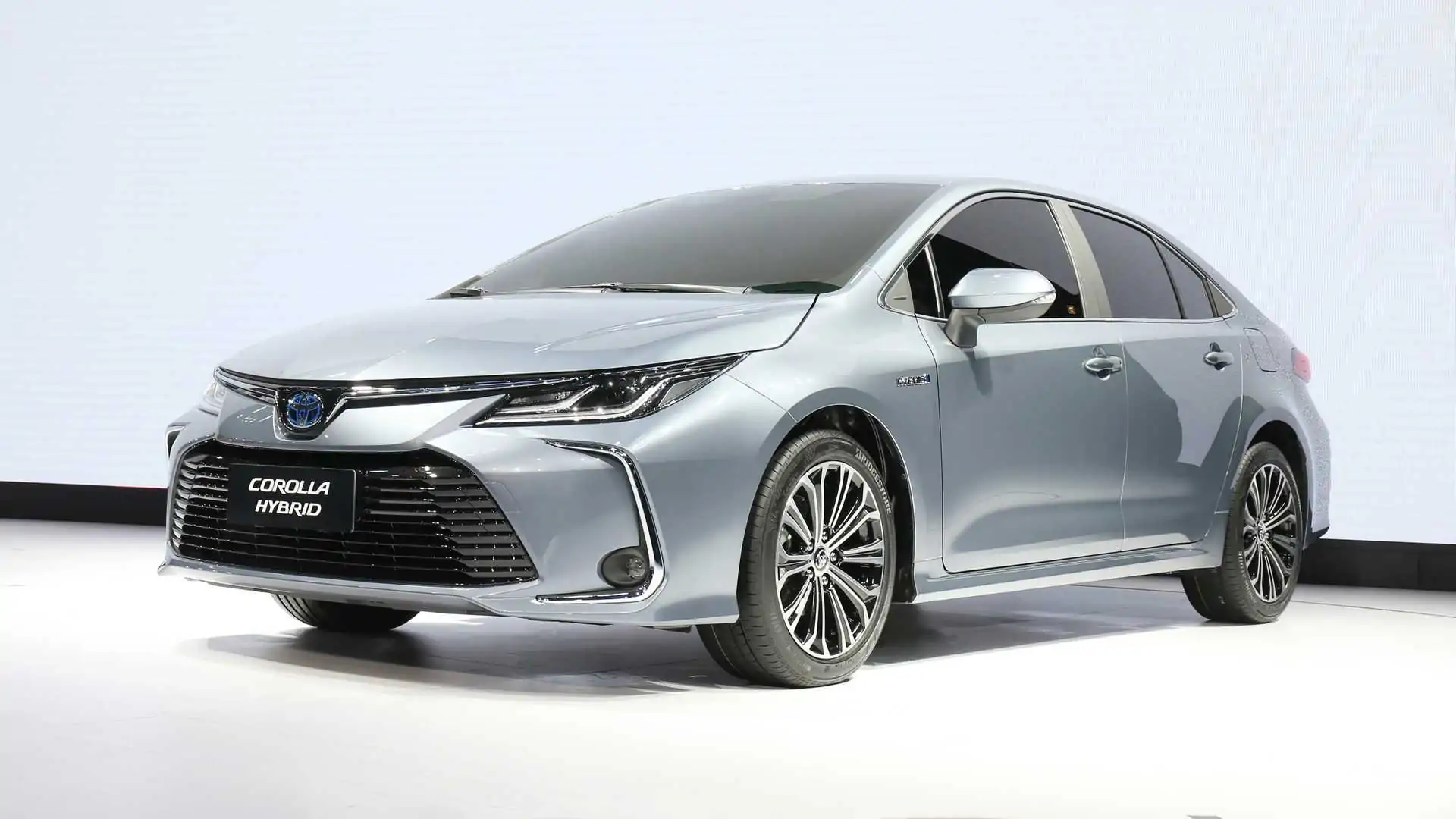
2. Mitsubishi Mirage: Why Steep Mountain Grades Expose Its Limits
The Mitsubishi Mirage is built with one clear priority in mind: maximum fuel efficiency in urban and suburban driving. Equipped with a very small 1.2-liter three-cylinder engine, it performs well in city traffic but struggles significantly on steep mountain roads like those around Beckley, West Virginia.
When climbing long grades, especially with passengers or cargo onboard, the Mirage often has difficulty maintaining highway speeds.
The core issue is limited engine output. Steep inclines demand far more power than flat roads because the vehicle must work against gravity. With its small displacement and modest horsepower, the Mirage simply does not have much reserve power to draw from. As a result, the engine must operate at high RPMs for extended periods, increasing noise and reducing driving comfort.
Mountain driving also places additional stress on the car’s supporting systems, which can reveal underlying problems. Fuel delivery issues, such as a clogged fuel filter, a weak fuel pump, or dirty fuel injectors, can limit the amount of fuel available when demand increases.
Air intake and exhaust restrictions, including dirty air filters or a partially clogged catalytic converter, further reduce performance by limiting airflow. Ignition issues like worn spark plugs or failing coils can cause misfires and incomplete combustion under load.
Transmission problems can add to the struggle. A slipping clutch in manual models or inefficiencies in an automatic transmission may prevent power from reaching the wheels effectively. Faulty sensors, such as a mass airflow sensor, can also disrupt engine management.
For drivers experiencing severe power loss, a mechanical inspection and routine maintenance are strongly recommended.
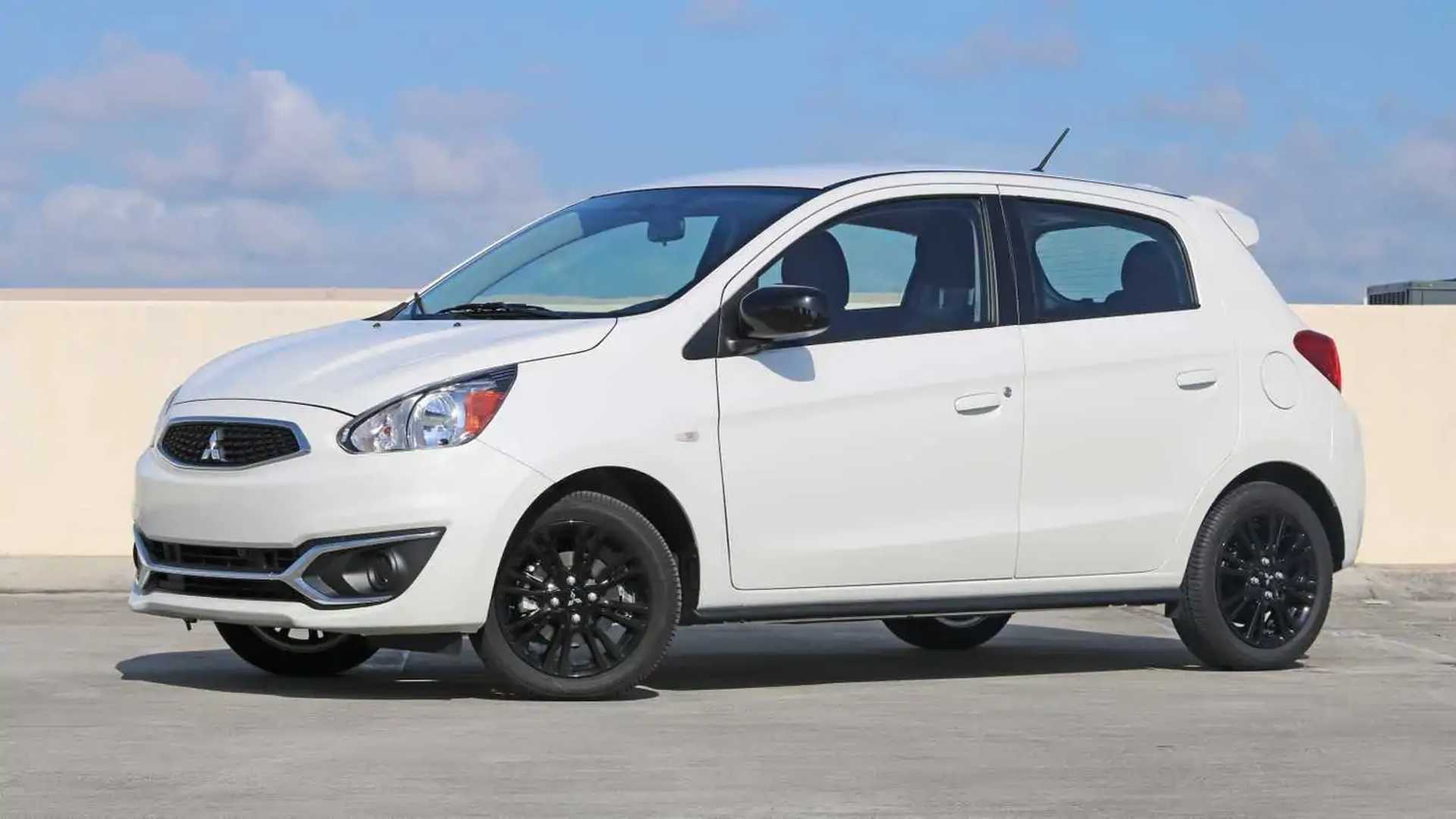
3. Nissan Rogue 2.5L: Why Older Models Struggle on Mountain Roads
Older Nissan Rogue models equipped with the naturally aspirated 2.5-liter engine, particularly from 2008 to 2013, often feel underpowered on steep mountain roads like those around Beckley, West Virginia. These models rely on a CVT transmission that can overheat under sustained uphill loads, causing noticeable power loss and reduced performance.
A primary cause of power reduction is CVT overheating. The first-generation CVTs in these Rogues have limited cooling capacity. During long climbs, the transmission fluid can overheat and degrade, prompting the vehicle’s computer to engage “limp mode,” which restricts engine RPM to prevent damage.
Worn CVT components, such as belts and pulleys, can also slip under load, further reducing power delivery and delaying acceleration.
Engine-related factors may worsen the issue. Clogged fuel filters, weak fuel pumps, or dirty injectors can limit fuel flow, while malfunctioning sensors, including the mass airflow sensor, oxygen sensors, and throttle position sensor, can disrupt the air-fuel mixture.
A clogged catalytic converter or fouled spark plugs can also restrict engine performance. Oil leaks into spark plug tubes from valve cover seals in older 2.5L engines are an additional concern.
To address these issues, owners should perform diagnostic scans for error codes, inspect and replace CVT fluid regularly, and consult mechanics familiar with Nissan CVTs. Proper maintenance and timely repairs help restore climbing performance and prevent further strain on the engine and transmission.
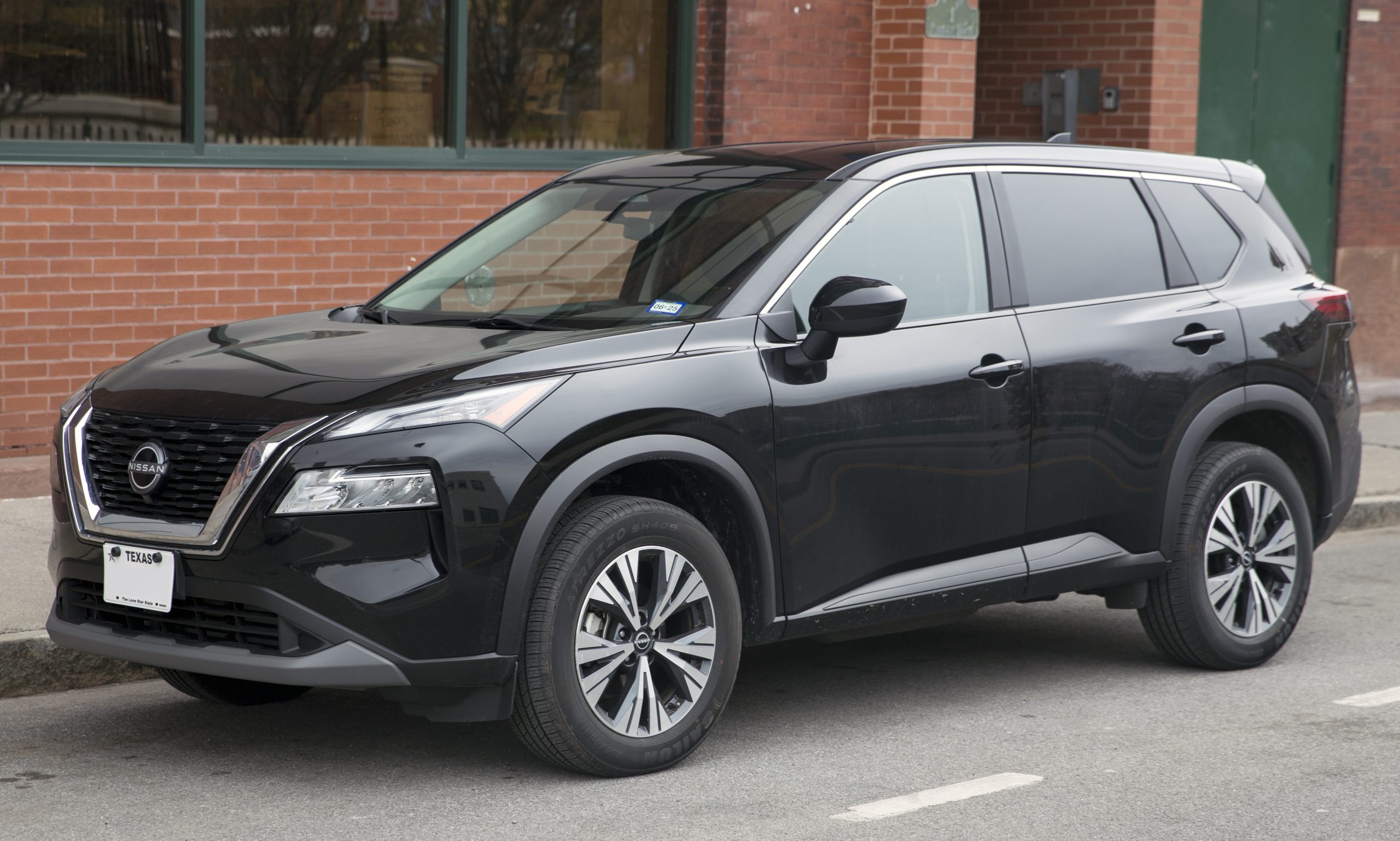
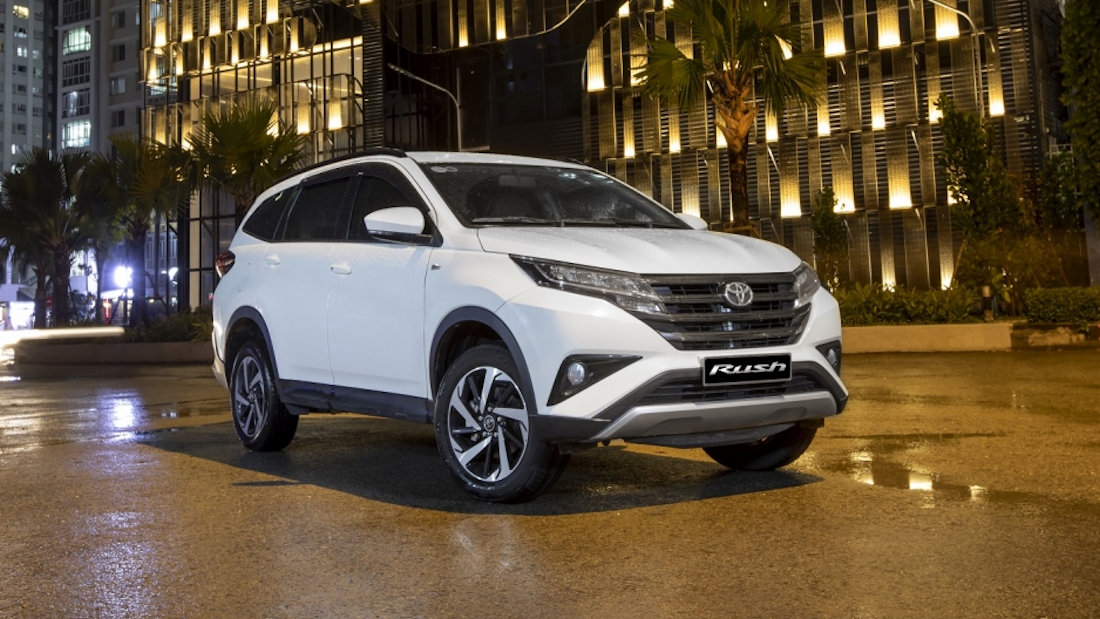
4. Toyota Rush / Daihatsu Terios: Struggles on Steep Mountain Roads
The Toyota Rush and Daihatsu Terios, equipped with a small 1.5-liter naturally aspirated engine, are designed for city and light off-road driving, not sustained mountain climbs. On steep roads like Beckley Mountain, these vehicles often feel underpowered, especially when attempting to pass slower traffic.
Power loss on uphill grades is usually a combination of inherent engine limitations and common maintenance issues. Restricted airflow from a dirty air filter or a malfunctioning Mass Airflow (MAF) sensor can upset the air-fuel mixture, while clogged fuel injectors, a weak fuel pump, or a blocked fuel filter can starve the engine of necessary fuel.
Exhaust restrictions, such as a clogged catalytic converter, further reduce performance by creating backpressure. Ignition problems, including worn spark plugs or faulty coils, can cause misfires, compounding power issues. Transmission problems, like a slipping automatic or worn manual clutch, can also prevent effective power delivery to the wheels.
Steep hills amplify these weaknesses because climbing demands significantly more power. The small 1.5-liter engine struggles under high load, making even minor maintenance issues more noticeable.
Regular inspections, including air filter replacement, MAF cleaning, and diagnostic scans for fuel, ignition, and exhaust systems, can help maintain performance. However, drivers should recognize the Rush/Terios’ compact size and modest engine limits, which make uphill power inherently lower than larger SUVs.
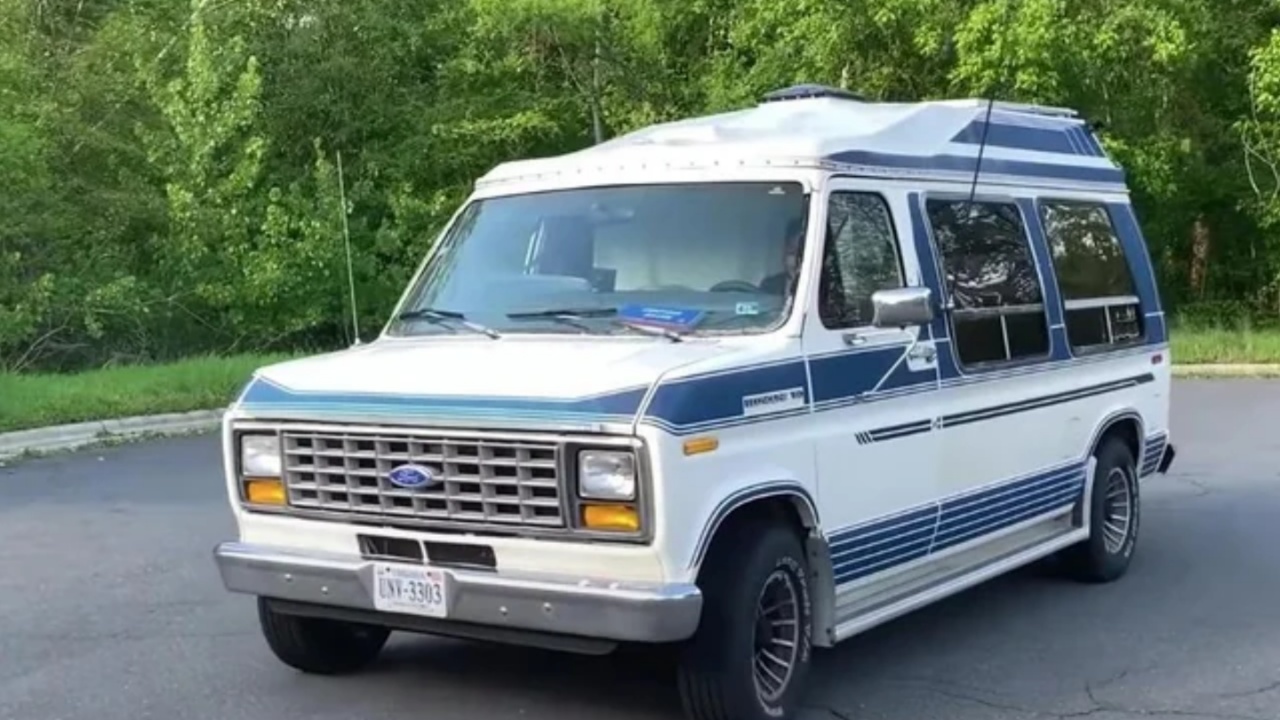
5. Older Ford Econoline V8: Uphill Power Loss on Mountain Roads
Older Ford Econoline vans with non-turbo V8 engines often experience significant power loss on steep mountain roads like Beckley, West Virginia. Without forced induction, these heavy-duty vans can lose more than 20% of their rated power at high elevations due to thinner air and increased engine load.
Several factors contribute to this uphill struggle. Fuel system issues are common, including clogged fuel filters, weak pumps, or dirty injectors, which starve the engine under high demand. Airflow restrictions from dirty air filters, intake leaks, or a clogged catalytic converter reduce combustion efficiency.
Ignition problems, such as worn spark plugs, coils, or incorrect timing, further limit power, while engine wear, like low compression or dirty oil, adds friction and reduces output. Faulty sensors, including MAF or throttle position sensors, can disrupt the air-fuel mix, and transmission issues such as low fluid or worn clutches can hinder power delivery to the wheels.
Addressing these issues begins with basic maintenance: replacing air and fuel filters, spark plugs, and wires. Fuel flow should be checked, and injectors cleaned if needed. Inspect the exhaust system for blockages or damage, and use a diagnostic scan to identify hidden faults.
Listening for misfires or unusual engine behavior can help pinpoint specific problems. Regular maintenance and proper troubleshooting can mitigate uphill power loss, though the van’s large, non-turbo V8 will always be more sensitive to altitude and heavy loads.
Mountain roads like those around Beckley demand respect, and vehicle selection can make the difference between a smooth, controlled climb and a strenuous, underpowered experience.
The cars highlighted for mountain readiness, such as the Subaru Outback Wilderness, Jeep Wrangler 4xe, and Ford Bronco Raptor, combine power, traction, and durability to handle steep grades with confidence.
Conversely, smaller or older vehicles like the Toyota Corolla, Mitsubishi Mirage, and non-turbo Ford Econoline demonstrate how engine limitations, transmission issues, and altitude-related power loss can hinder performance.
Drivers on Beckley’s challenging terrain should prioritize vehicles engineered for uphill strength, reliable drivetrains, and advanced traction systems. Regular maintenance is also crucial for both capable and struggling vehicles to ensure consistent performance and avoid unnecessary strain.
Ultimately, knowing which cars thrive and which falter on mountain roads empowers drivers to enjoy the scenic routes safely, efficiently, and with greater confidence.
Also Read: 10 Cars With Simple Phone Apps That Actually Help