
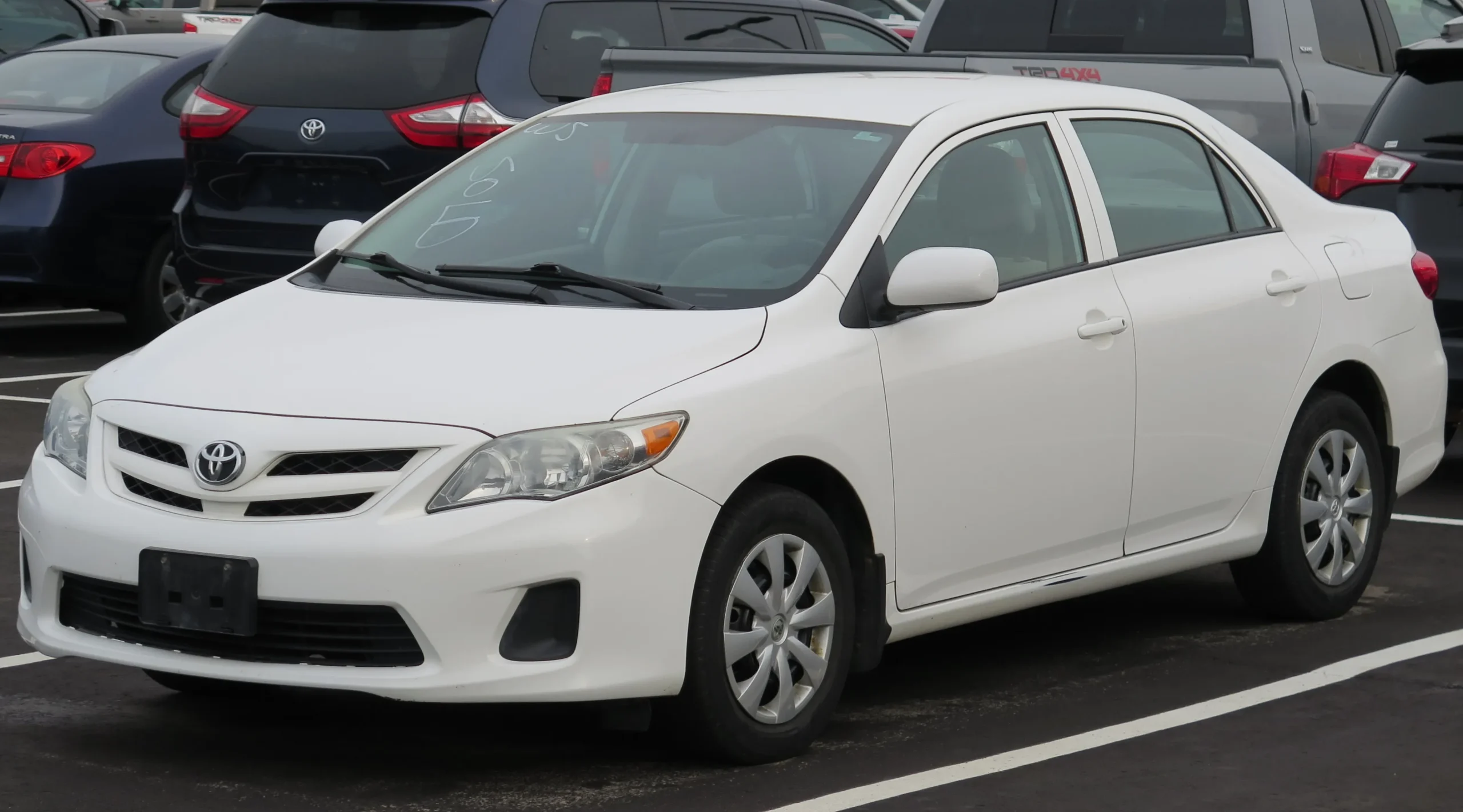
Getting around campus efficiently can define a student’s daily experience. From attending early morning lectures to late-night study sessions, the car you choose can make commuting simple or stressful.
Some vehicles excel at city driving, tight parking, and fuel efficiency, while others are cumbersome, guzzle gas, or struggle to maneuver through busy streets.
For Lawrence students, selecting a dependable and practical car can improve punctuality, comfort, and peace of mind.
Campus commuting presents a variety of challenges. Narrow streets, crowded parking lots, and stop-and-go traffic demand vehicles that are agile and easy to park.
Fuel economy is equally important since students often have tight budgets. Comfort and reliability matter as well, especially for longer drives to internships, off-campus work, or weekend trips. Cars that combine size, handling, and efficiency offer the most convenience for a daily student routine.
This page highlights ten vehicles through two distinct lists. The first section identifies five cars that thrive in campus commuting situations, combining maneuverability, interior space, and dependability.
Each model is evaluated for practicality, efficiency, and comfort, giving students insights into which cars can handle the demands of daily campus life.
The second list highlights five vehicles students may want to avoid due to high maintenance, poor fuel economy, or handling challenges that make city commuting cumbersome. Each vehicle review includes thoughtful analysis to help readers make informed decisions.
By going through real-world performance, fuel economy, interior space, and driving dynamics, students gain a practical understanding of which vehicles fit the campus lifestyle.
This guide goes beyond specifications, providing an honest perspective on the pros and cons of each car.
In the busy life of a student, picking the right vehicle can reduce stress, save time, and make commuting more enjoyable, ensuring that getting to class, work, or activities feels less like a chore and more like a manageable part of daily life.
5 Cars for Lawrence Campus Commuters
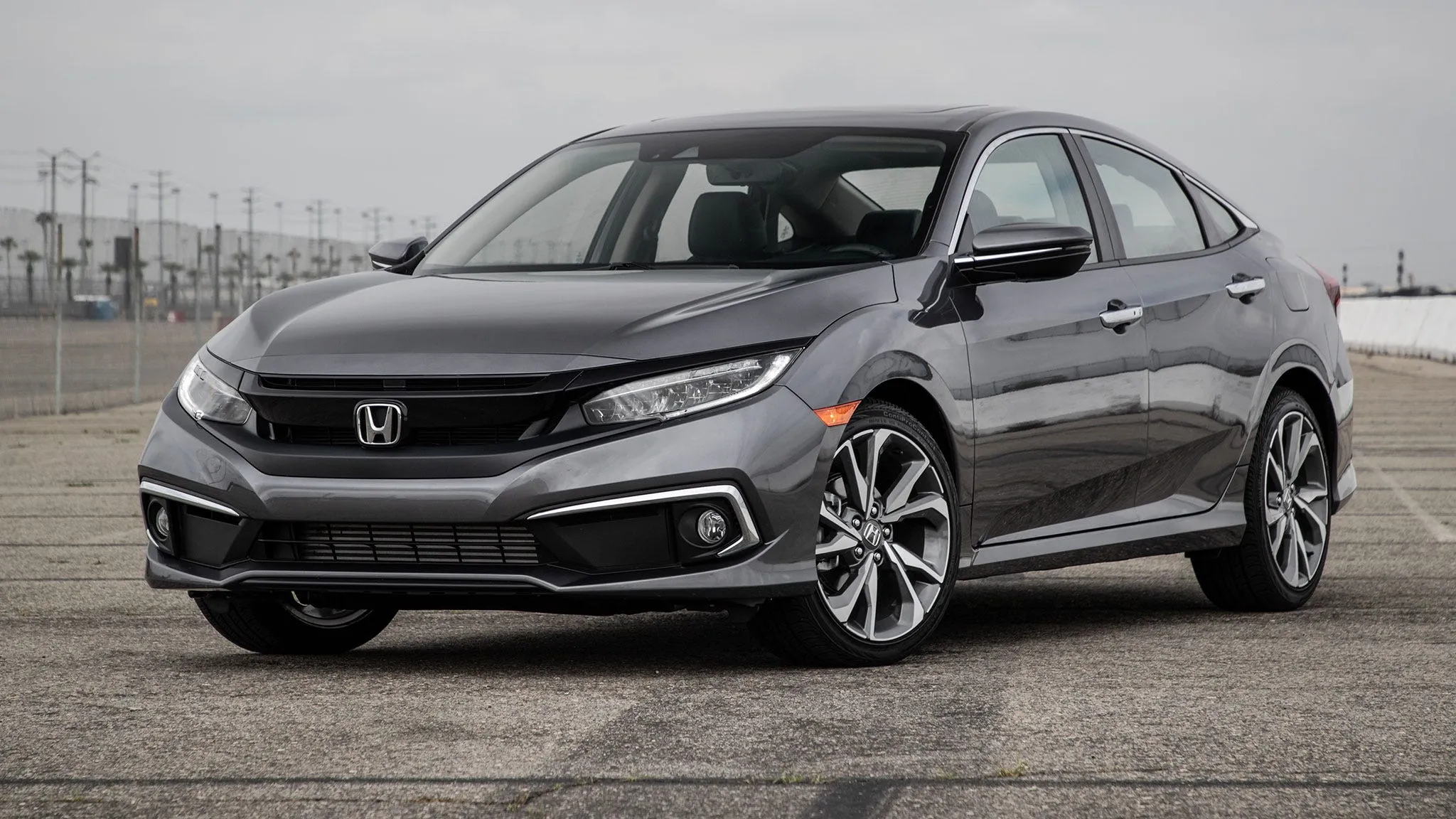
1. Honda Civic EX
Versatility and reliability define the Honda Civic EX, a sedan that suits the fast-paced rhythm of Lawrence campus life. The Civic’s 2.0-liter engine provides enough power to handle city traffic without feeling overpowered, while its responsive handling allows smooth lane changes and tight turns.
Fuel efficiency is impressive, which helps students stretch their budgets over long semesters without frequent fuel stops.
Interior space is another strength. Front and rear seating accommodate passengers comfortably, making it practical for carpools or trips with classmates.
The dashboard layout is intuitive, with infotainment systems that connect easily to smartphones for navigation and music. Climate controls work efficiently, ensuring comfort during both summer heat waves and colder months.
Handling around campus proves agile thanks to precise steering and a balanced suspension system. The Civic EX negotiates parking garages, narrow streets, and crowded lots with confidence. Its compact footprint makes parallel parking less stressful, which is vital in urban campus environments.
Additionally, safety features such as adaptive cruise control, lane-keeping assist, and collision mitigation support cautious driving while reducing fatigue on longer commutes. Reliability is an additional factor that makes the Civic EX appealing.
With low maintenance costs and a reputation for longevity, students can expect fewer mechanical issues, which is ideal for those who cannot afford frequent trips to the repair shop. Tire wear and brake performance remain predictable, enhancing confidence in daily use.
Long drives outside campus are equally manageable. Smooth acceleration, well-damped suspension, and cabin quietness contribute to a pleasant ride on highways or local roads.
Cargo space is sufficient for backpacks, sports equipment, or grocery runs, making the Civic EX adaptable for a range of student needs.
This balance of power, efficiency, and usability positions the Honda Civic EX as a strong candidate for students seeking a dependable, cost-effective campus commuter.
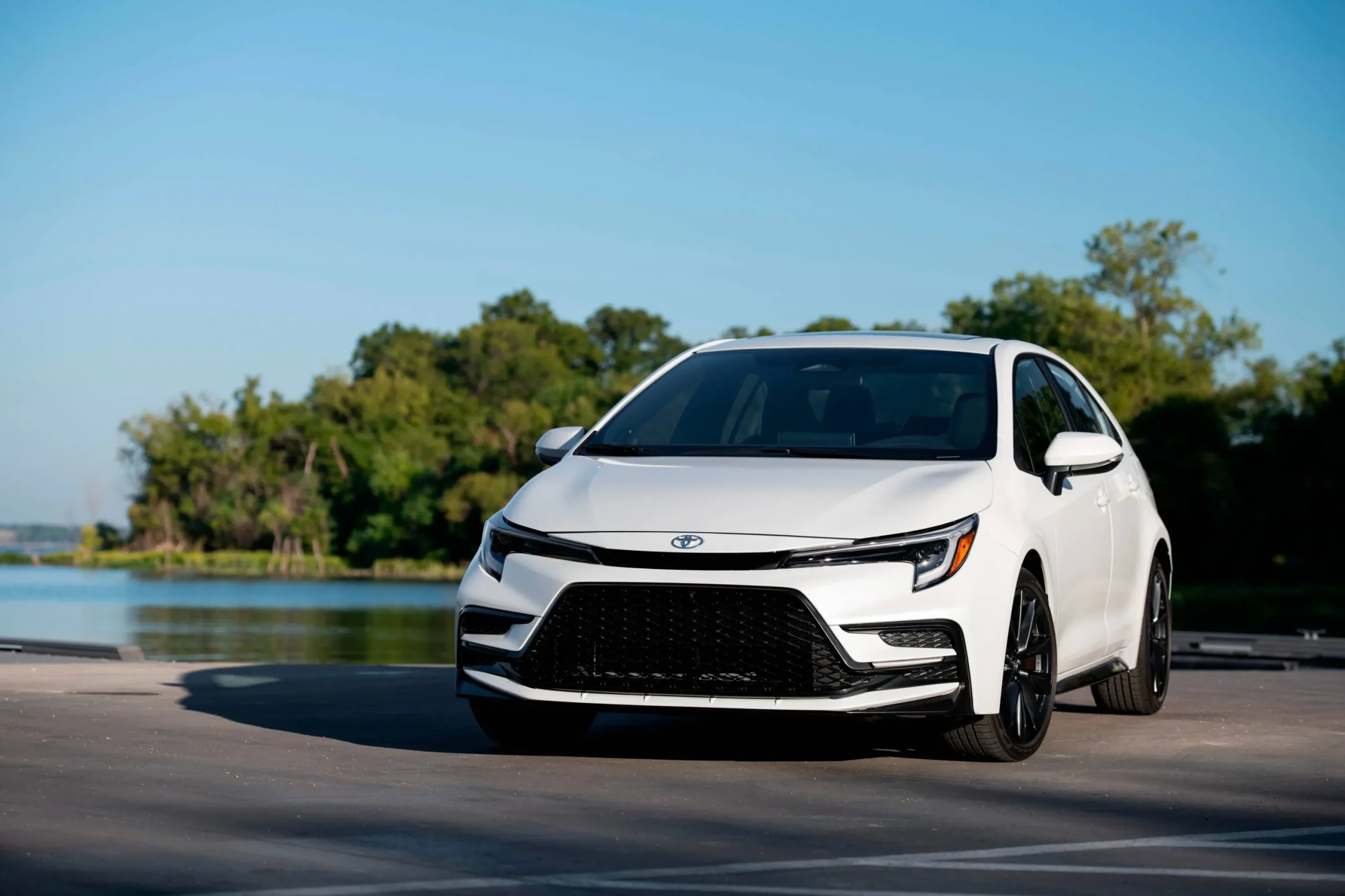
2. Toyota Corolla SE
Efficiency, comfort, and practicality converge in the Toyota Corolla SE, a compact sedan ideal for Lawrence students. A 2.0-liter four-cylinder engine delivers responsive performance in city traffic while maintaining fuel economy that suits tight student budgets.
The SE trim combines sport-inspired styling with refined driving dynamics, giving students confidence in both handling and visual appeal.
Inside, ergonomics emphasizes comfort and convenience. Seats provide support during longer commutes, while the cabin layout ensures intuitive control over climate, infotainment, and navigation systems.
Ample trunk space accommodates school supplies, gym gear, or small furniture pieces, making this vehicle versatile for a student lifestyle. Visibility from the driver’s seat remains excellent, a crucial factor when driving through busy streets or parking lots.
Suspension and chassis tuning strike a balance between agility and smoothness. The Corolla SE handles curves, stop-and-go traffic, and uneven pavement with confidence, minimizing discomfort for passengers.
Steering response feels precise, allowing drivers to maneuver confidently through narrow campus streets or tight parking areas.
Safety is reinforced with Toyota Safety Sense, which includes adaptive cruise control, pre-collision alerts, and lane departure warning, supporting vigilant driving even during hectic schedules. Reliability enhances the Corolla SE’s appeal.
Toyota’s reputation for long-lasting, low-maintenance vehicles ensures students can focus on studies rather than repairs.
Brake performance is predictable, and tire longevity contributes to manageable ongoing costs. Fuel consumption remains consistent, allowing for longer trips without constant refueling.
Whether commuting to classes, part-time jobs, or study sessions off-campus, the Corolla SE handles a range of student needs.
Its combination of practical cargo space, efficient engine performance, and comfort-oriented features makes it a strong candidate for those seeking an affordable yet capable commuter.
For students balancing tight schedules, busy streets, and varying loads, the Corolla SE provides a confident, adaptable option that minimizes stress while maximizing utility.
Also Read: 5 Cars for Abilene Daily Drivers and 5 Built for Long Commutes
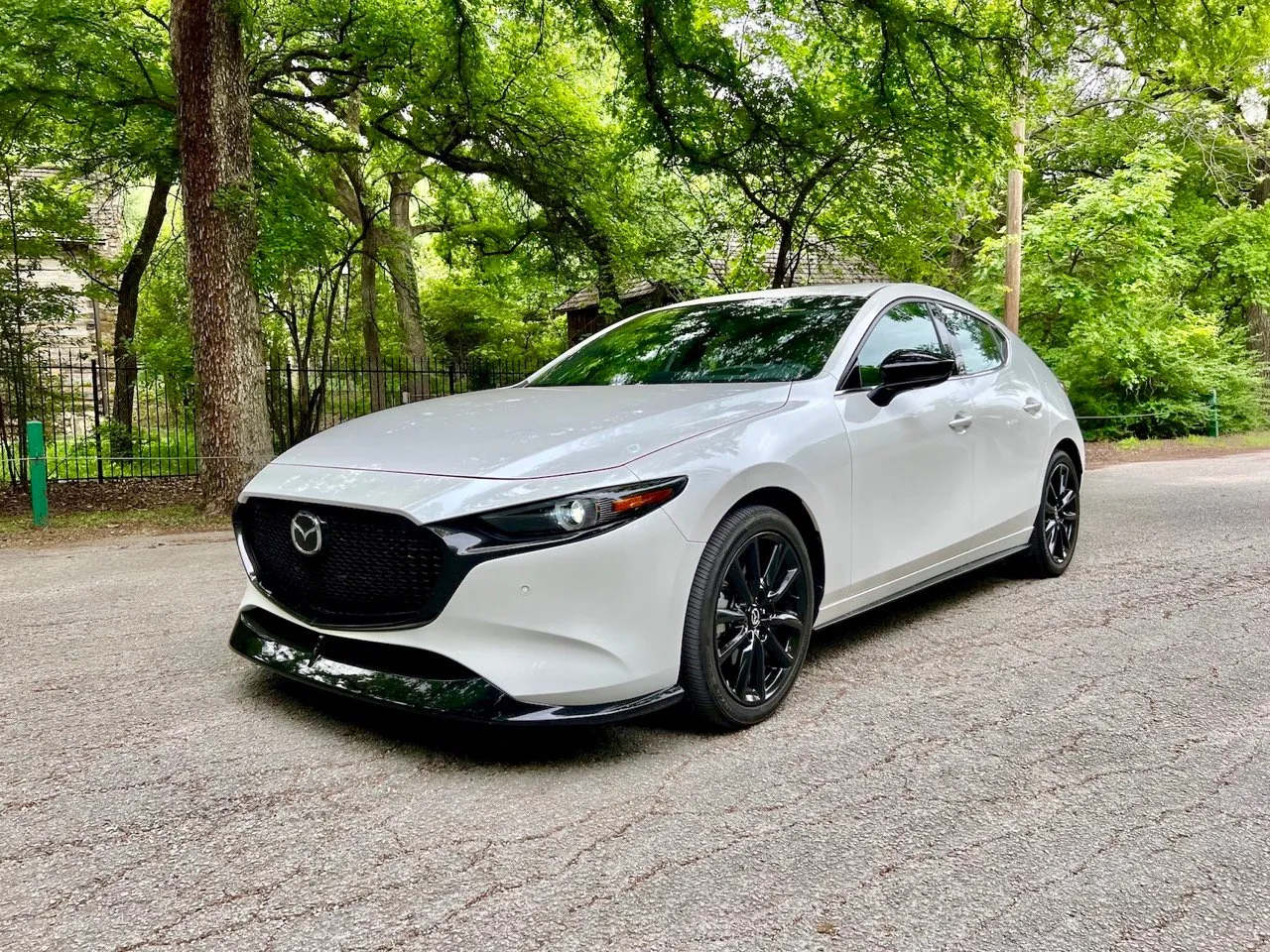
3. Mazda3 Hatchback
Practicality and style intersect in the Mazda3 Hatchback, a compact vehicle suited for students who value agility, fuel efficiency, and a modern aesthetic. The 2.5-liter engine produces responsive acceleration, making city streets and stoplight merges feel effortless.
A smooth-shifting automatic transmission enhances drivability, and the hatchback layout adds cargo flexibility for laptops, groceries, and sports gear.
Driving dynamics make the Mazda3 stand out among compact cars. Sport-tuned suspension allows precise cornering while absorbing minor road imperfections, keeping passengers comfortable.
Steering feedback is communicative and responsive, which instills confidence during tight turns or crowded campus lots. The car’s compact size simplifies parallel parking and going through narrow streets, a common challenge near college facilities.
Inside, the cabin exudes a refined yet practical atmosphere. High-quality materials combine with ergonomic seating to reduce fatigue during multiple daily commutes. Infotainment systems are smartphone-compatible, enabling hands-free calls, music streaming, and navigation.
Dual-zone climate control ensures comfort for both driver and passengers. Cargo space behind the hatchback seats can accommodate larger items when needed, with fold-flat rear seats providing additional flexibility. Safety features enhance peace of mind.
Blind-spot monitoring, rear cross-traffic alert, and adaptive headlights help prevent accidents in tight campus conditions.
Tire and brake performance remain reliable, allowing students to focus on the road rather than the vehicle’s limits. Fuel economy is competitive, making the Mazda3 cost-effective for frequent driving without compromising performance.
The Mazda3 Hatchback balances style, utility, and enjoyable driving dynamics, positioning it as an ideal campus commuter. Its compact yet versatile nature suits both solo students and those transporting friends or gear.
For students who prioritize handling, practicality, and modern aesthetics, this hatchback delivers a rewarding combination of features that raise daily commuting experiences.
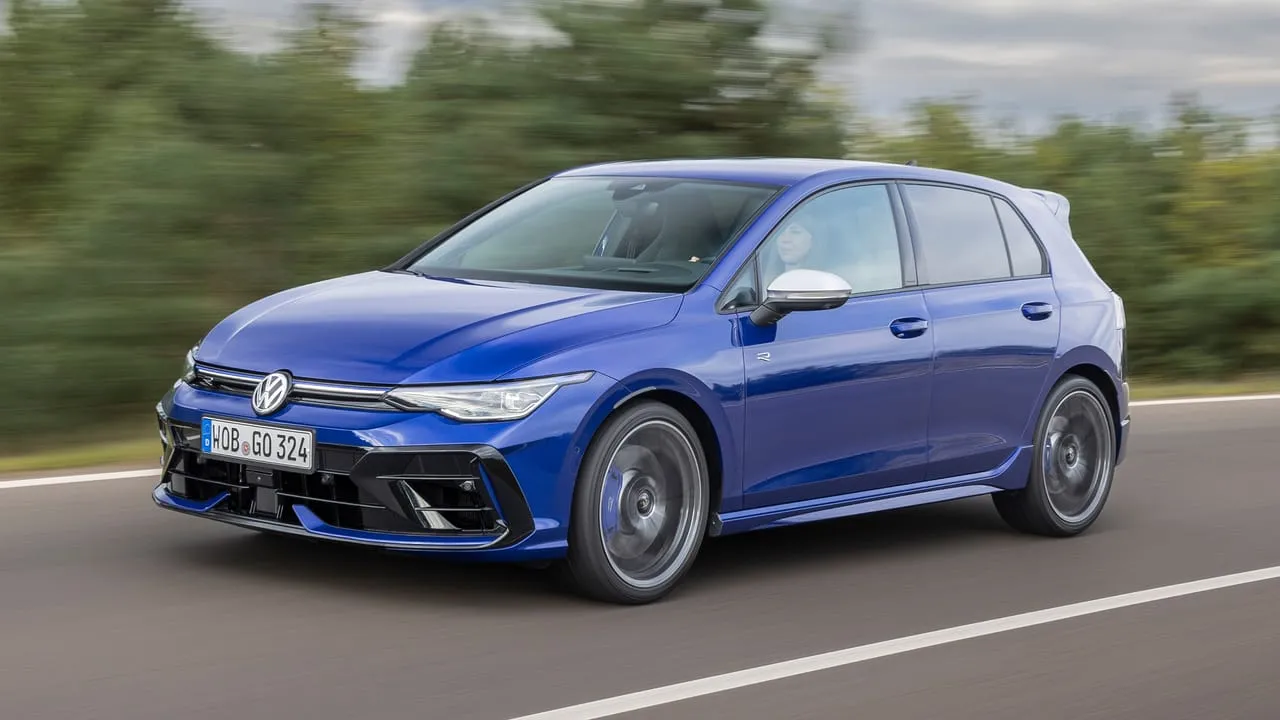
4. Volkswagen Golf
German engineering meets student practicality in the Volkswagen Golf, a hatchback that blends interior efficiency, performance, and cargo adaptability.
The 1.4-liter turbocharged engine offers smooth acceleration in urban settings, while the vehicle’s compact dimensions make parking in crowded lots less stressful. Steering precision and ride balance contribute to a composed driving experience on city streets and short highways.
Cargo versatility is a hallmark of the Golf. Rear seats fold flat to expand storage, allowing laptops, sports equipment, or shopping bags to fit comfortably.
Interior quality is high for a compact car, with durable materials that withstand frequent use. Controls are straightforward, reducing distractions during daily commutes. Visibility is enhanced by a low beltline and thoughtfully positioned mirrors, essential for tight parking and maneuvering through campus traffic.
Handling remains precise even when carrying cargo. Suspension tuning balances comfort with cornering stability, making stop-and-go traffic less fatiguing.
Brake response is predictable, and tire performance supports controlled driving, which helps in congested areas near university buildings. Safety features, including forward collision warning and automated emergency braking, assist with accident prevention during hectic schedules.
Fuel efficiency makes the Golf economical for students, extending the range between refueling stops. Reliability is strengthened by solid build quality and consistent component performance.
Cabin ergonomics and infotainment compatibility add to its practicality, ensuring a pleasant and efficient ride for both short commutes and occasional longer trips.
Students seeking a compact, functional, and stylish commuter will find the Volkswagen Golf meets daily demands effectively. Its combination of driving comfort, cargo flexibility, and efficient performance ensures that moving between classes, part-time jobs, and study sessions remains smooth and convenient.
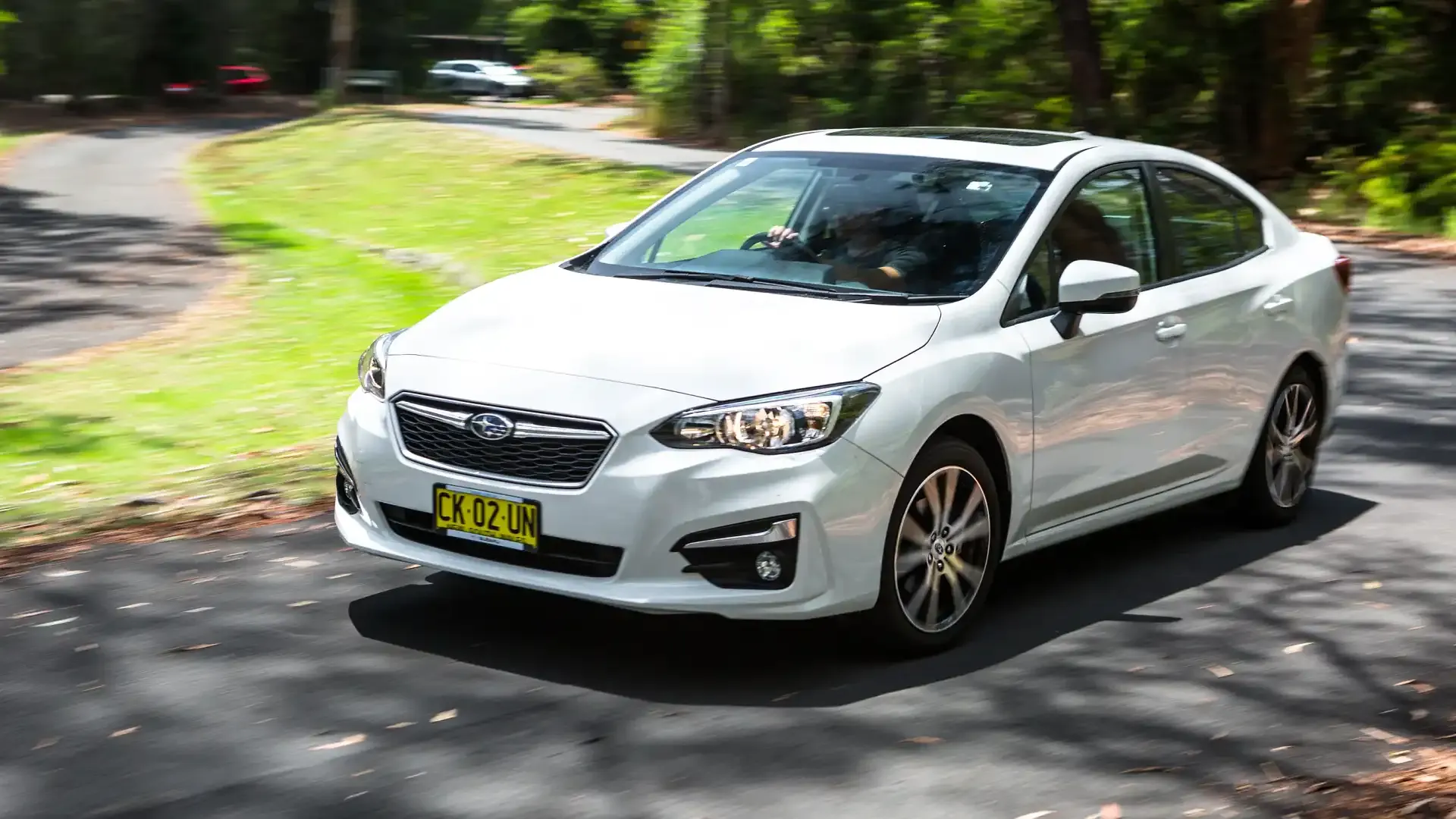
5. Subaru Impreza 2.0i Premium
All-wheel drive capability distinguishes the Subaru Impreza 2.0i Premium, making it a strong choice for students commuting in areas prone to wet or uneven roads.
The 2.0-liter engine provides balanced power for city streets, while the continuously variable transmission keeps acceleration smooth. Compact dimensions simplify parking, and the vehicle’s traction ensures stable progress even on slippery surfaces.
Interior comfort is well-executed. Seating provides support for daily commutes, while cabin noise remains controlled. Infotainment systems support smartphone integration, allowing navigation, music, and calls without distraction.
Climate control efficiently maintains comfort for driver and passengers, and cargo space accommodates backpacks, groceries, or sports gear. Rear seats fold flat for increased storage, enhancing practicality for students who transport larger items.
Handling is confident. Steering feedback is responsive, and the chassis remains composed over minor road imperfections. Brake performance is predictable, and suspension absorbs bumps effectively.
AWD traction provides extra assurance during adverse conditions, reducing the risk of slipping on wet or uneven surfaces.
Safety features such as adaptive cruise control, pre-collision braking, and lane-keeping assist help maintain awareness and minimize incidents during busy campus schedules.
Fuel efficiency is reasonable for an all-wheel-drive vehicle, making it economical for daily use without sacrificing capability. Durability and reliability support consistent performance, helping students avoid frequent repair costs.
The Subaru Impreza 2.0i Premium combines all-weather capability with comfort, space, and technology, making it a dependable option for Lawrence campus commuting, particularly for students seeking security in changing driving conditions.
5 Cars Students Should Skip
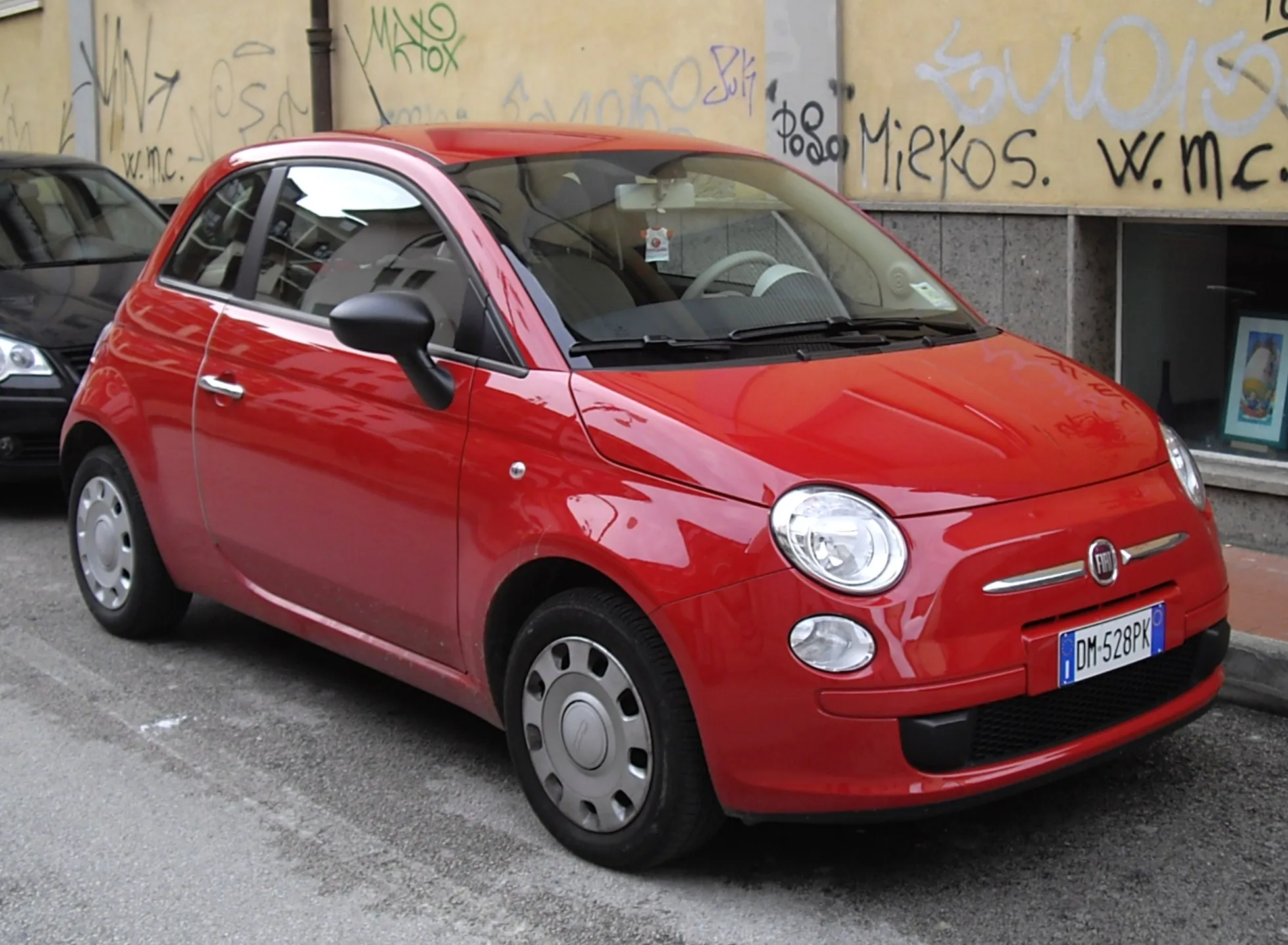
1. Fiat 500 Pop
The Fiat 500 Pop is compact and stylish, which appeals to students who prioritize city-friendly dimensions and parking ease. Its small 1.4-liter engine provides adequate performance for short, flat commutes but struggles when carrying passengers or climbing moderate inclines.
Urban driving is manageable, yet the car’s powertrain can feel underwhelming in fully loaded conditions or during highway merges.
Transmission tuning favors smoothness over responsive acceleration. The automatic gearbox often requires higher revs to produce noticeable speed gains, which can make stoplight starts or passing slower traffic feel laborious.
Continuous city driving with multiple passengers can also cause heat buildup in the engine, softening throttle responsiveness during extended periods of stress.
Traction challenges become evident under certain conditions. Front-wheel-drive configuration struggles when weight moves toward the rear, especially on wet streets or uneven parking surfaces.
Tire grip is limited, and wheel spin may occur if the driver is not careful during starts on inclines. Steering feedback diminishes under load, reducing confidence in tight spaces or quick maneuvers.
Interior comfort is minimal. Cabin insulation is thin, allowing engine and transmission noise to dominate during stops and climbs. Seats are compact and provide limited support for extended drives, which can make long trips to off-campus destinations tiring.
Storage space behind the hatchback is small, restricting cargo capacity for groceries, sports gear, or other student essentials.
Despite its attractive styling and city-friendly size, the Fiat 500 Pop shows its limits when subjected to daily campus commuting demands. Tight schedules, crowded streets, and the need to transport passengers or materials highlight the underpowered engine and limited cabin space.
While fun and easy to park, students should recognize that it sacrifices comfort and performance when fully loaded or under prolonged driving conditions, making it less suitable for consistent, demanding campus use.
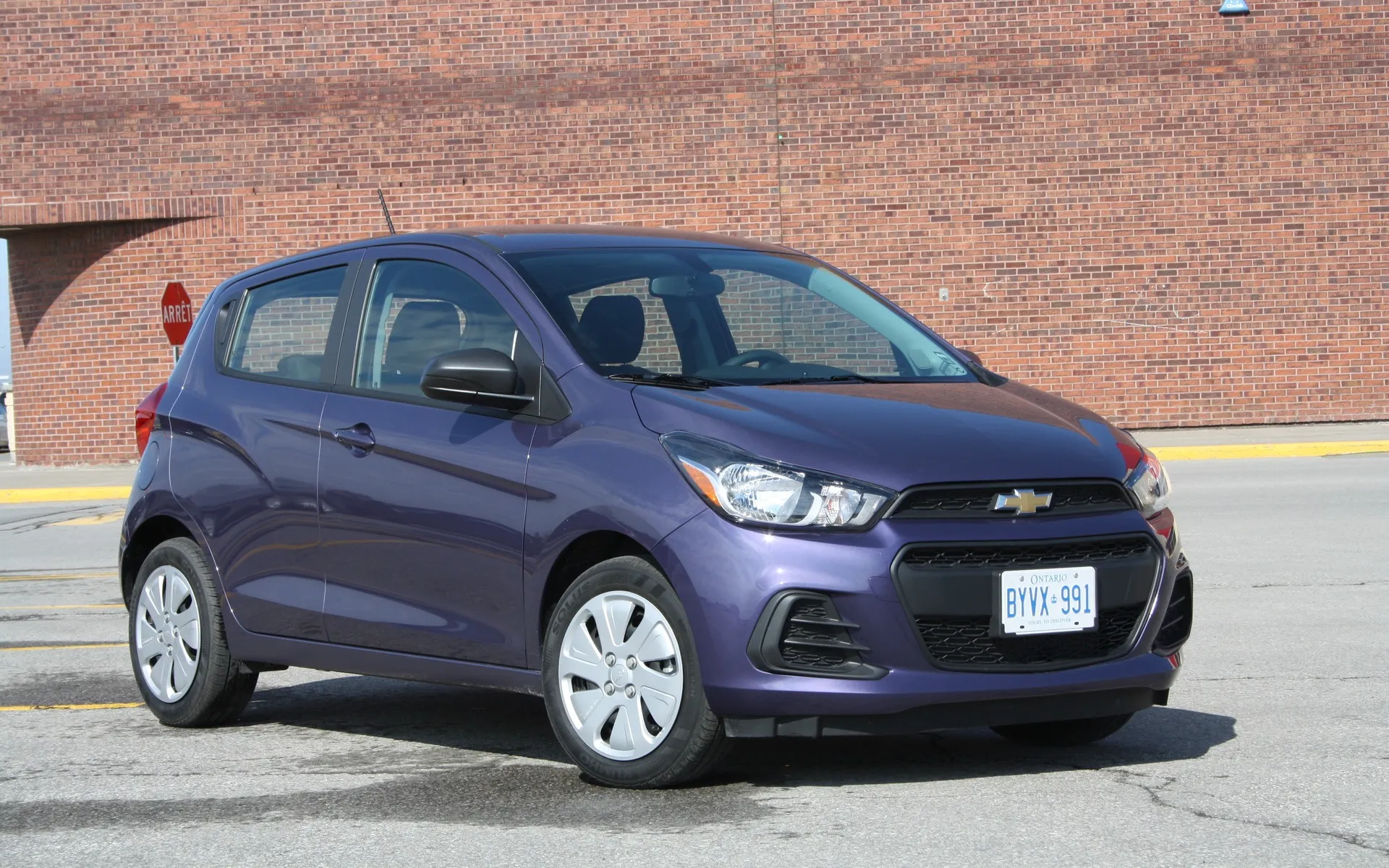
2. Chevrolet Spark LS
The Chevrolet Spark LS is designed for efficiency and maneuverability, making it ideal for short, low-traffic trips. Yet its 1.4-liter engine struggles when fully loaded or climbing inclines, revealing the compromises made for compact size.
Acceleration feels sluggish, requiring constant attention to throttle input to maintain momentum, especially during multi-passenger commutes or when carrying student supplies.
Transmission behavior emphasizes smooth operation at the cost of responsiveness. Automatic downshifts often occur late, producing high engine revs without meaningful speed gains.
Extended periods of uphill driving cause the powertrain to generate noticeable noise, and sustained stress can slightly reduce throttle performance. Stop-and-go traffic amplifies these weaknesses, requiring careful pedal control to avoid stalling or wheel spin.
Front-wheel-drive traction is limited on sloped streets or wet surfaces. Weight transfer during starts on inclined driveways reduces grip, making precise control essential.
Steering response softens under load, which can make driving through tight campus streets or crowded parking areas more challenging. Drivers may need to plan turns and stops in advance to avoid abrupt corrections.
Cabin space is minimal, and seats provide limited support. Engine and transmission noise dominate, and the cargo room is constrained behind the small hatchback design.
While practical for running errands or short solo trips, the Spark LS struggles to accommodate multiple passengers or larger student items, such as sports equipment, musical instruments, or groceries.
Students who rely on frequent campus commuting, multi-passenger travel, or off-campus errands may find the Spark LS insufficient. Its compact dimensions and low power are excellent for urban efficiency but reveal vulnerabilities when demands increase.
For those prioritizing reliability, comfort, and versatility, the Spark LS falls short, highlighting the importance of balancing style and efficiency with practical usability.
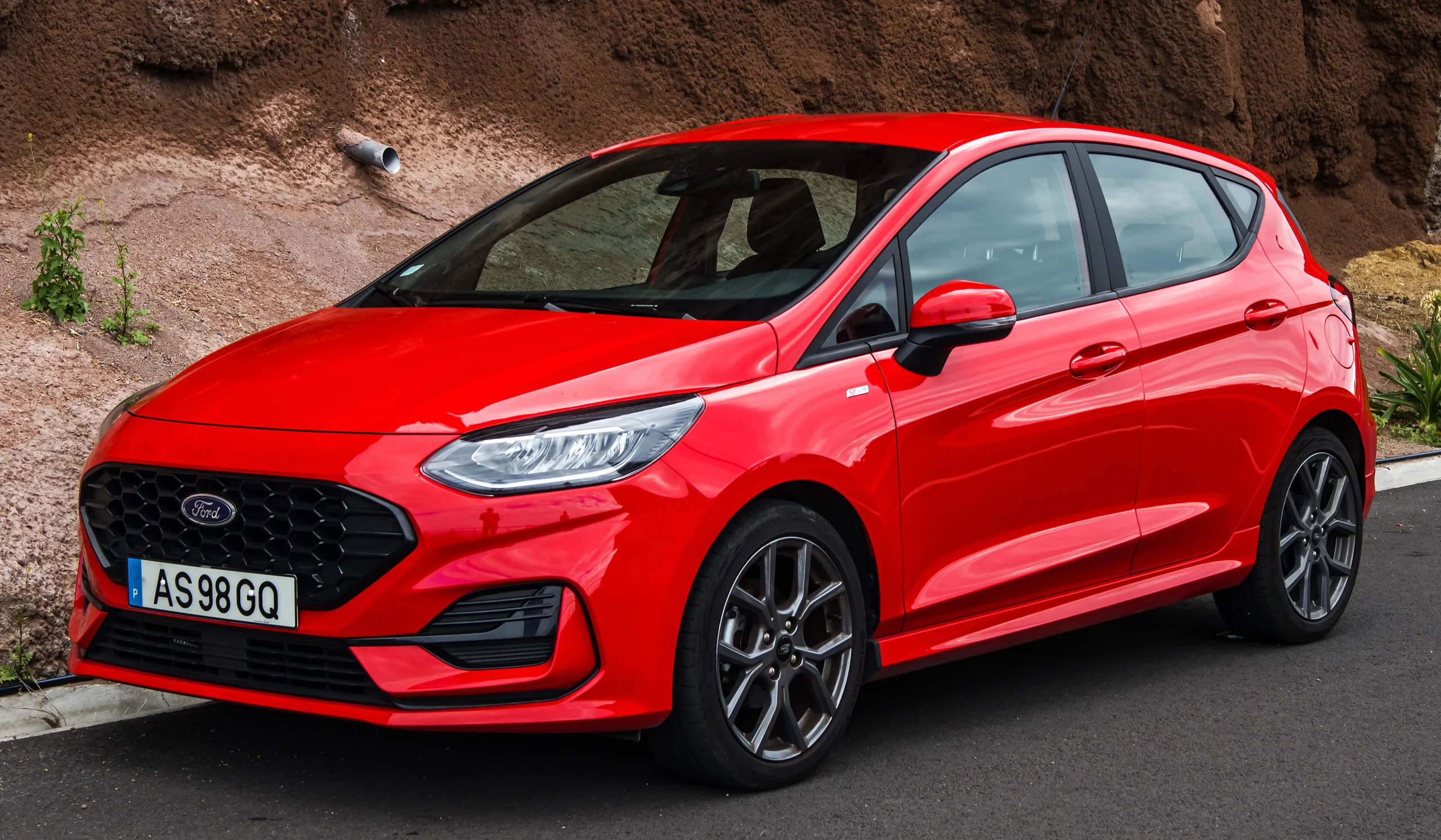
3. Ford Fiesta S
The Ford Fiesta S is an entry-level subcompact that appeals for its low price and fuel economy. Its 1.6-liter engine delivers minimal power, which makes full-load commutes or hilly streets challenging.
Acceleration under passenger or cargo load is gradual, demanding patience and frequent gear adjustments during stop-and-go campus traffic.
Transmission is tuned for efficiency rather than performance. Automatic or manual versions require careful management to prevent the engine from revving excessively without providing forward motion.
This can be frustrating for students trying to merge with traffic or drive through congested campus streets. Extended periods of uphill driving also test cooling systems, slightly softening throttle response as time goes on.
Traction limitations emerge due to the front-wheel-drive design. Weight moves to the rear under load, reducing grip and increasing the potential for wheel spin during starts on inclines or wet pavement.
Steering feedback weakens under load, which can reduce confidence in tight spaces or when maneuvering quickly around obstacles. The Fiesta’s compact size improves parking, but can make uneven campus roads or sudden turns feel twitchy.
Interior comfort is modest. Cabin insulation is minimal, allowing mechanical noise to dominate when accelerating or climbing hills. Seating is adequate for short trips but lacks cushioning and support for extended commutes.
Cargo space is limited, with only enough room for small backpacks or groceries, and folding rear seats provide only marginal improvement.
Despite being affordable and economical, the Ford Fiesta S struggles with the demands of full-time student commuting. Low power, limited traction, and small cabin space create a vehicle that is best suited for solo, short-distance trips.
Students frequently carrying passengers, school supplies, or driving through hilly streets should consider alternatives with more robust performance, comfort, and adaptability for everyday campus life.
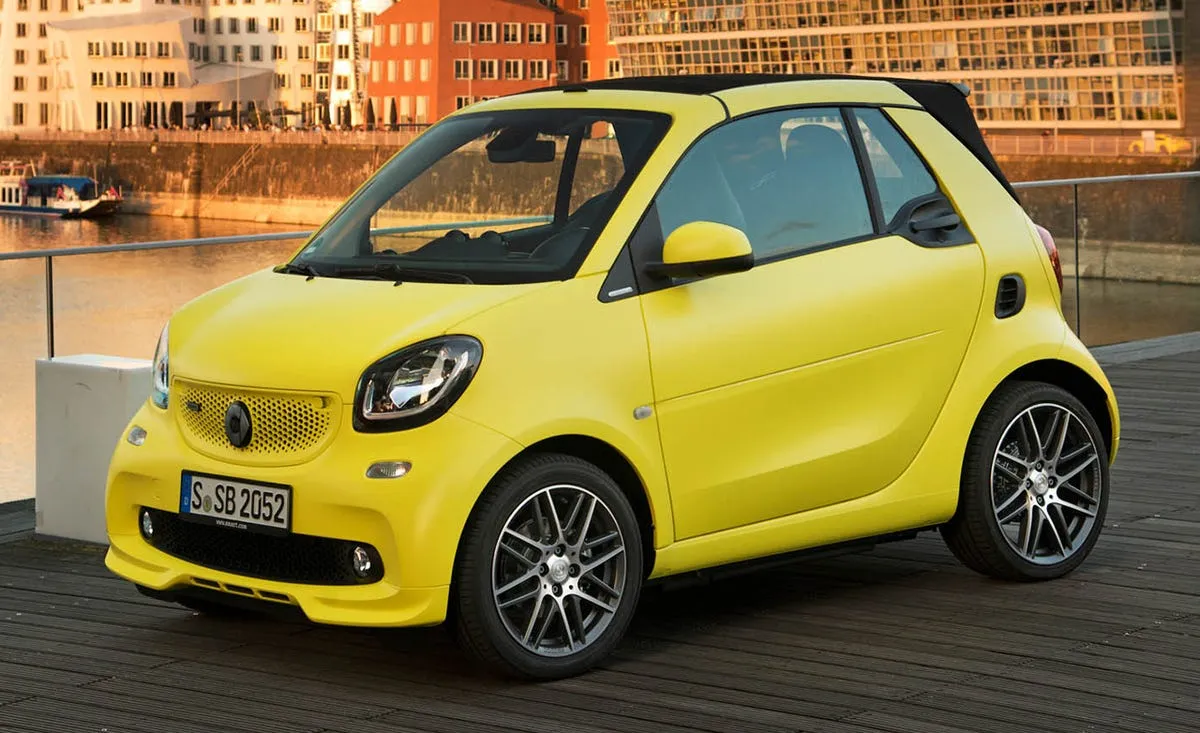
4. Smart Fortwo
The Smart Fortwo emphasizes extreme compactness, making parallel parking a breeze. However, its 0.9-liter turbocharged engine is underpowered for fully loaded trips or street inclines.
While urban agility is excellent, acceleration with two occupants or cargo can feel delayed, and longer drives on roads surrounding the campus expose the car’s limitations.
Transmission is geared toward city stop-and-go efficiency. Automatic moves occur smoothly on flat roads but struggle under load or during uphill drives.
The small engine may rev high without producing good speed, resulting in noise and a sense of sluggishness during critical maneuvers. Drivers may need to anticipate traffic patterns more carefully to maintain safe distances.
Traction is limited. Rear-wheel-drive layout on such a light vehicle creates instability on wet or uneven pavement, particularly during starts on inclines.
Tire contact is minimal, requiring careful control to avoid wheel slip. Steering is light and can feel twitchy under varying load conditions, making precise control necessary in busy parking lots or narrow streets.
Cabin space is minimal, suited for a driver and one passenger. Storage is extremely limited, unsuitable for backpacks, sports equipment, or groceries. Seats provide basic support, but comfort is compromised during longer trips, and engine noise intrudes into the cabin.
For students relying on campus commuting with passengers or cargo, the Smart Fortwo falls short despite its efficiency and ease of parking.
Its diminutive power, limited traction, and minimal interior space make it impractical for more than basic solo errands, highlighting that extreme compactness comes at the cost of versatility and daily usability.
Also Read: 5 Cars for Huntsville Daily Drives and 5 That Need Dealer-Only Parts
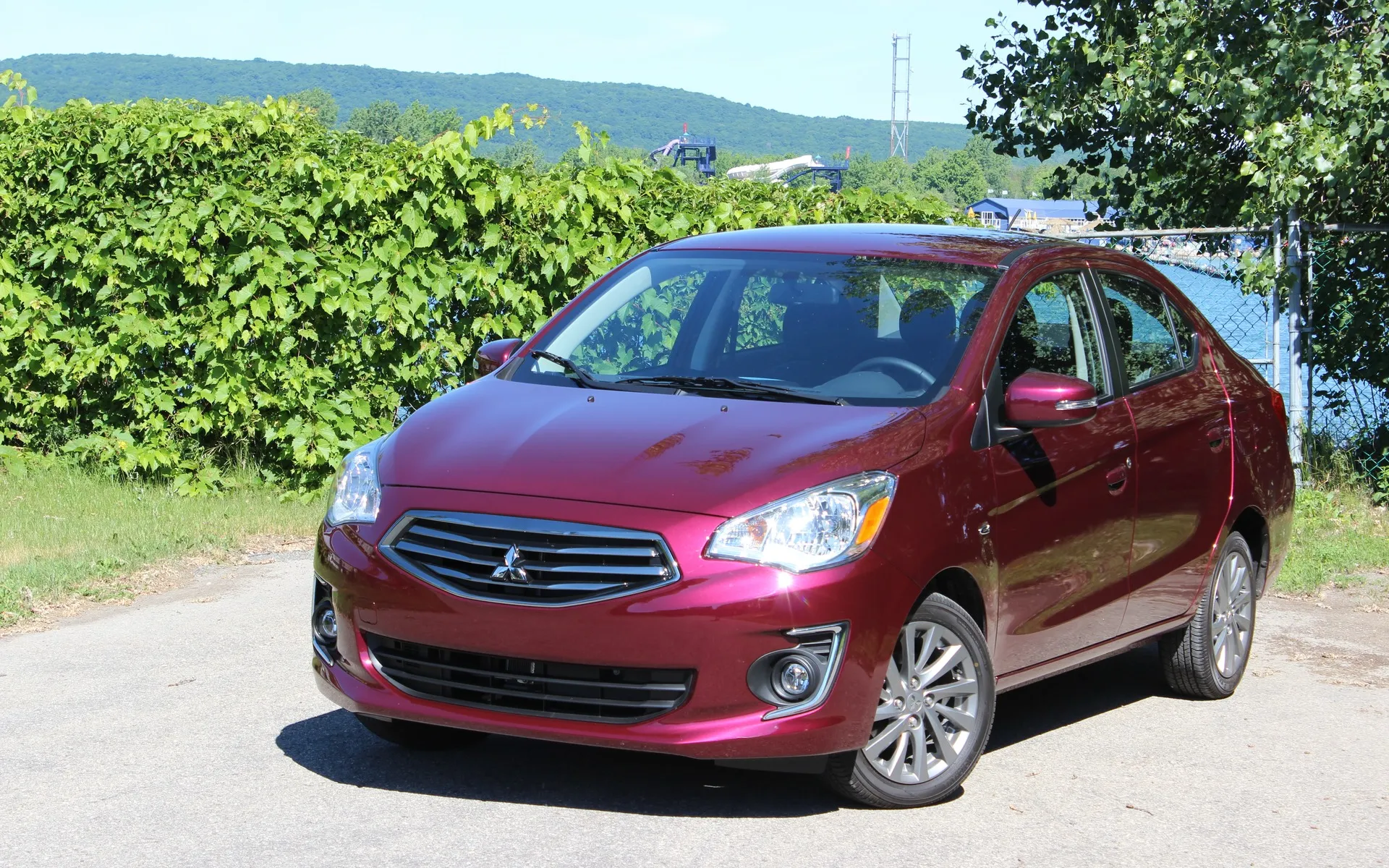
5. Mitsubishi Mirage G4
The Mitsubishi Mirage G4 is a subcompact sedan that prioritizes affordability and fuel efficiency. Its 1.2-liter three-cylinder engine provides modest acceleration, making fully loaded drives or hill climbs feel labored.
Maintaining speed in city traffic or on inclined streets requires careful throttle management and frequent gear changes, which can frustrate students juggling tight schedules.
Transmission favors smoothness over climbing capability. Automatic moves occur slowly under load, causing the engine to rev higher than necessary without translating into adequate forward momentum.
Prolonged uphill travel can increase engine noise and slightly reduce throttle responsiveness. Efficiency-oriented tuning limits performance during high-demand scenarios, particularly with passengers or cargo onboard.
Traction is constrained by front-wheel drive and narrow tires. Weight moves rearward under load, reducing grip during starts on inclines or wet surfaces.
Steering feedback becomes less precise under load, demanding more attention in parking lots or narrow campus streets. Handling is adequate for solo travel but strained with added weight.
Interior comfort is basic. Thin cabin insulation allows engine and transmission sounds to dominate, and seats provide minimal support during longer drives. Cargo space is modest, accommodating backpacks or small items but falling short for larger loads.
Students who frequently commute with multiple passengers or substantial cargo may find the Mirage G4 limiting. Its focus on low cost and efficiency compromises power, traction, and cabin comfort.
While suitable for occasional solo trips, consistent campus use under varied conditions exposes its weaknesses, making it a car students should consider skipping if practicality and reliability are priorities.
