Carson City’s summer heat and desert conditions make vehicle choice especially important for short trips and city driving. Some cars excel in stop-and-go traffic, offering efficiency, comfort, and advanced technology that make errands or regional drives stress-free.
Models like the Tesla Model 3, Honda CR-V, Hyundai Kona, Subaru Outback, and Toyota Camry combine fuel efficiency, reliable cooling, spacious interiors, and modern features, ensuring a smooth experience whether you are running local errands or heading to nearby Reno or Lake Tahoe.
Their design prioritizes low maintenance, high comfort, and safety, making them ideal for the desert environment and variable road conditions.
At the same time, other vehicles, particularly high-performance or older models, are prone to overheating during short trips in Carson City’s extreme heat. Understanding which cars are at risk helps drivers prevent costly damage and maintain reliability in summer conditions.
5 Cars for Carson City Short Trips
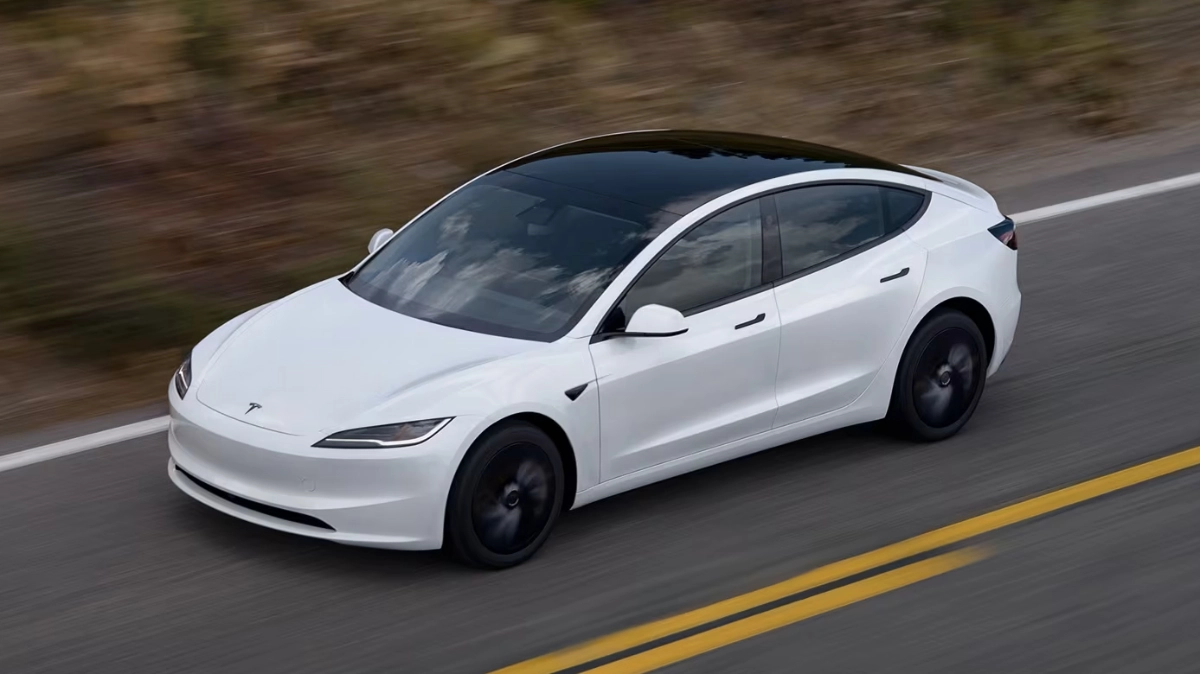
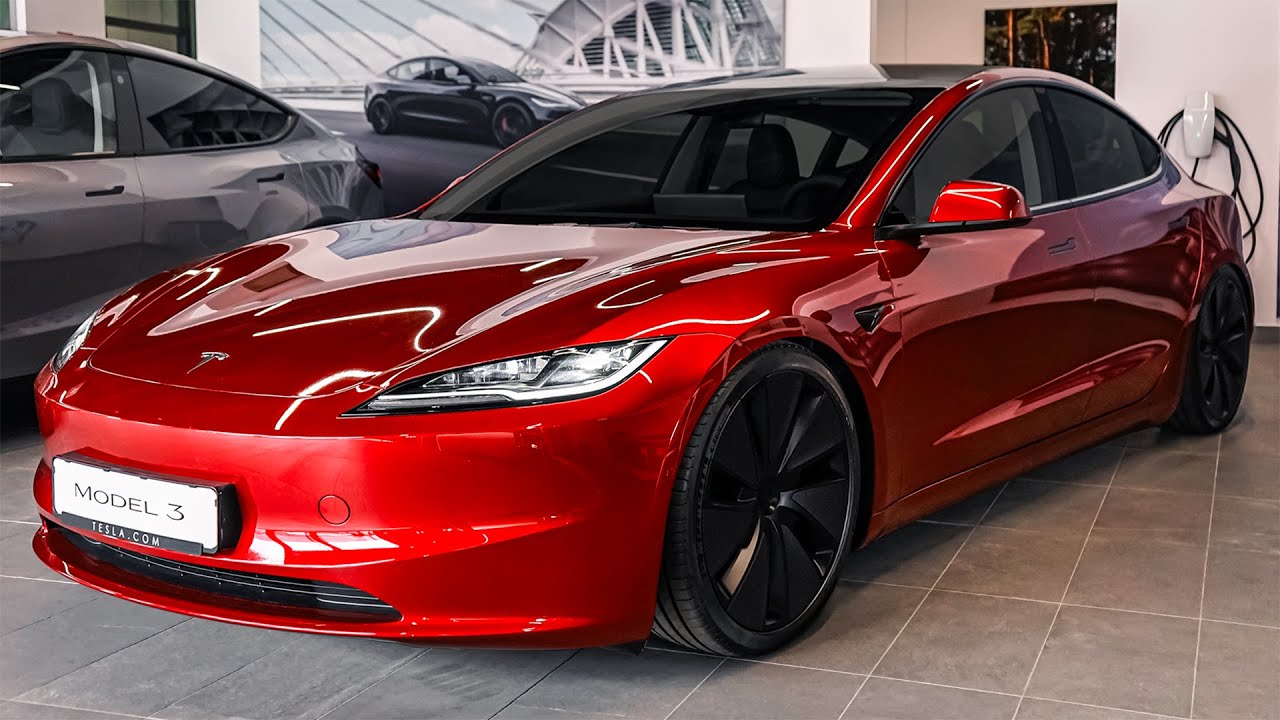
1. 2026 Tesla Model 3: Efficient, Comfortable, and Smart for City and Regional Driving
The Tesla Model 3 is an all-electric vehicle designed for efficiency, comfort, and convenience, making it ideal for short trips in areas like Carson City, as well as longer excursions to Tahoe or Reno.
Without a traditional combustion engine, it avoids overheating issues and features “Cabin Overheat Protection” and standard solar-tinted glass to maintain interior temperatures under 100°F. Its electric powertrain provides swift, quiet acceleration with a low center of gravity for stable handling and precise steering.
EVs naturally excel in stop-and-go traffic, and the Model 3 is particularly efficient, delivering approximately 4–5 miles per kWh. Even the base Single Motor RWD model offers an EPA-estimated 310-mile range, while dual-motor Performance versions provide 260–363 miles, eliminating most range anxiety for daily driving.
Regenerative braking captures energy during deceleration, reducing brake wear and supporting one-pedal driving.
Home charging allows drivers to start each day with a nearly full battery at a fraction of the cost of gas. Tesla’s Supercharger network ensures fast, reliable charging for longer trips, replenishing a dual-motor Performance model from 10% to 90% in about 39 minutes. With fewer moving parts than gas vehicles, the Model 3 also offers lower maintenance costs over time.
The Model 3 delivers a smooth, quiet ride, enhanced by its panoramic glass roof. Standard Autopilot assists with adaptive cruise control and lane-keeping, reducing driver fatigue during commutes or highway trips. Performance models feature sport-tuned suspension, upgraded brakes, and grippier tires, achieving 0–60 mph in just 2.8 seconds, rivaling more expensive EVs like the BMW i4 M50.
The cabin emphasizes minimalism, centered on a 15.4-inch touchscreen that controls infotainment, climate, and connectivity. Front seats are supportive and spacious, though rear seats are more compact. Cargo capacity includes a rear trunk expandable by folding the 60/40 split rear seats. Standard and optional audio systems provide immersive sound, while entertainment options include streaming apps and games.
The Model 3 includes adaptive cruise control, automated emergency braking, lane-departure warning, and other advanced driver-assistance features. Autopilot supports smooth operation and automatic lane changes, enhancing safety and ease on highways.
The Tesla Model 3 combines high efficiency, long range, low running costs, and advanced technology, making it a smart choice for city trips, regional drives, and even spirited performance experiences. Its innovative design, quiet cabin, and convenience-focused features make daily driving both practical and enjoyable.
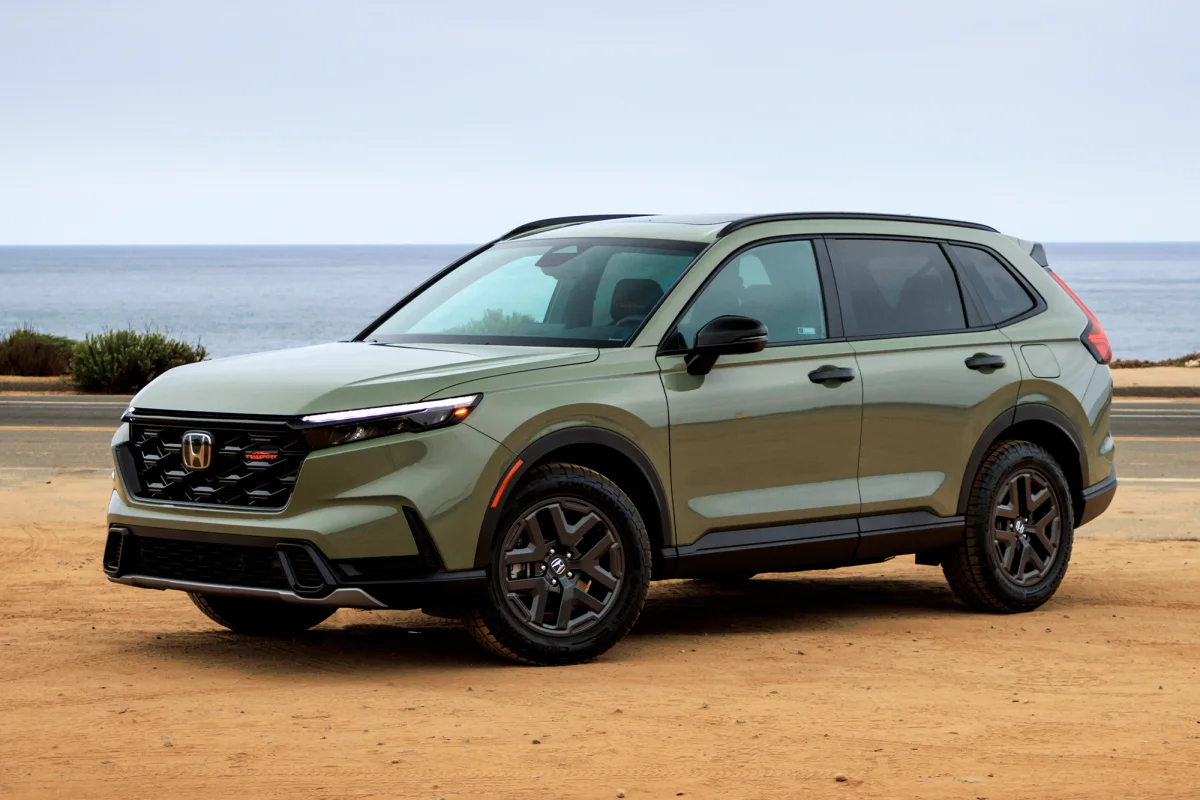
2. 2025/2026 Honda CR-V: Efficient, Comfortable, and Practical for City and Weekend Trips
The 2025/2026 Honda CR-V is a versatile compact SUV, ideal for Carson City commuting and weekend excursions. With a fast-cooling A/C system, smart vent placement, and UV-blocking glass, the CR-V keeps passengers comfortable under intense desert sun.
Its combination of fuel efficiency, comfort, safety, and available all-wheel drive (AWD) makes it a dependable choice for daily errands, mountain drives, or exploring nearby areas such as Reno and Lake Tahoe.
The hybrid CR-V delivers around 40–43 mpg in city driving, which is perfect for stop-and-go trips. The standard gas engine provides good efficiency, approximately 28 mpg city and 33 mpg highway. The SUV is powered by a 190-hp turbocharged 1.5-liter four-cylinder paired with a continuously variable automatic transmission.
AWD models offer improved traction for winter conditions or light off-road excursions. Hill-descent control and advanced traction management enhance stability on steep or slippery roads. Acceleration is adequate, with non-hybrid EX-L models reaching 0–60 mph in 8.1 seconds, slightly slower than hybrid versions.
The CR-V provides a quiet, smooth ride with spacious seating and 39 cubic feet of cargo space behind the rear seats, expandable by folding the 60/40 split rear seats. The front seats are designed to reduce driver fatigue. The cabin features a 9-inch touchscreen with Apple CarPlay, Android Auto, wireless charging, and rear USB-C ports.
Every CR-V comes with Honda’s suite of driver-assistance features, including automated emergency braking, adaptive cruise control, lane-keeping assist, and lane-departure warning. High safety ratings and dependable performance make the CR-V a long-lasting option. Honda also includes standard limited and powertrain warranties, plus one year of complimentary maintenance.
FWD Hybrid trims maximize city fuel efficiency, while AWD Gas or Hybrid models provide all-weather capability. The TrailSport Hybrid adds rugged styling, all-terrain tires, and enhanced AWD for weekend adventures, combining practicality with versatility.
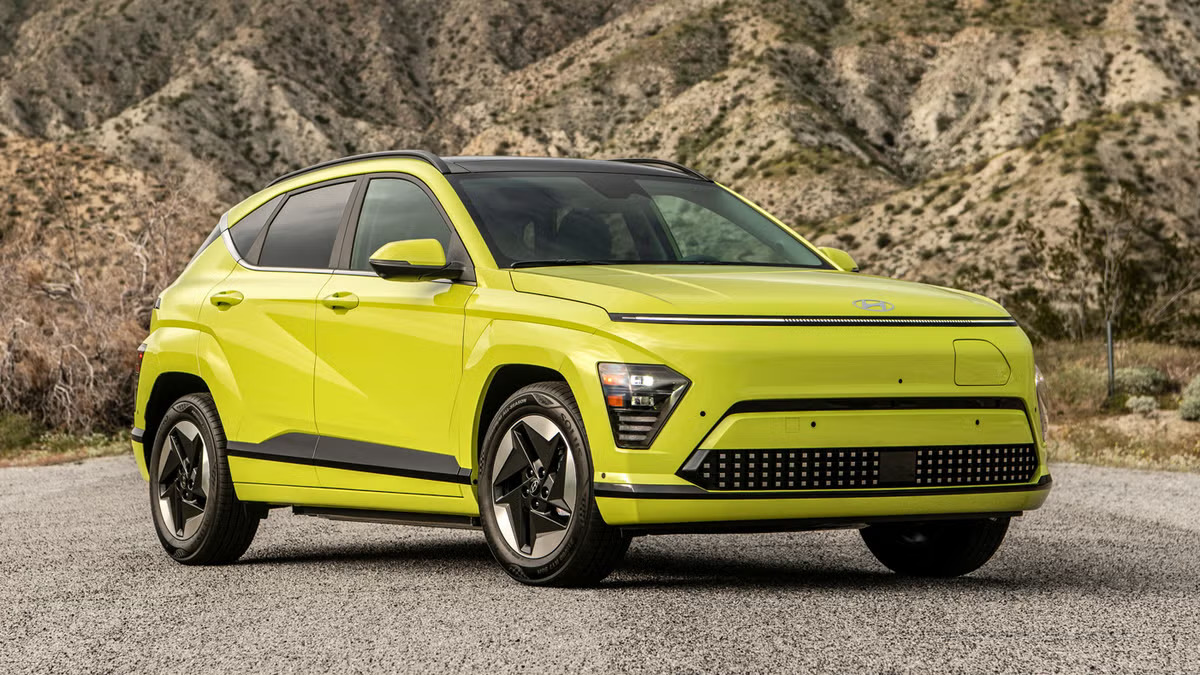
3. 2025 Hyundai Kona: Compact, Efficient, and Tech-Savvy for City Driving
The 2025 Hyundai Kona is a compact SUV designed for city living, offering efficiency, technology, and comfort in a nimble package. Its UV-resistant dashboard and lower-than-average repair costs for cooling components make it a practical choice for Carson City’s desert climate.
With its subcompact size, available all-wheel drive, and fuel efficiency, the Kona handles daily commutes, errands, and weekend trips with ease.
The Kona achieves a combined fuel economy of 31–35 MPG, depending on engine and drivetrain. The base 147-hp 2.0-liter four-cylinder paired with a continuously variable automatic transmission provides adequate acceleration for city driving.
The optional 190-hp turbocharged 1.6-liter engine with an eight-speed automatic transmission delivers a more spirited experience. All-wheel drive is available across trims, providing enhanced traction for mountain drives or winter conditions.
On the road, the turbocharged Kona hits 60 mph in 7.5 seconds, offering smooth and refined acceleration, while the base engine remains more focused on efficiency than speed. Hyundai does not recommend towing with the Kona.
Inside, the Kona features supportive seats, clever storage solutions, and modern materials. Front passengers enjoy options such as heated and ventilated seats, wireless charging, and leatherette upholstery on higher trims.
Rear seating accommodates adults comfortably, and cargo space measures 25.5 cubic feet behind the second row, expanding to 20 carry-on suitcases when folded. The center console and under-seat bins offer smart storage for daily items.
All models include a 12.3-inch touchscreen with wireless Apple CarPlay and Android Auto. Lower trims use a 4.2-inch digital gauge cluster, while higher trims feature a 12.3-inch display.
Optional premium audio from Bose enhances the cabin experience, and standard tech features include Bluetooth and a suite of driver-assistance systems such as adaptive cruise control, lane-keeping assist, and blind-spot monitoring. Optional features include a blind-spot view monitor and rear parking sensors.
The Kona offers strong safety performance with forward-collision warning, automated emergency braking, and automatic high beams. Hyundai provides one of the industry’s best warranties, including a five-year/60,000-mile limited warranty, a ten-year/100,000-mile powertrain warranty, and three years/36,000 miles of complimentary scheduled maintenance.
The 2025 Hyundai Kona blends compact size, modern tech, comfort, and efficiency, making it an ideal city SUV that is practical, stylish, and capable of handling occasional regional adventures.
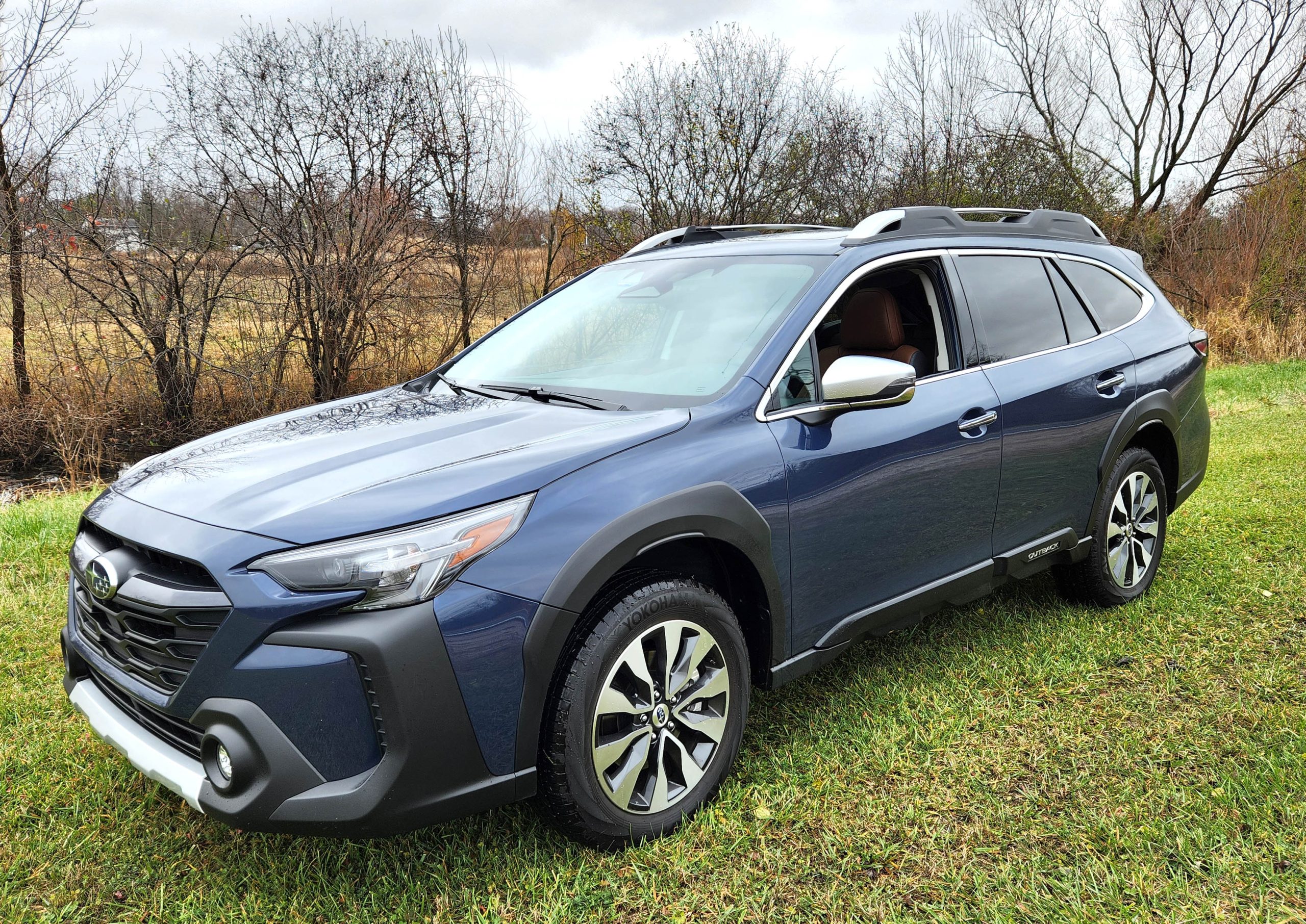
4. 2025 Subaru Outback: Rugged, Spacious, and Reliable for City and Outdoor Adventures
The 2025 Subaru Outback is a versatile SUV built for both city driving and outdoor exploration. Its well-insulated cabin cools quickly, and data indicate lower battery failure rates in desert climates compared to competitors.
Standard Symmetrical All-Wheel Drive, high ground clearance, and advanced safety features make it ideal for Carson City short trips, weekend drives to Tahoe or Sparks, and Sierra excursions. Roof rails and a spacious interior provide the practicality needed for gear, family, or sports equipment, balancing daily comfort with rugged capability.
The Outback comes with two four-cylinder engines. The base 180-hp 2.5-liter engine is paired with a continuously variable automatic transmission (CVT), offering sufficient power for everyday driving. An optional 260-hp turbocharged 2.4-liter engine is available in XT trims and standard in the Wilderness model.
This setup provides more responsive acceleration, with 0–60 mph estimated at 6.6 seconds for turbo models and 8.8 seconds for the base engine. All trims feature standard AWD, selectable terrain modes, and 8.7 inches of ground clearance.
The Wilderness trim includes additional ground clearance, all-terrain tires, and a rugged exterior, enhancing off-road capability. Towing capacity ranges from 2,700 pounds with the base engine to 3,500 pounds with the turbo engine.
The Outback’s redesigned interior focuses on contemporary styling and passenger comfort. Premium materials surround a dual-panel digital instrument cluster and a 12.1-inch infotainment touchscreen. Physical climate controls and a central digital display enhance usability.
The flat roofline is raised by two inches, improving rear headroom, and cargo space is expanded by two cubic feet over the previous model. The cabin comfortably accommodates passengers and gear, making it suitable for long trips or city errands.
The Outback comes standard with Apple CarPlay and Android Auto, cloud-based voice recognition, and a quick-access menu for infotainment functions.
Subaru’s EyeSight driver-assistance suite is included on all models, featuring forward-collision warning, automated emergency braking, adaptive cruise control with lane-keeping assist, and optional blind-spot monitoring with rear cross-traffic alert. Highway hands-free driving is available up to 85 mph.
EPA estimates range from 25 mpg city and 31 mpg highway for base models to 21/27 mpg for the Wilderness. Subaru offers a three-year/36,000-mile limited warranty and a five-year/60,000-mile powertrain warranty, though no complimentary maintenance is included.
The 2025 Subaru Outback combines rugged performance, spacious practicality, advanced tech, and dependable AWD, making it a capable and reliable choice for Carson City drivers who want both city convenience and outdoor adventure.
5. 2025 Toyota Camry: Efficient, Comfortable, and Safe for City and Highway Driving
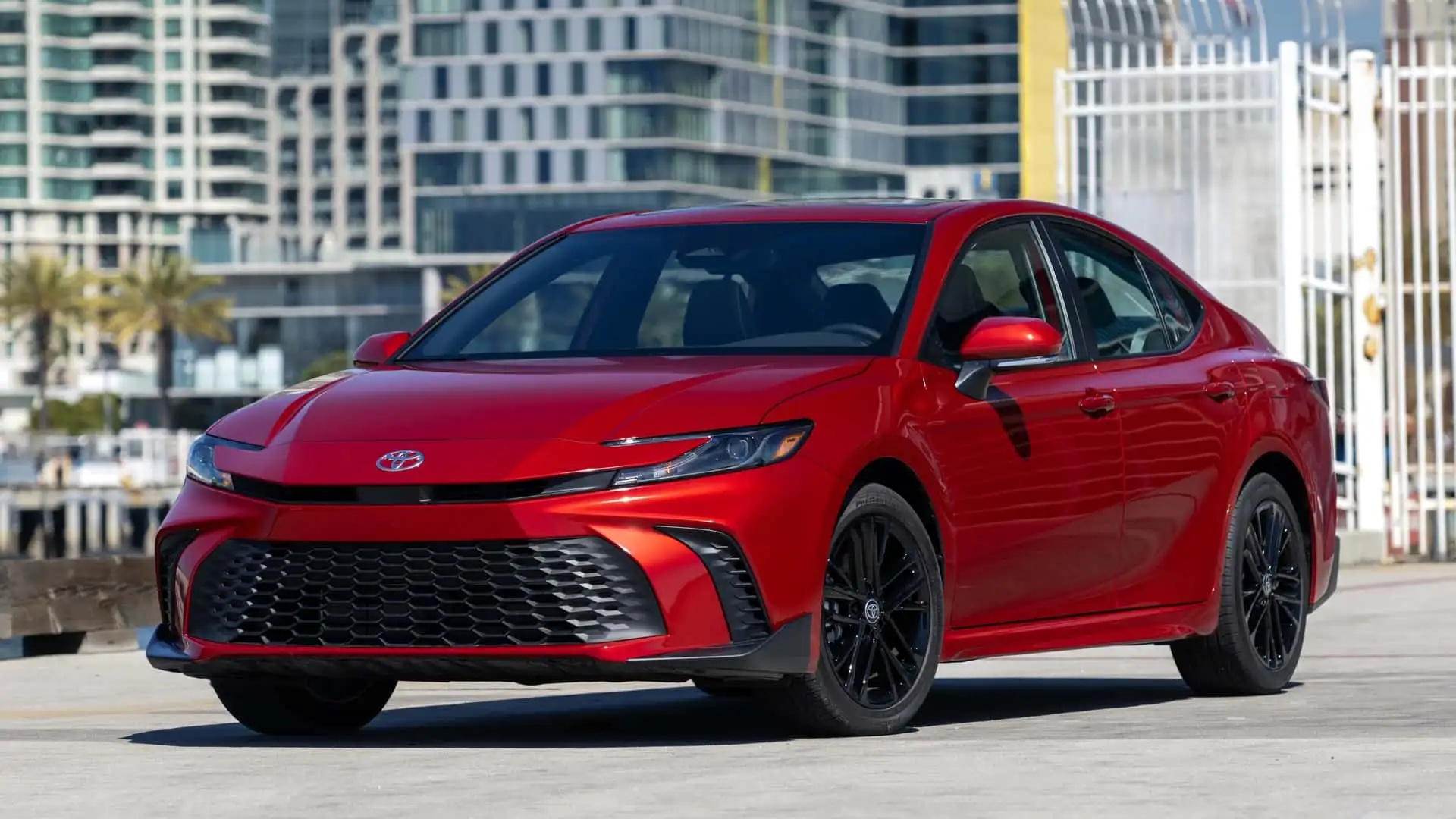
The 2025 Toyota Camry continues to uphold its reputation as a reliable, high-performing sedan, now offered exclusively as a hybrid. Known for thriving in extreme heat, the Camry’s robust cooling system and efficient A/C maintain optimal performance even in temperatures above 120°F.
Its hybrid powertrain, combining a 2.5-liter four-cylinder engine with electric motors, delivers up to 225 hp in front-wheel-drive models and 232 hp in all-wheel-drive versions. Acceleration is brisk, with the Camry FWD reaching 0-60 mph in 6.9 seconds, and AWD shaving a tenth of a second off.
City drivers, particularly in areas like Carson City, benefit from the Camry’s hybrid efficiency. The electric motor excels in stop-and-go traffic, maximizing fuel economy by using electric power at low speeds. Instant torque provides smooth, responsive acceleration, while the quiet cabin ensures peaceful commutes.
Maneuverability is excellent for a midsize sedan, making parking and driving on tight streets effortless. The Camry’s interior balances comfort and technology with features like heated/ventilated seats, soft-touch materials, digital displays, ample storage, and user-friendly controls.
Standard Toyota Safety Sense 3.0 equips every Camry with pre-collision alert, lane departure assistance, adaptive cruise control, and more. Additional safety technologies include blind-spot monitoring, rear cross-traffic alert, and optional traffic jam assist and 360-degree cameras.
Technology upgrades include wireless Apple CarPlay and Android Auto, digital instrument clusters up to 12.3 inches, a head-up display, ambient lighting, wireless charging, and multiple USB ports.
The 2025 Camry introduces a refreshed front fascia, re-engineered suspension, new braking system, and restyled interior. Seats are redesigned for comfort across all trims, with panoramic roof options for higher trims. Exterior styling is more expressive, with new color options and two-tone finishes for sportier XSE trims.
Fuel efficiency is impressive, with the LE FWD returning 53/50 mpg city/highway, while AWD models slightly reduce efficiency. The Camry is offered in four trims: LE, XLE (comfort-focused), SE, and XSE (sporty), with prices ranging from $29,495 to $35,695, and AWD adding $1,525.
The 2025 Camry combines hybrid efficiency, refined driving dynamics, advanced safety, and modern tech, making it an ideal choice for both city and highway driving. While the exterior updates are subtle, improvements under the hood and in driving experience make this arguably the most enjoyable Camry yet.
Also Read: 5 Cars for Beckley Mountain Roads and 5 That Lose Power Uphill
5 That Overheats in Summer
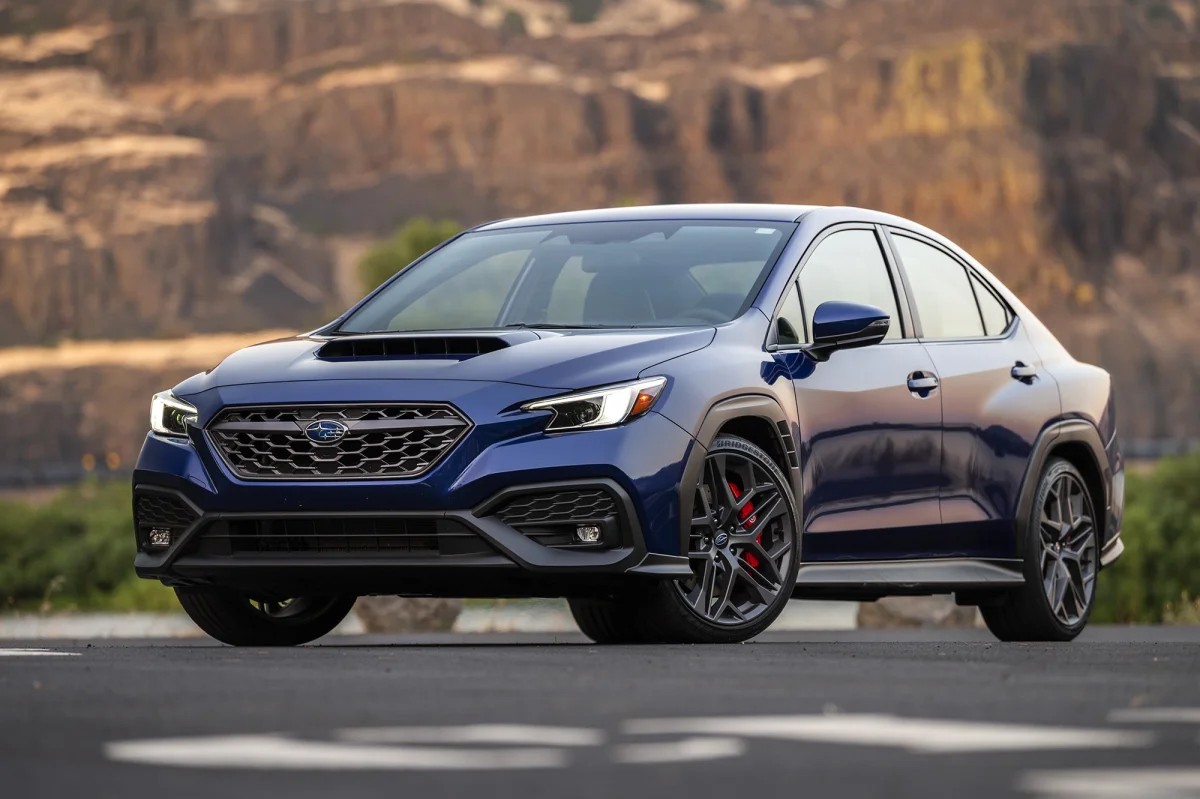
1. Subaru WRX/STI: Overheating Risks in Summer and Short Trips
The Subaru Impreza WRX and STI are high-performance vehicles with turbocharged engines that generate intense heat. In Carson City’s hot summers, short trips and stop-and-go traffic can exacerbate cooling challenges, often overwhelming the factory radiators.
Common overheating issues stem from low coolant, faulty thermostats, weak or non-functioning radiator fans, blocked radiators, air pockets in the cooling system, and the extra heat generated by the turbocharger.
Short city trips make the problem worse because engines may not reach optimal operating temperatures, while fans work harder at low speeds, and A/C use adds heat under the hood. Over time, these conditions can lead to water pump failure, radiator leaks, and even head gasket problems.
To prevent overheating, regularly check coolant levels and inspect hoses for leaks, bulges, or soft spots. Ensure radiator fans operate correctly and have the cooling system properly burped to remove air pockets.
Performance upgrades, such as an enhanced radiator, oil cooler, or turbo blanket, can help manage heat for high-stress driving. Persistent issues should be addressed by a Subaru specialist to avoid serious engine damage. Proper maintenance and attention to cooling system components are essential for keeping WRX and STI models reliable in Nevada’s hot climate.
2. Mitsubishi Lancer Evolution: Managing Overheating in Summer Conditions
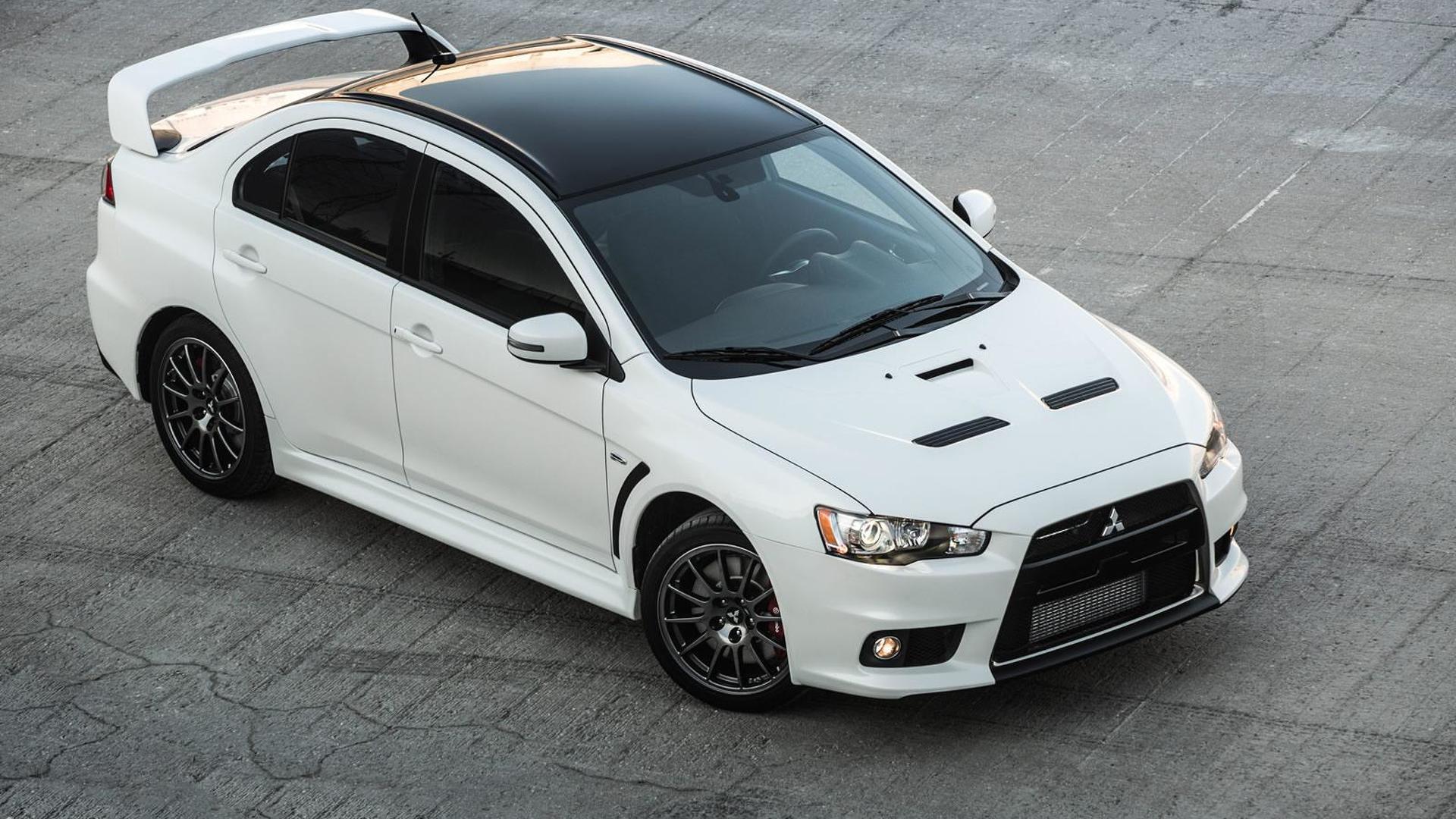
The Mitsubishi Lancer Evolution, like the Subaru WRX/STI, is prone to overheating under strenuous conditions. In Carson City’s hot summers, short trips and stop-and-go traffic can quickly push the Evo past safe operating temperatures.
Limited airflow at low speeds forces the cooling system to work harder, increasing the risk of engine or transmission damage. Many owners upgrade to aftermarket aluminum radiators to better handle desert heat.
Primary causes of overheating include faulty radiator fans or fan controllers that fail to operate at peak engine temperatures, a stuck thermostat that blocks coolant flow, or a failing water pump that cannot circulate coolant effectively. Radiator obstructions from debris or internal corrosion also restrict cooling.
SST-equipped Evo X MR models face additional heat from the twin-clutch transmission clutch slip during low-speed driving in Normal mode. Low coolant levels or trapped air pockets after maintenance can trigger sudden temperature spikes.
To reduce overheating risks, monitor radiator fan operation, maintain proper coolant levels, and ensure the system is free of air pockets. SST drivers should consider switching to Manual or S-Sport mode to reduce clutch slip.
If temperatures rise, turning off the A/C and setting the heater to maximum can help draw heat away from the engine. Proper maintenance and attention to cooling components are essential to keep the Lancer Evolution reliable in extreme heat.
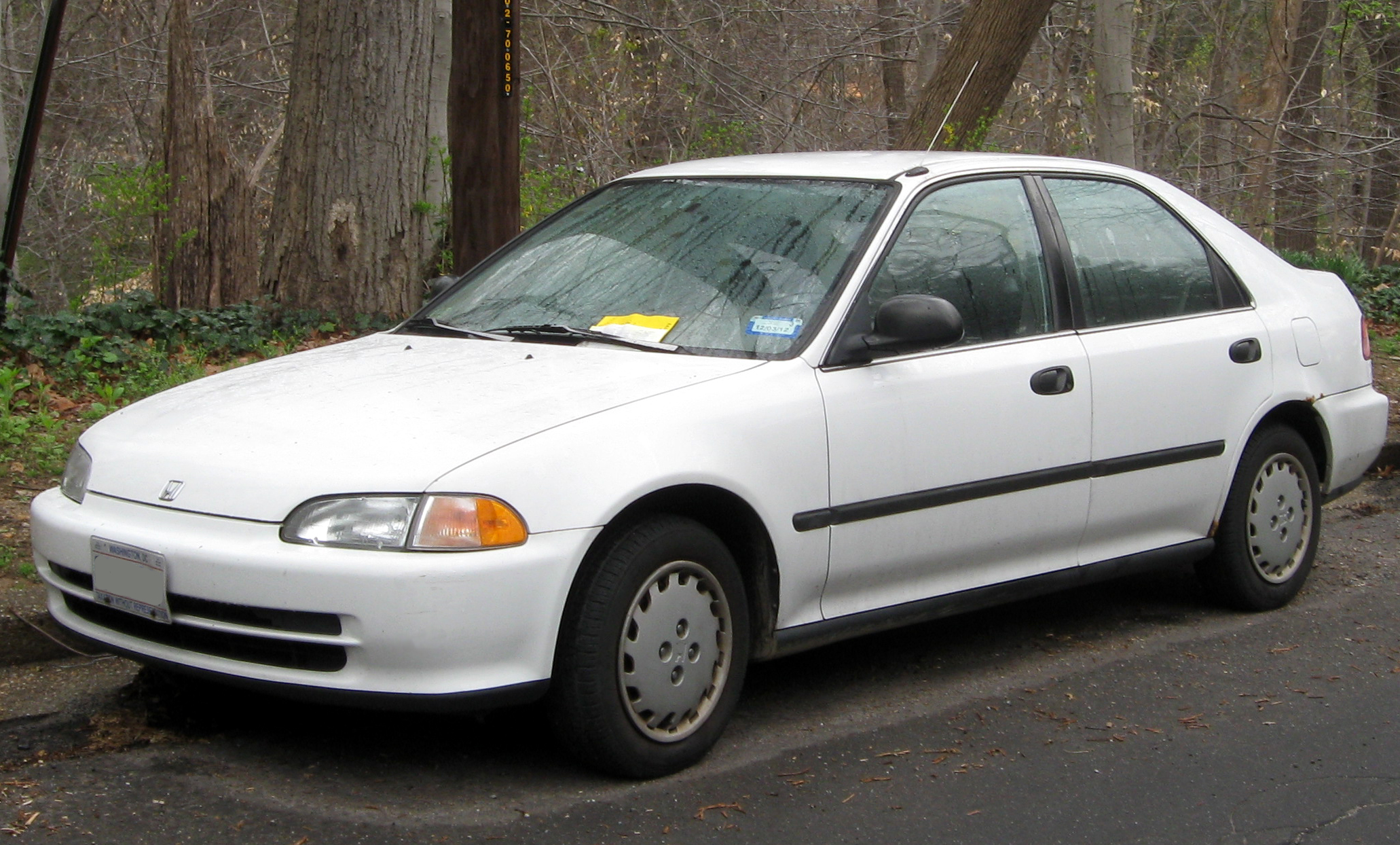
3. Older Honda Civics: Overheating Risks in Hot Summers
Older Honda Civics are generally reliable but prone to overheating under high temperatures, especially during short trips in Carson City. Common cooling system issues include clogged radiators, leaking hoses or water pumps, failing thermostats, malfunctioning fans, and trapped air pockets.
These problems are worsened by the intense summer heat and A/C use, placing extra stress on the cooling system and potentially leading to head gasket failures or exhaust gases entering the coolant. Short trips prevent the engine from fully reaching optimal operating temperature, which reduces coolant circulation and aggravates air pocket issues.
Key causes of overheating include low or contaminated coolant, radiator blockages, thermostat failure, and electric fan malfunctions. Head gasket problems are more common in 2001–2005 models, which can force coolant out and cause rapid temperature spikes.
To prevent overheating, regularly check and maintain coolant levels, inspect hoses and the radiator for leaks or damage, and test radiator fans to ensure proper operation. Bleeding the cooling system to remove air pockets is essential.
If problems persist, a professional mechanic can perform pressure tests and check for head gasket issues. Proper maintenance and vigilance are critical to keeping older Civics reliable in hot climates and stop-and-go city driving.
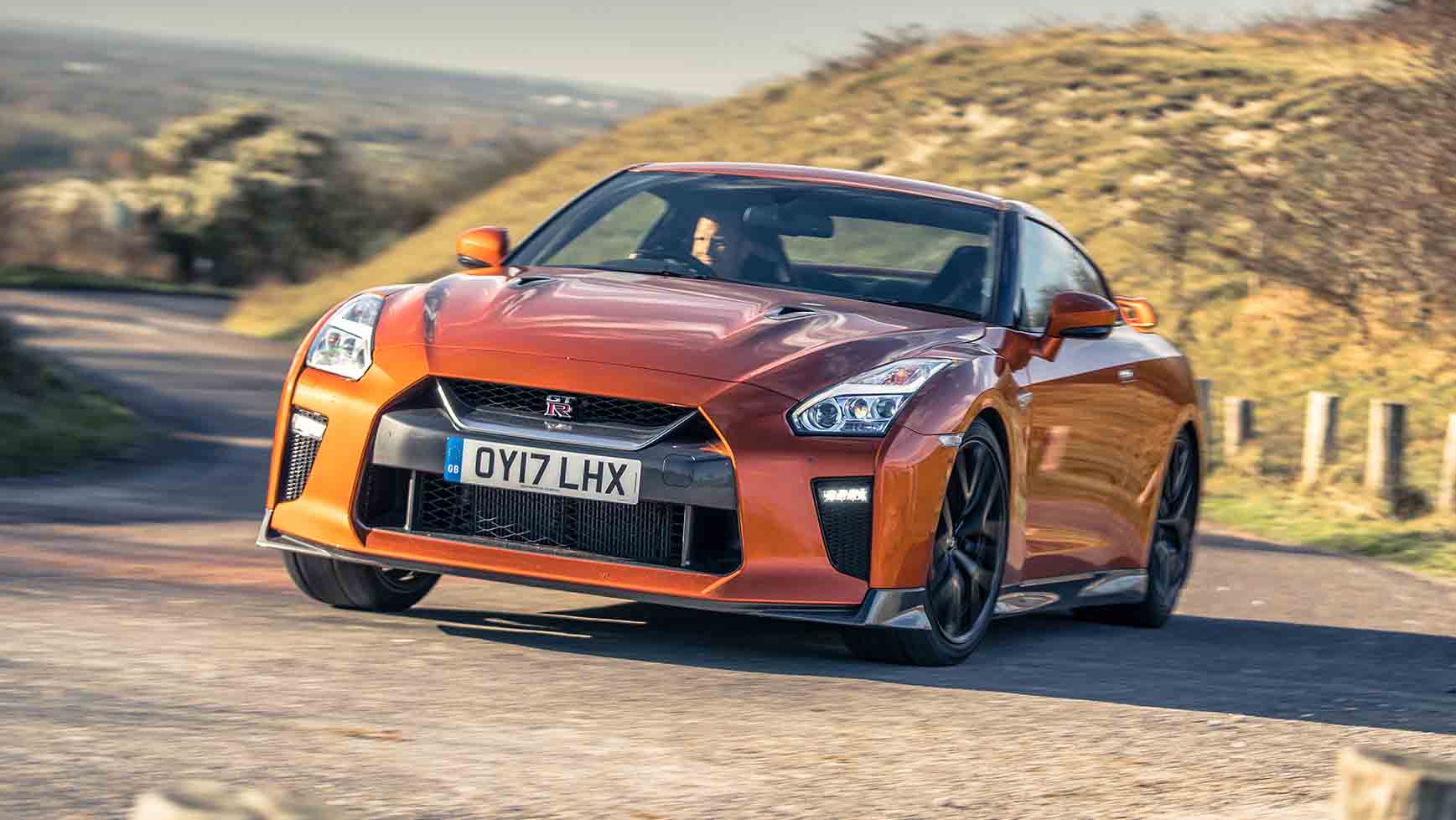
4. Nissan R35 GT-R: Managing Overheating in Extreme Heat
The Nissan R35 GT-R is a high-performance supercar with a powerful twin-turbo engine that generates immense heat. In hot climates like Carson City, short trips and stop-and-go traffic can overwhelm its cooling system, leading to overheating. The combination of low airflow at low speeds, high ambient temperatures, and A/C use places extra demand on fans, coolant, and radiators.
Common causes of overheating include failing or weak radiator fans and relays, a stuck or malfunctioning thermostat, low or contaminated coolant, clogged or damaged radiators, and water pump failure.
Even minor issues in these components can rapidly escalate due to the GT-R’s high-performance demands. Short city trips prevent the engine from reaching optimal operating temperature, reducing cooling efficiency and forcing the system to work harder.
Preventive measures include inspecting and testing radiator fans, verifying coolant levels and condition, replacing faulty thermostats, and cleaning debris from the radiator for better airflow.
Many owners also upgrade to larger radiators or enhanced cooling fans to handle extreme conditions. In Carson City’s heat, proper maintenance and monitoring of the cooling system are critical to keeping the R35 GT-R reliable, especially during short trips and stop-and-go driving that strain the thermal system.
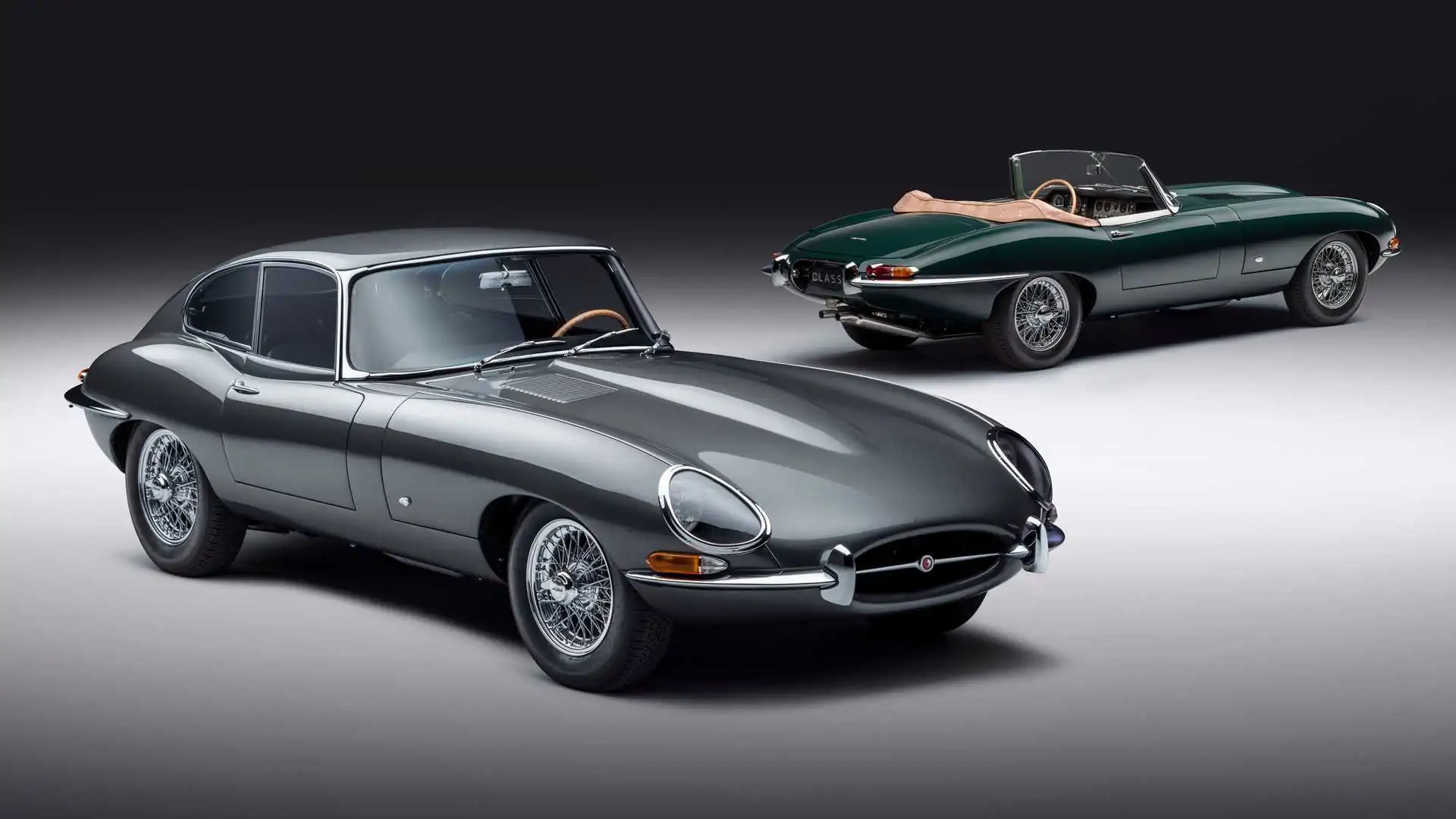
5. 1960 Jaguar E-Type: Overheating Risks in Short Summer Trips
The 1960 Jaguar E-Type is prone to overheating during short trips in Carson City’s summer heat due to classic car cooling limitations. Low-speed driving reduces natural airflow over the radiator, and the engine relies heavily on electric fans, which may fail due to faulty relays, Otter switches, or incorrect installation. Short trips prevent full heat dissipation, making the cooling system’s weaknesses more apparent.
Common causes include a stuck or incorrect thermostat that restricts coolant flow, low or leaking coolant from hoses, water pump, or radiator, and clogged or corroded radiator passages.
Air pockets in the system can block proper circulation, while a failing water pump or reversed fan direction worsens the problem. Engine tuning issues, such as lean carburetion or incorrect ignition timing, can generate additional heat.
Preventive measures involve verifying fan operation to ensure airflow through the radiator, checking and replacing the thermostat if needed, inspecting and cleaning the radiator, and bleeding the cooling system to remove trapped air.
It is also essential to check for leaks, confirm coolant levels, and use infrared thermometers to monitor true engine temperatures. Proper ignition timing and carburetor tuning further reduce heat buildup. Addressing these factors helps keep a classic E-Type reliable and safer in extreme summer conditions.
For Carson City drivers, selecting the right vehicle for short trips involves balancing efficiency, comfort, and thermal reliability.
Cars like the Tesla Model 3 and Subaru Outback thrive in stop-and-go traffic and desert heat, while high-performance models such as the Subaru WRX/STI, Mitsubishi Lancer Evolution, Nissan R35 GT-R, older Honda Civics, and classic Jaguar E-Types require careful monitoring and cooling system upgrades to prevent overheating.
Awareness of each vehicle’s strengths and vulnerabilities ensures safer, more dependable summer driving. By choosing wisely and maintaining cooling components, drivers can enjoy both city convenience and regional adventures without unnecessary stress or damage from extreme temperatures.
Proper preparation allows Carson City residents to make the most of their vehicles, whether running errands downtown or exploring the surrounding Sierra and desert roads.
Also Read: 10 Cars That Look Stunning But Disappoint True Enthusiasts