
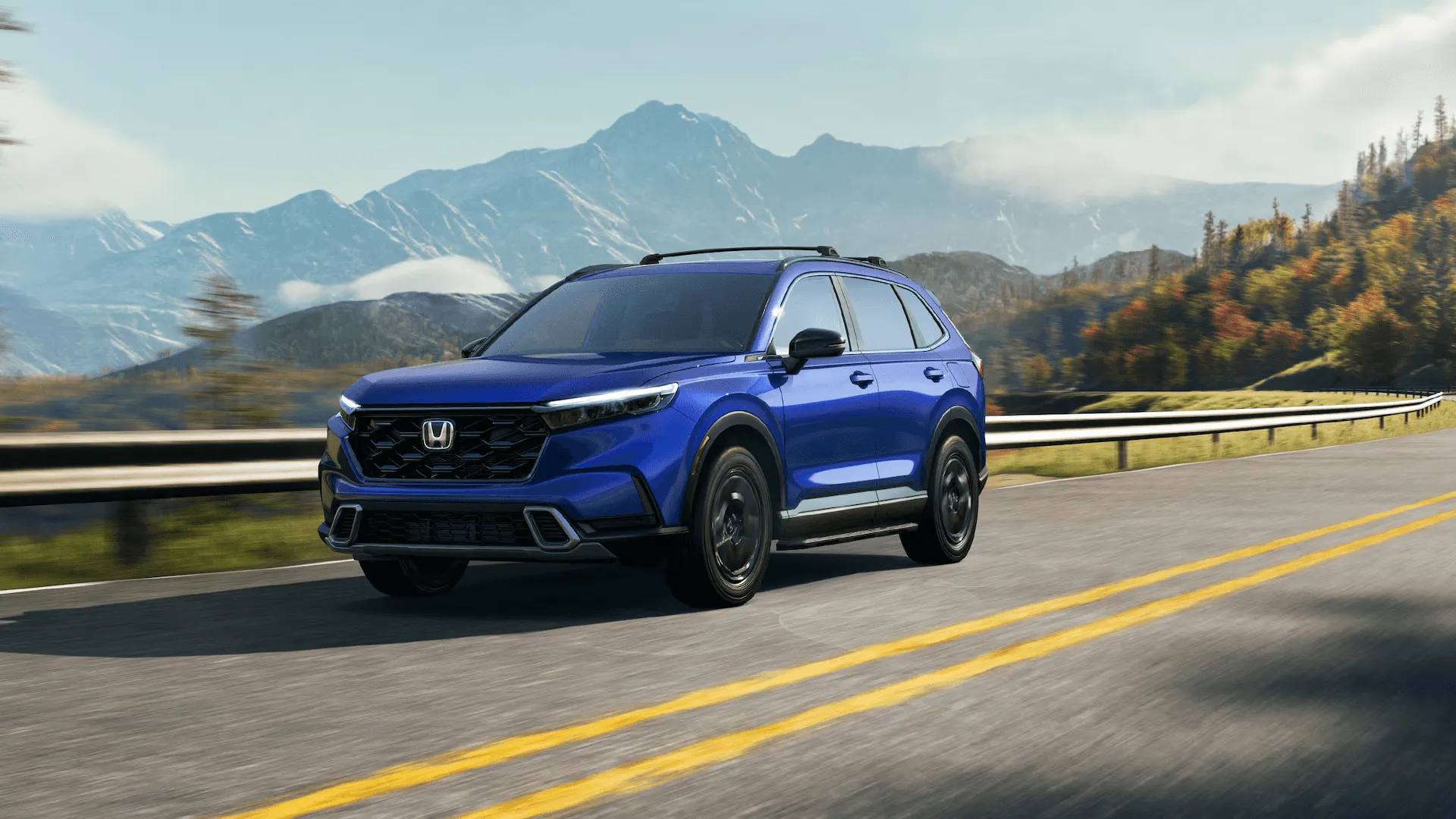
Morning light reflects off the Atlantic as Delray Beach wakes up to another warm, breezy day. Ocean air drifts inland, carrying a mix of salt and humidity that settles quietly onto streets, buildings, and vehicles alike.
Life here moves at a relaxed yet steady pace, shaped by beachside routines, workday schedules, and evening drives through neighborhoods lined with palms and pastel storefronts.
For residents, driving is woven into daily life, connecting homes to offices, shops, and shoreline escapes. A car in this setting serves a deeper purpose than simple mobility. It must cope with constant sun exposure, airborne salt, and moisture that never fully disappears.
Coastal roads vary more than many expect, shifting from smooth boulevards to patched pavement, tight downtown parking areas, and side streets dusted with sand after a windy afternoon.
These conditions quietly test paint quality, underbody protection, suspension components, and cooling systems year after year.
Selecting the right vehicle for coastal commuting means thinking beyond appearances. Shiny finishes and sleek designs can lose appeal quickly when corrosion creeps in beneath the surface. Smart choices favor strong protective coatings, sealed components, and materials that resist rust.
Fuel efficiency matters during daily commutes, yet comfort and stability carry equal weight for longer drives along the coast or inland routes. A calm cabin, supportive seating, and reliable climate control help drivers stay relaxed despite heat and humidity.
Build quality plays a major role in long-term satisfaction. Vehicles engineered with coastal conditions in mind tend to age gracefully, requiring fewer repairs and maintaining their value longer.
Features such as underbody shielding, durable fasteners, and thoughtful drainage design quietly support durability without drawing attention.
These details often separate cars that thrive near the ocean from those that struggle after just a few seasons.
This guide introduces five vehicles well-suited for Delray Beach coastal commuting. Each model offers a thoughtful blend of comfort, efficiency, and resilience that supports everyday driving in a sun-soaked environment.
A follow-up section examines five cars that deteriorate more quickly in salty air, helping drivers steer clear of options that demand extra care. Coastal living rewards preparation, and choosing the right car keeps every drive smooth, reliable, and enjoyable year after year.
5 Cars for Delray Beach Coastal Commuting
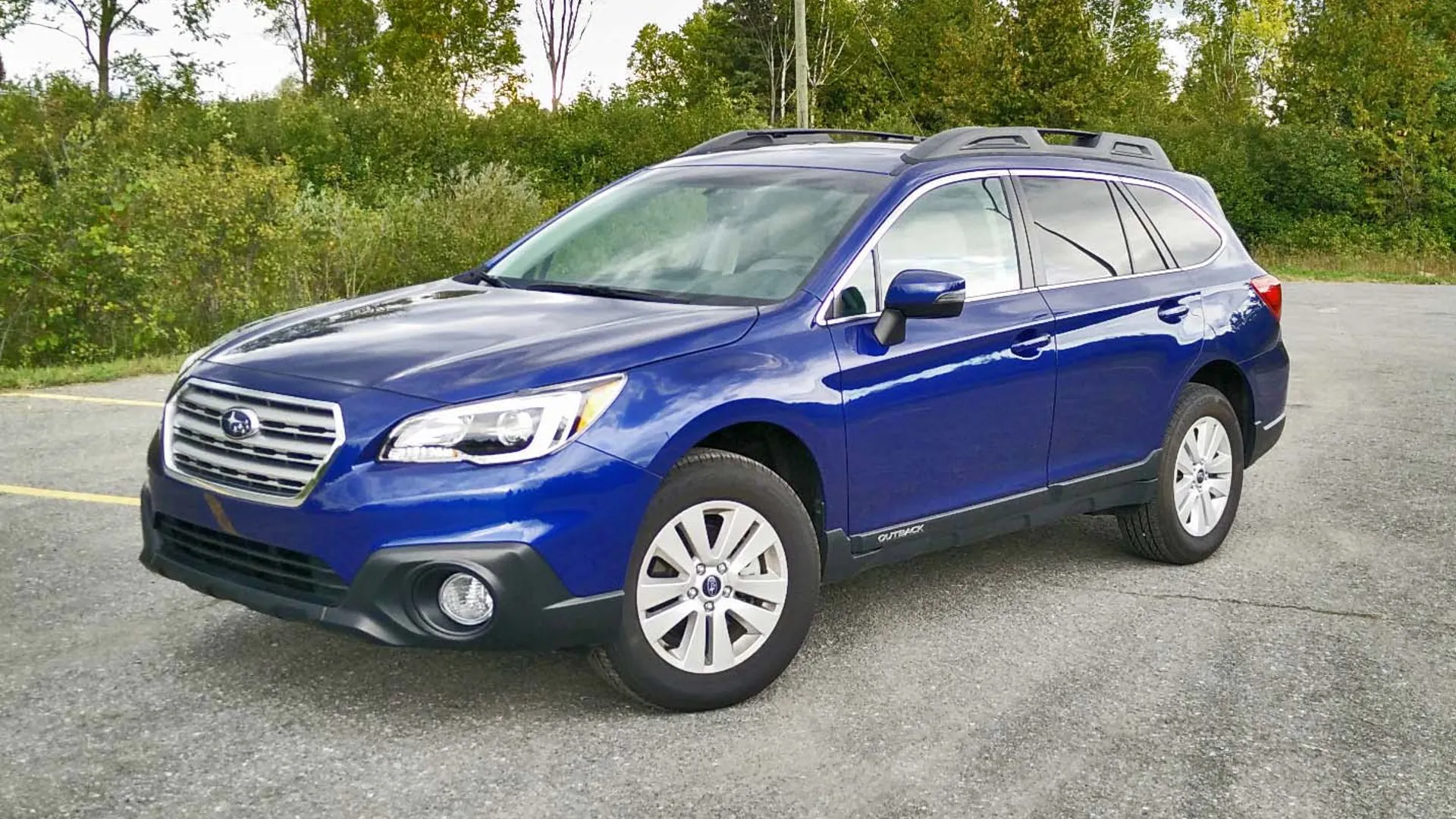
1. Subaru Outback 2.5i Touring
Practicality meets refined engineering in the Subaru Outback 2.5i Touring, a wagon that handles both beachside streets and rougher paths without complaint. Standard all-wheel drive provides traction on slick roads after morning dew or rain, offering confidence for coastal commuting where sudden moisture is common.
The 2.5-liter boxer engine delivers smooth acceleration that feels effortless during stop-and-go traffic as well as longer stretches along scenic routes. Suspension and ride quality emphasize comfort without compromising composure.
Steering feels precise, yet forgiving, allowing drivers to maintain relaxed control over winding streets or uneven parking areas. The cabin isolates road noise effectively, while seating ensures that occupants remain comfortable during short trips or extended weekend excursions.
Infotainment and connectivity integrate seamlessly with mobile devices, supporting navigation, media playback, and hands-free communication without distraction. Storage solutions within the cabin and rear cargo space accommodate groceries, beach gear, or work supplies, adding practical flexibility for daily life.
Subaru’s approach to corrosion prevention enhances longevity. Aluminum panels, protective coatings, and consistent underbody treatment resist salt air exposure, making this model well-suited for humid, coastal climates.
Regular maintenance keeps performance consistent, while proven reliability ensures predictable driving behavior for years.
Whether running errands downtown or venturing on weekend coastal excursions, the Outback 2.5i Touring combines durability, traction, and comfort.
Its thoughtful balance between capability and refinement makes it a dependable choice for anyone driving through Delray Beach’s unique commuting environment.
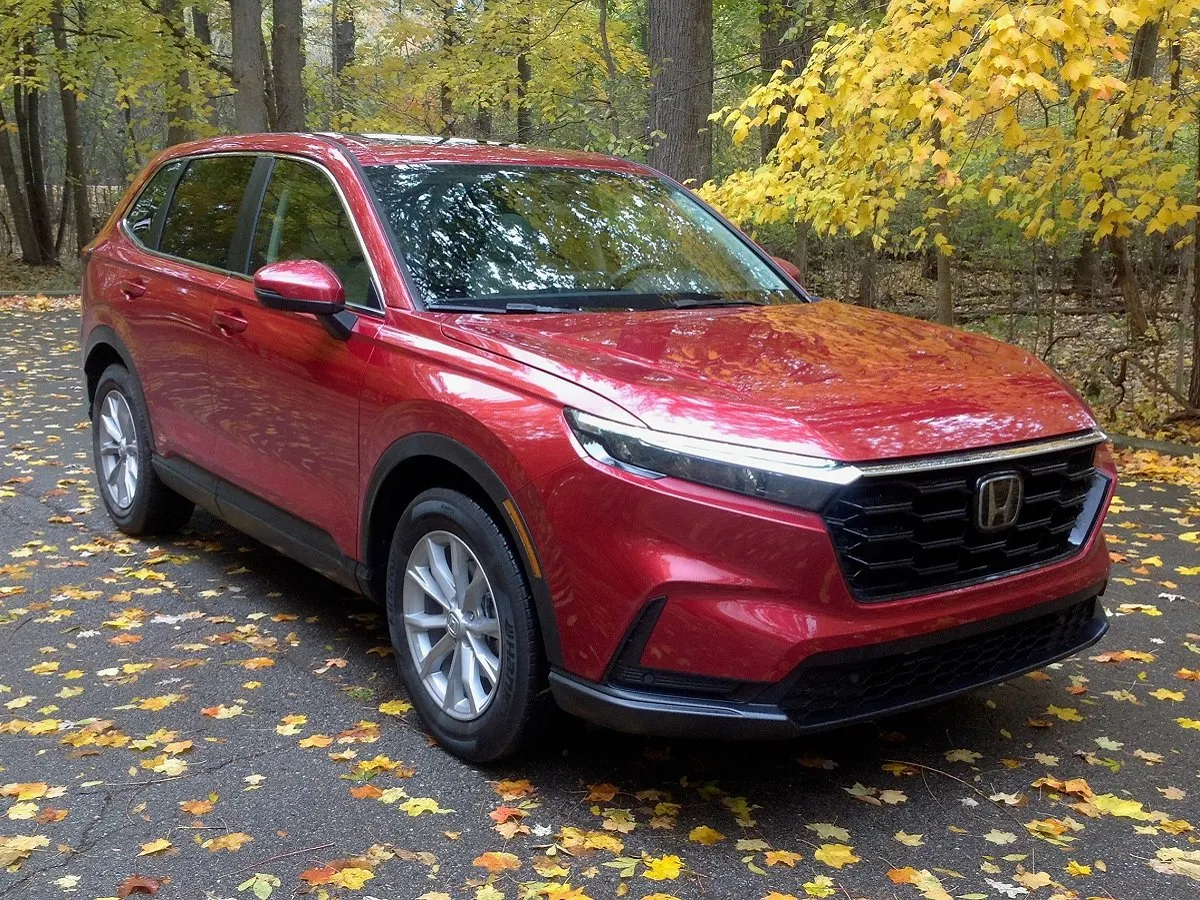
2. Honda CR-V EX-L
City streets and seaside avenues feel effortless in the Honda CR-V EX-L, a compact SUV designed for both practicality and comfort. Its 1.5-liter turbocharged engine provides responsive acceleration for merging or passing while maintaining commendable fuel efficiency during repeated coastal trips.
Paired with a smooth, continuously variable transmission, it feels light and adaptable during stop-and-go traffic or longer drives along Atlantic-facing boulevards.
Handling emphasizes stability and composure. Suspension absorbs minor road irregularities, while steering feedback remains intuitive, giving drivers confidence when cornering through tight turns or entering crowded parking areas. Braking is consistent, ensuring predictable stopping distances under wet or dry conditions.
Inside, the cabin balances ergonomic design with practicality. Leather-trimmed seats provide comfort for both driver and passengers, while rear seating remains spacious enough for friends or family.
The infotainment interface integrates smartphone connectivity, navigation, and hands-free communication, allowing drivers to focus on the road. Cargo space accommodates luggage, sports gear, or daily necessities.
Corrosion-resistant materials and thoughtful underbody coatings provide long-term resilience in humid, salt-laden coastal environments. Combined with Honda’s reputation for durability, this model withstands both coastal humidity and daily wear, making it ideal for commuters who want consistent performance without compromise.
The CR-V EX-L’s combination of comfort, traction, and protective design ensures that drivers going through Delray Beach streets encounter minimal stress from coastal elements. Its approach to usability and longevity makes it an appealing choice for anyone seeking a dependable vehicle near the ocean.
Also Read: 5 Cars for Grand Forks Long Winters vs 5 That Corrode Faster
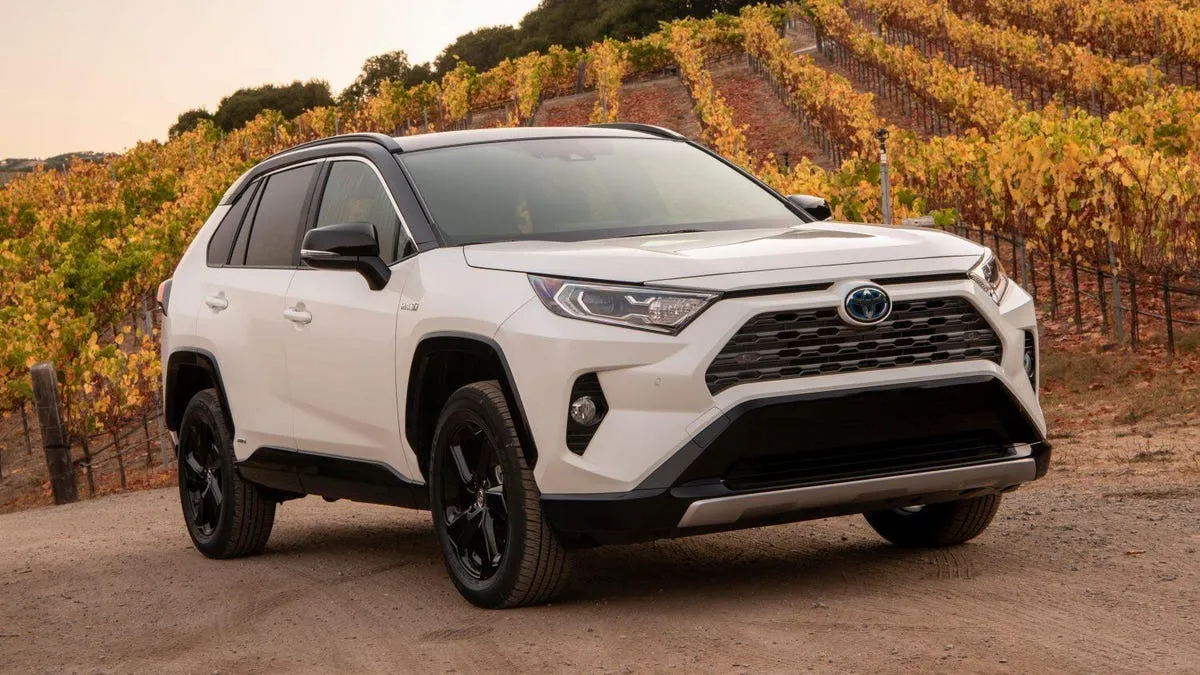
3. Toyota RAV4 XLE Premium
The Toyota RAV4 XLE Premium delivers a mix of utility and comfort that suits coastal commuting. Its 2.5-liter four-cylinder engine provides adequate power for city streets and highway stretches, while the optional all-wheel-drive system boosts traction on damp roads.
Suspension tuning balances comfort with stability, allowing drivers to absorb uneven pavement or minor bumps along scenic coastal drives. Interior design prioritizes convenience and ease of use.
Comfortable seating, intuitive dashboard layout, and responsive climate control ensure that occupants remain at ease during both short commutes and longer weekend journeys.
Infotainment features support navigation, media streaming, and hands-free phone use, reducing distraction on busy streets. Rear storage space accommodates daily essentials or recreational equipment. Corrosion prevention features include treated underbodies, protective paint coatings, and reinforced structural components.
These systems help the RAV4 withstand salty air, high humidity, and occasional coastal storms. Predictable braking and responsive steering provide a confident driving experience, while engine performance ensures that acceleration feels deliberate rather than strained under normal loads.
Whether commuting through downtown Delray Beach or venturing along shoreline roads, the RAV4 XLE Premium maintains a balance of capability, comfort, and resilience. Its engineering allows drivers to enjoy daily drives with peace of mind, knowing the vehicle is designed to endure coastal conditions.
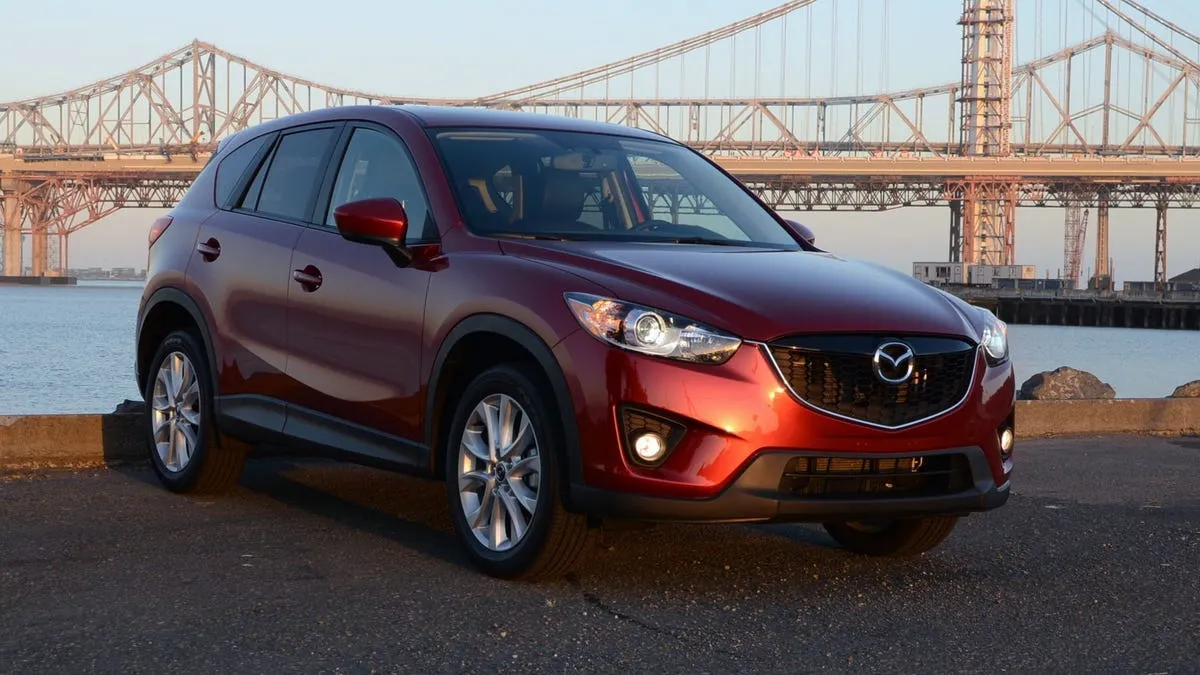
4. Mazda CX-5 Grand Touring
Sport and sophistication converge in the Mazda CX-5 Grand Touring, a compact crossover engineered for both lively handling and smooth daily commuting.
Its 2.5-liter four-cylinder engine generates sufficient torque for confident acceleration, whether merging onto a main avenue or passing slower traffic along coastal boulevards.
Suspension tuning supports both comfort and controlled handling, making tight turns and stop-and-go traffic feel effortless. Inside, cabin quality emphasizes refinement without sacrificing functionality.
Leather-trimmed seats, clear display interfaces, and intuitive controls enhance the driving experience, while rear passenger space remains generous. Cargo capacity supports groceries, beach equipment, or luggage for weekend trips, further reinforcing its suitability for daily life.
Corrosion resistance is enhanced with treated panels, underbody coatings, and quality paint, helping the CX-5 resist damage from salt air and humidity. Predictable steering, braking, and suspension performance deliver confidence on coastal streets that may feature wet or sandy patches.
This combination of performance, interior refinement, and corrosion protection makes the Mazda CX-5 Grand Touring a compelling choice for Delray Beach commuters. It offers drivers a balance of engaging handling, comfort, and long-term durability in a single package.
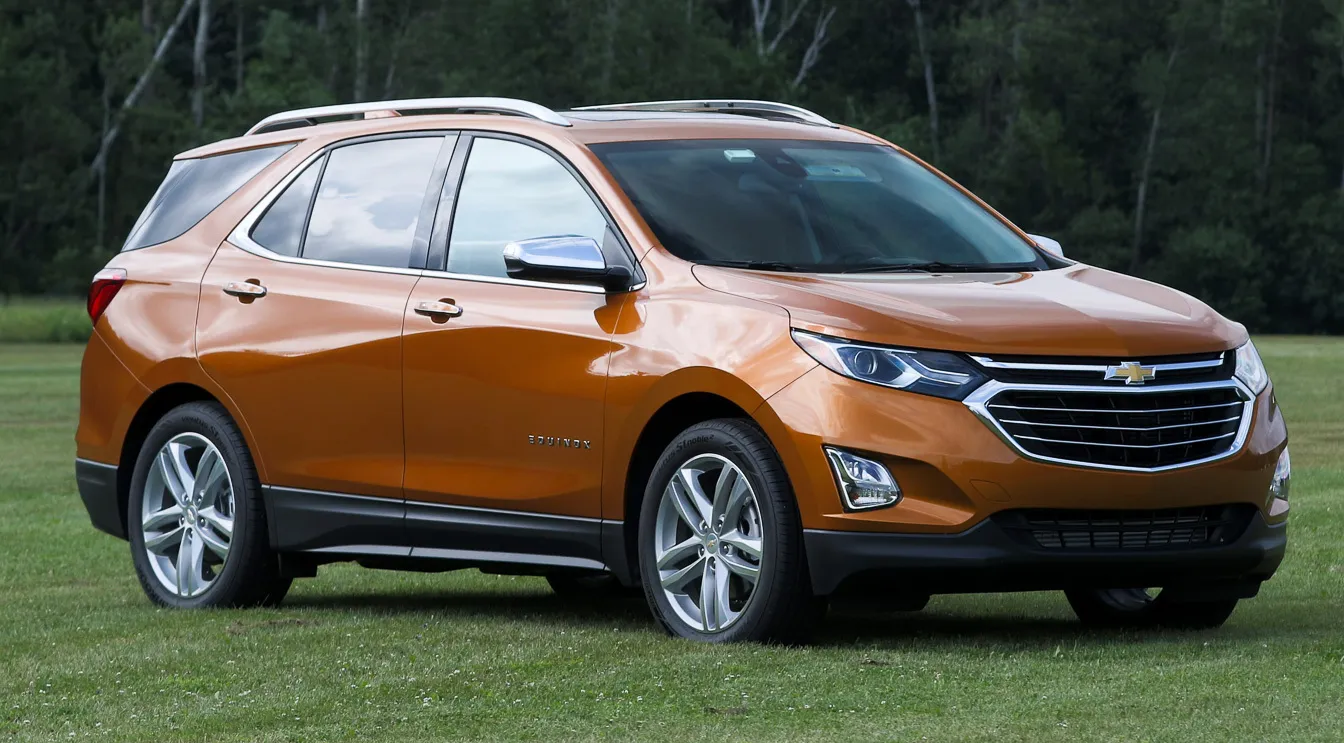
5. Chevrolet Equinox Premier
Practicality meets refinement in the Chevrolet Equinox Premier, a midsize SUV shaped for dependable daily driving in coastal environments. Thoughtful engineering supports drivers who balance short city trips with longer shoreline routes, creating a vehicle that feels composed rather than strained.
A 1.5-liter turbocharged engine delivers steady acceleration suited for merging, lane changes, and relaxed cruising, while respectable fuel efficiency helps keep ownership costs predictable. Power arrives smoothly, avoiding abrupt surges that can feel tiring during stop-and-go traffic.
Ride comfort plays a central role in the Equinox Premier’s appeal. Suspension tuning softens uneven pavement without feeling loose, allowing the SUV to glide over patched roads and minor surface flaws common near coastal areas.
Steering response feels direct enough for confident control, yet relaxed enough to reduce fatigue. Braking remains consistent, offering reassuring feedback when slowing for traffic lights, pedestrians, or sudden congestion.
Inside, the cabin reflects a commuter-focused design. Seats provide support during extended drives while remaining comfortable for quick errands. Rear seating offers generous legroom, making the vehicle suitable for passengers without compromising front row comfort.
Infotainment features integrate smartphone connectivity, navigation, and audio controls in a layout that feels intuitive rather than distracting.
Storage solutions and cargo space adapt easily to groceries, beach equipment, or work materials, adding flexibility to everyday routines.
Attention to corrosion resistance strengthens its coastal suitability. Underbody protection, durable paint finishes, and careful treatment of vulnerable areas help shield the vehicle from salt and humidity.
Regular servicing remains straightforward thanks to widespread dealer support, reducing inconvenience for long-term owners.
Confidence defines the Equinox Premier’s personality. Its blend of comfort, practicality, and environmental resilience supports daily coastal commuting without demanding extra effort from the driver.
For residents seeking a calm, capable SUV that fits neatly into beachside life, this model delivers steady performance with a reassuring sense of durability.
5 Cars That Corrode Rapidly
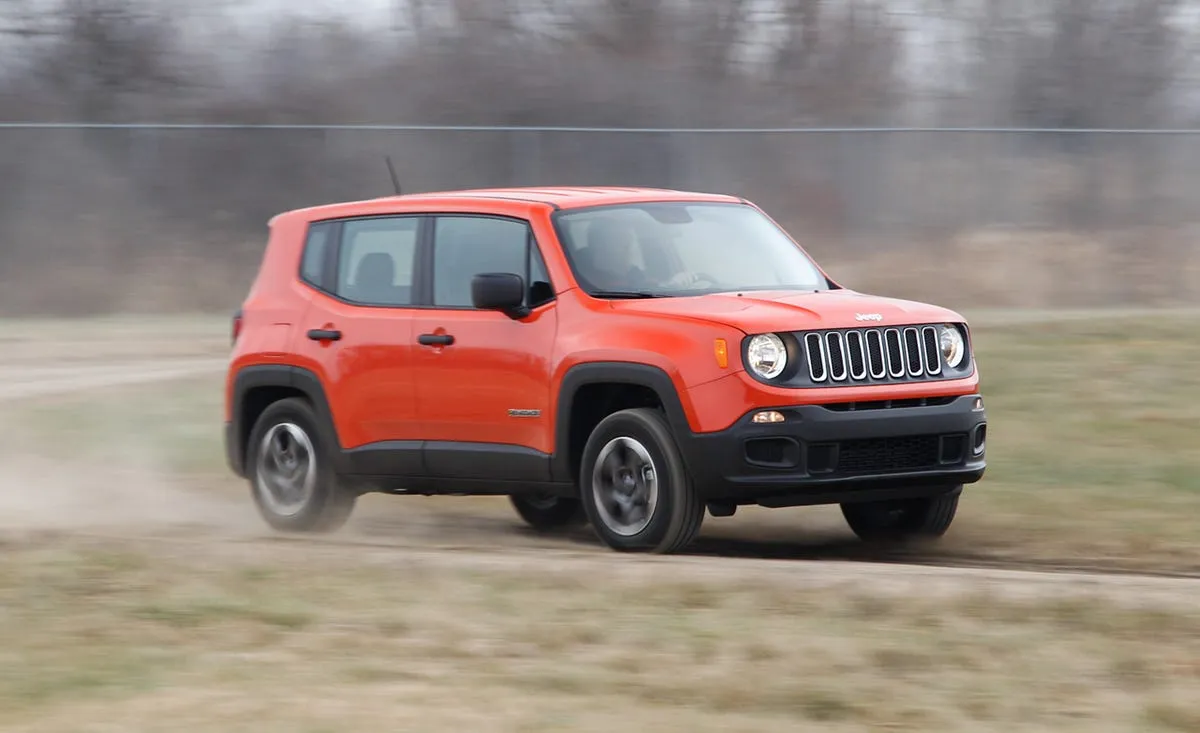
1. Jeep Renegade Sport
The Jeep Renegade Sport embodies fun, compact SUV styling, yet it struggles in coastal environments due to corrosion vulnerability.
Its unibody construction, while lightweight, exposes weld points and underbody panels to salty air and high humidity. Regular exposure to ocean breezes can accelerate rust formation, particularly along wheel arches, lower doors, and the undercarriage.
Performance on urban and coastal streets remains adequate. A 1.3-liter turbocharged engine delivers enough acceleration for stop-and-go traffic and occasional highway stretches. Handling feels nimble, with steering responsive to inputs.
However, when moisture and salt compromise metal components, structural integrity and suspension longevity can deteriorate, affecting ride quality and control as time goes on.
Transmission and braking systems, designed for city use, remain dependable at first, but corrosion on brake lines or underbody brackets can gradually reduce performance. Start-stop traffic and frequent coastal exposure exacerbate this effect, creating the need for increased inspection and preventative maintenance.
Interior refinement does not counterbalance these challenges. The cabin remains comfortable, with well-placed controls and reasonable storage, yet cosmetic corrosion near door sills can undermine the visual appeal in due course. Paint chips become gateways for rust, especially along lower panels.
Preventive care is crucial for Renegade owners. Regular washes, attention to underbody cleaning, and protective coatings can mitigate rapid deterioration, but the base design leaves the vehicle more susceptible than many competitors.
Jeep enthusiasts may appreciate the styling and off-road capability, yet those living near salty coastal areas should weigh the added maintenance demands carefully.
The Renegade Sport demonstrates that a small, stylish SUV can perform well initially, yet its construction and exposure to harsh coastal elements make corrosion a persistent concern. Drivers seeking long-term durability in salty climates might consider models with stronger rust protection and treated underbody components to avoid premature degradation.
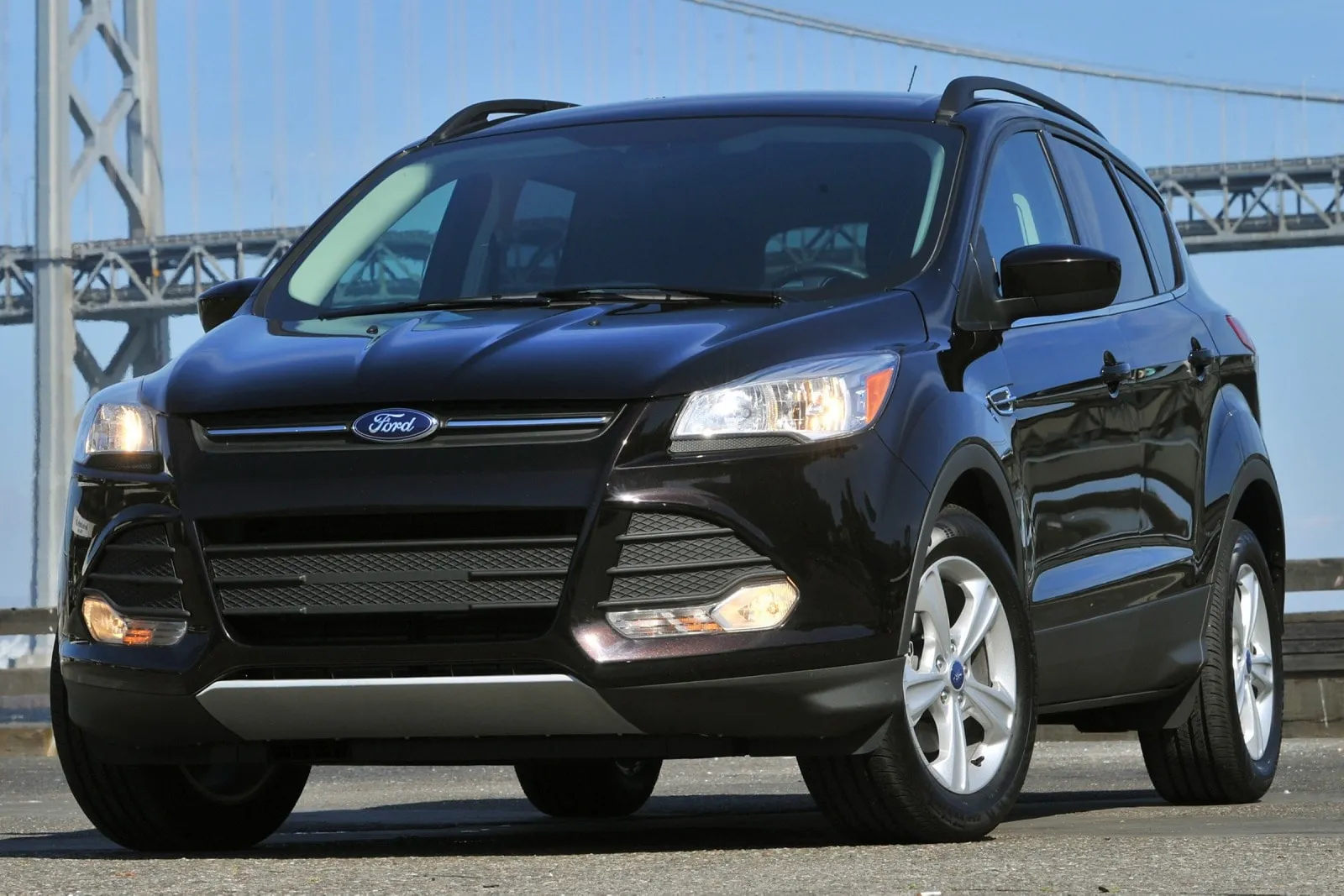
2. Ford Escape S
Compact and practical, the Ford Escape S provides a smooth daily drive but struggles with accelerated corrosion in coastal areas. Its steel panels, especially around the undercarriage and wheel wells, show vulnerability to salt-laden air.
Moisture and humidity encourage oxidation, leading to rust spots that can compromise structural integrity if left unaddressed.
Powertrain performance remains reliable under normal city conditions. A 1.5-liter EcoBoost engine supplies sufficient acceleration for merges and lane changes. Steering is light, and suspension tuning offers comfort on uneven roads.
However, corrosion on frame components, brake lines, and underbody bolts can reduce long-term reliability, making routine inspection vital.
Brake performance, initially crisp, can degrade if salt penetrates lines or mounting points. Shock absorbers and suspension bushings are also at risk, potentially affecting ride quality and handling. Rust along door sills or rocker panels can reduce interior protection from moisture, further accelerating deterioration.
Inside, the cabin remains practical, with supportive seating and intuitive controls. Infotainment functions integrate easily with smartphones, aiding navigation and music playback. Yet cosmetic degradation around doors and underbody components diminishes the visual appeal, especially in a humid coastal climate.
Preventive maintenance is essential. Regular washes, especially underneath the vehicle, combined with protective sprays, can slow rust development.
Escapes S living near oceans or bays should inspect frequently for early signs of corrosion and consider aftermarket protection if extended longevity is a priority.
The Ford Escape S illustrates that a capable daily driver can struggle in salty conditions. Those seeking long-term durability for Delray Beach coastal commuting may find alternatives with corrosion-resistant underbodies and treated panels more reliable for sustained ownership.
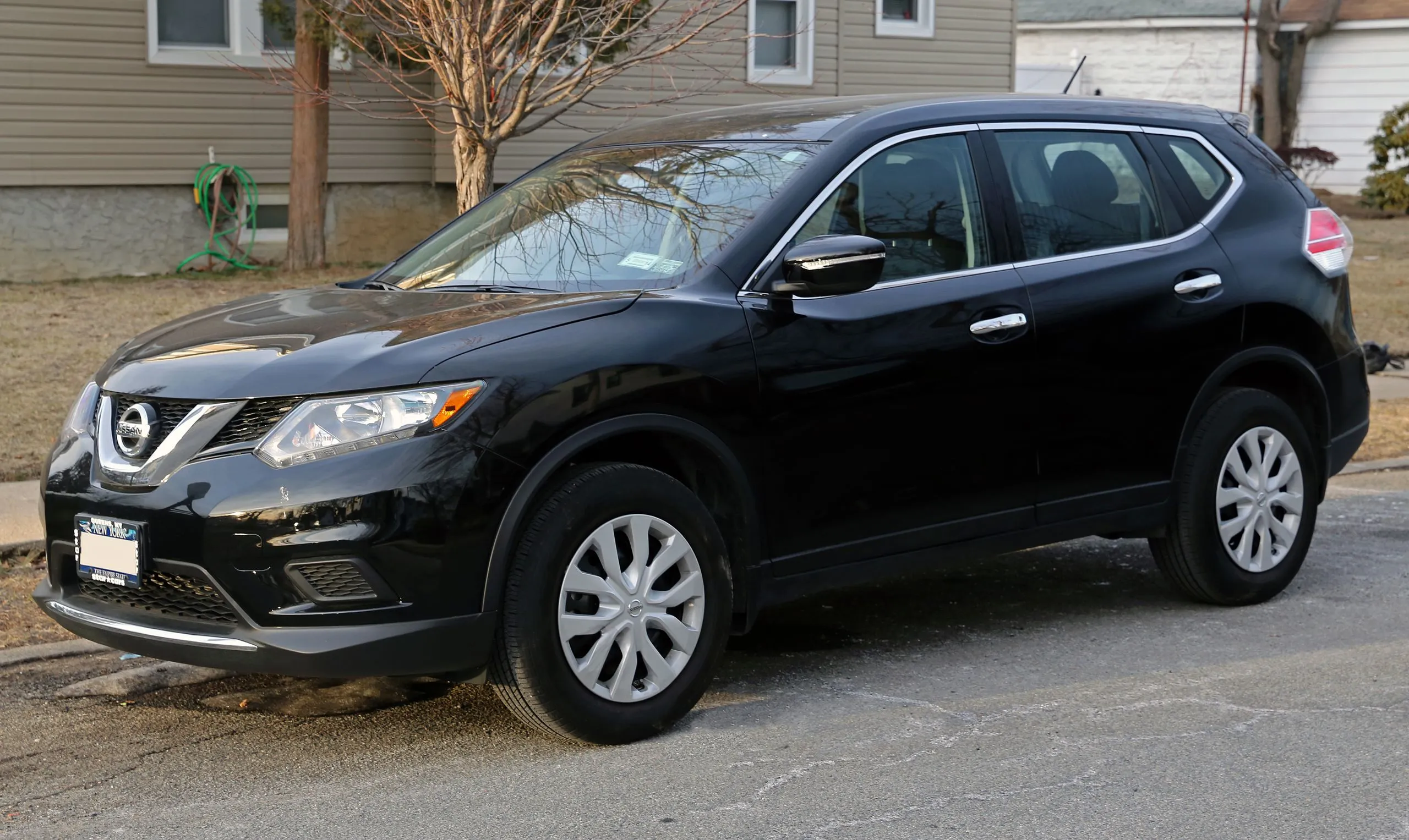
3. Nissan Rogue S
Compact SUV practicality gives the Nissan Rogue S clear appeal for daily errands and commuting, yet coastal living exposes weaknesses that owners should understand.
Design choices aimed at keeping weight and cost down leave several metal areas vulnerable when exposed to salt-filled air and constant humidity.
Unprotected underbody sections, suspension mounting points, and thin steel panels face steady contact with moisture, creating ideal conditions for corrosion to begin. Lower door seams, wheel arches, and structural brackets often show early signs of rust when preventive care is inconsistent.
Daily driving manners remain agreeable at first. A 2.5-liter four-cylinder engine supplies predictable power for traffic flow, parking maneuvers, and moderate highway use. CVT tuning favors smoothness, allowing steady acceleration without harsh gear changes.
Steering response feels light and accurate, while braking performance meets expectations for city use. As time goes on, however, corrosion on brake lines, suspension joints, and fasteners can reduce consistency, altering handling feel and increasing service needs.
Mechanical wear accelerates in coastal settings. Suspension components face constant exposure to moisture, leading to oxidation that can stiffen bushings or weaken mounts.
Brake hardware endures similar stress, especially when vehicles are parked outdoors overnight. Even short trips near the shoreline allow salt residue to settle underneath the vehicle, quietly working against long-term durability.
Cabin comfort remains a strong point. Seating supports daily use, climate control maintains comfort in humid conditions, and infotainment systems simplify navigation and connectivity.
Cargo space suits groceries, backpacks, or recreational gear with ease. Visual appeal suffers once exterior corrosion becomes noticeable, which can lower resale value and owner satisfaction.
Preventive care becomes essential rather than optional. Frequent underbody washing, protective coatings, and close inspection of vulnerable areas slow deterioration.
Without such attention, this model demands more effort to maintain near the coast than vehicles built with stronger corrosion protection. Dependable city performance alone does not ensure longevity when salt air becomes part of everyday life.
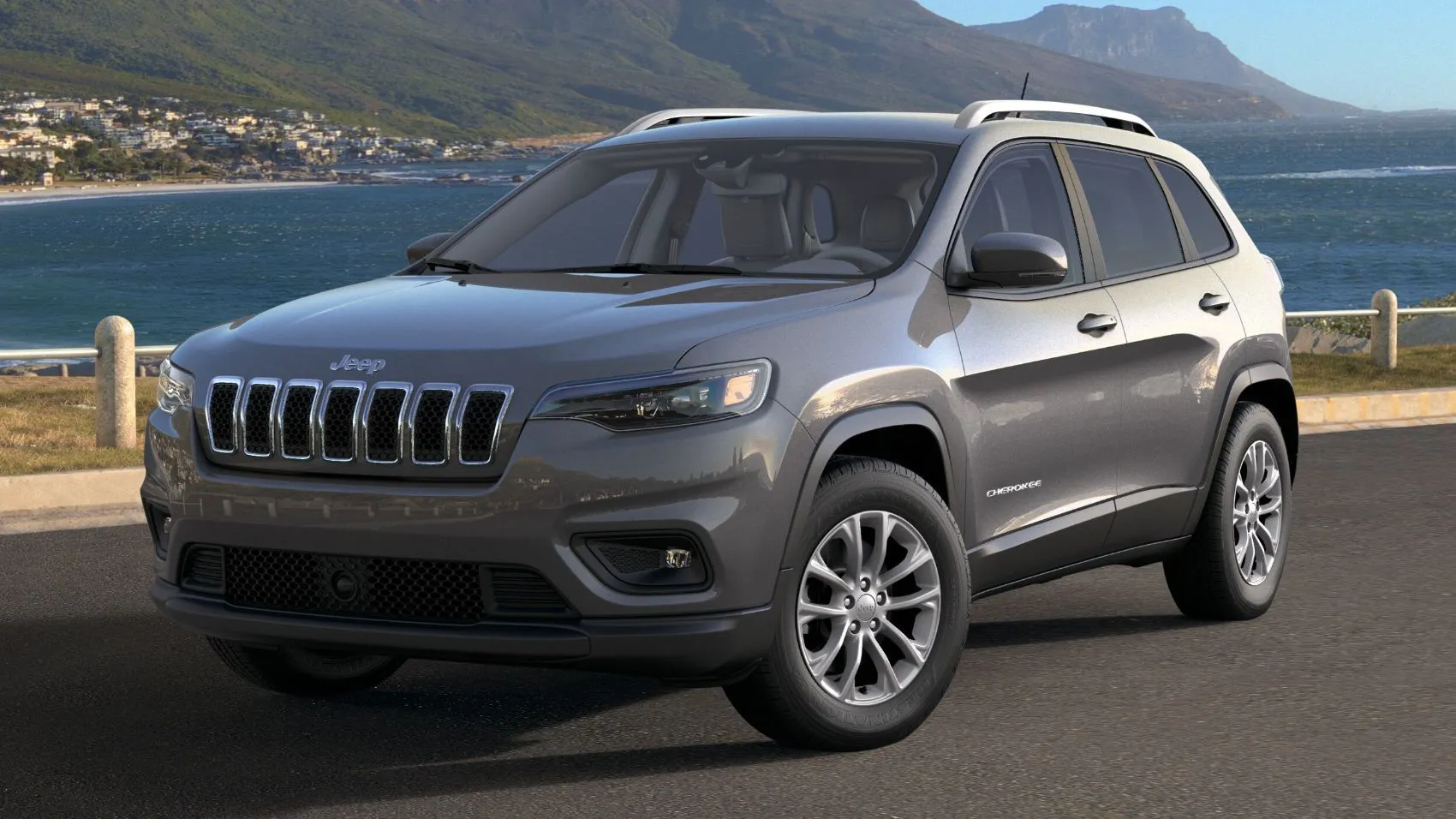
4. Jeep Cherokee Latitude
The Jeep Cherokee Latitude presents a rugged image that suggests readiness for demanding conditions, yet coastal ownership tells a different story.
Designed with off-road intentions in mind, this compact SUV relies on steel body panels and a sturdy frame that, unfortunately, reacts poorly to salt-laden air.
Areas such as wheel wells, lower door seams, rocker panels, and undercarriage brackets face constant exposure to moisture and airborne salt near the ocean. As time goes on, oxidation can develop in these locations, slowly weakening fasteners, joints, and structural supports that are costly to repair once damage becomes visible.
Daily driving manners remain respectable. A 2.4-liter four-cylinder engine delivers steady power for commuting, errands, and weekend travel. Acceleration feels adequate rather than spirited, while suspension tuning balances comfort with mild firmness.
Steering feedback inspires confidence during routine use, and braking response meets expectations when components are clean and intact. Coastal conditions, however, accelerate the deterioration of brake lines, calipers, and suspension hardware.
Rust buildup on these parts may affect consistency, increase service visits, and reduce confidence behind the wheel if preventive steps are delayed.
Interior design continues to be one of the Cherokee Latitude’s stronger qualities. Seating supports moderate trips comfortably, and the cabin layout feels intuitive.
Technology features and climate controls handle daily needs without fuss. Cargo capacity suits grocery runs, beach chairs, or sports gear.
Exterior corrosion, especially around door edges and sills, creates a sharp difference with the otherwise well-kept cabin. Paint chips from road debris worsen the issue, allowing moisture to reach bare metal and spread rust more quickly.
Ownership near the coast requires discipline. Frequent rinsing after drives, careful underbody cleaning, and application of protective coatings become necessary habits rather than optional extras.
Rust prevention sprays and inspections of vulnerable areas help slow the process, though they cannot eliminate it. Without consistent care, corrosion can advance beyond cosmetic concerns and affect structural integrity.
The Jeep Cherokee Latitude serves as a reminder that off-road strength does not guarantee resilience against environmental wear. Drivers living near shorelines may prefer vehicles engineered with treated underbodies, corrosion-resistant materials, and enhanced sealing to support lasting reliability in salty air.
Also Read: 5 Cars for Charlotte Suburban Life and 5 That Don’t Hold Value
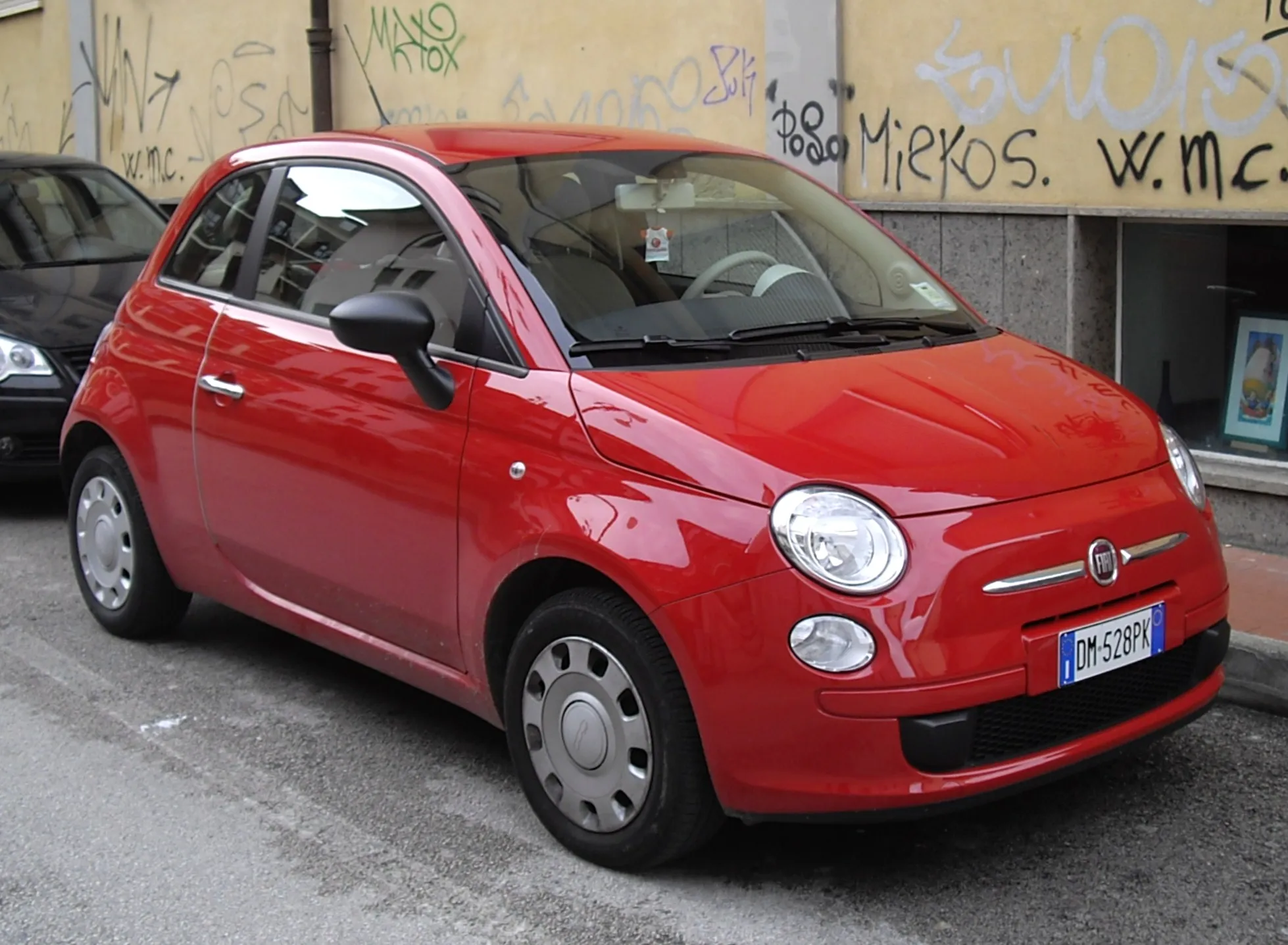
5. Fiat 500 Pop
Small, stylish, and easy to maneuver, the Fiat 500 Pop brings charm to city streets, yet coastal ownership reveals limitations that affect long-term satisfaction. Designed with compact proportions and lightweight materials, this hatchback prioritizes efficiency and visual appeal over environmental durability.
Thin exterior panels, minimal underbody sealing, and exposed seams around wheel arches and door sills leave the body vulnerable when salt and humidity become part of daily driving.
In beachside areas, corrosion can begin quietly beneath paint and trim, later surfacing as bubbling, discoloration, or weakened metal that impacts both appearance and safety.
Urban performance matches the car’s personality. A 1.4-liter engine delivers enough output for stop-and-go traffic, short highway hops, and tight parking situations. Manual and automatic transmission choices keep acceleration smooth and predictable, while light steering makes narrow streets and crowded lots stress-free.
Suspension tuning favors comfort at low speeds, soaking up small bumps with ease. Over-extended coastal exposure, rust on suspension arms, fasteners, and mounting points can alter ride quality, leading to creaks, vibration, or uneven tire wear.
Braking systems function well during early ownership. Pedal response feels confident, and stopping power suits city speeds.
Salt exposure changes that equation with time. Corrosion on brake lines, calipers, and hardware may reduce consistency, increasing service frequency and repair costs. Structural rust near anchor points also raises safety concerns, especially for drivers who rely on the car daily.
Inside the cabin, design remains cheerful and practical. Controls are simple, seating supports short commutes, and climate systems manage heat effectively. Interior materials resist moisture better than exterior components, allowing the cabin to age more gracefully.
The difference between a tidy interior and a weathered exterior becomes difficult to ignore as rust progresses, which can sharply reduce resale appeal.
Ownership near the coast demands commitment. Frequent washing, careful drying, underbody treatments, and rust inhibitors become routine rather than occasional tasks. Without that effort, deterioration advances quickly.
The Fiat 500 Pop proves that style and convenience do not always align with coastal durability. Drivers drawn to beachfront living may find greater peace of mind in vehicles engineered with stronger corrosion protection and reinforced body construction.
