
College life brings a mix of freedom, responsibility, and the daily challenge of getting from one class to another while juggling social activities, part-time work, and weekend adventures. Selecting a vehicle that complements this lifestyle is about balance.
Students in Columbia need cars that are efficient, easy to park on crowded streets, reliable enough to handle tight schedules, and versatile enough to carry friends or groceries.
A dependable ride also adds peace of mind, ensuring that neither academic responsibilities nor personal plans are disrupted by unexpected mechanical troubles.
Fuel efficiency and maneuverability often outweigh flashy performance for campus commuters. Compact dimensions make tight parking lots more accessible, while good gas mileage keeps the budget intact. Comfort matters as well, especially for longer trips outside town or during road trips with friends.
Technology features like smartphone integration, Bluetooth connectivity, and responsive infotainment systems enhance convenience, reducing distraction and allowing students to stay connected safely.
Safety features, including lane assist, automatic braking, and adaptive cruise control, provide additional confidence, whether going through city streets or suburban avenues.
While some cars offer all these benefits, others compromise comfort, efficiency, or reliability for styling or low initial cost. A misaligned choice can lead to frequent repairs, higher fuel expenses, and frustration, especially for students balancing academic and personal commitments.
Understanding which vehicles handle the demands of college town life versus those that struggle can help students make informed decisions, avoid costly pitfalls, and enjoy their daily drives.
This guide identifies five cars that excel in Columbia college town life, combining practicality, reliability, and convenience.
It also highlights five vehicles that students might want to avoid, where design or performance limitations create more challenges than solutions.
Each vehicle is analyzed based on city usability, comfort, efficiency, safety, and adaptability, offering a clear picture of what works and what doesn’t for a student enjoying campus life.
Whether commuting to classes, running errands, or heading out for weekend trips, the right car can make all the difference in shaping a smooth and enjoyable college experience.
5 Cars for Columbia College Town Life
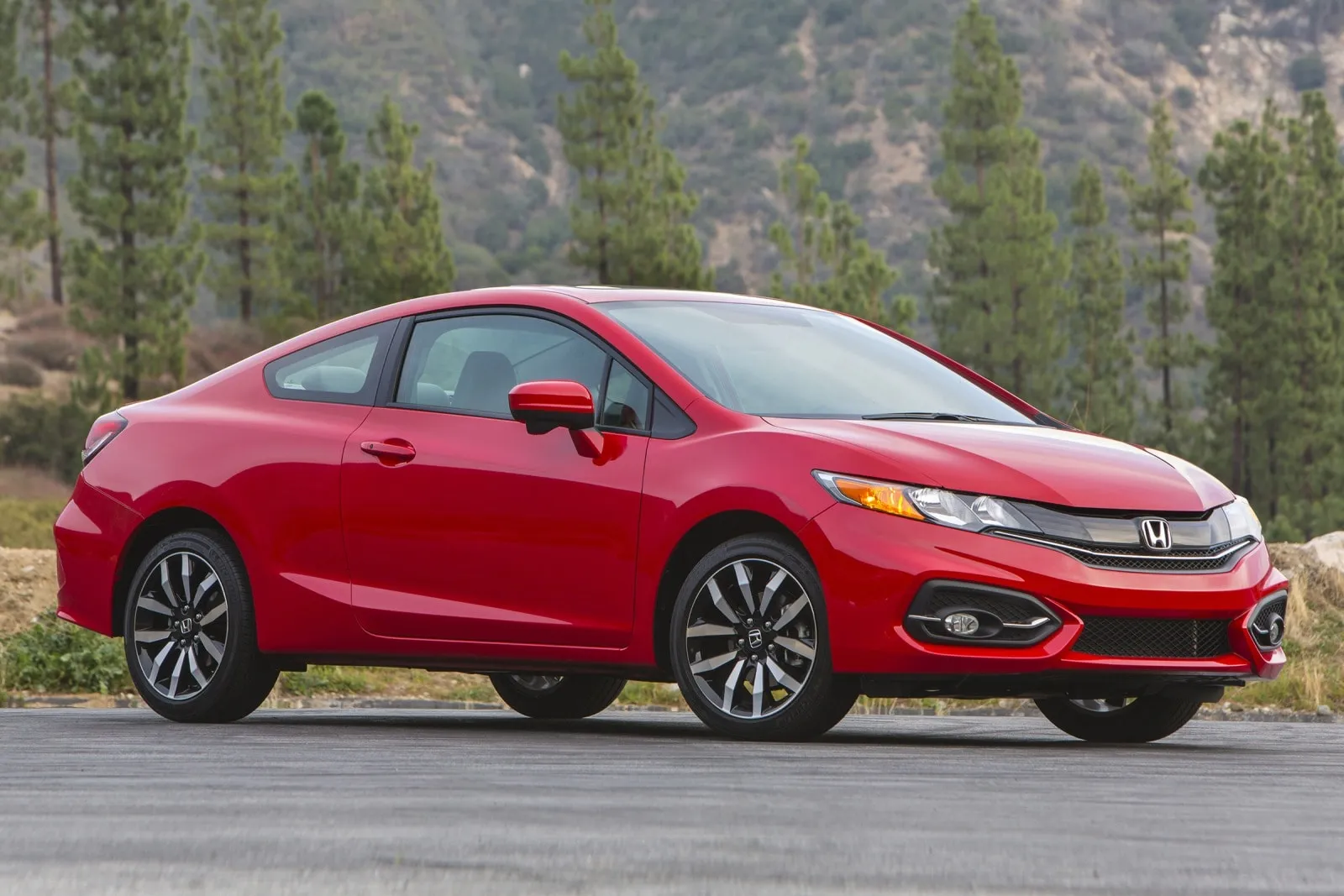
1. Honda Civic EX
The Honda Civic EX has long been a standard bearer for students seeking reliability, practicality, and fuel efficiency. The 2.0-liter naturally aspirated engine paired with a smooth, continuously variable transmission delivers consistent, predictable power.
Acceleration is adequate for merging onto highways, going through city traffic, and maintaining speed on suburban roads without unnecessary strain on the engine. The Civic’s fuel economy remains competitive, which is a major consideration for students managing tight budgets.
Parking is effortless due to the car’s compact dimensions and tight turning radius. Maneuvering in crowded lots or parallel parking along narrow streets is much less stressful than it would be in larger vehicles.
Visibility from the driver’s seat is strong, allowing students to anticipate obstacles and pedestrians, a key feature in college towns with heavy foot traffic.
Steering is responsive but forgiving, striking a balance between precise handling and comfort on longer drives outside the city.
Inside, the cabin blends functionality with a touch of refinement. Seats are supportive, keeping drivers comfortable on back-to-back classes or weekend trips.
Rear space accommodates friends or luggage, while the trunk provides generous storage for groceries, sports equipment, or dorm essentials. Infotainment includes smartphone integration, voice recognition, and an intuitive touchscreen, reducing distraction while enhancing convenience during commutes.
Safety is emphasized with forward collision warning, automatic emergency braking, lane keeping assist, and adaptive cruise control, making urban and suburban driving less stressful. Maintenance schedules are simple, parts are widely available, and the Civic has a well-earned reputation for durability.
This combination of efficiency, safety, and comfort makes the Honda Civic EX a solid choice for students who need a dependable, budget-conscious, and versatile vehicle in Columbia.
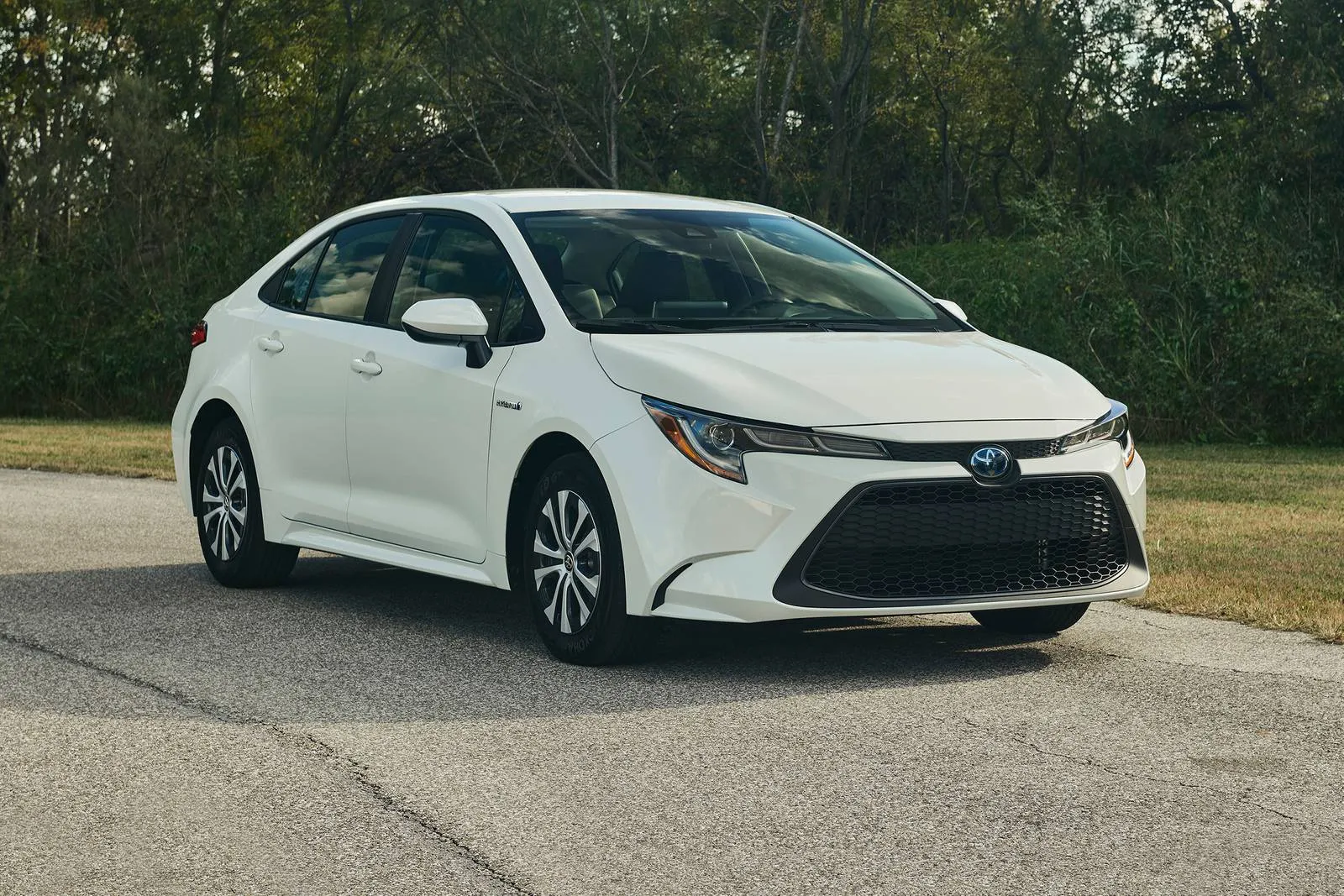
2. Toyota Corolla Hybrid LE
Efficiency meets practicality in the Toyota Corolla Hybrid LE, a model built for students prioritizing low fuel costs and low emissions without sacrificing comfort. The 1.8-liter hybrid engine paired with an electric motor produces smooth acceleration suitable for city streets and suburban commutes.
Power delivery is linear and quiet, which allows stress-free driving between classes and errands. Its hybrid system keeps fuel consumption exceptionally low, making it an economical choice for students on tight budgets, especially during frequent short trips around campus.
The Corolla Hybrid LE handles parking and maneuvering well thanks to its compact dimensions. Tight spaces and busy college parking lots are easier to go through than in larger sedans or crossovers.
Steering is precise, offering confident control through corners and crowded streets, while braking is smooth and predictable. Energy recovery during braking enhances efficiency without sacrificing responsiveness or safety.
Interior space is thoughtfully configured. Front seats are supportive for long study days or weekend trips, while rear seating accommodates passengers comfortably.
Infotainment features include a touchscreen interface, smartphone integration, Bluetooth, and voice commands, all positioned for easy reach to minimize distraction.
Cabin materials feel durable, resisting wear from daily student use, and sound insulation reduces road and engine noise for a more focused drive.
Safety features are comprehensive. Adaptive cruise control, lane departure warning, and automatic emergency braking help maintain confidence in stop-and-go traffic, tight intersections, and busy pedestrian areas.
The hybrid system also eases maintenance concerns as Toyota has a long-standing record for durability and reliability in its hybrid lineup. For students balancing academics, social life, and errands, the Corolla Hybrid LE provides fuel efficiency, comfort, and peace of mind.
Also Read: 5 Cars for Grand Forks Long Winters vs 5 That Corrode Faster
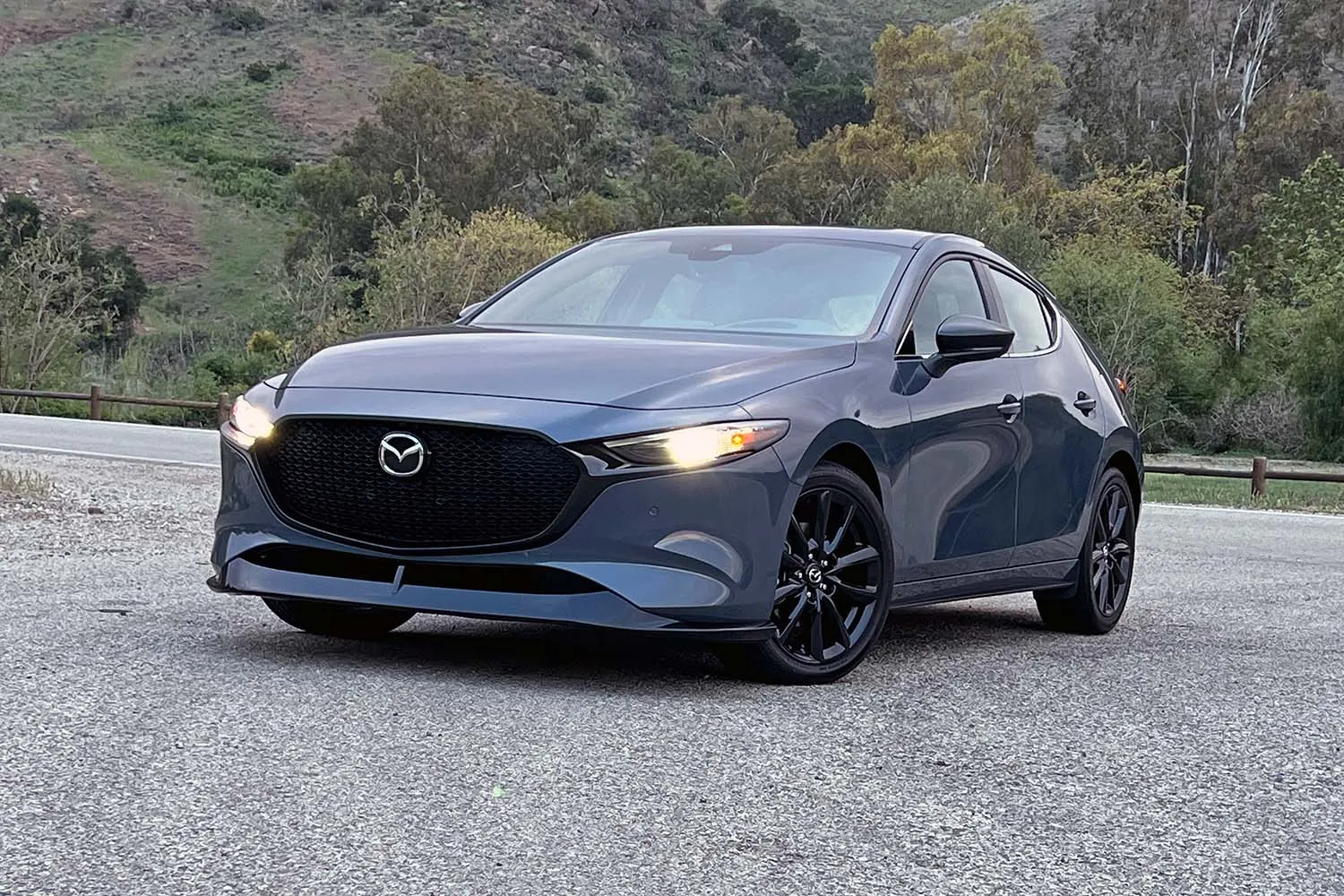
3. Mazda3 Hatchback Preferred
Sporty handling combines with campus practicality in the Mazda3 Hatchback Preferred. Its 2.5-liter naturally aspirated engine delivers spirited performance without sacrificing fuel economy, making it an engaging choice for students who appreciate responsive acceleration and precise steering.
The six-speed automatic transmission moves smoothly, keeping the car composed in city traffic while maintaining stability on open roads. Its small footprint and sharp handling make driving through narrow streets, tight parking areas, and crowded campus lots effortless.
Inside, the Mazda3 Hatchback feels premium compared to other compact cars in its class. Seats provide excellent support for longer drives, while controls are ergonomically placed for easy operation.
The hatchback design enhances cargo flexibility, accommodating backpacks, sports gear, or larger items with ease.
Rear seat space is adequate for friends or study groups, and cabin materials resist wear and tear from daily student life. Technology supports both convenience and safety. Infotainment offers a responsive touchscreen, smartphone integration, and intuitive menu layouts, minimizing distraction.
Safety features such as lane departure warning, blind spot monitoring, and automatic emergency braking help students go through busy streets and intersections with confidence. Suspension tuning balances comfort and sportiness, smoothing city bumps while maintaining stability during cornering or spirited driving.
The Mazda3 Hatchback Preferred stands out for students seeking a compact car that combines efficiency, style, and engagement in one versatile package.
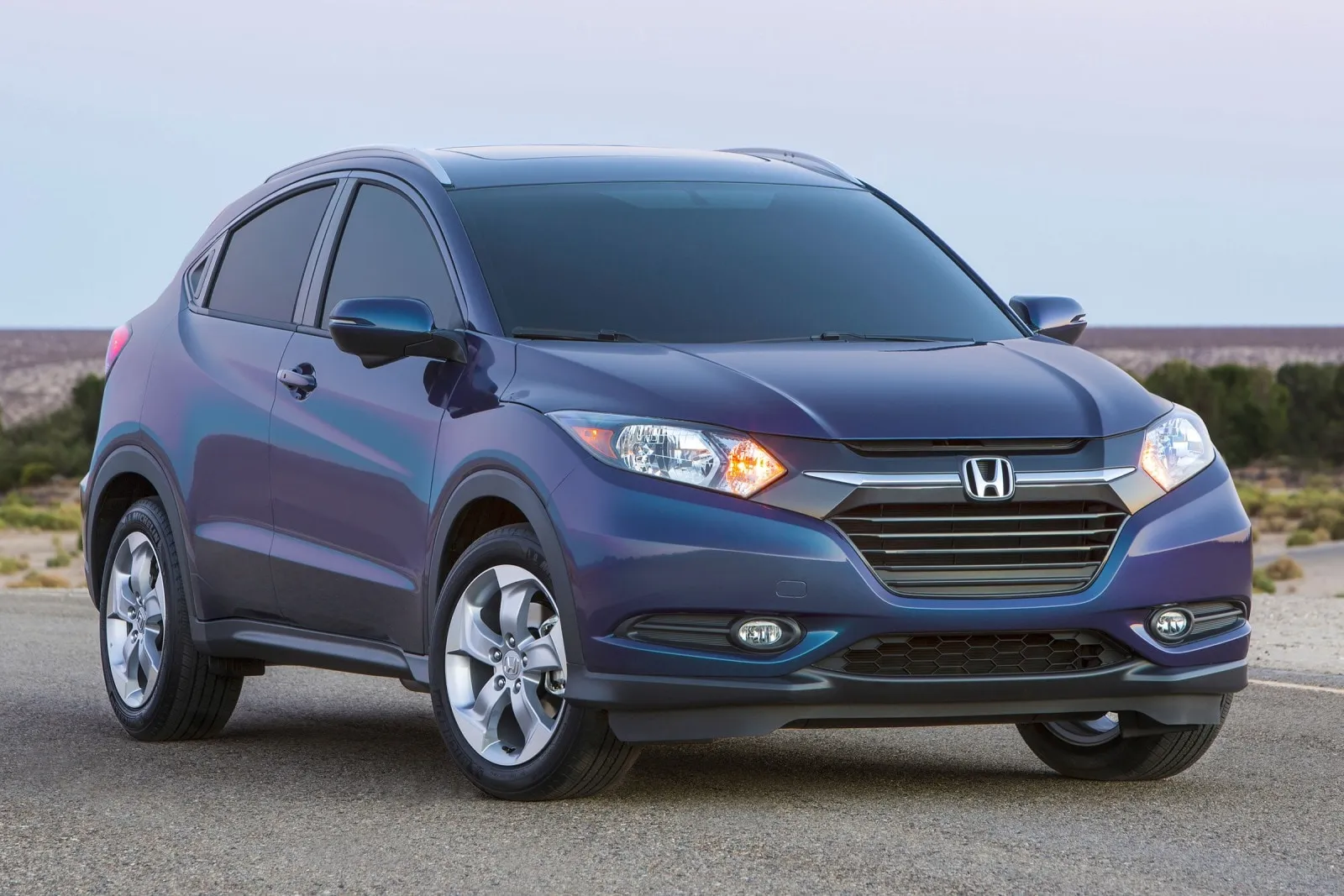
4. Honda HR-V EX
Versatility and compact design define the Honda HR-V EX, making it a strong candidate for students needing both city maneuverability and cargo flexibility. Its 1.8-liter engine delivers consistent power for daily commuting, while smooth automatic transmission adjustments provide predictable acceleration.
Fuel efficiency is reasonable, keeping operating costs manageable for students on a budget, and the small crossover footprint makes parking on crowded streets or lots far less stressful than in larger SUVs. Interior space is cleverly designed.
The Honda “Magic Seat” system allows rear seats to fold flat or flip up, creating multiple configurations for passengers or cargo.
This is especially useful for students carrying sports equipment, large project materials, or extra groceries.
Front seats are supportive, while rear space comfortably fits friends or study partners. Infotainment features are user-friendly, integrating smartphone controls, Bluetooth, and navigation for convenience and safety.
Driving dynamics emphasize stability and control. Steering is precise yet forgiving, brakes are predictable, and suspension absorbs minor road imperfections to enhance ride comfort. Safety technologies, including forward collision warning, lane departure alert, and adaptive cruise control, reduce stress when driving through congested streets, intersections, or crowded parking areas.
The Honda HR-V EX merges practicality, maneuverability, and functionality into a compact package well-suited for college life, offering students a flexible vehicle that adapts to a range of daily needs.
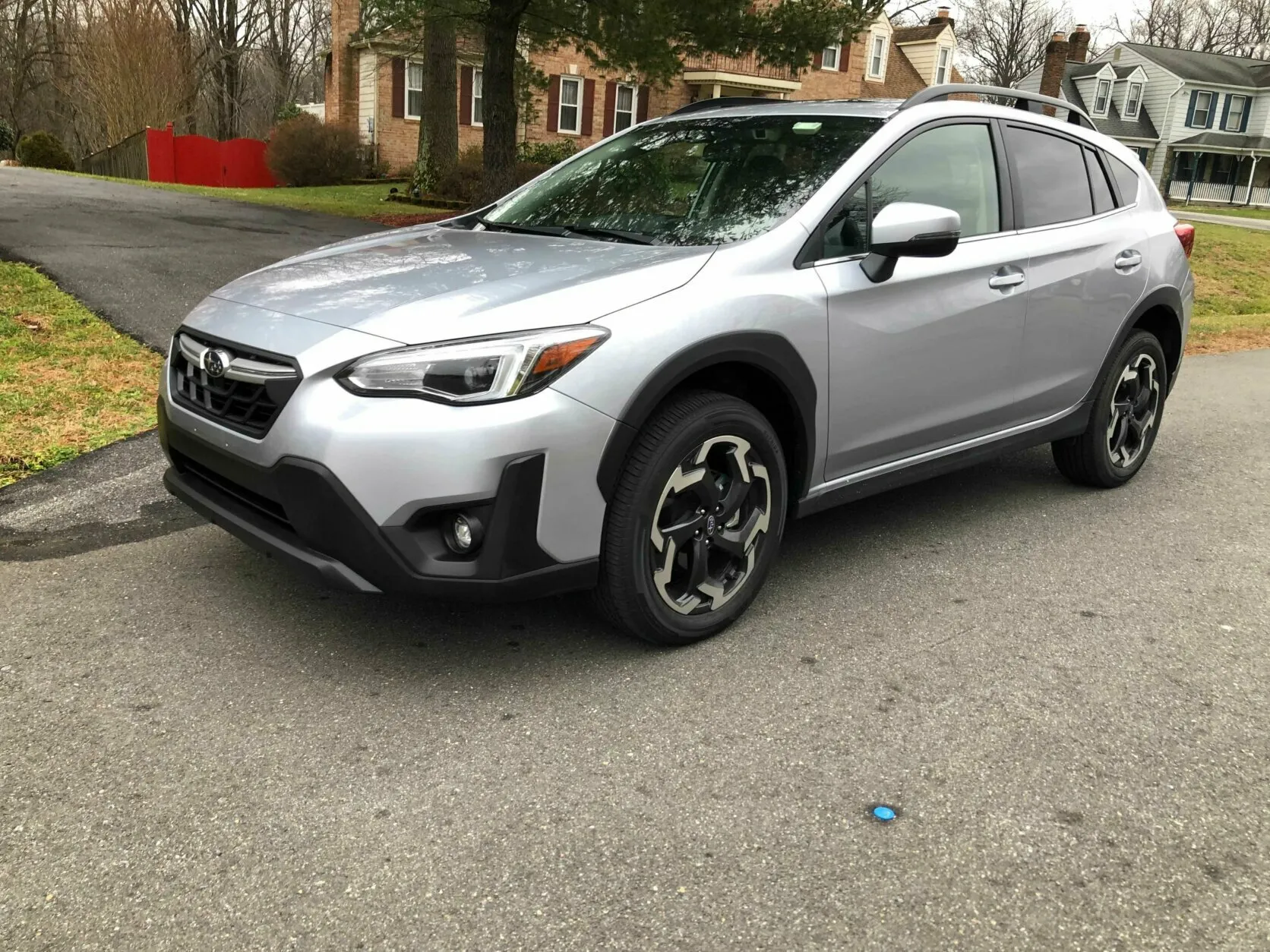
5. Subaru Crosstrek Premium
All-weather capability and compact versatility make the Subaru Crosstrek Premium ideal for students in a region prone to changing weather or unpaved campus parking areas. Its 2.0-liter engine delivers balanced power while all-wheel drive ensures traction on wet or slippery streets.
The continuously variable transmission provides smooth acceleration, while fuel economy remains competitive for a vehicle with AWD capabilities. The Crosstrek feels stable and composed whether driving through city streets, suburban roads, or gravel campus lots.
Inside, cabin space balances comfort and utility. Front seats are supportive for long commutes, while rear space accommodates friends or gear. Cargo capacity expands thanks to fold-flat rear seats, providing room for larger items or weekend trips.
Infotainment systems include touchscreen controls, smartphone integration, and voice-activated commands, making connectivity seamless without distracting the driver. Cabin materials are durable, able to withstand the daily demands of student life.
Driving dynamics favor confidence and control. Steering is precise, suspension smooths minor road imperfections, and brakes feel responsive without being aggressive. Advanced safety features, including adaptive cruise control, pre-collision braking, and lane departure alert, enhance peace of mind on busy streets, providing extra reassurance during rush hours or inclement weather.
For students needing a compact, capable, and versatile crossover, the Subaru Crosstrek Premium provides a balanced mix of comfort, safety, and reliability.
5 Cars That Students Should Avoid
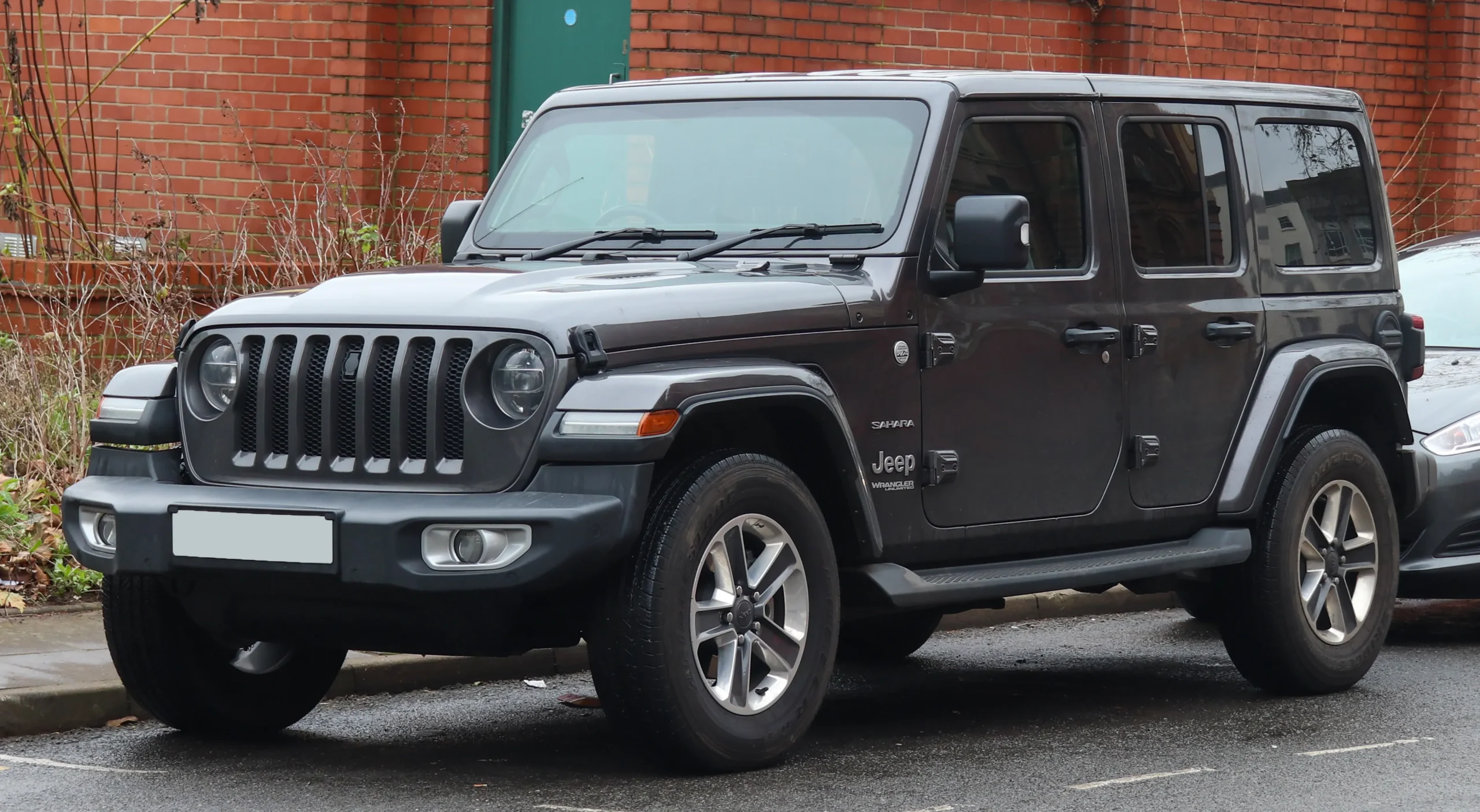
1. Jeep Wrangler Sport
The Jeep Wrangler Sport carries a reputation for ruggedness, but that toughness comes at a cost for students driving through college town streets.
Its high center of gravity and body-on-frame construction make handling in tight areas cumbersome, while parking in crowded campus lots becomes a daily challenge.
Acceleration is slower compared to compact sedans or crossovers, especially when carrying passengers or gear. Short, steep hills or stop-and-go traffic can reveal how the Wrangler’s engine and transmission struggle to deliver smooth and predictable power in urban environments.
Fuel efficiency is low, which becomes noticeable for students making frequent trips between classes, errands, or weekend activities. The four-wheel-drive system, while advantageous off-road, adds mechanical complication and weight that reduces performance in city driving.
Steering can feel heavy at lower speeds, and maneuvering around sharp corners or narrow streets demands heightened attention and effort. Braking distances are longer compared to smaller, lighter vehicles, increasing the potential for minor mishaps in congested parking lots or intersections.
Interior comfort also falls short for daily commuting. Seats are less cushioned than many midsize sedans, and cabin noise can be intrusive, particularly on highways or during cold starts.
Cargo space is flexible with removable components, but storage solutions are less practical for student life, as awkward folding configurations and limited interior storage reduce convenience.
Infotainment and technology systems are standard in lower trims, limiting connectivity options for navigation, music, or hands-free communication.
Maintenance and repair costs can become an issue. Wrangler parts, especially for older models, may be more expensive or require dealer-only servicing, creating additional strain on student budgets.
While the Jeep Wrangler Sport excels off-road or on weekend adventures in rugged roads, its combination of low fuel efficiency, urban handling challenges, and limited interior practicality makes it a poor fit for campus commuting.
Students who prioritize comfort, maneuverability, and operational simplicity will find daily drives with a Wrangler far more taxing than with compact or crossover alternatives.
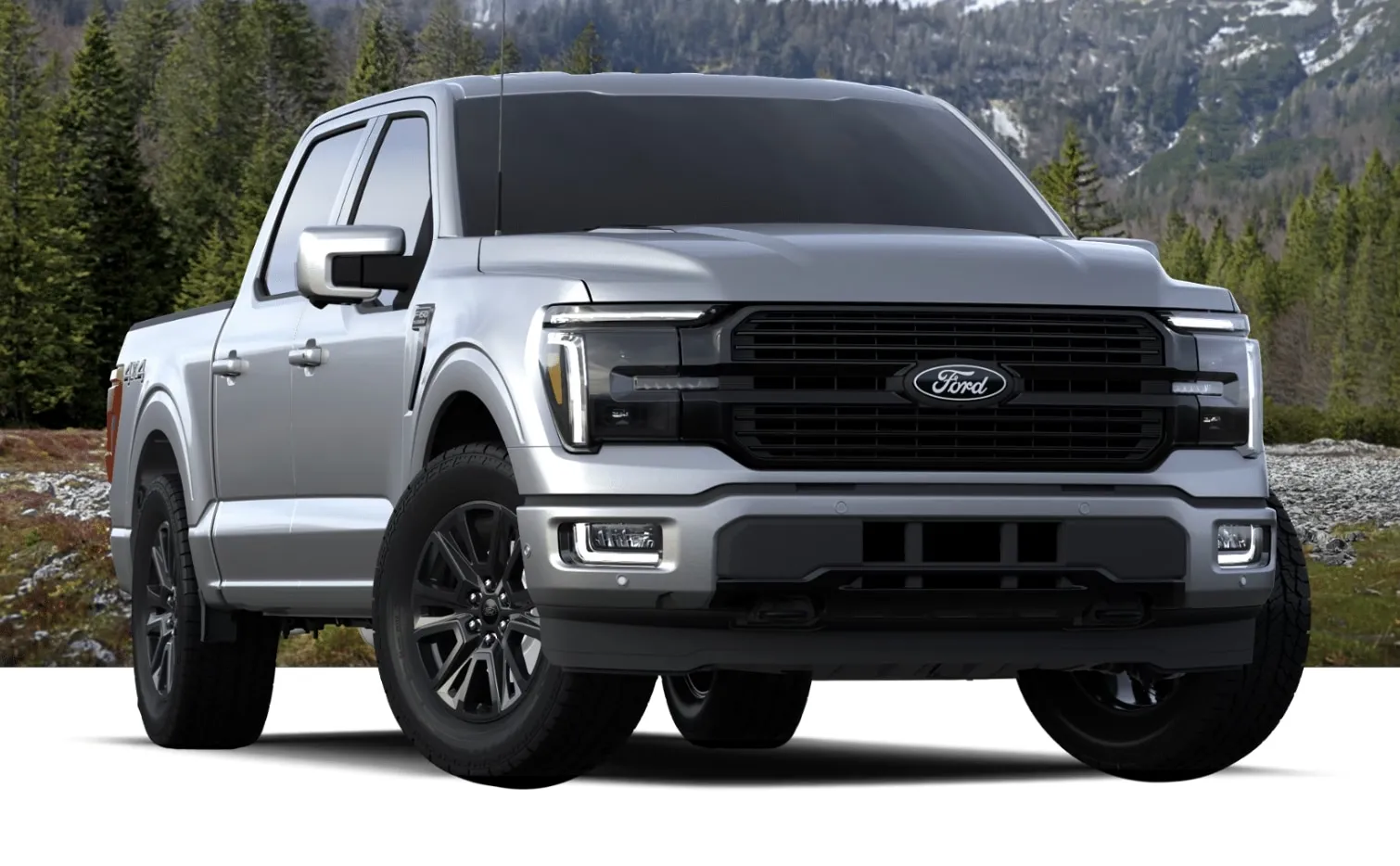
2. Ford F-150 XL
The Ford F-150 XL is a full-size pickup truck that excels at hauling and towing, but for students in tight college towns, it presents a series of challenges. Its large dimensions make parking a frequent headache, with tight streets and crowded lots often limiting maneuvering options.
While the 3.3-liter V6 engine provides strong towing capability, acceleration in urban stop-and-go traffic feels ponderous. Long stops at intersections or heavy traffic can make the truck feel sluggish and harder to control compared to smaller, lighter vehicles.
Fuel economy is a major concern. Even newer models struggle to stay under 20 miles per gallon, which quickly adds up for students making multiple short trips per day. The high ride height can be intimidating for inexperienced drivers, and entry or exit requires extra effort, particularly for those carrying backpacks or other items.
Handling is less responsive in corners, and braking distances are extended due to the vehicle’s weight, increasing the importance of cautious driving in congested areas. Interior space is generous, but the cabin layout favors utility over refinement.
Basic trims lack the advanced infotainment and connectivity features found in smaller sedans or crossovers, making navigation, phone integration, or entertainment less intuitive.
Cargo capability is excellent for large items, but the bed is impractical for routine student needs, often requiring a separate cover or organization system for smaller items.
Maintenance costs can strain a student’s budget, with parts such as tires, brakes, and suspension components more expensive than compact alternatives.
While the Ford F-150 XL is a workhorse for hauling and outdoor projects, the combination of poor fuel efficiency, difficult urban handling, and impracticality for small cargo makes it an ill-suited choice for Columbia College commuting. Students who prioritize agility, economy, and everyday usability will find this truck cumbersome for daily life.
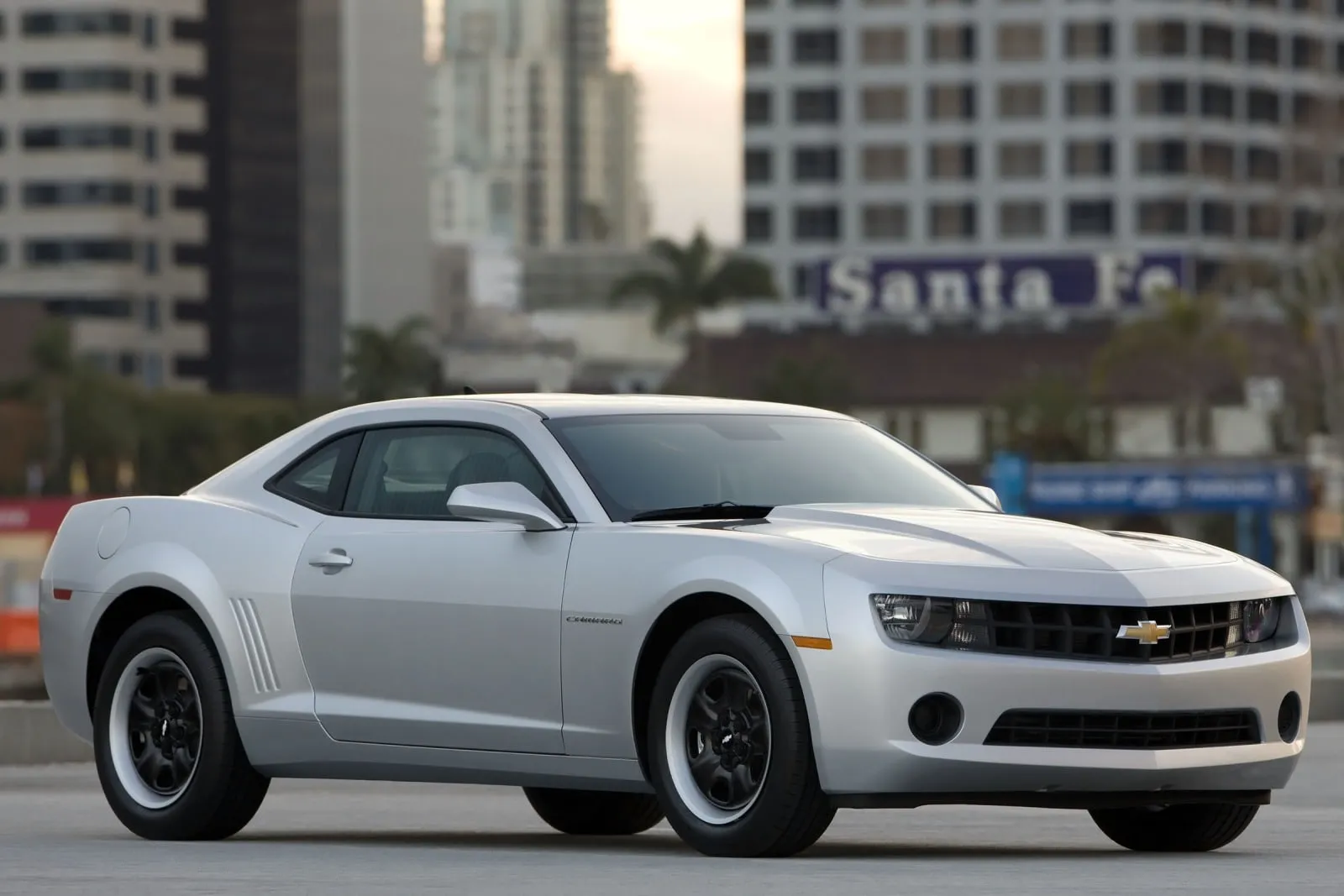
3. Chevrolet Camaro LS
The Chevrolet Camaro LS offers sporty appeal, but its performance characteristics and urban practicality make it a challenging vehicle for students. Its low-slung design reduces visibility, making city traffic, pedestrians, and tight parking more difficult to judge.
The 2.0-liter turbocharged engine delivers strong acceleration in theory, yet in stop-and-go city traffic, the car can feel jerky due to transmission tuning and low-speed throttle response.
Steering is precise, but the sharp handling demands constant attention when negotiating congested streets or crowded lots. Fuel economy is lower than many compact sedans, particularly if the car is driven aggressively or used for weekend trips.
Cabin comfort is compromised by stiff sport-tuned suspension, which transmits road imperfections and bumps directly to occupants.
Limited rear-seat space and a shallow trunk reduce practicality for carrying friends, groceries, or dorm supplies. Infotainment and technology features are adequate, yet integration can feel cramped due to the narrow interior and lower roofline.
Maneuvering is further complicated by wide turning circles and limited parking sensors or assistance in base trims.
Entry and exit can be awkward for taller students, and visibility through side and rear windows is constrained. The Camaro LS requires heightened awareness in urban conditions, increasing stress and fatigue during daily commuting.
Additionally, repair and maintenance costs, including tires and brakes designed for sporty performance, are higher than those for more student-friendly cars.
While the Chevrolet Camaro LS excels as a weekend performance car or for drivers prioritizing style and acceleration, its compromises in comfort, practicality, and efficiency make it a less suitable choice for college students.
In a setting with narrow streets, frequent stops, and limited parking, the Camaro demands patience and vigilance, which can distract from the daily demands of campus life.
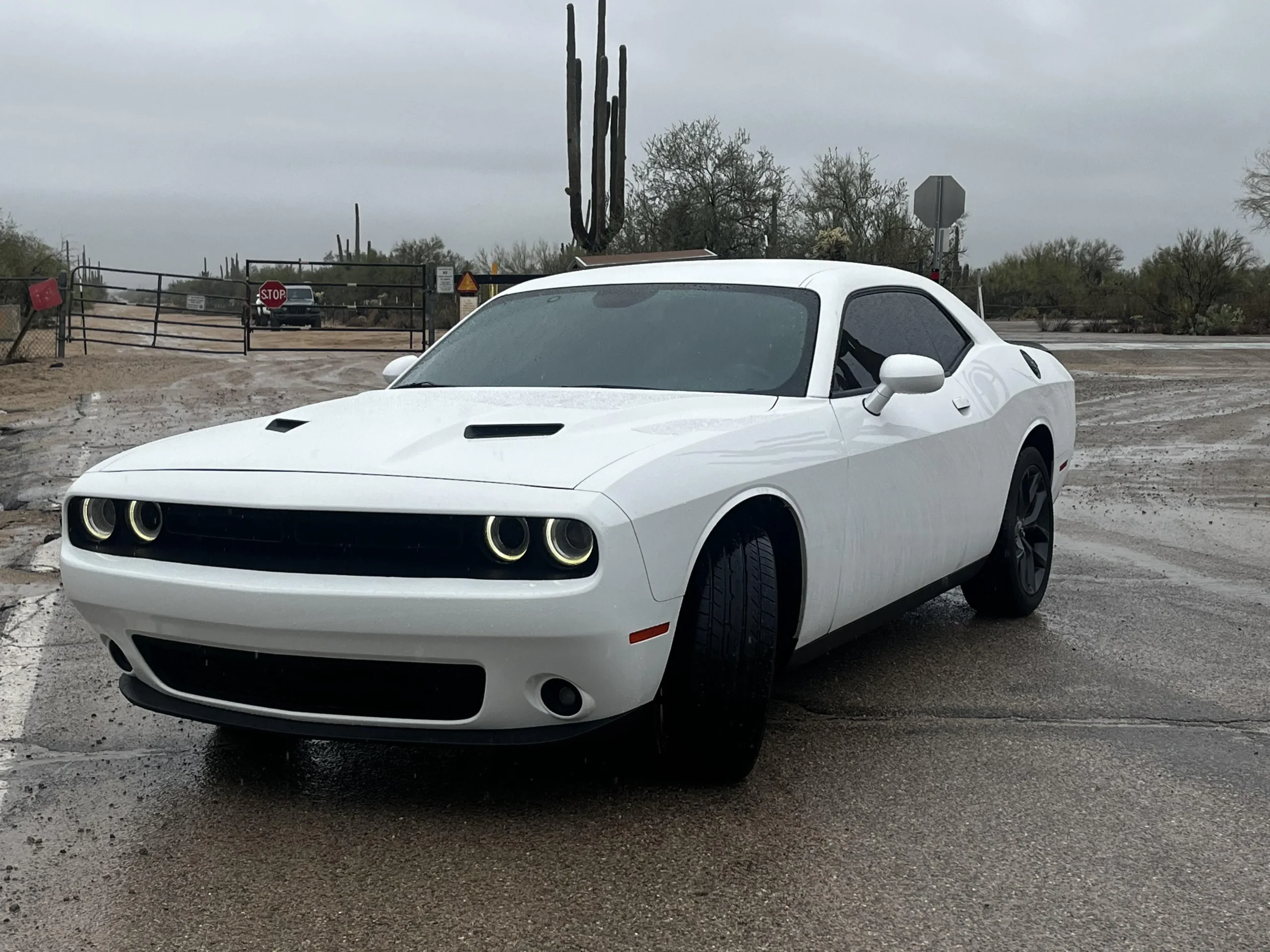
4. Dodge Challenger SXT
At first glance, the Dodge Challenger SXT looks like a dream car. It’s bold, muscular, and clearly built for drivers who enjoy the feel of open highways and strong performance.
However, when that same car is dropped into a college-town environment filled with tight streets, crowded parking lots, and constant stop-and-go traffic, its weaknesses become much more noticeable.
The Challenger’s large footprint is one of its biggest drawbacks for student life. Its long body and wide stance make parking stressful, especially in compact campus garages or older apartment lots designed for smaller vehicles.
Maneuvering through narrow streets or squeezing into tight spots often requires extra patience and skill, which can quickly become frustrating during a busy school week.
Under the hood, the 3.6-liter V6 engine delivers solid power and smooth acceleration, particularly on highways. While this is great for road trips or long drives home, that power feels less useful in city driving.
Frequent stops, low-speed turns, and heavy traffic highlight the car’s size and weight, making it feel slower and less agile than smaller sedans or compact crossovers that are better suited to urban environments.
Fuel efficiency is another concern. Short trips around town and frequent weekend commuting cause fuel costs to add up quickly. For students managing tight budgets, regular fill-ups can become a financial burden.
The suspension, tuned more for performance than comfort, also struggles on uneven city roads, sending bumps and potholes straight into the cabin.
Combined with a wide turning radius, everyday driving can feel more demanding than it should. Inside, the Challenger prioritizes front-seat comfort, which leaves rear passengers with limited space. This makes group trips or carpooling less practical.
While the trunk can handle luggage, its shape isn’t ideal for daily student needs like groceries, sports equipment, or bulky project materials. Technology features are decent, but visibility can feel restricted in busy urban settings.
Maintenance costs further reduce its appeal. Performance-oriented parts mean higher expenses for tires, brakes, and routine servicing.
While the Dodge Challenger SXT shines as a highway cruiser or weekend car, its size, fuel consumption, and urban driving challenges make it a less practical choice for students who rely on a car for everyday campus life.
Also Read: 10 Cars With The Most Reliable AWD Systems vs 10 That Fail Often
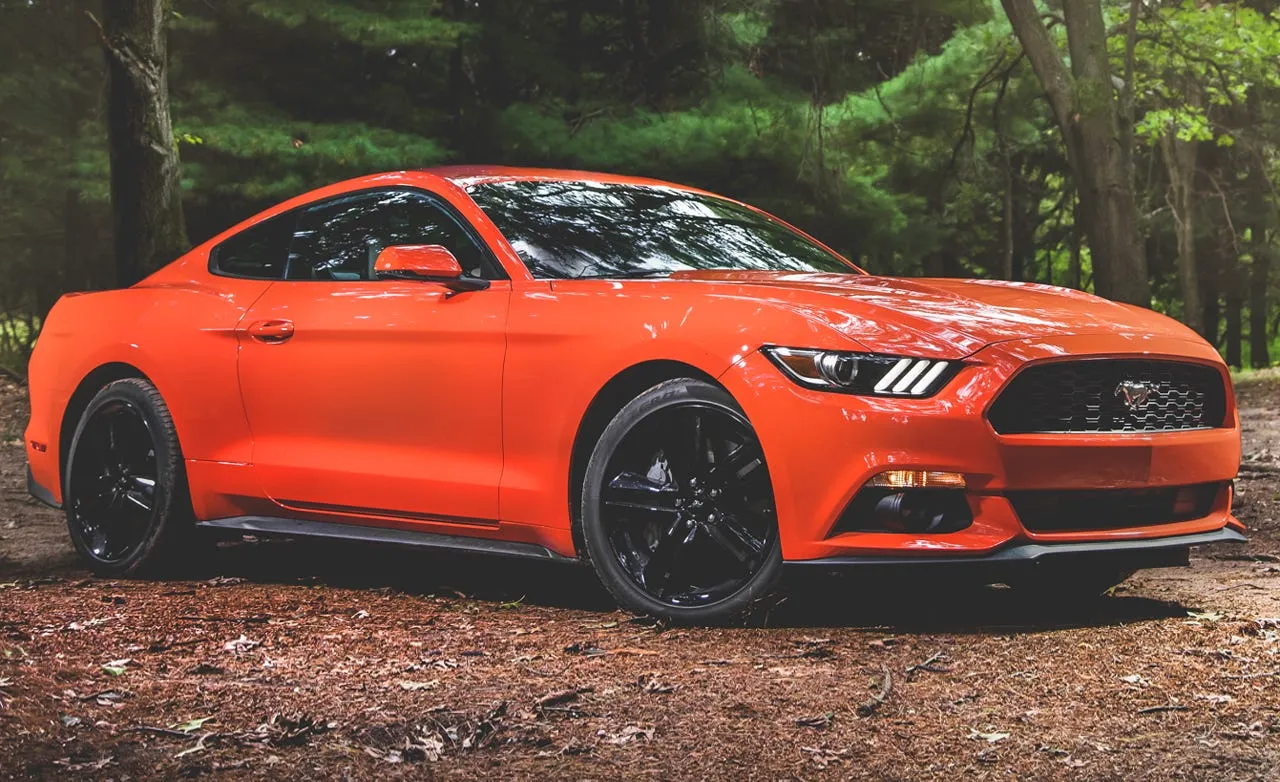
5. Ford Mustang EcoBoost
The Ford Mustang EcoBoost combines sporty styling with turbocharged performance, yet it struggles to meet the practical demands of student life. Its low-slung body and wide frame reduce maneuverability in tight streets and make parallel parking a challenge.
While the 2.3-liter turbocharged engine provides strong acceleration and highway passing power, city traffic exposes transmission delays and torque delivery that require careful modulation at lower speeds. Stop-and-go commuting can feel less smooth than in a compact car or crossover.
Fuel efficiency is moderate but less forgiving for students making multiple short trips per day. Ride quality is firm, with a sport-tuned suspension that transmits bumps and imperfections, making daily drives less comfortable.
Rear seating is cramped, offering limited space for friends, while the trunk accommodates minimal cargo. Infotainment features are available but may feel constrained by the interior layout, reducing convenience for college errands or group travel.
Handling requires constant attention in urban environments due to wide turning circles and reduced visibility. The Mustang EcoBoost is better suited for open roads where performance can be enjoyed, but city streets amplify its shortcomings.
Repairs and maintenance can also be costly due to performance tires, brakes, and engine components. Students seeking reliability, economy, and practicality for daily commuting will likely find the Mustang EcoBoost a challenging choice for campus life.
