
Lafayette, Louisiana, presents unique challenges for vehicle owners. While not directly on the coast, this vibrant city sits in the heart of Cajun country, where humid subtropical climate, proximity to the Gulf of Mexico, and frequent exposure to saltwater conditions create an environment that can be particularly harsh on automobiles.
The combination of high humidity levels, seasonal flooding, and salt-laden air means that choosing the right vehicle isn’t just about style or performance it’s about longevity and durability.
For residents of Lafayette and surrounding coastal areas, understanding which vehicles can withstand these conditions is crucial to making a smart automotive investment.
Some vehicles are engineered with superior rust-proofing, corrosion-resistant materials, and protective coatings that help them thrive in coastal environments.
These cars feature galvanized steel bodies, advanced drainage systems, and rustproofing treatments that create barriers against moisture and salt intrusion.
Conversely, certain vehicles have earned notorious reputations for succumbing quickly to rust and corrosion in humid, coastal climates. These cars often lack adequate protective measures, use inferior materials, or have design flaws that trap moisture in critical areas.
Understanding which vehicles fall into each category can save Lafayette residents thousands of dollars in repairs and help them avoid the heartbreak of watching their investment deteriorate prematurely. This guide will explore five excellent choices for coastal living and five vehicles you should approach with caution.
5 Cars Perfect for Lafayette’s Coastal Life
These exceptionally corrosion-resistant vehicles feature comprehensive rust protection and sealed components perfectly suited for South Louisiana’s brutal humidity and proximity to coastal wetlands, maintaining structural integrity through years of Acadiana living without the accelerated deterioration typically destroying unprotected vehicles in Gulf region climates.
Their thoughtful engineering includes galvanized body panels and marine-grade electrical connections that resist the relentless moisture and salt exposure found in vehicles going through the daily Vermilion Bay crossings, frequent Cypremort Point beach trips, and constant Lafayette humidity hovering near 100 percent during summer months.
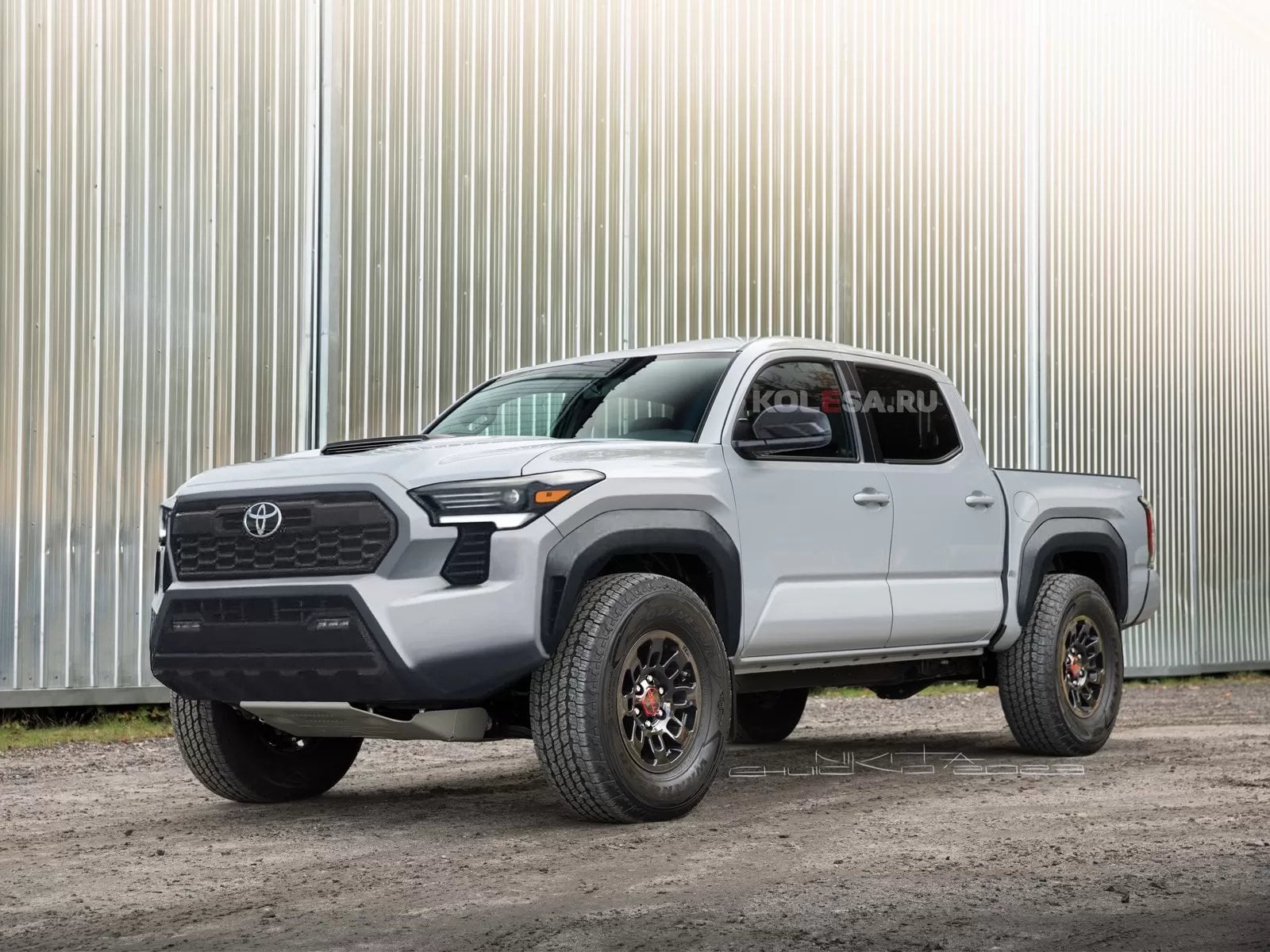
1. Toyota Tacoma (2016-Present)
The Toyota Tacoma has established itself as the gold standard for durability in challenging environments, making it an exceptional choice for Lafayette’s coastal conditions.
Toyota’s commitment to rust prevention is evident throughout the Tacoma’s construction, with the manufacturer employing a comprehensive multi-stage rustproofing process that includes galvanized steel panels and extensive undercoating applications.
What sets the Tacoma apart is its engineered approach to corrosion resistance. The frame receives a specialized corrosion-resistant coating during manufacturing, while the body panels are treated with multiple protective layers.
Toyota uses a cathodic electrodeposition process that ensures even hard-to-reach areas receive adequate protection. The truck’s boxed frame design minimizes moisture accumulation by incorporating drainage holes at strategic locations, preventing water from pooling in vulnerable areas.
The Tacoma’s suspension components are also designed with coastal environments in mind. Sealed bearings, protective boots on ball joints, and corrosion-resistant coatings on control arms help these critical components resist salt and moisture damage.

The exhaust system utilizes stainless steel construction in key areas, significantly extending its lifespan compared to mild steel alternatives commonly found on less expensive vehicles.
Beyond its rust-resistant construction, the Tacoma’s reliability makes it ideal for Lafayette residents who need dependable transportation in all conditions.
Whether going through the flooded streets during heavy rain or hauling boats to nearby coastal access points, the Tacoma handles these demands while maintaining its structural integrity. The truck’s high ground clearance provides additional protection by keeping vital components away from standing water and road spray.
Toyota’s reputation for long-term durability is well-documented, with many Tacomas remaining on the road well past 200,000 miles even in coastal regions.
Owners in humid climates consistently report minimal rust issues, even on older models. The combination of thoughtful engineering, quality materials, and proven construction techniques makes the Tacoma a smart investment for anyone living in Lafayette’s challenging automotive environment.
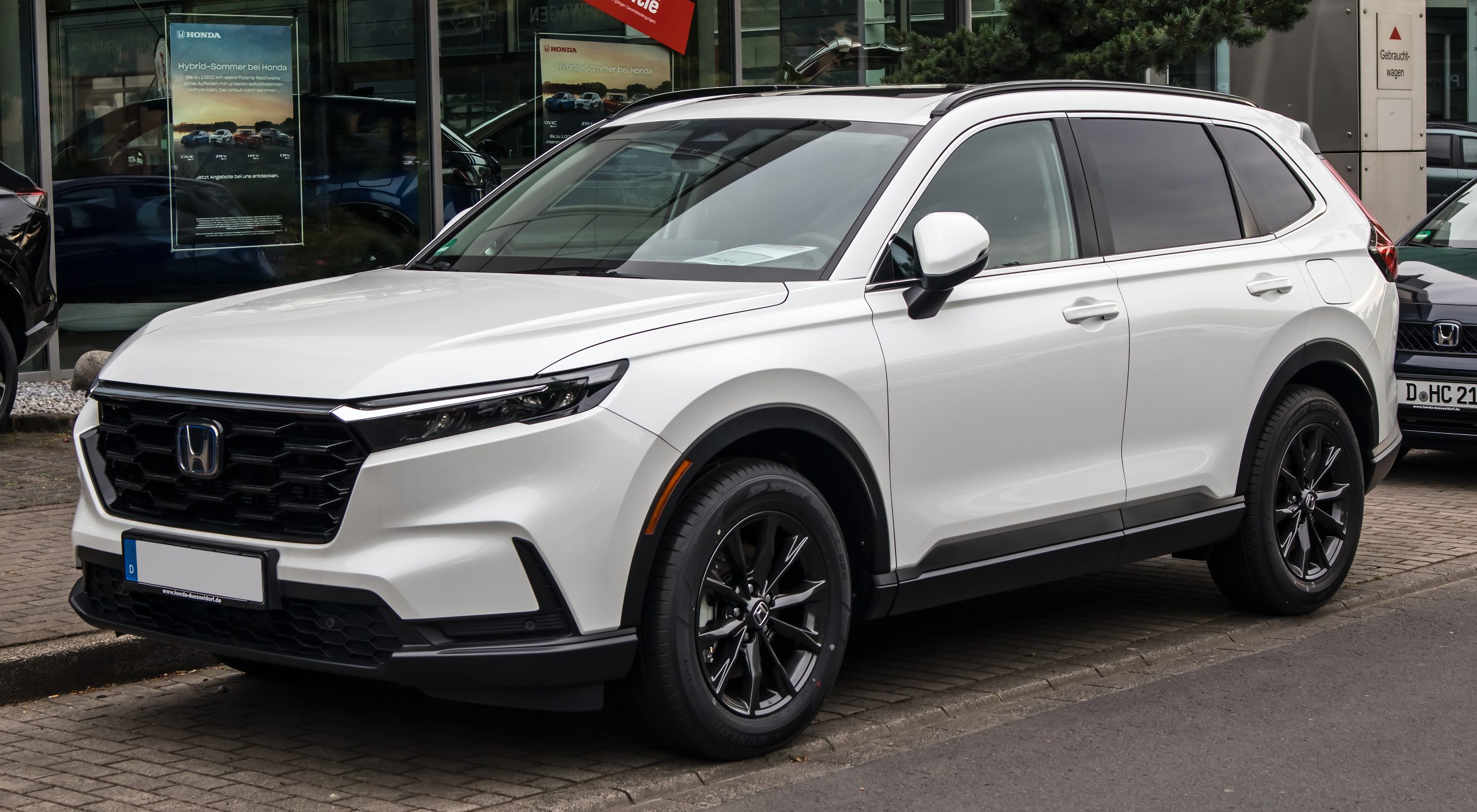
2. Honda CR-V (2017-Present)
The Honda CR-V represents another excellent choice for coastal living, combining Honda’s legendary reliability with thoughtful rust prevention measures.
Honda engineers understand that modern vehicles need comprehensive protection against corrosion, and the CR-V demonstrates this understanding through its construction quality and material selection.
Honda employs extensive use of galvanized steel throughout the CR-V’s body structure, with particular attention to areas prone to rust formation such as wheel wells, rocker panels, and the undercarriage.
The galvanization process creates a zinc coating that acts as a sacrificial barrier, corroding preferentially to the underlying steel and thereby protecting the vehicle’s structural integrity. This proven technology has helped countless CR-Vs survive coastal conditions that would quickly degrade lesser vehicles.
The CR-V’s design philosophy emphasizes practical durability over flashy features. The crossover’s body panels are designed to shed water efficiently, with careful attention to seam sealing and drainage paths.
Honda uses high-quality sealants that remain flexible over time, preventing cracking that could allow moisture intrusion. The vehicle’s underbody receives a comprehensive coating during manufacturing that protects against both corrosion and road debris damage.
One often-overlooked advantage of the CR-V is its aluminum hood, which naturally resists rust formation. While the hood may seem like a minor consideration, it’s a frequently exposed component that can develop rust on vehicles with inadequate protection.
The CR-V’s hood will maintain its appearance and structural integrity even after years of exposure to humid, salt-laden air. The CR-V’s mechanical components also benefit from corrosion-resistant treatments.
Brake components feature protective coatings, while the exhaust system uses corrosion-resistant materials that extend its service life. The vehicle’s excellent build quality means that body panels fit precisely, minimizing gaps where water could accumulate and cause damage.
For Lafayette residents seeking a reliable, rust-resistant family vehicle with excellent resale value, the CR-V delivers on all fronts while providing the cargo space and fuel efficiency that modern families demand.
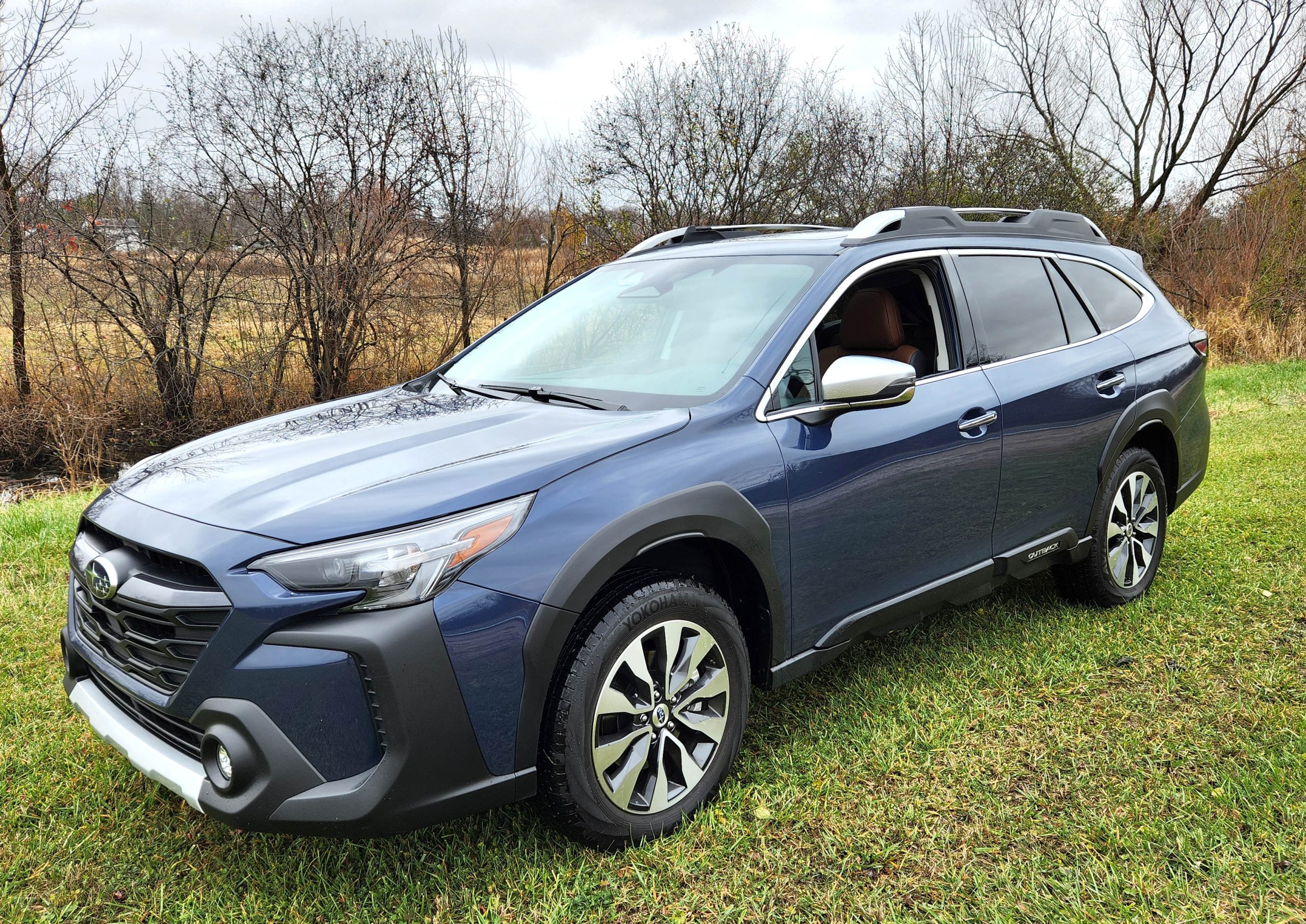
3. Subaru Outback (2015-Present)
The Subaru Outback might seem like an unconventional choice for Louisiana’s coastal regions, but this versatile wagon offers exceptional corrosion resistance that makes it ideally suited for Lafayette’s climate.
Subaru has long been a leader in rustproofing technology, developing their protection systems through decades of experience in salt-heavy northern climates where rust prevention is absolutely critical for survival.
Subaru’s approach to rust prevention is comprehensive and methodical. The Outback undergoes a multi-step anti-corrosion process that begins with zinc-phosphate coating applied to bare metal surfaces.
This chemical treatment creates a conversion coating that provides excellent adhesion for subsequent protective layers while offering its own corrosion resistance.
Following this initial treatment, the body receives an electro-coating primer that reaches even the most difficult-to-access areas through an electrodeposition process, ensuring complete coverage.
The Outback’s body structure incorporates extensive use of high-strength steel with superior rust-resistant properties. Subaru pays particular attention to vulnerable areas like door sills, tailgate edges, and the rear quarter panels, regions where many vehicles first show rust damage.
These areas receive additional sealant applications and protective coatings during manufacturing. The vehicle’s floor pans and structural members are similarly protected with thick undercoating that resists chipping and provides long-lasting barrier protection.
One distinctive advantage of the Outback is its standard all-wheel-drive system, which makes it exceptionally capable in Lafayette’s occasional flood conditions.
The higher ground clearance keeps critical components away from standing water, while the AWD system provides confident traction on wet or muddy surfaces.
This capability means Lafayette residents can go through challenging conditions without subjecting their vehicle to excessive water exposure that could compromise less capable vehicles.
The Outback’s proven durability in coastal New England states, where salt exposure from winter road treatments creates brutal conditions, translates perfectly to Louisiana’s humid, salt-air environment.
Owners consistently report that even older Outbacks show minimal rust development, maintaining their structural integrity and appearance far longer than comparable vehicles from other manufacturers.
4. Chevrolet Silverado 1500 (2019-Present)
General Motors has made significant strides in rust prevention technology with recent Silverado generations, making the 2019-and-newer models excellent choices for coastal environments.
The modern Silverado incorporates lessons learned from previous generations’ rust issues, resulting in a truck that can handle Lafayette’s challenging conditions while maintaining its value and appearance.
The current Silverado benefits from GM’s enhanced corrosion protection program, which includes comprehensive galvanized steel usage throughout the cab and bed structure.
The truck’s body panels receive multiple protective coatings, starting with electrocoat primer that provides uniform coverage even in complex geometries. This electrocoating process ensures that hidden areas inside doors, rockers, and structural cavities receive the same protection as visible exterior surfaces.
Chevrolet pays particular attention to the Silverado’s bed construction, recognizing that truck beds endure harsh treatment from cargo, tools, and exposure to the elements.
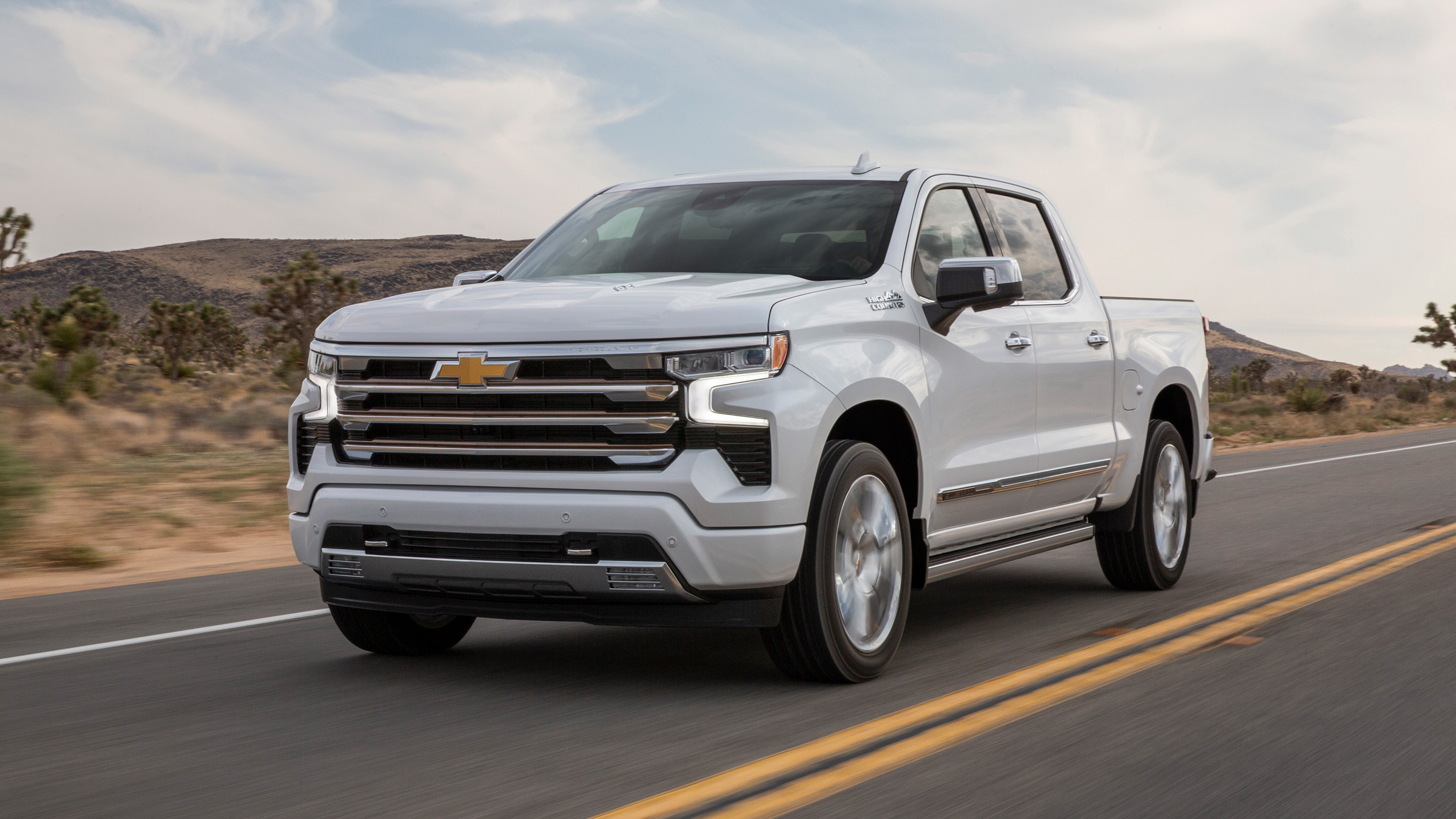
The bed features an integrated spray-on bedliner option that provides exceptional protection against both impact damage and corrosion. Even models without this option receive protective coatings on the bed floor and sides that resist rust formation.
The tailgate, a notorious rust-prone area on older trucks, incorporates drainage channels and protective treatments that keep it functioning and looking good for years.
The Silverado’s frame is perhaps its most critical rust-protected component. GM uses a fully boxed frame design with strategic drainage holes that prevent water accumulation.
The frame receives extensive undercoating and protective treatments during manufacturing, with particular attention to mounting points, crossmembers, and other areas where brackets or components might trap moisture.
This comprehensive approach to frame protection helps ensure the truck’s structural integrity remains intact even after years of exposure to humid conditions.
Modern Silverados also feature improved electrical system protection, with sealed connectors and weather-resistant wiring harnesses that prevent corrosion-related electrical issues.
For Lafayette residents who need a capable, comfortable full-size truck that will withstand coastal conditions, the current Silverado delivers impressive durability alongside the features and capabilities expected from America’s best-selling truck line.
Also Read: 5 Cars for Sarasota Family Trips and 5 That Don’t Fit Roof Racks
5. Mazda CX-5 (2017-Present)
Mazda has earned recognition as an industry leader in rust prevention, and the CX-5 showcases the company’s commitment to long-term durability.
Mazda’s transformation in recent years has included significant investment in anti-corrosion technology, with the modern CX-5 benefiting from some of the automotive industry’s most advanced protective treatments.
The CX-5’s exceptional rust resistance begins with Mazda’s multi-layer protection process. The body structure receives an electrophoretic anti-corrosion coating that penetrates complex shapes and hidden areas, ensuring comprehensive protection that hand-applied coatings cannot match.
Following this electrocoat primer, Mazda applies additional protective layers including chip-resistant undercoating on vulnerable underbody areas.
The company uses advanced sealants at all panel joints and seams, preventing moisture intrusion that could lead to rust formation from the inside out.
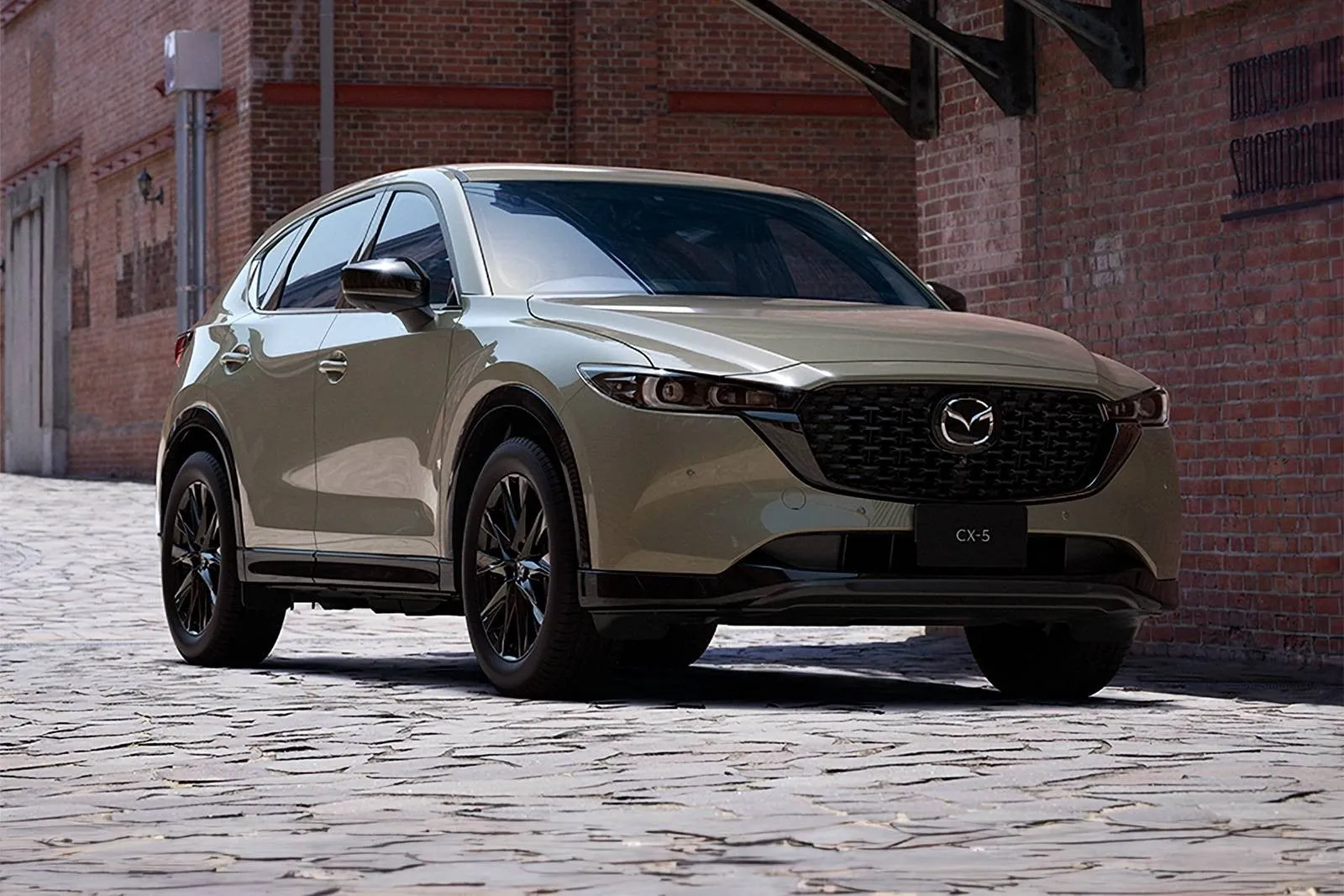
Mazda’s attention to detail extends to design elements that promote rust prevention. The CX-5’s body panels are shaped to encourage water runoff rather than accumulation, with strategic drainage paths that channel moisture away from vulnerable areas.
Door sills and rocker panels, typically early rust spots on poorly protected vehicles, receive extra protection through additional coating layers and improved sealing. The wheel wells feature protective liners that prevent road debris and salt spray from contacting painted surfaces.
The CX-5’s commitment to quality materials shows in details throughout the vehicle. High-grade steel with superior corrosion resistance forms the body structure, while exterior trim pieces use materials that naturally resist oxidation and degradation.
Even the vehicle’s fasteners receive corrosion-resistant coatings, preventing the rust staining that appears around bolts and screws on less carefully engineered vehicles.
For Lafayette residents seeking a stylish, well-appointed crossover that will maintain its appearance and value in coastal conditions, the CX-5 represents an outstanding choice.
The combination of Mazda’s industry-leading rust prevention, excellent build quality, and engaging driving dynamics creates a vehicle that excels both as reliable transportation and as a long-term investment that resists the environmental challenges unique to Louisiana’s coastal regions.
5 Cars That Rust Fast in Coastal Environments
These rapidly deteriorating vehicles suffer from minimal corrosion protection and exposed metal components that create catastrophic rust damage within just years of Lafayette-area exposure, transforming solid transportation into structurally compromised disasters requiring premature replacement due to South Louisiana’s uniquely destructive climate conditions.
Their problematic construction includes unprotected steel frames and poorly sealed wiring harnesses that cannot withstand Acadiana’s relentless 80-percent average humidity combined with occasional saltwater exposure, leading to devastating frame rot, brake line corrosion, and complete electrical system failures from moisture infiltration accelerated by swamp air.
1. Nissan Frontier (2005-2021)
The Nissan Frontier earned an unfortunate reputation as one of the most rust-prone trucks available during its remarkably long production run. While the Frontier offered decent capabilities and value when new, its susceptibility to rapid corrosion makes it a poor choice for Lafayette’s coastal environment.
Owners in humid, salt-exposed regions have reported significant rust problems developing within just a few years of ownership. The Frontier’s rust issues stem from several fundamental problems with its construction and protective coatings.
The frame, which should be a truck’s most durable component, has proven particularly vulnerable to corrosion. Many owners report rust forming on frame rails, crossmembers, and mounting brackets, with some cases becoming severe enough to compromise structural integrity.
The problem is exacerbated by the frame’s boxed construction, which traps moisture inside the frame rails where it cannot easily evaporate. Insufficient drainage holes and inadequate internal coating allow this trapped moisture to cause rust from the inside out.
The Frontier’s body panels also demonstrate poor rust resistance compared to competitors. The bed is especially problematic, with owners reporting rust appearing along the bed rails, tailgate, and bed floor even when the truck sees only light use.
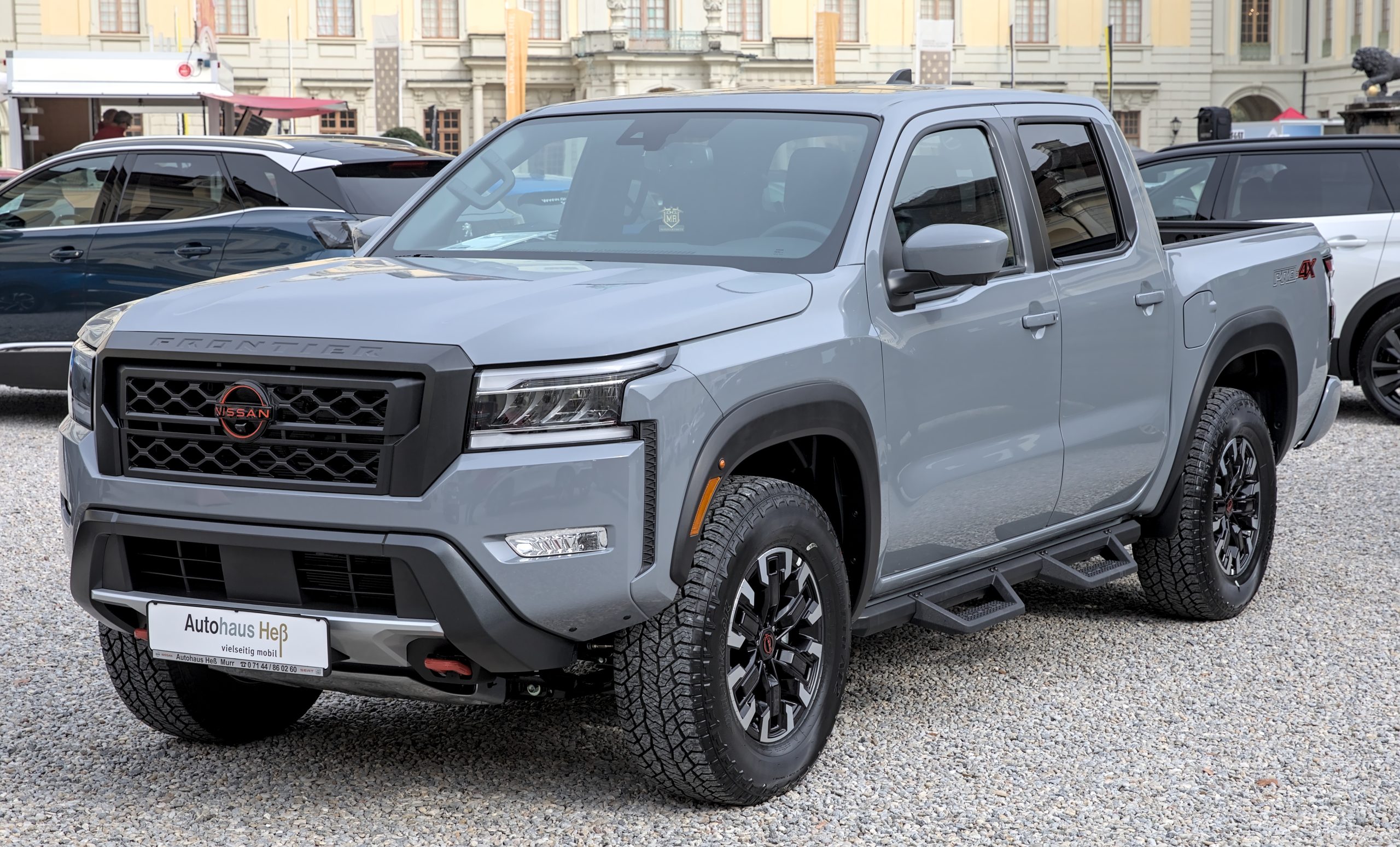
The protective coating on bed surfaces appears insufficient for humid climates, with the paint and underlying treatments breaking down relatively quickly. Once rust begins, it spreads rapidly across affected panels.
Suspension mounting points and brake components have also shown premature rust formation on Frontiers operated in coastal areas.
The rust on suspension components isn’t merely cosmetic it can affect safety by weakening critical mounting points or causing components to seize.
Brake lines and fuel lines running along the frame are vulnerable to corrosion damage, potentially leading to expensive repairs or dangerous failures.
The undercoating applied during manufacturing appears thin and inadequate for harsh environments. Road debris and salt spray quickly penetrate this minimal protection, allowing rust to form on the undercarriage.
For Lafayette residents, the Frontier represents a vehicle that may seem like an affordable option initially but will likely require expensive rust repairs or replacement far sooner than better-protected alternatives, making it a poor long-term investment despite its initial appeal.
2. Jeep Wrangler (2007-2018 JK Generation)
The Jeep Wrangler JK generation has developed a problematic reputation for rust issues, particularly surprising given the Wrangler’s image as a rugged, go-anywhere vehicle.
Despite its off-road capabilities and iconic styling, the JK Wrangler suffers from significant corrosion problems that make it a risky choice for coastal environments like Lafayette.
The JK Wrangler’s rust problems are widespread and well-documented across ownership forums and consumer reports. The frame is the most serious concern, with many owners reporting severe rust developing on frame rails and crossmembers within five to seven years, even on vehicles that receive regular washing and maintenance.
The problem is so prevalent that Chrysler issued recalls addressing frame rust on certain model years, though many owners report that the recall repairs prove insufficient to stop corrosion progression.
Body panels on the JK Wrangler also demonstrate poor rust resistance. The lower door frames, fenders, and tailgate are frequent rust initiation points, with corrosion often starting from inside the panels and working outward.
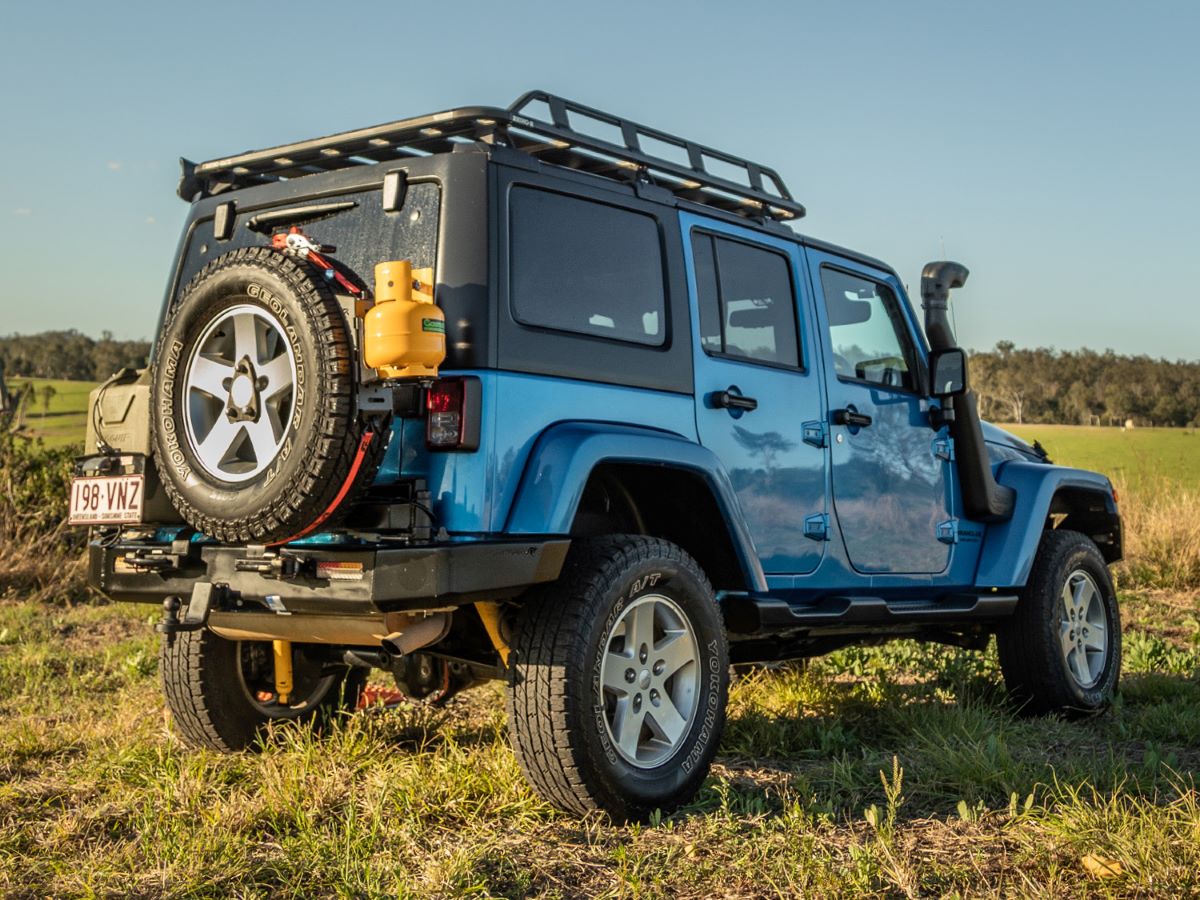
By the time rust becomes visible on the exterior, significant damage has already occurred internally. The Wrangler’s removable doors and roof, while fun for open-air driving, create additional moisture intrusion points that can accelerate rust formation in body cavities and on the interior tub.
The Wrangler’s suspension components and steering linkage are also vulnerable to corrosion damage. In coastal environments, salt spray and humidity attack these components relentlessly, causing them to rust and potentially fail prematurely.
Control arm bushings, track bar mounts, and shock towers have all been reported as rust problem areas that can require expensive replacement or repair.
Part of the JK Wrangler’s rust susceptibility comes from inadequate factory protection. The frame coating appears thin and easily damaged by off-road use or road debris, while body panel protection seems insufficient for humid climates.
Jeep’s traditional approach of prioritizing capability and simplicity over long-term durability works against the vehicle in corrosive environments.
For Lafayette buyers attracted to the Wrangler’s style and off-road capability, newer JL-generation models (2018-present) show improved rust resistance, though it may be too early to judge their long-term durability.
The JK generation, however, represents a vehicle that will likely develop significant rust problems in coastal Louisiana, potentially leading to safety concerns and expensive repairs.
3. Mazda Vehicles (2003-2011)
While modern Mazdas like the CX-5 excel at rust prevention, older Mazda vehicles from the 2003-2011 era are notorious for rapid rust formation, making them poor choices for Lafayette’s coastal environment even as used vehicle purchases.
During this period, Mazda struggled with corrosion protection, and vehicles from these model years consistently rank among the worst for rust resistance.
The rust problems affected virtually all Mazda models from this era, including the Mazda3, Mazda6, CX-7, and CX-9. Owners consistently report rust appearing within just a few years of ownership, often on relatively low-mileage vehicles that received regular maintenance.
The rear quarter panels and wheel arches are particularly vulnerable, with rust forming behind the paint and causing bubbling and peeling that quickly spreads across entire panels.
The underlying causes of these rust issues involve inadequate factory protection and the use of steel that appears particularly susceptible to corrosion.
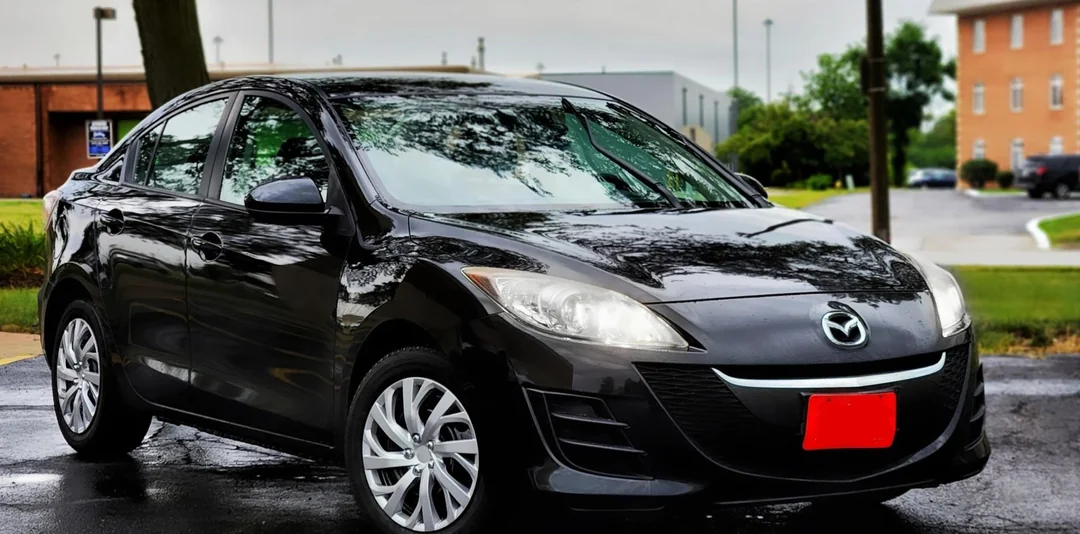
The protective coatings applied during manufacturing were insufficient for humid or salt-exposed environments, breaking down quickly and allowing moisture to reach bare metal.
Once rust begins on these Mazdas, it progresses rapidly, often requiring extensive bodywork or panel replacement to repair properly.
The rocker panels and door bottoms on these Mazda models are especially problematic. These areas accumulate road spray and moisture, and the inadequate protective coatings allow rust to form quickly.
Many owners report rust completely destroying rocker panels within five to seven years, with some cases occurring even faster in coastal regions. The rust isn’t merely cosmetic it can compromise structural integrity and complicate safety inspections.
Underneath, these Mazdas show similar problems with frame rails, suspension mounting points, and exhaust systems rusting prematurely.
The fuel and brake lines can also be affected, potentially creating safety hazards as corrosion weakens these critical components. The subframe, which supports the engine and front suspension, has been known to develop serious rust that requires expensive replacement.
For Lafayette residents, these older Mazdas represent vehicles to avoid in the used market. Even models that appear cosmetically sound may be hiding significant rust damage that will soon emerge.
The cost to properly repair rust damage on these vehicles often exceeds their market value, making them poor investments regardless of attractive initial pricing.
4. Dodge Ram 1500 (2009-2018)
The third-generation Ram 1500 from 2009-2018 has earned an unfortunate reputation for rust problems that make it a questionable choice for coastal environments.
While these trucks offered impressive capabilities, comfortable interiors, and strong engines, their susceptibility to corrosion undermines their long-term value and reliability in humid, salt-exposed regions like Lafayette.
The Ram’s rust problems center primarily on the frame and suspension components. Owners in coastal and northern salt-belt states report significant frame rust developing within relatively few years of ownership, with some trucks showing serious corrosion by the six- to eight-year mark.
he frame coating appears inadequate for harsh environments, with the protective layer breaking down and allowing rust to form on frame rails, crossmembers, and mounting brackets.
The bed and cab corners are also frequent rust initiation points on these Rams. The bed, particularly the front bed panel behind the cab and the bed floor, can develop rust that compromises both appearance and functionality.
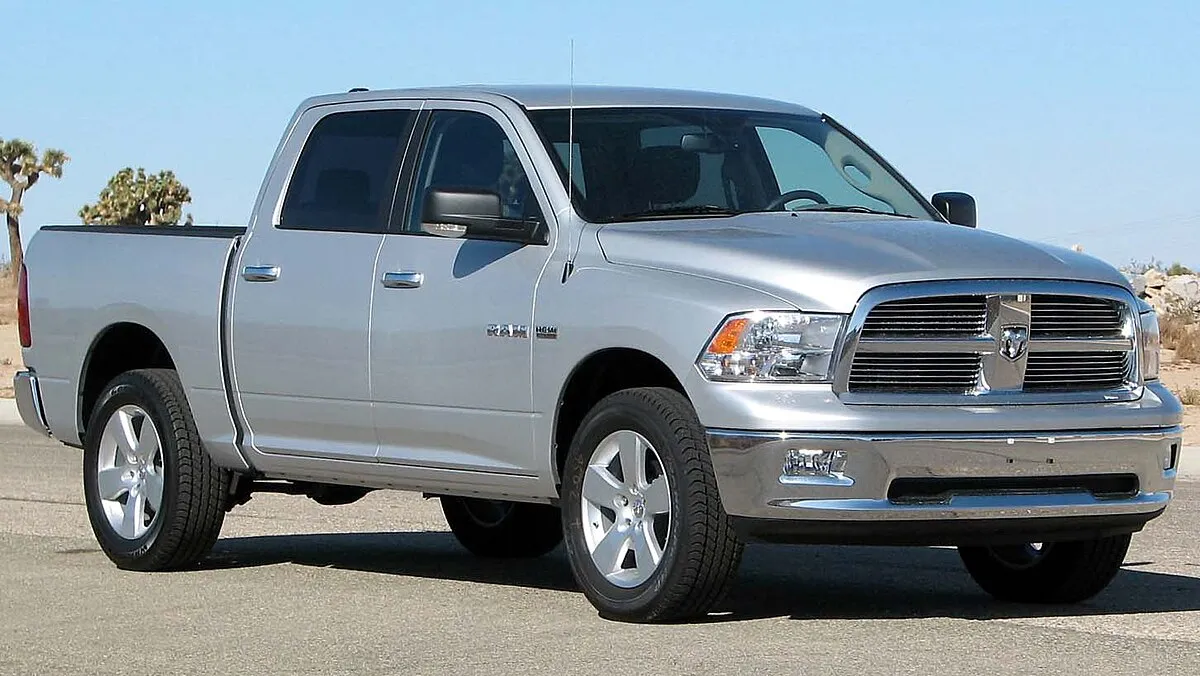
Cab corners, which are high-stress areas that endure significant moisture exposure, frequently rust through completely, requiring expensive repair panels or replacement. These rust problems often start from the inside, making them difficult to detect until substantial damage has occurred.
Suspension mounting points and control arm brackets show premature rust formation on many examples. This isn’t merely a cosmetic concern rust on suspension components can affect safety and handling characteristics while making future maintenance or repairs more difficult and expensive.
The exhaust system, particularly the sections running along the frame rails, also tends to corrode quickly, requiring replacement more frequently than expected.
The rocker panels and door bottoms on these Rams are additional problem areas. The protective treatments on these surfaces appear insufficient for humid climates, with rust breaking through the paint and causing unsightly damage that spreads if not addressed immediately.
Some owners report rust forming on the rear wheel openings as well, particularly on crew cab models. Fiat Chrysler’s approach to rust protection during this era appears to have prioritized cost savings over long-term durability.
The protective coatings seem thinner and less comprehensive than those used by manufacturers like Toyota or Honda. For Lafayette residents considering a used Ram from this generation, thorough inspection for existing rust and realistic assessment of future corrosion potential is essential.
The newer Ram generation (2019-present) shows improved rust protection, but these third-generation trucks represent a risky investment in coastal environments.
5. Ford F-150 (2004-2008)
The eleventh-generation Ford F-150 from 2004-2008 suffers from significant rust problems that make it a vehicle to approach cautiously in Lafayette’s coastal environment.
Despite being America’s best-selling vehicle during its production run, this F-150 generation has developed a problematic reputation for corrosion issues that can severely compromise its longevity and value.
The most serious rust concerns with this F-150 generation center on the frame and body structure. Owners consistently report frame rust appearing on crossmembers, frame rails, and mounting brackets, with some examples showing severe corrosion that compromises structural integrity.
The problem appears especially pronounced on trucks used in coastal areas or regions where road salt is prevalent. Ford’s protective coatings during this era proved inadequate for harsh environments, breaking down relatively quickly and allowing moisture to attack bare metal.
The cab corners and rocker panels on these F-150s are notorious rust spots. The cab corners, located at the rear bottom edges of the cab, frequently rust through completely, creating large holes that require expensive repair panels and bodywork to fix properly.
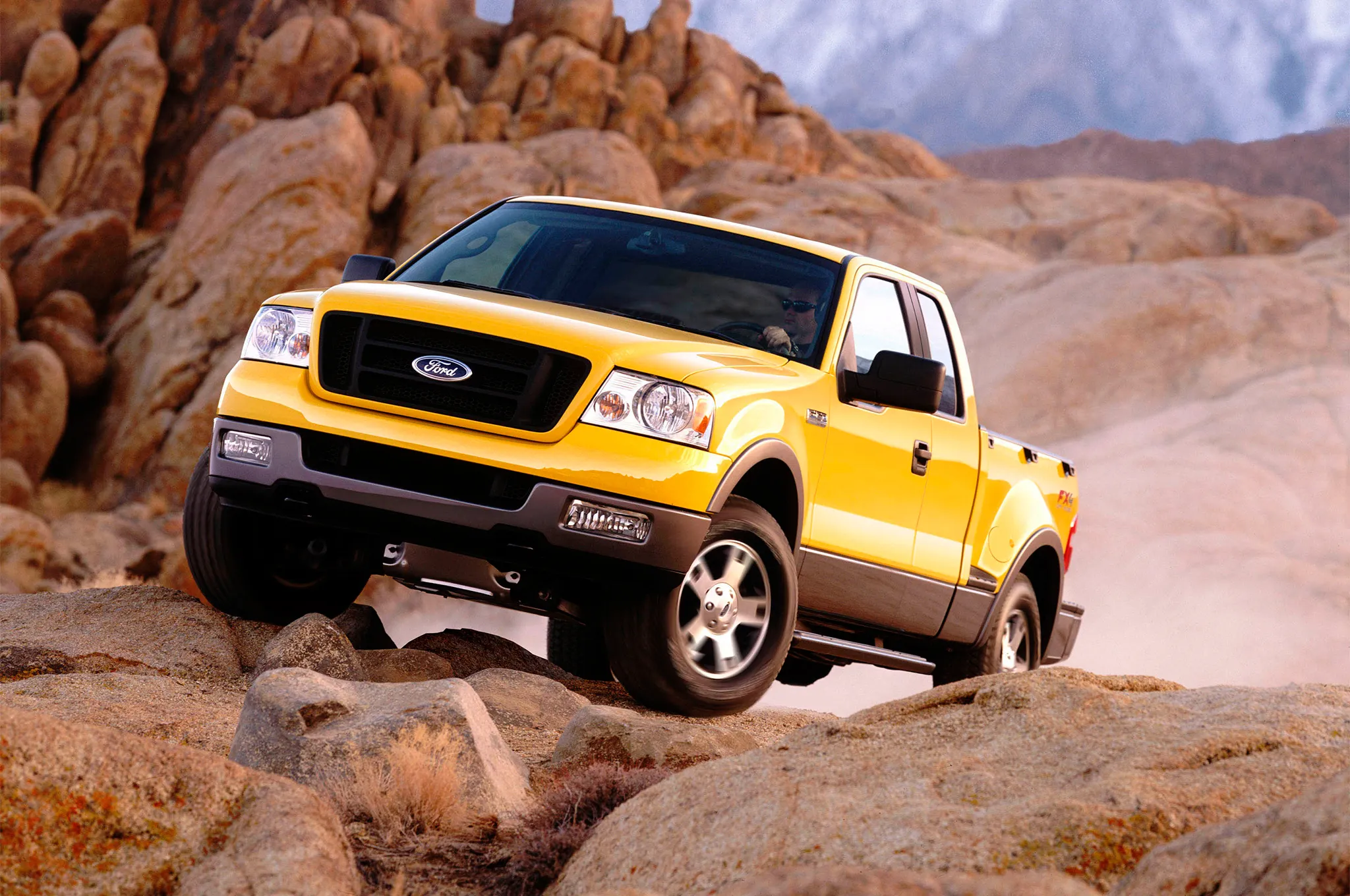
The rocker panels suffer similar problems, with rust forming behind the paint and causing the metal to deteriorate from the inside out. These issues often appear on both sides of the truck simultaneously, doubling repair costs.
The bed is another problem area, particularly the bed floor and front bed panel. The protective coating on bed surfaces appears insufficient for trucks that see regular use or exposure to moisture.
Once rust begins in the bed, it typically spreads quickly across affected areas. The tailgate is also vulnerable, with hinge areas and the lower edge developing rust that can seize hinges or create unsightly damage.
Underneath, these F-150s show premature rust on brake lines, fuel lines, and exhaust systems. The inadequate undercoating allows salt spray and moisture to attack these components, potentially creating safety concerns as corrosion weakens critical systems.
Suspension components and steering linkage also show accelerated rust formation compared to better-protected competitors.
For Lafayette residents, this F-150 generation represents a vehicle that may seem like an affordable used truck option but will likely require expensive rust repairs and will depreciate more rapidly than better-protected alternatives.
While not every example will show severe rust, the generation’s reputation for corrosion makes it a risky investment in coastal Louisiana’s challenging automotive environment.
Also Read: 5 Cars for Bend Outdoor Lifestyles and 5 That Don’t Handle Dirt Roads
