
Auburn, with its vibrant community atmosphere and diverse driving conditions, presents unique opportunities for car buyers seeking reliable daily transportation.
Whether you’re going through the tree-lined streets of historic neighborhoods, commuting to work, or making weekend trips through Alabama’s scenic routes, choosing the right vehicle is crucial for your daily routine and long-term satisfaction.
The Auburn car market offers an impressive selection of vehicles that cater to different lifestyles, budgets, and preferences. From fuel-efficient sedans perfect for college students and young professionals to versatile SUVs ideal for growing families, the options seem endless.
However, this abundance of choices comes with an important caveat: not every vehicle that looks appealing on the surface will serve you well in the long run.
Understanding the local driving environment is essential when selecting a daily driver for Auburn. The region experiences hot, humid summers and mild winters, which can affect vehicle performance and longevity.
Additionally, the mix of urban streets, highways, and occasional rural roads requires a car that’s both comfortable for city driving and capable of handling diverse road conditions.
Many Auburn residents also value vehicles with good air conditioning systems, given the extended warm season, and appreciate cars with proven reliability records to avoid unexpected repair costs.
By understanding both the best options and the pitfalls to avoid, you’ll be equipped to make a confident, informed decision that will serve you well for years to come in Auburn’s dynamic driving environment.
5 Best Cars for Auburn Daily Use
These exceptionally dependable vehicles feature proven drivetrains and straightforward maintenance requirements perfectly suited for Auburn’s college town demands and East Alabama climate, providing reliable transportation through gameday traffic, student commutes, and frequent Birmingham trips without unexpected breakdowns disrupting busy schedules.
Their practical engineering includes durable components and widespread parts availability that resist the reliability concerns found in overly complex vehicles while handling humid Alabama summers, occasional winter ice, and constant stop-and-go traffic around campus and Opelika roads.
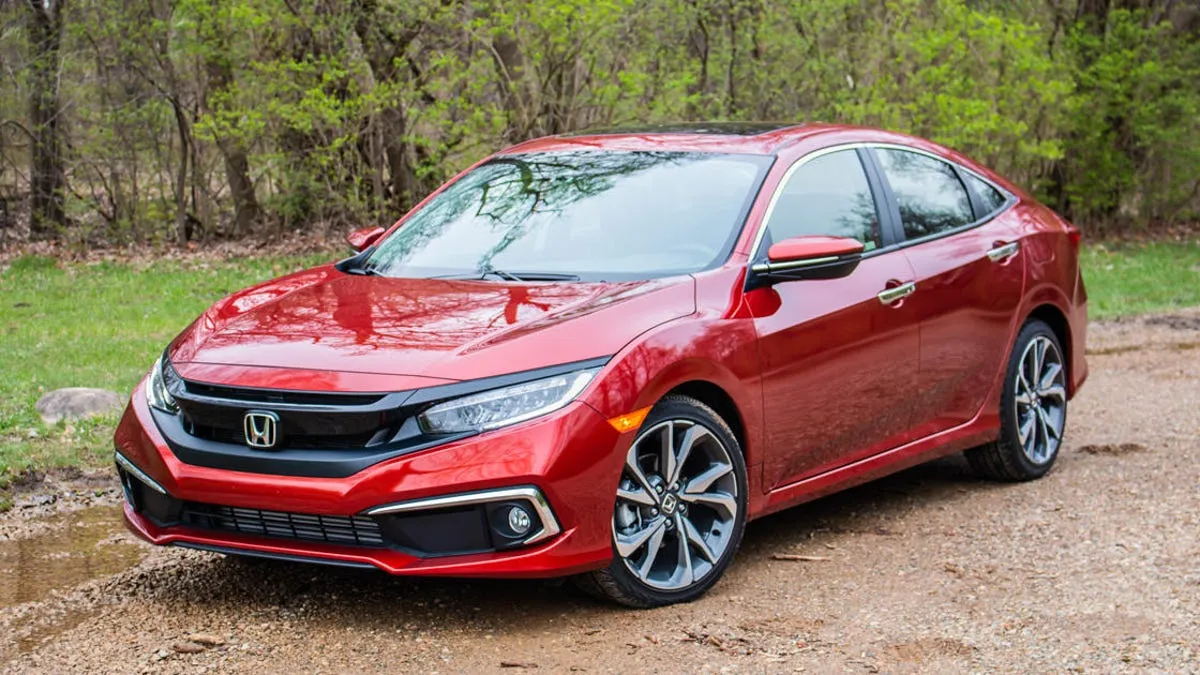
1. Honda Civic (2016-2024)
The Honda Civic stands as one of the most recommended vehicles for daily driving in Auburn, and for compelling reasons that go far beyond its widespread popularity.
This compact sedan has built a legendary reputation over decades for combining reliability, efficiency, and engaging driving dynamics in a package that makes financial sense for a broad range of drivers.
At the heart of the Civic’s appeal is its exceptional fuel economy. Modern Civic models equipped with the standard naturally aspirated four-cylinder engine regularly achieve 32-35 mpg in combined city and highway driving, with some drivers reporting even better results on highway-focused routes.
For Auburn residents who commute regularly or take frequent trips around the region, this translates to significant savings at the pump over the vehicle’s lifetime.
The Civic’s fuel efficiency doesn’t come at the expense of performance, either the car provides sufficient power for highway merging and passing while maintaining smooth, responsive acceleration in city traffic.
Reliability is where the Civic truly shines. Honda’s engineering excellence means these vehicles routinely surpass 200,000 miles with proper maintenance, and it’s not uncommon to see well-cared-for Civics approaching 300,000 miles.
The engine and transmission combinations are proven and durable, with relatively few common issues across model years. Maintenance costs remain reasonable because parts are widely available and affordable, and the car’s straightforward design means many routine services can be performed by independent mechanics, saving money compared to luxury brands that require dealership service.
From a practical standpoint, the Civic offers impressive cargo space for its class, with a trunk that easily accommodates groceries, sports equipment, or luggage. The rear seats fold down to expand capacity for larger items, providing versatility that enhances the car’s usefulness for everyday life.
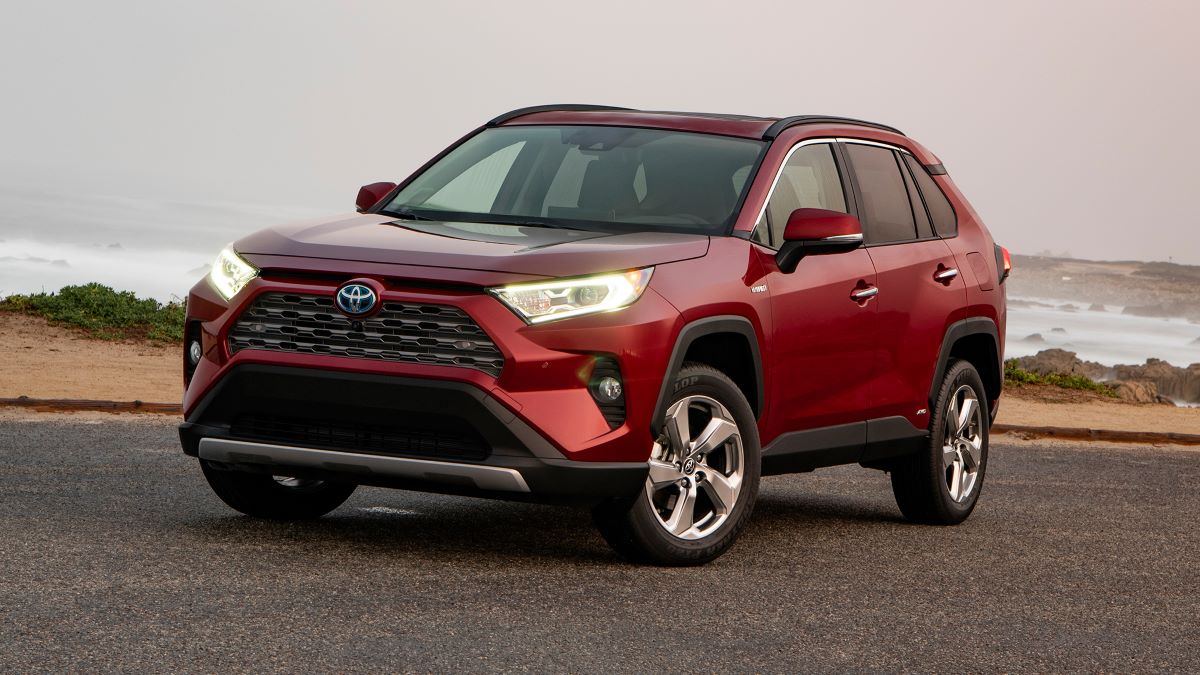
2. Toyota RAV4 (2016-2024)
The Toyota RAV4 has evolved into one of America’s best-selling vehicles for excellent reasons, making it an outstanding choice for Auburn’s diverse driving conditions and family-friendly lifestyle.
This compact SUV delivers the perfect combination of practicality, reliability, and versatility that appeals to a wide demographic, from young families to active retirees.
Toyota’s reputation for building vehicles that last is perhaps best exemplified by the RAV4. These SUVs are engineered to withstand years of demanding use while maintaining their functionality and reliability.
The powertrain options available across recent model years ranging from efficient four-cylinder engines to robust hybrid systems are proven to be durable and long-lasting.
Many RAV4 owners report minimal issues even after accumulating high mileage, and the vehicle’s resale value remains strong, reflecting its market reputation for dependability.
The RAV4’s spacious interior makes it particularly appealing for families and anyone who regularly transports passengers or cargo. The raised seating position provides excellent visibility in traffic, which enhances both safety and confidence while driving.
The rear seats offer genuine comfort for adult passengers, and the cargo area is generous enough to handle weekly grocery runs, sports equipment, camping gear, or anything else Auburn residents might need to transport.
With the rear seats folded, the cargo capacity expands dramatically, accommodating larger items like furniture or outdoor equipment.
For Auburn’s climate, the RAV4’s climate control systems work efficiently to combat the region’s hot, humid summers.
The available dual-zone automatic climate control ensures all passengers remain comfortable, and the system cools the cabin quickly even after the vehicle has been parked in intense summer heat.
The available panoramic sunroof adds an airy feel to the interior while providing occupants with views of Auburn’s beautiful tree canopy. The RAV4’s maintenance requirements are straightforward and affordable.
Toyota’s widespread dealer network and the availability of qualified independent mechanics familiar with these popular vehicles mean you’ll have plenty of service options. Parts availability is excellent, and the costs for routine maintenance like oil changes, brake service, and tire replacements remain reasonable.
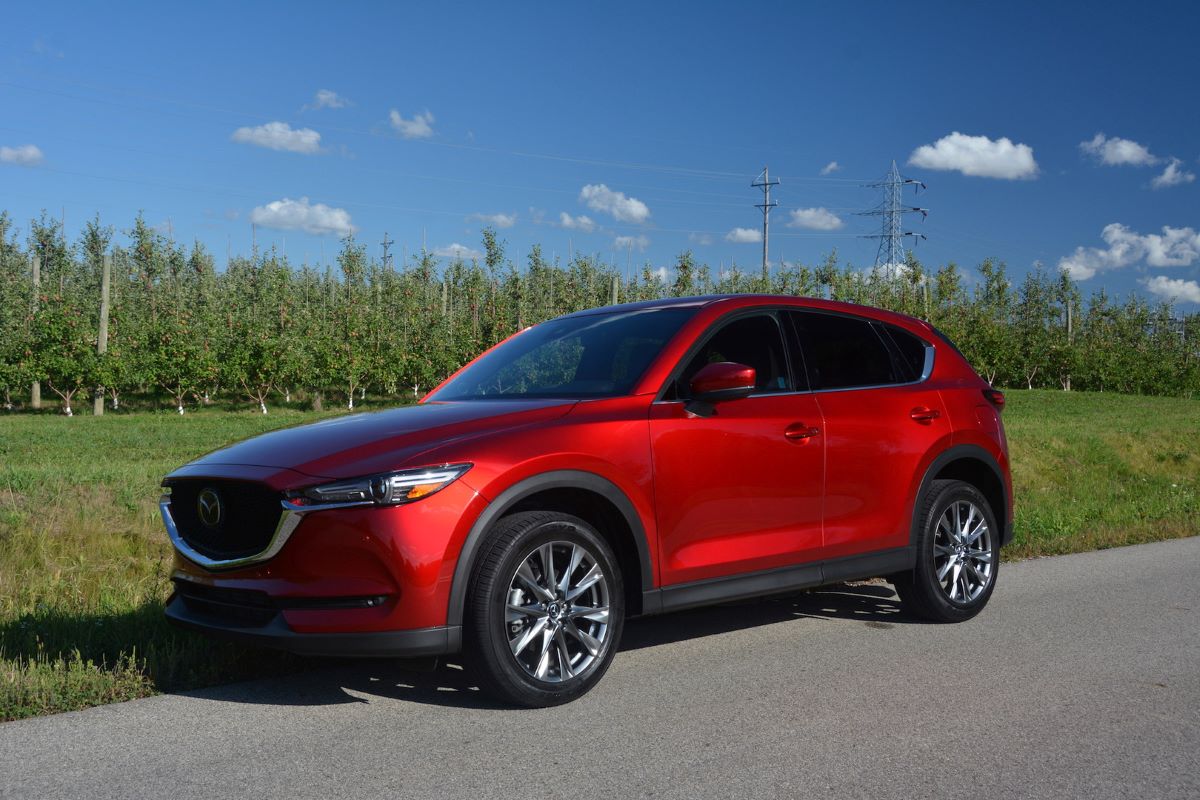
3. Mazda CX-5 (2017-2024)
The Mazda CX-5 represents an exceptional choice for Auburn drivers who want more than just basic transportation those who seek a daily driver that delivers genuine driving enjoyment alongside practical functionality.
This compact SUV has consistently earned accolades for its upscale interior quality, engaging dynamics, and impressive refinement that punches well above its price point.
What immediately sets the CX-5 apart from competitors is its premium feel. Step inside any recent CX-5, and you’ll notice materials and build quality that rival luxury brands costing considerably more.
The dashboard features high-quality soft-touch materials, attractive stitching, and thoughtful design details that create an upscale ambiance.
The seats, particularly in higher trim levels, offer excellent support and comfort with available leather upholstery and heating/ventilation functions that Auburn residents will appreciate given the region’s climate extremes.
Mazda’s commitment to driving dynamics means the CX-5 handles more like a sports sedan than a traditional SUV. The steering is precise and well-weighted, providing excellent feedback that makes the vehicle feel nimble and responsive.
The suspension tuning strikes an admirable balance it’s firm enough to minimize body roll in corners, making the CX-5 genuinely fun to drive on winding roads, yet compliant enough to absorb typical road imperfections without compromising comfort.
For Auburn residents who occasionally take scenic drives through the surrounding countryside or go through the twisty back roads, the CX-5 makes these journeys notably more enjoyable.
Safety features are comprehensive across the CX-5 lineup. Mazda’s i-Activsense suite includes adaptive cruise control, lane-keeping assist, blind-spot monitoring, rear cross-traffic alert, and automatic emergency braking.
These technologies work unobtrusively in the background, enhancing safety without feeling overly intrusive or creating false alarms that plague some systems.
Mazda has also earned a strong reputation for reliability in recent years. While not quite at Toyota or Honda’s legendary status, the CX-5 has proven dependable with few widespread problems reported across model years. Maintenance costs remain reasonable, and the vehicle’s strong resale value reflects its positive reputation in the marketplace.
4. Honda CR-V (2017-2024)
The Honda CR-V continues to dominate the compact SUV segment for Auburn buyers seeking the ultimate blend of practicality, reliability, and value.
This vehicle has become ubiquitous in American driveways precisely because it executes the fundamentals of daily transportation so effectively while offering features and capabilities that exceed expectations for its class and price point.
Space efficiency is one of the CR-V’s defining characteristics. Honda’s engineers have maximized interior volume within the vehicle’s compact exterior dimensions, creating what genuinely feels like a midsize SUV’s cabin in a smaller, more manageable package
The rear seats offer exceptional legroom adults can sit comfortably behind tall drivers without knee contact with the front seatbacks. The cargo area is not only spacious but also intelligently designed with a low load floor, wide opening, and squared-off shape that makes it easy to load bulky items.
The rear seats fold nearly flat, creating a cavernous cargo hold suitable for moving furniture, transporting bicycles, or accommodating camping gear for weekend adventures.
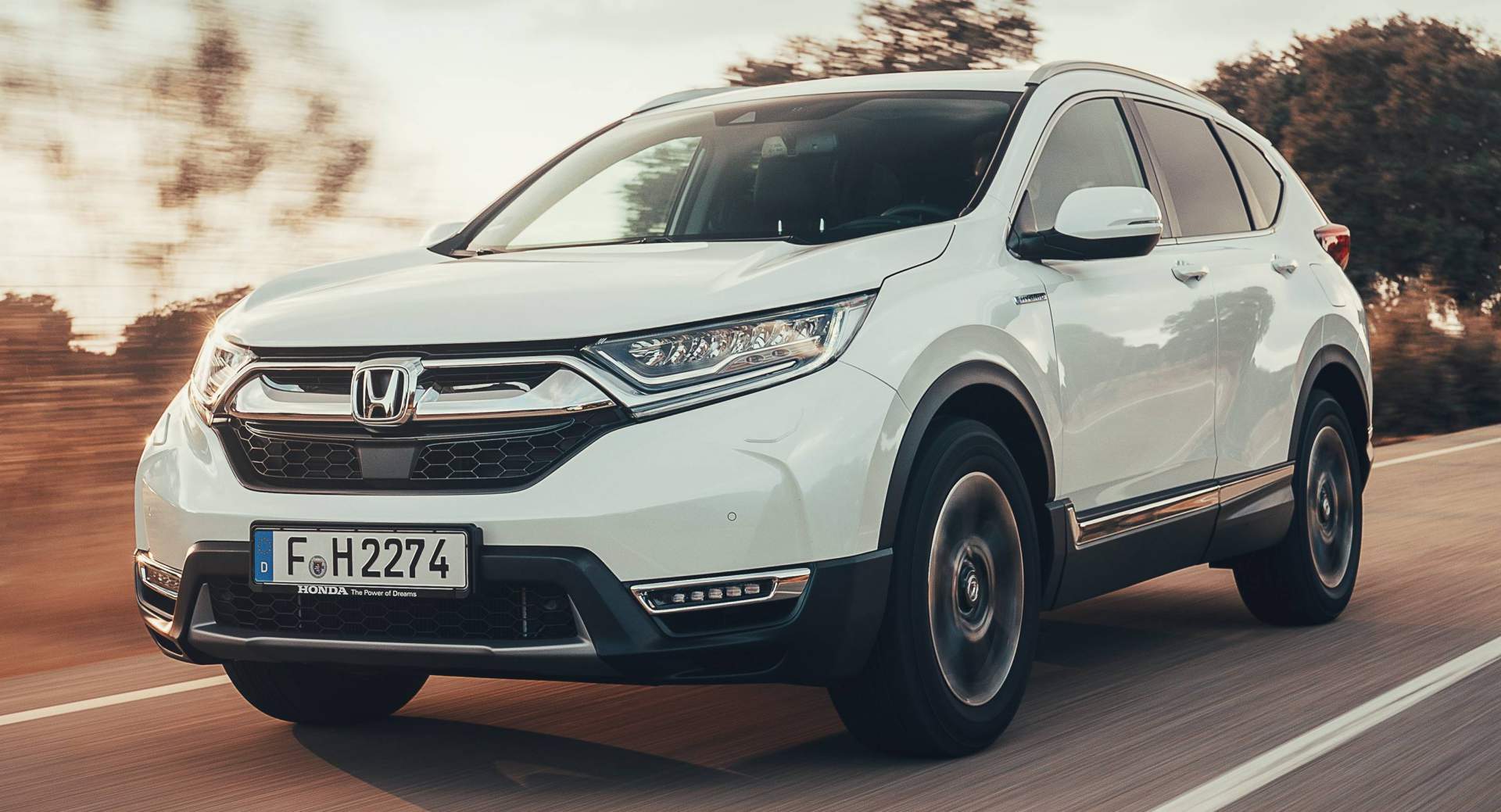
Honda’s legendary reliability extends fully to the CR-V. These vehicles are engineered to provide years of trouble-free service with nothing more than routine maintenance.
The powertrain whether the standard turbocharged four-cylinder or the available hybrid system has proven durable across hundreds of thousands of miles in real-world use.
Transmission issues that have plagued some Honda models in certain years are notably absent in most recent CR-V generations, reflecting improved engineering and quality control.
From a value perspective, the CR-V delivers tremendous content for its price. Even base models come well-equipped with features that are optional or unavailable on competitors, and higher trims add luxury touches without reaching premium price territory.
Strong resale values mean the CR-V retains its worth better than most competitors, protecting your investment over time.
Also Read: 5 Cars for Cincinnati Riverfront Runs and 5 That Don’t Fit Tight Parking
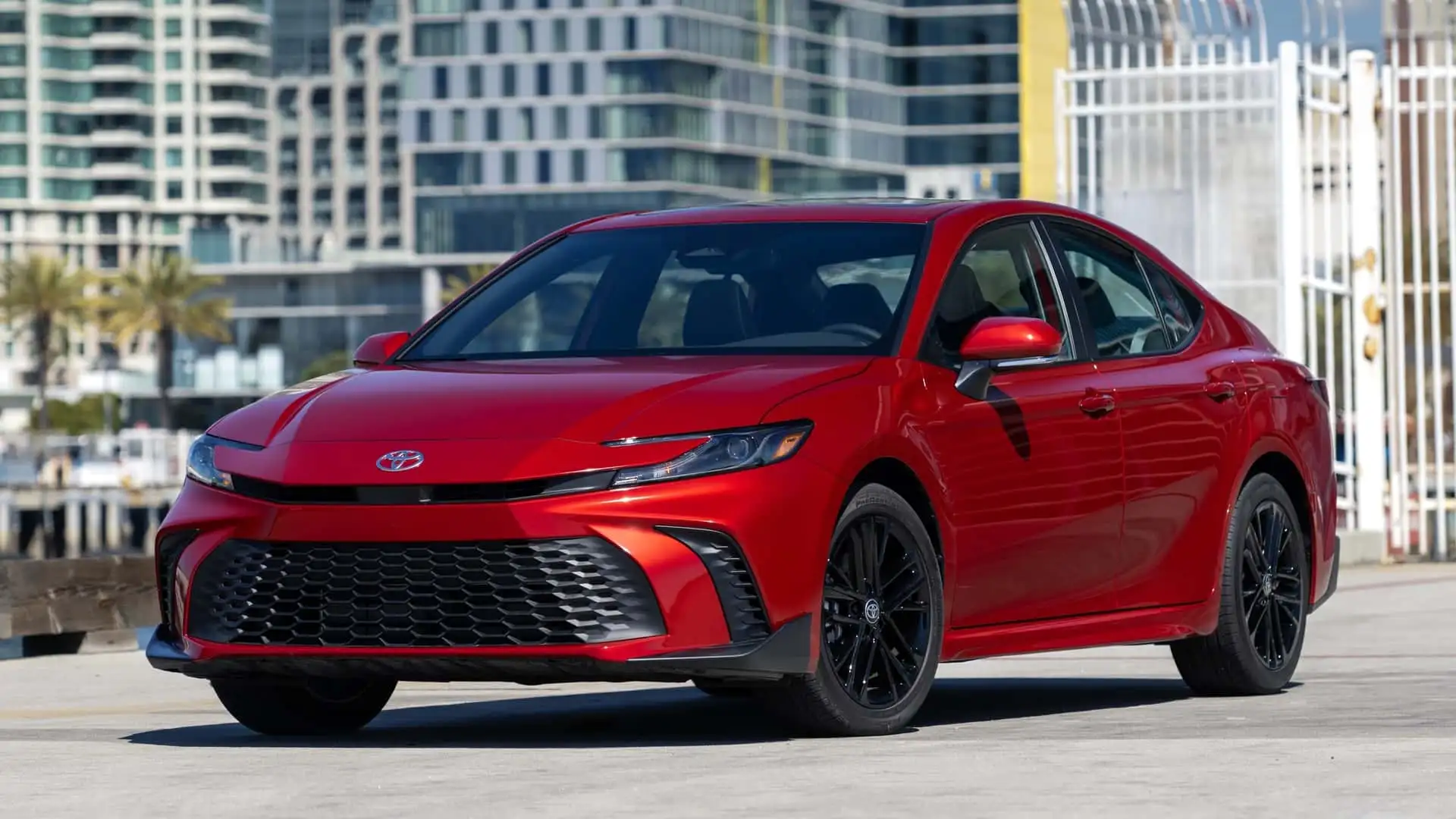
5. Toyota Camry (2018-2024)
The Toyota Camry remains America’s best-selling sedan for compelling reasons that make it an outstanding daily driver for Auburn residents.
This midsize sedan represents the sweet spot of automotive practicality offering more space and comfort than compact cars while maintaining manageable dimensions, excellent fuel economy, and Toyota’s legendary reliability.
The Camry’s reputation for bulletproof reliability is well-earned and extensively documented. These vehicles routinely exceed 200,000 miles without major mechanical issues, and many owners report reaching 300,000 miles or more with nothing beyond routine maintenance.
The engine and transmission combinations available from efficient four-cylinder models to powerful V6 variants and excellent hybrid options all share Toyota’s engineering excellence and proven durability.
For Auburn buyers, this reliability translates to lower total cost of ownership, fewer unexpected repair expenses, and peace of mind knowing your vehicle will start every morning regardless of conditions.
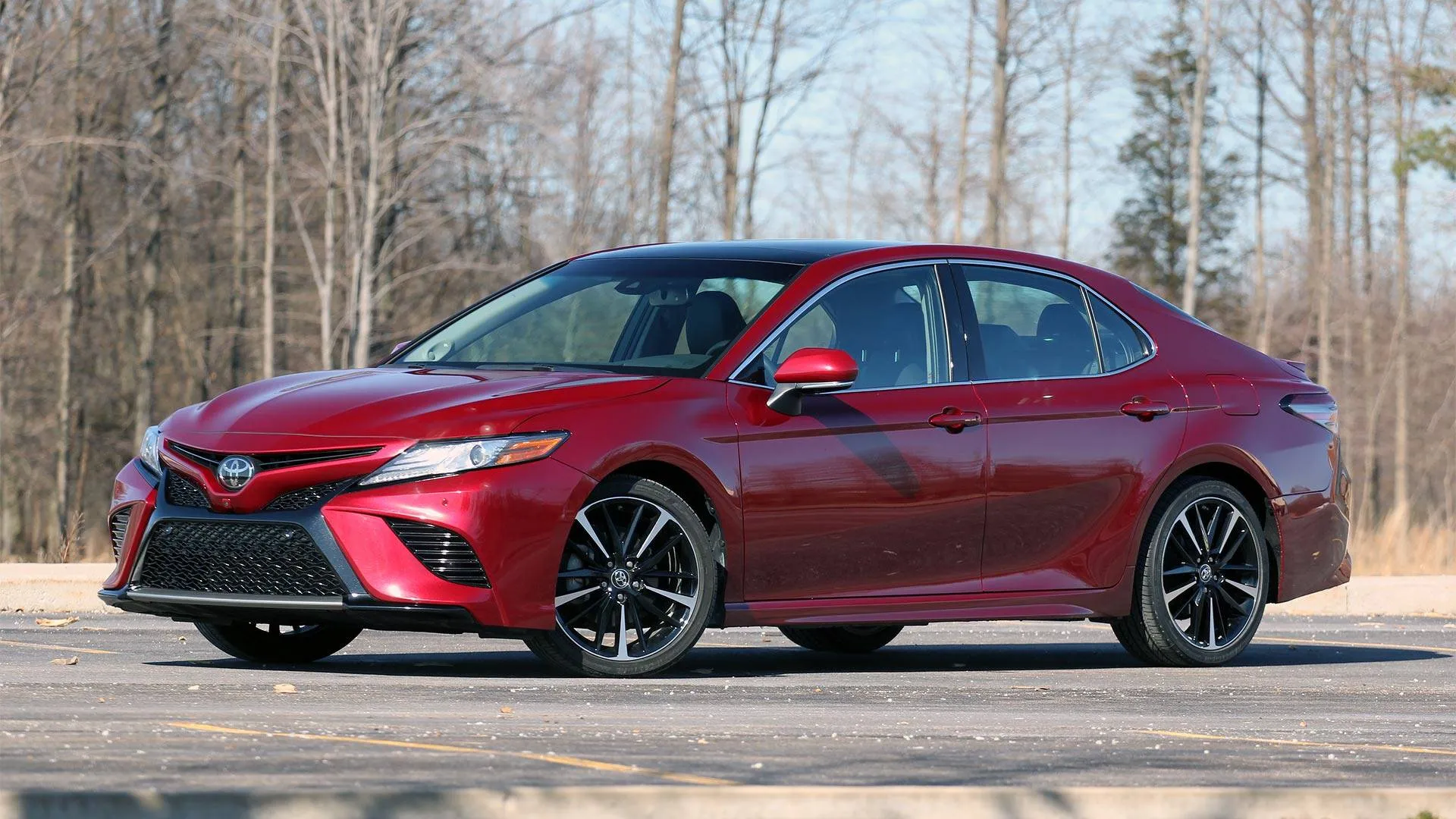
The driving experience has similarly evolved. While the Camry prioritizes comfort over sportiness, it no longer feels disconnected from the road.
The steering offers decent feedback, the suspension delivers a comfortable but controlled ride, and the demeanor feels more engaging than previous generations.
The available V6 engine provides robust acceleration for drivers who want more spirited performance, while four-cylinder models offer a pleasing balance of adequate power and excellent fuel economy. Maintenance costs for the Camry remain among the lowest in the segment.
Parts are widely available and affordable, service intervals are reasonable, and the widespread availability of qualified mechanics both at Toyota dealerships and independent shops ensures you’ll always have options for maintenance and repairs.
The Camry’s strong resale value protects your investment, making it easier to sell or trade when you’re ready for a new vehicle.
5 Cars with Hidden Problems to Avoid
These deceptively problematic vehicles suffer from documented reliability issues and expensive latent defects that only emerge after purchase, transforming Auburn-area ownership into financial nightmares through sudden catastrophic failures appearing without warning despite initially smooth operation and clean inspection reports.
Their concerning characteristics include failure-prone transmissions and defective engine components that cannot provide the dependability required for busy Auburn life, leading to breakdowns during critical campus commutes or stranding families during essential Birmingham medical appointments and Atlanta trips.
Despite passing pre-purchase inspections and operating normally initially, these vehicles devastate budgets through their hidden timing chain defects appearing at 80,000 miles, transmission shuddering developing suddenly, and documented class-action problems manufacturers refuse recalling despite widespread failures affecting thousands of owners.
1. Nissan Altima (2013-2018)
The Nissan Altima from these model years represents a cautionary tale of how a vehicle that appears attractive on paper and in showrooms can harbor serious mechanical problems that create significant headaches for owners.
While Nissan once competed closely with Honda and Toyota for reliability honors, certain Altima model years suffer from well-documented issues that make them poor choices for buyers seeking dependable daily transportation in Auburn.
The most serious and widespread problem affecting these Altima model years involves the Continuously Variable Transmission (CVT). Nissan’s CVT implementation during this period has proven catastrophically unreliable, with failures occurring at alarmingly low mileages sometimes as early as 60,000-80,000 miles, and frequently well before 100,000 miles.
Transmission failure symptoms include shuddering or jerking during acceleration, hesitation when accelerating from a stop, strange whining or grinding noises, and in severe cases, complete loss of power transmission to the wheels.
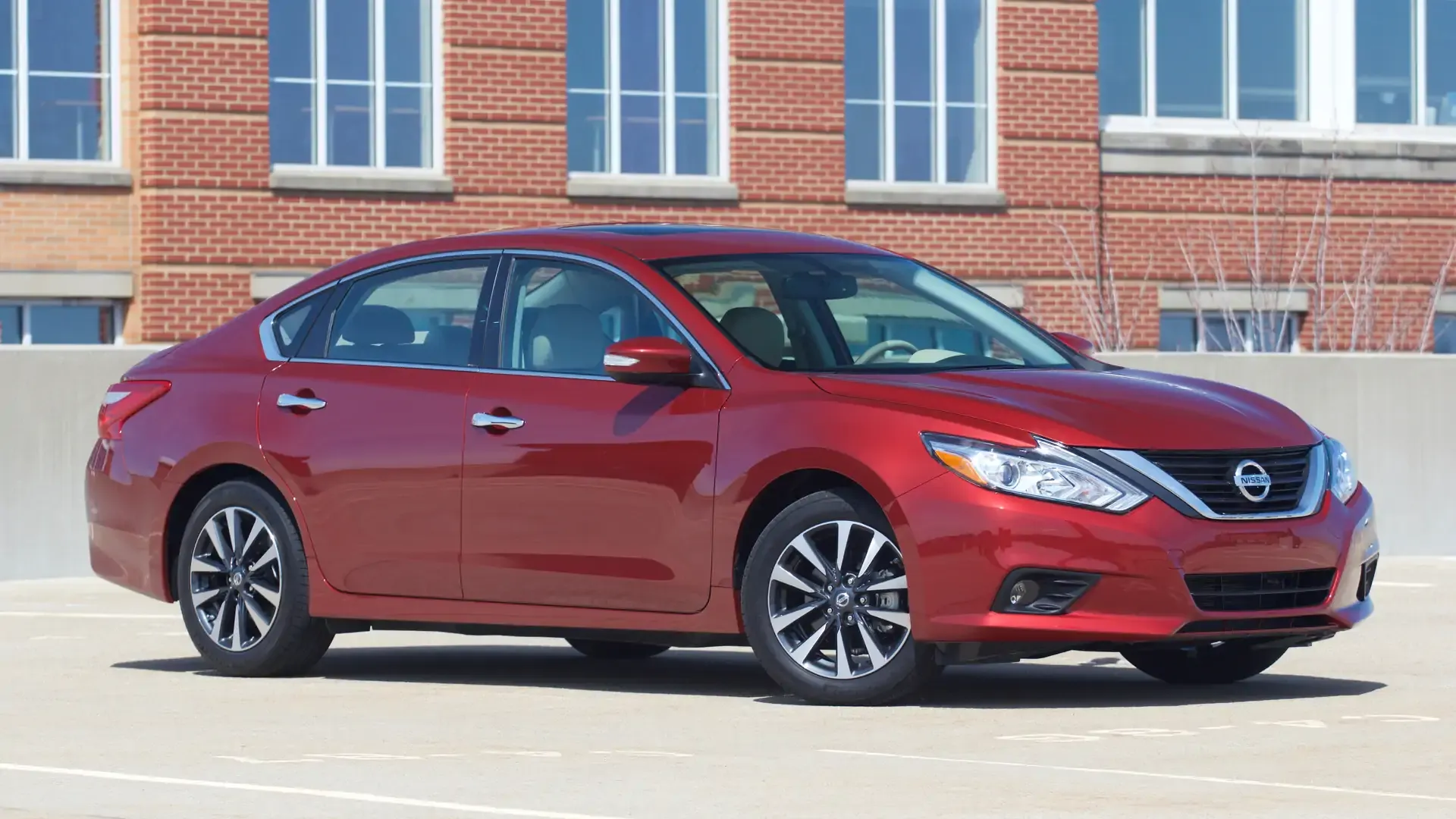
CVT replacement represents a major expense, typically costing between $3,500 and $5,000 for parts and labor. This substantial cost often approaches or exceeds the used vehicle’s value, creating a devastating financial loss for owners.
While Nissan extended warranties on some CVTs due to the widespread nature of the problem, many vehicles have aged out of warranty coverage, leaving current owners responsible for the full replacement cost. The extended warranties themselves acknowledge the fundamental unreliability of these transmissions.
Resale values for these Altima model years have suffered as reliability problems become widely known. The market has recognized these vehicles’ issues, resulting in depreciation that exceeds normal rates.
While this might make them appear attractively priced in the used market, the low prices reflect the high probability of expensive problems rather than representing genuine value. For Auburn buyers, the apparent savings evaporate quickly when facing transmission replacement or other major repairs.
2. Ford Focus with Dual-Clutch Transmission (2012-2018)
The Ford Focus equipped with the PowerShift dual-clutch automatic transmission represents one of the automotive industry’s most notorious reliability disasters in recent years.
This transmission, which Ford marketed as delivering the efficiency of a manual transmission with the convenience of an automatic, instead delivered endless problems that prompted multiple lawsuits, settlements, and permanent damage to Ford’s reputation for reliability.
The dual-clutch transmission in these Focus models suffers from fundamental design and execution flaws that create problems almost from the moment owners drive off the lot.
The most common symptoms include harsh shuddering or shaking during low-speed acceleration, hesitation or delayed response when accelerating from a stop, unexpected lurching or jerking during normal driving, and slipping sensations where the transmission seems to lose power momentarily.
These symptoms aren’t occasional quirks they’re persistent issues that many owners experience daily, making normal driving frustrating and sometimes unsafe.
The root cause involves the transmission’s dual-clutch system, which uses electronically controlled clutches that are supposed to engage and disengage smoothly.
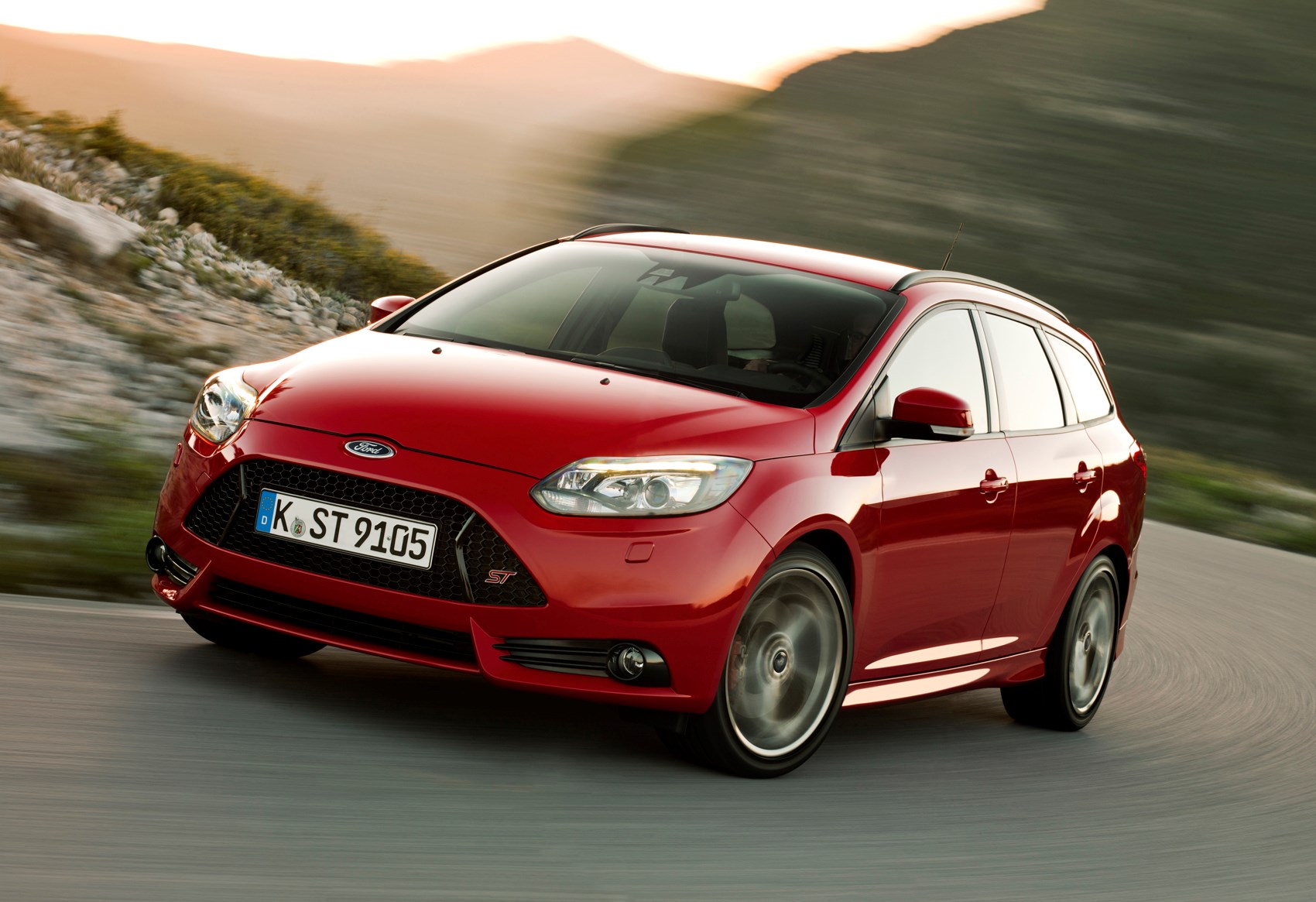
However, the clutches overheat during normal city driving and suffer from premature wear, particularly in stop-and-go traffic conditions common in Auburn.
As the clutches wear, engagement becomes increasingly harsh and unreliable. The transmission’s control module also exhibits programming issues that cause poor shift quality and inappropriate gear selection.
Ford attempted numerous software updates and revisions to address these problems, but none successfully resolved the fundamental issues.
Some owners report returning to dealerships five, ten, or even twenty times for transmission-related repairs and reprogramming without achieving lasting improvement.
The warranty extensions and customer satisfaction programs Ford eventually implemented acknowledge the widespread nature of these problems but don’t change the underlying fact that these transmissions are fundamentally flawed.
Ford ultimately discontinued the Focus in the North American market, partly due to the damage this transmission debacle caused to the model’s reputation. This decision further complicates ownership, as dealer support and parts availability may become concerns in future years as the model line ages without replacement.
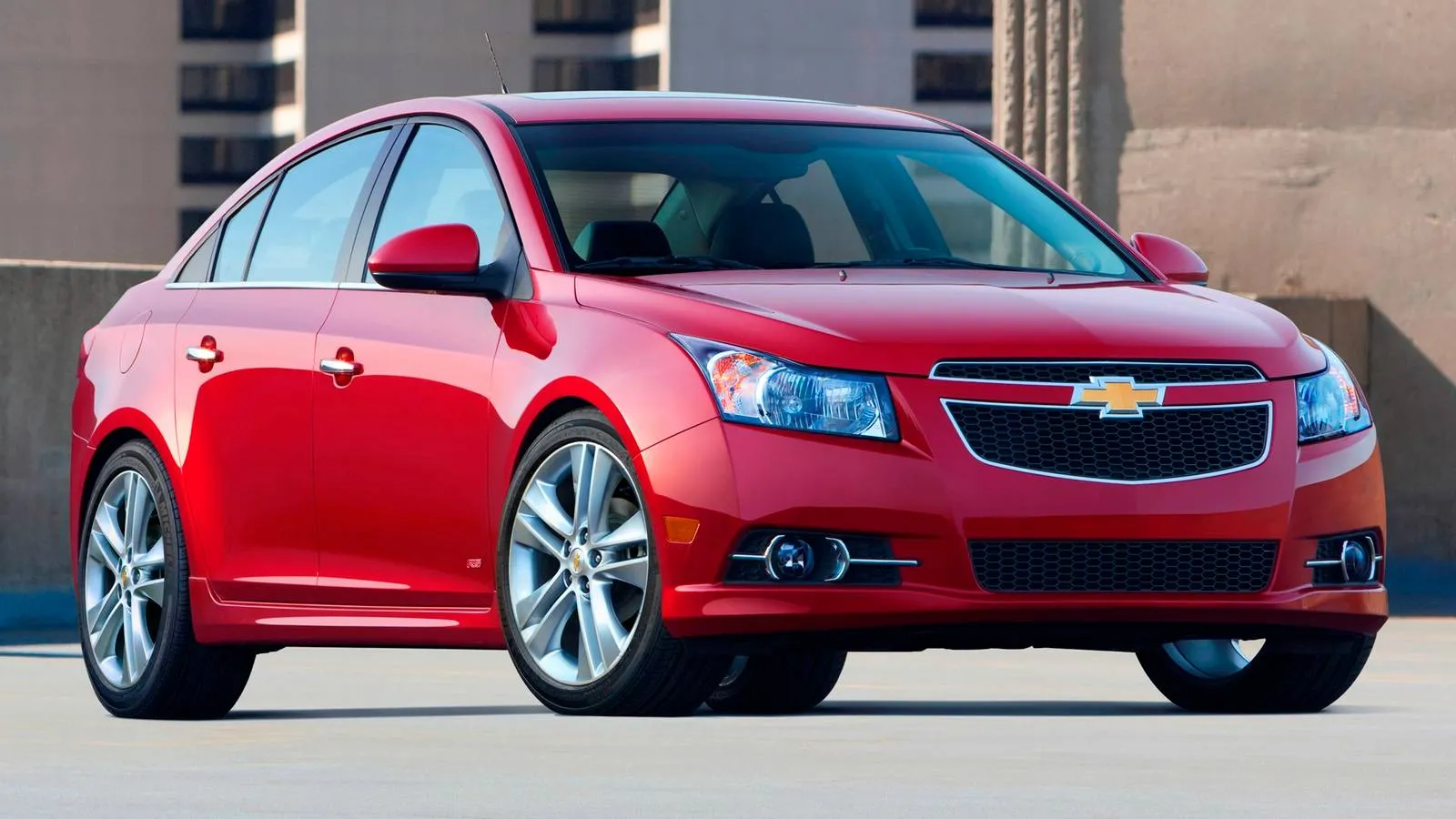
3. Chevrolet Cruze (2011-2016)
The Chevrolet Cruze from these model years presents a deceptive package attractive styling, reasonable pricing, and seemingly good equipment levels mask a troubling collection of reliability problems that make these vehicles risky choices for Auburn buyers seeking dependable daily transportation.
While not every Cruze owner experiences problems, the frequency of serious issues significantly exceeds what you’d encounter with competing Honda, Toyota, or Mazda products.
Engine and powertrain problems top the list of Cruze concerns. The turbocharged 1.4-liter engine, which was standard equipment in many Cruze models, exhibits multiple troubling issues.
Coolant leaks are extremely common, often originating from the water pump, thermostat housing, or various hoses and connections.
These leaks can lead to overheating if not addressed promptly, potentially causing catastrophic engine damage. The water outlet, in particular, uses a plastic component that frequently cracks and fails, requiring replacement.
The Cruze’s turbocharger itself proves problematic in many vehicles. Turbo failure can occur at relatively low mileages, sometimes before 100,000 miles, presenting symptoms like reduced power, excessive smoke from the exhaust, whistling or whining noises, and check engine light illumination.
Turbocharger replacement represents a major expense, typically costing $1,500-$2,500 depending on labor rates and whether you choose OEM or aftermarket parts. The failure rate is high enough that it represents a significant ownership risk.
The Cruze’s poor reliability reputation has damaged resale values. These vehicles depreciate faster than competitors, and used examples can be found at prices that seem attractive.
However, as with other vehicles on this list, those low prices reflect underlying problems rather than representing genuine value for buyers.
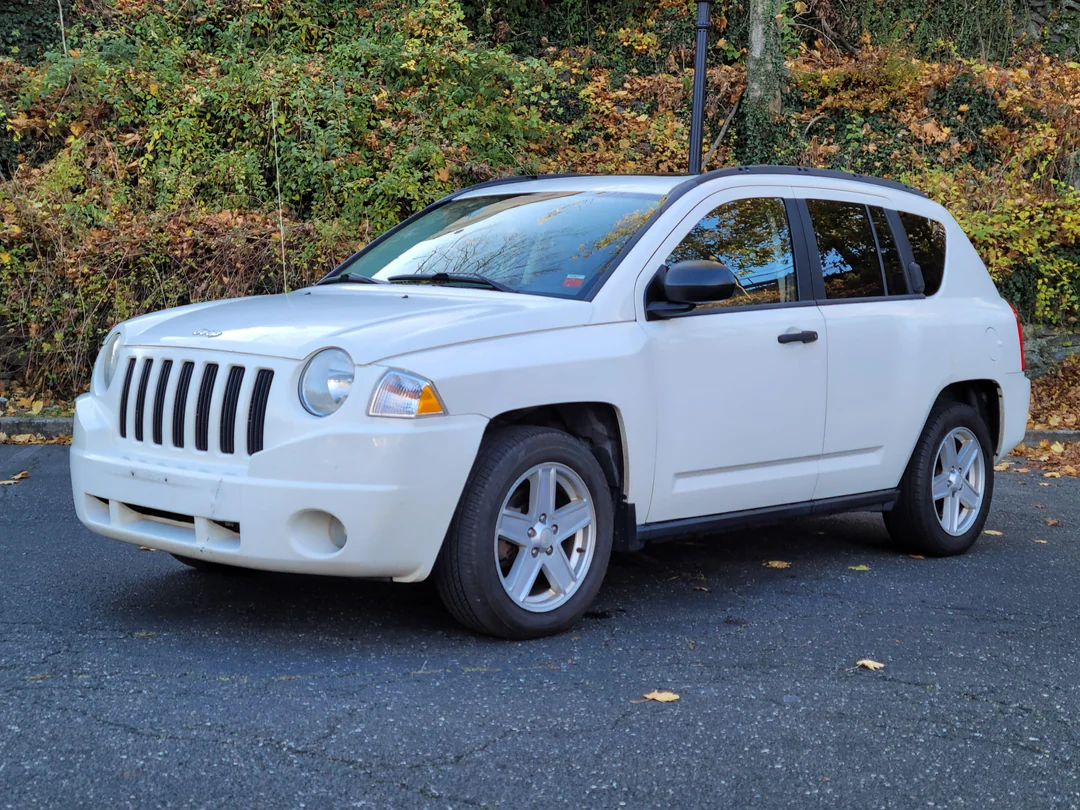
4. Jeep Compass (2007-2017)
The Jeep Compass from these model years represents a particular disappointment in the automotive world a vehicle bearing the Jeep name and implying ruggedness and capability while actually delivering poor reliability, mediocre capability, and an package that fails to meet basic expectations for daily transportation.
Auburn buyers attracted to the Jeep brand image and the Compass’s affordable pricing should understand the hidden costs and frustrations these vehicles typically create.
Engine problems are widespread across Compass models from this era. The 2.4-liter four-cylinder engine, which was standard equipment, proves unreliable in multiple ways.
Oil consumption issues are common, with many engines burning through oil at alarming rates requiring owners to add a quart every 1,000-2,000 miles.
This excessive consumption can lead to catastrophic engine failure if oil levels drop too low unnoticed. The root causes include piston ring problems and cylinder wall wear, issues that require complete engine rebuilds or replacement to truly fix.
Timing chain problems affect many Compass engines. The timing chain can stretch over time, causing poor engine performance, rough idling, and in severe cases, engine damage when the chain skips teeth or breaks entirely.
Timing chain replacement is labor-intensive and expensive, typically costing $1,500-$2,500. Warning signs include rattling noises from the engine on cold starts, check engine lights, and poor performance.
Transmission issues are another major concern. The CVT (continuously variable transmission) offered in some Compass models exhibits reliability problems similar to those in Nissan vehicles, including shuddering, hesitation, overheating, and premature failure.
The traditional automatic transmissions in other Compass models also show problems including harsh shifting, delayed engagement, and in some cases complete failure requiring replacement or rebuild. Either way, transmission problems represent expensive repairs that many Compass owners face.
The Compass’s poor reliability record has been extensively documented by consumer organizations and owner surveys. These vehicles consistently rank near the bottom in reliability ratings, with problems occurring more frequently and at higher severity than the vast majority of competitors.
Ownership costs, when accounting for repairs and decreased resale value, significantly exceed those of comparable Honda, Toyota, or Mazda vehicles.
Resale values reflect the Compass’s troubled reputation. These vehicles depreciate rapidly, and used examples can be found at prices that seem attractive for a Jeep-branded SUV.
However, Auburn buyers should recognize that these low prices exist for valid reasons the vehicles are fundamentally unreliable and likely to create expensive problems and constant frustration.
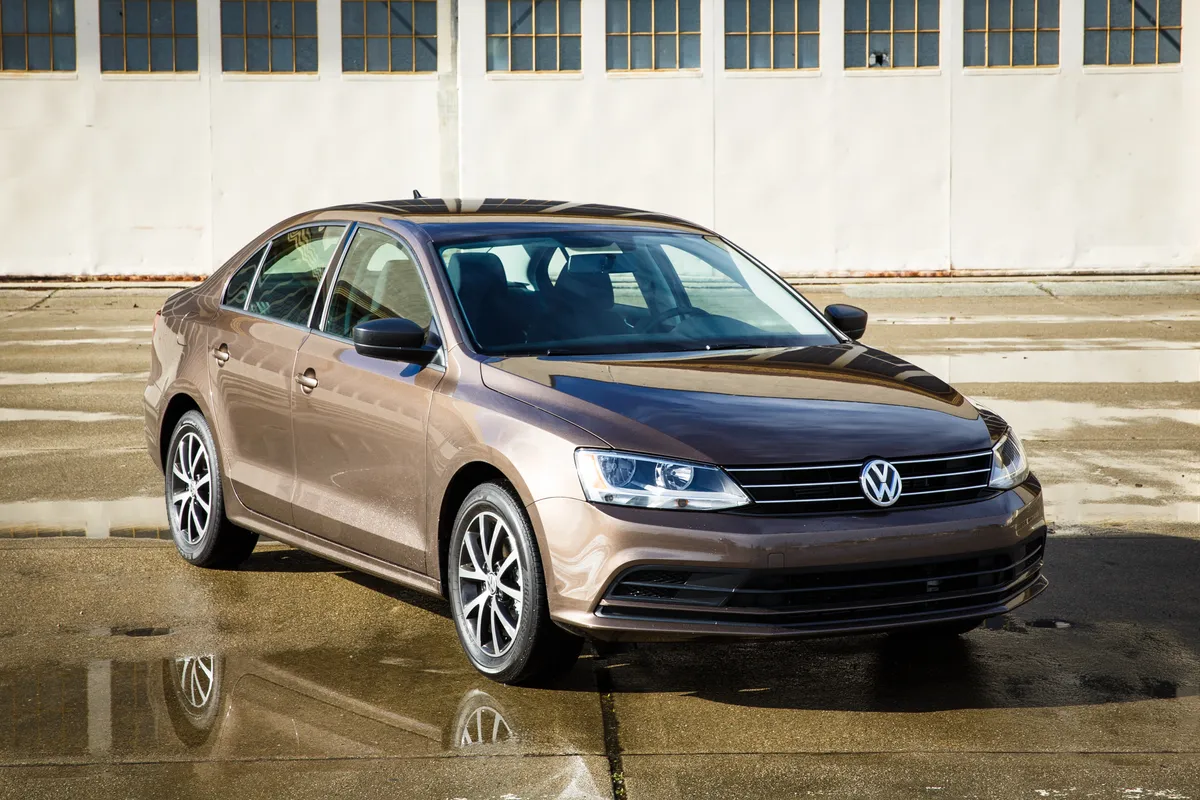
5. Volkswagen Jetta with 2.0T Engine (2011-2016)
The Volkswagen Jetta equipped with the 2.0-liter turbocharged four-cylinder engine presents an interesting case study in why European engineering and upscale ambiance don’t always translate to smart buying decisions.
While these Jettas offer attractive styling, a premium-feeling interior, and enjoyable driving dynamics, they suffer from reliability problems and maintenance costs that make them poor choices for Auburn buyers seeking worry-free daily transportation.
The 2.0T engine itself, while powerful and refined, proves problematic in multiple ways. The timing chain tensioner is a well-documented weak point that frequently fails prematurely, sometimes before 100,000 miles.
When the tensioner fails, the timing chain can skip or break, causing catastrophic engine damage that requires complete engine replacement or extensive rebuild costing many thousands of dollars.
Warning signs include rattling noises from the engine, particularly on cold starts, but by the time these symptoms appear, damage may already be occurring. Proactive timing chain tensioner replacement costs $1,000-$1,500 but represents insurance against far more expensive engine damage.
Carbon buildup on intake valves is endemic to direct-injection engines, and the 2.0T Jetta is particularly susceptible. Over time, carbon deposits accumulate on intake valves because the fuel injection occurs directly in the cylinders, bypassing the cleaning action that occurs in port-injection engines.
This buildup causes rough idling, hesitation during acceleration, misfires, and reduced power output. Cleaning requires labor-intensive walnut shell blasting service that costs $400-$700 and typically needs repeating every 40,000-60,000 miles.
This represents an ongoing maintenance expense that owners don’t expect and that far exceeds what you’d encounter with competing Japanese vehicles.
For Auburn buyers, these Jettas represent a classic case of false economy. The attractive styling, enjoyable driving dynamics, and European prestige come with hidden costs that make these vehicles poor choices for dependable daily transportation.
While not every Jetta owner experiences catastrophic problems, the raised risk compared to Japanese competitors makes these vehicles hard to recommend for buyers prioritizing reliability and reasonable ownership costs.
Also Read: 5 Cars for Lafayette Coastal Life and 5 That Rust Fast
