
Cambridge, with its narrow medieval streets, centuries-old colleges, and vibrant academic community, presents unique transportation challenges that demand careful vehicle selection.
This historic city, home to one of the world’s most prestigious universities, combines ancient architecture with modern urban living, creating a distinctive environment where not every car fits comfortably.
The cobblestone lanes that wind between King’s College Chapel and the Market Square weren’t designed for today’s vehicles, and the city’s commitment to sustainability, cycling culture, and pedestrian-friendly zones adds another layer of complexity to automotive choices.
For students, academics, and young professionals going through the Cambridge life, choosing the right car can mean the difference between stress-free mobility and daily frustration.
The ideal Cambridge vehicle needs to be compact enough to squeeze through tight streets, economical enough to suit a student budget, easy to park in limited spaces, and reliable enough to handle both city commutes and occasional trips home.
Certain vehicles despite their appeal elsewhere become liabilities in Cambridge’s unique setting, where oversized dimensions, poor fuel economy, or excessive maintenance costs can quickly drain finances and patience.
This guide examines ten vehicles through the lens of Cambridge practicality, identifying five excellent choices that harmonize with college life and five that, despite their merits elsewhere, clash with the realities of going through the this historic city’s demanding environment.
The 5 Best Cars for Cambridge City Commuters
These exceptionally practical vehicles feature compact dimensions and excellent fuel economy perfectly suited for going through the Cambridge’s narrow streets and limited parking, providing nimble transportation through Harvard Square congestion and tight residential neighborhoods without the size frustrations typically associated with urban New England living.
Their sensible engineering includes tight turning radii and efficient powertrains that resist the parking nightmares found in oversized vehicles while handling daily Mass Ave commutes, frequent Boston trips across the Charles, and winter snow emergencies requiring residential permit parking in cramped spaces.
1. Fiat 500
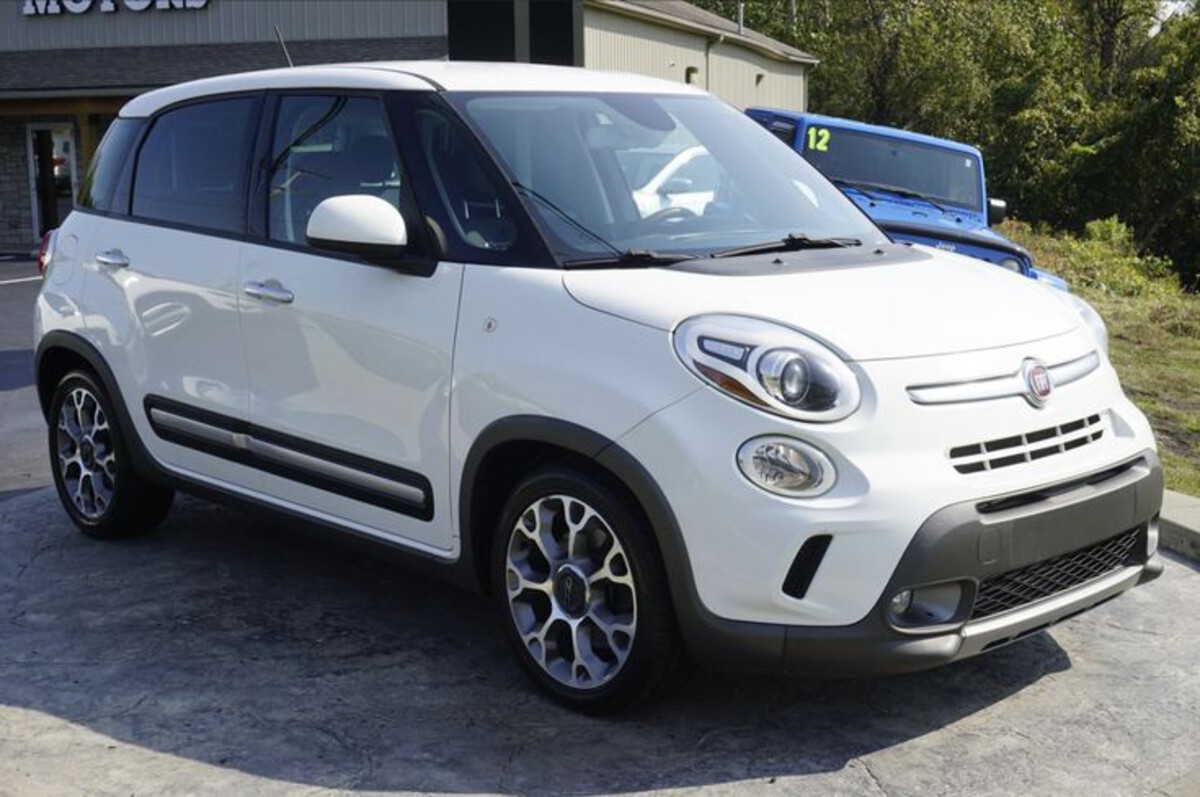
The Fiat 500 has become an icon on Cambridge streets, and for excellent reasons that go far beyond its undeniably charming Italian styling.
This diminutive city car measures just 3.5 meters in length, making it one of the most maneuverable vehicles available and perfectly suited to Cambridge’s notoriously tight parking situations.
Whether you’re attempting to squeeze into a resident’s parking bay near Jesus Green or going through the cramped car parks behind Sidney Sussex College, the 500’s compact footprint transforms potentially stressful situations into manageable tasks.
Economically, the Fiat 500 aligns beautifully with student budgets and early-career finances. The entry-level models equipped with the efficient TwinAir engine deliver exceptional fuel economy, often exceeding 60 miles per gallon in real-world driving conditions.
This efficiency translates to fewer petrol station visits and more money available for books, social activities, or saving toward future goals.
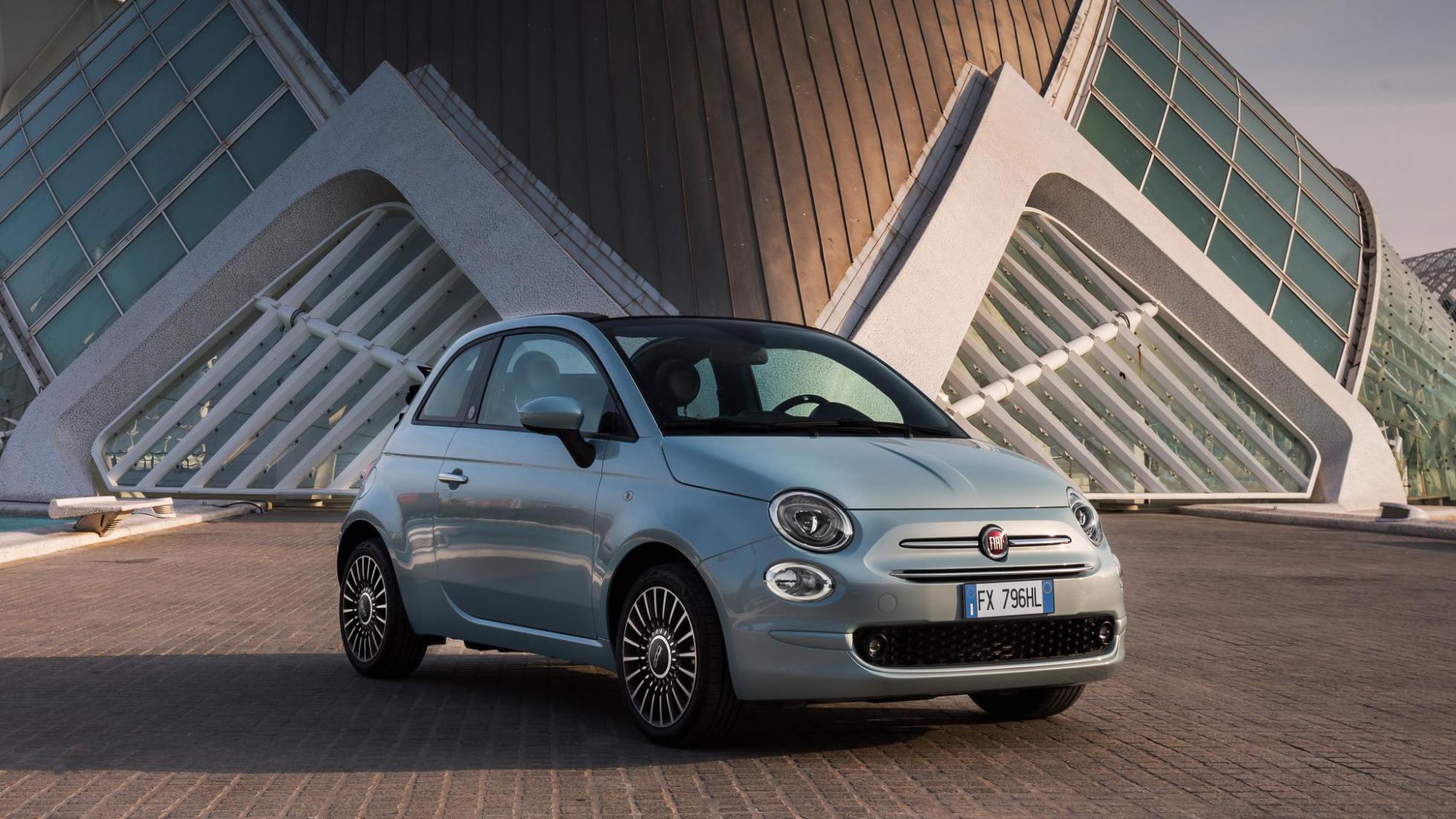
Insurance costs remain remarkably reasonable too, with the 500 typically falling into lower insurance groups a crucial consideration for younger drivers who often face prohibitively expensive premiums.
The interior, while compact, showcases thoughtful Italian design that maximizes space utilization.
Two adults fit comfortably in front, with adequate headroom despite the car’s modest height, while the rear seats serve well for occasional passengers or, more practically for students, additional storage for library books, sports equipment, or weekly shopping.
The boot, though small by conventional standards, proves surprisingly accommodating for everyday needs, and the rear seats fold down to create additional cargo space when necessary.
Maintenance costs remain modest, parts are readily available, and numerous local mechanics in and around Cambridge are familiar with these popular vehicles. The 500’s reliability has improved significantly over earlier generations, though it’s wise to keep up with regular servicing to maintain that dependability.
2. Volkswagen Polo
The Volkswagen Polo represents the sweet spot between compact dimensions and genuine practicality, making it an outstanding choice for Cambridge commuters who need slightly more space than a city car offers without sacrificing maneuverability.
At approximately 4 meters long, the Polo remains small enough to go through the Cambridge’s challenging streets while providing a more substantial feel and greater interior room than ultra-compact alternatives.
Build quality stands as one of the Polo’s defining characteristics. Volkswagen’s reputation for solid construction manifests in every aspect of this supermini from the satisfying sound of closing doors to the robust feel of interior switches and controls.
This quality translates into longevity and reliability, important considerations for students or young professionals who need a car to last through multiple years of education or early career development without requiring constant repairs or unexpected garage visits.
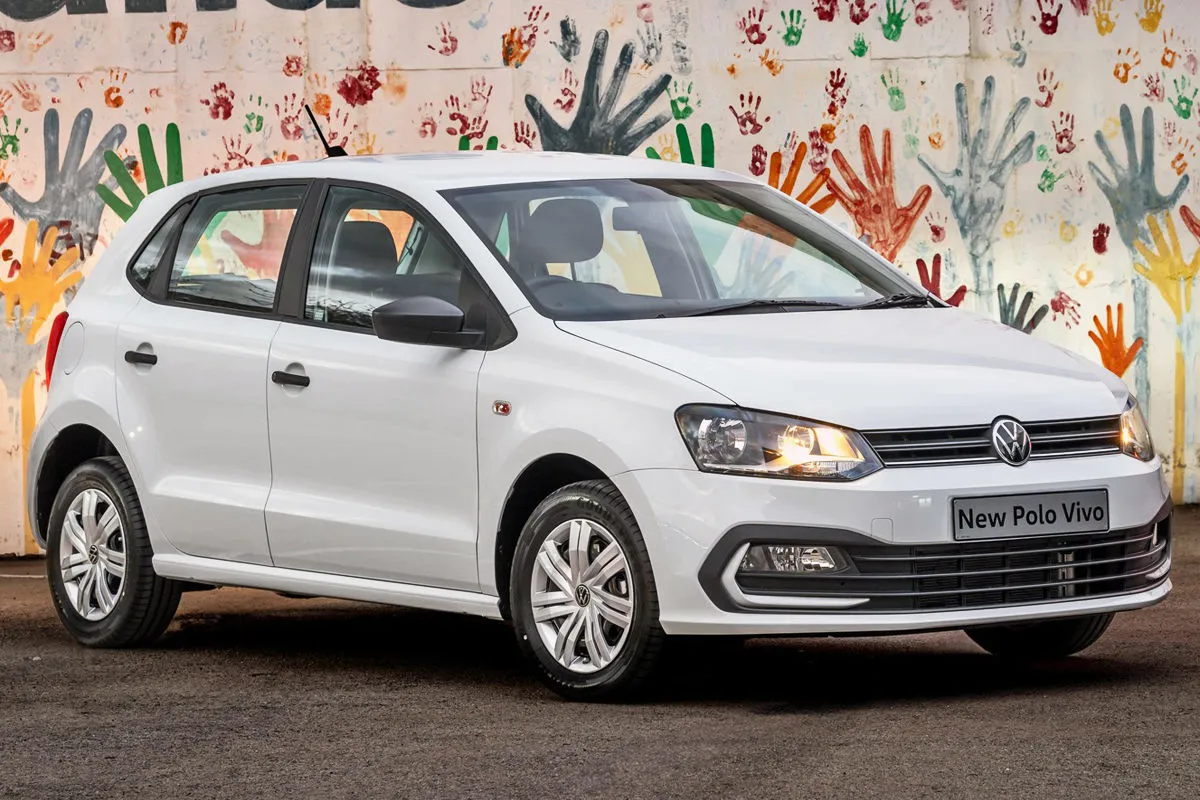
The Polo’s interior space impresses, particularly for its class. Front seat occupants enjoy generous headroom and legroom, while rear passengers find genuinely usable space a rarity in this segment and particularly valuable when offering friends lifts back to college after late library sessions or transporting family members visiting from home.
The boot capacity of around 350 liters comfortably accommodates luggage for term-time moves between Cambridge and home, weekly grocery shopping trips to Tesco or Sainsbury’s, and sports equipment for recreational activities.
The Polo’s reputation for reliability and strong residual values means it holds its worth well, an important consideration for those who may need to sell after graduating or relocating for work.
The extensive dealer and specialist network around Cambridge ensures maintenance and repairs are never difficult to arrange, and parts pricing remains reasonable for a premium European brand.
3. Toyota Yaris Hybrid
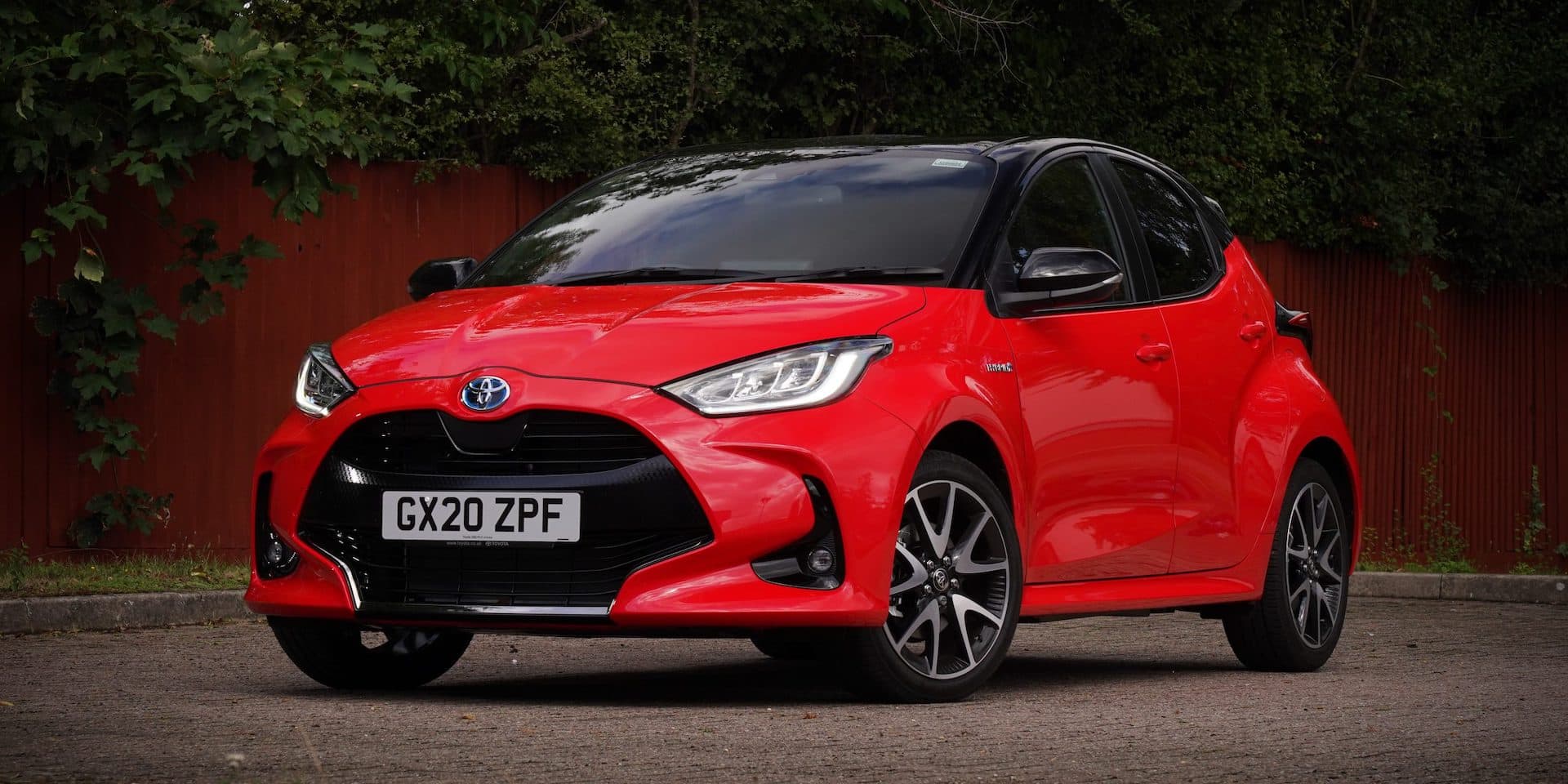
The Toyota Yaris Hybrid exemplifies modern automotive efficiency, combining petrol and electric power to deliver extraordinary fuel economy that resonates perfectly with Cambridge’s environmentally conscious community and the practical needs of budget-aware commuters.
Cambridge, with its strong cycling culture and environmental awareness, provides an ideal setting for hybrid technology, and the Yaris delivers hybrid benefits without the range anxiety or charging infrastructure requirements of fully electric vehicles.
The hybrid powertrain’s brilliance lies in its seamless operation and real-world efficiency. In typical Cambridge driving conditions frequent stops at traffic lights, slow-speed navigation through congested areas, short trips between colleges and city center the Yaris operates in electric mode surprisingly often, using no petrol whatsoever.
This results in exceptional fuel consumption figures that often exceed 60 miles per gallon, sometimes approaching 70 mpg for careful drivers focusing on economy.
These numbers translate to significantly reduced running costs and fewer petrol station visits, leaving more money for other priorities.
Toyota’s legendary reliability reinforces the Yaris Hybrid’s appeal. The Japanese manufacturer consistently tops reliability surveys, and the Yaris benefits from decades of hybrid technology refinement that began with the pioneering Prius.
The hybrid system itself requires minimal maintenance beyond normal servicing, and Toyota typically offers generous warranties that provide peace of mind particularly valuable for students or young professionals who cannot afford unexpected repair bills.
Many Yaris Hybrids accumulate enormous mileages with minimal issues, making them excellent long-term companions throughout academic careers and beyond.
Road tax benefits and potential congestion charge exemptions in some areas add further financial advantages, while strong residual values mean the Yaris retains worth well.
For environmentally conscious Cambridge residents seeking maximum efficiency without sacrificing practicality or reliability, the Yaris Hybrid represents an outstanding choice.
4. MINI Cooper
The MINI Cooper embodies a uniquely British character that harmonizes beautifully with Cambridge’s historic atmosphere while delivering modern performance and surprising practicality in a compact, stylish package.
Though owned by BMW and engineered in Germany, the MINI retains quintessentially British design elements and driving characteristics that resonate with Cambridge’s blend of tradition and modernity.
MINI’s compact dimensions approximately 3.8 meters for three-door models make it ideally suited to Cambridge’s medieval street layout.
The car’s width and tight turning circle facilitate navigation through narrow passages between ancient colleges and crowded market areas where larger vehicles struggle.
Parking becomes less stressful, whether squeezing into resident bays near Parker’s Piece or fitting into limited student parking allocations at various colleges.

Driving dynamics distinguish the MINI from most rivals. BMW’s engineering influence manifests in sharp handling, responsive steering, and an engaging driving experience that transforms even mundane Cambridge commutes into enjoyable journeys.
The go-kart-like handling characteristics, firm suspension, and eager engines particularly in Cooper S variants provide genuine driving pleasure while remaining appropriate for city use. This engagement proves valuable on occasional longer journeys home or weekend trips exploring surrounding countryside.
Customization options allow extensive personalization, from roof colors and mirror caps to interior trim choices and wheel designs. This individuality appeals to students and young professionals wanting vehicles that express personal style rather than anonymous transportation appliances.
Strong residual values offset higher initial costs, while established BMW dealerships around Cambridge provide reliable service, though maintenance costs exceed mainstream brands.
For those valuing style, driving engagement, and distinctive character alongside Cambridge practicality, the MINI Cooper delivers a compelling package.
Also Read: 5 Cars for Cincinnati Riverfront Runs and 5 That Don’t Fit Tight Parking
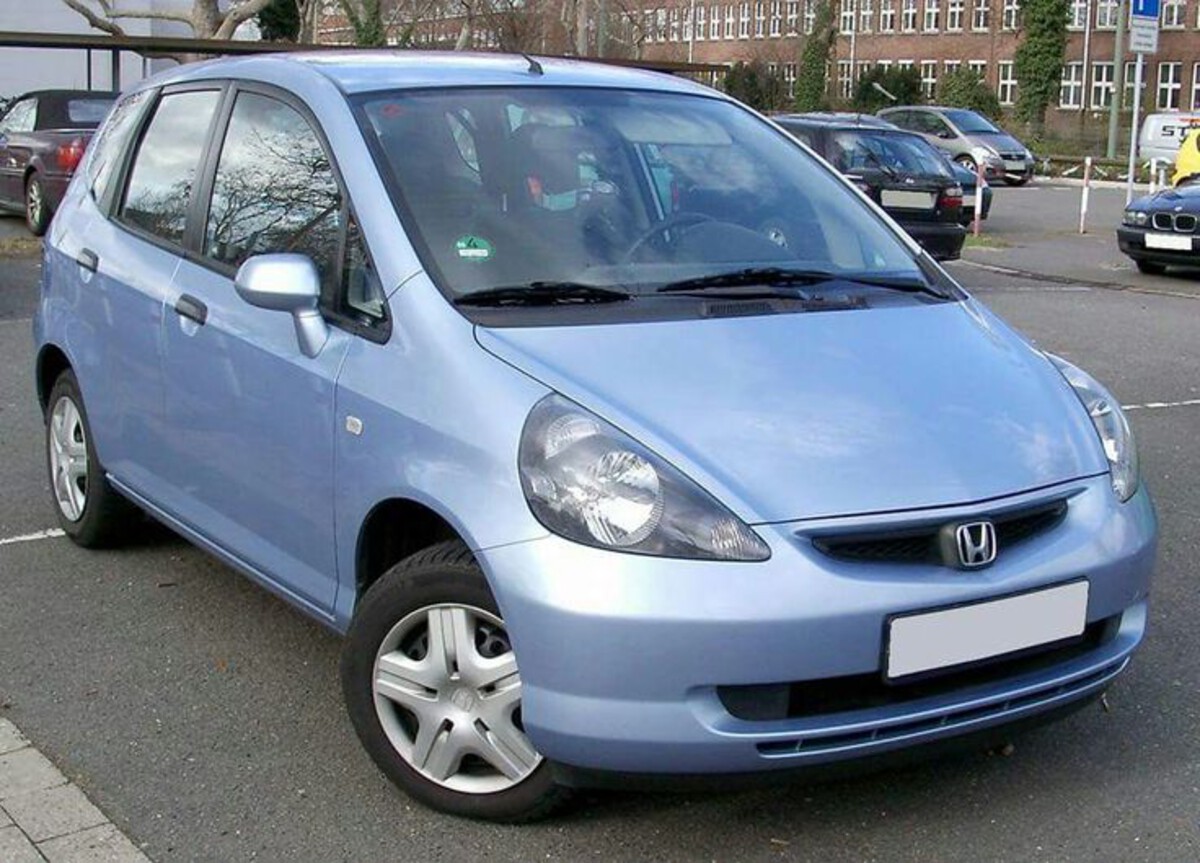
5. Honda Jazz
The Honda Jazz might lack the stylish appeal of a MINI or Fiat 500, but this unassuming Japanese supermini delivers extraordinary practicality and reliability that makes it an outstanding choice for Cambridge commuters who prioritize function over fashion.
The Jazz’s genius lies in its ingenious packaging and space utilization, offering genuinely impressive interior room and versatility despite compact external dimensions that suit Cambridge’s constrained environment perfectly.
Honda’s “man maximum, machine minimum” design philosophy manifests brilliantly in the Jazz. At approximately 4 meters long, the exterior dimensions remain manageable for Cambridge streets and parking, yet the interior feels remarkably spacious closer to vehicles from the class above.
Clever engineering positions the fuel tank under the front seats rather than beneath the rear, allowing a flat floor and exceptional rear legroom that genuinely accommodates tall adults comfortably.
This space proves invaluable when transporting friends, family visitors, or simply enjoying a less cramped environment during daily commutes.
The Magic Seats system represents the Jazz’s party trick and strongest practical advantage. The rear seats fold and tumble in multiple configurations: standard folding creates a large, flat cargo area; the seat bases flip upward like cinema seats, allowing tall items to stand vertically; or seats can be removed entirely for maximum cargo capacity.
This versatility transforms the Jazz into a genuinely practical vehicle for students moving belongings between Cambridge and home, transporting large items from homeware stores, or accommodating sports equipment, musical instruments, or academic materials.
Strong residual values, low running costs, and extensive Honda dealer networks make the Jazz an intelligent, practical choice for Cambridge commuters who value space, reliability, and versatility over style and driving dynamics.
The 5 Cars That Aren’t College-Friendly in Cambridge
These frustratingly impractical vehicles suffer from excessive size and poor fuel economy that create constant headaches for Cambridge residents, transforming routine errands into parking nightmares and budget-draining fuel stops that undermine the practicality required for academic community living.
Their problematic characteristics include oversized dimensions and thirsty engines that cannot go through the Cambridge’s historic street layouts designed for horses or maintain reasonable operating costs during constant short trips between campus buildings and Kendall Square research facilities.
Despite impressive capabilities and spacious interiors, these vehicles torture students and faculty through their inability to fit residential permit spaces on narrow side streets, astronomical fuel consumption during two-mile commutes, and excessive width making Massachusetts Avenue bike lane navigation genuinely stressful while blocking narrow passages
1. Range Rover
The Range Rover represents automotive luxury and capability at its finest, but in Cambridge’s context, this prestigious SUV becomes an impractical liability that clashes fundamentally with the city’s physical constraints and student lifestyle realities.
At over 5 meters long and 2 meters wide, the Range Rover’s substantial dimensions transform everyday Cambridge driving situations into stressful challenges that negate any luxury benefits the vehicle provides.
Going through the Cambridge’s narrow medieval streets in a Range Rover requires constant vigilance and stress. Roads designed for horses and carts struggle to accommodate modern SUVs, with wing mirrors frequently coming dangerously close to stone walls, parked vehicles, or cyclists squeezing past.
The width makes passing oncoming traffic difficult on many routes, forcing one vehicle to stop and wait frustrating for everyone involved.
Tight corners around college buildings require multiple-point turns, while narrow passages like those around the historic core simply cannot accommodate vehicles of this size comfortably.
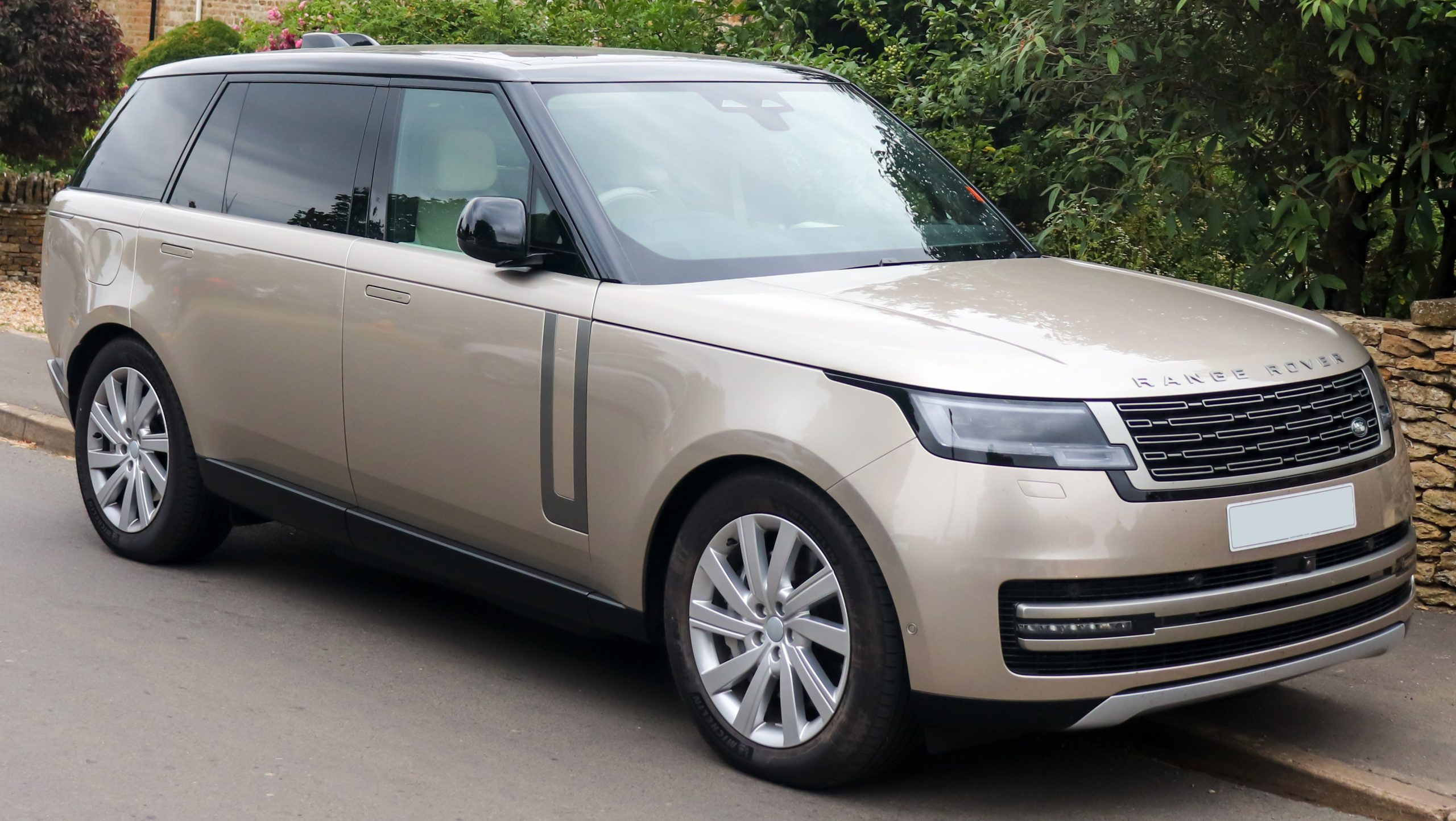
Parking presents enormous challenges. College parking allocations rarely accommodate vehicles this large, and even where physically possible, a Range Rover consumes space that could fit two smaller vehicles potentially violating parking regulations or making you deeply unpopular with fellow students needing spaces.
Street parking around Cambridge becomes an exercise in frustration, with the Range Rover frequently too large for available spaces or overhanging into adjacent bays.
Multi-story car parks feature tight ramps, low clearances, and narrow spaces that make maneuvering stressful and risk expensive damage to the vehicle’s expensive bodywork.
For Cambridge life, the Range Rover represents everything wrong in a city vehicle: oversized for the environment, financially ruinous for young budgets, environmentally problematic, and practically unsuitable for daily urban commuting. Whatever merits Range Rovers offer in other contexts evaporate completely in Cambridge’s unique setting.
2. Ford F-150 Pickup
The Ford F-150, America’s best-selling vehicle for decades, represents practical utility and capability in its home market but becomes an absurdly inappropriate choice for Cambridge city commuting.
This full-size American pickup truck embodies excess on a scale that clashes fundamentally with Cambridge’s compact European urban environment, creating problems that extend far beyond mere inconvenience into genuine impracticality.
Physical dimensions tell the immediate story. At well over 5.8 meters long, 2 meters wide, and nearly 2 meters tall, the F-150 dwarfs even large European SUVs. This enormous size makes the truck fundamentally incompatible with Cambridge’s infrastructure.
Many medieval streets literally cannot accommodate the F-150’s width, forcing the driver into constant anxiety about scraping historic stone walls or colliding with oncoming vehicles.
Visibility over the massive hood proves poor for spotting pedestrians and cyclists a serious safety concern in Cambridge’s crowded, cycle-heavy streets.
Parking becomes virtually impossible. The F-150 physically won’t fit into most standard British parking spaces, which are designed for vehicles roughly half the F-150’s size.

College car parks with their tight layouts and limited allocations simply cannot accommodate such vehicles. Even where space technically exists, the turning radius and length make maneuvering difficult and time-consuming.
Multi-story car parks with their height restrictions often cannot physically accommodate the F-150’s tall stance, while narrow ramps designed for European vehicles become treacherous obstacles.
Fuel consumption reaches truly eye-watering levels. The F-150’s large engines typically V6 or V8 units displacing over 3 liters combined with substantial weight and poor aerodynamics result in fuel economy that rarely exceeds 20 miles per gallon, often dipping to the teens in city driving.
At British petrol prices, this translates to ruinous running costs that would devastate any student budget. A weekly fuel bill could easily exceed what many students spend on food, making the F-150 financially absurd for Cambridge commuting.
The F-150 offers genuine utility for specific purposes construction, farming, towing heavy trailers but Cambridge students and urban commuters require none of these capabilities.
The truck’s bed remains largely empty for most users, representing wasted space and efficiency. For Cambridge city commuting, the F-150 represents perhaps the single worst vehicle choice imaginable incompatible physically, financially ruinous, environmentally irresponsible, and culturally tone-deaf.
3. Bentley Continental GT
The Bentley Continental GT represents British luxury automotive engineering at its pinnacle, combining stunning design, exquisite craftsmanship, and tremendous performance into a grand touring coupe of undeniable appeal.
However, for Cambridge students or young professionals, this six-figure luxury vehicle becomes an impractical indulgence that creates far more problems than pleasures, clashing with both Cambridge’s physical environment and typical college-age financial realities.
The Continental GT’s substantial size nearly 4.9 meters long and over 2 meters wide creates immediate practical problems. While not quite as enormous as SUVs or pickups, the Bentley’s width and low-slung design make going through the Cambridge’s narrow streets stressful.
The expensive bodywork, featuring hand-crafted panels and premium paintwork costing thousands to repair even minor damage, remains constantly vulnerable to careless door openings in tight car parks, shopping trolleys, bicycle handlebars, and the general chaos of Cambridge’s busy streets.
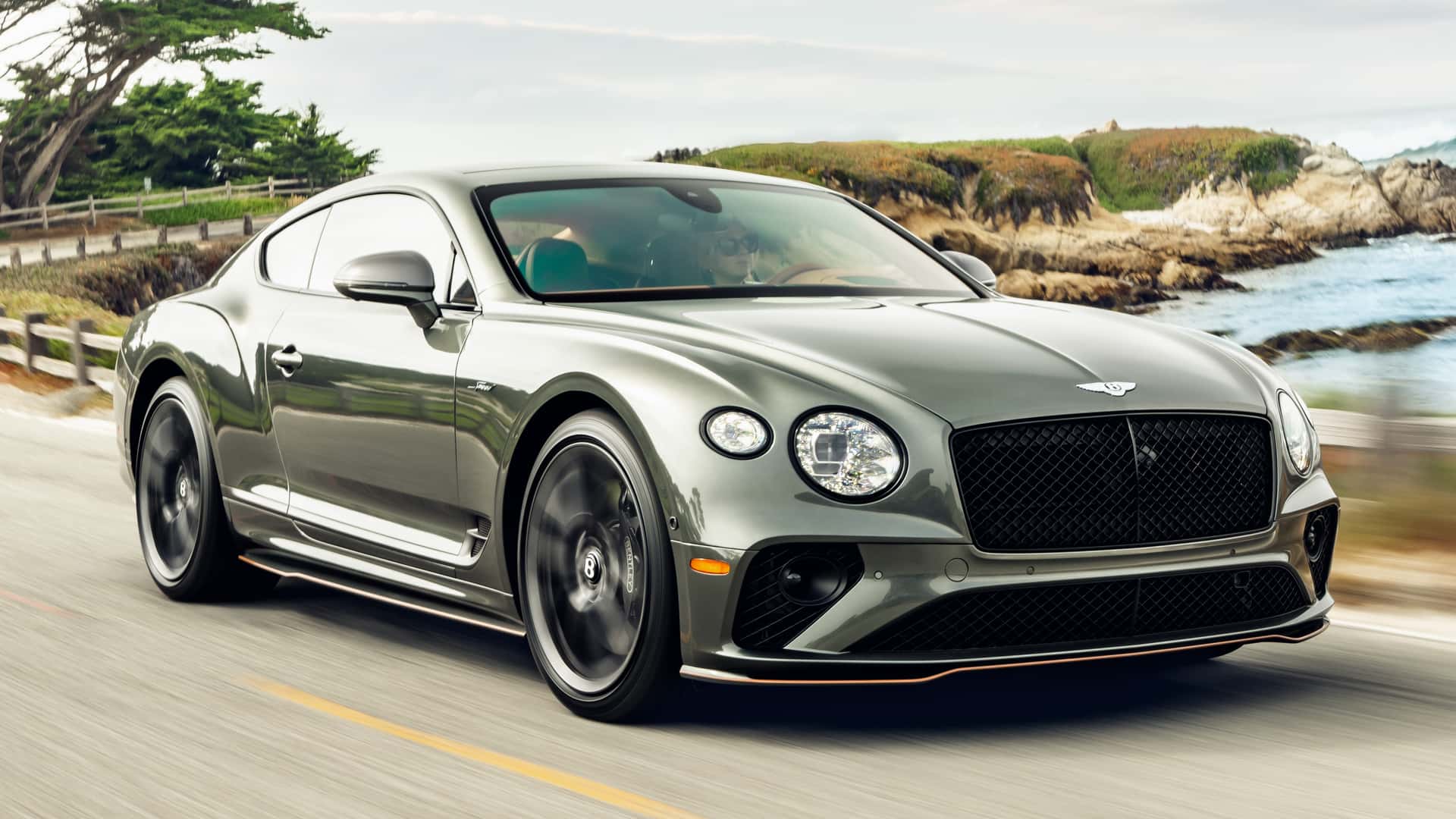
Parking anxiety reaches extreme levels when every space potentially threatens thousands of pounds in repair costs. The Continental GT’s low front spoiler scrapes easily on parking curbs, speed bumps, and steep driveways common around Cambridge.
College car parks with their tight spaces and student drivers of varying skill levels become minefields where one careless neighbor could cause damage costing more than many students’ entire vehicles.
The financial risk of parking such an expensive vehicle in unattended public spaces keeps owners constantly anxious rather than enjoying their luxury purchase.
For Cambridge commuting, the Continental GT represents money badly spent financially excessive, practically unsuitable, socially awkward, and fundamentally mismatched to the environment and lifestyle its owner actually experiences daily.
4. Hummer H2
The Hummer H2, descended from military vehicles and embodying aggressive American SUV culture at its most extreme, represents perhaps the most fundamentally inappropriate vehicle imaginable for Cambridge city commuting.
This massive SUV’s military styling and imposing presence might appeal in certain contexts, but in Cambridge’s historic, compact, cycle-friendly environment, the H2 becomes a liability on every possible level practical, financial, environmental, and social.
Physical dimensions reach genuinely absurd proportions for British streets. At over 5 meters long, over 2 meters wide, and nearly 2 meters tall, the H2 dwarfs typical European vehicles by margins that transform driving from transportation into constant stress.
Cambridge’s medieval streets, many unchanged since long before automobiles existed, simply cannot accommodate such bulk. The H2’s width forces the vehicle to occupy entire narrow roads, making passing impossible and forcing other traffic to reverse to wider sections.
The boxy styling with minimal overhangs at corners means the full width extends throughout, eliminating any margin for error. Visibility poses serious safety concerns.
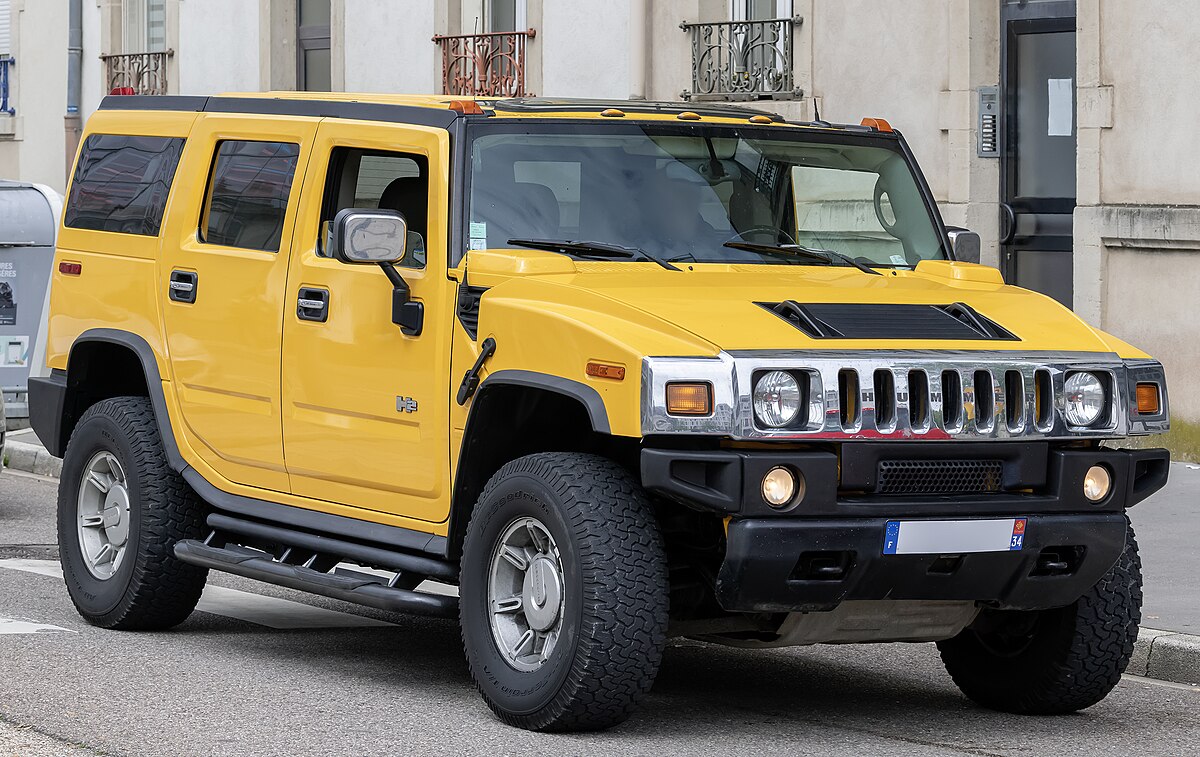
The H2’s high seating position might seem advantageous, but the massive hood and thick pillars create substantial blind spots dangerous for pedestrians and cyclists particularly concerning in Cambridge where cyclists outnumber cars in many areas.
The military-derived design prioritizes imposing presence over outward visibility, making the H2 genuinely dangerous in crowded urban environments where vulnerable road users require constant awareness.
Fuel consumption reaches levels that would be comical if not so environmentally damaging. The H2’s massive weight and crude aerodynamics combined with a large V8 engine result in fuel economy rarely exceeding 12-15 miles per gallon potentially even worse in city driving with constant stops and starts.
At British petrol prices, this translates to costs of 40-50 pence per mile driven, making even short Cambridge commutes expensive. The fuel tank capacity means filling up costs well over £100, yet provides limited range due to the appalling efficiency.
The social implications prove severe. The Hummer H2 symbolizes everything Cambridge residents generally oppose waste, excess, environmental irresponsibility, and American military-industrial culture.
Driving an H2 through Cambridge makes a statement, but not one compatible with academic culture or community values. For Cambridge city commuting, the H2 represents the absolute worst possible vehicle choice across every relevant criterion.
5. Rolls-Royce Phantom
The Rolls-Royce Phantom represents the absolute pinnacle of automotive luxury handcrafted British excellence where price becomes almost irrelevant and ostentatious wealth reaches its automotive apex.
However, for Cambridge students or young professionals, this ultimate luxury limousine becomes the ultimate impractical choice, combining the worst aspects of excessive size, stratospheric costs, and conspicuous consumption in ways that clash fundamentally with Cambridge life.
The Phantom’s immense dimensions over 5.7 meters long and 2 meters wide make it among the largest production cars available, creating immediate and severe practical problems in Cambridge’s compact environment.
Going through the medieval streets designed for pedestrians and horses in a vehicle longer than many city buses transforms every journey into stressful maneuvering.
The Phantom’s length makes three-point turns into six or eight-point struggles, while tight corners around college buildings require careful planning and often multiple attempts. The width leaves minimal margin for error when passing oncoming traffic or parked vehicles on narrow streets.
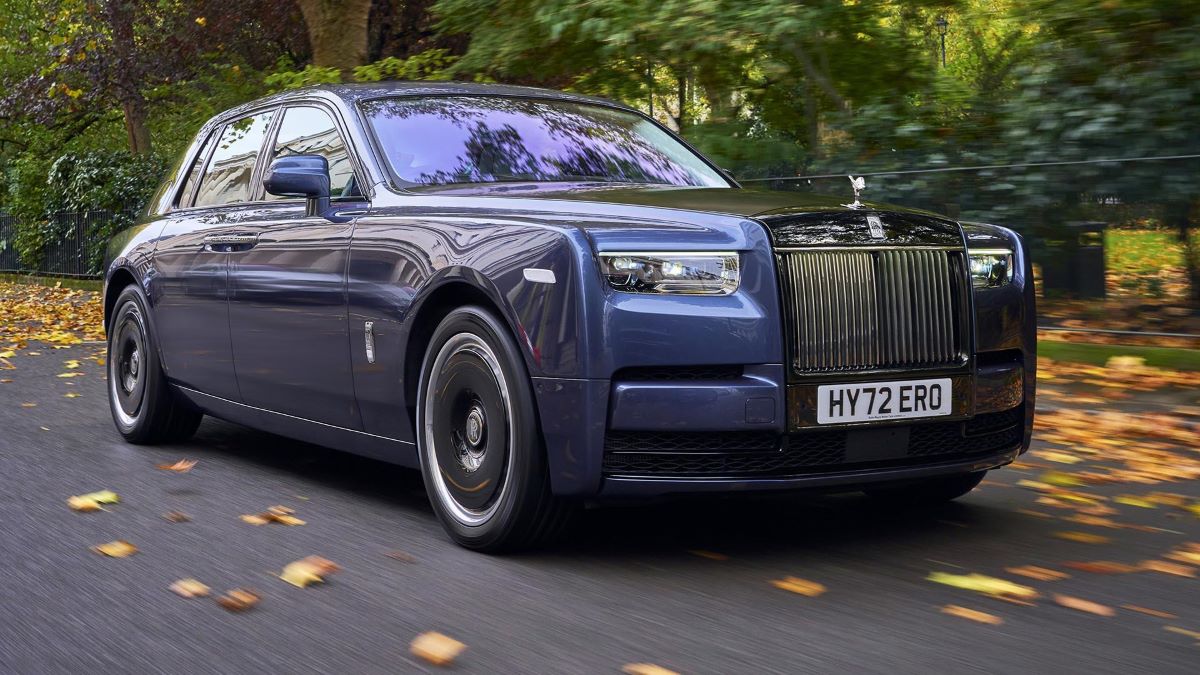
Parking becomes virtually impossible. The Phantom simply won’t fit into standard parking spaces, extending well beyond normal bay markings and requiring multiple spaces impossible in Cambridge’s limited parking areas.
College car parks designed for normal vehicles cannot accommodate such a massive limousine, while street parking means overhanging into adjacent spaces or blocking traffic flow.
The cost and rarity make leaving a Phantom in public parking psychologically difficult even when physically possible, as the risk of damage from careless neighbors or vandalism becomes intolerable.
For Cambridge students or young professionals, the Rolls-Royce Phantom represents money spectacularly misspent financially ruinous, practically unusable, socially inappropriate, and completely mismatched to the actual transportation requirements of Cambridge city commuting.
Whatever appeal the Phantom offers in other contexts disappears entirely when considered for Cambridge’s unique environment.
Also Read: 5 Cars for Lafayette Coastal Life and 5 That Rust Fast
