
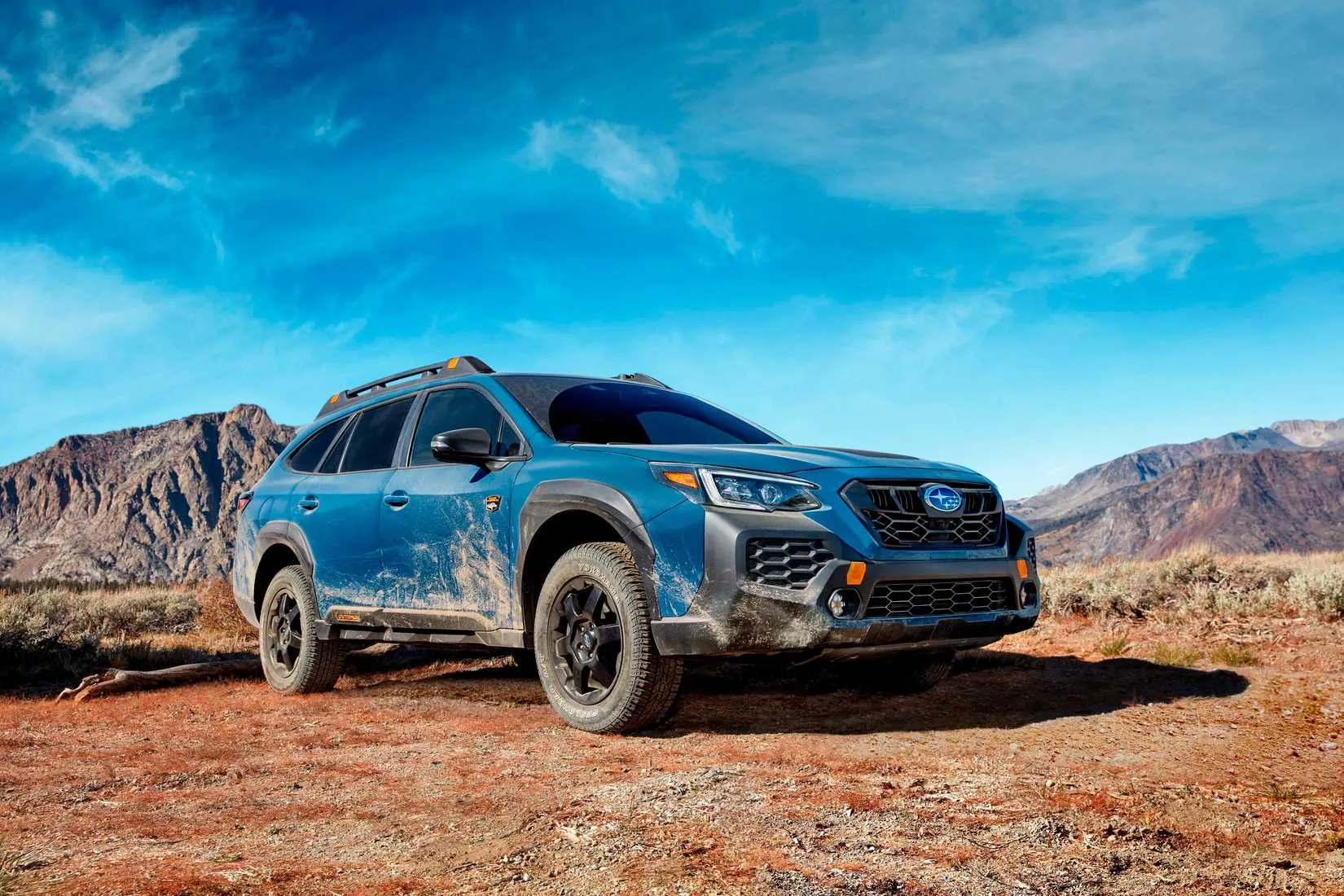
Boulder, Colorado presents unique driving challenges that separate capable vehicles from those that struggle when winter arrives. Nestled against the foothills of the Rocky Mountains, this vibrant city experiences dramatic weather shifts, steep elevation changes, and roads that transform from dry pavement to ice-covered passes within hours.
The region’s combination of urban streets, mountain highways, and backcountry routes demands vehicles equipped to handle diverse conditions year-round.
Winter driving in Boulder isn’t just about getting from point A to point B it’s about safety, confidence, and capability when conditions deteriorate.
The area receives substantial snowfall, with mountain passes often experiencing whiteout conditions and black ice forming on shaded canyon roads. Meanwhile, the famous Boulder Turnpike and routes leading to nearby ski resorts see heavy traffic mixing with challenging weather.
Selecting the right vehicle for Boulder’s environment means considering ground clearance, all-wheel or four-wheel drive systems, winter tire performance, weight distribution, and stability in slippery conditions.
Some vehicles excel in these mountain environments, providing drivers with the traction and control needed to go through the steep grades and sudden storms. Others, despite their appeal in fair-weather climates, reveal significant limitations when faced with snow-packed roads and icy mountain passes.
This guide examines ten vehicles: five that thrive in Boulder’s demanding conditions and five that struggle when winter weather strikes, helping you make an informed decision for mountain living.
5 Cars That Excel on Boulder Mountain Roads
These exceptionally capable vehicles feature intelligent all-wheel-drive systems and adequate ground clearance perfectly suited for accessing Boulder’s endless mountain recreation areas, providing confident transportation through Canyon boulevards and high-altitude trailheads without the anxiety typically associated with two-wheel-drive vehicles struggling on steep snowy grades.
Their thoughtful engineering includes advanced traction management and winter-ready platforms that resist the white-knuckle moments found in inadequate vehicles while handling daily Flagstaff Mountain commutes, frequent Eldora ski trips, and Nederland winter access requiring genuine mountain capability.
1. Subaru Outback
The Subaru Outback has earned legendary status among Boulder residents, and for good reason. This capable wagon combines car-like handling with SUV-level practicality, making it ideally suited for the region’s diverse driving conditions.
Subaru’s symmetrical all-wheel drive system stands as one of the most refined in the automotive industry, distributing power continuously to all four wheels rather than waiting for slip to occur before engaging.
The Outback’s ground clearance of 8.7 inches provides crucial protection when going through the unplowed roads or crossing through deeper snow accumulations.
This extra height prevents the vehicle from becoming stuck on packed snow while maintaining a lower center of gravity than traditional SUVs, which enhances stability on icy curves.
The boxer engine configuration contributes to this balanced weight distribution, placing the engine low in the chassis for improved handling characteristics.
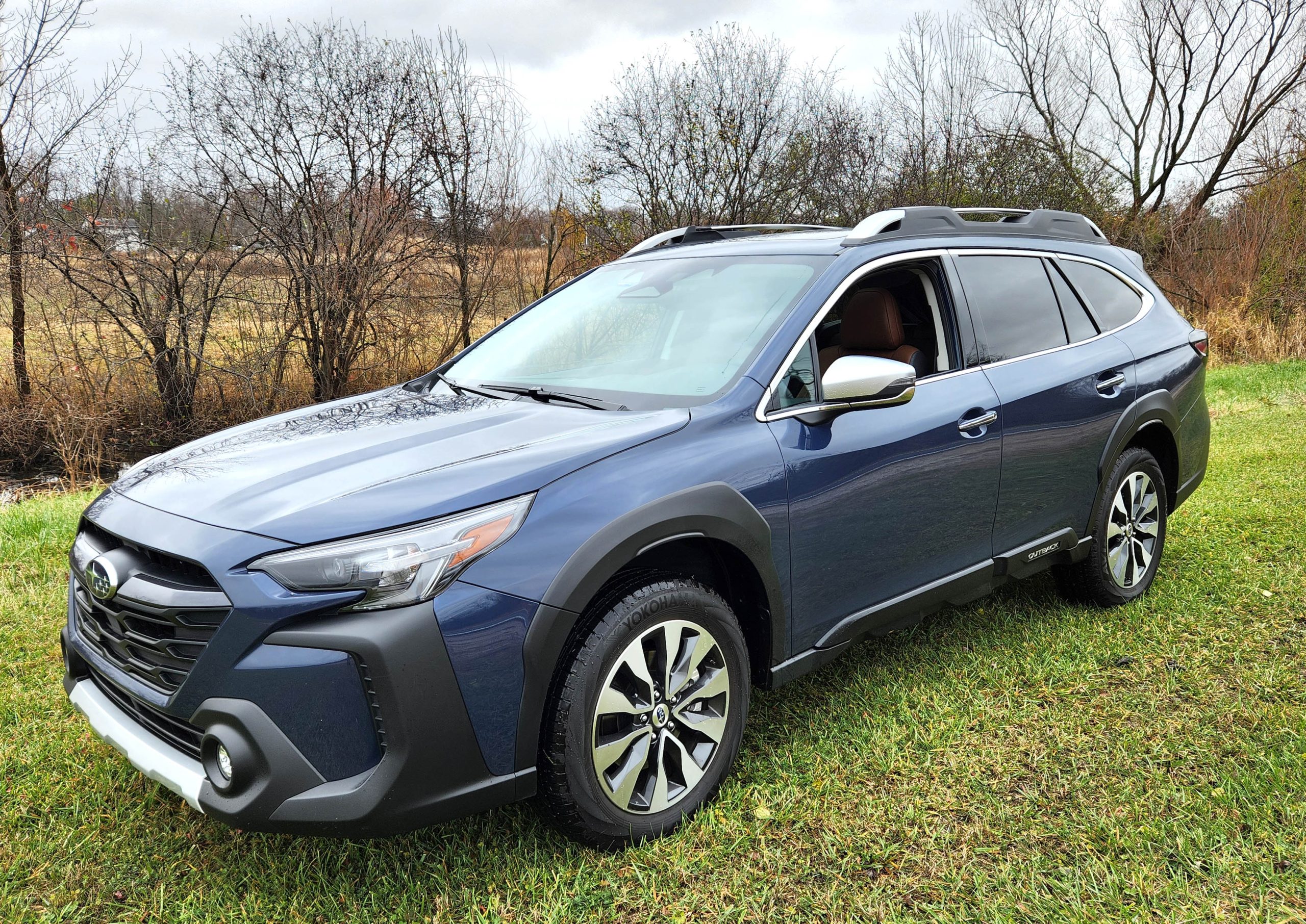
Subaru has refined the Outback’s winter capabilities over decades of production. The vehicle comes standard with features Boulder drivers appreciate: heated seats, defrosting systems that quickly clear windows, and excellent visibility from the driver’s seat.
The generous cargo space accommodates skis, snowboards, camping gear, and everything needed for mountain adventures, while the rear seats fold flat for larger items.
The Outback’s reliability reputation proves particularly valuable for Boulder residents who depend on their vehicles year-round. Subaru’s engineering focuses on durability, with many Outbacks surpassing 200,000 miles with proper maintenance.
This longevity makes the vehicle a sound investment for those committed to mountain living, where vehicle stress exceeds typical urban driving conditions.
2. Toyota 4Runner
The Toyota 4Runner represents traditional body-on-frame SUV capability adapted for modern drivers. This truck-based platform delivers genuine off-road competence while remaining civilized enough for daily commuting through Boulder’s streets.
When conditions deteriorate and lesser vehicles turn back, the 4Runner pushes forward with confidence. Toyota equips the 4Runner with a part-time four-wheel drive system on most models, allowing drivers to select two-wheel drive for dry conditions and engage four-wheel drive when traction becomes limited.
The TRD Off-Road and TRD Pro models include additional technologies like crawl control, multi-terrain select, and kinetic dynamic suspension that further enhance capability on challenging terrain.
These systems prove their worth when going through the rough, snow-covered forest roads leading to popular Boulder County trailheads.
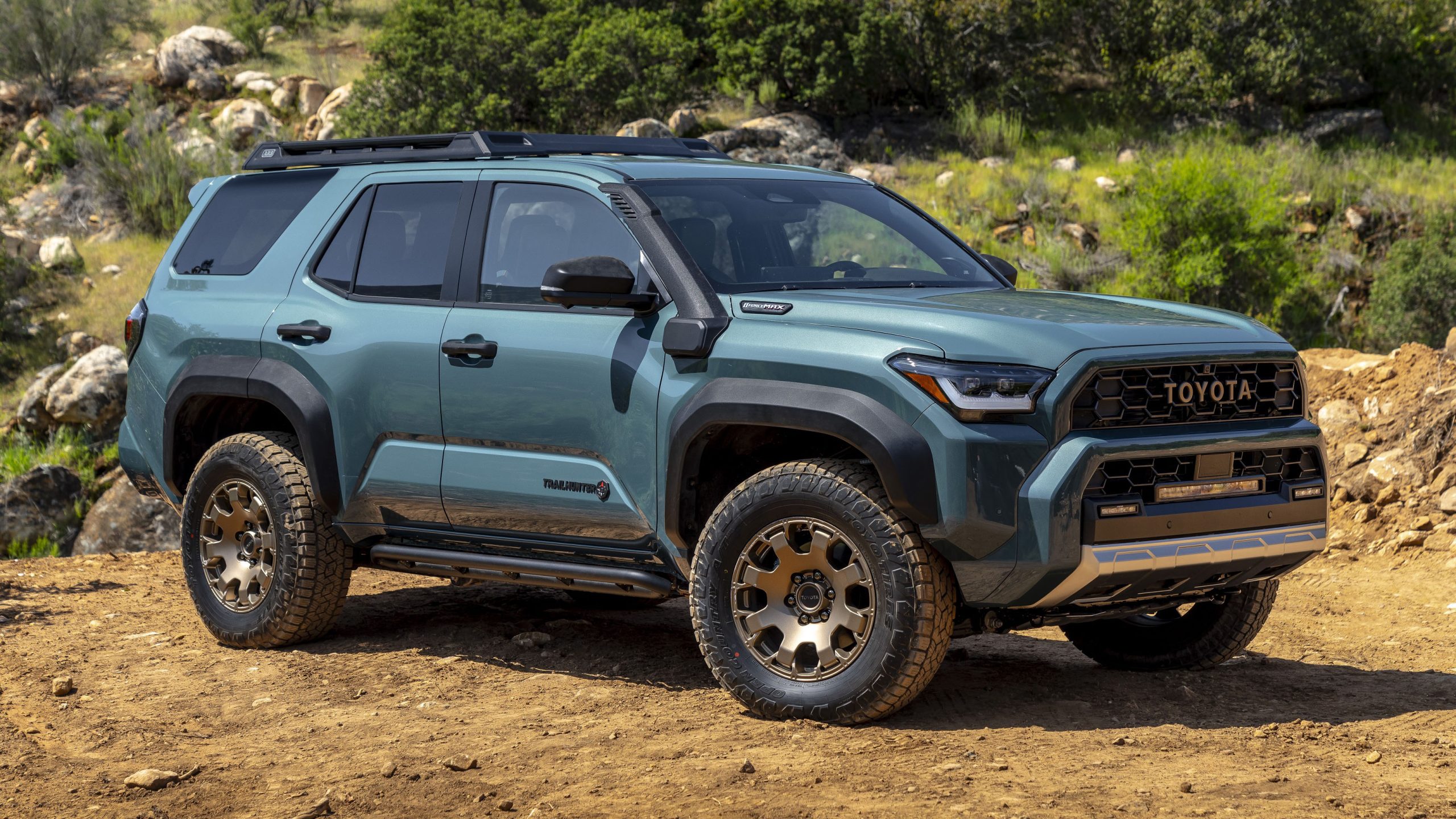
Ground clearance of 9.0 to 9.6 inches, depending on model, ensures the 4Runner clears deep snow and obstacles that would stop lower vehicles.
The approach and departure angles allow the SUV to go through the steep inclines without scraping, essential when entering mountain driveways after snowstorms or tackling the steep grades on routes like Boulder Canyon.
Toyota’s legendary reliability shines in the 4Runner, with the current generation using proven powertrains and mechanical systems rather than chasing the latest automotive trends.
This conservative engineering approach means fewer unexpected repairs and greater confidence when venturing into remote areas where breakdowns carry serious consequences.
3. Audi Q5
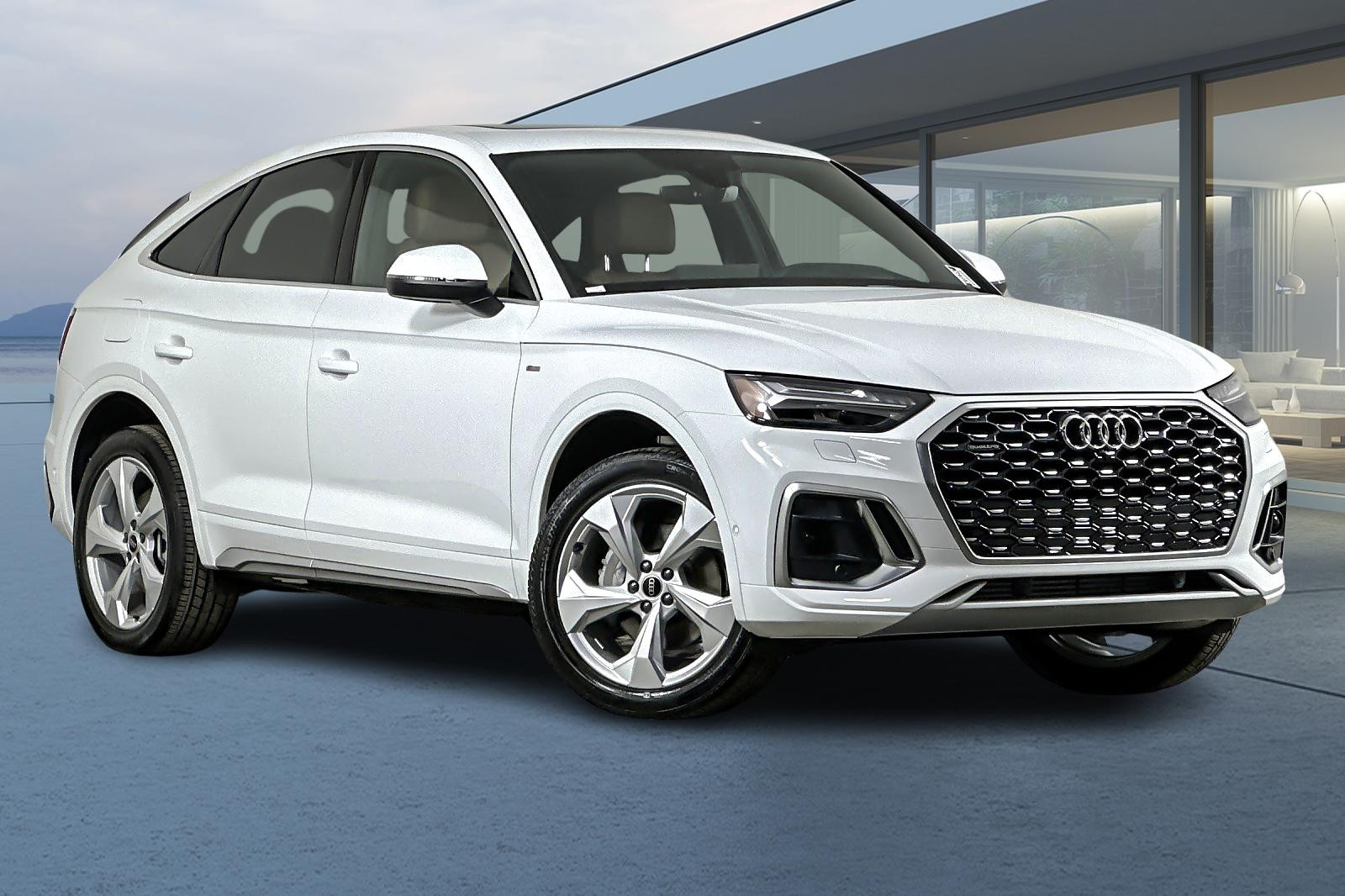
The Audi Q5 brings European refinement to Boulder’s mountain environment, demonstrating that luxury and capability need not be mutually exclusive.
Audi’s quattro all-wheel drive system, refined over four decades, represents one of the most sophisticated approaches to managing traction across varying road conditions.
Unlike simpler systems that primarily drive the front wheels until slip occurs, quattro can proactively distribute power based on driving dynamics and road conditions.
The Q5’s 8.2 inches of ground clearance provides adequate protection for snow-covered roads while maintaining the lower profile that benefits handling and fuel economy.
The vehicle’s unibody construction contributes to a refined ride quality that makes long drives through mountain passes more comfortable than truck-based alternatives.
Sound insulation keeps wind and road noise at bay even when traveling at highway speeds through exposed mountain corridors. Turbocharged four-cylinder and V6 engine options deliver strong performance despite Boulder’s elevation.
The turbocharged engines actually benefit from thinner air at altitude, maintaining power output where naturally aspirated engines struggle. The eight-speed automatic transmission responds smoothly to throttle inputs, making snow driving more predictable and controlled.
Premium materials and build quality justify the Q5’s higher price point, with the interior featuring genuine leather, real wood or aluminum trim, and solid-feeling switchgear.
For Boulder professionals who want a vehicle that performs admirably in snow while providing luxury and prestige, the Q5 delivers comprehensive appeal.
4. Jeep Wrangler
The Jeep Wrangler stands as an icon of off-road capability, and its strengths translate directly to winter driving in Boulder’s mountain environment.
The Wrangler’s approach prioritizes maximum traction and ground clearance over comfort and efficiency, creating a vehicle supremely confident in adverse conditions. When snow accumulation exceeds what crossovers can manage, the Wrangler continues forward.
Ground clearance ranges from 9.7 to 10.8 inches depending on model and suspension choice, allowing the Wrangler to ford through deep snow that would immobilize lower vehicles.
The solid front and rear axles, while less refined than independent suspension systems on pavement, provide exceptional articulation on uneven terrain. This flexibility keeps all four wheels in contact with the ground when going through the rutted, snow-covered roads.
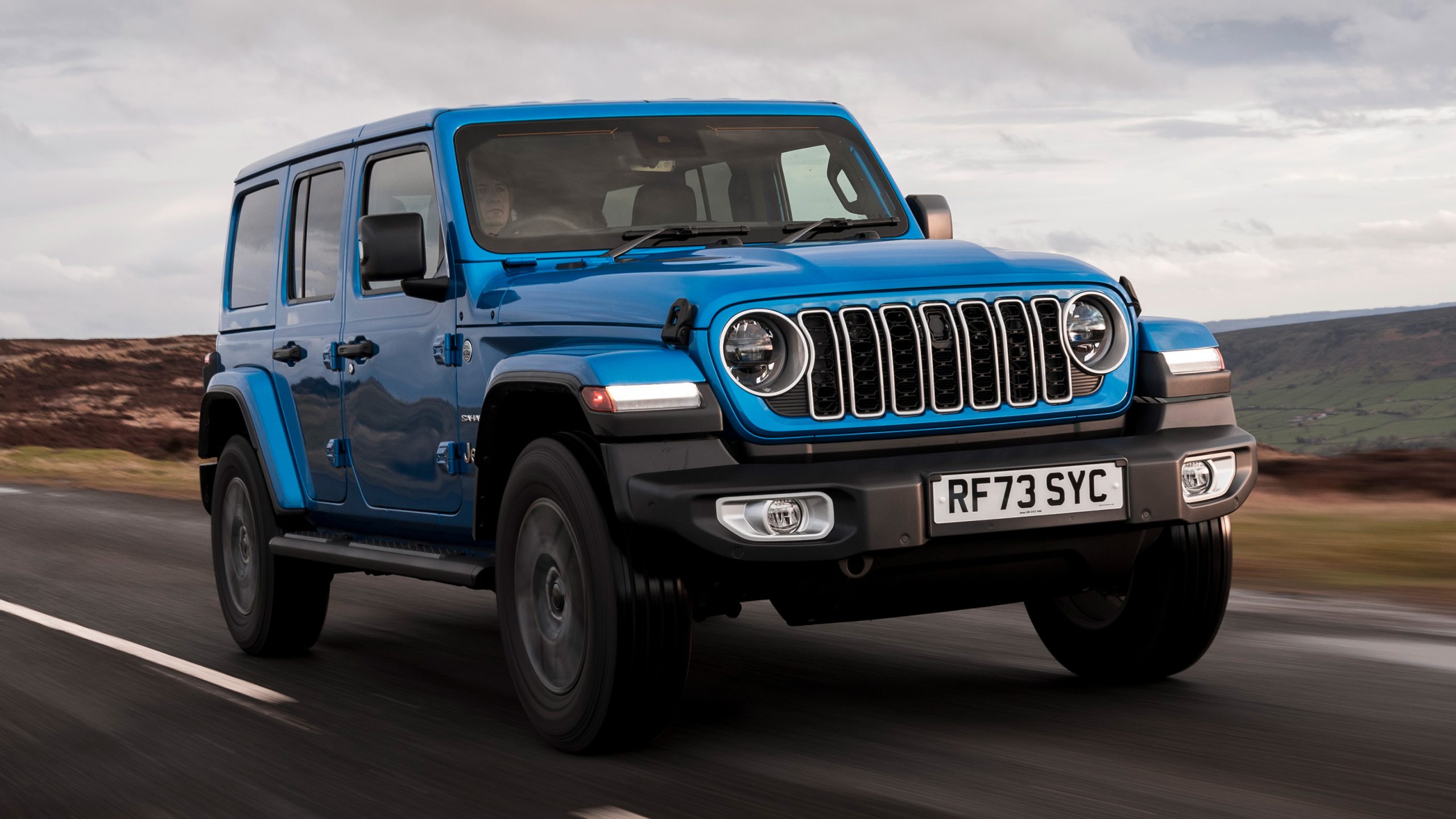
Jeep offers multiple four-wheel drive systems across the Wrangler lineup, from the basic Command-Trac part-time system to the sophisticated Rock-Trac system with ultra-low crawling gears.
Even the base system provides genuine four-wheel drive capability, sending equal power to front and rear axles when engaged. The ability to lock differentials on Rubicon models ensures power reaches wheels with traction even when others are spinning freely, invaluable when extracting the vehicle from deep snow or ice.
The Wrangler’s strongest appeal lies in its go-anywhere confidence. Boulder residents know that once the Wrangler enters four wheel drive, few weather conditions or road situations will prevent them from reaching their destination, providing peace of mind that more car-like crossovers cannot match.
Also Read: 5 Cars for Cambridge City Commuters and 5 That Aren’t College-Friendly
5. Honda CR-V with Winter Tires
The Honda CR-V might surprise some as a Boulder mountain recommendation, but when properly equipped with quality winter tires, this practical crossover handles snowy conditions admirably.
The CR-V demonstrates that capability isn’t solely about maximum ground clearance or mechanical four-wheel drive intelligent engineering and proper tire selection can make an enormous difference in winter performance.
Honda’s Real Time AWD with Intelligent Control System monitors wheel slip and road conditions, automatically engaging the rear wheels when front traction becomes limited.
While less sophisticated than some competitors’ systems, it responds quickly enough for typical snow driving. The system operates invisibly in normal conditions, maintaining front-wheel drive for better fuel efficiency until all-wheel drive becomes necessary.
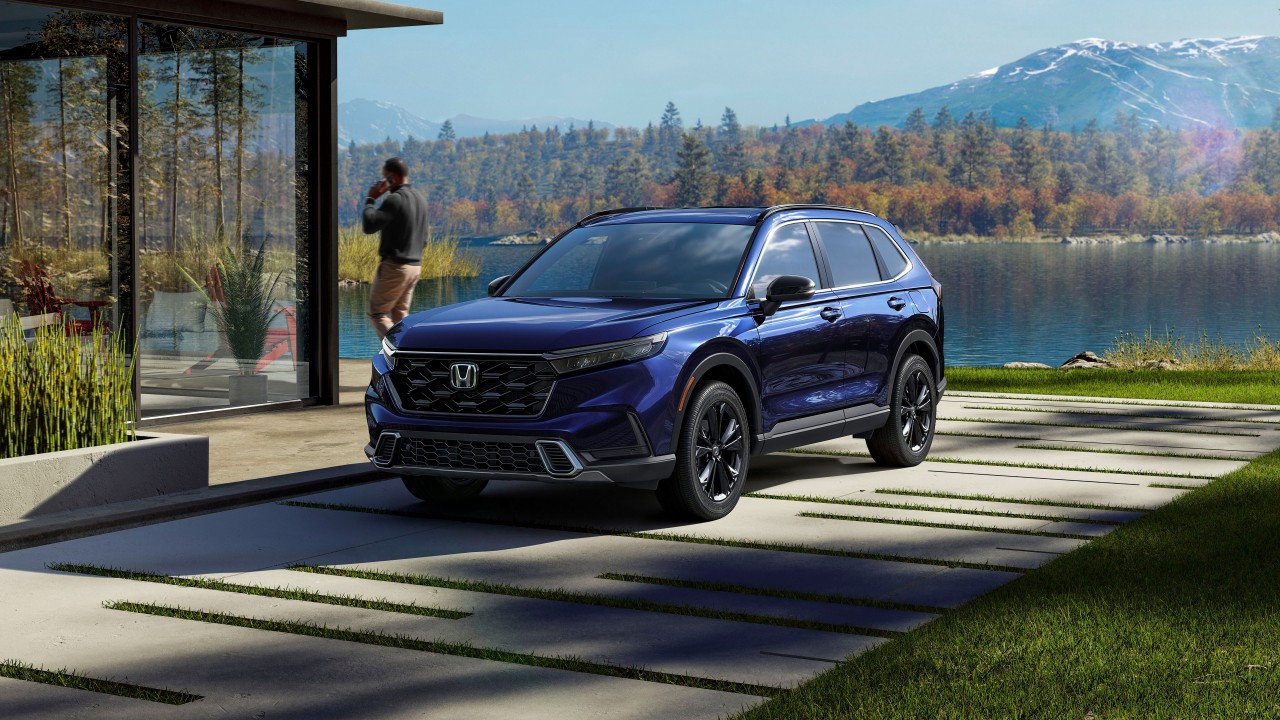
Ground clearance of 8.2 inches matches many competitors while the CR-V’s relatively light curb weight reduces the momentum that can cause problems when braking or cornering on ice.
The vehicle’s compact dimensions make it maneuverable in tight parking situations and easier to control when roads become slippery.
The continuously variable transmission (CVT) provides smooth power delivery without the gear hunting that can upset traction on snow-covered surfaces.
Reliability stands as another CR-V strength, with Honda’s reputation for dependability giving owners confidence their vehicle will start reliably even during Boulder’s coldest mornings.
Maintenance costs remain reasonable, and the widespread availability of Honda service centers ensures convenient access to parts and expertise.
5 Cars That Struggle in Boulder Snow
These anxiety-inducing vehicles suffer from rear-wheel-drive layouts and insufficient ground clearance that create terrifying experiences during Colorado winter conditions, forcing timid driving and constant worry about becoming stranded on routes other vehicles go through the effortlessly throughout Boulder’s long snow season.
Their problematic design includes summer performance tires and inadequate traction systems that cannot handle even modest snowfall on Baseline Road hills, leading to helpless wheel spinning, embarrassing roadside stops, and complete inability to access mountain trailheads that define Front Range living.
1. Rear-Wheel Drive Sports Cars (BMW M3, Chevrolet Corvette, Porsche 911)
Rear-wheel drive sports cars represent perhaps the worst choice for regular Boulder winter driving, combining poor weight distribution for snow traction with low ground clearance and summer-oriented tire compounds.
While these vehicles deliver exhilarating performance on dry pavement, winter transforms them into liability concerns on mountain roads.
The fundamental problem lies in physics. Rear-wheel drive places the engine over the front wheels while asking the rear wheels to handle all propulsion duties.
This configuration works beautifully in dry conditions, providing balanced handling and allowing drivers to steer with the throttle.
However, on snow and ice, the light rear end lacks sufficient weight pressing down on the drive wheels to generate meaningful traction. Even gentle throttle application can cause the rear wheels to spin freely, leaving the vehicle motionless or sliding sideways.
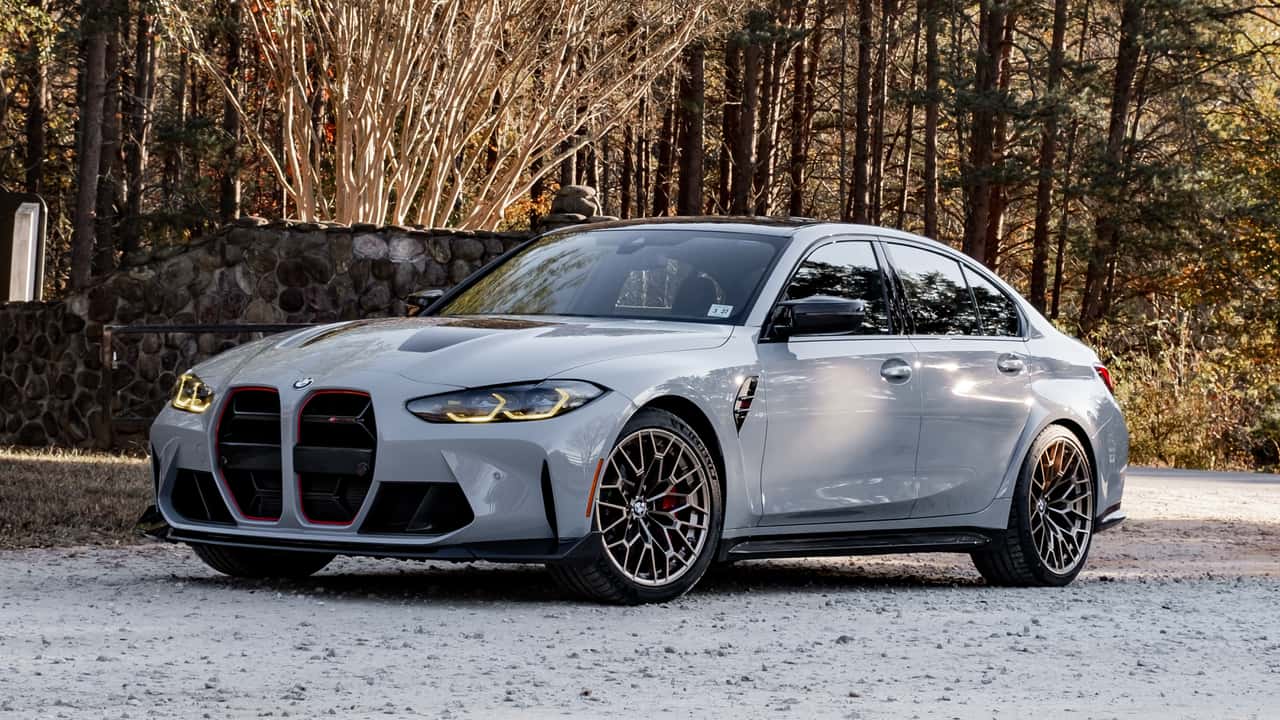
Ground clearance on performance cars typically ranges from 3.5 to 5.0 inches, dramatically less than the eight-plus inches found on capable crossovers and SUVs.
This limitation means even modest snow accumulation can cause the vehicle to become high-centered, with the undercarriage resting on packed snow while wheels spin uselessly in the air.
Boulder’s residential streets often don’t receive immediate plowing, leaving several inches of snow that these low-slung vehicles simply cannot go through.
Many Boulder residents who own sports cars simply park them from November through March, recognizing that attempting winter driving creates unnecessary risk. Those who do venture out in snow quickly discover how slowly they must drive to maintain control, negating the performance that attracted them to these vehicles initially.
The stress of driving a low, rear-wheel drive car through snow, watching for ice patches and hoping not to become stuck, removes any enjoyment from the experience.
For anyone who needs reliable winter transportation in Boulder’s mountain environment, rear-wheel drive sports cars represent an impractical choice that will spend more time parked than driven during the months when conditions challenge even capable vehicles.
2. Compact Economy Cars (Honda Civic, Toyota Corolla, Hyundai Elantra)
Compact economy sedans serve millions of drivers effectively in moderate climates, but Boulder’s mountain environment exposes their limitations.
While not as catastrophically poor as rear-wheel drive sports cars, these front-wheel drive economy models struggle with ground clearance, power delivery, and stability in serious winter conditions.
Ground clearance represents the primary limitation, with most compact sedans offering between 5.5 and 6.5 inches of clearance. This seemingly small difference from crossovers becomes critical when going through the snow-covered roads.
Two to three inches of packed snow, common on Boulder streets hours after a storm, can cause these vehicles to plow snow with their front bumpers and underbody, reducing forward progress and potentially becoming stuck. The plastic aerodynamic panels beneath many modern sedans can also catch on snow and ice, suffering damage or ripping free.
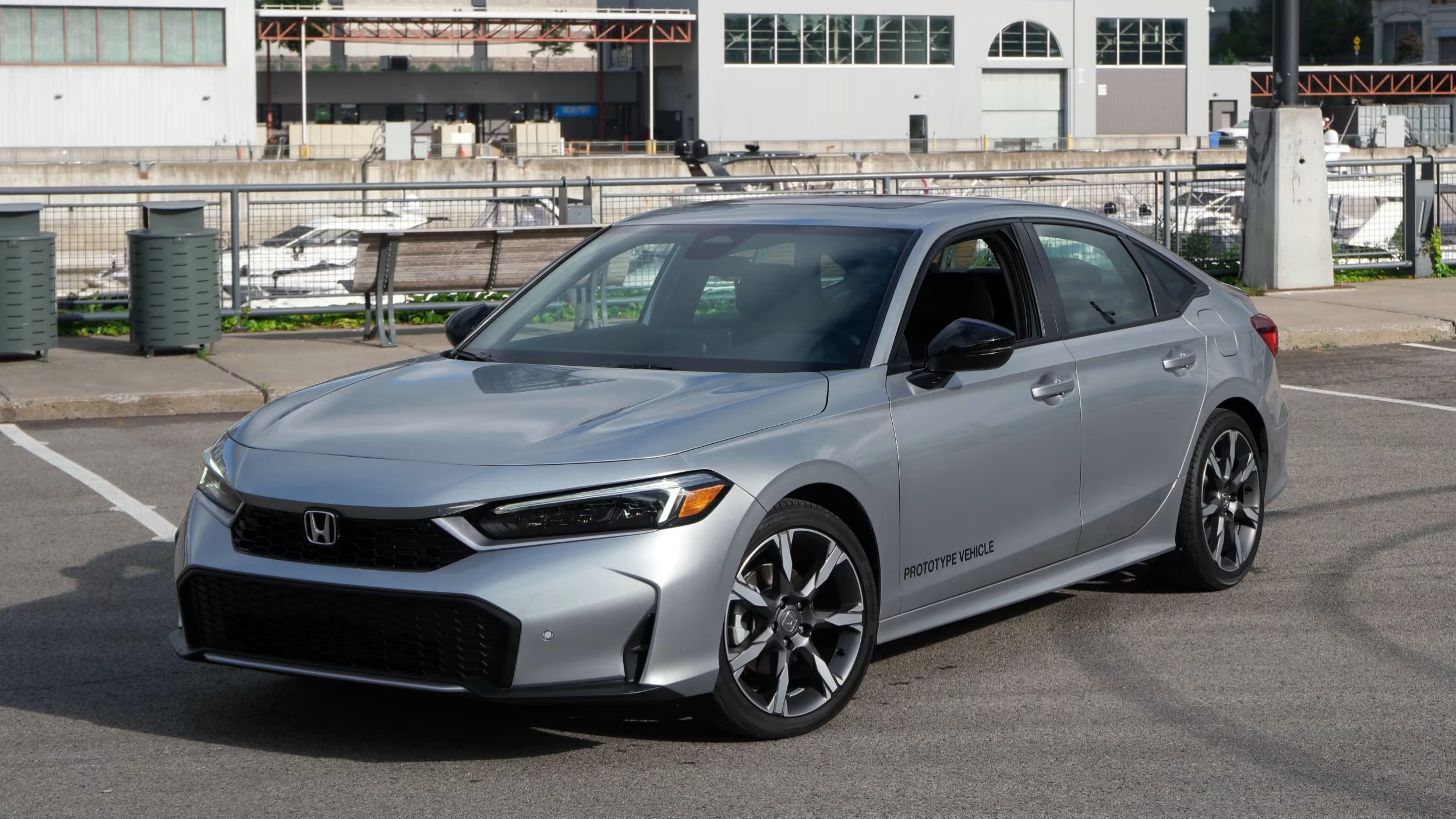
The lightweight construction that benefits fuel economy works against these vehicles in winter driving. A Honda Civic weighs around 3,000 pounds, considerably less than a Subaru Outback’s 3,700 pounds. This reduced weight means less force pressing tires against pavement, reducing available traction.
When cornering or braking on ice, lightweight vehicles have less grip holding them to their intended path. Strong crosswinds, common on exposed mountain highways, push lightweight sedans around more than heavier alternatives.
Front-wheel drive provides better winter traction than rear-wheel drive since the engine’s weight sits directly over the drive wheels. However, asking the front wheels to handle both steering and propulsion duties creates compromises.
During acceleration, weight transfers toward the rear of the vehicle, reducing pressure on the front wheels precisely when traction matters most. When climbing steep grades, common throughout Boulder County, this weight transfer becomes more pronounced, causing front wheels to spin and lose grip.
Boulder residents driving economy cars often find themselves avoiding certain routes during winter, declining mountain trips when snow threatens, or experiencing anxiety when conditions deteriorate unexpectedly.
While theoretically capable of winter driving with appropriate tires and careful operation, these vehicles lack the margin of safety and confidence that crossovers and SUVs provide in Boulder’s challenging environment.
3. Full-Size Pickup Trucks (Ford F-150, Chevrolet Silverado, Ram 1500) – Unloaded
Full-size pickup trucks present a counterintuitive inclusion on this list, as many people assume trucks excel in winter conditions. However, unloaded rear-wheel drive pickups actually perform quite poorly in snow, suffering from terrible weight distribution and propensity for dangerous oversteer on slippery surfaces.
Even four-wheel drive models experience limitations when operating without cargo weight. The fundamental issue stems from pickup truck design.
The heavy engine, transmission, and front axle rest over the front wheels while the bed remains mostly empty, creating dramatic front-to-rear weight imbalance.
A typical half-ton pickup might carry 60% of its weight on the front axle and only 40% on the rear. When those lightly loaded rear wheels must provide all propulsion in a rear-wheel drive configuration, they simply cannot generate adequate traction on snow or ice.
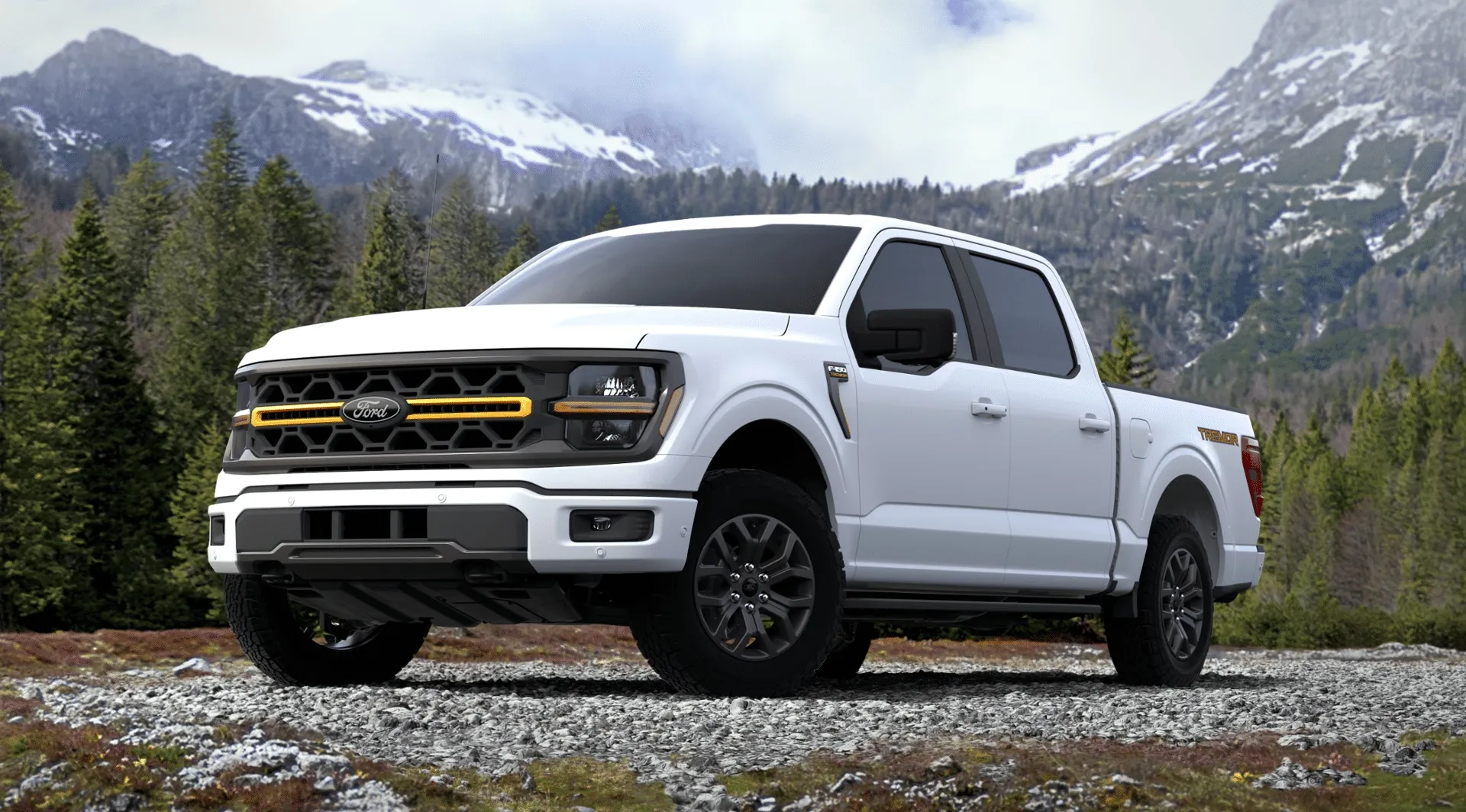
This weight distribution creates handling characteristics ranging from frustrating to dangerous. On snowy inclines, the light rear end causes wheels to spin uselessly while the truck slides backward.
When accelerating from stops on ice, even modest throttle input overwhelms the rear tires, causing them to break loose and fishtail. The long wheelbase and rear-weight bias make pickups prone to dramatic oversteer when cornering on slippery surfaces the rear end wants to swing wide around turns, potentially sending the truck into oncoming traffic or off the road entirely.
Boulder residents who need pickup truck utility for work or recreational purposes can make them work with preparation: four-wheel drive, winter tires, added bed weight, and defensive driving habits.
However, for those simply choosing pickups as daily drivers without specific hauling needs, these vehicles represent a poor winter choice compared to crossovers and SUVs with better weight distribution.
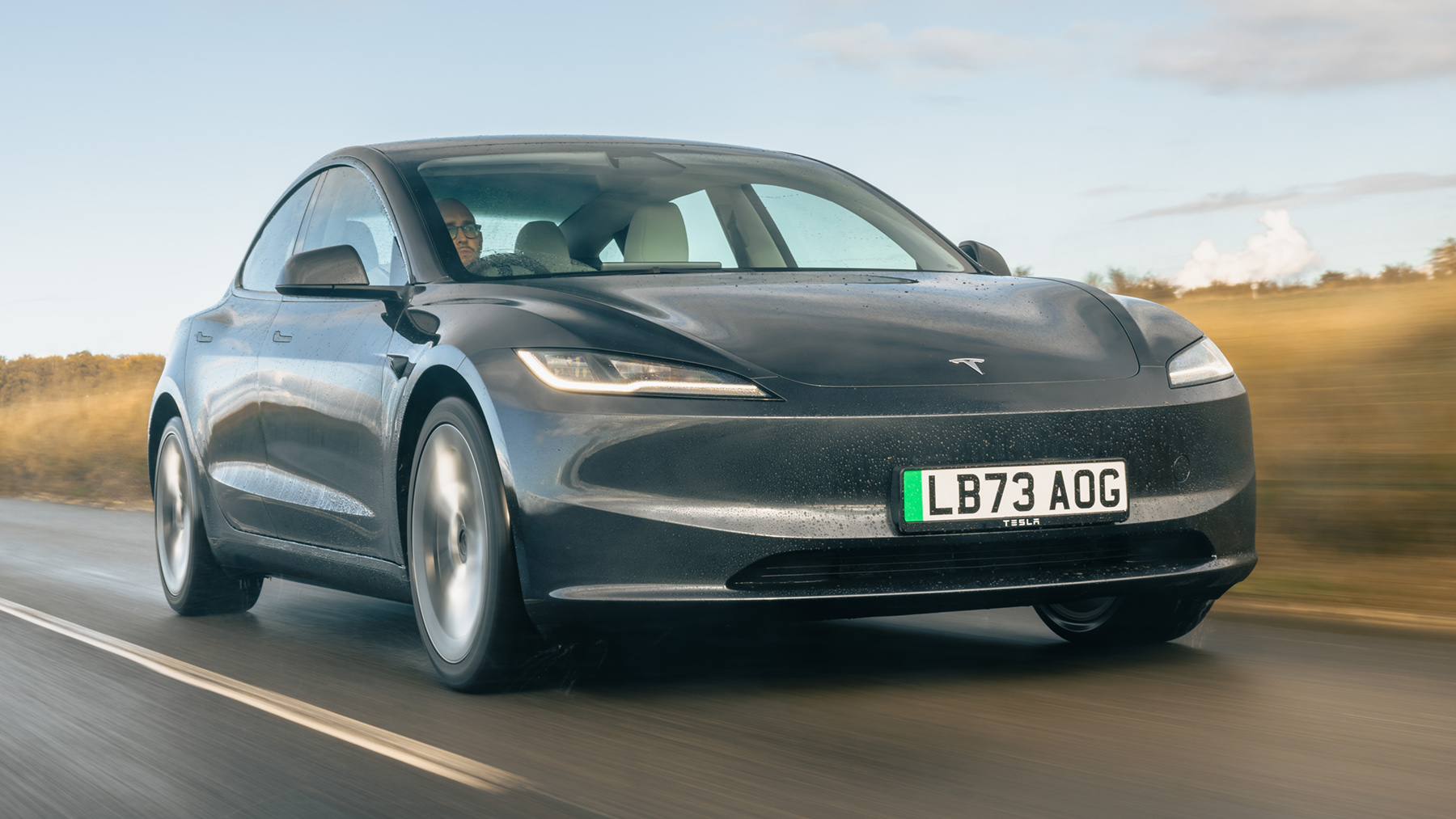
4. Electric Vehicles with All-Season Tires (Tesla Model 3, Nissan Leaf, Chevrolet Bolt)
Electric vehicles have revolutionized automotive transportation, offering instant torque, low operating costs, and environmental benefits.
However, many EVs struggle in Boulder’s winter conditions due to a combination of factors: reduced range in cold weather, reliance on all-season tires inadequate for snow, low ground clearance, and weight distribution that compromises handling on slippery surfaces.
Cold weather dramatically impacts EV range, with studies showing losses of 30-40% when temperatures drop below freezing. This occurs because battery chemistry becomes less efficient in cold conditions, chemical reactions slow down, and significant energy must be diverted to heat the cabin.
A Tesla Model 3 with 272 miles of summer range might achieve only 180 miles in Boulder’s winter weather. For drivers making daily mountain commutes or ski trips, this reduction creates range anxiety and necessitates frequent charging stops.
Many EVs come equipped with all-season tires optimized for range and efficiency rather than cold-weather grip. These low-rolling-resistance tires use hard rubber compounds that provide poor traction on snow and ice.
The instant torque delivery that makes EVs thrilling in dry conditions becomes a liability in winter mashing the accelerator can instantly overwhelm tire grip, causing the vehicle to slide or spin.
Unlike gasoline engines that build power gradually, electric motors deliver maximum torque from zero RPM, requiring more careful throttle modulation on slippery surfaces.
Ground clearance on many popular EVs ranges from just 5.0 to 6.5 inches. The Tesla Model 3, Nissan Leaf, and Chevrolet Bolt all sit lower than typical crossovers, making them susceptible to becoming stuck in deeper snow.
Battery packs mounted low in the chassis, while beneficial for handling in dry conditions due to low center of gravity, can drag on snow or ice, leaving vehicles stranded.
Weight distribution presents another challenge. EVs carry significant weight in their battery packs often 1,000+ pounds positioned low and centered in the chassis.
While this improves handling dynamics on dry roads, the additional weight increases momentum in slippery conditions. More mass means longer stopping distances on ice and greater difficulty controlling the vehicle when it begins to slide.
The regenerative braking systems in EVs, while recovering energy efficiently, can cause unexpected deceleration on slippery downhills if not properly moderated.
EV owners in Boulder can significantly improve winter performance with winter tire installation, solving the traction equation. All-wheel drive models with winter tires actually perform quite well in snow. However, the range reduction remains unavoidable, requiring careful trip planning and accepting limitations during the coldest months.
5. High-Performance Luxury Sedans (Mercedes-Benz S-Class, BMW 7 Series, Audi A8)
Large luxury sedans represent automotive excellence in comfort, technology, and refinement, but their design priorities create significant compromises for Boulder winter driving.
These vehicles prioritize smooth highway cruising and urban sophistication over the ground clearance, tire selection, and capability needed for mountain environments. While not completely helpless in snow, they struggle compared to properly equipped crossovers and SUVs.
Low ground clearance, typically 4.5 to 5.5 inches, immediately limits these sedans in snow. The long wheelbase and extended overhangs mean the front bumper and rear diffuser extend far from the wheels, easily dragging on snow or catching on inclines.
The aerodynamic underbody panels, designed to reduce drag and wind noise, can scoop snow like a plow blade, bringing forward progress to a halt. Boulder’s residential streets, which may see delayed plowing, become impassable barriers for these low-riding luxury vehicles.
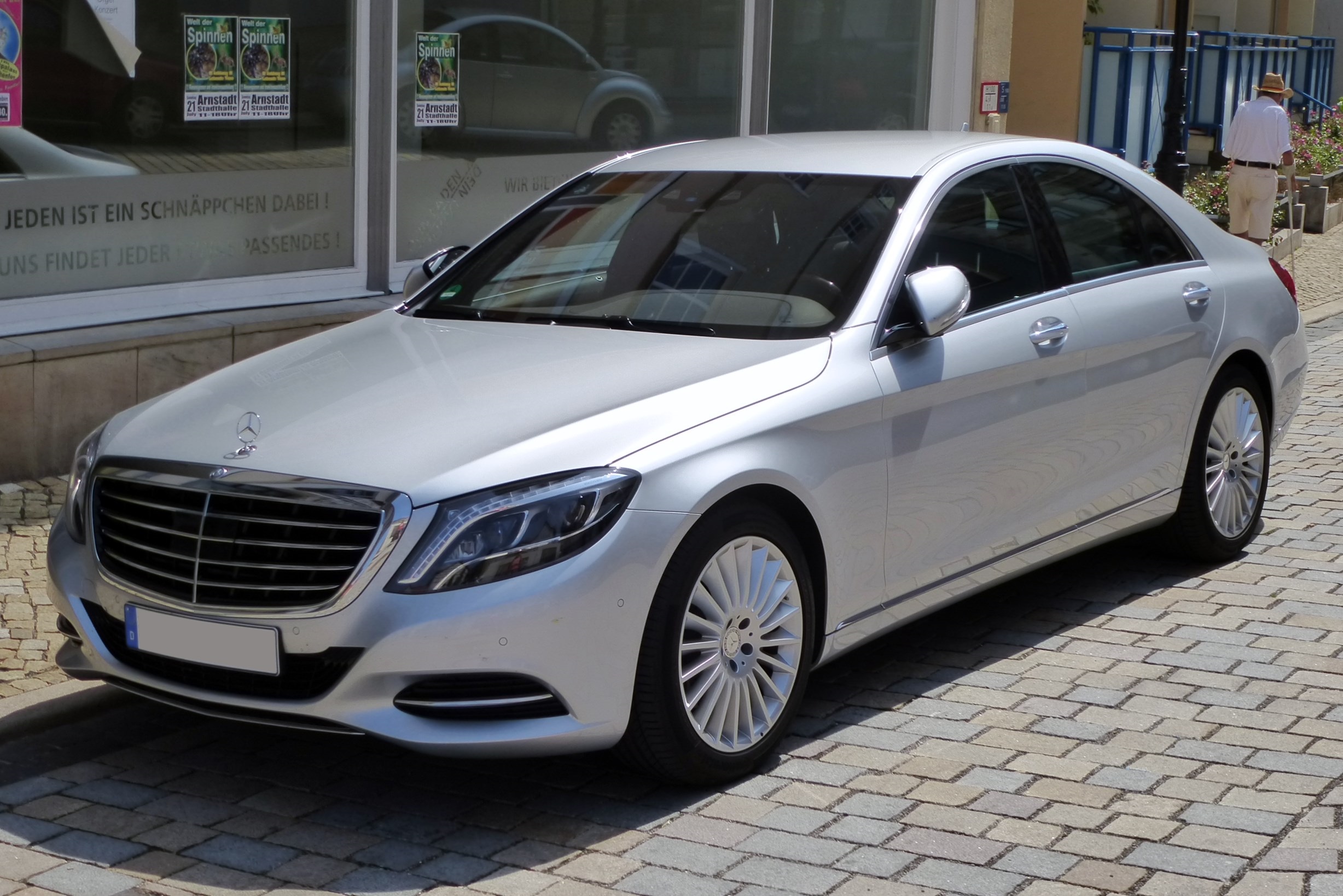
The wide, low-profile performance tires fitted to high-end sedans work against winter traction. A Mercedes S-Class might roll on 245mm or wider tires with aspect ratios of 45 or less, meaning very little sidewall height.
These tires prioritize dry-weather grip and visual appeal over snow performance. The wide contact patch that benefits cornering on dry pavement actually reduces snow traction narrower tires cut through snow more effectively to reach pavement beneath.
The short sidewalls provide no cushioning over rough ice and frozen ruts, transmitting harsh impacts directly to the wheels and suspension.
Boulder residents who own these luxury sedans typically maintain them as fair-weather vehicles, switching to SUVs or crossovers once snow arrives.
The few who attempt winter driving find themselves creeping along at embarrassingly slow speeds, avoiding any route with significant elevation change, and experiencing constant anxiety about becoming stuck or losing control.
The capable all-wheel drive systems in vehicles like the Audi A8 help acceleration, but cannot overcome fundamental limitations in ground clearance and tire performance.
Also Read: 5 Cars for Lafayette Coastal Life and 5 That Rust Fast
