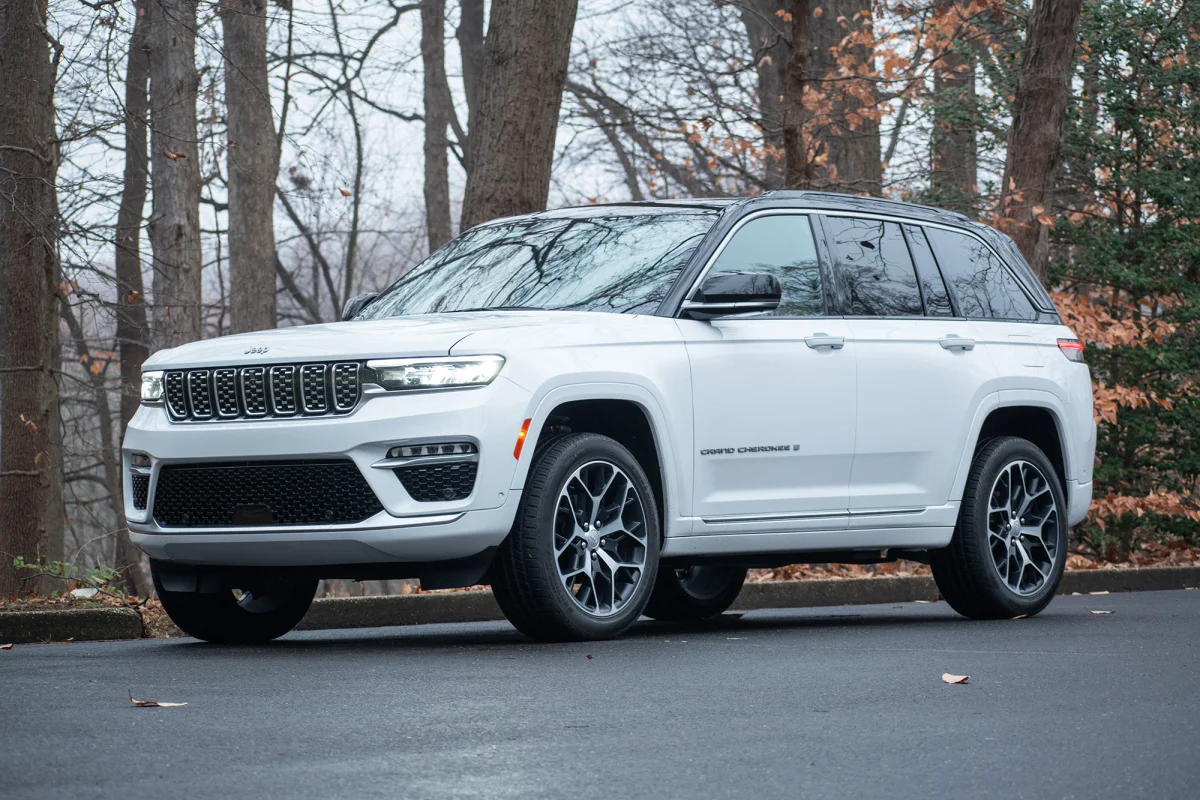
Winter in Burlington, Vermont, can turn streets into slippery challenges, making vehicle choice critical for safe and confident driving. Some cars thrive in these icy and snowy conditions, offering advanced all-wheel-drive systems, high ground clearance, and winter-focused features that help drivers maintain traction and control.
Vehicles like the 2025 Subaru Outback, Jeep Grand Cherokee, Toyota RAV4, Ford Bronco Sport, and Volvo XC40 are designed with winter driving in mind. They provide features such as traction management modes, heated interiors, and intelligent AWD systems, making them reliable daily commuters and weekend adventure companions even in heavy snow or icy patches.
Conversely, some popular vehicles struggle when winter hits. Sports cars and performance sedans, such as the 2025 Mazda MX-5 Miata, Ford Mustang RWD, Tesla Model 3 RWD, Chevrolet Camaro, and BMW 3 Series RWD, prioritize performance on dry pavement rather than stability in winter conditions.
Low ground clearance, rear-wheel-drive layouts, and summer-oriented tires make these cars prone to spinning, sliding, or getting stuck, requiring extra precautions and winter tires to manage safely. Burlington drivers need to consider how well a vehicle can handle winter streets before committing to it.
5 Cars for Burlington Winter Streets
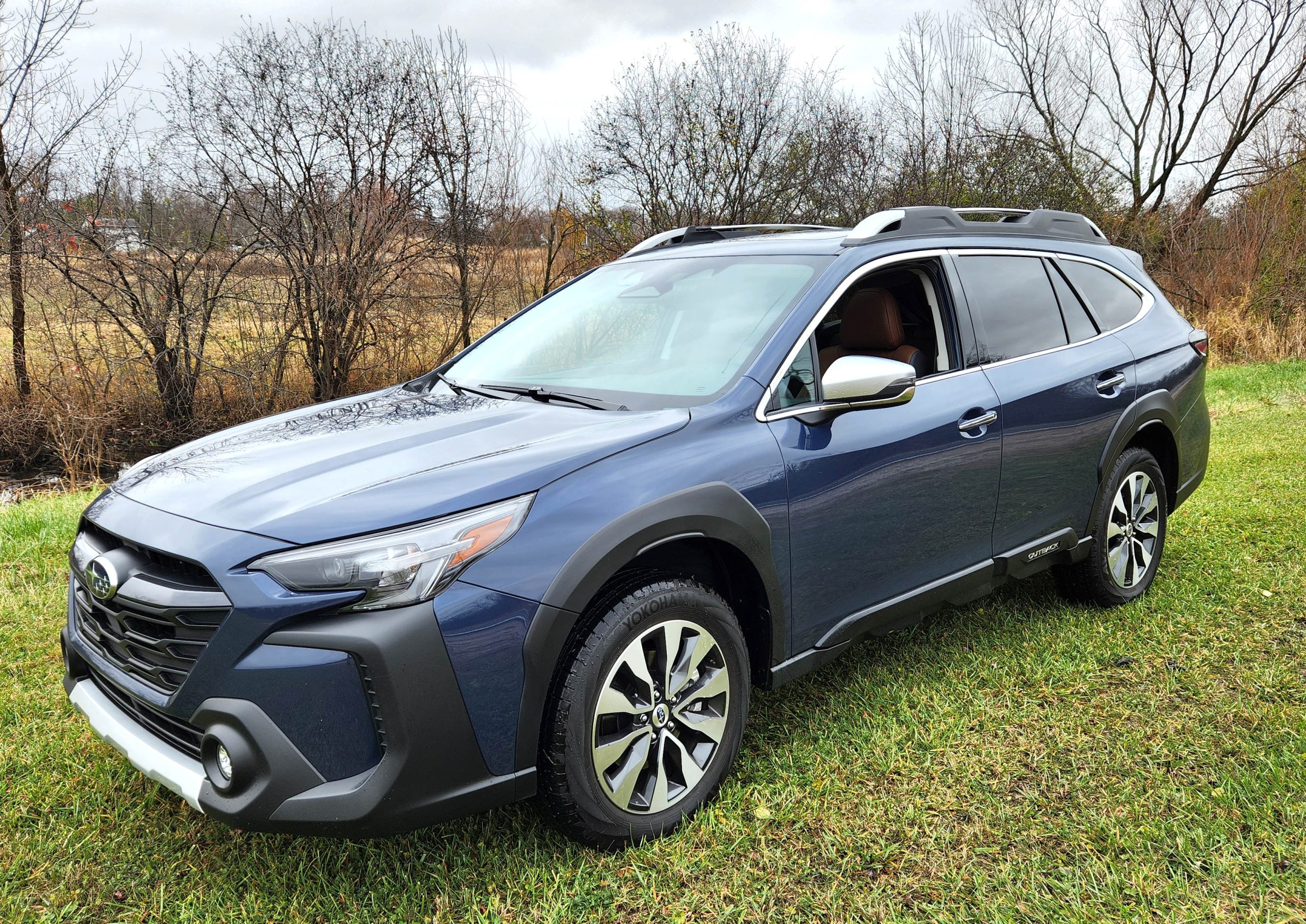
1. 2025 Subaru Outback: Vermont’s Winter-Ready Wagon
The 2025 Subaru Outback continues its reputation as an ideal vehicle for snowy regions like Burlington, Vermont. Standard Symmetrical All-Wheel Drive (AWD), up to 9.5 inches of ground clearance on the Wilderness trim, and X-MODE for optimized traction make it highly capable in winter conditions.
Limited and Touring trims now feature a 360-degree heated steering wheel, enhancing comfort on frigid drives. With ample cargo space, EyeSight driver-assistance technology, and water-resistant seating in higher trims, the Outback blends capability with practicality for daily commutes and weekend adventures.
All Outback models come standard with Symmetrical AWD, delivering continuous power to all wheels for reliable grip on slippery roads. X-MODE adjusts the powertrain for Snow/Dirt or Deep Snow/Mud conditions, ideal for unplowed streets or off-road tracks.
Ground clearance ranges from 8.7 inches on most trims to 9.5 inches on the rugged Wilderness, allowing confident navigation of snowbanks and uneven terrain. The Wilderness model adds skid plates, beefier suspension, and Snow and Mud drive modes for enhanced off-road competence.
The Subaru EyeSight suite includes Advanced Adaptive Cruise Control and Pre-Collision Braking, essential for low-visibility winter driving. LED Steering Responsive Headlights illuminate corners in stormy conditions, while the DriverFocus system monitors driver alertness during long commutes.
Optional blind-spot monitoring and rear cross-traffic alert provide extra safety, complementing the standard forward-collision warning and automated emergency braking.
The Outback’s cabin is functional and spacious, with 33 cubic feet of cargo space behind the rear seats and up to 75.7 cubic feet with seats folded. Heated front seats, dual-zone climate control, and an available heated steering wheel enhance comfort in cold weather.
The infotainment system ranges from dual 7-inch touchscreens on base models to an 11.6-inch vertical display on Premium trims, supporting Apple CarPlay, Android Auto, navigation, and optional Harman/Kardon audio.
Buyers can choose between a 182-hp 2.5-liter engine or a 260-hp turbocharged 2.4-liter, both paired with a CVT and AWD. The turbo engine improves acceleration but the CVT can feel sluggish at times. Towing capacity ranges from 2,700 to 3,500 pounds. Fuel economy is respectable, with real-world highway figures around 28 mpg for both engines.
The Outback comes with a three-year/36,000-mile limited warranty and a five-year/60,000-mile powertrain warranty, though no complimentary maintenance is included.
The 2025 Subaru Outback offers a balanced mix of winter capability, safety, comfort, and cargo space, making it a practical choice for Vermont drivers who face snow, ice, and rugged winter roads.
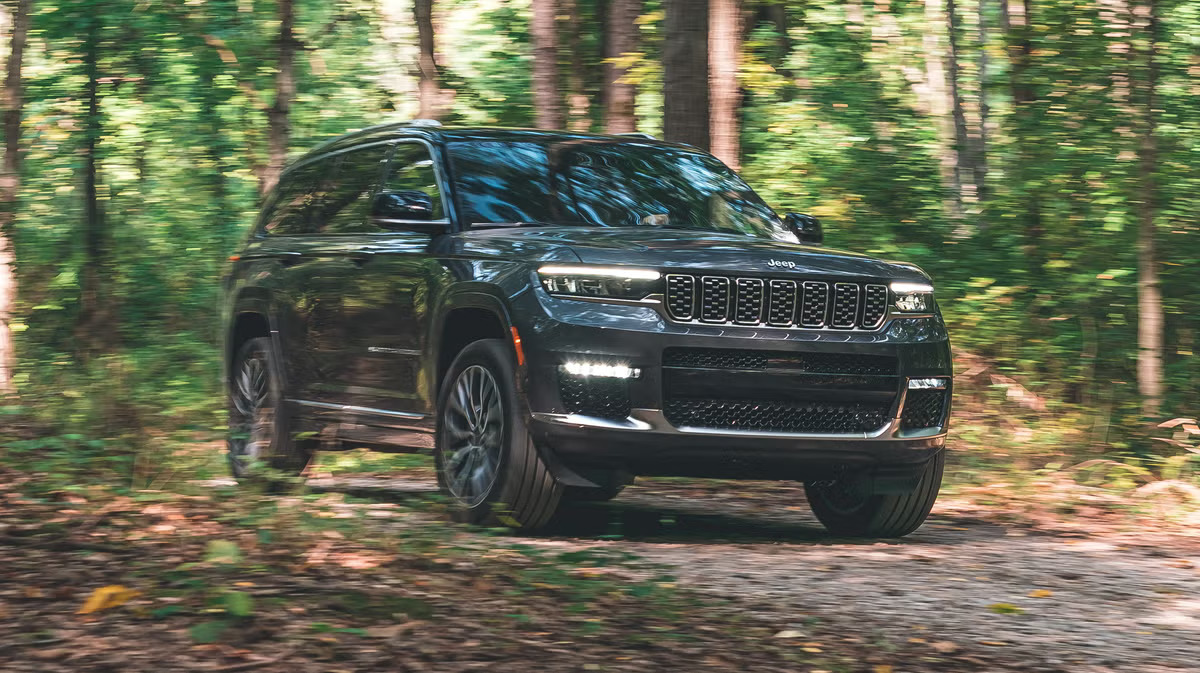
2. 2025 Jeep Grand Cherokee: A Winter-Ready Mid-Size SUV
The 2025 Jeep Grand Cherokee is engineered to handle harsh winter conditions, making it well-suited for Burlington’s icy streets and heavy snow. Its advanced four-wheel-drive systems, Selec-Terrain traction management, and available Quadra-Lift air suspension work together to maintain control and stability on slippery surfaces.
Heated features and robust tires further enhance comfort and safety during cold weather.
The Grand Cherokee offers several 4×4 systems, including Quadra-Trac I, Quadra-Trac II, and Quadra-Drive II, which intelligently distribute power to the wheels with the most grip. The Selec-Terrain system provides dedicated modes, including “Snow,” that adjust throttle, transmission, and traction control to optimize stability.
For deeper snow, the Quadra-Lift air suspension raises the SUV for nearly 11 inches of clearance, while Trailhawk models come equipped with all-terrain tires for maximum traction. Strong low-end torque allows smooth takeoffs on slippery roads without overwhelming the drive wheels.
The standard 3.6-liter V6 produces 293 horsepower, with rear-wheel drive as standard and multiple 4×4 options available. The Trailhawk trim pairs Quadra-Drive II with a disconnecting front anti-roll bar for superior articulation off-road.
On pavement, the Grand Cherokee remains composed and smooth, particularly with adaptive air suspension. It accelerates from 0–60 mph in 7.4 seconds for the V6 model, while the plug-in hybrid 4xe achieves 5.3 seconds. Towing capacity reaches 6,200 pounds, exceeding many competitors.
Base Laredo trims provide essential amenities, while Summit and Overland offer luxury features like quilted leather, wood trim, and high-tech digital displays. Infotainment options include 8.4- or 10.1-inch touchscreens with Apple CarPlay, Android Auto, and SiriusXM, with higher trims adding digital gauge clusters, head-up displays, and premium audio systems.
Jeep equips the Grand Cherokee with standard automated emergency braking, lane-keeping assist, and adaptive cruise control. Advanced systems, such as Hands-Free Active Driving Assist, are available on higher trims. For Burlington winters, the combination of intelligent 4×4, Selec-Terrain Snow mode, heated features, and proper tires provides confidence and control on ice and snow.
The 2025 Jeep Grand Cherokee blends capable off-road systems, high ground clearance, and modern comfort, making it a reliable and confident choice for severe winter conditions. Properly equipped, it excels on icy streets, unplowed roads, and snowy side streets while offering a smooth ride and versatile interior.
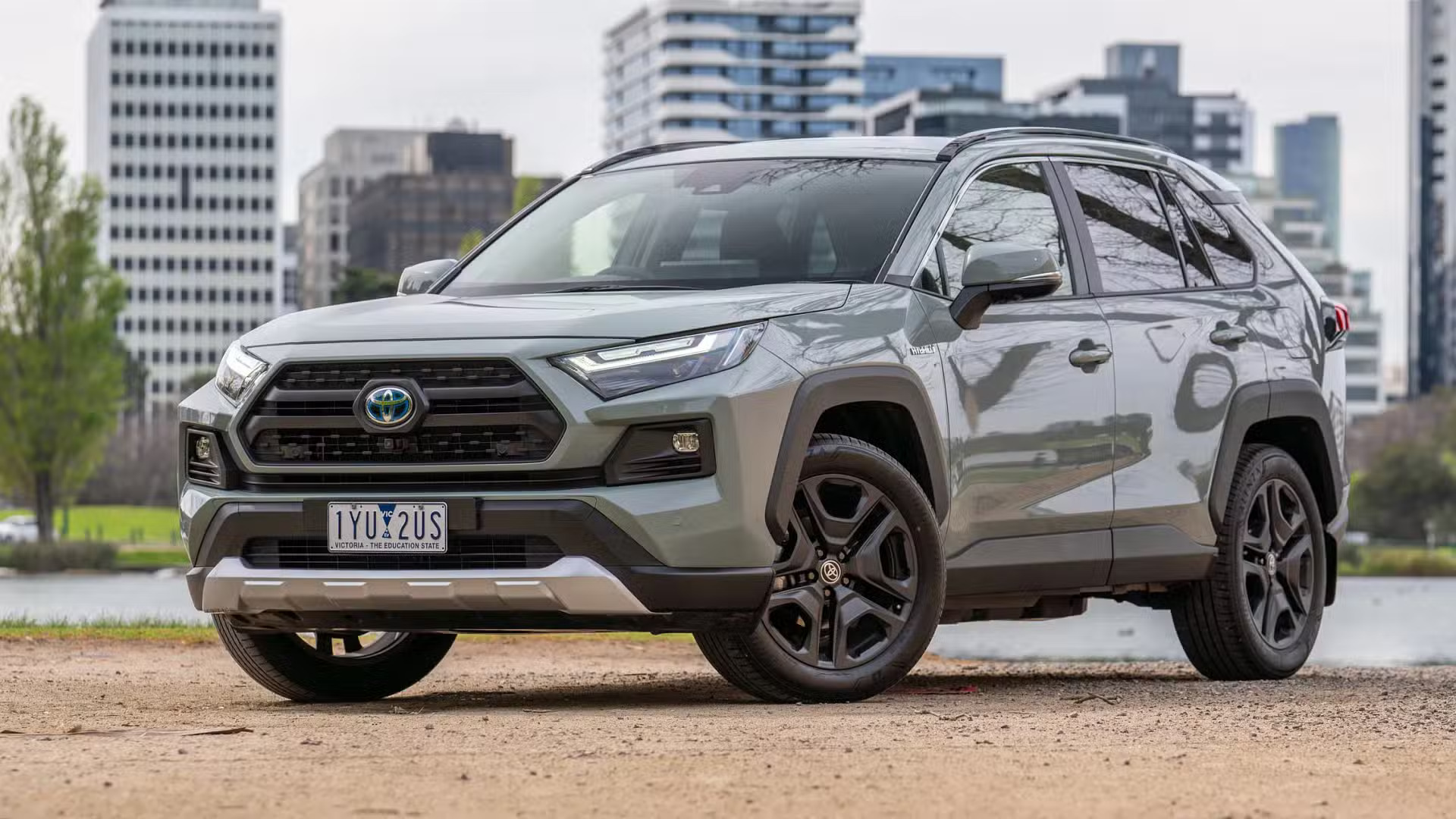
3. 2025 Toyota RAV4: A Confident and Capable Winter Commuter
The 2025 Toyota RAV4 continues to be a dependable compact SUV well-suited for winter driving in Burlington, where snow, ice, and slush are part of everyday life.
With available Dynamic Torque Vectoring All-Wheel Drive, Multi-Terrain Select with Snow Mode, solid ground clearance, and standard Toyota Safety Sense technology, the RAV4 delivers strong traction, stability, and reassurance in difficult cold-weather conditions. Available heated features and an efficient hybrid option further strengthen its appeal as a winter-ready family vehicle.
The RAV4 offers multiple all-wheel-drive systems, including Dynamic Torque Vectoring AWD, which can actively distribute power between the front and rear wheels and side to side at the rear to maintain grip on icy or snow-covered roads.
The Multi-Terrain Select system includes a Snow Mode that softens throttle response and adjusts transmission behavior to reduce wheel spin during slippery starts or uphill driving.
With up to 8.6 inches of ground clearance, the RAV4 can handle moderate snow accumulation without getting bogged down. Hybrid models add another advantage by using an electric rear motor that provides instant torque for smoother, more controlled launches on slick surfaces.
Every 2025 RAV4 comes standard with Toyota Safety Sense 2.5+, a suite of driver-assistance features designed to enhance stability and awareness in winter conditions.
This includes automated emergency braking with pedestrian detection, adaptive cruise control, lane-departure warning with lane-keeping assist, and systems that help maintain control when traction is limited. Blind-spot monitoring and rear cross-traffic alert are available, adding confidence when visibility is reduced by snowbanks or blowing snow.
Power is supplied by a 2.5-liter four-cylinder engine producing 203 horsepower, paired with an eight-speed automatic transmission. Acceleration is adequate for daily driving, with 0 to 60 mph times around 8.3 seconds, while the hybrid model improves responsiveness and fuel efficiency.
Highway fuel economy remains competitive, with all-wheel-drive models returning approximately 33 to 34 mpg, making the RAV4 a cost-effective choice for winter commuting.
Inside, the RAV4 prioritizes comfort and usability, particularly in mid and upper trims. Available heated seats, a heated steering wheel, and heated mirrors help combat cold mornings.
The rear seats fold nearly flat, creating generous cargo space for winter gear, groceries, or weekend trips. Infotainment options range from an 8.0-inch touchscreen to a larger 10.5-inch display, with wireless Apple CarPlay and Android Auto available.
Toyota includes a three-year or 36,000-mile limited warranty and a five-year or 60,000-mile powertrain warranty. Two years of complimentary scheduled maintenance adds meaningful value for long-term ownership.
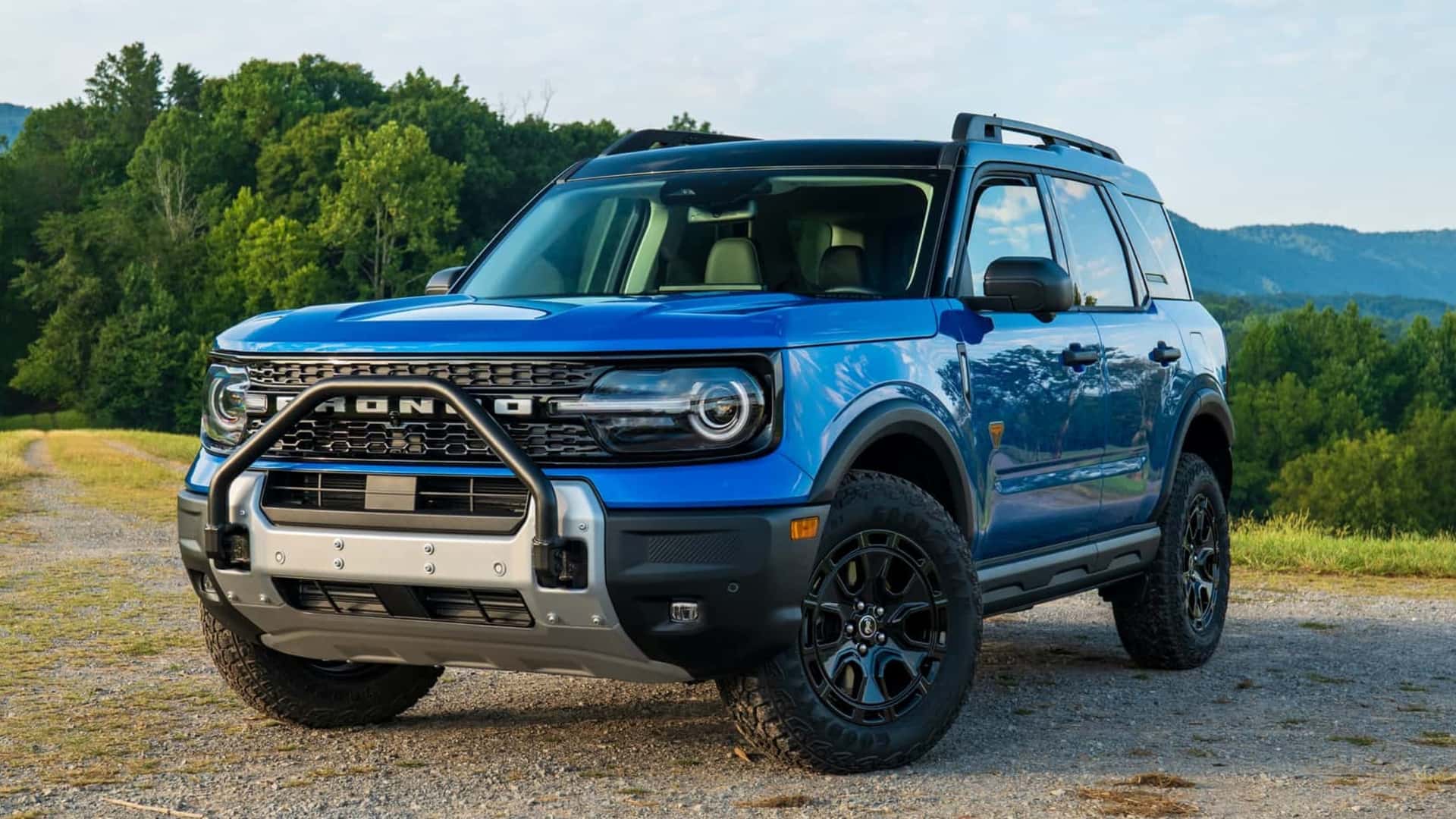
4. 2025 Ford Bronco Sport: Compact Confidence for Burlington Winter Streets
The 2025 Ford Bronco Sport is designed to handle harsh winter conditions while remaining easy to live with in a city setting like Burlington.
Every trim comes standard with 4×4 capability, giving it a clear advantage when snow and ice are part of the daily commute. Its G.O.A.T. drive modes, short wheelbase, and upright proportions make it especially effective on slick streets, tight corners, and crowded downtown areas during winter months.
Standard 4×4 across the Bronco Sport lineup ensures consistent grip when roads turn icy. The G.O.A.T. system, short for Goes Over Any Type of Terrain, includes a dedicated Slippery mode that adjusts throttle response, transmission behavior, and traction control to maintain stability on snow-covered pavement.
For drivers who want more extreme capability, the new Sasquatch package for 2025 adds a suspension lift, Bilstein shocks, a twin-clutch rear differential, and aggressive all-terrain tires.
These upgrades significantly improve traction and control in deep snow and unplowed conditions. Badlands and Sasquatch-equipped models also benefit from increased ground clearance and more durable components that handle rough winter surfaces with ease.
The Bronco Sport offers two turbocharged engines. The standard 1.5-liter three-cylinder produces 180 horsepower and delivers acceptable power for daily driving, though it can feel strained at higher speeds.
The available 2.0-liter four-cylinder produces 250 horsepower and dramatically improves acceleration and responsiveness, reaching 60 mph in under six seconds in testing. Both engines pair with an eight-speed automatic transmission. Fuel economy remains competitive, with the smaller engine capable of exceeding EPA estimates in real-world highway driving.
One of the Bronco Sport’s strongest winter advantages is its compact footprint. Its short length and tight turning radius make parking and cornering easier on snow-lined streets.
Standard Ford Co-Pilot360 safety technology includes automated emergency braking, blind-spot monitoring, rear cross-traffic alert, lane-keeping assist, and adaptive cruise control. These features help reduce driver stress when visibility and traction are compromised.
Inside, the Bronco Sport blends rugged design with useful winter-friendly features. Available rubberized flooring and washable upholstery on Badlands trims make cleanup easy after snowy outings.
The upright cabin provides generous headroom and flexible cargo space, with room for bulky winter gear. A large 13.2-inch touchscreen with Sync 4, wireless Apple CarPlay, and Android Auto keeps drivers connected and informed during cold-weather commutes.
The 2025 Ford Bronco Sport combines true winter capability, compact city usability, and modern technology, making it a strong choice for drivers who want confidence and versatility throughout Burlington’s winter season.
5. 2025 Volvo XC40: Scandinavian Confidence for Burlington Winter Driving
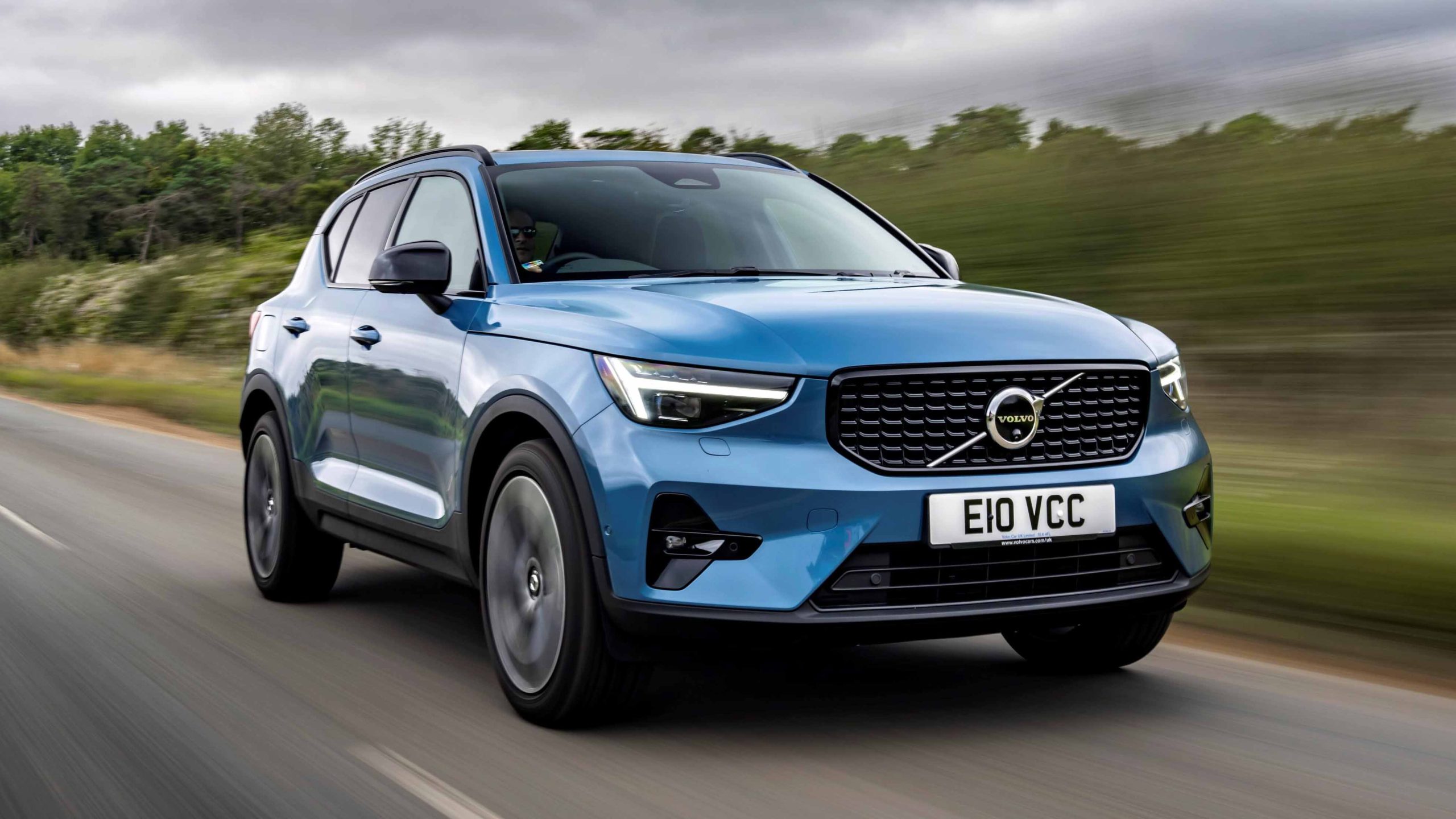
The 2025 Volvo XC40 is a luxury compact SUV engineered with harsh northern winters in mind, making it a strong fit for Burlington’s snowy and icy conditions.
With standard or available all-wheel drive depending on trim, a responsive mild-hybrid powertrain, generous heated features, and Volvo’s advanced safety technology, the XC40 delivers secure traction, comfort, and reassurance when winter weather turns unpredictable. Its compact size and agile handling further suit city streets where tight corners and sudden slick patches are common.
The XC40’s intelligent all-wheel-drive system automatically sends power to all four wheels when slip is detected, improving stability on snow-covered and icy roads. This system reacts quickly to changing conditions, helping drivers maintain control during sudden weather shifts.
Ground clearance is higher than that of a sedan, which allows the XC40 to handle unplowed neighborhood streets and snow buildup more confidently. The B5 AWD mild-hybrid powertrain adds smooth, predictable power delivery that is especially helpful when accelerating or merging on slick pavement.
Safety is a core strength of the XC40, particularly in winter conditions. Volvo’s City Safety technology can detect vehicles, pedestrians, and cyclists, and it is designed to react if another vehicle suddenly slides into your path.
Standard driver-assistance features include adaptive cruise control, lane-keeping assist, and blind-spot monitoring, all of which support stability and awareness when visibility or traction is compromised. Available features such as a 360-degree camera system and Pilot Assist further enhance confidence in tight or slippery environments.
Every XC40 uses a turbocharged 2.0-liter four-cylinder engine paired with a 48-volt mild-hybrid system and an eight-speed automatic transmission. The front-wheel-drive B4 produces 194 horsepower, while the all-wheel-drive B5 increases output to 247 horsepower.
Acceleration is brisk, with the B5 reaching 60 mph in about 6.1 seconds. Fuel economy remains competitive for the segment, with EPA estimates of up to 30 mpg on the highway for AWD models, though real-world results trend slightly lower at higher speeds.
Inside, the XC40 offers a refined and thoughtfully designed cabin. Standard heated front seats and an available heated steering wheel provide quick warmth on cold mornings. The interior feels light and airy, even in base trims, and higher trims add upscale materials such as driftwood trim and crystal accents.
Cargo capacity is generous for a compact SUV, with room for winter gear and practical storage solutions throughout the cabin. A 9.0-inch touchscreen with Google-based infotainment, Apple CarPlay, and Android Auto keeps drivers connected, though some controls rely heavily on the screen.
The 2025 Volvo XC40 blends winter-ready traction, strong safety credentials, and premium comfort into a compact package that suits Burlington’s demanding winter environment while remaining easy to manage in daily city driving.
Also Read: 5 Cars for Amarillo Open Roads and 5 That Aren’t Built for Distance
5 That Don’t Handle Ice
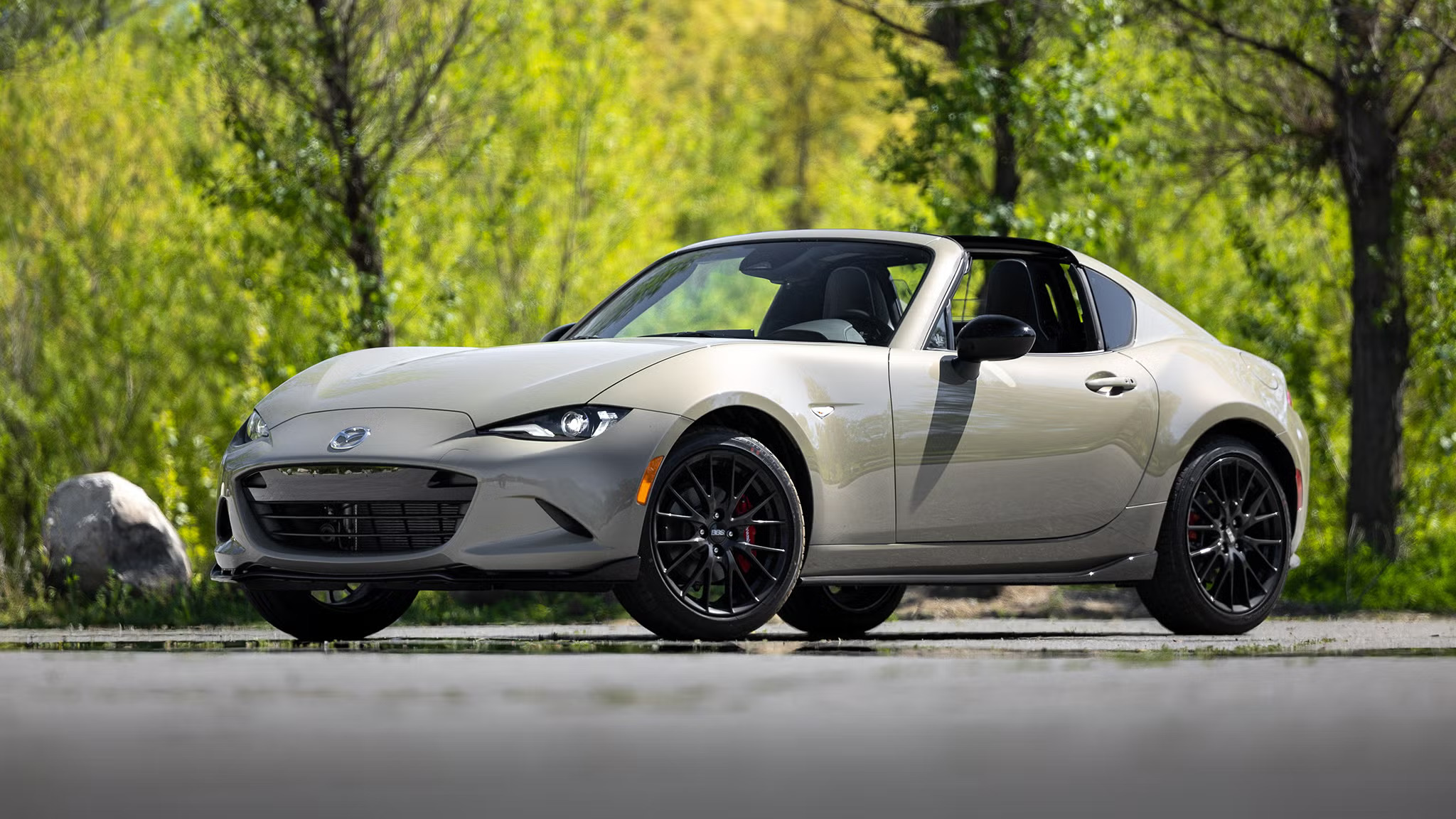
1. 2025 Mazda MX-5 Miata: A Summer Sports Car in a Harsh Winter Setting
The 2025 Mazda MX-5 Miata is engineered for driving enjoyment, not winter survival, which makes it a difficult match for icy Burlington streets. Its lightweight construction, rear-wheel-drive layout, short wheelbase, and low ground clearance all work against it when snow and ice dominate the roads.
While it excels as a responsive and engaging sports car in warm weather, winter conditions expose its limitations.
The Miata’s rear-wheel-drive setup sends power exclusively to the back wheels, which carry very little weight. On icy pavement, this lack of rear traction makes it easy for the car to lose grip during acceleration or cornering.
Its short wheelbase further increases the likelihood of sudden rotation, causing the rear end to step out with little warning. Low ground clearance adds another challenge, as deeper snow can cause the car to bottom out or become stuck, especially on unplowed residential streets.
That said, the Miata can be made more manageable in winter with careful preparation. Dedicated winter tires are essential and make the single biggest improvement, dramatically increasing grip on ice and snow.
Adding weight over the rear axle, such as sandbags in the trunk, can also help improve traction. Using the car’s traction and stability control systems is critical for controlling wheel spin and reducing abrupt slides.
Even with these adjustments, the MX-5 Miata remains far from ideal for Burlington winters. Its design prioritizes agility, low weight, and driving fun on dry roads rather than stability and practicality in harsh conditions. For winter driving, it demands patience, caution, and compromise, making it better suited as a seasonal vehicle than a year-round commuter in icy climates.
2. 2025 Ford Mustang RWD: A Performance Car Out of Its Element in Winter
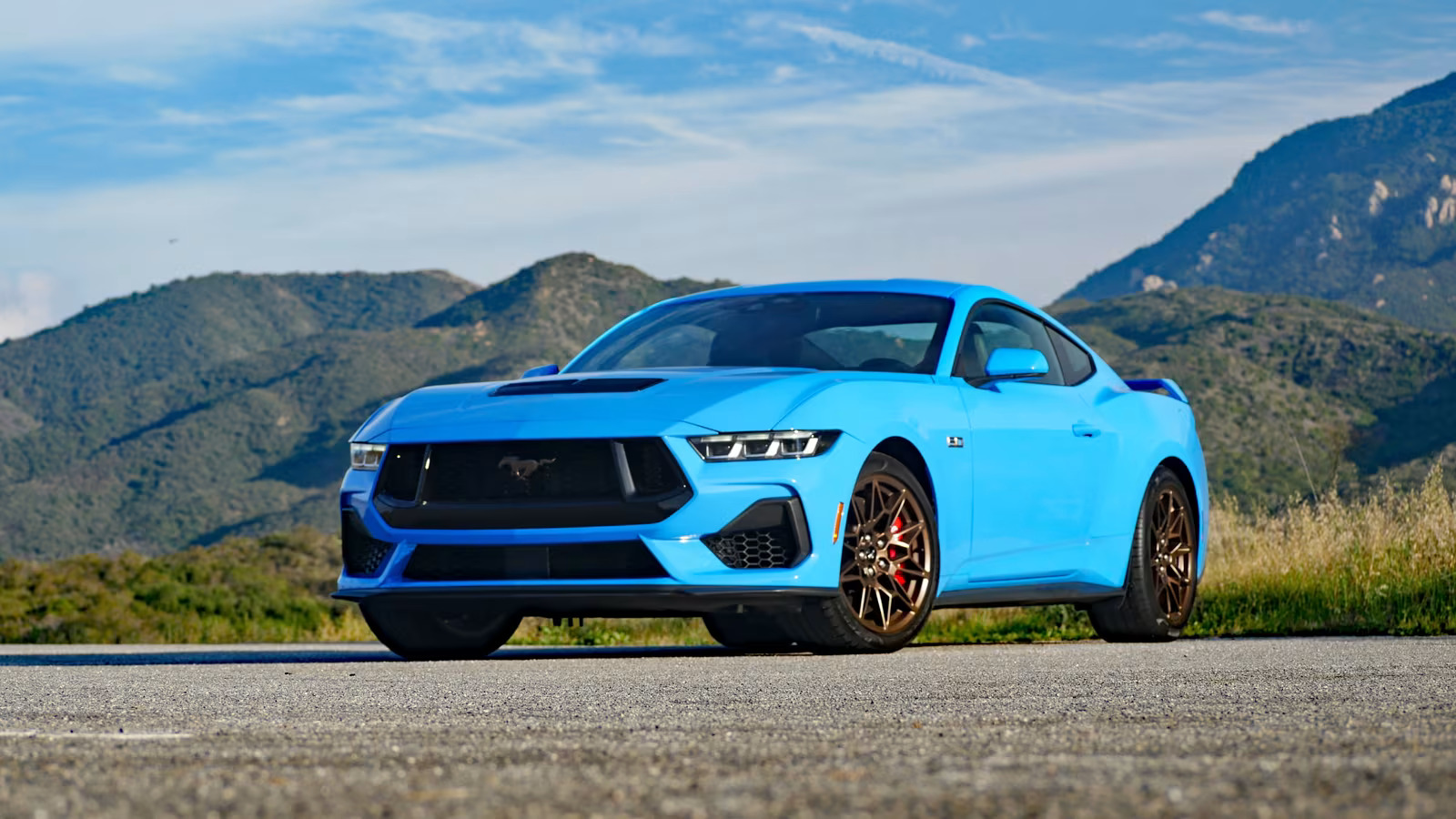
The 2025 Ford Mustang with rear-wheel drive is designed for performance and excitement, but those same traits make it poorly suited for icy Burlington streets. Its drivetrain layout, weight distribution, low ground clearance, and factory tire setup all work against it in winter conditions, especially on slick hills and untreated roads.
In a front-engine, rear-wheel-drive vehicle like the Mustang, most of the vehicle’s weight sits over the front axle, while power is sent to the rear wheels. Because the rear wheels carry less weight, they struggle to maintain grip on ice and snow.
This imbalance increases the likelihood of oversteer, where the rear of the car slides sideways under acceleration or cornering. High torque output further compounds the issue, as even modest throttle inputs can overwhelm the limited traction available on slippery surfaces.
The Mustang’s low ride height, at just over five inches, creates additional challenges. Snow accumulation can cause the car to lose contact with the road surface or become stuck entirely. Another major limitation is tire choice. Most Mustangs are delivered with high-performance summer tires, which harden in cold temperatures and provide very little grip on ice or snow.
Winter driving is possible with significant preparation. Dedicated winter tires are essential and provide the greatest improvement in traction and braking. Adding weight to the trunk can help increase rear-wheel grip, while gentle throttle and steering inputs reduce the risk of sliding. The Mustang’s Slippery drive mode also helps by softening throttle response and enhancing stability control.
Even with these measures, a rear-wheel-drive Mustang remains a challenging winter vehicle and is best suited as a seasonal car rather than a daily winter commuter.
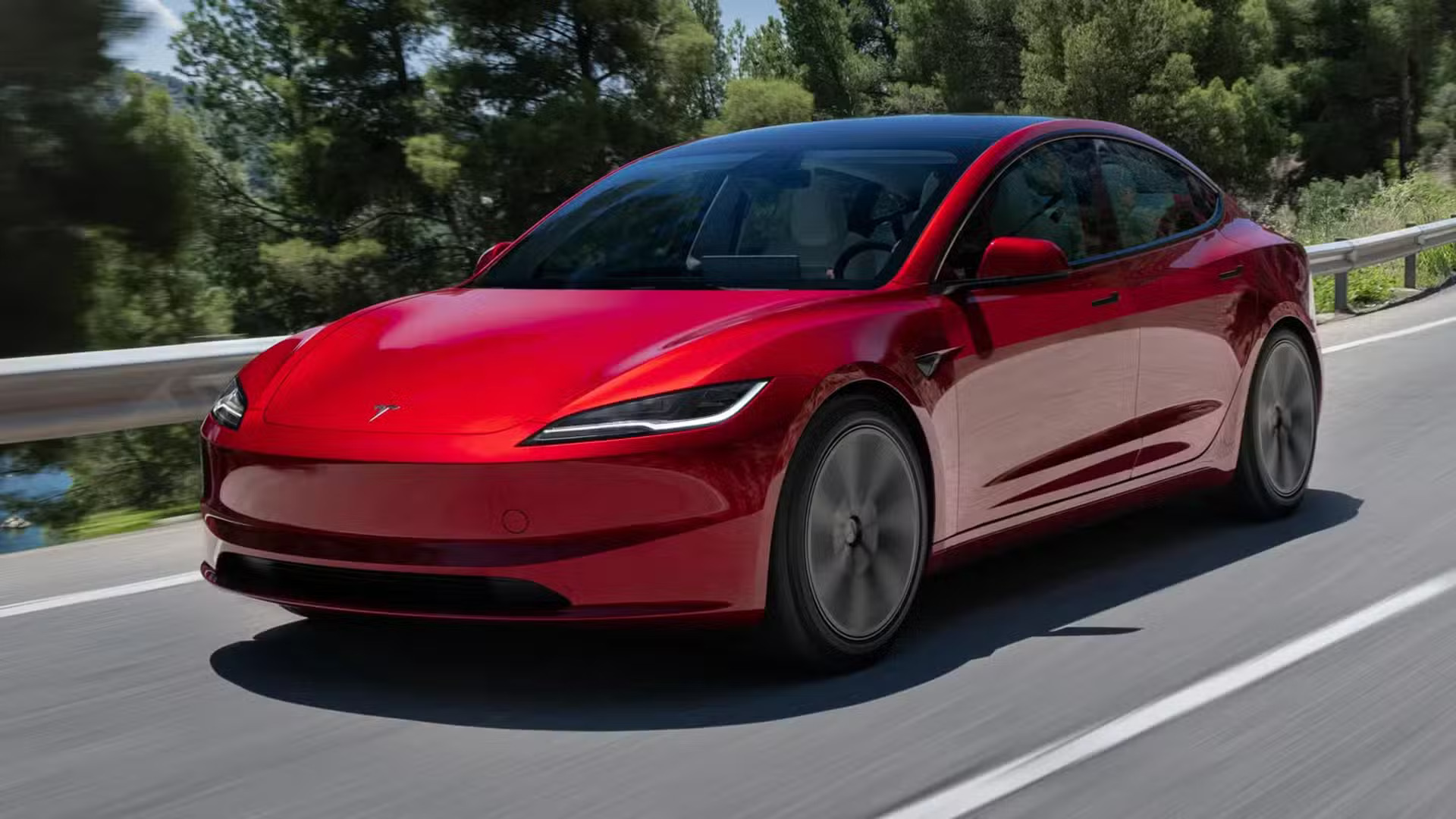
3. 2025 Tesla Model 3 RWD: Electric Efficiency with Winter Limitations
The 2025 Tesla Model 3 with rear-wheel drive delivers strong efficiency and advanced technology, but it faces clear challenges on icy winter roads in places like Burlington. Its drivetrain layout, instant electric torque, and low ground clearance reduce confidence when traction is limited, especially during severe winter weather.
As a rear-wheel-drive vehicle, the Model 3 sends all power to the rear wheels, which are more likely to lose grip on ice compared with front-wheel-drive or all-wheel-drive vehicles. This challenge is intensified by the electric motor’s instant torque delivery.
Even light throttle input can quickly overwhelm available traction, leading to wheel spin or sudden slides. Although Tesla’s traction control system reacts quickly, it cannot fully overcome the physical limitations of rear-wheel drive on ice.
The heavy battery pack introduces additional difficulty. While its low placement improves balance, the vehicle’s weight can make regaining control more difficult once traction is lost. Low ground clearance also increases the risk of becoming stuck on frozen snowbanks or deep ruts, particularly on poorly cleared streets.
Winter tires are essential and significantly improve grip and braking performance, but they do not eliminate the disadvantages of rear-wheel drive in deep ice or heavy snow. Cold temperatures can also reduce regenerative braking until the battery warms, changing how the vehicle slows and responds.
Tesla’s all-wheel-drive versions address these concerns by sending power to all four wheels, greatly improving traction and stability. For Burlington winters, the rear-wheel-drive Model 3 is best suited to well-maintained roads and cautious winter driving.
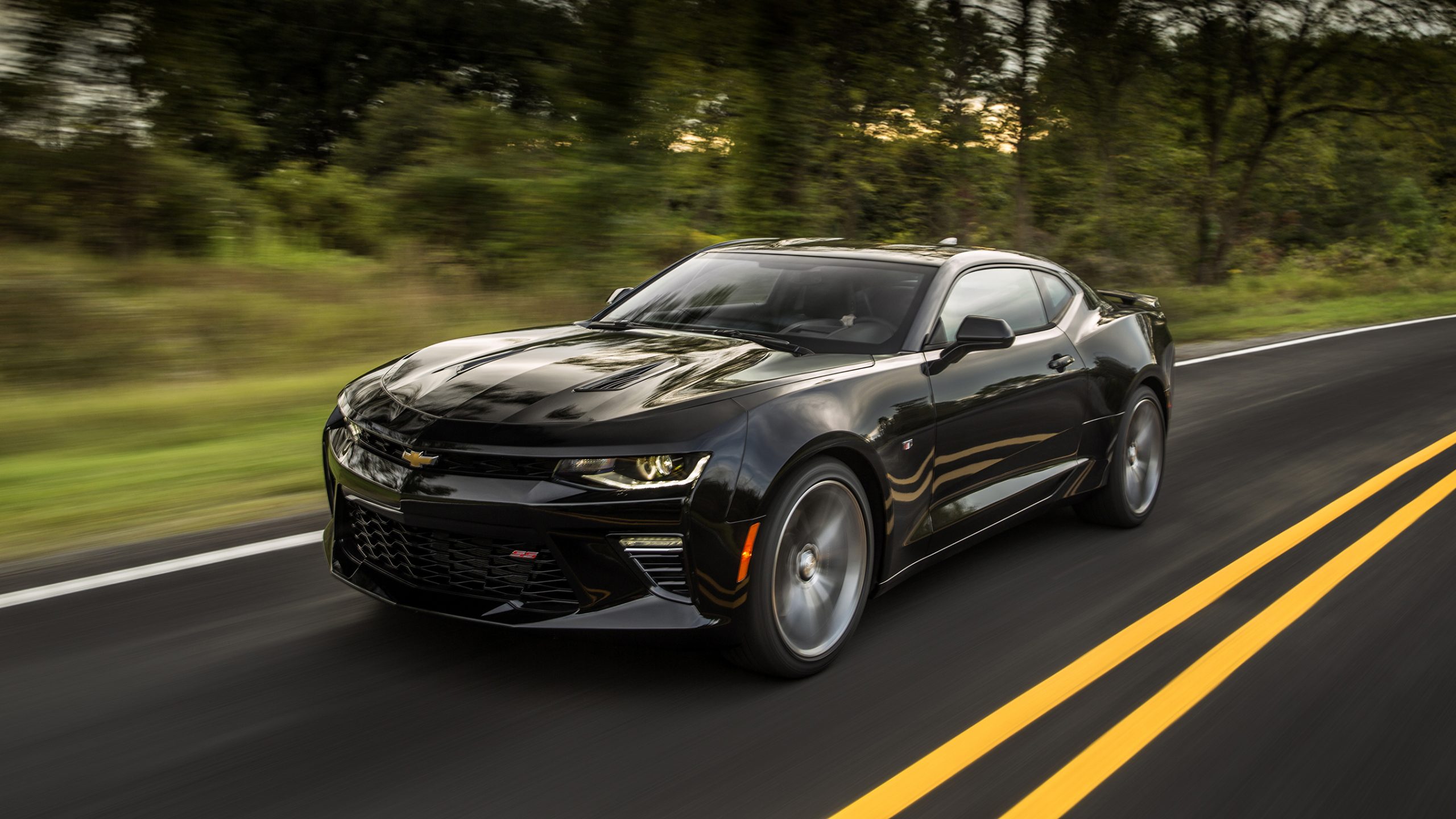
4. 2025 Chevrolet Camaro: High Performance with Serious Winter Drawbacks
The 2025 Chevrolet Camaro is engineered for speed, handling, and driver engagement, not winter driving. Like other rear-wheel-drive performance cars, it struggles significantly on icy and snow-covered roads common in Burlington winters.
Its drivetrain layout, low ground clearance, and factory performance tires make it poorly suited for slippery conditions, even though a few features and modifications can help reduce the risk.
The Camaro’s rear-wheel-drive layout is the primary limitation in winter. Power is sent to the rear wheels, which carry less weight than the front, making it difficult to gain traction on ice or packed snow. During acceleration, weight transfer can further reduce rear grip, increasing the risk of fishtailing or loss of control. This behavior can be especially problematic on hills or at intersections.
Tires present another major challenge. Many Camaros are delivered with wide, performance-oriented tires, often summer tires or run-flat all-seasons. These tires are designed for dry and warm pavement and tend to harden in cold temperatures. On snow and ice, they can slide across the surface rather than digging in, often behaving more like skis than traction aids.
Low ground clearance adds to the difficulty. The Camaro’s low ride height makes it vulnerable to getting stuck in deeper snow, high-centered on rutted roads, or unable to clear plowed snow piles at intersections and driveways. While the car has some weight, its distribution and chassis tuning prioritize cornering performance rather than stability in winter conditions.
Owners who insist on winter driving a Camaro can take steps to improve safety. Dedicated winter tires are the most important upgrade and can dramatically improve traction, braking, and steering response on cold, icy roads.
Chevrolet also includes a Snow and Ice drive mode, which softens throttle response and adjusts stability control to reduce wheel spin. Careful driving habits, such as gentle acceleration, early braking, and slower cornering, are essential.
Even with winter tires and Snow and Ice mode, the 2025 Camaro remains a challenging winter vehicle. It demands constant attention, patience, and favorable road conditions to be driven safely.
Compared with vehicles designed for winter use, such as all-wheel-drive SUVs or trucks, the Camaro is far less forgiving. For Burlington winters, it is best treated as a seasonal performance car rather than a dependable cold-weather daily driver.
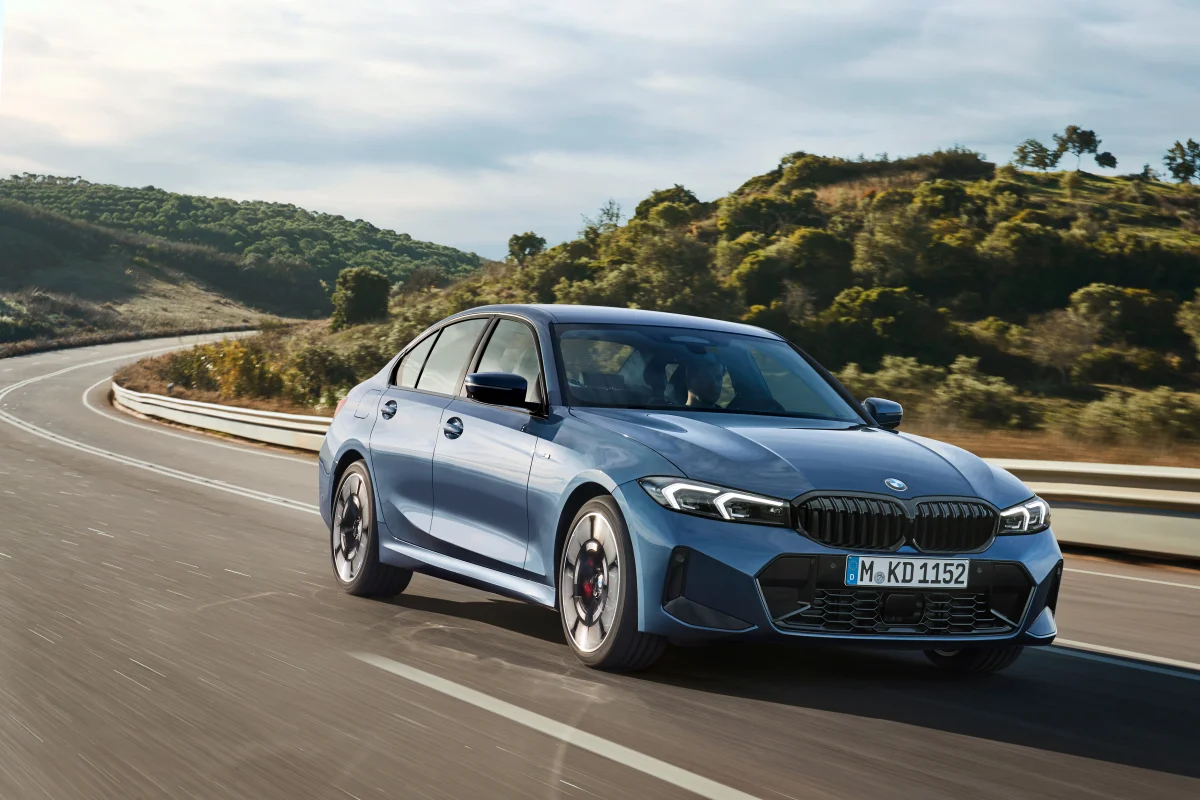
5. 2025 BMW 3 Series RWD: Sport Sedan Performance with Winter Limitations
The 2025 BMW 3 Series in rear-wheel-drive form delivers sharp handling and balanced driving dynamics, but those strengths become weaknesses on icy Burlington streets.
While the available xDrive all-wheel-drive system performs well in winter conditions, the standard RWD configuration struggles to maintain traction on snow and ice. Its drivetrain layout, tire setup, and low ride height make it far less confidence-inspiring during harsh winter weather.
In the RWD 3 Series, engine power is sent exclusively to the rear wheels, which carry less weight than the front. On icy surfaces, this lack of weight over the drive wheels makes it easy for the rear tires to spin, leading to fishtailing during acceleration or when exiting corners.
Steering is handled by the front wheels, which receive no power, further limiting control when grip is scarce. Even modest throttle input can upset the balance on slick roads.
Tires play a critical role in winter performance, and many 3 Series models are delivered with summer or performance-oriented all-season tires. These tires use rubber compounds that stiffen in cold temperatures, drastically reducing traction on ice and packed snow. Without proper winter tires, the RWD 3 Series can feel unpredictable and difficult to manage.
BMW equips the 3 Series with advanced stability and traction control systems, including Dynamic Stability Control and Dynamic Traction Control. These systems can reduce wheelspin and help correct slides, but they cannot create traction where none exists.
On sheer ice, electronic aids can only manage the loss of grip rather than prevent it. The low front lip and ride height also pose a practical concern, as chunks of ice left by snowplows can easily damage the bumper or underbody.
BMW’s xDrive system transforms the winter experience by distributing power to all four wheels within milliseconds when slip is detected.
This dramatically improves traction, stability, and confidence on icy or snow-covered roads, making the 3 Series far more capable in winter conditions. For RWD owners, the most important upgrade is a set of dedicated winter tires, which significantly improve grip, braking, and steering response.
With careful driving and proper winter tires, a rear-wheel-drive 2025 BMW 3 Series can be managed during winter, but it demands constant attention and restraint. Compared with the xDrive version, it is far less forgiving and more prone to traction issues. For Burlington winters, drivers seeking year-round usability and peace of mind will find the all-wheel-drive 3 Series a much better match.
Burlington winters demand vehicles that can maintain traction, control, and comfort in icy and snowy conditions. The Subaru Outback, Jeep Grand Cherokee, Toyota RAV4, Ford Bronco Sport, and Volvo XC40 offer strong performance in these environments with all-wheel-drive systems, traction-enhancing technology, and heated features that support safe and reliable winter driving.
In contrast, cars like the Mazda MX-5 Miata, Ford Mustang RWD, Tesla Model 3 RWD, Chevrolet Camaro, and BMW 3 Series RWD struggle with ice and snow due to rear-wheel-drive layouts, low ride height, and summer-oriented tires.
Even with winter tires, these vehicles require extreme caution and are better suited as seasonal or fair-weather cars. For Burlington drivers facing snow, ice, and cold weather, choosing a winter-capable vehicle can make the difference between a safe, controlled drive and a difficult and stressful experience.
Also Read: 10 Cars With Clear, Bright Headlights for Backroads