
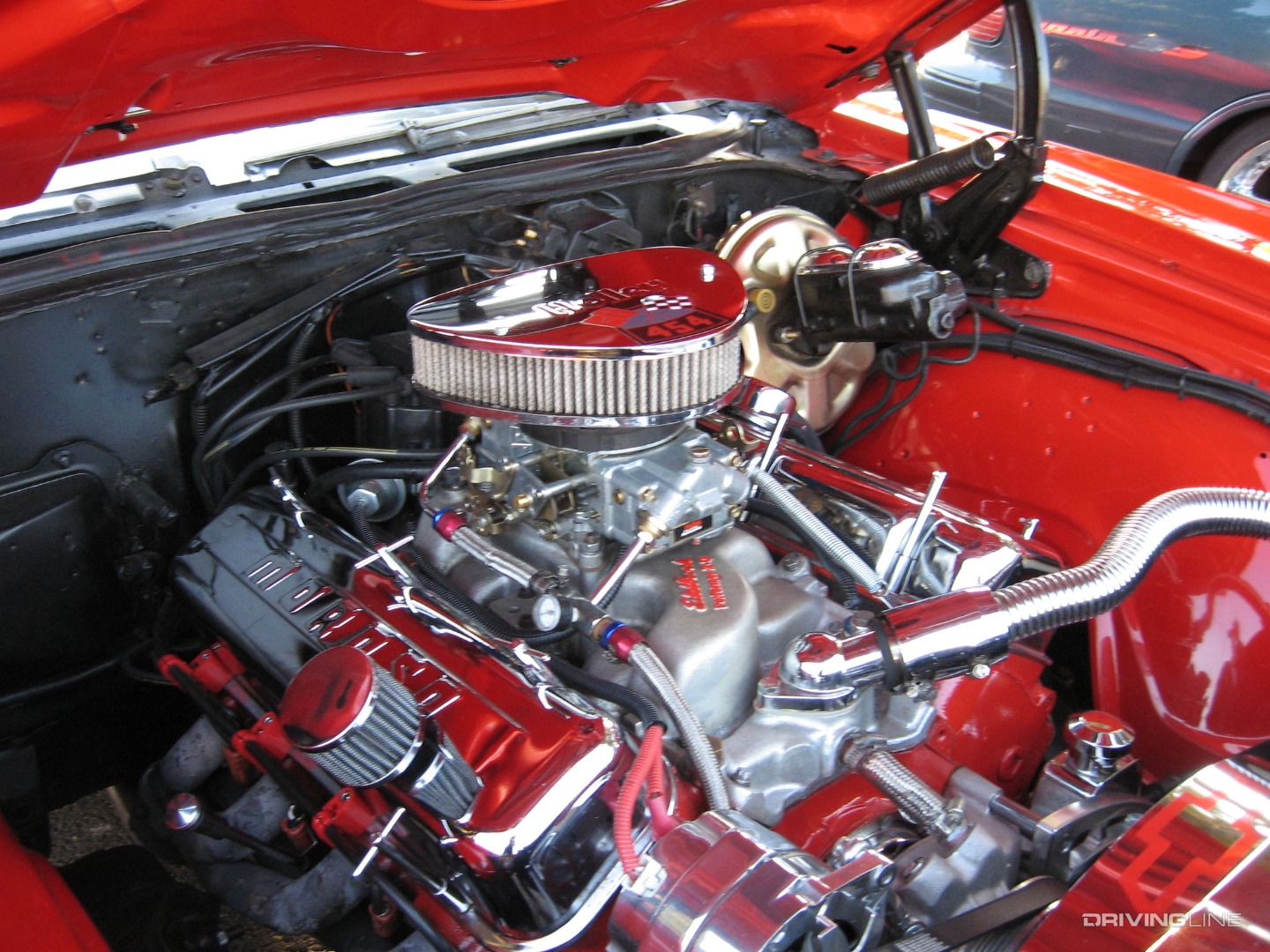
Chevy big block engines represent the rawest side of American performance history. Long before turbochargers, complex electronics, and lightweight alloys became common, power was created the simple way.
Bigger displacement, stronger internals, and engines designed to deliver massive force with every combustion cycle. Big blocks were not subtle, and they were never meant to be.
These engines defined drag strips, street racing culture, and muscle car dominance through the 1960s and 1970s. While horsepower numbers often grabbed attention, true respect came from torque and durability. Chevy big blocks were built to pull hard, survive abuse, and dominate in straight line performance.
Over time, the big block evolved. Early versions focused on simplicity and brute force. Later designs introduced improved airflow, stronger blocks, and better materials. Even as emissions regulations tightened, Chevy continued refining its big block formula.
This ranking focuses on the most powerful Chevy big block engines ever produced in factory or factory supported form. Power output, engineering significance, and real world impact all play a role. These are engines that pushed boundaries in their era and left lasting impressions on performance culture.
Some of the engines here powered legendary muscle cars. Others became icons through crate engine programs or racing influence. Each one represents a step forward in Chevy’s pursuit of maximum power.
The engines are ranked from lowest to highest in terms of overall power capability and historical importance. Each entry explains why the engine matters and what made it special.
Let us begin with one of the most influential big blocks ever created, an engine that set the stage for everything that followed.
Also Read: 10 Fastest Korean Cars You Can Buy Right Now
1. Chevrolet 396 Big Block V8
The Chevy 396 big block V8 marked the beginning of a new era in American performance. Introduced in the mid 1960s, it was designed to deliver serious power in a time when engine displacement directly translated to dominance.
With a displacement of 396 cubic inches, this engine immediately set itself apart from smaller small block designs. It was physically larger, heavier, and built to handle greater loads. The architecture allowed for stronger internals and improved durability.
Early versions of the 396 produced impressive horsepower for the time, often exceeding 375 horsepower in high performance trims. More importantly, the engine delivered strong torque that transformed the driving experience.
Acceleration felt effortless. The engine pulled hard from low engine speeds and continued building power smoothly. This made it ideal for street use as well as drag racing.
Chevy engineered the 396 with versatility in mind. It was offered in a wide range of vehicles, including iconic muscle cars and performance sedans. This helped spread its reputation quickly.
The engine’s durability became legendary. It could withstand aggressive driving and modifications without constant failure. Racers and street enthusiasts alike trusted it.
One of the defining traits of the 396 was sound. The deep, aggressive exhaust note announced its presence instantly. It sounded powerful even at idle.
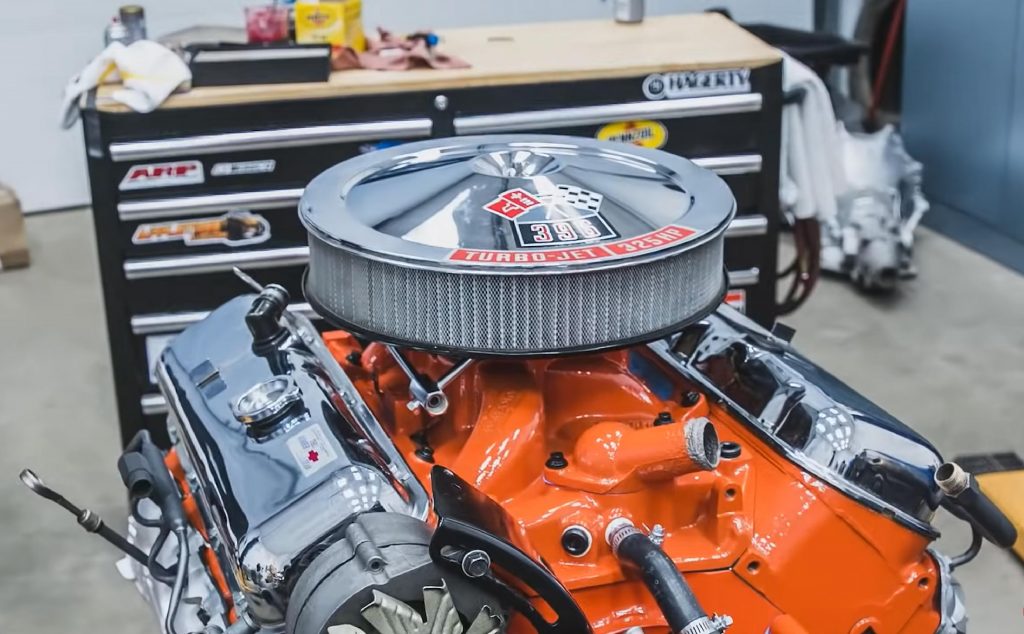
The 396 also laid the foundation for future big block development. Its block design and internal layout influenced later engines that pushed displacement and power even further.
From a driving perspective, the engine felt balanced despite its size. While heavier than small blocks, the added torque more than compensated. Straight line performance improved dramatically.
The aftermarket quickly embraced the 396. Performance parts, camshafts, and intake upgrades allowed builders to extract even more power.
What earns the 396 its place on this list is historical importance. It proved that Chevy could build a big block engine that was powerful, reliable, and adaptable.
While later engines surpassed it in raw numbers, none would exist without it. The 396 was the spark that ignited Chevy’s big block legacy. It may be the least powerful engine in this ranking, but it is one of the most important.
2. Chevrolet 427 L72 Big Block V8
The Chevy 427 L72 big block V8 represents the moment when Chevy fully committed to maximum factory performance. Introduced in the late 1960s, this engine was built with racing influence and street dominance in mind.
With a displacement of 427 cubic inches, the L72 was designed to breathe better and rev higher than earlier big blocks. Chevy paired this displacement with high compression and aggressive camshaft tuning to unlock serious power.
Factory ratings listed the L72 at around 425 horsepower, but real world output was widely believed to be much higher. Many examples produced closer to 450 horsepower in stock form.
Torque delivery was immediate and aggressive. The engine pulled hard from low rpm and continued to build strength as revs climbed. Acceleration felt relentless and commanding.
This engine was offered in some of Chevy’s most iconic muscle cars. Vehicles like the Corvette, Camaro, and Chevelle became fearsome performers when equipped with the L72.
Durability was a major strength. The L72 used forged internals and heavy duty components designed to withstand aggressive driving. This made it popular among racers and serious street enthusiasts.
The engine’s sound became legendary. A deep, sharp exhaust note combined with high revving character created an unmistakable presence. It sounded fast even before the car moved.
From a driving perspective, the L72 felt more urgent than the 396. Throttle response was sharper, and power delivery felt more aggressive. The engine encouraged drivers to push harder.
Cooling and oiling systems were improved to support sustained high performance use. This allowed the engine to survive track days and drag strip runs without excessive wear.
The aftermarket quickly embraced the L72. Performance upgrades allowed builders to extract even more power, often exceeding 500 horsepower with relatively simple modifications.
What truly sets the 427 L72 apart is balance. It combined high rpm capability with big block torque, creating a versatile performance engine.
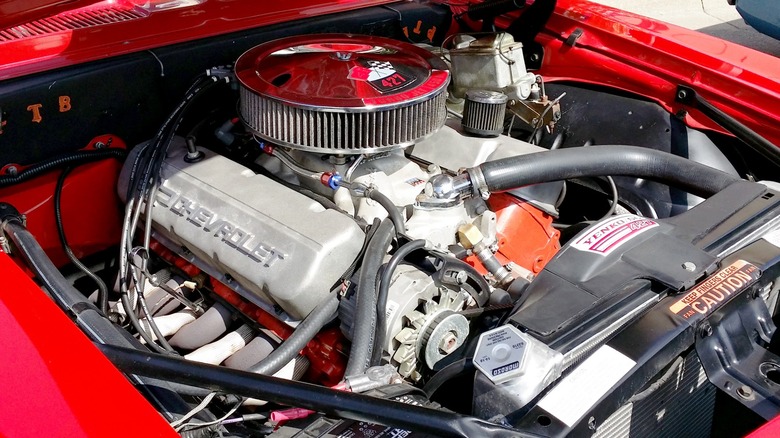
While later big blocks focused more heavily on displacement, the L72 proved that airflow and tuning mattered just as much. It was a bridge between traditional big block torque and racing inspired performance.
The 427 L72 earned its place in history by delivering one of the most complete performance packages of its time. It was fast, loud, durable, and respected.
Even decades later, the L72 remains a benchmark for naturally aspirated big block performance. It showed what Chevy could achieve when engineering ambition met racing influence.
3. Chevrolet 454 LS6 Big Block V8
The Chevy 454 LS6 big block V8 is often regarded as one of the most powerful and aggressive factory engines of the classic muscle car era. Introduced in 1970, it represented Chevy’s no compromise approach to street performance.
With 454 cubic inches of displacement, the LS6 was built to dominate through brute force. Chevy rated it at 450 horsepower, but many enthusiasts agree that the real output was significantly higher.
The engine featured high compression, large rectangular port cylinder heads, and an aggressive solid lifter camshaft. These components worked together to deliver explosive power throughout the rev range.
Torque delivery was immediate and overwhelming. The LS6 pulled hard from low engine speeds and continued to surge forward with authority. Acceleration felt violent by the standards of its time.
This engine transformed any car it powered into a serious threat. Vehicles like the Chevelle SS became legendary for their straight line performance when equipped with the LS6.
Durability was a major strength. The LS6 used forged internals and heavy duty components designed to survive aggressive driving and racing conditions.
Throttle response was sharp and unforgiving. The engine demanded respect and rewarded skilled drivers who could manage its output effectively.
Sound played a huge role in its reputation. The LS6 produced a deep, aggressive exhaust note that signaled serious performance instantly.
From a driving perspective, the LS6 felt raw and mechanical. There was no refinement or softness. Every input resulted in immediate reaction.
The LS6 also became a favorite among racers. Its strong block and internals made it ideal for further modification. Many builders pushed it well beyond factory ratings.
Cooling and oiling systems were designed to support sustained high performance. This allowed the engine to survive drag strip use without constant failure.
What truly sets the LS6 apart is its legacy. It arrived at the peak of the muscle car wars and represented Chevy’s most extreme factory effort at the time.
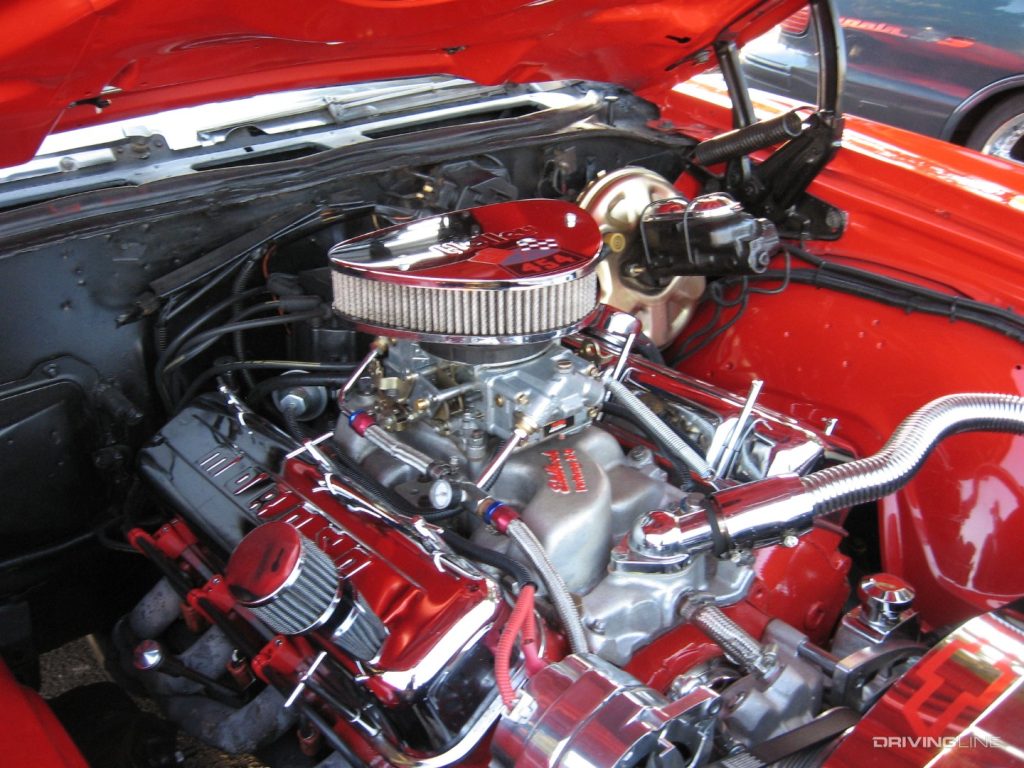
Even today, the 454 LS6 is often cited as the pinnacle of classic big block performance. It combined displacement, airflow, and tuning in a way few engines ever matched.
Its reputation continues to grow, cementing its place as one of the most powerful and respected Chevy big blocks ever produced.
4. Chevrolet 454 LS7 Big Block V8
The Chevy 454 LS7 big block V8 represents a different kind of power philosophy. Introduced in the early 1970s, it focused on maximum output through racing inspired engineering rather than street manners.
Rated at an astonishing 465 horsepower, the LS7 remains one of the highest horsepower factory rated big blocks Chevy ever produced. This rating alone places it among legends.
The LS7 featured aluminum cylinder heads, which was rare for the era. This reduced weight while improving airflow and combustion efficiency.
High compression and aggressive camshaft tuning allowed the engine to rev freely for a big block. Power delivery felt intense and race oriented.
Unlike torque focused engines, the LS7 encouraged high rpm driving. It pulled hardest when pushed, rewarding drivers who kept the engine in its power band.
The engine was intended primarily for racing homologation. As a result, it was not widely used in standard production vehicles.
Durability was engineered for competition. Strengthened internals and advanced materials allowed the engine to survive high rpm operation.
The sound of the LS7 was sharper and more aggressive than other big blocks. It reflected its racing DNA and high revving nature.
Driving a vehicle equipped with the LS7 required skill. The engine felt demanding and unforgiving, especially at lower speeds.
Throttle response was immediate but less forgiving than street oriented big blocks. Power arrived aggressively and without warning.
The LS7 became legendary not through volume, but through rarity and capability. Few were built, adding to its mystique.
What makes the LS7 special is ambition. Chevy pushed beyond traditional big block limits to create a race ready powerhouse.
While not as common as the LS6, the LS7 earned respect through sheer output and engineering boldness.
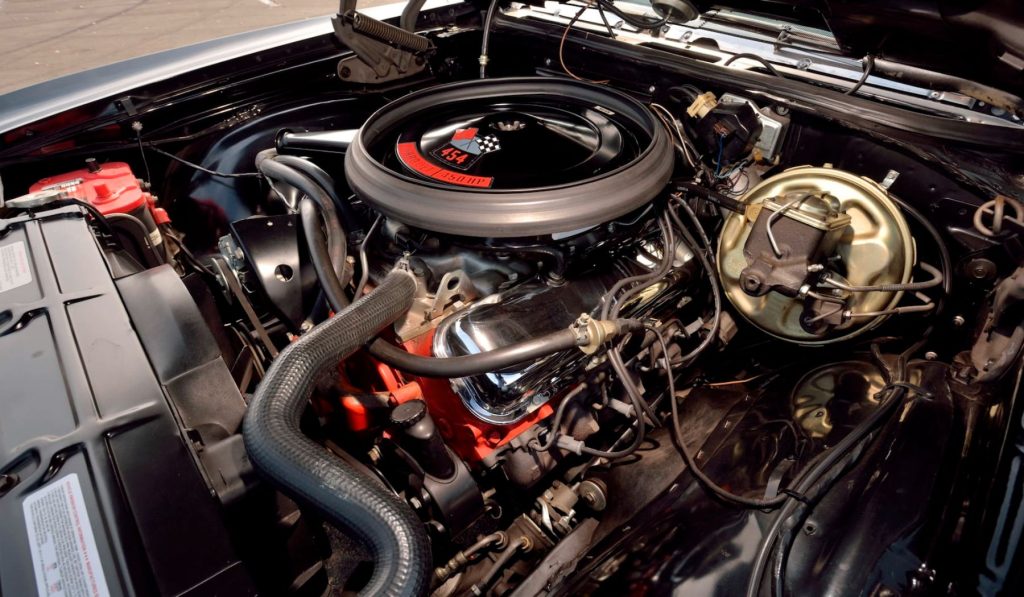
It stands as proof that Chevy was willing to experiment and innovate even during the height of the muscle car era.
The 454 LS7 remains one of the most powerful and technically impressive big block engines Chevy ever created.
5. 502 Big Block V8
The Chevy 502 big block V8 represents the transition from classic muscle era engineering to modern crate engine thinking. While it arrived later than many legendary big blocks, it delivered power in a more controlled and reliable way.
With a displacement of 502 cubic inches, this engine focused on torque and consistency rather than extreme high rpm output. It was designed to deliver strong performance without sacrificing durability.
Factory output varied by version, but high performance variants produced well over 500 horsepower. Torque numbers were even more impressive, making the engine feel dominant in real world driving.
Acceleration with the 502 felt effortless. The engine did not need to be pushed hard to deliver strong forward motion. Even light throttle input resulted in noticeable pull.
This engine was popular among builders who wanted big block power without the temperamental nature of older designs. It offered a smoother and more predictable driving experience.
Chevy engineered the 502 with improved materials and tighter tolerances. This resulted in better reliability and reduced maintenance compared to earlier muscle era big blocks.
The sound of the 502 was deep and authoritative. It produced the classic big block rumble that enthusiasts expect, reinforcing its presence even at idle.
From a usability standpoint, the 502 excelled. It could be driven regularly without constant tuning or adjustment. This made it ideal for street focused builds.
The engine also responded well to modifications. Camshaft upgrades, intake improvements, and exhaust changes allowed builders to extract additional power easily.
Cooling and oiling systems were designed for modern expectations. This allowed the engine to handle long drives and sustained load without overheating concerns.
What makes the 502 important is accessibility. It brought big block performance to a wider audience without the drawbacks of older high compression designs.
While it may not be the most extreme engine on this list, it delivered balanced power that suited both street and strip use.
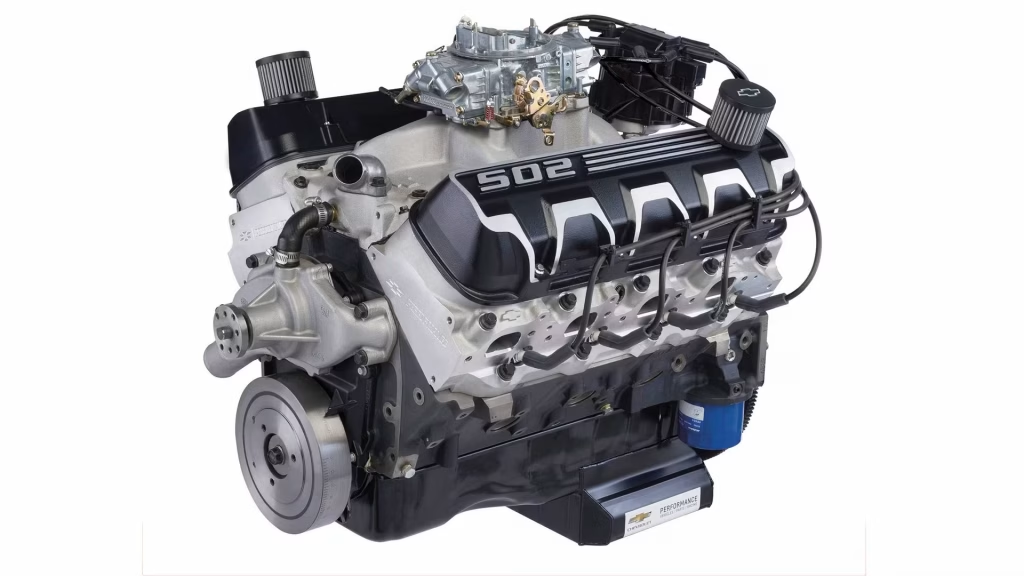
The 502 helped keep the big block alive in an era when emissions and efficiency concerns threatened its existence.
Its reputation remains strong among enthusiasts who value torque, reliability, and classic muscle character.
6. 572 Big Block V8
The Chevy 572 big block V8 marked a major escalation in factory supported big block performance. This engine was designed to deliver extreme power through sheer displacement and modern engineering.
With an enormous 572 cubic inch displacement, this engine immediately stood out. It was built to produce massive torque and high horsepower without relying on forced induction.
Factory ratings for the 572 exceeded 620 horsepower in many configurations. Torque output was staggering, making the engine feel unstoppable at any speed.
Acceleration with the 572 felt brutal and relentless. The engine delivered strong pull from idle and continued building power smoothly as revs increased.
Unlike older big blocks, the 572 benefited from modern materials and manufacturing techniques. This improved durability and reduced the risk of failure under heavy load.
The engine was designed primarily for serious performance builds. Installation required reinforced drivetrains and chassis components to handle the immense output.
Sound played a major role in the experience. The 572 produced a thunderous exhaust note that defined modern big block dominance.
Despite its size, the engine felt surprisingly refined. Power delivery was smooth rather than chaotic, making it easier to control than expected.
The 572 also demonstrated Chevy’s commitment to keeping big block engines relevant. It proved that displacement based performance still had a place in a modern world.
Builders appreciated the engine’s reliability. Even when pushed hard, it maintained consistent performance without frequent maintenance.
The aftermarket embraced the 572 quickly. Performance upgrades allowed output to climb even higher for those seeking extreme numbers.
What sets the 572 apart is confidence. It delivers massive power without feeling stressed or fragile. This engine bridged the gap between classic muscle philosophy and modern crate engine execution.
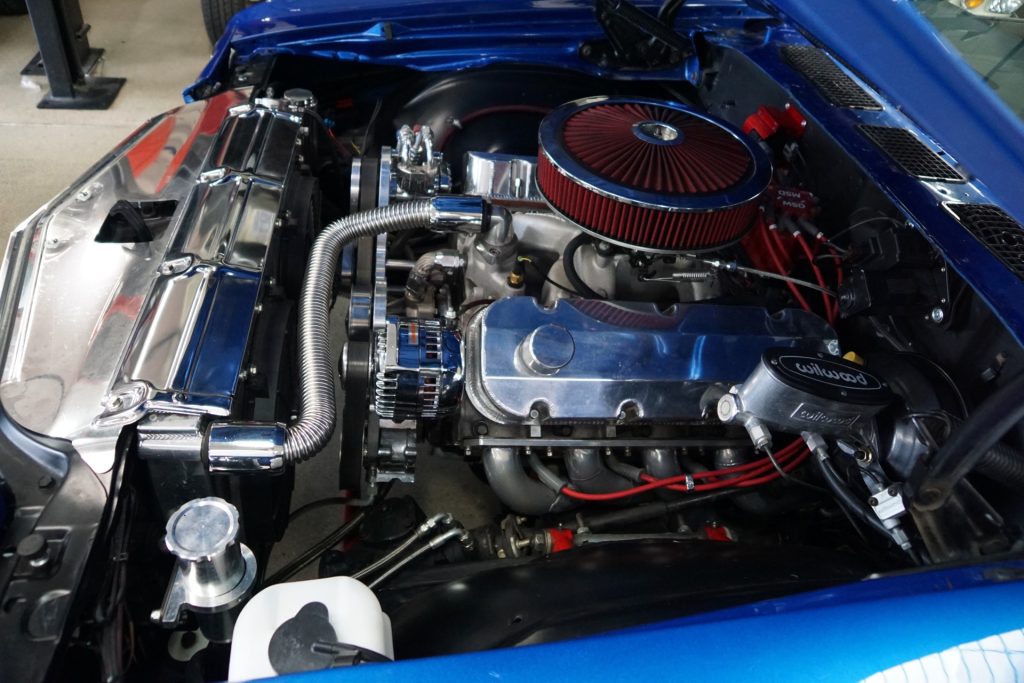
The 572 remains one of the most powerful naturally aspirated big blocks Chevy has ever offered. Its presence on this list reflects how far big block performance evolved while staying true to its roots.
7. Chevrolet ZZ572 9.4L Big Block V8
The ZZ572 9.4L big block V8 represents one of the most important modern milestones in Chevy big block history. It was created to prove that naturally aspirated displacement could still compete in an era increasingly dominated by forced induction.
With 572 cubic inches of displacement, the ZZ572 was designed to make power easily and consistently. Chevy focused on airflow, compression, and durability rather than extreme engine speed.
Factory output for the ZZ572 was rated at approximately 620 horsepower. More impressive than the horsepower figure was how the engine delivered it. Power came on smoothly and forcefully across the entire rev range.
Torque delivery defined the character of the ZZ572. The engine produced massive low and mid range pull, making acceleration feel effortless even in heavy vehicles.
This engine was engineered as a crate offering from the beginning. That meant reliability and repeatability were priorities. Builders could expect consistent performance without constant tuning.
Chevy used modern manufacturing techniques to improve block strength and internal balance. Forged components and improved oiling systems allowed the engine to handle sustained high load operation.
Sound played a major role in the ZZ572 experience. The exhaust note was deep, rich, and unmistakably big block. It delivered the classic muscle sound with modern refinement.
From a driving perspective, the ZZ572 felt dominant rather than aggressive. It did not need to be revved hard to feel powerful. Strength was always available.
Installation required serious planning. The engine’s size and torque output demanded reinforced drivetrains and strong cooling systems. This was not a casual swap.
The ZZ572 became popular in high end restomods and street machines. Builders appreciated its balance of extreme output and predictable behavior.
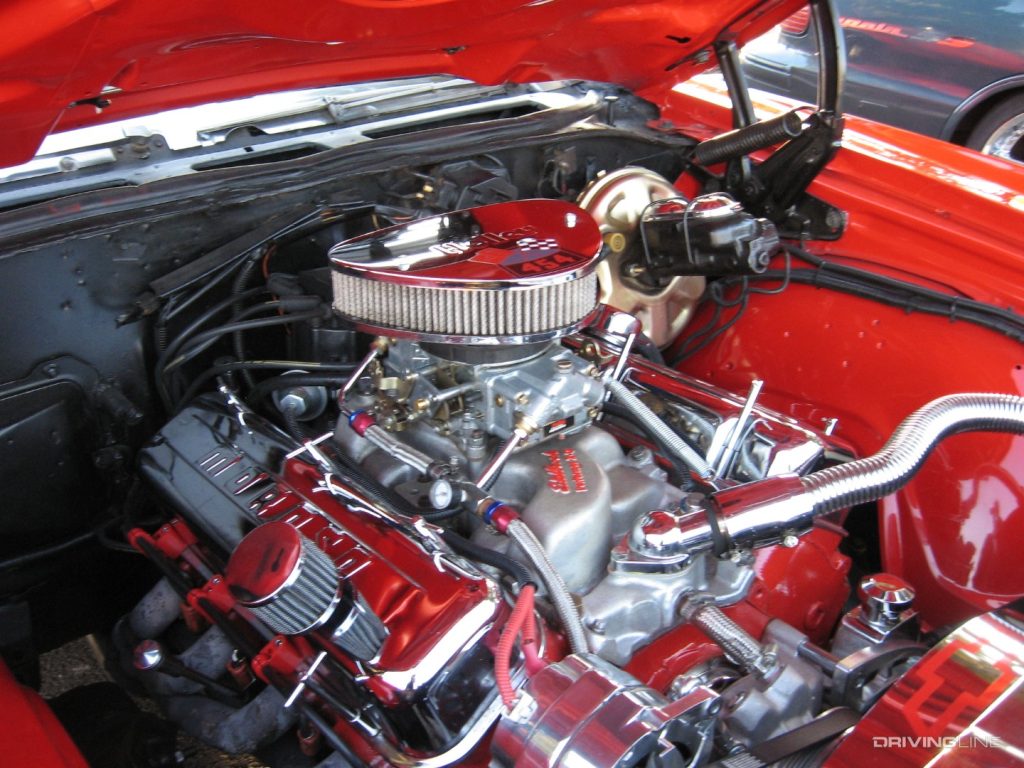
What makes the ZZ572 special is confidence. It delivers big power without feeling stressed or fragile. This gave it a reputation for longevity even under hard use.
The engine also responded well to tuning and upgrades. While powerful out of the box, it provided room for further enhancement for those chasing even bigger numbers.
The ZZ572 proved that modern big blocks could deliver massive naturally aspirated power with factory reliability.
It stands as a benchmark for displacement driven performance and a turning point in Chevy’s crate engine evolution.
8. Chevrolet ZZ632 10.4L Big Block V8
The ZZ632 10.4L big block V8 marked a dramatic escalation in Chevy big block capability. It was designed to be the largest and most powerful naturally aspirated big block engine Chevy had ever offered.
With an enormous displacement of 632 cubic inches, this engine redefined expectations. Chevy focused on airflow efficiency and structural strength to support such massive displacement.
Factory ratings placed the ZZ632 at over 630 horsepower. Torque output was equally staggering, making the engine feel unstoppable in any application.
Acceleration with the ZZ632 felt immediate and commanding. The engine did not need to rev high to deliver maximum impact. Power arrived smoothly and relentlessly.
One of the most impressive aspects of the ZZ632 was refinement. Despite its size, the engine delivered power in a controlled and predictable manner.
Chevy engineered the ZZ632 with premium components throughout. Forged internals, advanced cylinder heads, and improved cooling ensured durability under extreme load.
Sound was a defining characteristic. The ZZ632 produced a deep, thunderous exhaust note that reflected its sheer size and authority.
From a usability standpoint, the engine surprised many enthusiasts. It could be driven on the street without feeling temperamental or difficult to manage.
Installation requirements were significant. The engine’s physical size and output demanded a reinforced chassis, drivetrain, and cooling system.
The ZZ632 quickly became a symbol of modern big block excess. It represented what was possible when displacement limits were pushed without compromise.
Builders respected the engine for its honesty. There were no superchargers or turbochargers involved. Power came purely from engineering and cubic inches.
The aftermarket embraced the ZZ632 as a foundation for extreme builds. Even in stock form, it delivered performance that exceeded expectations.
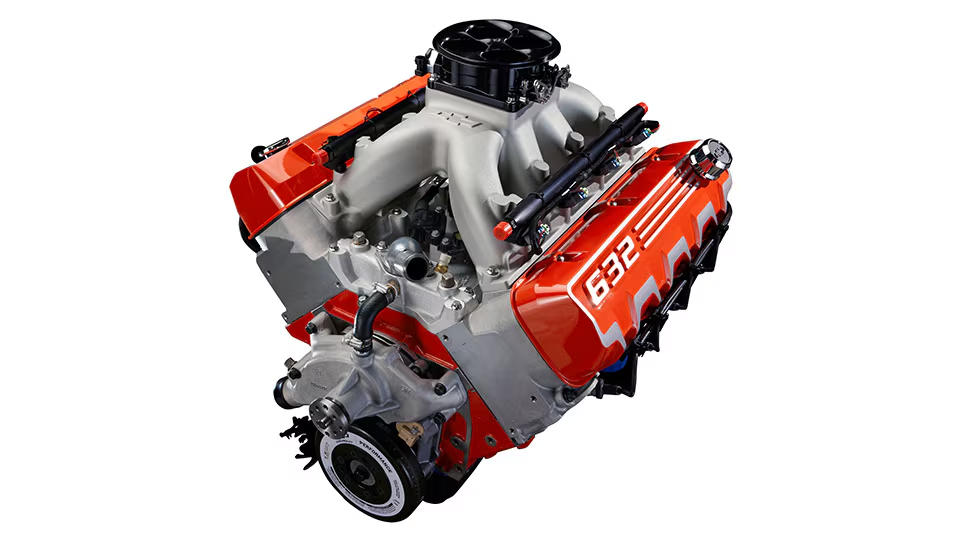
What truly sets the ZZ632 apart is presence. It feels dominant in every sense, from sound to acceleration to physical scale.
This engine demonstrated that the big block philosophy still had room to grow, even decades after its original peak. The ZZ632 remains one of the most powerful naturally aspirated big block engines ever offered by Chevy.
9. Chevrolet ZL1 427 Aluminum Big Block V8
The Chevy ZL1 427 aluminum big block V8 stands as one of the most legendary and misunderstood engines in performance history. Built with racing intent, it was never meant for mass production or everyday use.
This engine was developed during the height of the muscle car wars. Chevy engineers wanted to push beyond iron big blocks by reducing weight while increasing performance and durability.
The ZL1 used an all aluminum block and heads. This drastically reduced front end weight compared to iron big blocks, improving balance and acceleration.
Displacement was 427 cubic inches, but the real story was how the engine delivered power. Factory ratings listed around 430 horsepower, though actual output was widely believed to be much higher.
Power delivery felt urgent and aggressive. The engine revved more freely than iron big blocks, making acceleration feel sharper and more race focused.
Torque was still substantial. Despite lighter construction, the ZL1 delivered strong low and mid range pull that made it devastating in straight line runs.
This engine was designed for competition. Internal components were strengthened to handle sustained high rpm operation and extreme loads.
Because of its racing nature, the ZL1 was never common. It appeared in limited homologation vehicles and special builds, adding to its mystique.
Driving a ZL1 equipped vehicle required skill. Power delivery was less forgiving than street oriented big blocks, demanding precise throttle control.
The sound of the ZL1 was distinct. It combined the deep tone of a big block with a sharper, higher revving character.
Durability was exceptional for its purpose. When properly maintained, the engine could survive intense racing conditions without failure.
From an engineering perspective, the ZL1 represented a major leap forward. Aluminum construction proved that big blocks could evolve beyond brute force alone.
Collectors and enthusiasts later recognized its significance. Original ZL1 engines became some of the most valuable in muscle car history.

What places the ZL1 so high on this list is influence. It proved that power, weight reduction, and racing technology could coexist in a big block design.
While later engines surpassed it in raw output, few matched its ambition or impact. The ZL1 427 remains a symbol of Chevy’s willingness to push limits regardless of cost or practicality.
10. Chevrolet Performance ZZ632 10.4L 1000 Big Block V8
The ZZ632 10.4L 1000 big block V8 represents the absolute peak of Chevy big block power. It is the most powerful factory supported big block engine Chevy has ever offered.
This engine produces a staggering 1000 horsepower in naturally aspirated form. No superchargers or turbochargers are involved. Power comes purely from displacement and airflow.
At 632 cubic inches, the engine moves massive volumes of air and fuel. Acceleration feels immediate, overwhelming, and effortless at the same time.
Torque output is equally extreme. The engine delivers brutal pulling force from low rpm, making even heavy vehicles feel light under throttle.
Chevy engineered the ZZ632 1000 with zero compromises. Forged internals, an ultra strong block, and premium components ensure durability under extreme stress.
Despite its output, the engine does not feel frantic. Power delivery is smooth and controlled, which makes it surprisingly usable for its size.
Sound is a defining feature. The exhaust note is deep, thunderous, and commanding. It reflects raw mechanical dominance rather than artificial enhancement.
Installation of this engine requires serious preparation. Reinforced chassis components, heavy duty drivetrains, and advanced cooling systems are essential.
Fuel consumption is significant, but efficiency is not the goal. This engine exists to deliver maximum naturally aspirated power without restraint.
What truly separates the ZZ632 1000 is confidence. It does not rely on forced induction or complex electronics to achieve four digit output.
This engine represents a philosophy. Bigger displacement, stronger engineering, and absolute commitment to performance.
Chevy Performance designed it as a statement piece. It shows what is possible when engineers are allowed to chase extremes.

Builders who choose the ZZ632 1000 are not looking for balance or subtlety. They want dominance and presence.
The engine also serves as a tribute to Chevy’s big block heritage. It honors decades of development while pushing beyond anything that came before.
No other Chevy big block matches its output, presence, or significance. The ZZ632 1000 stands alone at the top. It is not just the most powerful Chevy big block engine ever. It is one of the most extreme factory engines ever created.
Also Read: 10 Classic Muscle Cars With the Highest Torque Output
