
La Crosse sits in a uniquely demanding driving environment shaped by river roads, bluffs, bridges, and frequent elevation changes along the Mississippi River.
Daily driving here isn’t aggressive, but it is nuanced. Roads often curve tightly, visibility shifts quickly, and surfaces can change from smooth pavement to uneven stretches near riverbanks and marinas. Vehicles need to feel stable, predictable, and comfortable rather than oversized or overly stiff.
This article looks at two very different but equally important sides of vehicle suitability for La Crosse drivers. The first focuses on cars that are well-suited for river road driving.
These are vehicles that handle curves confidently, manage changing road conditions calmly, and feel composed during scenic but demanding drives along water and hillsides. Smooth suspension tuning, good visibility, and balanced handling matter far more here than outright speed.
The second half examines vehicles that don’t tow well. In a region where towing small boats, utility trailers, jet skis, or yard equipment is common, not every vehicle is up to the task.
Some cars struggle with power delivery, braking stability, cooling, or drivetrain stress once a trailer is attached. While they may drive fine unloaded, towing exposes their limitations quickly.
In a place like La Crosse, the wrong vehicle choice doesn’t just feel inconvenient it feels mismatched. The right car flows naturally with the river roads. The wrong one fights them, or worse, struggles when asked to tow even modest loads.
By covering both categories, this article helps buyers understand how environment and usage should shape vehicle decisions, not marketing or assumptions.
Also Read: 5 Cars for Lafayette Coastal Life and 5 That Rust Fast
5 Cars for La Crosse River Roads
River roads demand a specific kind of drivability. In La Crosse, drivers regularly encounter winding routes that follow the Mississippi, elevation changes near bluffs, and roads where scenery and surface conditions change quickly. Vehicles that feel overly stiff, top-heavy, or poorly balanced quickly become tiring on these routes.
This section focuses on five cars that are especially well-suited for La Crosse’s river roads. These vehicles are chosen because they feel stable through curves, absorb uneven pavement gracefully, and inspire confidence rather than caution.
Good steering feedback, predictable suspension behavior, and balanced weight distribution matter far more here than raw horsepower.
Another key factor is driver comfort. River driving often involves longer scenic stretches at moderate speeds. Cars that remain quiet, composed, and relaxed reduce fatigue and make daily drives more enjoyable rather than demanding.
Visibility and vehicle size also play important roles. Narrower roads and sudden bends reward cars that are easy to place and maneuver. Vehicles that feel bulky or disconnected from the road tend to sap confidence on these routes.
Each car in this list is written about because it matches the character of La Crosse’s roads. These vehicles don’t overpower the environment; they move with it, making river driving smooth, controlled, and satisfying.
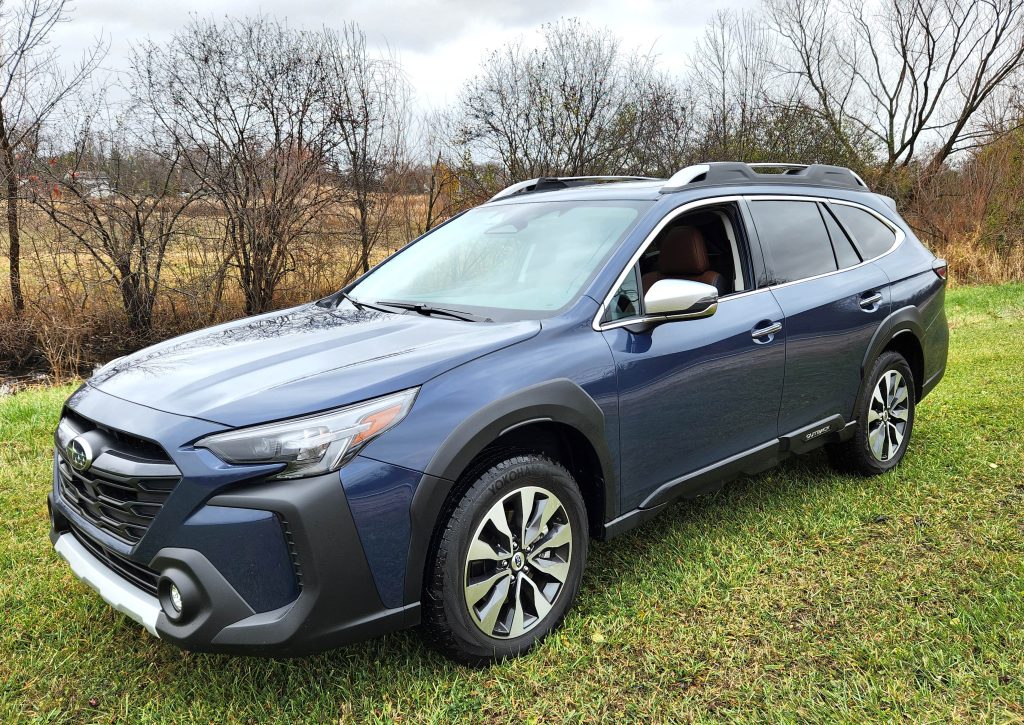
1. Subaru Outback
The Subaru Outback is one of the best matches for La Crosse river roads because it combines balance, traction, and ride comfort in a way that feels natural on winding routes. Rather than feeling sporty or aggressive, the Outback feels composed and that composure is exactly what river driving rewards.
One of its biggest strengths is suspension tuning. The Outback absorbs bumps, uneven pavement, and minor road imperfections without bouncing or crashing. On river roads where surface quality can change unexpectedly, this keeps the vehicle settled and predictable.
All-wheel drive adds confidence, especially in damp conditions common near water. Power delivery remains smooth through curves, and traction stays consistent when road grip changes. This makes the Outback feel planted rather than nervous.
The vehicle’s low center of gravity compared to taller SUVs also helps. Body roll is controlled, steering remains calm, and drivers don’t feel like they’re fighting the vehicle through bends.
Interior comfort supports longer scenic drives. Noise levels stay low, seating is supportive, and visibility is excellent important when navigating winding roads with changing sightlines.
The Outback is written about because it treats river roads as normal driving, not a challenge. In La Crosse, that quiet confidence makes it an ideal everyday companion.
2. Mazda CX-5
The Mazda CX-5 earns its place on this list because it brings precise handling and controlled ride quality to La Crosse’s river routes without sacrificing comfort. It’s a vehicle that feels connected to the road an important trait when curves arrive quickly and elevation shifts constantly.
One of the CX-5’s standout qualities is steering response. It reacts predictably and smoothly, allowing drivers to place the vehicle accurately through bends. This makes winding river roads feel engaging rather than stressful.
Suspension tuning further supports this confidence. The CX-5 remains firm enough to control body movement while still absorbing rough patches gracefully. Unlike softer crossovers that feel floaty, the CX-5 stays composed without feeling harsh.
Size also works in its favor. It’s compact enough to feel manageable on narrow roads, yet substantial enough to remain stable at speed. Drivers don’t feel like they’re wrestling the vehicle when roads tighten.
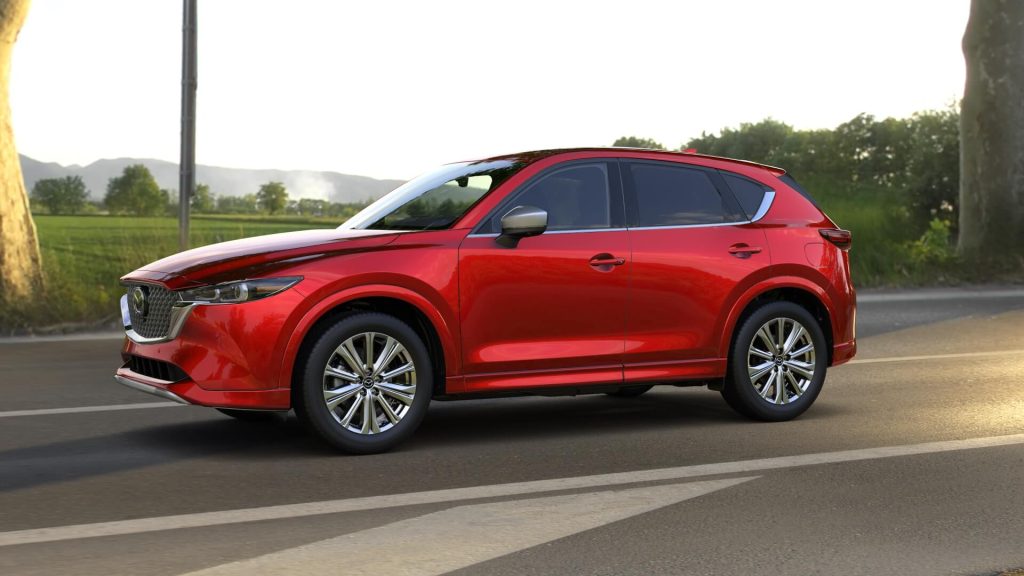
The CX-5 is written about because it balances refinement with control. For La Crosse drivers who want river-road confidence without stepping into a larger SUV, it fits the environment exceptionally well.
3. Toyota RAV4
The Toyota RAV4 is a strong fit for La Crosse river roads because it blends stability, predictability, and everyday comfort qualities that matter more than outright sportiness on winding, scenic routes. River roads reward vehicles that remain calm through curves and don’t surprise the driver when surfaces change, and the RAV4 excels at that consistency.
One of the RAV4’s biggest strengths is balanced suspension tuning. It absorbs uneven pavement and minor bumps without transmitting harshness into the cabin.
Along river routes where frost-heaved patches and surface changes are common, this keeps the vehicle settled and reduces driver fatigue. Unlike softer SUVs that can feel floaty, the RAV4 maintains composure without feeling stiff.
Steering response further supports confidence. The RAV4 isn’t overly quick or aggressive, but it is predictable and linear. On winding roads, that predictability allows drivers to guide the vehicle smoothly through curves without constant correction. This matters on river roads where bends come quickly and visibility can change with elevation.
Vehicle size also plays an important role. The RAV4 feels substantial enough to remain stable at speed but compact enough to be easily placed on narrower roads. Drivers don’t feel overwhelmed by width or length when navigating tight curves or bridge approaches.
Interior comfort enhances longer scenic drives. The cabin remains quiet at moderate speeds, seating is supportive, and outward visibility is good, especially important when river views and sudden bends demand awareness. Controls are intuitive, allowing drivers to focus on the road rather than the dashboard.
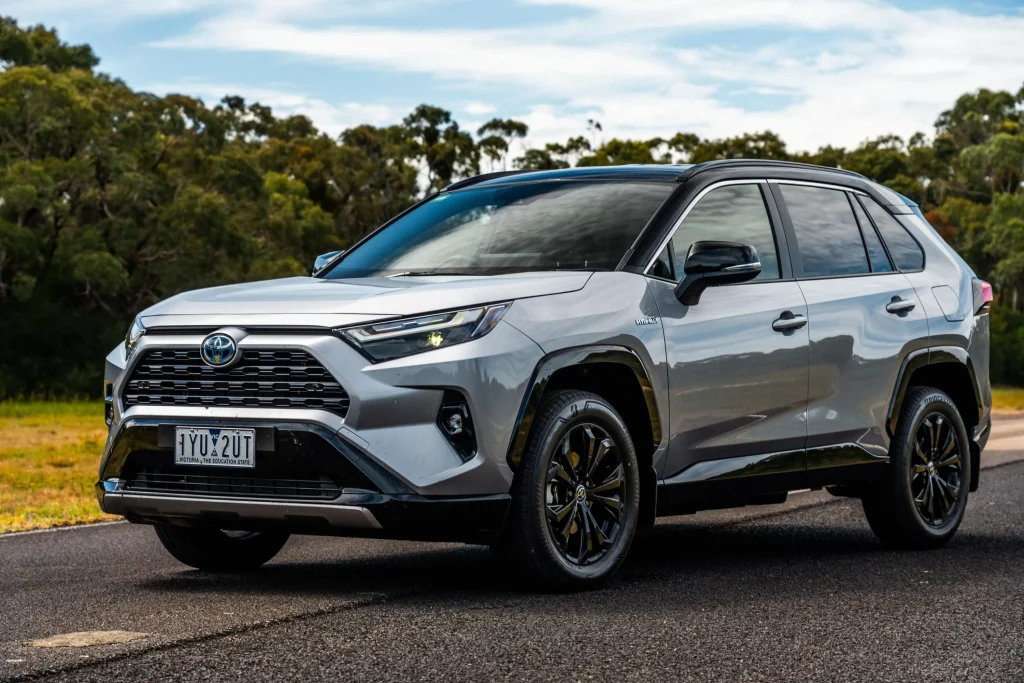
The RAV4 is written about because it fits the rhythm of La Crosse driving. It doesn’t push the driver to go faster or slower; it simply flows with the road, making river routes feel relaxed and controlled rather than demanding.
4. Honda CR-V
The Honda CR-V earns its place on this list by delivering a calm, confidence-inspiring driving experience that suits La Crosse’s river roads perfectly. While not sporty in the traditional sense, the CR-V prioritizes stability and comfort two traits that matter greatly on winding, scenic routes.
One of the CR-V’s most notable advantages is ride smoothness. The suspension is tuned to absorb irregularities without excessive body movement. On river roads where pavement quality can vary, this keeps the vehicle settled and predictable, reducing the constant micro-adjustments that tire drivers over time.
Steering behavior also contributes to its suitability. The CR-V’s steering is light but accurate, making it easy to guide through curves without feeling disconnected. This ease is especially helpful on longer river stretches where concentration needs to remain steady rather than tense.
Visibility is another major benefit. Large windows and a well-positioned seating height improve sightlines around bends and along bluffs. On roads where the environment changes quickly, that extra awareness boosts confidence and reduces stress.
Interior comfort further enhances the experience. The CR-V’s seats support longer drives well, cabin noise is low, and climate control operates smoothly without frequent adjustment. These details make river-road driving more enjoyable, especially during daily commutes or relaxed weekend drives.
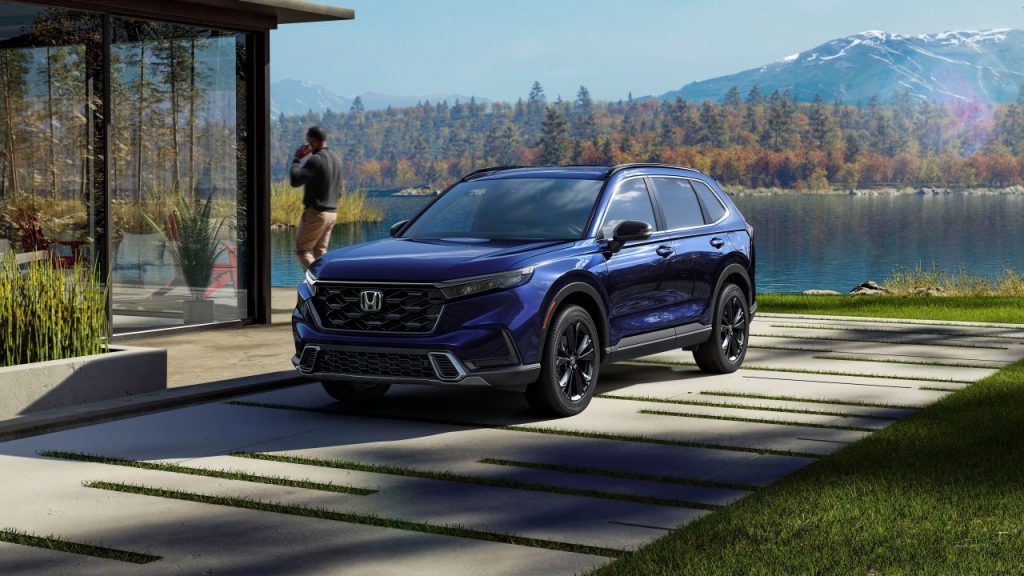
The CR-V is written about because it treats river roads as everyday driving, not a performance test. In La Crosse, where roads invite smooth, steady progress rather than aggressive driving, that mindset fits perfectly.
5. Volvo V60
The Volvo V60 completes this list as a refined yet capable option for La Crosse river roads. Wagons are uniquely well-suited to winding routes, and the V60’s low center of gravity and composed chassis make it especially effective along the Mississippi’s curves.
One of the V60’s biggest advantages is chassis balance. Compared to taller SUVs, the wagon profile reduces body roll and improves stability through bends. On river roads where curves flow one into the next, this creates a smooth, confident driving rhythm.
Suspension tuning emphasizes control without harshness. The V60 absorbs uneven pavement gracefully while remaining firm enough to prevent excessive movement. This balance allows drivers to maintain steady speed and confidence even when road conditions vary.
Steering response is another highlight. The V60 feels precise and deliberate, allowing accurate placement on narrower roads. This precision makes winding sections feel controlled rather than cautious, especially near bluffs and bridge approaches.
Interior refinement supports longer scenic drives. The cabin is quiet, seating is supportive, and materials reduce fatigue over time. Visibility remains strong despite the lower ride height, helping drivers anticipate curves and changes in elevation.
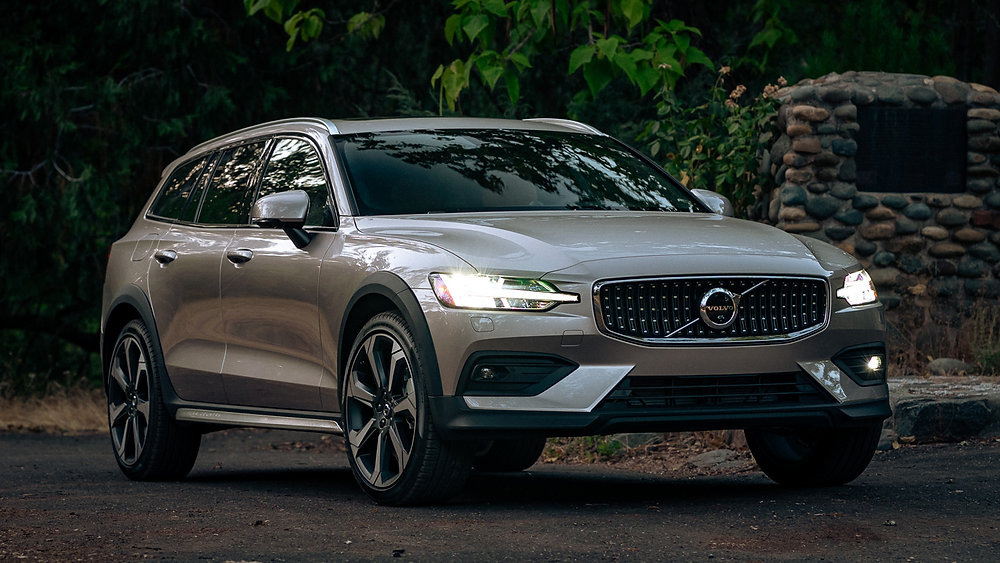
The V60 is written about because it exemplifies flow over force. It doesn’t dominate river roads it complements them. For La Crosse drivers who appreciate composed handling and refinement, the V60 feels perfectly at home along the river.
5 That Don’t Tow Well
Towing in and around La Crosse is usually modest, but it is frequent. Small fishing boats, jet skis, utility trailers, lawn equipment, and compact campers are common sights near the Mississippi River.
While these loads are not extreme, they still place meaningful demands on a vehicle’s drivetrain, cooling system, suspension, and braking. Not every car that drives well on river roads is capable or comfortable when asked to tow.
This section focuses on vehicles that don’t tow well, even when the load appears reasonable on paper. These cars often struggle not because they immediately fail, but because towing exposes weaknesses that aren’t obvious during normal driving.
Insufficient torque, poor transmission gearing, soft rear suspension, limited cooling capacity, and inadequate braking stability all contribute to a poor towing experience.
A major issue for many of these vehicles is power delivery under load. Engines designed for efficiency rather than torque often feel overwhelmed when pulling a trailer, especially on slight grades near bluffs or when merging onto highways. Drivers experience sluggish acceleration, constant high RPMs, and excessive strain.
Another concern is chassis stability. Cars with soft suspension or short wheelbases can feel unsettled when towing, especially on curved river roads. Even light trailers can cause sway, nose lift, or braking instability issues that quickly erode driver confidence.
Cooling and durability also matter. Vehicles not engineered for towing often run hotter when pulling loads, especially during summer. Over time, this accelerates wear on transmissions, brakes, and driveline components, increasing long-term ownership costs.
These cars are written about to help La Crosse drivers understand that towing capability isn’t just about hitch ratings.
A vehicle that feels fine unloaded can become stressful and inefficient once a trailer is attached. In a river town where light towing is part of life, choosing the wrong vehicle turns a simple task into an ongoing compromise.
1. Toyota Corolla
The Toyota Corolla is a dependable daily driver, but it performs poorly when asked to tow, even small loads. While some owners attempt light towing with utility trailers, the Corolla’s design makes it ill-suited for this kind of work, especially around La Crosse’s river roads.
The most immediate issue is lack of usable torque. The Corolla’s engine is optimized for fuel efficiency, not pulling weight.
When a trailer is attached, acceleration becomes sluggish, and maintaining speed requires aggressive throttle input. Even modest inclines near bluffs or bridge approaches expose how quickly the engine runs out of reserve power.
Transmission behavior compounds the problem. The Corolla’s gearing prioritizes efficiency, causing frequent downshifts when towing. This leads to sustained high RPM operation, excessive noise, and increased heat buildup. Over time, this strain accelerates transmission wear.
Chassis stability is another concern. The Corolla’s lightweight structure and soft rear suspension are not designed to handle trailer tongue weight. This can cause rear-end squat, reduced steering precision, and longer braking distances especially noticeable on winding river roads.
Braking performance also suffers under load. While adequate when unloaded, the Corolla’s braking system is quickly taxed when towing, increasing stopping distances and reducing confidence in emergencies.
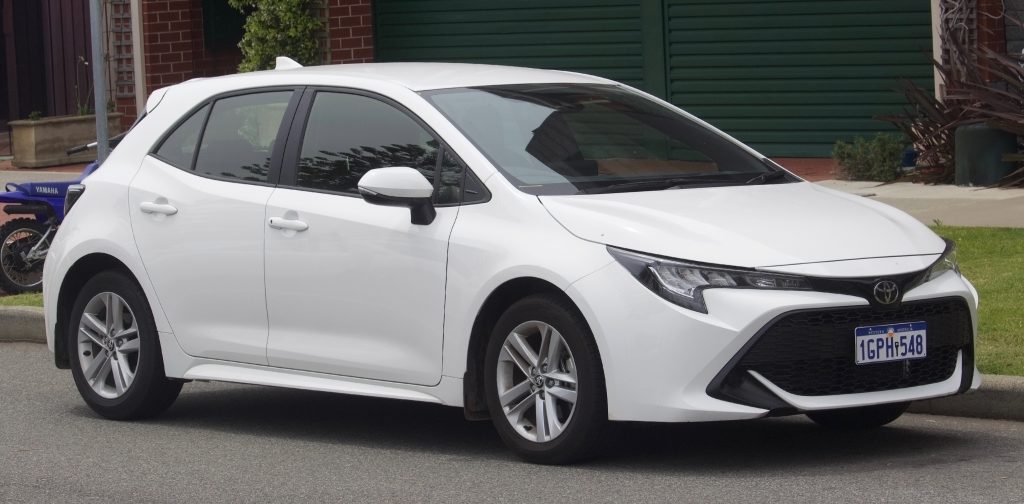
The Corolla is written about because it demonstrates how reliability doesn’t equal towing ability. While excellent for daily driving in La Crosse, it becomes strained, unstable, and inefficient when asked to tow even lightly.
2. Honda Civic
The Honda Civic shares many of the same towing limitations as the Corolla, making it another poor choice for La Crosse drivers who expect to tow even small trailers. Although refined and efficient as a commuter car, the Civic is simply not engineered for load-bearing work.
The primary issue is engine strain under load. The Civic’s powertrain performs well when moving only the car itself, but towing quickly overwhelms its torque capacity. Acceleration slows dramatically, and maintaining speed requires sustained high engine speeds especially noticeable on river-adjacent elevation changes.
Transmission tuning further worsens towing performance. The Civic’s transmission frequently hunts for gears when pulling weight, creating inconsistent power delivery and excessive heat. This not only feels unpleasant to drive but also increases long-term mechanical stress.
Suspension design also limits towing confidence. The Civic’s rear suspension is tuned for comfort and efficiency, not load support. Adding trailer tongue weight causes noticeable sag, reducing stability and steering response on curved roads.
Braking performance becomes a weak point as well. Without upgraded braking systems or trailer brakes, stopping distances increase significantly. On La Crosse’s winding river roads, this reduction in braking confidence is especially concerning.
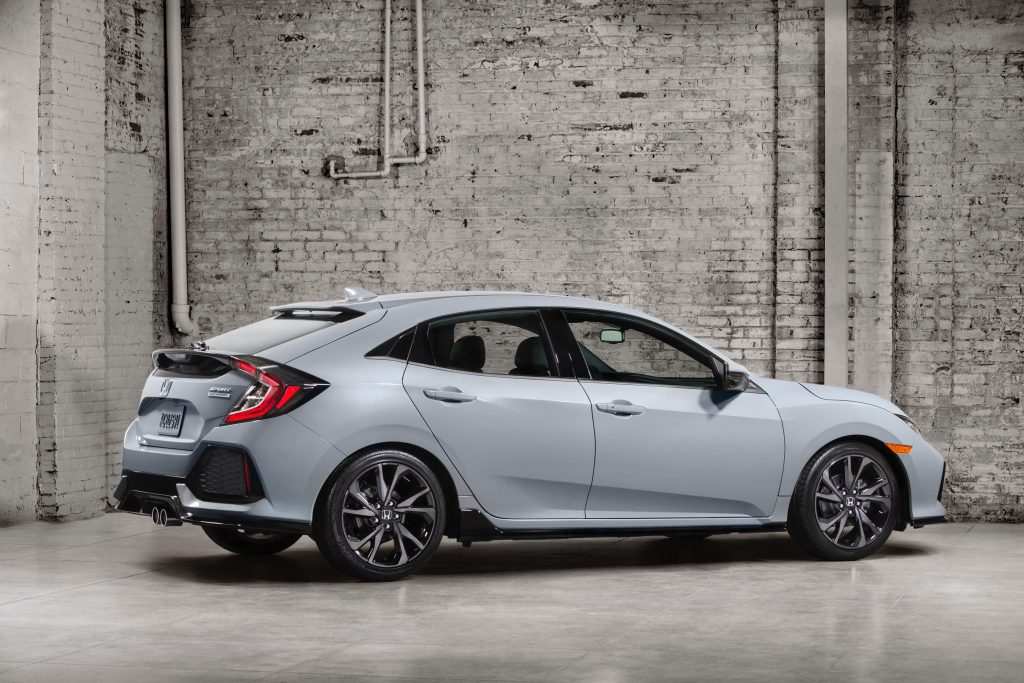
The Civic is written about because it highlights how compact sedans are fundamentally mismatched to towing. While excellent for small-town and river-road driving, the Civic’s design priorities make towing inefficient, stressful, and potentially unsafe.
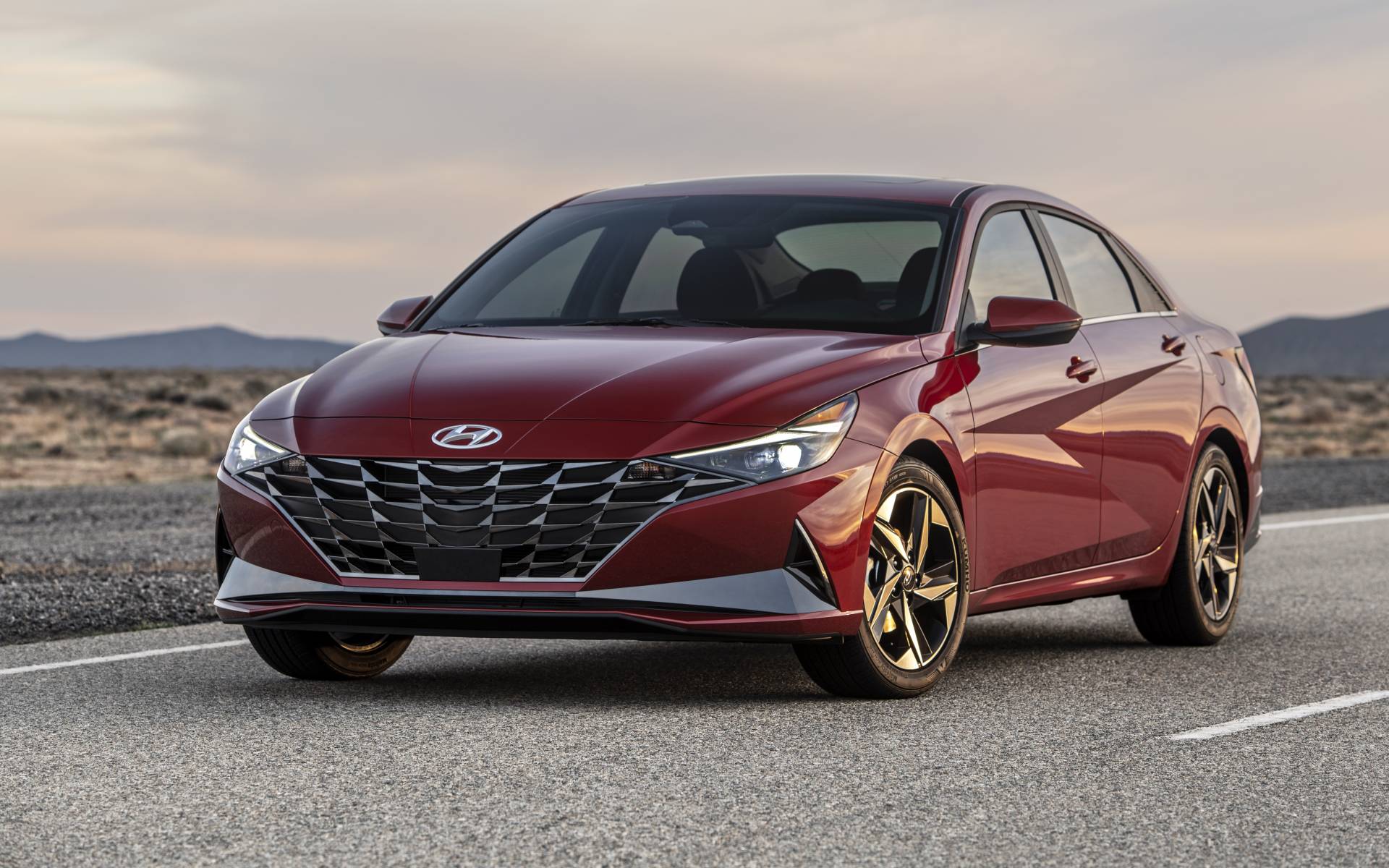
3. Hyundai Elantra
The Hyundai Elantra is a comfortable and efficient daily driver, but it becomes a poor towing choice once even a small trailer is attached. Around La Crosse, where light towing for boats, yard equipment, or utility trailers is common, the Elantra’s limitations surface quickly and consistently.
The most significant issue is insufficient torque for load management. The Elantra’s engine is designed to move the car efficiently, not to pull additional weight.
When towing, acceleration slows dramatically, especially when merging onto highways or climbing mild grades near river bluffs. Drivers are forced to use heavy throttle just to maintain momentum, which increases engine noise and mechanical strain.
Transmission behavior worsens the experience. The Elantra’s gearing is optimized for fuel economy, not sustained load.
When towing, the transmission frequently downshifts and holds high RPMs for long periods. This creates excess heat, reduces fuel efficiency, and accelerates wear particularly problematic during summer towing near the river.
Suspension tuning further limits capability. The Elantra’s rear suspension is soft, designed for comfort rather than load support. Trailer tongue weight causes noticeable rear sag, which alters steering geometry and reduces front-end grip. On winding river roads, this leads to vague steering response and diminished confidence through curves.
Braking stability is another concern. While adequate when unloaded, the Elantra’s braking system struggles with added trailer weight. Stopping distances increase, and downhill braking near river crossings feels more stressful than controlled, especially without trailer brakes.
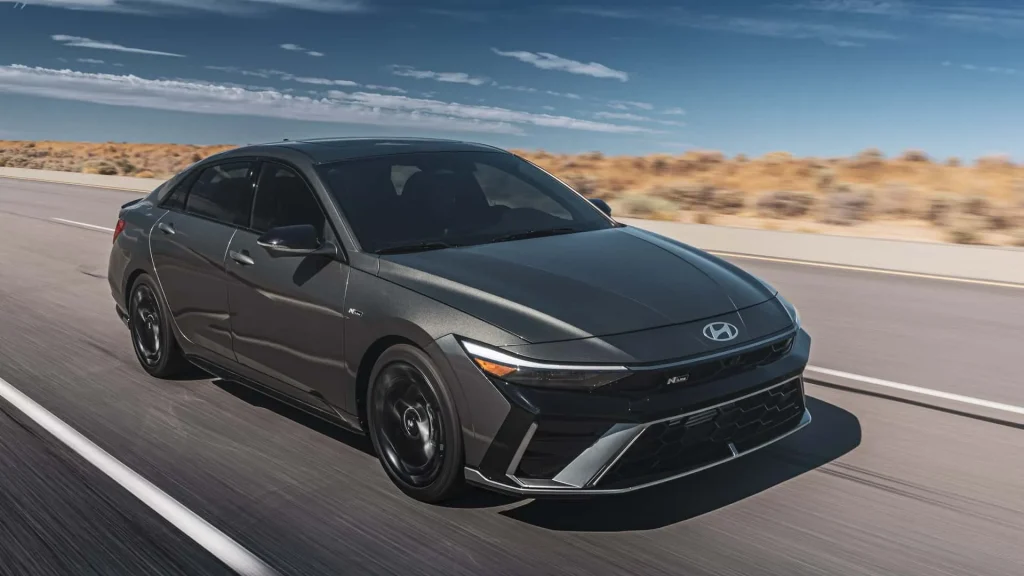
The Elantra is written about because it illustrates how comfort-focused sedans are poorly suited for towing, even lightly. In La Crosse, where towing often intersects with curved roads and elevation changes, the Elantra’s lack of mechanical reserves turns a simple task into a strained, uncomfortable experience.
4. Nissan Sentra
The Nissan Sentra is another vehicle that struggles significantly when asked to tow, making it a poor fit for La Crosse drivers who expect occasional trailer use. While the Sentra performs adequately as a commuter, towing exposes multiple weaknesses at once.
The core problem is power delivery under load. The Sentra’s engine produces modest output, and much of that power sits high in the rev range. When towing, acceleration becomes sluggish and unresponsive. Even slight inclines near river roads require aggressive throttle input, causing the engine to rev loudly with little forward gain.
Transmission behavior compounds this weakness. The Sentra’s transmission frequently hunts for the correct ratio when towing, leading to jerky power delivery and inconsistent acceleration.
Sustained high RPM operation increases heat buildup and long-term transmission stress particularly problematic during stop-and-go towing near boat ramps or bridges.
Chassis stability is another major limitation. The Sentra’s lightweight platform and soft suspension are not designed to handle trailer weight. Rear-end squat is common, reducing steering precision and increasing body movement through curves. On La Crosse’s winding roads, this instability becomes immediately noticeable.
Braking performance also degrades under load. Without reinforced braking components or trailer brake support, stopping distances increase substantially. Descending gentle grades near the river with a trailer attached feels tense rather than controlled.
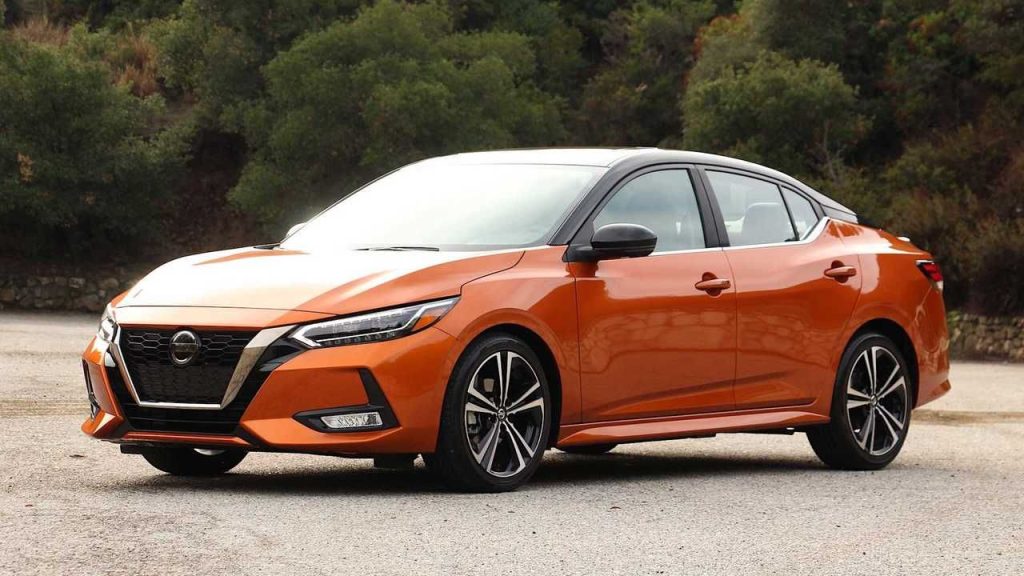
The Sentra is written about because it shows how economy-focused engineering fails under towing demands. While affordable and efficient for daily driving, it lacks the structural, mechanical, and braking capacity needed to tow safely or comfortably around La Crosse.
5. Mazda3
The Mazda3 is often praised for its engaging handling and refined driving feel, but it performs poorly when towing, even light loads. In La Crosse, where towing often involves curving river roads and uneven pavement, the Mazda3’s shortcomings become particularly evident.
The primary limitation is engine and torque availability. While responsive when unloaded, the Mazda3 lacks the low-end torque needed to pull a trailer comfortably. Acceleration becomes strained, and maintaining speed requires sustained high RPM operation especially noticeable on mild grades near bluffs.
Transmission tuning further restricts towing capability. The Mazda3’s gearing favors responsiveness and efficiency, not load management. When towing, frequent downshifts occur, creating excessive noise and heat. Over time, this places additional stress on the drivetrain.
Suspension setup also works against towing stability. The Mazda3’s rear suspension is tuned for agility, not load-bearing. Trailer tongue weight causes noticeable rear sag, reducing balance and increasing body movement through curves. On river roads, this leads to a nervous, unsettled feel.
Braking confidence is another weak point. The Mazda3’s braking system is adequate for solo driving but becomes stressed when additional weight is introduced. Longer stopping distances and reduced downhill control make towing feel risky rather than routine.
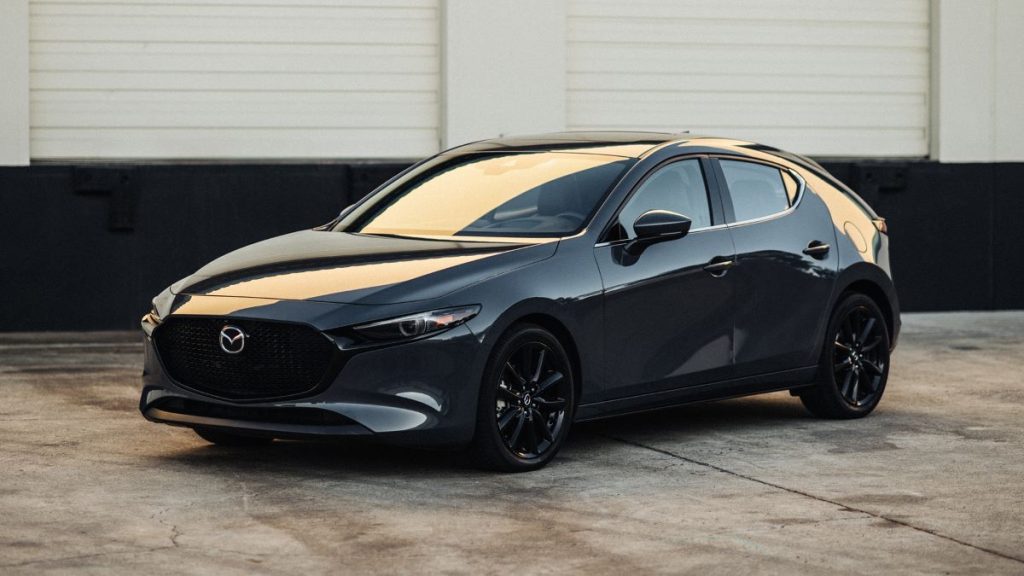
The Mazda3 is written about because it highlights how driver-focused cars sacrifice utility. While excellent for La Crosse’s river roads when unloaded, it lacks the mechanical foundation needed for towing, turning occasional trailer use into a compromised and uncomfortable experience.
This article explored vehicle suitability through the real-world driving conditions of La Crosse, where river roads, bluffs, bridges, and light towing are part of everyday life.
Unlike flat, grid-based cities, La Crosse demands cars that feel composed on winding routes and remain stable when road conditions and elevation change quickly.
The first half of the article focused on cars that perform well on La Crosse’s river roads. These vehicles were chosen for their ability to flow smoothly through curves, absorb uneven pavement, and inspire confidence without demanding aggressive driving.
A recurring theme was balance cars with predictable steering, well-tuned suspension, and stable weight distribution made river driving relaxed rather than tiring.
Lower centers of gravity, controlled body movement, and good visibility helped drivers stay connected to the road while navigating scenic but demanding routes along the Mississippi.
Comfort also played an important role. River roads often involve longer, uninterrupted stretches of driving, and vehicles that remained quiet, composed, and supportive reduced fatigue over time.
These cars didn’t overpower the environment or push drivers to rush they complemented the pace of La Crosse driving, making everyday trips and weekend drives equally enjoyable.
The second half of the article examined cars that don’t tow well, highlighting how towing even light loads quickly exposes mechanical and structural limitations. Many of these vehicles perform well when unloaded, but struggle once a trailer is attached.
Insufficient torque, economy-focused transmissions, soft rear suspensions, and limited braking capacity all contribute to a strained towing experience.
A major takeaway was that towing capability goes far beyond hitch ratings. Cars that lack low-end torque or chassis stability feel overwhelmed when pulling boats, utility trailers, or yard equipment common in the La Crosse area.
Drivers experience sluggish acceleration, frequent high-RPM operation, rear-end sag, and reduced braking confidence especially on curved river roads and near elevation changes.
Another key theme was long-term stress and safety. Vehicles not designed for towing often run hotter, wear components faster, and feel unstable under load.
Over time, this increases maintenance costs and reduces driver confidence, turning what should be a simple task into a constant compromise.
Overall, the article reinforces one clear conclusion: La Crosse driving rewards vehicles that match local usage. Cars that handle river roads with composure enhance daily life, while cars that struggle with towing introduce unnecessary strain and risk.
Choosing a vehicle that fits both the terrain and practical needs of the region leads to safer, more comfortable, and more satisfying ownership.
