
Corpus Christi presents a unique challenge for vehicle ownership. Coastal humidity, constant salt in the air, intense sun exposure, and frequent wind-driven moisture all accelerate wear in ways inland drivers rarely experience. Vehicles here aren’t just transportation, they’re tools that must endure corrosion, heat, sand, and long workdays near the water.
This article examines two critical sides of owning a vehicle in Corpus Christi. The first focuses on cars that are well-suited for coastal work.
These vehicles are chosen because they tolerate salty air, handle uneven job-site roads, and remain dependable despite exposure to moisture and heat. Durable materials, corrosion-resistant components, and proven mechanical simplicity matter far more here than luxury or cutting-edge tech.
The second half looks at vehicles that corrode in salt air. Some cars deteriorate rapidly in coastal environments due to poor rust protection, exposed underbodies, complex electronics, or materials that simply don’t age well near the ocean.
While they may perform well inland, salt air accelerates rust, electrical issues, and structural degradation.
In a coastal work environment, the wrong vehicle doesn’t just age poorly, it becomes expensive and unreliable. The right vehicle, by contrast, continues to function with minimal intervention, even when exposed daily to harsh conditions.
By comparing vehicles that thrive in Corpus Christi’s coastal reality with those that break down under salt exposure, this article helps buyers choose cars that work with the environment rather than against it.
Also Read: 5 Cars for Lafayette Coastal Life and 5 That Rust Fast
5 Cars for Corpus Christi Coastal Work
Coastal work in Corpus Christi demands durability above all else. Vehicles are exposed daily to salt-laden air, high humidity, intense UV radiation, and often rough access roads near docks, refineries, construction zones, or beachfront facilities.
Cars that feel refined elsewhere can quickly degrade here if they aren’t built with corrosion resistance and mechanical resilience in mind.
This section focuses on five cars that handle coastal work conditions effectively. These vehicles are selected because they resist rust, tolerate moisture intrusion, and remain dependable under daily exposure to harsh elements.
Proven drivetrains, robust underbody protection, and straightforward engineering make a significant difference in long-term ownership near the coast.
Another key factor is serviceability. In working environments, downtime costs money. Cars that can be easily serviced, repaired, and maintained without specialized components or fragile electronics are far better suited to Corpus Christi’s demands.
Heat management also matters. Engines, cooling systems, and transmissions must cope with prolonged idling and high ambient temperatures without accelerating wear. Vehicles that remain thermally stable reduce long-term stress and breakdown risk.
Each car in this list is written about because it matches the realities of coastal work. These vehicles aren’t glamorous but they endure. In Corpus Christi, that resilience is what separates reliable tools from costly mistakes.
1. Toyota Tacoma
The Toyota Tacoma is one of the most proven vehicles for coastal work in Corpus Christi because it combines mechanical durability with strong corrosion resistance. Designed for demanding environments, the Tacoma holds up well under constant exposure to salt air, humidity, and heat.
One of its biggest advantages is frame durability. Toyota’s corrosion-resistant coatings and improved rust prevention measures make the Tacoma far less susceptible to structural rust than many comparable trucks. For coastal workers who park near docks or job sites, this protection is critical.
The Tacoma’s drivetrain is also well suited for work use. Its engine delivers reliable torque without relying on fragile turbocharging or complex electronics. This simplicity reduces failure points in humid, salty conditions.
Suspension robustness further supports its role. The Tacoma handles uneven ground, sand, and rough access roads without rapid wear, making it ideal for coastal construction and marine-related work.
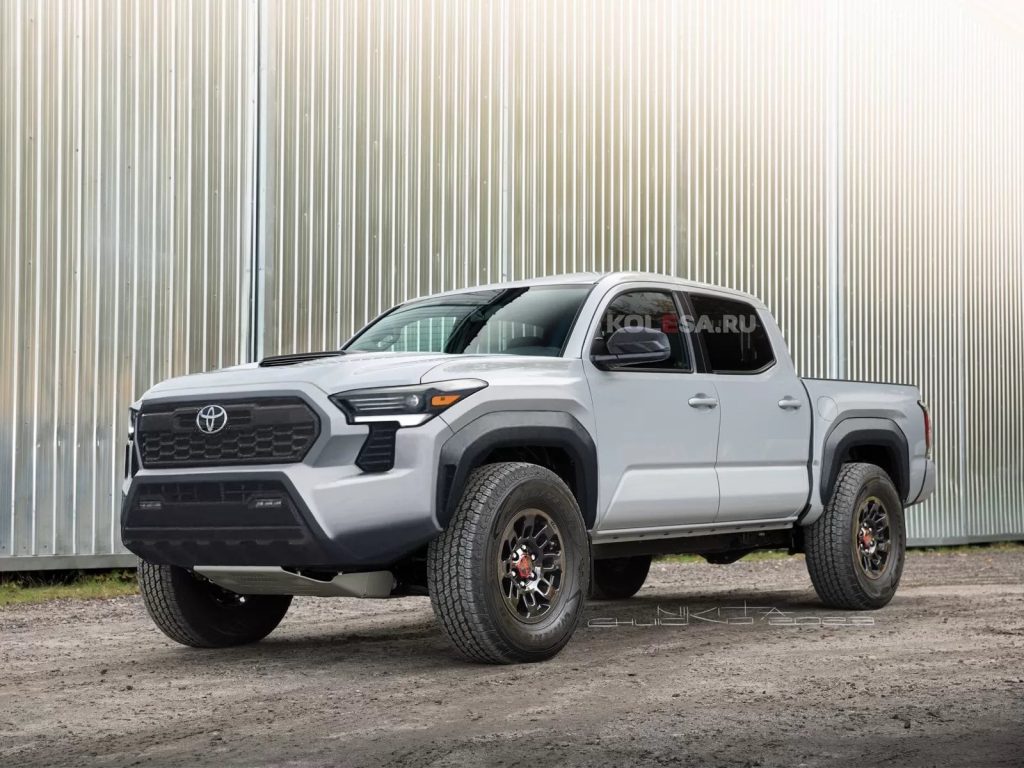
Interior durability also matters. While not luxurious, the Tacoma’s cabin materials tolerate moisture and sun exposure better than softer interiors, reducing long-term deterioration.
The Tacoma is written about because it has a long track record in coastal regions. In Corpus Christi, that proven resilience translates into fewer surprises and dependable daily operation.
2. Ford F-150
The Ford F-150 earns its place on this list largely due to its aluminum body construction, which significantly reduces corrosion risk in salt-air environments like Corpus Christi. While steel frames can rust rapidly near the coast, aluminum panels resist oxidation far more effectively.
This corrosion resistance gives the F-150 a major advantage for coastal work. Panels don’t bubble or flake under salt exposure, preserving structural integrity and appearance longer than traditional steel-bodied vehicles.
The F-150 also offers strong cooling and powertrain durability. Engines are designed to handle prolonged heat and idling, which is common during coastal workdays. Proper thermal management reduces long-term mechanical stress.
Payload and towing capability further enhance its usefulness. Coastal work often involves hauling equipment, tools, or trailers, and the F-150 handles these demands without excessive strain.
Serviceability is another benefit. Parts availability is excellent, and repairs are straightforward, minimizing downtime.
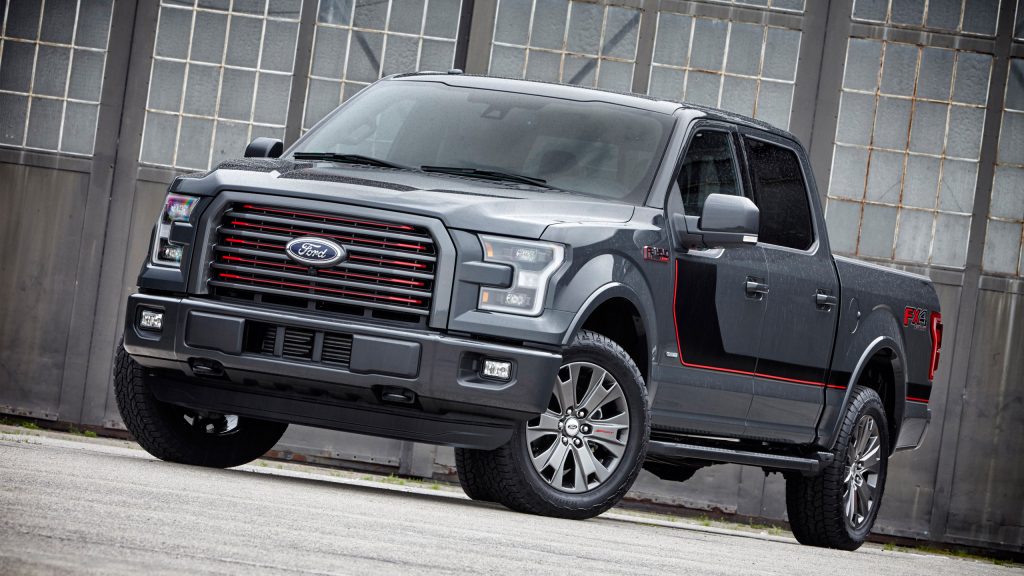
The F-150 is written about because it addresses one of the coast’s biggest threats, rust through design rather than maintenance alone. In Corpus Christi, that advantage adds years of usable life.
3. Toyota 4Runner
The Toyota 4Runner is exceptionally well suited for coastal work in Corpus Christi because it prioritizes durability over delicacy. While it may not offer the newest technology or the most refined ride, its construction and mechanical simplicity make it a dependable tool in salt-heavy environments.
One of the 4Runner’s greatest strengths is body-on-frame construction. This design tolerates twisting, uneven ground, and repeated exposure to harsh conditions far better than lighter unibody vehicles. For coastal workers navigating docks, gravel access roads, or sandy lots, this structural resilience matters every day.
Corrosion resistance is another key advantage. Toyota applies robust rust protection to the frame and underbody, helping the 4Runner withstand salt-laden air better than many crossovers. While no vehicle is immune to corrosion near the coast, the 4Runner ages slowly when maintained properly.
The naturally aspirated engine is also a major asset. Without turbochargers or overly complex electronics, the drivetrain tolerates heat and humidity with fewer failure points. Long idle periods, common in coastal work scenarios, don’t stress the powertrain as severely as they might in more delicate designs.
Suspension durability further supports its suitability. The 4Runner absorbs rough surfaces without rapidly wearing bushings or joints, reducing downtime and repair frequency. This makes it ideal for workers who move between paved roads and job sites daily.
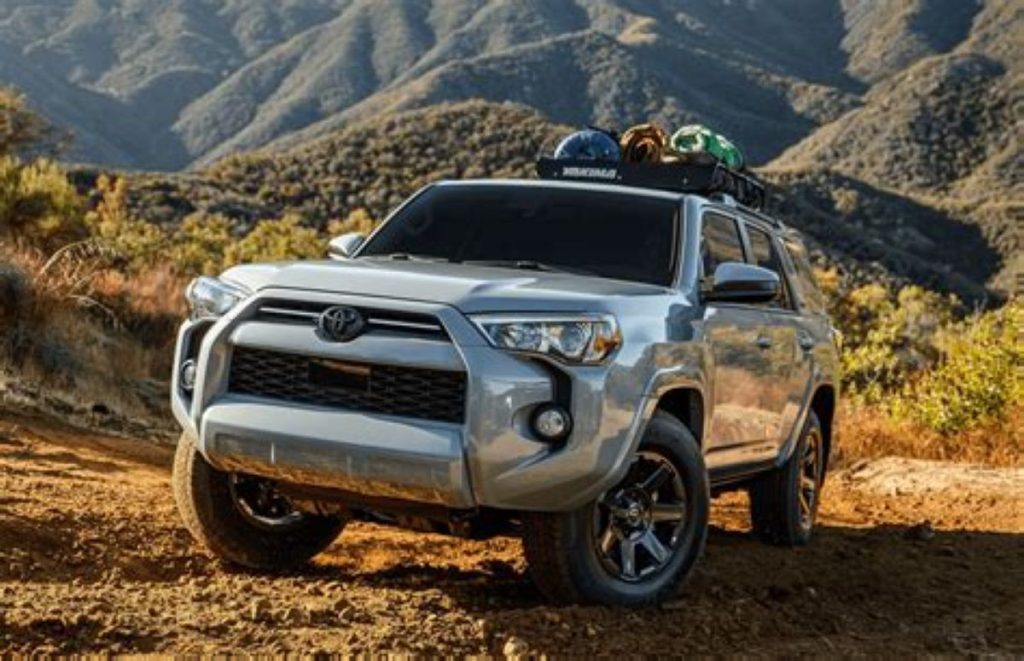
Interior materials lean toward practicality. While not luxurious, they resist moisture, sand, and sun exposure better than softer, premium interiors. Over time, this results in fewer cracked surfaces and electrical issues.
The 4Runner is written about because it thrives where refinement fails. In Corpus Christi’s coastal environment, its old-school toughness translates into long-term reliability and confidence.
4. Chevrolet Silverado 1500
The Chevrolet Silverado 1500 earns its place as a strong coastal work vehicle due to its blend of capability, serviceability, and corrosion-resistant options. For Corpus Christi workers who rely on their truck daily, these traits are essential.
One of the Silverado’s biggest advantages is work-focused engineering. It is designed to haul, tow, idle, and operate under load for long periods conditions common in coastal jobs. Cooling systems are robust, helping engines manage high heat without premature wear.
Corrosion resistance has improved significantly in modern Silverados. Enhanced coatings, better drainage, and improved underbody protection help slow rust formation in salt-air environments. While steel still requires care, Silverado components are designed to endure exposure rather than fail quickly.
Payload and towing capability are also critical benefits. Coastal work often involves moving equipment, trailers, or supplies, and the Silverado handles these demands without pushing the drivetrain to its limits. Operating within capacity reduces stress and extends vehicle life.
Serviceability is another major strength. Parts availability is excellent across the Gulf Coast, and repairs can be handled by nearly any competent shop. This minimizes downtime an important factor for workers who depend on their vehicles.
Interior durability supports long-term use. While trims vary, work-oriented versions prioritize tougher materials that tolerate moisture, dirt, and sun exposure better than luxury-focused cabins.
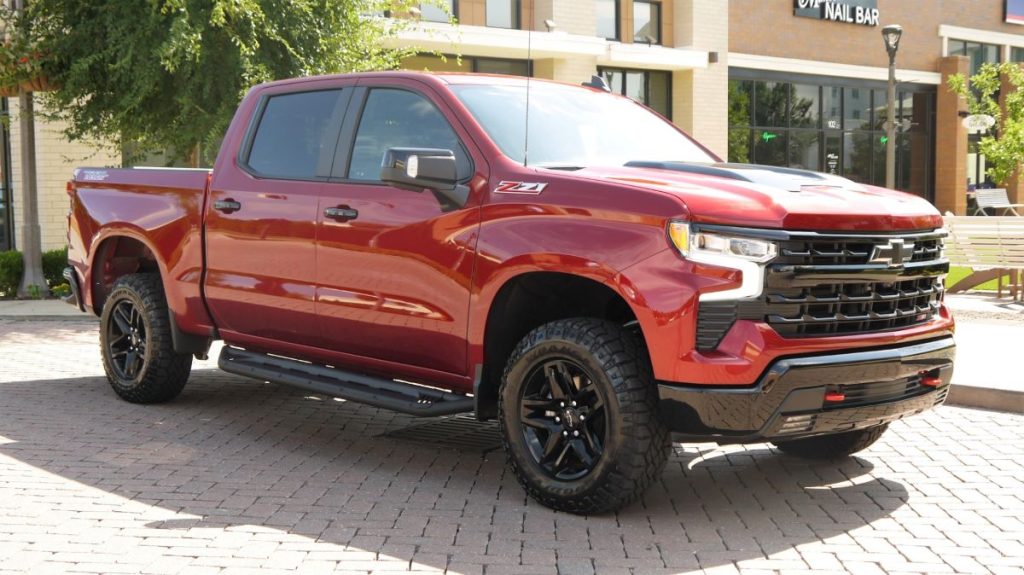
The Silverado is written about because it balances ruggedness with accessibility. In Corpus Christi, that combination keeps vehicles working rather than waiting for repairs.
5. Subaru Outback
The Subaru Outback may not look like a traditional coastal work vehicle, but it performs surprisingly well in Corpus Christi due to its corrosion resistance, traction, and balanced design. For lighter-duty coastal work, it offers dependable performance without excessive complexity.
One of the Outback’s key strengths is all-wheel drive, which provides stable traction on wet pavement, sand-adjacent roads, and slippery coastal surfaces. This improves safety and control in environments where moisture is constant.
Corrosion resistance is another advantage. Subaru applies comprehensive rust protection, particularly in regions where moisture exposure is common. While not immune to salt air, the Outback resists structural corrosion better than many similarly sized vehicles.
The Outback’s drivetrain emphasizes smooth, consistent operation rather than stress-inducing performance. This makes it tolerant of heat and humidity without placing excess strain on components during daily use.
Suspension tuning also supports coastal work. It absorbs uneven pavement and rough access roads without frequent component failure, reducing maintenance needs over time.
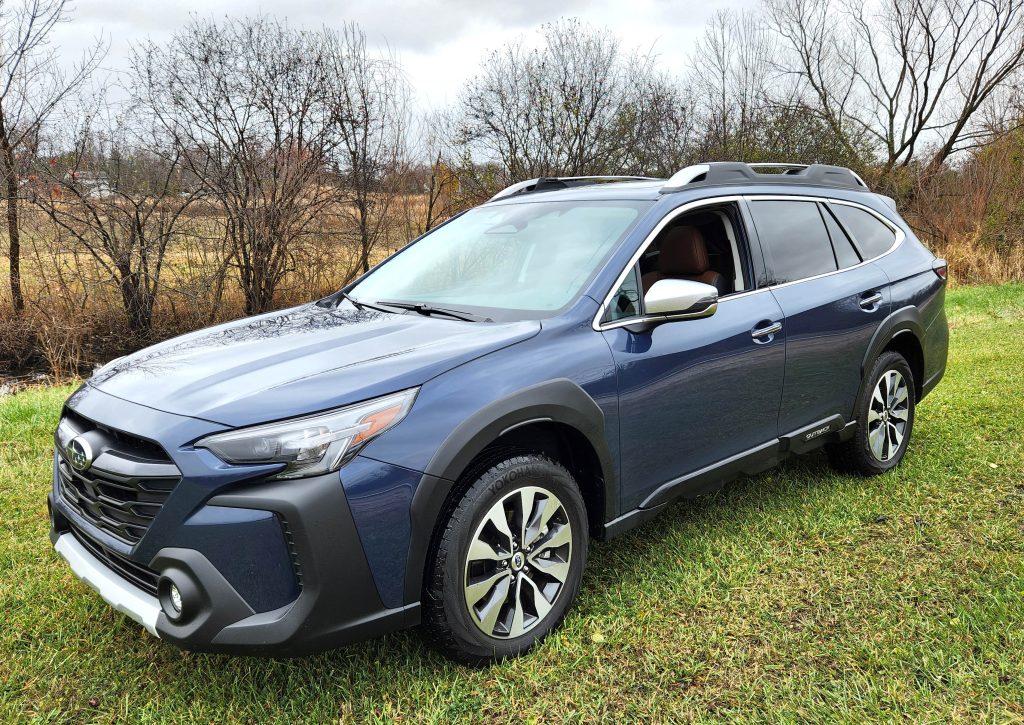
Interior practicality matters as well. Materials are durable enough to handle damp gear, sand, and sun exposure without rapid degradation important for workers transitioning between job sites and daily errands.
The Outback is written about because it offers coastal resilience without bulk. For Corpus Christi drivers who don’t need a full-size truck but still face harsh conditions, it’s a smart, durable alternative.
5 That Corrode in Salt Air
Salt air is one of the most destructive forces a vehicle can face, and in a coastal city like Corpus Christi, its effects are constant and unavoidable. Unlike snow-belt rust, which is seasonal and often limited to winter exposure, coastal corrosion is year-round.
Salt particles are carried by wind, settle into seams and crevices, and are activated daily by humidity. Over time, this creates a slow but relentless attack on metal, wiring, fasteners, and structural components.
This section focuses on vehicles that corrode quickly in salt air, not because they are poorly engineered overall, but because their materials, construction methods, or protective coatings are ill-suited for coastal environments.
Many of these vehicles perform well inland and may even have strong reliability reputations elsewhere. Near the coast, however, their weaknesses surface early and persistently.overall
A major factor is underbody exposure. Vehicles with complex steel frames, thin protective coatings, or poor drainage trap salty moisture underneath. Once corrosion begins, it spreads invisibly weakening mounting points, suspension components, brake lines, and exhaust systems long before cosmetic rust becomes obvious.
Another issue is electrical vulnerability. Salt air accelerates corrosion in connectors, grounding points, and sensors. Vehicles with dense electronics and limited sealing often develop intermittent faults, warning lights, and unexplained failures that are difficult and expensive to diagnose.
Design choices also matter. Cars with exposed fasteners, dissimilar metals in close contact, or minimal galvanization tend to deteriorate faster near the ocean. Luxury finishes and performance components may look impressive when new, but they often age poorly in humid, salty conditions.
These vehicles are written about to help Corpus Christi buyers avoid long-term ownership regret. In a coastal city, corrosion isn’t cosmetic it affects safety, reliability, and resale value.
Choosing a car that resists salt air can mean years of additional service life. Choosing one that doesn’t often leads to escalating repairs, structural concerns, and premature replacement.
1. Jeep Wrangler
The Jeep Wrangler is iconic and capable off-road, but it is notoriously vulnerable to corrosion in coastal environments like Corpus Christi. Despite its rugged image, the Wrangler’s construction and materials make it one of the fastest vehicles to show serious rust near salt air.
The most significant issue is frame and underbody corrosion. The Wrangler’s steel frame, suspension mounts, and skid plates are highly exposed. Salt-laden moisture easily settles into boxed frame sections and weld seams, where it becomes trapped. Over time, this leads to structural rust that spreads internally and is difficult to stop once it begins.
Wranglers also suffer from exposed fasteners and hardware. Door hinges, hood latches, bolts, and brackets frequently show corrosion within a few years of coastal use. While some of this is cosmetic, much of it affects serviceability, making even routine repairs more difficult and expensive.
Electrical issues are another concern. Wranglers use numerous exposed connectors and grounding points, particularly underneath the vehicle. Salt air accelerates corrosion at these connections, leading to intermittent electrical faults, sensor failures, and warning lights that are difficult to trace.
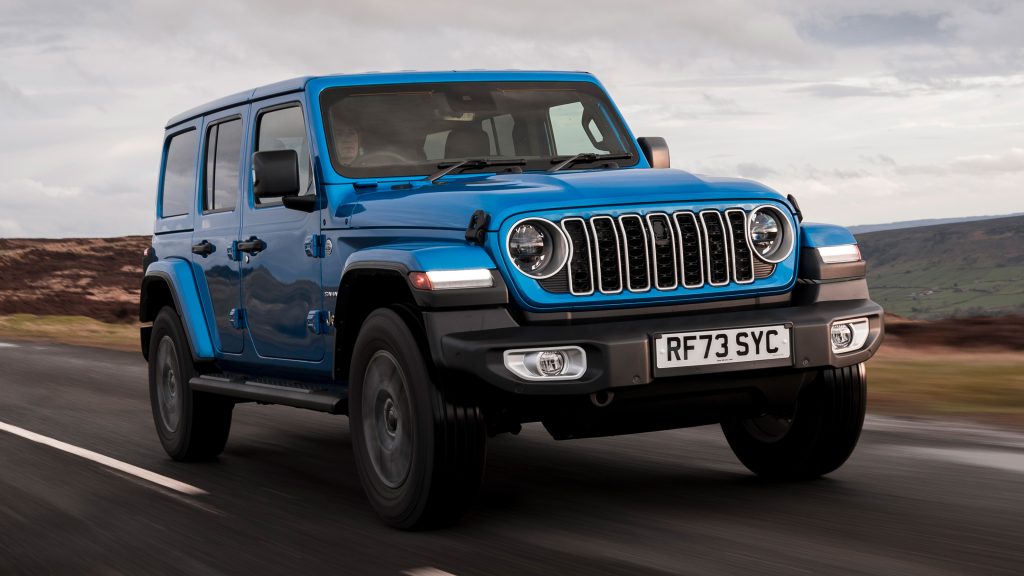
Paint and body protection are also weak points. Chips and scratches common in daily use quickly become rust entry points in coastal humidity. Aluminum body panels resist rust, but steel components beneath them continue to degrade.
The Wrangler is written about because it represents rugged design without coastal protection. In Corpus Christi, its off-road strengths are overshadowed by rapid corrosion, making it a poor long-term choice near the ocean.
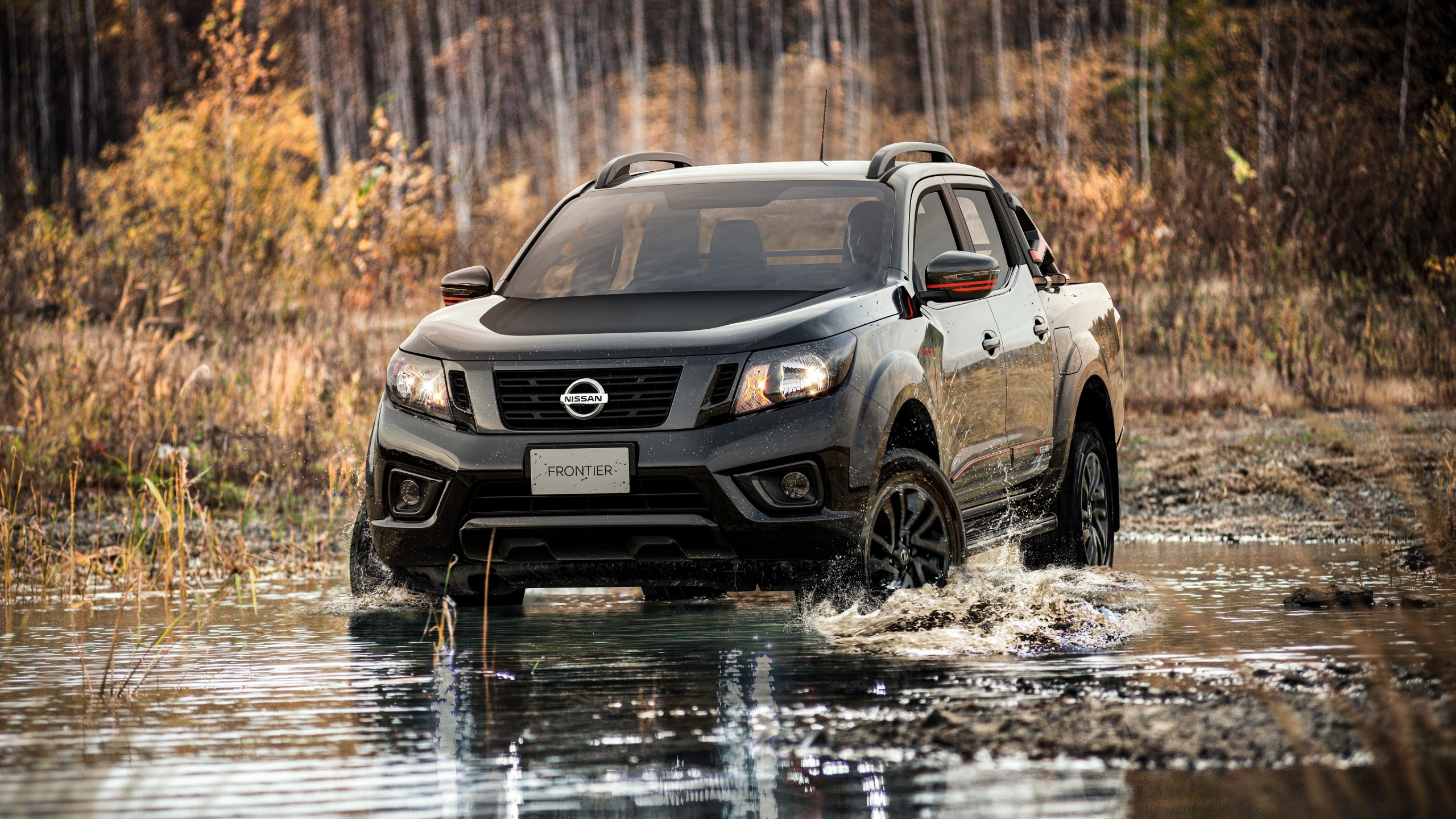
2. Nissan Frontier
The Nissan Frontier is another vehicle that struggles significantly with salt-air corrosion, particularly in coastal Texas environments. While mechanically durable, its rust protection lags behind competitors, leading to accelerated deterioration near the coast.
One of the Frontier’s biggest weaknesses is frame rust susceptibility. The steel frame and underbody components lack the advanced coatings found on newer rivals. In Corpus Christi’s humid, salty air, rust often appears early on frame rails, suspension mounts, and crossmembers.
Brake and fuel line corrosion is another common issue. Salt air attacks exposed steel lines underneath the truck, leading to pitting, leaks, and eventual failure. These issues are not only expensive to fix but also create serious safety concerns.
The Frontier’s exhaust system also deteriorates quickly near the coast. Heat combined with salt exposure accelerates corrosion, leading to premature exhaust leaks, broken flanges, and failed sensors.
Electrical components add another layer of vulnerability. Wiring connectors and grounds under the vehicle corrode faster than expected, triggering intermittent faults that are difficult to diagnose. These problems often appear gradually, increasing maintenance costs over time.
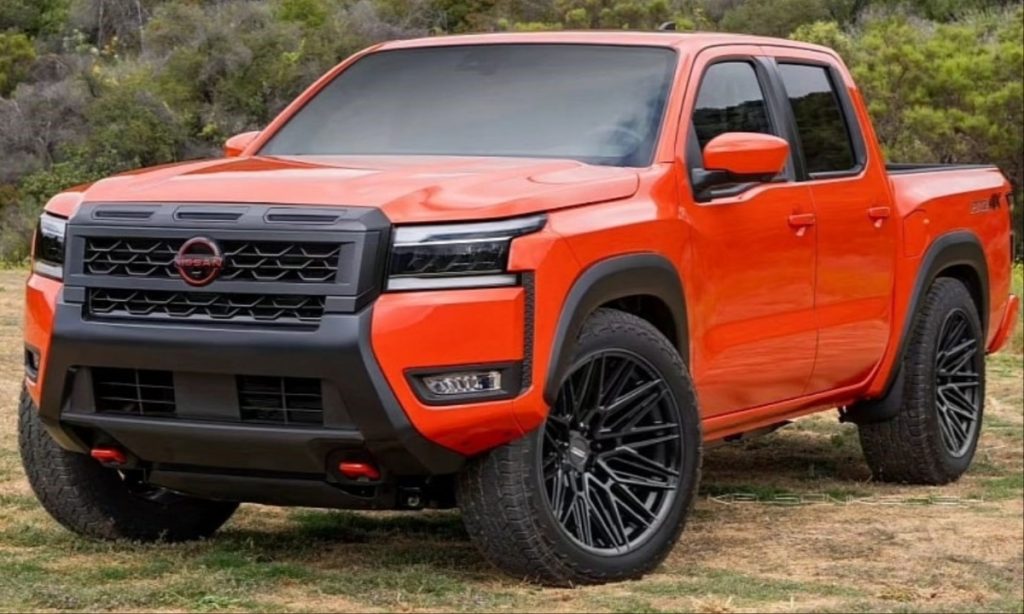
The Frontier is written about because it highlights how older corrosion standards struggle in modern coastal environments. While dependable inland, its lack of salt-air resilience makes long-term ownership in Corpus Christi far more costly than buyers expect.
3. Chevrolet Colorado
The Chevrolet Colorado often appeals to coastal buyers because it offers truck capability in a more manageable size, but in salt-air environments like Corpus Christi, it has shown a troubling tendency to corrode faster than expected. While capable mechanically, its long-term durability near the coast is compromised by material and design choices.
One of the Colorado’s biggest weaknesses is underbody corrosion exposure. Key components such as frame rails, suspension mounting points, and crossmembers are not as thoroughly protected as those on newer full-size trucks.
Salt-laden moisture accumulates underneath the vehicle, especially after coastal storms, and begins attacking untreated or lightly coated steel.
Brake components are particularly vulnerable. Calipers, backing plates, and brake lines frequently show rust much earlier than owners anticipate. In coastal humidity, this corrosion can progress from cosmetic to functional, increasing maintenance costs and safety risks.
The exhaust system is another known problem area. The combination of heat and salt accelerates rust in exhaust piping and flanges. Over time, leaks, rattles, and sensor failures become common, often requiring full exhaust replacement rather than isolated repairs.
Electrical corrosion further complicates ownership. Grounding points and connectors underneath the truck are susceptible to salt intrusion, leading to intermittent warning lights, traction control faults, and sensor failures. These issues are notoriously difficult to diagnose and often reappear even after repairs.
Body corrosion can also surface around wheel arches and bed seams, especially in work-use trucks that see frequent exposure to moisture and sand. Paint chips quickly become rust entry points in coastal air.
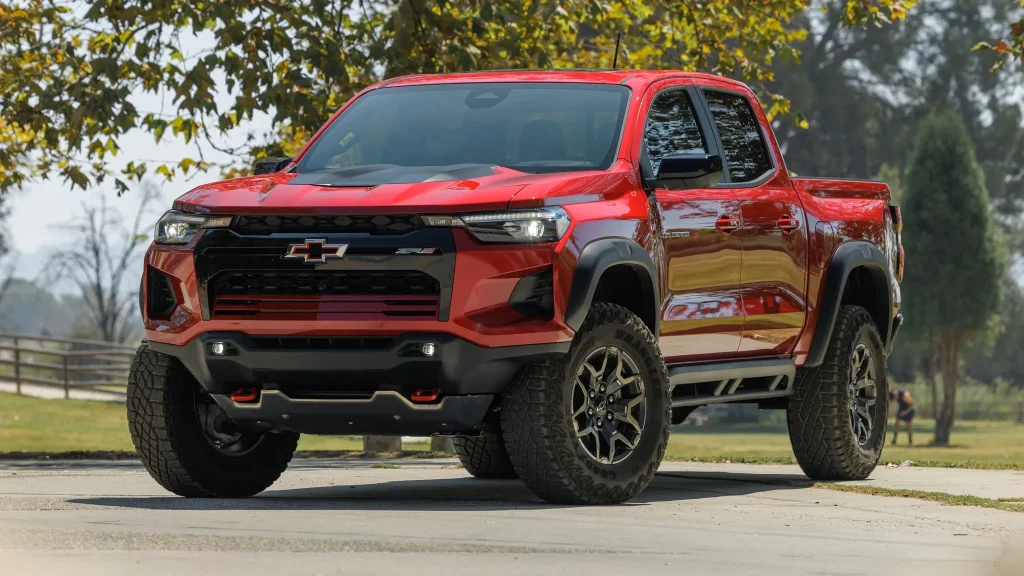
The Colorado is written about because it illustrates how mid-size trucks can fall short in coastal durability. While it performs well inland, long-term exposure to Corpus Christi’s salt air turns it into a steadily increasing maintenance burden.
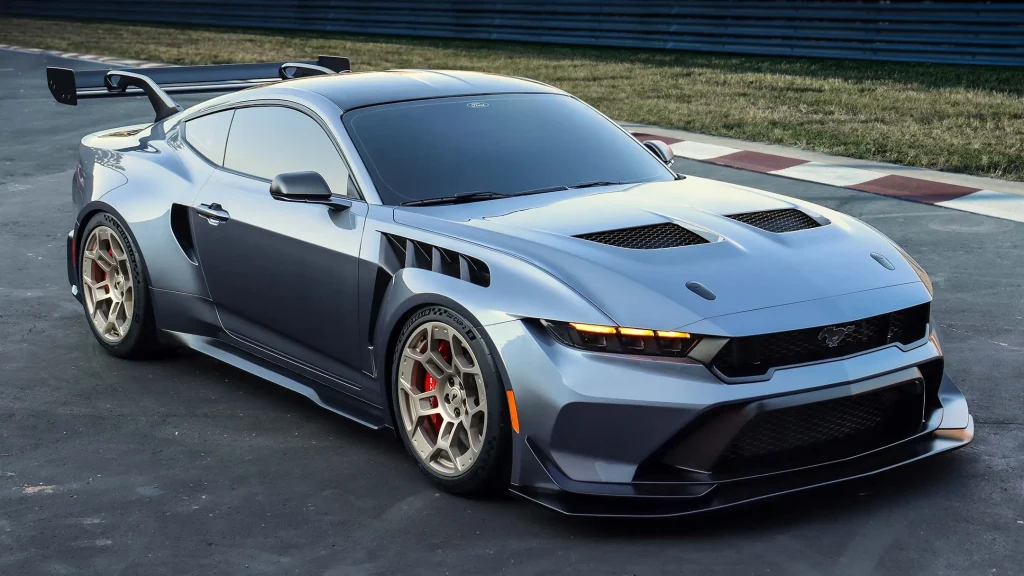
4. Ford Mustang
The Ford Mustang may seem like an unlikely coastal victim, but in salt-air environments, it ages far more aggressively than most buyers expect. Designed for performance and appearance rather than environmental resilience, the Mustang struggles to withstand Corpus Christi’s coastal conditions.
One of the Mustang’s biggest issues is underbody corrosion. Suspension arms, subframes, and exhaust components are highly exposed and often lightly protected. Salt-laden moisture settles underneath the car and accelerates rust in areas that are difficult to clean or inspect.
Brake system corrosion is also common. Performance-oriented brake components rust quickly near the coast, leading to seized calipers, uneven pad wear, and noisy operation. Over time, braking performance and service costs both suffer.
Electrical corrosion presents another major challenge. Modern Mustangs rely on numerous sensors and electronic modules located low in the chassis. Salt air corrodes connectors and grounding points, causing warning lights, drive-mode faults, and intermittent electrical failures that are difficult to trace.
Body corrosion often appears around rocker panels, door seams, and rear wheel wells. The Mustang’s wide tires and aggressive stance throw salty water directly onto vulnerable areas, accelerating rust development.
Interior degradation also accelerates near the coast. High humidity and heat stress interior electronics, wiring, and trim materials, leading to premature wear and electrical glitches.
The Mustang is written about because it represents performance over protection. In Corpus Christi, its design priorities work against it, making long-term coastal ownership far more expensive than expected.
5. Mazda3
The Mazda3 is often praised for its design and driving dynamics, but it is one of the most corrosion-prone vehicles in coastal environments. In Corpus Christi, its rust issues are well documented and often appear earlier than owners expect.
The primary issue is thin paint and limited rust protection. Mazda3 models are known for paint that chips easily, exposing bare metal underneath. In salt-air conditions, these chips become immediate corrosion points, especially around wheel arches, hood edges, and door seams.
Underbody protection is another weak area. Suspension components, subframes, and exhaust systems lack robust coatings, allowing rust to develop quickly in humid, salty conditions. Once corrosion begins, it spreads rapidly due to constant moisture exposure.
Brake system deterioration is common as well. Rotors, calipers, and brake lines rust aggressively, leading to premature replacement and reduced braking performance. In coastal cities, this can become an ongoing expense rather than a one-time repair.
Electrical corrosion adds to the problem. Ground points and connectors are vulnerable to salt intrusion, causing intermittent electrical issues that worsen over time. These faults are often misdiagnosed and repeatedly repaired without permanent resolution.
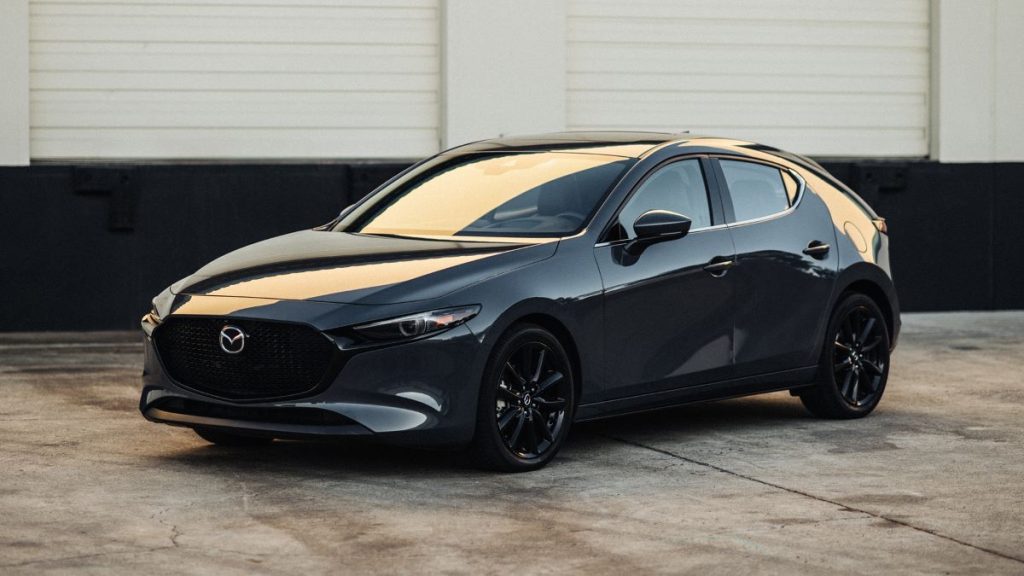
The Mazda3 is written about because it highlights how lightweight construction and aesthetics can sacrifice durability. In Corpus Christi’s salt-air environment, its corrosion issues overshadow its strengths, making it one of the poorest long-term choices near the coast.
This article examined vehicle ownership through the demanding coastal environment of Corpus Christi, where salt-laden air, high humidity, heat, and constant wind create conditions that rapidly separate durable vehicles from those that deteriorate prematurely.
In this region, cars are not just exposed to harsh weather occasionally they live in it every day. That reality makes corrosion resistance, mechanical simplicity, and long-term durability far more important than luxury or performance credentials.
The first half of the article focused on cars suited for coastal work in Corpus Christi. These vehicles were selected because they are built to endure salt air, frequent moisture exposure, and extended work use without accelerating wear.
A common theme among them was robust construction strong frames, proven drivetrains, effective rust protection, and materials that tolerate sun, sand, and humidity.
Trucks and utility-oriented vehicles performed especially well because they are engineered to idle for long periods, handle heat, and operate in physically demanding environments.
Serviceability also emerged as a major advantage. Vehicles that can be repaired easily with widely available parts reduce downtime, which is critical for coastal workers who depend on their vehicles daily.
Another key strength of coastal-work-friendly vehicles was corrosion resistance by design, not just maintenance. Aluminum body panels, improved underbody coatings, and simpler electrical systems slowed deterioration and extended usable life.
These vehicles may not be glamorous, but in Corpus Christi, their ability to keep working year after year makes them valuable tools rather than liabilities.
The second half of the article examined cars that corrode quickly in salt air, highlighting how coastal exposure accelerates rust, electrical failures, and structural degradation.
Many of these vehicles perform well inland and may have strong reputations elsewhere, but salt air exposes their vulnerabilities early. Thin paint, lightly protected steel frames, exposed fasteners, and complex electronics allow corrosion to take hold quickly and spread unseen.
A major takeaway from this section was that coastal corrosion is not cosmetic. Rust affects brake lines, suspension mounts, exhaust systems, and electrical connections components directly tied to safety and reliability. Once corrosion starts, repairs often escalate rather than stabilize, reducing resale value and increasing long-term ownership costs.
Overall, the article reinforces a clear conclusion: Corpus Christi rewards vehicles designed for endurance. Cars that resist corrosion and tolerate harsh conditions remain dependable and cost-effective.
Cars that lack adequate protection against salt air become expensive, unreliable, and short-lived. For coastal drivers, choosing the right vehicle is not about preference it’s about survival in one of the most punishing automotive environments in the country.
Also Read: 5 Cars for Chapel Hill Student Parking and 5 That Don’t Fit College Garages
