
Eau Claire represents the kind of small-town driving environment where practicality matters more than prestige. Daily trips are short and familiar work commutes, grocery runs, school drop-offs, and errands across town.
Roads are generally manageable, traffic is predictable, and most driving happens at moderate speeds. In this setting, the best cars aren’t the flashiest or most powerful; they’re the ones that integrate smoothly into everyday routines without demanding constant attention or expense.
This article explores two very different sides of vehicle ownership in Eau Claire. The first focuses on cars that genuinely fit small-town driving vehicles that are easy to maneuver, inexpensive to own, and comfortable for frequent short trips.
These cars don’t feel oversized on narrow streets, aren’t overcomplicated for simple errands, and remain dependable even with regular stop-and-go use.
The second half looks at cars with high maintenance costs. These vehicles often look appealing at first, offering luxury, performance, or strong branding. However, once used as everyday transportation in a small-town setting, their true costs become clear.
Expensive parts, specialized labor, frequent repairs, and strict maintenance requirements quickly outweigh their initial appeal especially when most driving doesn’t justify that complexity.
In a place like Eau Claire, where driving needs are straightforward, a car that constantly requires attention becomes more burden than benefit.
By comparing vehicles that suit small-town life with those that quietly drain wallets, this article helps drivers choose cars that match real usage rather than imagined needs. The right choice simplifies life. The wrong one complicates it.
Also Read: 5 Cars for Burlington Winter Streets and 5 That Don’t Handle Ice
5 Cars for Eau Claire Small-Town Drives
Small-town driving rewards simplicity, efficiency, and ease of ownership. In Eau Claire, most trips are short, repeatable, and low stress.
Cars are expected to start reliably in all seasons, handle frequent cold starts, and navigate local streets without feeling cumbersome. Vehicles that are too large, too complex, or too maintenance-heavy often feel out of place in this environment.
This section focuses on five cars that align perfectly with small-town life in Eau Claire. These vehicles are chosen because they are easy to drive, affordable to maintain, and forgiving of everyday use. They warm up quickly, handle short trips without issue, and don’t punish owners with excessive fuel or repair costs.
Another key factor is long-term ownership comfort. Many Eau Claire drivers keep cars for years, not months. That makes reliability, parts availability, and low repair frequency essential. Cars that age gracefully and don’t require constant attention fit naturally into small-town routines.
Parking, maneuverability, and visibility also matter. Small-town streets and parking lots don’t demand massive vehicles, and cars that feel nimble reduce daily friction. These vehicles make errands easier rather than more complicated.
Each car in this list is written about because it supports everyday life without drawing focus away from it. These are cars that quietly do their job exactly what small-town driving demands.
1. Toyota Corolla
The Toyota Corolla is one of the most natural fits for Eau Claire small-town driving because it prioritizes reliability and ease over unnecessary complexity. In a setting where most trips are short and repetitive, the Corolla’s ability to handle daily use without complaint makes it exceptionally well suited.
One of the Corolla’s biggest advantages is predictability. It starts reliably in cold Wisconsin mornings, warms up quickly, and handles frequent stop-and-go driving without developing issues. Short trips, which can be hard on some vehicles, don’t stress the Corolla’s powertrain.
Fuel efficiency further supports its small-town appeal. With consistent mileage in local driving, the Corolla keeps fuel costs low an important factor when trips are frequent but distances are short. Over time, this efficiency adds up without requiring special driving habits.
Maintenance costs are another major strength. Parts are widely available, repairs are straightforward, and service knowledge is universal. For Eau Claire drivers who want minimal disruption, this simplicity is invaluable.
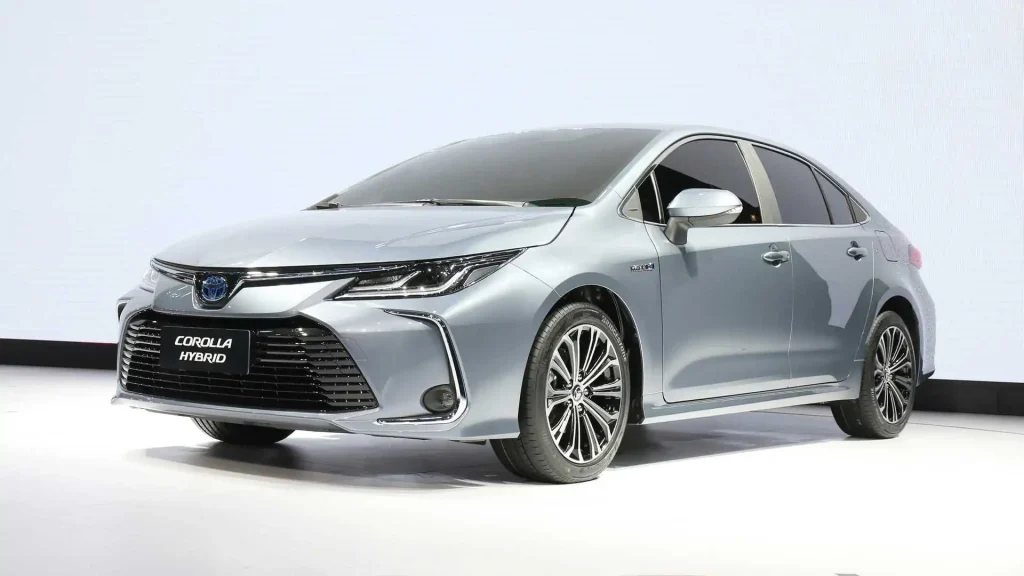
The Corolla is written about because it fades into daily life. It doesn’t demand attention, doesn’t surprise owners with repairs, and doesn’t feel oversized for local streets. In a small-town environment, that quiet dependability is exactly what works.
2. Honda Civic
The Honda Civic earns its place on this list by offering reliability and efficiency with a slightly more refined driving feel without sacrificing small-town practicality. For Eau Claire drivers who want dependable transportation that still feels comfortable and responsive, the Civic fits well.
One of the Civic’s key strengths is daily usability. It handles short trips easily, responds smoothly in low-speed driving, and remains composed on local roads. Frequent errands and commutes don’t feel taxing in the Civic, which helps reduce driver fatigue over time.
Fuel economy plays an important role as well. The Civic delivers strong mileage in town, keeping operating costs predictable. For drivers making multiple short trips each day, that consistency matters more than headline efficiency numbers.
The Civic’s compact size also works in its favor. Parking is easy, visibility is good, and maneuvering through town doesn’t require extra effort. This makes it particularly comfortable for drivers who prefer simplicity over bulk.
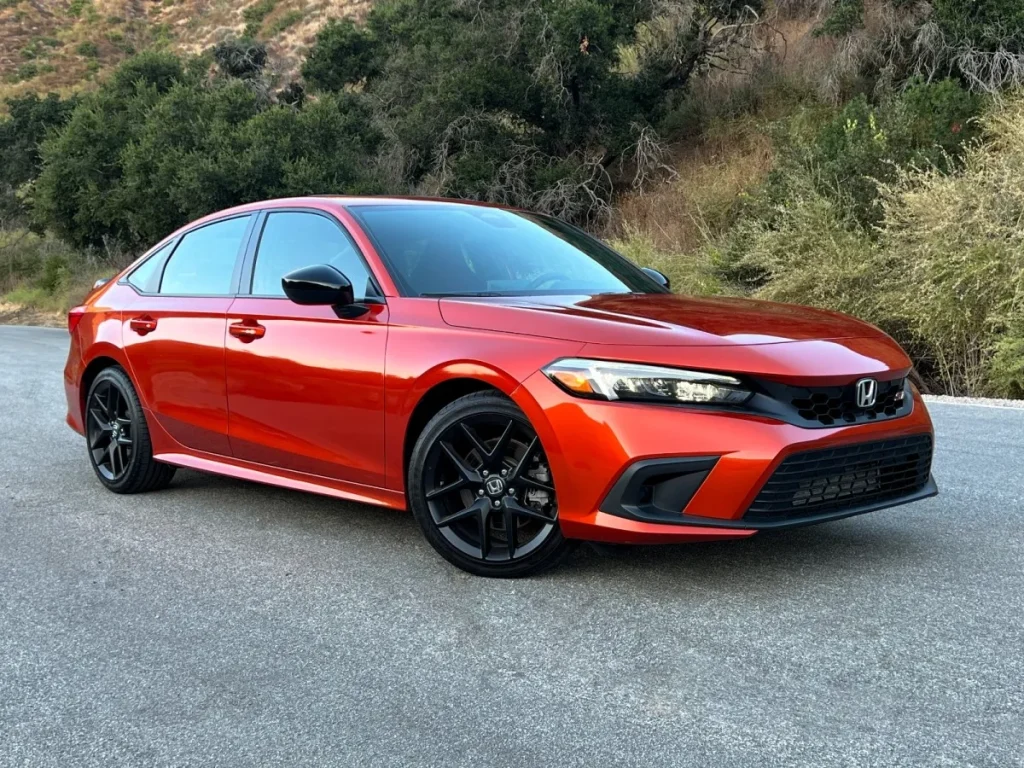
The Civic is written about because it balances dependability with everyday comfort. It doesn’t overcomplicate small-town driving, making it a smart and natural choice for Eau Claire.
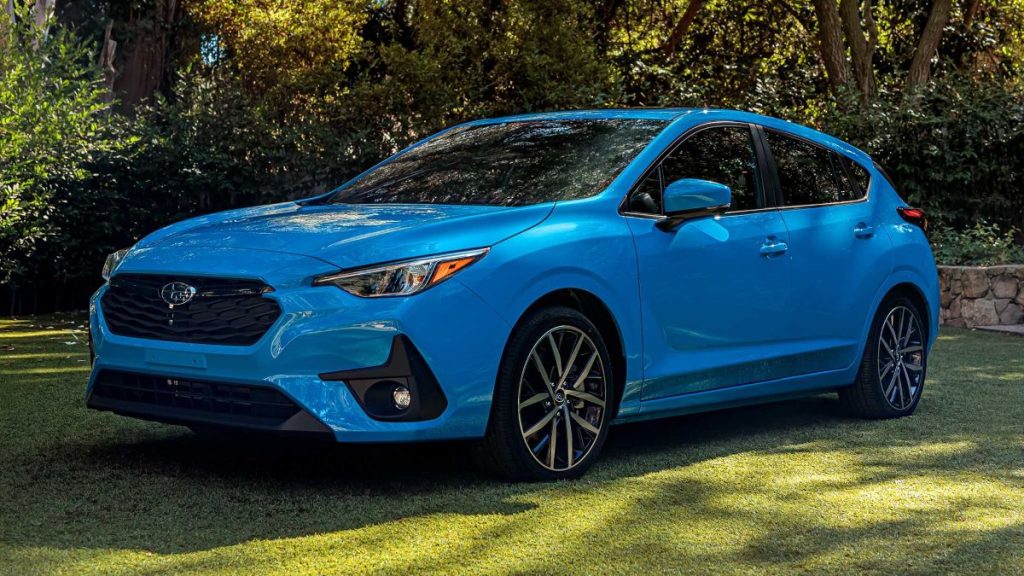
3. Subaru Impreza
The Subaru Impreza is an excellent fit for Eau Claire small-town driving because it combines everyday simplicity with added confidence in changing weather something Wisconsin drivers deal with regularly. While Eau Claire isn’t a large city, winter conditions, wet roads, and uneven pavement make traction and predictability important even at low speeds.
One of the Impreza’s biggest strengths is standard all-wheel drive, which provides consistent grip without requiring driver intervention.
In small-town use, this means smoother starts from intersections, better control on snowy side streets, and less wheel spin during icy mornings. Unlike heavier SUVs, the Impreza delivers this traction without feeling bulky or overbuilt for local errands.
Daily drivability is another strong point. The Impreza warms up quickly, handles short trips without issue, and feels stable at the moderate speeds common around Eau Claire. Steering is light enough for parking lots but controlled enough for highway connectors, creating a relaxed driving experience.
Fuel efficiency remains reasonable despite the all-wheel-drive system. For drivers making multiple short trips each day, predictable fuel costs matter more than peak highway numbers, and the Impreza delivers consistency without demanding premium fuel.
Maintenance costs also suit small-town ownership. Parts availability is strong, service knowledge is widespread, and the drivetrain is designed for longevity under routine use. Owners aren’t punished for everyday driving habits, which is critical in a town where vehicles are often kept for many years.
The Impreza is written about because it adds confidence without complication. It fits Eau Claire’s pace, climate, and daily routines while remaining approachable, dependable, and easy to live with.
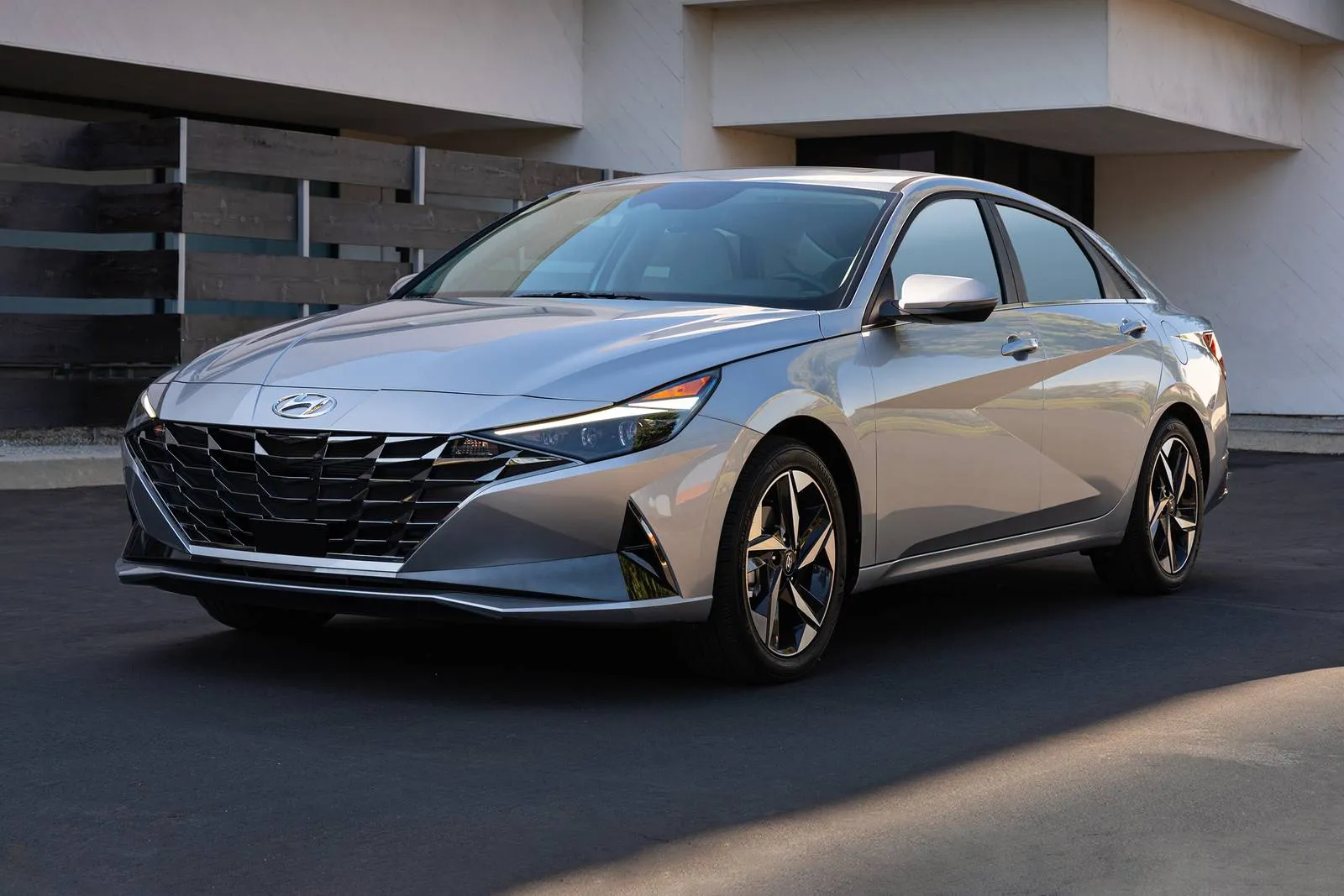
4. Hyundai Elantra
The Hyundai Elantra earns its place on this list by offering affordability, comfort, and low-stress ownership three qualities that align perfectly with small-town driving in Eau Claire. When trips are frequent but short, and driving rarely feels rushed, the Elantra’s calm, predictable nature stands out.
One of the Elantra’s key advantages is ease of use. It drives smoothly at low speeds, responds gently to throttle input, and doesn’t feel jumpy or overpowered in town. This makes errands, school runs, and local commuting feel effortless rather than tiring.
Fuel efficiency plays a major role in its appeal. The Elantra keeps fuel costs low in stop-and-go driving, helping owners manage expenses without adjusting driving habits. For small-town drivers who value consistency over performance, this is a major plus.
Interior comfort also matters more than many expect. The Elantra’s cabin is quiet enough for relaxed daily driving, and seats remain comfortable even when the car is used constantly. Controls are intuitive, reducing distraction during routine trips.
Maintenance and repair costs further support its suitability. The Elantra benefits from widely available parts, straightforward repairs, and service familiarity. For Eau Claire drivers who don’t want ownership surprises, this predictability is important.
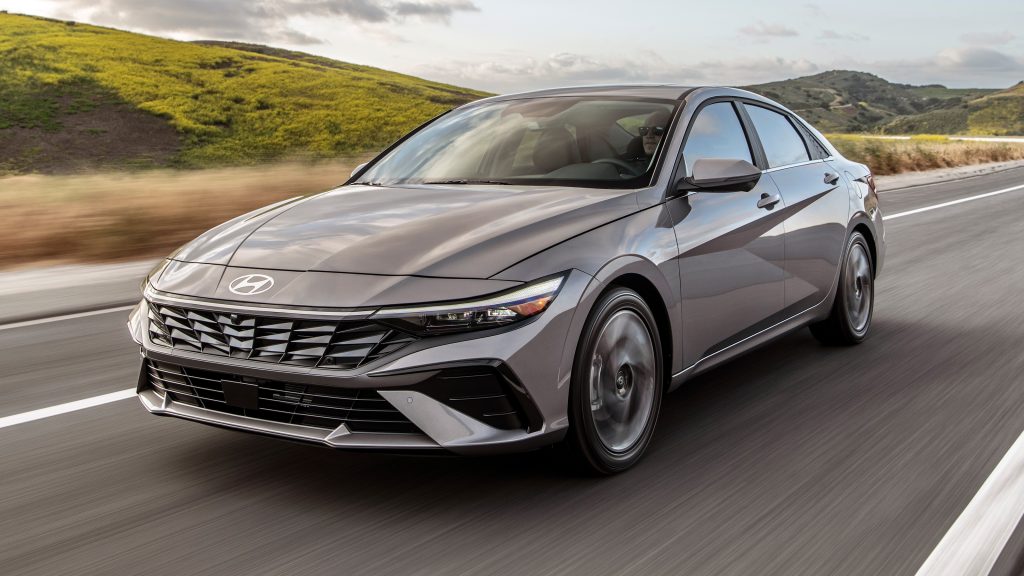
The Elantra is written about because it supports everyday life without friction. It doesn’t feel excessive for a small town, and it doesn’t demand attention qualities that make it an easy long-term companion in Eau Claire.
5. Mazda3
The Mazda3 completes this list because it offers a slightly more refined driving experience while still respecting the realities of small-town ownership. For Eau Claire drivers who want something engaging yet practical, the Mazda3 strikes a rare balance.
One of the Mazda3’s standout traits is driving composure. It handles local roads smoothly, absorbs bumps without harshness, and feels stable during everyday maneuvers. This makes small-town driving more pleasant without introducing unnecessary complexity.
Fuel efficiency remains competitive, keeping operating costs reasonable for frequent short trips. The Mazda3 doesn’t require premium fuel or special maintenance routines, which helps keep ownership simple.
Interior quality also adds long-term value. Materials hold up well under daily use, controls remain intuitive, and the cabin doesn’t feel worn prematurely. For drivers who spend years with the same vehicle, this durability matters.
Maintenance costs are manageable thanks to solid engineering and widespread service availability. The Mazda3 avoids overly complex systems that drive up repair frequency, making it a safe choice for long-term small-town ownership.
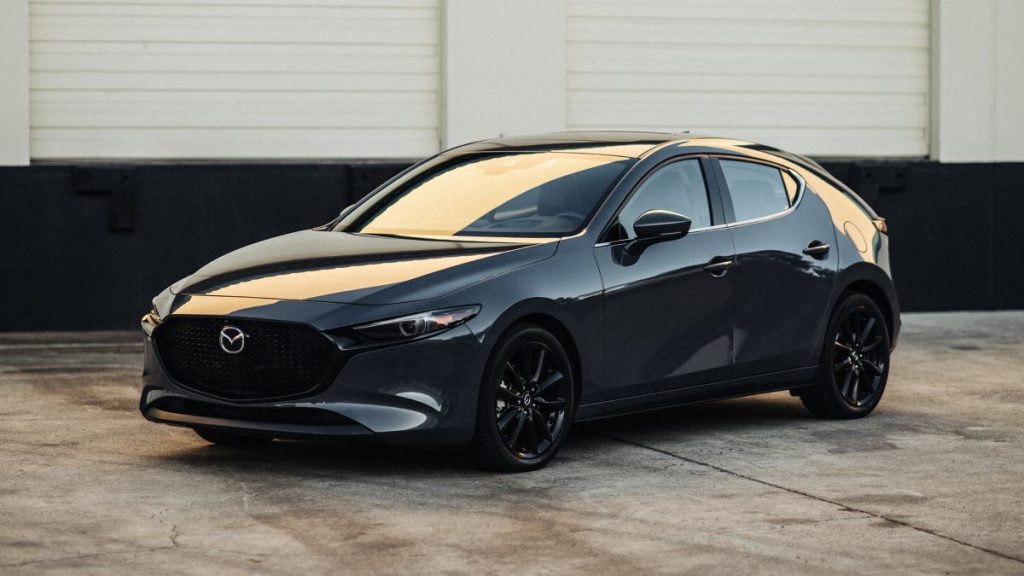
The Mazda3 is written about because it proves that small-town cars don’t have to feel basic. It enhances everyday driving while remaining affordable, reliable, and well-matched to Eau Claire’s pace of life.
5 That Have High Maintenance Costs
Small-town driving, like life in Eau Claire, has a way of exposing whether a car truly makes sense to own. Trips are short, speeds are modest, and driving needs are predictable. In this environment, cars that demand frequent attention or expensive upkeep stand out quickly and not in a good way.
While high-maintenance vehicles can sometimes be justified in large cities or enthusiast circles, they often clash badly with small-town ownership realities.
This section focuses on cars that have high maintenance costs, especially when used for everyday driving in Eau Claire. These vehicles are not necessarily unreliable in the sense of constant breakdowns.
Instead, they require expensive parts, specialized labor, strict maintenance schedules, or frequent servicing that turns ownership into a financial drain over time. In a town where most driving is routine, that complexity rarely feels worth it.
A major issue is misaligned value. Many of these cars offer luxury, performance, or advanced engineering that simply isn’t needed for small-town use.
Yet owners still pay for that complexity every time the car needs service. Short trips and cold starts common in Eau Claire can also accelerate wear on systems designed for longer, smoother driving cycles.
Another factor is service accessibility. Small towns often have fewer specialists, meaning certain vehicles require dealership visits or higher labor rates. What might be manageable in a major metro becomes inconvenient and costly in a smaller market.
These cars are written about to help buyers avoid ownership regret. In Eau Claire, where practicality wins every day, high maintenance costs don’t just strain wallets they disrupt routines. For drivers who want predictable ownership, these vehicles quietly work against that goal.
1. BMW 3 Series
The BMW 3 Series is one of the most common examples of a car that looks reasonable to buy but becomes expensive to own, especially in a small town like Eau Claire. While it offers excellent driving dynamics and a premium feel, those strengths come with maintenance demands that rarely align with small-town practicality.
The biggest issue is service complexity. BMWs rely on advanced electronics, tightly packaged engines, and specialized components. Even routine repairs cooling system parts, sensors, suspension components cost significantly more than those on mainstream sedans. Labor costs are higher as well, since many repairs require specialized tools and training.
Short-trip driving exacerbates these problems. Frequent cold starts and limited warm-up time increase wear on emissions systems, ignition components, and sensors. In Eau Claire, where many trips are only a few miles long, these issues surface faster than owners expect.
Parts pricing further elevates ownership costs. Even basic replacement parts often carry a premium, and aftermarket alternatives don’t always match factory longevity. Over time, maintenance expenses add up far beyond what most small-town drivers anticipate.
Another challenge is service availability. While Eau Claire has competent repair shops, BMW ownership often pushes drivers toward dealerships for diagnostics and repairs. That increases both cost and inconvenience especially compared to mainstream vehicles that any local shop can handle easily.

The BMW 3 Series is written about because it represents luxury without efficiency of ownership. In a small-town environment where driving needs are simple, its maintenance demands feel unnecessary and financially draining.
2. Audi A6
The Audi A6 is another car that quietly becomes expensive to maintain in a small-town setting. While refined and comfortable, its ownership costs often outweigh its benefits when used for everyday driving in Eau Claire.
One of the biggest contributors to high maintenance cost is system density. The A6 is packed with advanced electronics, complex drivetrains, and tightly integrated components. When something fails, repairs are rarely simple or inexpensive. Even minor issues often require extensive diagnostic time.
Cold-weather use compounds these problems. Wisconsin winters place additional stress on electrical systems, suspension components, and drivetrain seals. In a car as complex as the A6, cold starts and short trips accelerate wear, increasing the likelihood of repairs.
Parts and labor costs are consistently high. Audi components are expensive, and many repairs require dealership-level expertise. In a small town, this often means fewer options and higher bills.
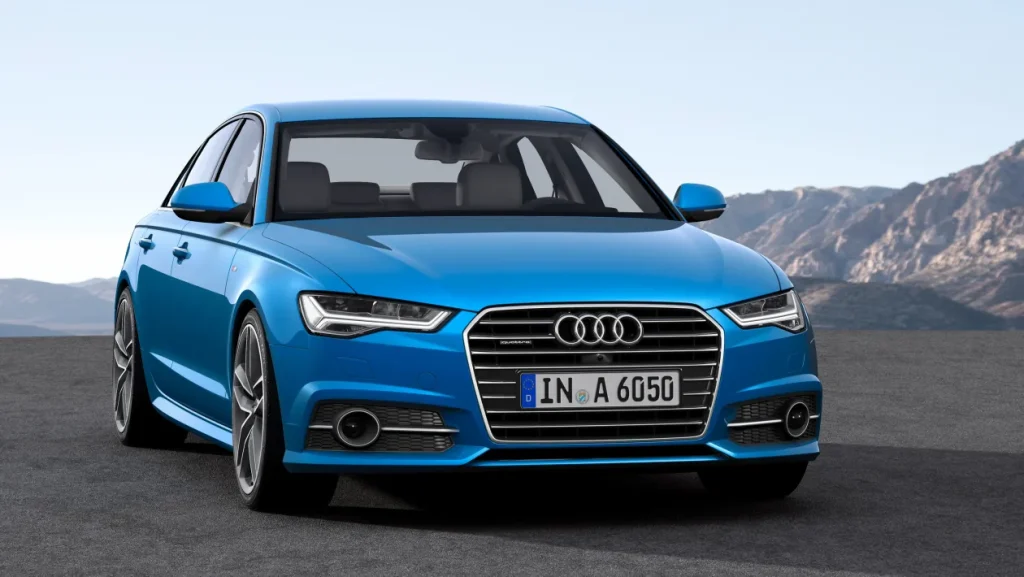
The A6 is written about because it highlights how refinement doesn’t equal suitability. For Eau Claire drivers, its maintenance demands exceed what everyday small-town driving justifies.
3. Mercedes-Benz C-Class
The Mercedes-Benz C-Class is often viewed as an attainable luxury sedan, especially on the used market, but ownership in a small town like Eau Claire reveals why it carries consistently high maintenance costs. While refined and comfortable, the C-Class is engineered with complexity that doesn’t align well with everyday, short-trip driving.
One of the primary cost drivers is advanced mechanical and electronic complexity. The C-Class uses tightly packaged engines, sophisticated suspension components, and layered electronic systems.
When even minor issues arise such as sensor failures, cooling components, or suspension wear, repairs quickly become expensive. Parts are priced at a premium, and labor time is often longer than expected due to limited accessibility within the engine bay.
Short, repetitive driving common in Eau Claire further accelerates wear. Cold starts, limited warm-up time, and frequent stops increase stress on ignition components, emissions systems, and electronics. These conditions often trigger warning lights or performance issues that require diagnostic work rather than simple fixes.
Another challenge is service accessibility. While Eau Claire has capable repair shops, many C-Class repairs still push owners toward dealerships or specialists. This limits pricing flexibility and increases downtime an inconvenience in a town where vehicles are relied upon daily.
Routine maintenance is also more demanding. Fluid changes, brake servicing, and suspension work cost more than comparable mainstream sedans. Even when the car is functioning properly, ownership costs remain high simply due to the brand’s engineering philosophy.
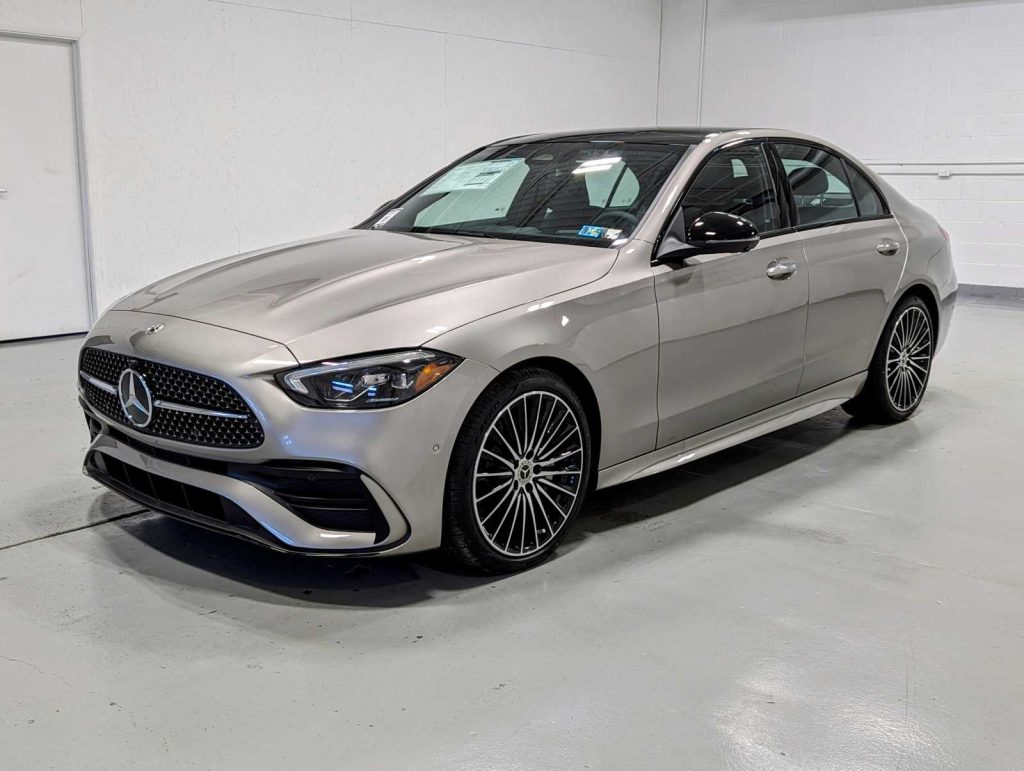
The C-Class is written about because it exemplifies luxury ownership without small-town efficiency. Its refinement is real, but in Eau Claire’s practical driving environment, the ongoing maintenance costs rarely feel justified.
4. Jeep Grand Cherokee
The Jeep Grand Cherokee is often chosen for its size, comfort, and all-weather confidence, but it carries maintenance costs that can surprise owners especially in a small town. While capable and versatile, its complexity and weight contribute to higher long-term expenses.
One of the biggest issues is component wear. The Grand Cherokee’s suspension, drivetrain, and braking systems are built to handle heavier loads, but that also means parts are larger, more expensive, and wear faster during everyday use. Frequent short trips accelerate this wear, leading to more frequent servicing.
Electrical reliability is another concern. Many Grand Cherokee models experience recurring electronic issues involving sensors, infotainment systems, and driver-assist features. These problems are often intermittent, making them time-consuming and costly to diagnose and repair.
Fuel and maintenance costs also rise due to the vehicle’s size and weight. Tires, brakes, and suspension components cost more than those on smaller vehicles, and replacement intervals tend to be shorter. For Eau Claire drivers who don’t need off-road capability daily, these expenses add little practical value.
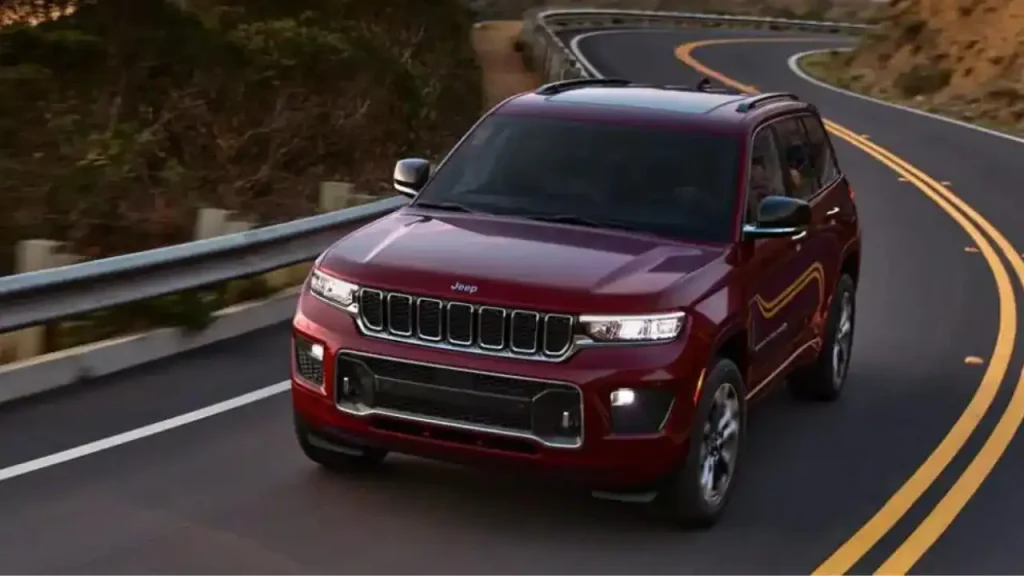
Service availability can be mixed. While Jeep is widely supported, more complex repairs often require dealership intervention, which increases labor rates and downtime compared to simpler vehicles.
The Grand Cherokee is written about because it shows how versatility can come with hidden cost. In a small-town environment, its maintenance demands often outweigh its benefits.
5. Land Rover Discovery Sport
The Land Rover Discovery Sport completes this list as one of the most maintenance-intensive vehicles commonly found on the used market. While stylish and capable on paper, its ownership costs are particularly high in small-town settings like Eau Claire.
The biggest issue is reliability inconsistency. Discovery Sport models are known for recurring electrical, drivetrain, and suspension problems. Even when issues are not catastrophic, they tend to be frequent, leading to repeated repair visits that drain both time and money.
Parts pricing is a major contributor to cost. Land Rover components are expensive, and aftermarket alternatives are limited. Even routine maintenance such as brakes, suspension components, or cooling system parts, costs significantly more than comparable mainstream SUVs.
Service access further complicates ownership. In smaller markets, Land Rover specialists are rare, forcing owners to rely on dealerships or travel long distances for qualified service. Labor rates are high, and repair turnaround times are often longer than expected.
Short-trip driving worsens reliability. Frequent cold starts and limited driving distances stress systems already sensitive to maintenance timing. Missed or delayed service often leads to cascading failures, multiplying costs quickly.
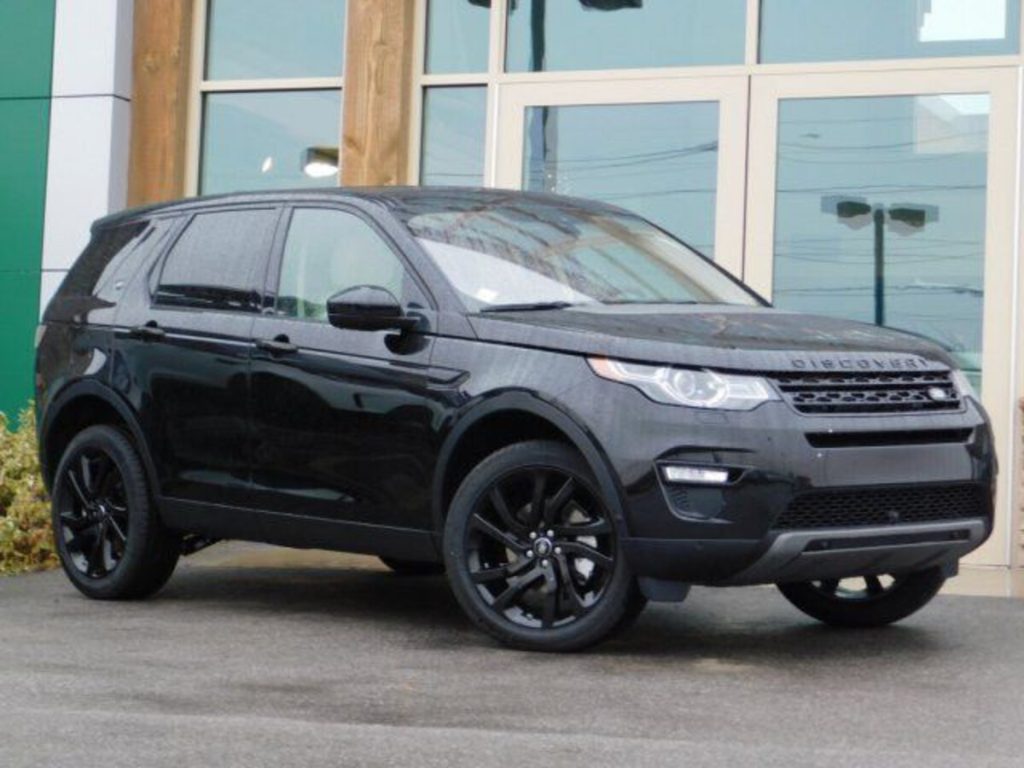
The Discovery Sport is written about because it represents luxury ownership at its most demanding. In Eau Claire’s straightforward driving environment, its maintenance burden is difficult to justify, making it a poor match for small-town practicality.
This article examined vehicle ownership through the lens of everyday driving in Eau Claire, a place where small-town practicality matters far more than image or excess capability.
Driving here is defined by short, predictable trips, modest speeds, seasonal weather changes, and long-term ownership. These conditions reward cars that are easy to live with and expose those that quietly drain money through maintenance and complexity.
The first half of the article focused on cars that are well-suited for Eau Claire small-town drives. These vehicles were chosen because they align naturally with local driving habits. Frequent cold starts, short errands, and stop-and-go traffic are handled without stress or accelerated wear.
A major theme across this group was simplicity straightforward powertrains, accessible parts, and designs that don’t overcomplicate basic transportation.
Another defining characteristic of these small-town-friendly cars is low ownership friction. They are easy to park, maneuver, and maintain. Repairs when needed are affordable and can be handled by most local shops, reducing downtime and inconvenience.
Fuel efficiency also plays a meaningful role, not for long highway commutes, but for repeated daily trips that add up over time. These cars don’t demand attention; they quietly support daily routines, which is exactly what small-town driving requires.
Long-term ownership was another critical consideration. Many Eau Claire drivers keep vehicles for years, not lease cycles.
The cars highlighted in the first section age gracefully, with interiors that hold up, drivetrains that tolerate routine use, and maintenance schedules that don’t punish owners for everyday driving patterns. In short, they fit the pace and expectations of small-town life.
The second half of the article examined cars with high maintenance costs, focusing on why they become poor matches for Eau Claire despite often looking attractive on the used market. These vehicles are not always unreliable in the sense of constant breakdowns.
Instead, they are expensive to keep running due to complex engineering, premium parts, specialized labor, and strict service requirements.
A key takeaway from this section is misaligned value. Many high-maintenance cars offer luxury, performance, or advanced systems that simply aren’t needed for small-town driving. Yet owners still pay for that complexity every time the car needs service.
Short trips and cold starts common in Eau Claire often accelerate wear on systems designed for longer, smoother driving cycles, increasing repair frequency and cost.
Service accessibility also emerged as a major issue. In smaller towns, fewer specialists mean limited repair options.
Vehicles that require dealership-level diagnostics or brand-specific expertise lead to higher labor costs and longer wait times. What might be manageable in a large city quickly becomes frustrating and expensive in a smaller market.
Another important theme was ownership fatigue. High-maintenance cars don’t just cost more they demand more attention.
Frequent warning lights, recurring issues, and expensive routine service turn ownership into a constant management task. In a town where driving needs are simple, this level of involvement feels unnecessary and draining.
Taken together, the article reinforces a clear conclusion: Eau Claire driving rewards restraint and practicality. Cars that are reliable, simple, and affordable enhance daily life by fading into the background. Cars with high maintenance costs do the opposite, turning routine transportation into an ongoing expense and source of stress.
For Eau Claire drivers, the smartest choice isn’t about status or performance it’s about alignment. Vehicles that match small-town realities deliver peace of mind, predictable costs, and long-term satisfaction.
Those that don’t may look appealing at first, but over time, they quietly work against the very simplicity that makes small-town living enjoyable.
Also Read: 5 Cars for Cincinnati Riverfront Runs and 5 That Don’t Fit Tight Parking
