
Beginner sport bikes occupy a special place in motorcycling. They are often dismissed as stepping stones, machines meant to be outgrown quickly. In reality, some of these bikes deliver performance, feedback, and excitement that rival much larger and more expensive machines.
A great beginner sport bike is not defined by outright horsepower. Instead, it shines through balance. Manageable power, light weight, predictable handling, and forgiving behavior all matter more than top speed.
When these elements come together, the result is a motorcycle that feels fast without being intimidating.
Many beginner sport bikes punch above their weight because they allow riders to use every bit of performance.
You can push them harder, learn more, and improve faster compared to riding a machine that overwhelms you. Confidence builds naturally when the bike works with you rather than against you.
Over the years, manufacturers have refined this category significantly. Modern beginner sport bikes feature advanced chassis design, quality suspension, strong brakes, and engines tuned for real world riding. Some even borrow styling and technology from full blown superbikes.
This list focuses on beginner friendly sport bikes that deliver far more than expected. These are machines that surprise riders with their capability, speed, and enjoyment.
They are not just good for learning. They are genuinely fun and rewarding to ride, even for experienced motorcyclists.
Each bike here is approachable, but none are boring. They offer sharp handling, engaging engines, and a sense of performance that goes beyond their specifications. These bikes prove that you do not need massive horsepower to have an exciting sport riding experience.
Let us begin with a modern classic that has earned respect worldwide as one of the best beginner sport bikes ever made.
Also Read: Top 10 Most Gorgeous Italian Sports Bikes Ever
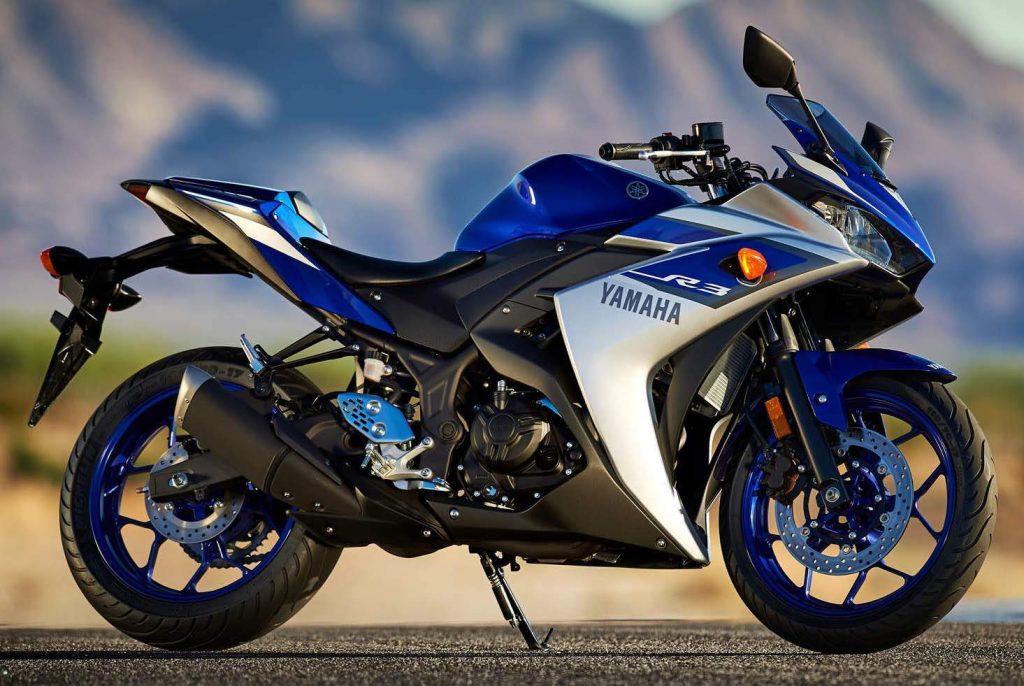
1. Yamaha R3
The Yamaha R3 is often recommended as a first sport bike, but that label does not fully capture what it offers. It is a motorcycle that rewards skill and commitment, making it far more capable than its displacement suggests.
Powered by a 321 cc parallel twin engine, the R3 delivers smooth and predictable power. Acceleration is brisk enough to feel exciting without ever becoming overwhelming. This balance makes it easy to explore the full throttle range confidently.
The engine loves to rev. Power builds steadily, encouraging riders to use proper gear selection and throttle control. This teaches fundamental sport riding skills naturally.
What truly sets the R3 apart is its chassis. The lightweight frame and well sorted geometry give the bike sharp and responsive handling. It changes direction quickly and feels stable mid corner.
Cornering confidence is excellent. The bike communicates clearly through the handlebars and seat, allowing riders to understand grip levels and lean angles. This feedback inspires trust.
Suspension tuning strikes a smart balance. It is firm enough to support aggressive riding, yet compliant enough for everyday roads. Bumps do not unsettle the bike easily.
Braking performance is strong for the class. The front brake offers good feel and stopping power, helping new riders develop braking technique without fear.
On twisty roads, the R3 feels alive. Momentum riding becomes addictive, as the bike rewards smooth inputs and precise lines. Larger bikes often struggle to keep up in tight sections.
Ergonomics are sport focused but not extreme. The riding position leans forward slightly, promoting control while remaining comfortable for longer rides.
Build quality reflects Yamaha’s experience. Everything feels solid and well assembled, from switchgear to body panels.
What makes the R3 punch above its weight is how complete it feels. It does not feel like a compromise or a beginner toy. It feels like a proper sport bike.
Many riders keep the R3 longer than expected because it remains fun even as skills improve. It encourages learning without limiting enjoyment.
On track days, the R3 truly shines. Its forgiving nature and light weight make it an excellent tool for improving corner speed and technique.
The Yamaha R3 proves that small displacement does not mean small thrills. It delivers real sport bike excitement in an accessible package.
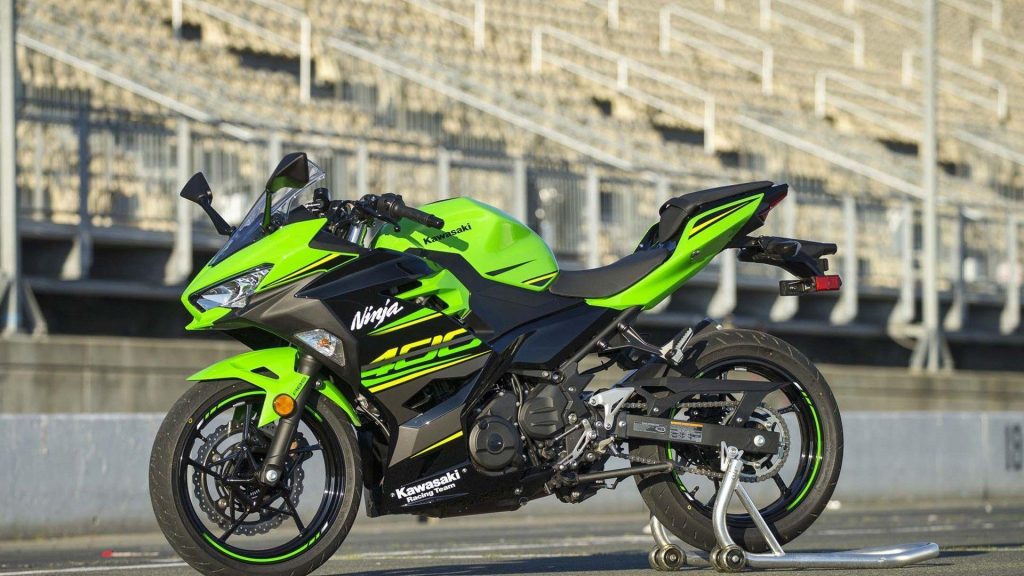
2. Kawasaki Ninja 400
The Kawasaki Ninja 400 is often described as the gold standard in beginner sport bikes. It earns that reputation not through hype, but through how convincingly it delivers performance far beyond what most riders expect from a small displacement machine.
At the heart of the Ninja 400 is a 399 cc parallel twin engine that feels noticeably stronger than its rivals. Throttle response is immediate, and acceleration is punchy enough to surprise riders coming from smaller bikes.
Unlike many beginner bikes, the Ninja 400 does not feel strained at higher speeds. The engine pulls confidently through the mid range and continues building power smoothly toward the top.
What makes this engine special is usability. Power delivery is friendly and predictable, yet strong enough to keep experienced riders engaged. It never feels dull or underpowered.
The lightweight chassis plays a huge role in the bike’s character. With minimal mass to manage, the Ninja 400 feels agile and precise in corners. Direction changes are quick and effortless.
Steering is neutral and confidence inspiring. The bike holds a line naturally without requiring constant correction. This makes it easy for new riders to focus on technique rather than fighting the machine.
Suspension tuning is well judged for real world riding. It absorbs road imperfections effectively while still offering enough support for aggressive cornering.
Braking performance stands out in this class. The front brake provides strong stopping power with excellent feel, allowing riders to practice trail braking and controlled stops safely.
On winding roads, the Ninja 400 can embarrass larger bikes. Its ability to carry corner speed and accelerate cleanly out of turns makes it deceptively quick.
Ergonomics strike a smart balance between sporty and comfortable. The riding position encourages proper posture without putting excessive strain on wrists or back.
The bike feels solid and well built. Kawasaki’s attention to detail is evident in the fit and finish, which adds to the sense of confidence and quality.
What truly allows the Ninja 400 to punch above its weight is how versatile it is. It works as a commuter, a weekend canyon bike, and even a track machine.
On the track, the Ninja 400 becomes a weapon. Its forgiving nature lets riders push limits safely while learning advanced skills like body positioning and throttle control.
Many experienced riders keep the Ninja 400 alongside larger bikes because of how enjoyable it is to ride at sane speeds. The Ninja 400 proves that beginner bikes can be fast, capable, and endlessly entertaining. It sets a benchmark that others still chase.
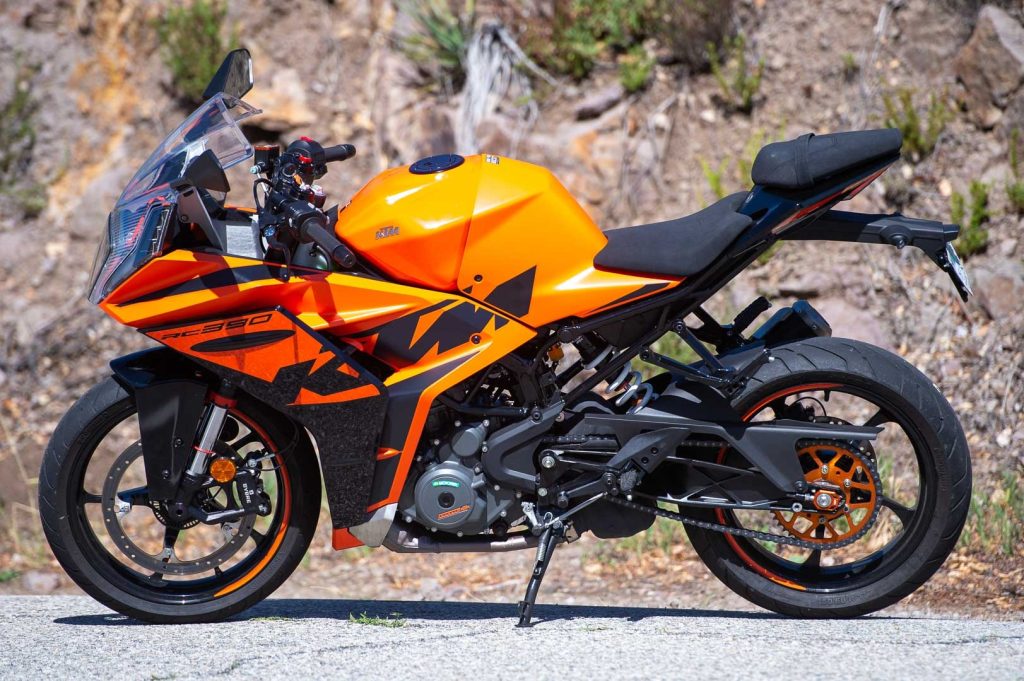
3. KTM RC 390
The KTM RC 390 brings a very different flavor to the beginner sport bike category. Where others focus on smoothness and refinement, the RC 390 delivers sharpness, intensity, and race inspired character.
Powered by a 373 cc single cylinder engine, the RC 390 feels aggressive from the moment you start it. Throttle response is crisp, and the engine delivers a strong hit of torque early in the rev range.
Acceleration feels urgent, especially at lower speeds. The bike jumps forward eagerly, making it feel faster than its displacement suggests.
The single cylinder layout gives the RC 390 a raw and mechanical personality. Riders feel every input and every reaction, which creates a strong connection between rider and machine.
Chassis design is one of the RC 390’s biggest strengths. KTM uses a lightweight trellis frame that gives the bike exceptional rigidity and feedback.
Cornering precision is outstanding. The RC 390 drops into turns quickly and holds lines with confidence. It feels like a small race bike rather than a beginner machine.
Suspension components are higher quality than expected at this level. The bike remains composed under hard braking and aggressive cornering.
Braking performance is exceptional. The front brake delivers strong bite and excellent feel, encouraging confident late braking.
On twisty roads, the RC 390 feels thrilling. Its aggressive nature rewards committed riding and sharp inputs.
Ergonomics are more extreme than most beginner bikes. The riding position is aggressive, placing weight forward and encouraging a tucked stance.
This posture may feel demanding for casual riding, but it makes sense when pushing the bike hard. It reinforces the RC 390’s track focused personality.
Build quality has improved significantly over the years. Modern versions feel solid and reliable when properly maintained.
The RC 390 truly shines on the racetrack. Its sharp handling and responsive engine make it an ideal tool for learning sport riding techniques.
What allows the RC 390 to punch above its weight is intensity. It feels like a scaled down superbike rather than a softened beginner option.
This bike teaches riders precision, discipline, and commitment. It rewards skill and punishes sloppy inputs, which accelerates learning.
The KTM RC 390 proves that beginner sport bikes do not need to be gentle to be effective. It delivers excitement, challenge, and real performance in a compact package.
4. Honda CBR500R
The Honda CBR500R is often misunderstood as a mild or conservative sport bike. In reality, it delivers a level of real world performance and composure that allows it to punch far above what its beginner friendly label suggests.
Powered by a 471 cc parallel twin engine, the CBR500R focuses on torque and smoothness rather than high rev excitement. This makes the bike feel strong and usable in everyday riding.
Acceleration is steady and confident. The engine pulls cleanly from low rpm, allowing riders to make quick progress without constantly chasing the redline.
This torque focused character makes the bike forgiving. Mistimed gear changes or imperfect throttle inputs are handled smoothly, building rider confidence quickly.
The chassis is one of the CBR500R’s strongest qualities. Honda tuned the frame and geometry for stability and predictability, which pays dividends at higher speeds.
Cornering feels calm and controlled. The bike does not fall into turns aggressively, but it tracks cleanly and holds a line with very little effort.
Suspension tuning favors balance over sharpness. It absorbs rough pavement well while still providing enough support for spirited riding.
Braking performance is solid and consistent. The front brake delivers predictable stopping power, helping riders develop good braking habits without surprises.
What makes the CBR500R feel bigger than it is comes from refinement. The bike feels planted, composed, and confidence inspiring at highway speeds.
Ergonomics are more relaxed than smaller supersport styled bikes. The riding position allows longer rides without discomfort, which increases overall enjoyment.
Build quality is excellent. Everything feels durable and well assembled, reflecting Honda’s reputation for reliability and long term ownership satisfaction.
On twisty roads, the CBR500R rewards smooth riding. It encourages flowing lines and momentum rather than aggressive point and shoot tactics.
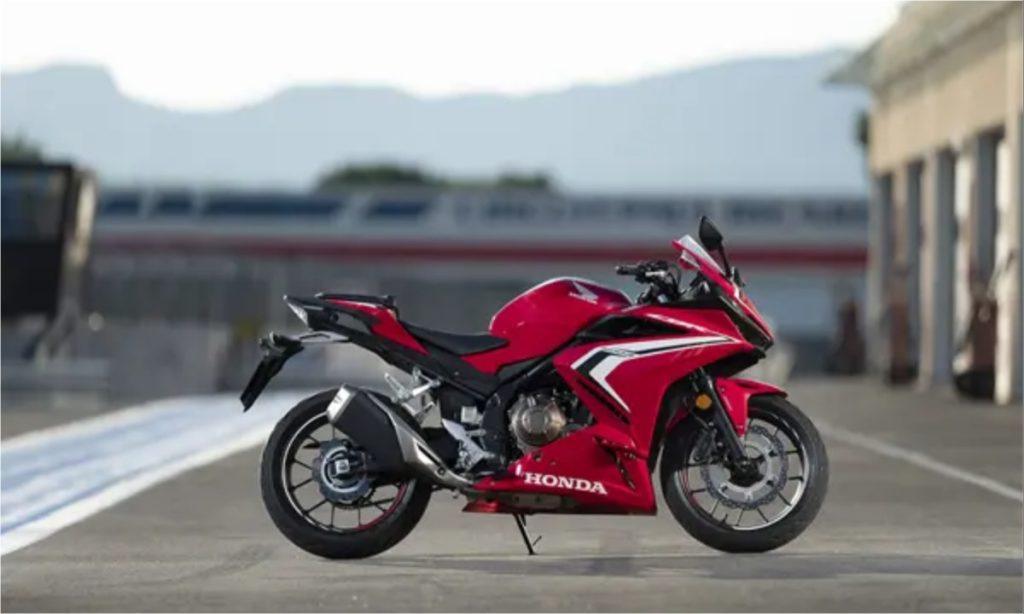
The engine’s character makes it an excellent bike for learning advanced throttle control. Riders can focus on technique rather than managing sudden power spikes.
While not the most visually aggressive sport bike, the CBR500R delivers substance over style. Its performance is honest and dependable. What allows it to punch above its weight is composure. The bike feels like it belongs in a higher class when ridden hard.
Many riders keep the CBR500R longer than expected because it remains satisfying even as skills improve. The CBR500R proves that beginner sport bikes can offer maturity, confidence, and real speed without intimidation.
5. Suzuki GSX-R250
The Suzuki GSX-R250 carries a legendary name, and unlike many small displacement bikes, it lives up to that heritage in surprising ways. It delivers a true sport bike feel in a compact and approachable package.
Powered by a 248 cc parallel twin engine, the GSX-R250 emphasizes smooth power delivery and high revving character. It rewards riders who enjoy working through the gearbox.
Acceleration is modest on paper, but the way the bike delivers power makes it feel lively. The engine encourages full throttle use, which keeps riding engaging.
The lightweight chassis plays a major role in how the bike performs. With minimal mass, the GSX-R250 feels nimble and easy to control.
Cornering behavior is sharp and responsive. The bike changes direction quickly and holds lines confidently through tight turns.
Steering feedback is clear and reassuring. Riders quickly develop trust in the front end, which is crucial when learning sport riding techniques.
Suspension is tuned on the firmer side for this class. This gives the bike a planted feel when cornering aggressively.
Braking performance is predictable and easy to modulate. While not overly powerful, the brakes allow riders to build confidence gradually.
The GSX-R250 truly shines on technical roads. Its light weight and agility allow it to maintain momentum where larger bikes struggle.
Ergonomics are sporty but manageable. The riding position leans forward enough to feel engaged without causing discomfort for new riders.
Fit and finish are solid. The bike feels well built and durable, which adds to the sense of confidence.
What allows the GSX-R250 to punch above its weight is how focused it feels. It behaves like a proper sport bike rather than a beginner compromise. The bike encourages riders to learn corner speed, smooth throttle application, and precise braking.
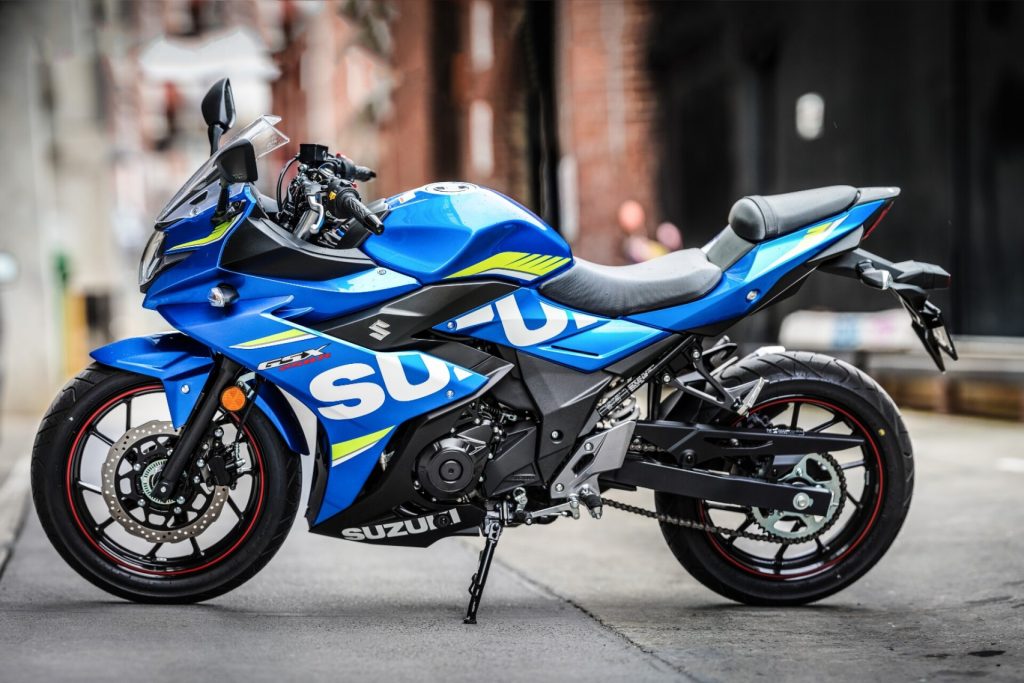
While it may not dominate in straight-line acceleration, it excels in skill-based riding environments. Riders who value technique over brute force often find the GSX-R250 deeply rewarding.
It proves that small displacement sport bikes can deliver genuine excitement and serious learning potential. The GSX-R250 earns its place by offering a pure and engaging sport riding experience that far exceeds expectations.
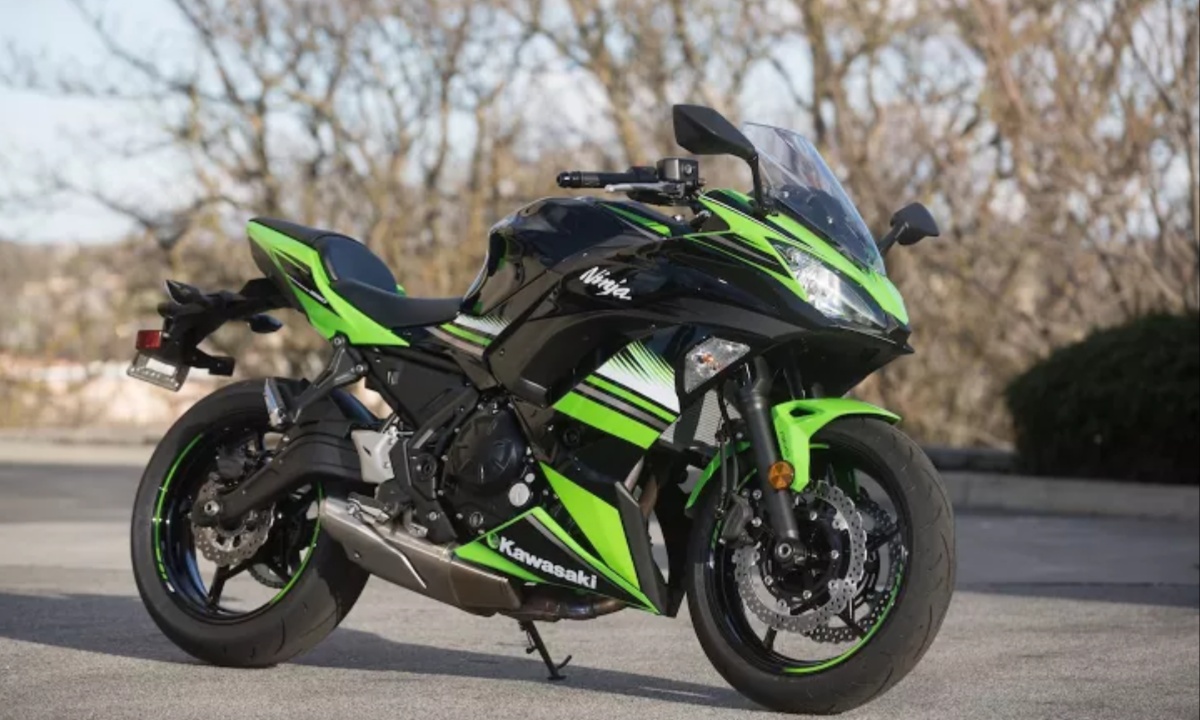
6. Ninja 650
The Ninja 650 often gets overlooked because it sits between beginner bikes and full supersports. In practice, it delivers a level of real world performance that allows it to punch far above its perceived category.
Powered by a 649 cc parallel twin engine, the Ninja 650 offers strong mid range torque. This makes the bike feel quick in everyday riding, especially when accelerating out of corners.
Throttle response is smooth and predictable. Power builds in a controlled way, allowing riders to focus on lines and body position rather than managing sudden surges.
Acceleration is deceptively strong. While it does not chase extreme top end numbers, the bike pulls hard where it matters most on public roads.
The chassis is tuned for stability and confidence. The Ninja 650 feels planted at speed, which helps newer riders feel comfortable pushing a little harder.
Cornering behavior is neutral and forgiving. The bike does not fall into turns abruptly, making it easy to correct mistakes mid corner.
Suspension setup favors real world riding. It handles rough pavement well while still providing enough support for spirited riding.
Braking performance is solid and confidence inspiring. The brakes offer good feel, allowing riders to practice controlled braking techniques.
What makes the Ninja 650 feel bigger than it is comes from torque delivery. The engine responds instantly to throttle input, making overtakes and exits feel effortless.
Ergonomics strike a practical balance. The riding position is sporty enough to feel engaged, yet relaxed enough for longer rides.
Build quality is high. The bike feels durable and well assembled, reinforcing trust in daily use.
On twisty roads, the Ninja 650 rewards smooth riding. It carries speed easily and remains composed through a series of corners.
This bike also works well as a learning platform for advanced skills. Riders can practice trail braking and throttle control without being overwhelmed. While it may not look as aggressive as smaller supersports, the Ninja 650 delivers performance that surprises many riders.
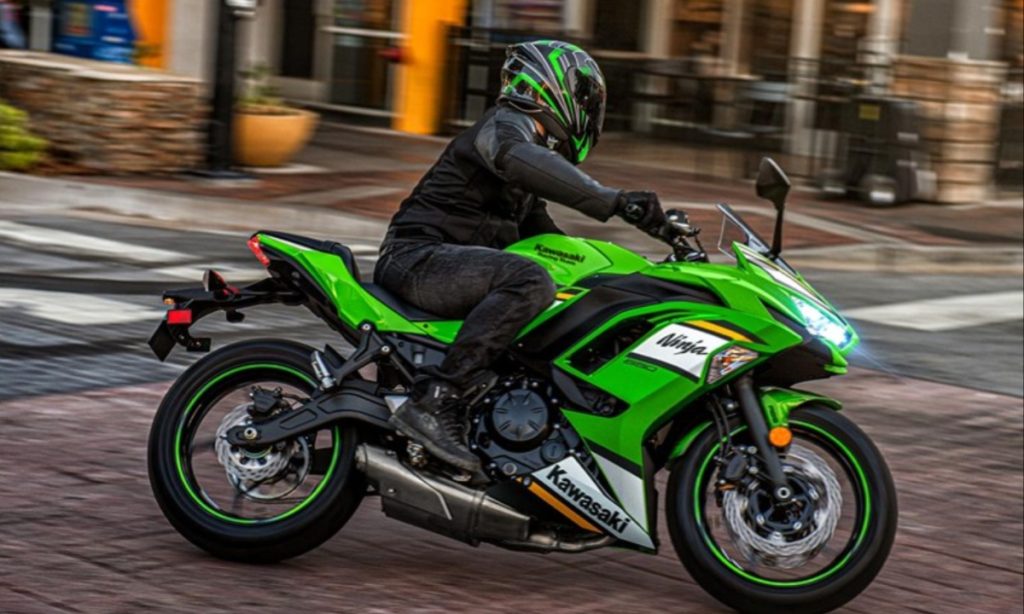
Its versatility is one of its greatest strengths. It can commute, tour, and attack back roads with equal confidence. The Ninja 650 proves that beginner friendly does not mean boring. It delivers real speed, strong character, and lasting enjoyment.
7. CBR650R
The CBR650R brings a unique approach to the beginner sport bike segment by offering a four cylinder engine in a manageable and refined package. This alone sets it apart from most bikes in this class.
Powered by a 649 cc inline four engine, the CBR650R delivers smooth and linear power. The engine feels refined and eager, especially as revs climb.
Acceleration builds progressively. Low end power is gentle, but the engine comes alive in the mid to upper rev range, rewarding riders who enjoy revving.
This power delivery teaches throttle discipline. Riders learn to manage revs and gear selection rather than relying on torque alone.
The sound of the four cylinder engine adds excitement. As revs rise, the exhaust note becomes sharp and engaging, creating a true sport bike feel.
Chassis balance is excellent. The CBR650R feels stable and composed at speed, which builds confidence quickly.
Cornering behavior is predictable and smooth. The bike transitions naturally from side to side without feeling heavy or sluggish.
Suspension tuning supports aggressive riding while remaining comfortable for daily use. It absorbs imperfections without upsetting the bike.
Braking performance is strong and consistent. The brakes provide good feedback, helping riders refine braking technique.
What allows the CBR650R to punch above its weight is character. Few beginner sport bikes offer the sensation of a four cylinder engine.
Ergonomics are sporty but humane. The riding position encourages engagement without forcing an extreme crouch. Build quality is excellent. The bike feels premium and solid, reinforcing Honda’s reputation for reliability.
On open roads, the CBR650R feels fast and composed. It maintains speed effortlessly and remains stable even when pushed harder.
The bike is forgiving enough for newer riders while still being exciting for experienced ones. This balance extends its appeal. Riders who appreciate smoothness and sound often form a strong connection with the CBR650R.
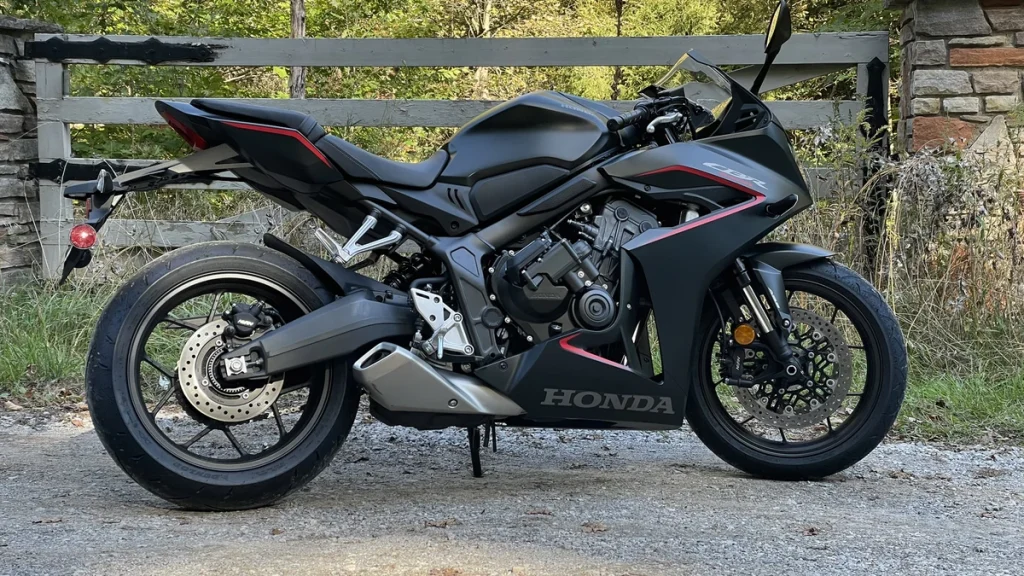
It delivers a refined sport bike experience that feels more sophisticated than its category suggests. The CBR650R proves that beginner sport bikes can offer elegance, excitement, and performance in equal measure.
8. Aprilia RS 660
The Aprilia RS 660 redefined what many riders expect from a beginner friendly sport bike. While its specifications suggest approachability, the way it performs on the road feels closer to a full scale superbike.
Powered by a 659 cc parallel twin engine, the RS 660 delivers strong and lively performance. Power builds quickly and smoothly, making acceleration feel exciting without becoming intimidating.
Throttle response is sharp but controlled. The engine reacts instantly to inputs, which helps riders develop precise throttle control from early on.
What makes this engine special is its flexibility. It pulls confidently from low rpm and continues delivering strong power through the mid range.
The chassis is where the RS 660 truly shines. Aprilia engineered it with serious sport riding in mind, resulting in exceptional stability and feedback.
Cornering precision is outstanding. The bike holds lines with confidence and responds immediately to steering inputs, making it feel light and eager.
Suspension quality is well above average for this category. The bike remains composed under hard braking and aggressive cornering.
Braking performance is strong and confidence inspiring. The brakes deliver consistent stopping power with excellent feel.
One of the biggest surprises is how stable the RS 660 feels at higher speeds. It does not feel nervous or twitchy, even when pushed hard.
Electronics play a major role in its accessibility. Rider aids help manage power delivery and traction without removing the connection between rider and bike.
Ergonomics strike a careful balance. The riding position is sporty and engaging but still comfortable enough for longer rides.
Build quality and finish feel premium. The bike looks and feels like a serious performance machine rather than an entry level compromise.
On twisty roads, the RS 660 becomes addictive. It rewards smooth inputs and encourages riders to push their limits gradually.
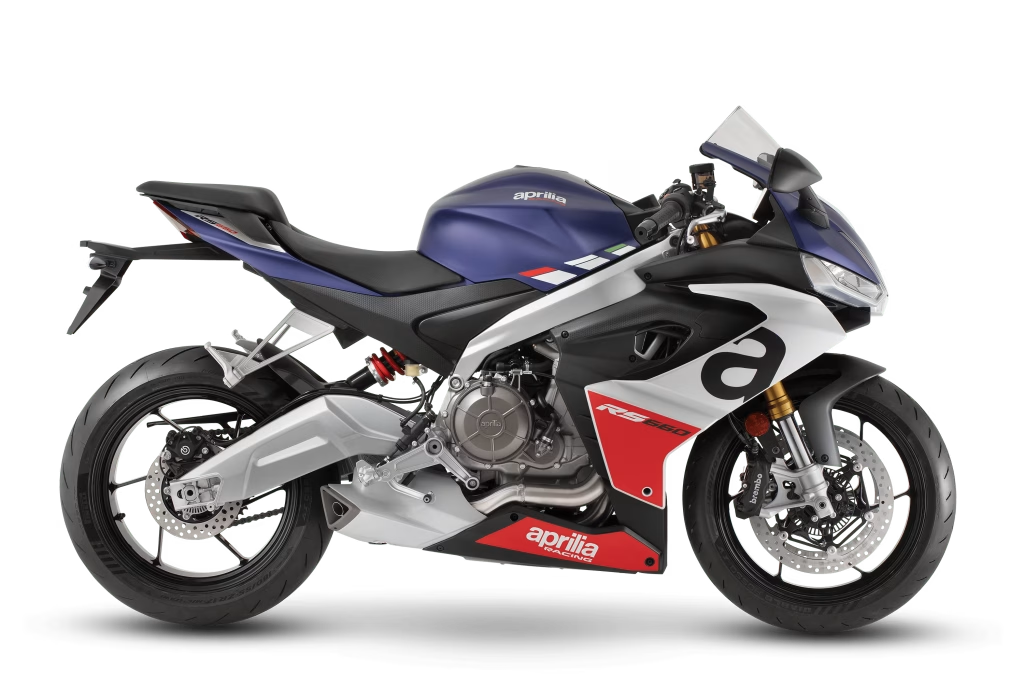
The bike also performs well on track days. Its stability and braking inspire confidence, allowing riders to focus on technique. What allows the RS 660 to punch above its weight is refinement. Everything feels deliberate and well tuned.
It delivers the sensation of riding something far more powerful than its numbers suggest. The Aprilia RS 660 proves that beginner sport bikes can be advanced, exciting, and deeply rewarding.
9. Yamaha R7
The Yamaha R7 brings a focused and modern approach to the beginner sport bike category. It prioritizes handling, feedback, and real world performance over outright top speed.
Powered by a 689 cc parallel twin engine, the R7 delivers strong mid range torque. This makes the bike feel responsive and quick in everyday riding situations.
Throttle response is smooth and predictable. Power delivery builds steadily, allowing riders to focus on precision rather than managing sudden surges.
Acceleration feels satisfying without being overwhelming. The bike pulls strongly out of corners and maintains speed effortlessly.
The chassis is derived from Yamaha’s extensive sport riding experience. It offers excellent rigidity and feedback, which helps riders understand what the tires are doing.
Cornering behavior is sharp and confidence inspiring. The R7 feels planted and composed, encouraging riders to lean further as skills improve.
Suspension tuning favors aggressive riding. The bike remains stable under braking and holds its line well through fast corners.
Braking performance is excellent for the class. The brakes offer strong bite and good modulation, supporting advanced braking techniques.
Ergonomics are more aggressive than many beginner bikes. The riding position places the rider in a committed stance, reinforcing its sport focused nature.
This posture helps riders learn proper body positioning and control during spirited riding.
Build quality is solid and purposeful. The R7 feels durable and well assembled, reinforcing confidence in hard use. On twisty roads, the R7 rewards momentum riding. It encourages smooth lines and precise throttle control.
The engine’s character makes it forgiving. Mistakes are handled gently, allowing riders to learn without fear. What makes the R7 punch above its weight is focus. It feels like a training tool for serious sport riding rather than a casual beginner bike.
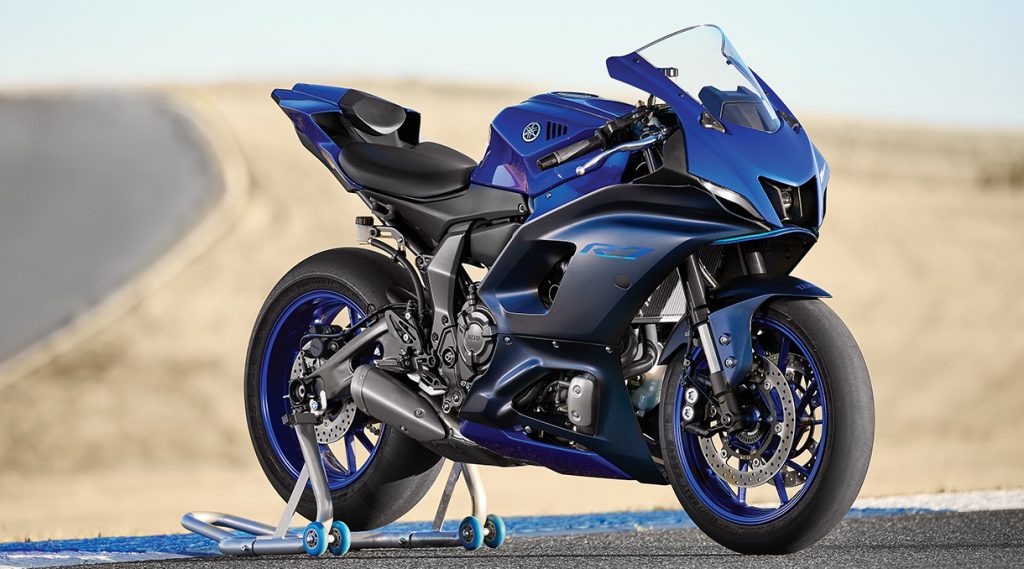
It teaches skills that translate directly to larger sport machines. Many riders find the R7 satisfying long after the beginner phase. Its handling and balance remain enjoyable as experience grows.
The Yamaha R7 proves that performance is not just about horsepower. Control, confidence, and feedback matter just as much.
10. Kawasaki Ninja 300
The Kawasaki Ninja 300 is one of the most important beginner sport bikes ever made. While newer models have replaced it, the Ninja 300 earned its reputation by delivering performance and excitement far beyond what most riders expected from an entry level machine.
Powered by a 296 cc parallel twin engine, the Ninja 300 delivers smooth and approachable power. Acceleration is not intimidating, but it is lively enough to keep riders engaged and motivated to push their skills.
The engine enjoys being revved. Power builds steadily as rpm rises, encouraging riders to work the gearbox and learn proper throttle control. This makes riding more interactive and rewarding.
Despite its modest displacement, the Ninja 300 feels eager on the road. It responds quickly to throttle inputs and maintains momentum well, especially on winding roads.
One of the bike’s biggest strengths is its lightweight chassis. With less mass to manage, the Ninja 300 feels agile and responsive, making it easy to change direction quickly.
Cornering confidence is excellent. The bike provides clear feedback through the handlebars and seat, helping riders understand grip and lean angle naturally.
Steering is neutral and predictable. The Ninja 300 does not resist inputs or surprise the rider mid-corner, which builds trust quickly.
Suspension tuning is forgiving. It absorbs bumps and rough pavement without unsettling the bike, making it well-suited for real-world riding conditions.
Braking performance is appropriate for the class. The brakes offer good feel and predictable stopping power, allowing new riders to develop proper braking technique.
On tight back roads, the Ninja 300 often feels faster than expected. Its ability to carry corner speed allows it to keep pace with larger bikes in technical sections.
Ergonomics are sporty but comfortable. The riding position leans forward slightly, promoting control without placing excessive strain on wrists or back.
Build quality is solid and reassuring. The bike feels durable and well assembled, which adds confidence for daily use.
What allows the Ninja 300 to punch above its weight is balance. Every aspect of the bike works together smoothly, creating a cohesive riding experience.
The bike rewards smoothness rather than aggression. Riders who focus on lines, braking, and throttle control are rewarded with satisfying performance.
Many experienced riders look back fondly on the Ninja 300 because of how much it taught them. It encourages skill development without fear.
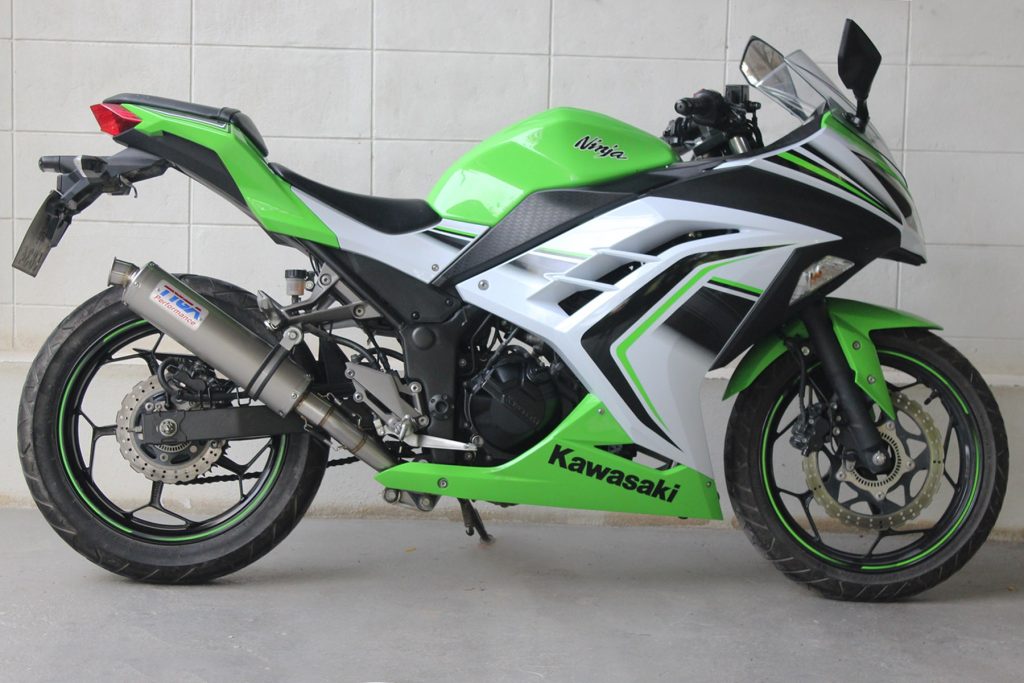
The Ninja 300 also performs well on track days. Its forgiving nature allows riders to explore limits safely while learning advanced techniques.
Even as riders improve, the Ninja 300 remains enjoyable. It does not become boring quickly, which is a rare trait in beginner bikes.
This bike proved that small-displacement sport bikes could be serious, fun, and capable. It helped redefine expectations for entry-level performance.
The Kawasaki Ninja 300 earned its legacy by delivering real sport bike thrills in an accessible package. It stands as a reminder that beginner bikes can still feel fast, engaging, and deeply satisfying.
Also Read: Top 10 Sport Bikes You Can Buy in 2026
