
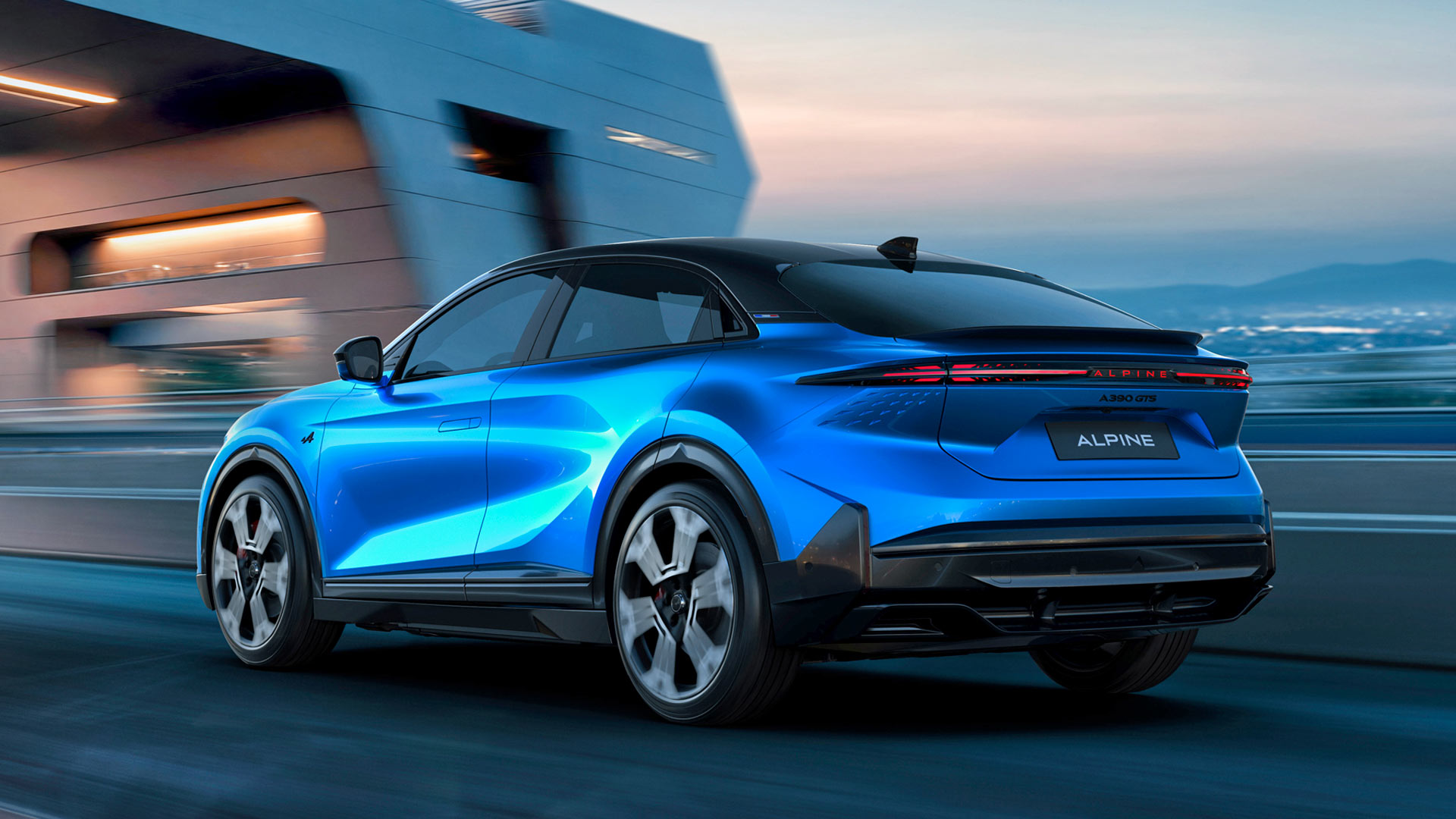
Alpine, Renault’s performance-focused brand, has long been rumored to be targeting the U.S. market, although tariff hurdles have slowed progress.
However, the plan is far from abandoned. Recent discussions about bringing the Alpine A110 to American buyers, along with the potential for a performance SUV, indicate that the brand is serious about crossing the Atlantic.
The conversation has shifted from whether Alpine should enter the U.S. to what it would need to launch successfully and sustain itself.
Not because it’s the most commercially viable model, but because it embodies what Alpine represents: lightweight, driver-focused cars built for the experience, not for specifications. This ethos extends to other models, such as the upcoming A290 electric hot hatch.
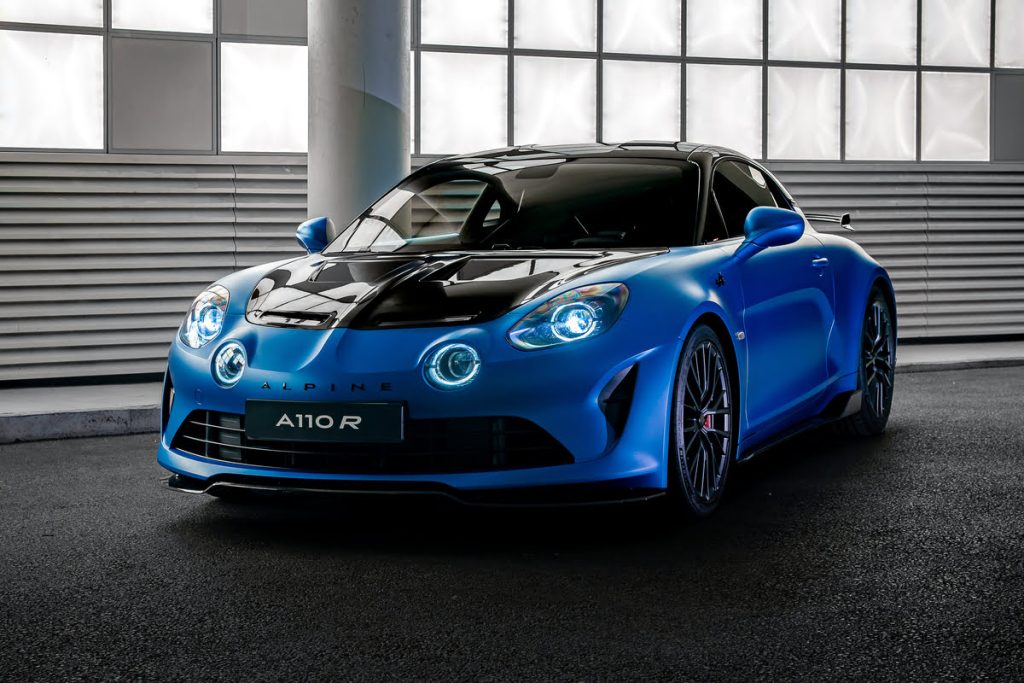
Yet the A110 also highlights a challenge. While American enthusiasts increasingly appreciate distinctive, niche sports cars, that audience alone rarely drives consistent sales. Passion may build credibility, but it does not keep showrooms open.
While the A110 establishes Alpine’s brand identity, another vehicle would likely need to generate volume and revenue. Krief has acknowledged that a higher-volume product is necessary in the U.S., and history shows SUVs, especially premium performance models, sell extremely well.
The challenge lies in size and positioning. Alpine’s current A390 electric crossover is compact by American standards, where larger SUVs dominate. A bigger performance SUV, more in line with an electric Porsche Cayenne than a Macan, would make strategic sense. However, Krief warns that such a move risks diluting Alpine’s identity.
The key is designing a vehicle that appeals to a broader market without straying too far from the brand’s DNA. Complicating matters further, EV demand has dropped over the past year, leaving older models lingering on dealer lots.
Alpine isn’t resting on its laurels. A 1000-hp hybrid supercar is scheduled for 2028, demonstrating the brand’s commitment to exciting, innovative vehicles.
Any U.S. debut will require careful planning. For now, America represents both opportunity and risk, particularly as Alpine navigates the fiercely competitive SUV segment.
If executed correctly, with the A110 establishing the brand and a well-conceived SUV supporting volume, Alpine could carve out a niche and challenge affordable, fun-to-drive sports cars like the Mazda Miata.
If it missteps, Alpine will continue making quirky, engaging cars, but American roads may remain largely out of reach.
Also Read: Alpine Evaluates Drivers for 2025 F1 Season: Mick Schumacher and Jack Doohan in Focus
