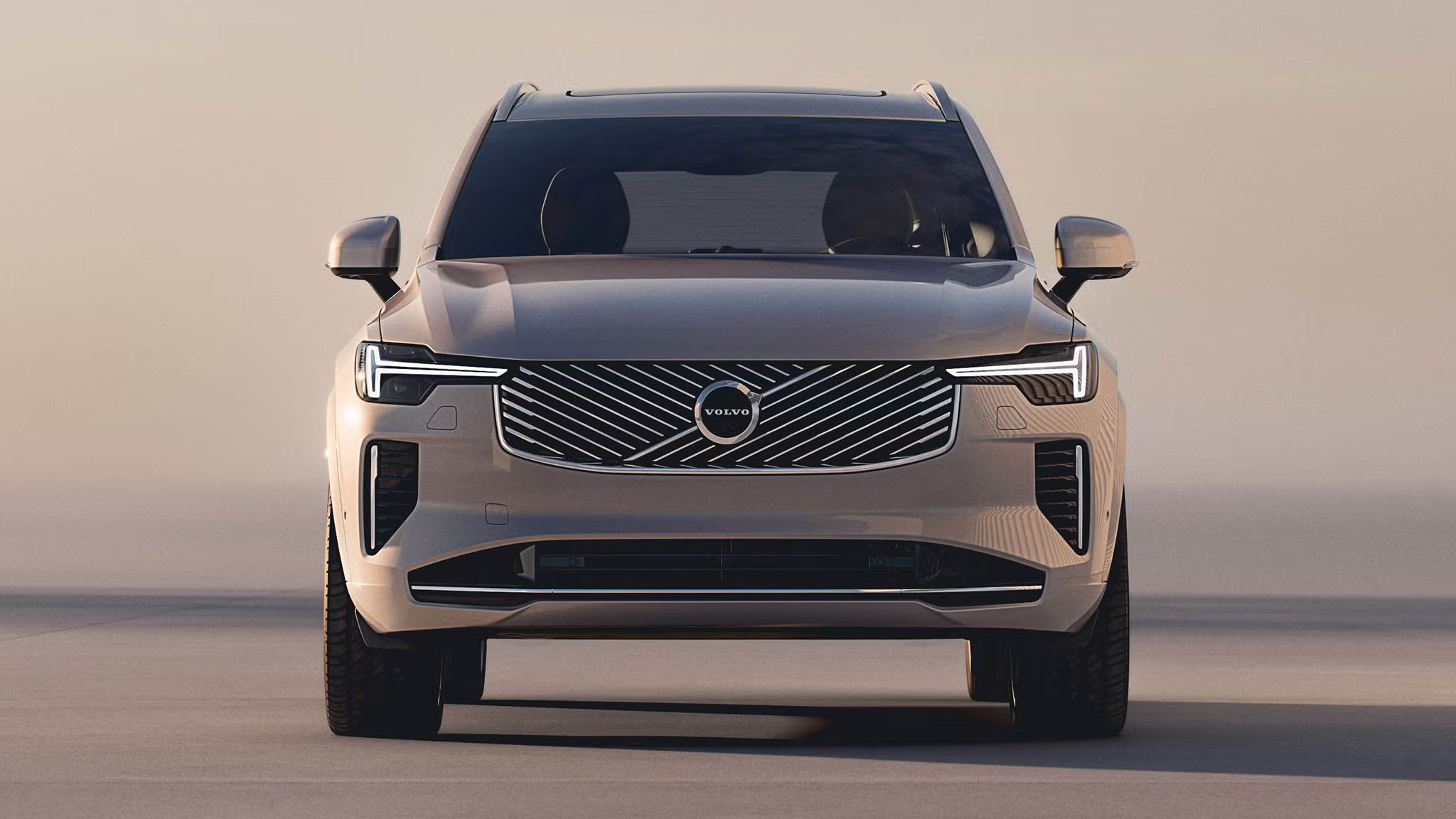
Duluth, Minnesota, with its stunning Lake Superior shoreline, offers a unique driving environment that blends scenic roads, gravel trails, sandy beaches, and snowy winter conditions. Choosing the right vehicle for this area means balancing capability, comfort, and reliability.
Some cars handle the lakefront’s diverse conditions exceptionally well, providing confidence on icy streets, unpaved access roads, and rugged trails.
Vehicles like the Subaru Outback Wilderness, Toyota RAV4 Adventure/TRD Off-Road, Volvo XC90, Jeep Grand Cherokee, and Ford F-150 PowerBoost Hybrid are engineered for versatility, traction, and durability, making them ideal companions for both daily commuting and weekend adventures along Duluth’s scenic routes.
However, not every vehicle withstands the lakefront’s harsh climate. Factors such as road salt, high humidity, and harsh winter weather accelerate corrosion, putting certain models at higher risk.
Older or poorly protected vehicles like pre-2017 Toyota Tacomas, pre-2016 Mazda 3s, Jeep Wranglers, early 2000s Mercedes C-Class models, and first- and second-generation Ford Escapes are prone to rust, particularly in wheel wells, undercarriages, and seam areas. Understanding which vehicles excel and which corrode quickly is essential for making smart choices in Duluth’s challenging environment.
5 Cars for Duluth Lakefront Drives
1. Subaru Outback Wilderness: The Ultimate Duluth Lakefront Vehicle
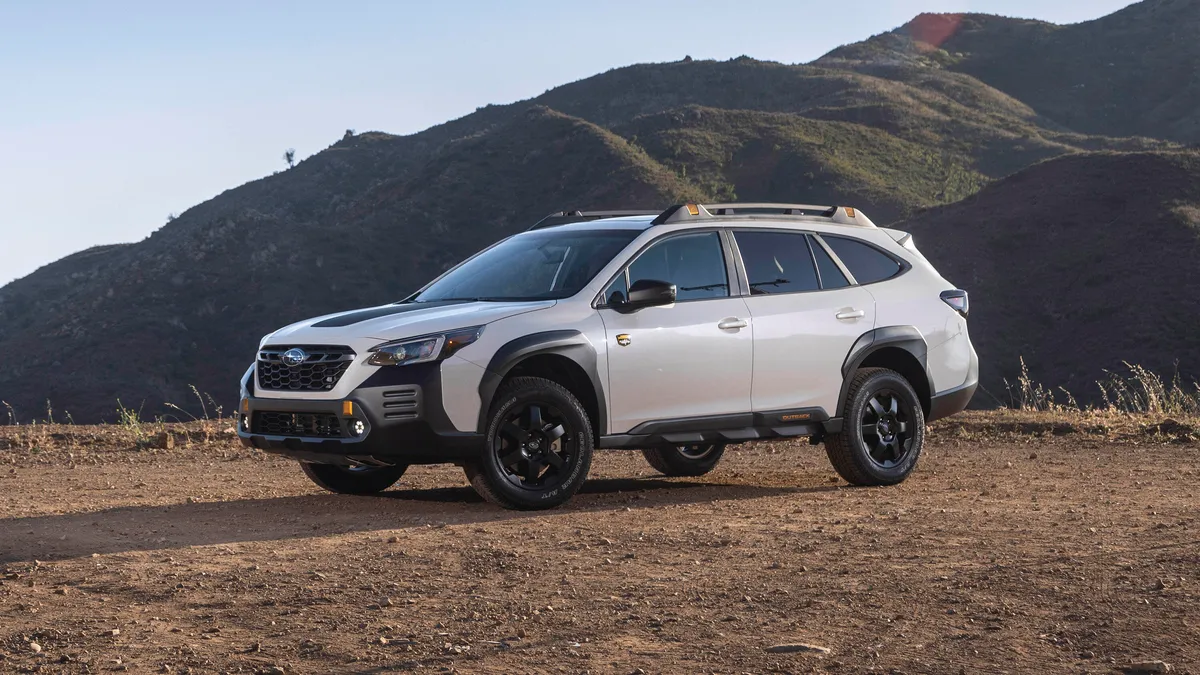
The 2025 Subaru Outback Wilderness trim is a standout choice for Duluth, Minnesota, especially along the Lake Superior shoreline. Designed to handle a wide range of conditions from smooth city streets to gravel paths, sandy beaches, and snowy lanes, the Wilderness trim combines rugged capability with comfort and practicality.
With 9.5 inches of ground clearance and standard Symmetrical All-Wheel Drive, this vehicle is well-suited for both everyday driving and adventurous excursions along Duluth’s lakefront.
One of the key features making the Outback Wilderness ideal for Duluth’s terrain is its advanced traction system.
The standard Symmetrical AWD provides excellent grip on wet, icy, or uneven surfaces, while the Dual-Function X-MODE, including a dedicated “Deep Snow” setting, optimizes power and traction on slippery or challenging roads. This system is particularly useful for unplowed side streets or secluded lake access points, giving drivers confidence in varied winter and spring conditions.
The vehicle’s superior ground clearance of 9.5 inches further enhances its off-road capabilities. This height allows the Outback to pass over rocks, ruts, snowdrifts, and sandy patches without scraping the undercarriage, making it practical for reaching remote beaches or park trails.
Rugged Yokohama Geolandar all-terrain tires provide reliable grip on loose surfaces such as gravel, sand, or dirt, surpassing standard street tires in performance and durability. Protective features, including skid plates, extra body cladding, and durable StarTex upholstery, help safeguard the vehicle from trail debris and minor impacts, ensuring resilience during off-road adventures.
Inside, the Outback Wilderness balances ruggedness with comfort. Its spacious cabin offers ample room for passengers, while robust roof rails with higher static load capacity make transporting kayaks, bikes, or other lake gear simple and secure.
Retuned transmission and gearing enhance low-speed control, allowing the vehicle to handle technical sections of trails or steep inclines with ease, making it a reliable choice for both casual drives and more challenging lakefront excursions.
The Subaru Outback Wilderness trim is perfectly suited to Duluth’s mix of road conditions. Whether cruising along scenic paved routes like London Road, exploring gravel access roads, or driving on sandy beaches and snowy paths, the Outback provides versatility, capability, and comfort. It is the quintessential vehicle for those seeking adventure along Lake Superior, offering peace of mind and confidence for every drive.
2. Toyota RAV4 Adventure and TRD Off-Road: Versatile SUVs for Duluth Terrain
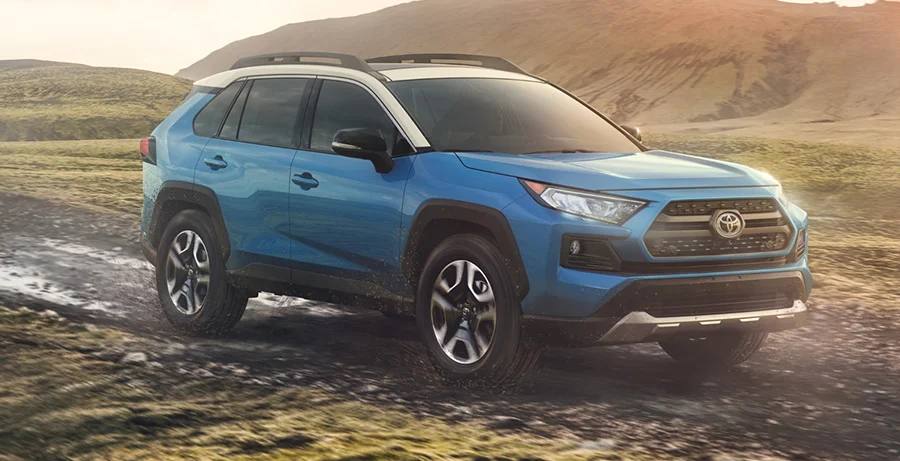
The 2025 Toyota RAV4 Adventure and TRD Off-Road trims are engineered to handle the diverse driving conditions of Duluth, Minnesota, particularly along the Lake Superior shoreline. These models feature Dynamic Torque Vectoring All-Wheel Drive (AWD), which can send up to 50 percent of power to the rear and distribute it between individual wheels for optimal traction on slippery or uneven surfaces.
The “Snow Mode” further helps prevent wheel spin by moderating throttle response, making it easier to tackle icy streets or snowy inclines common in northern climates.
The RAV4 Adventure and TRD Off-Road trims are designed for versatility. Their TRD-tuned suspension with specialized shocks and red coil springs provides a smooth, controlled ride over rough roads and gravel paths, while the increased ground clearance of 8.6 inches allows drivers to clear debris, snow, or uneven terrain when exploring lakeside trails.
Multi-Terrain Select (MTS) offers specific modes such as Mud & Sand, Rock & Dirt, and Snow to optimize traction on varying surfaces. Falken Wildpeak A/T tires add durability and grip, and skid plates protect the underbody from rocks or obstacles encountered on less-maintained roads. These features make the RAV4 capable of handling both paved roads and light off-road excursions with confidence.
Under the hood, the RAV4 uses a 2.5-liter four-cylinder engine producing 203 horsepower and 184 pound-feet of torque, paired with an eight-speed automatic transmission.
While the engine may feel strained during aggressive highway passing, it performs reliably for daily commuting and provides stable handling on winding roads.
The RAV4 reaches 0–60 mph in approximately 8.3 seconds in the TRD Off-Road version, which is average for the class, while the RAV4 Hybrid performs slightly faster at 7.4 seconds. Fuel economy is competitive, with all-wheel-drive models averaging 32–34 mpg on the highway, slightly below front-wheel-drive variants.
The interior focuses on comfort and practicality, with a flexible cargo area and fold-flat rear seats that expand storage capacity. Higher trims feature faux-leather upholstery, a stitched dashboard, and a leather-wrapped steering wheel.
Infotainment options include an 8.0-inch touchscreen on lower trims, with a 10.5-inch display available on XLE Premium and standard on Limited models, along with wireless Apple CarPlay, Android Auto, and optional premium audio.
Safety is a priority with standard automated emergency braking, lane-departure warning, lane-keeping assist, and adaptive cruise control on most trims.
Warranty coverage includes three years or 36,000 miles for bumper-to-bumper coverage and five years or 60,000 miles for the powertrain, along with two years of complimentary scheduled maintenance.
The RAV4 Adventure and TRD Off-Road trims combine durability, versatility, and comfort, making them ideal for Duluth drivers who need a vehicle ready for both daily commutes and weekend excursions along Lake Superior.
3. Volvo XC90: A Luxury Family SUV Built for Comfort and Winter Performance
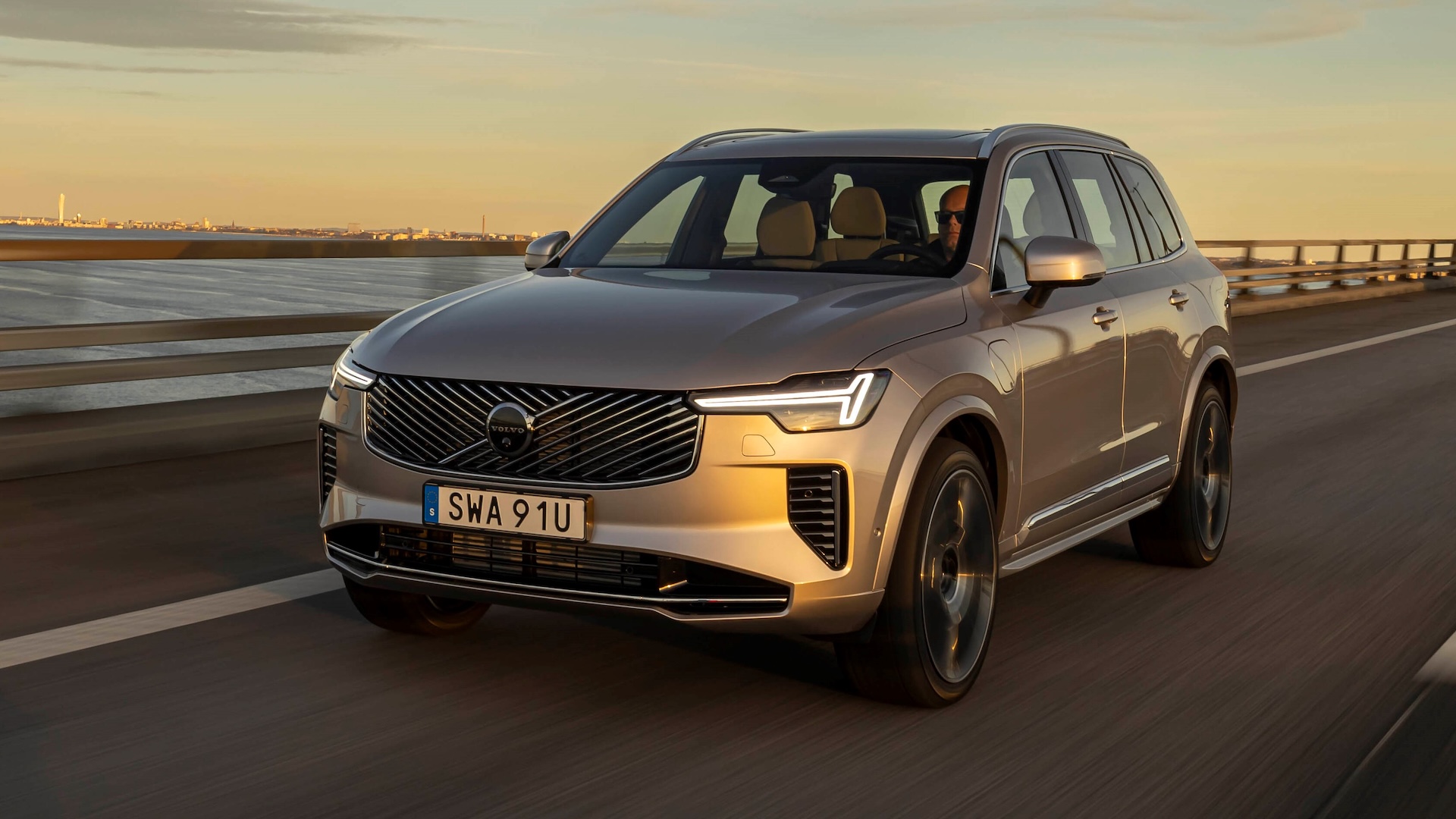
The Volvo XC90 remains one of the most respected luxury family SUVs on the market, combining sophisticated design, versatile functionality, and winter-ready engineering.
Designed with the “Winter Experience” in mind, it features heated windshield wiper de-icers and an advanced all-wheel-drive system that provides stability on Duluth’s steep hills and slippery roads. This makes the XC90 particularly suited for families in northern climates, offering peace of mind in snow, ice, or wet conditions.
Originally introduced in 2003, the XC90 pioneered the market for SUVs that combine the practicality of a people carrier with the styling of a 4×4.
The current second-generation model has been on sale since 2014 and received a facelift in 2019, with further updates for 2025. Despite its long tenure, Volvo has kept the design fresh with exterior refinements, updated interior technology, and a retuned suspension, demonstrating the brand’s philosophy of evolution rather than replacement.
The XC90’s engine options have embraced electrification, reflecting modern environmental priorities. The base mild-hybrid B5 petrol produces 247 horsepower and offers strong efficiency.
For those seeking higher performance, the plug-in hybrid T8 combines an electric motor with the gasoline engine to generate 449 horsepower, achieving 0-62 mph in just 5.4 seconds.
The T8 also features a large 18.8 kWh battery (14.7 kWh usable), providing a claimed electric range of 44 miles, with impressive fuel economy and low CO2 emissions.
All models come standard with four-wheel drive, an eight-speed automatic transmission, and seven seats across three rows, making it a capable and practical family vehicle.
Volvo has remained under the management of its Chinese parent company, Geely, which allows the brand to retain autonomy while benefiting from investment. The XC90 continues to compete with premium seven-seaters such as the Audi Q7, Land Rover Discovery, and BMW X5.
While the newer fully electric EX90 offers cutting-edge technology and sustainability, the XC90 remains a strong contender for buyers seeking a balance of style, comfort, and conventional hybrid performance at a lower entry price.
The XC90 excels in its clarity of purpose as a family SUV. It offers a refined, well-mannered driving experience without compromising passenger comfort or safety.
Features such as Pilot Assist driver assistance, user-friendly seat configurations, and a serene, elegant cabin ensure that family life is supported effortlessly. Whether driving through city streets, handling rural trails, or tackling snowy northern roads, the XC90 continues to lead its segment by combining practicality, luxury, and Scandinavian design excellence.
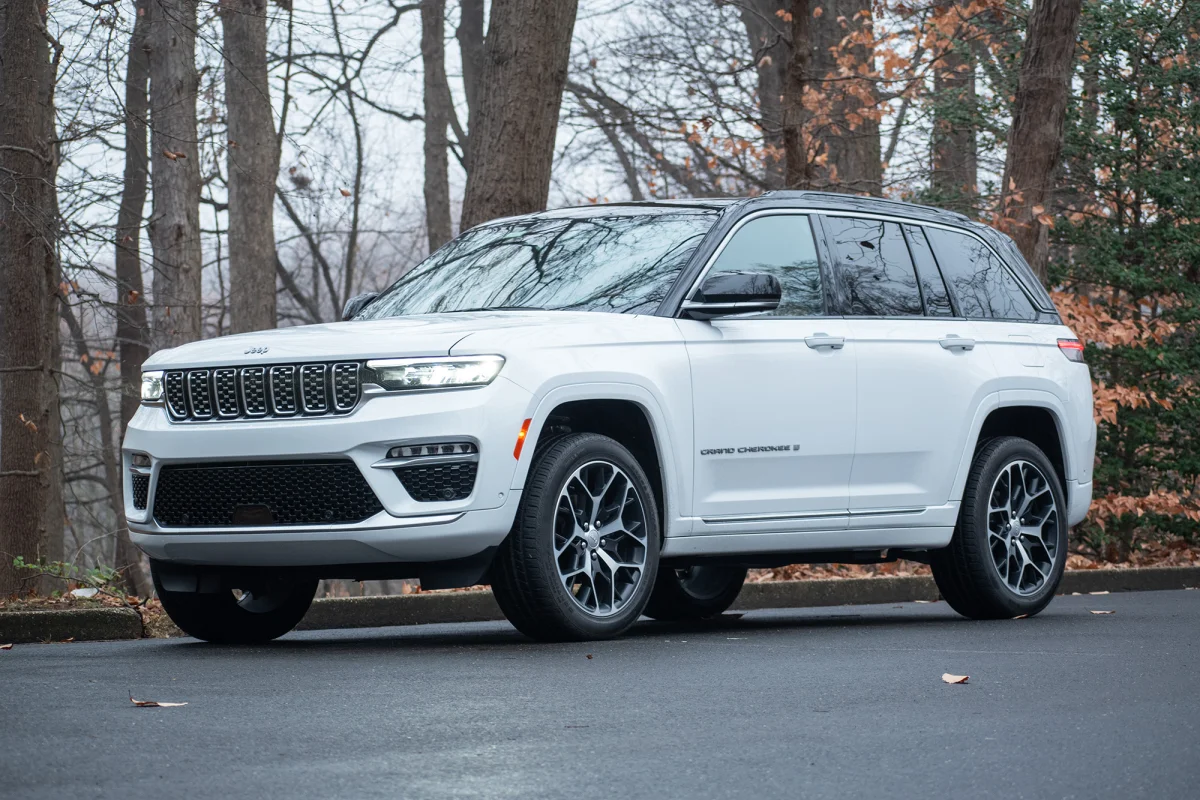
4. Jeep Grand Cherokee: Rugged Luxury SUV for Duluth’s Lakefront and Beyond
The 2025 Jeep Grand Cherokee combines luxury, comfort, and serious off-road capability, making it a versatile choice for Duluth’s lakefront and surrounding areas. Equipped with available Quadra-Lift air suspension, the SUV allows drivers to raise the vehicle for extra clearance over deep snow drifts or uneven terrain.
Coupled with advanced 4×4 systems like Quadra-Trac and Quadra-Drive, and Selec-Terrain modes, the Grand Cherokee provides superior traction and stability on icy roads, sandy beaches, or muddy trails, offering confidence in all conditions.
The Grand Cherokee excels for long drives along the North Shore, offering a roomy, comfortable interior with available leather seating and premium audio systems. Water fording capabilities, including high air intakes and special sealing, enable the SUV to handle shallow streams or beach splashes without worry.
The vehicle also boasts impressive towing power, capable of hauling up to 6,200 pounds, making it ideal for boats, campers, or other lakeside equipment. These features combine rugged adventure with refined comfort, positioning the Grand Cherokee as an ideal companion for both daily driving and weekend exploration.
Performance is strong, with a standard 293-horsepower 3.6-liter V6 engine and an available 324-horsepower turbocharged 2.0-liter four-cylinder option, both paired with an eight-speed automatic transmission.
Rear-wheel drive is standard, while three all-wheel-drive setups of increasing capability provide excellent off-road performance, including the ability to send 100 percent of power to a single wheel if needed.
On pavement, the Grand Cherokee remains composed and smooth, particularly in higher-level trims equipped with air springs and adaptive dampers. The 0–60 mph time for the V6 Summit is 7.4 seconds, while the hybrid 4xe model reaches 60 mph in 5.3 seconds.
The interior is spacious and comfortable, with upscale Limited and Summit trims featuring premium leather, wood trim, and high-tech digital displays. The two-row layout provides generous rear-seat space, with fold-flat seats creating substantial cargo capacity.
Infotainment is anchored by a 12.3-inch touchscreen with standard Apple CarPlay and Android Auto, and higher trims offer optional displays for passengers, plus premium audio systems up to a 19-speaker McIntosh setup.
Safety is a priority with standard automated emergency braking, lane-keeping assist, and blind-spot monitoring, while advanced options include adaptive cruise control with lane centering.
The Jeep Grand Cherokee offers a three-year/36,000-mile limited warranty and a five-year/60,000-mile powertrain warranty. Combining rugged off-road capability, luxury comfort, and versatile performance, the 2025 Grand Cherokee is well-suited for Duluth drivers seeking a dependable and adventurous SUV.
5. Ford F-150 PowerBoost Hybrid: Rugged Capability Meets Modern Efficiency
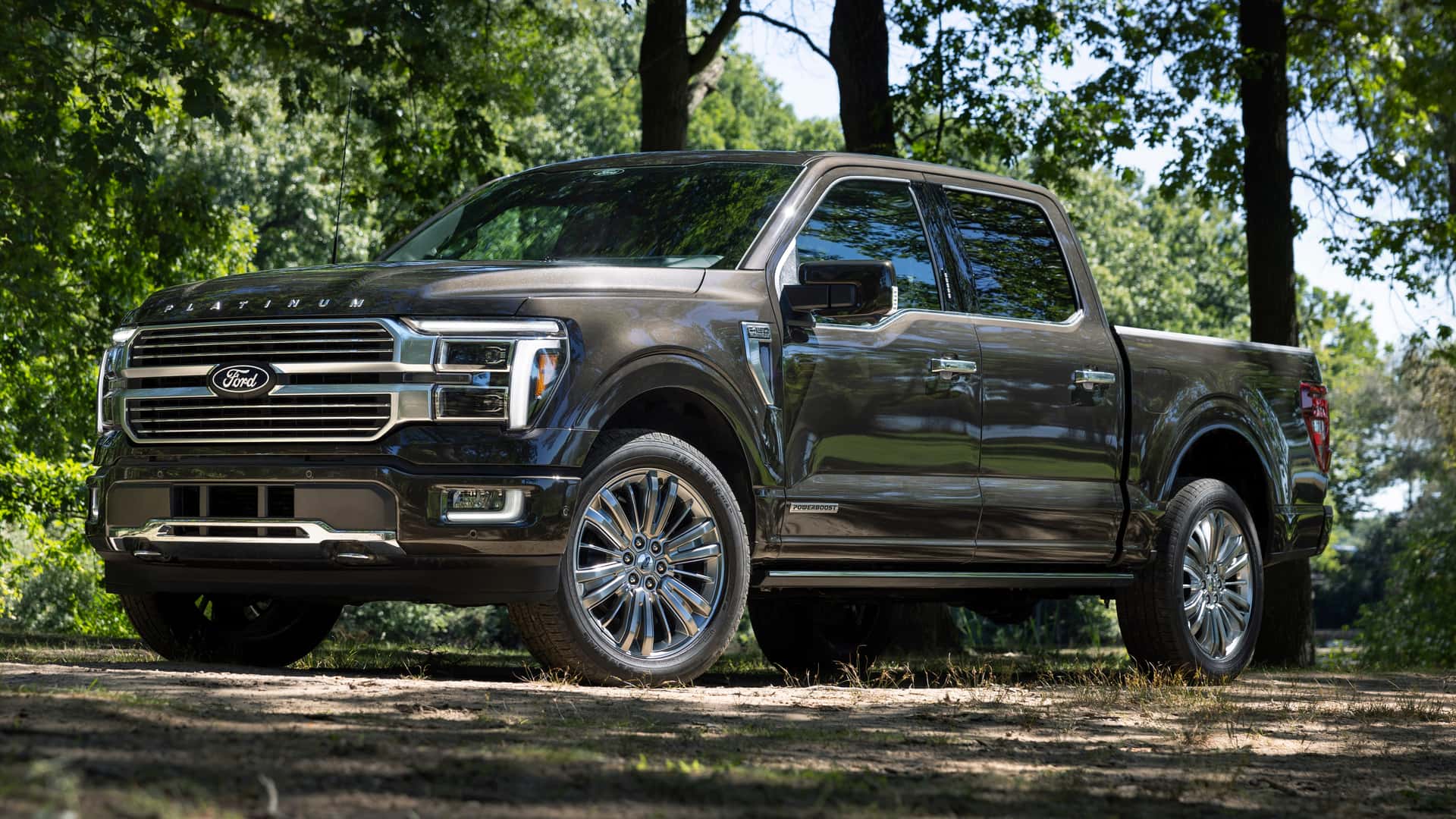
The 2025 Ford F-150 PowerBoost Hybrid stands out as a versatile and powerful truck, combining traditional F-150 capability with hybrid efficiency and advanced technology. Built with a military-grade aluminum alloy body, the truck resists salt-induced corrosion that can affect steel-bodied pickups.
Its 4×4 system features a Deep Snow/Sand mode for enhanced traction, making it well-suited for Duluth’s wintery roads and sandy lakefront trails.
The PowerBoost Hybrid excels for long drives along the North Shore, offering strong torque for towing boats or campers, improved fuel economy, and features like Pro Power Onboard, which converts the truck into a mobile generator for campsites or outdoor activities.
The hybrid powertrain pairs a 3.5-liter EcoBoost twin-turbo V6 with an electric motor mounted between the engine and 10-speed automatic transmission. This combination produces 430 horsepower and 570 lb-ft of torque, providing smooth power delivery for both highway cruising and heavy-duty hauling.
Rear-wheel drive is standard, while multiple all-wheel-drive systems deliver maximum traction in difficult conditions, including the ability to send all power to a single wheel when necessary. Straight-line performance is impressive, with 0–60 mph achieved in 5.6 seconds for the 2024 Platinum trim. The hybrid excels in towing, offering a maximum capacity of 11,200 pounds.
Comfort and convenience are key features of the PowerBoost Hybrid. The truck allows running air conditioning and heated seats on battery power at stops, enhancing comfort without idling the engine.
Advanced technologies such as Ford’s BlueCruise hands-free driving system and Pro Trailer Assist simplify long highway stretches and challenging parking scenarios. Interior amenities include premium materials in higher trims, large touchscreens, and robust audio systems, ensuring a refined driving experience alongside rugged capability.
The 2025 F-150 PowerBoost also benefits from modern updates, including a refreshed exterior with cyber-inspired lighting and a slightly simplified grille.
The Pro-Access Tailgate allows multi-position access to the bed, although availability may vary by trim. Pricing has increased, with Platinum and King Ranch trims starting around $75,840 and fully equipped models exceeding $85,000, reflecting the truck’s combination of luxury, technology, and capability.
For drivers in Duluth or along Lake Superior, the F-150 PowerBoost Hybrid blends the traditional strengths of the F-150, including towing, off-road ability, and durability, with hybrid efficiency, comfort, and modern technology.
Its combination of instant torque, advanced 4×4 systems, and Pro Power Onboard makes it ideal for scenic drives, camping trips, and recreational hauling. The truck is a top choice for those seeking a capable, versatile, and technologically advanced full-size pickup.
Also Read: 5 Cars for Camden Urban Runs and 5 That Cost Too Much to Repair
5 That Corrodes Fast
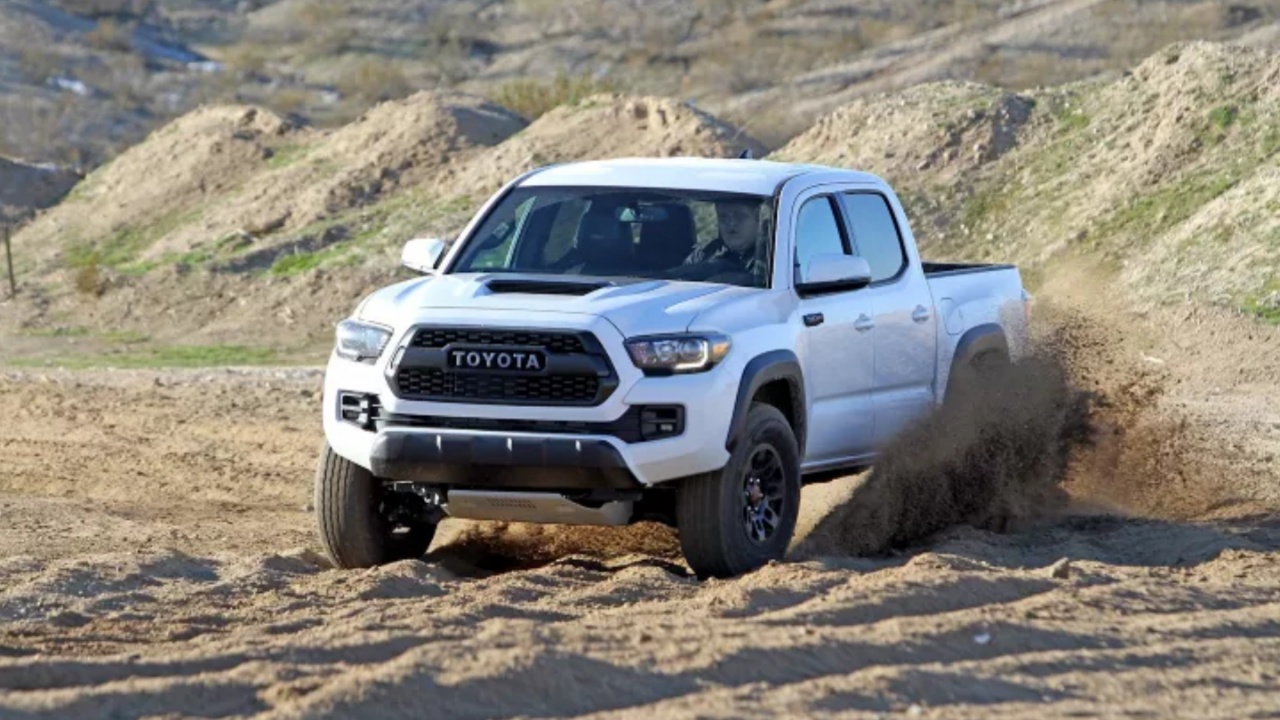
1. Toyota Tacoma Pre-2017: Rust Risks in Duluth’s Harsh Climate
Older Toyota Tacoma models, particularly those produced before 2017, are well-known for their reliability but have a significant vulnerability to severe frame rust.
This issue is especially pronounced in areas like Duluth, Minnesota, where road salt, high humidity, and cold weather create harsh conditions that accelerate corrosion. Tacoma frames from this era often lacked sufficient factory rust-proofing, leaving them exposed to environmental damage over time.
Early models, including first-generation trucks (1995-2004), used fully-boxed frames that trapped moisture and salt, causing rust to develop from the inside out.
Some second-generation models adopted C-section rails that improved drainage, but untreated frames remained at risk. Supplier issues, such as insufficient phosphate coating from Dana Corp, further reduced corrosion resistance in cold, salt-prone environments.
Environmental factors in Duluth exacerbate the problem. Frequent road salting, lakefront humidity, and inconsistent undercarriage cleaning contribute to rapid rust formation. Rust requires moisture and oxygen, and the combination of these conditions accelerates structural degradation.
Toyota responded to these issues with customer support programs, extended warranties, and repair options, including frame repairs, Corrosion Resistant Compound treatments, or buybacks. Modern Tacoma models feature improved rust-prevention measures, reducing the likelihood of similar corrosion problems.
2. Mazda 3 Pre-2016: High Rust Risk in Duluth Winters
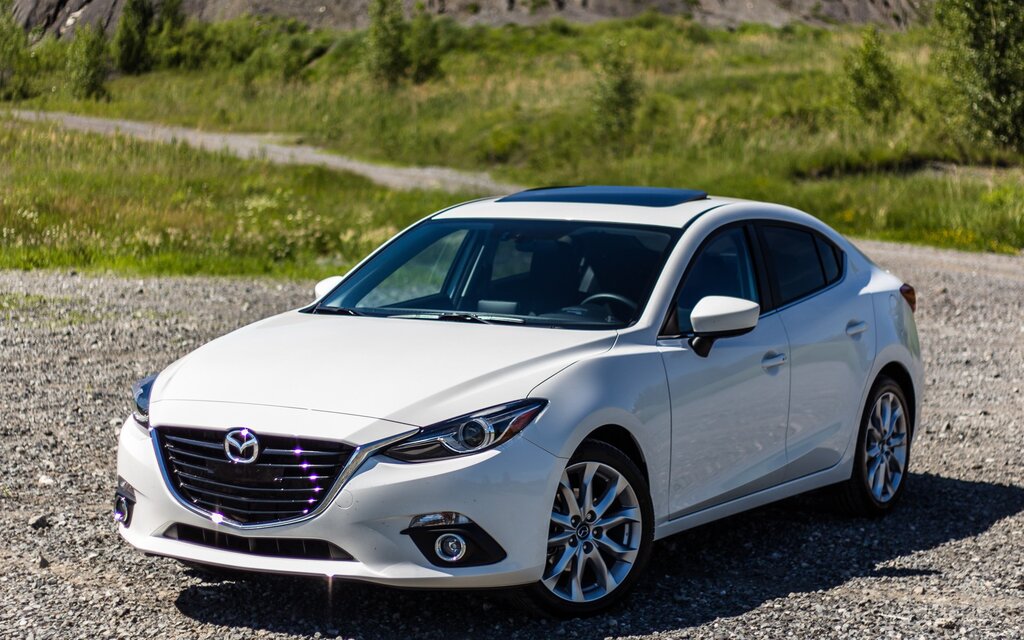
Pre-2016 Mazda 3 models are particularly vulnerable to rust, especially in harsh climates like Duluth, Minnesota. Common corrosion spots include the rear wheel arches, rocker panels, and underbody.
These areas are exposed to road salt, moisture from Lake Superior, and trapped debris, which accelerate the formation of rust. Early generations of the Mazda 3 were designed with weak points in body panel joints and limited factory corrosion protection, making them especially prone to fast deterioration if not carefully maintained.
Environmental factors in Duluth worsen the problem. Heavy winter use of road salt and high humidity from the nearby lake create ideal conditions for corrosion.
Clogged drain holes in doors and rocker panels trap moisture and salt, leading to internal rust that spreads quickly. While later Mazda 3 models feature improved anti-corrosion treatments, early versions remain high-risk for structural and cosmetic damage.
Owners of pre-2016 Mazda 3s can reduce rust by thoroughly washing the vehicle, particularly the undercarriage, repairing paint chips promptly, keeping drain holes clear, and applying aftermarket rustproofing treatments such as Lanoguard or Fluid Film.
These precautions are essential for maintaining longevity and preventing severe frame or panel damage. Without consistent care, these vehicles can experience significant deterioration after just a few winters in Duluth’s salt-heavy environment.
3. Jeep Wrangler: Susceptible to Rust in Duluth’s Harsh Conditions
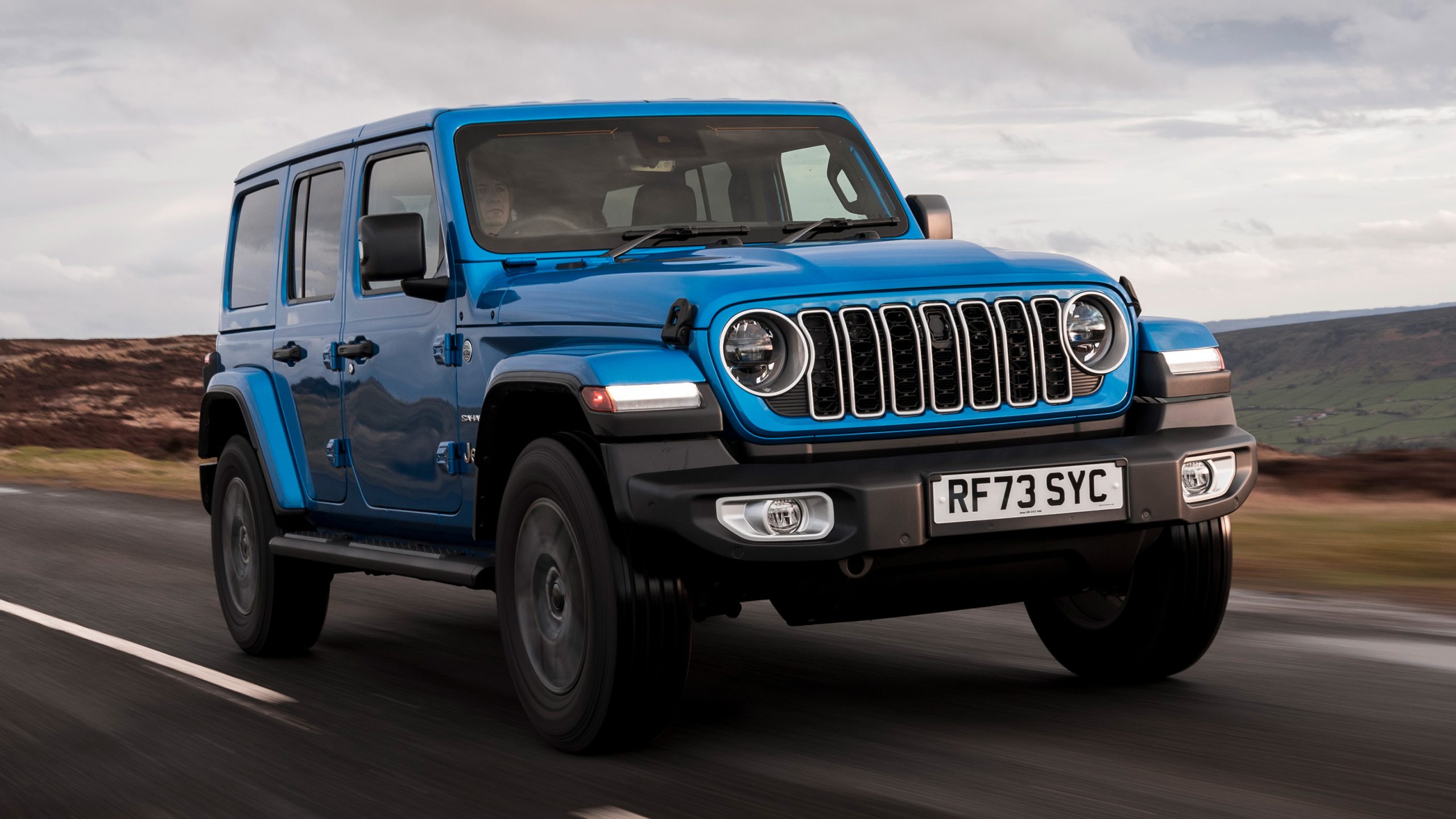
Jeep Wranglers, particularly newer JL and JLU models, are prone to corrosion in lakefront areas like Duluth due to a combination of environmental exposure and design factors. The Wrangler’s boxed frame and flat body panels can trap salt, moisture, and dirt in hidden crevices, accelerating undercarriage and body rust.
Galvanic corrosion occurs where aluminum body panels meet steel hinges or fasteners, leading to filiform corrosion, which creates paint bubbling and exposes bare metal. Constant dampness, trapped dirt, and the salty air from Lake Superior further worsen the issue.
The Wrangler’s design and off-road use contribute to rapid corrosion. Off-road activities allow mud and moisture to accumulate in rocker panels, frame cavities, and seams, while foam inserts in hidden areas trap grit and water.
Lake spray and winter road salt create a highly corrosive environment, which promotes rust on underbody components, hinges, and body panels, particularly at hood edges and seams.
Owners can reduce the risk of rust by following preventative measures. Regular cleaning, especially after exposure to salt or lake spray, is essential. Applying undercoating, rustproofing, and protective treatments to seams and cavities helps block moisture and extend the vehicle’s life.
Checking the manufacturer’s five-year corrosion warranty on newer JL and JT models can provide coverage for hinge or panel bubbling and ensure proper repairs, keeping the Wrangler durable in harsh climates.
4. Mercedes-Benz C-Class Early 2000s: Rust Risks in Duluth
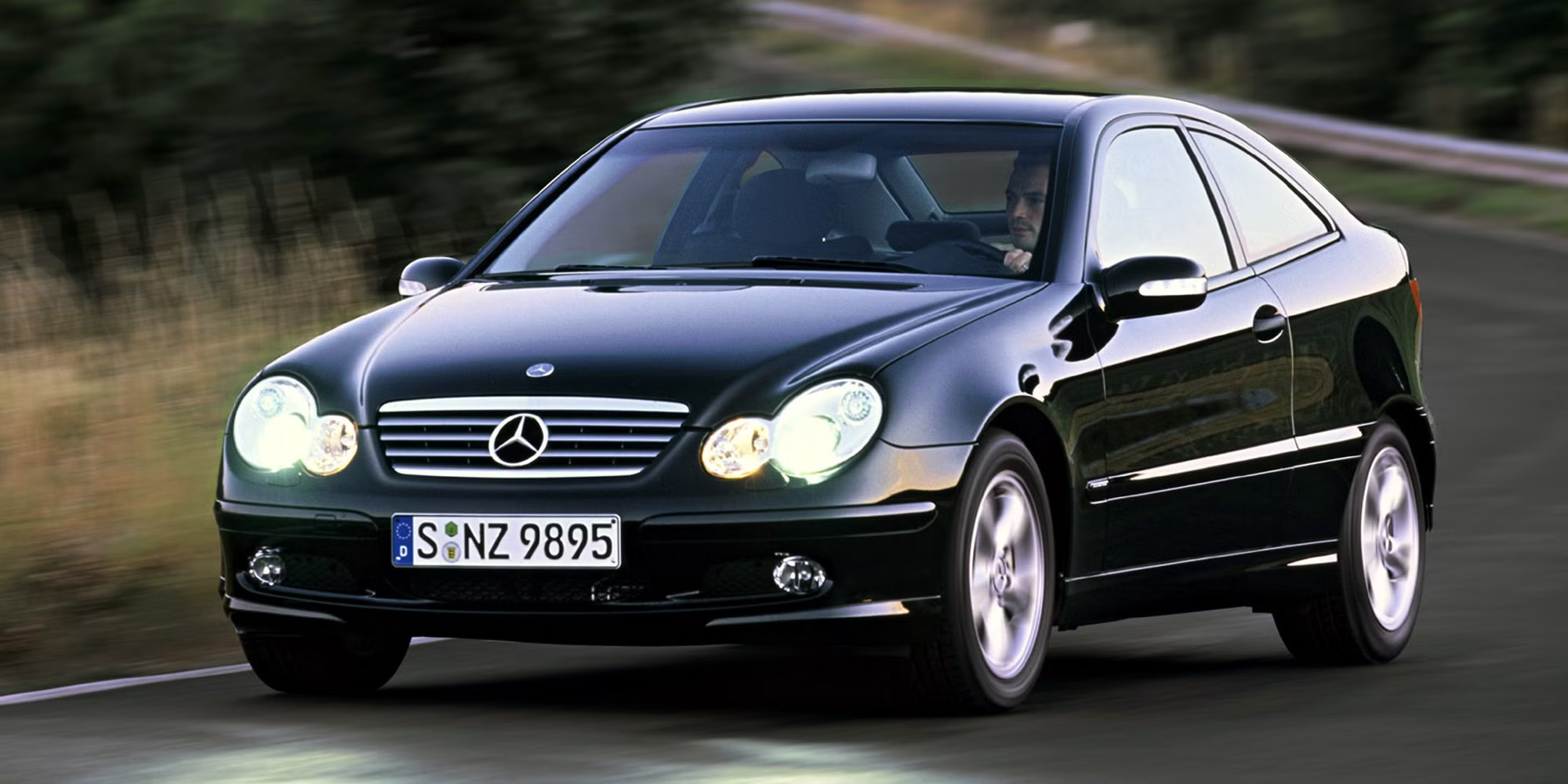
Early 2000s Mercedes-Benz C-Class models, particularly those with the W203 chassis, are highly susceptible to rust in harsh climates like Duluth. Corrosion often appears first on door bottoms and trunk lids but can spread to wheel arches, jack points, sunroof trays, and the underbody.
The combination of Lake Superior’s salty mist, heavy winter road salt and brine, and aging seals creates a highly corrosive environment for these vehicles.
Design and build issues contribute to the problem. Inconsistent build quality on the W203 chassis, combined with clogged drain holes and deteriorating rubber seals around doors and sunroofs, traps moisture and salt against metal surfaces. Some design elements also promote the accumulation of dirt and salt in hidden areas, accelerating corrosion over time.
Duluth’s lakefront environment exacerbates these vulnerabilities. The salty lake air and winter road chemicals cling to undercarriages and wheel wells, promoting rapid rust formation. Over the years, exposed metal areas deteriorate if left untreated, potentially compromising structural integrity.
Preventive maintenance is essential to extend the life of these C-Class models. Regular, thorough washing, especially of the undercarriage, application of rustproofing or undercoating, and prompt attention to any early signs of corrosion can significantly reduce the risk of serious damage.
Without diligent care, these vehicles are prone to becoming severe rust “buckets” within a few winters in salt-heavy regions like Duluth.
5. Ford Escape Gen 1 and 2: Rapid Rust Risks in Duluth
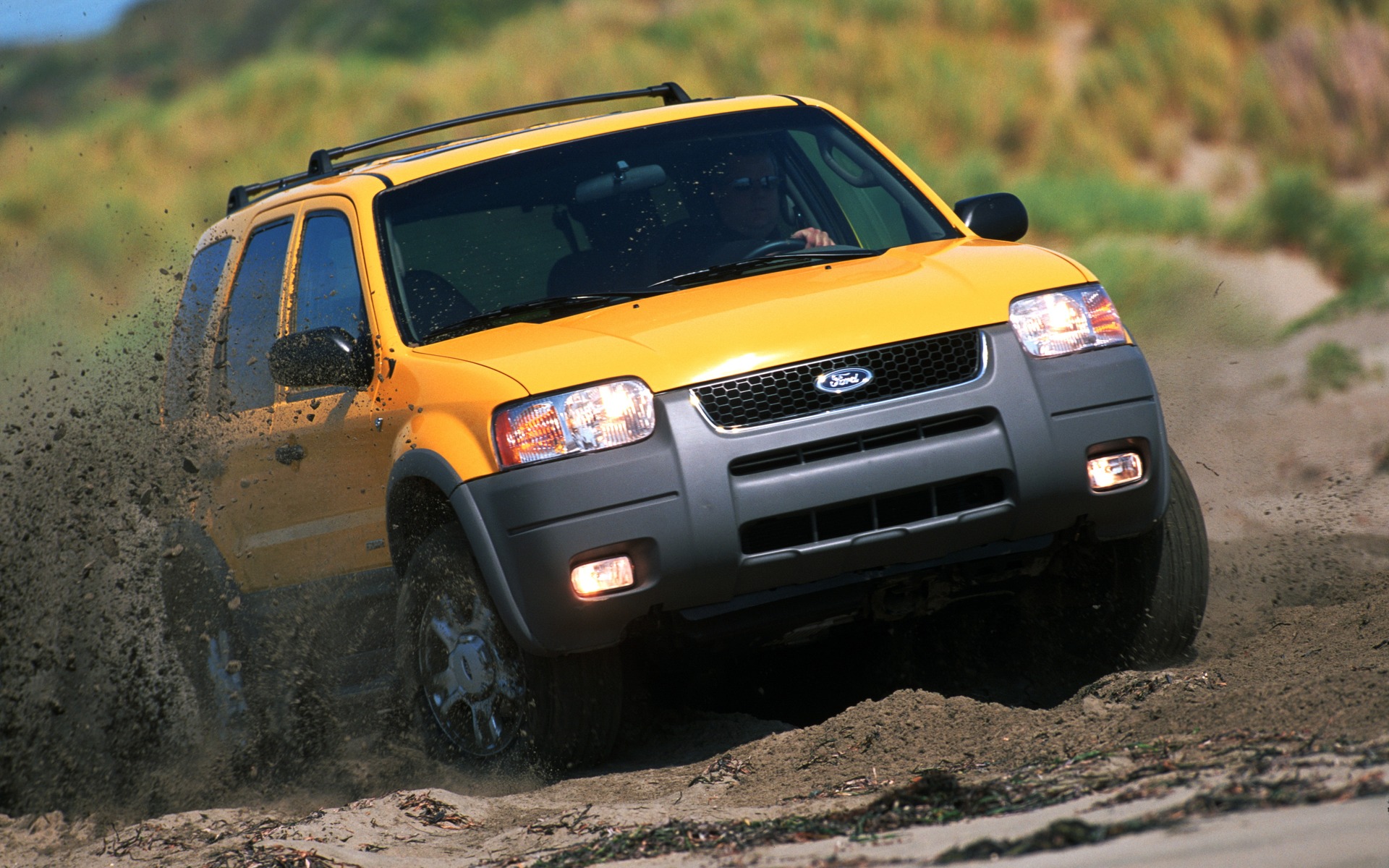
First and second-generation Ford Escapes are prone to fast rust development, particularly on rear quarter panels, wheel arches, door seams, and undercarriage components. These areas face extreme exposure to corrosion due to the combination of design weaknesses and Duluth’s harsh lakefront environment.
Thin body panels, inadequate seam sealing, and insufficient factory coatings make these vehicles more vulnerable to rust, while rear shock mounts can fail in severe cases, posing a significant safety risk.
Duluth’s climate accelerates corrosion. The heavy use of road salt in winter, coupled with high humidity from Lake Superior, creates a highly corrosive setting. Salt and moisture become trapped in wheel wells, rocker panels, and seams, encouraging rust to form from the inside out. Freezing temperatures worsen the damage, particularly in areas with limited protection.
Design and manufacturing factors compound the problem. Paint application inconsistencies and weak rust-proofing at critical points allowed water and salt to penetrate vulnerable spots, leading to rapid deterioration. Rear quarter panels and inner wheel arches are most affected, while underbody and suspension components face additional exposure.
To mitigate corrosion, owners must regularly clean the undercarriage, treat emerging rust promptly, and consider applying protective coatings or aftermarket rustproofing. Without these precautions, older Escapes can develop severe structural and cosmetic damage after just a few winters in Duluth’s challenging conditions.
For Duluth drivers, selecting a vehicle involves weighing performance, comfort, and long-term durability against the area’s corrosive conditions.
Vehicles like the Subaru Outback Wilderness, Toyota RAV4 Adventure/TRD Off-Road, Volvo XC90, Jeep Grand Cherokee, and Ford F-150 PowerBoost Hybrid offer reliability, traction, and versatility for lakefront drives, making them ideal for year-round adventures. These models handle gravel, sand, snow, and ice with confidence, ensuring both safety and comfort.
In contrast, older or lightly protected models, including pre-2017 Toyota Tacomas, pre-2016 Mazda 3s, Jeep Wranglers, early 2000s Mercedes C-Class, and early Ford Escapes, face rapid corrosion risks in Duluth’s salt-heavy environment.
For residents who prioritize longevity, awareness of these vulnerabilities is crucial. Regular maintenance, rustproofing, and careful cleaning can help mitigate damage, but choosing corrosion-resistant vehicles remains the most reliable strategy for enjoying Duluth’s beautiful lakefront roads without worry.
Also Read: 10 Cars That Look Stunning But Disappoint True Enthusiasts