
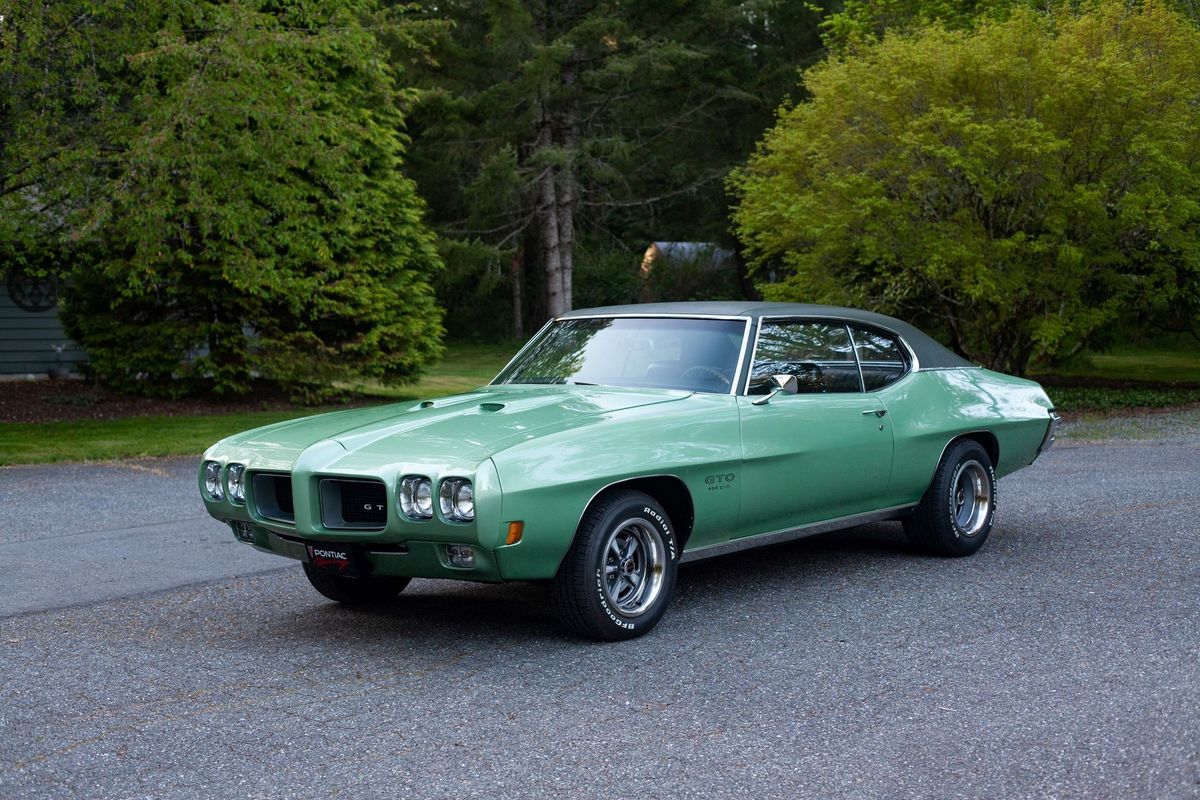
When people talk about classic muscle cars, horsepower often steals the spotlight, but torque is what truly defined the golden age of American performance.
Torque is the force that pins you to your seat, smokes the rear tires, and makes a car feel brutally fast even before the tach needle climbs. In the 1960s and early 1970s, Detroit engineers understood this well, building massive-displacement V8 engines that prioritized low-end and midrange grunt over high-rev theatrics.
For American buyers of the era, torque mattered more than numbers on a spec sheet. These cars were built for stoplight domination, highway passing, and effortless acceleration with minimal throttle input.
Big blocks, long strokes, and conservative cam profiles delivered enormous twisting force, often at surprisingly low rpm. Decades later, those torque figures still command respect, even in the age of turbocharged and electrified performance.
Below are 10 classic muscle cars with the highest torque output, focusing on factory-rated figures from the muscle-car era. These machines represent the peak of Detroit’s torque wars and remain icons of raw, mechanical power.
1. 1970 Chevrolet Chevelle SS 454 LS6
Torque: 500 lb-ft
The 1970 Chevelle SS equipped with the LS6 454 is widely regarded as the ultimate factory muscle car, and its torque figure explains why.
Chevrolet’s 454-cubic-inch big-block produced a staggering 500 lb-ft of torque, an almost unbelievable number for a naturally aspirated production car of the era.
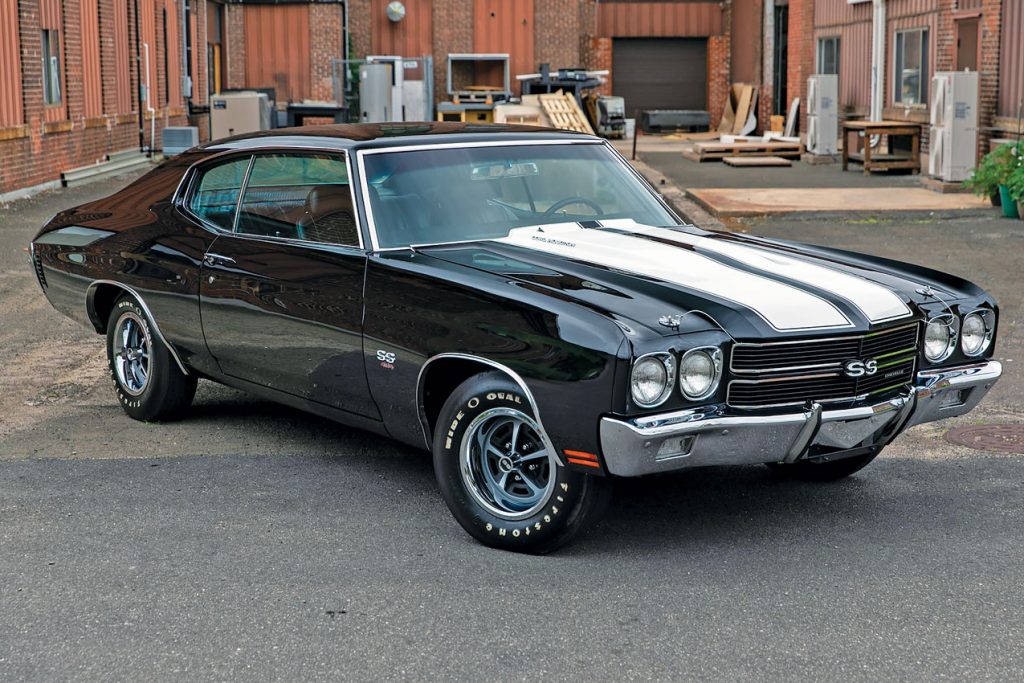
This torque arrived low in the rev range, giving the LS6 instant authority off the line. The Chevelle SS wasn’t just quick, it was violent.
On street tires, full-throttle launches were largely theoretical, as traction disappeared almost instantly. Even by modern standards, 500 lb-ft remains a benchmark many performance cars still struggle to reach.
Often regarded as the “King of the Muscle Cars,” the 1970 Chevrolet Chevelle SS 454 LS6 is one of the most desirable and legendary American performance cars ever produced. Only 4,475 Chevelles were factory-equipped with the SS 454 package and the potent LS6 engine, instantly making them rare even when new.
Chevrolet installed the LS6 across three Chevelle body styles, the coupe, the convertible, and the El Camino, but never officially documented how many of each received the high-output 454-cubic-inch engine.
Estimates vary, yet most experts agree that only around 20 to 25 LS6 convertibles are believed to exist today. That scarcity makes a well-preserved, numbers-matching 1970 Chevelle SS 454 LS6 Convertible an extraordinary find and solidifies it as the rarest Chevelle ever built.
This article was updated on 2024/04/30 to reflect the most current and accurate information available, along with a brief historical overview of the Chevelle lineup and additional context highlighting other rare Chevelle variants.
To ensure reliability, the data used was sourced from General Motors and respected references such as GM Heritage, MotorTrend, and the LS6 Registry.
The rarity of the 1970 Chevelle SS 454 is directly tied to the LS6 upgrade, which represented the pinnacle of Chevrolet’s muscle car engineering. For the 1970 model year, the Chevelle Super Sport was available in two configurations: the SS 396 (RPO Z25) and the SS 454 (RPO Z15).
Both versions featured a distinctive blacked-out grille and an SS badge in place of the traditional Chevrolet bowtie, which remained exclusive to the Malibu series and was omitted from the base Chevelle trim.
The centerpiece of the SS 454 was Chevrolet’s massive 454-cubic-inch V8, the largest engine the company had ever installed in a production passenger car at the time.
Buyers choosing the SS 454 could select between two engine variants: the standard LS5 or the upgraded LS6. While both engines used cast-iron blocks, the LS6 was built for higher performance with a more robust four-bolt main bottom end, compared to the LS5’s two-bolt main design.
Rated at a published 450 horsepower at 5,600 rpm and 500 pound-feet of torque at 3,600 rpm, the LS6 featured a 7.4-liter Mark IV V8 with a forged steel crankshaft, domed aluminum pistons, closed-chamber square-port cast-iron heads, and an aggressive 11.25:1 compression ratio.
One of the defining visual and functional features available on SS models was the special ducted hood option (RPO ZL2).
This setup included functional hood pins and locks and used a cowl-induction design to channel cool outside air directly into the LS6’s standard Holley four-barrel carburetor. That carburetor sat atop a Winters aluminum intake manifold, easily identified by its distinctive cast snowflake emblem.
Notably, 1970 was the only model year in which Chevrolet paired the LS6 with this specific Holley carburetor and aluminum intake. The LS5, by comparison, relied on a cast-iron intake manifold and a Rochester Quadra-Jet carburetor.
Transmission options further distinguished the LS6 as a serious performance machine. Buyers could choose between the heavy-duty Muncie M22 four-speed manual gearbox or the Turbo-Hydramatic TH400 three-speed automatic, both designed to handle the engine’s immense torque. The LS5 models, on the other hand, were fitted with lighter-duty transmission setups.
Additional insight into the LS6 comes from American Manufacturers Association (AMA) specification sheets dated October 15, 1969, which confirm that three 1970 Chevelle models were offered with the Turbo-Jet 454 LS6.
These included two five-passenger vehicles, the coupe (13637) and the convertible (13667), as well as the three-passenger El Camino (13680). The coupe rode on a 112-inch wheelbase, weighed approximately 3,999 pounds, and measured 76 inches in length.
Despite its official ratings, the LS6’s true output has long been believed to exceed Chevrolet’s published figures. During the height of the muscle car era, manufacturers often understated horsepower numbers to avoid drawing attention from insurance companies.
Also Read: Top 10 Used Jaguar Models That Won’t Ruin You With Repairs
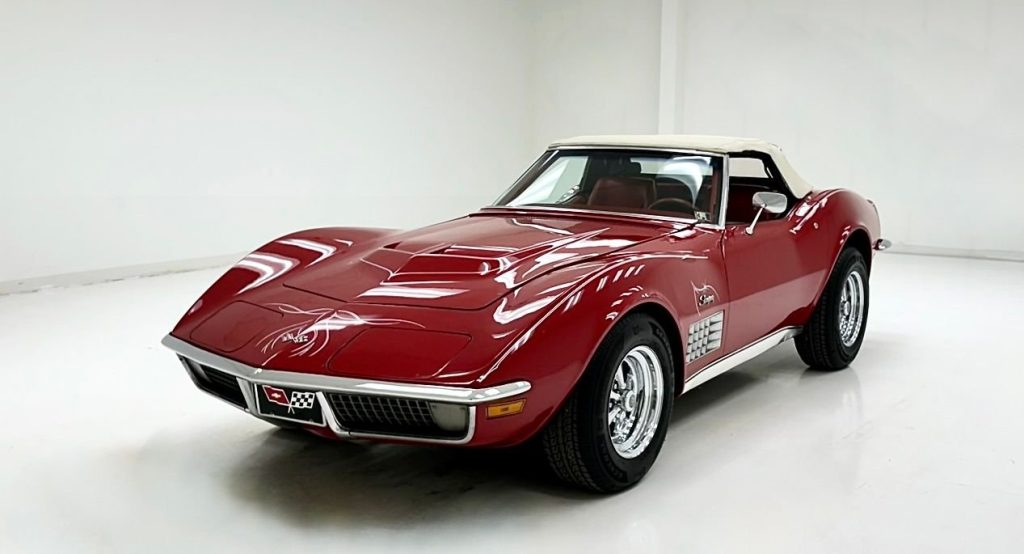
2. 1970 Chevrolet Corvette LS7 (Prototype/Dealer Installed)
Torque: 460+ lb-ft (estimated)
While never officially offered as a regular production option, the LS7-powered Corvette deserves mention due to its sheer torque potential. The all-aluminum 454 LS7 was designed for racing homologation and featured massive airflow capability.
Though factory torque figures varied depending on configuration, estimates place output well above 460 lb-ft. Had it reached full production, it would have redefined Corvette performance. Even in limited form, the LS7 represents Chevrolet’s most extreme big-block ambitions during the muscle era.
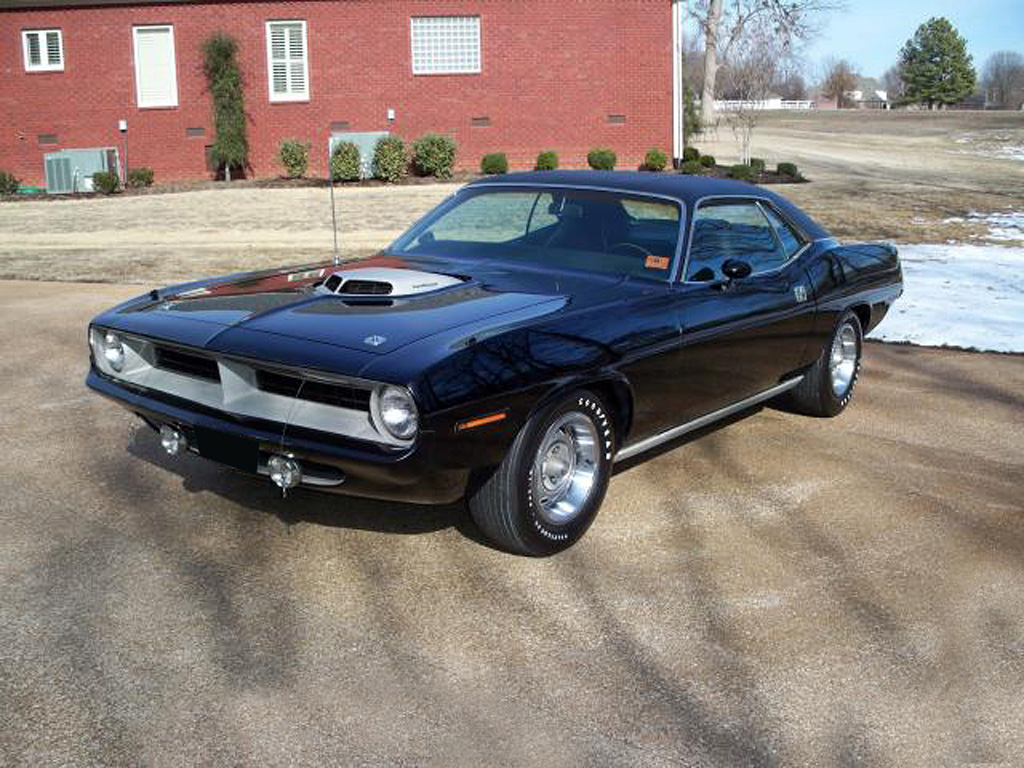
3. 1971 Plymouth Hemi ’Cuda
Torque: 490 lb-ft
The legendary 426 Hemi didn’t just make horsepower, it delivered monumental torque. In the 1971 Plymouth Hemi ’Cuda, the engine produced 490 lb-ft, making it one of the most forceful factory engines ever installed in a muscle car.
What made the Hemi special was how it combined high-end power with massive torque. The hemispherical combustion chambers allowed for efficient airflow, meaning the engine pulled hard across a wide rpm range. In real-world driving, the torque made the Hemi ’Cuda feel unstoppable, especially on the highway.
The 1971 Plymouth Cuda’s reputation as the definitive muscle car icon wasn’t born overnight. It was forged in the heat of intense competition, as Chrysler sought to outmuscle the Ford Mustang and Chevrolet Corvette.
With its aggressive styling and potent engine options, the Cuda quickly gained a loyal following, but it is the rare Hemi variant that truly sets the model apart.
Produced in extremely limited numbers, the 425-horsepower Hemi Cuda has become a holy grail for collectors. Its story is as fascinating as it is complex, blending ambition, engineering prowess, and a drive for dominance in the muscle car era.
As part of the third generation of the Barracuda line, the 1971 Plymouth Cuda burst onto the scene as Chrysler’s bold response to the Ford Mustang and Chevrolet Corvette during the height of the pony car era.
The Barracuda line, launched in 1964, had been Chrysler’s answer to the growing demand for vehicles that married style with performance.
By 1971, the Cuda shared its E-Body platform with the Dodge Challenger, combining aggressive aesthetics with powerful mechanicals that made it a formidable contender.
The 1971 Cuda was offered with several engine options, most notably the legendary 426 Hemi. While emissions regulations introduced that year forced a reduction in horsepower compared to earlier models, the Cuda retained enough performance and attitude to cement its status as an instant classic.
Its rarity added to its allure: only 114 Hemi Cudas were produced, making it one of the most sought-after muscle cars of all time.
The E-Body platform provided the 1971 Plymouth Cuda with the space and structural capability to house high-performance engines, solidifying its legacy as a muscle car icon. The 426 Hemi, producing a formidable 425 horsepower, represented the pinnacle of Chrysler’s performance engineering.
Beyond the Hemi, buyers could select from a range of engines, including the 340, 383, and 440 cubic inch options, catering to various performance levels and driving preferences.
While the introduction of emissions controls in 1971 slightly tempered performance metrics, the Cuda’s design and engineering ensured it remained a significant force in the muscle car landscape.
The Hemi Cuda, in particular, exemplifies the lasting impact of the model’s engineering excellence, combining raw power, aggressive styling, and mechanical sophistication in a way few contemporaries could match.
The 1971 Plymouth Cuda’s influence extends far beyond its era. Its combination of bold design, engineering ingenuity, and limited production numbers has left an indelible mark on automotive history, ensuring that the Cuda continues to be a highly prized collector’s item and an enduring symbol of American muscle car heritage.
4. 1970 Dodge Challenger R/T 426 Hemi
Torque: 490 lb-ft
Sharing its engine with the ’Cuda, the Challenger R/T delivered the same 490 lb-ft of torque in a slightly larger and heavier package. While marginally less agile than its Plymouth sibling, the Challenger offered long-wheelbase stability and brutal straight-line force.
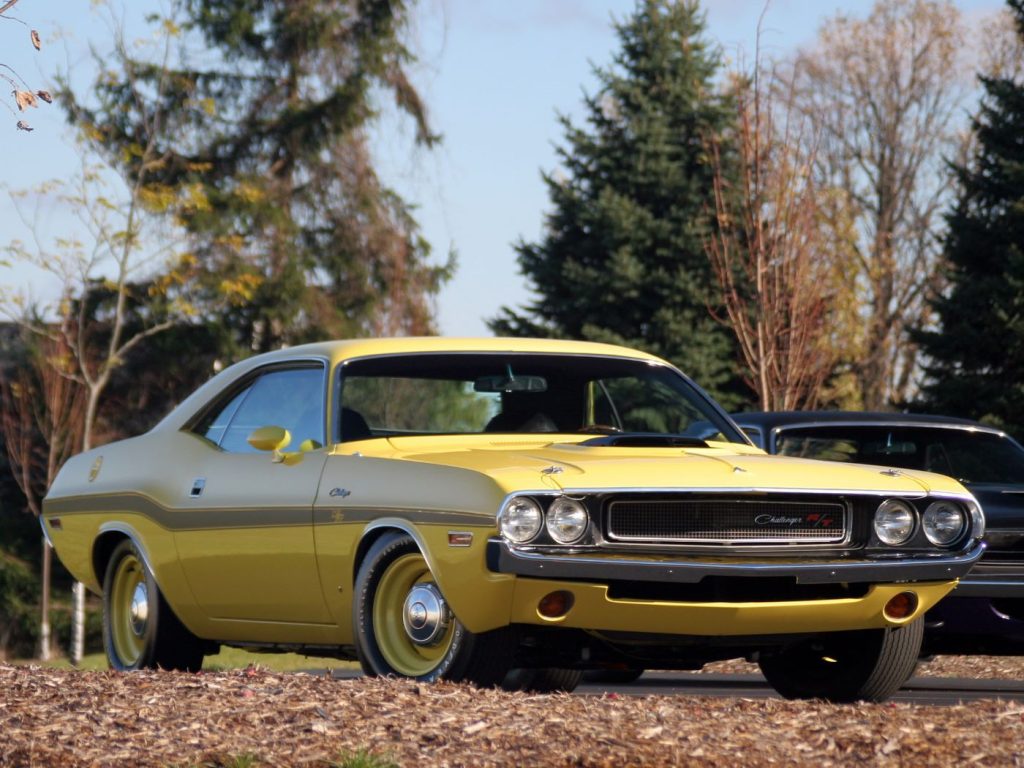
The Challenger R/T was designed for American roads, wide, fast, and unforgiving. Its torque output made passing effortless and acceleration relentless, cementing its reputation as one of Dodge’s most formidable muscle cars.
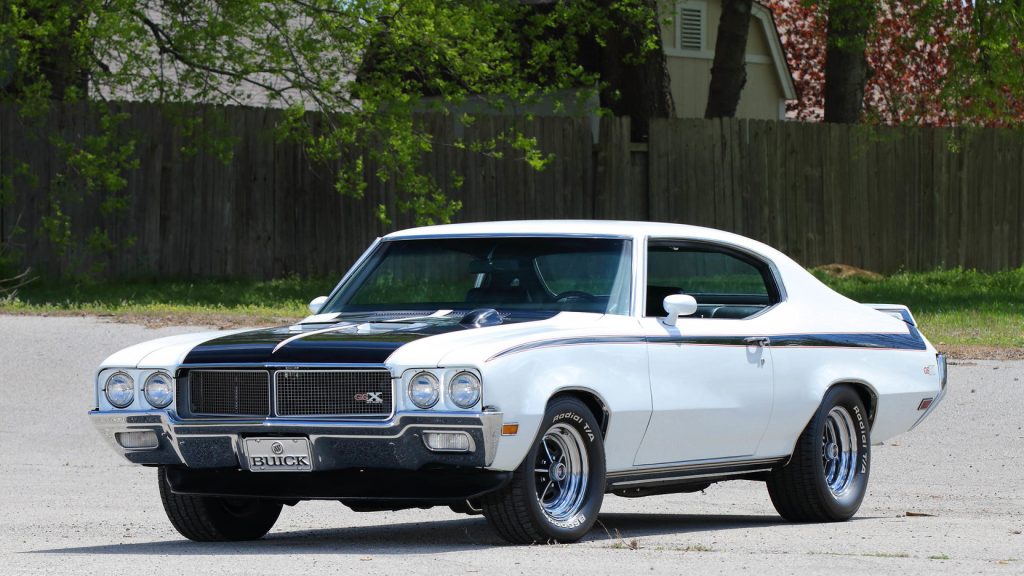
5. 1970 Buick GSX Stage 1
Torque: 510 lb-ft (gross, often underrated)
On paper, Buick rated its 455 Stage 1 engine at 510 lb-ft of torque, arguably the highest factory torque figure of the muscle-car era. Even accounting for optimistic gross ratings, the Buick 455 was a torque monster in every sense.
What set Buick apart was refinement. The GSX Stage 1 delivered its torque smoothly and quietly, making it deceptively fast.
In real-world street racing and highway pulls, few cars could match its relentless surge. Many enthusiasts still consider the Buick 455 the king of low-end torque among classic muscle engines.
6. 1970 Oldsmobile 442 W-30
Torque: 500 lb-ft
Oldsmobile’s 455 W-30 engine was another torque-focused masterpiece. Rated at 500 lb-ft, it emphasized immediate throttle response and massive low-speed pull rather than high-rpm fireworks.
The 442 W-30 was engineered for real-world performance, and its torque-heavy nature made it exceptionally quick in everyday driving. Whether launching from a stop or accelerating at highway speeds, the Olds delivered effortless force that rivaled even the most famous muscle cars of the time.
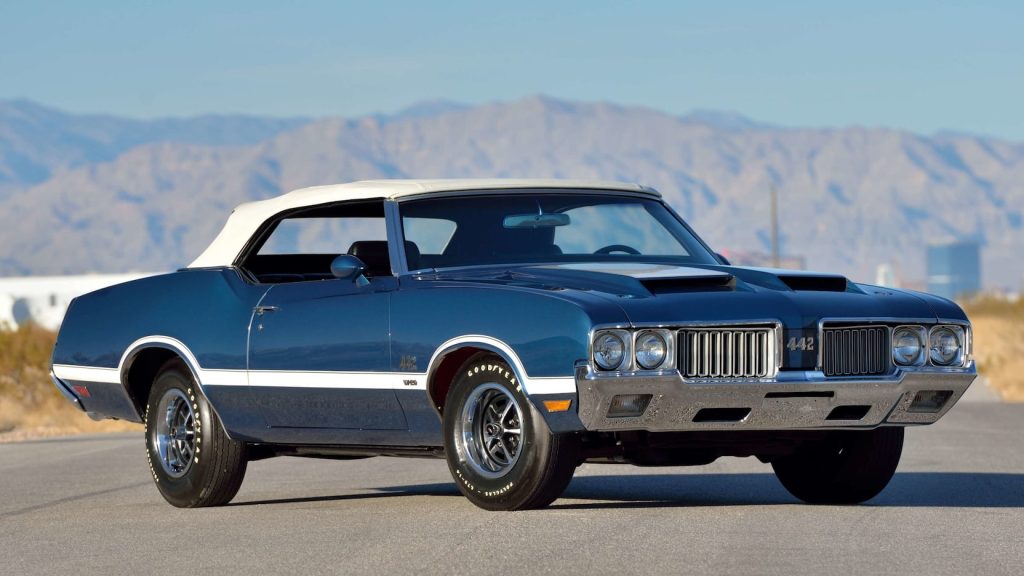
Oldsmobile’s 442 made its debut in 1964 as an option package for the F-85 and Cutlass, created directly in response to Pontiac’s wildly popular GTO.
The original name stood for “4-barrel carburetor, 4-speed manual, dual exhaust,” though interpretations evolved over time. By 1968, the 442 had grown into a standalone model, mirroring the GTO’s trajectory and signaling Oldsmobile’s ambition to secure a place in America’s muscle-car hierarchy.
The second-generation 442, built from 1968 to 1972, is widely regarded as the pinnacle of the series, arriving at the height of the horsepower wars. Built on GM’s A-body platform, it shared mechanical DNA with corporate cousins like the Chevelle SS, Pontiac GTO, and Buick GS.
For 1968, the 442 was promoted beyond a mere performance package to a distinct series within Oldsmobile’s lineup, available as a two-door coupe, sport coupe, or convertible. Its styling was sharp and aggressive, characterized by a semi-fastback roofline, bulging fenders, and quad headlights that defined late-’60s GM design language.
Under the hood, the standard engine was Oldsmobile’s 400 cubic inch V8, rated at 325 bhp and equipped with a Rochester Quadrajet four-barrel carburetor. Buyers could choose between a 3-speed manual, 4-speed manual, or the Turbo Hydra-Matic automatic transmission.
For performance enthusiasts, several option packages allowed the 442 to be highly configurable, with the potential to become one of the quickest muscle cars of its era when properly equipped.
The most celebrated of these packages was the W-30, first introduced in 1966 and carried into the second generation. By 1968, the W-30 included an uprated 400 cubic inch V8 with a hotter cam, improved cylinder heads, and a functional cold-air induction system feeding dual carburetors through under-bumper scoops.
Officially rated at 360 bhp, many believed the engine produced even more in reality. The package also included heavy-duty suspension, a low-restriction exhaust, and a performance axle ratio, making it a thoroughbred for straight-line and handling performance.
Visually, W-30 cars were identifiable by red inner fender liners and unique badging, and with only a few thousand built each year, these remain some of the most collectible 442s today.
Traction was a perennial concern for high-powered muscle cars of the era due to narrow tires and high torque outputs. Oldsmobile addressed this with the G80 limited-slip differential, available across the 442 lineup.
The Eaton-built Positraction unit allowed drivers to fully exploit the engine’s power, and in a W-30-equipped car, it was considered an essential companion to the performance package.
Combining aggressive styling, configurable performance, and thoughtful engineering, the second-generation 442 remains an enduring symbol of American muscle car excellence.
Also Read: 8 Cheapest Classic Pontiac Cars for Sale This Week
7. 1970 Pontiac GTO Judge 455
Torque: 500 lb-ft
Pontiac built its reputation on torque, and the 455-powered GTO Judge embodied that philosophy perfectly. With 500 lb-ft on tap, the engine prioritized usable street power over high-rev horsepower numbers.
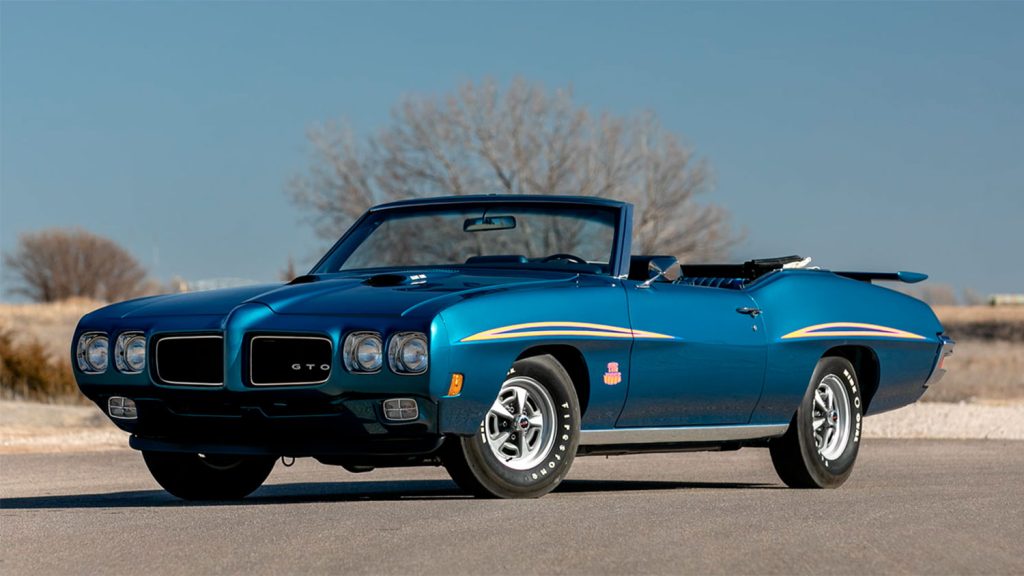
Pontiac engines were known for broad torque curves, and the 455 was no exception. The Judge delivered strong acceleration without drama, making it especially appealing to buyers who wanted muscle without sacrificing drivability.
8. 1970 Dodge Charger R/T 440 Six Pack
Torque: 490 lb-ft
While the Hemi often gets all the attention, the 440 Six Pack deserves just as much respect. Producing 490 lb-ft of torque, the triple-carbureted big-block delivered massive thrust with slightly better street manners than the Hemi.
In the Charger R/T, the 440 Six Pack provided brutal acceleration in a sleek, aerodynamic package. It was easier to live with, less expensive, and nearly as fast—making it a favorite among informed buyers during the muscle-car era.
The Dodge Charger didn’t start its life as a muscle car superstar. When it first appeared in 1966, it was an unusual fastback based on the Coronet platform, still searching for an identity. It wasn’t until 1968, with the introduction of the iconic “Coke-bottle” styling, that the Charger truly became a cultural icon.
Around this time, the R/T (Road/Track) badge, first used on the Coronet in 1967, migrated to the Charger, signifying high-performance models equipped with the 440 Magnum V8 and heavy-duty suspension.
By 1970, the Charger R/T had become the street racer’s choice, offering potent performance even for those who couldn’t or didn’t want to tackle the complexities of the 426 Hemi.
The star of the era was the engine, particularly the 440 Six-Pack, also known as the 440 Six-Barrel in Plymouth circles. Debuting in mid-1969 on Chrysler’s A12 Super Bee and Road Runner packages, the Six-Pack was the company’s answer to the demand for Hemi-level performance without the hefty price tag.
Featuring three two-barrel Holley carburetors on an Edelbrock aluminum intake, the 440 Six-Pack produced a gross 390 horsepower (395 PS) and a muscular 490 lb-ft (664 Nm) of torque.
It offered Hemi-level punch at a fraction of the cost and, theoretically, with less maintenance, though owners’ accounts of upkeep vary. While the 426 Hemi cost a staggering $648 (roughly $5,000 today), the Six-Pack was just $119 (around $930 today).
Despite its relative affordability, the Six-Pack-equipped Charger remained rare. Production numbers for the Charger fluctuated: over 17,000 units in 1968, just under 20,000 in 1969, and a sharp decline to 49,768 total units in 1970 due to rising insurance rates and shifting buyer preferences.
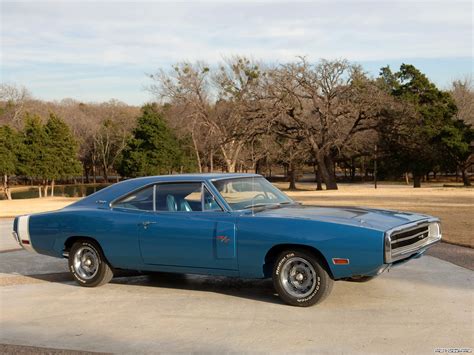
The 1970 numbers are particularly striking. Dodge built exactly 10,337 Charger R/Ts that year, of which 9,509 were fitted with the standard 440 Magnum four-barrel. Only 112 cars received the 426 Hemi, split evenly between automatics and four-speed manuals.
The exact number of 440 Six-Pack R/Ts is debated; while some sources claim just over 100, the Dodge Charger Registry lists 684 built in 1970, divided between 347 four-speed and 337 automatic units.
Regardless of the exact tally, any Six-Pack R/T is a rare machine, and the one featured here is restored to original condition, with only 4,897 miles showing on the odometer.
The 1970 Charger R/T came standard with the 440 Magnum, a 727 TorqueFlite automatic (or no-cost A833 four-speed manual), heavy-duty drum brakes, and the handling package. Its base price was $3,711, roughly $29,000 today.
Our featured car, finished in its factory-correct Burnt Orange, displays its age flawlessly, having survived a brush with the junkyard.
Unlike the romanticized barn-find narrative, this Charger’s history is well documented. Long before appearing in CARFINDER’s video in its current restomod-lite form, the car crossed the auction block at Barrett-Jackson Scottsdale in January 2011.
Originally sold at Faricy Boys Dodge in Colorado Springs, Colorado, this Charger was built for high-altitude performance. Its original window sticker lists a total price of $4,418.70 ($35,500 adjusted for inflation), notably higher than the R/T’s base MSRP, with the extra money invested in mechanical features rather than cosmetic extras.
It was optioned with the legendary 440 Six-Pack engine ($119.05), power-assisted brakes with front discs, and power steering, making it a serious machine for a serious driver. However, with its 3.23 rear gearing, it wasn’t aimed at dragstrip dominance, but rather balanced, all-around performance.
This 1970 Dodge Charger R/T 440 Six-Pack exemplifies the best of Mopar engineering from the muscle car golden era: aggressive styling, formidable performance, and a rare configuration that makes it a highly coveted collector car today.
9. 1970 Ford Torino Cobra 429 Super Cobra Jet
Torque: 450 lb-ft
Ford entered the torque wars with the 429 Super Cobra Jet, an engine designed for drag-strip dominance. Rated at around 450 lb-ft, it may seem modest compared to some GM figures, but Ford’s ratings were often conservative.
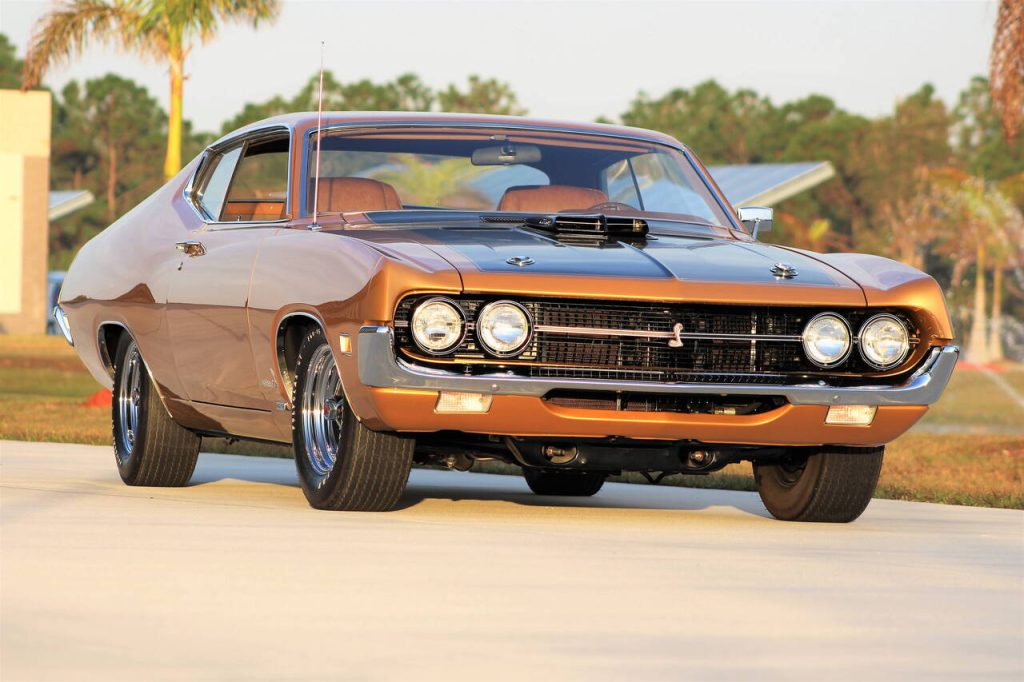
In practice, the SCJ delivered explosive midrange torque and outstanding quarter-mile performance. Installed in the Torino Cobra, it transformed Ford’s intermediate coupe into a serious threat on the street and strip.
10. 1971 AMC AMX 401
Torque: 430 lb-ft
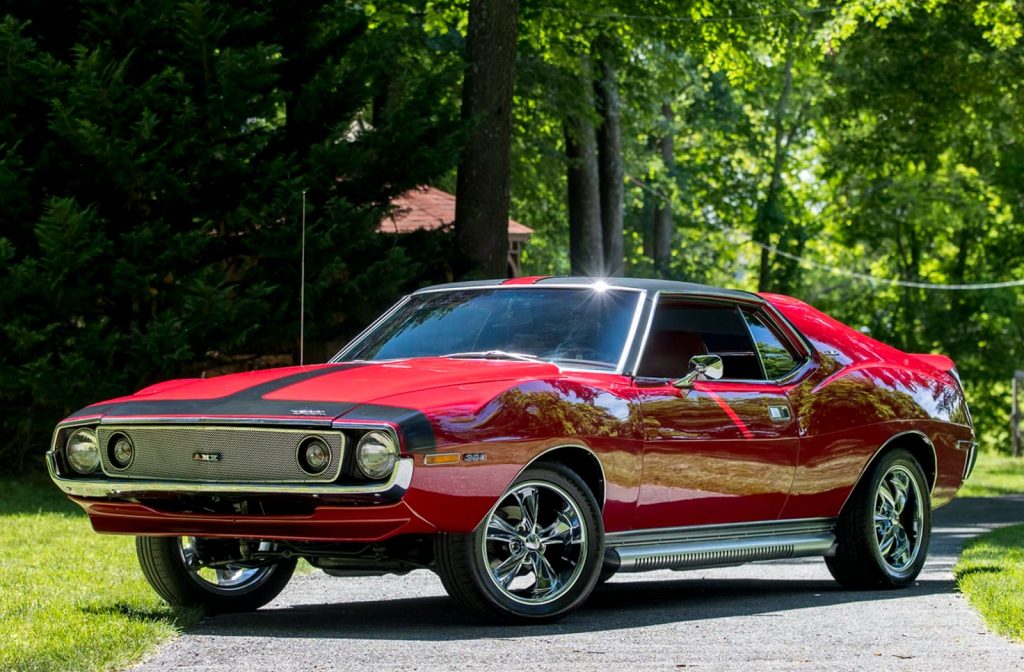
AMC rarely gets the recognition it deserves, but the 401 V8 was one of the most underrated torque engines of the muscle era. Producing 430 lb-ft, it offered impressive output from a smaller manufacturer with fewer resources.
The AMX was lighter than many competitors, allowing its torque to have an outsized impact on performance. Combined with AMC’s durable engine design, the 401-powered AMX delivered real-world speed that surprised many larger rivals.
Classic muscle cars weren’t built around racetrack lap times or top-speed bragging rights. They were engineered for instant gratification, press the pedal, feel the surge, and leave everything else behind. Torque made that possible.
These cars delivered power in a way that modern turbocharged or high-revving engines often cannot replicate emotionally. The deep exhaust note, the immediate shove, and the effortless acceleration are why torque-heavy muscle cars remain so revered today.
Even decades later, these machines stand as monuments to an era when displacement ruled, traction was optional, and torque was king.
