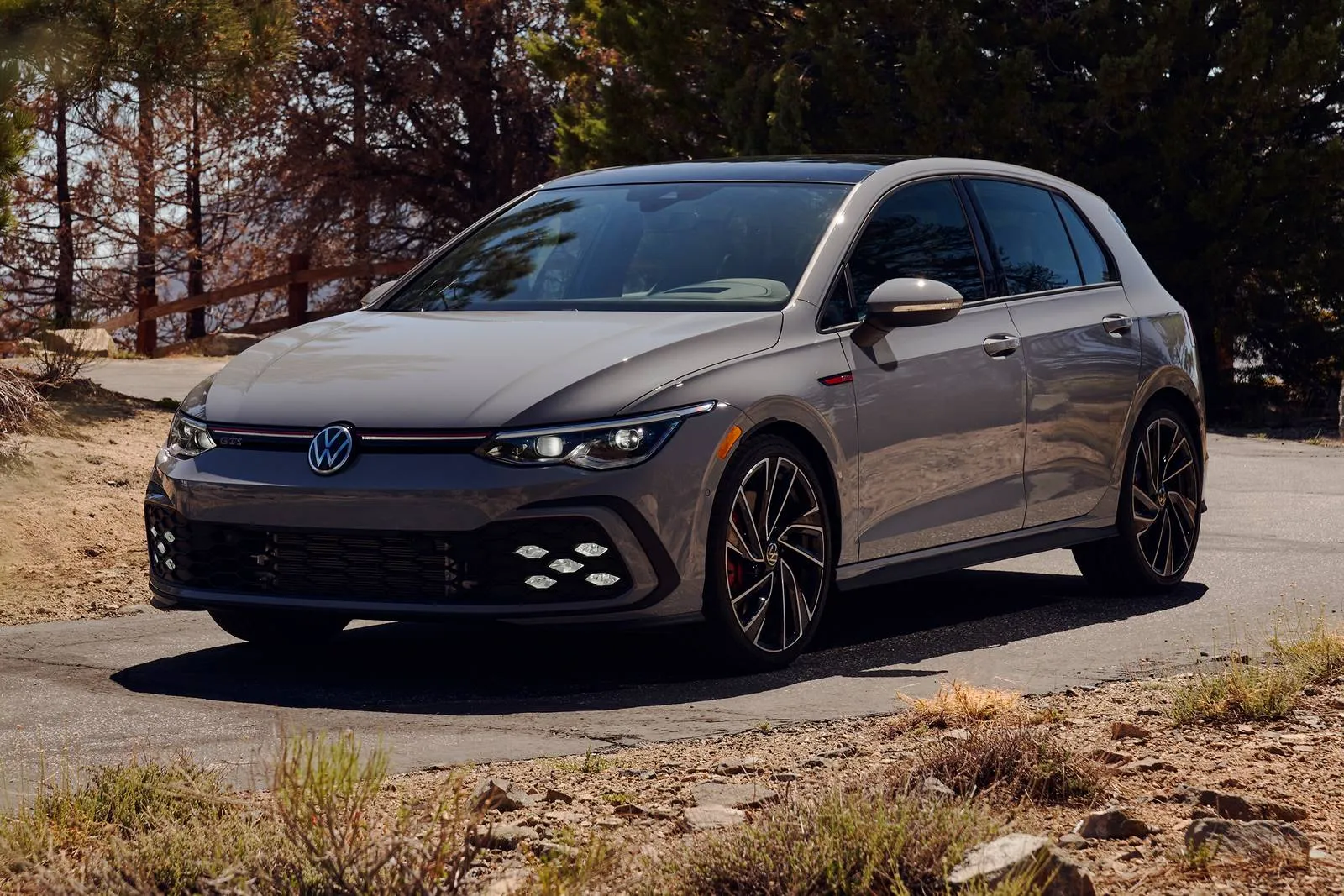
Pittsburgh is known for its steep hills, sharp turns, narrow bridges, and sudden elevation changes. Driving here is very different from flat cities. Cars need strong engines, good brakes, and reliable traction to handle daily climbs and descents.
Some vehicles handle these conditions easily, while others struggle with power, control, or stability. Here are five cars that work well for Pittsburgh’s challenging roads, followed by five that often struggle.
1) Subaru Outback
The Subaru Outback is one of the best vehicles for Pittsburgh’s unique driving conditions. With steep hills, sharp turns, and frequent weather changes, drivers need a car that feels stable, confident, and dependable every day.
One of the biggest strengths of the Outback is its standard all-wheel drive system. Power goes to all four wheels automatically, helping the car grip steep roads, wet pavement, and icy surfaces without slipping or struggling.
Pittsburgh drivers often face sudden elevation changes, and the Outback handles them smoothly. Its engine provides steady power that doesn’t feel strained while climbing hills or merging onto uphill highways, even with passengers inside.
The suspension system plays a big role in comfort and safety. It absorbs bumps well and keeps the car balanced when driving over uneven pavement, potholes, or bridge joints common throughout the city.
Braking performance is another strong point. The Outback’s brakes feel firm and controlled when driving downhill, helping drivers slow safely without feeling unstable or nervous on steep descents.
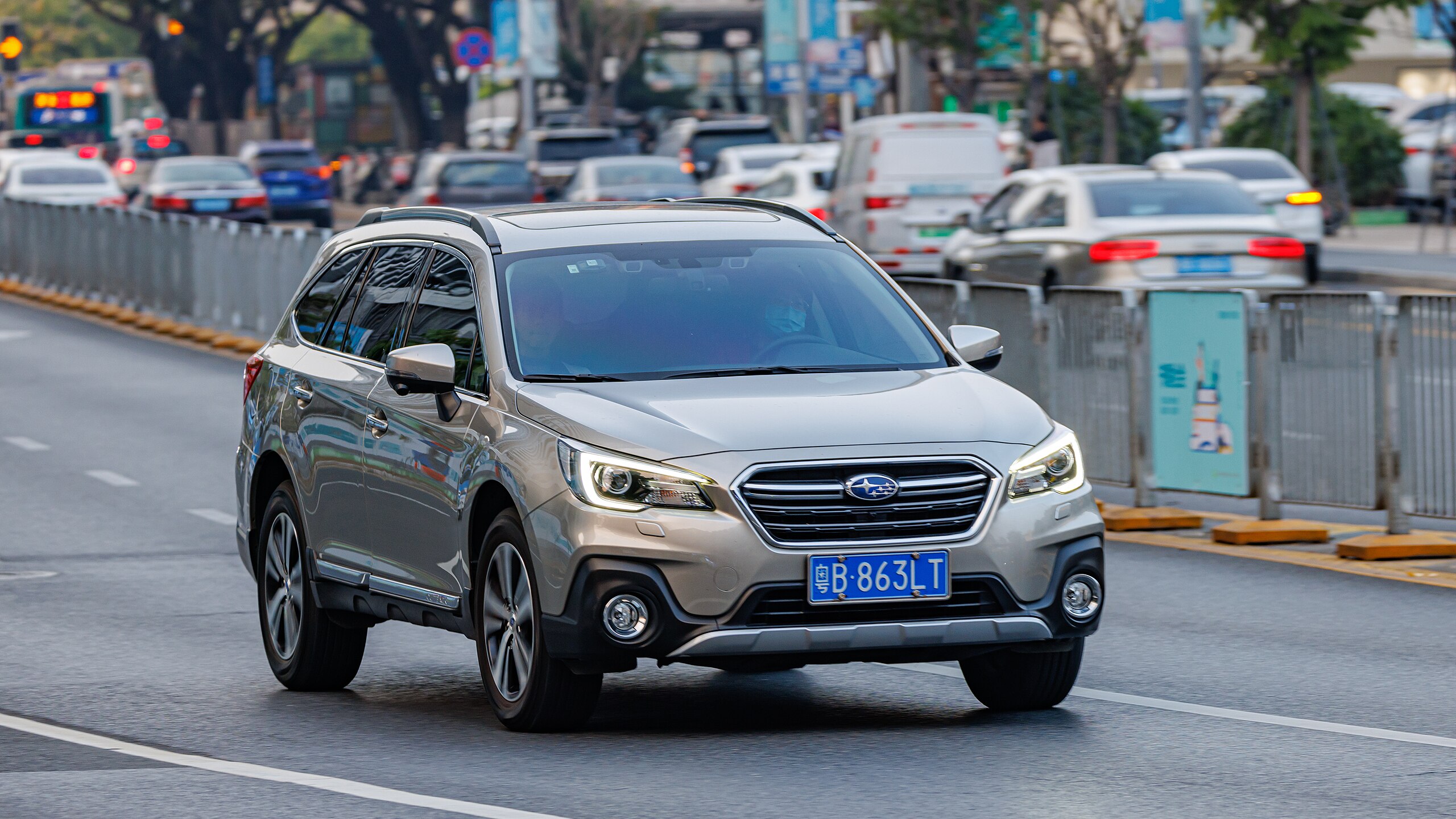
Ground clearance also gives the Outback an advantage. It sits higher than regular cars, allowing it to handle rough roads, snow buildup, and uneven surfaces without scraping the bottom or damaging components.
Pittsburgh weather can change quickly, especially in winter. The Outback handles rain, snow, and icy roads with confidence. Its traction control and stability systems work quietly to keep the car steady in bad conditions.
Inside, the cabin feels comfortable and secure. The seats provide good support during long uphill drives, and visibility is excellent, helping drivers spot curves, traffic, and pedestrians easily on narrow streets.
The Outback also balances strength with practicality. It offers good fuel efficiency for its size and plenty of cargo space, making it useful for daily commuting, shopping, or weekend trips around western Pennsylvania.
The Subaru Outback is an excellent choice for Pittsburgh drivers. Its strong grip, reliable performance, and confident handling make it one of the most dependable vehicles for hills, bridges, and unpredictable weather conditions.
2) Toyota RAV4 AWD
The Toyota RAV4 with all-wheel drive is a great choice for Pittsburgh’s hills and bridges. It feels strong when climbing steep streets and stays steady on wet or slick surfaces. Drivers feel confident in many weather conditions.
Its all-wheel drive system sends power to all four wheels when needed. This helps the RAV4 grip the road better during rain, snow, or icy patches. Traction is reliable, which reduces wheel spin and makes climbing hills easier and safer for drivers.
Engine power matters in hilly cities, and the RAV4 delivers. The engine provides smooth acceleration and strong performance going uphill. With enough power, it doesn’t feel strained even when carrying passengers or luggage, which many drivers appreciate.
Braking and stability are important on Pittsburgh’s steep bridges. The RAV4’s braking system works well on descending slopes, giving a steady feel. The suspension helps keep the vehicle balanced over bumps, uneven streets, and sharp turns found across the city.
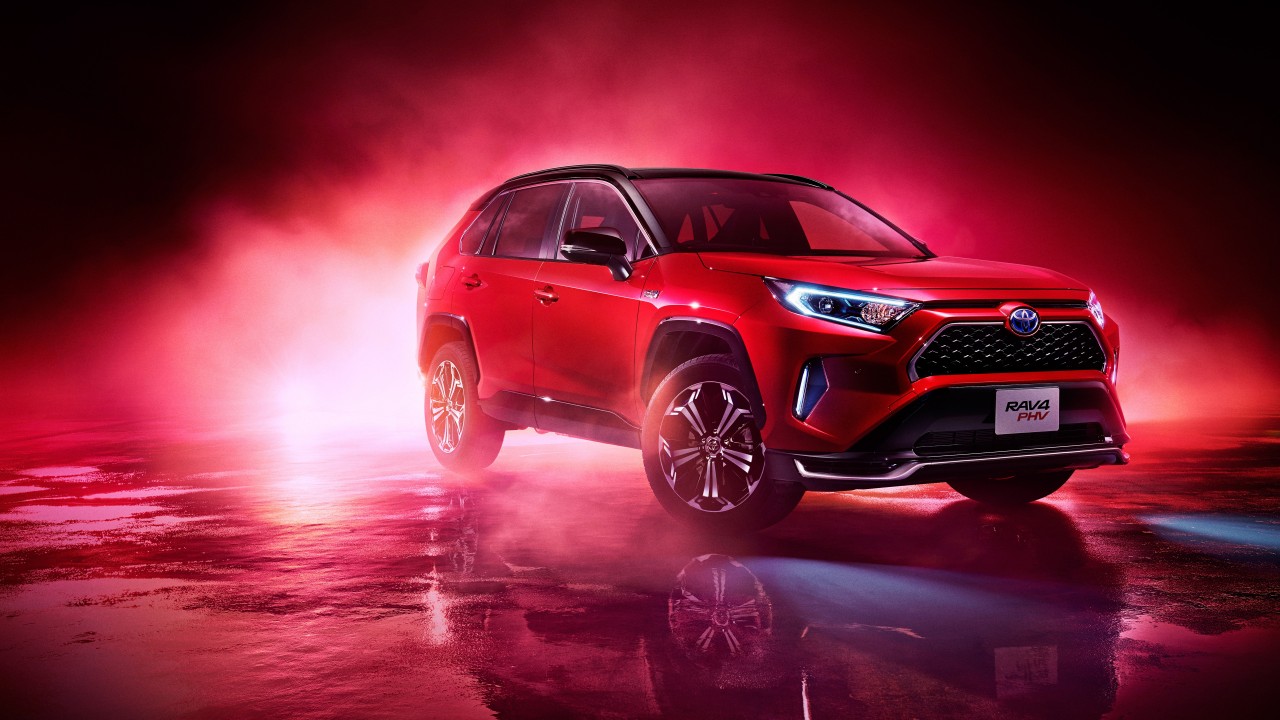
Inside, the cabin is comfortable and roomy. Seats are supportive for long drives, and visibility from the driver’s seat is clear. This makes it easier to see traffic, pedestrians, and road signs when busy roads or narrow streets.
The RAV4 also offers practical space for everyday tasks. There’s good cargo room for groceries, sports gear, or luggage. Families and commuters alike enjoy the flexibility and convenience the SUV provides in daily use.
Fuel efficiency is another benefit. Even with AWD, the RAV4 manages good mileage for its class. This helps reduce fuel costs for daily commuting, long trips, or winter travel through the hills and bridges of Pittsburgh.
The Toyota RAV4 AWD is a reliable and comfortable SUV. Its strong engine, confident handling, and dependable traction make it a smart choice for Pittsburgh drivers who face steep roads and varying weather conditions every day.
3) Honda CR-V
The Honda CR-V with all-wheel drive works well for Pittsburgh’s hills and bridges. It offers balanced power and steady traction, helping drivers climb steep streets without stress. Its calm handling makes daily driving easier in changing weather and road conditions.
The CR-V’s AWD system sends power to all four wheels when needed. This helps maintain grip on slippery surfaces like wet roads and light snow. On steep hills, it reduces wheel slip and gives drivers more control and confidence.
Under the hood, the CR-V has an engine that delivers smooth, consistent power. It doesn’t feel strained during uphill drives, even with family or cargo inside. This makes it suitable for both daily commute and weekend travel outside the city.
Braking and stability are important in Pittsburgh’s hilly terrain. The CR-V’s brakes feel responsive and steady when driving downhill. The suspension system helps absorb bumps and uneven patches, offering a comfortable ride over bridges and rough city streets.
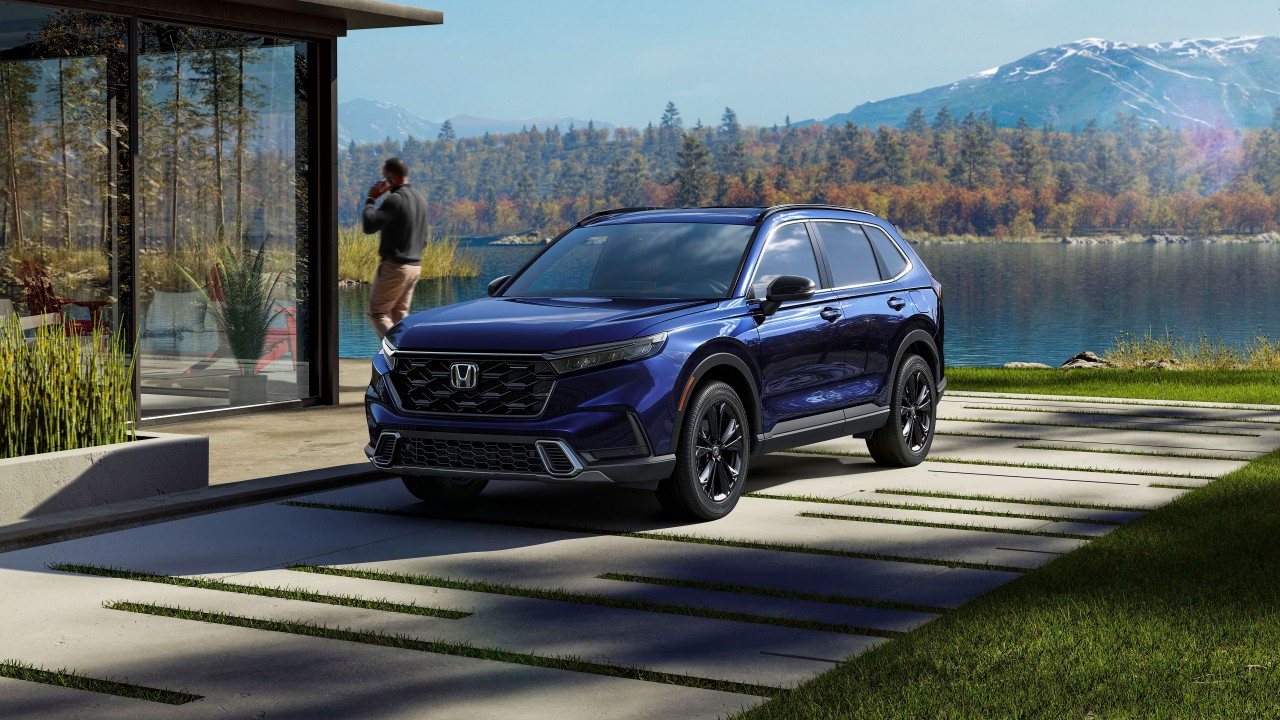
Inside the cabin, the CR-V feels roomy and practical. Seats are supportive for long trips, and the dashboard layout is easy to use. The driver has good visibility, helping spot road signs, pedestrians, and traffic around sharp curves.
Cargo space is generous in the CR-V, giving room for groceries, luggage, or outdoor gear. This makes it a versatile choice for families, commuters, and anyone who needs space plus everyday utility in a busy city.
Fuel efficiency is good for an AWD SUV. Even with all-wheel drive engaged, the CR-V offers respectable mileage. This helps reduce fuel costs while Pittsburgh’s hills, bridges, and frequent stop-and-go traffic.
The Honda CR-V AWD is a well-rounded SUV for Pittsburgh drivers. Its steady traction, smooth power delivery, and comfortable ride make it a dependable choice for tackling hills, bridges, and varied weather throughout the year.
4) Subaru Forester
The Subaru Forester handles Pittsburgh roads with confidence. Its all-wheel drive system gives strong grip on steep hills, wet roads, and snowy streets. The Forester feels stable and safe, making daily driving easier in changing weather and road conditions.
Ground clearance is a big advantage for the Forester. It sits higher than many cars, helping it clear bumps, rough pavement, and snow buildup. This extra height also gives drivers better visibility, especially on winding hills and narrow bridge entrances.
The engine provides smooth, steady power that doesn’t feel strained during uphill climbs. Even with passengers and cargo inside, the Forester maintains good momentum up steep streets, reducing stress for drivers during busy city travel.
Braking performance is solid and reliable. When descending hills or crossing bridges, the brakes feel controlled and steady. The suspension absorbs bumps well, helping the vehicle stay balanced over rough patches and uneven road surfaces common in Pittsburgh.
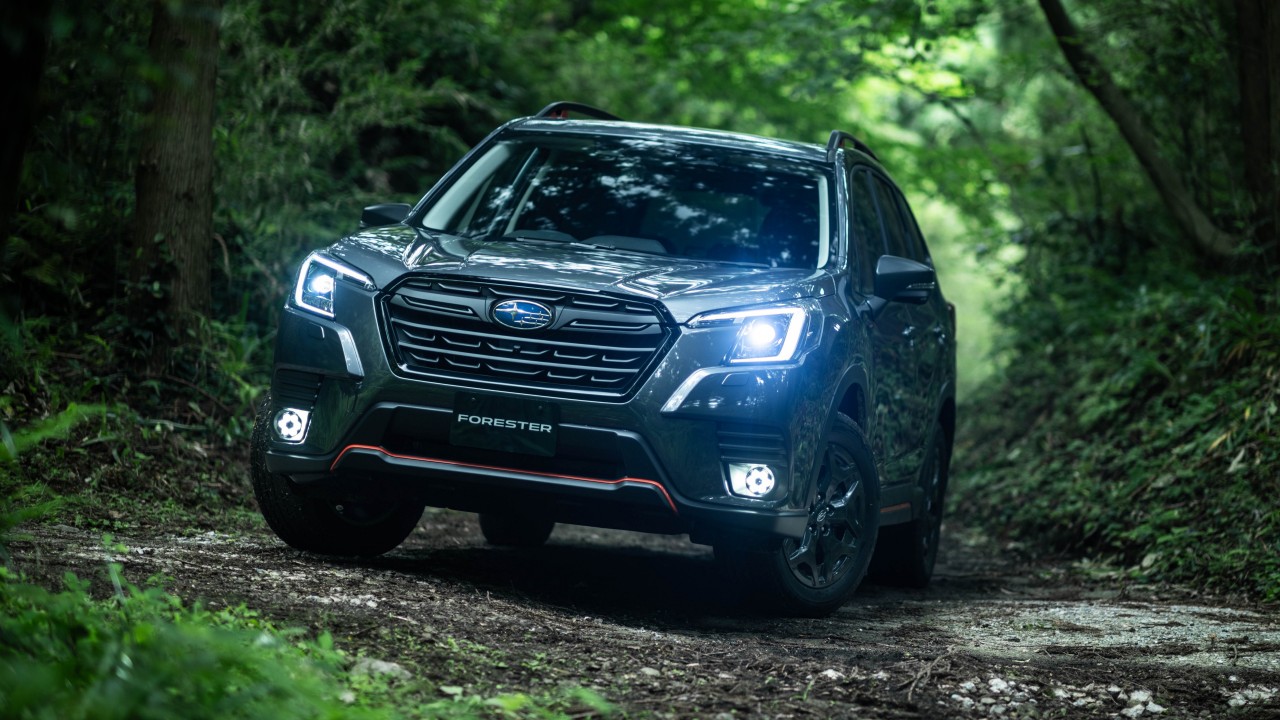
Inside, the Forester’s cabin feels roomy and comfortable. Seats offer good support, and controls are easy to reach and use. Drivers appreciate the clear view out the windshield and side windows, which helps with spotting turns and traffic ahead.
Cargo space is generous, letting drivers carry groceries, luggage, sports gear, or outdoor equipment. This makes the Forester practical for weekend trips, errands, and daily commuting across the city’s hills and bridges.
The Forester also performs well in winter weather. Its AWD system works with traction control to maintain grip on icy or snowy roads. This boosts driver confidence and safety when conditions are uncertain or slippery.
The Subaru Forester is an excellent choice for Pittsburgh drivers. Its strong grip, higher ground clearance, smooth power, and dependable handling make it reliable for hills, bridges, and diverse weather all year round.
5) Toyota Highlander
The Toyota Highlander is a solid choice for Pittsburgh’s hills and bridges. Its powerful engine helps the SUV climb steep streets with ease. The Highlander feels steady and confident, giving drivers comfort on long drives and daily hills.
All-wheel drive is available on the Highlander, adding extra traction when roads are slippery from rain, snow, or ice. This system sends power to the wheels with the most grip, helping the SUV stay stable on inclines and winding roads.
The Highlander’s suspension is tuned for comfort and control. It absorbs bumps, rough pavement, and bridge joints well. This makes rides smoother over uneven surfaces, helping drivers feel relaxed instead of shaky during hill climbs and descents.
Brakes play a key role on Pittsburgh’s steep slopes. The Highlander’s braking system delivers firm and controlled stopping power. This helps drivers feel secure when going downhill, especially during busy traffic or in bad weather.
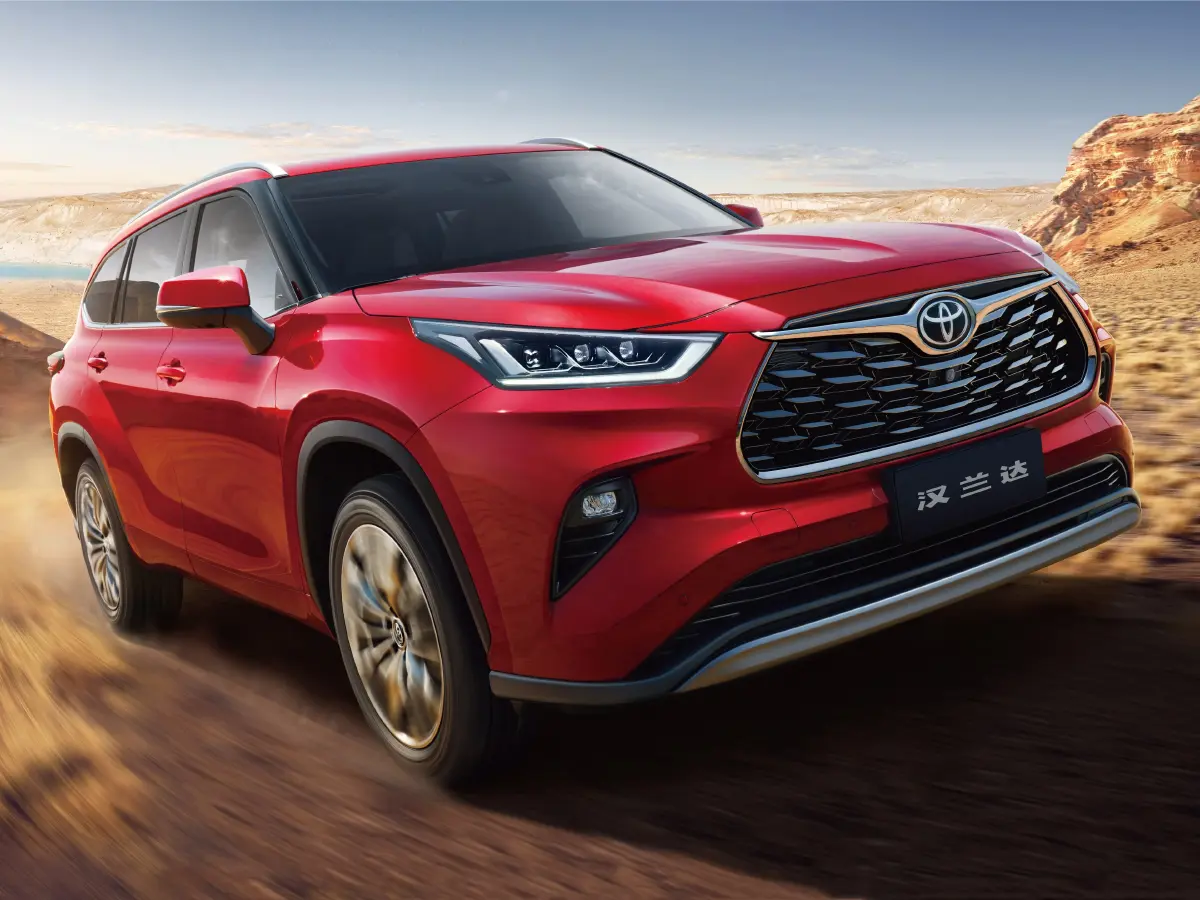
Inside, the Highlander offers a spacious, well-designed cabin. Seats are supportive for long trips and daily commuting. The good visibility from the driver’s seat makes it easier to see road signs, pedestrians, and other vehicles on narrow roads.
Cargo space is generous, giving room for luggage, groceries, and gear for weekend outings. Families and commuters alike enjoy the flexibility and comfort this SUV provides for both short drives and longer trips across the region.
Fuel efficiency for its size is respectable, especially compared to larger SUVs. Even with all-wheel drive engaged, the Highlander manages decent mileage, helping reduce fuel costs during daily travel through hills and bridges.
Cars That Struggle in Pittsburgh
Pittsburgh is a tough city on cars, there’s no way around it. Between brutal winters, steep hills, cratered potholes, and stop-and-go traffic squeezed into narrow streets, not every vehicle is built to survive here, let alone thrive.
Some cars scrape their undersides on every incline, others spin helplessly on icy roads, and a few simply can’t handle the wear and tear this city dishes out year after year. This article breaks down the types of cars that struggle most in Pittsburgh, so if you live here, or are thinking about moving, you’ll know which vehicles are more headache than help in the Steel City.
1) Nissan Versa
The Nissan Versa often finds Pittsburgh’s hills and bridges challenging. Its small engine lacks strong power, making steep climbs feel slow and strained. Drivers may notice the car working hard just to keep speed when going uphill in busy city traffic or rain.
Because the Versa has a lighter engine, it can feel underpowered on long inclines. This makes merging onto uphill roads or passing slower vehicles harder. Drivers may need to push the accelerator more, which can feel less smooth than larger or stronger cars.
Traction on wet or slippery surfaces is another concern. The Versa’s front-wheel drive system doesn’t grip steep, slippery hills as confidently as all-wheel drive vehicles. In rain or light snow, this can make starts on hills feel unstable or slow.
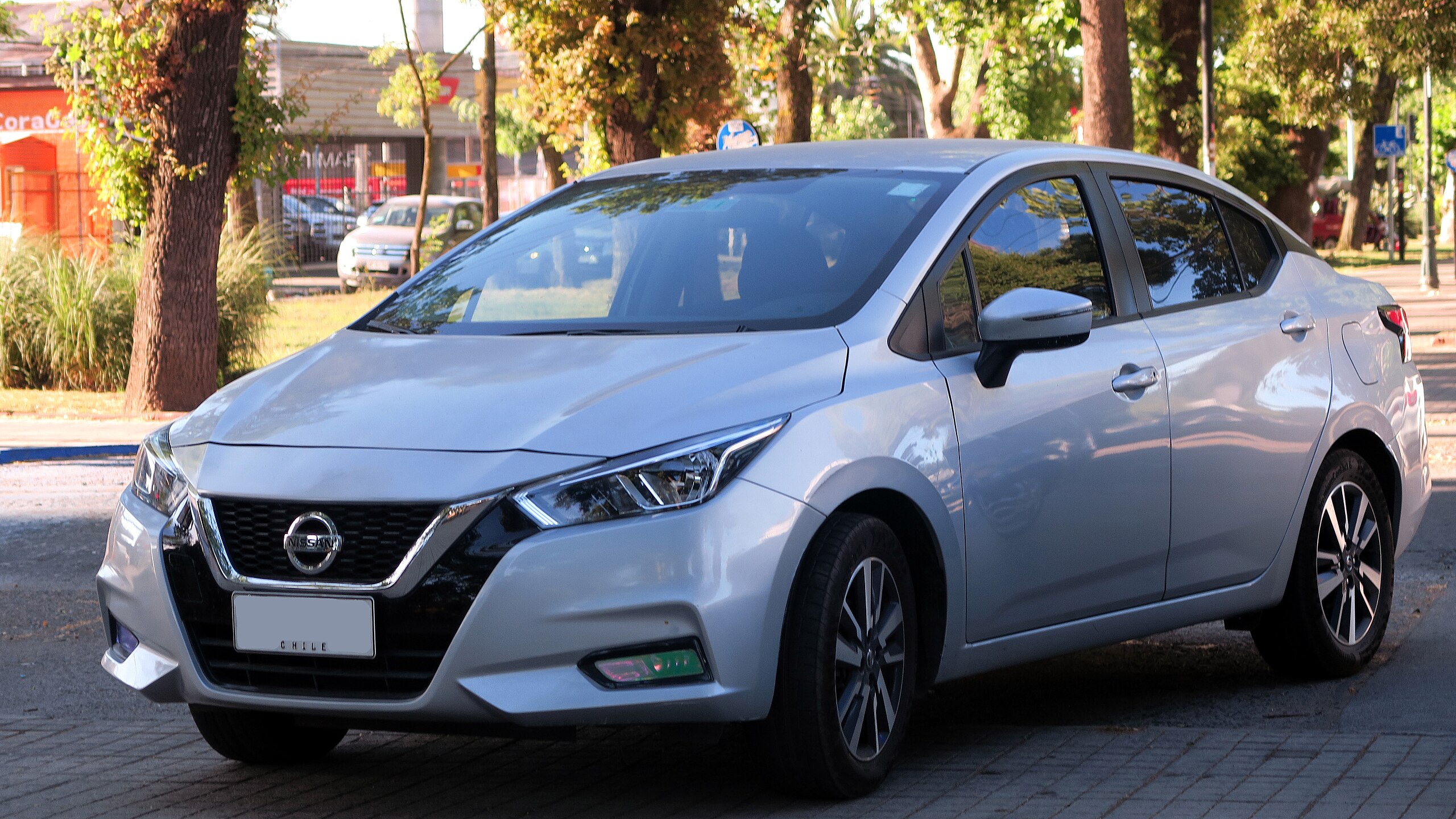
Braking on hills also feels less confident. When descending steep streets or crossing bridges, the brakes may feel softer than expected. This can make some drivers uneasy, especially in heavy traffic or bad weather when stronger braking feels safer.
The suspension is tuned more for fuel economy than comfort on rough roads. This can lead to a bouncier ride over potholes, uneven pavement, or bridge gaps, making the ride feel less smooth on Pittsburgh’s varied surfaces.
Inside, space and comfort are basic. Seats feel simple, and visibility can feel less commanding than taller SUVs. While the cabin is functional, it lacks the elevated driving position that many drivers prefer when steep hills and tight streets.
2) Chevrolet Spark
The Chevrolet Spark often struggles on Pittsburgh’s steep hills and bridges. Its small engine has limited power, making uphill driving slow and tiring. When the road rises quickly, the car can feel strained and less confident going forward.
Because the Spark weighs less and has a small engine, it can feel weak on long inclines. Drivers may need to push the accelerator harder, which doesn’t always help the car gain speed easily. This makes climbing hills less smooth and more stressful.
Traction on slippery or wet roads is also limited. Front-wheel drive alone can struggle on rainy, icy, or snowy pavement. On steep grades, the Spark may lose grip, making starts and turns feel unstable or slow.
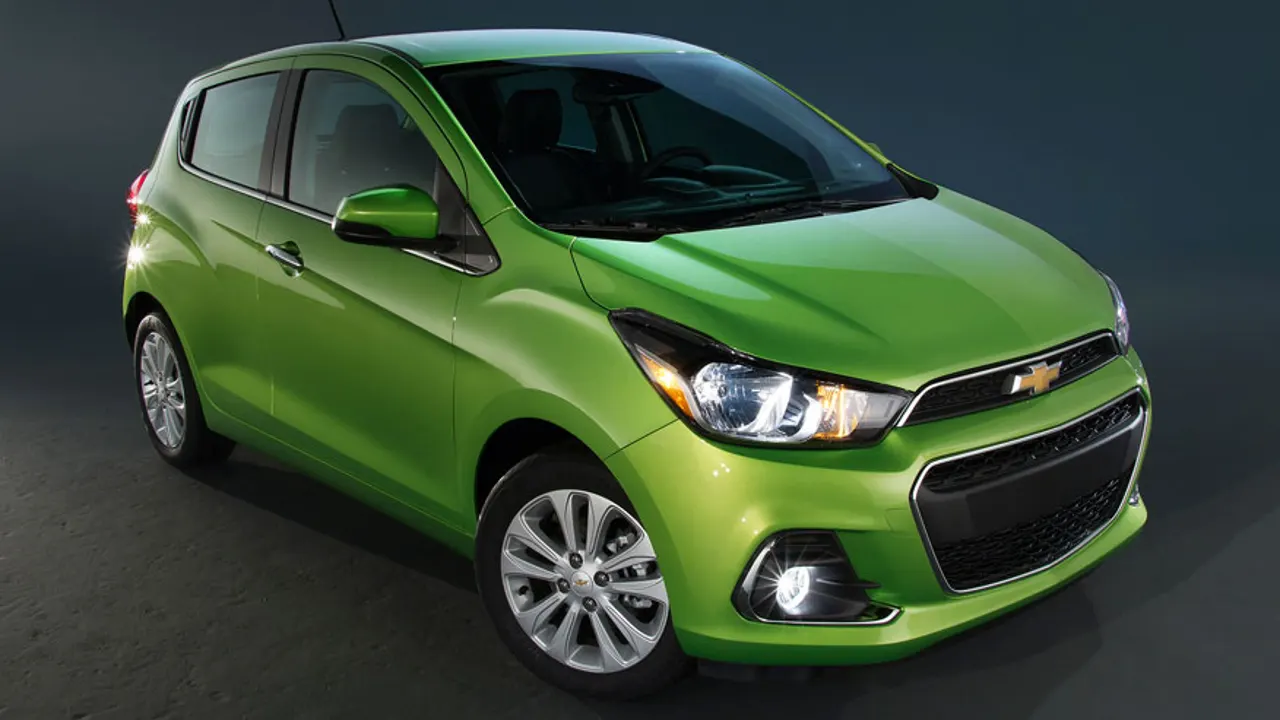
Braking performance on steep descents isn’t as strong as bigger cars. When going downhill or over bridge slopes, the brakes may feel less controlled. This can make drivers feel uneasy, especially in busy traffic or sudden weather changes.
The suspension is soft and tuned for city streets, not rough terrain. On uneven pavement, potholes, and bridge joints, the ride can feel bouncy and less comfortable. Drivers might notice more road noise and vibration inside the cabin.
Inside, the Spark’s space is tight. Seats are simple, and overall room is limited, which can make long drives less comfortable. Visibility is fair, but the low driving position doesn’t give a commanding view of steep hills or tight turns.
Cargo space is small, too. There’s enough room for light errands, but not much for larger items or weekend gear. This makes the Spark less practical for families or drivers who carry bigger loads.
3) Mitsubishi Mirage
The Mitsubishi Mirage struggles on Pittsburgh’s steep hills and bridges. Its very small engine lacks power, making uphill driving slow and noisy. The car often feels strained when climbing even moderate slopes.
Acceleration is limited, especially when carrying passengers or cargo. Merging onto uphill roads or maintaining speed on long climbs can feel difficult. Drivers may need to press the accelerator hard just to keep moving smoothly.
Traction is another concern. The Mirage uses front-wheel drive only, which can struggle on wet or icy hills. Starting from a stop on steep roads may cause wheel slip, reducing confidence in bad weather.
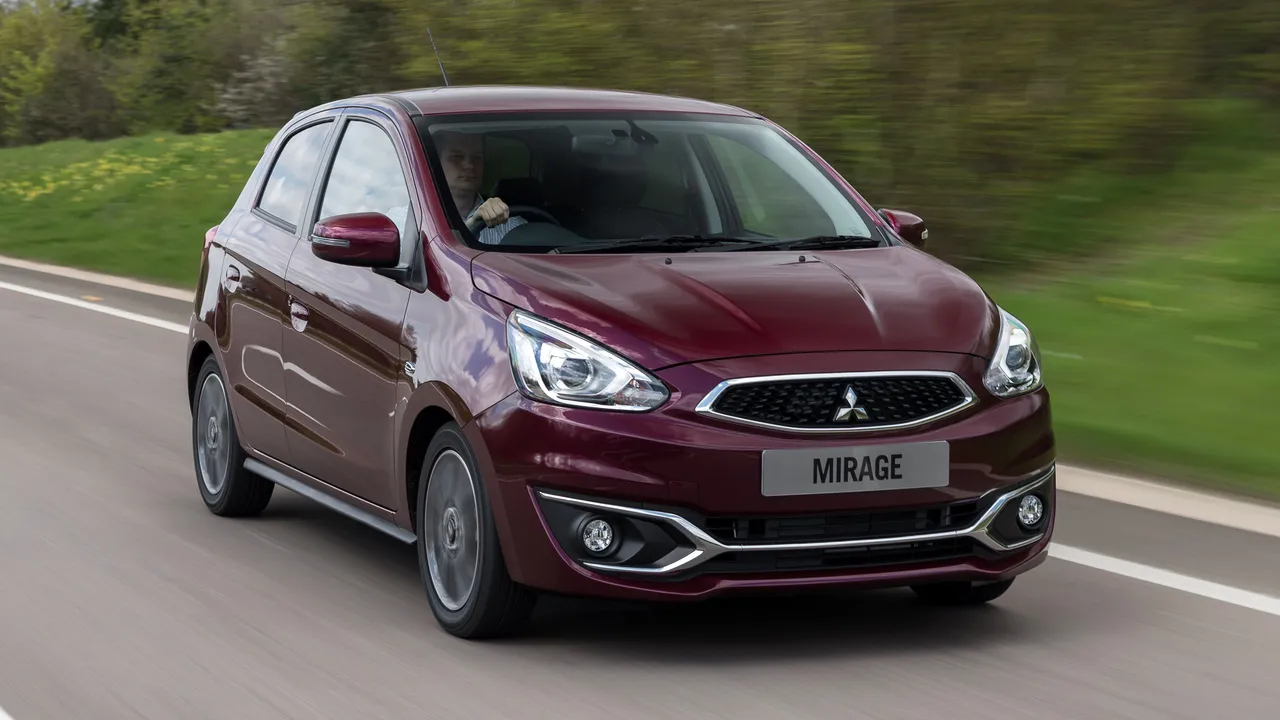
Braking performance feels light compared to larger vehicles. When going downhill, the brakes may feel less reassuring, especially on long slopes or sudden stops. This can make drivers more cautious on steep descents.
The suspension is designed for flat city roads, not rough terrain. Bumps, potholes, and bridge joints are felt more clearly, making the ride less comfortable on Pittsburgh’s uneven streets.
Interior space is also limited. The cabin feels narrow, and the seating lacks strong support for longer drives. Visibility is acceptable, but the low driving position doesn’t help when approaching steep hills or sharp curves.
Cargo space is minimal, making it harder to carry larger items or groceries. This limits the car’s usefulness for families or people who need extra storage for daily tasks.
4) Hyundai Accent
The Hyundai Accent struggles on Pittsburgh’s steep hills and bridges. Its small engine doesn’t provide enough power for confident uphill driving. When roads climb sharply, the car often feels strained and slow to respond.
Acceleration is limited, especially when carrying passengers or climbing long inclines. Drivers may need to press the accelerator hard just to maintain speed, which can make driving feel tiring and less controlled on busy roads.
Traction is also a concern in wet or snowy conditions. The front-wheel-drive system can lose grip on steep hills, making starts more difficult. This can cause hesitation and reduced confidence in bad weather.
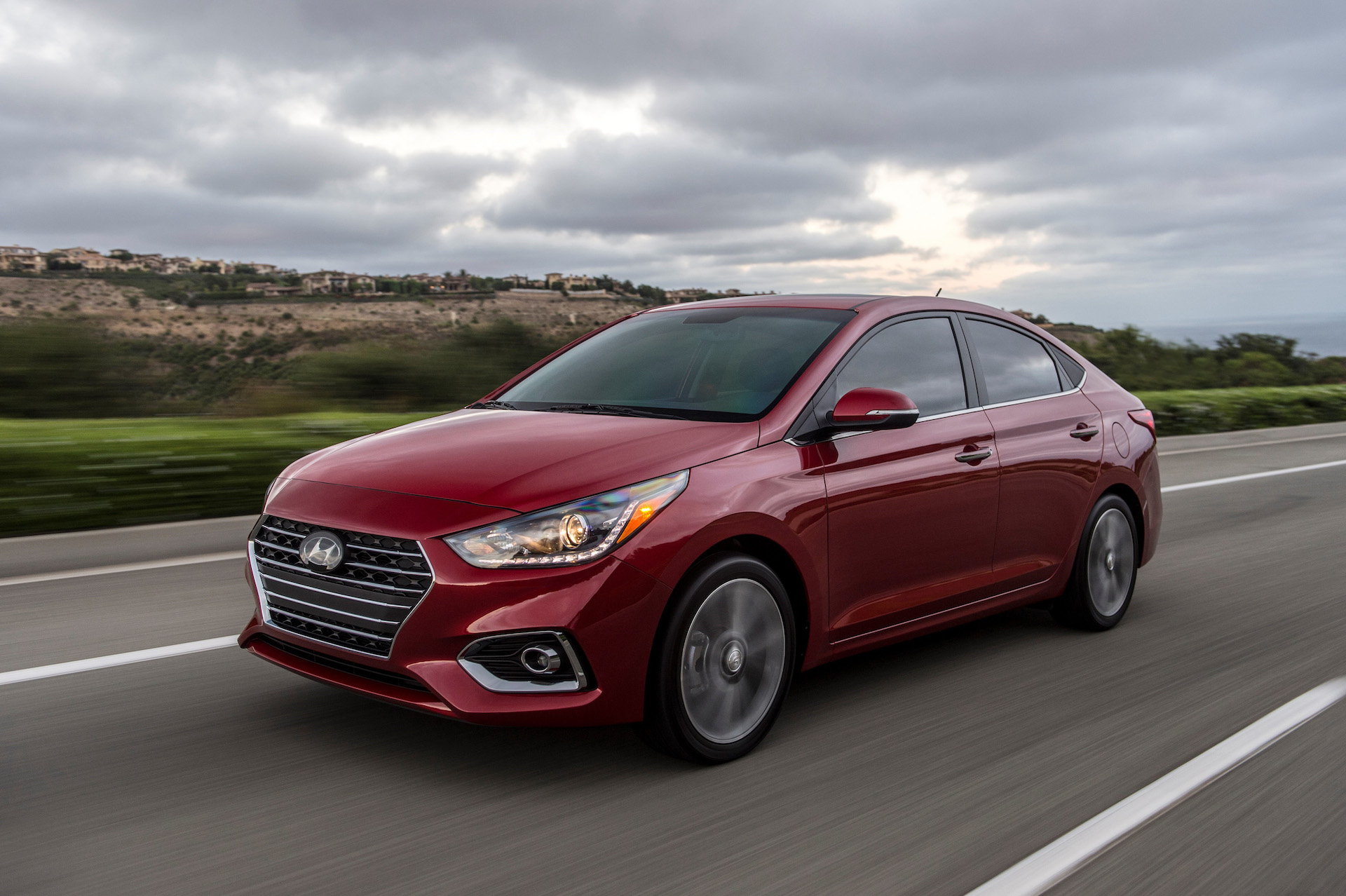
Braking performance feels modest when descending hills. On longer slopes, the brakes may feel weaker and require more pressure, which can be uncomfortable for drivers tight turns or traffic-heavy areas.
The suspension is tuned for comfort on flat streets, not uneven terrain. On potholes, bridge joints, and rough pavement, the ride can feel bouncy and unsettled, especially at lower speeds.
Inside, the cabin is basic and somewhat narrow. Seating support is limited, and visibility is average. The low driving position makes it harder to judge road angles on steep hills and curves.
Cargo space is also limited. While fine for groceries or short trips, it lacks the flexibility needed for larger loads or family use in hilly regions.
5) Kia Rio
The Kia Rio struggles on Pittsburgh’s steep hills and bridges. Its small engine doesn’t deliver enough power for climbing, making uphill drives feel slow and strained, especially when carrying passengers or driving in heavy traffic.
Acceleration is limited, which makes merging onto uphill roads difficult. Drivers often need to press the gas harder just to maintain speed, causing the engine to feel loud and overworked during climbs.
Traction can also be an issue in rain or light snow. The front-wheel-drive system has trouble gripping steep surfaces, leading to wheel spin and reduced confidence when starting on inclines.
Braking performance feels average on flat roads but less reassuring on steep descents. When traveling downhill, the brakes may feel softer, requiring extra attention to maintain safe control.
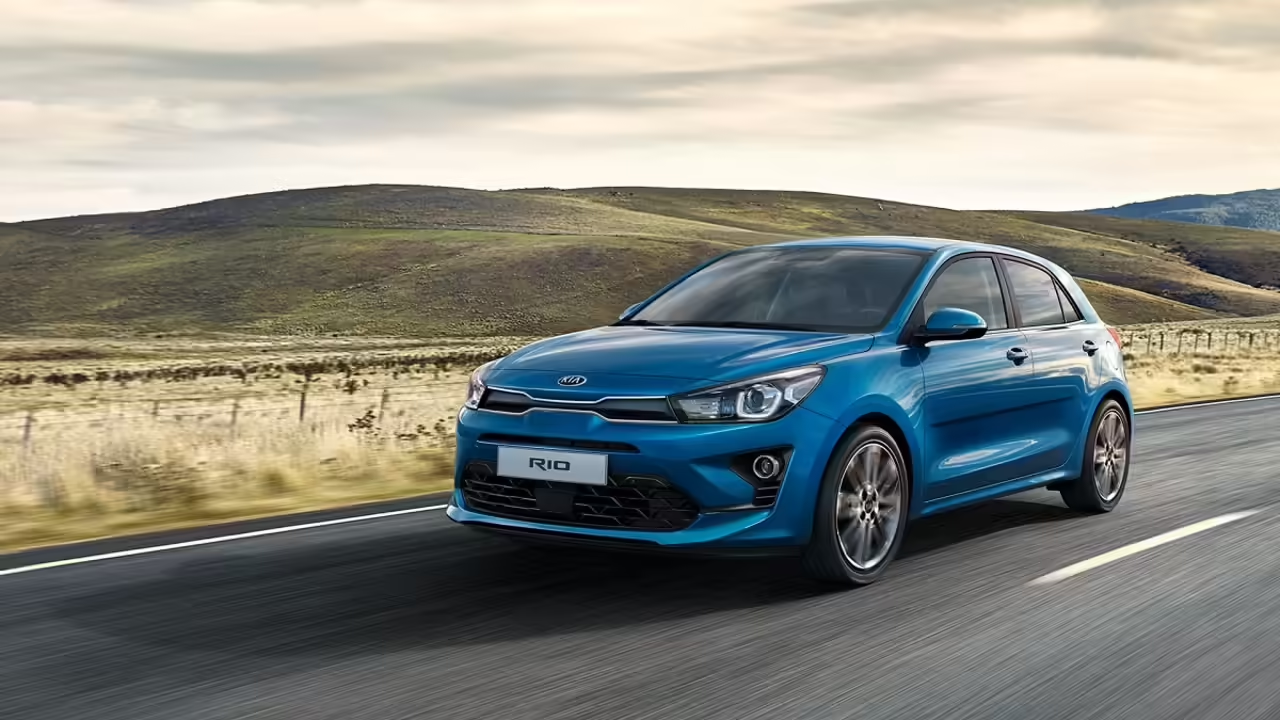
The suspension is tuned for comfort on smooth streets, not uneven terrain. Bumps, potholes, and bridge seams are felt more sharply, making rides on Pittsburgh’s rougher roads less comfortable.
Inside, the cabin feels compact. Seating is basic, and the low driving position makes it harder to see over hills or around tight curves common in the city.
Cargo space is limited, restricting its usefulness for families or larger errands. While fine for short trips, it lacks versatility for frequent hauling or weekend travel.