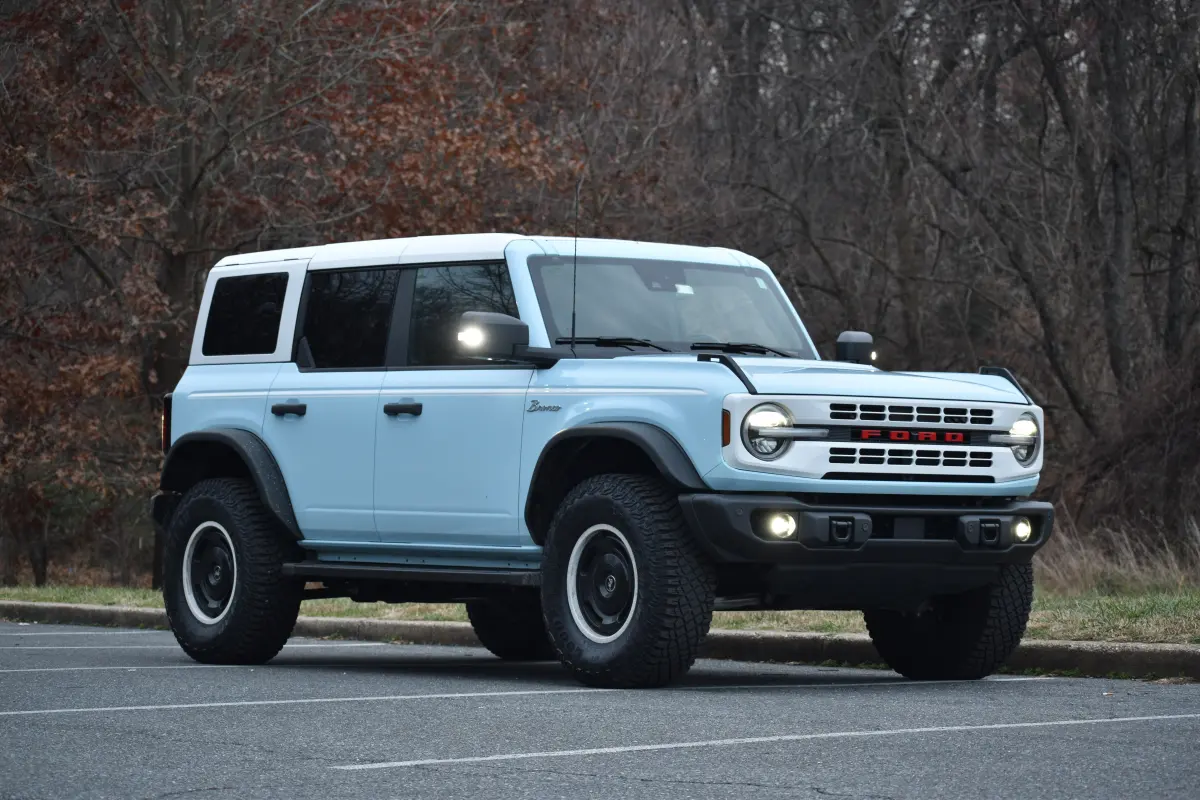
Missoula sits at the intersection of mountain ranges, forests, and river valleys, making trail access a part of daily life for many locals. From quick hikes above town to long weekends deep in the backcountry, getting to the trailhead often means driving miles of gravel, rutted forest service roads, snowy passes, or muddy approaches in spring.
Not every vehicle is built for that reality. Marketing terms like “crossover” or “all-wheel drive” can be misleading, and the difference between a capable trail vehicle and a pavement-focused commuter becomes very clear once the road gets rough. This guide breaks that distinction down clearly.
Below, you will find five vehicles that are genuinely well-suited for Missoula’s trail access needs, followed by five that struggle once pavement ends. The goal is not to judge driving skill or adventurous spirit, but to match vehicles honestly with the terrain they are most likely to face in western Montana.
5 Cars for Missoula Trail Access
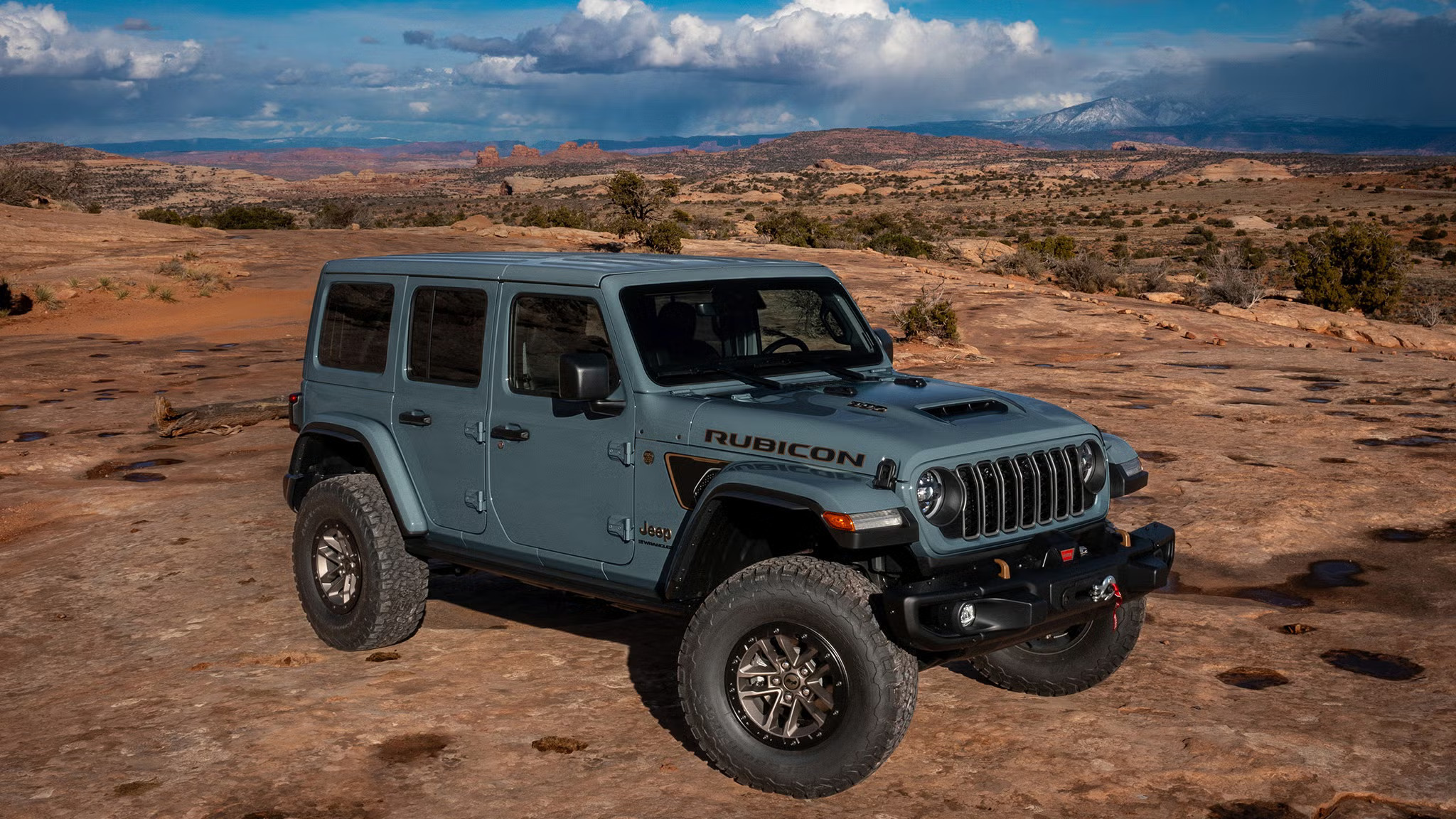
1. Jeep Wrangler Rubicon: Missoula’s Ultimate Off-Road Companion
The 2025 Jeep Wrangler Rubicon sets the benchmark for off-road capability, making it the ideal vehicle for Missoula’s challenging terrain. With ground clearance ranging from 11.1 to 12.9 inches, electronic locking differentials, and a disconnecting sway bar, the Rubicon can traverse boulders, mud, steep inclines, and rough trails that would halt most SUVs.
Its specialized Rock-Trac 4×4 system, combined with heavy-duty Dana 44 axles, reinforced skid plates, and large all-terrain tires, provides exceptional traction, articulation, and durability, ensuring it can tackle the toughest backcountry paths in Montana.
The Wrangler Rubicon’s off-road prowess is further enhanced by its low-range 4:1 gear ratio, which allows precise crawling over rocks and steep obstacles. Electronically controlled Tru-Lok® differentials ensure maximum grip when wheels encounter slippery or uneven surfaces, while the sway bar disconnect improves wheel travel, helping the vehicle maintain stability over large obstacles.
The Jeep’s design emphasizes ground clearance and approach and departure angles that allow it to easily overcome logs, rocks, and ledges commonly found on Montana trails. Skid plates and rock rails protect vital components, making the Rubicon exceptionally resilient in harsh conditions, and its 33-inch tires offer a larger contact patch for superior traction on varied surfaces.
Beyond its technical capabilities, the Wrangler Rubicon carries a rich heritage tracing back to the 1941 Willys Jeep, retaining key features like the iconic round headlights, boxy frame, and removable roof and doors for open-air driving. While it excels off-road, the Rubicon has some compromises for on-road use.
Cabin space is modest, seats may feel slightly unsupportive, and wind and road noise are noticeable at high speeds. The 2.0-liter turbocharged petrol engine provides 272 horsepower but is thirsty, and the side-hinged rear cargo doors can make loading awkward in tight spaces.
Despite these trade-offs, features like adaptive cruise control, an 8.4-inch infotainment system, premium Alpine audio, climate control, and towing capacity of up to 2.5 tonnes add practical versatility.
Mechanically, the Wrangler Rubicon is unmatched for wilderness exploration, with 4-wheel-drive capability, off-road suspension, and robust tires that allow access to remote and rugged areas.
Although leasing or purchasing one represents a significant investment, its combination of heritage, durability, and off-road dominance makes it a unique and compelling choice for adventurers seeking to explore Missoula’s backcountry and beyond.
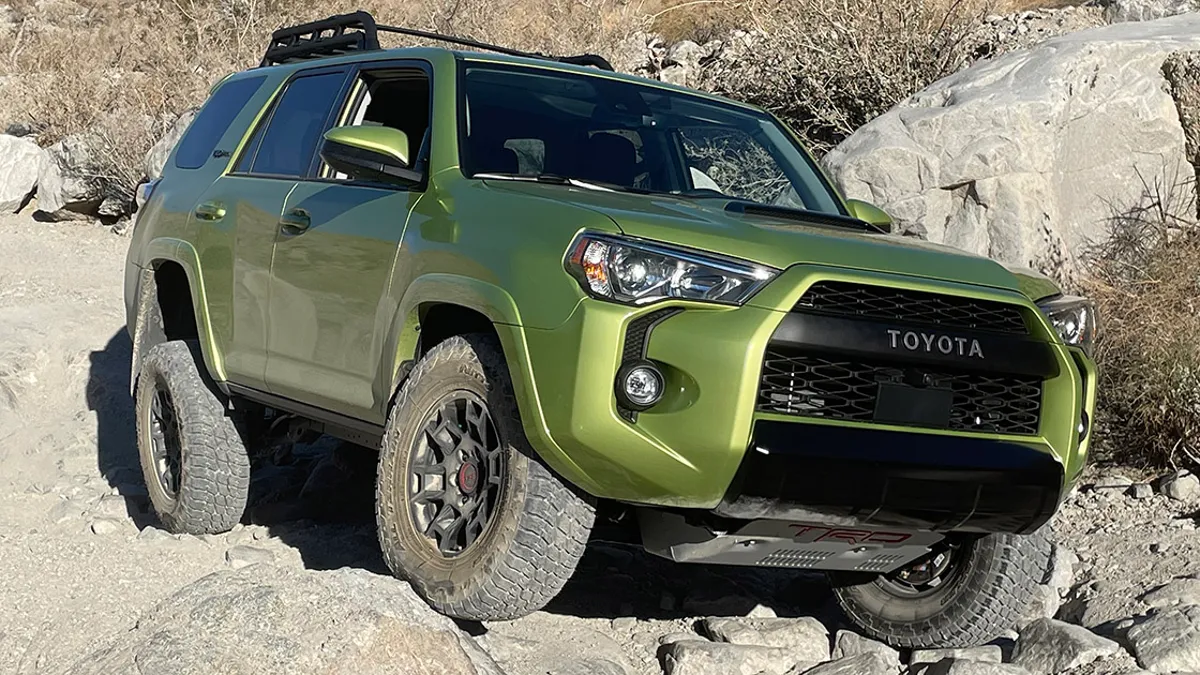
2. Toyota 4Runner TRD Pro: Missoula’s Rugged and Reliable Trail Companion
The 2025 Toyota 4Runner TRD Pro continues the model’s legacy as a reliable and capable off-road SUV, making it a favorite among Missoula drivers seeking access to Montana’s diverse backcountry trails.
Built on a body-on-frame platform, the 4Runner TRD Pro is equipped with high-performance FOX shocks, underbody skid plates, and a front stabilizer disconnect, allowing it to handle rocks, mud, steep grades, and uneven terrain with ease.
Features like Crawl Control and Multi-Terrain Select optimize traction and vehicle performance across dirt, sand, mud, or snow, while the electronically locking rear differential ensures power is directed to the wheels with the most grip.
Nitto Terra Grappler tires and TRD-tuned suspension with remote reservoirs improve both traction and wheel articulation, giving drivers confidence on trails like those near Lolo National Forest or Seeley Lake, while the TRD roof rack provides practical storage for extended adventures.
The 2025 4Runner marks the introduction of Toyota’s sixth-generation model, built on the TNGA-F platform shared with Tacoma, Tundra, and Land Cruiser. All 4Runners now use a turbocharged 2.4-liter inline-four engine, with the TRD Pro offering a hybridized powertrain producing 326 horsepower and 456 lb-ft of torque, paired with an 8-speed automatic transmission and part-time four-wheel-drive.
This represents a substantial performance improvement over the previous generation, providing more power and torque for both off-road and on-road driving, though it comes with added mass and compromises such as slightly reduced cargo space due to the hybrid battery.
While the TRD Pro is impressively equipped and capable, there are trade-offs. The on-road ride quality can feel stiff, and the cabin may feel more cramped than expected, despite modern styling and a tech-forward interior featuring a 14-inch touchscreen.
Low-speed hybrid transitions can feel slightly uneven in stop-and-go traffic, and styling choices are more aggressive and polarizing than previous generations, reflecting Toyota’s attempt to appeal to a broader, social-media-focused audience.
Despite these drawbacks, the 4Runner TRD Pro excels as a well-rounded, highly capable SUV for outdoor enthusiasts. It combines modern powertrain efficiency with traditional off-road durability, making it suitable for long-distance drives, rugged trails, and everyday usability.
Though pricing is higher than previous generations, the TRD Pro delivers a comprehensive package of capability, comfort, and style, ensuring that both mainstream buyers and trail-focused drivers can find value in this iconic Toyota 4×4. Its long-term reputation for reliability and durability is likely to secure its position as a favorite among Missoula’s off-road community for years to come.
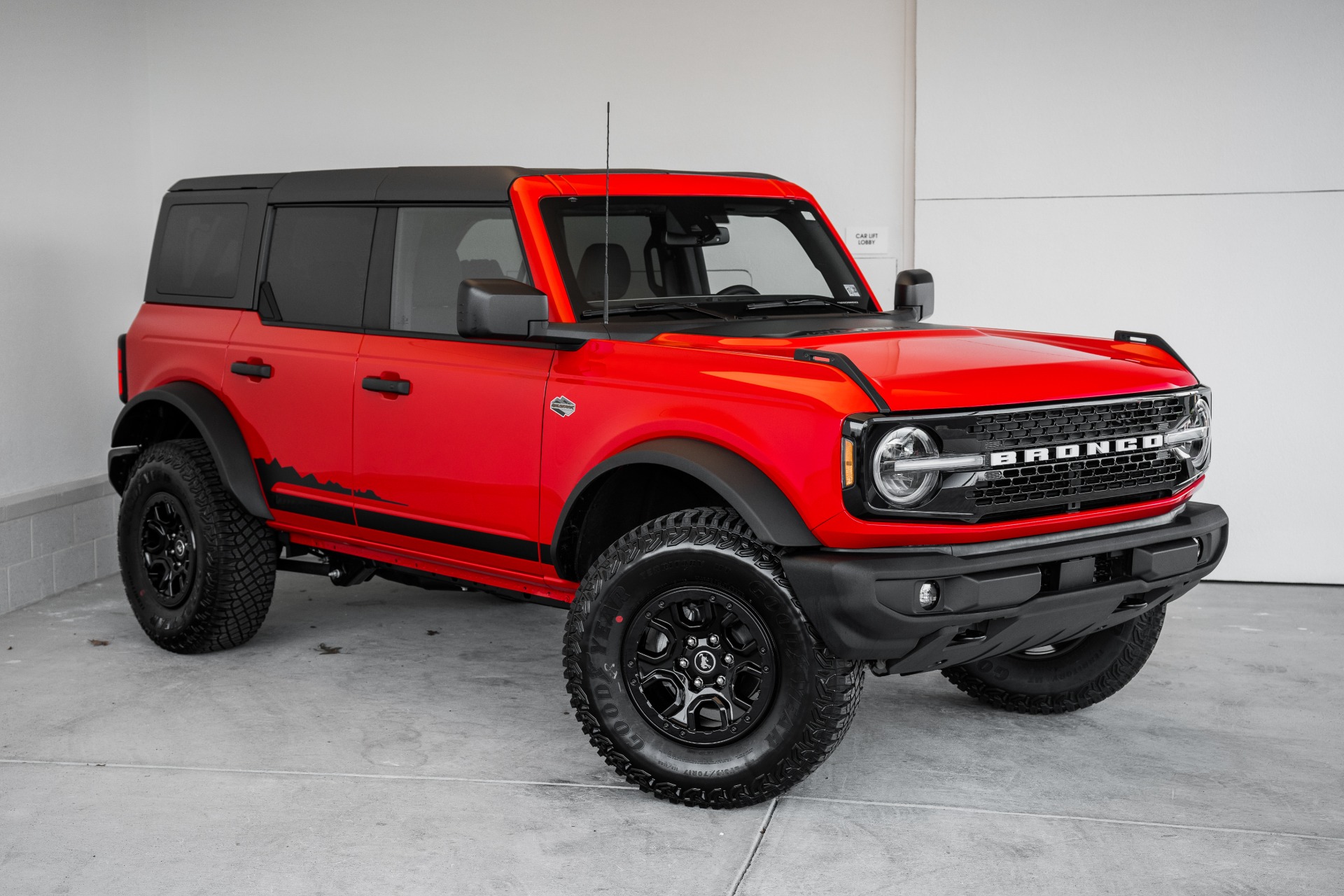
3. Ford Bronco Wildtrak: Missoula’s High-Speed Off-Road Contender
The Ford Bronco Wildtrak is engineered to compete directly with the Jeep Wrangler, offering exceptional off-road performance while remaining manageable on everyday roads.
With up to 13.1 inches of ground clearance when equipped with the Sasquatch package, the Bronco features independent front suspension, which improves handling on washboarded gravel roads and provides superior ride quality compared to solid-axle competitors.
Standard features such as remote-reservoir Bilstein shocks, 35-inch tires, front and rear locking differentials, and high ground clearance make the Wildtrak trail-ready right from the showroom, while advanced systems like Trail Control and G.O.A.T. (Goes Over Any Type of Terrain) modes optimize vehicle performance across dirt, mud, sand, or rocky climbs, allowing drivers to focus on steering and trail navigation.
The Wildtrak excels in both speed and traction. Its performance-tuned suspension enables high-speed off-roading without overheating, while locking differentials and large mud-terrain tires deliver maximum grip on loose gravel, muddy spots, and technical rock sections.
With excellent approach and departure angles, the Bronco can clear logs, ruts, and other obstacles commonly found on Missoula’s forest service roads and backcountry trails. Trail Turn Assist tightens the turning radius, aiding navigation through tight switchbacks, and the body-on-frame construction ensures durability under the rigors of demanding trails.
Under the hood, the Wildtrak offers a choice of a 300-hp turbocharged 2.3-liter four-cylinder with a seven-speed manual or 10-speed automatic, or a 330-hp twin-turbo 2.7-liter V6 preselecting the 10-speed automatic.
Both engines are paired with a part-time four-wheel-drive system, and while neither produces a particularly engaging exhaust note, they provide ample power for both off-road exploration and highway driving. With 0–60 mph times ranging from 6.2 seconds for the V6 to 7.4 seconds for the four-cylinder manual, the Bronco combines strong performance with off-road capability.
Interior comfort and practicality balance rugged design with usability. The cabin features durable, weather-resistant materials, removable doors and roof, and rubberized flooring, making it ideal for outdoor enthusiasts.
The four-door offers ample rear seating and cargo space, while the infotainment system includes a 12-inch touchscreen, wireless Apple CarPlay, Android Auto, and available premium audio. Safety features include automated emergency braking, automatic high beams, and terrain-management systems, with optional blind-spot monitoring and adaptive cruise control.
The Ford Bronco Wildtrak blends high-speed off-road capability, advanced traction technology, and durable construction, making it exceptionally well-suited for Missoula’s varied trails and backcountry roads, while remaining a capable daily driver with modern tech and comfort.
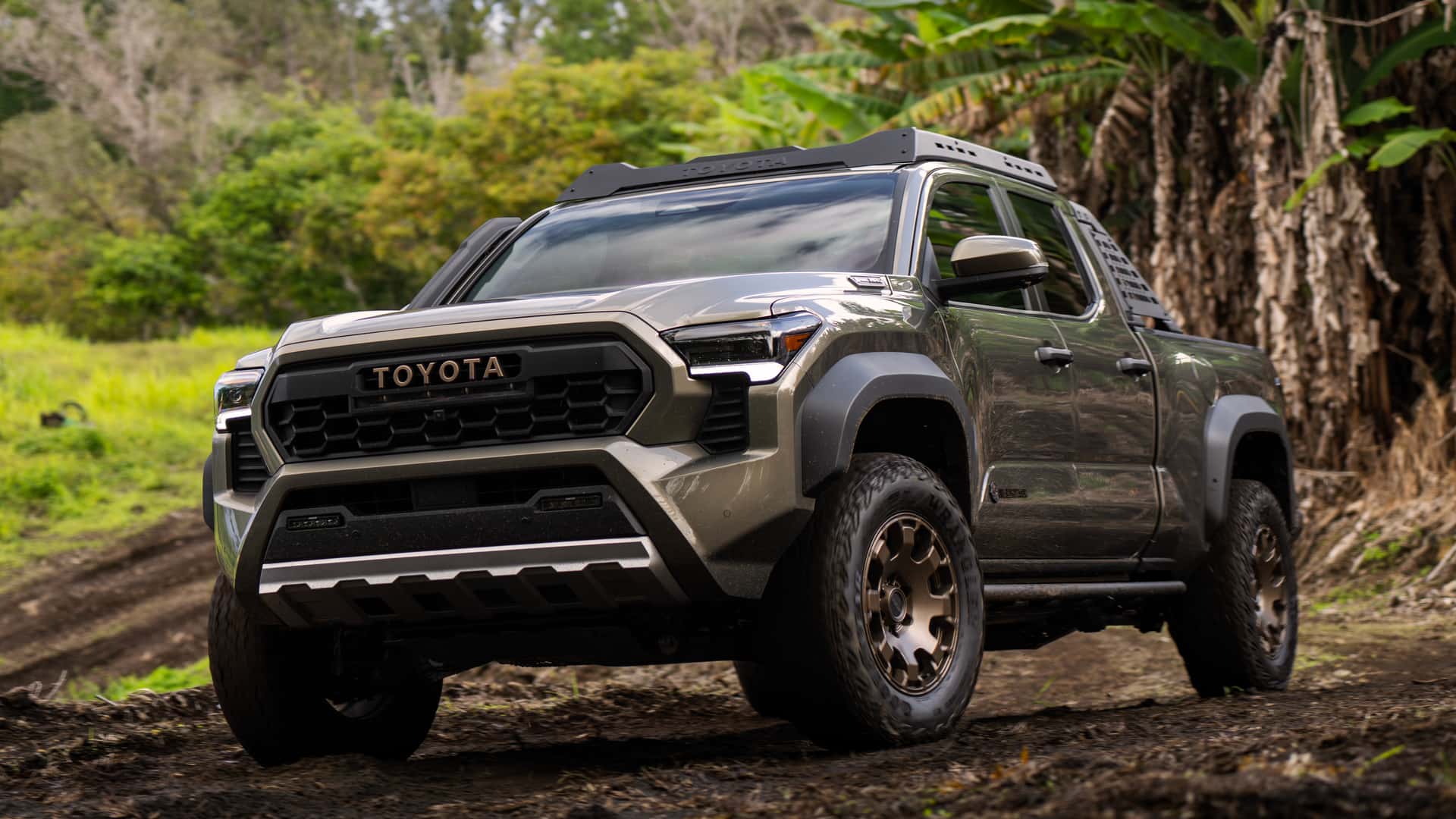
4. Toyota Tacoma Trailhunter: Missoula’s Overlanding-Ready Pickup
The 2024/2025 Toyota Tacoma Trailhunter is a purpose-built overlanding truck, designed for drivers who want to venture deep into Montana’s backcountry with confidence and comfort.
Factory-equipped with heavy-duty steel skid plates, Old Man Emu (OME) suspension, 33-inch all-terrain tires, and a high-mount air intake, the Trailhunter provides superior ground clearance, underbody protection, and off-road capability.
An integrated bed-mounted air compressor allows drivers to adjust tire pressures for different surfaces, while Multi-Terrain Select and Crawl Control manage difficult conditions such as dirt, snow, mud, and rocky trails, making it well-suited for the diverse routes around Missoula, including forest service roads and steep, rugged mountain paths.
Unlike the TRD Pro, which is geared toward high-speed Baja-style off-roading, the Trailhunter emphasizes comfort and versatility for extended overland trips. Its OME suspension, with 2.5-inch shocks and remote reservoirs, delivers a more compliant ride over deep ruts and broken pavement, absorbing impacts that might feel harsh in more aggressively tuned models.
The electronically disconnecting sway bar enhances wheel articulation, allowing the Tacoma to tackle obstacles and uneven terrain with stability. Steel rock rails and reinforced underbody skid plates protect critical components such as the engine, transfer case, and differential, offering durability on rough trails.
Inside, the Trailhunter maintains the new Tacoma’s upgraded interior quality. SofTex seats in mineral blue, a slate-composite dashboard, and thoughtful ergonomics provide comfort while still supporting the rugged purpose of the truck.
Rear-seat legroom is slightly limited, but the cabin feels well-proportioned and practical, balancing off-road readiness with everyday usability. The vehicle’s size is manageable despite its lifted stance, making it easier to operate on tight trails and narrow back roads.
Performance is strong, with the Trailhunter sharing the TRD Pro’s engine and transmission. The truck delivers reliable power and torque for off-road excursions, though acceleration is moderate, with 0–60 mph times around seven seconds.
The high-mounted air intake and 33-inch tires work together with the drivetrain to ensure traction in dusty, muddy, or snowy conditions. With a starting price near $65,500, the Trailhunter is higher than many competitors like the Chevy Colorado ZR2 Bison or Ford Ranger Raptor, but it offers a factory-integrated overlanding package that reduces the need for aftermarket modifications.
The Tacoma Trailhunter is a compelling choice for Missoula adventurers. Its combination of protective hardware, capable suspension, built-in off-road tools, and comfortable interior makes it ideal for accessing remote trailheads, camping in the wilderness, and handling Montana’s variable terrain with confidence and reliability.
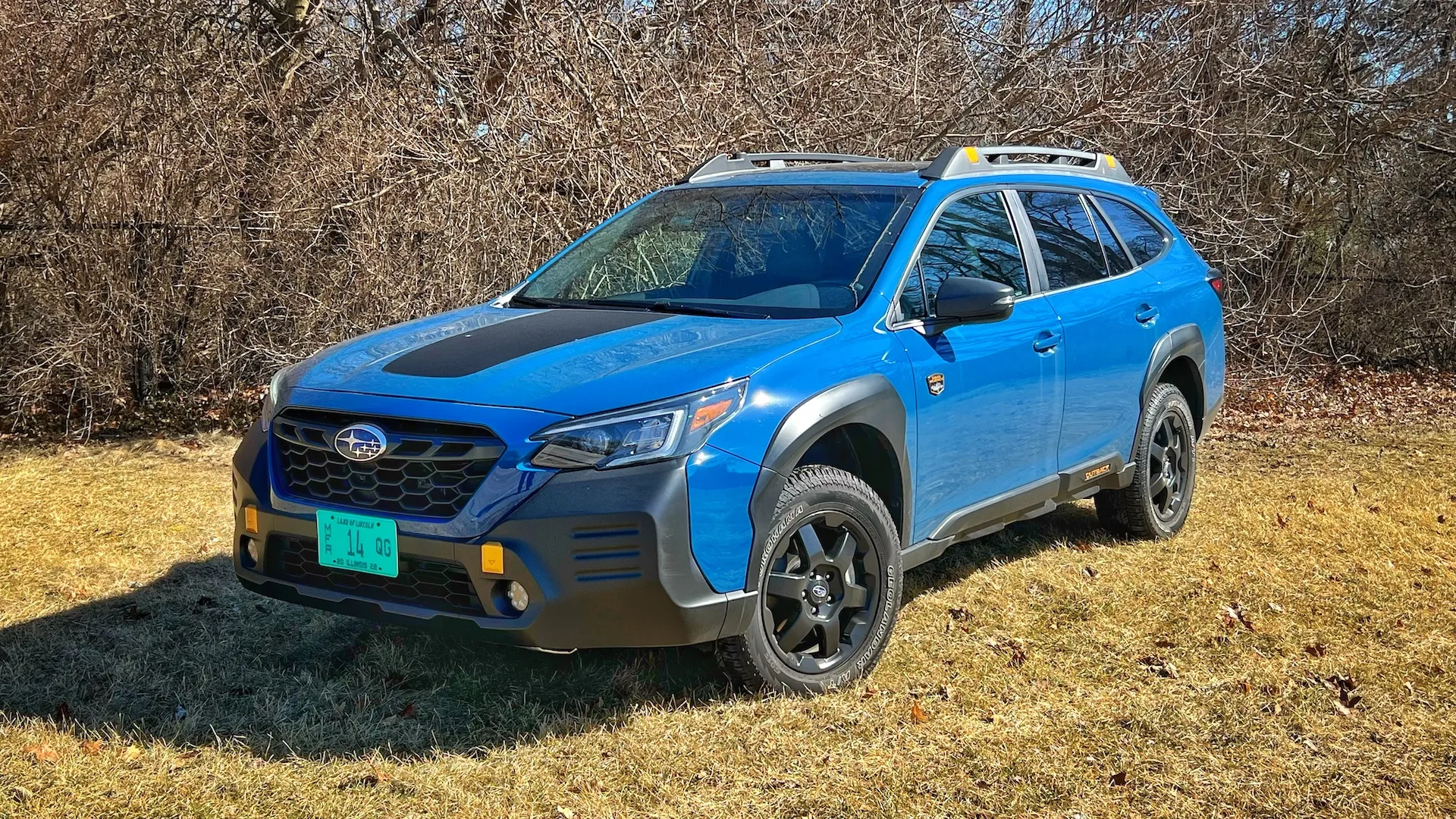
5. Subaru Outback Wilderness: Trailhead Access with Everyday Comfort
The Subaru Outback Wilderness is built for drivers who want a comfortable daily vehicle that can still handle the rough, unpaved roads leading to many of Missoula’s trailheads.
With 9.5 inches of ground clearance, nearly an inch more than a standard Outback, the Wilderness trim improves clearance over ruts, rocks, and uneven surfaces found on forest service roads and snowy approaches in the Bitterroot and surrounding mountains.
Subaru’s Symmetrical All-Wheel Drive comes standard and delivers balanced power to all four wheels, providing dependable traction on mud, loose gravel, ice, and snow. Dual-function X-Mode further enhances control by adjusting throttle response, transmission behavior, and torque distribution for low-grip conditions.
The Wilderness package includes a lifted suspension, revised final-drive gearing, and all-terrain tires, making the Outback far more capable off pavement than a typical crossover.
Unlike dedicated off-road rigs, it avoids stiff suspension tuning and excessive fuel consumption, which helps preserve comfort during daily commuting and long highway drives. The ride remains stable and composed on pavement, even with the added height and more aggressive tires.
Power comes from a turbocharged 2.4-liter boxer engine producing 260 horsepower and strong low-end torque, paired with a CVT that delivers smooth and responsive acceleration for passing and merging. Fuel efficiency remains reasonable for a vehicle with full-time all-wheel drive, averaging in the mid-20 mpg range during mixed use.
Practicality is a major strength of the Outback Wilderness. Its wagon-style body provides a spacious and easily accessible cargo area with wide-opening doors and a low load floor. This makes loading camping gear, skis, bikes, or hiking equipment simple and efficient.
The rear seats fold flat using sturdy, intuitive latches, allowing the interior to double as a sleeping space for car camping when needed. A full-size spare tire adds peace of mind when traveling to remote trailheads where roadside assistance may be limited.
Inside, the Wilderness trim adds copper-colored accents and durable upholstery that give the cabin a rugged yet comfortable feel. While the infotainment system and sound quality are notable weaknesses, the interior remains functional and supportive for long trips.
With a starting price just under $40,000, the Outback Wilderness sits near the top of the Outback range but offers a unique mix of comfort, capability, and efficiency.
For Missoula residents who want a single vehicle that works well for everyday driving and frequent trips to unpaved trailhead access roads, the Subaru Outback Wilderness is a smart and practical choice.
Also Read: 5 Cars for Denver Altitude Snow and 5 That Struggle in Winter
5 That Don’t Handle Off-Road
1. Toyota Prius: Efficient on Pavement, Unsuitable for Missoula Trail Roads
The Toyota Prius is engineered for fuel efficiency and urban driving, not for unpaved roads or trail access around Missoula. Its low, aerodynamic profile and modest ground clearance make it poorly suited for forest service roads, where ruts, rocks, and uneven surfaces are common.
With roughly 5.6 to 6 inches of ground clearance, the Prius is prone to scraping its undercarriage and bottoming out, even on moderately maintained dirt roads. This creates a real risk of damage long before reaching many trailheads.
Traction is another major limitation. Standard Prius tires are optimized for low rolling resistance to maximize fuel economy, not for grip. As a result, they perform poorly on loose gravel, mud, snow, and wet dirt, all of which are frequent conditions in western Montana.
Most Prius models rely on front-wheel drive, which struggles on steep or slippery surfaces where weight shifts away from the driven wheels, further reducing traction. Even the available all-wheel-drive version does not address the clearance and tire limitations that restrict off-pavement use.
Some owners attempt modifications such as lift kits or more aggressive tires, but these changes only marginally improve capability and require cautious driving. At its core, the Prius remains a pavement-focused hybrid designed for efficiency, not a practical choice for accessing Missoula’s trailheads or rough backcountry roads.

2. Nissan Altima: Limited Capability Beyond Pavement
The Nissan Altima is fundamentally a midsize sedan designed for comfort and efficiency on paved roads, but it can manage light off-pavement use under the right conditions.
Models equipped with Intelligent All-Wheel Drive perform better than expected on well-maintained gravel or dirt access roads around Missoula, such as gentle approaches to trail systems like parts of the M Trail.
The AWD system can route power to all four wheels when slip is detected, improving traction on loose gravel, light snow, or damp dirt compared to a front-wheel-drive-only sedan. Electronic systems like traction control and vehicle dynamic control further help maintain stability on slippery sections, while the Altima’s compliant ride keeps washboard roads from feeling overly harsh.
That said, the Altima’s limitations appear quickly once conditions worsen. Ground clearance sits at roughly 5.6 to 6 inches, which is modest even by sedan standards and leaves the oil pan, exhaust, and bumpers exposed.
The lack of skid plates and rugged underbody protection increases the risk of damage on rocky or rutted roads. Stock all-season tires prioritize quiet road manners rather than grip, and the suspension is not built to absorb large impacts or sustained rough use.
In short, an Altima can reach trailheads via smooth gravel roads, but it is not appropriate for rocky, muddy, or technical routes where an SUV or truck is the safer choice.

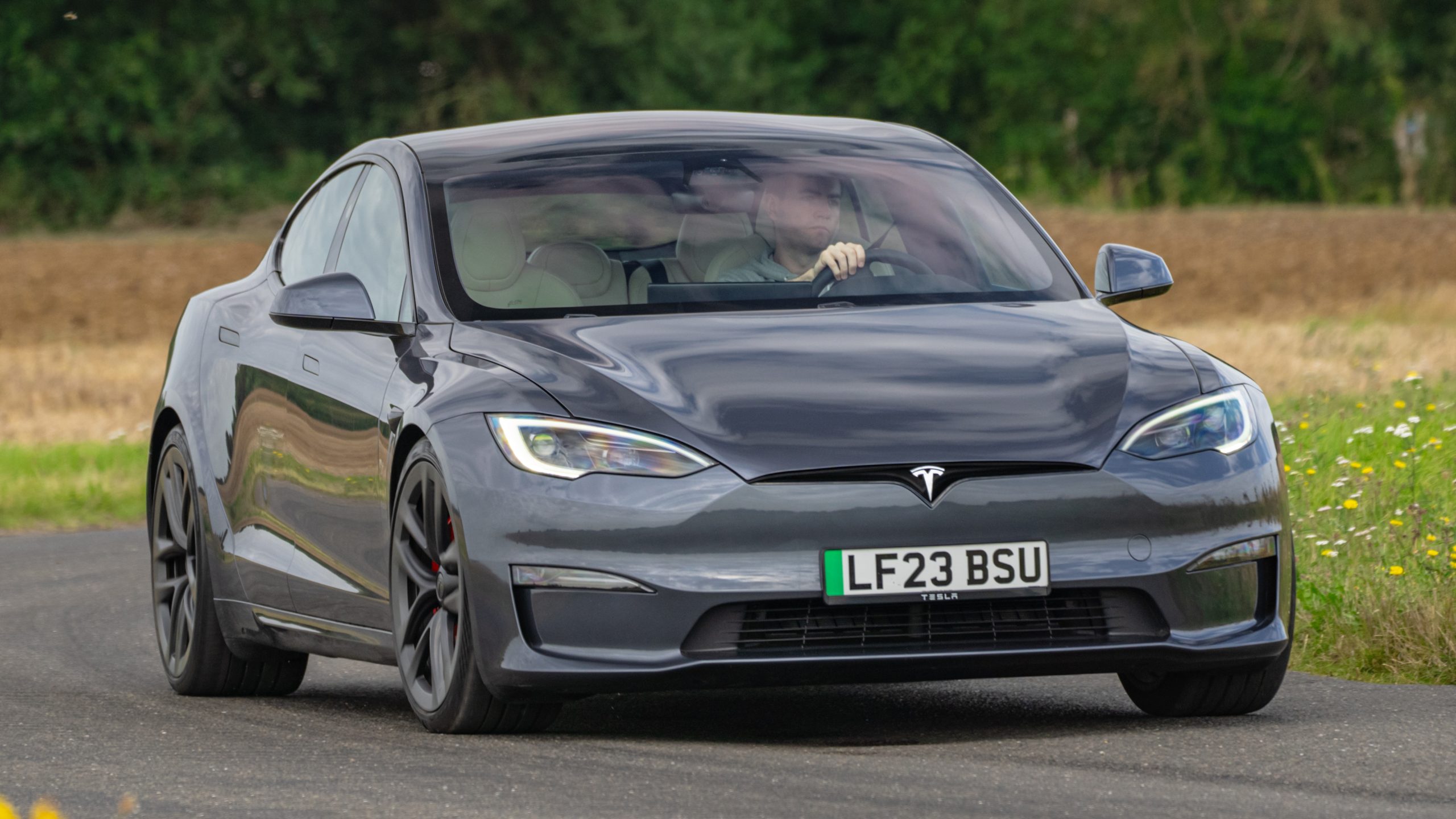
3. Tesla Model S: Powerful but Vulnerable Off-Pavement
The Tesla Model S delivers impressive power and traction, yet it is not designed for trail use around Missoula. Dual-motor all-wheel drive and instant electric torque allow the car to maintain grip on loose dirt or gravel, and models equipped with adjustable air suspension can raise ride height enough to handle mild, uneven roads. These traits explain why some owners venture beyond pavement to reach campsites or remote viewpoints.
However, the Model S faces serious challenges once conditions become rough. Ground clearance remains limited compared to crossovers and SUVs, and the flat underbody houses a large, heavy battery pack. Contact with rocks or deep ruts can lead to severe and costly damage, making careful line choice essential even on modest trails.
The vehicle also lacks dedicated off-road software modes found on other Tesla models, which limits electronic assistance in low-traction situations. Weight further compounds the issue, reducing suspension articulation and increasing stress on components when the surface becomes uneven.
To make a Model S more suitable for Missoula-area dirt roads, owners often install lift kits, skid plates, and all-terrain tires. These upgrades improve durability and traction but require significant expense. In stock form, the Model S is best restricted to light dirt roads rather than true trail access.
4. Mitsubishi Mirage: Budget Friendly but Ill-suited for Trail Access
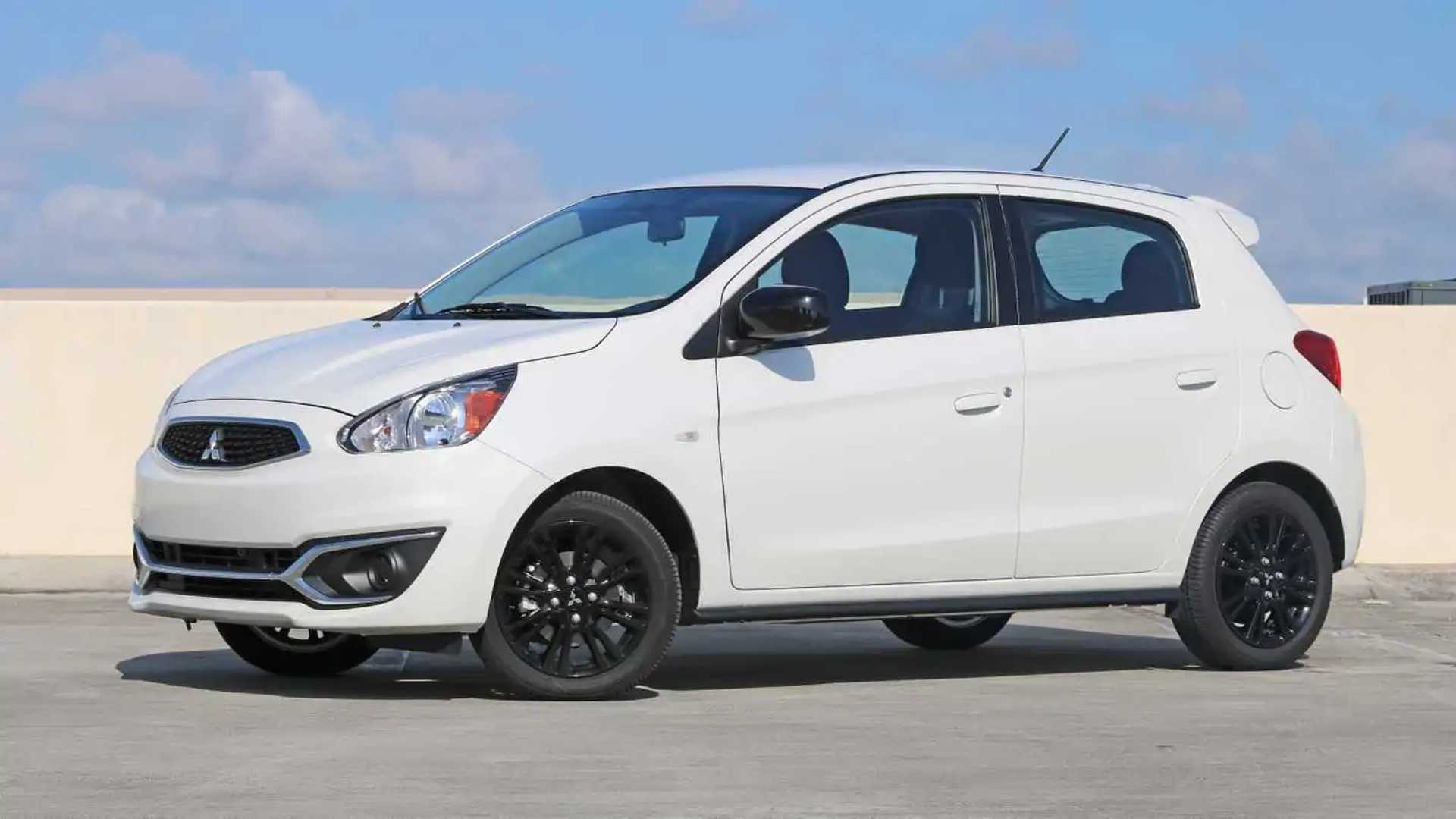
The Mitsubishi Mirage is a lightweight economy car built for low cost and excellent fuel efficiency, not for reaching trailheads around Missoula. Its Front Wheel Drive layout, very low ground clearance, and small-diameter tires limit traction and make the undercarriage vulnerable on uneven surfaces.
On steep or loose gravel climbs, the Mirage’s modest engine output struggles to maintain momentum, increasing the risk of wheelspin or stalling on inclines. Mud and soft dirt pose an even greater challenge, where the narrow tires can quickly sink and lose grip.
Interest in using a Mirage off pavement often comes from budget-conscious drivers or those drawn to the novelty of taking a tiny car into unexpected places. Some owners install lift spacers and slightly larger tires, which can improve clearance and allow the car to handle mild dirt roads.
These modified examples demonstrate that the Mirage can manage smooth gravel routes when driven carefully, but reliability and durability remain uncertain once conditions worsen.
Around Missoula, the Mirage may reach trailheads via well-maintained gravel or flat dirt access roads, such as limited sections of the Missoula Trail System. For rougher routes, rocky surfaces, or muddy approaches, the risks of damage and getting stuck rise quickly. The Mirage represents enthusiasm and creativity rather than a practical solution for consistent trail access.
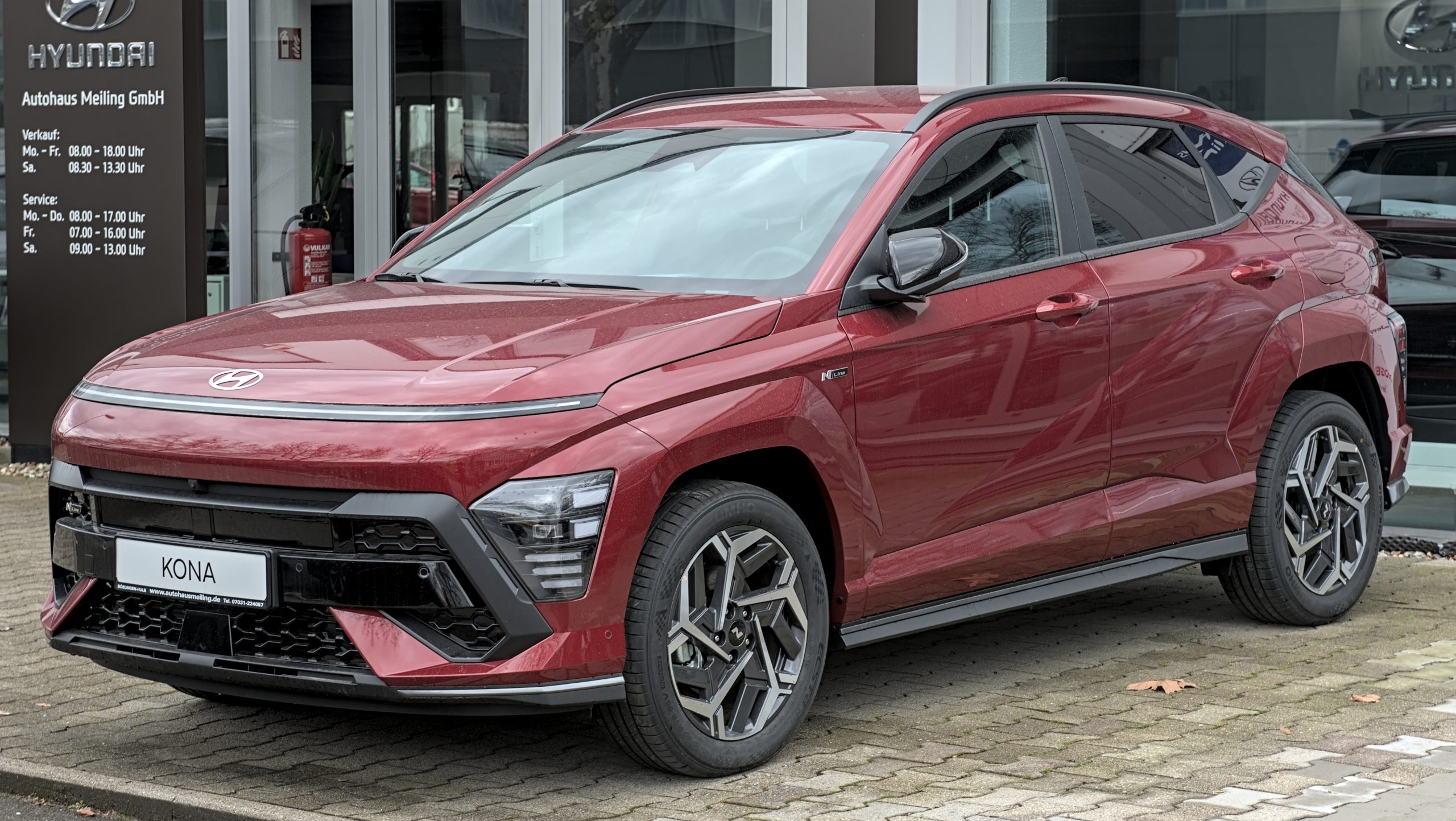
5. Hyundai Kona: Capable for Light Trail Access, Not Deep Backcountry
The Hyundai Kona is often marketed as a small crossover, but its strengths lie closer to a raised passenger car than a true off-road vehicle. Around Missoula, its appeal comes from available HTRAC All Wheel Drive, modern traction control systems, and ground clearance that generally falls between about 6.7 and 8.3 inches depending on trim.
These traits allow the Kona to handle rough gravel roads, washboard surfaces, and snowy or icy approaches to popular trailheads such as McBride Peak when driven with care.
For many local drivers, the Kona strikes a useful balance between daily usability and outdoor access. It is compact and easy to live with in town, yet confident enough on maintained forest service roads to reach hiking or biking destinations. The higher ride height compared to a sedan helps clear small rocks and potholes, while electronic aids manage wheelspin on loose surfaces.
Its limitations appear quickly once conditions become more demanding. The Kona lacks low-range gearing, long suspension travel, and underbody protection.
Deep ruts, thick Montana mud, large rocks, or heavily washed-out logging roads can overwhelm its suspension and traction. In short, the Kona is well-suited for light trail access and soft roading, but serious backcountry travel calls for a more rugged vehicle.
Missoula’s outdoor access is one of its greatest strengths, but it demands realistic vehicle choices. Purpose-built off-road vehicles like the Wrangler Rubicon, 4Runner TRD Pro, Bronco Wildtrak, Tacoma Trailhunter, and Outback Wilderness are engineered with ground clearance, traction systems, and durability that align with Montana’s rough access roads.
They reduce stress, lower the risk of damage, and expand where you can confidently travel. On the other end of the spectrum, sedans and economy-focused cars can still be great daily drivers, but their limitations show quickly on rocky, muddy, or rutted routes.
Low clearance, street tires, and vulnerable underbodies turn simple trail access into a gamble. Understanding these differences helps drivers avoid costly mistakes and choose vehicles that support their lifestyle rather than restrict it.
Whether you prioritize deep backcountry exploration or just reaching popular trailheads safely, the right vehicle makes Missoula’s outdoors more accessible, reliable, and enjoyable year-round.
Also Read: 10 Cars That Look Stunning But Disappoint True Enthusiasts