Tampa Bay commuters face a unique set of challenges on the region’s busy highways, bridges, and city streets. Stop-and-go traffic, high humidity, and intense summer heat can make even short drives stressful. Choosing the right vehicle can significantly improve comfort, efficiency, and reliability.
Models like the 2026 Toyota Prius, 2025 Nissan Altima, 2026 Hyundai Ioniq 5, 2025 Honda Civic, and 2025 Mazda CX-5 are particularly well-suited to Tampa Bay conditions.
These vehicles combine fuel efficiency, advanced safety features, reliable cooling systems, and driver-focused technology to handle long commutes, frequent stops, and occasional highway drives with ease.
Hybrids and electric vehicles reduce idling stress, while SUVs and sedans with responsive handling provide comfort and control. For drivers who value efficiency, safety, and comfort, these five models offer practical and dependable options for everyday travel across the region’s congested roads.
5 Cars for Tampa Bay Commuters
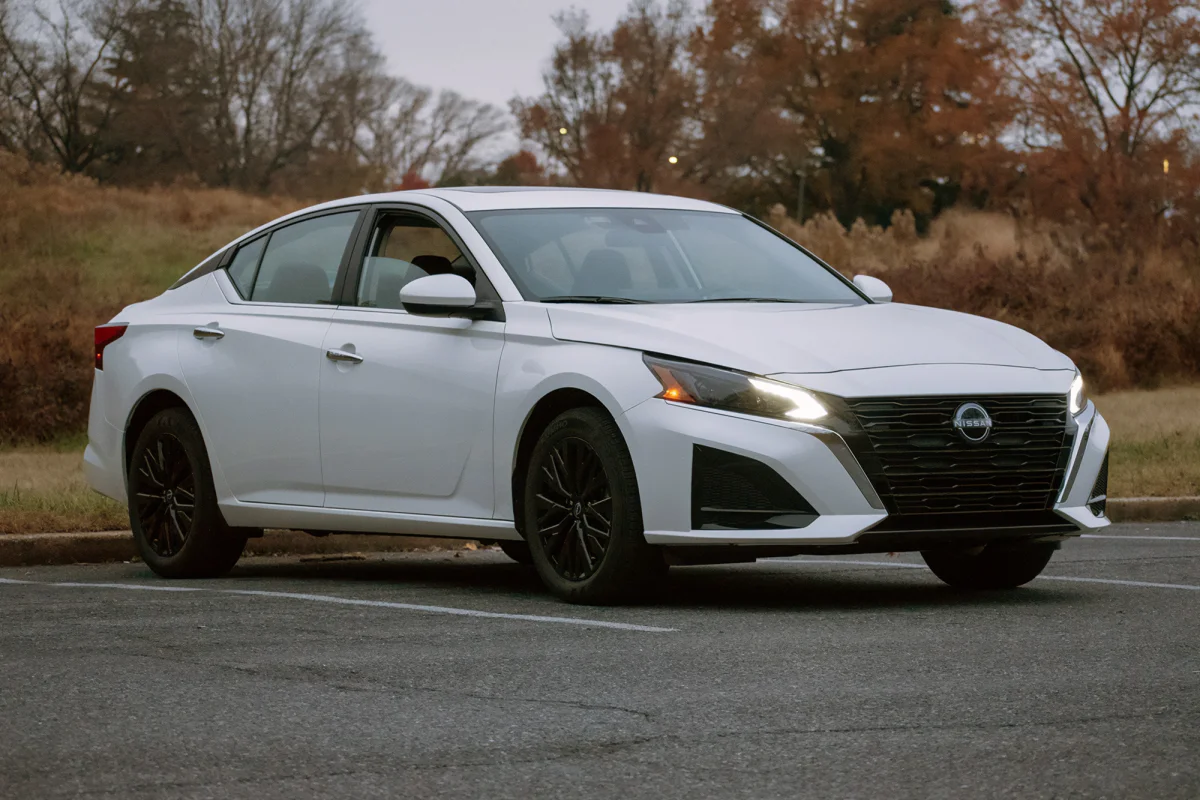
1. 2026 Toyota Prius: The Ideal Hybrid for Tampa Bay Commuters
The 2026 Toyota Prius continues to set the benchmark for hybrid vehicles, especially for commuters dealing with Tampa Bay’s stop-and-go traffic. Designed with high-efficiency city driving in mind, the Prius can achieve up to an estimated 57 mpg, making it one of the most fuel-efficient vehicles on the road.
Its hybrid system allows the gasoline engine to remain off during long idling periods, which are common on bridges and congested highways, while still powering climate control. This is a major advantage in Florida’s hot and humid conditions.
For daily commuters in areas like Tampa, St. Petersburg, and Clearwater, the Prius offers a strong mix of savings, comfort, and practicality. Exceptional fuel economy significantly reduces gas expenses on heavily traveled routes such as I-275.
Electric-only driving, known as EV mode, allows short trips and errands to be completed using battery power alone, helping cut fuel use and emissions in dense urban areas. Its compact size makes moving through traffic and fitting into tight parking spaces much easier than with larger vehicles.
Power comes from a 2.0-liter four-cylinder engine paired with electric motors and a continuously variable transmission. Front-wheel-drive models produce 194 horsepower, while available all-wheel-drive versions add a rear electric motor and increase output to 196 horsepower.
This setup gives the Prius noticeably quicker acceleration than earlier generations, reaching 60 mph in about 7.1 seconds. It outpaces several competing hybrids while still maintaining impressive efficiency.
Inside, the cabin focuses on comfort and modern technology. A redesigned cockpit places the gauge cluster directly in front of the driver, and available features include an optional 12.3-inch touchscreen, wireless Apple CarPlay and Android Auto, voice commands, and over-the-air software updates.
The interior remains quiet on the road, which helps make daily commutes more relaxing. The hatchback design also provides practical cargo space for groceries, luggage, or work gear.
Safety and reliability remain core strengths of the Prius. Toyota Safety Sense 3.0 comes standard and includes adaptive cruise control, lane-keeping assist, and blind-spot monitoring.
These features add confidence on busy highways and city streets. Combined with Toyota’s long-standing reputation for hybrid reliability, generous hybrid warranties, and complimentary maintenance, the 2026 Prius stands out as a smart, cost-effective, and dependable choice for Tampa Bay commuters.
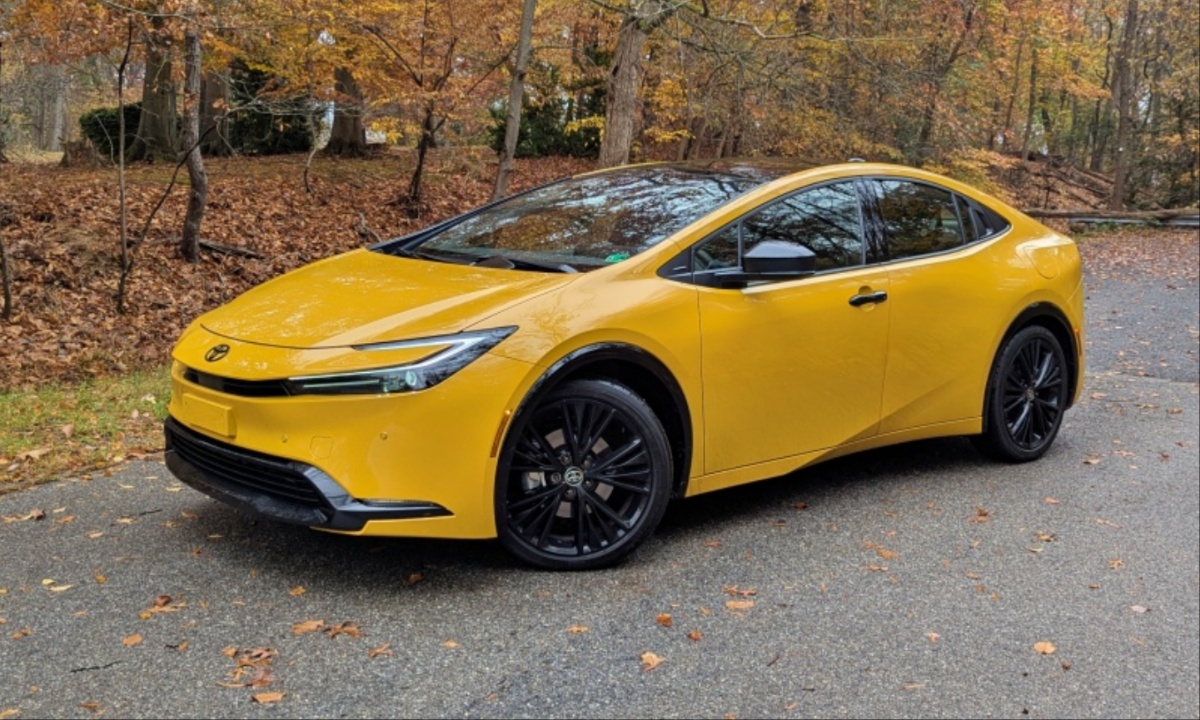
2. 2025 Nissan Altima: A Comfortable and Safe Choice for Tampa Bay Commuters
The 2025 Nissan Altima remains a strong contender in the mid-size sedan segment, offering a balance of comfort, efficiency, and safety for daily commuting in the Tampa Bay area.
With Intelligent All-Wheel Drive available, the Altima provides enhanced traction during sudden Florida downpours, a common occurrence on highways such as I-275. Its “Zero Gravity” seats are designed to reduce driver fatigue, making longer commutes more comfortable.
For Tampa Bay commuters, the Altima delivers practical advantages. Fuel economy is solid for a mid-size sedan, with front-wheel-drive models achieving an estimated 27 mpg in the city and 39 mpg on the highway, while all-wheel-drive models see slightly lower figures.
Standard safety features through Nissan’s Safety Shield 360 include automatic emergency braking, blind-spot monitoring, and rear cross-traffic alert, offering confidence in busy traffic conditions. Available ProPILOT Assist adds adaptive cruise control and lane-centering, reducing stress on highway drives.
The Altima’s interior prioritizes comfort and usability. “Zero Gravity” seats provide support for long commutes, and available leather or heated options enhance comfort. Passenger space is generous for a mid-size sedan, though rear-center headroom is limited.
Cargo capacity measures 15.9 cubic feet, sufficient for daily errands or light travel. The cabin is also equipped with straightforward controls, combining an 8-inch standard touchscreen or an optional 12.3-inch display with Apple CarPlay and Android Auto. Physical buttons and large dashboard knobs make operation intuitive without requiring a steep learning curve.
Styling gives the Altima a strong presence on the road. Its wide stance, prominent grille, and “floating roof” design convey a sleek, modern look without being overly aggressive.
Ride quality is smooth and comfortable on standard trims, with optional sport suspension providing a firmer, sportier feel at the expense of some ride comfort. Steering is light but responsive, making the car easy to drive in both city and highway conditions.
Powered by a 2.5-liter four-cylinder engine producing 188 horsepower paired with a CVT, the Altima is not a performance car but provides adequate acceleration with a pleasant engine sound. Gas mileage remains competitive for its class, though it lacks a hybrid option found in rivals such as the Toyota Camry or Honda Accord.
The 2025 Nissan Altima offers a well-rounded combination of comfort, safety, and efficiency for Tampa Bay drivers. While it does not match the class leaders in hybrid efficiency or crash-test scores, it remains a practical, dependable, and well-priced mid-size sedan with enough features and refinement to satisfy daily commuters and small families.
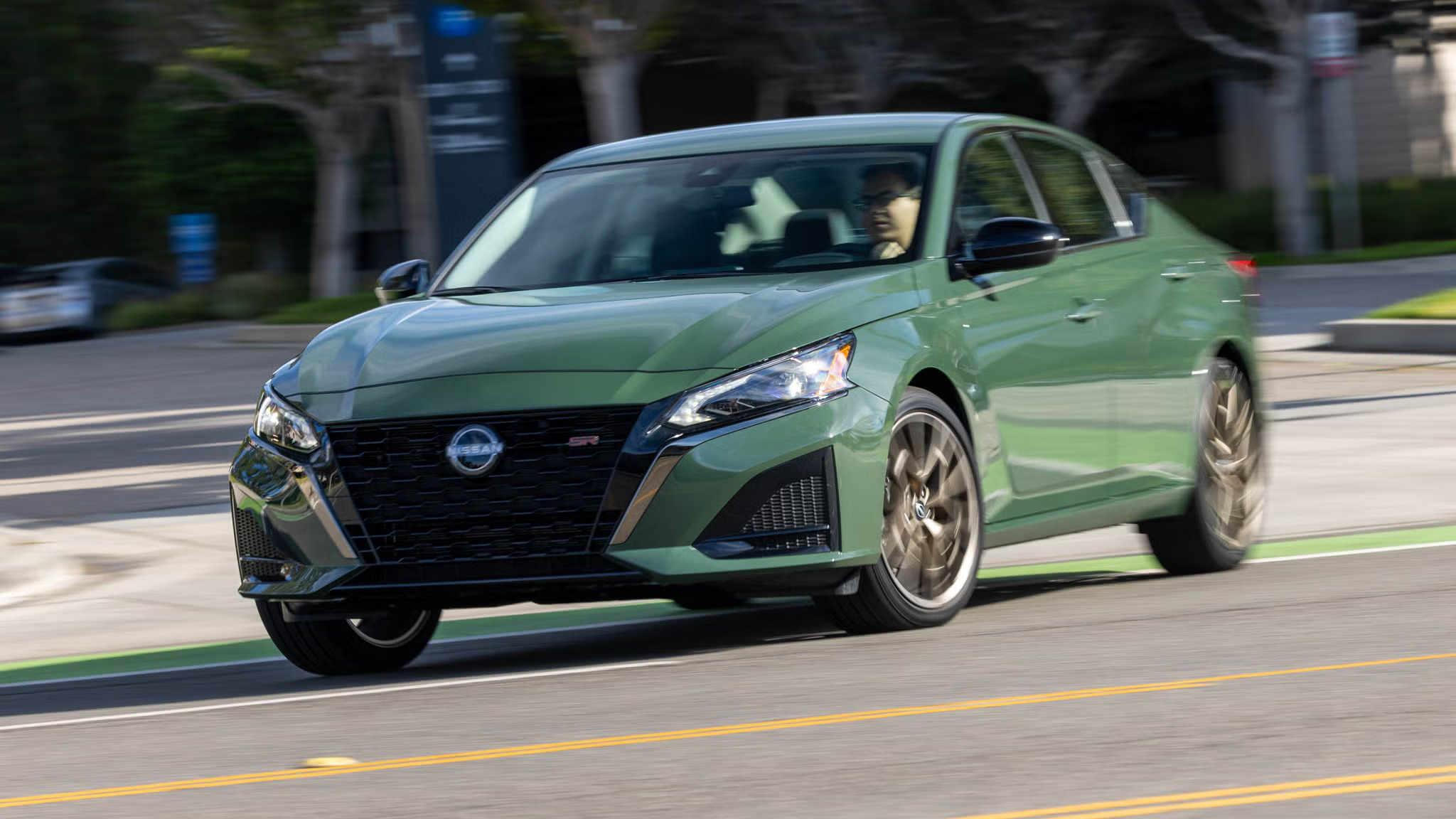
3. 2026 Hyundai Ioniq 5: A Smart and Comfortable EV for Tampa Bay Commuters
The 2026 Hyundai Ioniq 5 is a fully electric vehicle that combines smooth performance, advanced technology, and spacious comfort, making it ideal for Tampa Bay commuters.
With no traditional engine, the Ioniq 5 eliminates overheating concerns and delivers instant torque for quick, seamless acceleration. Its electric powertrain is available in multiple configurations: a 168-hp single-motor standard-range version, a 225-hp rear-wheel-drive long-range model, and a 320-hp dual-motor all-wheel-drive variant.
This versatility allows it to handle city streets, heavy highway traffic, and occasional spirited driving, while 0–60 mph times are as fast as 4.4 seconds in the AWD model.
Comfort is a key strength of the Ioniq 5. Its quiet cabin, flat floor, and roomy rear seats provide lounge-like space, ideal for long drives along I-275 or I-4.
The interior features sustainable materials, a large center console, and supportive seating, making longer commutes more relaxing. Cargo capacity is generous for an EV, offering 30 cubic feet behind the rear seats and 59 cubic feet with them folded, enough for luggage, sports gear, or groceries.
Technology and convenience enhance daily driving. Dual 12.3-inch screens serve as the digital instrument cluster and infotainment display, and wireless Apple CarPlay and Android Auto come standard. The Ioniq 5 also offers multiple USB ports, 12-volt outlets, wireless charging, and voice recognition, keeping drivers connected without distraction.
Standard Hyundai SmartSense driver-assistance features include adaptive cruise control with lane centering, automated emergency braking with pedestrian detection, and lane-keeping assist, while optional features add blind-spot monitoring and surround-view cameras for added confidence in traffic.
Charging and range make the Ioniq 5 practical for Florida commuting. Its 800-volt architecture allows DC fast charging from 10 to 80 percent in roughly 20 minutes, ideal for quick stops at chargers in Brandon, Clearwater, or near the beaches.
EPA-estimated ranges vary from 245 to 318 miles, depending on battery size and drivetrain, sufficient for daily drives and occasional trips to St. Pete or Orlando. Hyundai also supports access to the expanding public charging network, including select Tesla Superchargers with an adapter.
The Ioniq 5 delivers a smooth and efficient ride, precise handling thanks to a low center of gravity, and strong acceleration, all while reducing operating costs compared to gas vehicles.
Combined with Hyundai’s industry-leading warranty and complimentary maintenance, the 2026 Ioniq 5 offers a tech-forward, eco-friendly, and comfortable commuting solution for Tampa Bay drivers, blending performance, range, and convenience for city and highway driving.

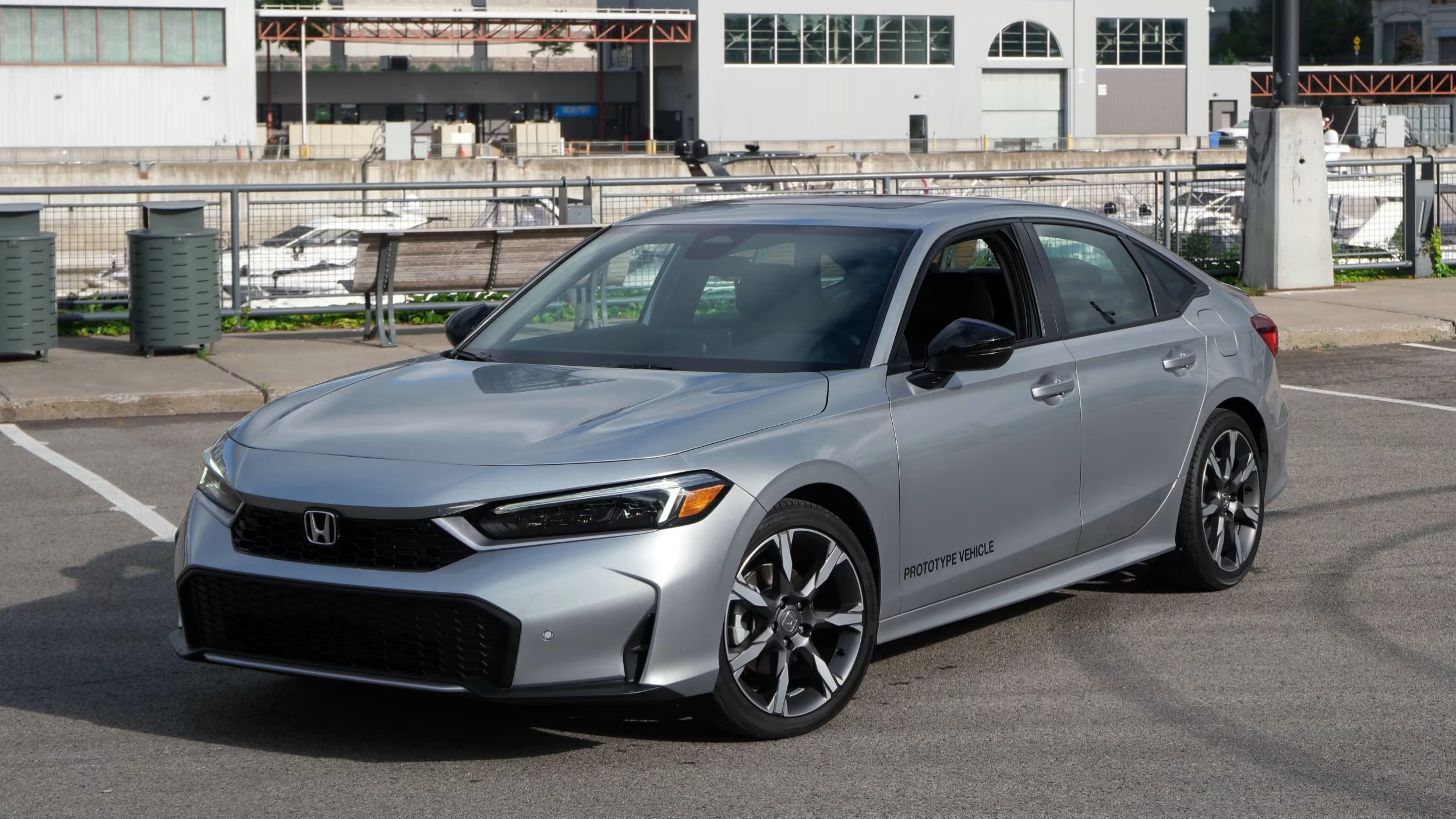
4. 2025 Honda Civic: Efficient, Reliable, and Comfortable for Tampa Bay Commuters
The 2025 Honda Civic refresh continues to deliver the reliability, fuel efficiency, and practicality that have made it a staple among commuters. Ideal for Tampa Bay drivers, the Civic balances strong safety technology, comfortable interiors, and modern features, making daily travel along I-275, I-4, or city streets less stressful.
With the Hybrid model offering over 50 mpg combined, and the standard gas models achieving up to 41 mpg highway, the Civic helps reduce fuel costs for frequent trips through Brandon, St. Pete, Clearwater, and other busy areas.
Safety is a major highlight, with Honda Sensing coming standard across all trims. Adaptive Cruise Control with Low-Speed Follow makes stop-and-go traffic less taxing, while Lane-Keeping Assist, automated emergency braking, and pedestrian detection increase driver confidence in congested environments.
These systems work together to reduce fatigue during long commutes or heavy traffic situations, giving drivers more peace of mind.
The Civic’s compact dimensions and agile handling make it easy to maneuver and park in downtown Tampa or crowded retail areas. The interior is thoughtfully designed, with soft-touch materials, a spacious rear seat, and practical storage.
The hatchback variant provides additional cargo space, making it suitable for beach gear, groceries, or road-trip luggage. Comfort is further enhanced by user-friendly climate controls and supportive seating, ideal for longer drives on I-275 or I-4.
Technology is modern and intuitive. Standard features include Apple CarPlay and Android Auto, with the Hybrid offering larger infotainment options, including a 9-inch touchscreen and a 10.2-inch digital gauge cluster. Higher trims add wireless charging, in-dash navigation, and premium audio systems, keeping drivers connected and entertained without distraction.
Performance varies by model. The standard gas-powered Civic uses a 150-hp 2.0-liter four-cylinder engine with a CVT, providing sufficient power for city and highway driving.
The Civic Hybrid combines a 2.0-liter engine with two electric motors for a total of 200 hp, delivering smooth, responsive acceleration with a 0–60 mph time of 6.2 seconds, quicker than the non-hybrid Civic and even the Civic Si in some tests. Both versions are front-wheel drive and emphasize efficiency and reliability over sporty performance.
Honda’s warranty is average for the class, covering three years or 36,000 miles for the vehicle and five years or 60,000 miles for the powertrain. The Hybrid components are covered for eight years or 100,000 miles, and the first year includes complimentary maintenance.
The 2025 Honda Civic is a practical, tech-forward, and economical choice for Tampa Bay commuters. Its combination of fuel efficiency, safety features, comfort, and reliability makes it well-suited for the region’s mix of urban streets, highways, and daily errands.
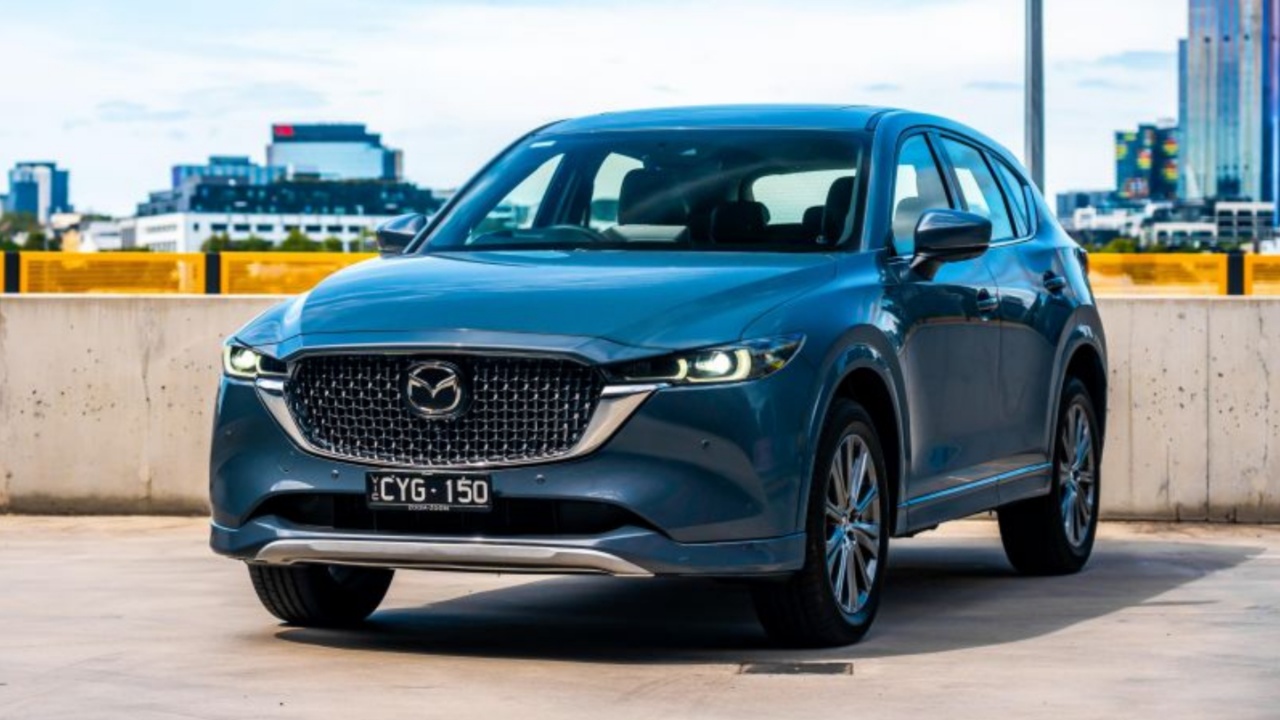
5. 2025 Mazda CX-5: Comfortable, Stylish, and Confident for Tampa Bay Commuters
The 2025 Mazda CX-5 is a mid-size SUV that combines a premium interior, responsive handling, and versatile performance, making it an excellent choice for Tampa Bay commuters.
Its well-insulated cabin, supportive seats, and efficient ventilation system quickly cool the interior after hours in the Florida sun, creating a comfortable environment for daily drives on I-275, I-4, or through downtown Tampa. With good fuel economy of around 26 mpg city and 31 mpg highway for the base engine, drivers can save on gas while enjoying a refined driving experience.
Mazda emphasizes a near-luxury feel in the CX-5. High-quality materials, soft-touch surfaces, and a quiet ride reduce commute fatigue, while the cabin layout is both functional and elegant. The interior features a flat load floor, practical storage bins, and multiple small compartments for everyday essentials.
Rear seating is adequate for adults, and the cargo area can hold up to nine carry-on suitcases behind the rear seats. Advanced technology includes a 10.3-inch infotainment screen, Apple CarPlay, Android Auto, voice commands, and Mazda Connected Services, keeping drivers connected and informed. Optional features such as a heads-up display and wireless phone charging add convenience.
Performance and handling are standout features of the CX-5. The standard 187-hp four-cylinder engine provides quick acceleration around town, while the optional 256-hp turbocharged engine delivers brisk 0 to 60 mph times of 6.2 seconds for more spirited driving.
Both engines pair with a six-speed automatic transmission and standard all-wheel drive, offering nimble maneuverability in traffic and confidence in rain or slippery conditions. The CX-5’s suspension absorbs road imperfections while maintaining control, and the electrically assisted steering provides precise and responsive handling, making city streets and winding roads enjoyable.
Safety and driver assistance are prioritized with the i-Activsense suite, which includes adaptive Mazda Radar Cruise Control with Stop and Go, lane-keeping assist, and automated emergency braking with pedestrian detection. Blind-spot monitoring is available for added security in heavy traffic.
The 2025 Mazda CX-5 strikes a balance between style, comfort, performance, and practicality. Its quiet, upscale interior, responsive handling, standard all-wheel drive, and smart technology make it ideal for Tampa Bay commuters.
The efficient engines reduce fuel costs, and the SUV provides enough cargo space for errands, weekend trips, or beach gear. With a three-year, 36,000-mile limited warranty and a five-year, 60,000-mile powertrain warranty, the CX-5 delivers value, peace of mind, and a confident driving experience for daily commuting and beyond.
Also Read: 5 Cars for Missoula Trail Access and 5 That Don’t Handle Off-Road
5 That Overheats in Traffic
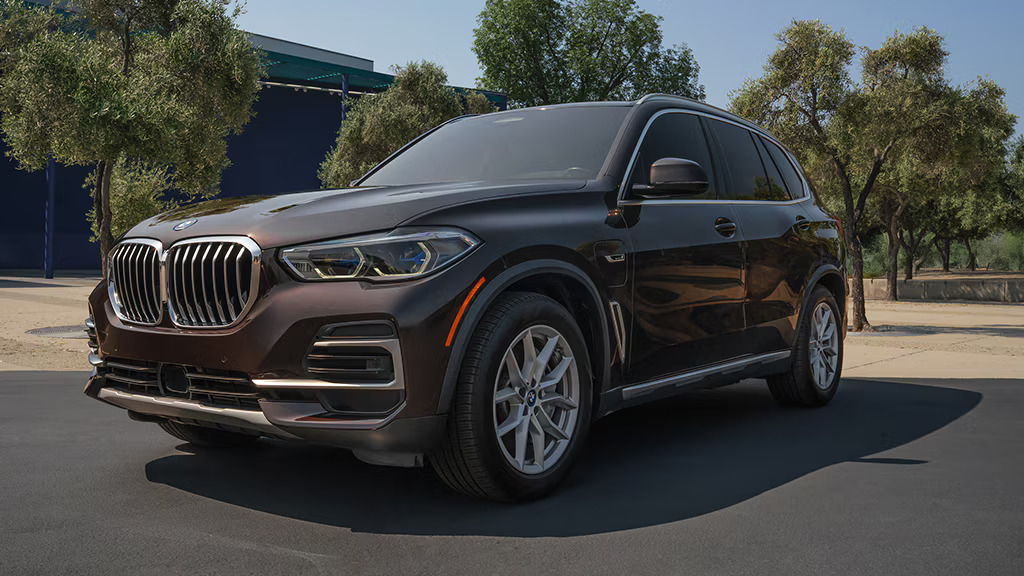
1. 2011–2018 BMW X5: Cooling System Vulnerabilities in Stop-and-Go Traffic
Older BMW X5 models from 2011 to 2018 are prone to overheating, particularly in heavy traffic and hot climates like Tampa Bay. These vehicles have well-documented weaknesses in their cooling systems, including failing electric water pumps, stuck thermostats, clogged radiators, and degraded plastic expansion tanks.
When traffic slows airflow over the radiator, these components struggle to maintain safe engine temperatures, leading to rapid overheating and potential engine damage.
Key causes include electric water pumps that stop circulating coolant effectively, thermostats that fail to open, leaks from aging hoses or expansion tanks, malfunctioning cooling fans, air pockets after service, and clogged radiators that reduce heat transfer efficiency.
Stop-and-go driving in high ambient temperatures exacerbates these issues, as low airflow increases reliance on fans and older components, pushing the system beyond its limits.
Preventing overheating in these older X5s requires proactive maintenance. Regular coolant flushes and timely replacement of known weak points, such as water pumps, thermostats, and the expansion tank, can help avoid failures.
Ensuring the cooling system is free of air pockets and debris, and verifying fan operation, is essential for reliable operation. For owners in hot, congested areas, addressing these vulnerabilities early can prevent costly engine damage and improve vehicle longevity.
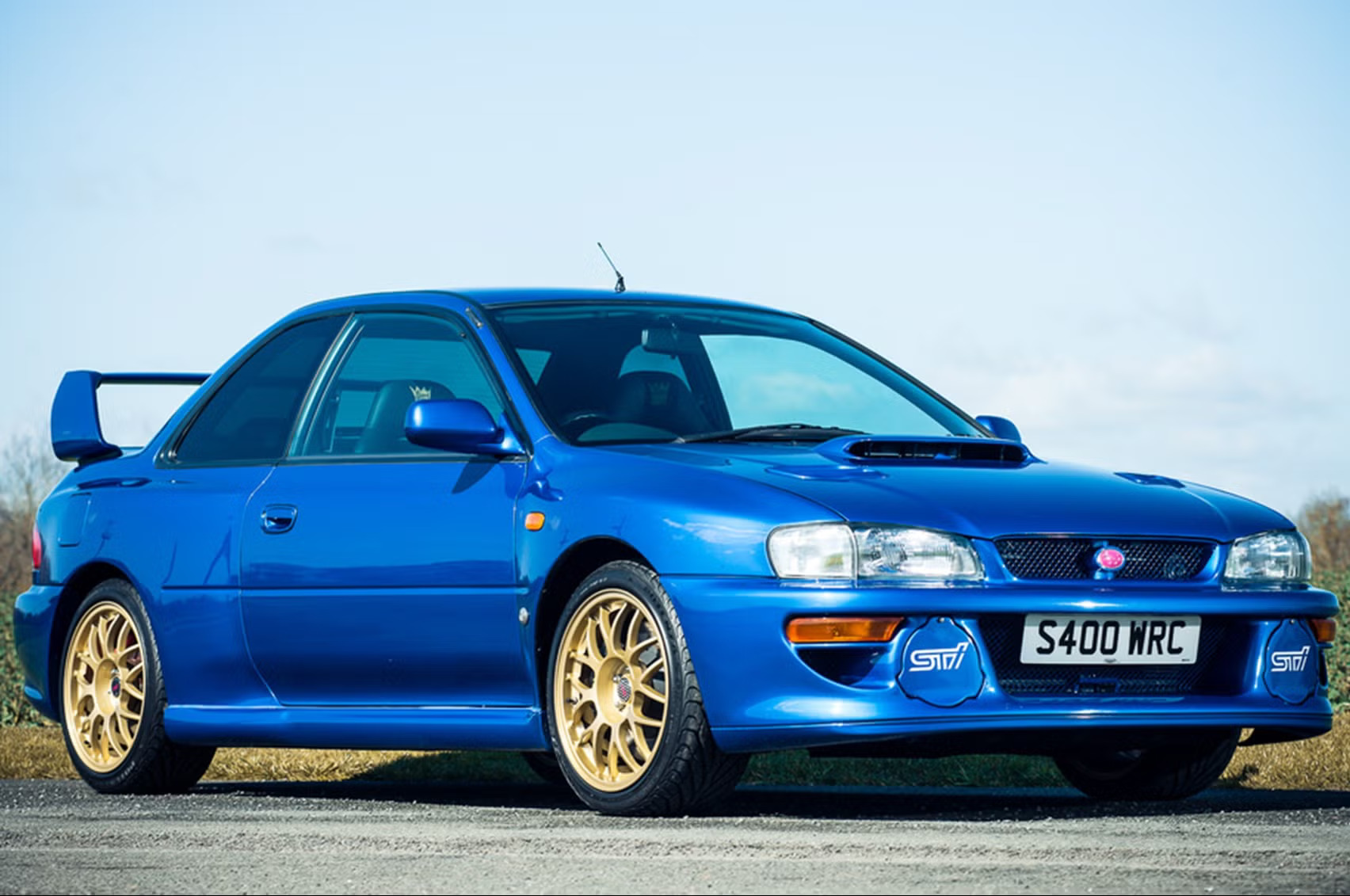
2. Older Subaru Impreza STI: Overheating Risks in Traffic
Older Subaru Impreza STI models with turbocharged engines are prone to overheating in stop-and-go traffic, particularly in hot climates like Tampa Bay. These high-performance engines rely on consistent airflow through the intercooler and radiator to manage heat. In traffic, airflow is minimal, placing extra demand on electric radiator fans and exposing weaknesses in the cooling system.
Common causes of overheating include failing radiator fans, stuck thermostats, trapped air in the system, low coolant levels or leaks, clogged radiators or hoses, and blown head gaskets. Each of these issues reduces the cooling system’s effectiveness.
Air pockets, often from previous maintenance or head gasket problems, can block coolant circulation, while stuck thermostats prevent hot coolant from reaching the radiator, causing rapid temperature spikes. Low coolant or internal clogs further reduce heat dissipation, and in turbocharged STI engines, even brief overheating can affect performance or damage components.
Tampa Bay conditions worsen the problem. High ambient temperatures push engines harder, and stop-and-go traffic eliminates natural airflow, making electric fans the sole cooling source.
Preventing overheating requires regular maintenance, including inspecting and ensuring radiator fans operate properly, bleeding the cooling system to remove trapped air, replacing faulty thermostats with genuine Subaru parts, and checking for leaks or head gasket issues. Proper care can maintain performance and reduce the risk of engine damage in congested, hot driving conditions.
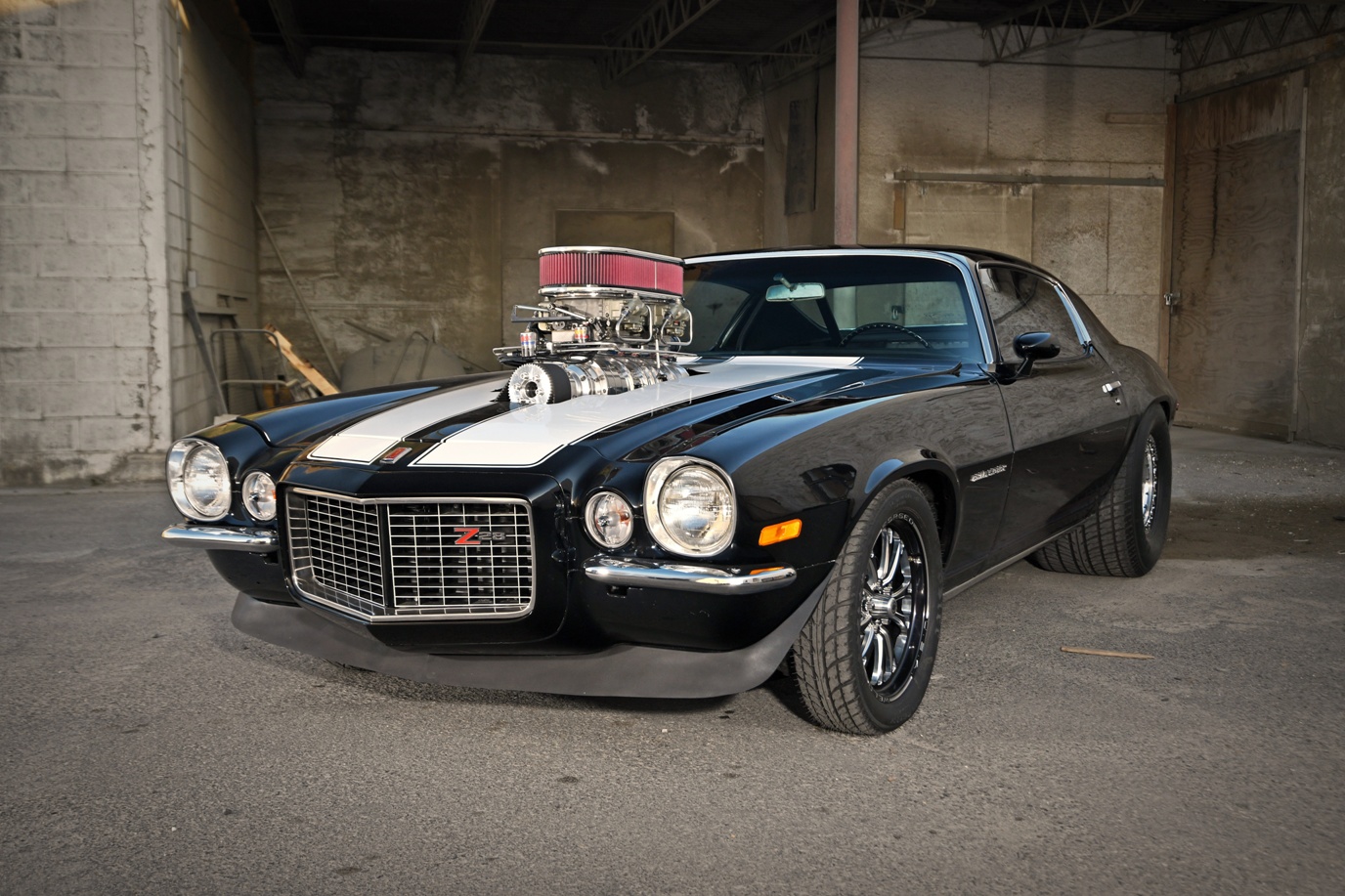
3. Vintage Cars with Mechanical Fans: Overheating Risks in Tampa Traffic
Older classic cars with mechanical, belt-driven radiator fans are prone to overheating in Tampa Bay traffic, especially during slow-moving conditions like on the Gandy Bridge. These fans were designed for continuous airflow at higher speeds, not for stop-and-go driving in extreme heat.
At low RPMs, the mechanical fan cannot pull enough air through the radiator, while running the air conditioning adds extra engine load and heat, stressing already aged cooling components.
Common weak points in vintage cooling systems include clogged radiators from rust, scale, or debris, which block coolant flow; failing thermostats or weakened water pumps that restrict circulation; and worn hoses or belts that can leak or reduce efficiency. These issues combine to create rapid temperature spikes and increase the risk of boil-overs during traffic congestion.
Solutions for preventing overheating in older vehicles include upgrading to a modern aluminum radiator paired with an efficient electric fan for better airflow, flushing and inspecting the cooling system regularly, and replacing worn hoses, belts, and thermostats.
Ensuring the water pump functions properly is critical, and reducing engine load by limiting air conditioning use during extreme heat can also help. With proper maintenance and selective upgrades, vintage cars can better handle modern Tampa Bay traffic while preserving their classic appeal.
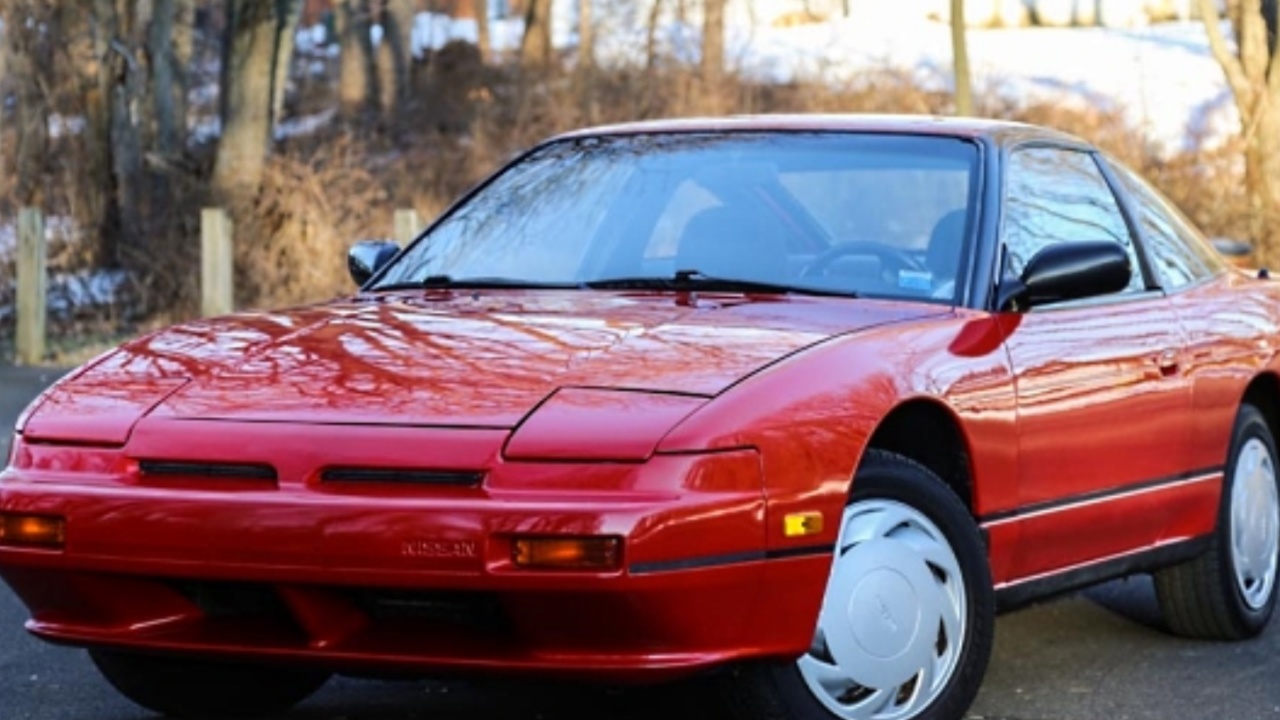
4. 1990s Nissan 240SX: Cooling Challenges in Tampa Traffic
1990s Nissan 240SX models are prone to overheating in Tampa Bay traffic due to aging cooling systems and designs not built for modern stop-and-go driving in extreme heat. Common causes include malfunctioning electric fans, stuck thermostats, low coolant levels, air pockets in the system, clogged radiators, and worn hoses.
At low speeds, electric fans are essential for moving air through the radiator, and failure can quickly cause engine temperatures to spike. A thermostat that sticks closed prevents coolant from circulating properly, while leaks or low coolant levels reduce the system’s efficiency. Air trapped in the system after maintenance can block flow, and radiator buildup restricts heat transfer.
Tampa’s hot climate and heavy traffic worsen these issues by reducing natural airflow, placing additional strain on already weakened components.
Preventive measures include inspecting and replacing electric fans to ensure proper operation, replacing thermostats, bleeding the system to remove air pockets, and upgrading to a larger, more efficient radiator.
Checking hoses and the water pump for wear or leaks and maintaining a proper 50/50 coolant-to-water mix are also crucial. With proactive maintenance and targeted upgrades, older 240SX models can handle the challenges of Florida traffic while preserving engine performance and reliability.
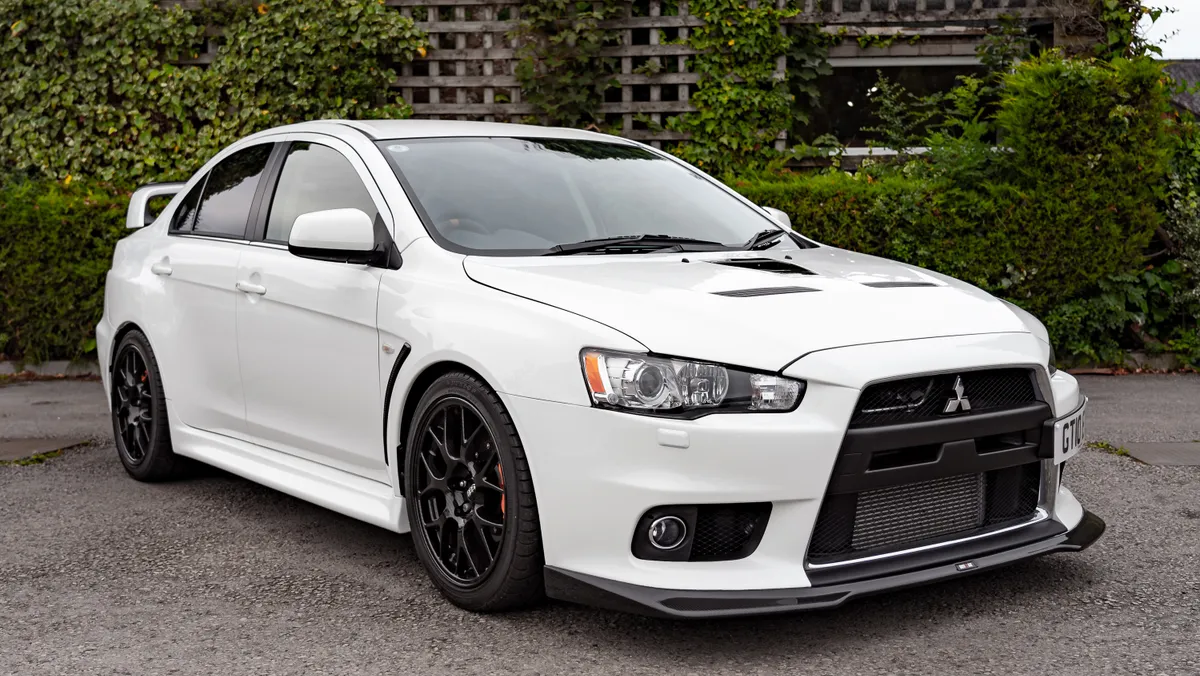
5. Mitsubishi Lancer Evolution X: Overheating Risks in Tampa Traffic
The Mitsubishi Lancer Evolution X, built for performance rather than prolonged idling, is prone to overheating in Tampa Bay traffic. Its factory cooling system can struggle under heavy stop-and-go conditions, where limited airflow and high ambient temperatures place extra stress on components.
Common causes of overheating include faulty radiator fans, low coolant from leaks, stuck or failing thermostats, clogged radiators or hoses, air pockets in the system, weak water pumps, and even head gasket issues. Using the air conditioning in hot weather adds further strain, increasing the likelihood of heat-related failures.
Tampa’s heat and humidity intensify the problem, and stop-and-go traffic reduces natural airflow, making the electric radiator fan and efficient coolant circulation critical. Even cars that perform well at highway speeds can experience spikes in engine temperature during prolonged idling or slow traffic.
Preventive measures include checking coolant levels and inspecting for leaks, ensuring the radiator fan operates correctly, replacing failing thermostats, and flushing the system to remove clogs or air pockets.
For complex issues, such as head gasket concerns or cooling problems related to the SST transmission in MR models, professional evaluation by a shop experienced with performance cars is recommended. Regular maintenance and careful monitoring allow the Evo X to handle Florida traffic while protecting its high-performance engine.
Not all vehicles perform well in Tampa Bay’s hot, congested traffic. Older or performance-focused cars such as the 2011–2018 BMW X5, Subaru Impreza STI, vintage vehicles with mechanical fans, 1990s Nissan 240SX, and Mitsubishi Lancer Evolution X are prone to overheating in stop-and-go conditions.
Weak cooling components, stuck thermostats, low coolant levels, and insufficient airflow can quickly push engines past safe temperatures. Drivers of these models must prioritize maintenance, including flushing cooling systems, checking fans and pumps, and addressing leaks or clogs to prevent damage.
Understanding which vehicles excel and which are prone to heat-related issues helps Tampa Bay residents choose dependable, efficient, and safe cars for daily commuting.
Also Read: 10 Cars That Look Stunning But Disappoint True Enthusiasts