Choosing the right car for suburban life in Charlotte means considering reliability, practicality, and long-term value. Residents need vehicles that handle daily commuting, school runs, errands, weekend trips, and varying weather conditions while keeping ownership costs manageable.
Some vehicles stand out for their combination of efficiency, comfort, safety, and strong resale value. The Toyota RAV4, Honda CR-V, Honda Accord, Volkswagen Atlas, and Subaru Crosstrek excel in these areas. They offer spacious interiors, modern technology, and versatility that make them well-suited for suburban families and active lifestyles.
Not every vehicle performs well in suburban settings or holds its value over time. Luxury sedans, niche performance SUVs, and early electric vehicles may provide prestige, performance, or cutting-edge features, but often face steep depreciation, high repair costs, and limited demand in the used market.
Models such as the BMW 7 Series, Jaguar I-PACE, Nissan LEAF, Maserati Levante, and Audi A8 can lose significant value within a few years, making them risky choices for buyers who prioritize practical, cost-effective ownership. Understanding which cars thrive and which struggle in suburban environments is important for making smart purchasing decisions.
5 Cars for Charlotte Suburban Life
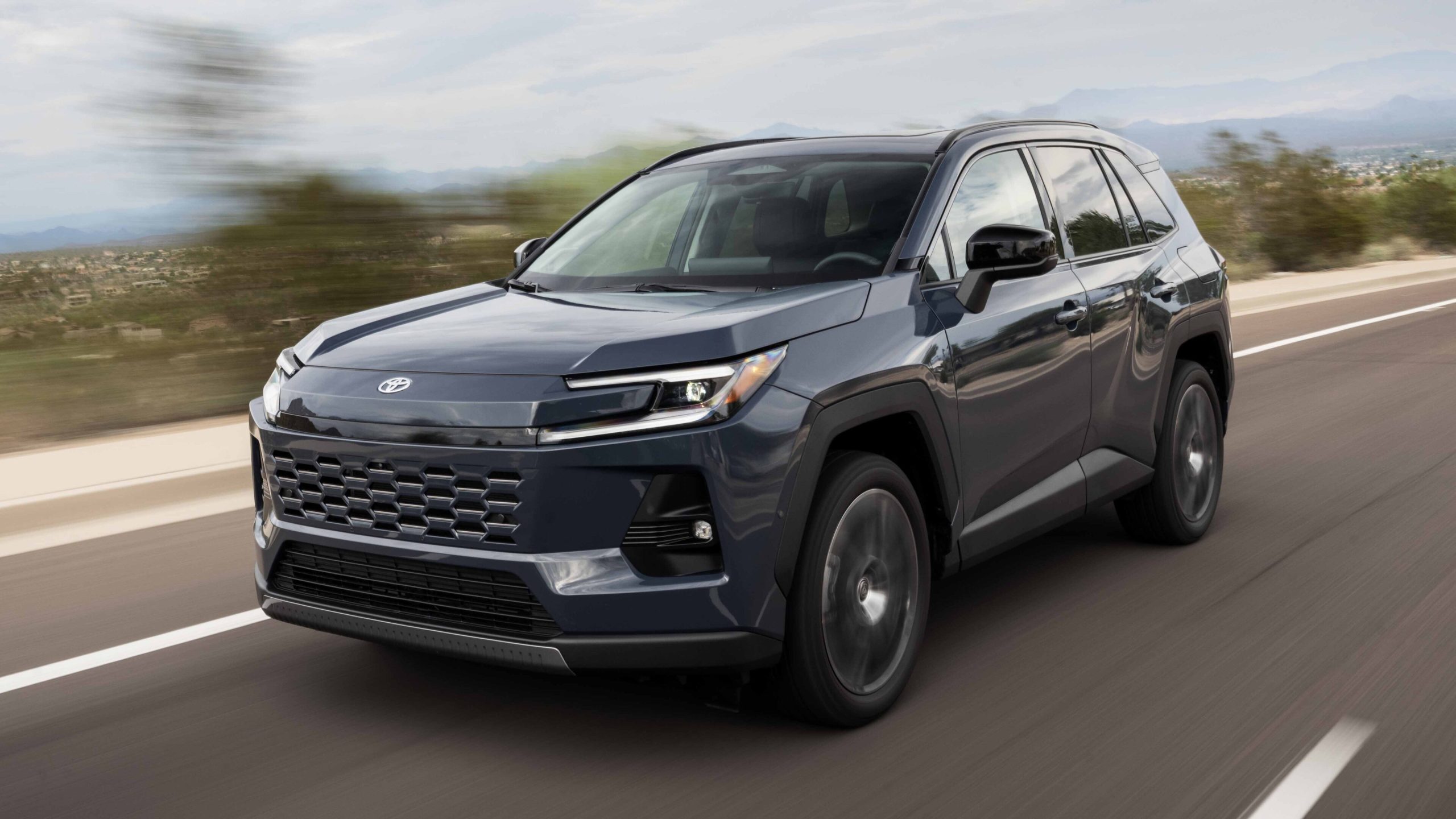
1. Toyota RAV4: A Practical, Efficient SUV for Suburban Living
The Toyota RAV4 continues to be one of the most popular compact SUVs because of its reliability, efficiency, and everyday versatility. With gas, hybrid, and plug-in hybrid powertrain options, the RAV4 appeals to a wide range of drivers who need a vehicle that can handle daily commuting, family responsibilities, and weekend travel without excessive fuel costs or maintenance concerns.
For Charlotte area suburbs such as Huntersville, Fort Mill, Matthews, and Gastonia, the RAV4 is especially well-suited. It combines the higher seating position and cargo space of an SUV with the fuel efficiency and easy handling of a sedan.
This balance makes it ideal for commuting on highways like I-77 and I-485, running school drop-offs, and taking weekend trips to the mountains or into the city. Hybrid models stand out with city fuel economy around 41 mpg, helping reduce fuel expenses for longer suburban commutes.
Powering most RAV4 models is a 2.5-liter four-cylinder engine producing 203 horsepower and paired with an eight-speed automatic transmission. Front wheel drive is standard, while All Wheel Drive is available for added traction in rain, light snow, or uneven terrain.
Acceleration is adequate rather than sporty, with a 0 to 60 mph time of about 8.3 seconds for gas models. The hybrid improves performance with quicker acceleration at around 7.4 seconds. On the road, the RAV4 feels stable and comfortable, especially on highways, even if it does not deliver a sporty driving experience.
Fuel efficiency is one of the RAV4’s strongest advantages. Front wheel drive gas models can achieve up to 35 mpg on the highway, while all wheel drive versions remain competitive within the segment. Hybrid models offer significantly better real-world fuel economy, making them a smart choice for daily suburban driving.
Inside, the RAV4 focuses on comfort, storage, and practicality. Higher trims provide upgraded materials, faux leather seating, and a more refined interior, while lower trims keep costs down. Cargo space is generous, with room for groceries, sports equipment, and luggage for family trips.
Technology features such as wireless Apple CarPlay and Android Auto enhance daily commutes, while Toyota Safety Sense provides standard driver assistance features like adaptive cruise control and lane keeping assist. Combined with Toyota’s strong reliability, resale value, and complimentary maintenance, the RAV4 is a well-rounded choice for suburban lifestyles.
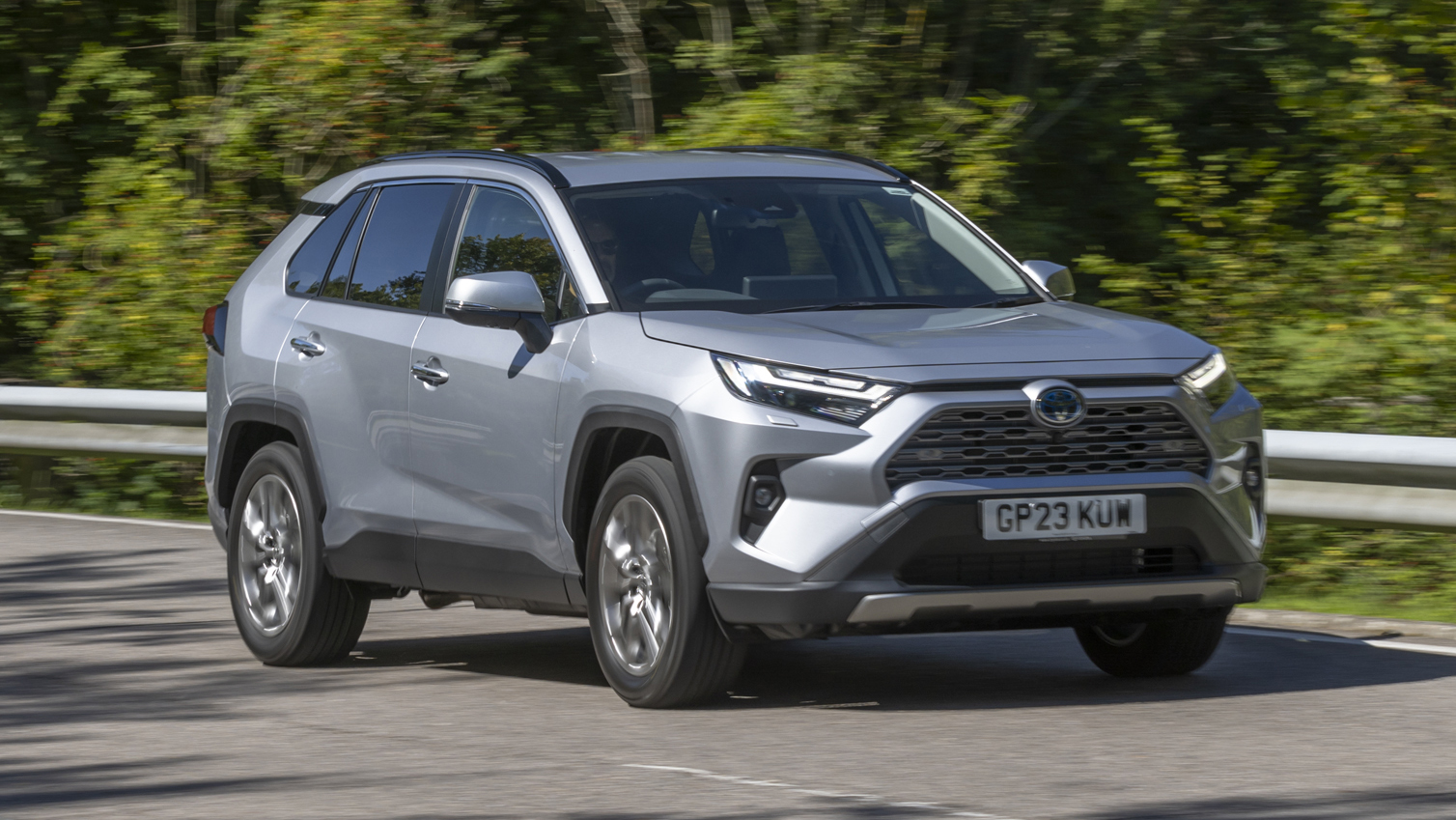
2. Honda CR-V: A Smart, Comfortable SUV for Suburban Families
The Honda CR-V is a long-standing favorite in the compact SUV segment, known for its strong balance of practicality, comfort, efficiency, and long-term value. Designed to meet the needs of busy families and commuters alike, the CR-V fits naturally into suburban life while remaining easy to drive and efficient enough for daily use.
For Charlotte area suburbs such as Huntersville, Fort Mill, Concord, and Matthews, the CR-V checks nearly every box. Its manageable size makes it easy to navigate suburban streets, school parking lots, and grocery stores, while its roomy interior and flexible cargo area provide the space families need for sports gear, pets, and weekend getaways.
Wide opening rear doors make loading children and car seats much easier, a major benefit for parents with young kids.
Under the hood, most CR-V models use a turbocharged 1.5-liter four-cylinder engine producing 190 horsepower, paired with a continuously variable automatic transmission. Front wheel drive comes standard, with All Wheel Drive available for added confidence in rain or light winter conditions.
While acceleration is not sporty, the CR-V delivers smooth, predictable power that works well for highway merging and daily commuting. The hybrid version improves efficiency significantly, offering city fuel economy near 40 mpg, which helps reduce fuel costs for frequent trips around Charlotte and surrounding towns.
Ride comfort is one of the CR-V’s strongest qualities. The suspension is tuned for smoothness, and the cabin remains quiet and relaxed even on longer drives. Honda has also focused on seat comfort and interior ergonomics, making the CR-V well-suited for long commutes or road trips.
Cargo space is generous, with up to 39 cubic feet behind the rear seats, outperforming some key rivals and easily accommodating luggage, groceries, or strollers.
Technology and safety are central to the CR-V’s appeal. A modern 9-inch touchscreen with Apple CarPlay and Android Auto comes standard, along with convenient features like USB-C ports and available wireless charging.
Every CR-V includes Honda Sensing, a comprehensive safety suite with adaptive cruise control, lane keeping assist, forward collision warning, and automatic emergency braking. These features provide added confidence on busy highways like I-485 and I-77.
Known for reliability and strong resale value, the Honda CR-V offers excellent long-term ownership value. With its blend of comfort, space, efficiency, and safety, it stands out as a well-rounded choice for modern suburban families.
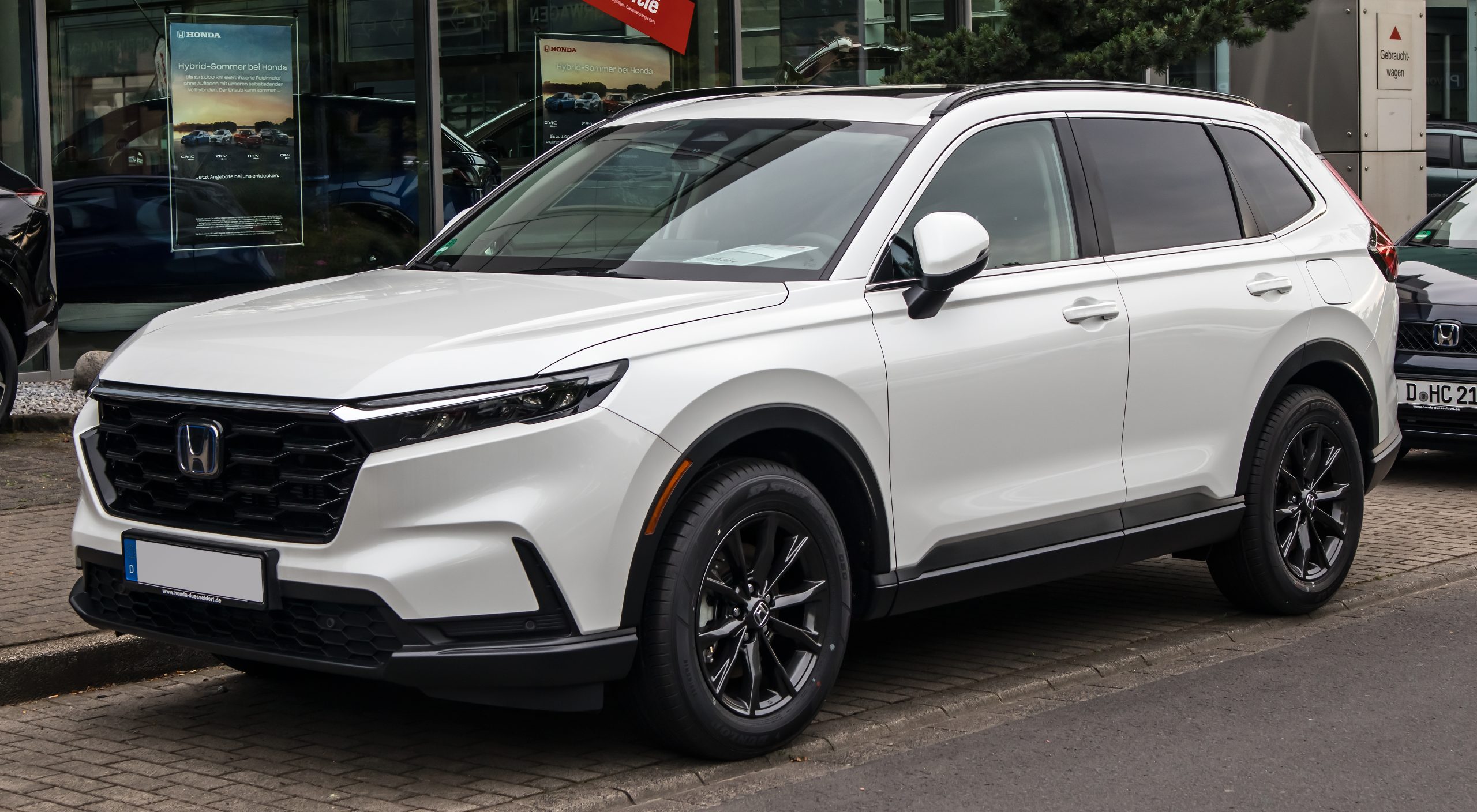
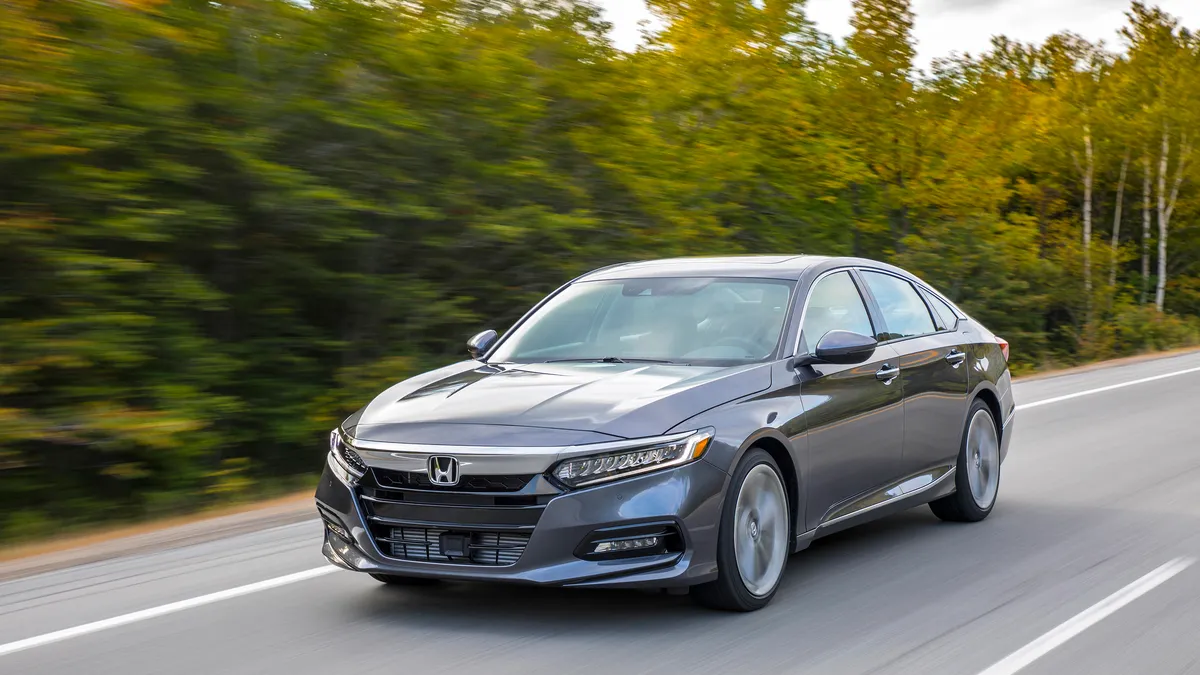
3. Honda Accord: A Refined, Efficient Sedan for Suburban Driving
The Honda Accord remains one of the most trusted midsize sedans on the road, offering a smooth and quiet ride, excellent fuel efficiency, and a surprisingly spacious interior. For suburban drivers who want comfort, reliability, and modern technology without stepping up to a larger SUV, the Accord fits seamlessly into everyday life.
In Charlotte area suburbs such as Huntersville, Matthews, and Fort Mill, the Accord proves especially practical. Its roomy cabin easily accommodates families, carpools, and grocery runs, while its sleek sedan design makes daily commuting feel refined rather than utilitarian.
With strong fuel economy, particularly from the hybrid models, the Accord helps drivers manage long commutes and frequent errands without frequent stops at the pump.
The Accord is available with two well-tuned powertrains. Entry trims use a turbocharged 1.5-liter four-cylinder engine producing 192 horsepower, while higher trims feature an advanced hybrid system that pairs a 2.0-liter engine with two electric motors for a combined 204 horsepower.
Both setups use a continuously variable automatic transmission and Front Wheel Drive. Performance is confident and composed, with smooth acceleration and responsive handling. The hybrid model is quicker off the line and remains one of the best driving hybrids in its class.
Fuel efficiency is a standout strength. Non-hybrid models achieve strong mileage for a midsize sedan, while hybrid versions deliver exceptional numbers, with city ratings reaching over 50 mpg. Real-world highway testing confirms the Accord’s efficiency, making it a smart choice for daily suburban commuting and longer highway trips.
Inside, the Accord offers a clean, modern cabin with thoughtful design touches and excellent space. The front seats are comfortable for long drives, and rear seat legroom is generous enough for growing families or adult passengers. The trunk provides ample cargo capacity for groceries, sports equipment, or weekend luggage, rivaling some smaller SUVs in usability.
Technology is standard across the lineup, with wireless Apple CarPlay and Android Auto, digital gauge displays, and available large touchscreens. Higher trims add premium features such as a Bose audio system and head-up display. Safety is equally impressive, as every Accord comes equipped with Honda Sensing.
This includes automatic emergency braking, lane keeping assist, adaptive cruise control, and other driver assistance features that provide confidence on busy suburban roads and highways.
Known for long-term reliability and strong resale value, the Honda Accord remains a smart investment for suburban families. Its blend of space, comfort, efficiency, safety, and refined driving manners makes it an ideal daily driver for life around the Charlotte area.
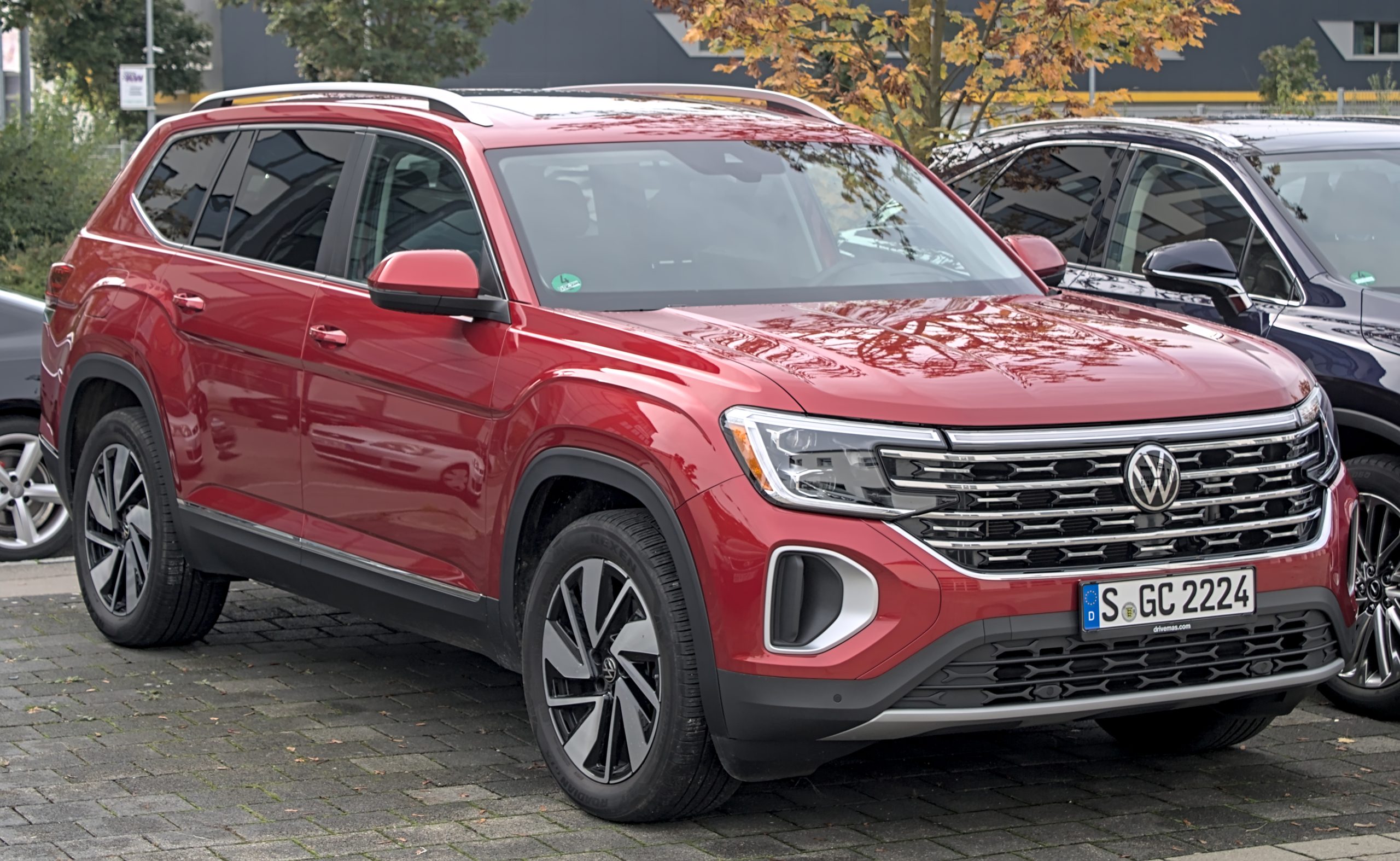
4. Volkswagen Atlas: A Spacious, Family-Focused Three-Row SUV
The Volkswagen Atlas stands out as one of the most family-friendly midsize SUVs on the market, prioritizing interior space, comfort, and everyday usability.
Designed with growing families in mind, the Atlas offers a true three-row layout that comfortably fits adults in all seating positions, along with class-leading cargo capacity. For suburban households that value room and practicality above sporty driving dynamics, the Atlas is a compelling choice.
One of the Atlas’s biggest strengths is its exceptionally roomy interior. All three rows provide generous legroom, making it ideal for carpools, family road trips, and transporting teenagers or adult passengers.
Cargo space is equally impressive, with enough room for multiple suitcases even when the third row is in use. When the seats are folded down, the Atlas can handle large furniture, sports equipment, or bulk grocery runs with ease. Numerous storage cubbies and an abundance of cupholders further enhance its family-friendly design.
Power comes from a turbocharged 2.0-liter four-cylinder engine producing 269 horsepower, paired with an eight-speed automatic transmission. This engine replaces the older V6 and delivers improved throttle response and smoother everyday performance. Front Wheel Drive is standard, while All Wheel Drive is available for added confidence in poor weather.
Acceleration is solid for a vehicle of this size, with a 0 to 60 mph time of about 7.3 seconds. While the Atlas feels composed and comfortable on the highway, it is less nimble on tight roads and corners, reflecting its focus on comfort rather than sporty handling.
Fuel economy is reasonable for a three-row SUV, but not class-leading. Front wheel drive models achieve respectable highway mileage, while all wheel drive versions see a slight drop. For families who prioritize space and comfort over maximum efficiency, the trade-off is often acceptable.
Inside, the Atlas has a clean and functional design that favors practicality over flash. Recent updates have improved materials and technology, though the touch-sensitive controls remain a point of debate among users. A large 12-inch touchscreen with Apple CarPlay and Android Auto comes standard, along with wireless phone charging and multiple USB-C ports for passengers in every row.
Safety is well covered, with standard features such as automatic emergency braking, blind spot monitoring, and rear cross traffic alert, plus available adaptive cruise control with lane centering. Volkswagen also includes complimentary scheduled maintenance, adding value to ownership.
The Volkswagen Atlas excels as a comfortable, spacious family hauler. For suburban families who need three usable rows, generous cargo space, and a smooth highway ride, it remains one of the most practical SUVs in its class.
5. Subaru Crosstrek: A Versatile AWD Crossover for City Life and Weekend Adventures
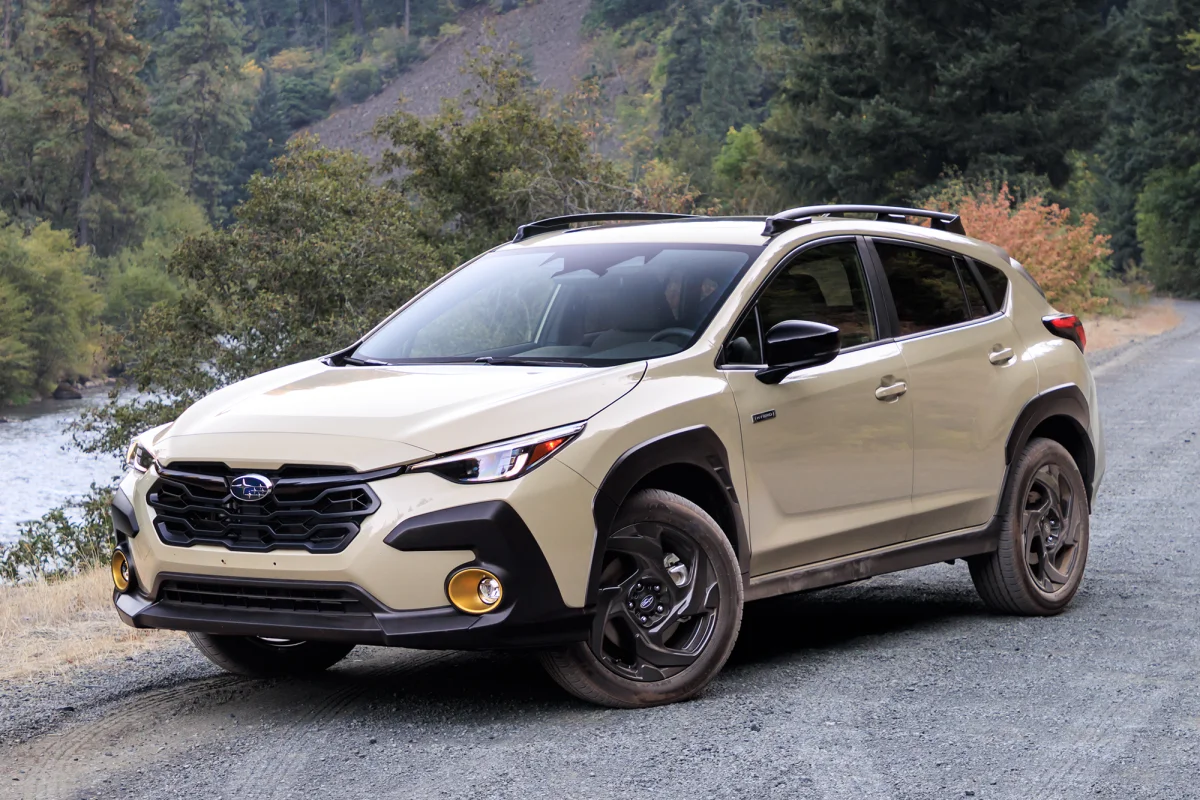
The Subaru Crosstrek is a strong choice for drivers who want one vehicle that can handle daily suburban life while remaining ready for outdoor exploration. With standard All Wheel Drive, generous ground clearance, and a compact footprint, the Crosstrek balances urban practicality with adventure-focused capability.
For active families and commuters around Charlotte, it offers confidence, versatility, and efficiency in a manageable package.
In Charlotte area suburbs, the Crosstrek fits naturally into everyday routines. Its compact size makes it easy to maneuver through city traffic, tight parking garages, and busy shopping areas like Uptown or SouthPark.
At the same time, standard Subaru Symmetrical All Wheel Drive provides added reassurance during heavy rain and occasional icy conditions, setting it apart from many Front Wheel Drive competitors. This combination makes the Crosstrek well-suited for both weekday errands and longer commutes on highways such as I-485.
Adventure readiness is another defining strength. With at least 8.7 inches of ground clearance, hill descent control, and hill start assist, the Crosstrek can handle light trails, gravel roads, and uneven terrain with ease.
The Wilderness trim increases ground clearance to 9.3 inches and adds more rugged tires, making it especially appealing for trips to the Blue Ridge Mountains or Uwharrie National Forest. While it is not a hardcore off-roader, it offers more trail capability than most subcompact crossovers.
All Crosstrek models are powered by a 2.5-liter four-cylinder engine producing 180 horsepower, paired with a continuously variable automatic transmission.
Acceleration is adequate rather than quick, with a relaxed driving character that emphasizes comfort over sportiness. The ride quality is soft and composed, making daily driving smooth and stress-free, even if it lacks the sharp handling of some rivals.
Fuel economy remains competitive for an All Wheel Drive vehicle. The Crosstrek delivers solid city and highway mileage, helping keep operating costs reasonable for daily commuting and family use.
Inside, the cabin is practical and durable, with comfortable front seating, fold-flat rear seats, and versatile cargo space. It offers enough room for groceries, sports equipment, and outdoor gear, making it easy to adapt to changing needs.
Technology and safety are major highlights. Subaru EyeSight driver assist technology comes standard, including adaptive cruise control, lane keeping assist, and automated emergency braking. Available larger touchscreens, wireless smartphone connectivity, and upgraded audio systems add modern convenience.
The Subaru Crosstrek delivers a true best of both worlds experience. It is compact and efficient for suburban driving, yet capable and confident enough for weekend adventures, making it an excellent fit for an active Charlotte lifestyle.
Also Read: 5 Cars for Chico Valley Commutes and 5 That Hide Problems in Listings
5 That Don’t Hold Value
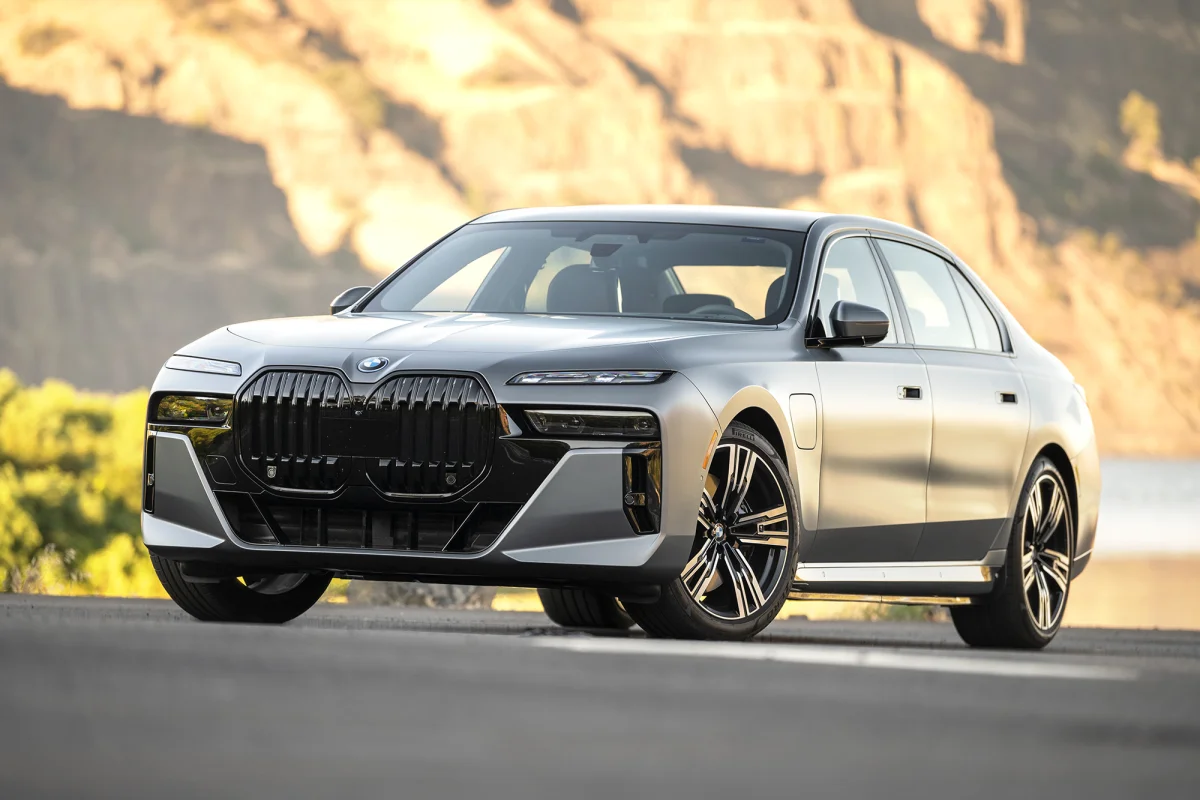
1. BMW 7 Series: Luxury and Technology at a High Depreciation Cost
The BMW 7 Series represents the pinnacle of BMW luxury, offering advanced technology, premium materials, and a refined driving experience. However, despite its prestige and performance, the 7 Series is widely known for steep depreciation, often losing a significant portion of its value within the first five years of ownership.
One of the main reasons for this rapid value loss is the car’s role as a technology showcase. The 7 Series debuts cutting-edge features such as large digital displays, advanced driver assistance systems, and high-end infotainment.
As newer generations quickly introduce updated versions of this technology, older models can feel outdated in a short period of time, which lowers demand in the used market.
High initial cost also plays a major role. The 7 Series carries a premium price when new, so depreciation hits harder in dollar terms. In addition, the complexity of its electronics and luxury features often leads to expensive maintenance and repair costs as the vehicle ages. Many used car buyers are hesitant to take on these potential expenses, even when the purchase price drops significantly.
Market preferences further affect resale value. In suburban areas like Charlotte, buyers increasingly favor luxury SUVs over large sedans. This shift reduces demand for used full-size luxury sedans, making it harder for the 7 Series to retain value.
As a result, the BMW 7 Series can lose more than half of its original value within five years. While it delivers exceptional comfort and status, it is a poor choice for buyers focused on long-term value retention.
2. Jaguar I-PACE: Premium EV Performance with Steep Depreciation Risks
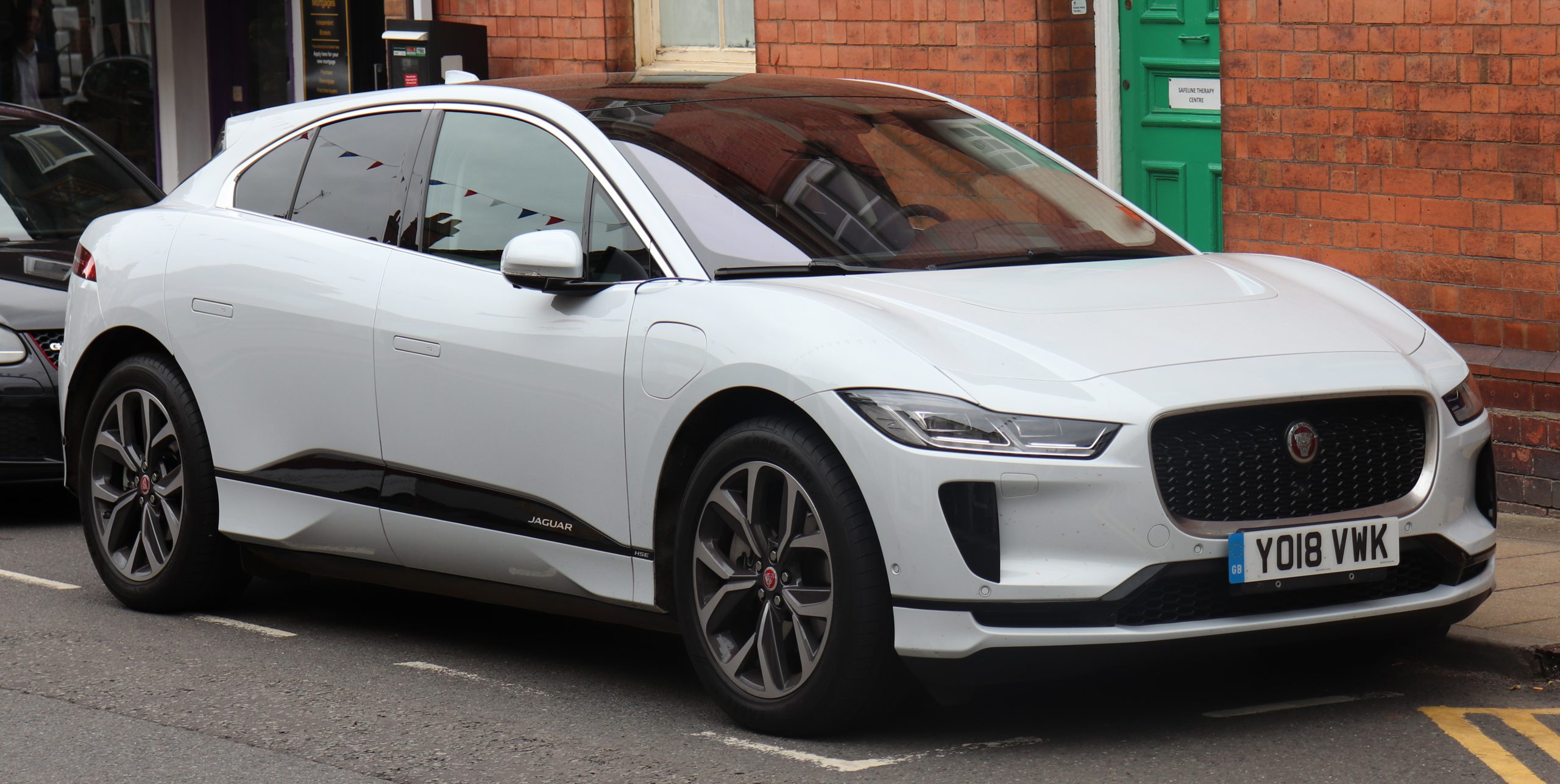
The Jaguar I-PACE entered the electric vehicle market with bold styling and strong performance, but it has struggled to retain value over time. Like many early premium EVs, the I-PACE suffers from rapid depreciation, driven by a mix of reliability concerns, fast-moving technology, and intense competition in the luxury electric segment.
A major factor behind the I-PACE’s value loss is widespread concern over battery reliability. High-profile recalls related to battery defects and fire risks have significantly damaged consumer confidence. For many buyers, especially in suburban areas where dependable daily transportation is essential, the potential risk of costly battery or software issues makes the I-PACE a less appealing used vehicle.
Reliability reports have further hurt resale value. Owners frequently cite electrical faults, warning lights, and software problems, which contribute to a perception of poor long-term dependability.
These issues are compounded by high expected maintenance and repair costs, which often offset the lower running costs typically associated with electric vehicles. As a result, value-focused buyers are reluctant to take on ownership, even at reduced prices.
The I-PACE has also fallen behind competitors in terms of updates. Limited improvements to the driving range and technology have made it less competitive against newer electric SUVs from brands like Tesla and others that offer better efficiency, charging capability, and user experience.
In competitive and value-conscious markets such as Charlotte’s suburbs, reliability and cost of ownership play a major role in purchasing decisions. Negative press, owner feedback, and stronger alternatives have created a stigma around the I-PACE, leading to sharp depreciation. While it delivers luxury and performance, the Jaguar I-PACE remains a risky choice for buyers concerned with long-term value.
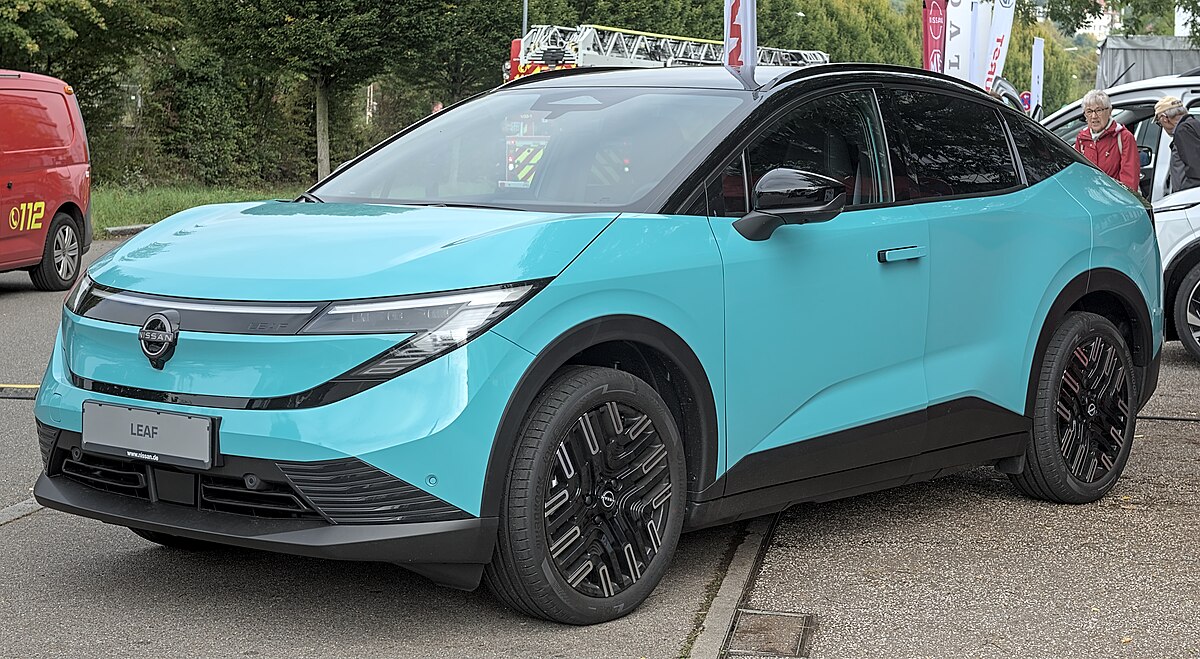
3. Nissan LEAF: Affordable EV Convenience with Long-Term Value Challenges
The Nissan LEAF has long been one of the most accessible electric vehicles on the market, appealing to buyers who want an affordable and easy-to-use EV for daily driving.
While it delivers quiet performance, low running costs, and modern technology, the LEAF has historically struggled with high depreciation, especially in suburban areas like Charlotte, where climate, range needs, and long-term reliability matter more.
One of the biggest contributors to the LEAF’s rapid value loss is its battery design. Unlike many competitors, the LEAF relies on a passively cooled battery system rather than active liquid cooling.
In warmer climates such as Charlotte, heat accelerates battery degradation, leading to permanent capacity loss and reduced driving range over time. This issue has created concern among used buyers who worry about diminished range and the high cost of battery replacement once the warranty expires.
Range limitations further affect the LEAF’s appeal. While newer versions offer improved driving range, older models in particular fall well short of many modern EV competitors.
Suburban drivers often require flexibility for longer commutes, errands, or spontaneous day trips, and limited range increases anxiety, especially when weather conditions reduce efficiency.
Rapid advancements in EV technology only amplify this problem, as newer vehicles continue to offer longer ranges, faster charging, and better battery durability, making earlier LEAF models feel outdated more quickly than traditional gas-powered cars.
Charging infrastructure has also played a role in depreciation. Earlier LEAF models relied on the CHAdeMO fast charging standard, which has become increasingly rare in North America.
As public charging networks shift toward CCS and Tesla’s NACS standard, convenience for LEAF owners declines, further reducing resale demand. Although newer models have improved compatibility, the model’s history continues to influence buyer perception.
In terms of performance, the LEAF prioritizes comfort and smoothness over sportiness. Acceleration is adequate for daily traffic, the ride is quiet, and the interior offers a clean, modern design with useful technology and safety features. Cargo space is practical for groceries or weekend trips, making it a capable second car for predictable driving patterns.
The Nissan LEAF works well as an affordable, low-maintenance EV for short, consistent commutes. However, battery concerns, limited range history, charging standards, and fast-moving EV advancements make it a poor performer in value retention, particularly in warm climate suburban markets like Charlotte.
4. Maserati Levante: Striking Luxury Performance with Major Depreciation Risk
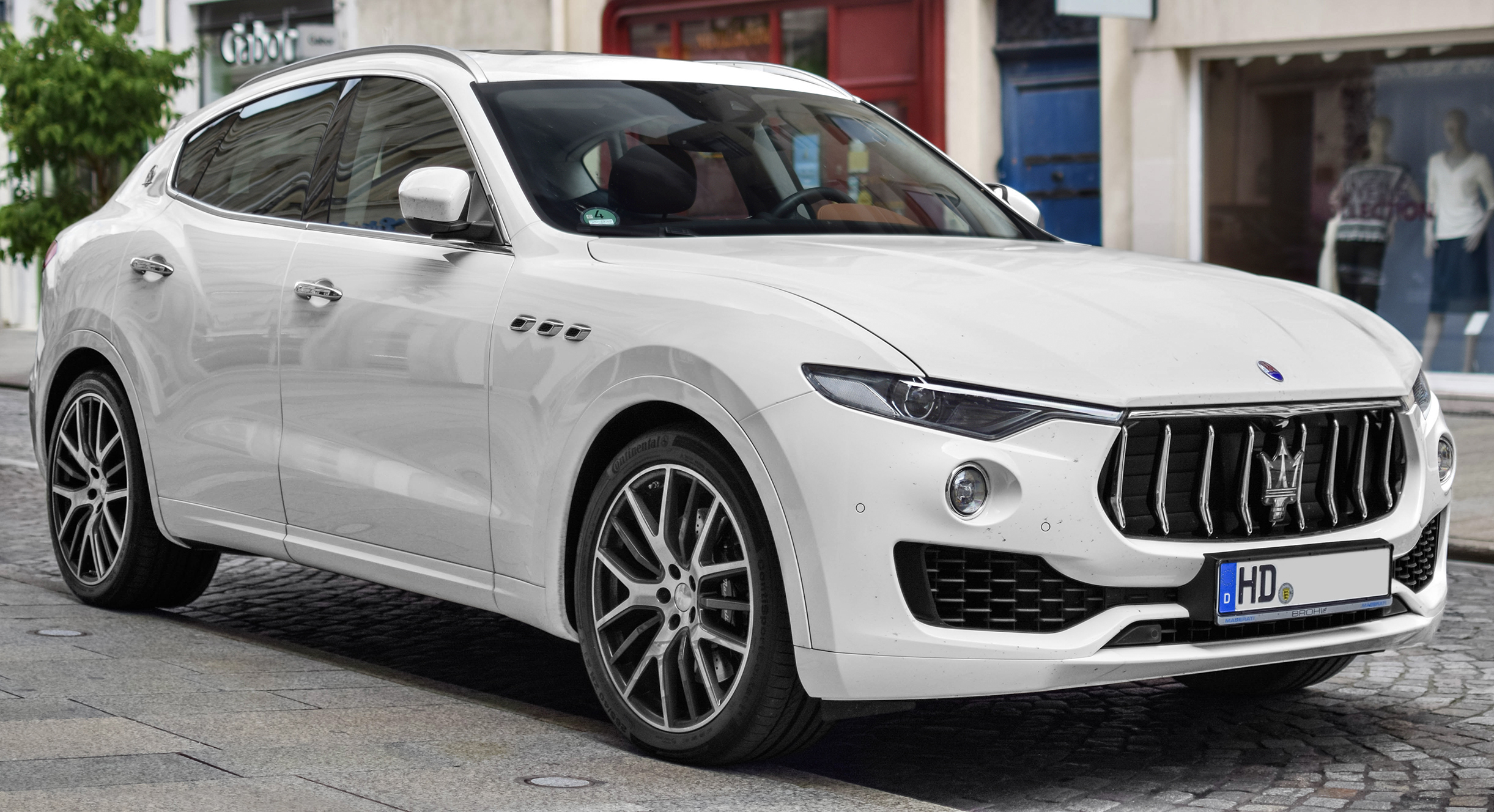
The Maserati Levante combines Italian design, strong engines, and sporty handling into a luxury performance SUV that stands out from German rivals. While it delivers style and engaging driving dynamics, the Levante suffers from steep depreciation, especially in suburban markets like Charlotte, where buyers prioritize reliability, practicality, and predictable ownership costs.
Reliability issues are a major factor in its rapid value loss. Maserati consistently ranks low in dependability studies, and the Levante is prone to electrical faults, infotainment glitches, suspension problems, and transmission issues.
These concerns make potential buyers hesitant to pay for a used Levante, given the high cost of parts and specialized service, resulting in limited demand and significant resale price drops.
High ownership costs further impact its appeal. Insurance, routine maintenance, and unexpected repairs are substantially higher than those of competitors such as BMW, Porsche, or Mercedes-Benz. Suburban drivers needing a dependable daily vehicle often find these expenses discouraging, even in affluent areas where luxury SUVs are common.
Brand positioning and tech limitations contribute to depreciation. While visually luxurious, some interior components are shared with other Stellantis brands, reducing exclusivity. Technology and refinement lag behind German rivals, and the model’s discontinuation in favor of electrified options creates uncertainty about long-term support and resale value.
Inside, the Levante features a leather-trimmed cabin with wood accents and classic Maserati styling. Seats are comfortable, and the driving position suits spirited motoring, though cargo space is less than competitors. Infotainment supports Apple CarPlay and Android Auto, with premium audio upgrades available.
In Charlotte suburbs, where luxury buyers value reliability and low running costs, the Levante loses more than 50 percent of its value within five years. It appeals to buyers seeking Italian design and performance, but the high depreciation and expensive maintenance make it a risky long-term investment.
5. Audi A8: Luxury Sedan with Steep Depreciation
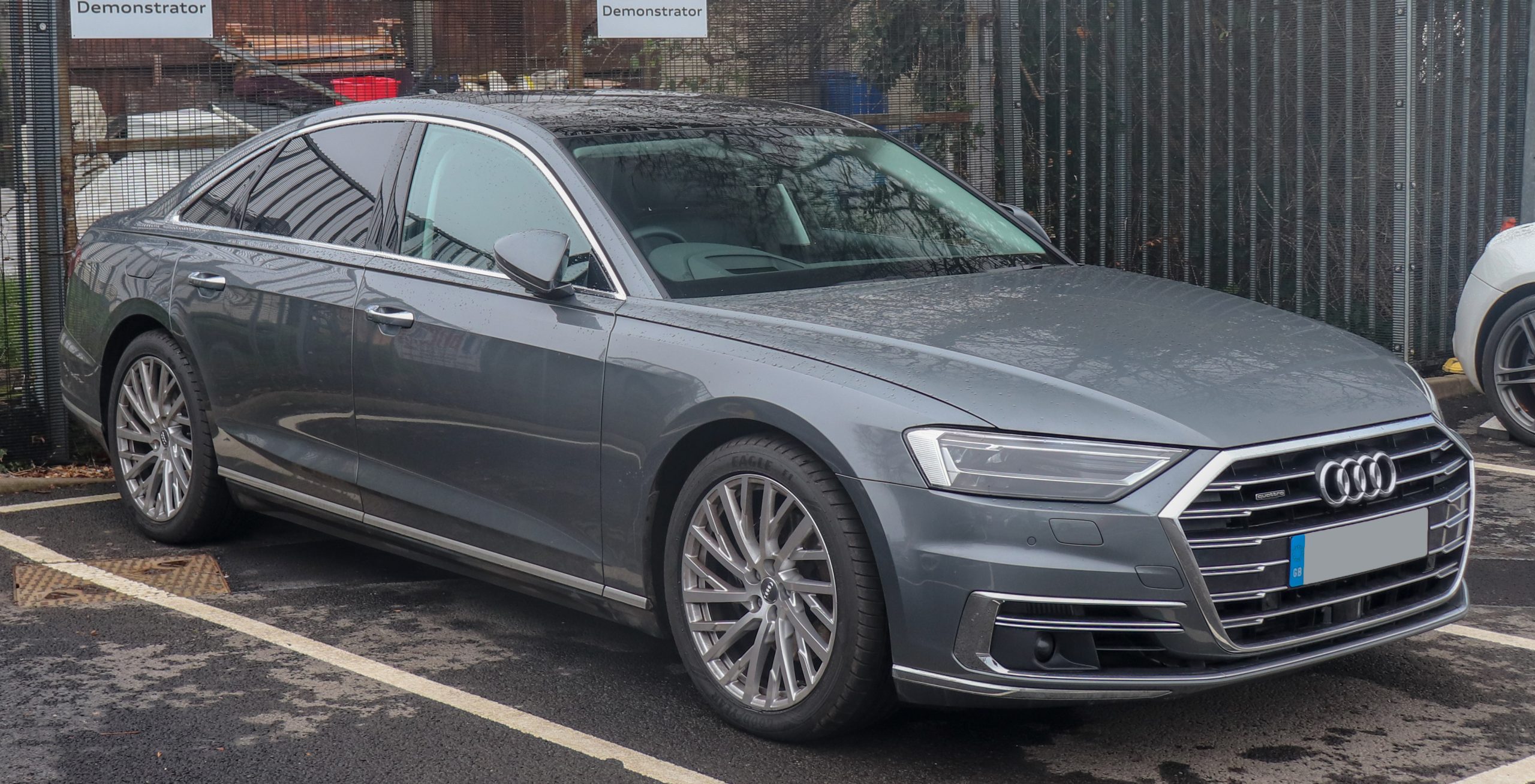
The Audi A8, a flagship luxury sedan, experiences rapid depreciation, a common trend for high-end vehicles. Its high initial price, complex engineering, and quickly evolving technology make older models less desirable, particularly in markets like Charlotte’s suburbs, where buyers often prioritize reliability and practicality.
A major factor is steep first-year depreciation. With a high starting MSRP, the A8 can lose 20 to 30 percent of its value in just the first year, representing a substantial dollar loss.
Expensive maintenance and repairs further limit its appeal in the used market. The A8’s advanced electronics and intricate systems require specialized service and costly parts, discouraging buyers from taking on older models once warranties expire.
Rapid technological obsolescence also contributes to depreciation. Audi frequently updates features, infotainment, and driver-assistance systems, making older models feel outdated. This reduces demand among buyers who prefer the newest tech and innovations.
Additionally, used market demand is low. Many A8 owners lease their vehicles, returning them after a few years, which floods the used market and drives prices down. In terms of brand positioning, the A8 faces stiff competition from rivals like the BMW 7-Series and Mercedes-Benz S-Class, often ranking behind sportier or more versatile models that retain value better.
For buyers seeking a luxury experience at a discounted price, a used Audi A8 can be an excellent option. However, for those concerned with long-term value retention, the A8’s high depreciation makes it a poor investment.
For suburban drivers in Charlotte, the best vehicles combine reliability, efficiency, safety, and comfort. SUVs and sedans like the Toyota RAV4, Honda CR-V, Honda Accord, Volkswagen Atlas, and Subaru Crosstrek provide spacious cabins, flexible cargo space, and technology that supports everyday life.
These vehicles perform well in daily commuting, school runs, errands, and weekend adventures while maintaining strong resale value and reasonable ownership costs.
In contrast, the BMW 7 Series, Jaguar I-PACE, Nissan LEAF, Maserati Levante, and Audi A8 show the challenges of choosing vehicles that prioritize luxury, high-tech features, or niche appeal.
Steep depreciation, high maintenance costs, and limited used market demand make them less practical for suburban households. Focusing on vehicles that deliver reliability, practicality, and value ensures that Charlotte drivers can enjoy both comfort and peace of mind while protecting their investment.
Also Read: 10 Cars That Look Stunning But Disappoint True Enthusiasts